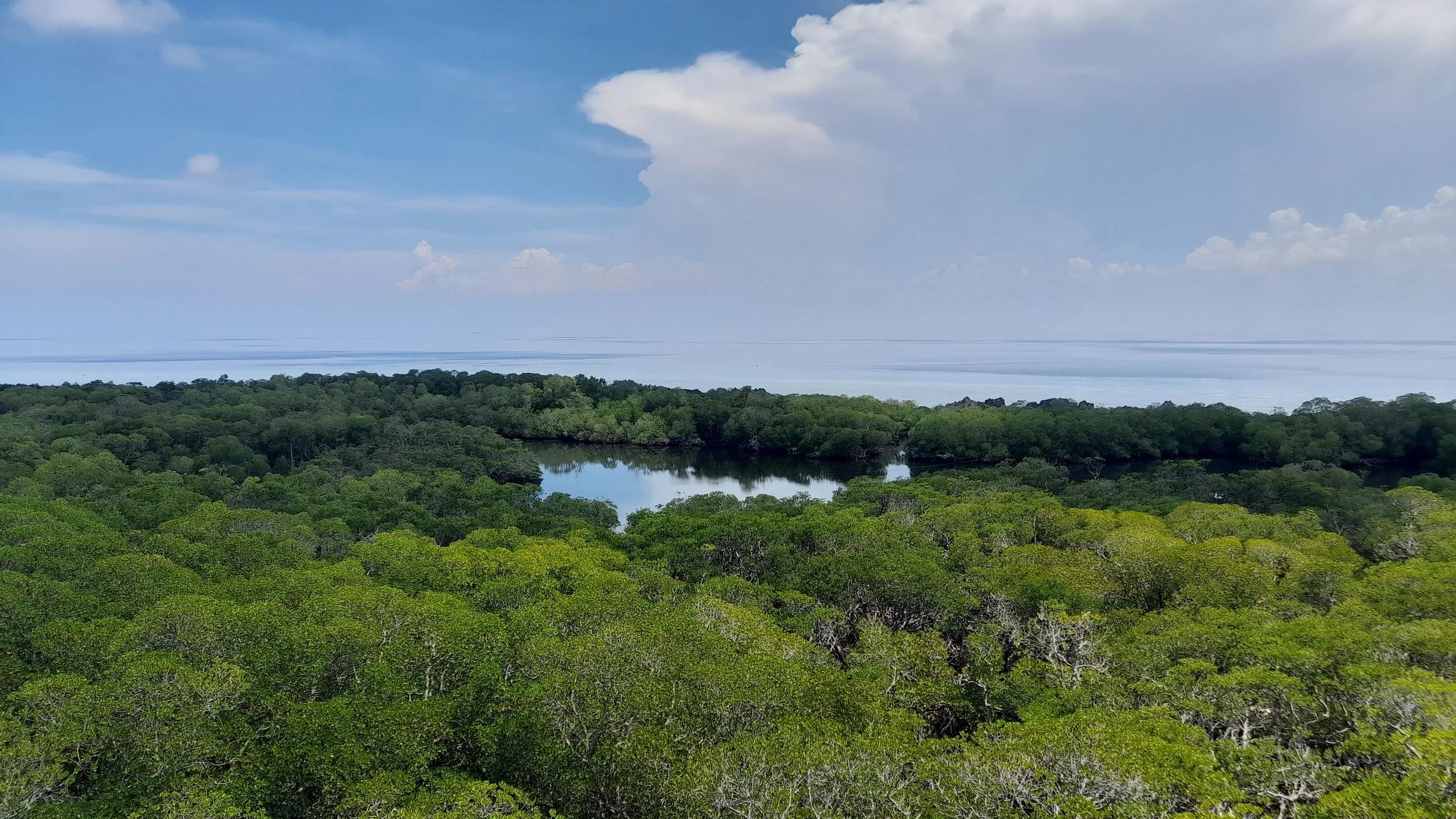

Illegal entry and poaching are two of the main challenges that Apo Reef Natural Park (ARNP) in Occidental Mindoro, Philippines, faces. Rangers report year-round incursions inside the protected areas. The scale and remoteness of ARNP make monitoring complex despite its protected status.
To recalibrate enforcement, Blue Alliance Philippines facilitated an updated threat assessment with the Protected Area Management Office (PAMO) and the Local Government Unit of Sablayan. The session reviewed field data, operational gaps, and coordination challenges.
Various agreements were reached to increase enforcement of illegal fishing. These agreements included regular patrols conducted by BA staff in collaboration with authorities regarding our water assets, efforts to strengthen the Municipal Enforcement Task Force, advancements in barangay-level enforcement in five coastal communities, and ongoing revisions to the Municipal Fisheries Ordinance.
Blue Alliance's Palawan Team recently travelled to Calapan City, in the Oriental Mindoro province, to train the Mindoro Team in sea turtle conservation.
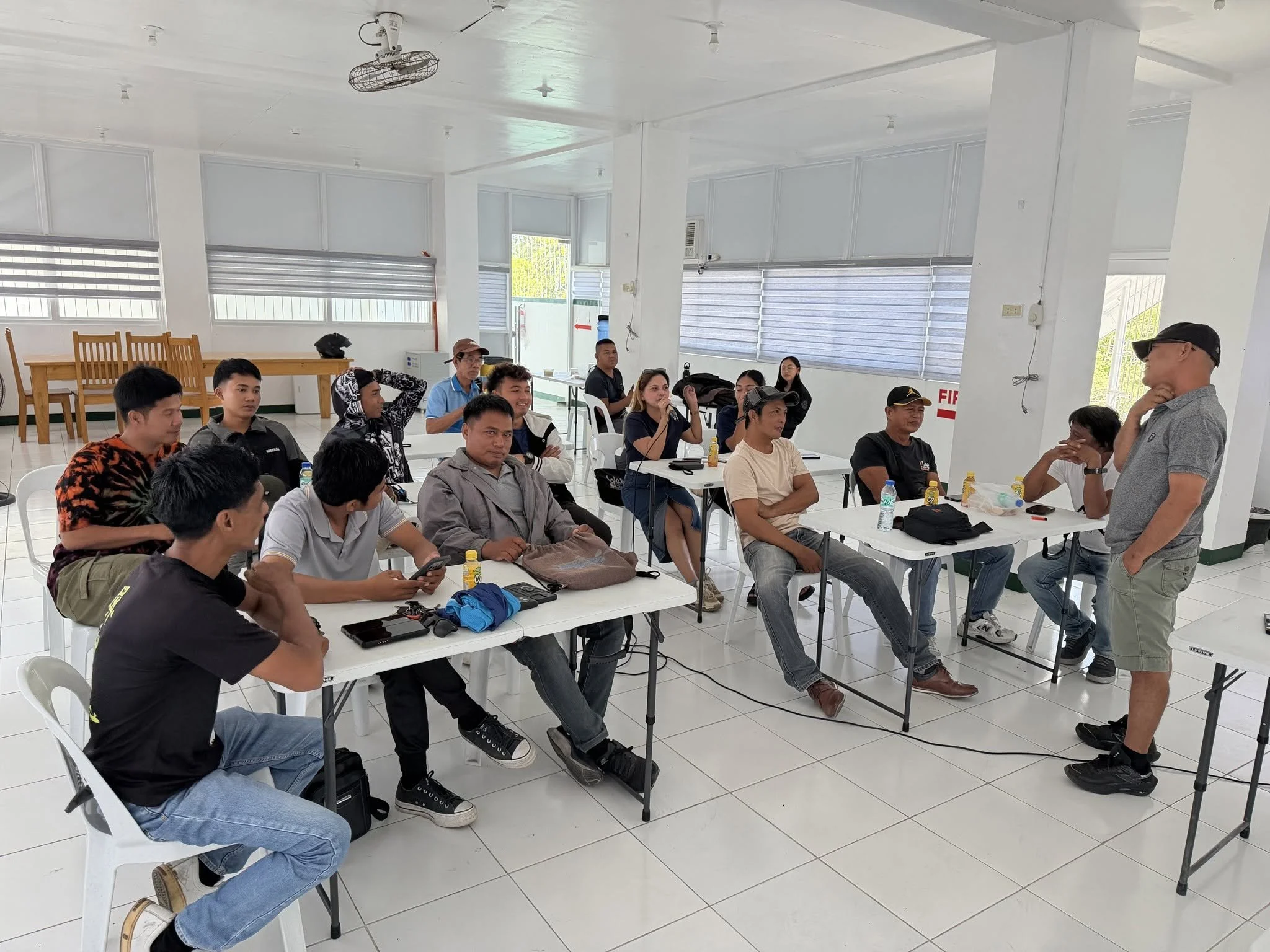
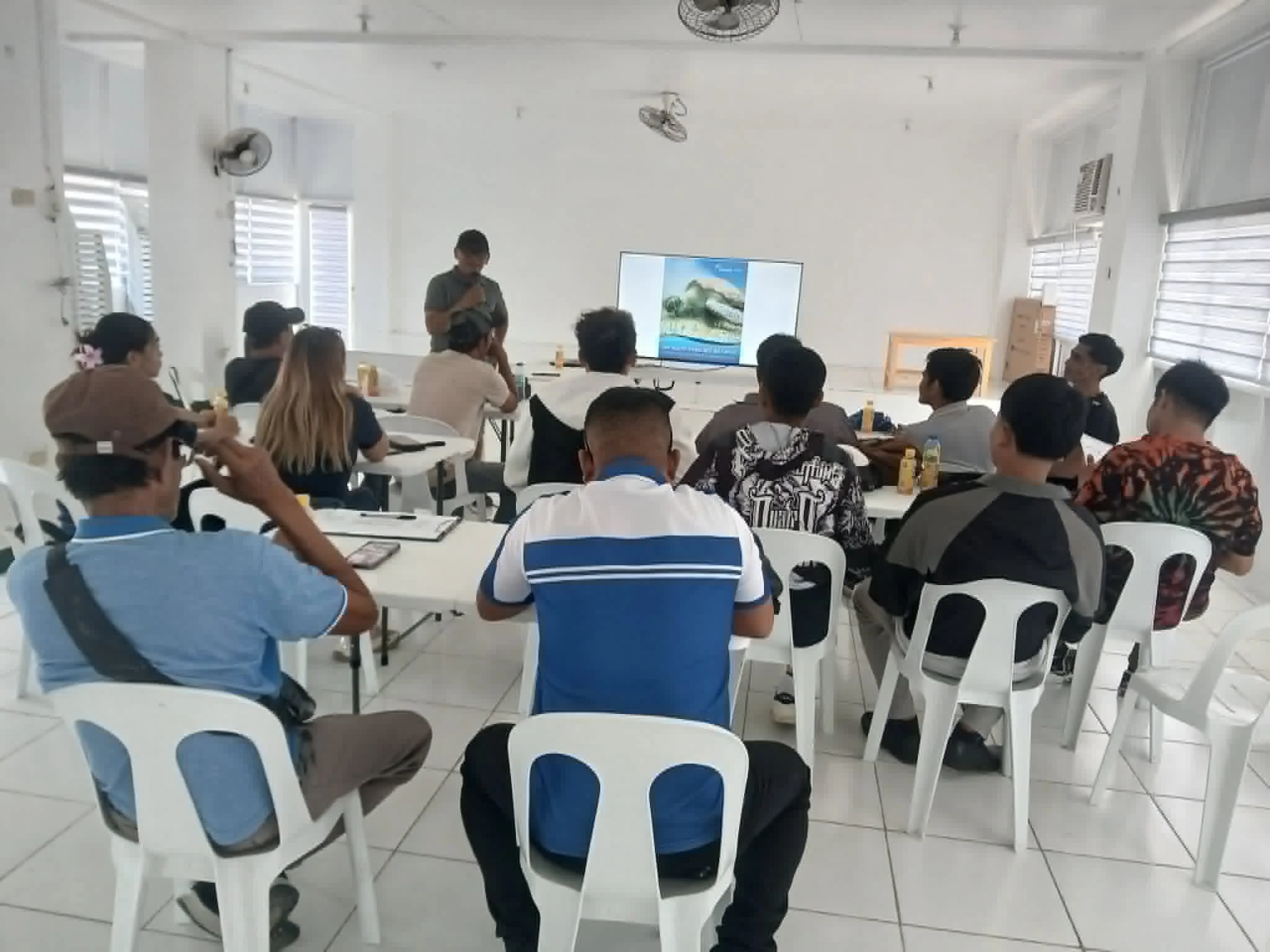
The Palawan Team has led sea turtle conservation work in Aborlan since the program’s inception, and the training passed that field experience and technical expertise on directly strengthening Blue Alliance's capacity to run effective sea turtle conservation across its wider marine protected area (MPA) networks.
In Calapan City, Oriental Mindoro, fisheries enforcement now operates under clearer inter-agency coordination.
Blue Alliance supported the establishment of a Multisectoral Fisheries Task Force composed of the local government unit (LGU), the Bureau of Fisheries and Aquatic Resources (BFAR), and the Philippine Coast Guard (PCG).
The engagement resulted in defined protocols for:
Patrol deployment
Intelligence sharing
Case filing procedures
Documentation standards
Emphasis was placed on due process to ensure violations can withstand legal scrutiny. Bantay Dagat units will now secure mission orders from the Office of the Mayor to formalize operations.
Coordinated and legally defensible enforcement increases deterrence and enhances the credibility of marine protections.