-
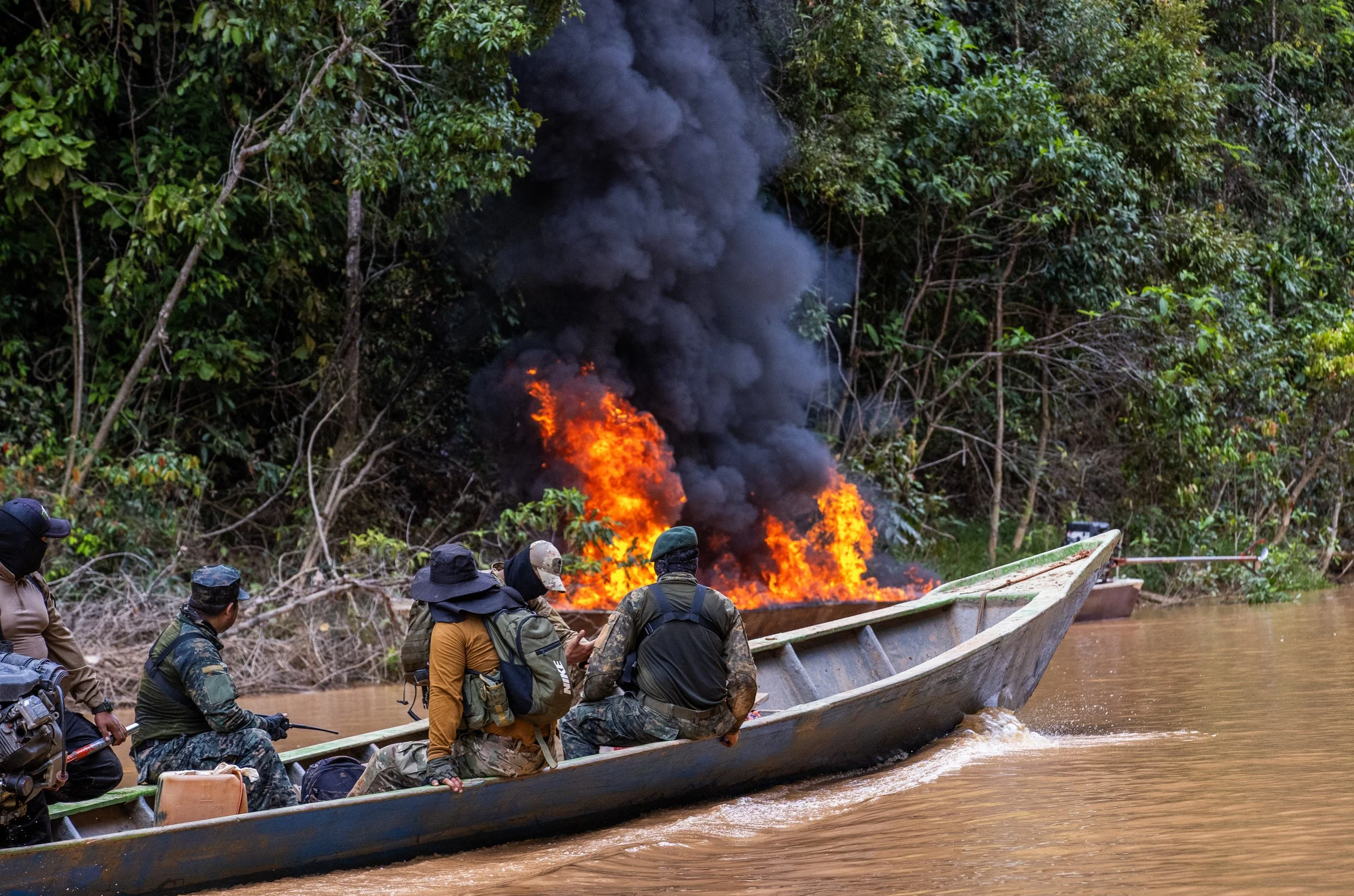
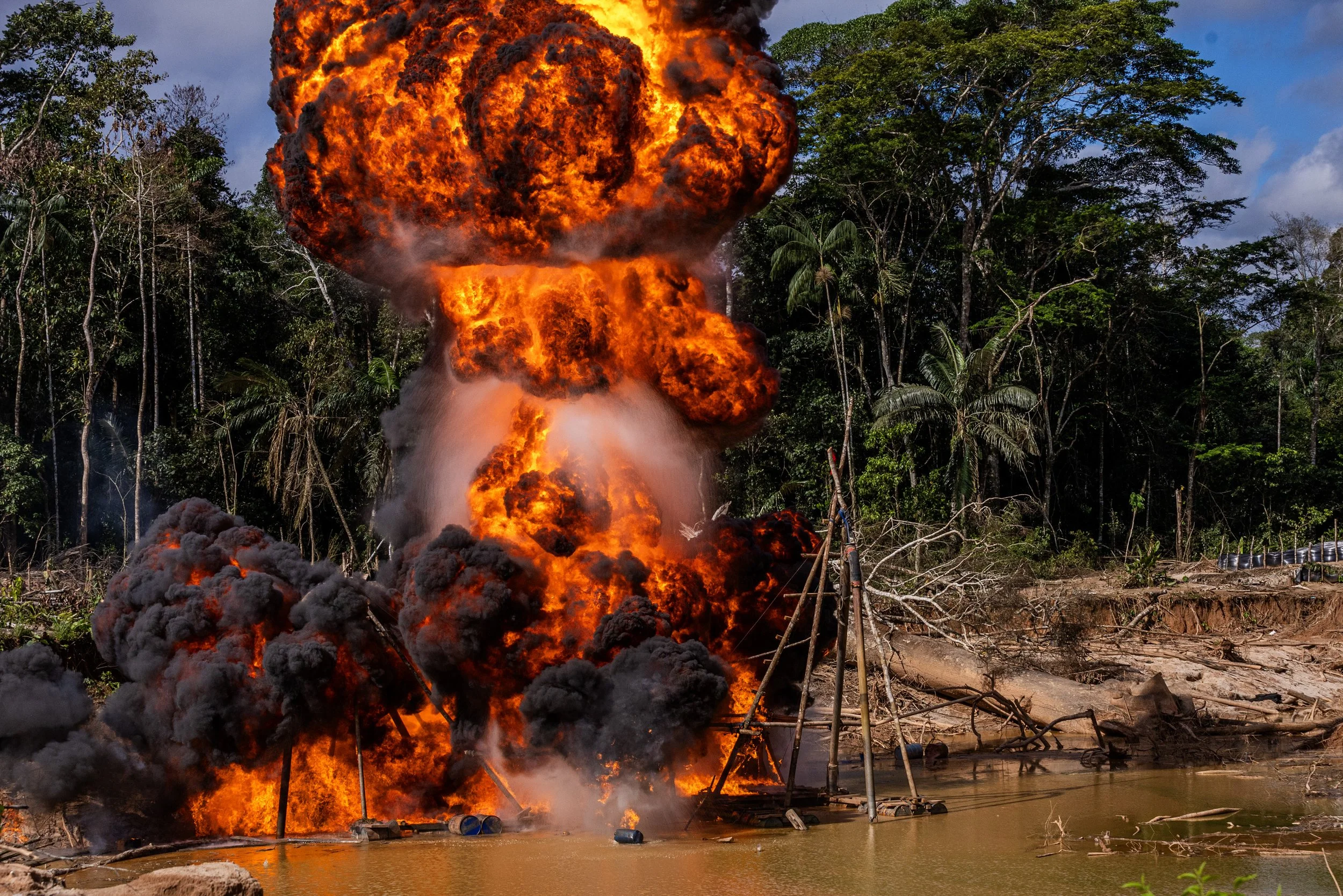
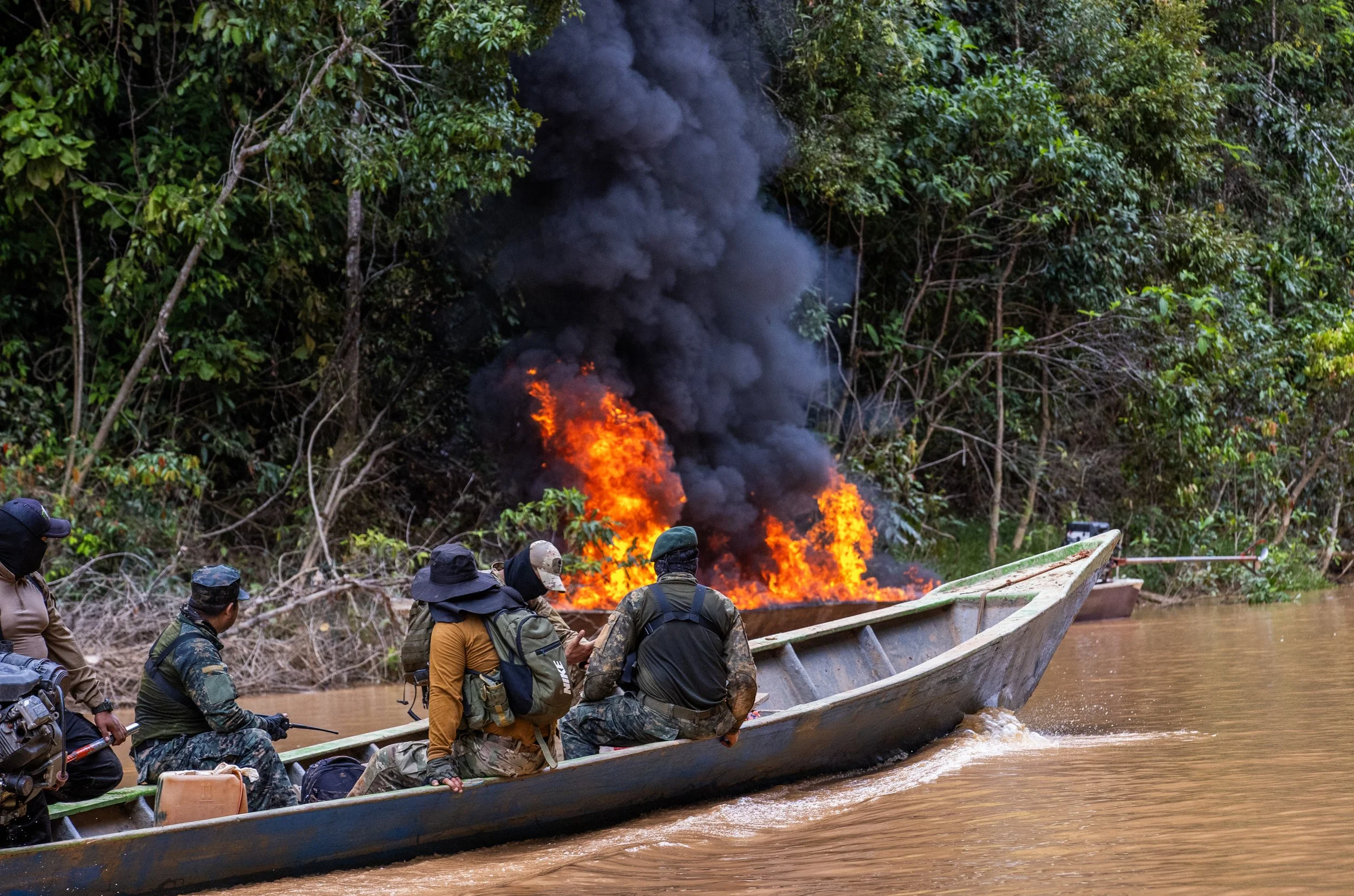
GC Leads the Removal of Illegal Gold Mining & Cartels in Tambopata National Park, Peru
-
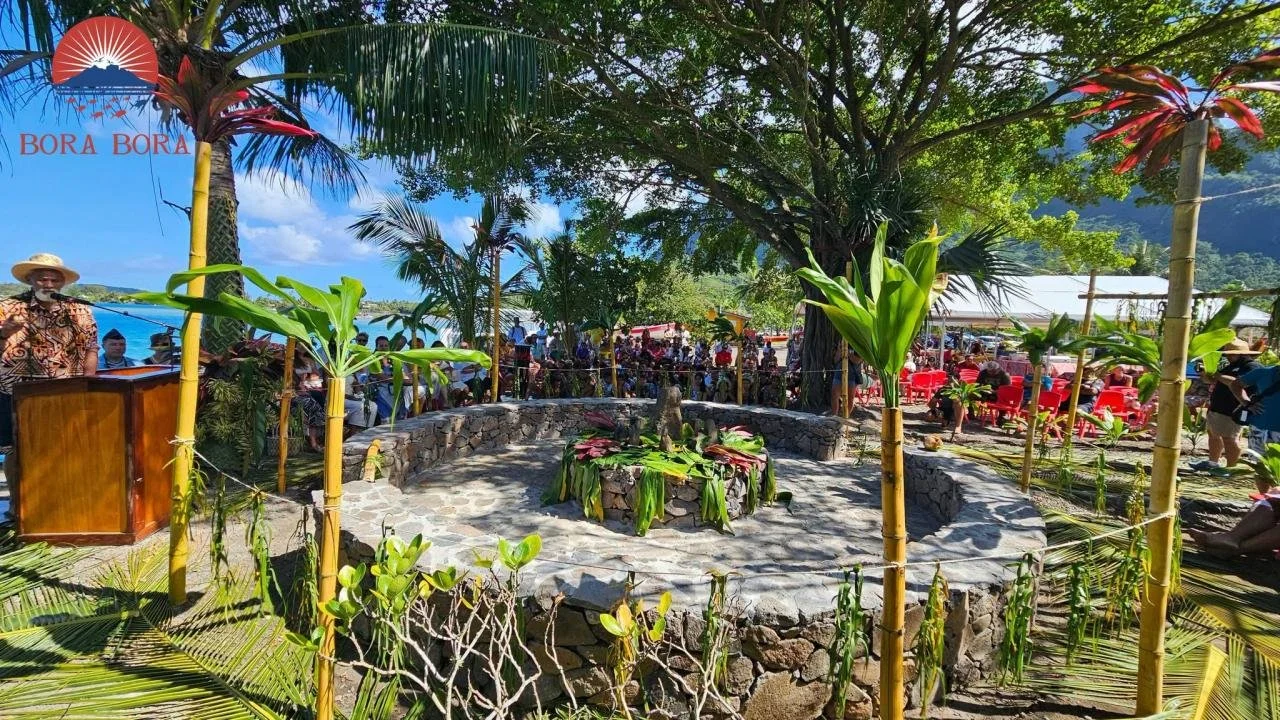
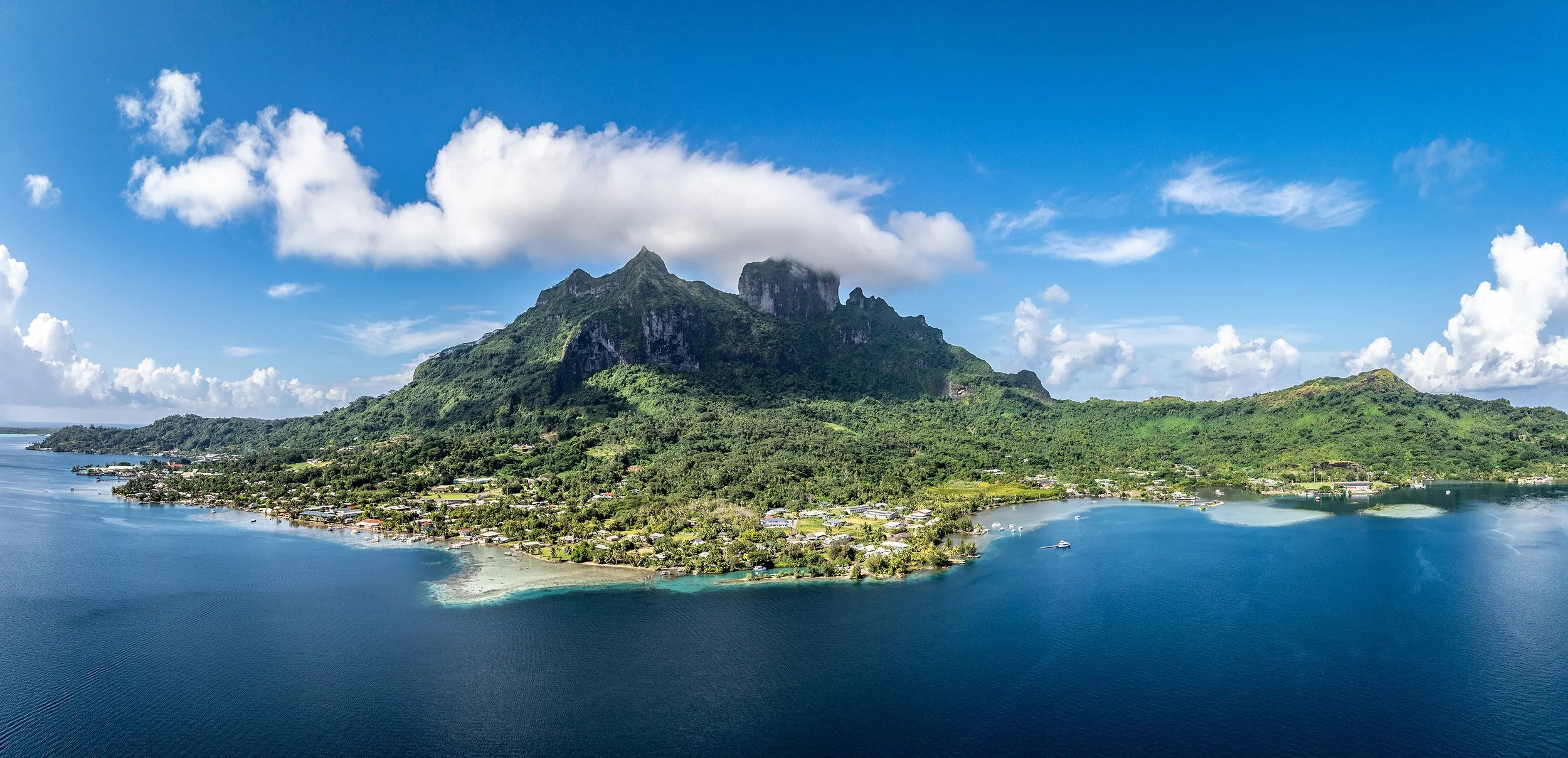
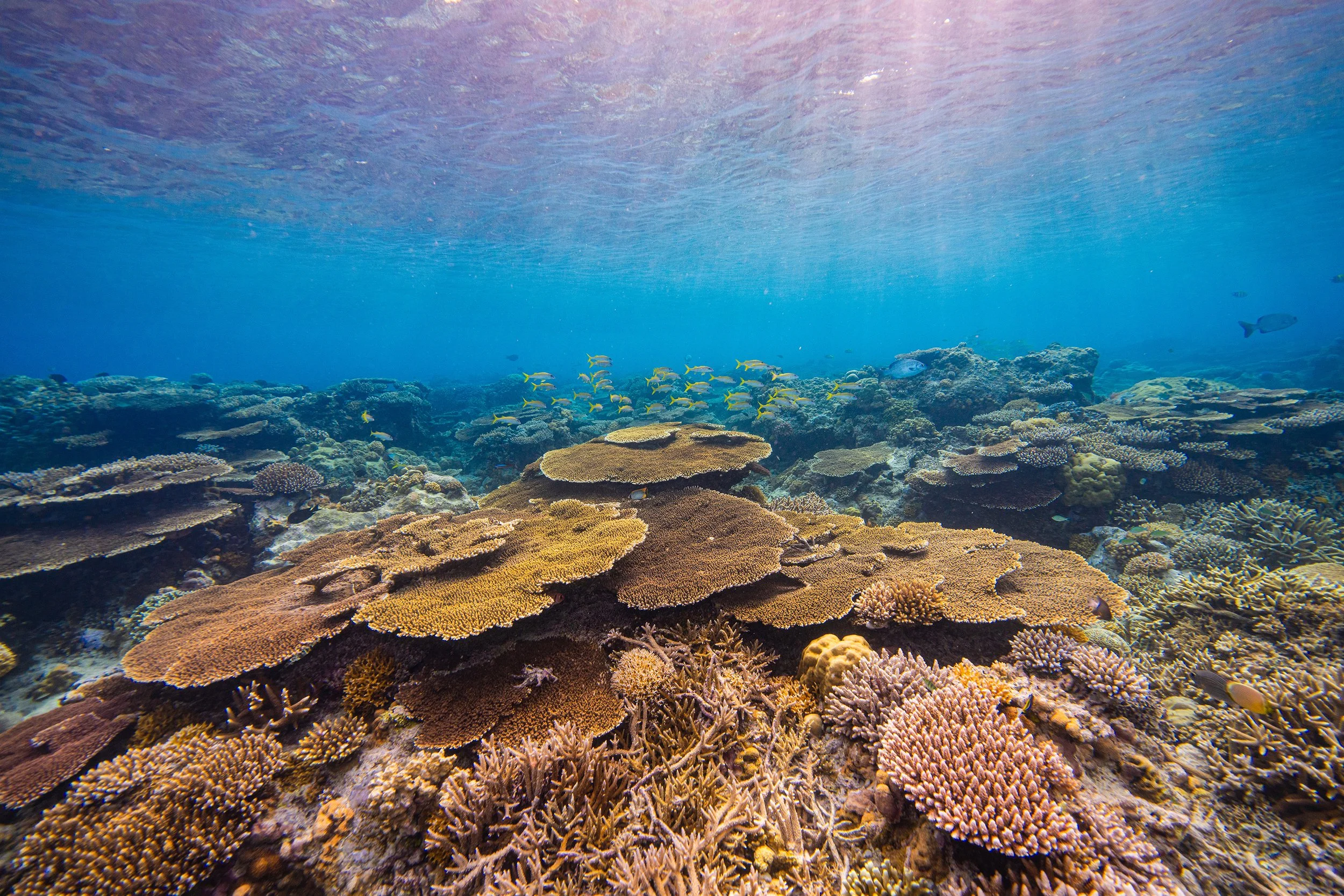
GC Marine Protection - New 'No Take' Rahui in French Polynesia
-
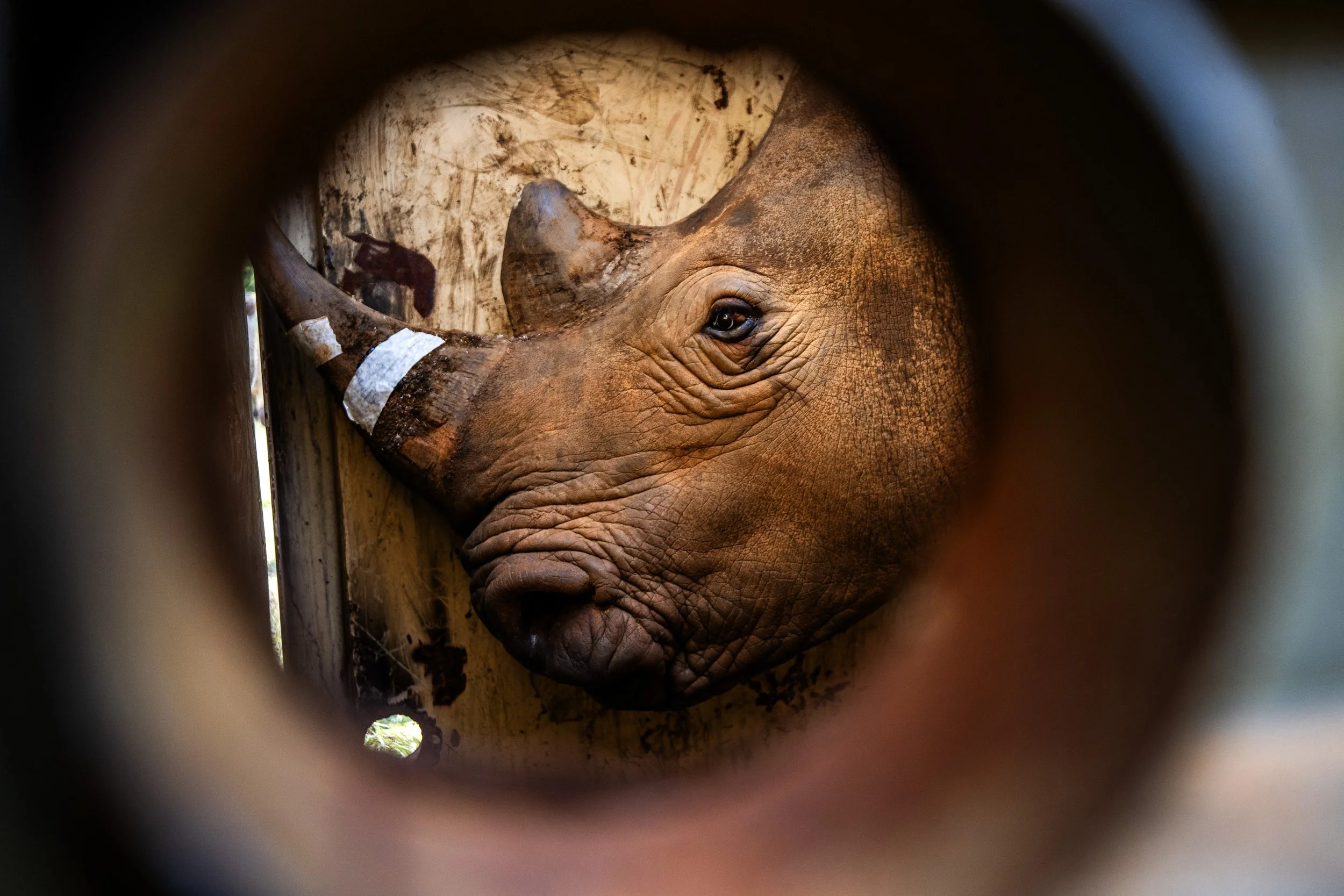
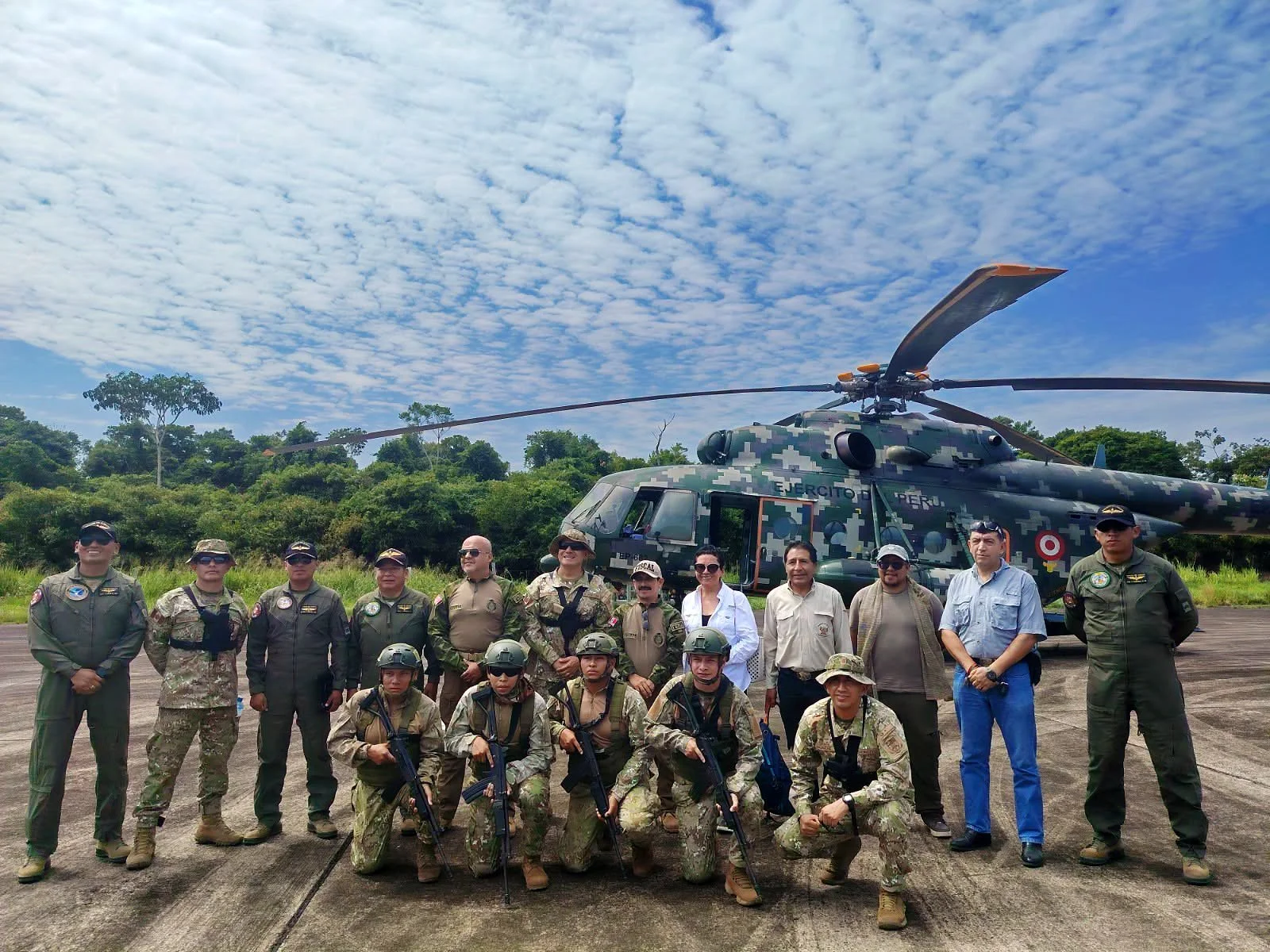
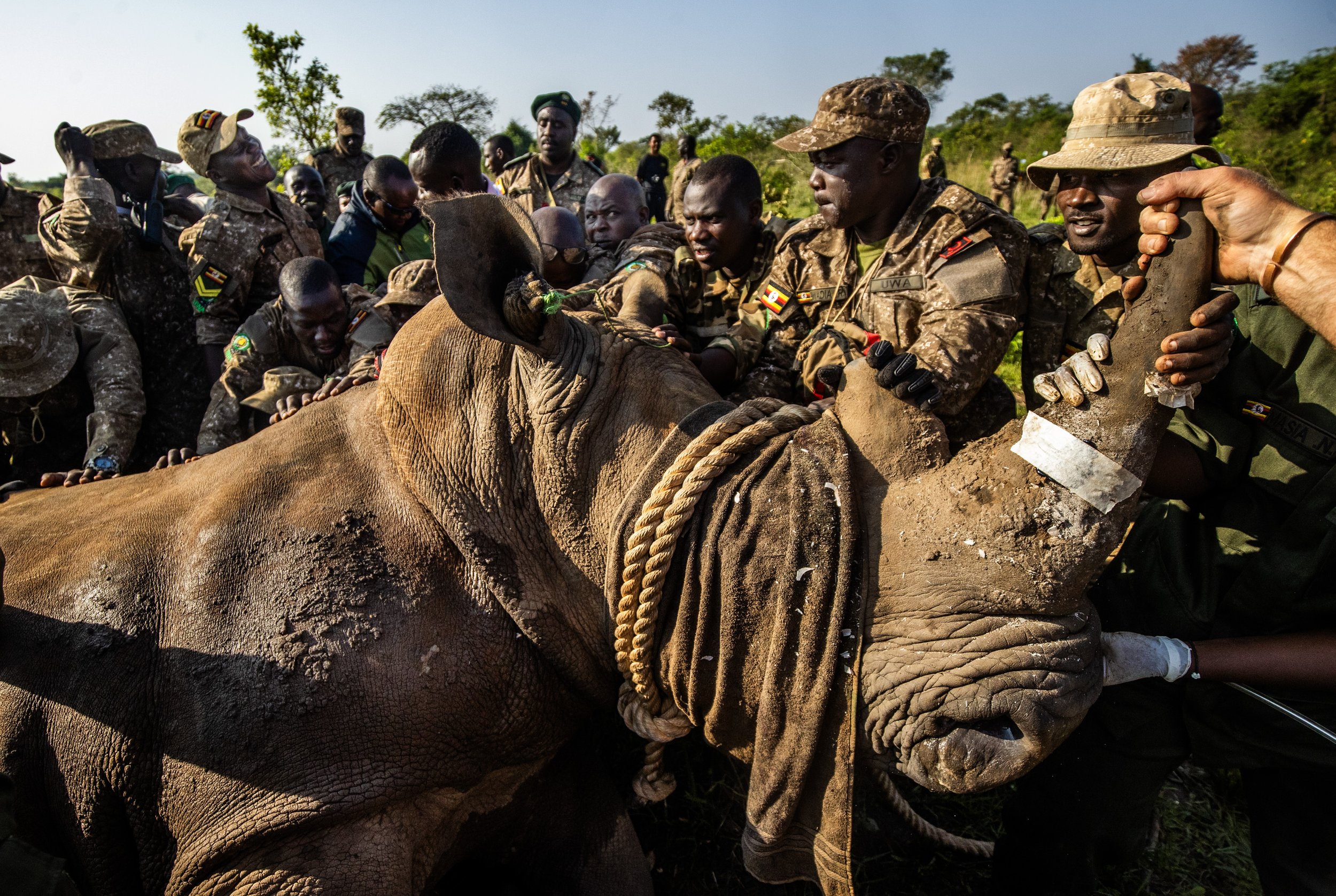
Breaking GC News: BBC and Reuters Covers GC Rhino Reintroduction in Kidepo Valley NP Uganda
-
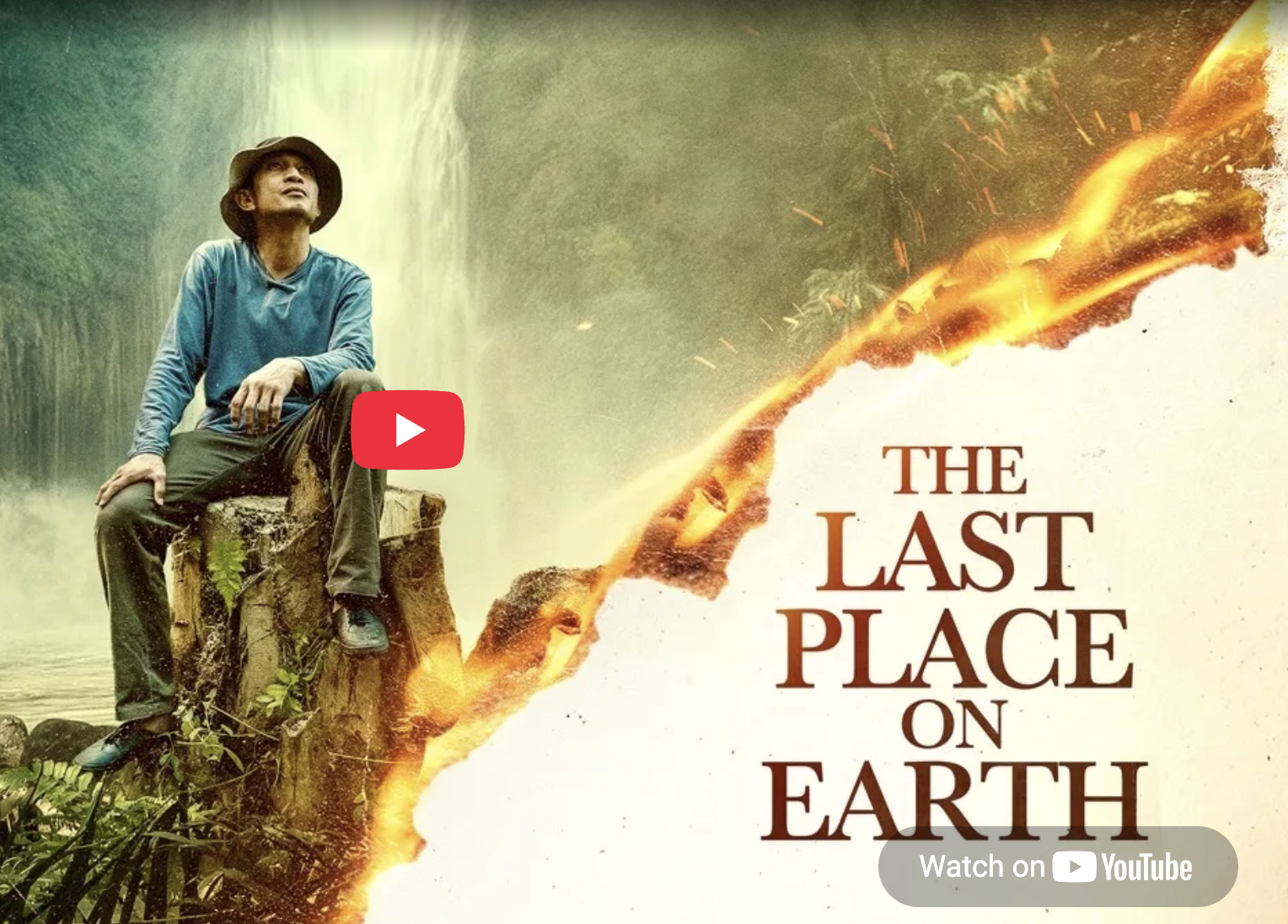
LAST LANDS 2 with Bob Woodruff Out Now on Disney+ and HULU
-
Protecting the world’s wildest places through scaleable defense and community programs.
-
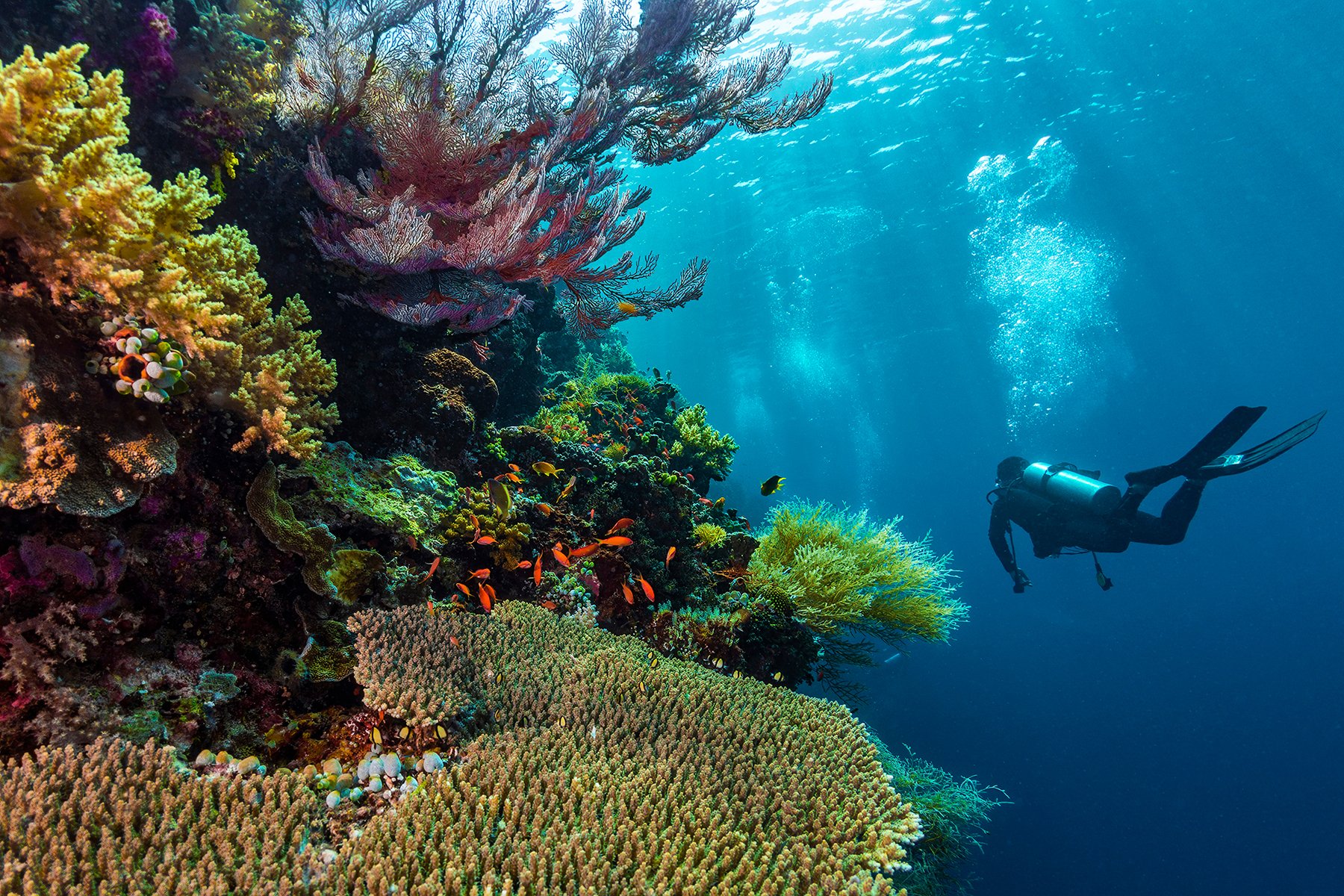
Deploying Global Park Defense and Community Protection for MPAs.
-
What makes GC completely unique to global park and native land protection?
-
Bringing the latest news from Endangered National Parks and Indigenous Territories around the world.
OUR MISSION
Global Conservation is the only international nature conservation group whose sole mission is the direct protection of endangered national parks and indigenous territories in developing countries.

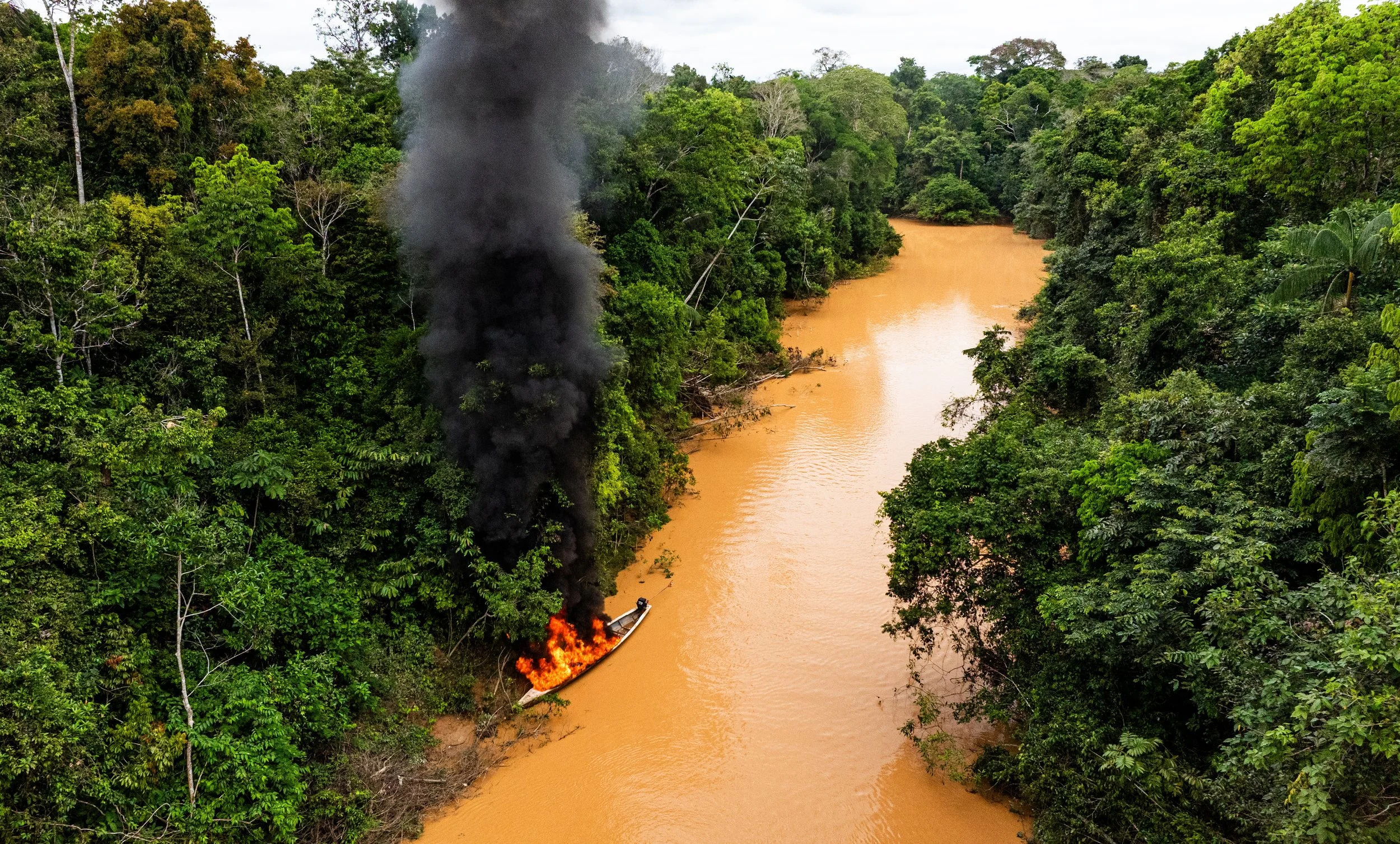
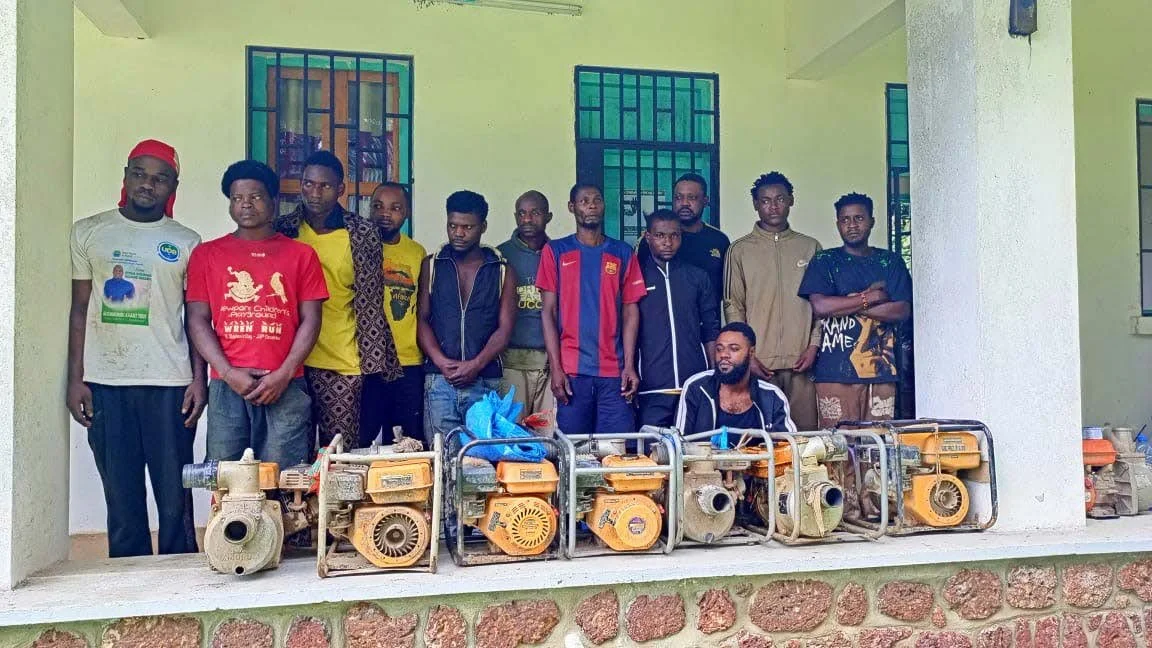
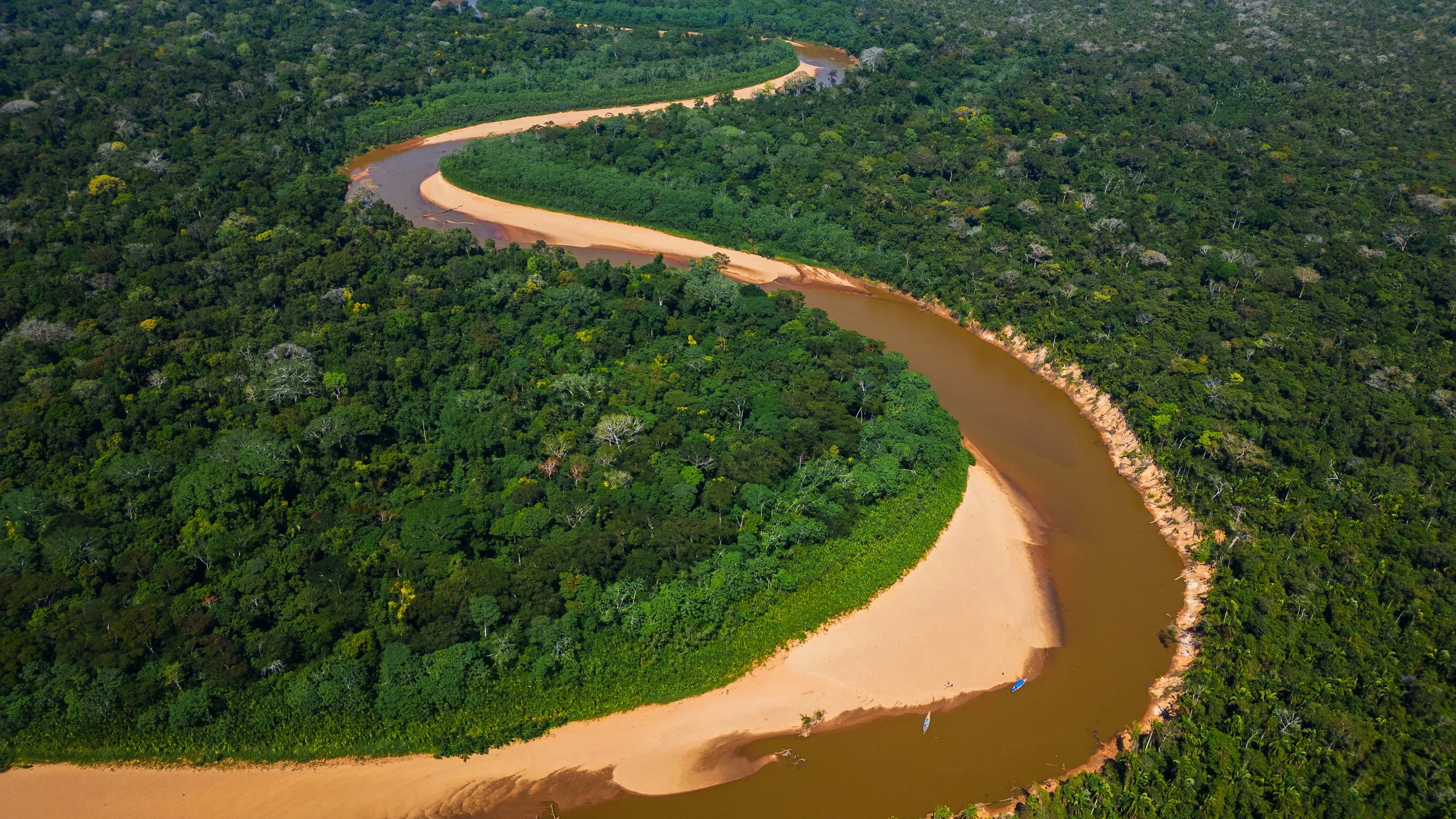
The raid over several days this week was part of an intensified government campaign against illegal gold mining in Madre de Dios, one of Peru’s most biodiverse regions, as authorities try to stop the activity from advancing into protected areas of the Amazon. Mining has stripped away vast areas of rainforest, leaving behind a scarred landscape of contaminated pools and altered rivers in the hunt for lucrative gold.
Teams of soldiers on Tuesday stormed Tambopata National Park, a spot in the Peruvian Amazon in the southeastern Madre de Dios region visited by an average of 40,000 tourists per year. ABC News documented countless gold mining camps along the Tambopata river, which was home to a rich rainforest a few years prior.
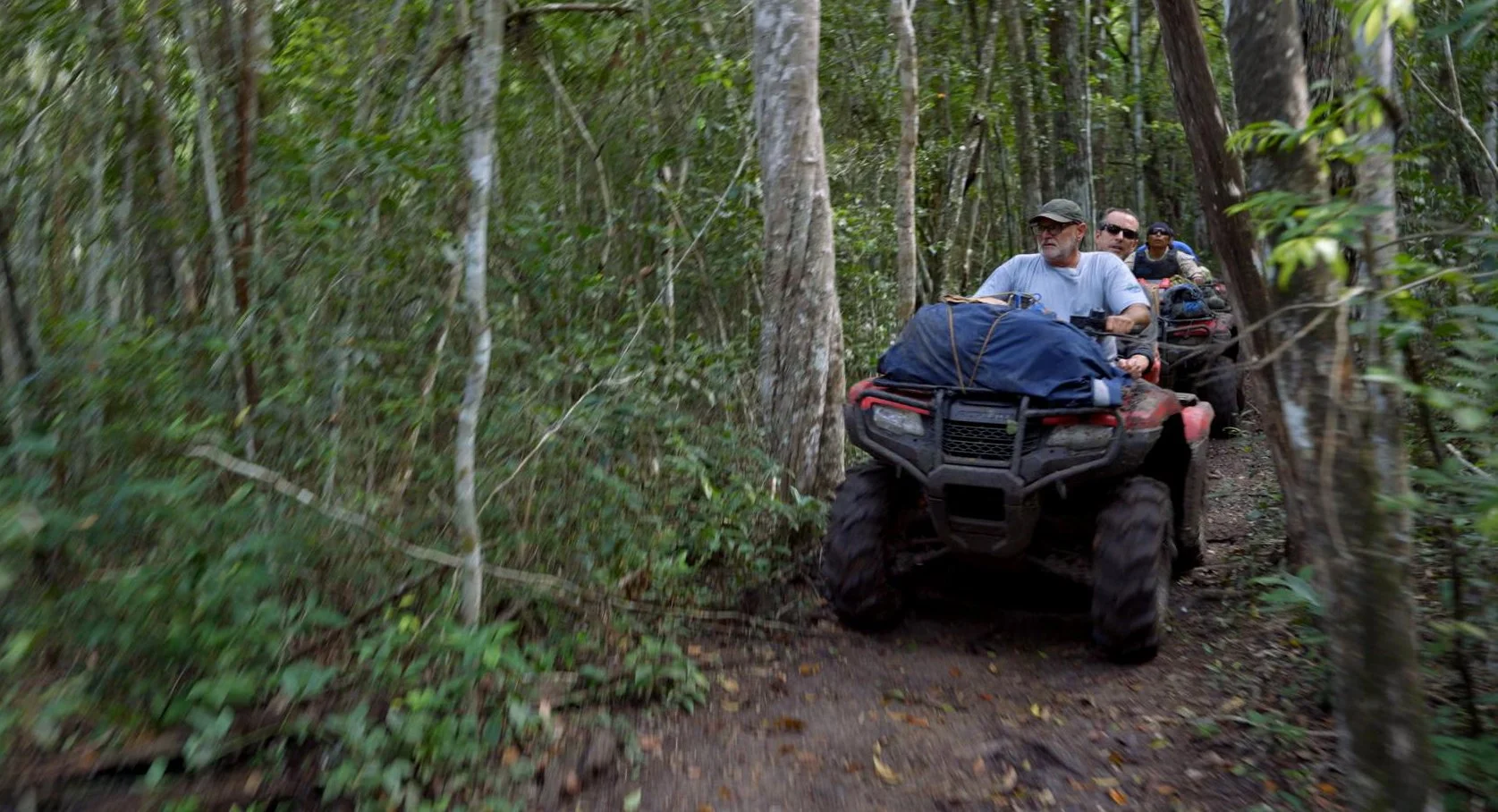
Global Conservation is working under a newly signed cooperation agreement with Peru’s Public Ministry’s Specialized Environmental Prosecutors Office to undertake a dangerous, multi-phase national park enforcement mission to remove illegal miners and organized crime syndicates destroying one of Peru’s most important and largest national parks, Tambopata National Park in the Amazon.
Robert Baigrie is Vice President for Strategic Partnerships at Wildlife Conservation Network (WCN), building relationships that are able to generate transformational support for the organization’s highest priority initiatives. As a member of WCN’s senior leadership team, he works closely with the President and CEO across business and conservation pillars, with an immediate focus on the Africa Keystone Fund.
During the second quarter of 2026, Global Conservation in Mexico has worked alongside our partners CONANP, CONAPESCA, and SEMAR to deploy two Marine Monitor systems. And park rangers alongside fisheries officers have been working closely together to carry out marine and land patrols along the marine protected area.
The Sumatran orangutan population is steadily decreasing. The population has fallen by 19.5% since 2011, according to recent survey results published in a respected scientific journal. The current population stands at 11,694 individuals. At the same time, there are only an estimated 716 remaining Tapanuli orangutans, making their population a critically endangered species.
To help secure the future of this unique place, Global Conservation signed an agreement with the Myanmar Ministry of the Environment in 2018. This year, the Myanmar Department of Forestry will begin to deploy Global Park Defense in AKNP, and Global Conservation will work to have AKNP listed as a Natural and Cultural UNESCO World Heritage Site.
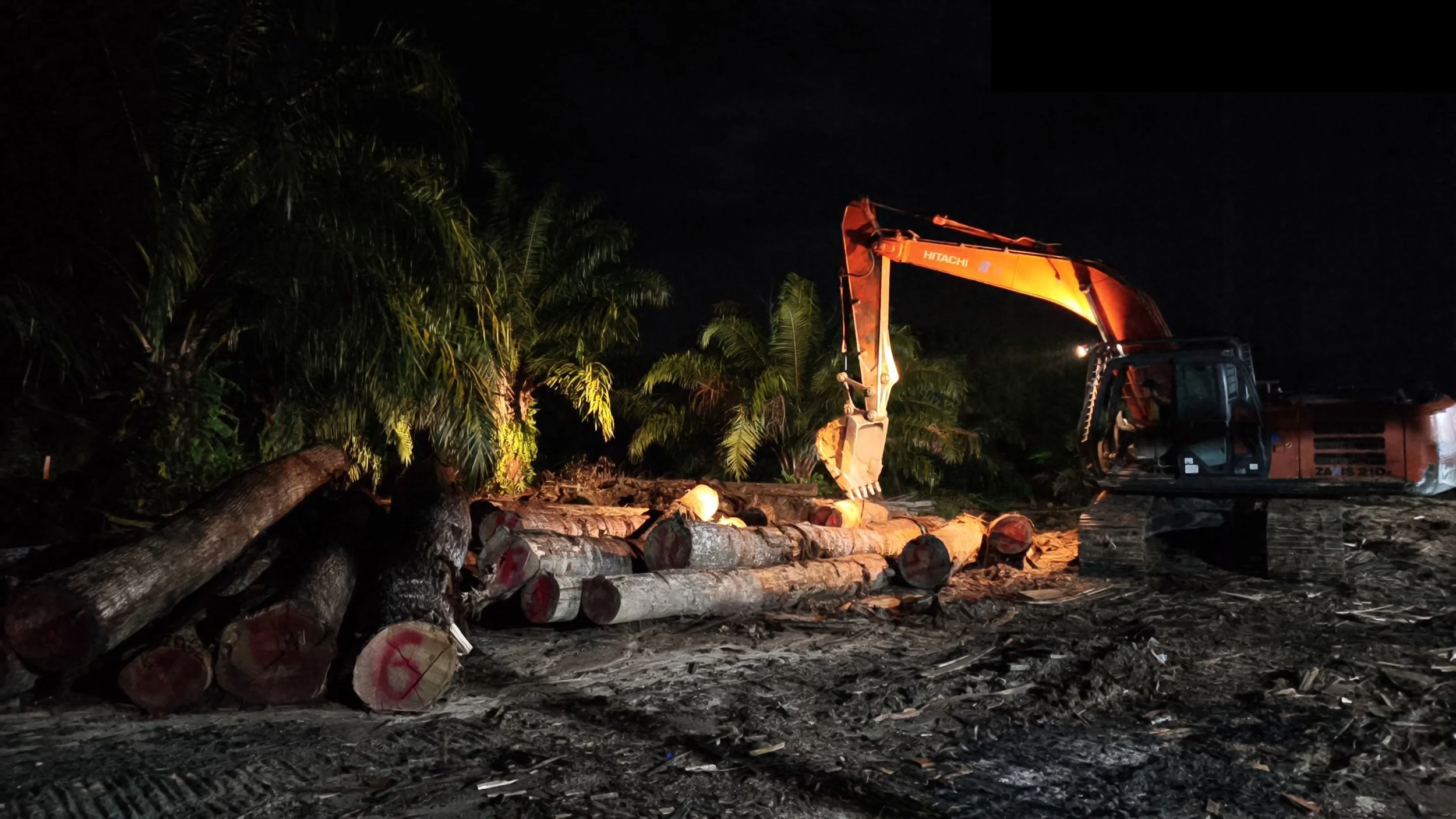
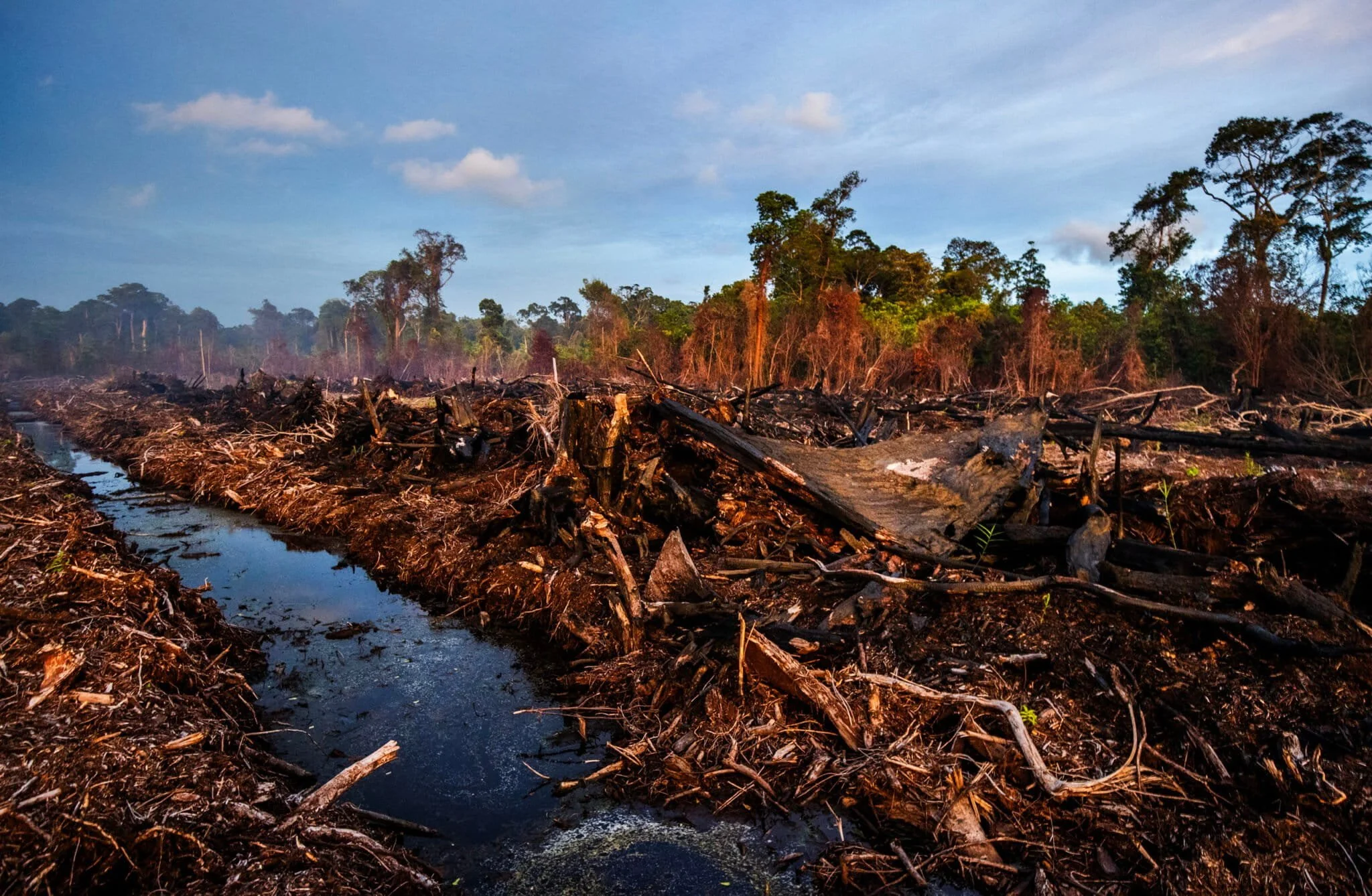
In order to stop illicit palm oil plants and timber extraction, Global Conservation is supporting the construction of new guard posts, restoring forests through the Squa nursery program, and advancing law enforcement partnerships.
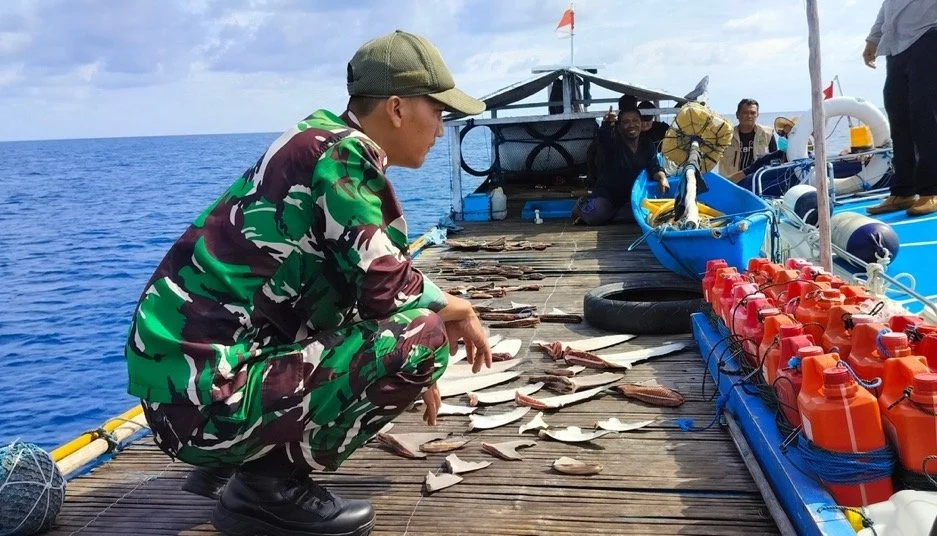
Successful arrests have marked a significant milestone in protecting Komodo NP. Intelligence-led enforcement efforts and collaboration with governmental agencies reflect a long-term commitment to dismantling the poaching network and bringing all perpetrators to justice.
Saving the Last Koalas is one of twelve films and a lever for a National Campaign to both Protect the GKNP and Stop all native logging in Australia.
A Royal Bengal tiger was photographed during a camera-trap survey conducted recently in the sanctuary with technical support from Bengaluru-based Ashoka Trust for Research in Ecology and the Environment (ATREE).
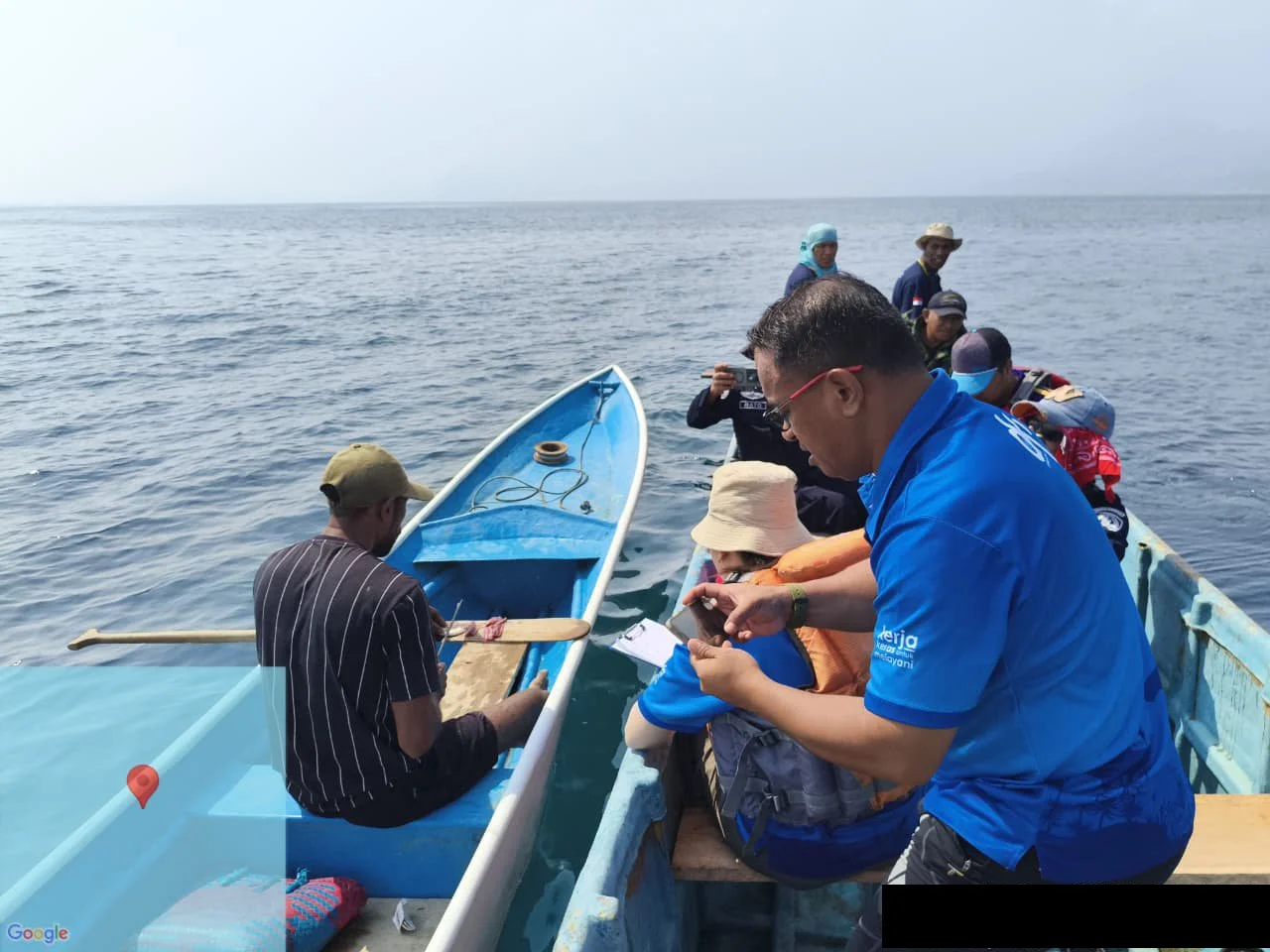
Through enhanced patrols, technology deployment, expanded partnerships, key species protection, and community empowerment, multiple initiatives continued to support sustainable marine conservation across East Kalimantan and Maluku.
The Ashoka Trust for Research in Ecology and the Environment (ATREE) program in Arunachal Pradesh—part of the wider Himalayan Initiative—works across one of the most irreplaceable and least-protected biodiversity regions on earth.
The Ann Cottrell Free Animal Reporting Award Goes to
ABC News Live with Global Conservation for Last Lands: South Africa
Funded by Global Conservation, For the Oceans Foundation has announced the successful completion of the first phase of the “Peace for the Pacific” Expedition, a scientific, monitoring, and marine documentation mission that covered more than 600 nautical miles throughout Costa Rica’s Eastern Tropical Pacific. PftP was developed by For the Oceans Foundation within the framework of the One Ocean Worldwide Coalition (OOWC).
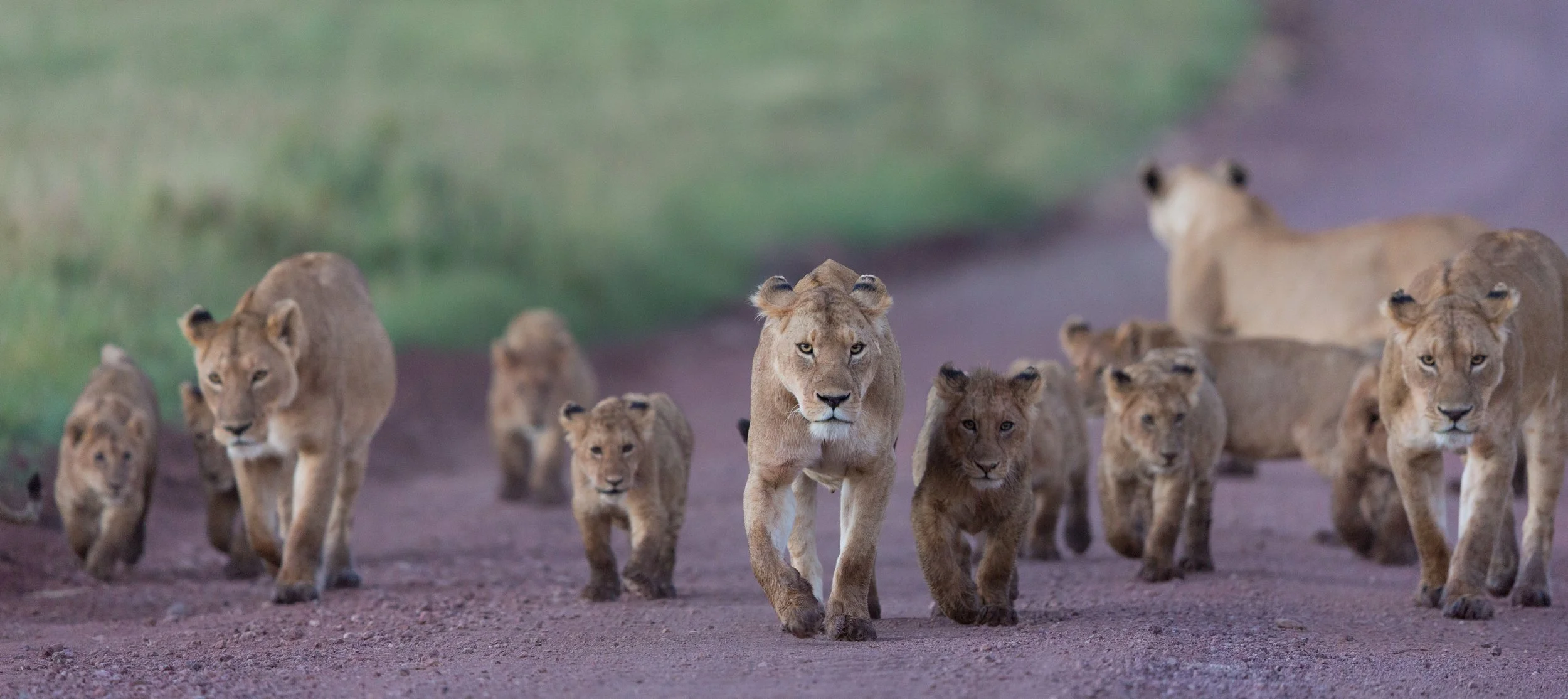
Global Conservation and Busch Gardens Conservation Fund Announce Historic $2 Million Grant for Wildlife Recovery of Lions, Rhinos, Elephants, Hippos, Hyenas, and Giraffes in Uganda’s National Parks
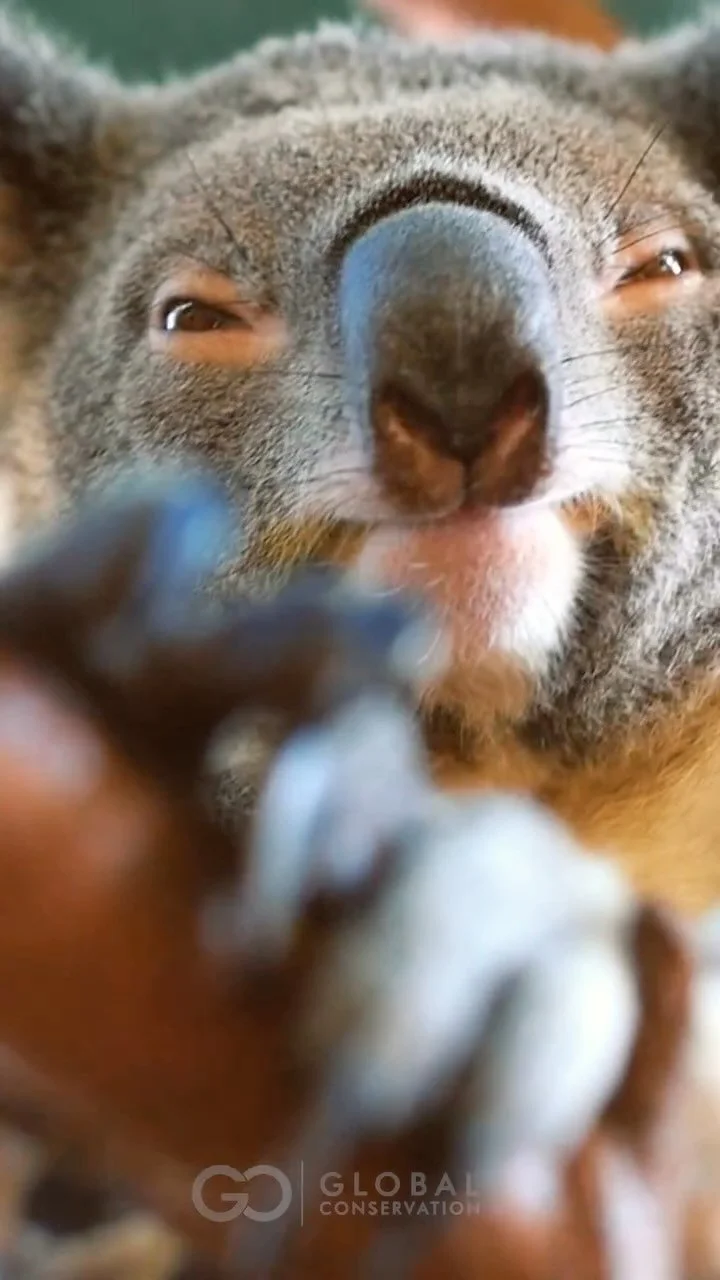
In a historic move, the New South Wales government has announced a Great Koala National Park will be established on the state’s Mid North Coast, in a bid to protect vital koala habitat and stop the species’ sharp decline.
Global Conservation reports from Belize on the effectiveness of the 2025 enforcement and scientific adaptive management of Turneffe Atoll, the country’s largest Marine Protection Area (MPA).
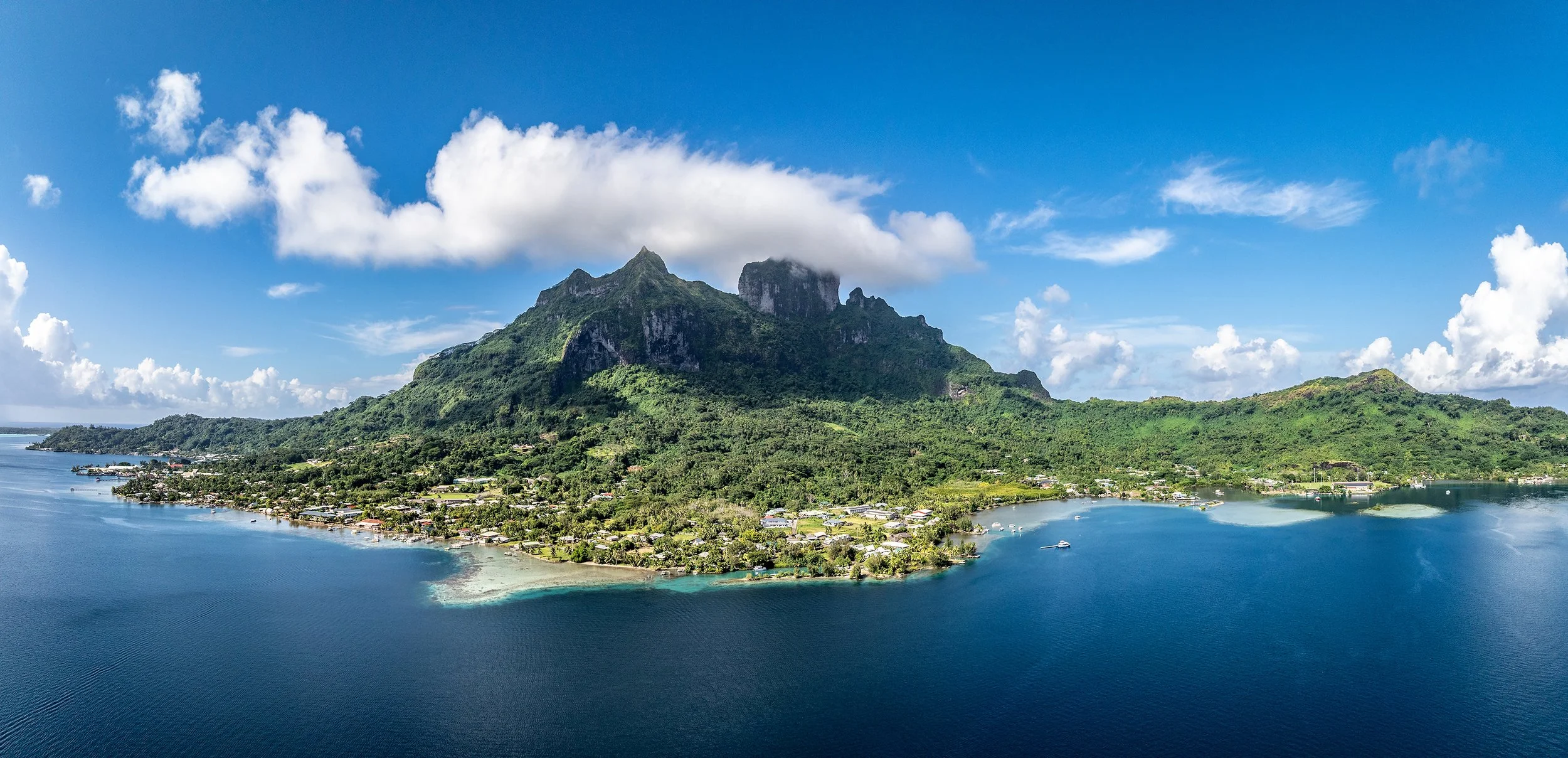
While Bora Bora has been considered a prime destination for vacationing in one of the world's most beautiful island chains, decades of tourism, including sports fishing, and an explosion of non-native people moving there have left a significant number of reef systems dead or depleted. GC now collaborates with the French Polynesian government, researchers, locals, and more to save this local marine ecosystem.
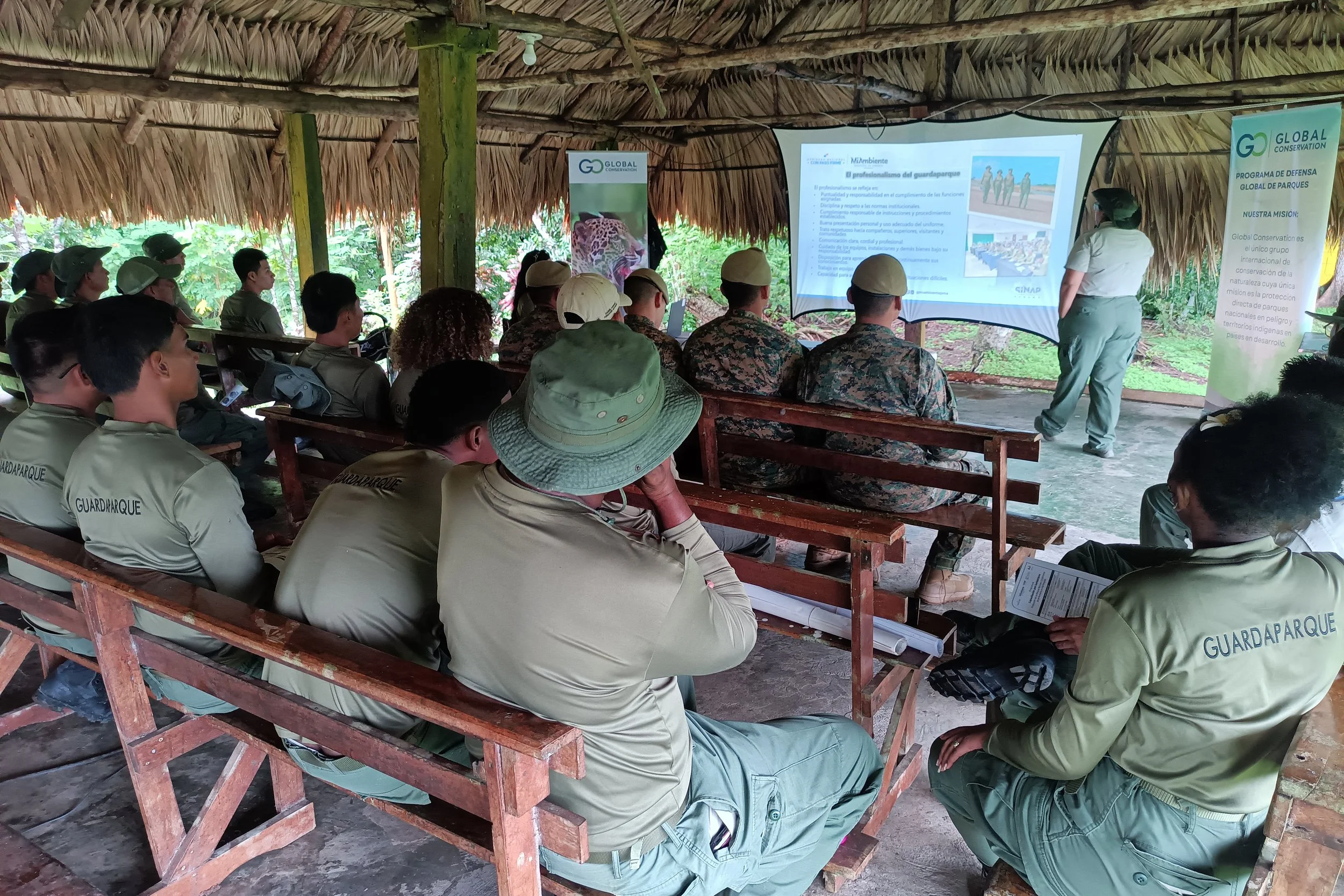
During the month of May, Global Conservation, in collaboration with Panama’s National System of Protected Areas (SINAP), led a three-day training program for Panama National Park Rangers. More than 20 park ranger supervisors and field-level rangers from various Panamanian national parks attended. The training was designed to equip these supervisors and rangers with knowledge and skills they could pass along to other park rangers.
Latest GC News
PROJECT AERAS
On Bolivia's border with Madidi National Park lies Tambopata National Reserve. Important tropical humid savannas and tropical montane forests are part of the patchwork of habitats it safeguards, which stretches from the Amazon lowlands to the highlands.
While Bora Bora has been considered a prime destination for vacationing in one of the world's most beautiful island chains, decades of tourism, including sports fishing, and an explosion of non-native people moving there have left a significant number of reef systems dead or depleted.
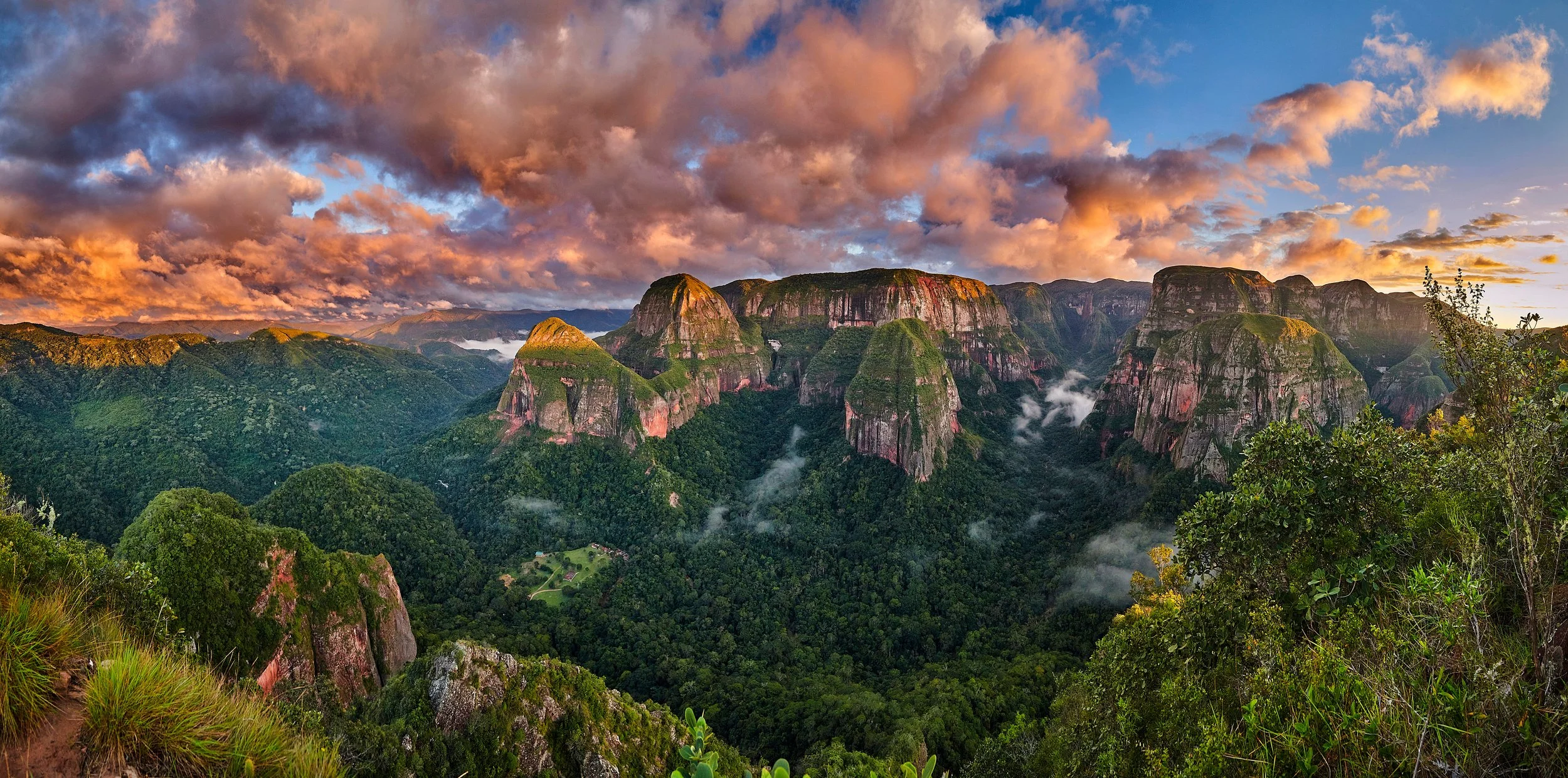
The Amboró National Park and Integrated Management Natural Area encompasses some 636,000 hectares (1.57 million acres), located in the Santa Cruz department of central Bolivia, at the confluence of three different ecosystems: the Amazon, the northern Bolivian Chaco, and the Andes.
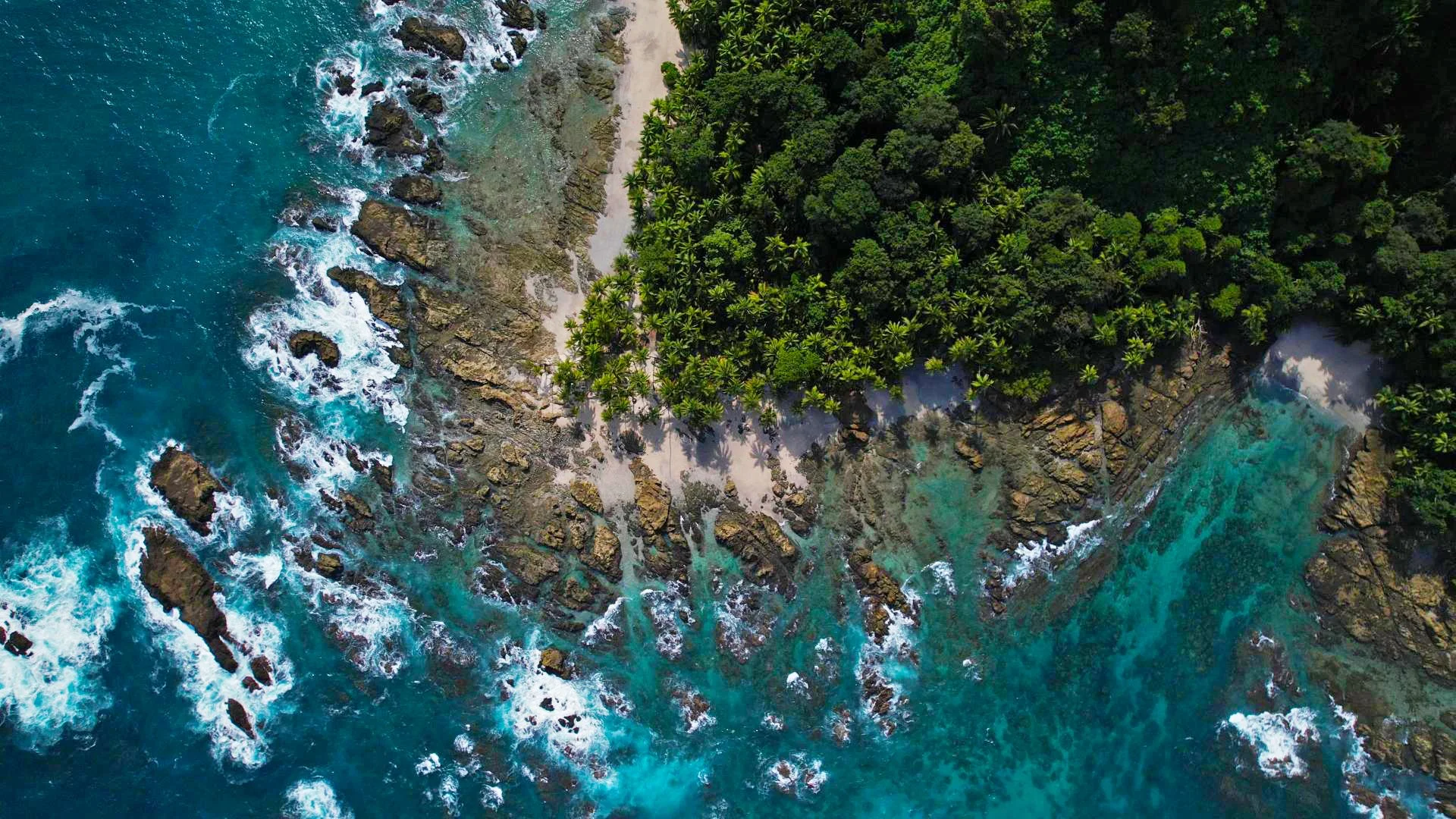
Coiba National Park and its Special Zone of Marine Protection are located in the Republic of Panama in the Gulf of Chiriqui, in the western sector of the country. The property safeguards Coiba Island, 38 smaller islands, and the surrounding marine area, submerged in the Tropical Eastern Pacific and contributing to the Tropical Eastern Pacific Marine Corridor (CMAR). It serves as the final refuge for numerous threatened animals and serves as a crucial habitat for migratory species, which are essential for maintaining the ecological balance of the oceanic masses.
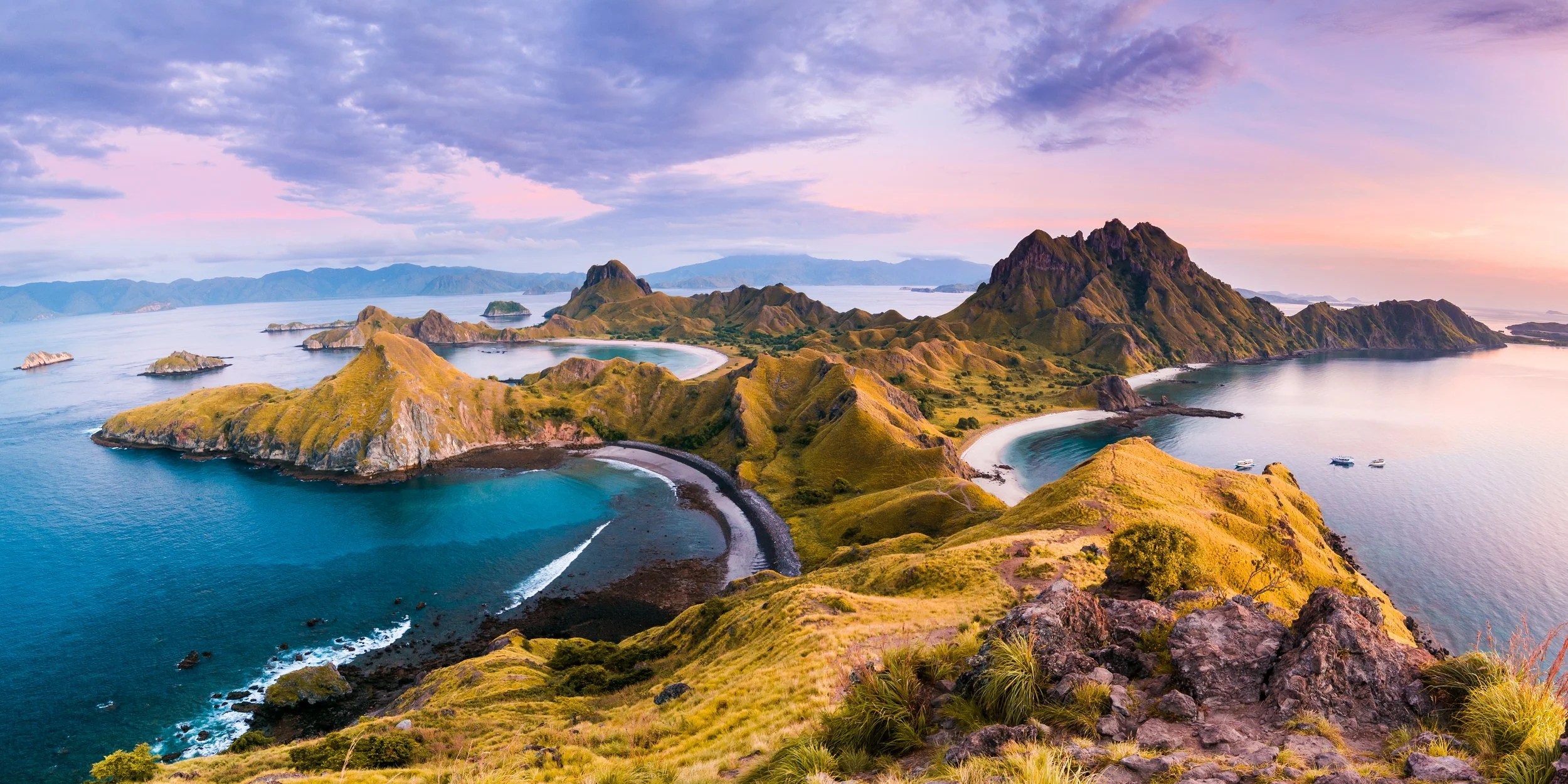
Established in 1980 in order to protect the largest lizard on the planet, and nestled in the heart of Indonesia’s archipelago, lie the volcanic islands of Komodo National Park (KNP). Rolling green hills, dry savannas, and white and pink sand beaches make up the park’s three large islands (Komodo, Padar, and Rinca) and a legion of other smaller islands, surrounded by clear blue water.
Mouling National Park was established in 1982 with the objective of creating a favorable habitat for plants and animals. It is located on the right bank of the river Siang and is a reserved house for diverse flora and fauna. The vegetation of the area varies according to the altitude. The upper reaches are home to temperate alpine and coniferous forests, while tropical evergreen forests cover the lower area. Ornamental plants like foxtails and orchids are abundant in this area.
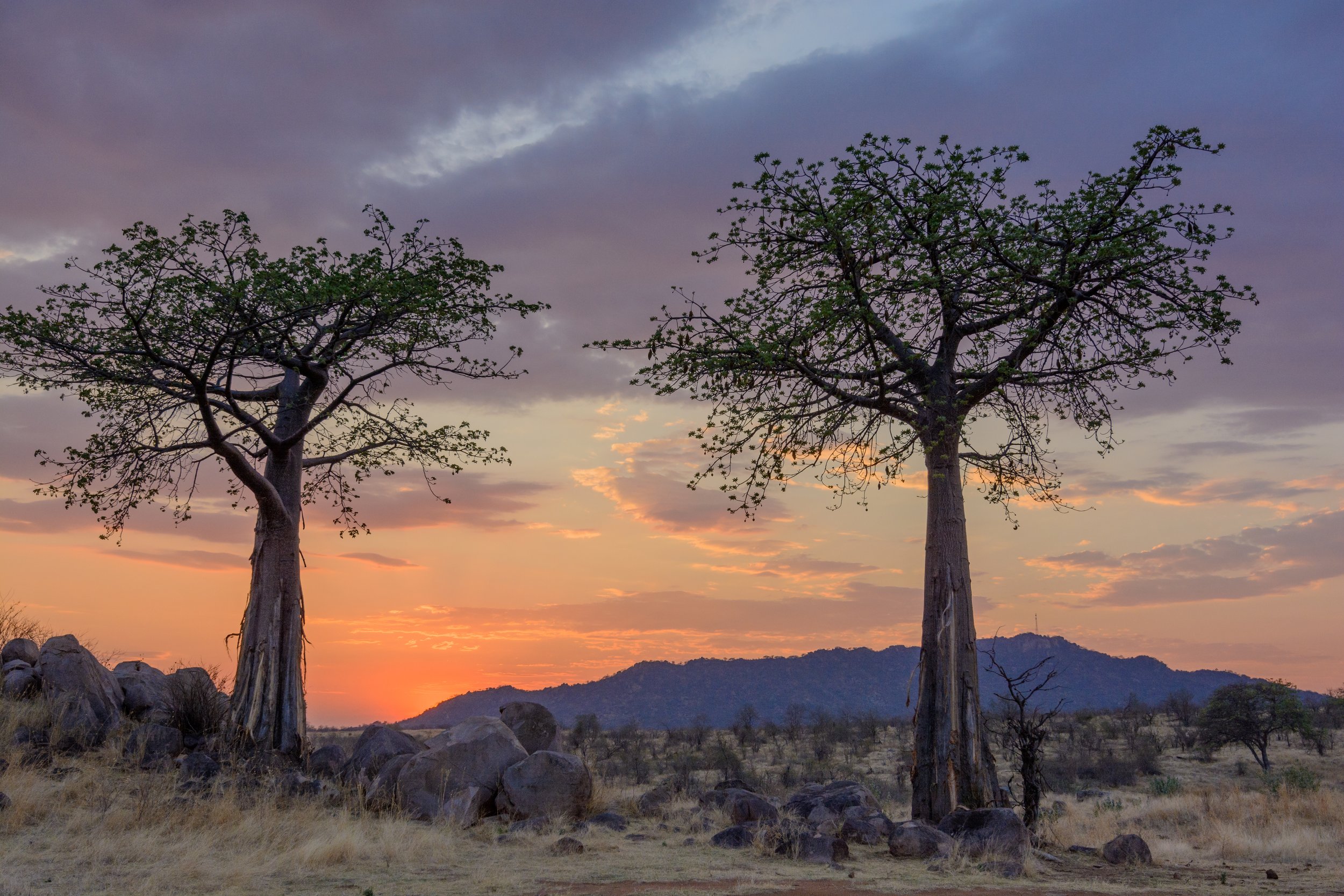
The Ngorongoro Conservation Area (8,292 km2) in northern Tanzania represents one of the world’s greatest and most important reservoirs of large mammal biodiversity, and also contains one of the most important paleoanthropological sites in the world.
Stretching over 160 kilometers along the coast of East Kalimantan Province, the Derawan Archipelago is among the most biologically rich and intact marine ecosystems in all of Indonesia. Maratua Island, one of Global Conservation’s focus areas, not only faces illegal fishing but also annual plastic islands washing onto its shores from the Philippines, Malaysia, and as far away as China.
In the northwestern most stretches of the country of Georgia lies a sparsely populated region called Racha-Lechkhumi. There, Georgia has recently created a new national park, part of a broader initiative to expand Georgia's protected natural areas by 100,000 hectares. This protected area aims to safeguard local biodiversity, promote tourism, and create new jobs in the region.
In the heart of Nepal’s Terai, where golden grasslands meet shadowed forests, lie the wild sanctuaries of Bardiya and Banke National Parks. Here, the roar of the royal Bengal tiger echoes through the trees, and the mighty one-horned rhino treads ancient paths. These parks, spanning over 1,500 square kilometers, are lifelines for endangered species and vital corridors in the Western Terai Complex.
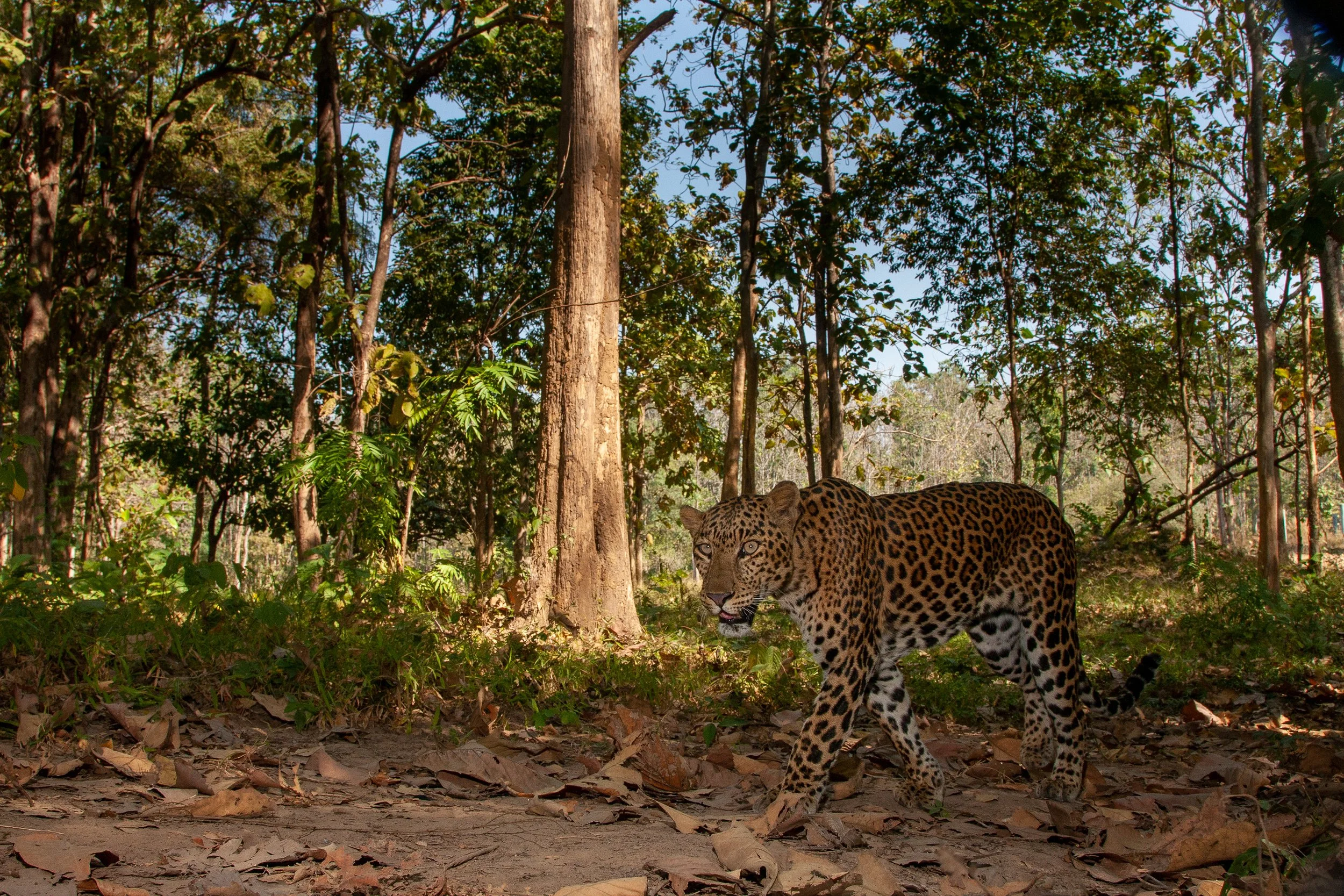
In the depths of the Yucatán Peninsula lies Calakmul Biosphere Reserve, a place where the wild heart of the Selva Maya pulses with life and history. This expansive park shelters ancient Maya ruins hidden beneath towering trees, and within its borders, jaguars roam freely, a rare glimpse into a world where nature and culture are inextricably linked.
As part of the Maya Biosphere Reserve, Calakmul is not just a sanctuary for biodiversity but a living narrative of resilience and balance. Here, conservation efforts meet the challenge of preserving one of Central America’s most vital ecosystems while supporting the communities that call this region home.
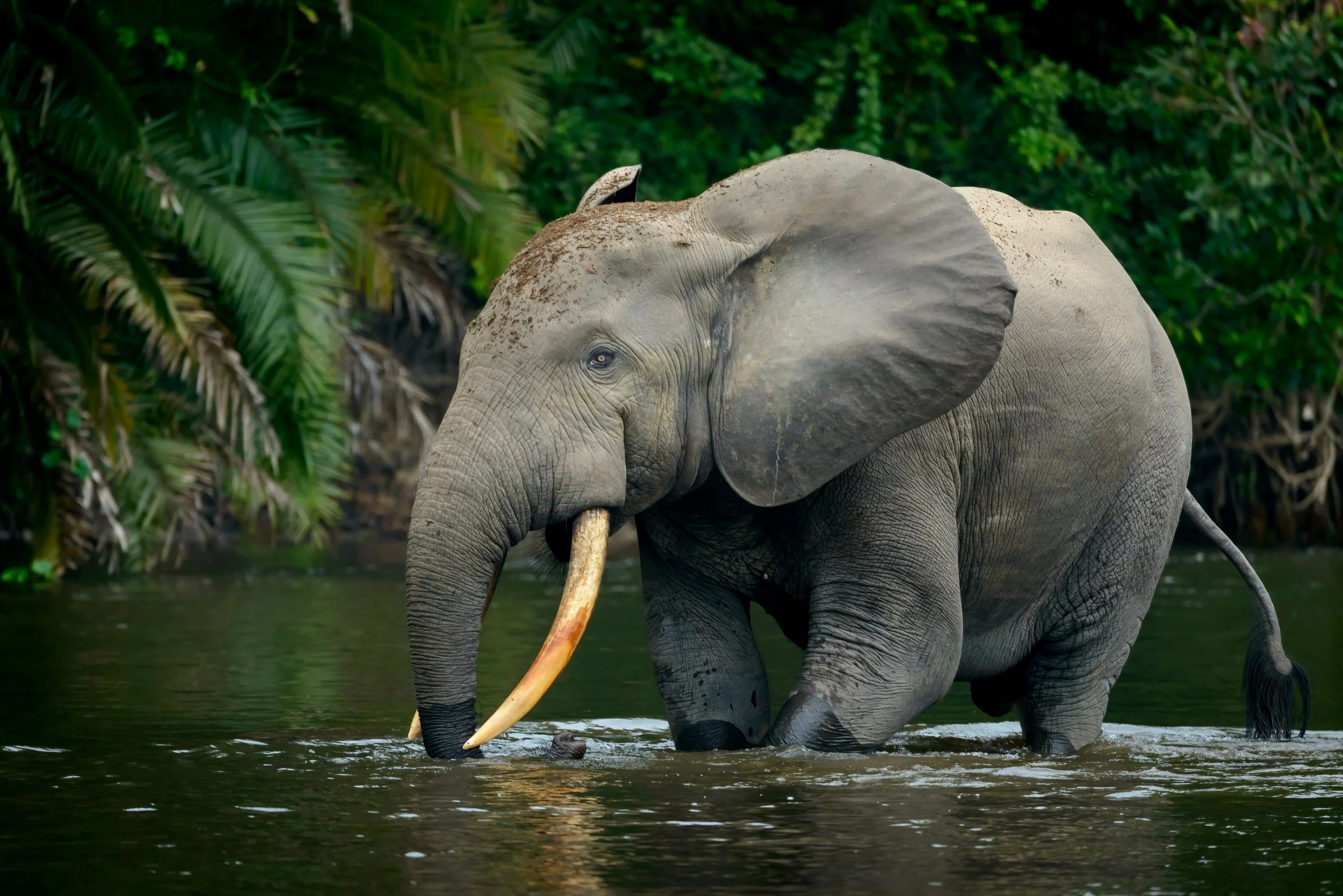
With its sprawling forests and meandering rivers, Cat Tien National Park, Vietnam is a natural wonderland that beckons both adventurers and conservationists alike. Among its inhabitants are iconic species facing the threat of extinction. The Asian elephant, a symbol of strength and wisdom, roams these ancient forests, its presence a testament to the rich biodiversity of this region. However, this fragile paradise faces unprecedented threats from human activities and environmental degradation.
Donate now to support the protection of endangered nature and wildlife
100% of your donation directly funds innovative park defense programs that empower local communities to protect their wildlife.
Our Process:
Global Park Defense and
Community Protection
Our Global Park Defense projects work with local communities to engage technology-driven, multi-year defense strategies in national parks and UNESCO World Heritage sites across the planet.
Each project deploys advanced monitoring and ranger training methods to ensure “no cut, no kill” defense systems that protect threatened wildlife and ecosystems.
Watch this video series to learn how it works!

Make An Impact,
Join Our Community
Together, we can protect the world’s remaining wild spaces through community-led park defense systems. Your gift directly supports rangers and local communities working to save their wildlife.
Park Protection depends on you!