
GC Fights Wildlife Crime in Gabon with Conservation Justice
Global Conservations has sponsored Conservation Justice's cross-border work in Cameroon and Gabon, where elephant numbers in the African Forest are being decimated due to ivory trafficking.
Conservation Justice collaborated with Gabon's Ministry of Water and Forests and GC Cameroon to conduct the AALF Project, which supports wildlife law enforcement.
This 2024-25 Progress Report shows the most recent results in the battle against wildlife trafficking in Gabon and Cameroon.
Summary
The AALF Project (Support to Wildlife Law Enforcement) has been implemented by Conservation Justice since 2010 through a partnership with the Ministry of Water and Forests. This report presents the outcomes of a year-long fight against wildlife trafficking carried out throughout Gabon.
The activities undertaken included:
Investigations into wildlife trafficking,
Capacity-building and collaboration meetings with administrative and judicial authorities,
Joint arrest operations with the authorities,
Visits to suspects during police custody and imprisonment, as well as monitoring of court hearings related to various wildlife trafficking cases,
Media communication about arrests carried out and judicial decisions handed down by the authorities.
The following pages present the results achieved in 2023, with the main highlights being:
1. A total of 202 investigative missions were conducted across Gabon, amounting to 440 fieldwork days. These missions led to the identification and engagement with 230 suspected wildlife traffickers and major poachers.
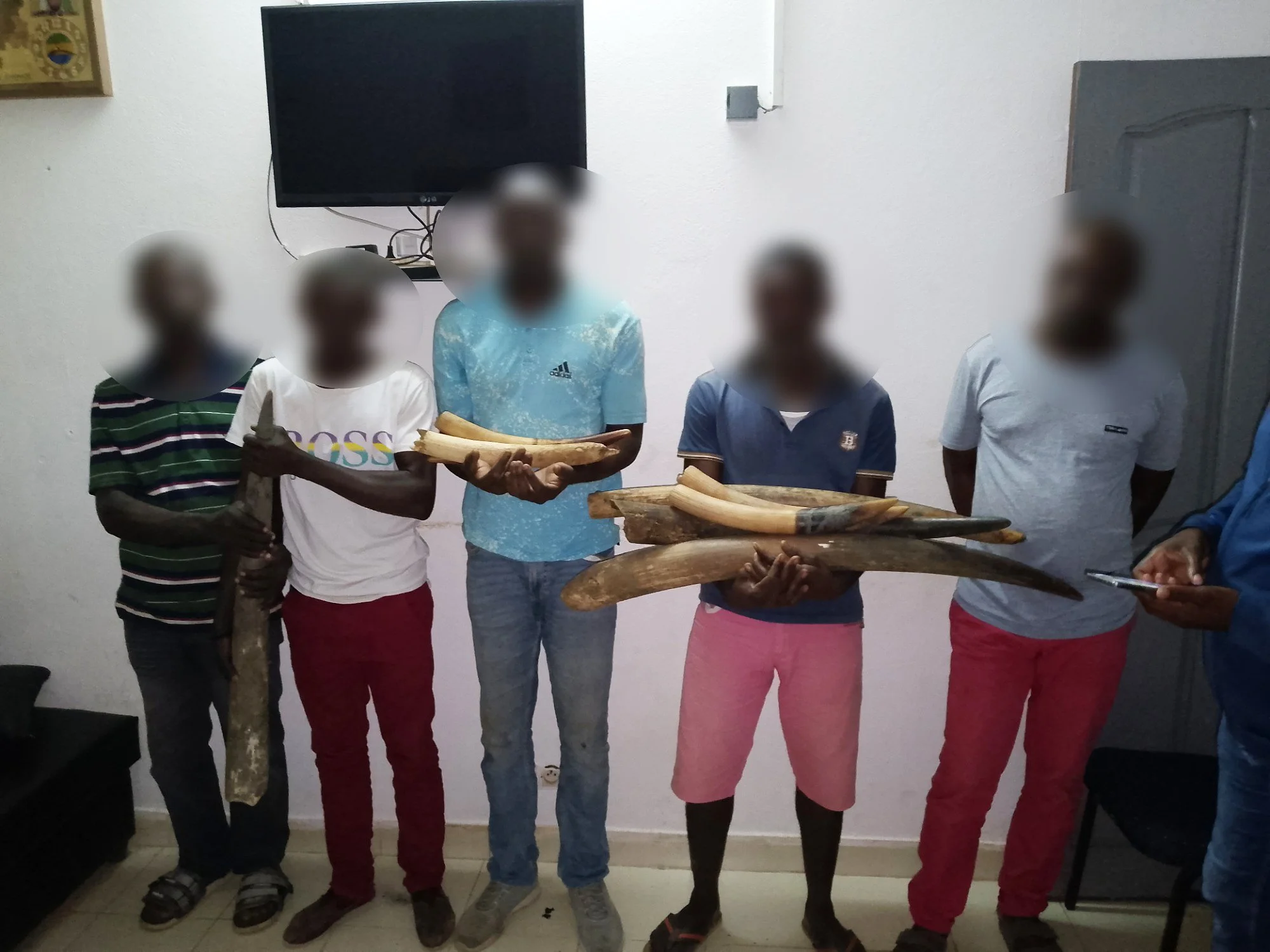
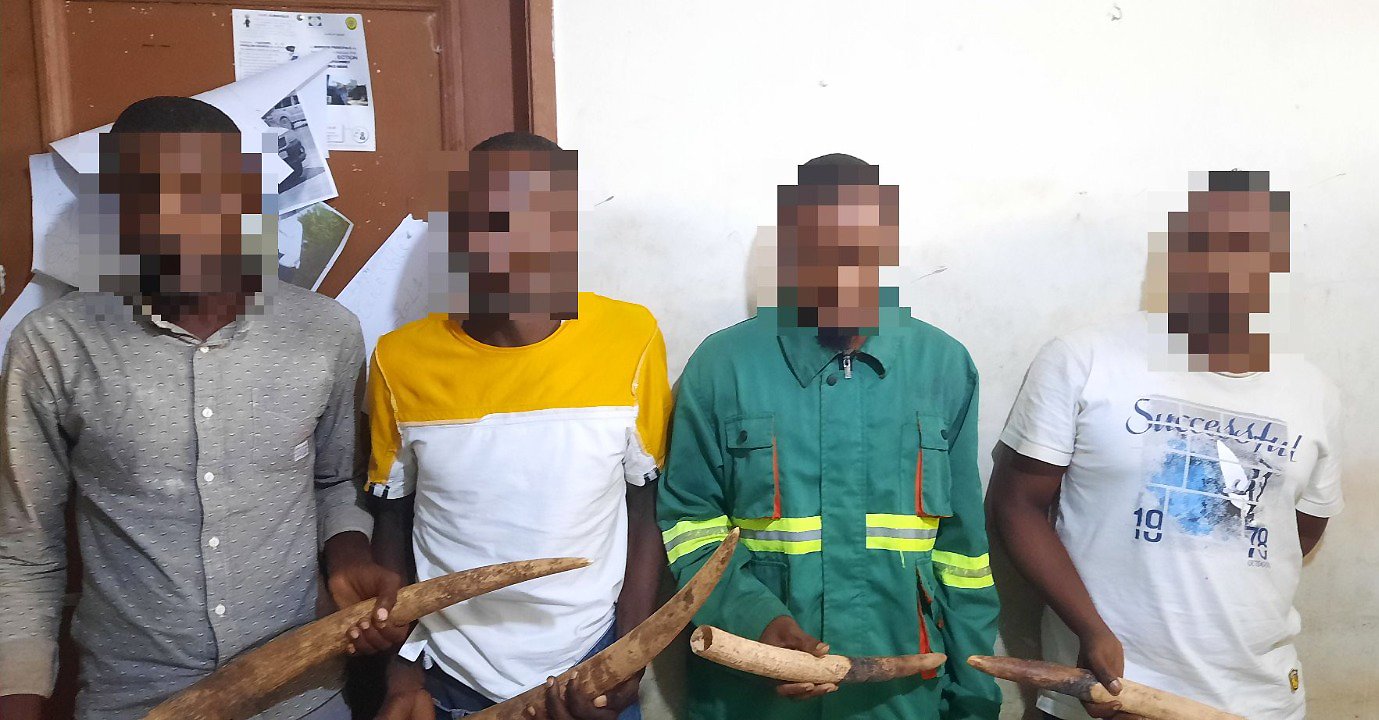
2. Twelve operations were carried out as a result of the investigations conducted by AALF. These led to the arrest of 31 wildlife traffickers, along with the seizure of 48 ivory tusks weighing 183 kg.
3. The legal department of AALF also provided legal follow-up for four additional operations initiated by law enforcement agencies and the Ministry of Water and Forests. These involved seven suspected traffickers implicated in ivory trafficking and elephant poaching, who were arrested with nine ivory tusks weighing 27 kg.
4. In total, these operations led to the seizure of 57 ivory tusks, with a combined weight of 210 kg.
5. 22 of the 31 traffickers arrested through AALF’s support were sentenced to prison terms ranging from two months to two years. One individual received a suspended sentence, and the remaining 8 were either acquitted or had their cases dismissed.
Of the 7 other individuals arrested without AALF’s direct involvement, 3 were convicted for illegal ivory trade, receiving prison terms ranging from 180 to 240 days (with an average of 210 days). Two cases are still under investigation, and two others were dismissed.
6. A total of 265 media articles related to AALF’s results were published, including 180 online, 36 in print media, 29 on television, and 20 on the radio.
Introduction
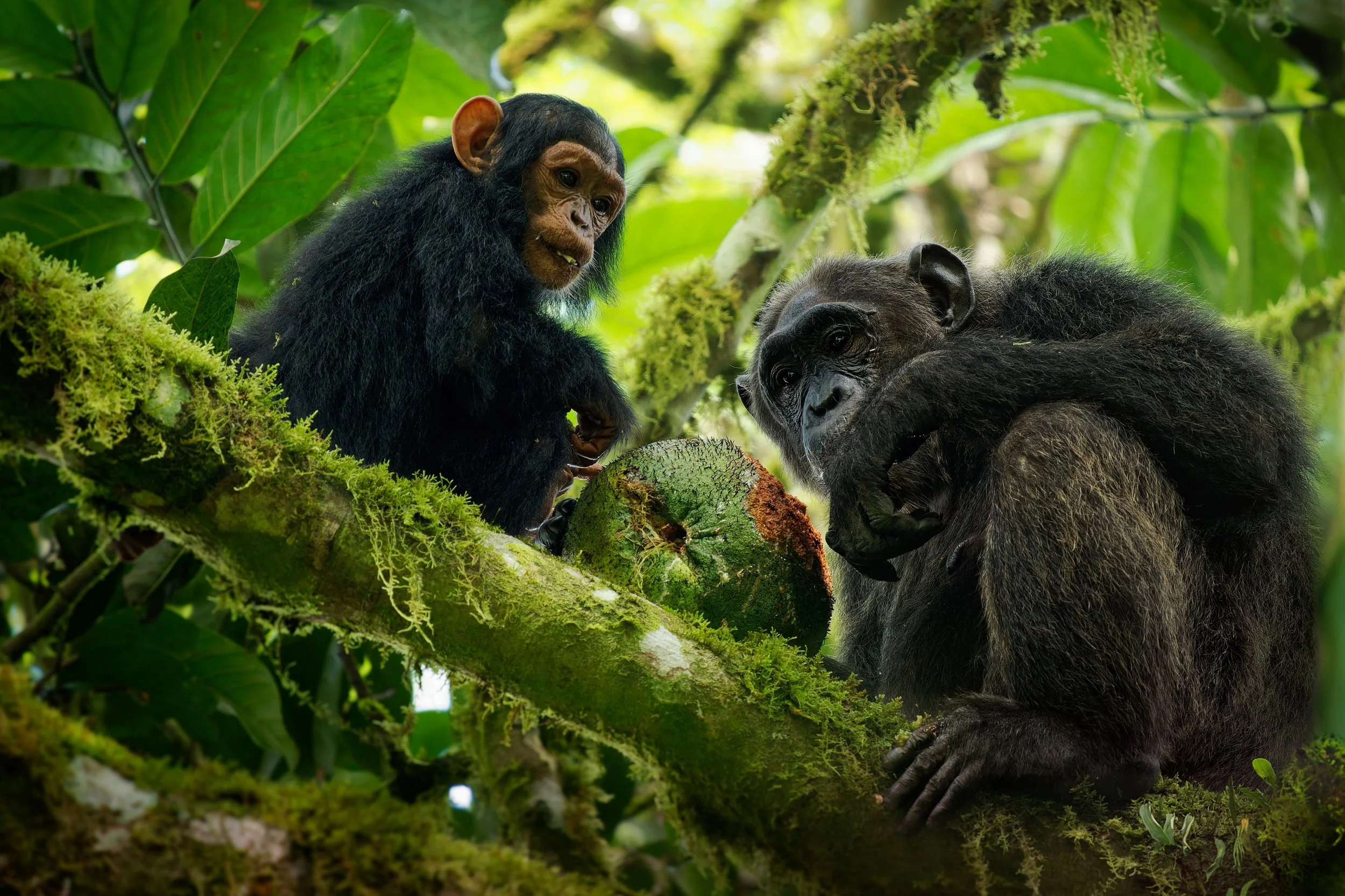
Endangered chimpanzees in Gabon have one of the highest populations of any country in Africa, making up a significant portion of the total population in Africa. However, they are constantly in a astate of being poached.
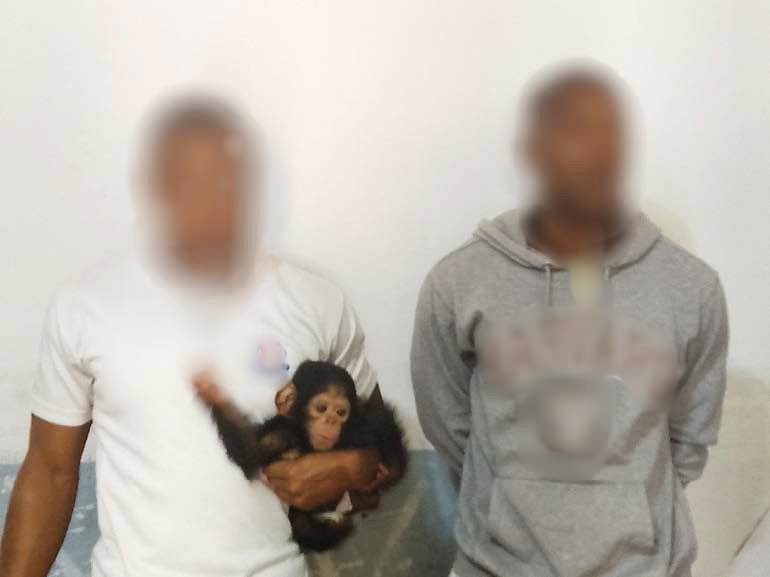
A September 2024 operation in Port-Gentil resulted in the capture of a baby chimpanzee along with the poachers.
Conservation Justice is a Belgian nonprofit organization established and operating in Gabon since 2010. Its mission is to protect elephants and other endangered species in Gabon from illegal hunting and wildlife trafficking by strengthening the enforcement of wildlife laws across the country through its AALF project (Support to Wildlife Law Enforcement). A similar initiative has been developed to combat illegal logging under the ALEFI project (Support to the Fight Against Illegal Logging). Additionally, activities in environmental education and community outreach are also implemented.
Conservation Justice operates in Gabon under a partnership agreement with the Ministry in charge of Water and Forests. AALF works closely with the Water and Forests administration, as well as with the judiciary, customs authorities, law enforcement agencies, national parks, and Interpol.
The objectives pursued are as follows:
Identification of large-scale wildlife traffickers, with the production of concrete evidence for prosecution purposes;
Facilitation of their arrest;
Support for legal proceedings and monitoring of the enforcement of court decisions;
Media coverage of results to raise public awareness about effective law enforcement, the associated risks, and the legal consequences.
Investigations
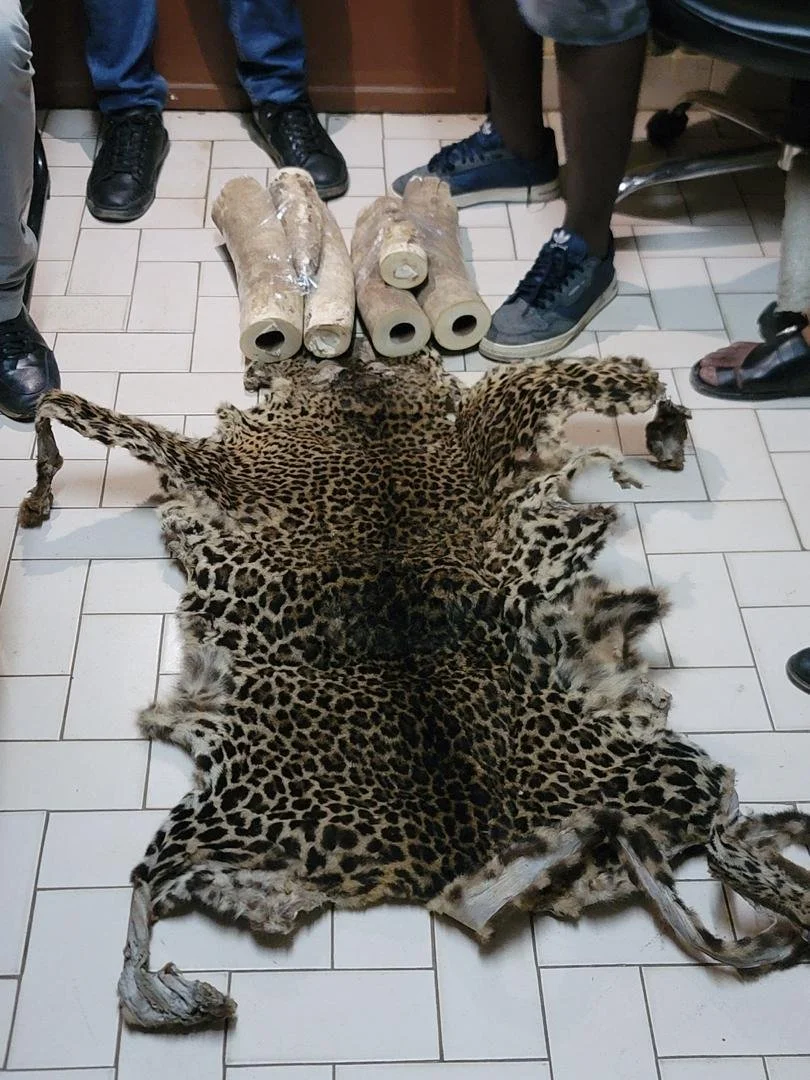
In 2024, the AALF project collaborated with five permanent informants, who themselves worked with occasional informants. In total, 202 investigations were conducted across Gabon, representing 440 days of fieldwork. These missions led to the identification and contact with 230 suspected wildlife traffickers and major poachers. With the support of AALF, 31 traffickers were ultimately arrested by the Ministry of Water and Forests and law enforcement agencies (Judicial Police and Gendarmerie).
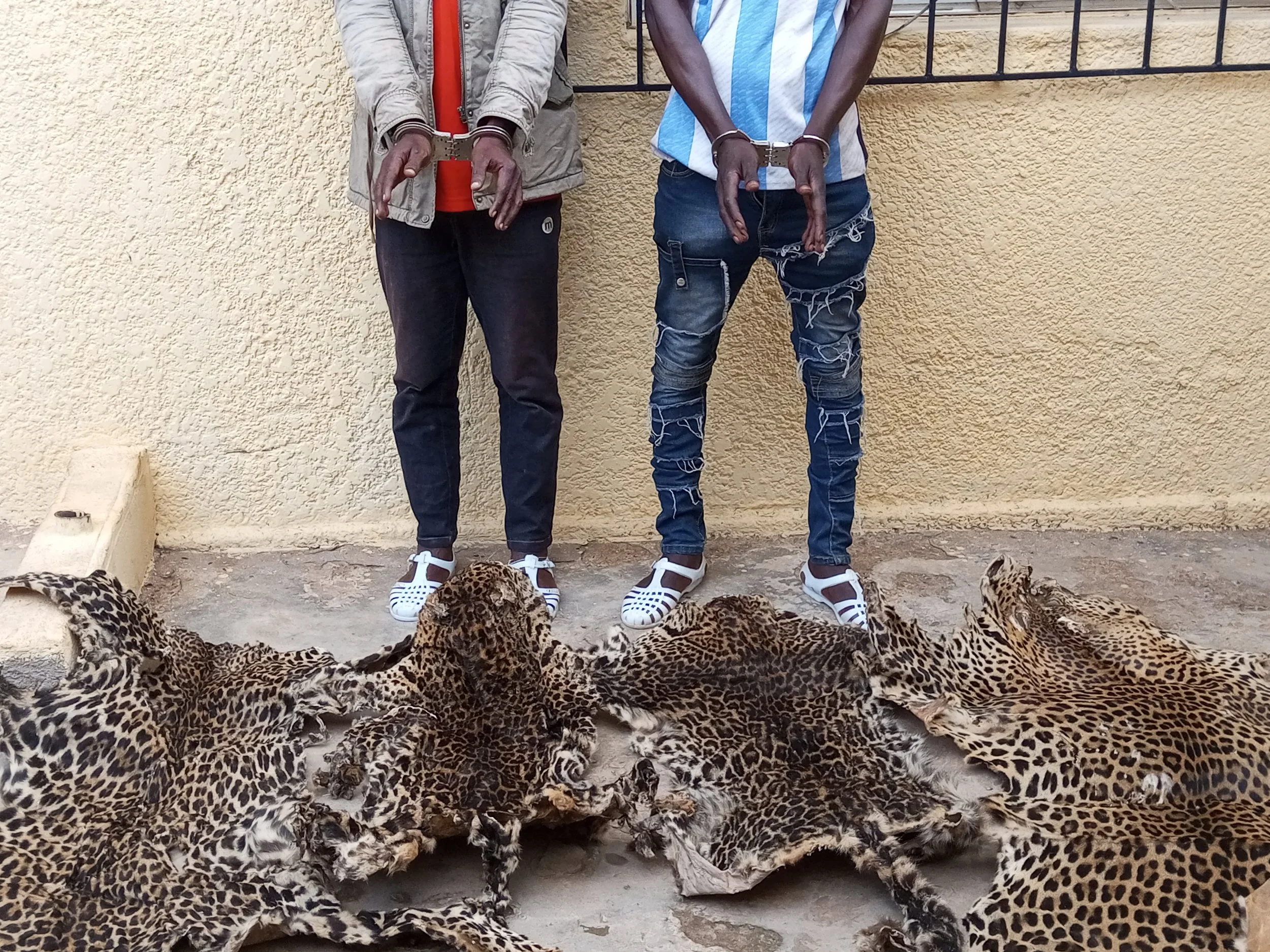
The investigations focused primarily on ivory trafficking but also targeted the illegal trade of leopard and chimpanzee skins, as well as pangolin scales.
Summary of AALF Investigations
Investigations 202
Potential traffickers identified: 230
Traffickers arrested by judicial authorities: 31
Operations
A total of 31 suspected wildlife traffickers were arrested with the support of AALF across seven provinces of the country: Estuaire (10), Ogooué-Ivindo (6), Woleu-Ntem (2), Ogooué-Lolo (3), Ngounié (3), Ogooué-Maritime (2), and Moyen-Ogooué.
These results do not reflect the overall scale of wildlife trafficking in each province in Gabon, as they also depend on the level of effort deployed and are not statistically representative. An analysis since 2010 reveals different patterns, which covers the 862 cases monitored by AALF since 2010.
This longer-term data shows that the Woleu-Ntem province is particularly affected by wildlife trafficking, followed by Ogooué-Ivindo, Estuaire, Ngounié, Haut-Ogooué, Nyanga, Moyen-Ogooué, Ogooué-Lolo, and Ogooué-Maritime.
Total Arrests: 38
Arrests from AALF Investigations: 31 across 12 operations
Other Arrests Monitored by AALF: 7 across 4 operations
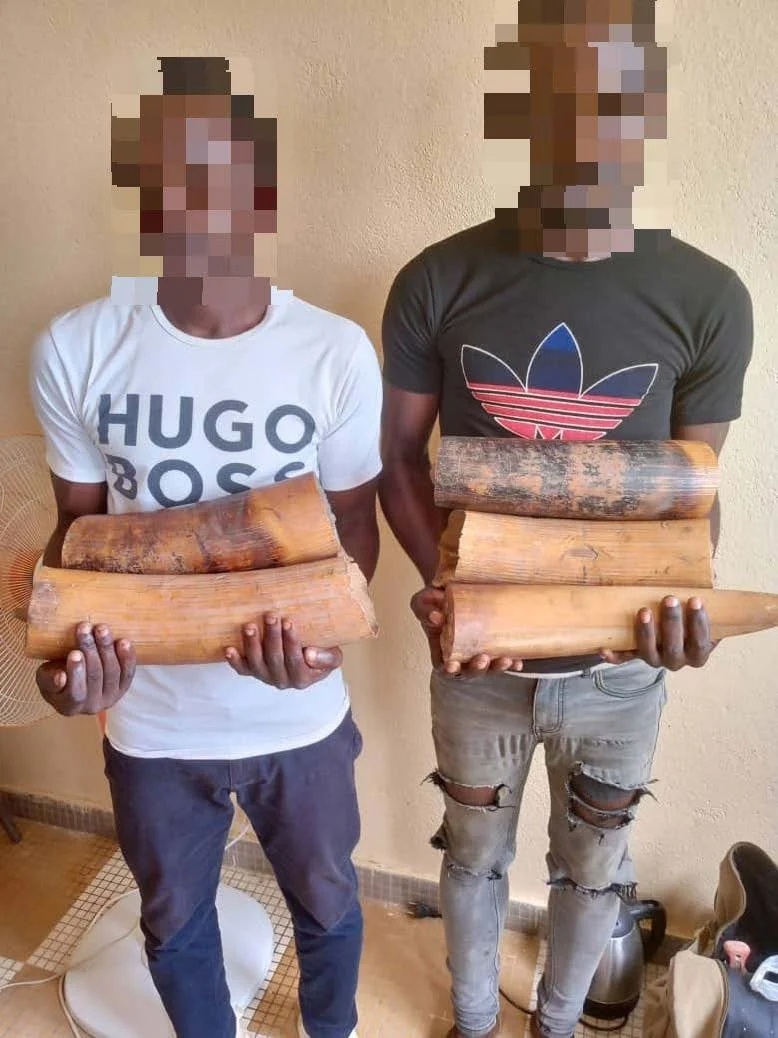
A result of an April 2024 operation in Koulamoutou.
The AALF project, in collaboration with the Ministry of Water and Forests, organized 12 operations that led to the arrest of 31 suspected wildlife traffickers. An additional 4 operations were independently organized and carried out by law enforcement and the Water and Forests Administration, which AALF later monitored. These led to the arrest of 7 more suspected traffickers.
Apart from two cases involving chimpanzee trafficking, all other cases concerned ivory trafficking and elephant poaching. This reflects the fact that other species are less commonly trafficked in Gabon. Through these operations, a total of 57 ivory tusks weighing 210 kg were seized by the authorities.
Since its inception in 2010, the AALF project has led to the arrest of 656 wildlife traffickers and the monitoring of 258 additional cases not initiated by AALF. It has contributed to the seizure of 3.9 tonnes of ivory in Gabon.
Legal department
The Legal Department monitors judicial proceedings to ensure that offenders receive deterrent sentences. Prison visits are also conducted to check on the health status of those arrested and to verify that they are indeed serving their sentences.
In 2024, the project’s legal team monitored 38 cases, including 31 that were directly initiated based on information provided by AALF to the Forestry Administration and law enforcement agencies.
Procedures Monitored
The outcomes of the cases before the courts are summarized below:
Arrests: 38
Settlements: 0
Dismissals and Acquittals: 11
Prosecutions: 27
Judicial Prosecutions
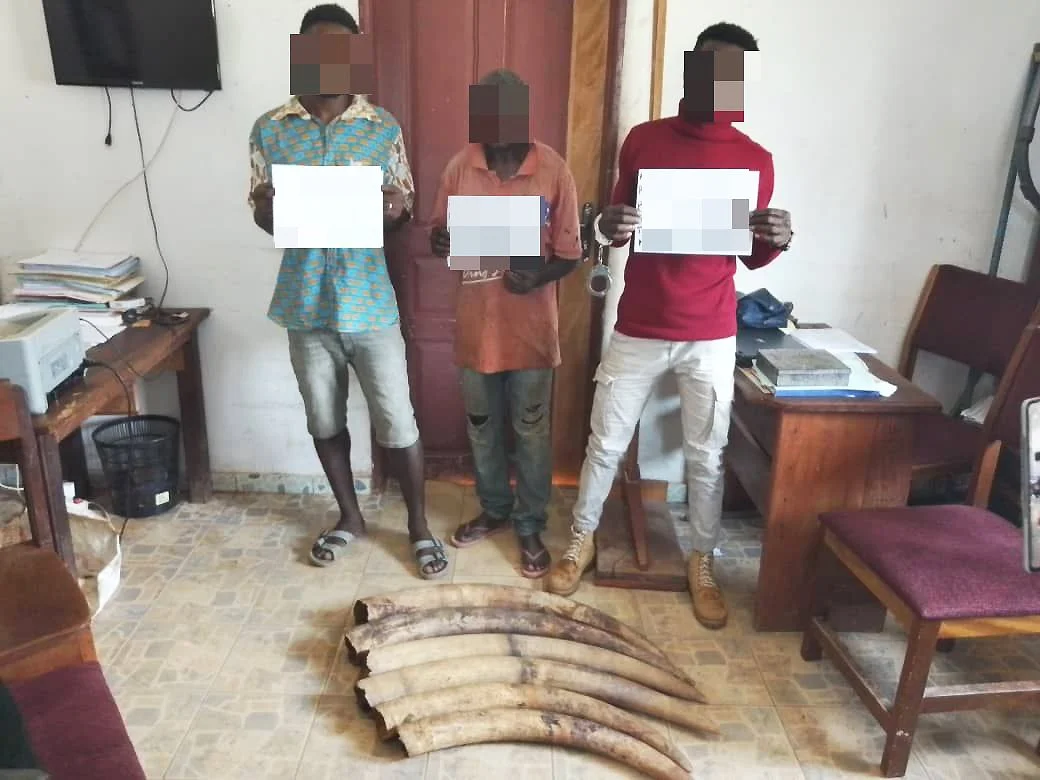
Of the 31 traffickers arrested thanks to AALF, 22 were convicted, all receiving custodial sentences ranging from two months to two years in prison (an average of 306 days). Eight others were either acquitted or their cases were dismissed. These were generally drivers whose criminal responsibility could not be established or cases considered less serious (such as the illegal trade of a live chimpanzee). One additional person was convicted but received only a suspended prison sentence.
Of the seven other individuals arrested by law enforcement without AALF’s involvement, three were convicted for illegal ivory trade and received sentences ranging from 180 to 240 days in prison (average of 210 days). Two cases are still under investigation, and two others were dismissed. These typically involved drivers or minor cases, and when judicial decisions appear insufficiently dissuasive, appeals are systematically filed.
Among the cases monitored by AALF, the one launched in August 2023 and followed throughout 2024 deserves special attention. It involved a particularly well-organized international ivory trafficking network originating from Cameroon.
International Ivory Trafficking Network Organized by "MOHAMADOU Ibrahim"
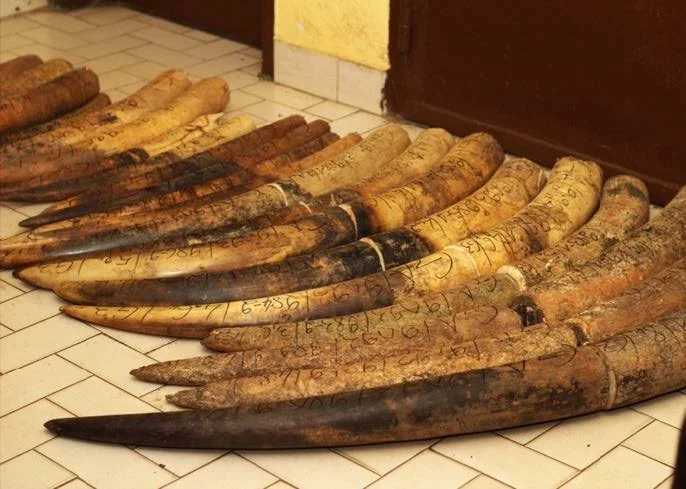
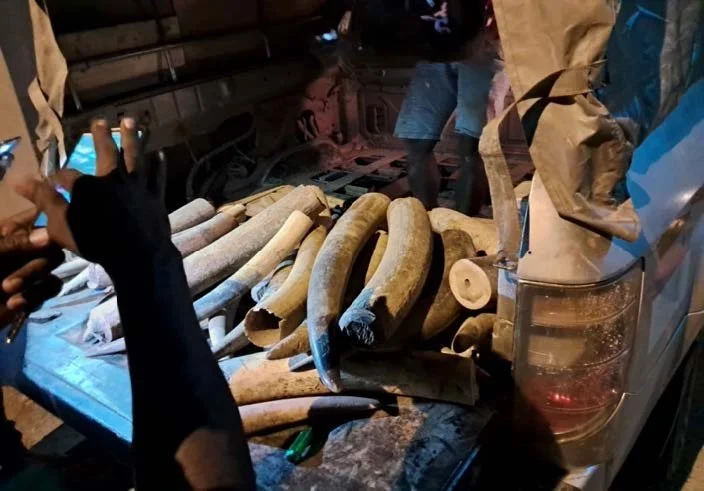
Above: Ivory seized and individuals apprehended in Lambaréné in August 2023.
Several arrests were carried out in August 2023 through a joint operation involving the Judicial Police branches of Moyen-Ogooué and Ogooué-Ivindo, the provincial Forestry Departments of those regions, and the Anti-Poaching Directorate, with support from Conservation Justice.
Thanks to critical intelligence gathered by CJ during in-depth investigations, the main suspect, NGANGNI Ibrahim Gaël, a Gabonese national of Cameroonian origin, was arrested in Lambaréné while driving with his partner. In
In a hidden compartment beneath the pickup truck bed, law enforcement agents supported by Conservation Justice found 19 elephant tusks and 4 ivory pieces, weighing a total of 120 kg; 18 rounds of .458 hunting ammunition; nearly one million FCFA in cash; and an expired residence permit belonging to a well-known Cameroonian ivory trafficker: MOHAMADOU Ibrahim.
NGANGNI Ibrahim Gaël implicated another infamous trafficker: EVOUNA Guy Bertrand, who had been arrested the day before in a murder case and was also directly linked to this international ivory trafficking network.
On August 11, TONGA Assouman, a major ivory trafficker previously sentenced to prison, was also denounced and arrested in Makokou, northeastern Gabon, for his role in the same network. He was responsible for collecting ivory in eastern and northeastern Gabon and was awaiting the transporters who had been arrested on August 8 in Lambaréné, 500 km away.
All those arrested were convicted of ivory trafficking and criminal conspiracy. NGANGNI Ibrahim Gaël and EVOUNA Guy were each sentenced to two years in prison, while TONGA Assouman received 15 months in prison.
MOHAMADOU Ibrahim, who had previously been arrested in Cameroon in October 2020 with 626 kg of ivory and sentenced to only three months in prison, was identified as the sponsor. He was arrested again twice in Nigeria in February 2024 with over 200 kg of ivory and again in Cameroon in July 2024. Unfortunately, he was released in Nigeria and later reportedly escaped from a police station in Yaoundé, where he was being held.
Thanks to the efforts of Conservation Justice and the Forestry Administration and their collaboration with Interpol, a red notice was eventually issued against him by Interpol. This is a landmark achievement—the first time such a measure has been applied to a wildlife trafficker in Central and West Africa.
Communication
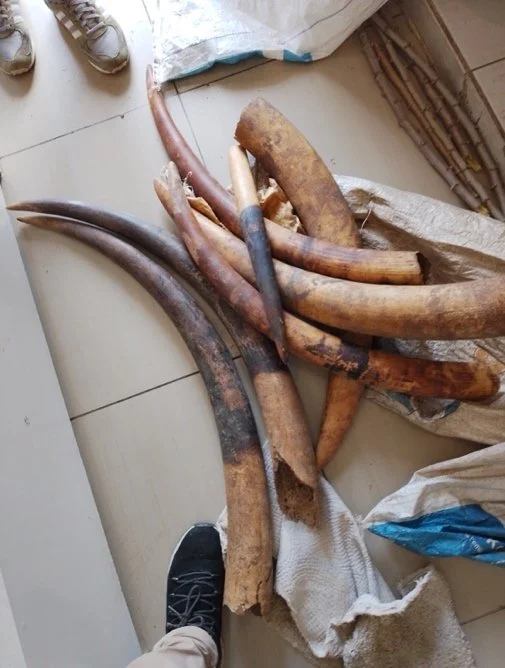
With the objective of informing the public about the effective enforcement of the law and deterring potential traffickers, the results obtained in 2024 in terms of arrests were published in national and international media outlets, through print press, radio, television, and the internet, as shown in Table 4 and Graph 3 below.
A total of 265 media pieces related to AALF results were disseminated by the media, including 180 online, 36 in the written press, 29 on television, and 20 on radio.
Internet: 180 (68%)
Print Press: 36 (14%)
Television: 29 (11%)
Radio: 20 (8%)
Total: 265
External Relations
We would like to highlight the strong collaboration between the AALF project and Gabonese authorities in Libreville and in the provinces, as well as with diplomatic representations based in Gabon. Several meetings were held, notably with the following authorities, whom we sincerely wish to thank:
■ Justice: The Director of Criminal Affairs, Public Prosecutors and their Deputies, Presidents and Vice-Presidents of the Courts, Chief Clerks of the Courts and Courts of Appeal, Presidents of the Courts of Appeal, Sitting Judges, Investigating Judges, and Chief Prosecutorial Secretaries;
■ Water and Forests: The Minister of Water and Forests, the Chief of Staff, the Director General of Wildlife and Protected Areas, the Director General of Forests, the Director of Wildlife and Hunting Management, the Director of Anti-Poaching, the Director of Community Forests, Provincial Directors and Heads of Forest and Wildlife Departments, and Heads of Wildlife Brigades;
■ National Parks Agency: The Head of the Genetic Laboratory, the Technical Director, and the National Park Wardens;
■ Law Enforcement: The Chief of Staff of the Judicial Police, the Commander-in-Chief of the Central Office for Drug Control (OCLAD), the Director of Economic and Financial Affairs of the Judicial Police, the Director General of the National Gendarmerie School, Gendarmerie Brigade Commanders, Heads of Judicial Police Offices, Heads of the General Research Department of the Gendarmerie, Heads of Counter-Intelligence and Military Security, Heads of the Directorate of Documentation and Immigration, Customs Investigation Brigade Chiefs, and Intelligence Officers of the Customs Services;
■ Administration: Provincial Governors, Special Delegates of Departments, Special Delegates of Departmental Councils, Special Delegates of Municipalities, and Administrative Auxiliaries;
■ Diplomatic Representations and Partners: The Ambassador of the European Union and her Environmental Attaché, the High Commissioner of the United Kingdom, the EU Evaluator, the Chargé d’Affaires, the Head of the Political and Economic Section of the U.S. Embassy, and the Internal Security Attaché of the French Embassy;
■ Others: Representatives of NGOs, SETRAG, community representatives, representatives of UNODC in Gabon, directors of partner forestry companies along with their operations managers, wildlife officers, social officers, project lawyers, representatives of the International Academy for Environmental Crime, representatives of the Liz Claiborne & Art Ortenberg Foundation, and Agence France Presse.
Conclusion
The Wildlife Law Enforcement Support Project (AALF) has now been active in Gabon for over 14 years.
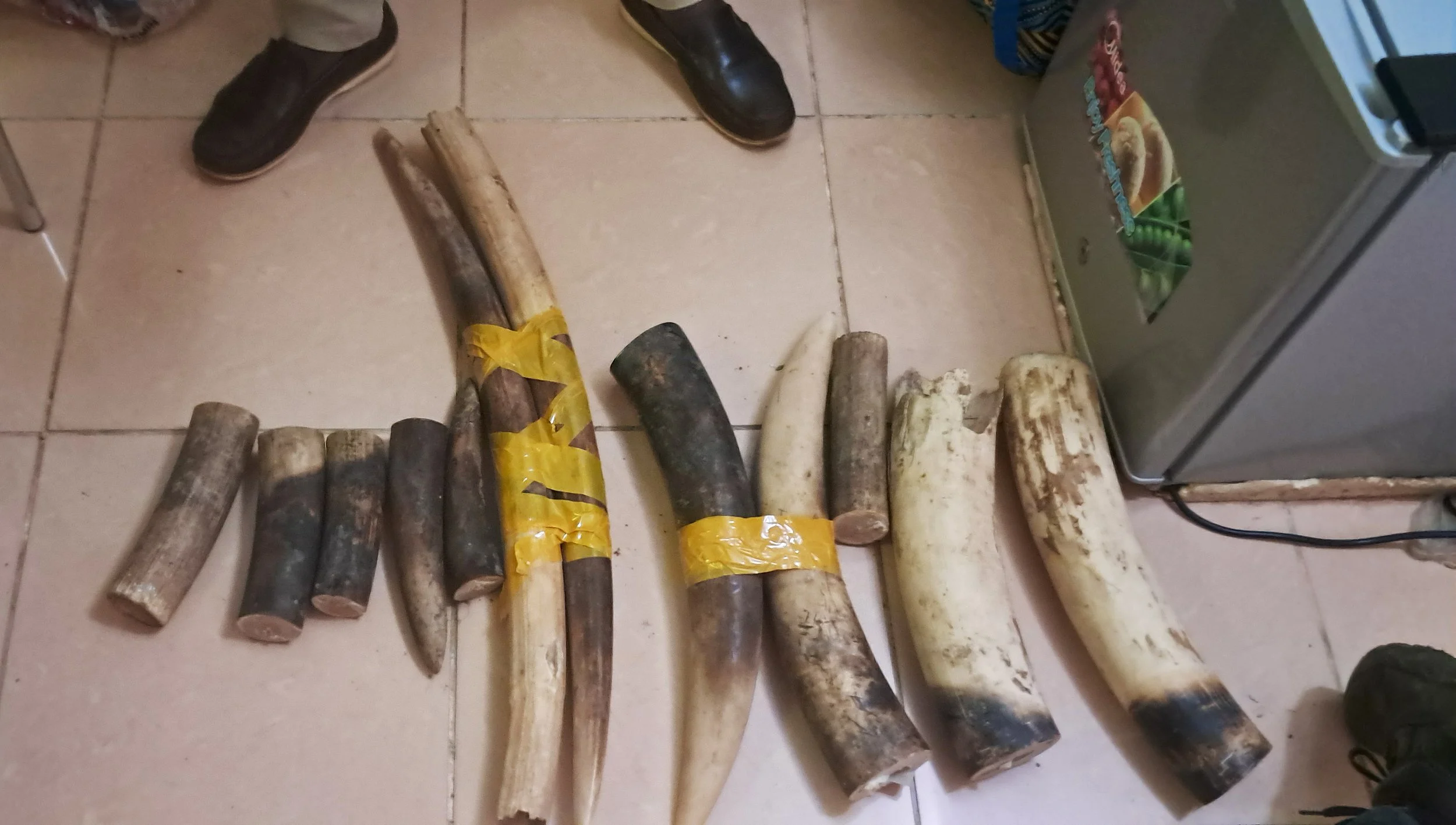
In 2024, the Investigations Department conducted 202 investigative missions across the country, identifying 220 individuals suspected of involvement in wildlife trafficking. Based on this intelligence, 12 operations were carried out, resulting in the arrest of 31 suspected ivory traffickers by the Water and Forests authorities and law enforcement officers. These arrests were made in flagrante delicto, with 48 elephant tusks seized, weighing a total of 183 kg.
As has been observed for many years, elephant ivory continues to be the primary target of major poachers and wildlife traffickers in Gabon, despite the significant efforts made by the authorities.
The project also monitored court proceedings involving 38 suspected ivory traffickers in 2024.
Out of the 31 individuals arrested through AALF’s efforts, 22 were sentenced to prison terms ranging from two months to two years (an average of 306 days). One person received a suspended sentence, and eight others were acquitted or had their cases dismissed, mostly drivers for whom criminal responsibility could not be established or individuals involved in lesser offenses (e.g., illegal trade of a live chimpanzee).
Of the remaining 7 suspects arrested independently by law enforcement without AALF’s support, 3 were convicted for illegal ivory trade and received prison terms ranging from 180 to 240 days (average of 210 days). Two cases are still under investigation, while two others were dismissed.
The project disseminated 265 media pieces, including 180 (68%) online, 36 (14%) in print, 29 (11%) on television, and 20 (8%) on radio.
Conservation Justice also took part in numerous meetings with authorities and partners. At least 187 meetings were held over the year, averaging 15 per month.
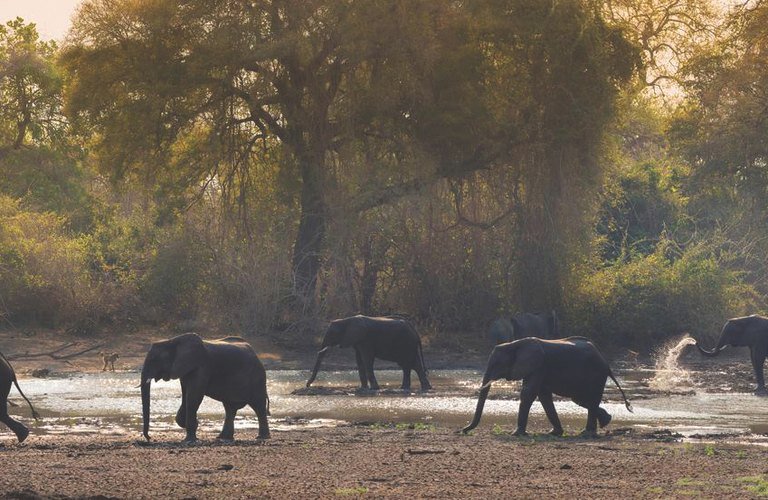
The political will to sustainably manage wildlife remains strong in the Gabonese Republic. Thanks to this political will and its vast forest coverage, Gabon is the principal refuge for forest elephants and many other species. Unfortunately, human-elephant conflict is growing at an unprecedented rate, requiring complementary actions and projects to support the Gabonese authorities. This is why Conservation Justice has initiated activities aimed at addressing this particularly alarming conflict.
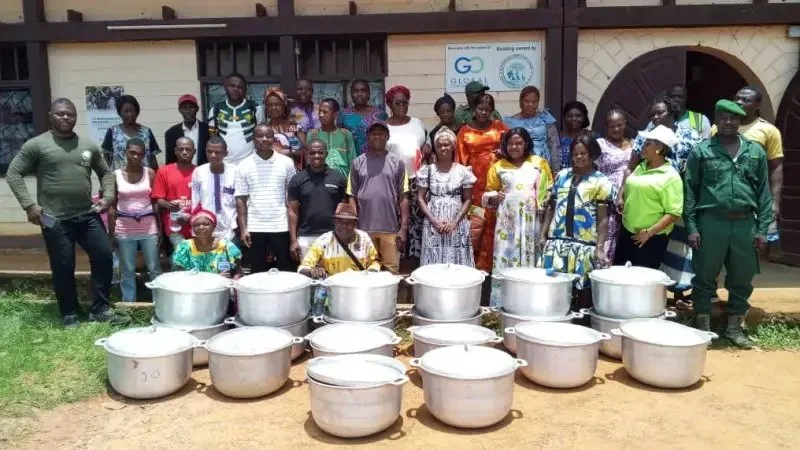


Packed with highlights of conservation successes from around the world at our project sites, this report features the effectiveness that the Global Park Defense and Community Engagement programs have for protecting culturally rich and highly biodiverse natural ecosystems in the most threatened parts of our world—land or sea.