
GC Featured in WIRED Magazine: The Jaguar is Reborn in Mexico
The population of the largest feline in America grows 30% thanks to GPS satellite collars.
Original Article wittern for WIRED Magazine by Anna Lagos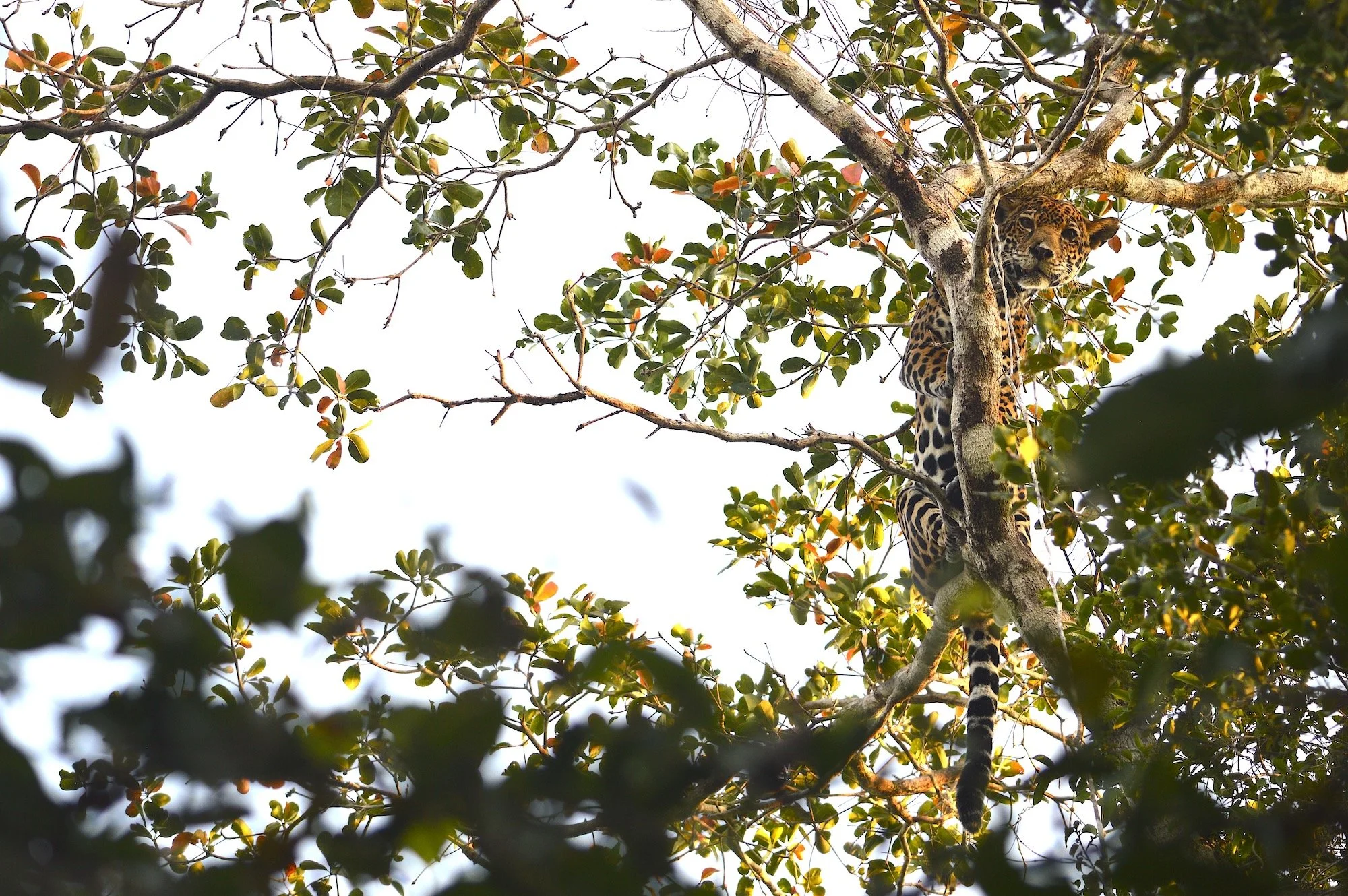
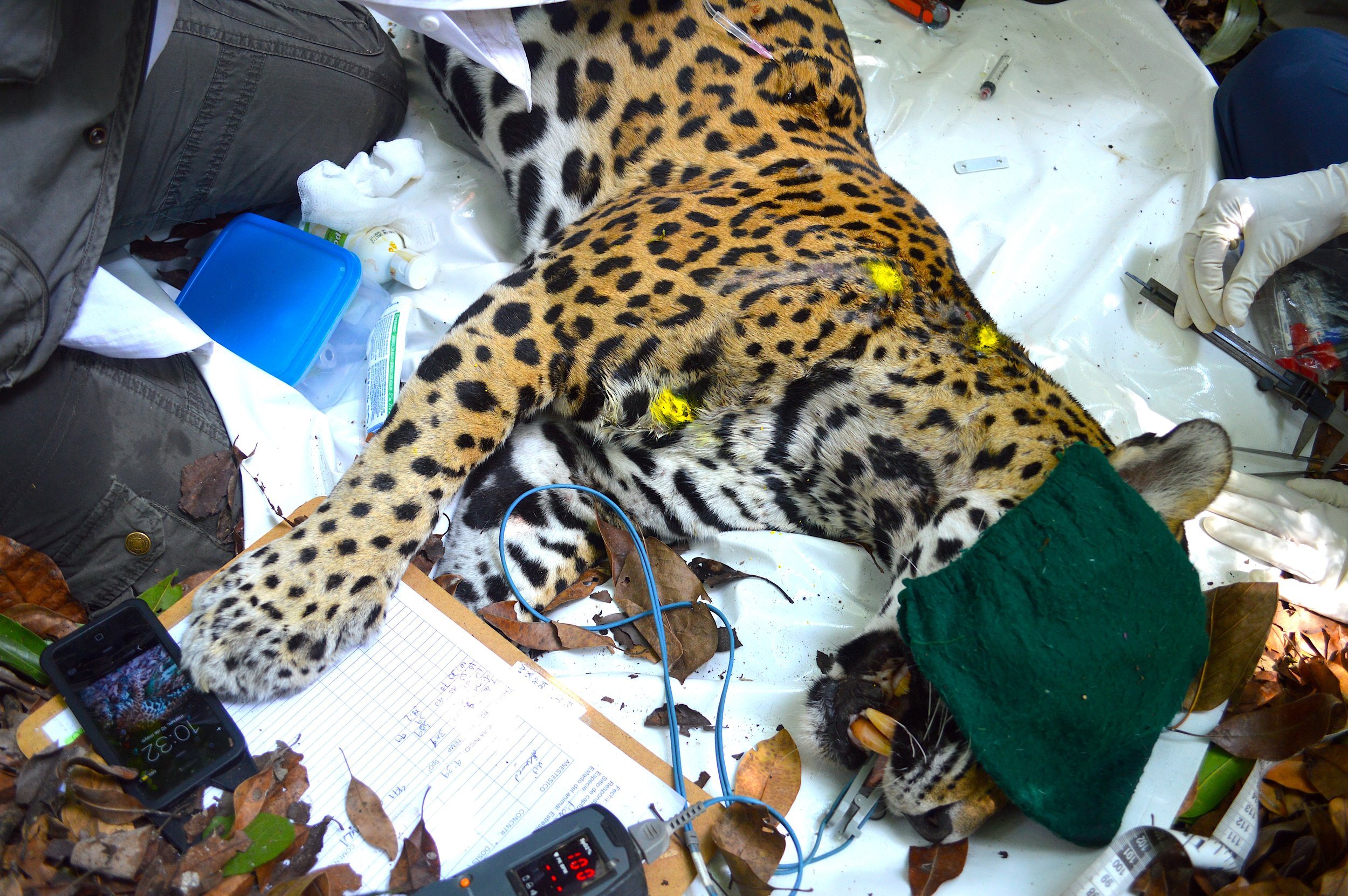
A jaguar about to be captured for the fitting of a GPS satellite tracking collar in Laguna Om. Photo ©Daniela Medellín
Mexico has solidified its position as the only country with a national census of the largest feline in the Americas, registering a 30% population recovery in the last decade. In the heart of the Mayan jungle, WIRED witnesses how an alliance between satellite technology, international funding, and economic pragmatism seeks to protect the continent's second-largest tropical reserve before it's too late.
According to Mayan cosmogony, this endangered mammal represents the duality of the universe: the feminine, the night, and the underworld.
We are near the Guatemalan border, in a region where cell phone service disappears and the jaguar, Panthera onca, the carnivorous mammal known to the Maya as Balam, reigns supreme. Here, in the ejido of Laguna Om, the humid heat of the jungle offers no respite. According to Mayan cosmogony, this endangered mammal represents the duality of the universe: the feminine, the night, and the underworld. More than a deity in itself, this terrestrial carnivore is seen as a supernatural entity and a conduit for sacred energies and subterranean forces beyond human control.
This symbol of Mayan culture has lost about 50% of its historical range, and its populations are declining throughout its current distribution. It is considered extinct in El Salvador and Uruguay, while in the United States it has practically disappeared; fewer than 10 male jaguars have been seen in the southern part of that country since 1963.
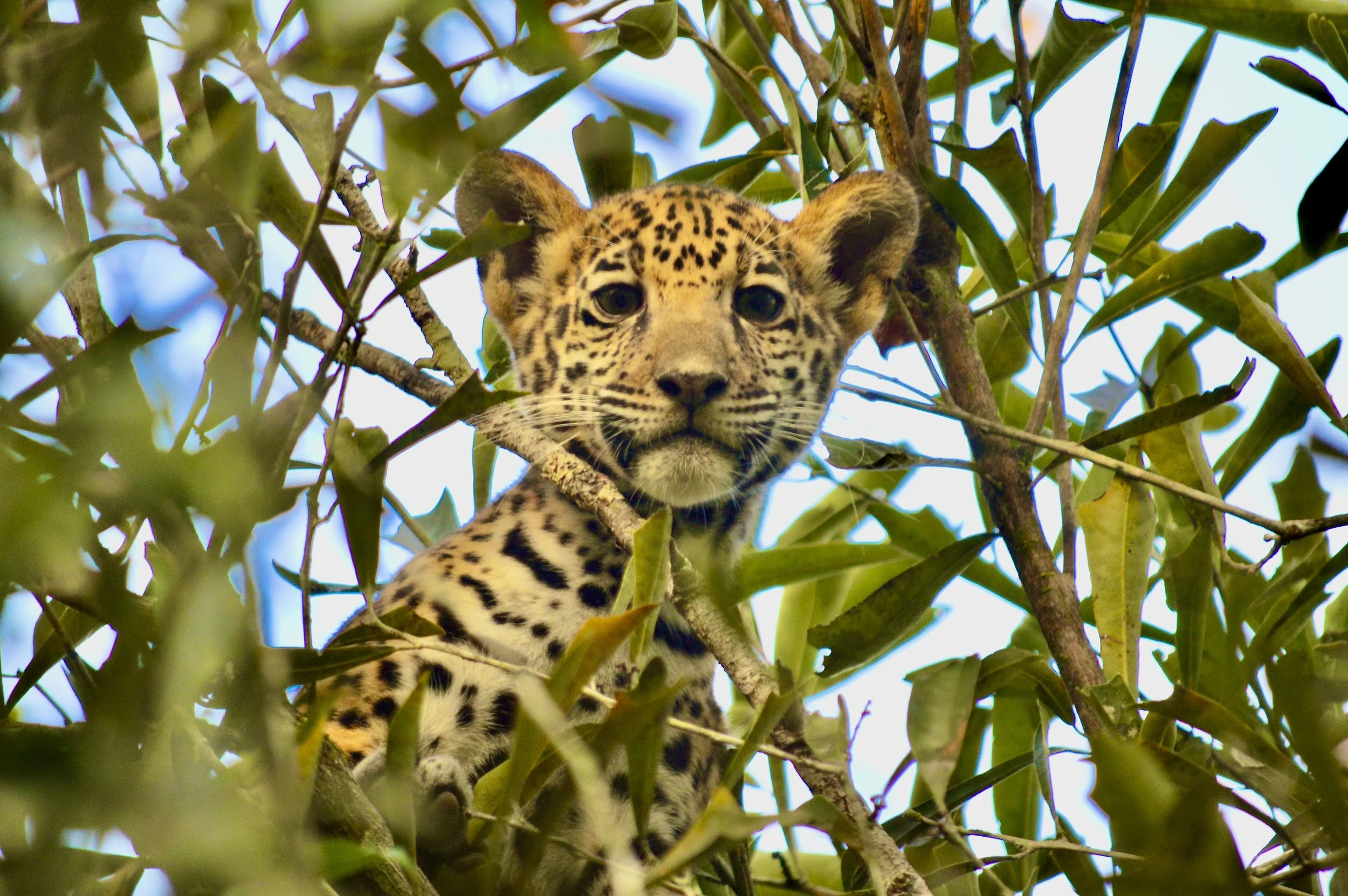
The jaguar is classified as “Near Threatened” on the Red List of the International Union for Conservation of Nature (IUCN). Photo ©Daniela Medellín
Of the total number of jaguars living in the Americas today, about half are found in Brazil, the country with the largest contiguous area of jaguar habitat, located in the Amazon. The rest are threatened due to their low numbers, isolation, high hunting pressure, inadequate protection, and a high density of human settlements. These endangered subpopulations include those in the Mexican Pacific and the Maya Forest.
The jaguar is classified as “Near Threatened” on the International Union for Conservation of Nature (IUCN) Red List, although recent information suggests that, in the near future, the species could qualify as “Vulnerable,” meaning that it would be facing a high risk of extinction in the wild.

Mexico is a global pioneer in monitoring this species. The first National Jaguar Census (2010) estimated a population of 4,000 individuals. By the second census, in 2018, the figure had risen to 4,800. Data from the third census, conducted in 2024, counted 5,326 jaguars in Mexican territory, a 30% increase compared to the 2010 figures. Photo ©Daniela Medellín
In Mexico it is listed as an endangered species and its hunting has been prohibited since 1987. The National Commission of Natural Protected Areas (CONANP) considers it a feline whose conservation is a priority.
WIRED travels to Mexico's southern border, to the ejido Laguna Om, and witnesses how an alliance between satellite technology, international funding, and economic pragmatism seeks to protect the habitat of the jaguar, the second largest tropical reserve on the continent, before it is too late.
In the Yucatan Peninsula—that region of enormous biological richness, which maintains the largest remnant of tropical forest in North America—Dr. Gerardo Ceballos González and his team set up camp, not to look for the jaguar and take a tourist photo; they are looking for it to connect it to the cloud.
Gerardo Ceballos holds a PhD in Ecology and Evolutionary Biology and is an expert on endangered species, protected natural areas, environmental planning, and the link between conservation and development. He is also the driving force behind the Mexican standard for endangered species and the establishment of more than 20 protected natural areas covering over 1.5 million hectares. His scientific output is remarkable, with over 500 published scientific and popular science articles and 52 books, and his work has been cited more than 26,100 times.
“We are at my jaguar study camp in the ejido of Laguna Om, in Campeche, very close to the border with Guatemala and the Calakmul region. This place is part of a national effort, led by me, to save jaguars in Mexico through the National Alliance for Jaguar Conservation. It is a project that has been underway for more than 22 years. It began as a basic science study to understand jaguar ecology—what they eat and how much space they need—but with the long-term goal of using that information to design a strategy that ensures their survival. Today we are at a crucial moment: we have managed to establish a national strategy that, if we consolidate it, can guarantee that there will be jaguars in Mexico forever,” says Gerardo Ceballos, head of the Wildlife Ecology and Conservation Laboratory at UNAM, who is leading a surgical operation: tracking, tranquilizing, and equipping jaguars with satellite GPS collars.
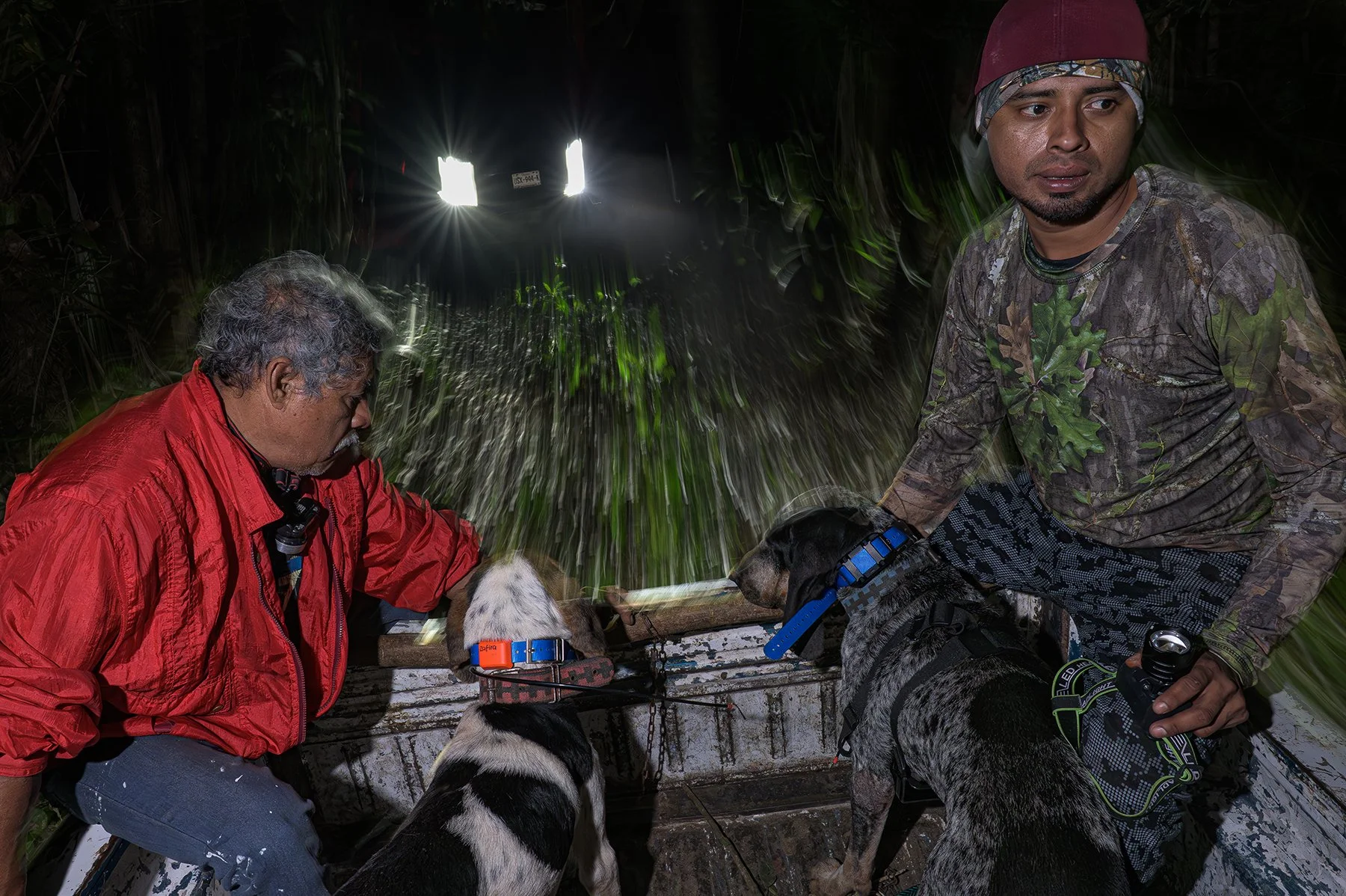
Early in the morning, the jaguar trackers and their hounds sit in a truck’s pickup while driving through the jungle.
In 2010, Gerardo Ceballos and a group of researchers, including biologist Jesús Pacheco, specializing in the conservation of mammal vertebrates in Mexico, Central and South America; Dr. Heliot Zarza, focused on the management and conservation of wild mammals, with more than 20 years of experience studying jaguar ecology; biologist Daniela Medellín, specializing in the abundance and diversity of prey species of jaguars and pumas in the southern part of the Yucatán Peninsula, Mexico; and Carlos Cruz, who studies the ecology of jaguar movement in Quintana Roo and the ecology of predator movement and conservation, as well as the design and implementation of Protected Natural Areas.
“The Laguna Om ejido, an important area for the conservation of biodiversity, particularly the jaguar, was born in the 1940s as a forest management ejido,” explains Dr. Heliot Zarza.
All of them, along with other professionals and institutions such as UNAM (National Autonomous University of Mexico), the WWF-Telcel Foundation alliance, Conservation International, SEMARNAT (Ministry of Environment and Natural Resources), Global Conservation, and residents of the ejidos (communal lands) of Pustunich, Yohaltun, and Laguna Om, set out to answer the question: how many jaguars were actually left in Mexico? The outlook was grim; they knew the numbers were low. Hunting, habitat loss, and conflict with ranchers had pushed the population to the brink of extinction. Ceballos and his team from the National Alliance for Jaguar Conservation (ANCJ) estimated that there were barely 1,000 jaguars left in the entire country. To find out for sure, they decided to conduct the first national census of the species. The finding was revealing: they found 4,100.
At 12 or 13 years old, Ceballos read a novel called “The Last Plover,” about the extinction of a bird species. In the novel, the female is killed, and the male is left flying alone, singing to attract a mate that never arrives. “That image caused me terrible anxiety: the thought of being alone in the world. That's where my inspiration was born; I decided I wanted to save endangered species. I was fortunate enough to have access to public education in Mexico and CONACYT scholarships to train. My specific connection to the jaguar was curious: a hunter approached me in the mid-90s asking if he could legally hunt jaguars. I told him no, because we didn't know anything about their status. As a result, I decided we had to study them,” Ceballos says in an interview with WIRED.
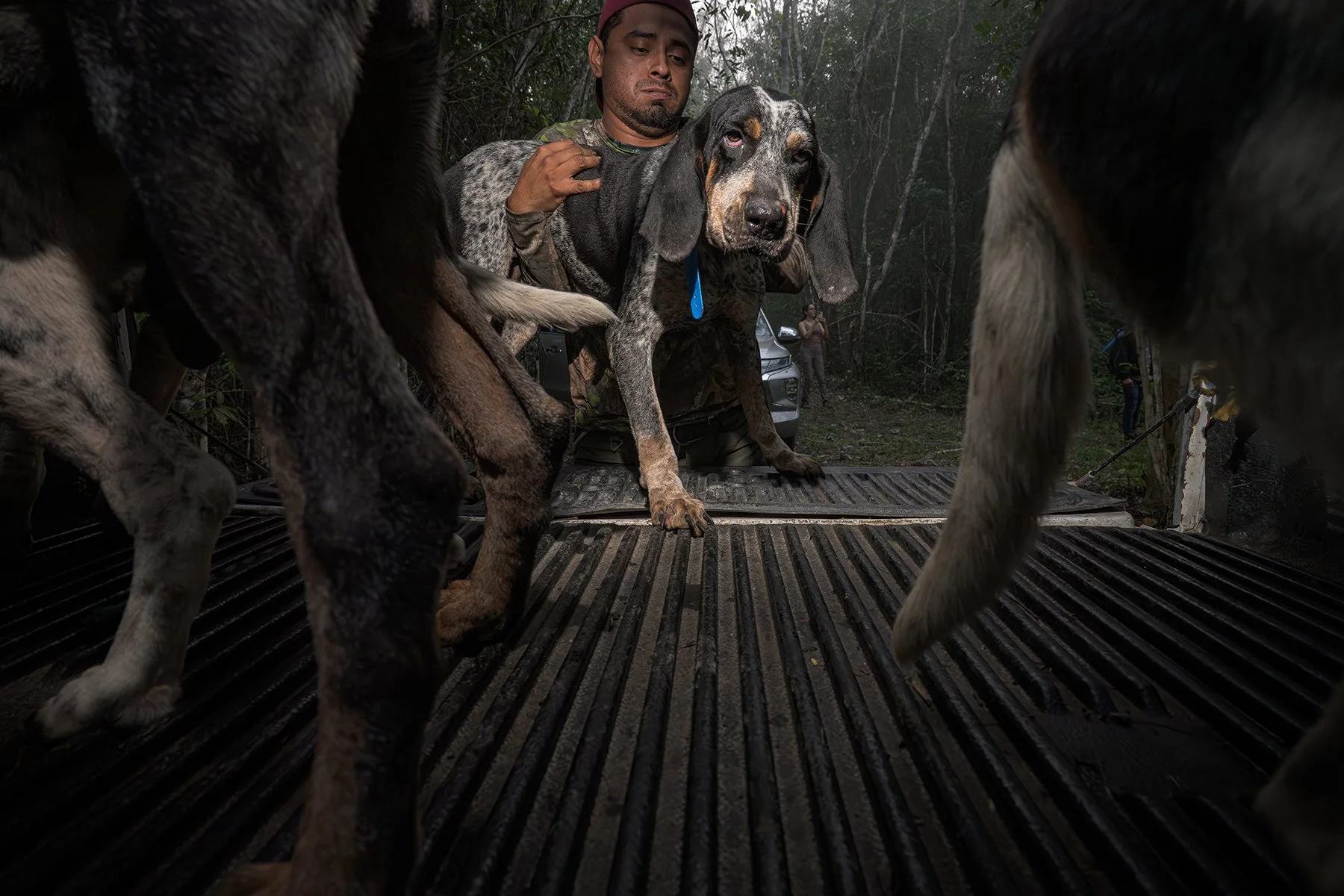
Head jaguar tracker Josué Payan loads jaguar-tracking hounds into his truck. Photo ©Joshua Asel
Since then, Ceballos has forged an unusual alliance: biologists working shoulder to shoulder with former hunters who have traded their rifles for conservation. WIRED accompanied this team into the darkness of the jungle, where the expertise of local trackers is vital. The day begins promptly at 4:00 a.m., a race against the sun to intercept the big cat before it retreats to sleep. The objective is precise: a tranquilizer dart, the placement of a GPS collar, and the start of digital surveillance that, instead of taking a life, seeks to ensure its survival.
Ceballos has forged an unusual alliance: biologists working shoulder to shoulder with former hunters, now ejido members, who have traded their rifles for conservation.
While large carnivore populations are collapsing across much of the continent, Mexico presents a positive statistical anomaly. A 15-year leap forward brings even better news. The latest census, completed in 2024, counted 5,326 jaguars in Mexican territory, a 30% increase compared to the 2010 figures.
To achieve this, an unprecedented operation was carried out: for 90 days, nearly 50 researchers and community leaders monitored 414,000 hectares across 15 states using 920 motion-activated cameras and GPS collars. This is the largest census effort for a mammal ever conducted in the country.

While tracking the jaguar, the team uses GPS to track the dogs while they’re on the active trail. Photo ©Joshua Asel
The conservation team has made a quantum leap in terms of technology. “When we started, we used radio telemetry collars that required manually triangulating the signal; we would get maybe 40 locations of an animal per year. Today, the collars have satellite GPS. The information goes from the collar to the satellite and from there to my computer. We can get readings every hour or even every five minutes, which gives us thousands of data points about their movements. In addition, the advancement in camera traps has been impressive. Before, we got blurry photos; now we have high-resolution video that allows us to study complex behaviors and interactions between species and confirm the health of populations,” explains Gerardo Ceballos in an interview with WIRED.
This technology has made it possible to demystify the predator and, paradoxically, save it.
While large carnivore populations are collapsing across much of the continent, Mexico presents a positive statistical anomaly.

Jaguar captured by a camera trap in Calakmul, Campeche. Photo: Wildlife Ecology and Conservation Laboratory
The jaguar, which according to the Maya embodies the chaotic, destructive, yet vital forces of darkness and night, acts as the great sovereign of the spaces and times where sunlight does not reign. It symbolizes the sun's journey through the underworld during the night, and its spotted coat represents the starry sky.
"We went from triangulating radio signals manually to get 30 locations a year to satellite collars that give us thousands of data points in real time. Today Mexico is the country with the best information on the jaguar because we use technology to understand every step they take."
-Gerardo Ceballos González
"Despite the very complicated situation the country is experiencing, the population has increased. It's a reflection that when you have a well-articulated strategy, things work," Ceballos said in an interview with WIRED.
The Green Fortress: 1.5 Million Hectares
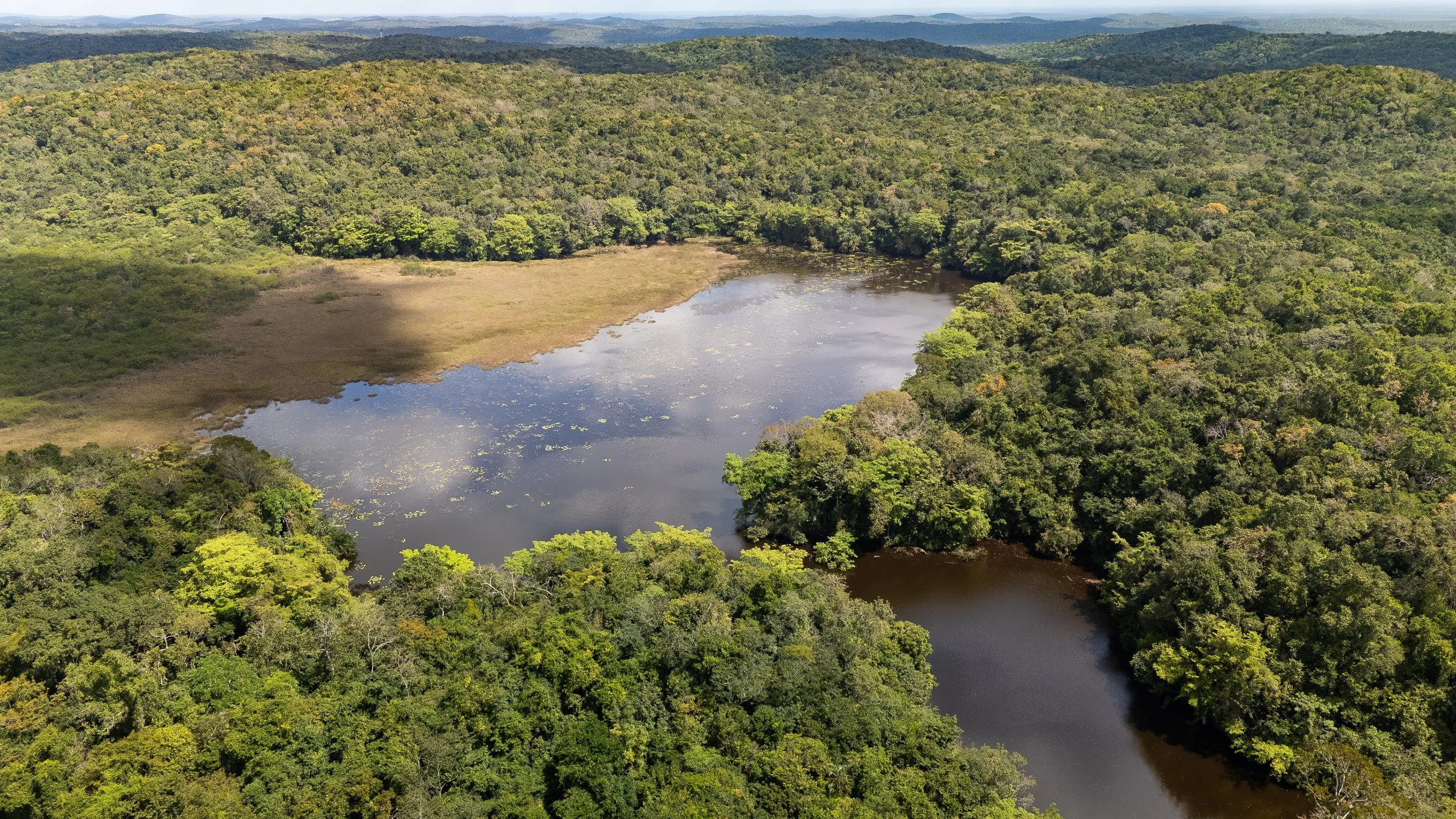
Laguna Om, Campeche. Photo ©Joshua Asel
The context of this recovery is no coincidence. The Calakmul Biosphere Reserve has expanded to become Greater Calakmul: a forested area of 1.5 million hectares. According to data from SEMARNAT (the Mexican Ministry of Environment and Natural Resources), it is the second largest tropical rainforest reserve in the Americas, second only to the Amazon in Brazil.
"The magnitude of the current extinction is as great as the one that wiped out the dinosaurs. This is not an exaggeration: if we continue losing species at this rate, we face a collapse of civilization in two or three decades. That is the true scale of the problem."
This biological corridor is vital not only for the estimated 500 jaguars that inhabit it but also for the region's climate stability. The reserve is home to more than 60,000 species of flora and fauna, 94 species of mammals and 350 species of birds, and approximately 160 species are considered endangered.

When it comes to trafficking black market wildlife products, jaguar teeth are just a tiny tip of the proverbial iceberg. Money from the illegal wildlife trade has been linked to organized criminal gangs and corrupt governments—all at the expense of wild animals, the environment, and our national security.
However, size does not guarantee safety. The area faces constant threats: illegal logging, fires set for land-use change, and wildlife trafficking.
Ceballos' team has created a model where conservation is profitable: payment for environmental services, ecotourism, and sustainable forest management.
The Mexican strategy is distinguished by its pragmatism. Ceballos is emphatic: “It’s vital not to romanticize it. There’s this idea that rural communities live in perfect harmony with their environment, and that’s only partially true when the population is very small. But the foundation of this project’s success is understanding that the ejido members are people with the same needs and aspirations as we are. If the forest doesn’t provide them with any economic benefit, there’s no incentive to conserve it,” he maintains.
Ceballos' team has created a model where conservation is profitable: payment for environmental services, ecotourism, and sustainable forest management. “The moment conserving the rainforest generates income for them and improves their quality of life, the relationship becomes virtuous. It's an exchange: we receive permission to conduct research and their invaluable knowledge of the land, and they receive resources and guidance to benefit from their land without destroying it,” he explains to this magazine.
"We shouldn't romanticize rural communities. If the rainforest doesn't provide them with any economic benefit, there's no incentive to conserve it. Nobody protects what doesn't help them survive. For conservation to work, it has to be profitable for those who live there, just like it is for anyone else."
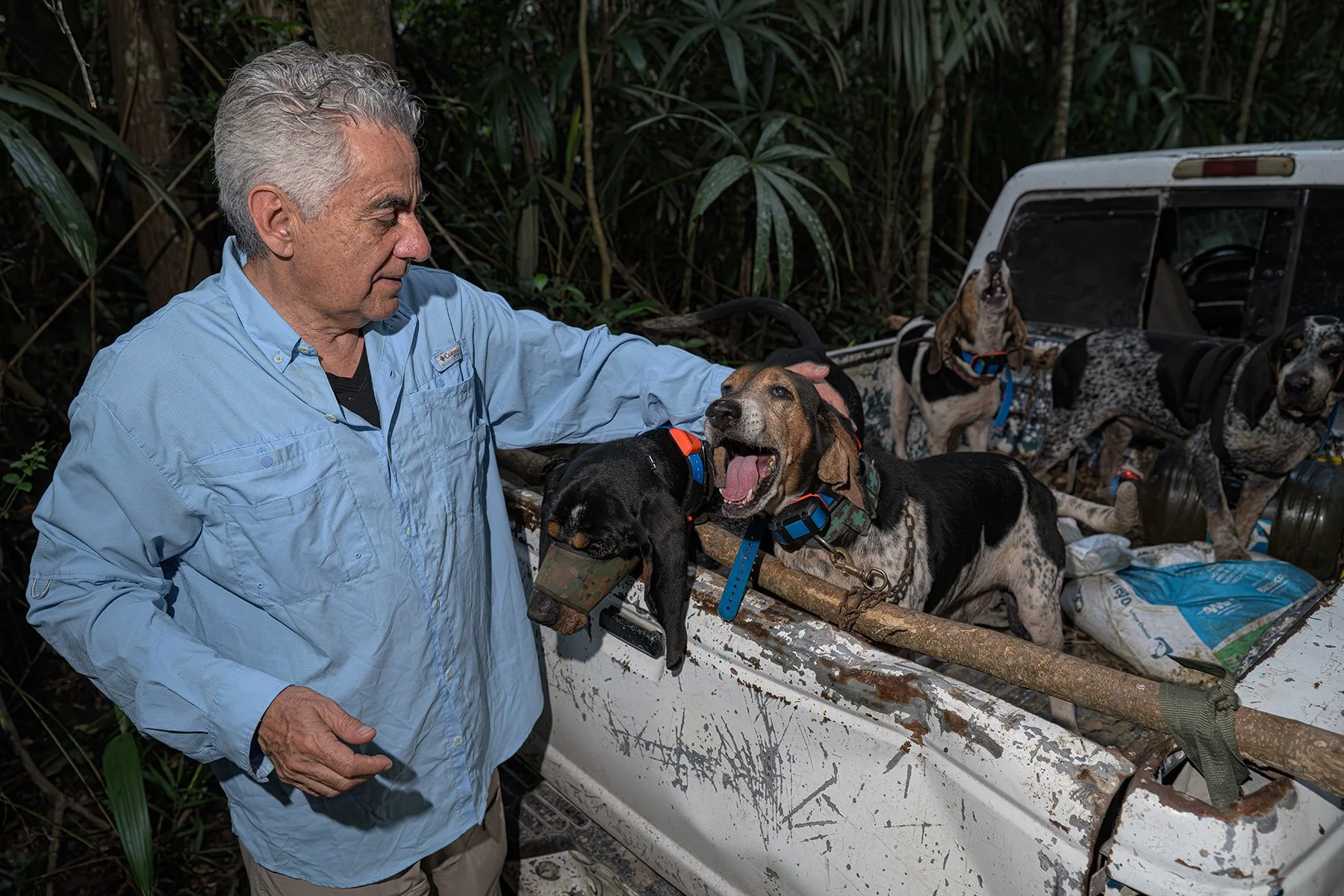
Dr. Gerardo Ceballos pets the jaguar-tracking hounds in the Calakmul study area, which is part of the Yucatan Peninsula. The dogs themselves are also equipped with GPS collars that help the jaguar trackers see where their dogs are in real time during an attempt to capture a jaguar. Photo ©Joshua Asel
For the jaguar to survive, the forest must be worth more standing than cut down. Organizations like Global Conservation have injected critical resources—nearly $100,000 annually over the past six years—to professionalize the park's protection. This includes funding patrols, equipping rangers, who travel up to 10,000 kilometers a year, and supporting monitoring technology.
The model integrates local ejidos through payment for environmental services and carbon projects (REDD+), allowing communities like Laguna Om to receive income for keeping the rainforest intact.
The model integrates local ejidos through payments for environmental services and carbon projects (REDD+), allowing communities like Laguna Om to receive income for keeping the rainforest intact. "It's an ethical trade," the conservation team points out. "They protect the jaguar's habitat because that habitat now pays the bills."
Infrastructure and Mitigation
The development of southeastern Mexico, spearheaded by the Maya Train project, has posed a monumental challenge. Habitat fragmentation is a death sentence for species that require large territories; a single jaguar needs between 2,500 and 10,000 hectares.
Scientific intervention led to the implementation of wildlife crossings—structures designed to allow animals to cross under the tracks—and the expansion of protected areas as compensation.
Although controversial, the result is the infrastructure project with the largest number of planned wildlife crossings in the world, an attempt to reconcile economic development with biological survival.
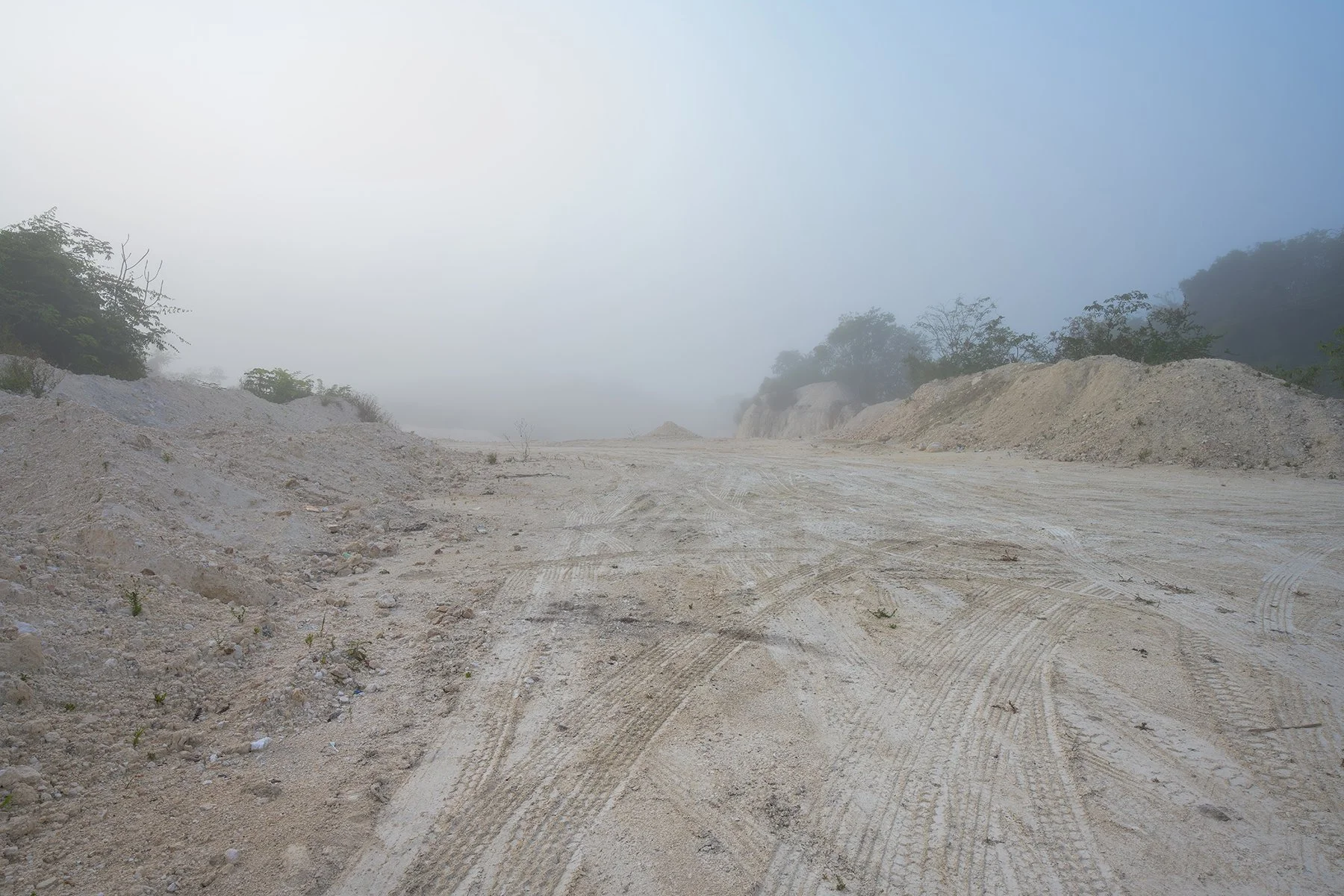
According to one biologist, sections of protected jungle were mined to supply the new Maya Train with resources. Although deforestation for cattle poses a more significant threat to the health of this local ecosystem. Photo ©Joshua Asel
“Our guide is always science, not politics or personal philosophy. When the Maya Train was announced, we knew it wasn't in our hands to stop it. What we did was scientifically analyze the risks: habitat fragmentation and roadkill. We negotiated with the government (Fonatur) and managed to get wildlife crossings established,” Ceballos explains.
“I can say that this is the infrastructure project with the most planned wildlife crossings on the planet. We managed to ensure that the train did not pass through the core areas of the reserves and that the buffer zones were respected. In the end, the negative impacts are much smaller than if we hadn't intervened, and the wildlife crossings will prevent jaguar populations from becoming isolated, which would be genetically disastrous,” he maintains.
In his recent book, Before They Vanish, Ceballos warns that species extinction is not a romantic problem but an existential one. The loss of biodiversity at the current rate threatens to collapse modern civilization within decades.
In Calakmul, the struggle is daily. Forest rangers equipped with technology, scientists analyzing satellite data, and ejido members managing their lands form the first line of defense. Mexico is demonstrating that saving the jaguar doesn't require miracles; it requires data, money, and the political will to understand that without nature, there is no future.
"We are at a crucial moment," Ceballos concludes from the camp. "If we consolidate this, there will be jaguars in Mexico forever."

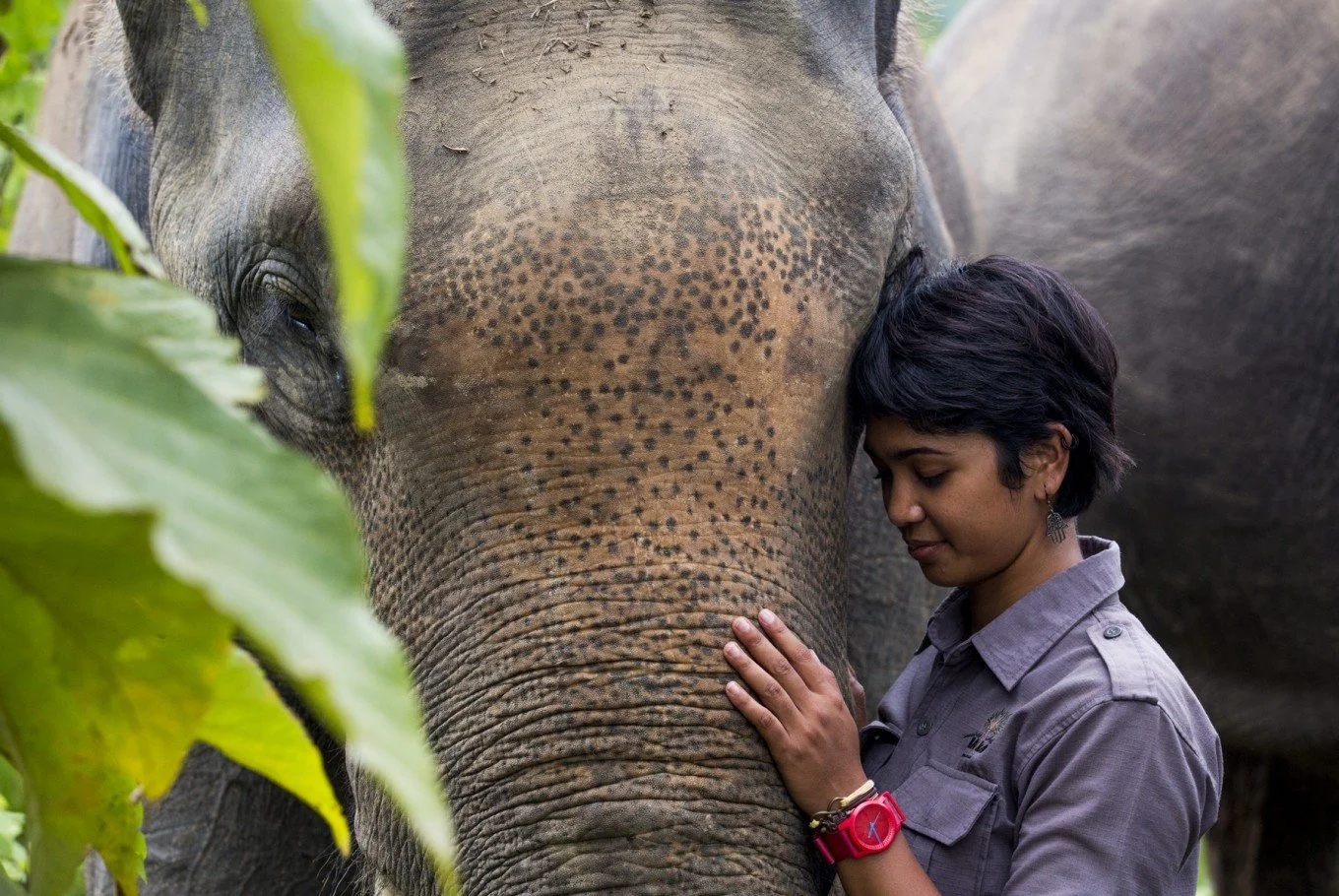


Update: On October 31st, the President of the Congress of Guatemala and Congressman César Fion gave a formal recognition to the Genesis Elite Ranger Team and to me inside the Congress in Guatemala City.