Saving Rawa Singkil Wildlife Reserve of Leuser Ecosystem, Aceh Province, Sumatra, Indonesia
Protecting a Globally Critical Tropical
Rainforest Ecosystem for Orangutans and Tigers
Saving Rawa Singkil Wildlife Reserve
Leuser Ecosystem’s Rawa Singkil Wildlife Reserve is one of the world’s last intact Peat Swamp Ecosystems, highest in carbon and biodiversity value—with some of the last Sumatran tigers remaining in the Wild, and over 5,000 endangered Sumatran orangutans.
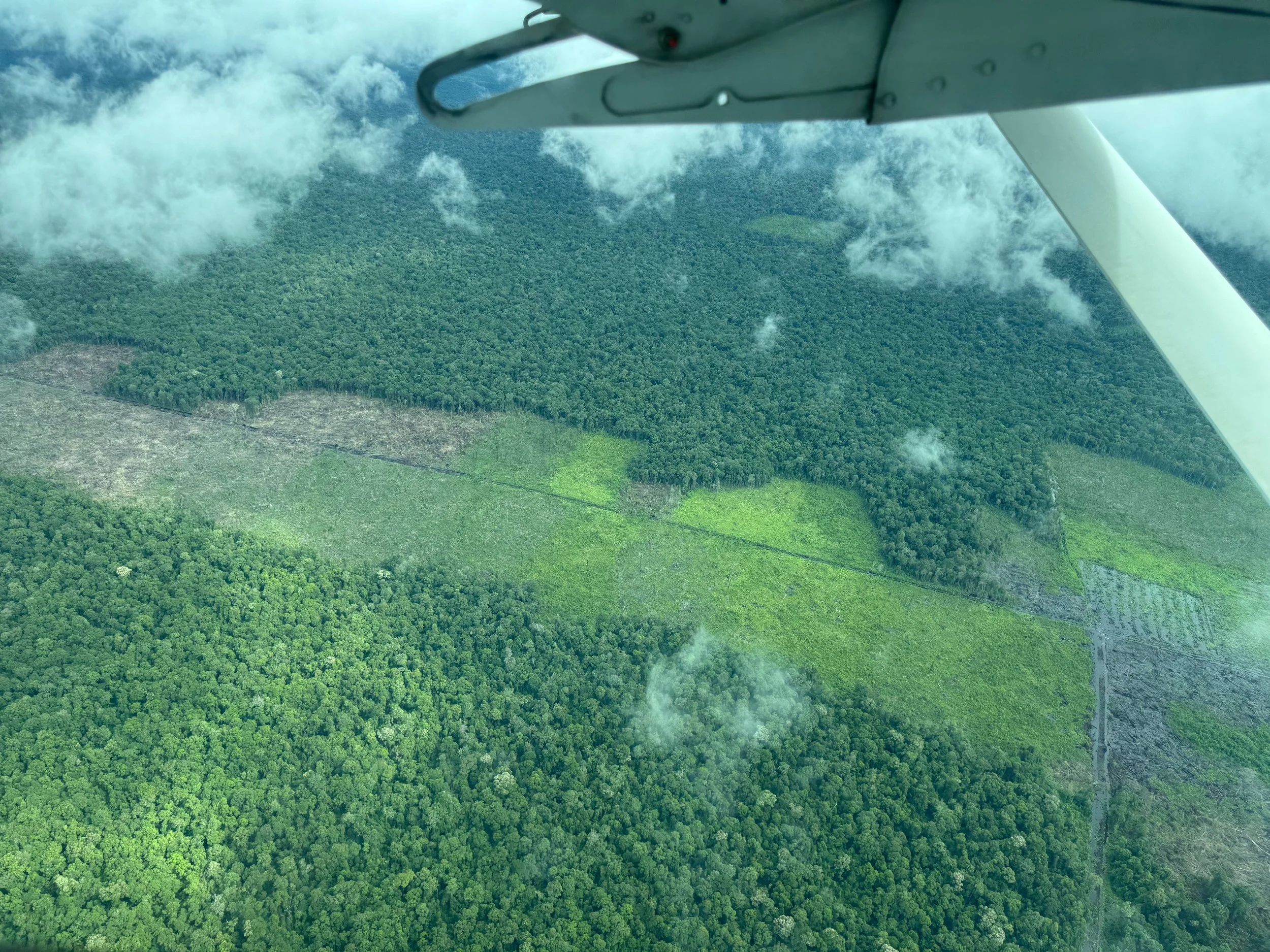

In 2025, satellite evidence shows 652 hectares of new illegal oil palm plantations inside Rawa Singkil Wildlife Reserve, with 453 hectares already in production as of September 2024. The destruction of large forest areas in Singkil is happening now and likely has the involvement of corrupt government officials. Almost 5% of the wildlife reserve has already been destroyed.
Further clearing can be stopped under Indonesian Law, with many precedents in Aceh and the Leuser Ecosystem of successful forest and wildlife protection by the combined hard work of FKL and HAkA, with Global Park Defense and Community Protection supported by Global Conservation. As well, natural restoration and reforestation can heal the lost forests if illegal clearing is stopped.
Global Conservation has been a conservation leader for the Leuser Ecosystem since co-funding the first Aceh State Government conservation agency – BKPEL - in 2010, and working with FKL (Protection and Science) and HaKA (Campaigns and Investigations, Legal and Policy) since their foundation.
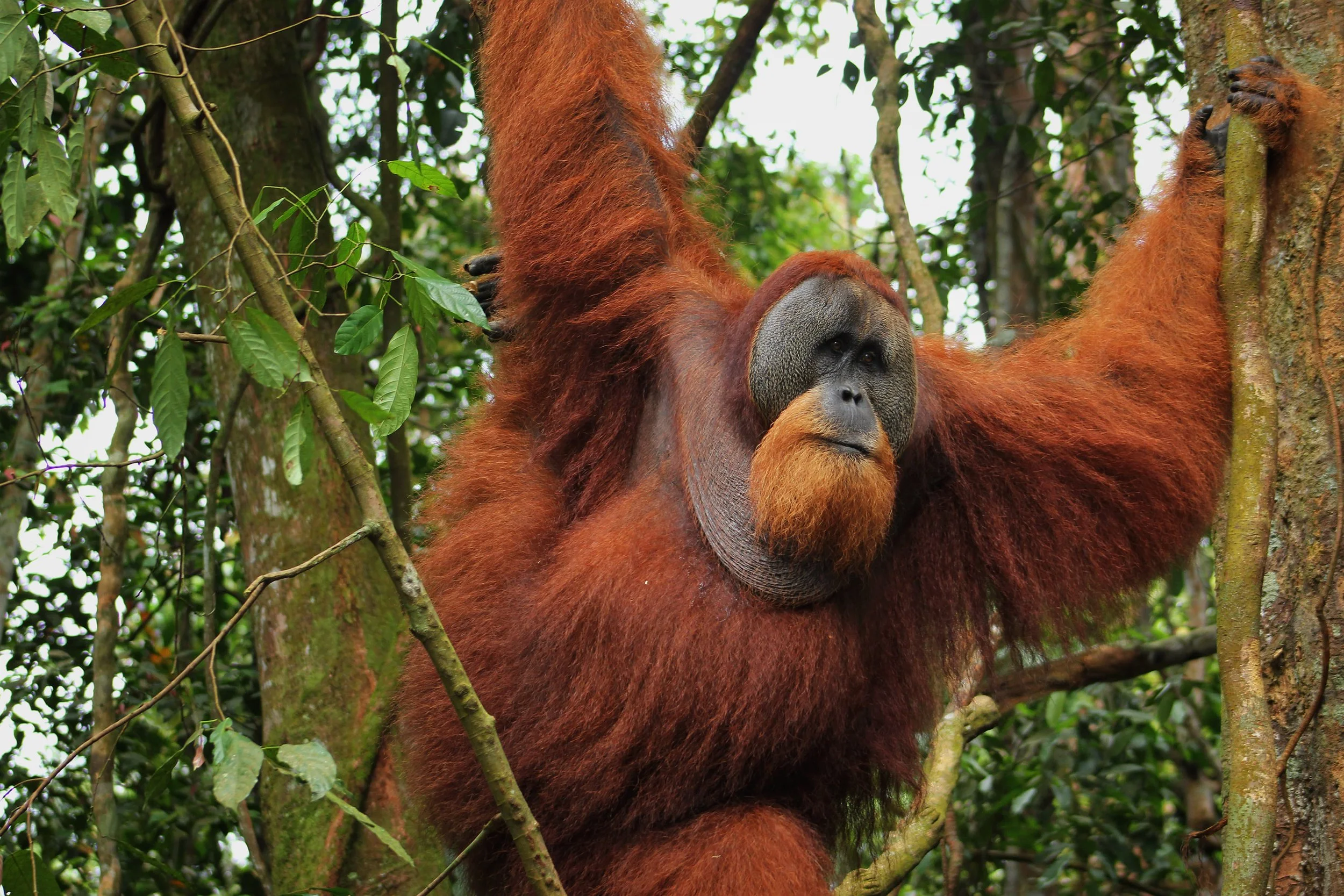
The Leuser Ecosystem alone is home to over 85% of the last orangutans in all of Sumatra.
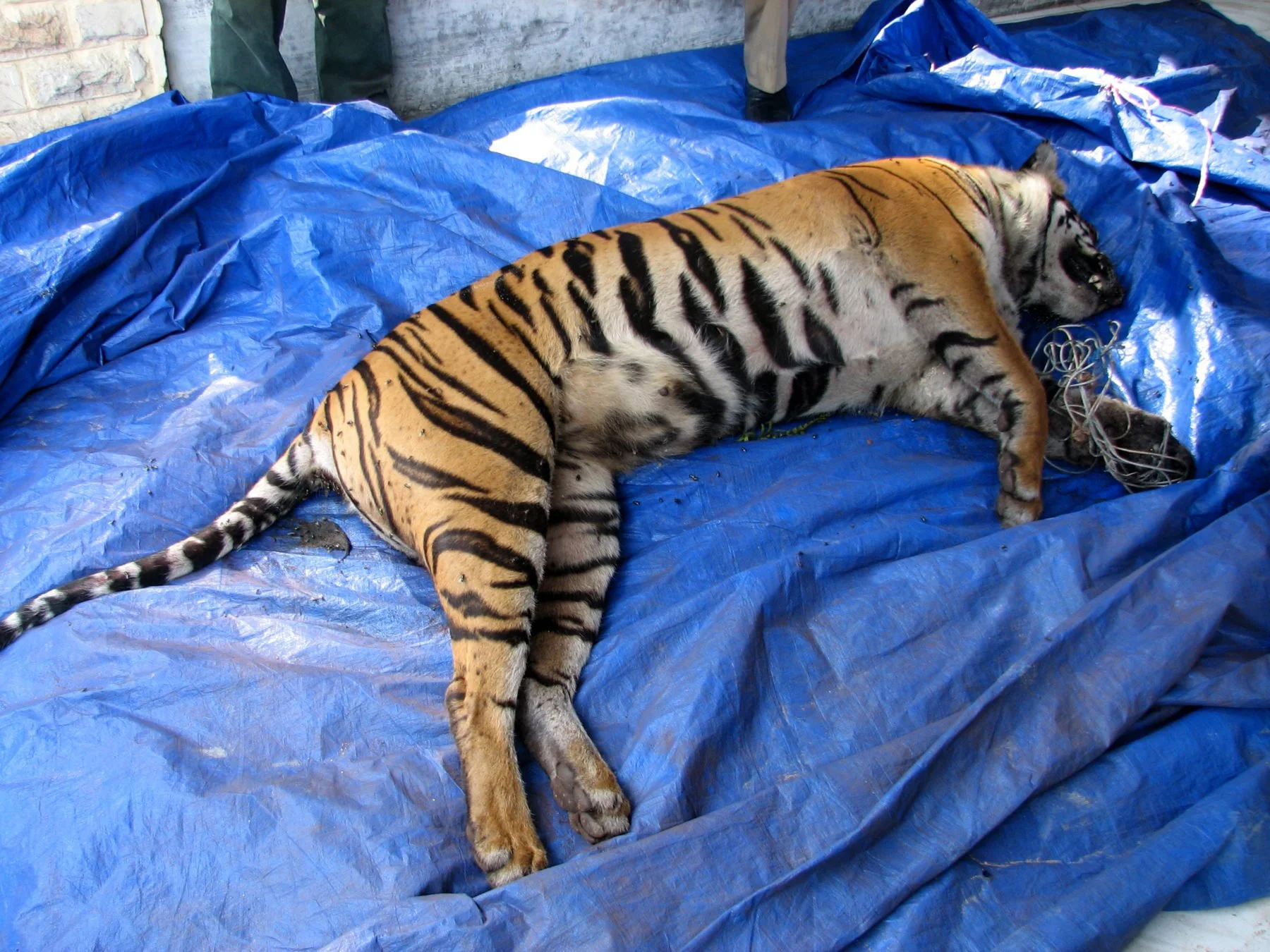
As is the case with tiger populations around the world, each subspecies is dwindling due to poaching and habitat loss.
Along with key co-funders of the Leuser Ecosystem—Arcus, Canopy, Oak Foundation, and Full Circle—GC has protected over one million hectares of critical habitat for Sumatran Rhino, Tiger, Elephant, Bear and Orangutan, largely eliminating illegal forest loss in Bengkung Trumon Megafauna Sanctuary, and FKL / HAkA has stopped destruction almost everywhere else in the Leuser Ecosystem—except Rawa Singkil Wildlife Reserve.
The urgency of habitat, critical ecosystem, and biodiversity destruction of the Rawa Singkil Wildlife Reserve of the Leuser Ecosystem is already critical, and its protection will be a model example of how developing countries like Indonesia can stop illegal deforestation in their national parks and wildlife reserves.
The combined force of GC, FKL and HAkA will be able to stop illegal deforestation and make Rawa Singkil Wildlife Reserve the shining model in Asia of how any endangered national park or wildlife reserve can be protected by combining a great NGO(s) working together with local communities and government Multi-Jurisdictional Teams (MJTs) to protect against large-scale illegal invasions, corruption, and land speculation.
GC Partners in Conservation
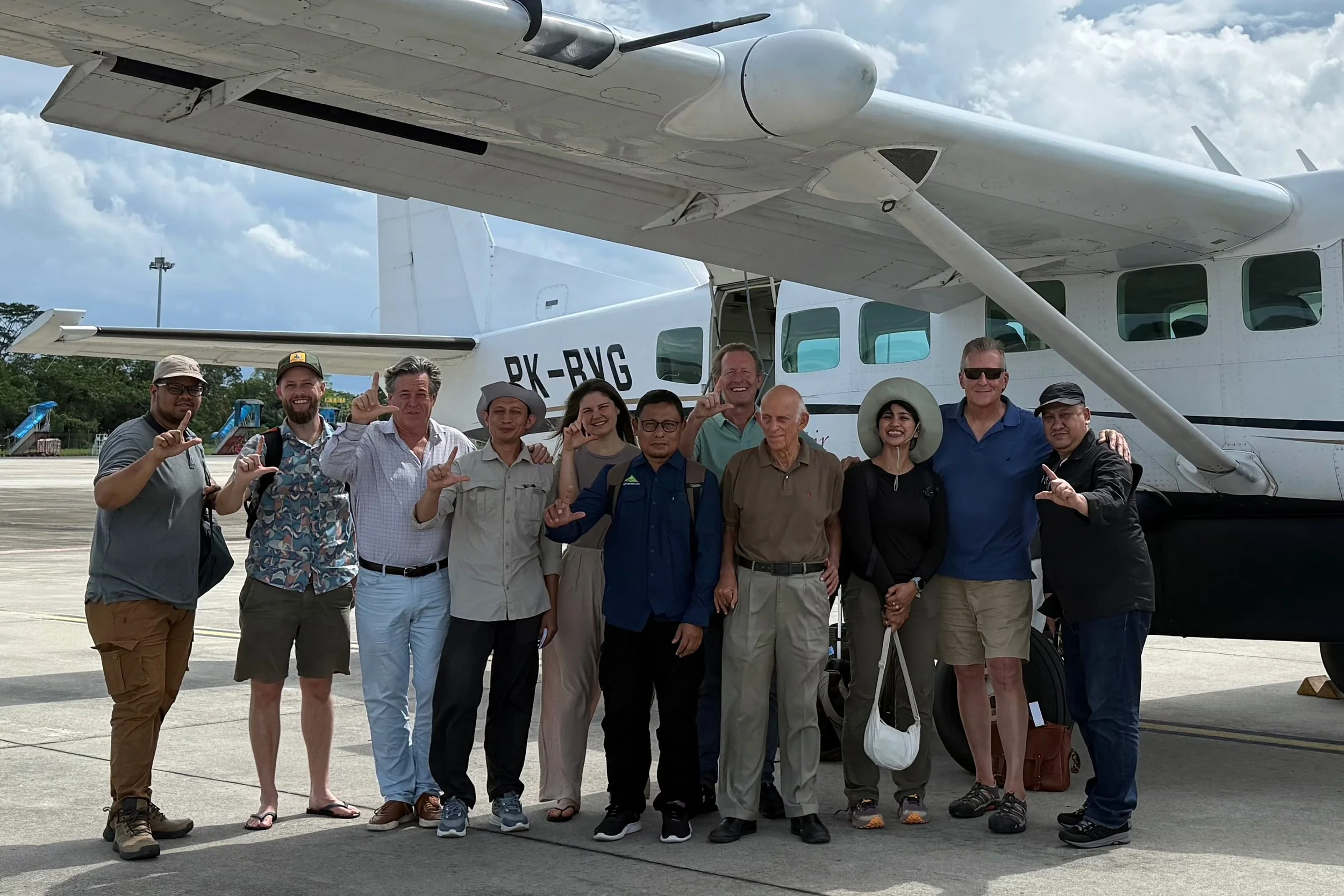
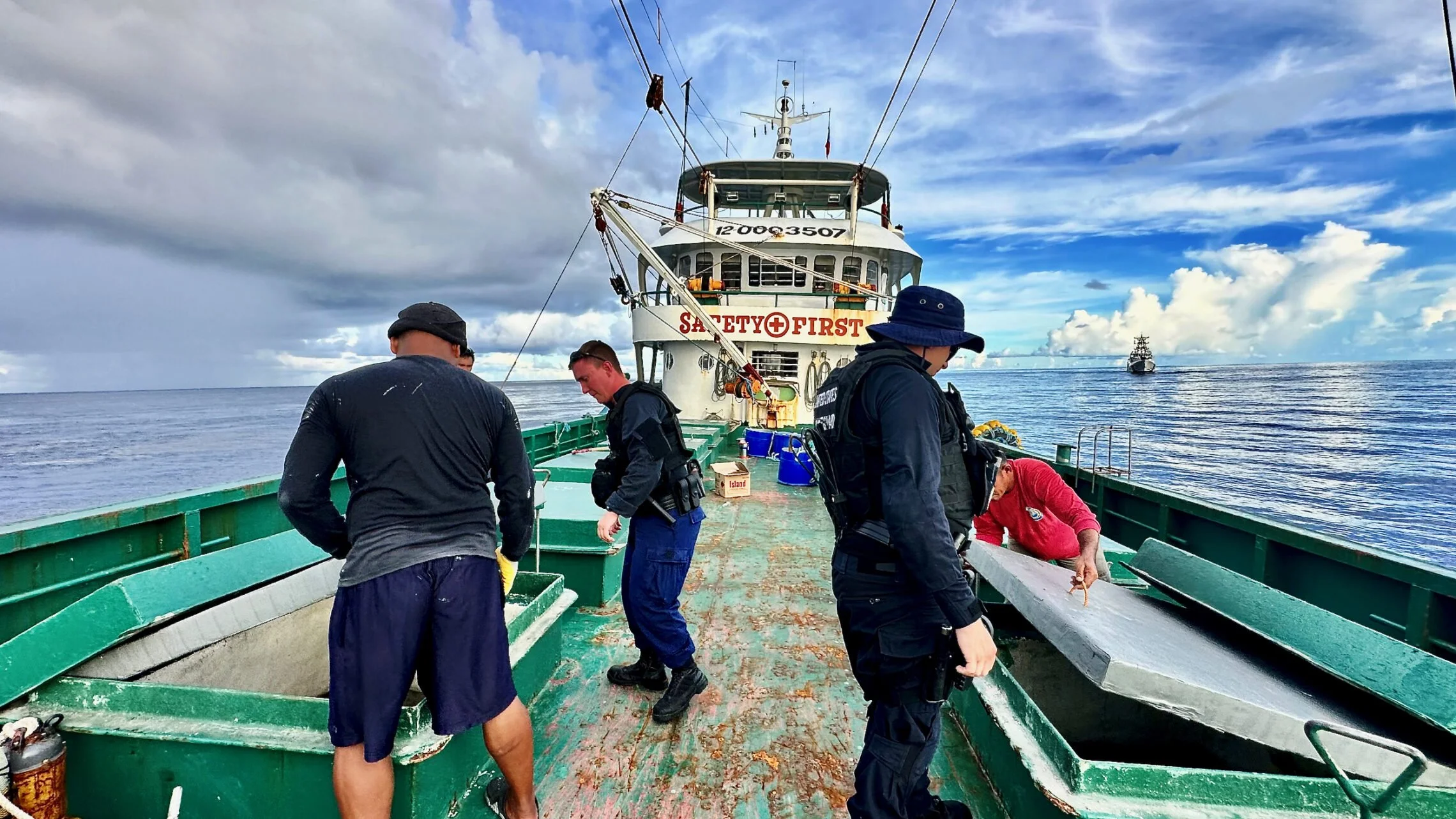
2014 Goldman Prize winner Rudi Putra (fourth from left) and colleagues board a flight to the Singkil Wildlife Reserve, Aceh Province, Indonesia. Photo ©Michael Sutton.
FKL (Leuser Conservation Forum) has worked with Global Conservation for nearly 15 years since its precursor, BKPEL. FKL has successfully stopped land invasions across the Leuser Ecosystem using Multi-Jurisdictional Teams (MJTs) and SMART Patrolling, reducing deforestation to under 0.08% in 2024, down from nearly 1% annually in 2015, just ten years ago, across 2.86 million hectares. With proper funding for multi-year forest protection, we can secure Rawa Singkil Wildlife Reserve the same way under Federal Law and the protection of Indonesia’s national Constitution.
Case Study: Leuser Ecosystem: Southwest Leuser

In Mamas Valley, a large area in Southwest Leuser, FKL deployed 40+ Wildlife Team members across 9 newly established stations over a 5-year period, effectively stopping all further land invasion and cutting of forest. Thousands of acres were under threat and a solid presence is still required. Each FKL station has a Multi-Jurisdictional Team (MJT) comprising 4 FKL, 2 National Park Rangers, 1 Police, and 1 Military (as needed). Aceh Forest Officers are also involved.
This protection model can be implemented in Singkil by building a post at the boundary of the area and activating rangers who permanently guard the area through MJT. Currently, FKL has built 1 post unit in Singkil and is ready to build other posts.
Yayasan HAkA (Forest, Nature, and Environment Aceh) is a proven NGO and campaigner, as well as a leader in global and national legal and public relations for the Leuser Ecosystem’s protection.
HAkA has campaigned, lobbied, and held legal challenges to many cases in the destruction against the Leuser Ecosystem, including winning a $23 million award in fines from the company that destroyed Tripa Peat Forest, a direct allegory to what is now happening to Singkil Peat Forest—which we will stop before it is too late.
The Opportunity—Retaking Federal Control and Natural Rebirth
The Threats
Despite its status as a conservation area in Indonesia, the Rawa Singkil Wildlife Reserve saw a fourfold increase in deforestation between 2021 and 2023. An alarming 74% of total deforestation since 2016 occurred after the EUDR cut-off date of December 31, 2020, indicating a systematic disregard for legal protections and regulatory requirements.
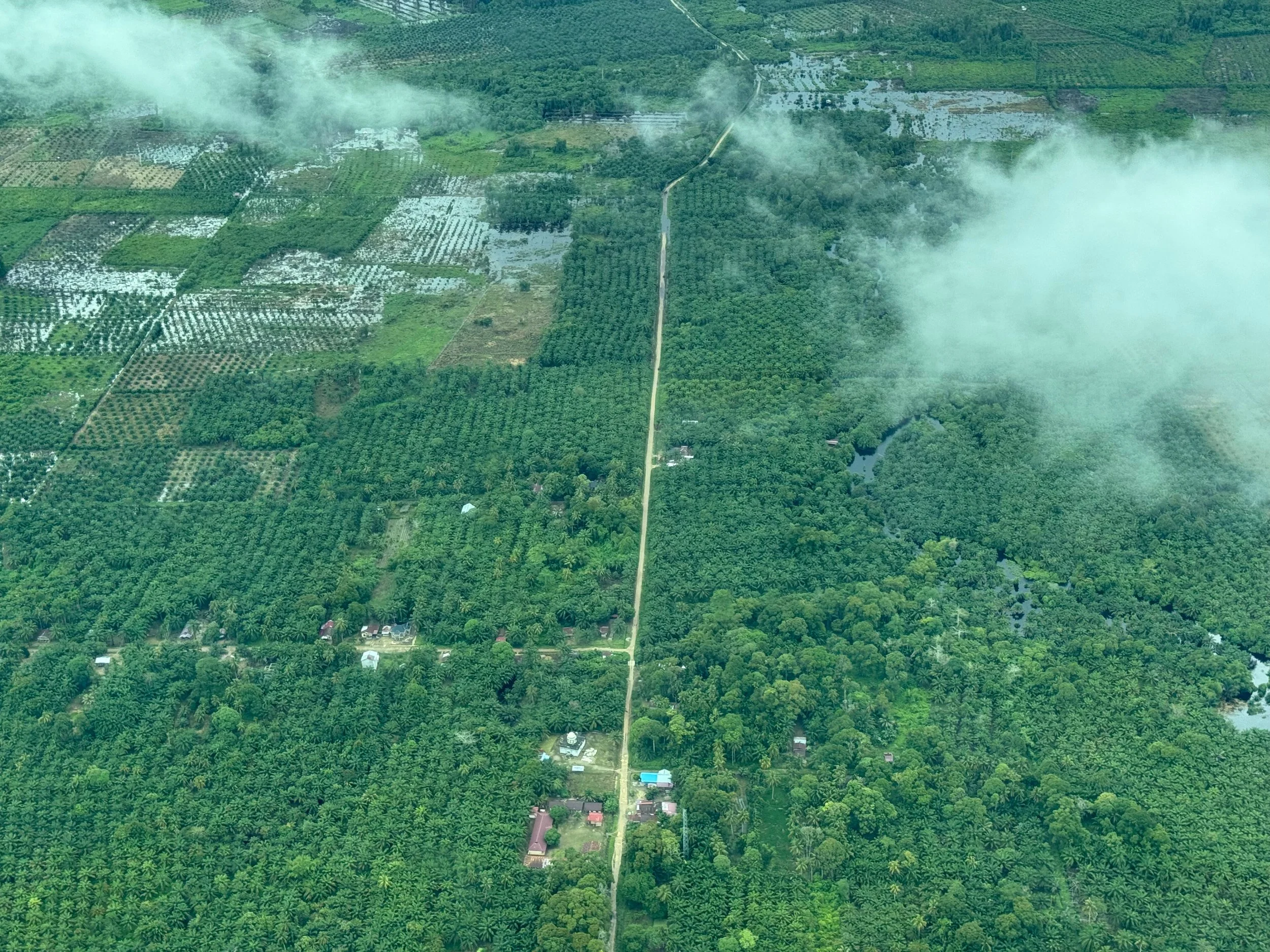
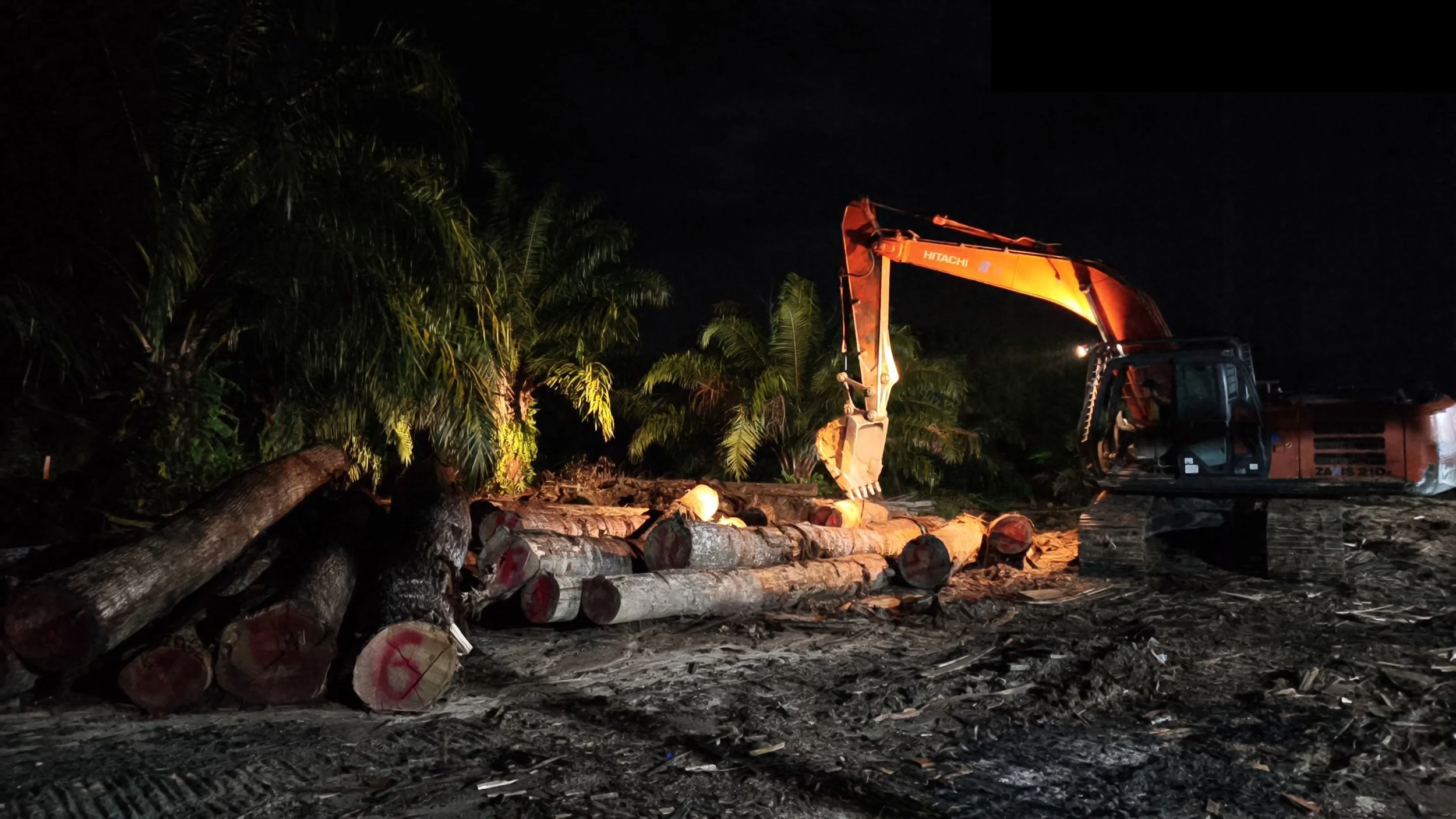
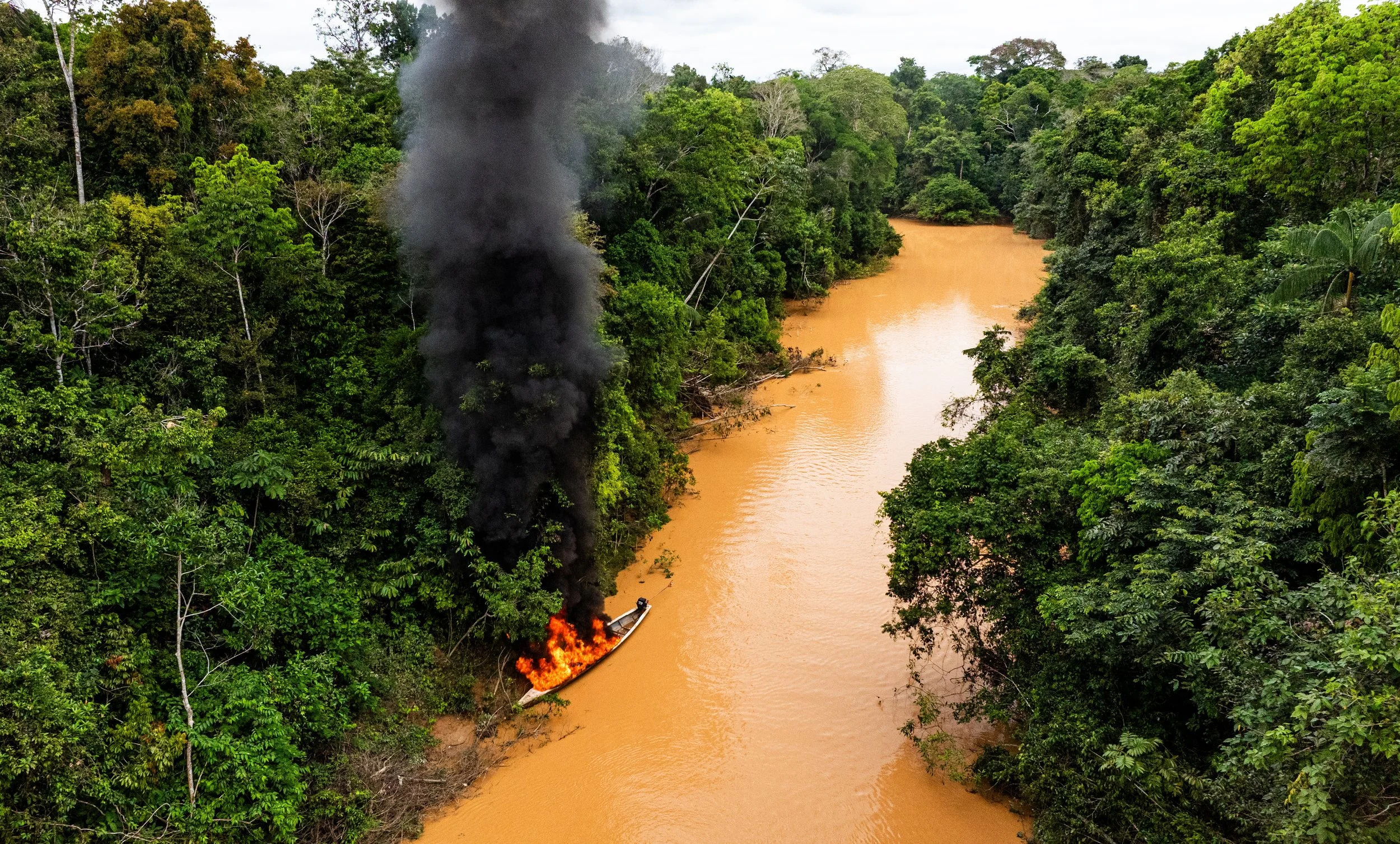
Precious rainforest and critical habitat for many threatened and endangered species are replaced by illegal palm oil fields.
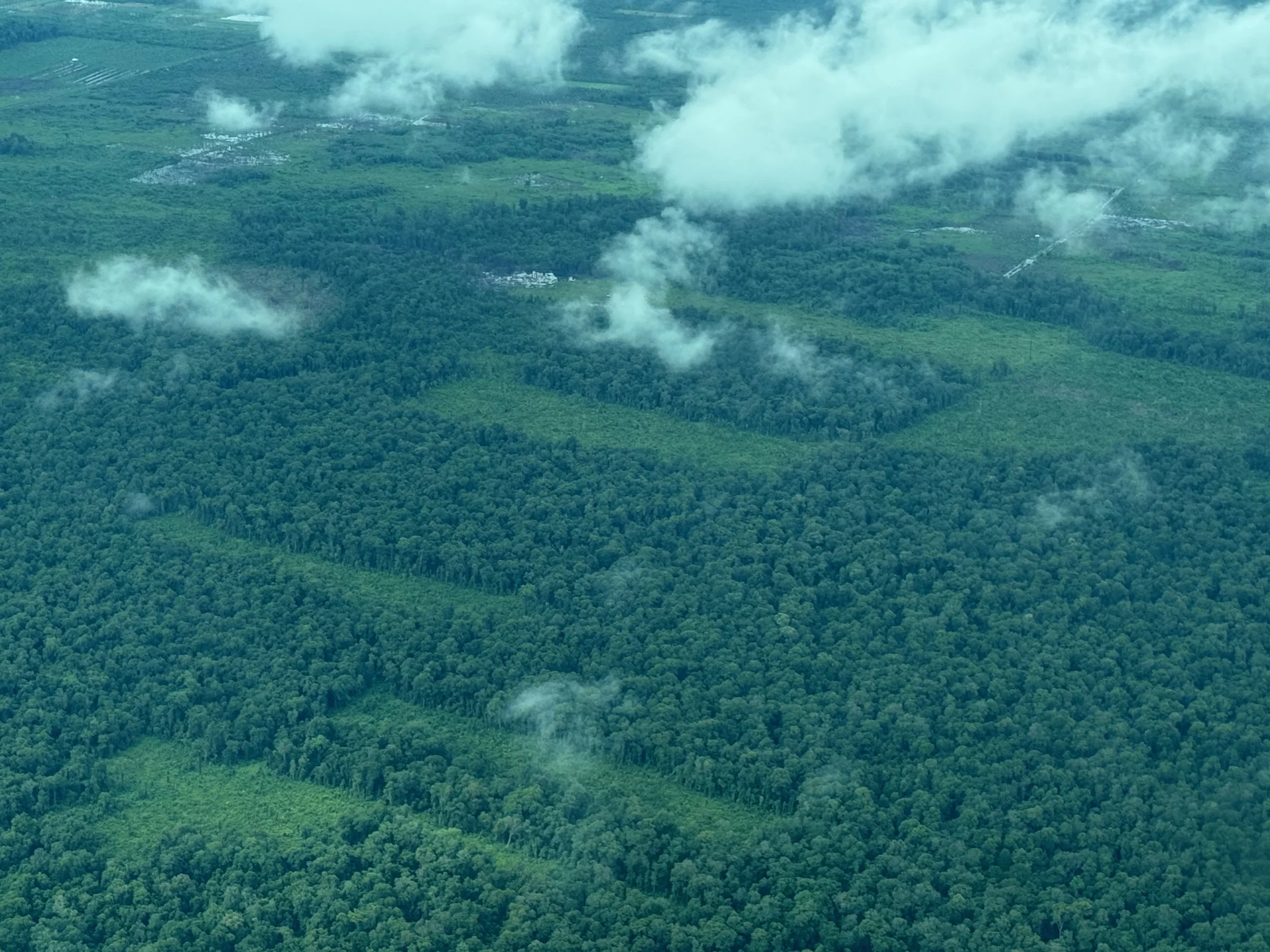
Illegal land clearing inside Singkil Wildlife Reserve. Photo taken 11/24/2025.
The unfolding crisis appears to be a systematic attempt to cause degradation in intact peat forest areas before the conclusion of the national government’s field validation of the reserve boundaries to officially reduce the reserve size and normalize the illegally cleared areas.
Singkil is the victim of a new palm oil ‘laundering’ loophole in which wealthy land speculators use the cover of smallholder farmers to avoid accountability for illegal deforestation. The evidence presented demonstrates that palm oil remains the main driver of illegal deforestation inside the reserve, and the actors responsible are primarily land speculators, not family-managed smallholder farms.
While Indonesia’s national primary forest loss rates have fallen considerably since their peak in 2014, deforestation for oil palm spiked in 2023 and remains a leading driver of deforestation in some of Indonesia’s most biodiverse landscapes. This includes the nationally protected Rawa Singkil Wildlife Reserve, part of the wider Leuser Ecosystem known as the “Orangutan capital of the world.”
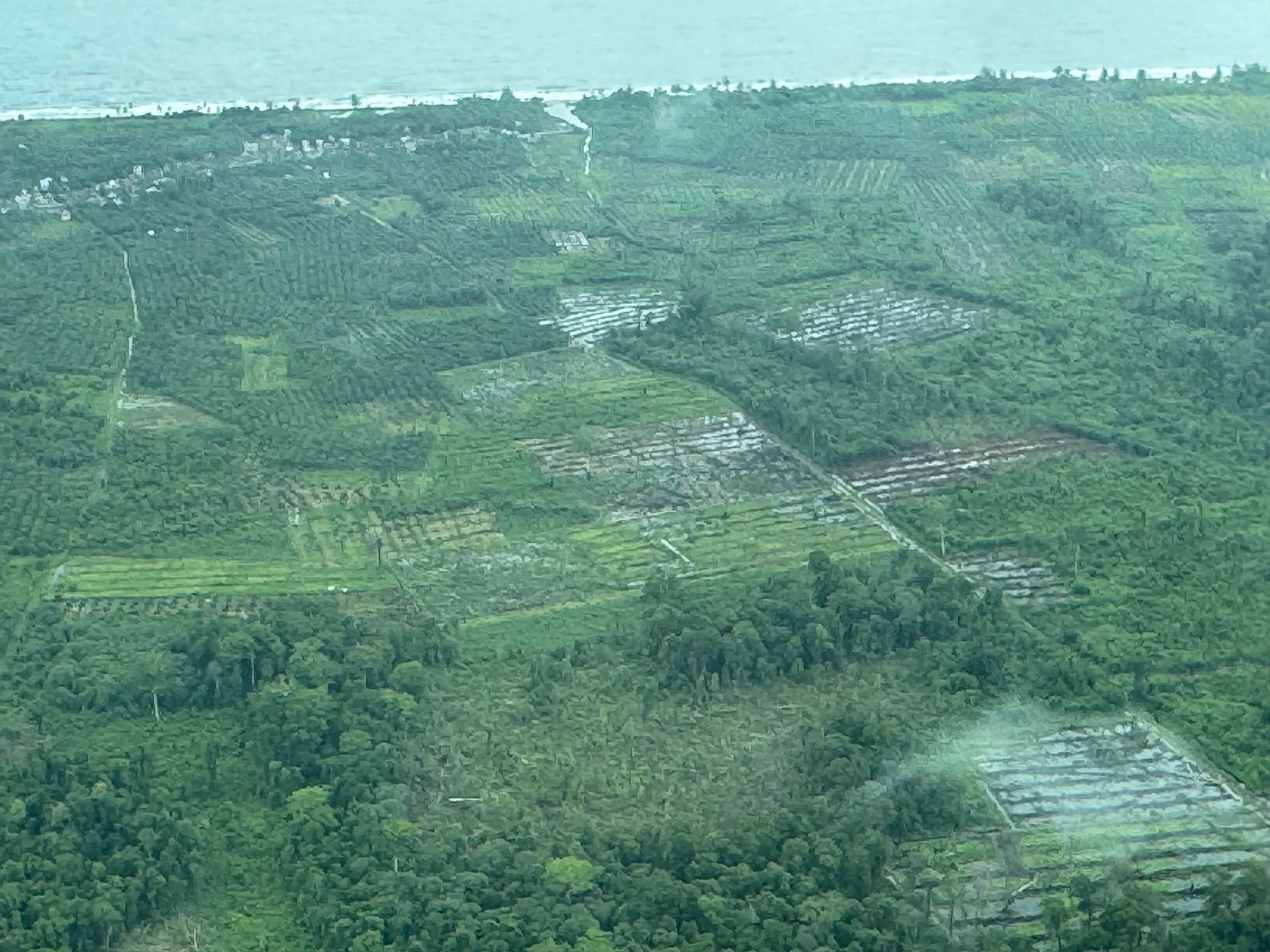
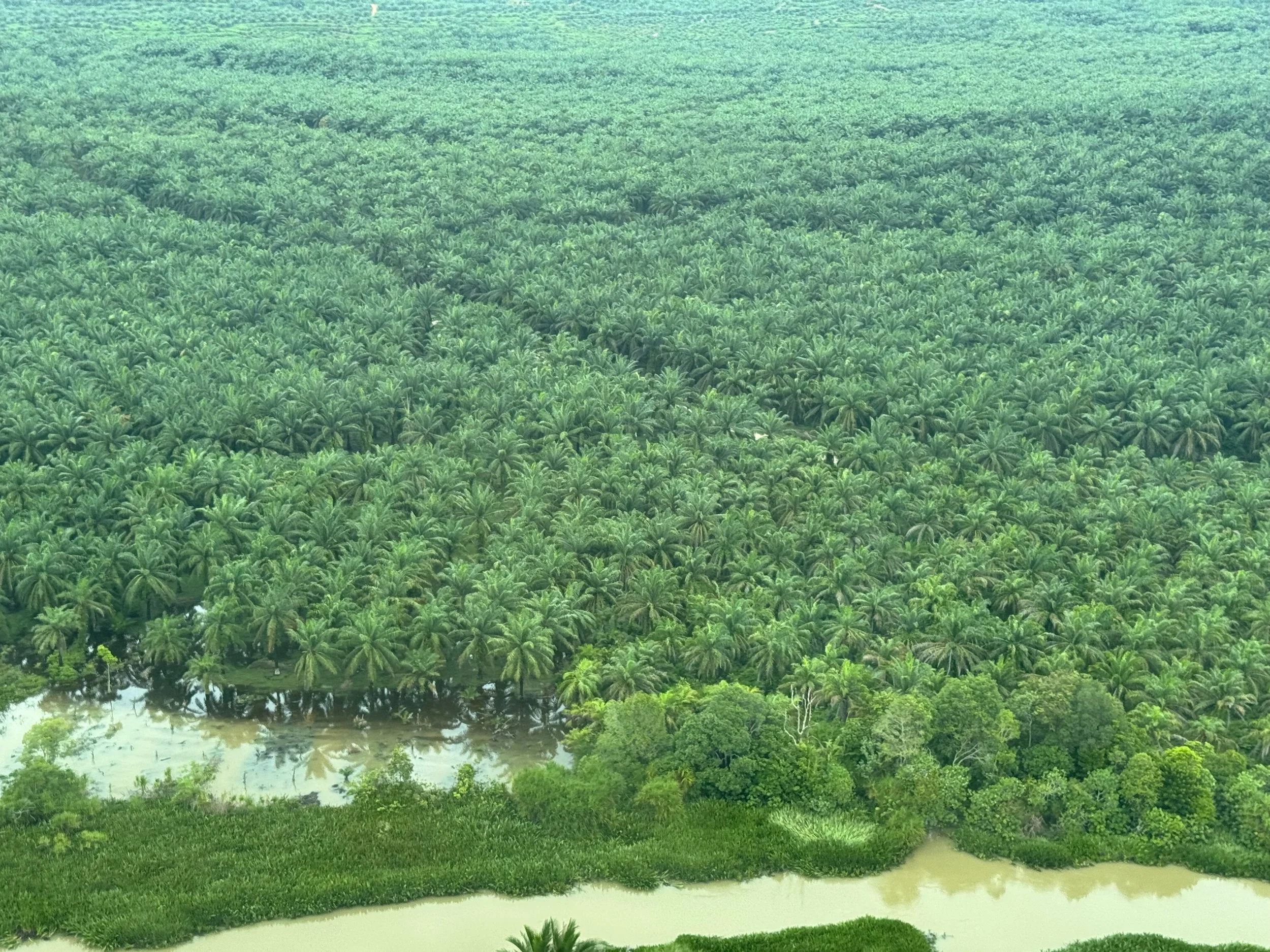
Rainforest Action Network (RAN) investigations over the last decade have consistently shown how traders with RSPO-certified operations, including Apical (Royal Golden Eagle Group), Wilmar, Golden Agri Resources (Sinar Mas Group), Musim Mas, and Permata Hijau, are exposed to palm suppliers that are clearing peat forests and producing oil palm illegally inside the Rawa Singkil Wildlife Reserve. Their traceability, monitoring, and compliance systems remain demonstrably inadequate, as they have been repeatedly exposed for sourcing palm oil produced illegally within the reserve.
In July 2024, RAN commissioned satellites of Pléiades Neo to fly above the Rawa Singkil Wildlife Reserve and capture high-resolution images documenting the extent of illegal deforestation within the ‘orangutan capital of the world.’ These images provide unprecedented detail, allowing us to map the mosaic of illegal deforestation and oil palm production in the reserve and estimate the age of individual oil palms to determine when the clearance and planting occurred.
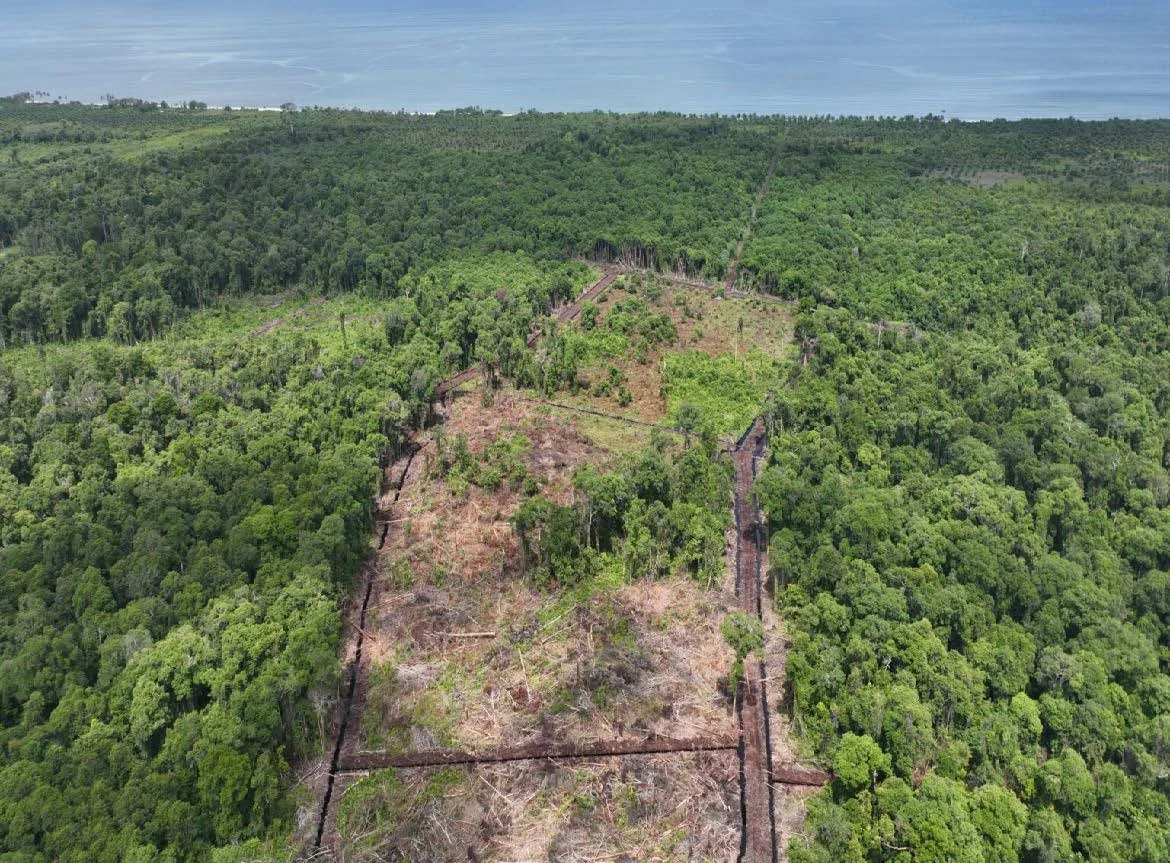
Roadways created by poachers are seen from the air.
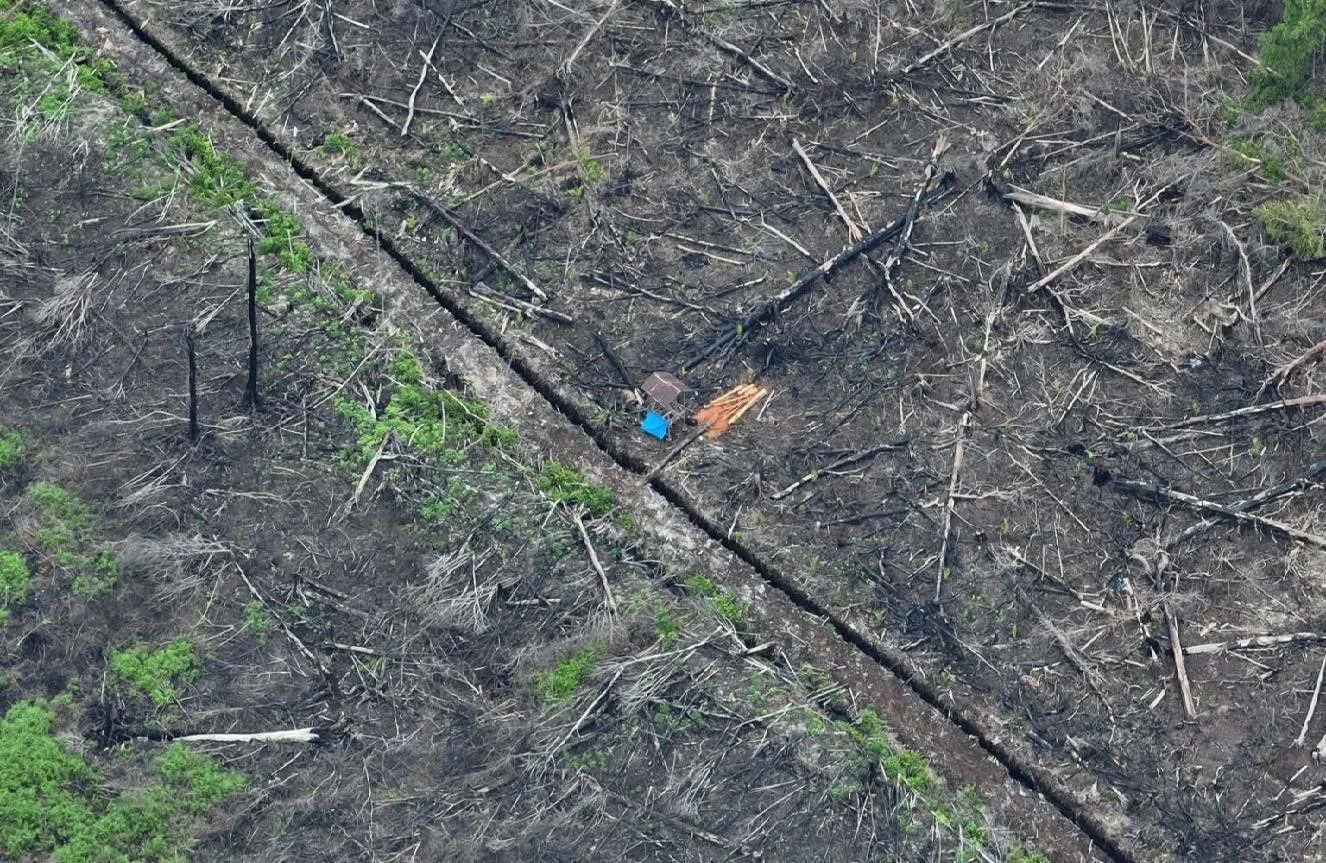
The encampment of the poachers is spotted.
Alarmingly, deforestation was found to have increased inside the reserve after the adoption of ‘no-deforestation’ cut-off dates. The analysis, carried out by TreeMap, reveals 2,577 hectares (6,368 acres) of deforestation inside the nationally protected Rawa Singkil Wildlife Reserve since the December 2015 deforestation cut-off date adopted by the palm oil sector and major brands. Even more concerning, it shows that the highest levels of deforestation, 74% of the total since 2016, occurred after the EUDR cut-off date of December 31, 2020.
Furthermore, recent speculation that the Ministry of Forestry’s proposed initiative to downgrade the status of Rawa Singkil from Wildlife Reserve is distressing and discredits the ecological value of the area. From the perspective of the Ministry, downgrading the status offers a solution for conflict resolution and potentially improved management through other institutions. However, HAkA and other local organizations are strongly urging the Ministry to maintain the status while investing in strengthening existing institutions managing the Wildlife Reserve (BKSDA Aceh) with financial and human resources to promote and safeguard this precious landscape.