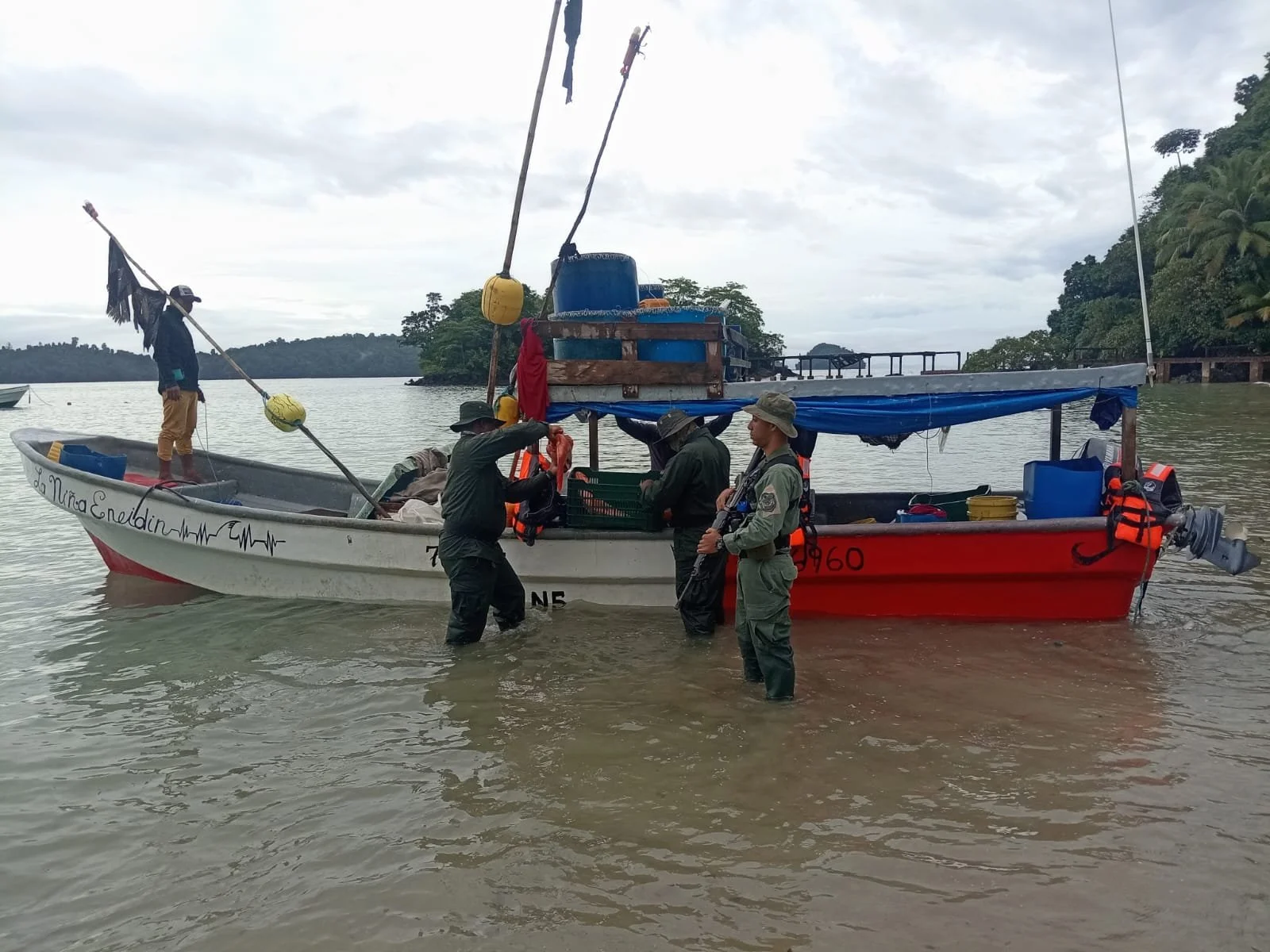
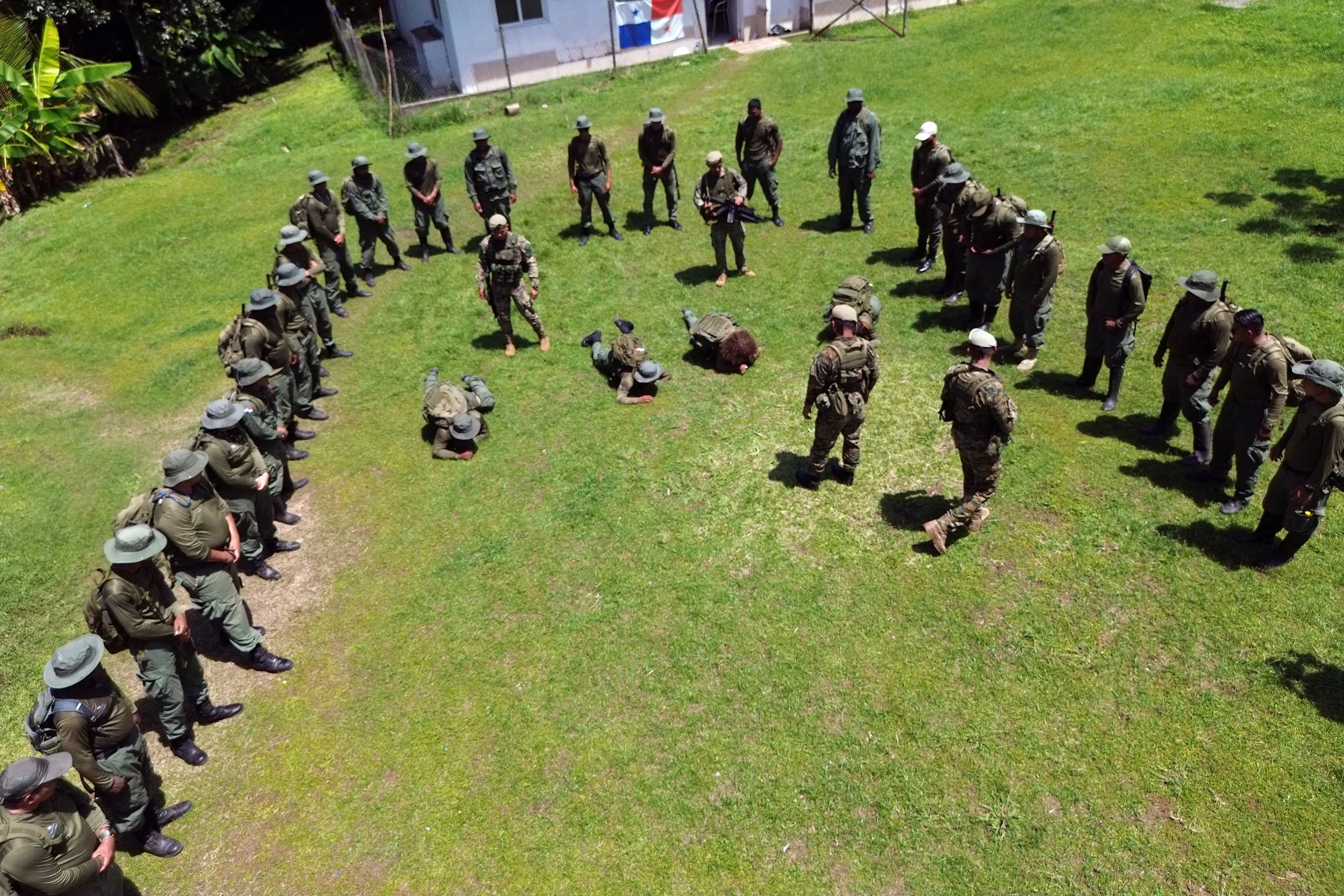
30 park rangers from the Ministry of Environment and 10 officers from the National Border Service (SENAFRONT), belonging to the La Palma River Battalion (BATFLU) participated in the training.
Background
As part of ongoing efforts to strengthen institutional capacities for the protection and conservation of Panama's protected areas, Global Conservation, in coordination with the Ministry of Environment, conducted a training program for park rangers and officers of the National Border Service (SENAFRONT) involved in surveillance and protection activities throughout the province of Darién.
This initiative responds to the need to improve interinstitutional coordination mechanisms, strengthen the technical knowledge of field personnel, and develop capacities to address the various threats affecting the ecosystems and natural resources within protected areas.
Darién represents one of the country's most biologically important regions and is a strategic territory for biodiversity conservation, biological corridors, and terrestrial and aquatic ecosystems. However, it faces various pressures associated with illegal activities, land occupation and transformation, natural resource extraction, and other threats that require a permanent institutional presence and a coordinated response.
In this context, the joint participation of park rangers and SENAFRONT officers provides an opportunity to strengthen cooperation among the institutions responsible for territorial protection.
General Objective
To strengthen the technical, operational, and institutional capacities of Ministry of Environment park rangers and SENAFRONT officers through a training program aimed at improving protection, surveillance, environmental law enforcement, and interinstitutional coordination activities in the protected areas of Darién.
Specific Objectives
Strengthen knowledge of the responsibilities, ethical principles, and procedures related to protected area management and protection.
Improve understanding and application of current environmental regulations.
Reinforce capacities for conducting field surveillance and control operations.
Promote coordination and collaboration mechanisms between park rangers and SENAFRONT officers.
Strengthen institutional capacities to prevent, identify, and respond to activities that threaten natural resources.
Training Program Development
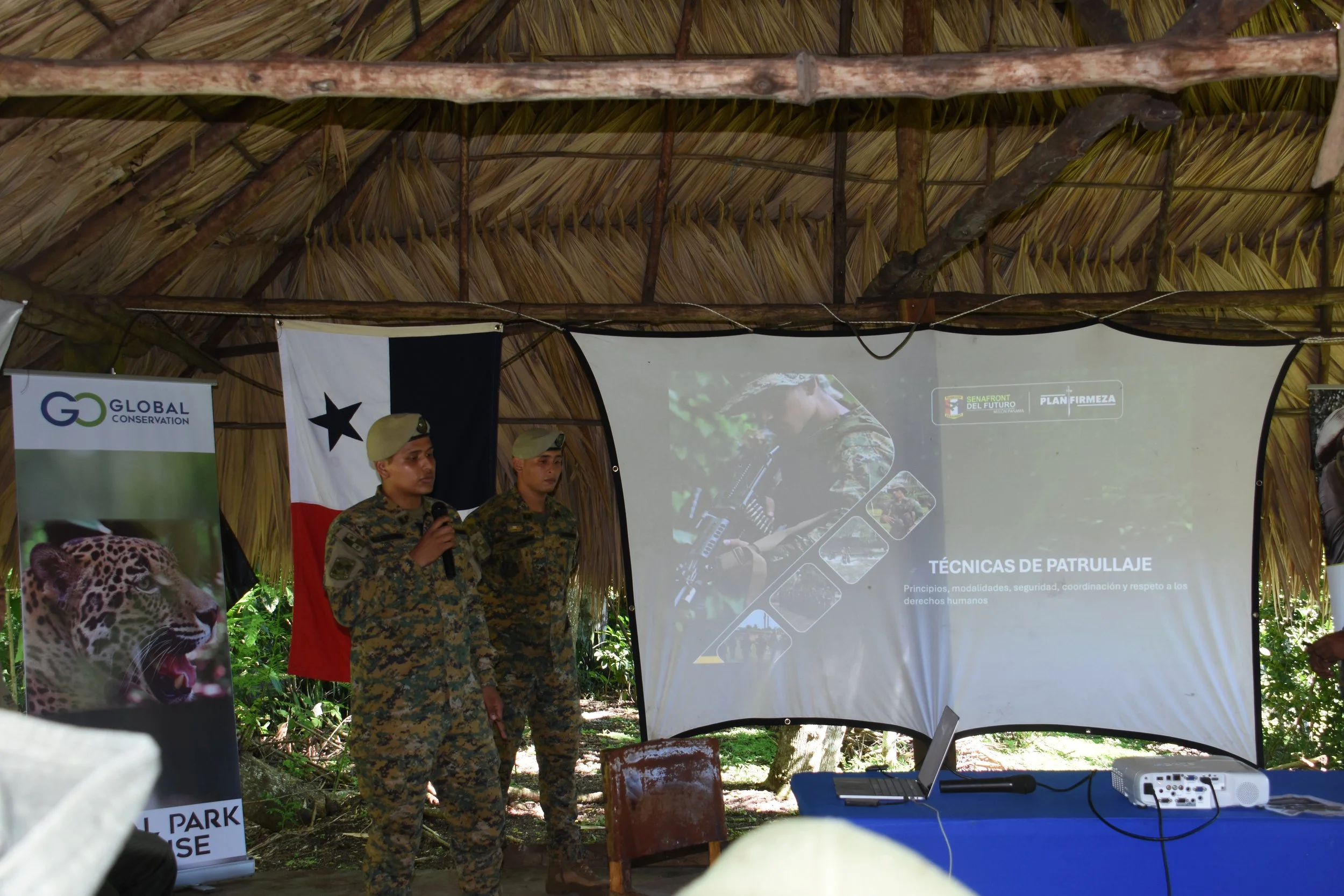
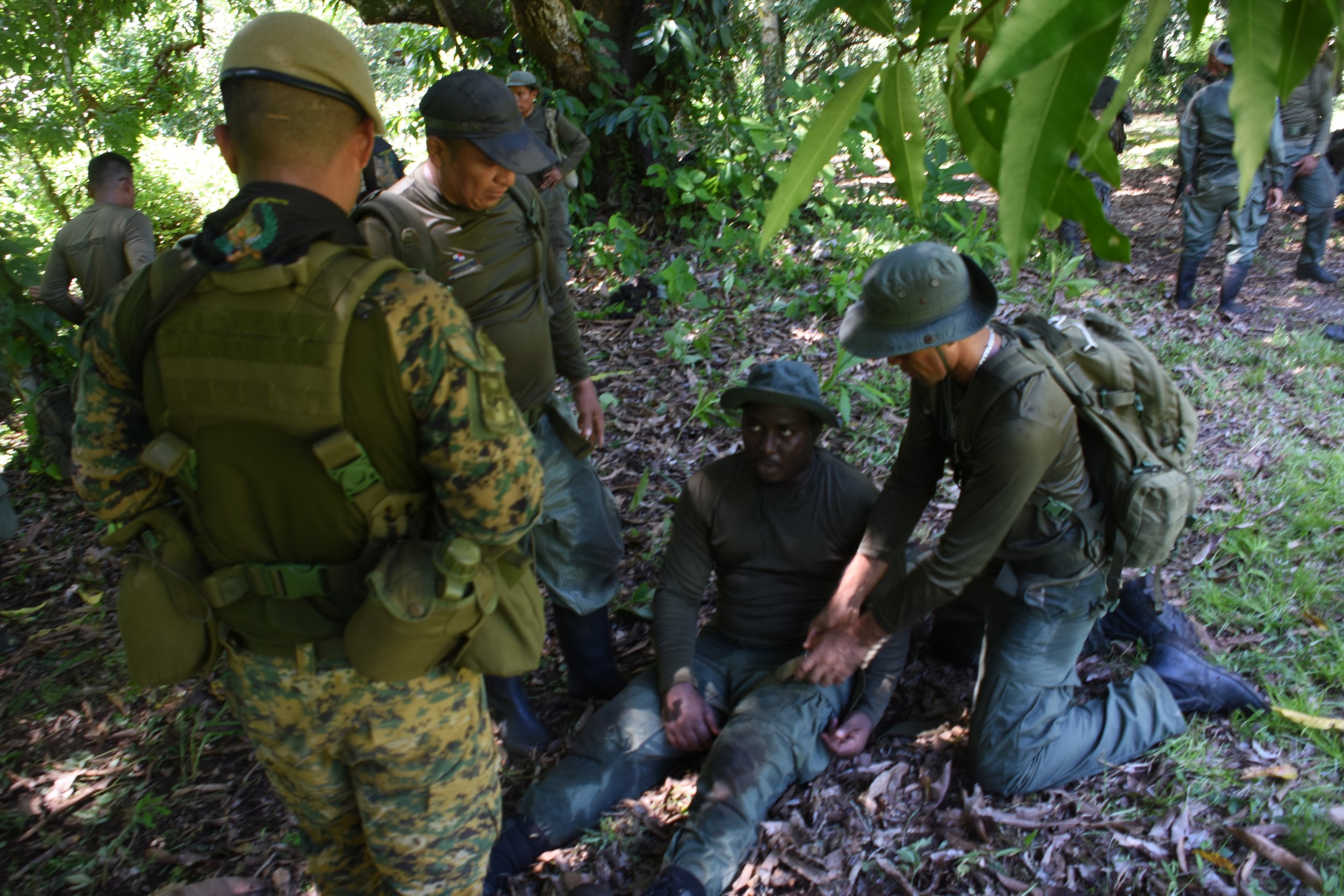
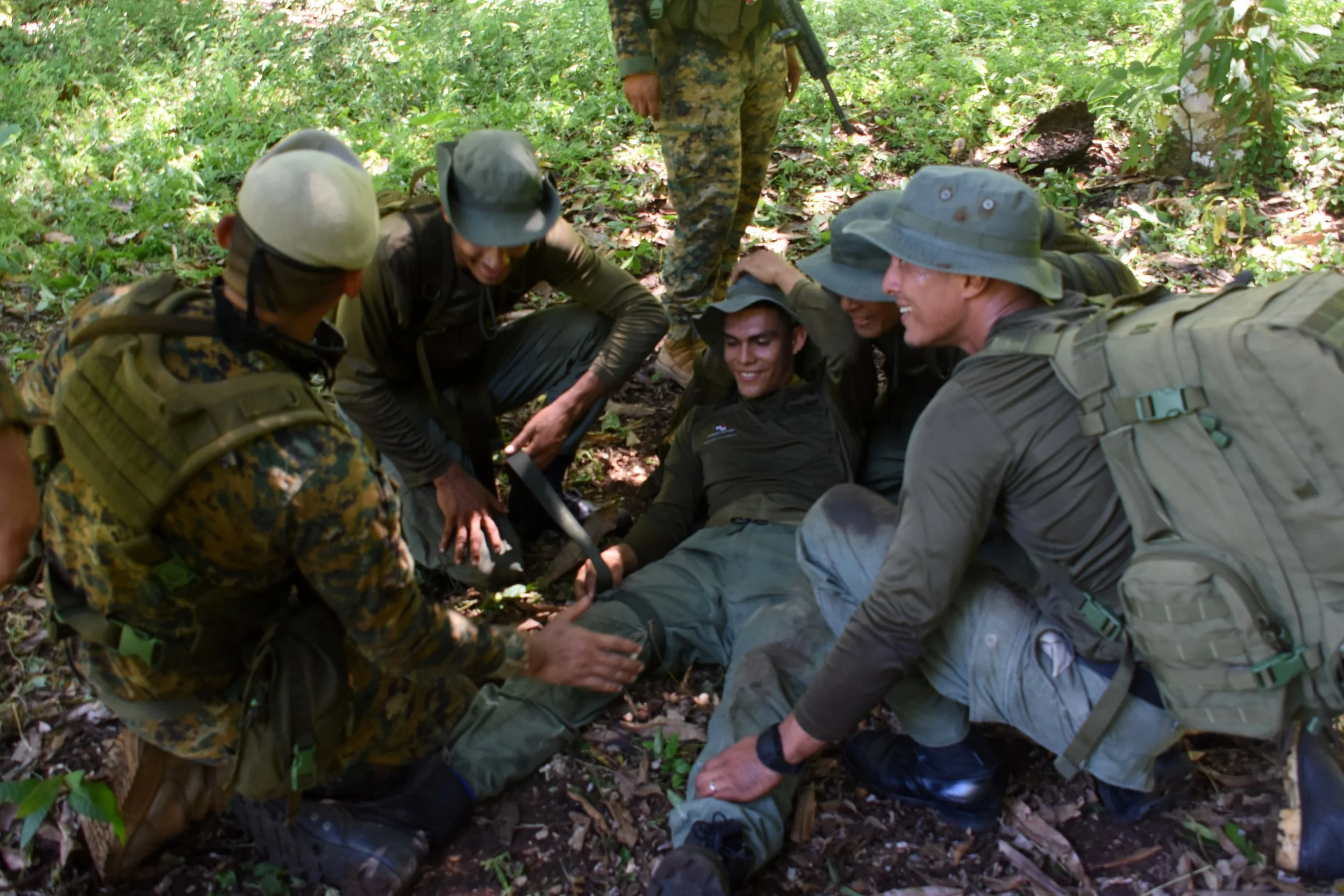
The activity took place over four days at the facilities of the Punta Patiño Wetland of International Importance, with the participation of 30 park rangers from different protected areas in Darién and 10 SENAFRONT officers belonging to the La Palma River Battalion (BATFLU).
The training program was designed to combine technical knowledge, institutional principles, and operational aspects related to the responsibilities of personnel involved in protecting the country's natural heritage.
The main topics addressed were as follows:
Ethics and Professionalism in the Performance of Protection Duties
The importance of ethical conduct, institutional responsibility, and professionalism in carrying out environmental surveillance and protection duties was addressed.
Emphasis was placed on the role of park rangers as representatives of the environmental authority in the field, as well as the importance of maintaining responsible and respectful conduct while adhering to institutional procedures in the performance of their duties.
Protection and Surveillance of Protected Areas
Training topics covered the operational responsibilities of field personnel, the importance of maintaining an institutional presence in strategic sectors, and the need to strengthen patrol, surveillance, and control activities.
Emphasis was placed on the importance of promptly identifying threats, documenting incidents, and maintaining records of activities carried out, as essential elements for improving planning and decision-making.

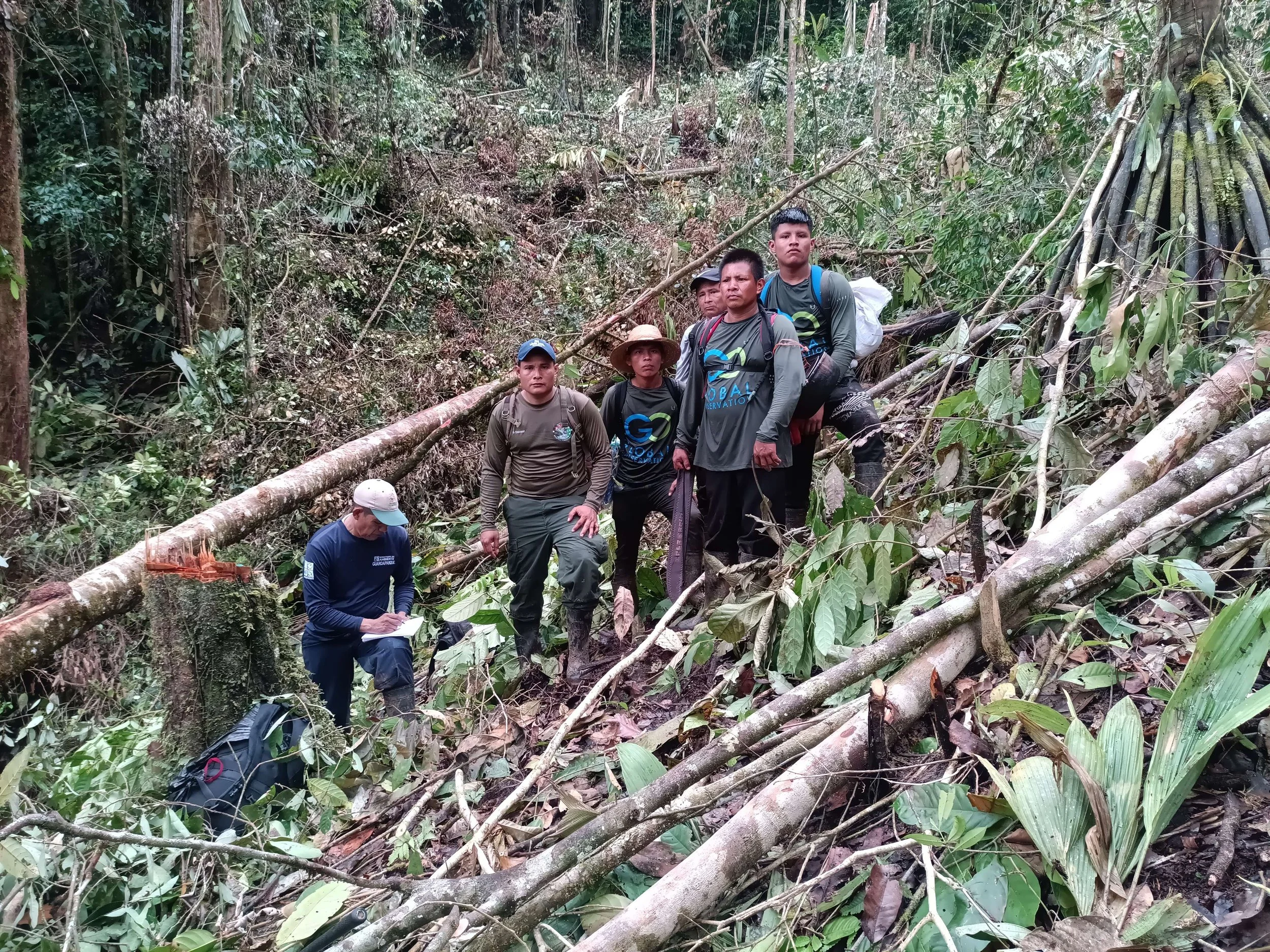
Rangers discover illegal mining within the National Park.
Environmental Law Enforcement
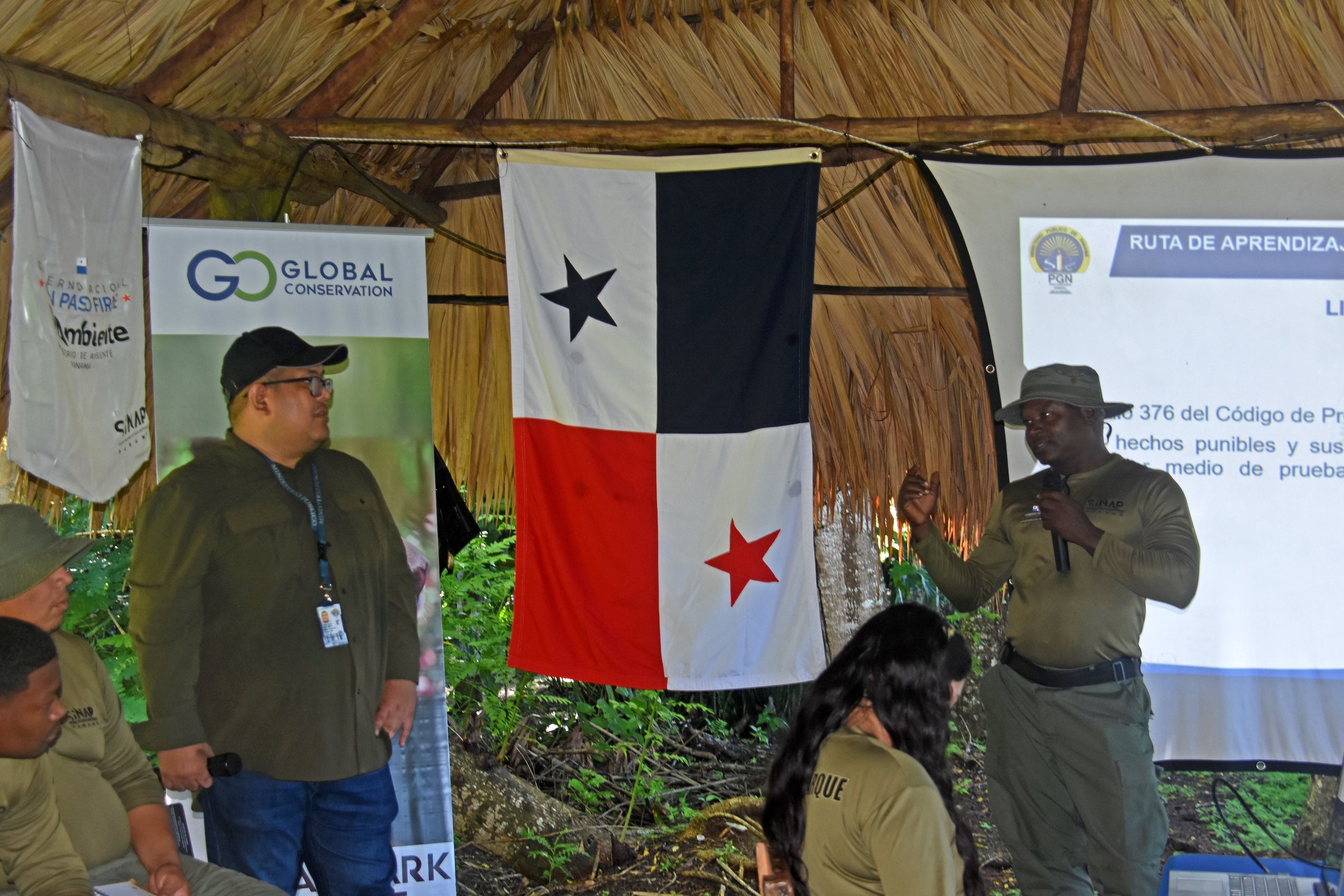
The legal framework governing the protection of natural resources and protected areas was addressed, emphasizing the responsibilities of personnel involved in enforcing environmental regulations.
The importance of understanding institutional procedures for identifying potential environmental violations, documenting incidents, and coordinating appropriate actions with the competent authorities was highlighted.
Interinstitutional Coordination Between the Ministry of Environment and SENAFRONT
One of the most important components of the training was strengthening cooperation between park rangers and SENAFRONT officers.
Their joint participation highlighted the importance of establishing communication, coordination, and collaboration mechanisms during surveillance and territorial protection operations.
This cooperation is particularly relevant in Darién, where geographical conditions, the extensive size of protected areas, and the various environmental threats require a coordinated response from government institutions.
Field Operations and Protection Procedures
Topics related to the organization and implementation of operational activities, risk identification, and the importance of applying appropriate procedures during surveillance and control operations were addressed.
Emphasis was placed on strengthening personnel capacities to operate in an organized manner, maintain effective communication, and perform their duties while respecting the legal mandates and responsibilities of each institution.
Institutional Participation
The training brought together representatives from two key institutions responsible for protecting the territory of Darién:
Ministry of Environment: represented by 30 park rangers responsible for surveillance, protection, and conservation activities across different protected areas in the province.
National Border Service (SENAFRONT): represented by 10 officers from the La Palma River Battalion (BATFLU), whose participation strengthened the cooperation and coordination component in territorial protection efforts.
The integration of both groups provided an opportunity for exchanging experiences and knowledge among personnel who, through their respective institutional responsibilities, contribute to the protection of natural resources and the security of the national territory.
Main Results
The following achievements are highlighted as results of the training program:
Capacity Building: A training program was delivered to 40 personnel involved in territorial protection and surveillance activities in Darién.
Institutional Integration: A joint working environment was promoted between Ministry of Environment park rangers and SENAFRONT officers, strengthening their understanding of each institution's respective responsibilities.
Strengthening Operational Coordination: The importance of improving communication and collaboration mechanisms during surveillance and control activities was emphasized.
Knowledge Enhancement: Topics related to professional ethics, institutional responsibilities, environmental regulations, and protected area protection procedures were addressed.
Strengthening Institutional Presence: The training contributes to developing improved capacities to address threats affecting the natural resources and ecosystems of Darién.