Baja Sur’s Global Park Defense Second Quarter Progress Report 2026
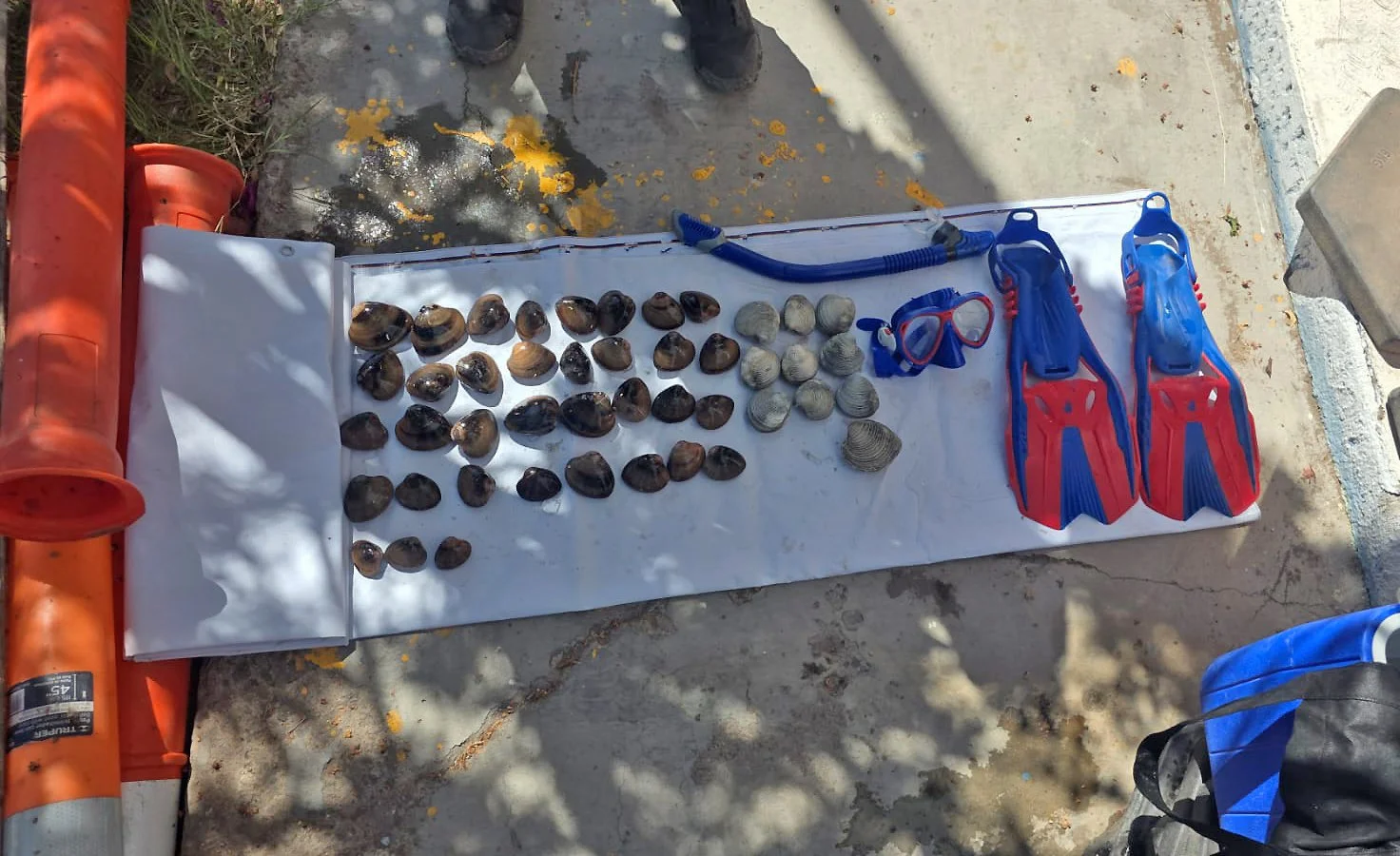
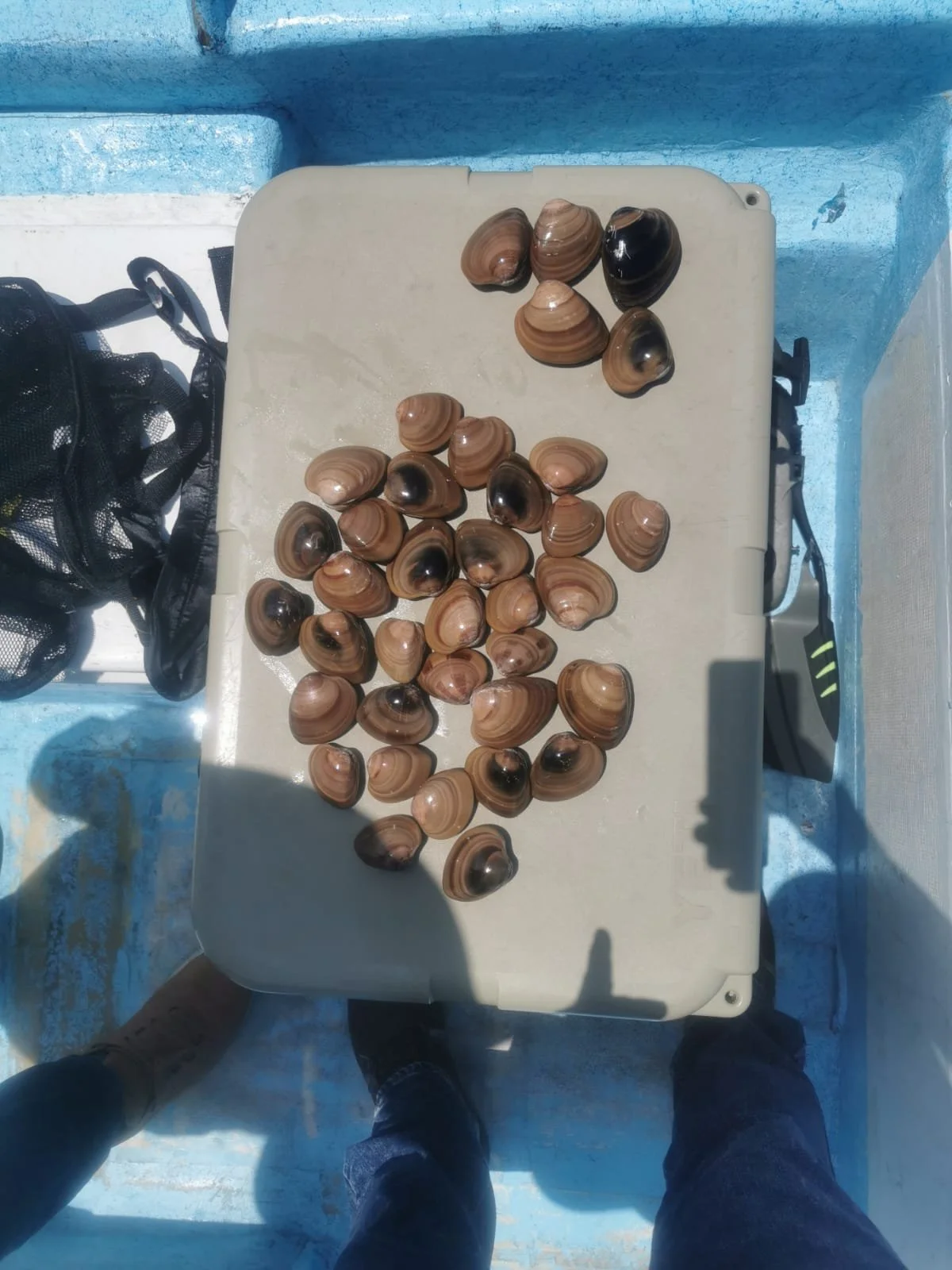
Confiscated brown clams that were illegally harvested.
El Pardito Marine Monitor Deployment
During the first and second quarters of 2026, Global Conservation in Mexico has worked alongside our partners CONANP, CONAPESCA, and SEMAR to deploy two Marine Monitor systems: one on El Pardito Islet and the second in Espíritu Santo National Park, off the coast of La Paz Bay. This small islet is part of the natural protected area called Islands of the Gulf of California, which is surrounded by a fishing refuge protected by the inhabitants of this small island, the Cuevas family.
These deployments result in an increase of more than 320 km² under marine protection, as well as the continued strengthening of rangers' and community guardians’ capacity building for marine conservation in sites such as Loreto, Agua Verde, San Cosme, Islas Marías, Espíritu Santo, and El Pardito.
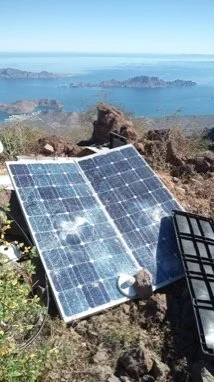
However, during this period, the system experienced some issues that blocked the capacity to track the target due to a malfunction with the radar. Global Conservation, jointly with ProtectedSeas and our local partner PNO, reinstalled a new radar on the site.
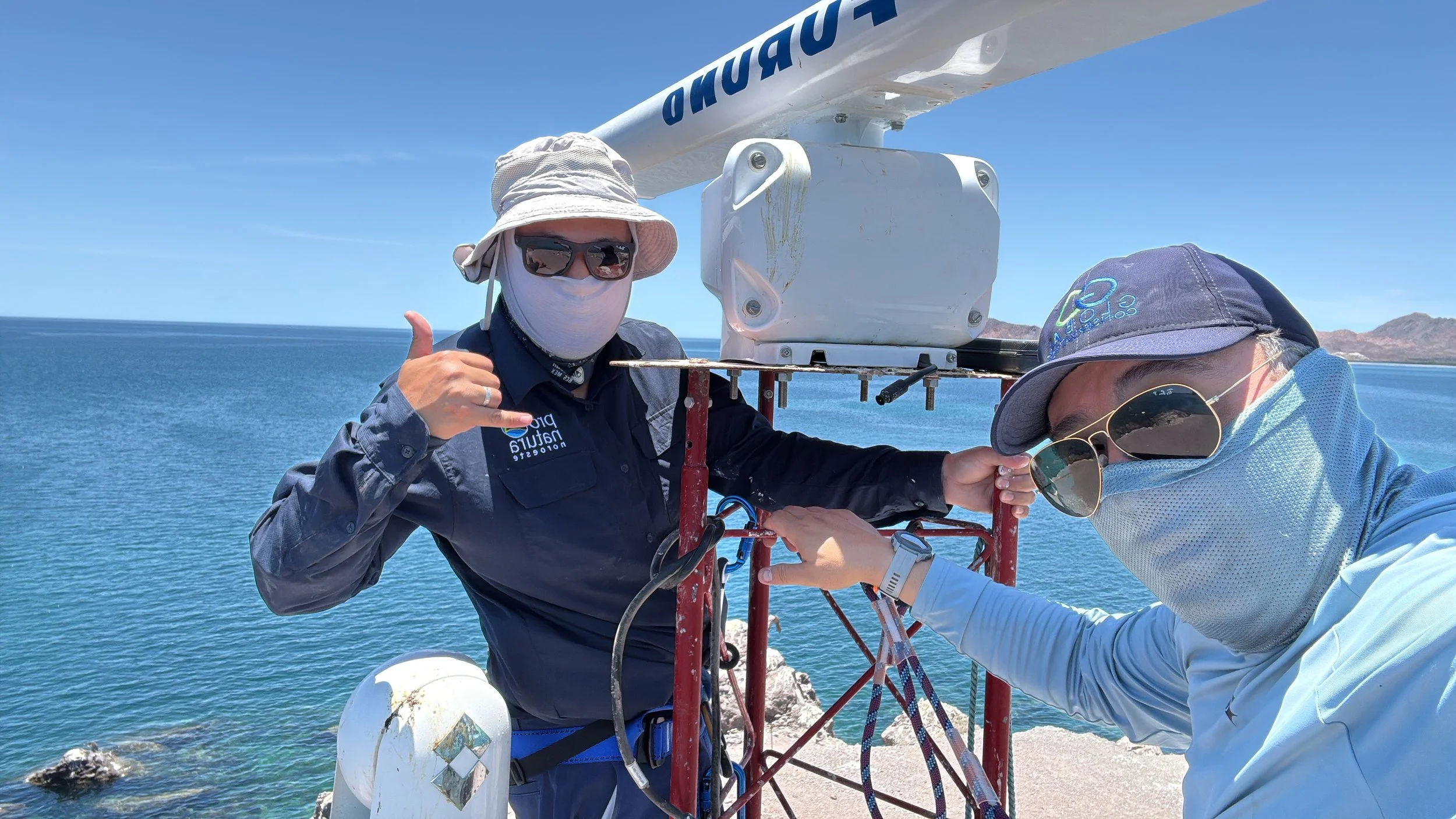
Replacement of the M2 radar deployed in Islote El Pardito by Global Conservation, ProtectedSeas, PNO, and Niparajá.
This system will allow increasing the area under protection and remote surveillance by at least 166 km² and provide a better understanding of fishing and tourism activity in this region, as well as identify patterns of illegal fishing (IUU) and industrial vessels that poach around the marine corridor, and become a new link with the rest of the systems.
Such information, together with training that includes M2 access, the Earthranger logbook, and a simple protocol to denounce illegal activities, will enable the community guardians, interest groups, and enforcement authorities to carry on planned operations to detect and deter illegal fishing in the area from groups of local poachers.
Due to a malfunction with the radar in Islote El Pardito, immediate replacement of this M2 radar deployed was needed. Alex Gonzalez GC and Alejandro Torres (PNO) are reinstalling the radar.
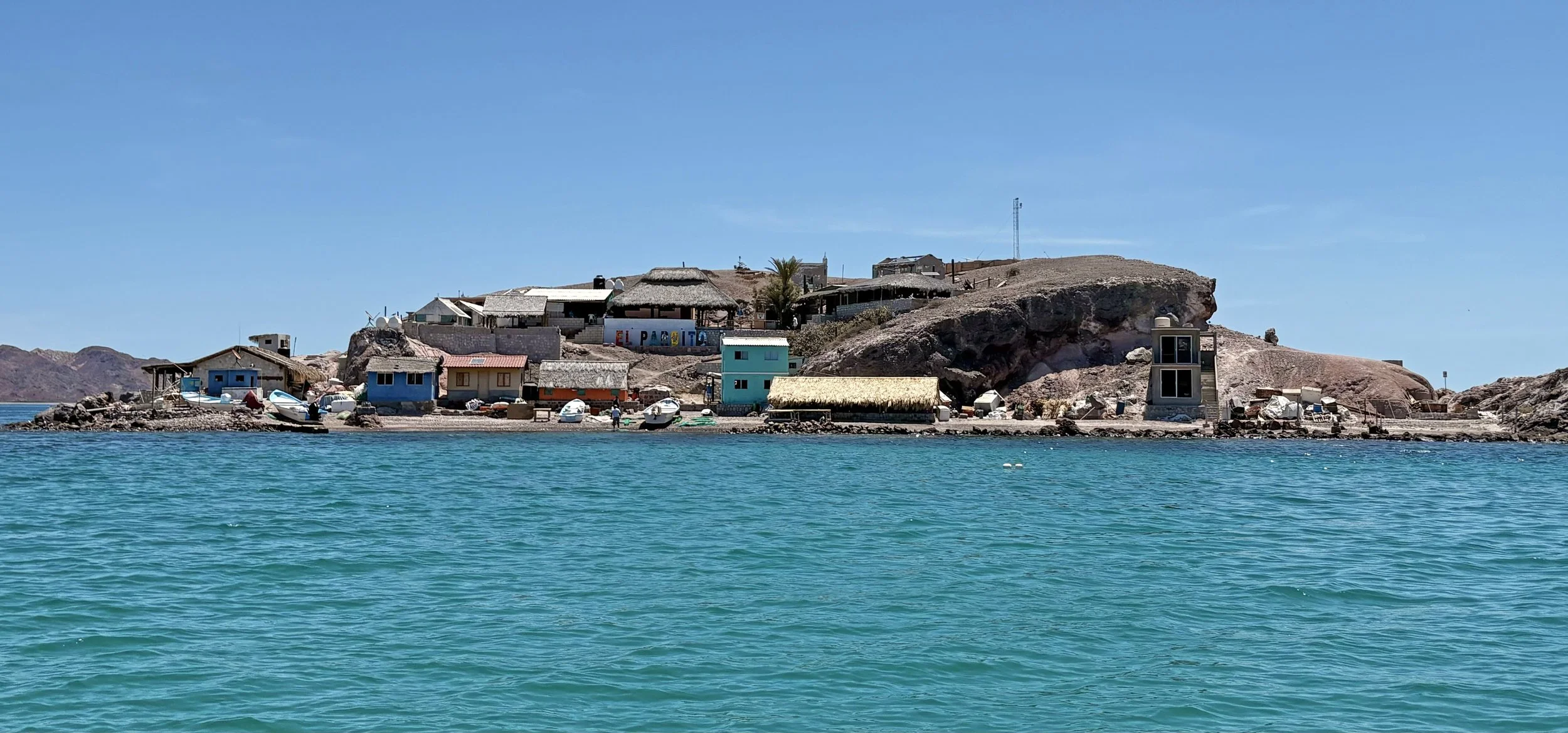
View of El Paradito Island.
El Pardito represents a remarkable example of resilience, empowerment, and adaptation of a singular community in the La Paz region. This small island is located between San José & San Francisquito islands, in the northeast part of Bahía de La Paz, and has been inhabited since 1923 by the founder family, Juan Cuevas Ramírez (El Juancho) and Paula.
This one-hectare island has become a refuge for bonefish species recovery, which have seen a large decline due to mostly illegal fishing practices. Big snapper fishing and sea turtle ecotourism promote a unique tourism service provided and protected by the Cuevas family. Their heritage represents an inspirational statement of pride, determination, a sense of belonging to an emblematic site that reflects their livelihood and struggle for compliance. This belief originates from a shift away from intensive commercial fishing towards a focus on marine protection, which includes supporting biological studies and adopting marine conservation practices.
Marine Protection and Patrols in Baja Sur MPA's World Heritage Sites.
CONAPESCA support and collaboration.
Park rangers and the fisheries officer have been working closely together to carry out marine and land patrols along the marine protected area.
Thanks to the support of Global Conservation and our supporters, the CONAPESCA officer maintained a permanent presence, supervision, and inspections of artisanal fishing vessels, sport fishing boats, and sport fishing tournaments to ensure compliance with the two-year ban on brown clams within the National Park, carrying out marine and terrestrial patrols day and night.
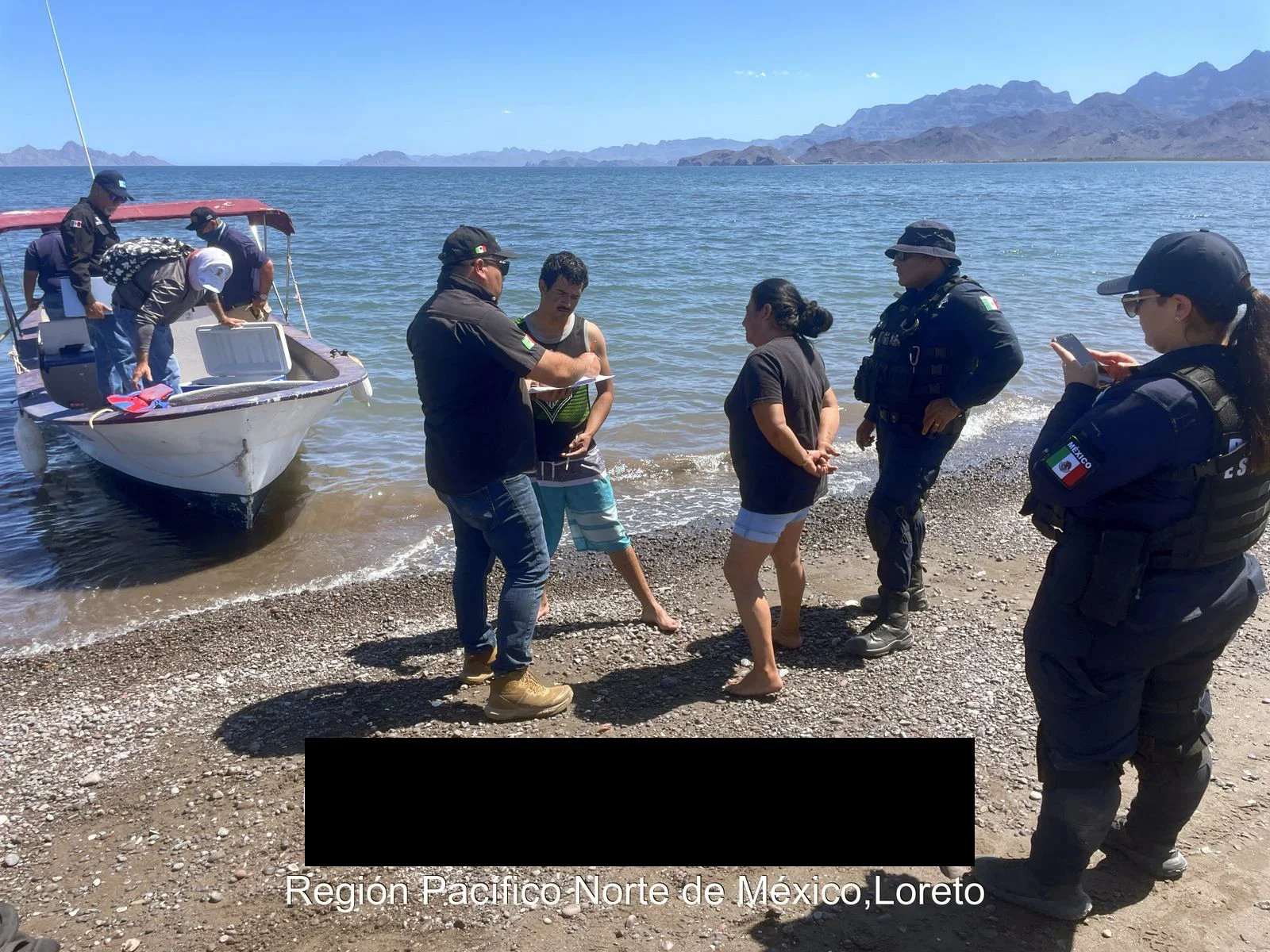
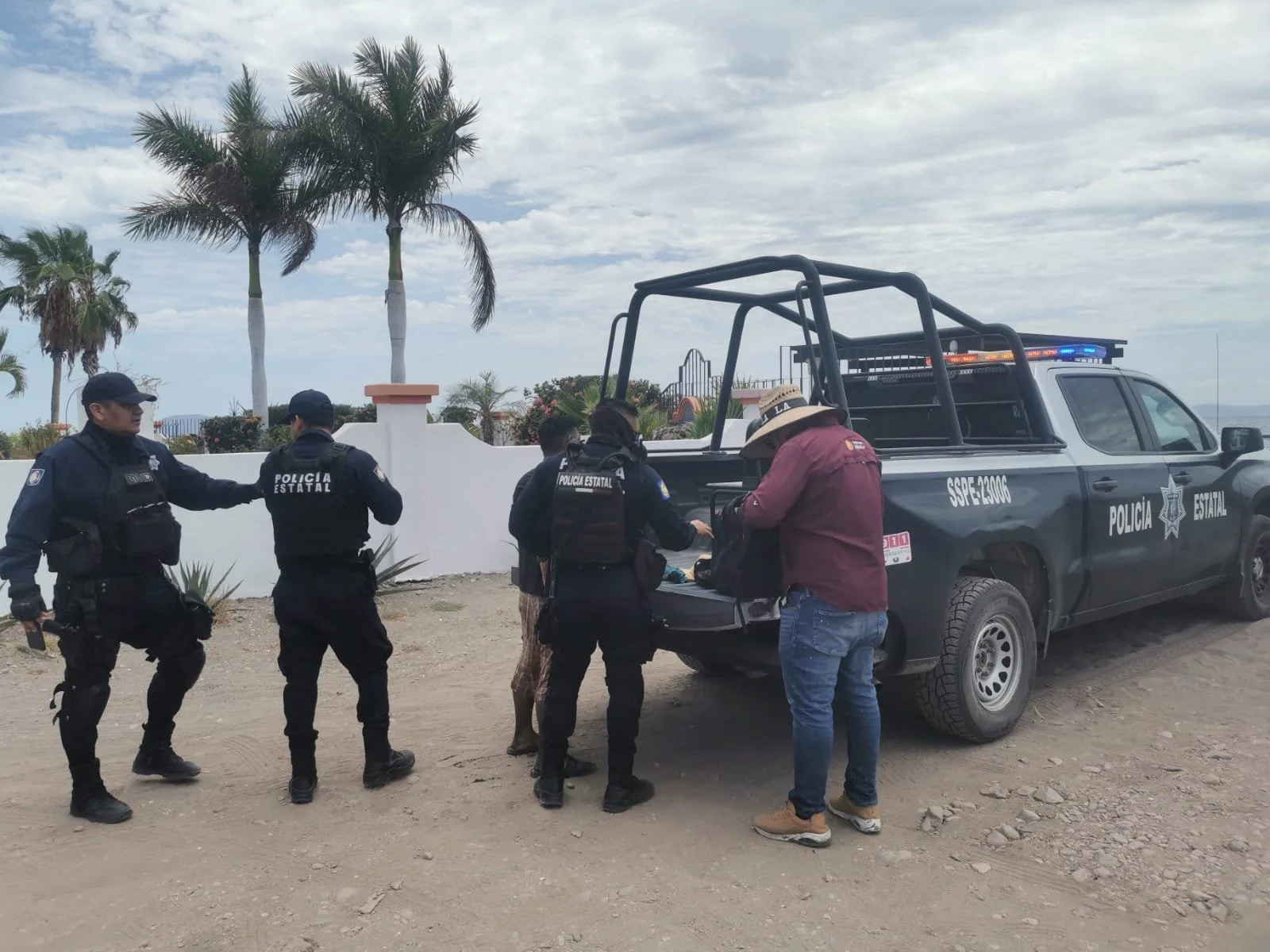
Some of the main achievements during the second quarter include:
Two persons prosecuted for illegal fishing of brown clams (currently under a 2-year ban). They were presented in front of the judicial ministry, fined, and given days in jail.
One group seizure of commercial pangas without permits.
250 kg of bonefish were impounded.
Two 100-meter illegal fishing gillnets removed and confiscated.
65 patrols completed in 712 hours.
6,083 km patrolled across the National Park, coastal zone, and fishing refuge.
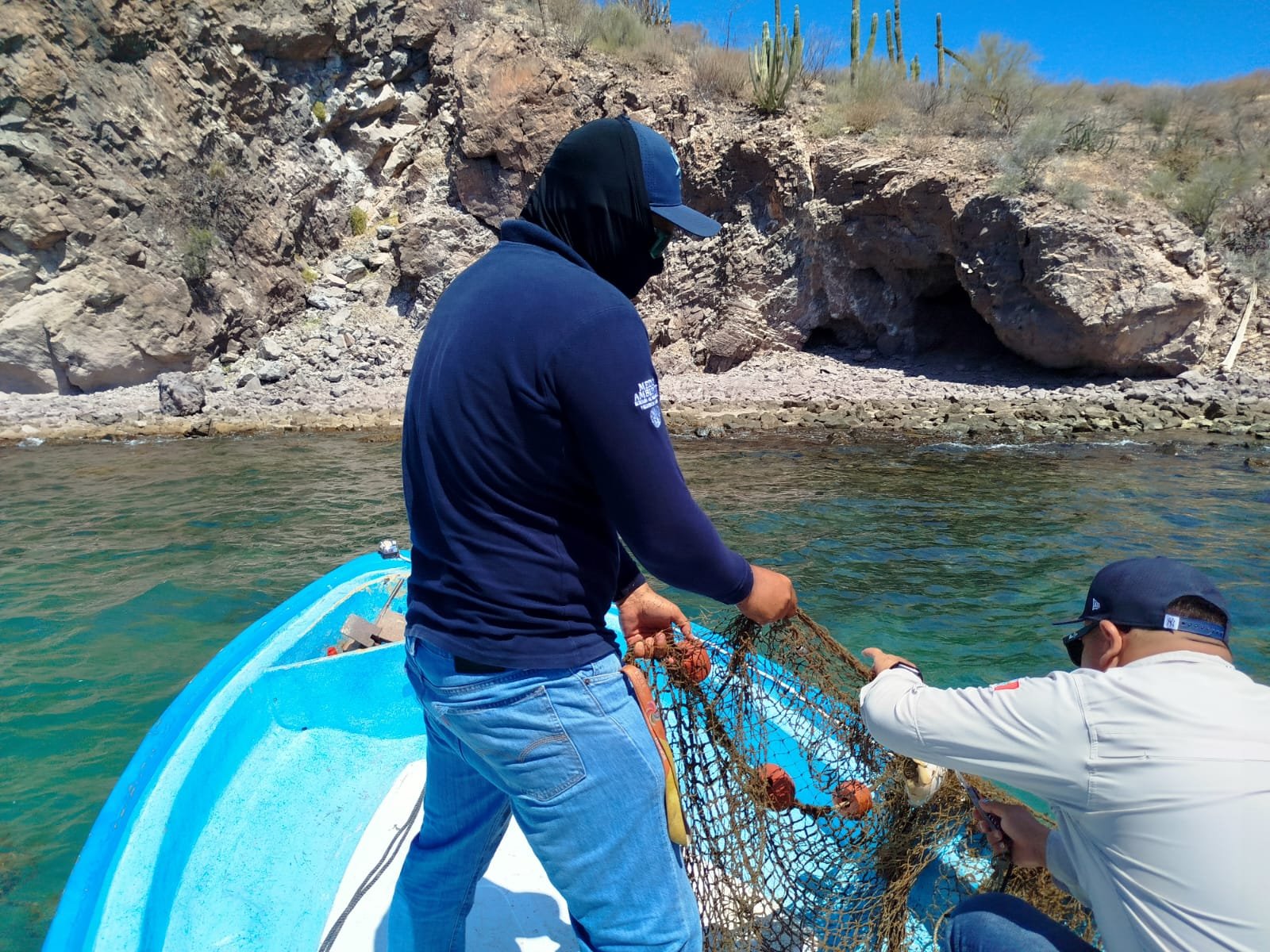
CONAPESCA officer and ranger removing an illegal gillnet (mesh strip smaller than legal) deployed in a reef zone close to the Ensenada Blanca fishing community.
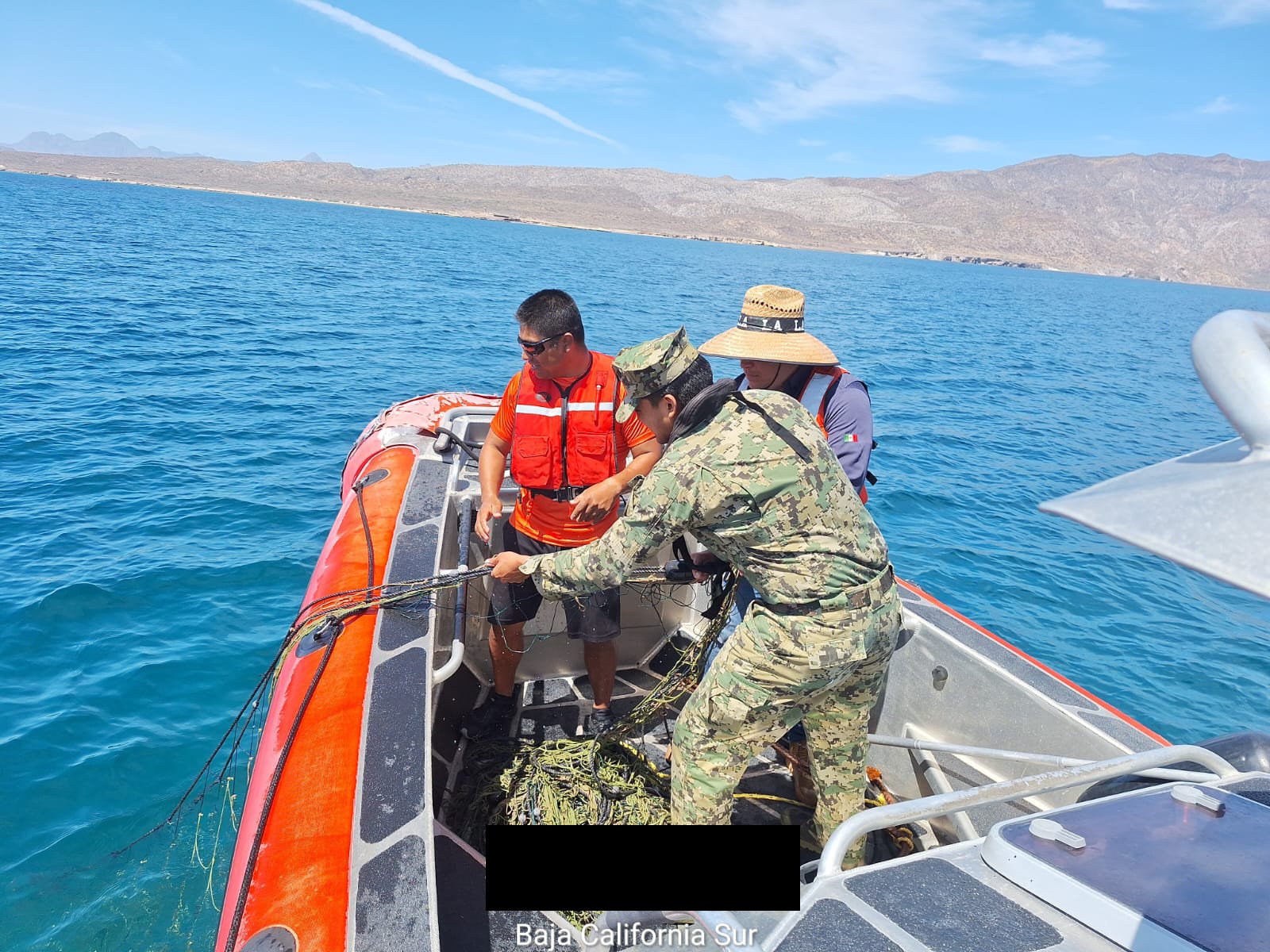
CONAPESCA officers and SEMAR Navy patrolling and carrying out inspections in fishing communities, and removing another prohibited gillnet (mesh strip bigger than legal, used to target marine turtles).
With these actions, GC actively supports enforcement agents in order to achieve a remarkable level of compliance in specific zones such as Loreto, San Cosme, San Basilio, and Espiritu Santo. As a result, different parks are considering scaling up the proven model of the Global Park Defense and a path to improve local capacities.
Loreto Bay National Park
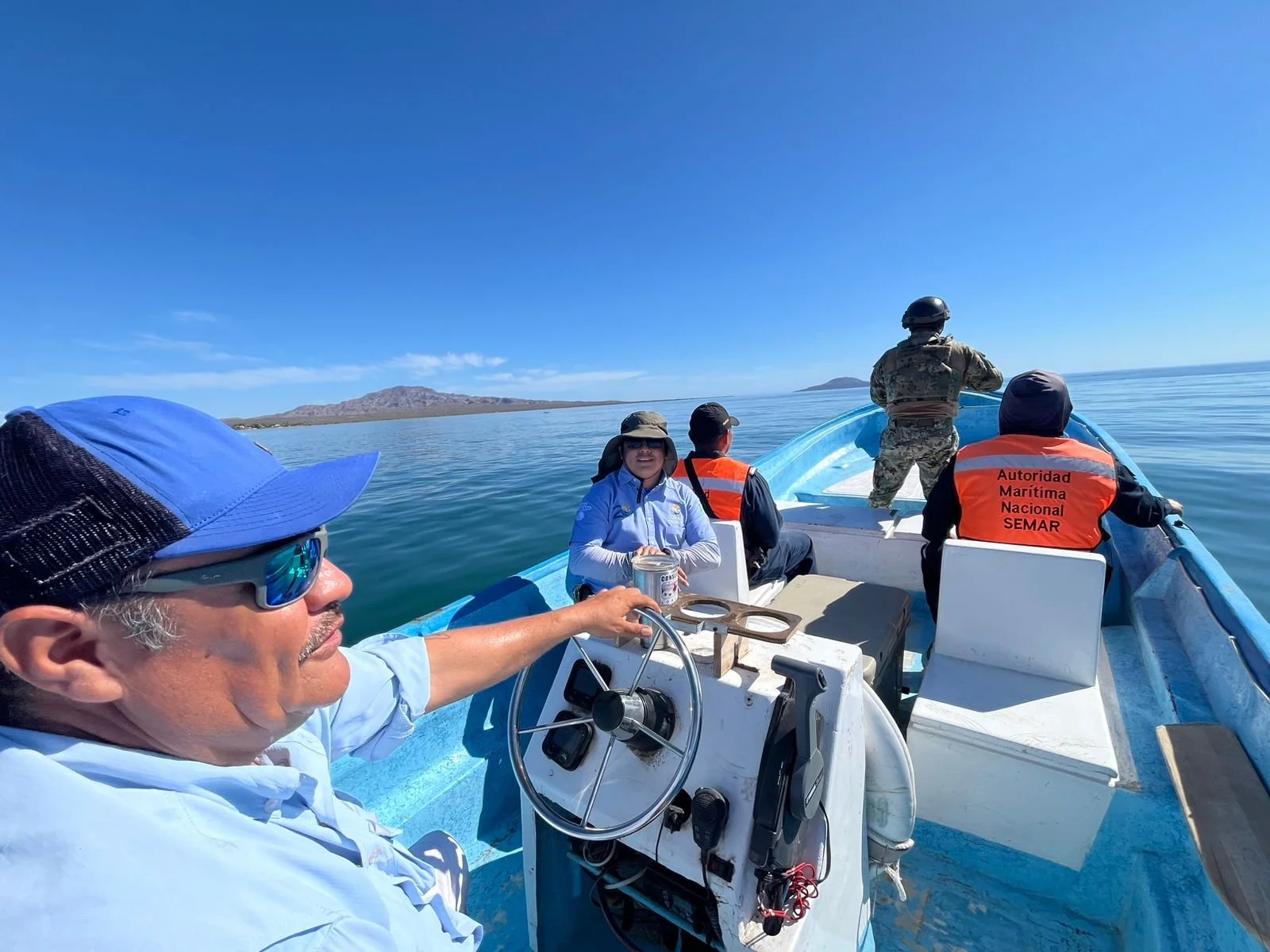
Rangers, CONAPESCA officers, the Mexican Navy, and the Maritime Authority during a marine patrol to enforce the law and marine safety in Loreto National Park.
The Loreto National Park has maintained its commitment and efforts to protect and surveil the MPA, covering more than 5000 km—marine and terrestrial—to ensure effective protection, as well as to attend to denunciations from the citizen and fishery sectors. During this period, they carried out more than 150 inspections of different kinds of vessels and activities, mostly focusing on sport fishing, tourist operators, and artisanal fishers' boats in coordination with CONAPESCA and PROFEPA federal inspectors.
The achievements during this second quarter include:
68 patrols completed (marine-terrestrial).
350 hours.
5745 km patrolled.
More than 150 events recorded, includinga) supervision of touristic activities, b) marine patrols with authorities, c) attending irregular events, and d) supervision of fishing activities, among others.
10 night operations were carried out on the highways, providing support to CONAPESCA officers.
5 sport fishing tournaments under surveillance
1 sport fishing team disqualified due to fishing inside a no-take zone (information confirmed using M3 Loreto San Cosme with track).
Participation in the detection and detention of two poachers and multiple arrests.
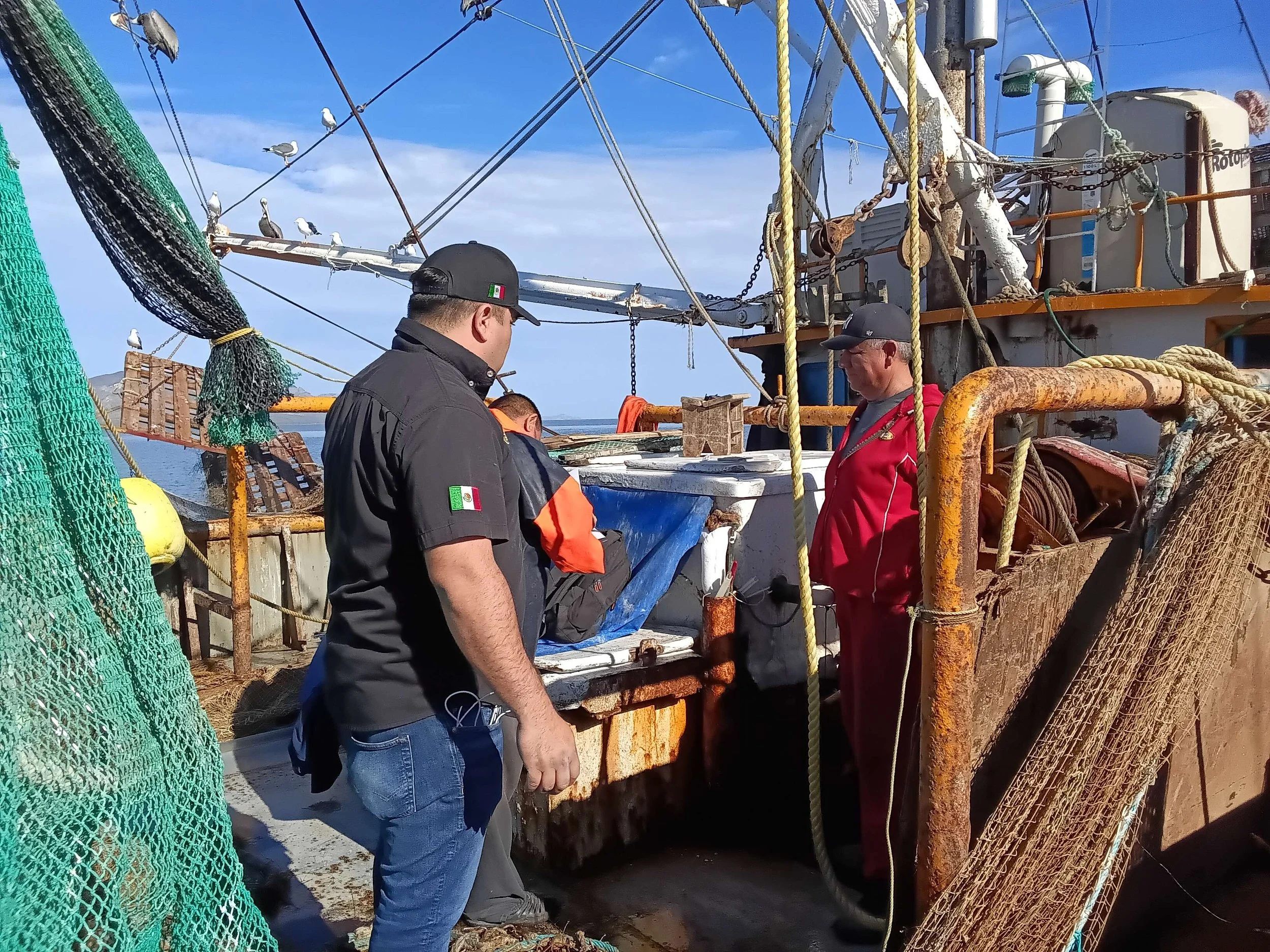
As a result of these actions, at least two persons were prosecuted for illegal fishing (brown clam), and 20 tourism providers were warned and sent back to port for not fulfilling the requirements to use the National Park (no day fee paid, no permits, and showing violent behavior in front of tourists).
The monitoring effort has primarily focused on the northern and southern areas of Loreto Bay due to a slight increase in illegal fishing targeting brown clams, octopuses, and lobsters, as well as the deployment of unregulated gillnets, which are forbidden in nearby coastal and no-take zones.
Despite these achievements, Global Conservation continues to provide support to cover some basic operational needs for the park, particularly for the following:
Reparation and maintenance of the boat trailer (in progress)
Fabrication of an aluminum shade structure for a boat patrol (in progress).
Installation of a new radio communication system (in progress).
To acquire a long-range drone for marine surveillance.
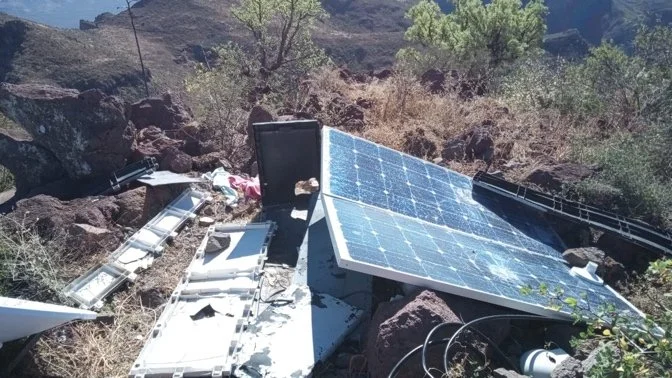
Above: Radio system communication destroyed by unknown group.
Thanks to the genuine interest of founders and families, Global Conservation maintains a solid presence in the region, working at a regional level to scale up our Global Park Defense marine and improve local skills that support effective marine conservation.
Capacity building for the Protection of Marine Protected Areas
Global Conservation - SEMAR - CONANP - Local Partners.
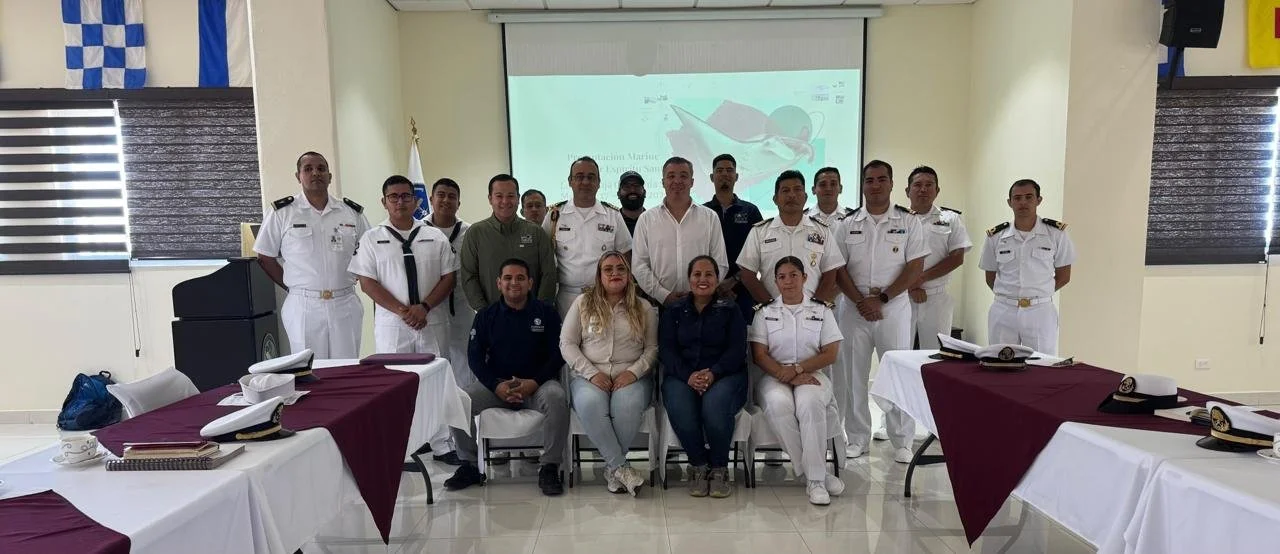
Alex Gonzalez, after finishing an M2 training session, addressed SEMAR Regional HQ and Espiritu Santo National Park and Islas del Golfo de California APFF.
As part of our goals and commitments related to our recent M2 deployment in Espiritu Santo National Park, our team in Mexico conducted an introductory training session to demonstrate how our Global Park Defense has integrated the M2 network into our efforts to promote marine protection in collaboration with local partners such as PNO and ROC.
During this first training workshop, Global Conservation shared the lessons learned and how we work around the world, with a particular focus in Baja California Sur, using the Global Park Defense strategy for marine areas. The team also provides a major framework to understand the benefits of deepening our collaboration in order to close spaces to illegal activities.
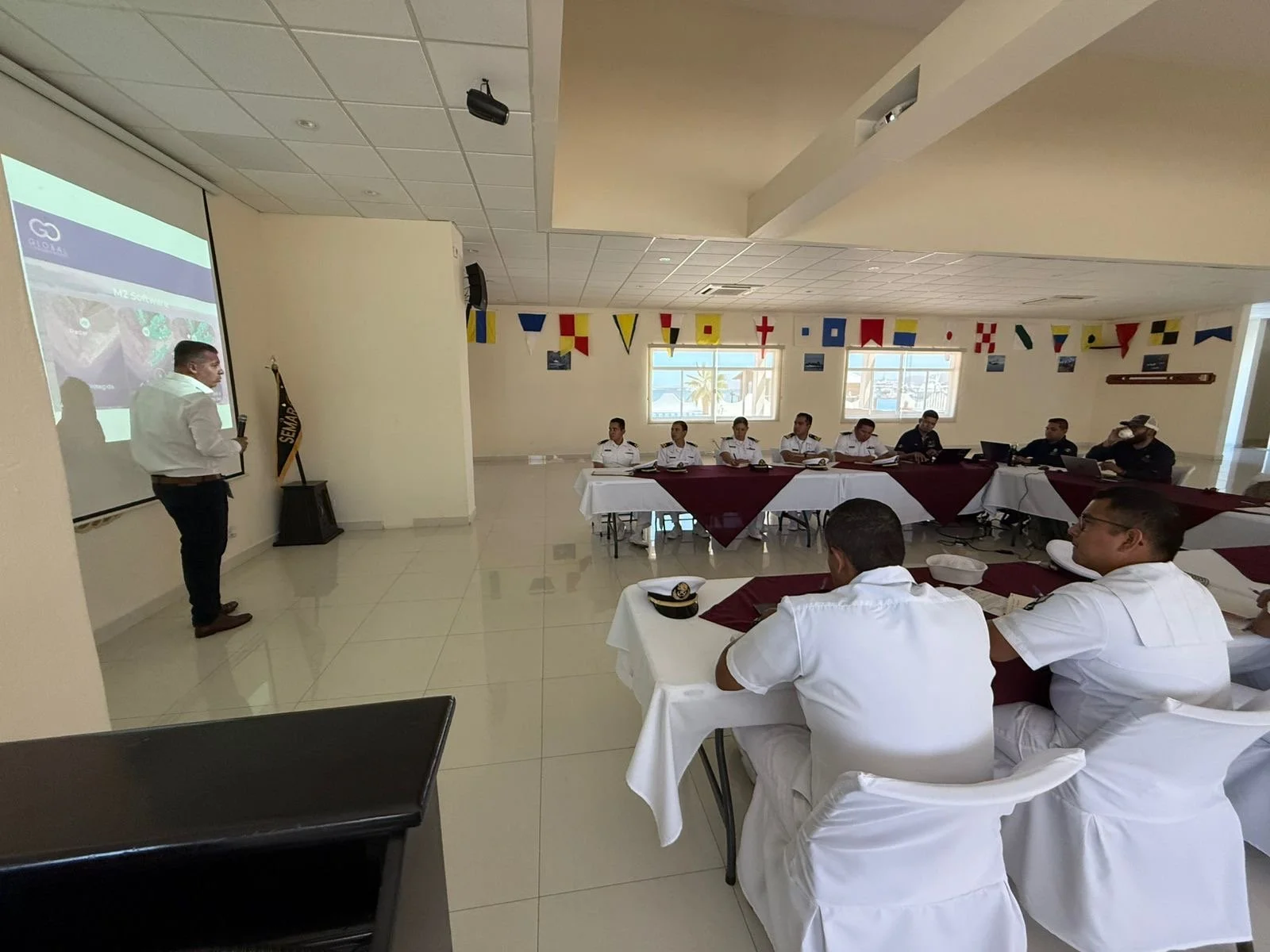
Eleven Navy Officers were designated by the Commander of the Navy Region to receive basic and fundamental information to understand how a Marine Monitor works, its reach, advantages, and conditions to operate and log in to the different systems. This navy region had access to all systems deployed along the east coast of Baja California Sur, and we are still working alongside them to define action protocols to attend to illegal activities related to marine poachers and illegal fishing in our interest region.
As part of the coordination and collaboration, the Espiritu Santo NP manager, Dilia Meza, has secured important funds to establish a new regional Command and surveillance center with the guidance and advisory of Global Conservation in order to reinforce our Initiative for compliance and to scale up the GPD marine approach. Thanks to the leadership and commitment of the Park managers, we are convinced that we are on the right path to increase regional skills and capacities to achieve real marine protection.
Paz Surveillance Citizen Core Group
In recent days, after carrying out our first training for the SEMAR officers, Global Conservation was invited to attend a meeting led by the Managers of Espiritu Santo National Park, Loreto Bay National Park, and Islas del Golfo BCS, with the participation of the core group for marine protection conformed by ROC, iAlumbra, PNO, Niparajá, and Causa Natura to strengthen the collaboration with this group of organizations with the single aim to combat illegal fishing.
For GC, this meeting represents an important step in our efforts to achieve a true and long-term engagement by the authorities, including national park managers and federal officers from CONAPESCA and SEMAR at a regional level.
Building on the work that GC has done over the last three and a half years, our impressive M2 network deployed along the marine corridor is being adopted by the MPA's managers as a robust approach to coordinate efforts and address the threat of IUU through effective collaboration in this area.
During the presentation led by Director Dilia Meza to the group, CONANP is taking the floor to open a major collaboration along the marine corridor, especially in Loreto National Park and Espiritu Santo National Park. This new stage of scale-up will enable conditions for interest groups to improve our actions and our Initiative for Compliance with the support of the park managers and the improved skills of partners such as ROC and PNO.
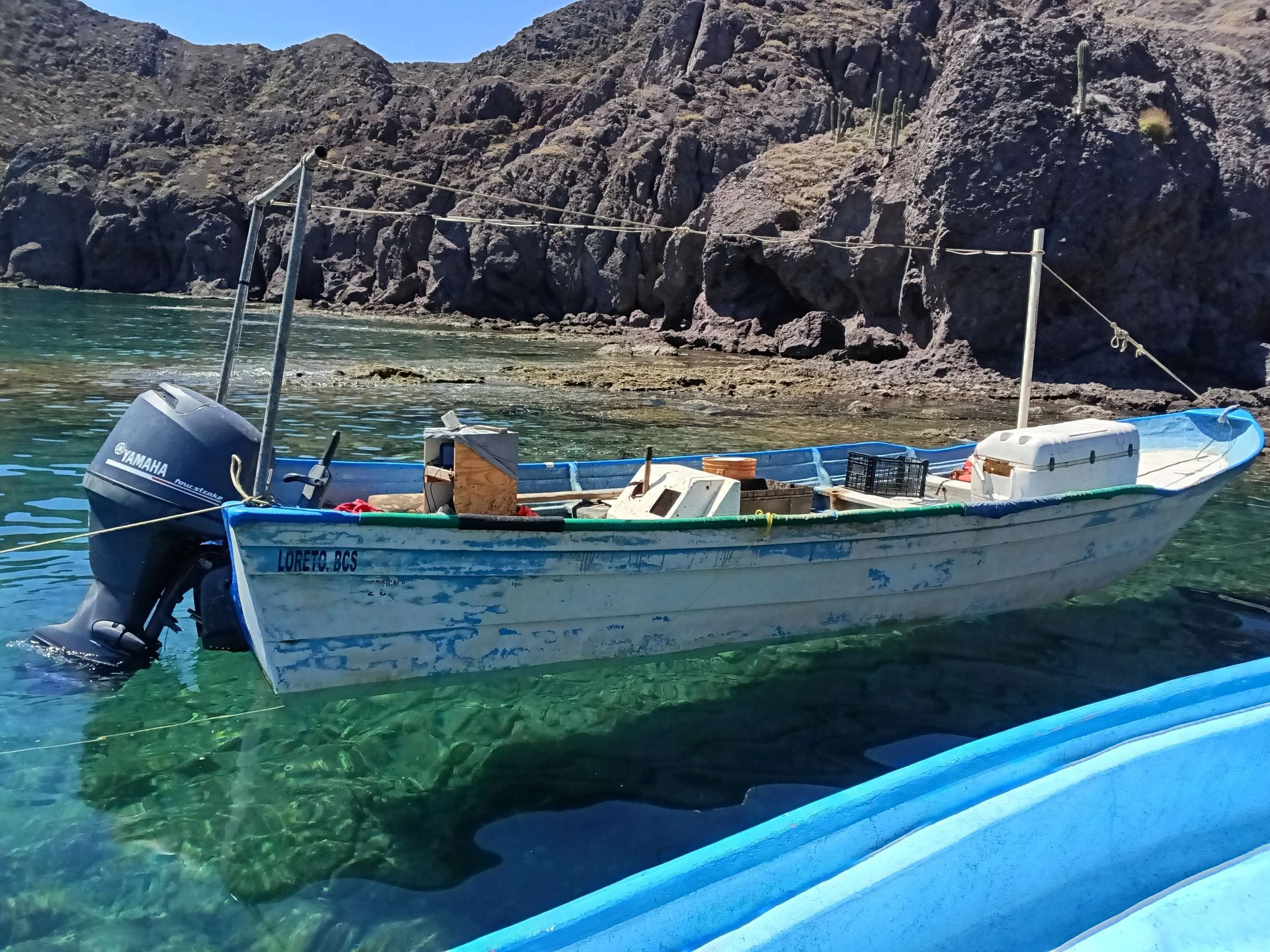
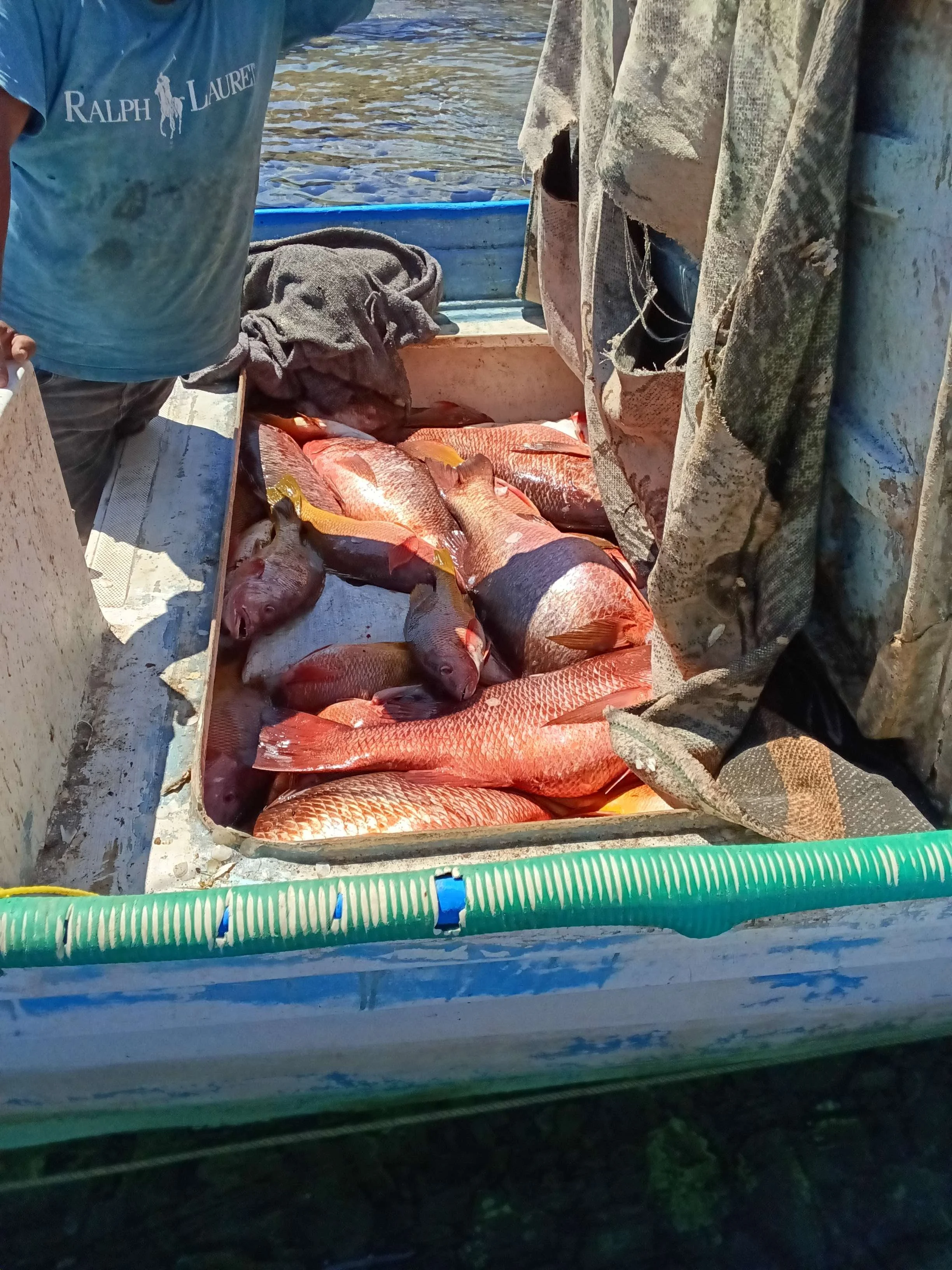
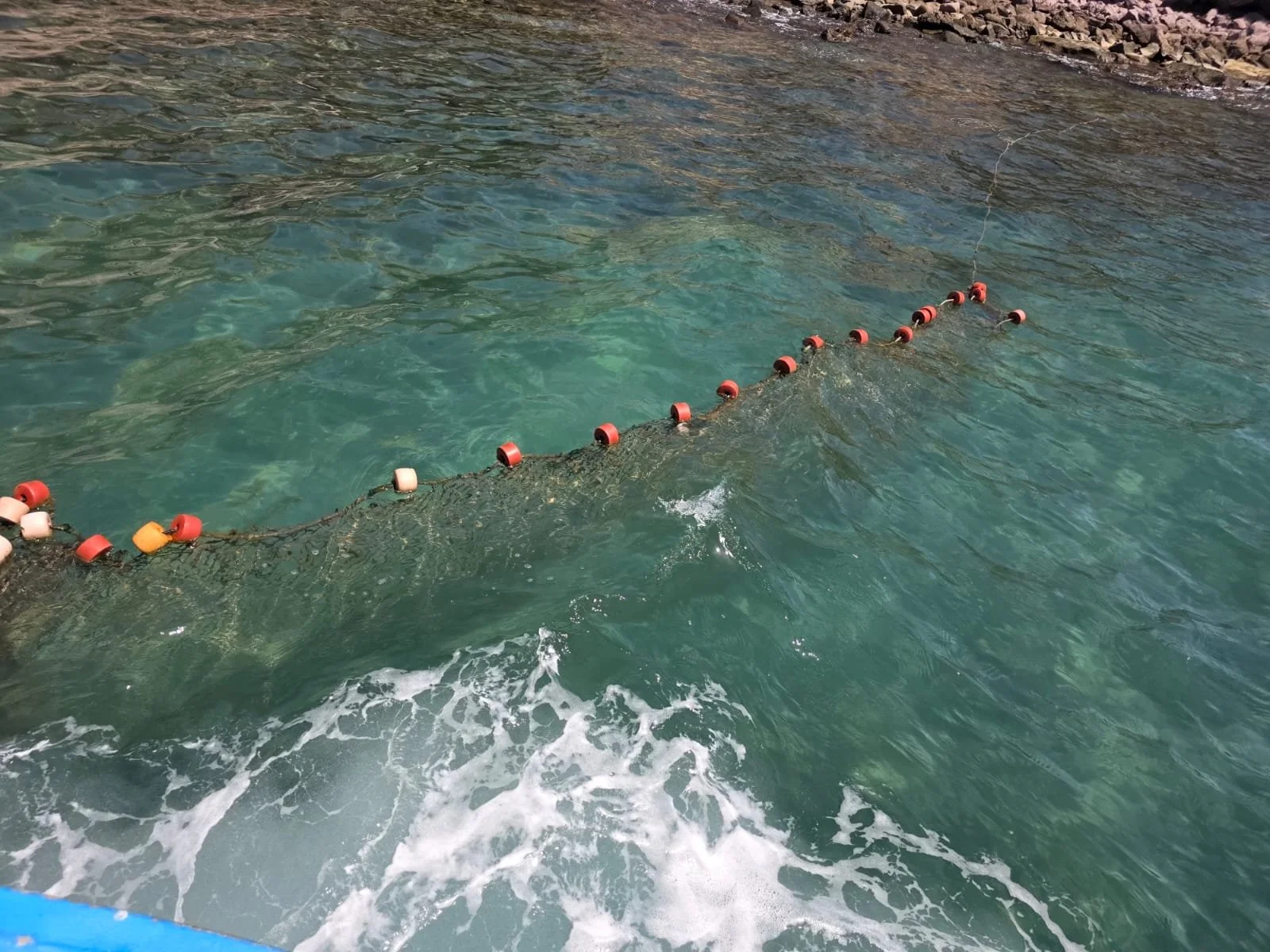
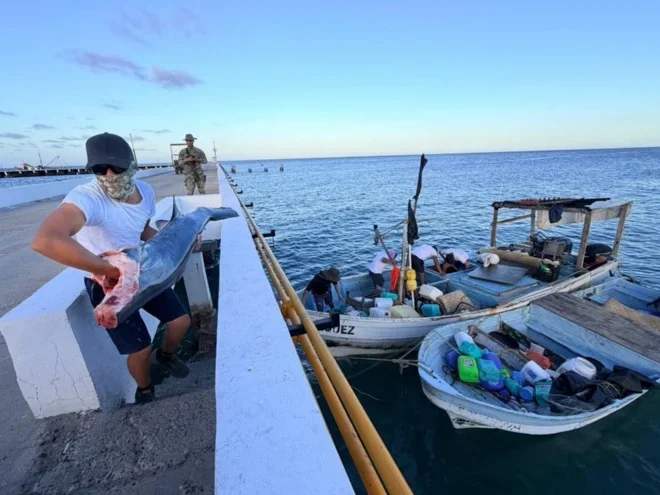
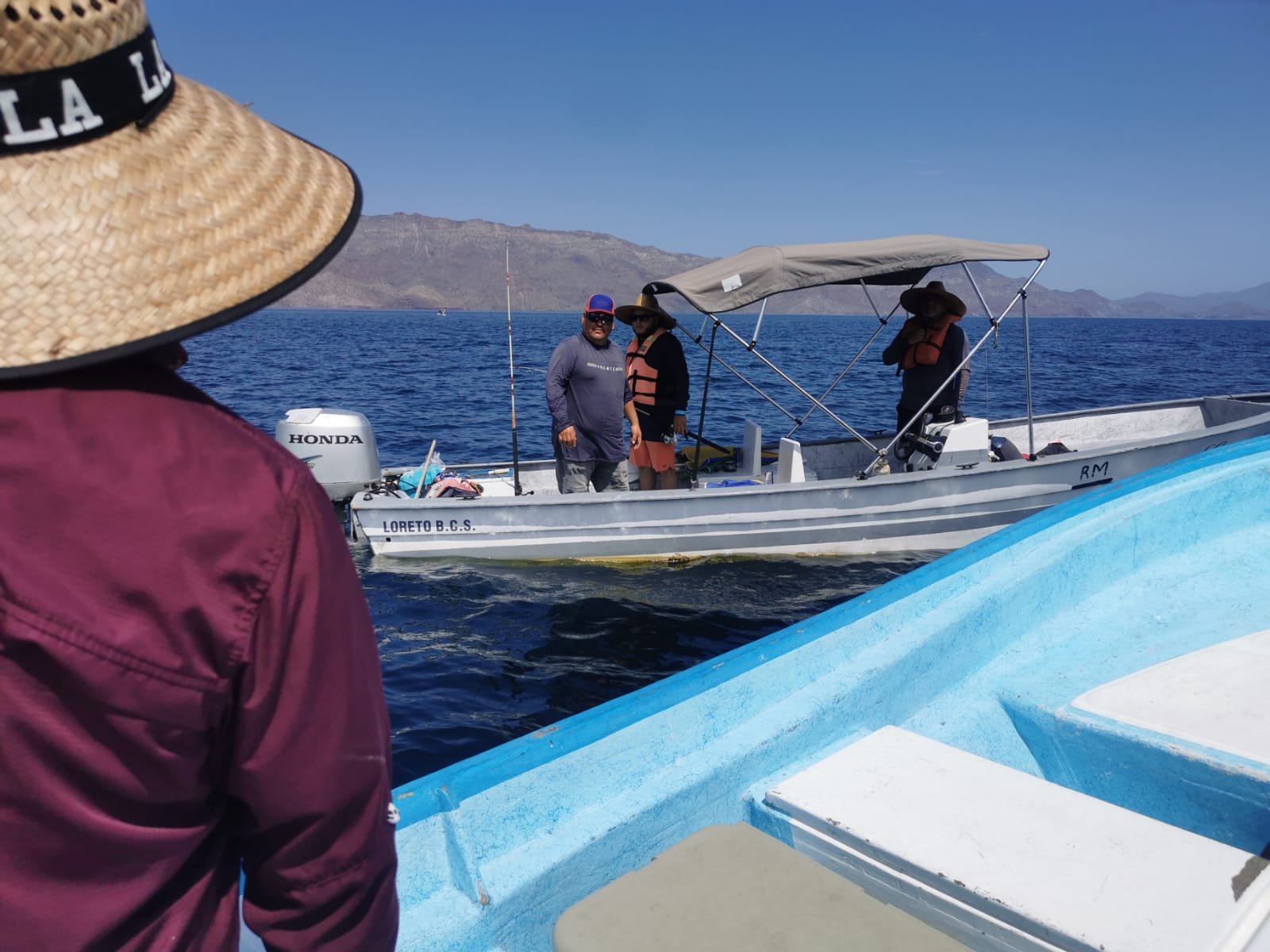
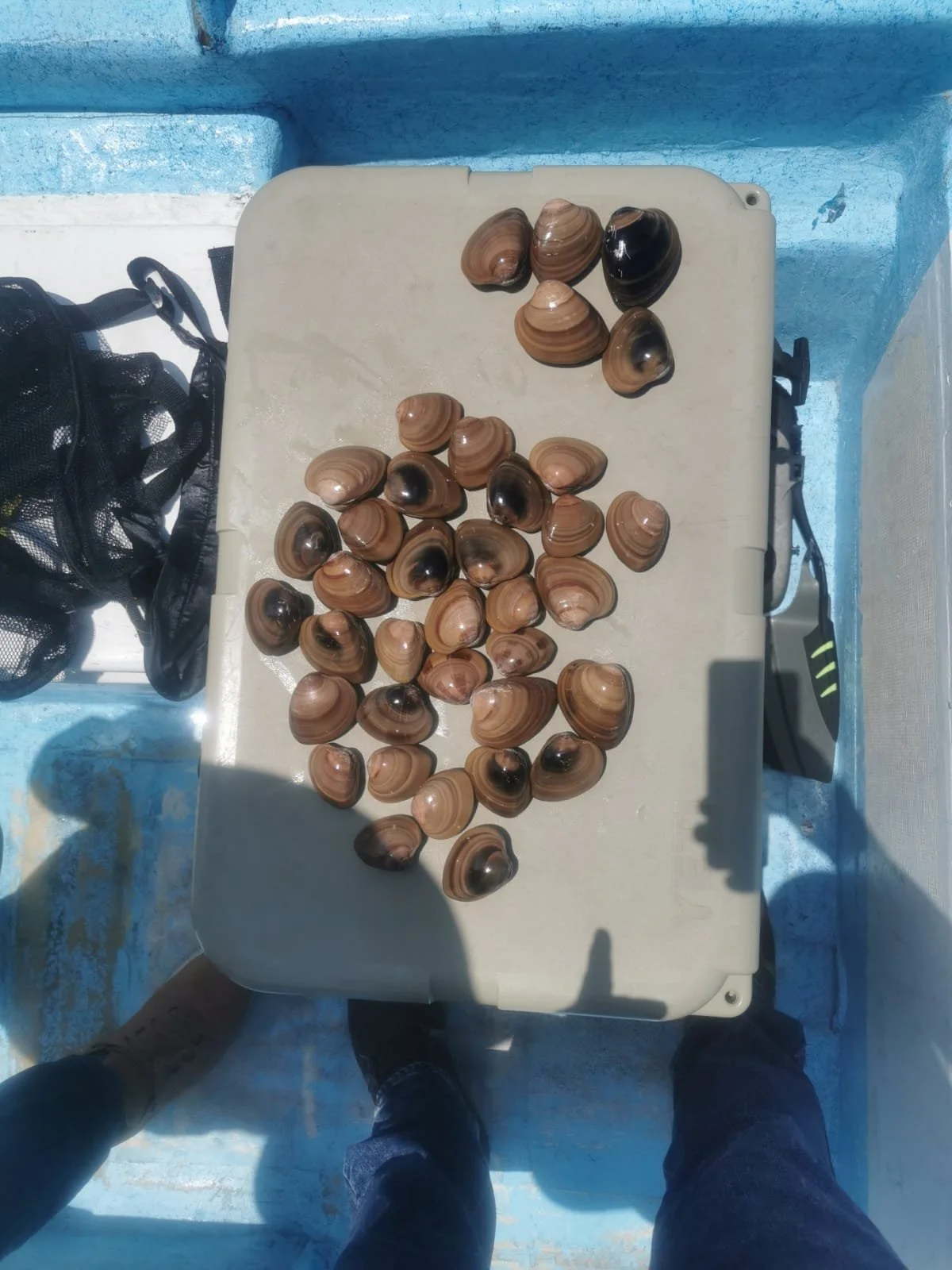
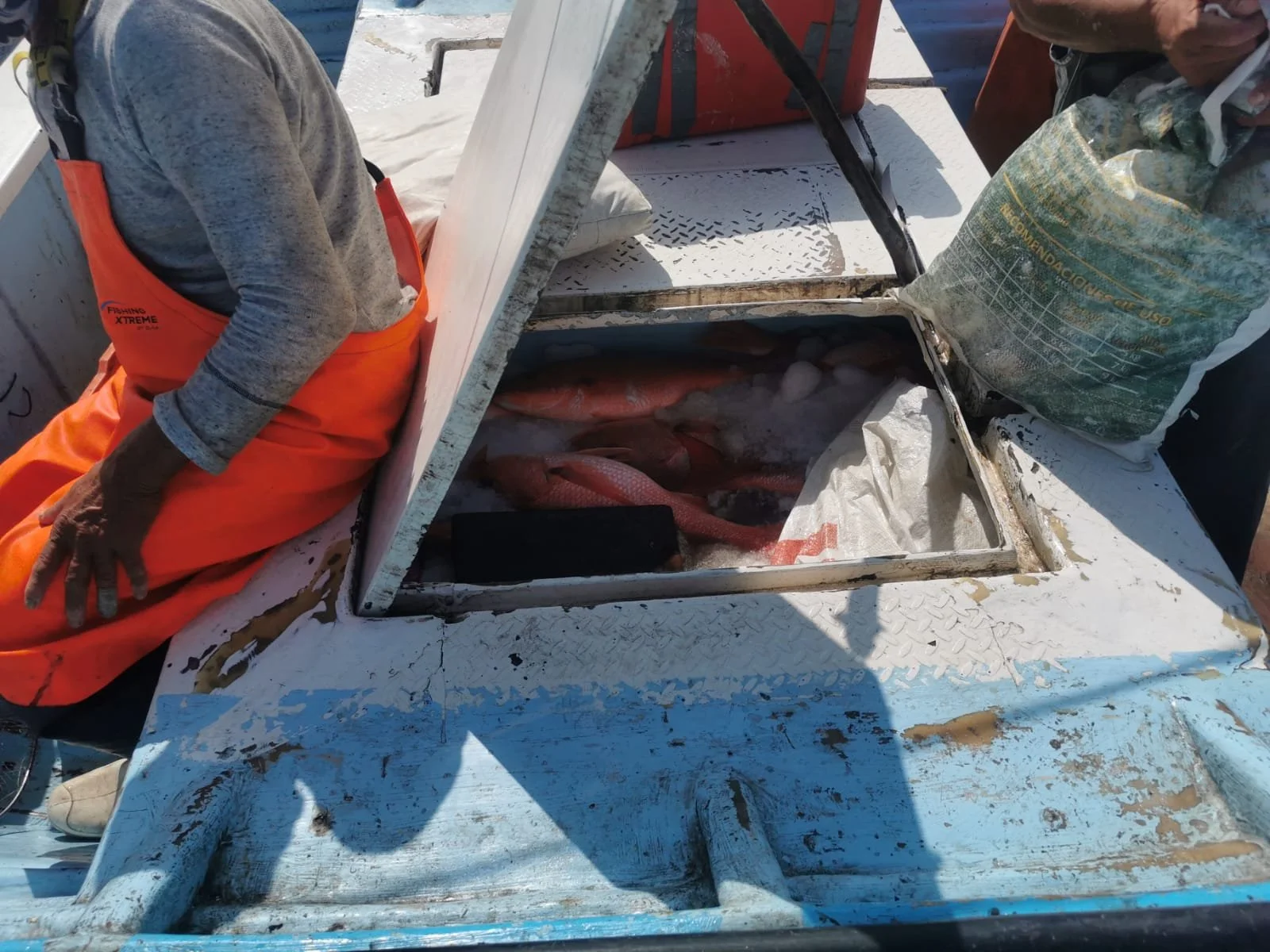
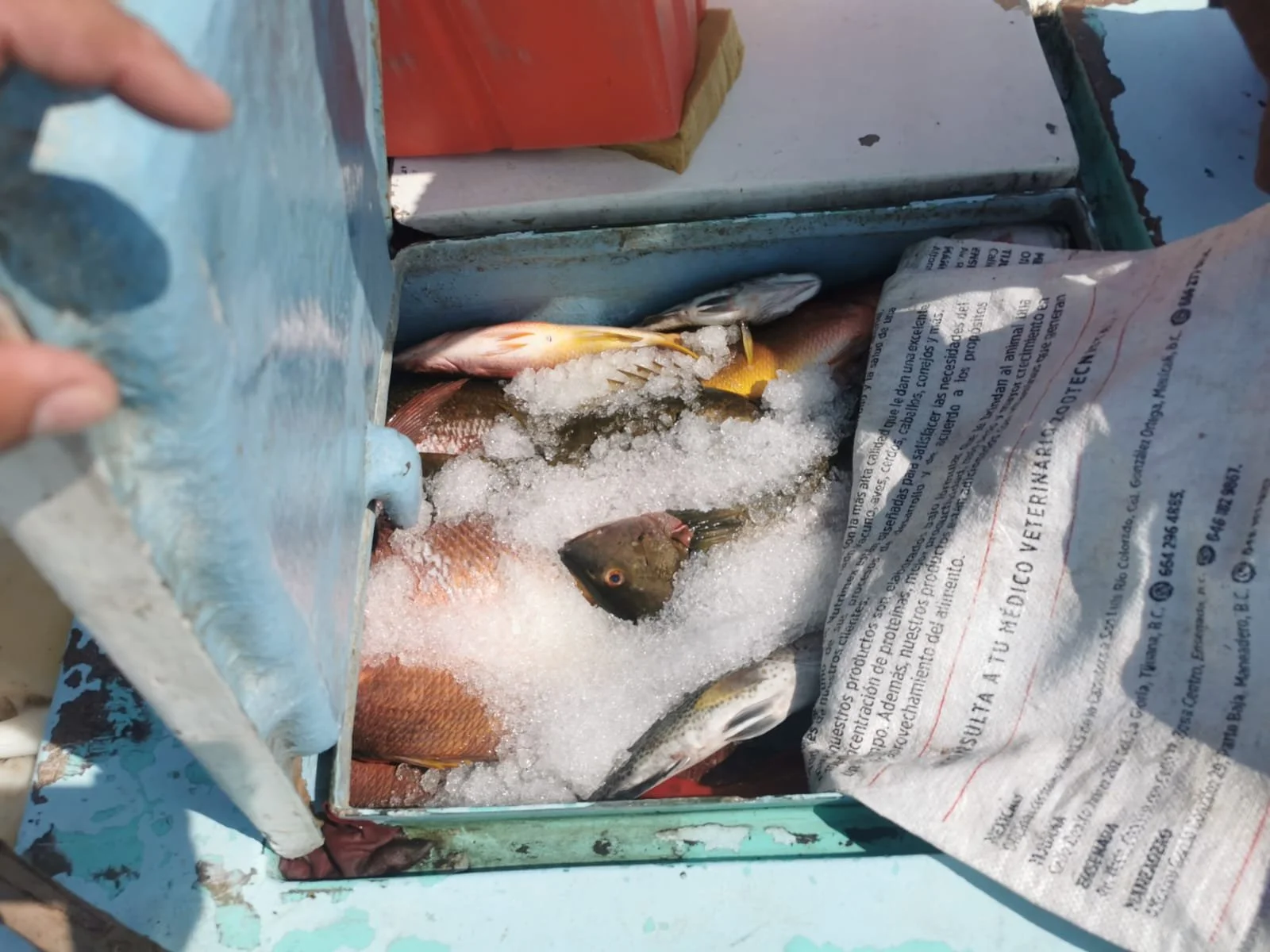
Above: Various interceptions recently made by officers and rangers to stop poaching throughout Baja Sur.
Some highlights include the opportunities to establish a new MoU between local partners and CONANP to carry out marine protection actions such as:
Carry out Regional Patrols, including Loreto, fishing refuges, and Espiritu Santo NP.
Enable access to all M2 systems.
Creation of a new Regional Command and Surveillance Center in La Paz with the support of GC and the project "Del Anzuelo al Plato" (from the Hook to the dish), following the example of Loreto National Park.
Increase resources for surveillance, enforcement of the law and compliance.
Consider the new fishing refuge in Boca del Álamo to include it in the work area.
We believe that this initiative marks a new stage of effective collaboration, enhancing our impact in the region through the adoption and institutionalization of our Global Park Defense approach along the MPAs of Baja Sur.
Loreto Community Highlights: Cruise ships, Port, Community, and the National Park.
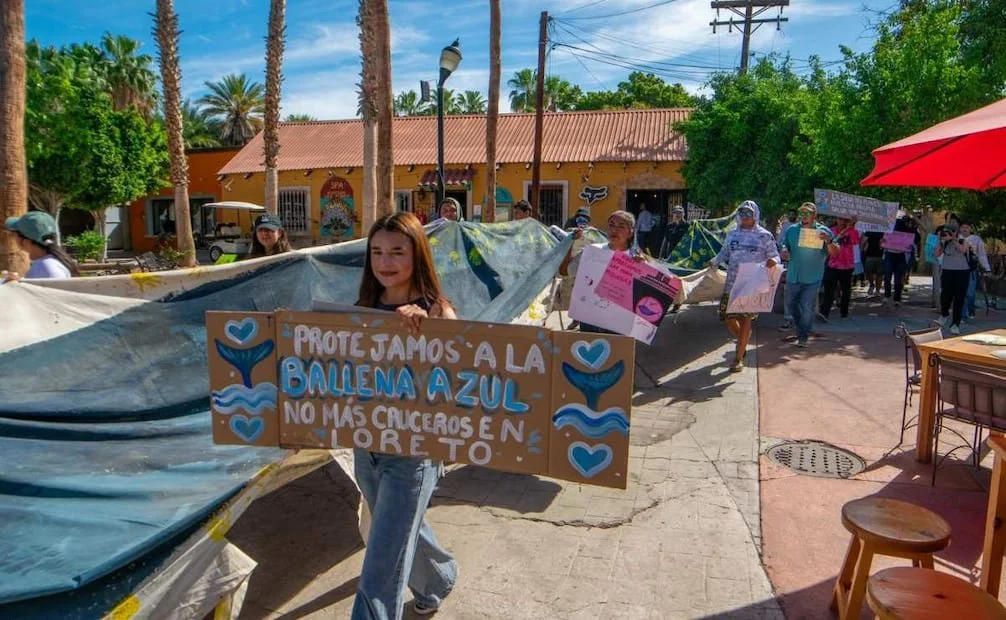
Loreto inhabitants protesting against the cruiserships into the National Park.
The second quarter of 2026 was particularly interesting, related to a presidential decree designating the Port of Loreto as a deep-water port.
This decree, more than just an administrative act to regulate navigation within the Port of Loreto, sparked a fierce response from the Loreto community and its various economic sectors, which requested that the decree be revoked and that mega-cruise ships be banned from navigating and entering into the National Park.
Numerous protests took place in the streets of Loreto but also on social media and in local and national media, where interest groups voiced their concerns about the decree’s impacts, as well as the implications for the entry of various types of larger vessels, the development of port infrastructure, changes to the community’s way of life, and the impacts on the National Park and its biodiversity—for example, on the blue whale, the world’s largest animal.
In response to the concerns of the people of Loreto and after intense meetings with Mexican government officials, President Claudia Sheinbaum issued a new decree that canceled the previous one designating Loreto as a deep-water port. This new decree also created a working group that includes the government, the community, the National Park, and civil society organizations to develop rules for navigation in the National Park, ban mega-cruise ships, and review the management plan for the marine protected area.
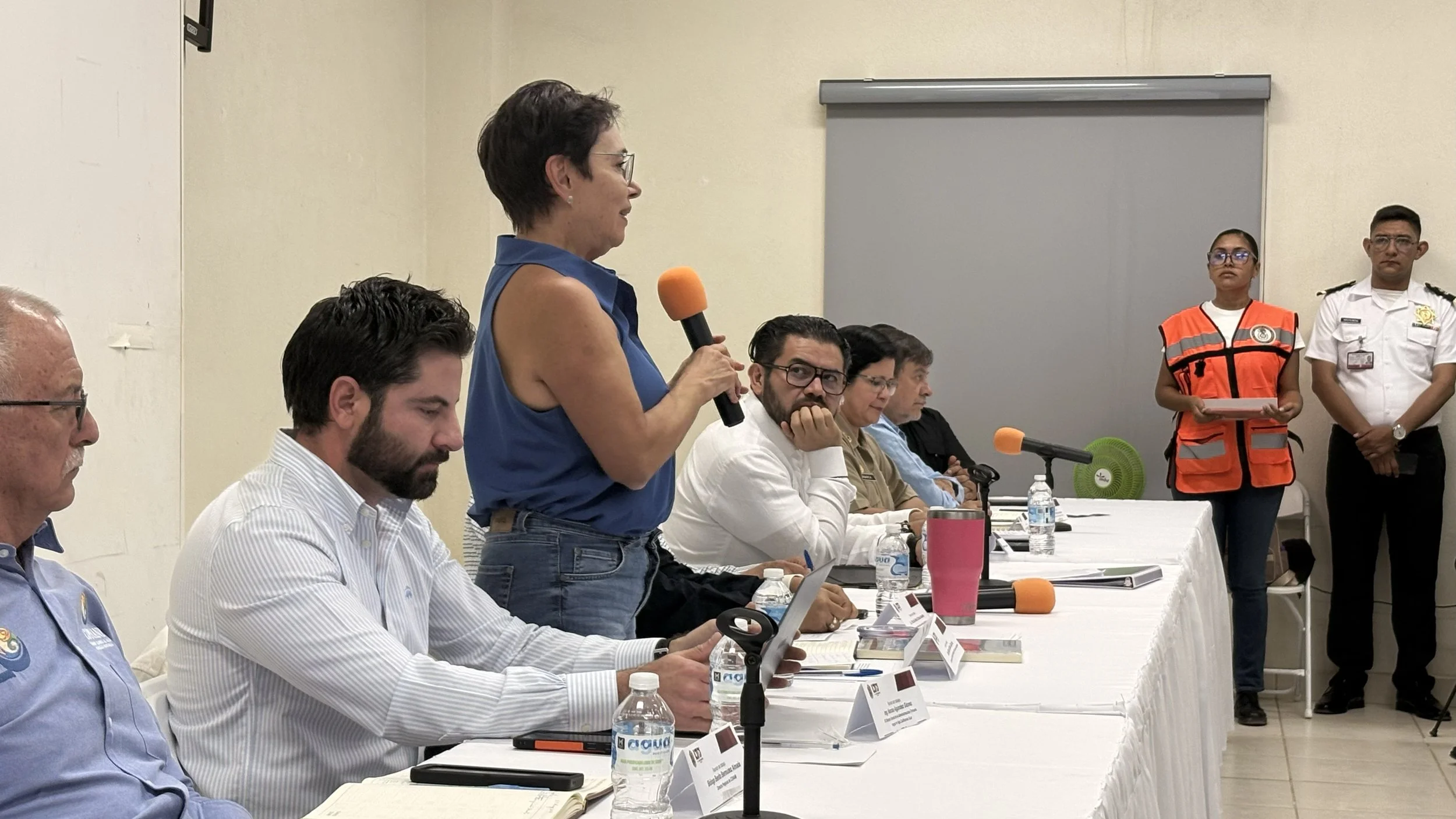
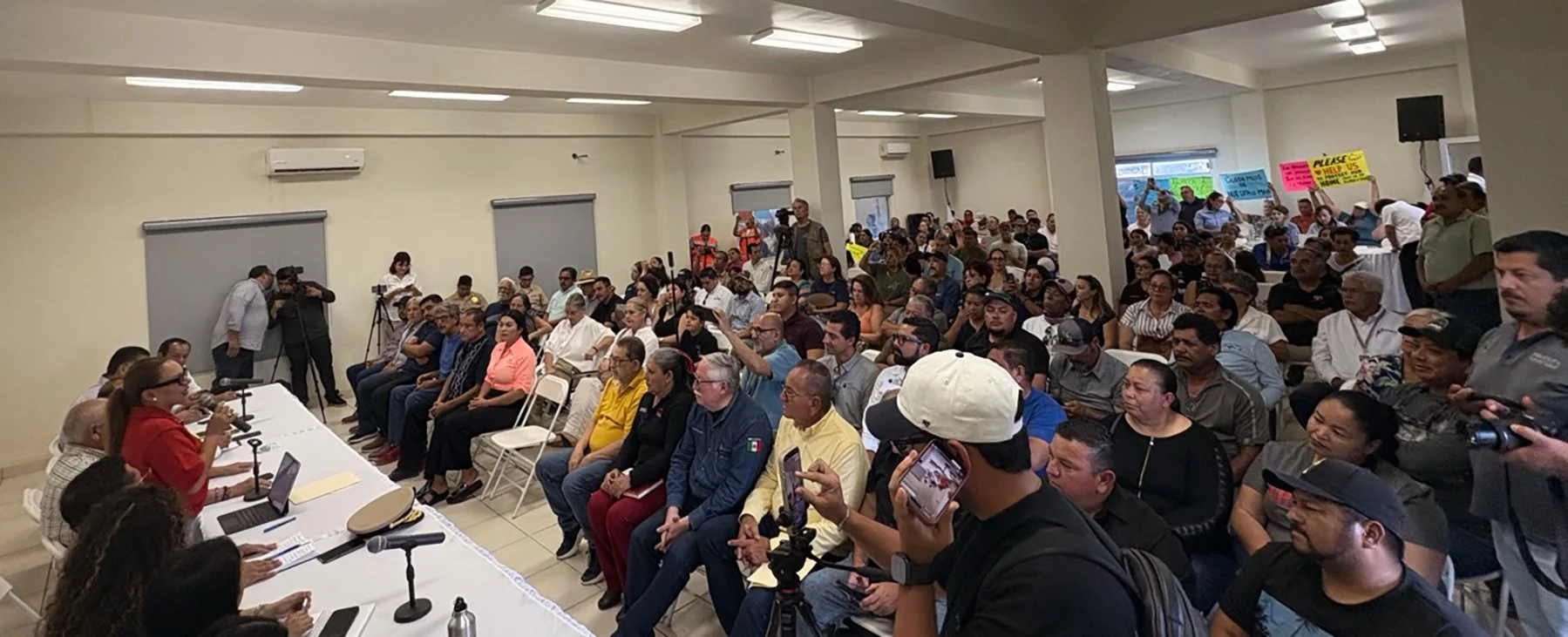
Authorities and the community of Loreto hold meetings to derogate a decree that changed from coastal port to Deep-Water Port.
This opens up the legal possibility of strengthening the level of protection for this National Park, where Global Conservation will be supporting it through various mechanisms, such as an update and upgrade of the Management Program of the national park and establishing strict regulations for the navigation and class of vessel allowed within the park together with the community, local partners, and National Park managers.
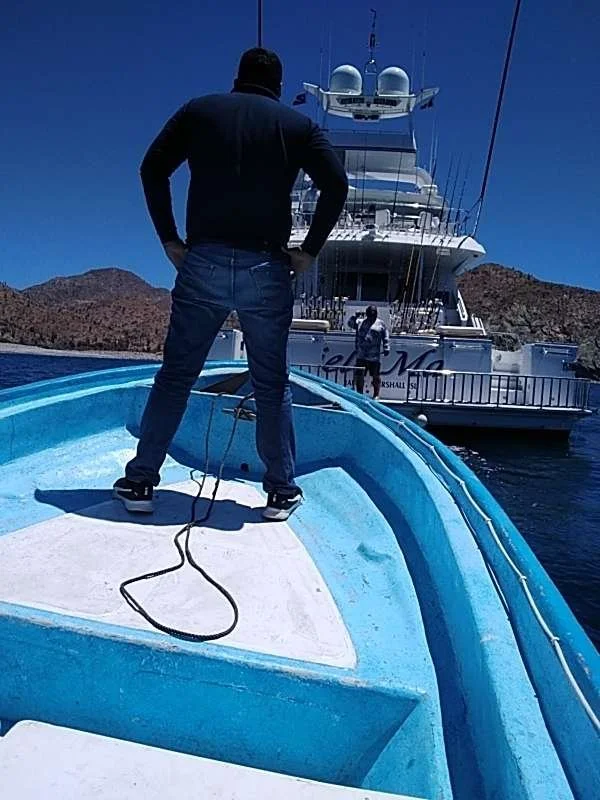
A park ranger and CONAPESCA officer inspecting a private boat in Catalana Island.
As Global Conservation support the marine protection in this National Park, one of the most important inputs to build a new legal instrument to regulate the navigation within the MPA, are the M2 information, tracks by radar and AIS will play an important role to understand how the boats are navigating along the Loreto Bay, and the southest part of the protected area. This kind of input wouldn't exist without the support of our funders and the multi-year work in the region to install technology that provides such detailed information and analysis.
During the next weeks, the elected members by the citizens and the authorities will be celebrating multiple work sessions in order to assess the new navigation routes, determine what kind of vessel will be allowed to come within the national park, identify critical habitats and criteria to ensure the protection of the Blue Whales, and regulate the navigation. Global Conservation will be working closely and providing technical information and inputs to collaborate in this important task.
A park ranger and CONAPESCA officer inspecting a private boat on Catalana Island.
30th Anniversary of the Loreto Bay National Park
As of July 19th, the Loreto National Park achieved 30 years of conservation. This National Park was created by a petition of the community of Loreto in order to protect their waters from the industrial fishing vessels that were depleting their natural resources. After 30 years, the community of Loreto has embraced their National Park as part of their life and heritage, teaching an important lesson: "When a coastal community is empowered, their sea will be a reflection of their choices." Now, Loreto is fighting back for their National Park and to ensure that the cruise ships will no longer enter into their waters, protecting not only the park but also their livelihood.