Upgrades Made for Global Park Defense for Marine Protection in Baja Sur, Mexico
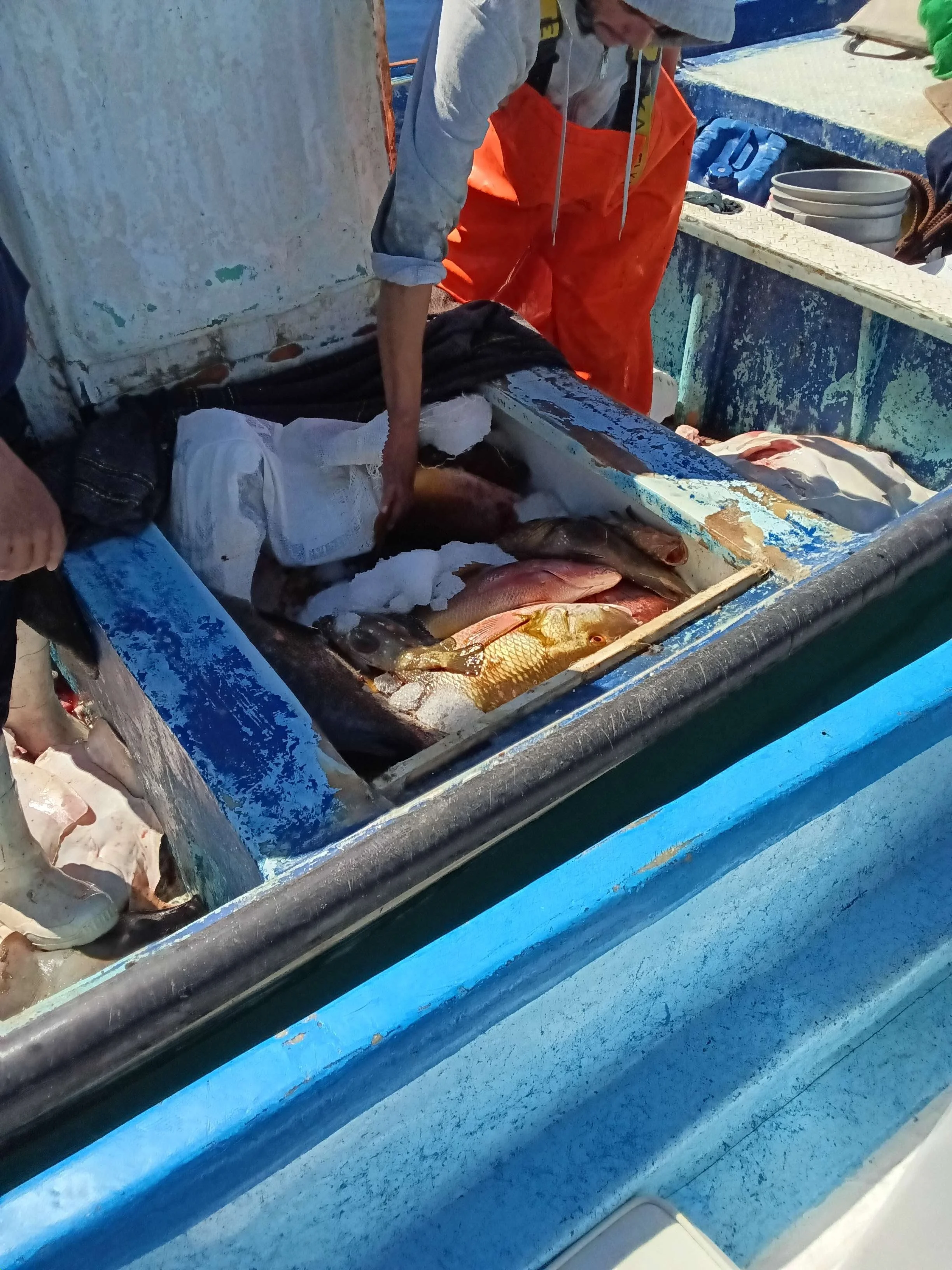
The officers ask the fisherman to open the freezer to check if the species is allowed to be fished during a routine inspection of an artisanal fisherman in Loreto NP.
Throughout the first two months of 2026, Global Conservation in Mexico has worked alongside our partners CONANP, CONAPESCA, and SEMAR to continue our projects and deploy new Marine Monitor systems on El Pardito Islet and in Espíritu Santo National Park, off the coast of La Paz Bay.
This results in an increase of more than 320 km² in the area under marine protection, as well as the continued strengthening of ongoing capacity building for marine conservation in sites such as Loreto, Agua-Verde, San Cosme, Islas Marías, Espíritu Santo, and El Pardito.
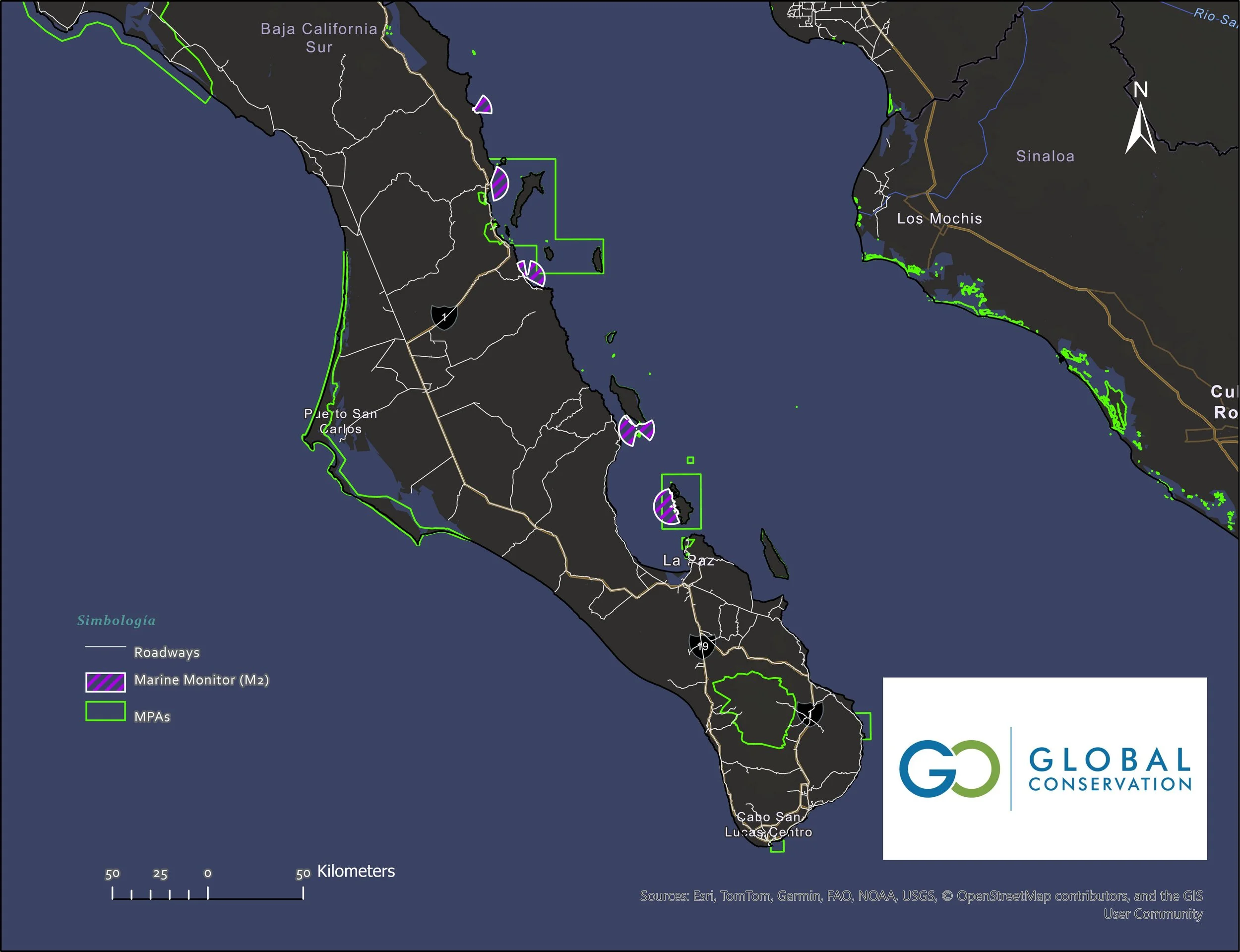
Viewshed of M2 in El Pardito (elaborated by ProtectedSeas).
During February, our partners from PNO, with the support of GC, Niparajá, ProtectedSeas, members of the El Pardito community, and the support of various foundations successfully deployed a new Marine Monitor system on El Pardito Islet, which is part of the Gulf of California Islands APFF, a UNESCO World Heritage Site where the community has been working to preserve its fishing refuges.
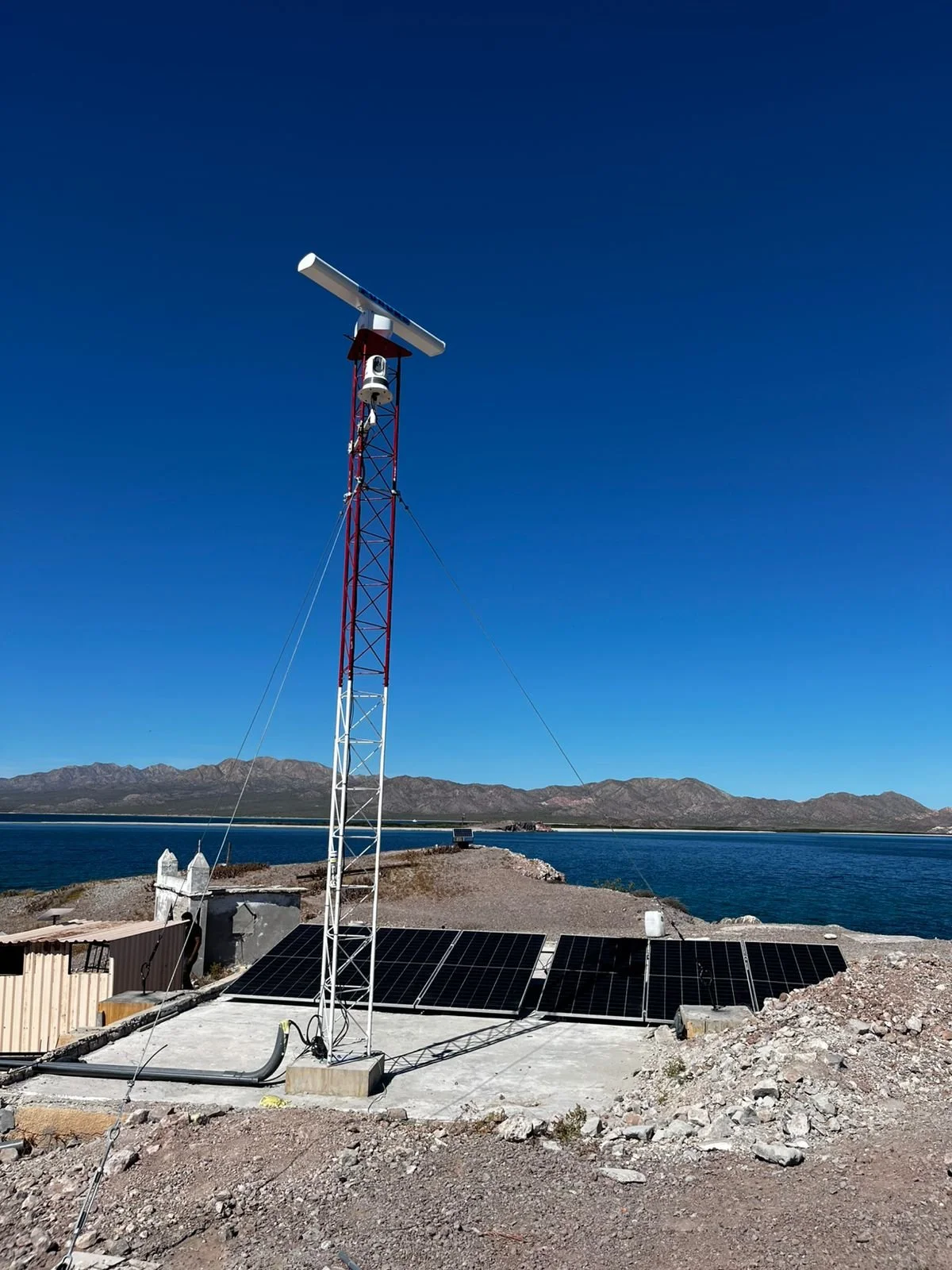
The new M2 deployment is located in Islote El Pardito (Photo courtesy PNO).
This system will allow increasing the area under protection and remote surveillance by at least 166 km² and provide a better understanding of fishing and tourism activity in this region, as well as identify patterns of illegal fishing and industrial vessels.
This is a strategic site between Isla San José and San Francisquito, off the north coast of La Paz Bay, an area that is being impacted by illegal fishing, poachers, and industrial fishing vessels. The system is currently in the remote calibration phase, and over the next few weeks, we will be providing training and capacity building to members of the El Pardito community and community surveillance committees, as well as promoting the participation of authorities such as CONANP and CONAPESCA.
Furthermore, thanks to the support of the iAlumbra Foundation, Global Conservation has made significant progress in deploying a new Marine Monitor system in a very special area, the Espíritu Santo National Park off the coast of La Paz Bay.
Due to its location, this system will make it possible to cover a very important area under protection by more than 169 km², enabling remote surveillance of the core zones (no-take zones) in the southeast and northeast quadrants of the island, as well as allowing activity in the navigation channel and areas off Cerralvo Island to be monitored. To date, thanks to the coordination of the GC and CONANP management, the necessary permits for the installation of the system have been obtained, and we are in the process of importing radar and console equipment, as well as delivering a new camera model that will allow observation of areas near the system using IR vision.
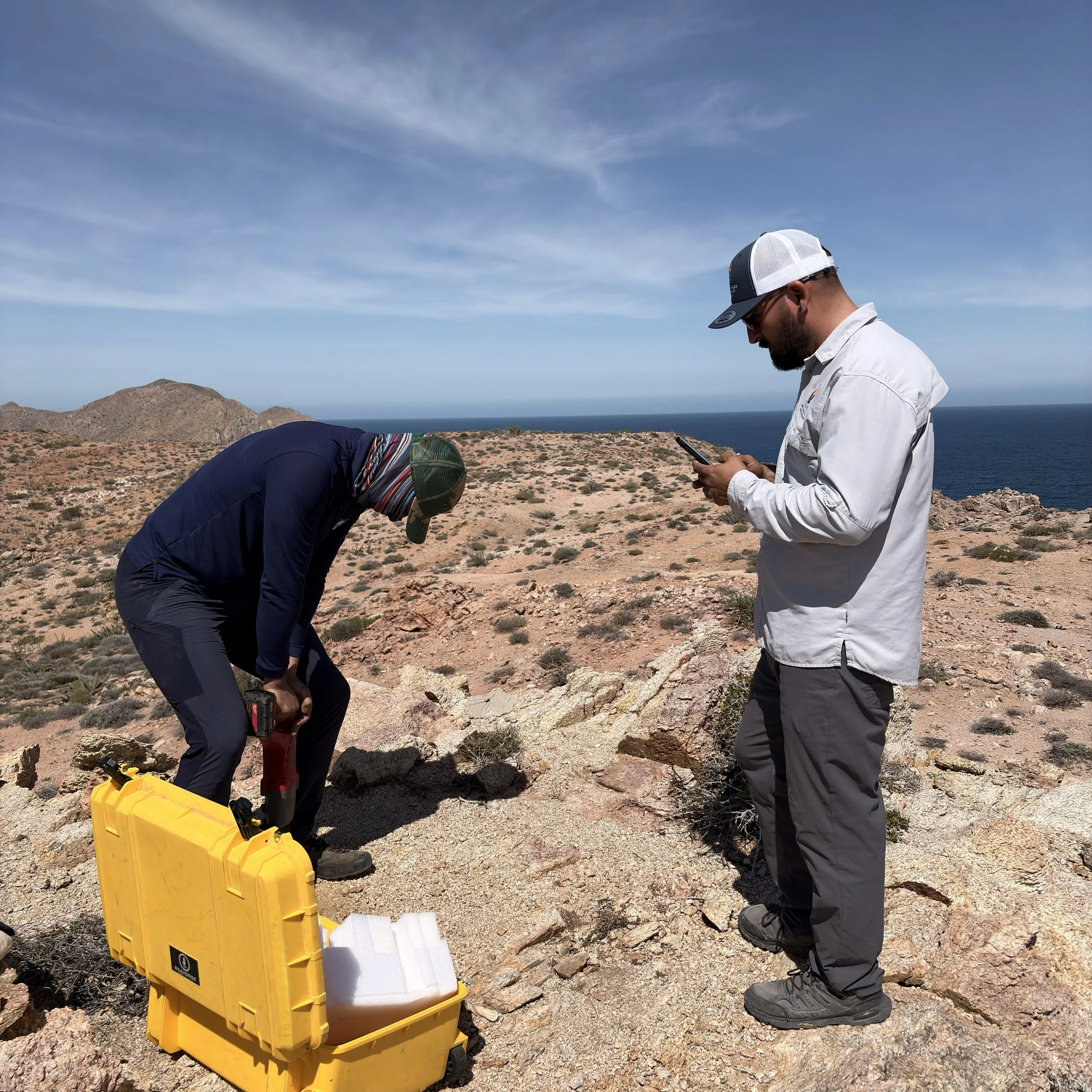
The deployment of the M2 radar in progress.
During the month of March, the solar power system, tower, and M2 system will be installed, with the support of SEMAR, CONANP, the company TRANSFORMASOL, and the GC Mexico team.
The next steps include joint activities with authorities and partners to establish alert zones, coordinate response, schedule patrols, provide training on the use of the M2 and its components, and restrict access to the system. This M2 system will be linked to the new Monitoring Center of the Espíritu Santo National Park, where personnel from the protected area will be supervising activity in this zone in real time, with the aim of protecting and recovering this area of the island that has historically been impacted by illegal fishing.
Additionally, we have promoted the creation of new collaborative networks, highlighting a partnership between the SEMARNAT delegation and our partners at Earthranger, where we are providing initial support for the development and implementation of a logbook to monitor a very specific activity that takes place in the Isla Cerralvo and La Ventana-El Sargento areas: the observation of and swimming with orcas (Orcinus orca).
With this collaboration, the authority will be able to monitor the activity and record information with the integration of authorized service providers and obtain information that facilitates decision-making to improve this activity each year.
Marine Protection and Patrols
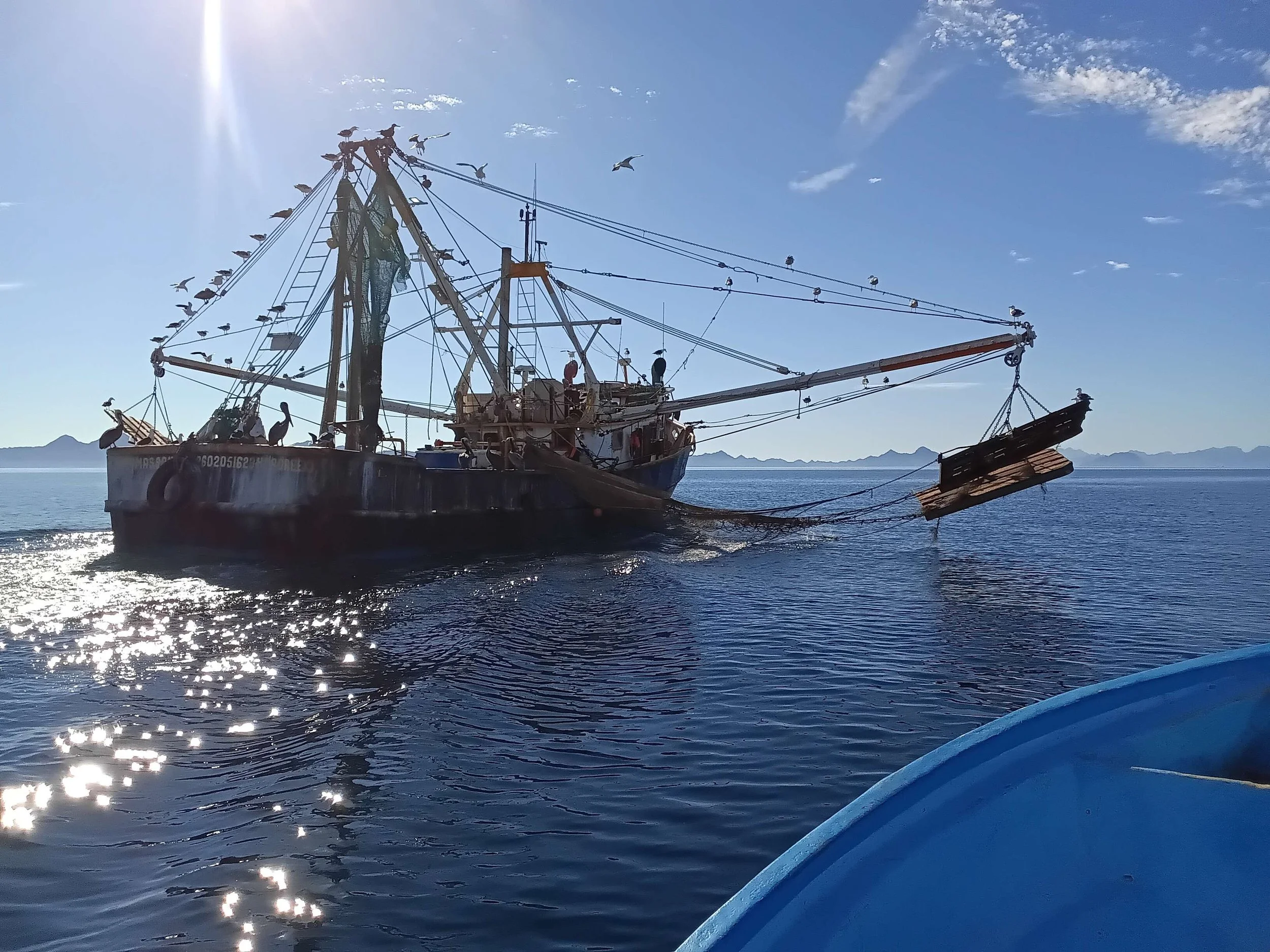
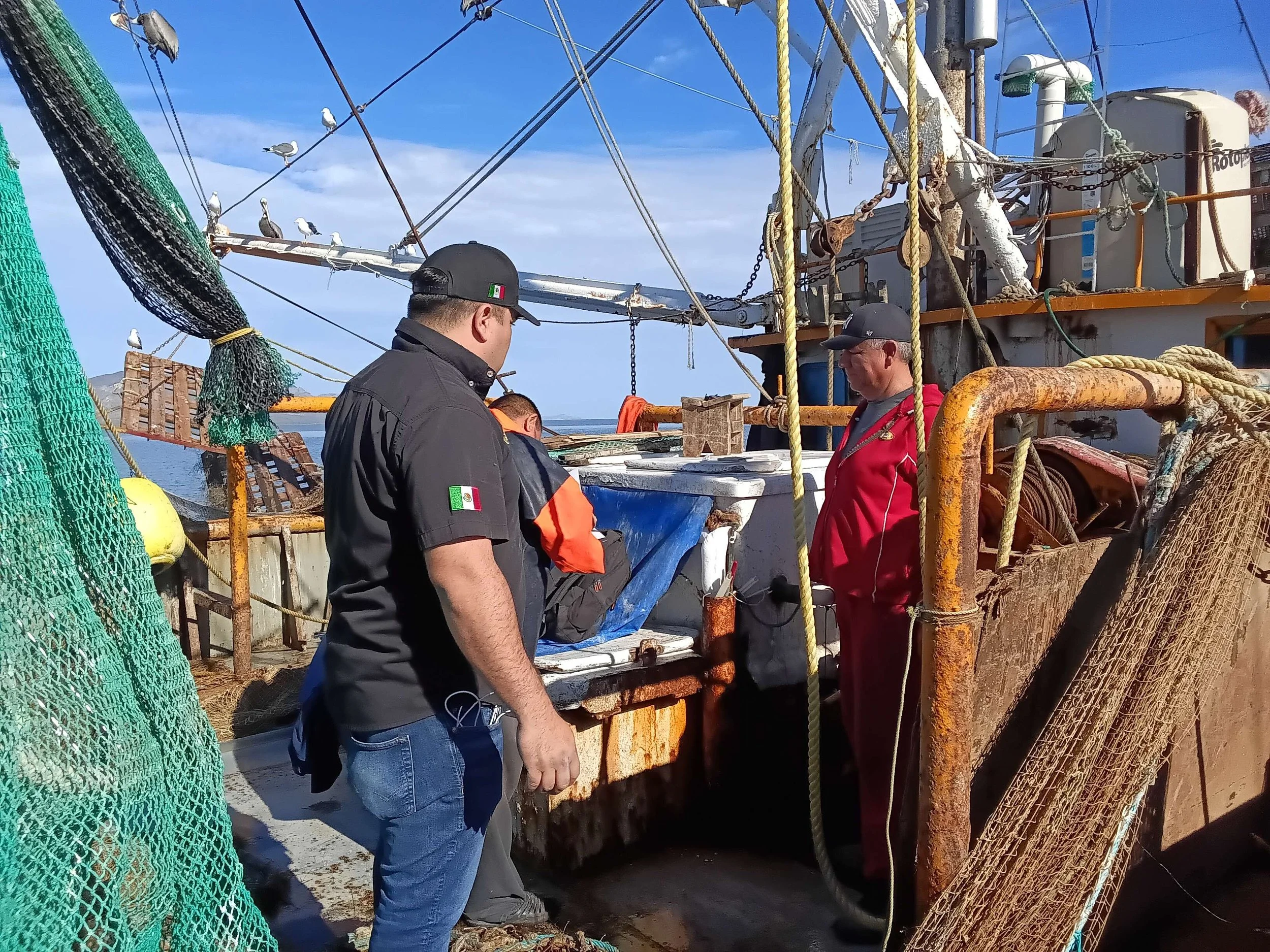
Above: A CONAPESCA officer deployed in Loreto NP carrying out inspections on industrial and artisanal vessels.
Loreto Bay National Park
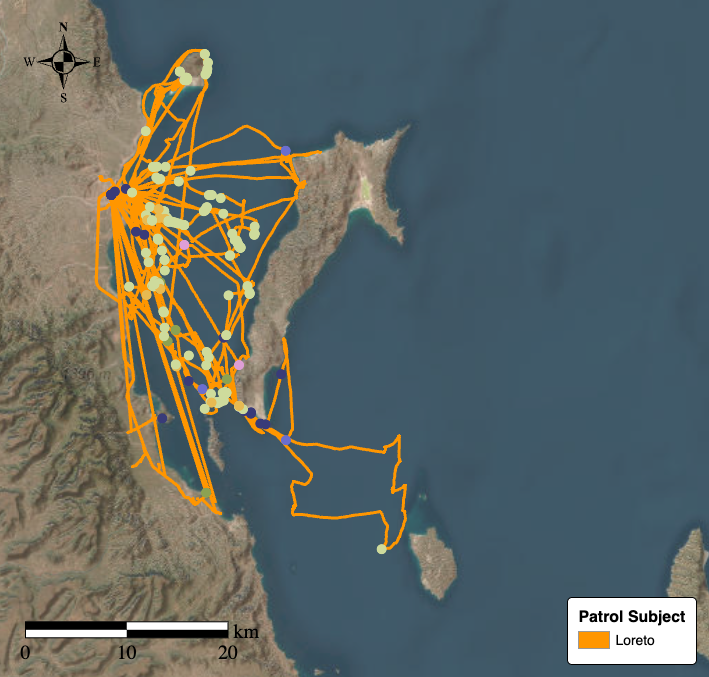
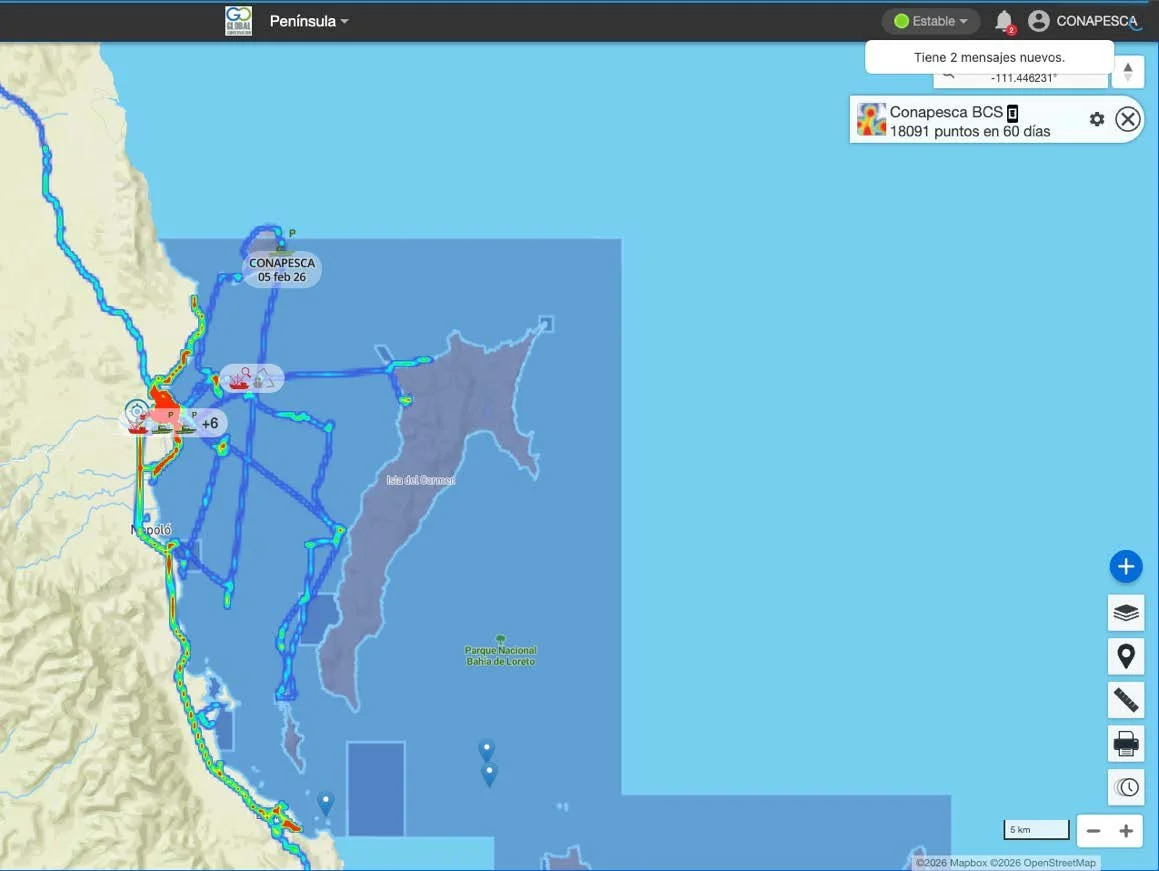
During these two months, park rangers and the fisheries officer have been working closely together to carry out marine and land patrols throughout the marine protected area. Thanks to the support of GC, the fisheries officer has carried out supervision and inspections of artisanal fishing vessels as well as industrial fishing vessels that entered the National Park. I have also made a significant effort to ensure compliance with the ban on the harvesting of chocolate clams in the municipality of Loreto. This effort has resulted in just over 27 different patrols, more than 122 hours in the field, and 1,577 km patrolled (by sea and land) by the officer, as well as the verification of more than 166 vessels.
This has facilitated a high level of compliance by various users, including recreational and artisanal fishermen and prevented that industrial vessels work inside the boundaries of the National Park.
Espíritu Santo National Park
Since our first collaboration with the Espíritu Santo Archipelago National Park during 2025, promoting the adoption of the Earthranger tool as a first step to complete our Global Park Defense marine and providing basic equipment for collecting information in the field, the park ranger team at this National Park has made significant progress in systematizing its information and recording activities. This has provided insight into the intensity of use by visitors to this ANP (Area Natural Protegida), the pressures it is under from tourist activities such as recreational walks and sport fishing, as well as activities such as artisanal fishing and, unfortunately, IUU (Illegal, Unreported, and Unregulated) fishing.
To date, they have carried out more than 26 patrols since the beginning of 2026, accumulating more than 450 hours in the field and covering 3,228 km throughout Espiritu Santo National Park, including nearby protected areas such as Balandra APFF and the La Paz Whale Shark Sanctuary.
Tourism thrives in Espiritu Santo. The National Park includes around 10 great snorkeling and diving spots, including natural reefs and sunken boats.
Snorkelers and divers can have the incredible experience of swimming with a whale shark in the La Paz Whale Shark Sanctuary.
However, this park is demonstrating a genuine interest and commitment to strengthening its marine protection capabilities and ranger skills, particularly in increasing its attention and capacities to address unregulated and unreported fishing, which has depleted sensitive areas such as its core zones and no-fishing zones. Part of this interest has led to Global Conservation providing support for the installation of a new Marine Monitor system on Espíritu Santo Island. In addition, the National Park has assigned a head park ranger to specifically monitor the system, coordinate responses to alerts, and install a Monitoring Center.

In late March or early April, Global Conservation, with the support of the Espíritu Santo National Park, SEMAR, and other partners, will begin installing the M2 system in this marine area, expanding the network of marine monitors that extends from San Basilio to the Islas Marías.
Capacity building for the Management and Protection of Marine Protection Areas
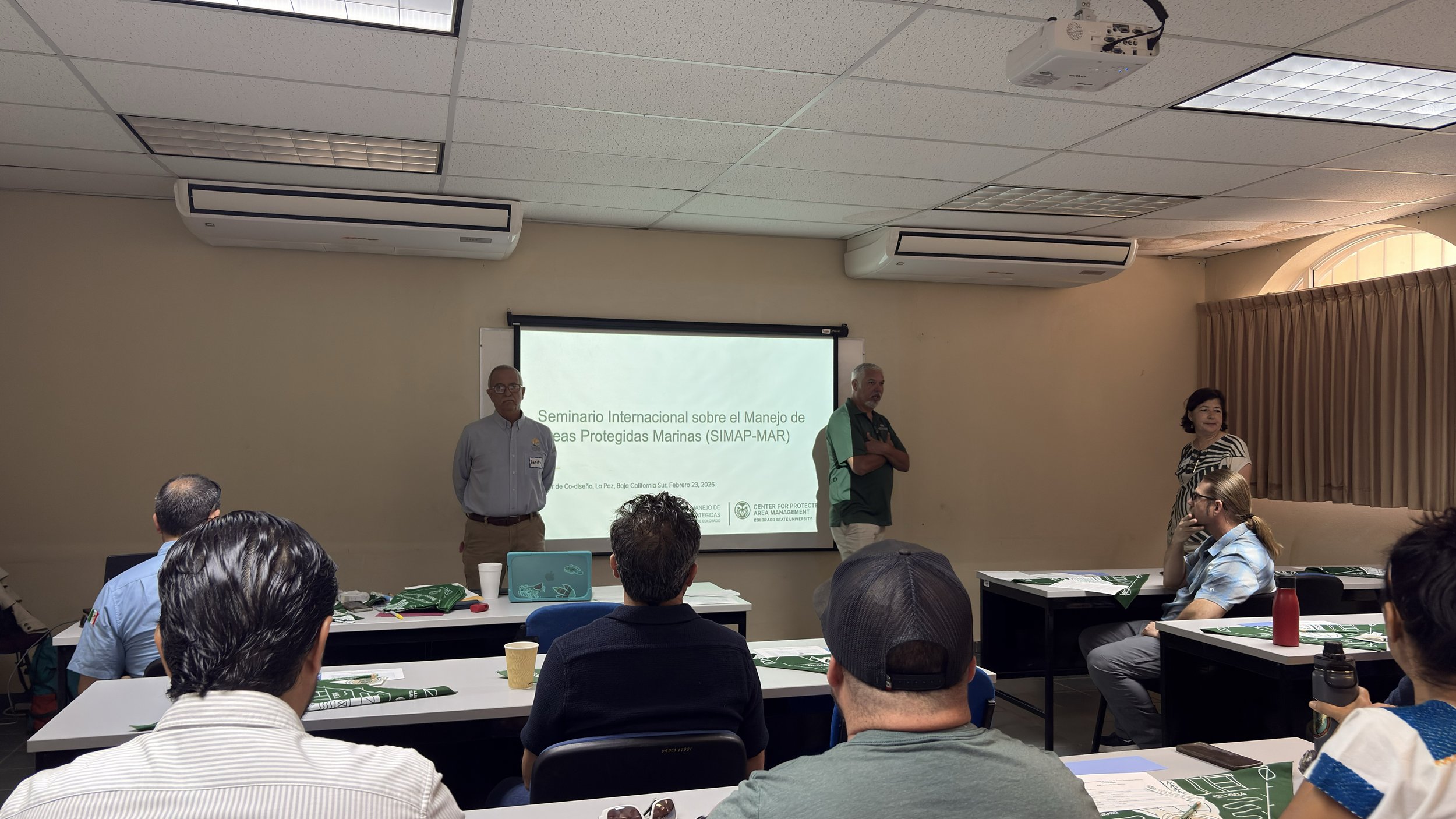
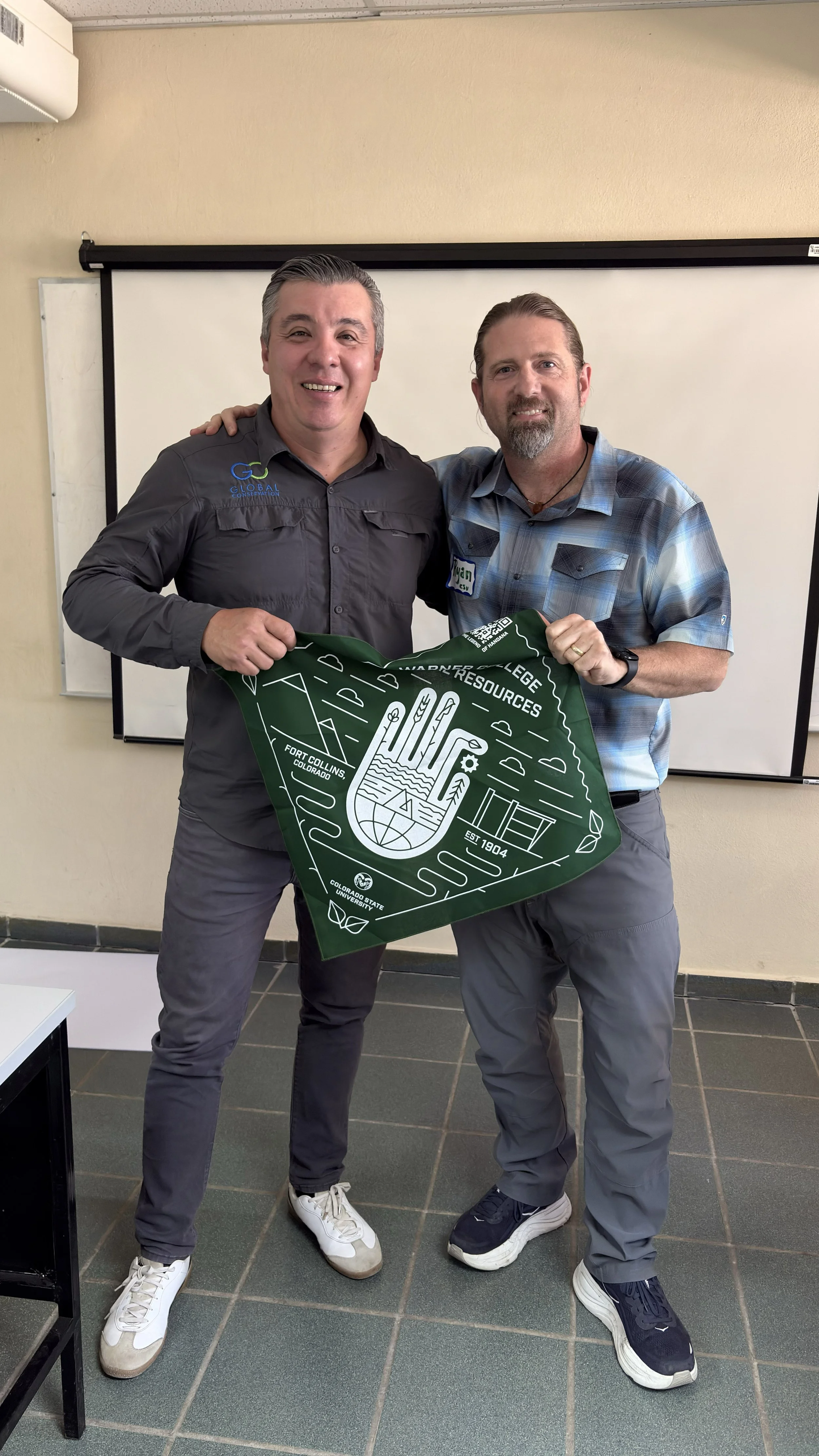
In late February, Global Conservation in Mexico was invited by Colorado State University, through its Center for Protected Area Management, to join other guests from different organizations and areas of expertise in initiating a process to co-design an International Seminar on Marine Protected Area Management (SIMAP-MAR). With this initiative and with the participation of our director for Mexico, Global Conservation will be contributing elements, knowledge, and experience to scale up components that make up Global Park Defense Marine, as well as generating a theme that allows us to share our experience with current and future managers of marine protected areas, marine reserves, fishing refuges, or those community co-management schemes that exist in different variants throughout Latin America.