GC’s 2025 Komodo National Park Progress Report
This year 2025 represented an important milestone in the ongoing effort to strengthen protection and management of Komodo National Park (KNP). Following the achievements of previous years, this year’s initiatives primarily focused on optimizing infrastructure to support sustainable conservation and integrating advanced technology surveillance systems to improve the management of the park’s protection.
Significant progress has been achieved through substantial investments in infrastructure. Upgraded ranger station and dormitory at Loh Wenci Resort in West Komodo represent a key milestone in the protection effort of the park, particularly on the west coast of Komodo Island. This facility, which is now fully operational, serves as a hub, facilitating improved coordination and efficiency in the ranger deployment across the park.
Meanwhile, an integrated surveillance and monitoring system is being implemented to improve situational awareness and response capabilities across the park’s landscape. The establishment of Global Park Defense, which includes advanced surveillance tools such as long-range VTOL drones as well as smaller shorter-distance DJI drones, long-range cameras, CCTV networks, camera traps (both offline and online), and SMART patrol systems, has transformed protection operations within KNP. Furthermore, the installation of a solar-powered energy grid provides a reliable and sustainable power source for remote ranger facilities and surveillance equipment.
Video by ©Paul Hilton
These technological and infrastructure improvements have yielded measurable benefits in the protection of KNP. The Global Park Defense has effectively detected and prevented numerous illegal activities, such as wildlife poaching, and secured tourism revenue in the West Coast of Komodo National Park. The availability of real-time data has enabled rangers to shift from reactive patrol to more efficient proactive interdiction and targeted and intelligence-led enforcement actions, thereby enhancing operational effectiveness and deterrence.
In summary, 2025 stands as a transformative year for Komodo National Park’s protection efforts. The integration of infrastructure improvements, innovative technologies, and improved ranger capacity has significantly delivered measurable impact in biodiversity protection. With continued support from Global Conservation, KNP is now aiming to position itself as a pioneering and innovative model for technology-based adaptive conservation management and effective law enforcement within Indonesia’s protected area network.
Completion of Infrastructure at Ranger Station and Dormitory at Loh Wenci Ranger Station, West Komodo
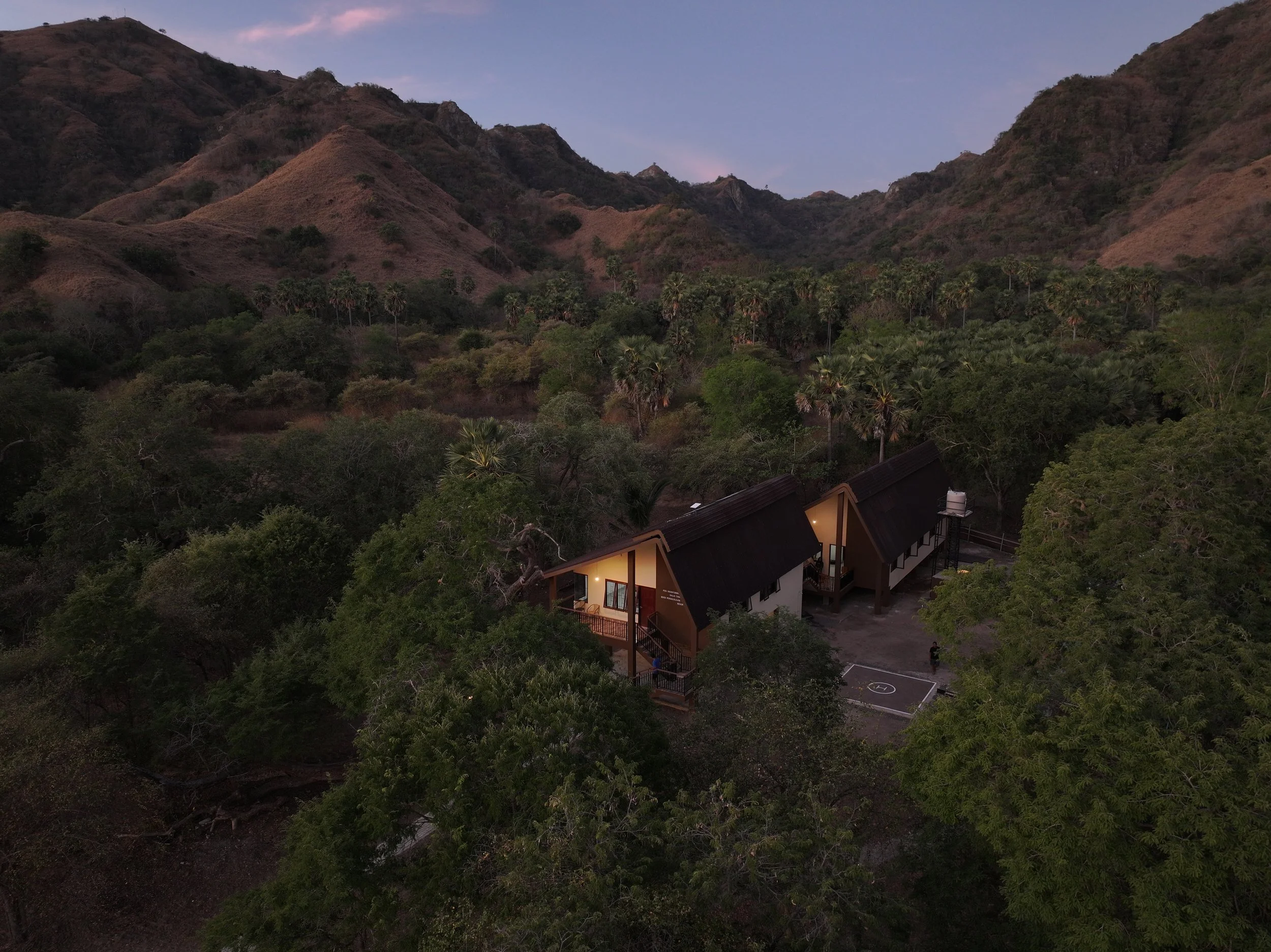
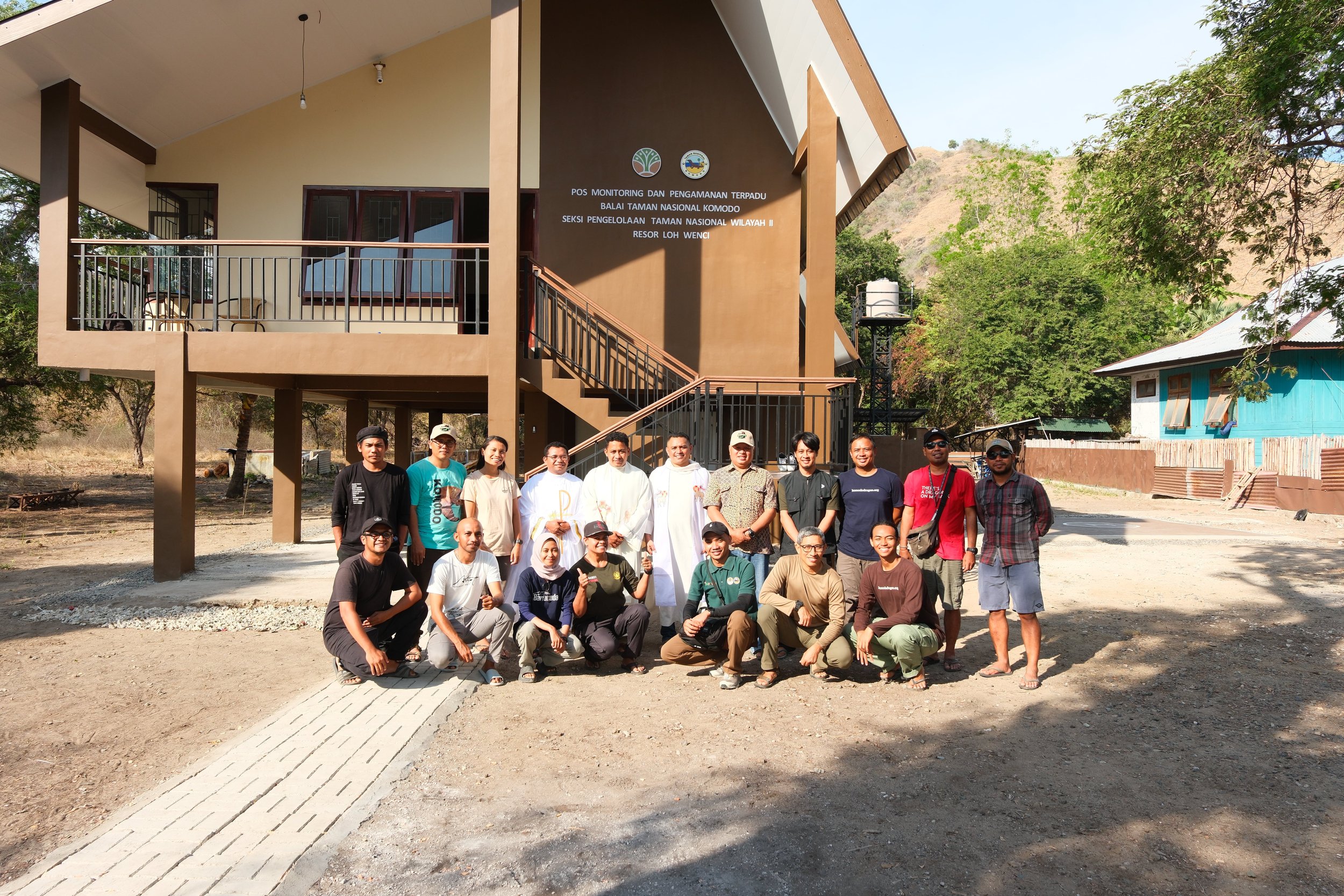
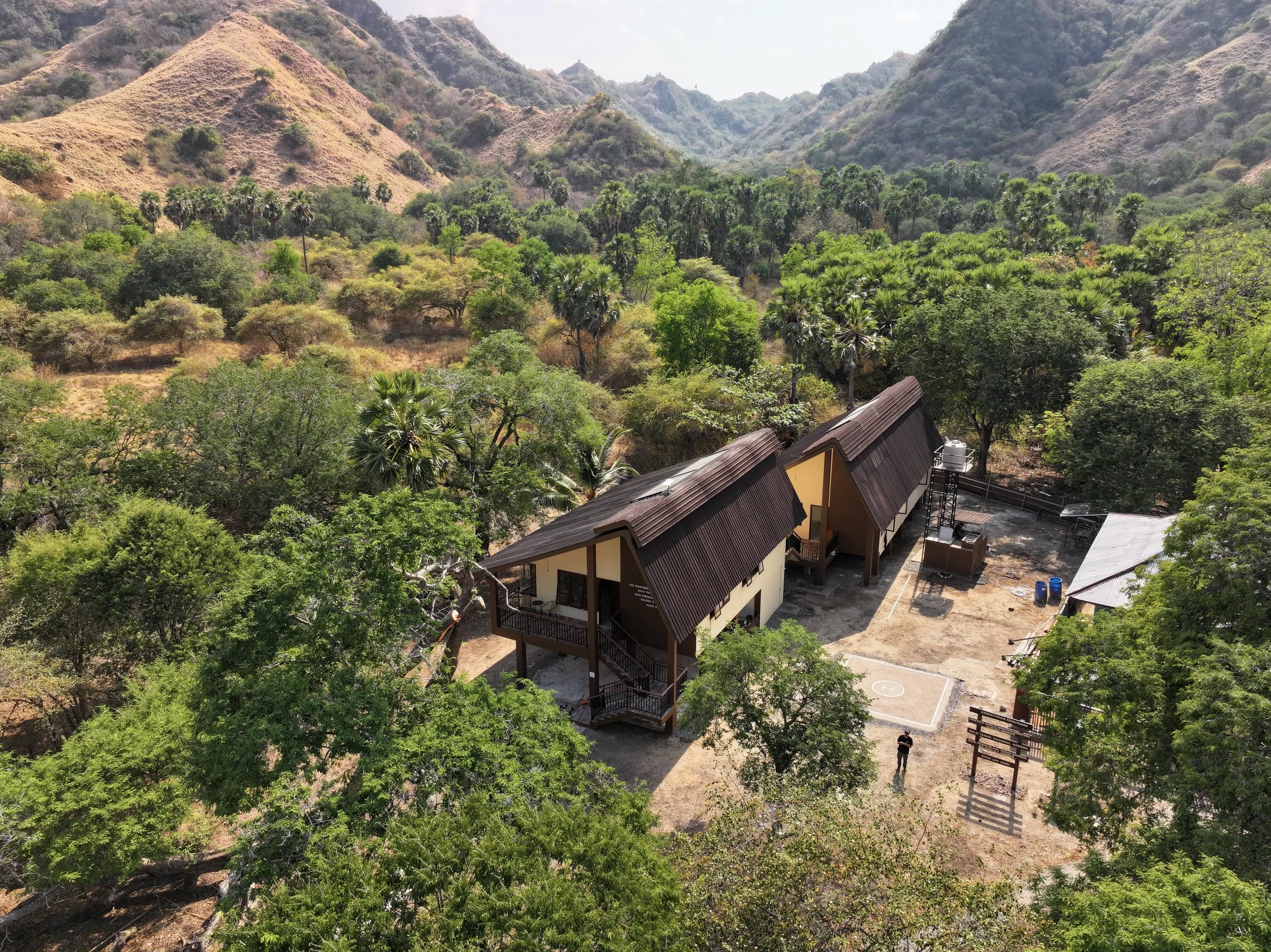
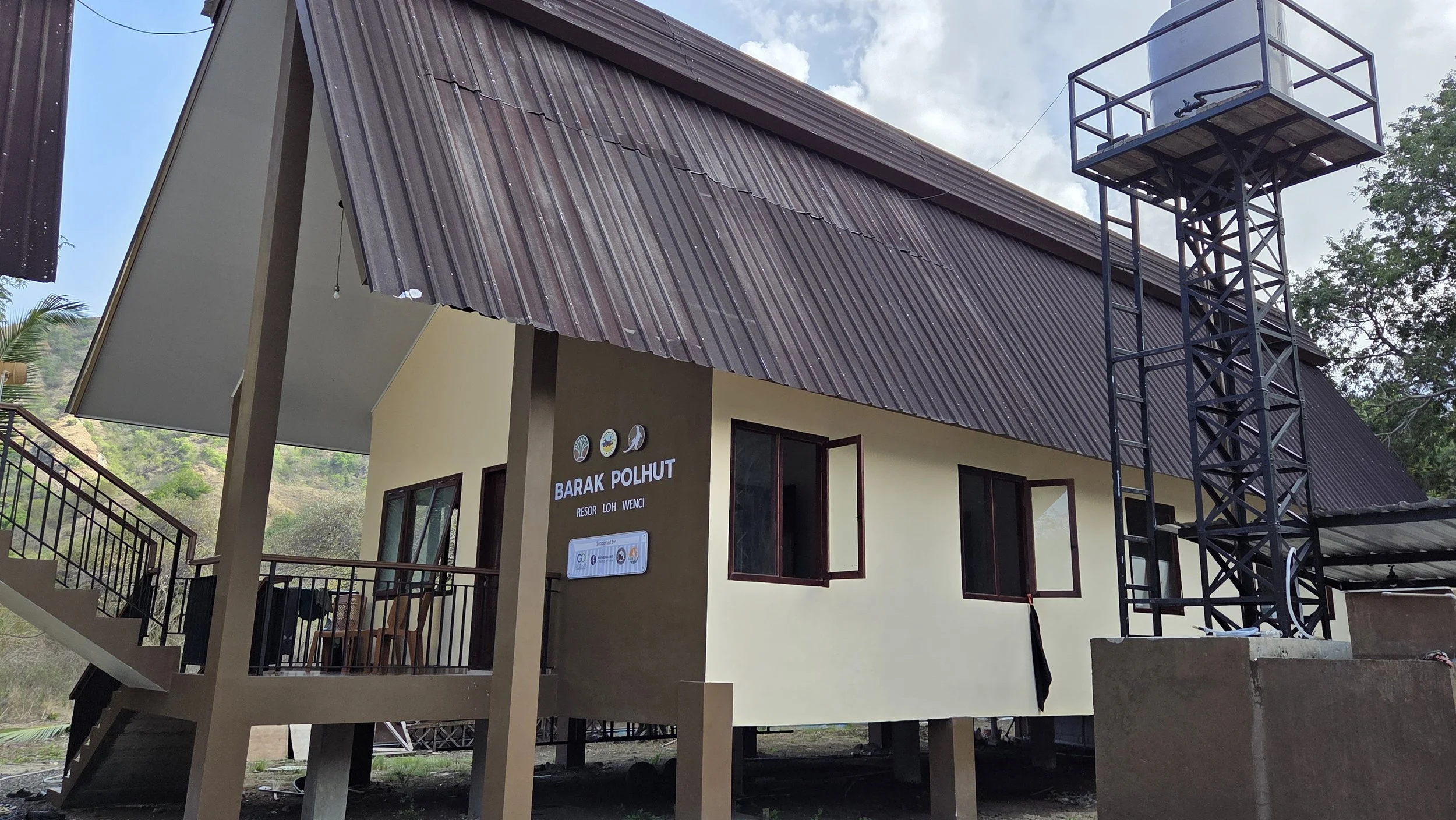
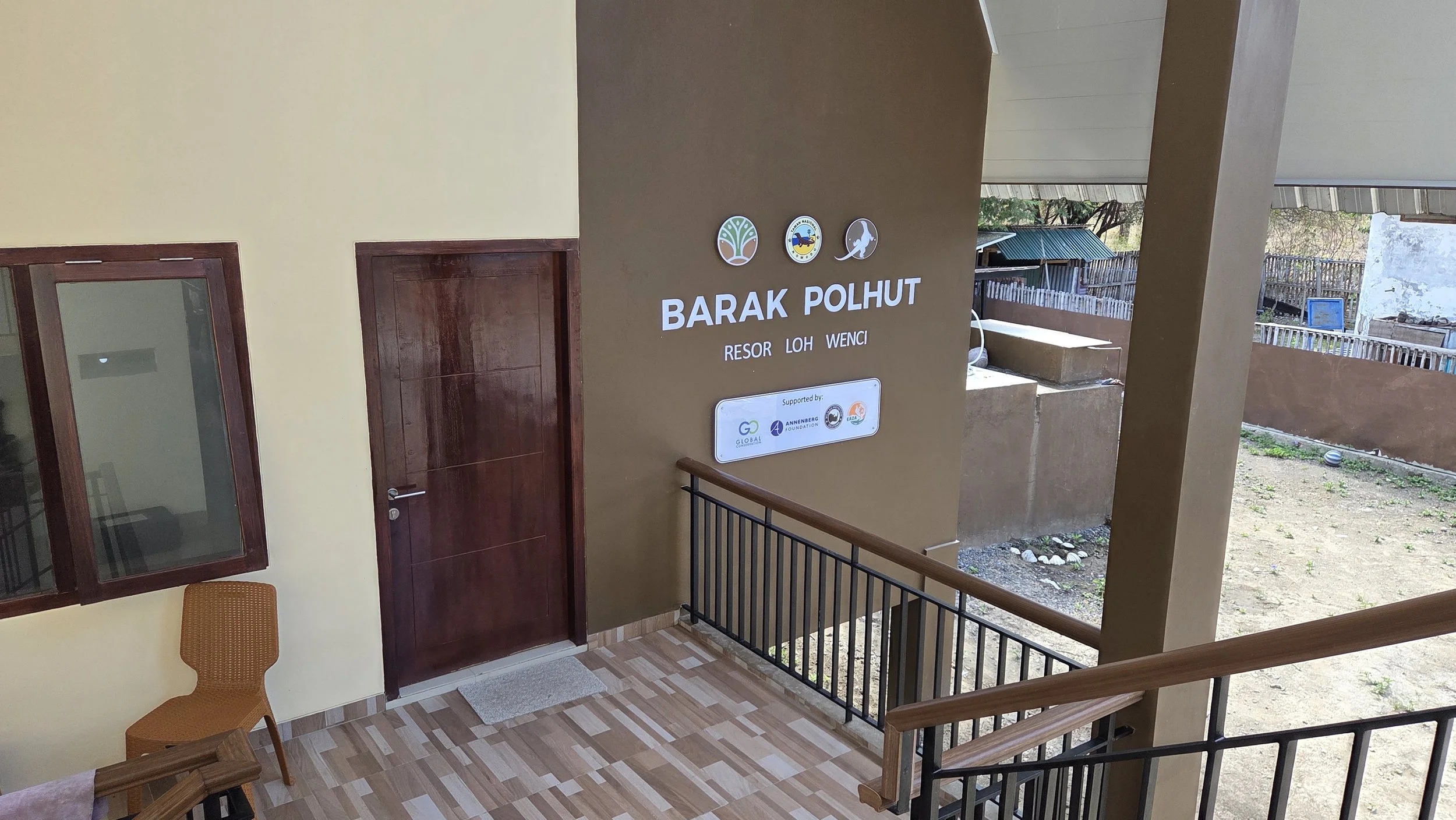
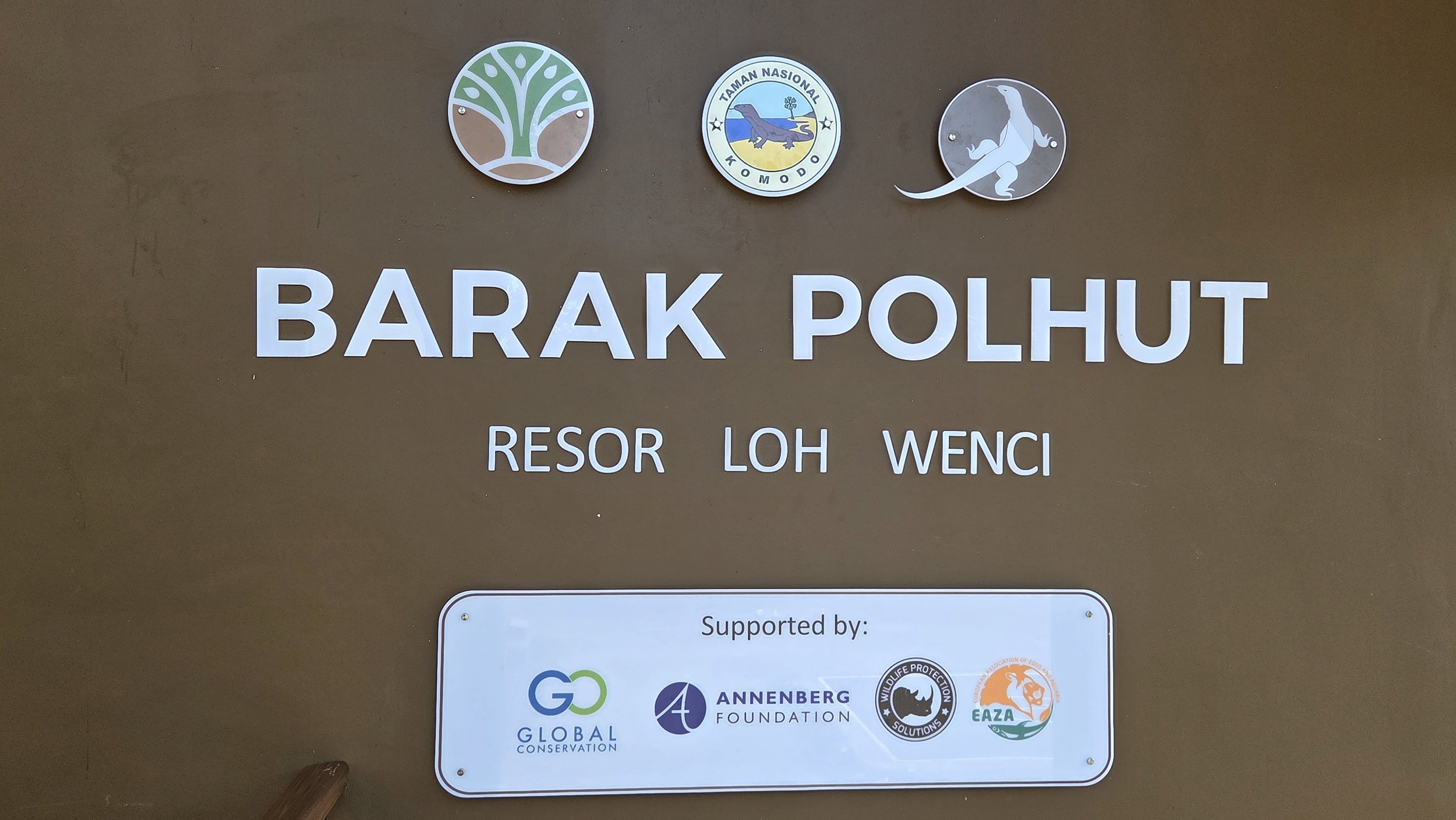
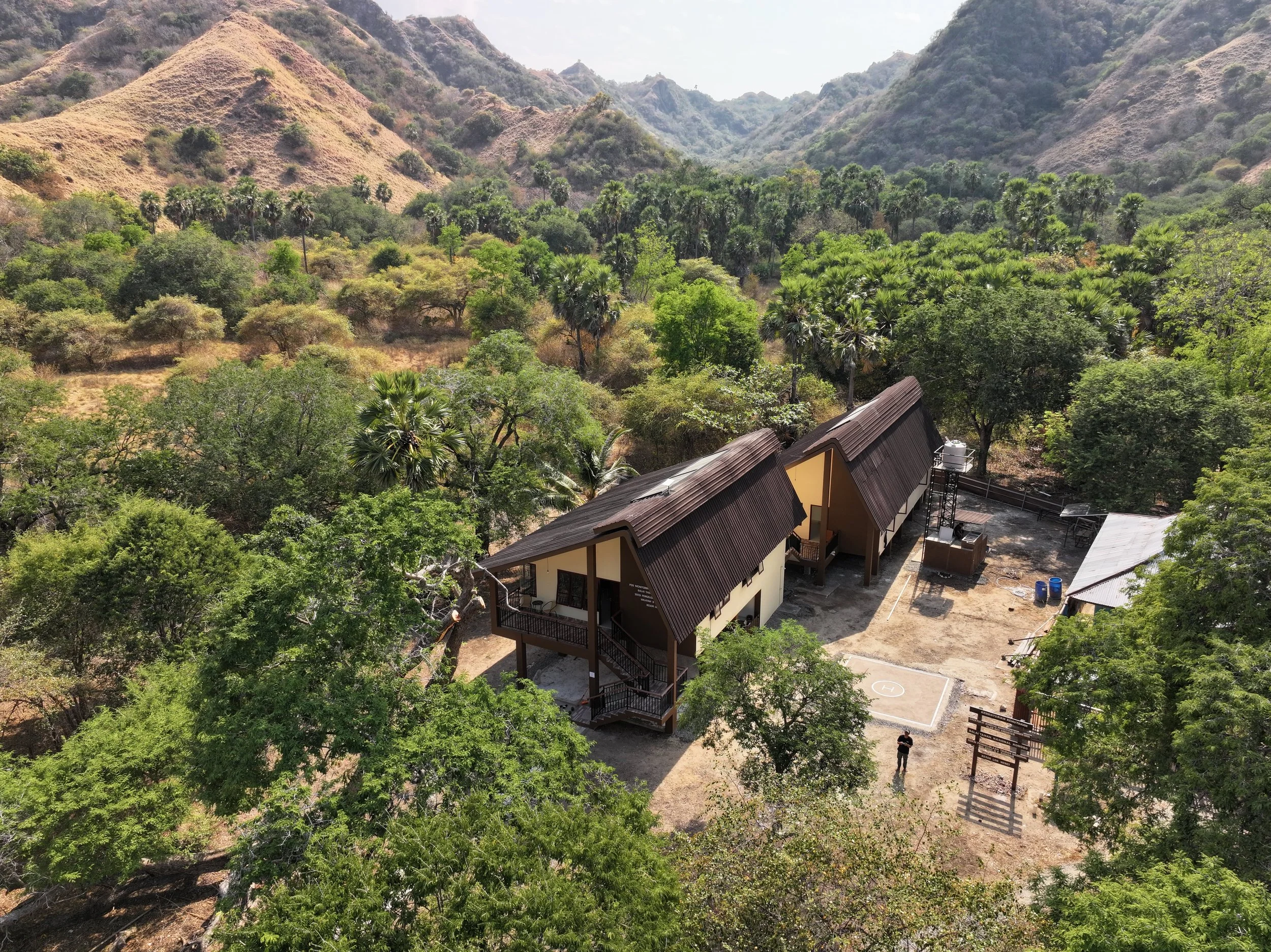
The construction of the newly upgraded ranger station and dormitory has been successfully completed and is now fully operational, marking a major improvement in field infrastructure supporting protection and monitoring activities within Komodo National Park. The two integrated buildings consist of seven ranger cabins that can accommodate up to 14 rangers in total, providing adequate living space for personnel assigned to long-term patrol and surveillance duties. In addition, the ranger station includes a meeting room, control and surveillance room, kitchen, storage, and utility areas designed for efficient daily operations.
Establishment of Global Park Defense at Komodo National Park
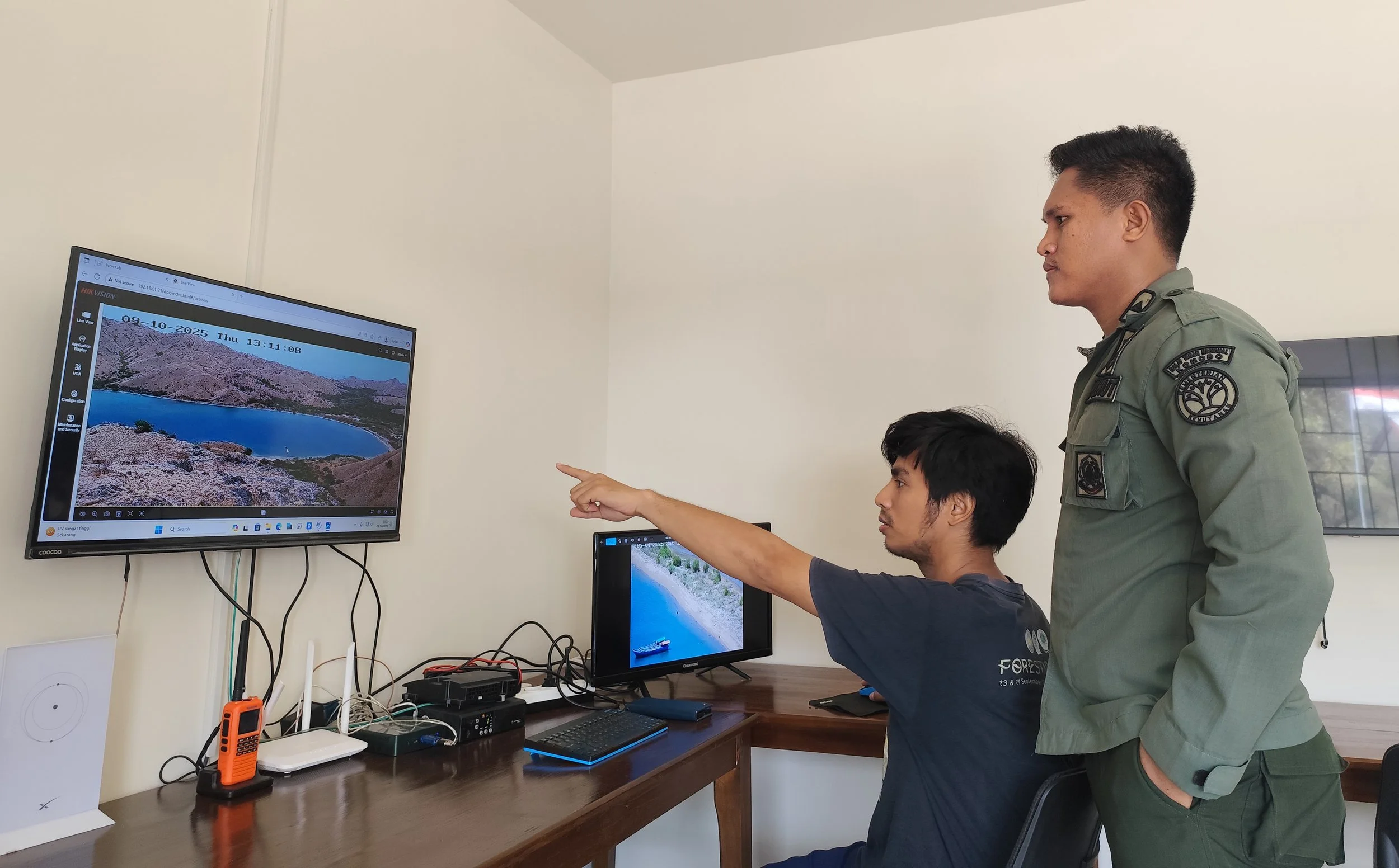
The development of the Global Park Defense system in Komodo National Park began with the deployment of offline camera traps over the past two years. A total of 30 online and offline camera traps were installed at strategic locations identified as high-risk zones for anthropogenic threats within the park. Data collected from these cameras revealed frequent human activities, including non-timber forest product (NTFP) harvesting by local communities and illegal poaching conducted by people from the adjacent island, Sumbawa. The analysis uncovered distinct patterns of illegal hunting and identified high-risk areas that had previously gone undetected due to their remoteness. This foundational work generated critical insights into poaching behavior, particularly in terms of movement routes, timing, and spatial hotspots, forming the basis for more targeted and proactive protection efforts.
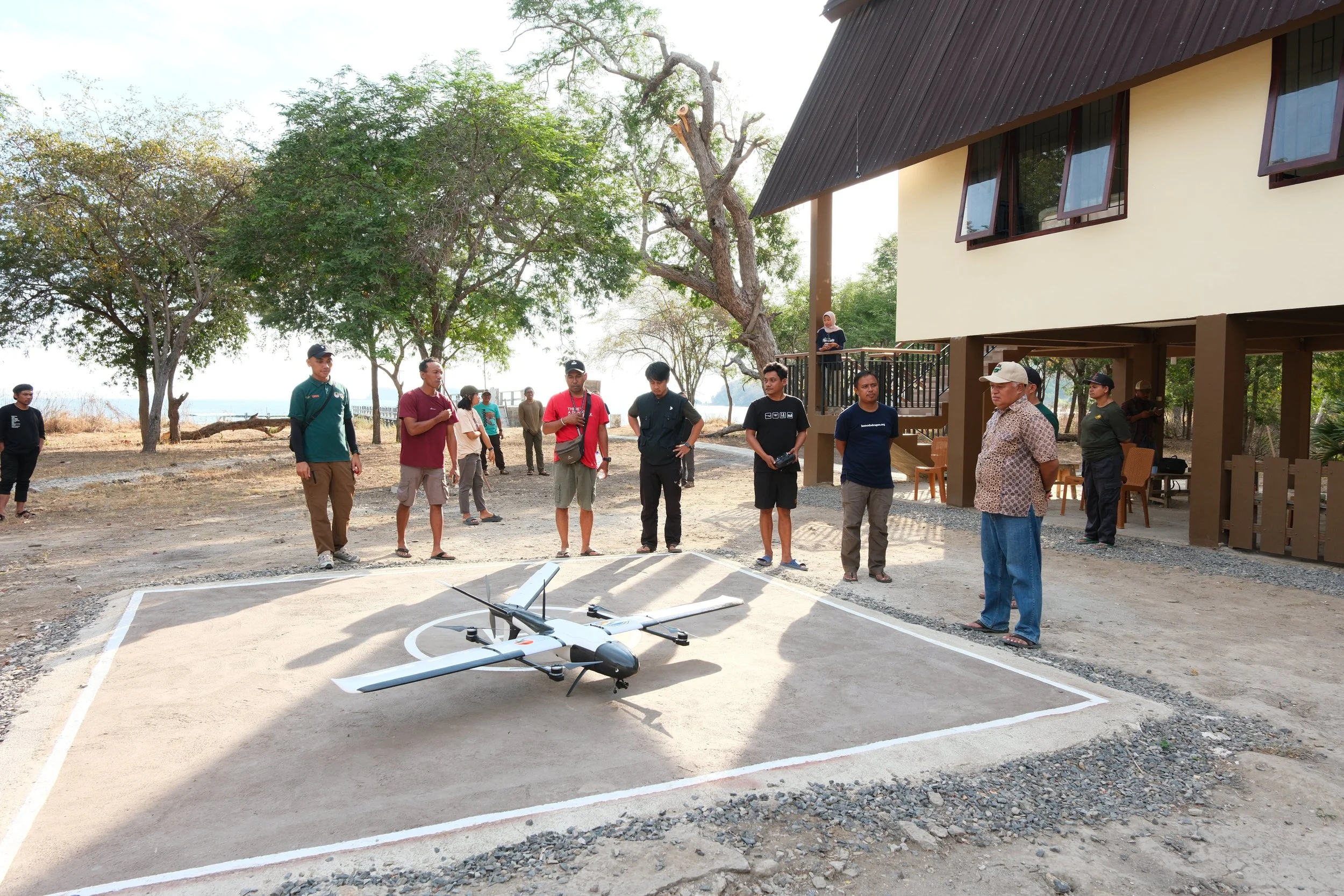
The KNP team learns how to pilot the drone for surveillance.
In 2025, we began developing an integrated surveillance system by incorporating additional monitoring tools, including long-range CCTV, networked CCTVs, and vertical take-off and landing (VTOL) drones, to expand surveillance coverage, particularly in West Komodo. A long-range CCTV unit was installed on Loh Boko Hill, enabling rangers to remotely monitor Loh Boko Valley—an area known as a major hunting ground for poachers. Communication among patrolling rangers, the Loh Wenci Ranger Station, and Labuan Bajo has been significantly enhanced through a modified UHF radio system that converts analog signals into digital transmissions over the internet. We also initiated the use of GPS tracking devices to monitor boats suspected of being used by poachers.
To strengthen monitoring across both terrestrial and marine areas, VTOL drones were introduced, offering substantial operational advantages. These drones can cover vast and remote environments, including valleys, coastlines, and marine areas, with extended flight durations of up to one hour and operational ranges of up to 40 km. Their ability to hover precisely, guided by pre-programmed flight missions, allows flexible and targeted inspections. In addition, multiple onboard cameras positioned at the front, below, and on both sides enable comprehensive coverage of patrol areas within a short time frame, increasing the efficiency and effectiveness of surveillance operations.
Training and Capacity Building on Surveillance Activities
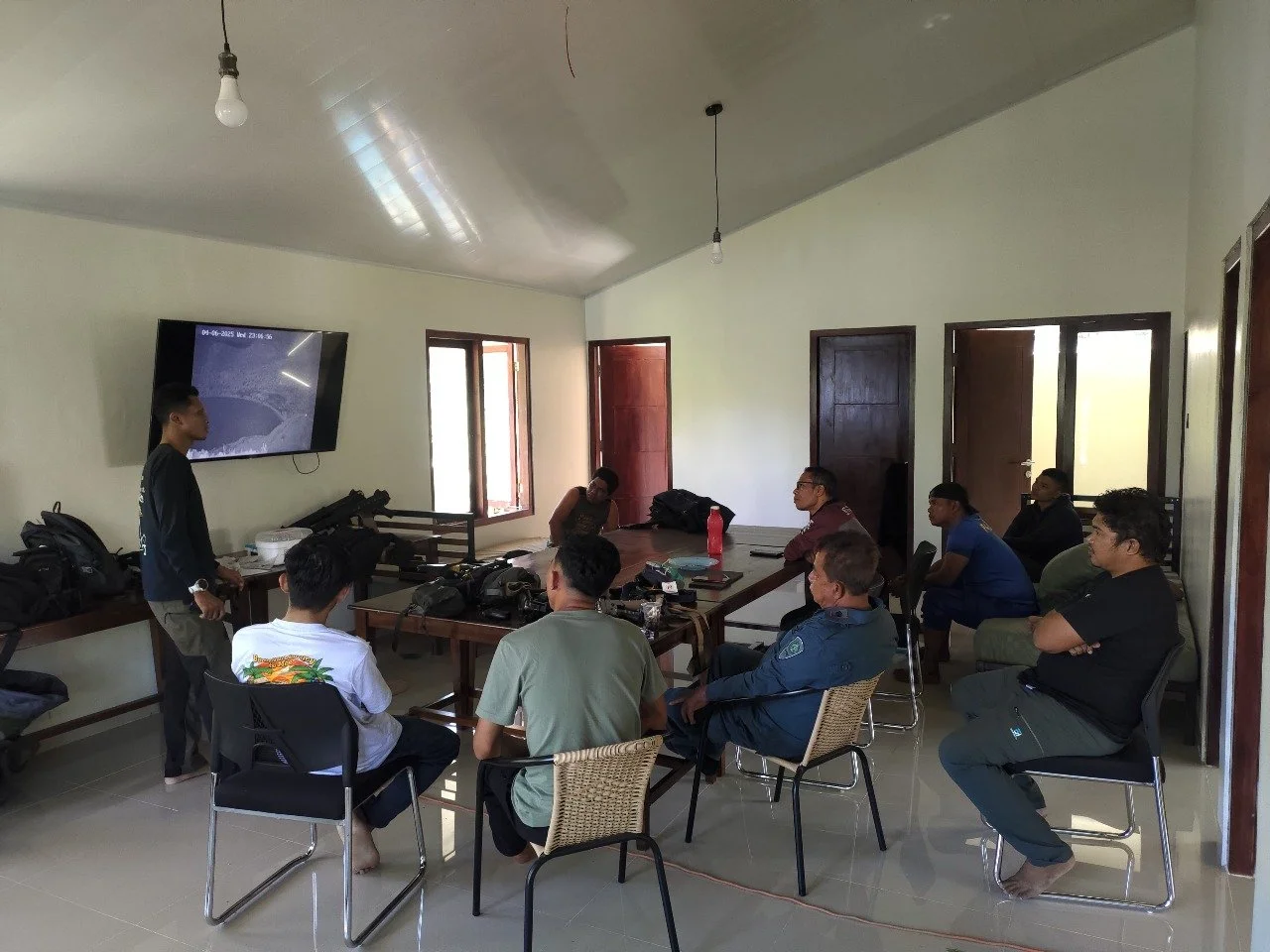
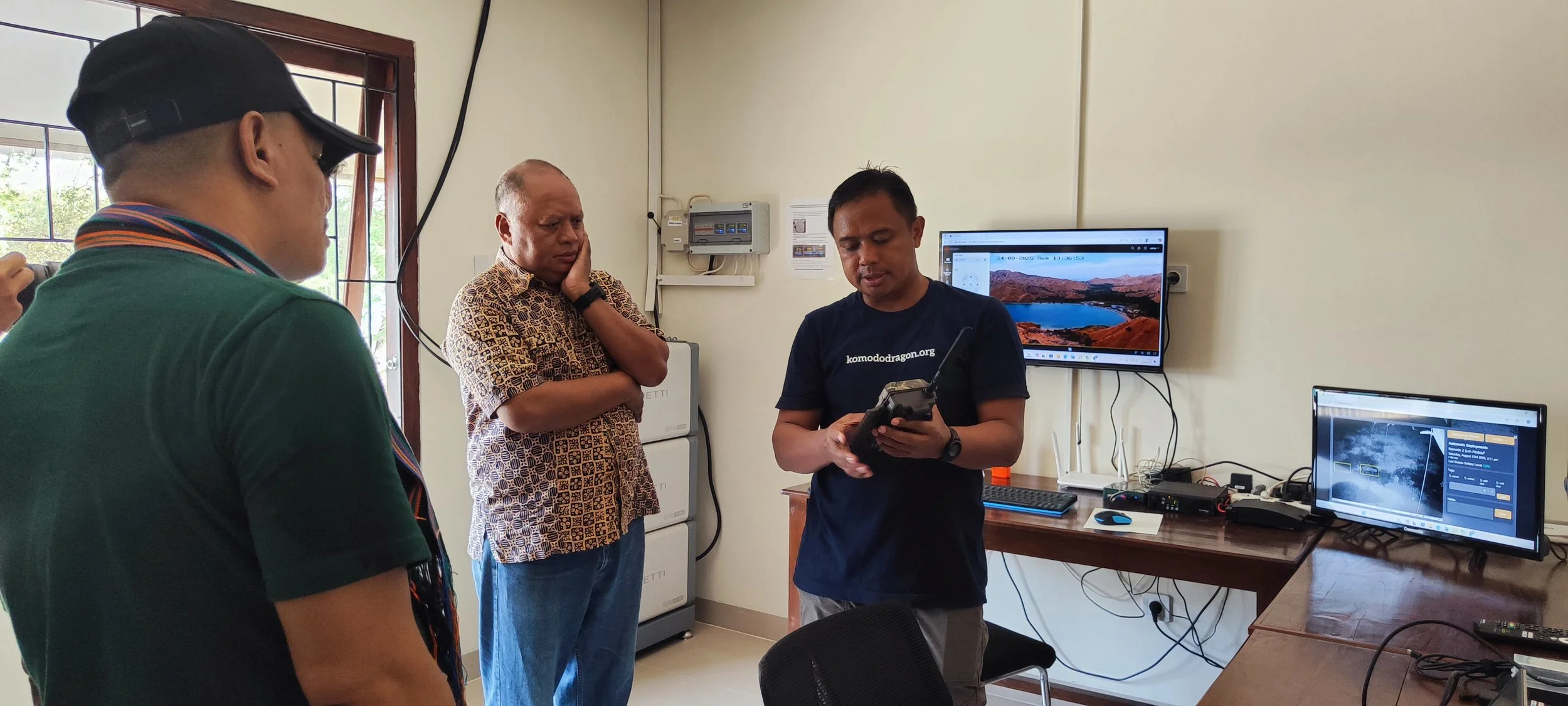
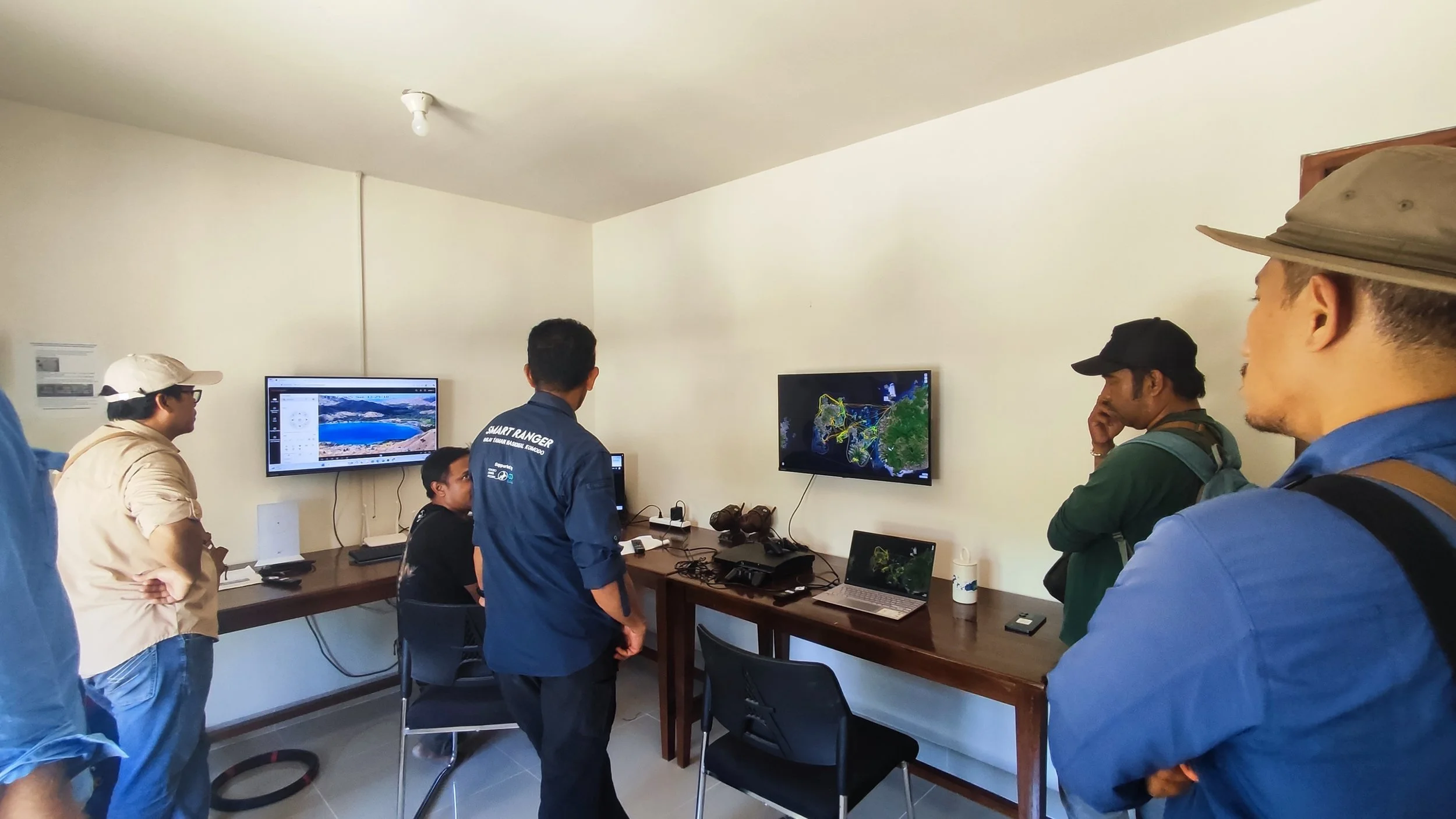
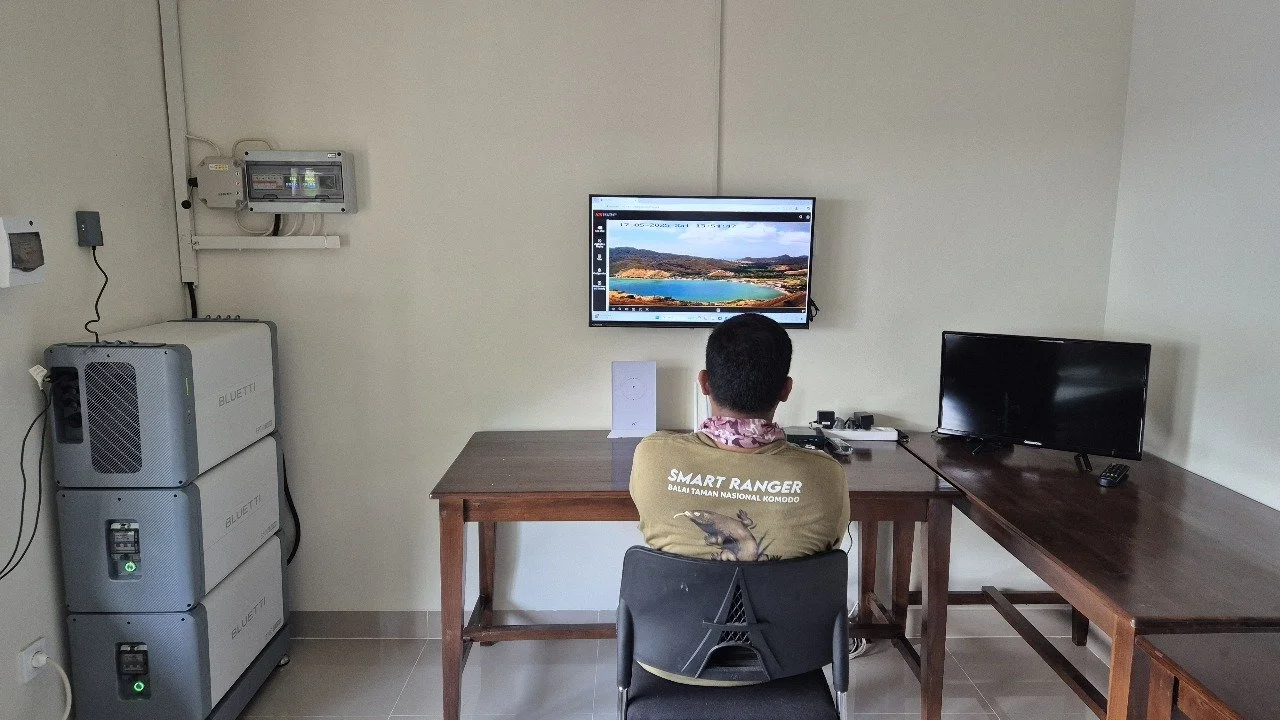
An effective wildlife protection effort relies not only on advanced technologies but also on skilled personnel that are capable of operating and managing surveillance systems. A training and capacity-building program on surveillance activities was conducted to improve the skills, knowledge, and operational efficiency of rangers and other law enforcement officers. This program emphasized practical, hands-on training in various surveillance technologies, including camera traps, CCTV systems, drones, and network and communication operations. Rangers were trained in the installation, maintenance, and operation of these devices within remote and challenging environments.
Rangers are already experienced with camera traps for wildlife monitoring and research, but for surveillance purposes, they need to acquire an expanded skill set. This includes not only technical proficiency but also strategic planning and data analysis to achieve effective and targeted surveillance outcomes.
Additionally, the drone operator training began with familiarizing rangers with the operation of commercial drones.
Following the stage, the training progressively advanced to include the operation of more sophisticated VTOL drones, further enhancing their technical capabilities.
Key Results
Intensifying Smart Patrol In Komodo National Park
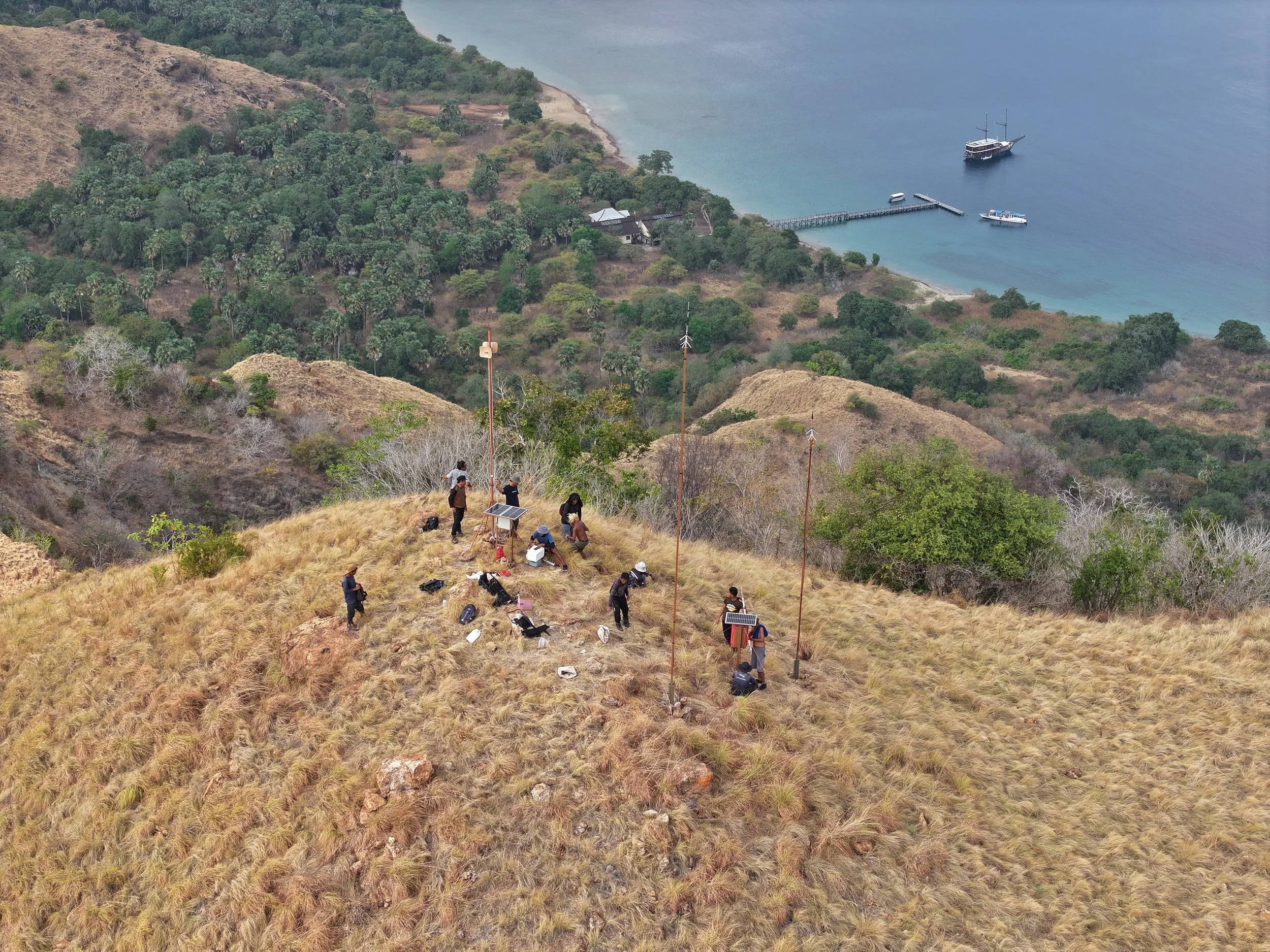
The team installs an internet tower and a radio tower.
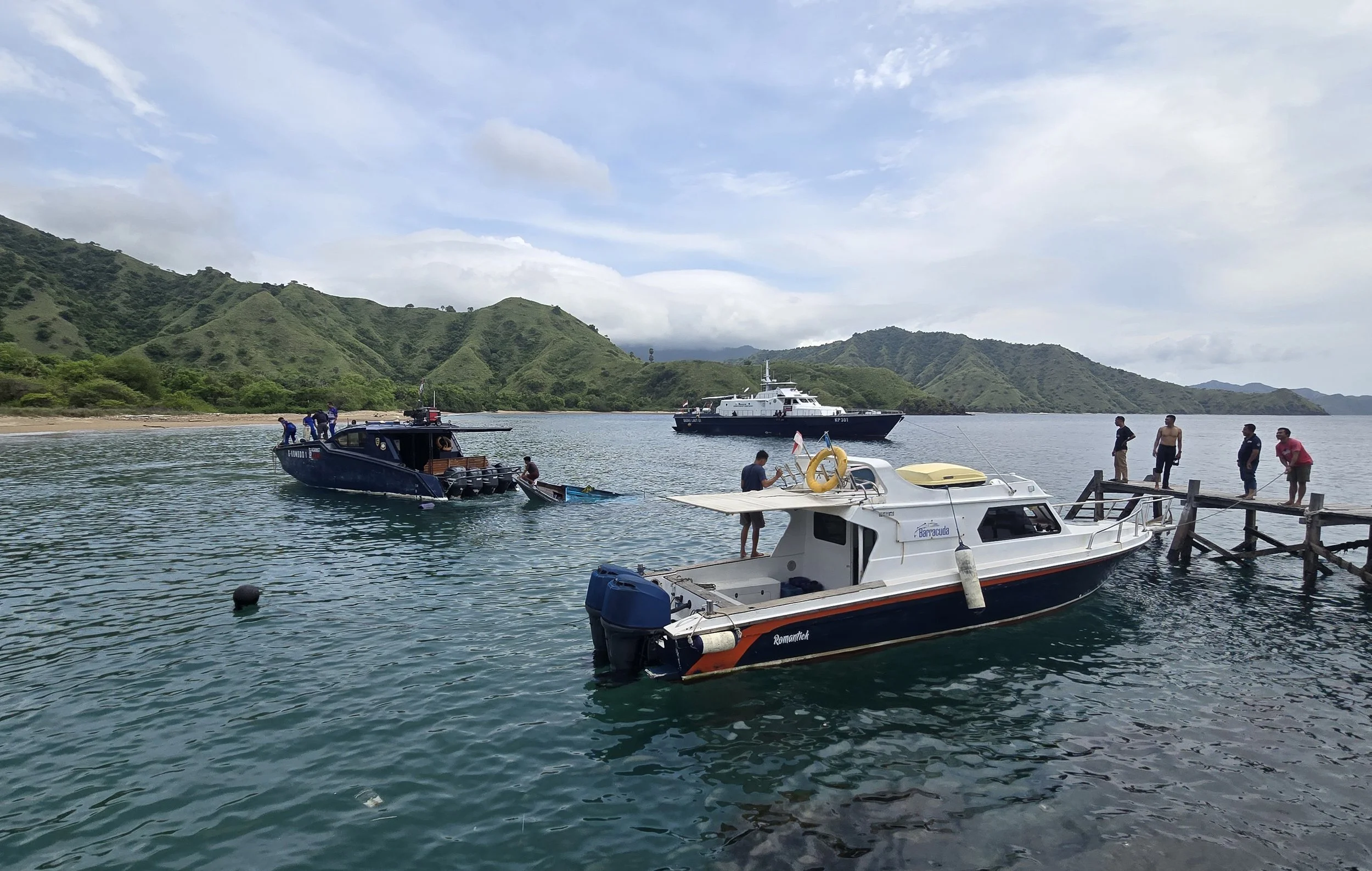
Throughout 2025, even with GC’s focus on infrastructure development in Loh Wenci-West Komodo and its supporting system upgrades, Komodo National Park independently intensified SMART Patrol operations, financed through their internal resources. Building on the foundation laid by the initial pilot project supported by GC in 2021, the SMART Patrol has become one of the components of KNP’s conservation strategies. In 2025, the KNP patrol efforts focus on covering previously unpatrolled areas, especially terrestrial areas. The team concentrated on identifying and deterring illegal activities on land while emphasizing marine patrols targeting unauthorized fishing vessels and unregulated tourism boats.
In 2025, the total patrol coverage area has increased compared to the previous year. In the previous year, patrol teams covered an area of 114,000 hectares, while this year's coverage expanded to 125,000 hectares. This represents an increase of approximately 9.65% growth.
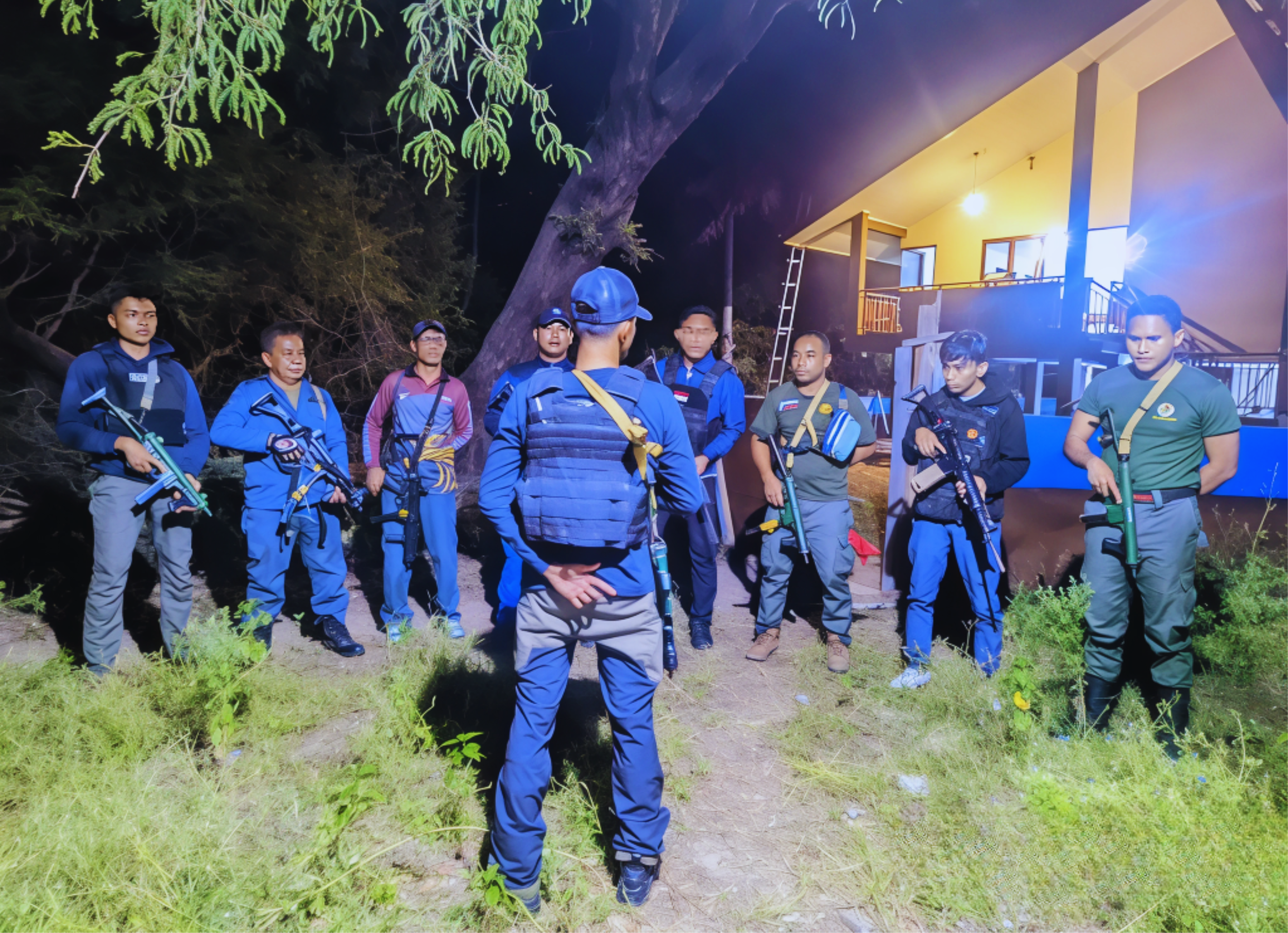
Patrol teams expanded their coverage while maintaining operational efficiency, allowing them to focus not only on high-risk areas but also on identifying and assessing potentially vulnerable areas that required follow-up monitoring.
In terrestrial areas, patrol teams uncovered and prevented numerous illegal activities, including unreported logging and poaching. In the marine zone, patrols successfully intercepted unauthorized fishing boats and illegal tourism vessels, thereby protecting the park’s marine biodiversity and ensuring compliance with entry regulations.
Safeguarding Tourism Revenue For Komodo National Park
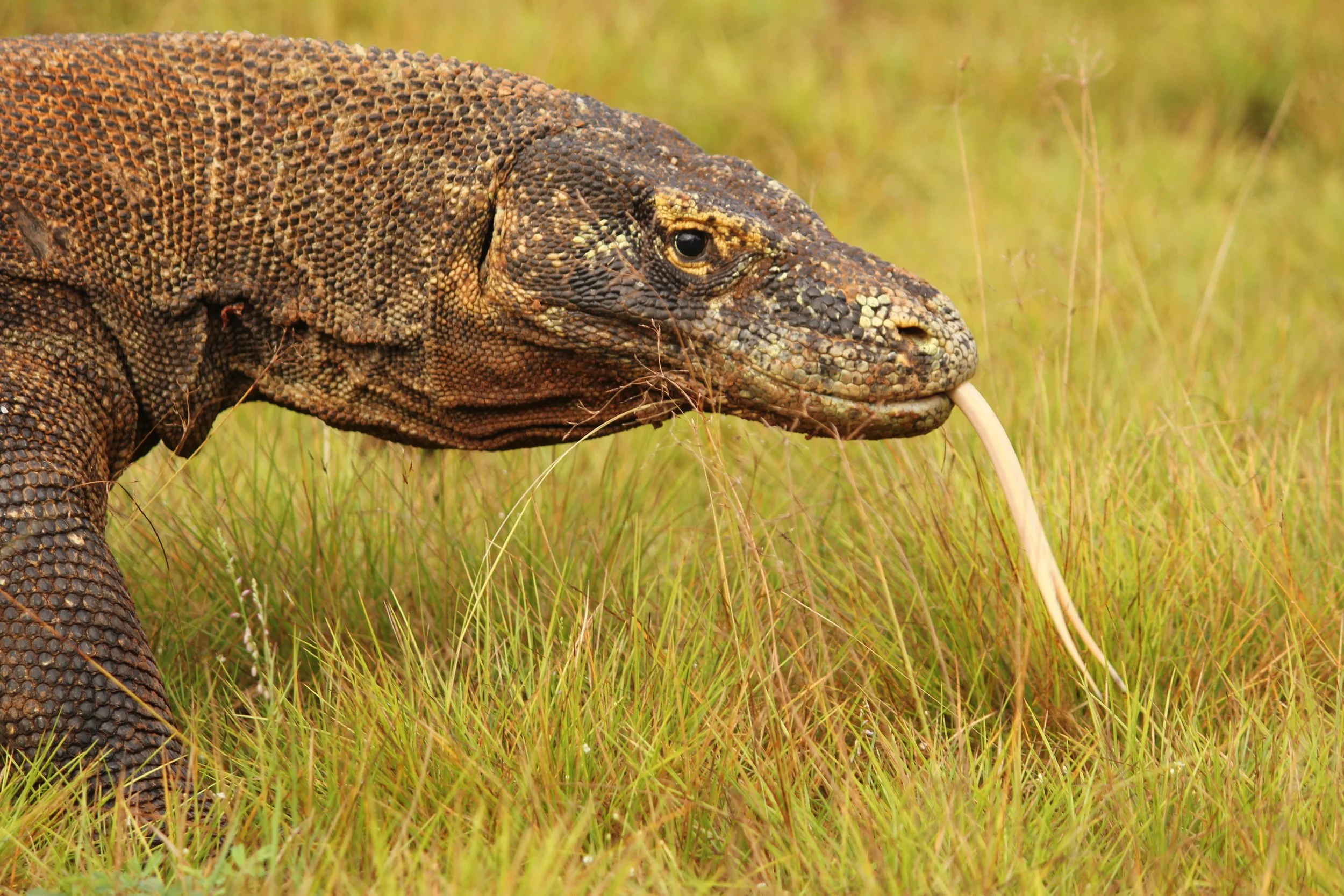
A komodo dragon uses its forked tongue to sense the world around itself.
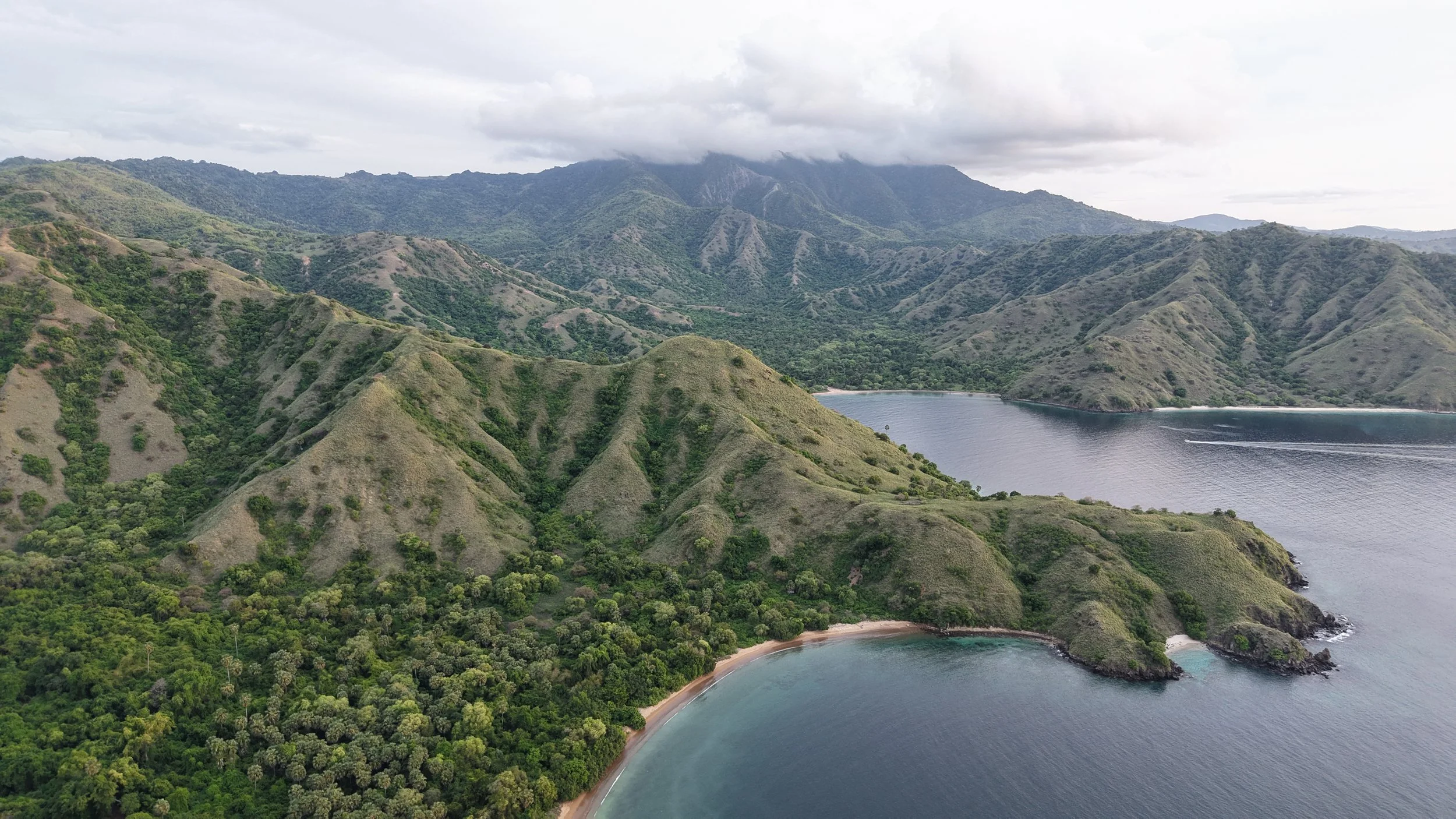
Loh Wenci Bay on Komodo Island is used as both a ranger station and famous diving site for tourists.
Komodo National Park has experienced a significant rise in tourism over the past decade. While ecotourism promises sustainable support for conservation and local livelihoods, uncontrolled mass tourism is becoming a potential threat to the park’s ecosystems and long-term sustainability. The increasing number of tourists—particularly from cruise ships and unregulated tour operators—has led to growing pressures on the park’s terrestrial and, most importantly, marine habitats due to waste and coral reef damage due to non-environmentally friendly anchoring, snorkeling, and diving practices.
Mass tourism also brings a surge in illegal tourism operations, including disregard for wildlife and its habitat interaction protocols, as well as entry violations or unauthorized tourists within the park. Illegal tourism activities pose a significant risk to the park’s financial sustainability. In 2025, KNP rangers carried out monthly patrols and recorded 109 unauthorized boats—nearly one in five vessels observed. These efforts successfully prevented revenue losses of more than USD 15,000. Without intervention, potential losses could reach up to USD 325,000 per year, directly undermining conservation funding and park management. KNP is currently developing a mobile application for online ticketing that regulates the quota of visitors at times within KNP.
Strengthening Anti-Poaching Enforcement Through Global Park Defense
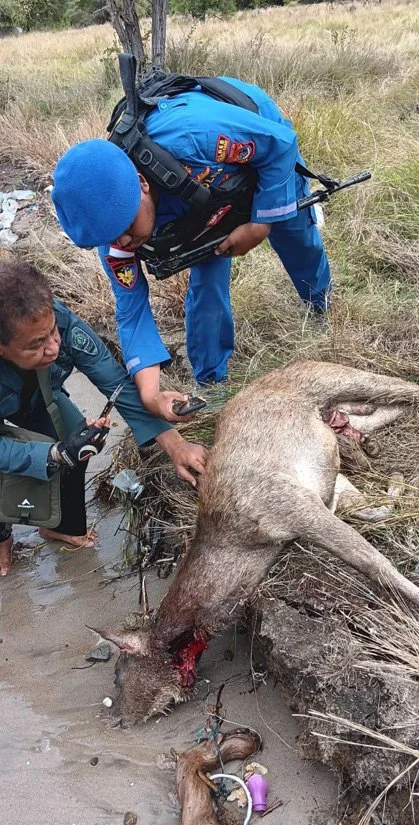
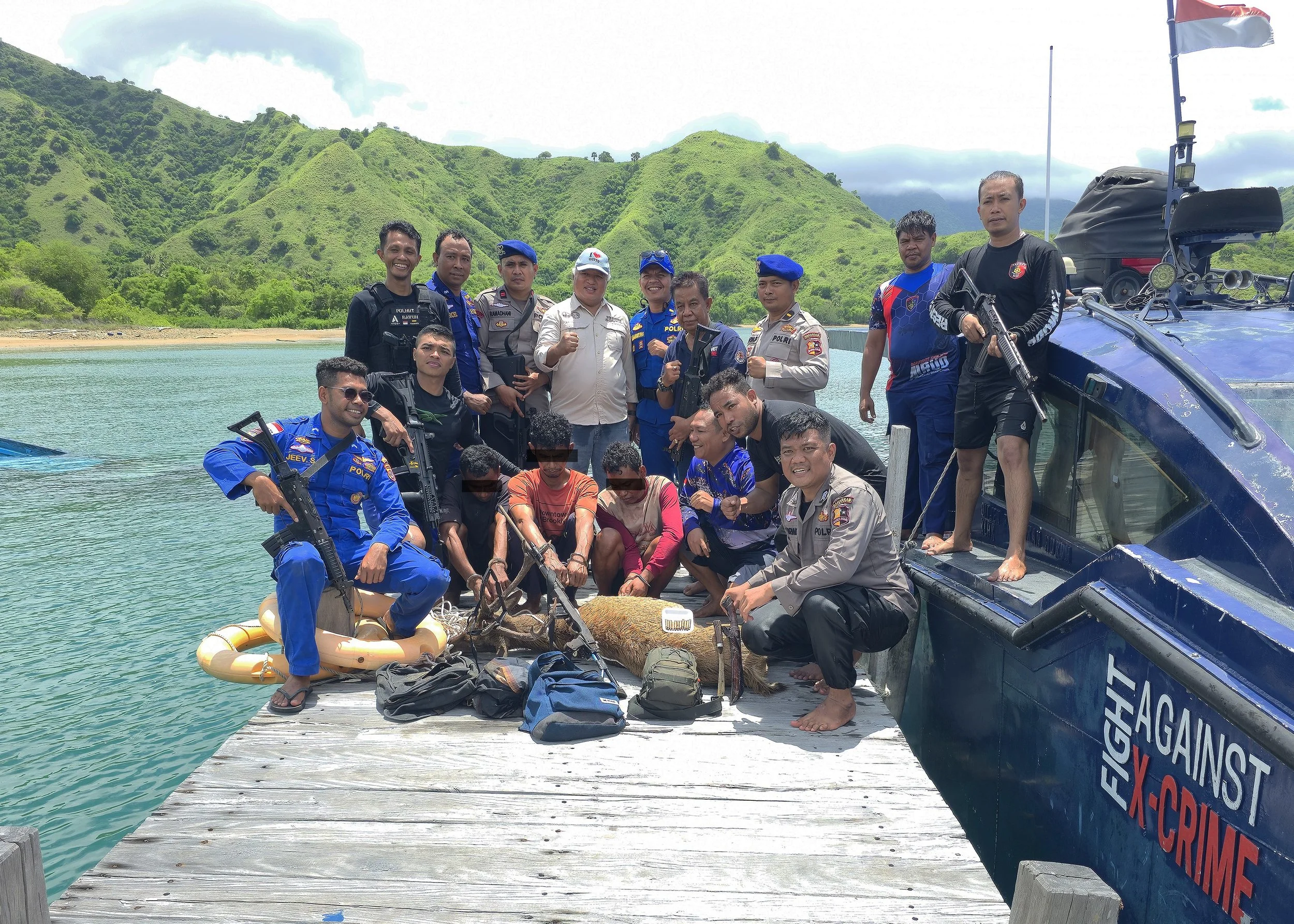
(left) Signs of poaching activities, including deer remains discovered during patrols and poaching footage recorded by surveillance camera traps, confirm that illegal poaching continues to pose a serious threat in several areas of Komodo National Park. (above) These three poachers were captured while attempting to transport a deer via small boat.
Analysis of data collected through SMART Patrols and surveillance systems enabled intelligence efforts to be refined and focused on identified poaching hotspots, strengthening coordination with law enforcement authorities. These efforts resulted in the successful arrest of perpetrators on Sumbawa Island last year. However, the project objective extends beyond one-time enforcement actions. Following the arrest, additional poaching groups are suspected of remaining active in Komodo National Park. In response, this year’s activities focus on analyzing poachers’ behavior and movement patterns and establishing a comprehensive, park-wide defense through the development of an integrated, technology-based surveillance system to prevent repeat offenses and strengthen long-term protection.
Since becoming operational in March 2025, the surveillance system at Loh Wenci has detected seven real-time poaching incidents, enabling immediate responses by the authorities. This intelligence supported the implementation of two targeted interdiction operations, successfully disrupting ongoing poaching activities. During an interdiction operation in June 2025, a confrontation and exchange of gunfire occurred between officers and suspected poachers. Unfortunately, due to low visibility during nighttime conditions (new moon phase), the suspects managed to evade capture. Following this incident, a carefully planned operation was undertaken involving several months of observation and intelligence-gathering activities in the suspected poachers’ village.
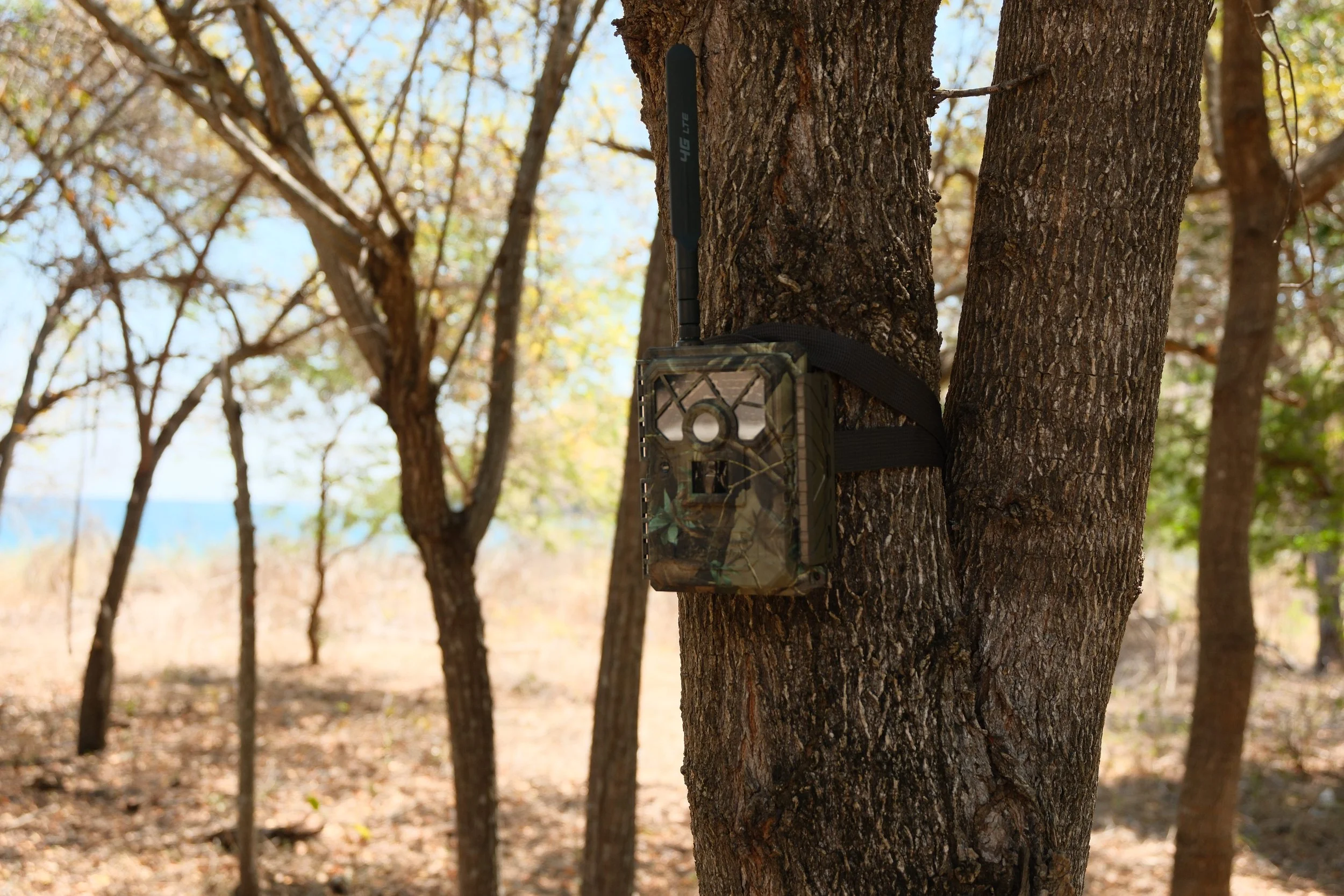
Camera traps are placed throughout the protected Komodo National Park, which instantly transmit information if poachers are seen in the area.
In December 2025, a one-week close surveillance operation was conducted, including the installation of a GPS tracker on the suspects’ boat. When the vessel was detected entering Komodo National Park waters at night, rapid coordination and collaboration with law enforcement stakeholders enabled an interdiction operation, resulting in the successful apprehension of the primary suspect involved in deer poaching.
Protection capabilities along the west coast have improved since the implementation of the Global Park Defense system, shifting patrol strategies from reactive to proactive enforcement. By providing real-time situational awareness, the system enables rangers to conduct targeted patrols and rapidly respond to threats through coordinated rapid-response operations. As a direct result, three suspected deer poachers have been arrested, and poaching frequency in these areas has declined, indicating a strong deterrent effect and a measurable reduction in illegal activities.
Support the Protection of Wildlife
and Natural Habitats