
Making History—GC Rhino Reintroductions in Uganda featured in BBC News, AP, and More





Associated Press
Rhinos Reintroduced to Kidepo Valley National Park
Uganda reintroduces rhinos into a protected area where they have been extinct since 1983
Original Article by by Patrick Onen
Photography by Paul Hilton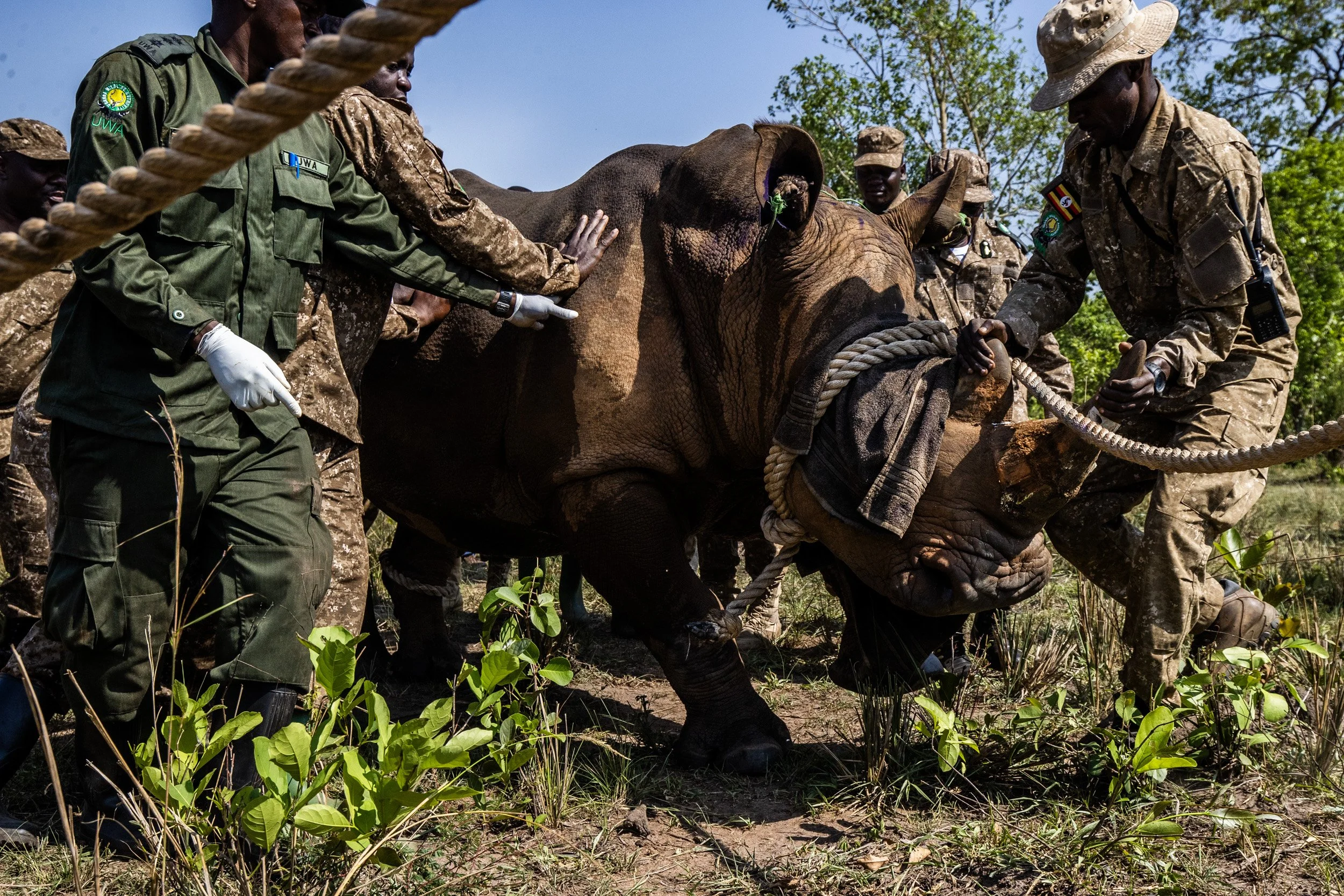
March 20, 2026
KARAMOJA, Uganda (AP) — Ugandan wildlife authorities have reintroduced rhinos into a remote protected area where they were once poached into extinction, an event seen by conservationists as a milestone in efforts to support the recovery of a species threatened by poaching.
On Tuesday, two southern white rhinos from a private ranch in the East African country were reintroduced into Kidepo Valley National Park in the country’s northeast. Two more rhinos in metallic crates arrived there on Thursday.
There have been no rhinos in Kidepo Valley National Park since 1983, the result of poaching. But a private ranch in central Uganda—the Ziwa Rhino Sanctuary—has been breeding the large mammals since 2005. That program has succeeded over the years.
“This moment marks the beginning of a new rhino story for Kidepo Valley National Park,” said James Musinguzi, executive director of the Uganda Wildlife Authority. “We are deeply grateful to our conservation partners whose technical expertise, financial support and logistical contributions have made this milestone possible.”
Local wildlife authorities collaborated with multiple conservation groups, including Global Conservation, to relocate some rhinos from Ziwa Rhino Sanctuary to another sanctuary inside Kidepo Valley National Park, more than 400 kilometers (250 miles) away.
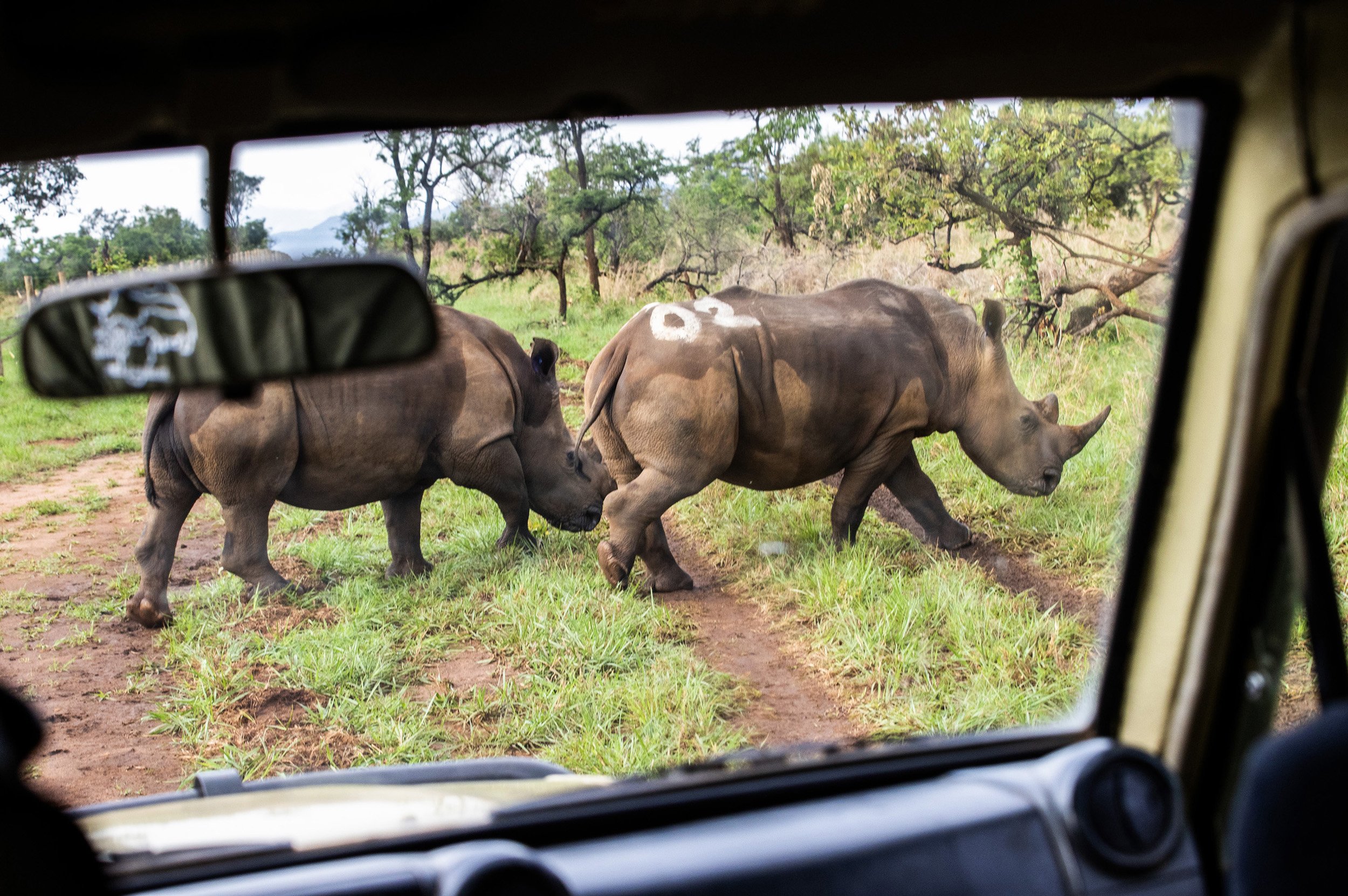
Reintroduced rhinos safely in Kidepo Valley National Park, Uganda.
The rhinos’ new habitat has fence lines, access roads, and fire management infrastructure. More rhinos are expected to be relocated there later this year, including some from Kenya.
The rhino translocation “shows that Uganda is stable again for tourism, national parks are being protected, and Ugandans and international visitors can watch rhinos in their natural setting, which will be an incredible feat,” said Jeff Morgan, executive director of Global Conservation.
Poaching remains a problem in Uganda’s protected areas, although enhanced security measures have curbed incidents over the years.
Rhinos are targeted by poachers who kill them because of the high demand for rhino horn products for medicinal and other uses in parts of Asia. Studies indicate that rhino horn products sold through illegal markets sometimes fetch higher prices than gold.
BBC News
Forty years after the last one was poached, rhinos are back in the wild in Uganda
Original Article by Jean Otalor
Photography by Paul Hilton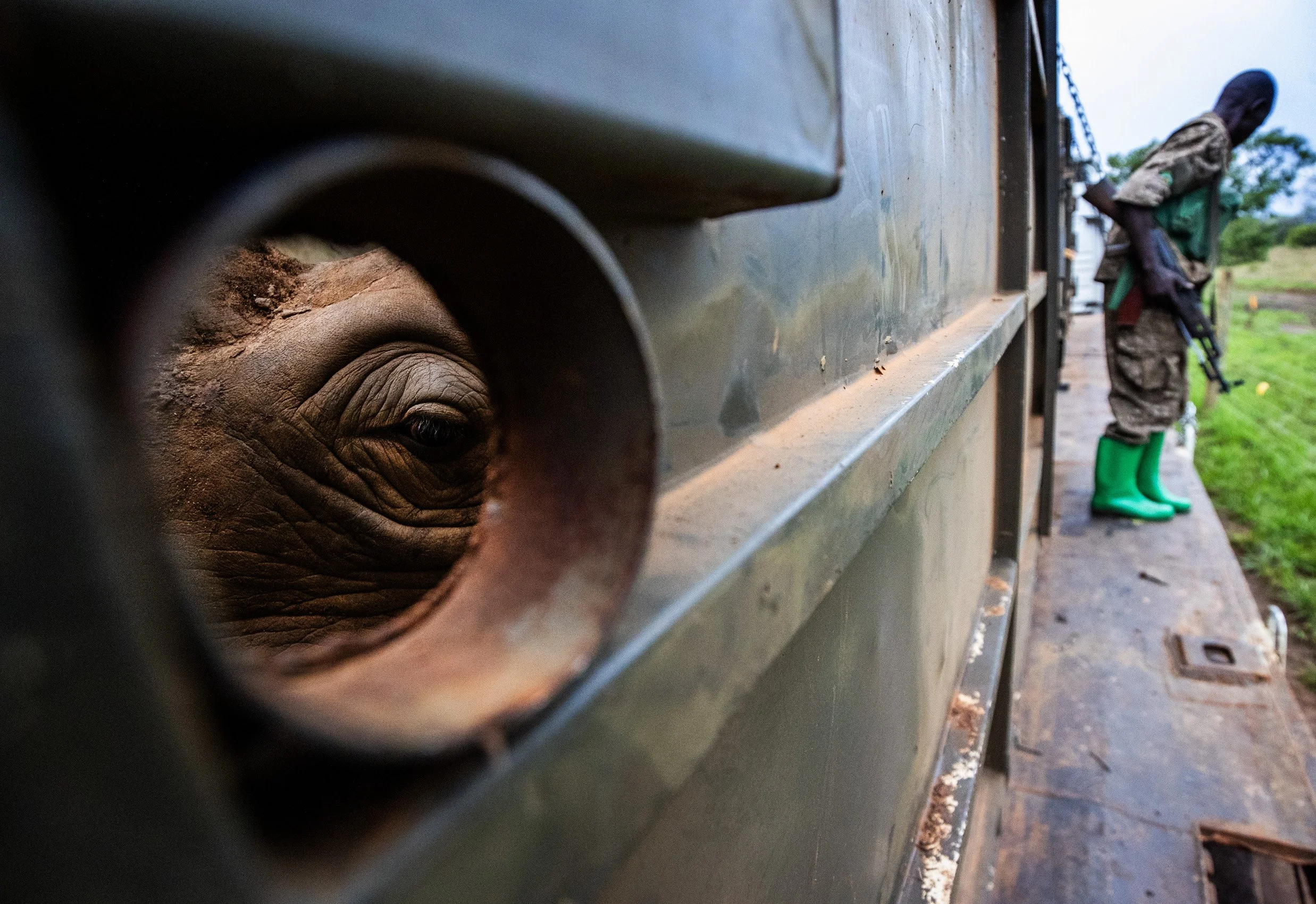
The northern white rhino was last seen in the wild in Uganda in 1983.
For the first time in more than four decades, rhinos have returned to Uganda's Kidepo Valley National Park, where poachers once wiped them out for their horns and meat.
On Tuesday, two southern white rhinos became the first of eight animals intended to re-establish a population in the park. The last rhino there was killed in 1983, the Uganda Wildlife Authority, which is responsible for the relocation, said.
During that period of turmoil, hunters slaughtered every rhino in Kidepo and across Uganda's other national parks, which had once supported around 700 of the massive animals, the Reuters news agency reports.
Their loss resulted in the species' complete extinction in the wild in Uganda.
The rhinos were carefully handled after a long journey from a private ranch
"This moment marks the beginning of a new rhino story for Kidepo Valley National Park," UWA's executive director James Musinguzi is quoted by Reuters as saying.
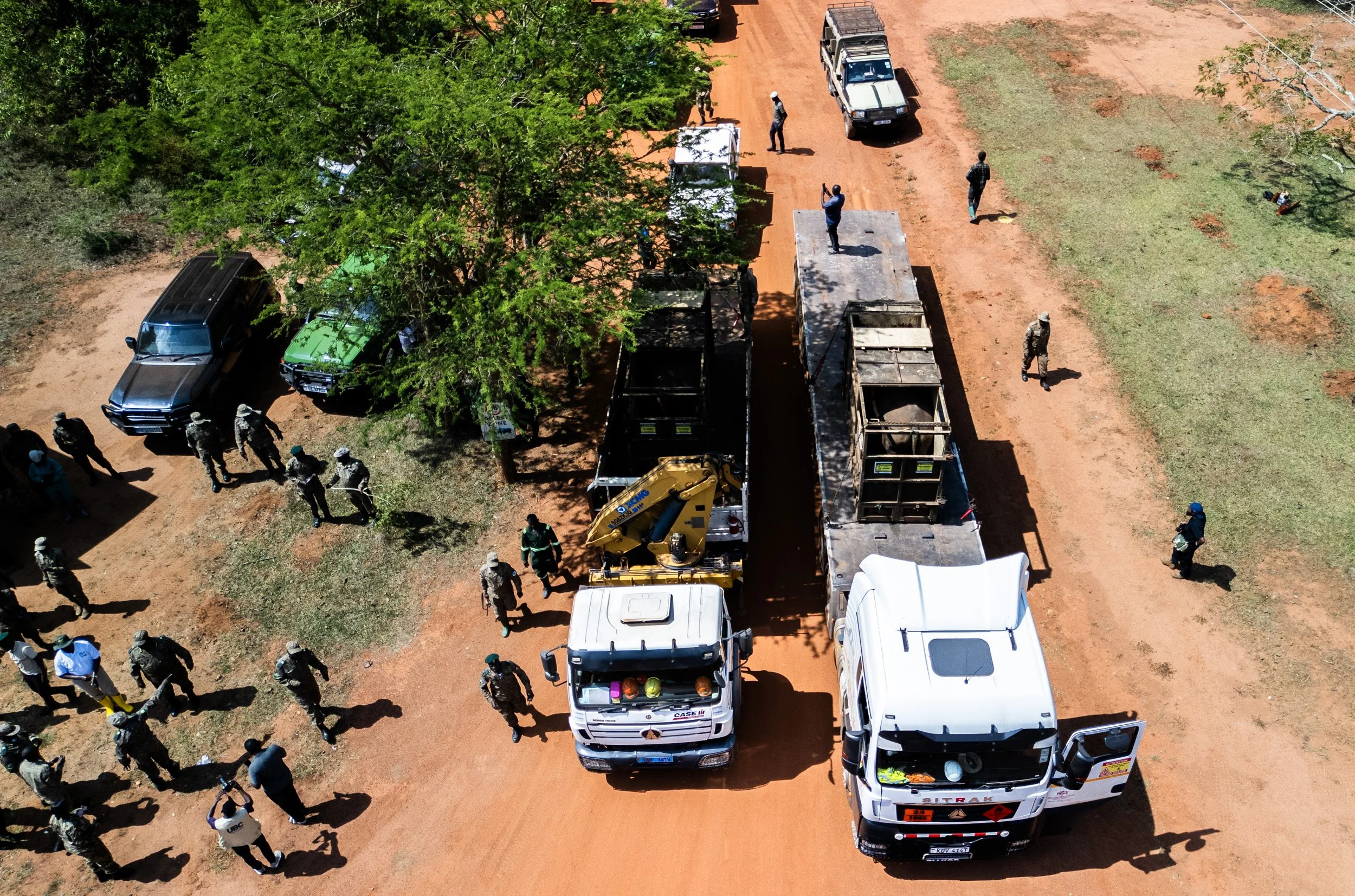
An image from the air shows the scale of the operation.
"Translocation of these rhinos is the first step in restoring a species that once formed part of the park's natural heritage," he added.
Musinguzi said the initiative is guided by a study that looked at habitat suitability, ecological needs and security conditions and found that Kidepo was one of the best sites for successfully reintroducing the species.
The UWA said a secure rhino sanctuary outfitted with perimeter fencing, access roads, firebreaks, ranger facilities, water systems and monitoring technology was in place to ensure the animals are effectively protected and managed.
The two rhinos were moved to Kidepo, a vast expanse of savannah in the remote north-east of the country, from a privately owned ranch in Nakasongola, about 100 km (62 miles) north of the capital, Kampala.
The ranch has been breeding rhinos since 2005, when it imported four southern white rhinos from a Kenyan game reserve.
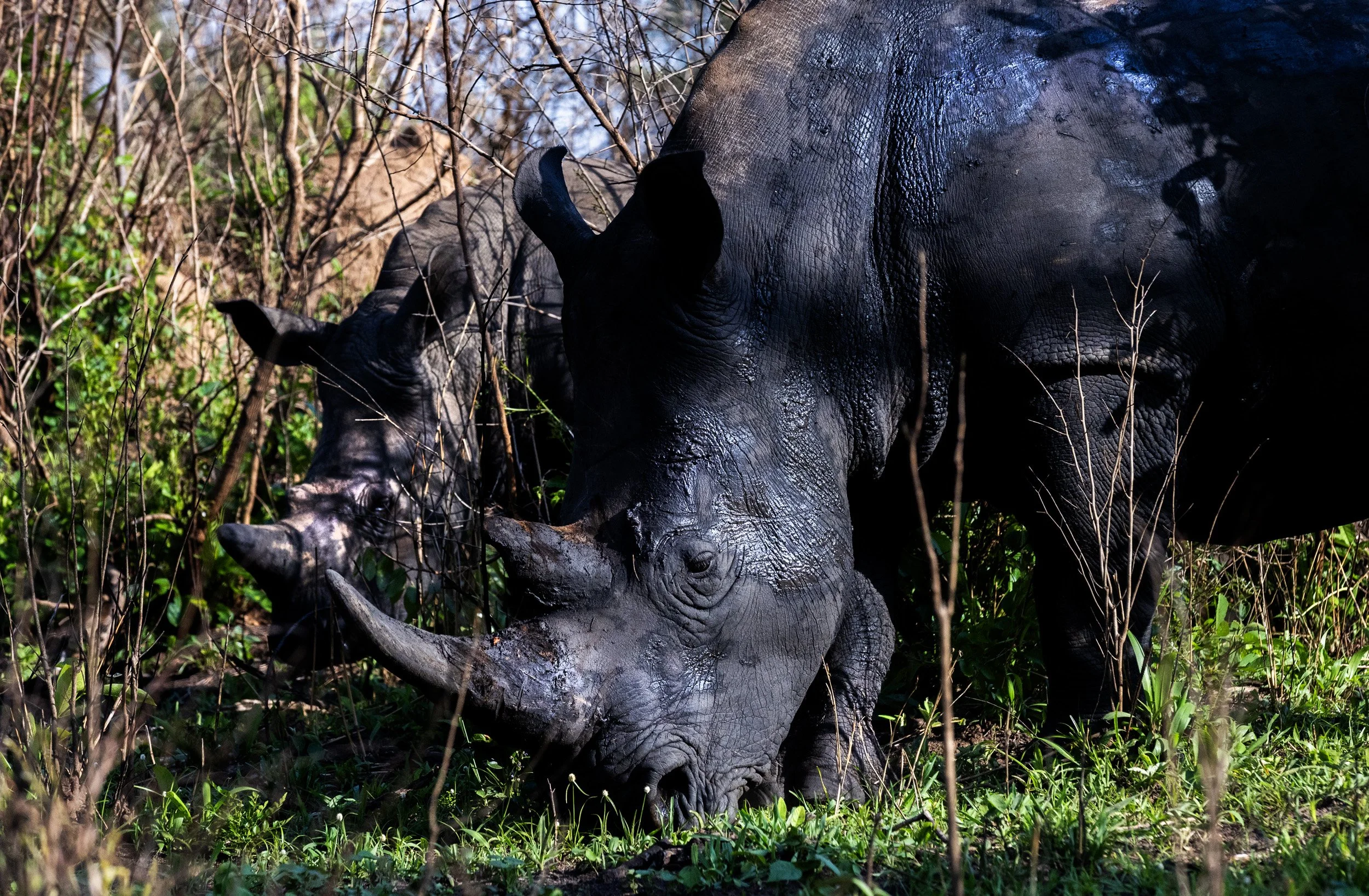
The two rhinos graze in their new sanctuary after a sccuessful transfer.
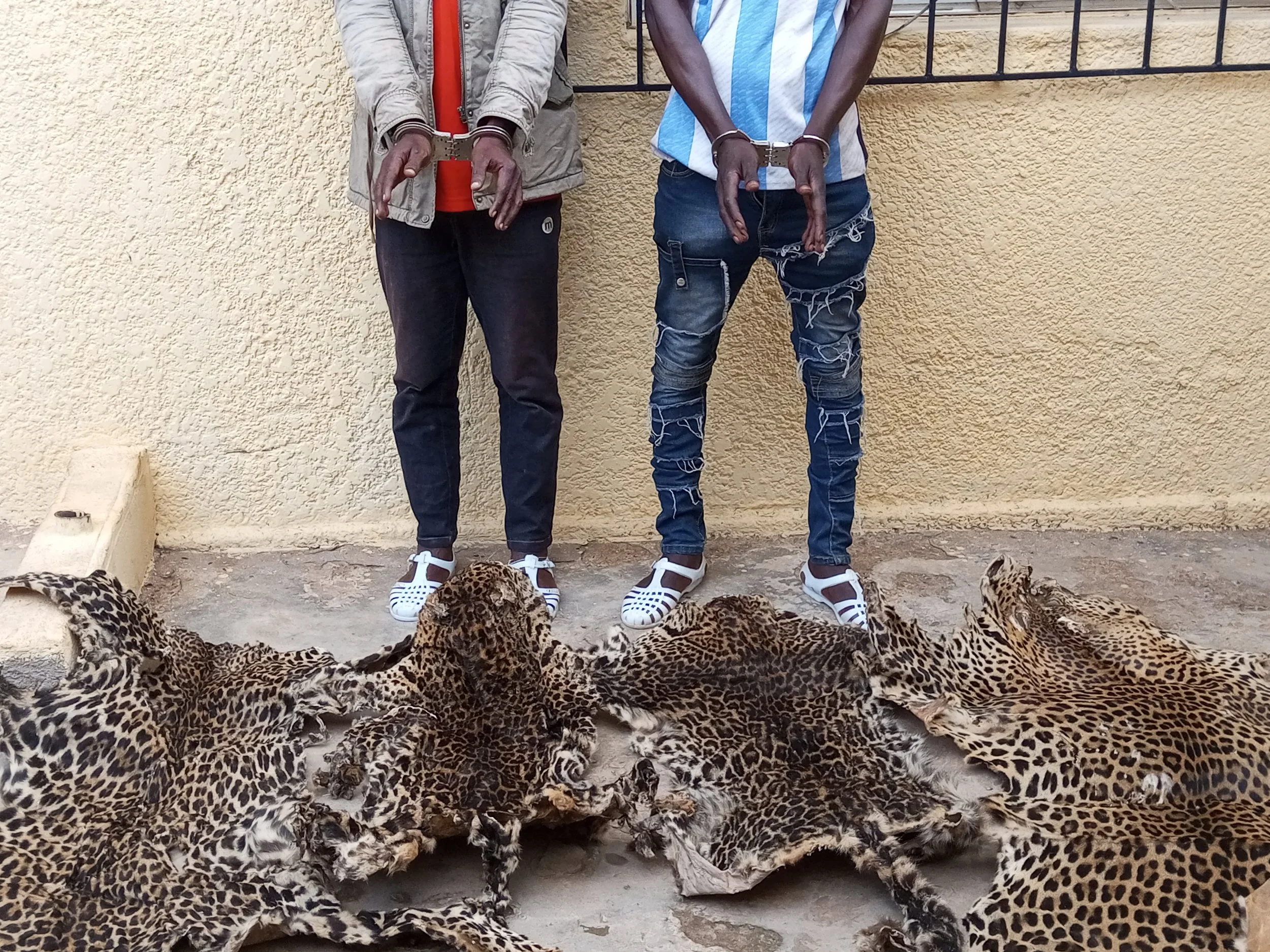
Poaching is still a challenge in Uganda, where authorities have arrested and prosecuted individuals found with ivory, pangolins, and other endangered species, conservationists report.
The illicit rhino horn market remains lucrative, fueled by their use in traditional medicine and their value as status symbols in several Asian countries.
The International Union for Conservation of Nature (IUCN) classifies the southern white rhino as "near threatened," saying their population is decreasing. A survey from 2020 said there were just over 10,000 of the huge mammals in existence.
Reporting by Elias Biryabarema; Editing by Vincent Mumo Nzilani and Gareth JonesLooking for more about GC’s Rhino reintroduction? Look no further.
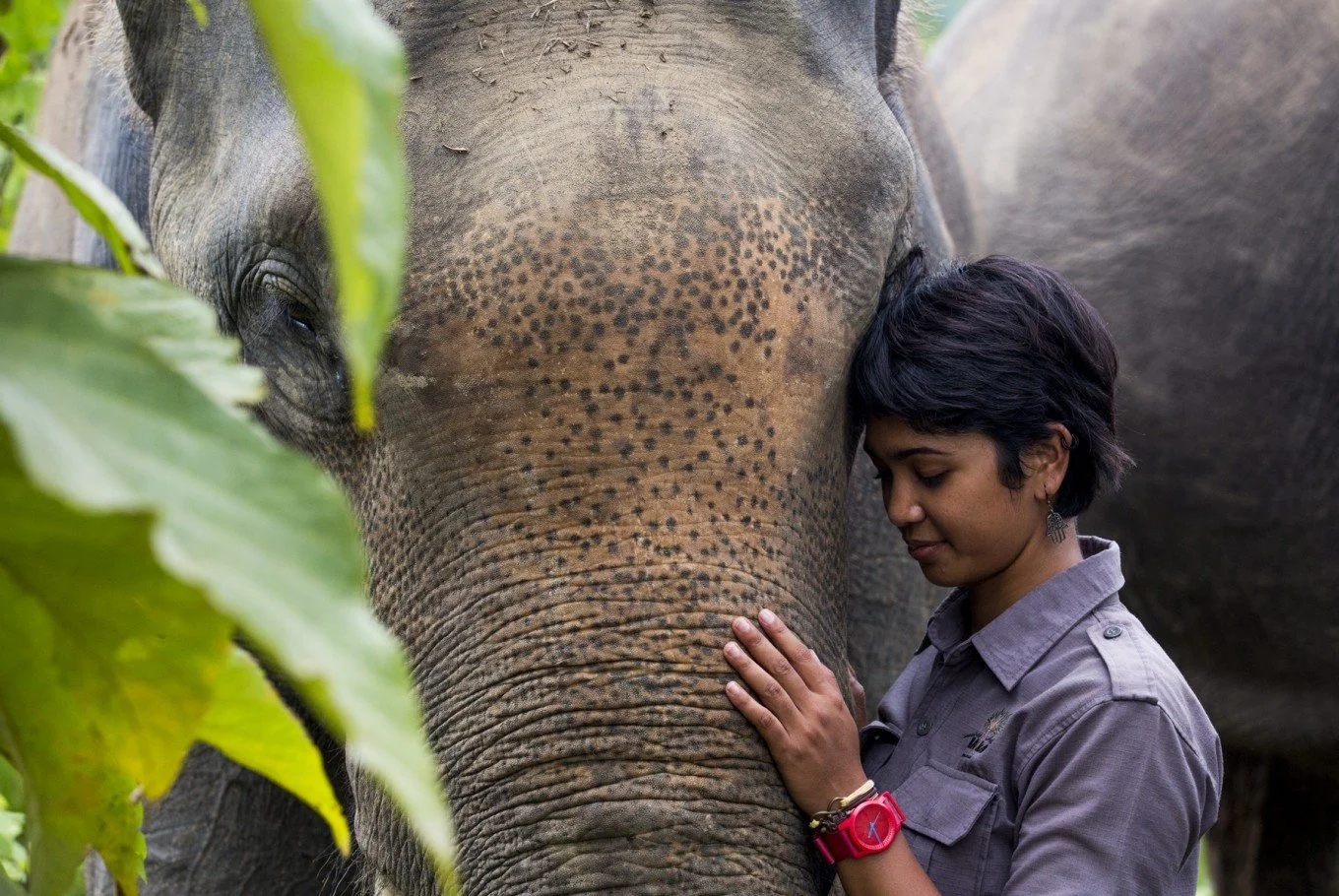
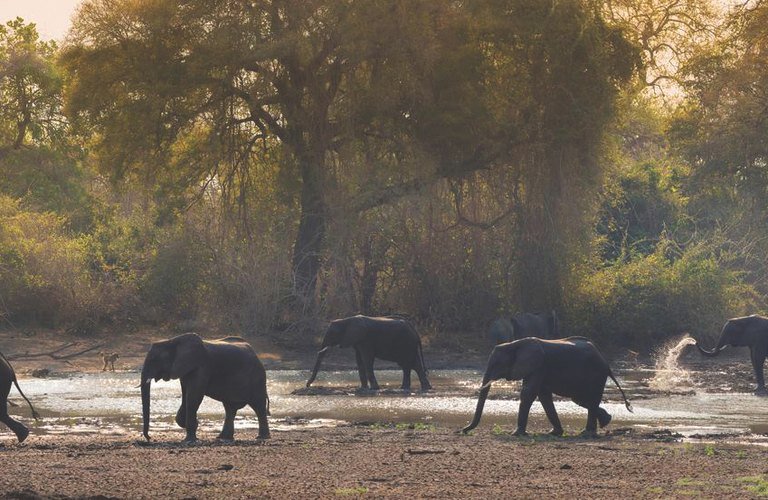



Packed with highlights of conservation successes from around the world at our project sites, this report features the effectiveness that the Global Park Defense and Community Engagement programs have for protecting culturally rich and highly biodiverse natural ecosystems in the most threatened parts of our world—land or sea.