
Photography by Marcus Westberg
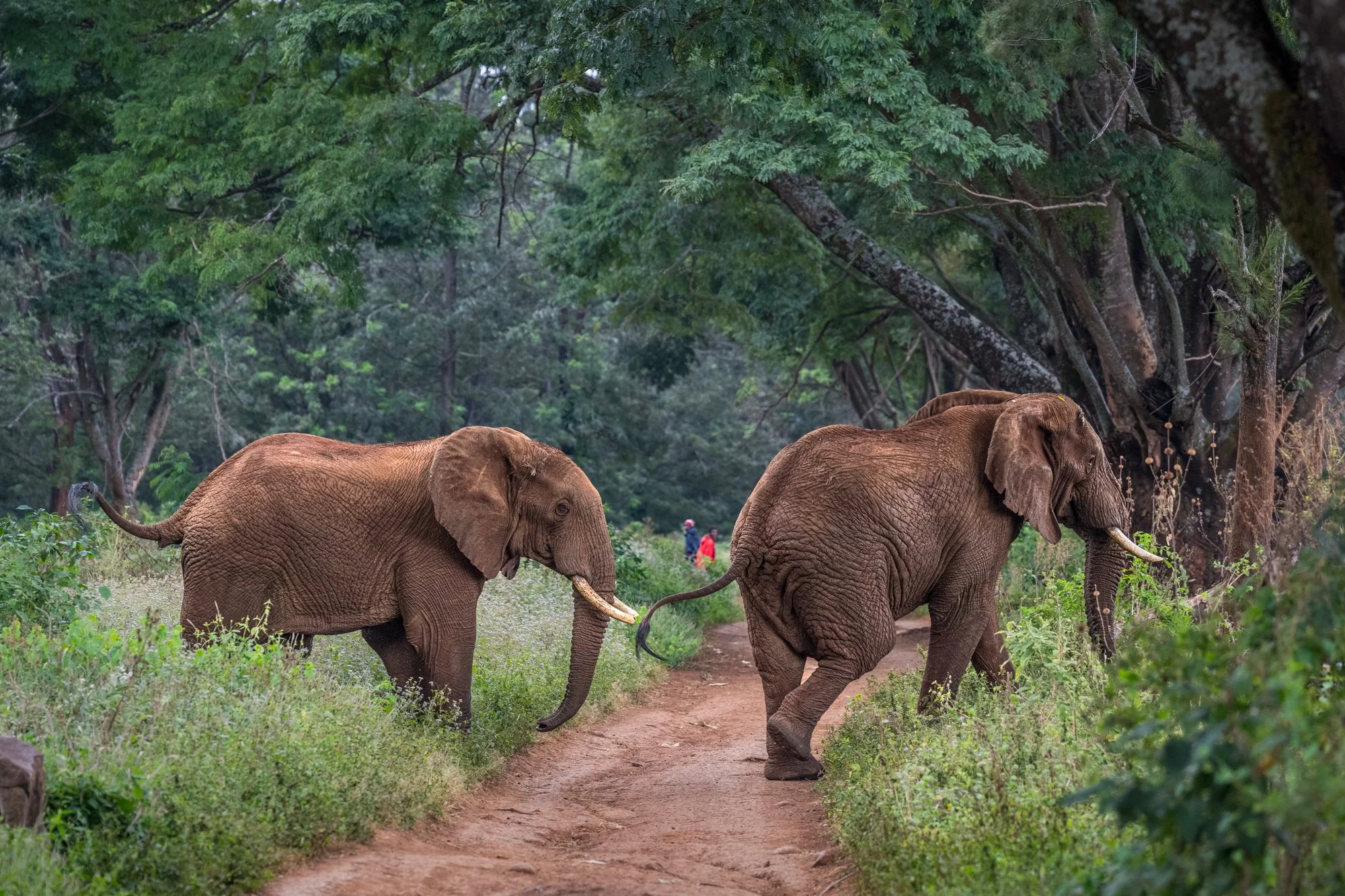
Two african elephants hurry out of farmland as they’re being chased by the Human-Wildlife Officers of the African People & Wildlife team.
African People & Wildlife

Human-Wildlife Conflict Officers patrol the farmlands looking for megafauna species that destroy crops.
Global Conservation supports two conservation partners for the Ngorongoro World Heritage Site in Tanzania: African People and Wildlife (APW) and KopeLion. Regarding APW, we provide support to human-wildlife conflict mitigation officers, with a primary focus on elephants, while KopeLion focuses on developing a sustainable model for lion-livestock coexistence.
These two complementary NGOs work together with the Ngorongoro Conservation Area Authority (NCAA) and local communities to reduce human-wildlife conflict in an increasingly challenged landscape.
Funding APW to Promote Coexistence
Global Conservation’s support of this important project is an investment in one of the world’s most diverse and ecologically important places, ensuring the continued development and practice of conservation best practices that marry strong community engagement and wildlife protection with technology-based solutions.

Two of the officers (very bottom left and very top right) invite young men from the local community to stand with them to get a look at the elephants in the farmlands from a safe distance.
Our support to African People & Wildlife and its partners, including the NCAA, and local communities, fosters communication and collaboration between trained, rapid response anti-poaching teams managed by the protected area and a specialized network of community Human-Wildlife Coexistence Officers—creating an enabling bridge between local communities and wildlife authorities.
APW was awarded a grant from Global Conservation for the project "Supporting rapid response anti-poaching teams and human-wildlife conflict mitigation officers in the Ngorongoro Conservation Area." This project is essential to the success of our community-driven conservation programs in Tanzania, and undertook three main activities:
1) HEC Officer Refresher Training
In August, the APW Human-Wildlife Coexistence and Monitoring, Evaluation, Learning, and Adaptation teams conducted a 2-day refresher training for the Program Assistant and Human-Elephant Conflict (HEC) Officers in Karatu District. The training took place in Karatu and included the following refresher training topics:
Review of human-elephant conflict data collected in and around the Ngorongoro Conservation Area
Human-elephant conflict mitigation methods and tools
Review and revision of crop raiding data collection protocols
Review and revision of human injury data collection protocols
Software updates and troubleshooting tips for mobile phones and Survey123 forms
Action planning and next steps for HEC Officers
During the training, the officers also had the opportunity to meet several NCAA representatives, Karatu District officials, and observers from APW’s concurrent ACTIVE Community Engagement Practitioners’ Workshop. This fostered a collaborative environment for community members, the NCAA, government, and APW.
2) Human-Elephant Conflict and Elephant Observations Data Collection

The two officers chase out elephants from a coffee bean farm in the middle of the conservation area.

Officers record data using their phones with specially designed apps.
The HEC officers in all four villages responded to 97 reports of crop raiding. The HEC officers are also tasked with reporting observations of elephants in their area. During this reporting period, the officers reported 2,618 observations of elephants with an average group size of 3.2 individuals per observation.
The majority of observations were evidenced by dung (69%), with 28% identified by tracks and 3% by visual sightings. Note that these figures do not represent the number of individuals, nor can APW estimate population size based on these data. While most observances can be verified from photos upon request, due to the large number of observances, HEC officer reports of elephants are not routinely verified by APW.
3) HEC program demonstrations in APW’s ACTIVE Community Engagement Practitioners’ Workshops
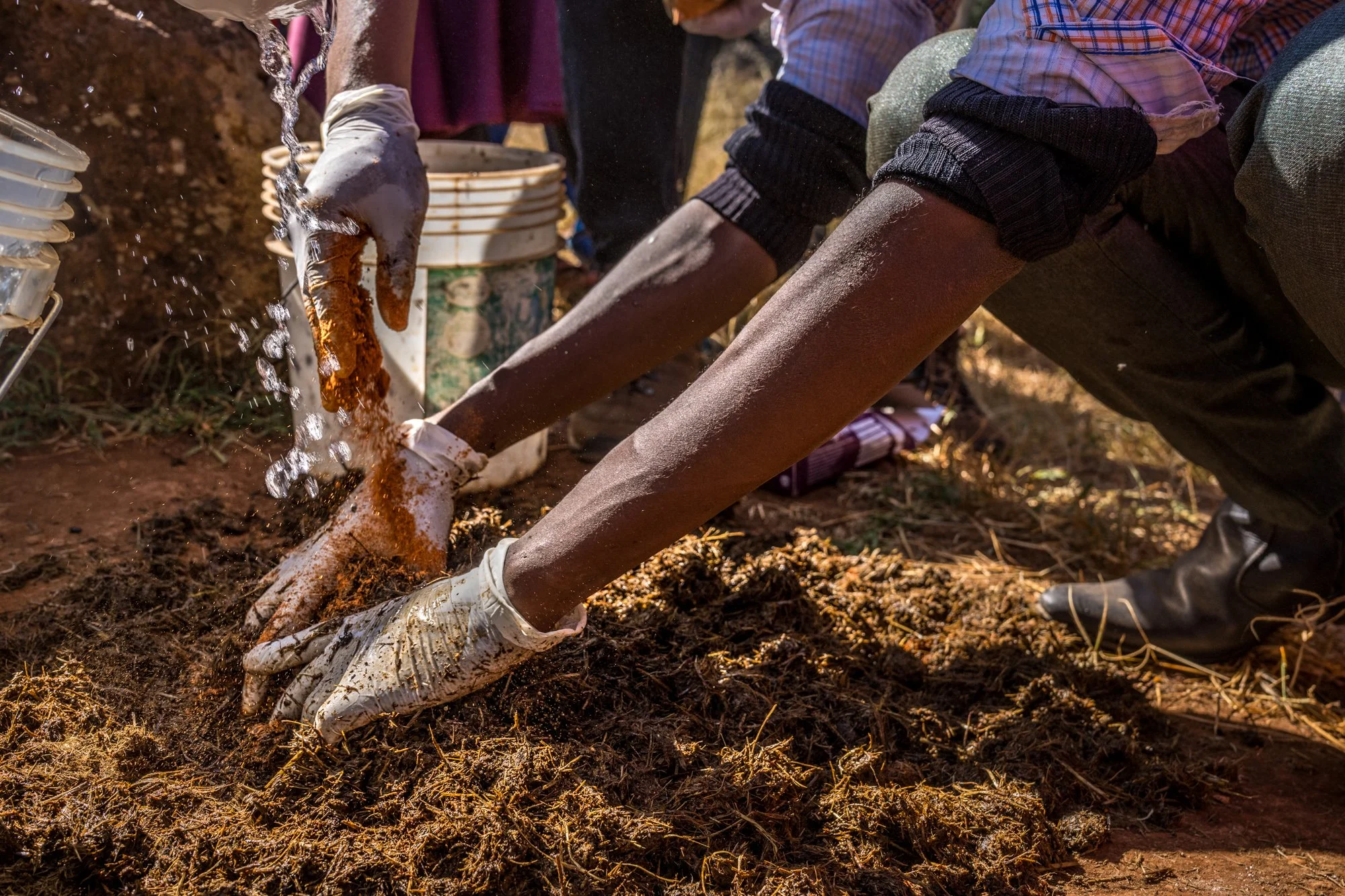
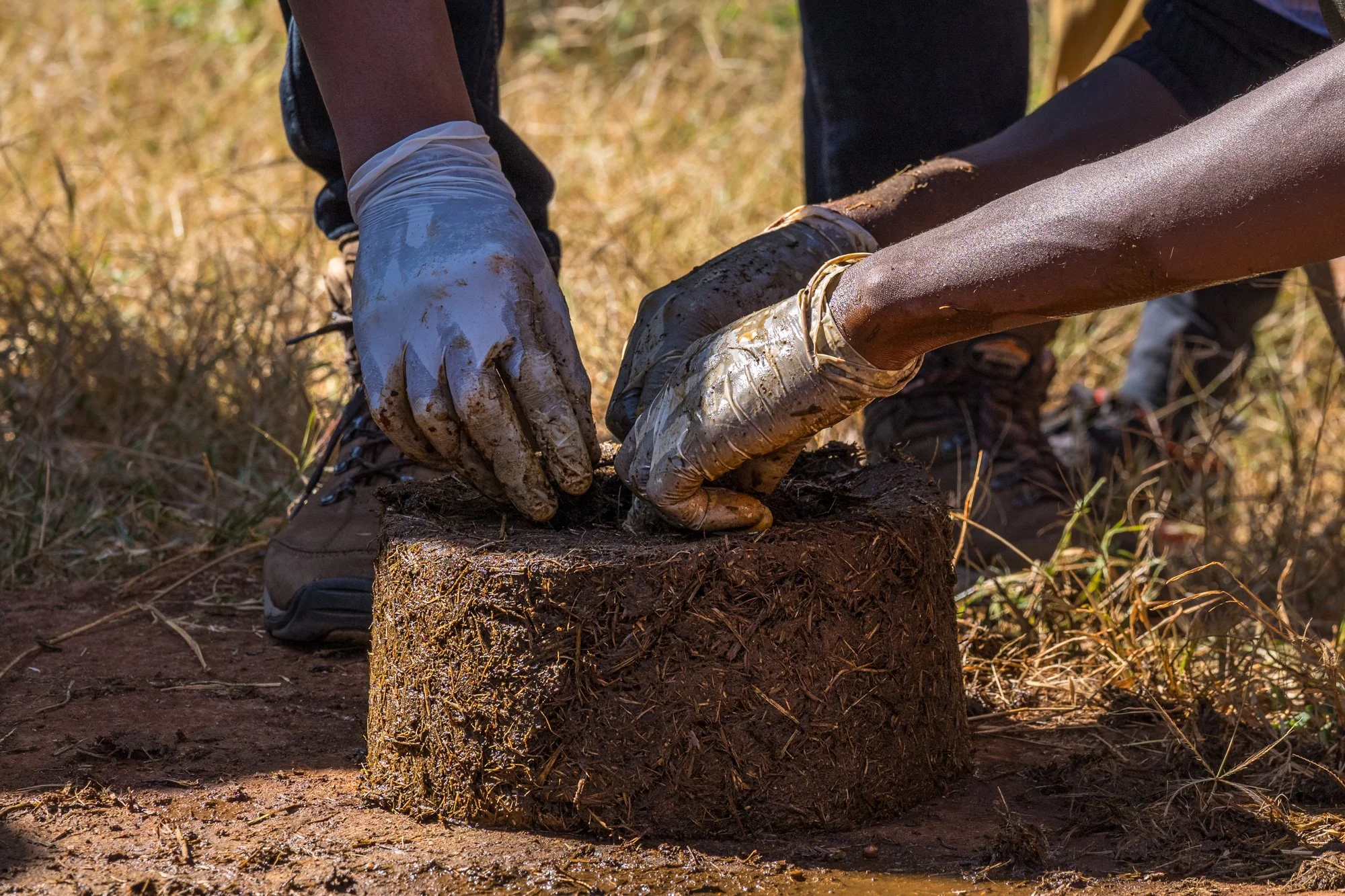
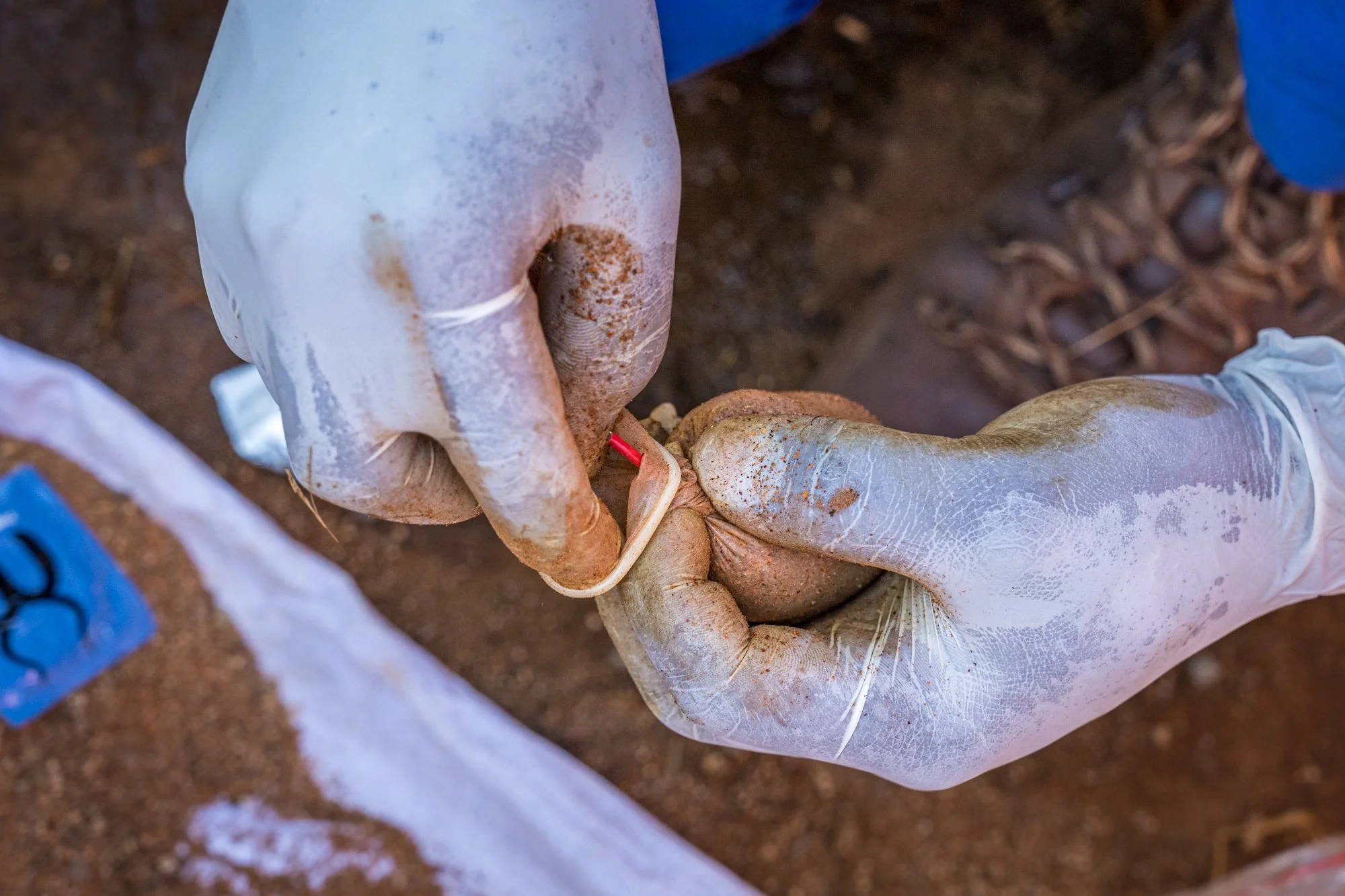
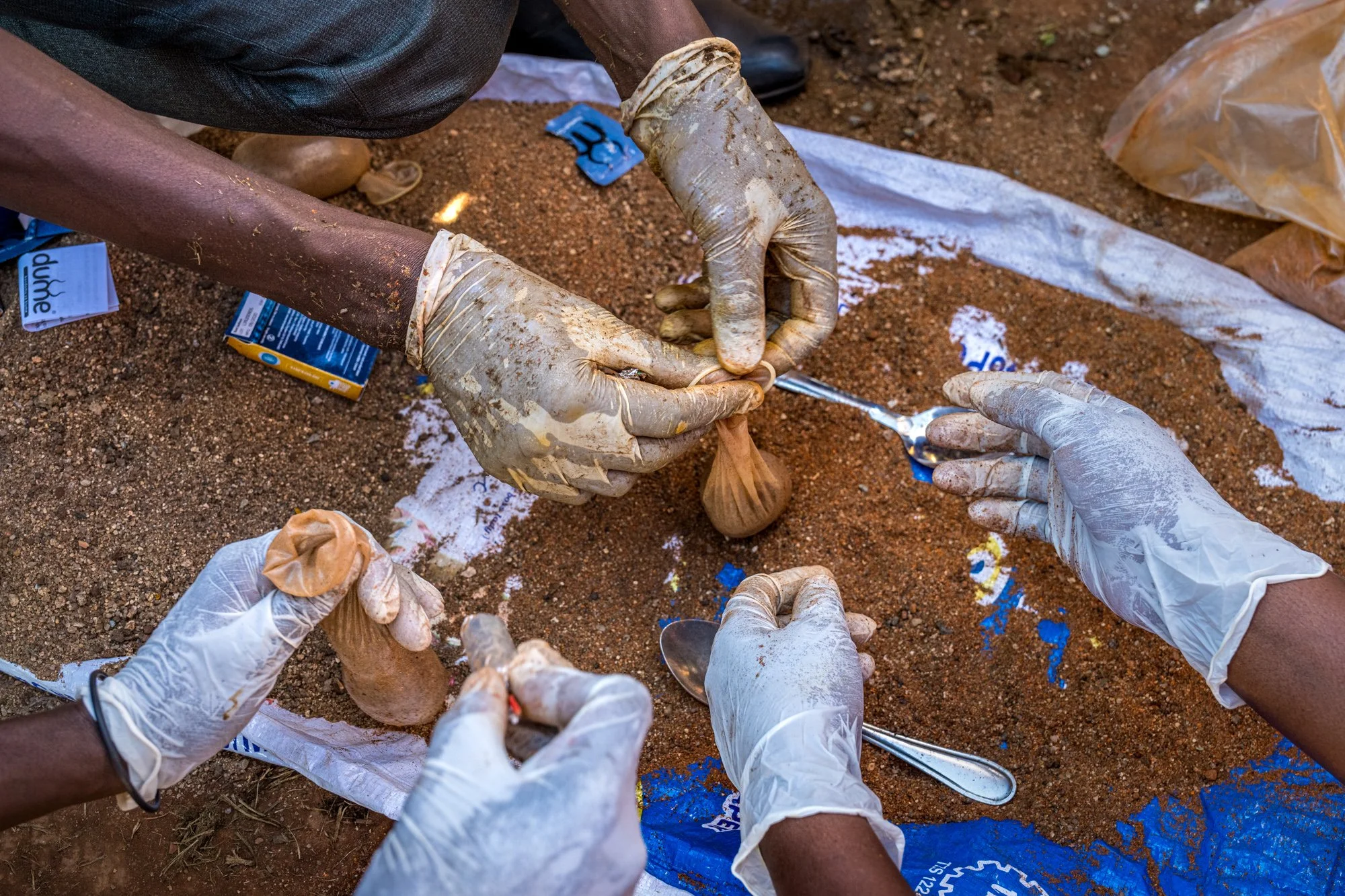
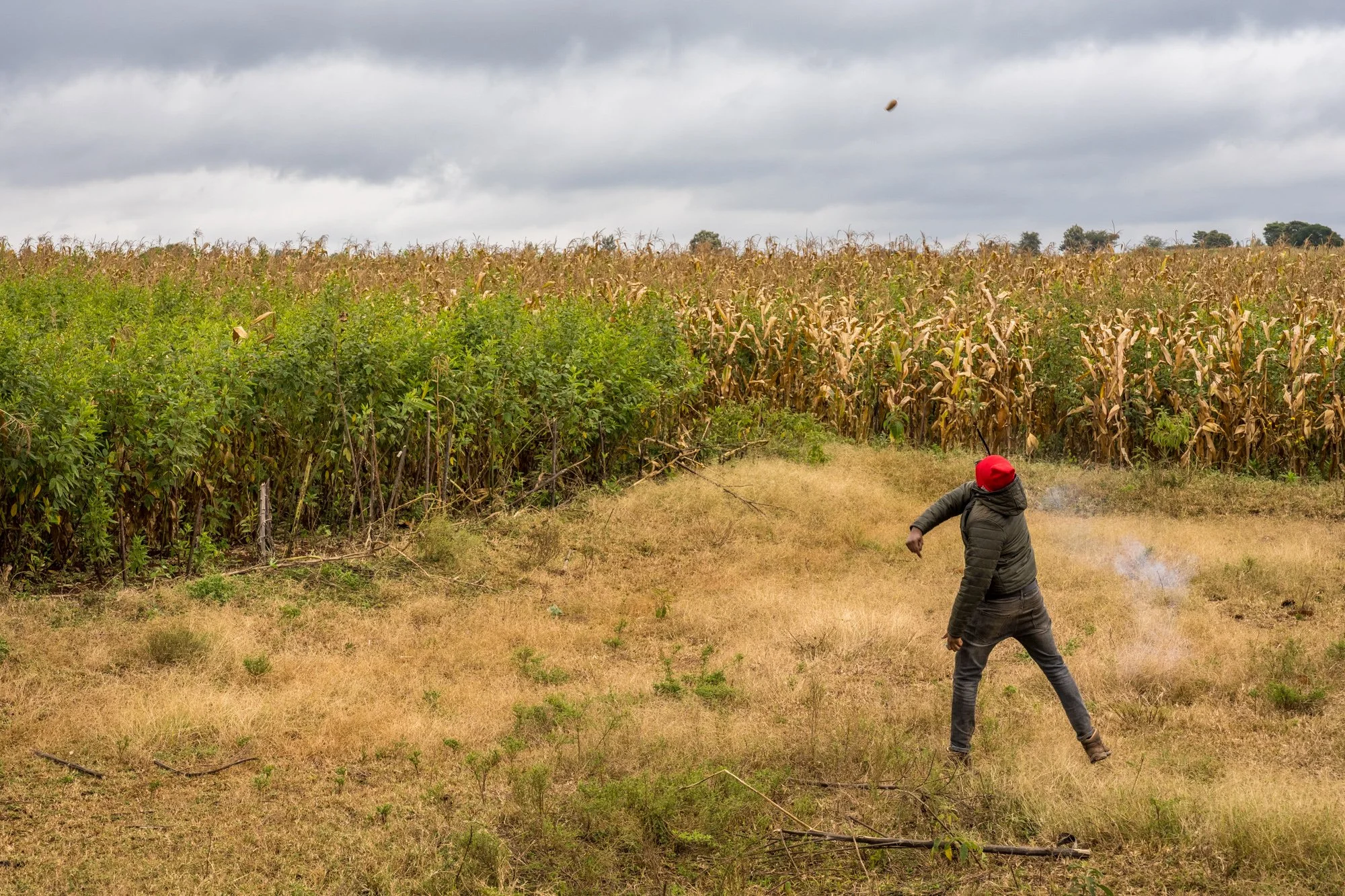
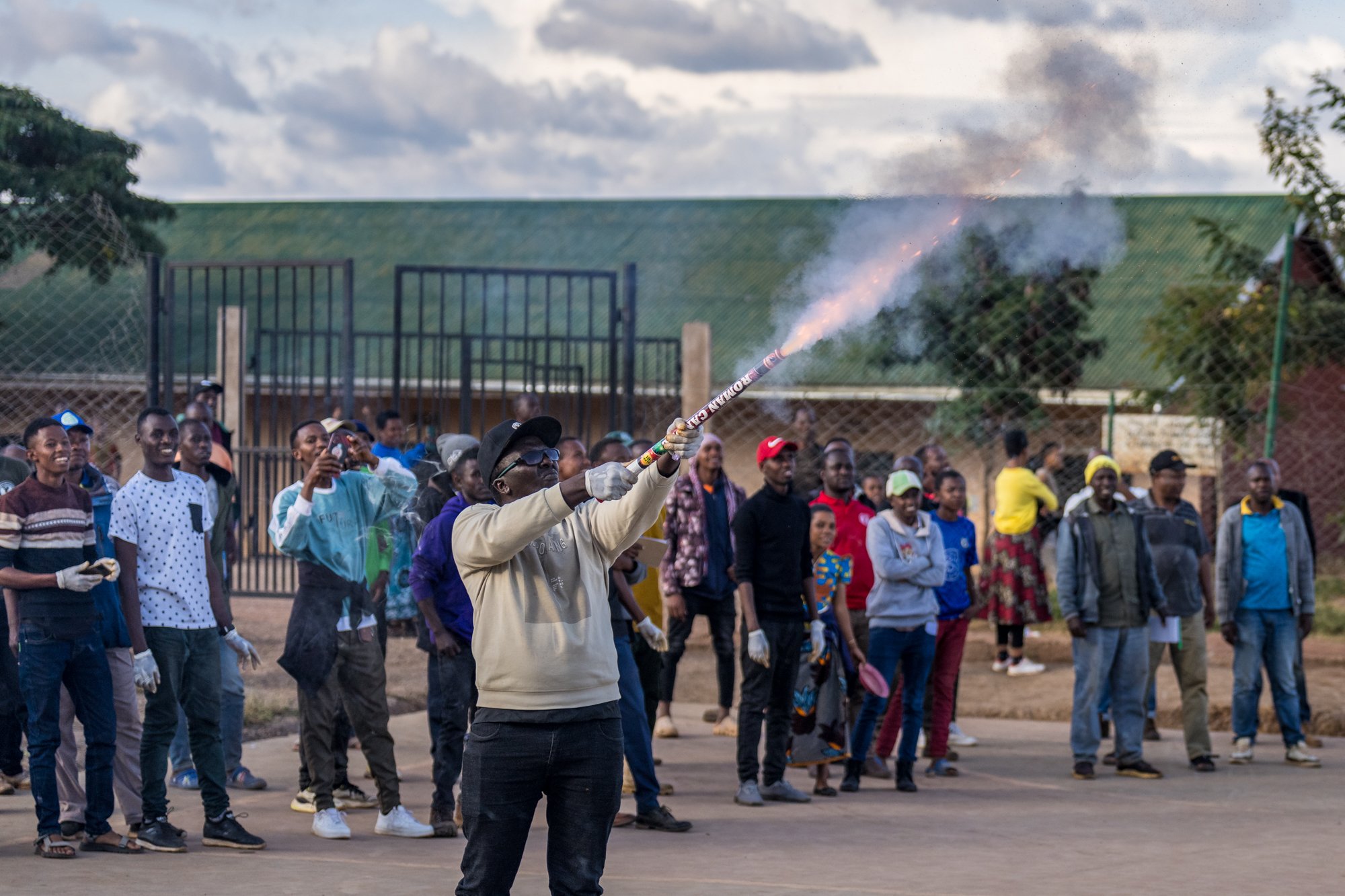
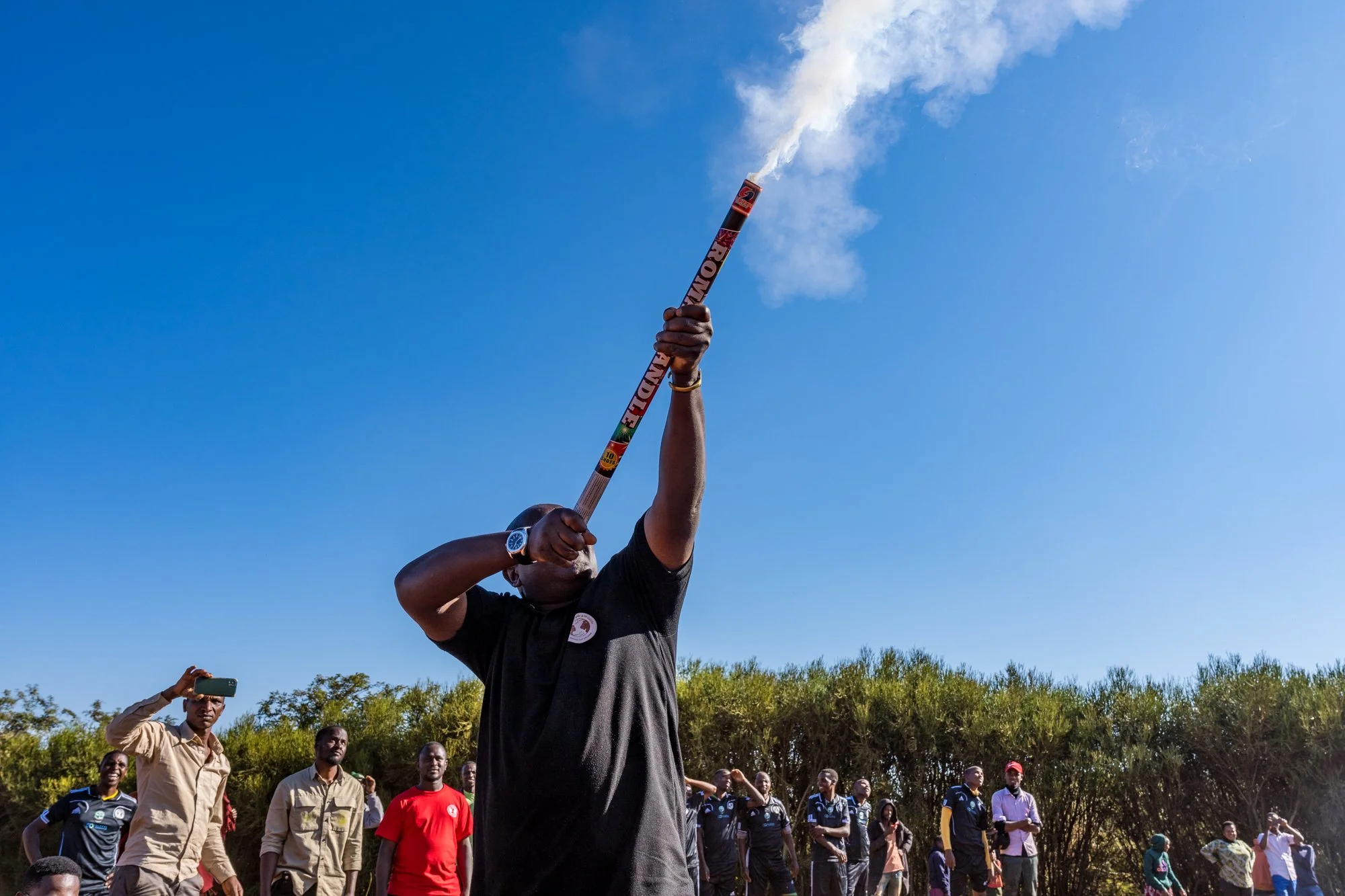
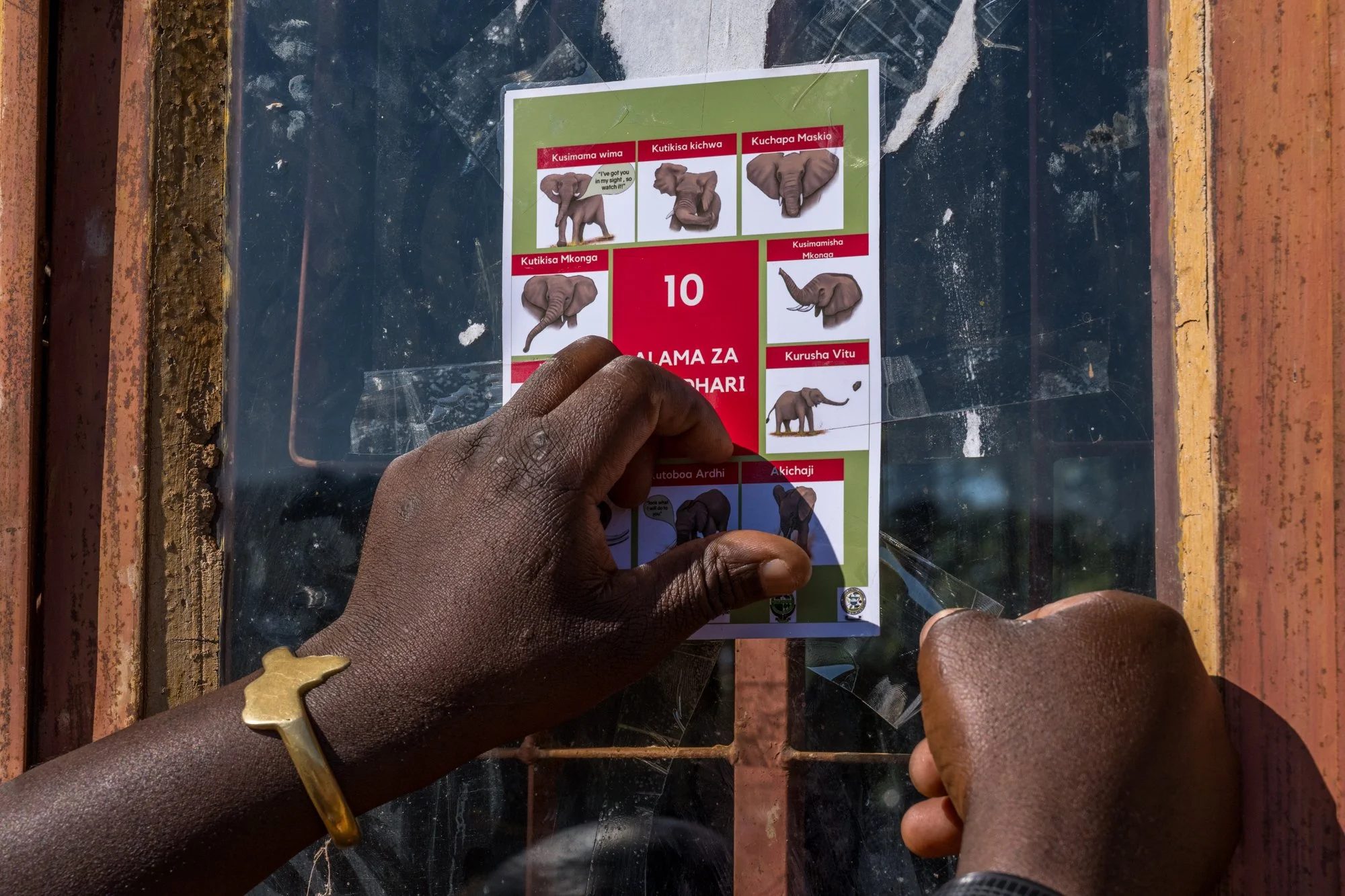
APW led two ACTIVE Community Engagement Practitioners' Workshops and chose the HEC program in Karatu as the location for a field visit.
Participants from Projecto Lisima of the Okavango Eternal project in Angola visited the HEC assistant and officers in Oldeani village in August. The assistant and officers described the program at a village government meeting and then escorted the workshop participants to a farm where they demonstrated the data collection protocols and smoke techniques for conflict mitigation.
HEC Assistants and Officers demonstrated their newest pilot mitigation technique: chili smoke bricks. Elephant dung and chili peppers combine to create these bricks. Elephant dung causes the brick to smoke when lit on fire, and the chili-infused smoke serves as a deterrent to elephants.
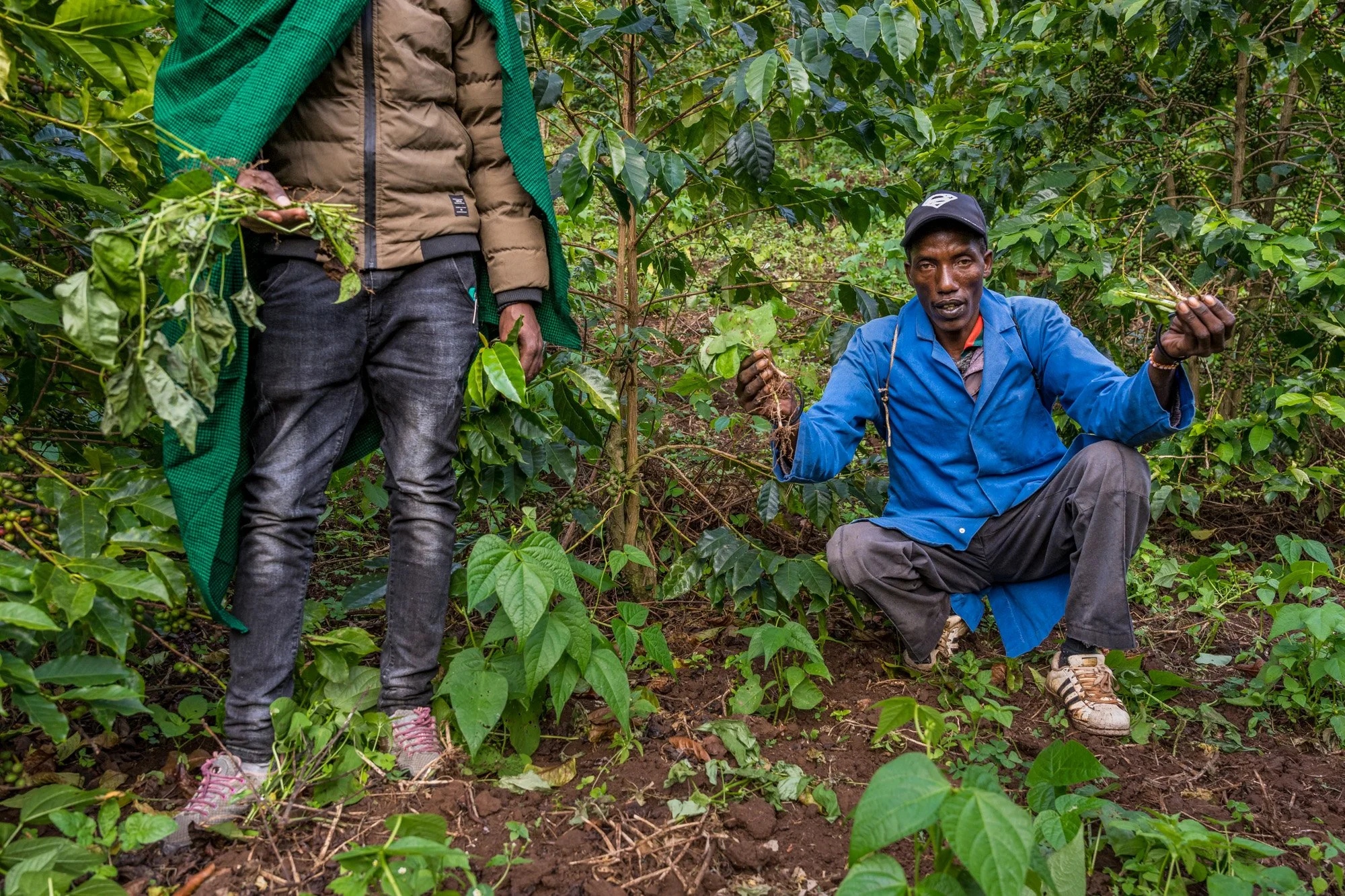
A farmer shows where his crops were raided just moments before he worked to chase the elephants out and then was supported by the Human-Wildlife Conflict Officers.
In response to the 97 reports of crop raiding, elephants were responsible for 70% of these conflicts, with buffalo responsible for another 28%. Reports also identified baboons as a crop-raiding species.
This report analyzes a total of 68 reports of elephant crop-raiding. This number represents a significant decrease in crop-raiding incidents since April, due to the end of the harvest season and the lack of palatable crops available. The data show that incidents peaked in May and then declined steadily until August. From August through November, only 21 crop-raiding incidents were reported, many of which were related to property damage rather than crop damage. The completion of most harvesting by August coincides with the agricultural calendar. In January, incident reports increased, again in line with the agricultural calendar.
Mitigation Methods
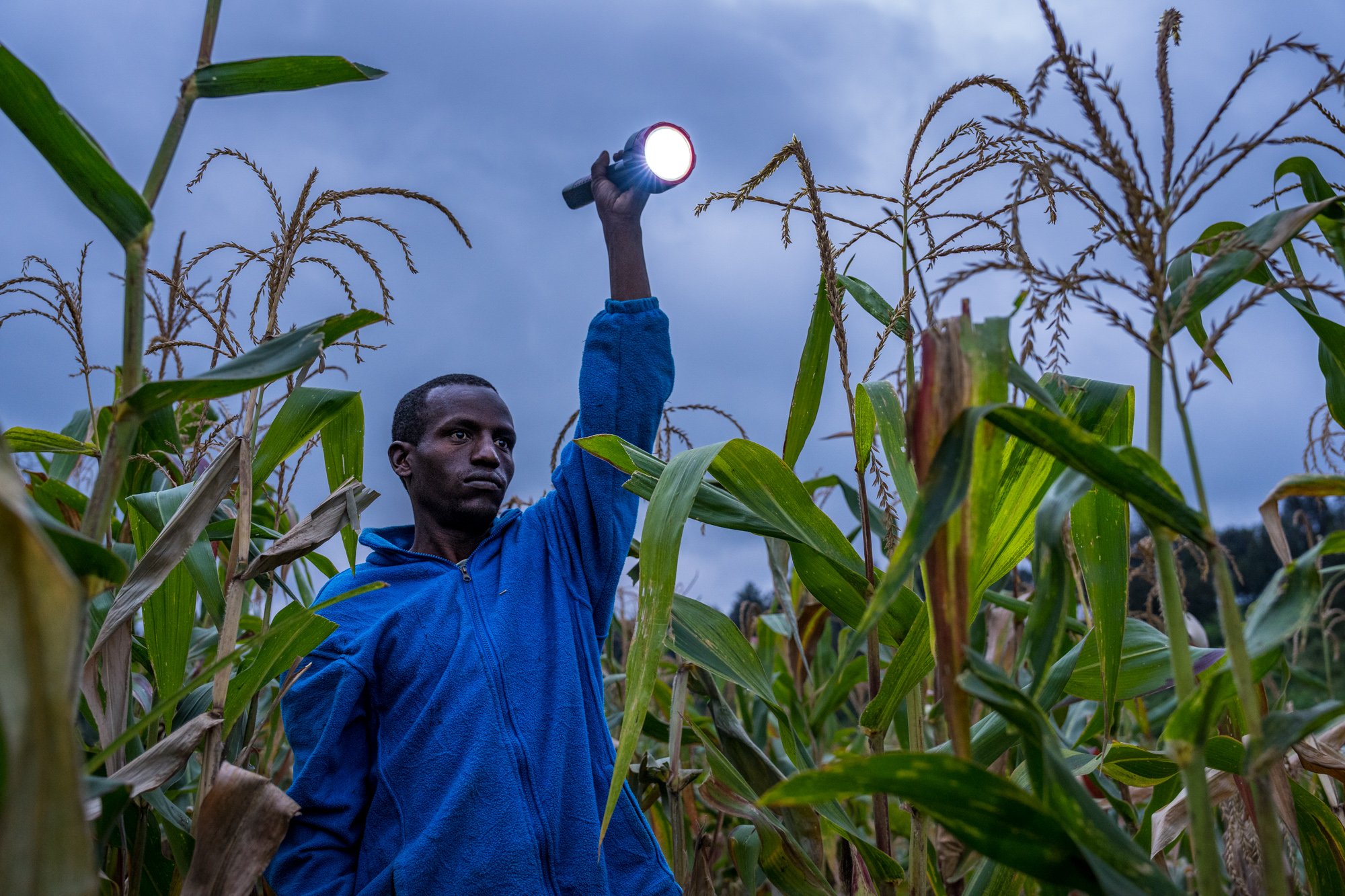
Noise-making techniques, farm guards, and fires were the most reported mitigation methods used by farm owners during this reporting period. Flashlights were also commonly mentioned as deterrents.
Less than 20% of farm owners reported using methods that require training and/or material support, such as tobacco lines and chili bombs.
In 63% of incidents with elephants, the officers reported that the elephants dispersed because people chased them away, either with noise, fire, or light deterrents. In 23% of incidents, the farm owners reported that the elephants seemed to only be passing through and dispersed quickly.
Community-Based Conservation Success
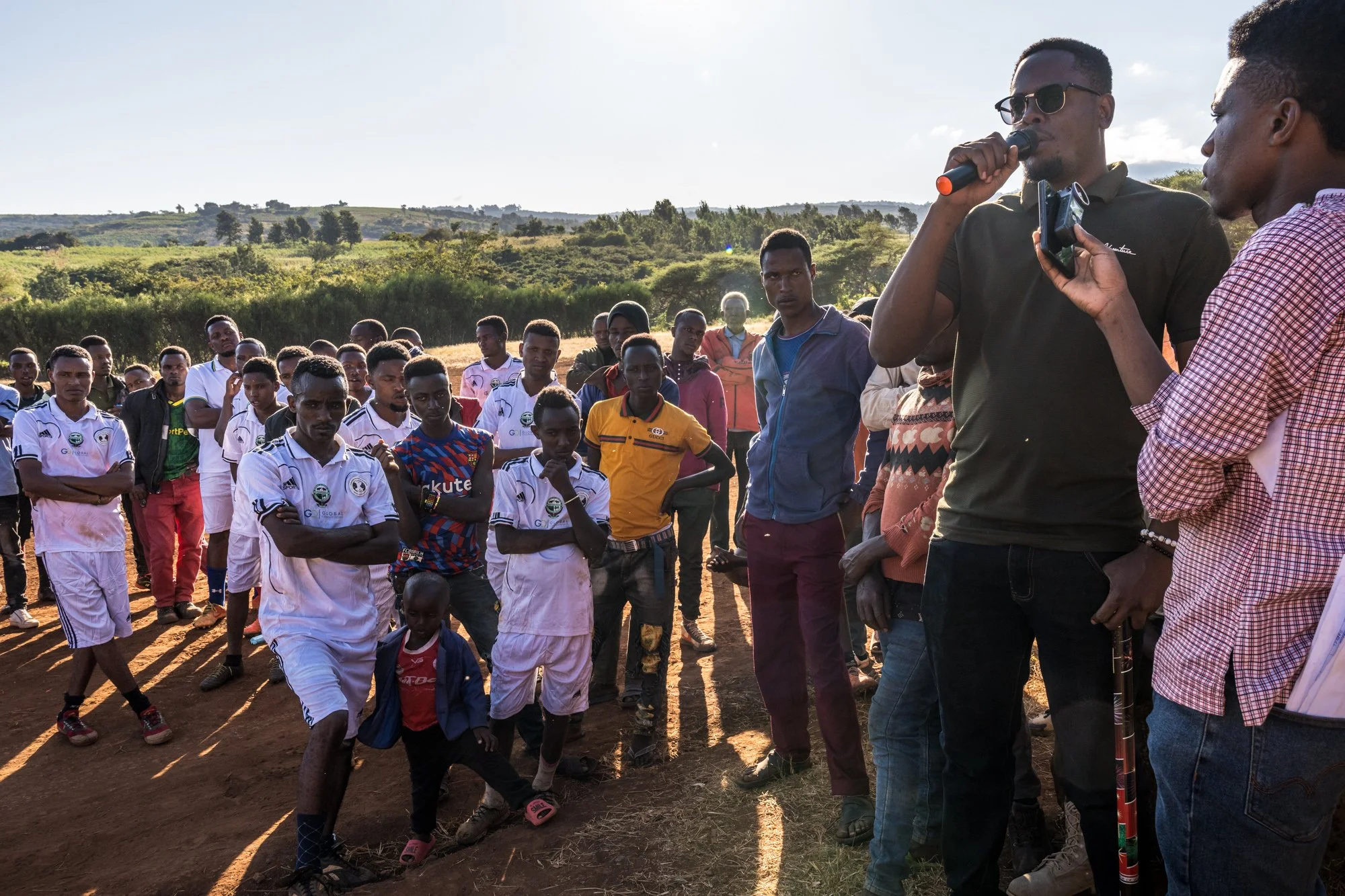

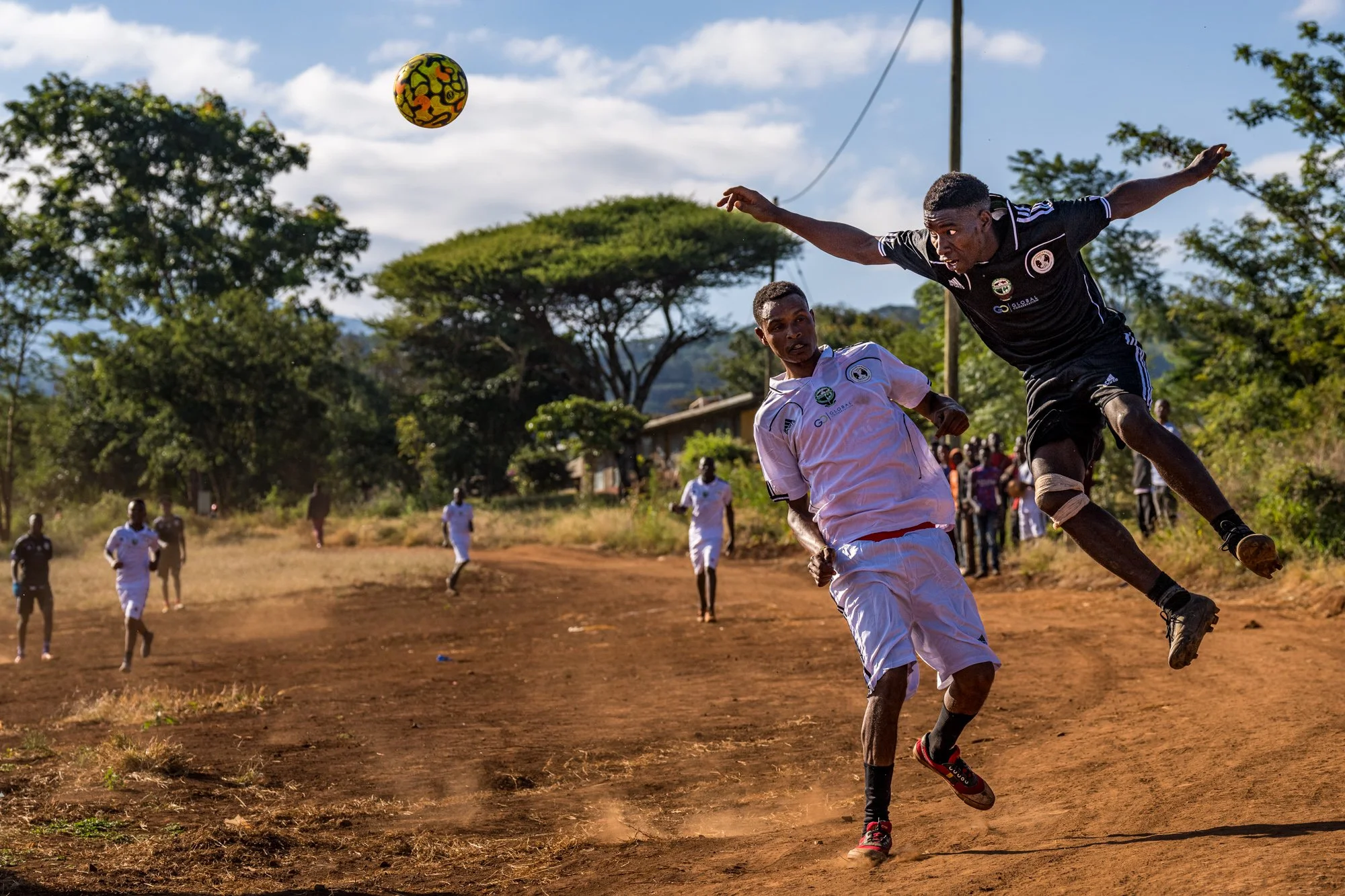
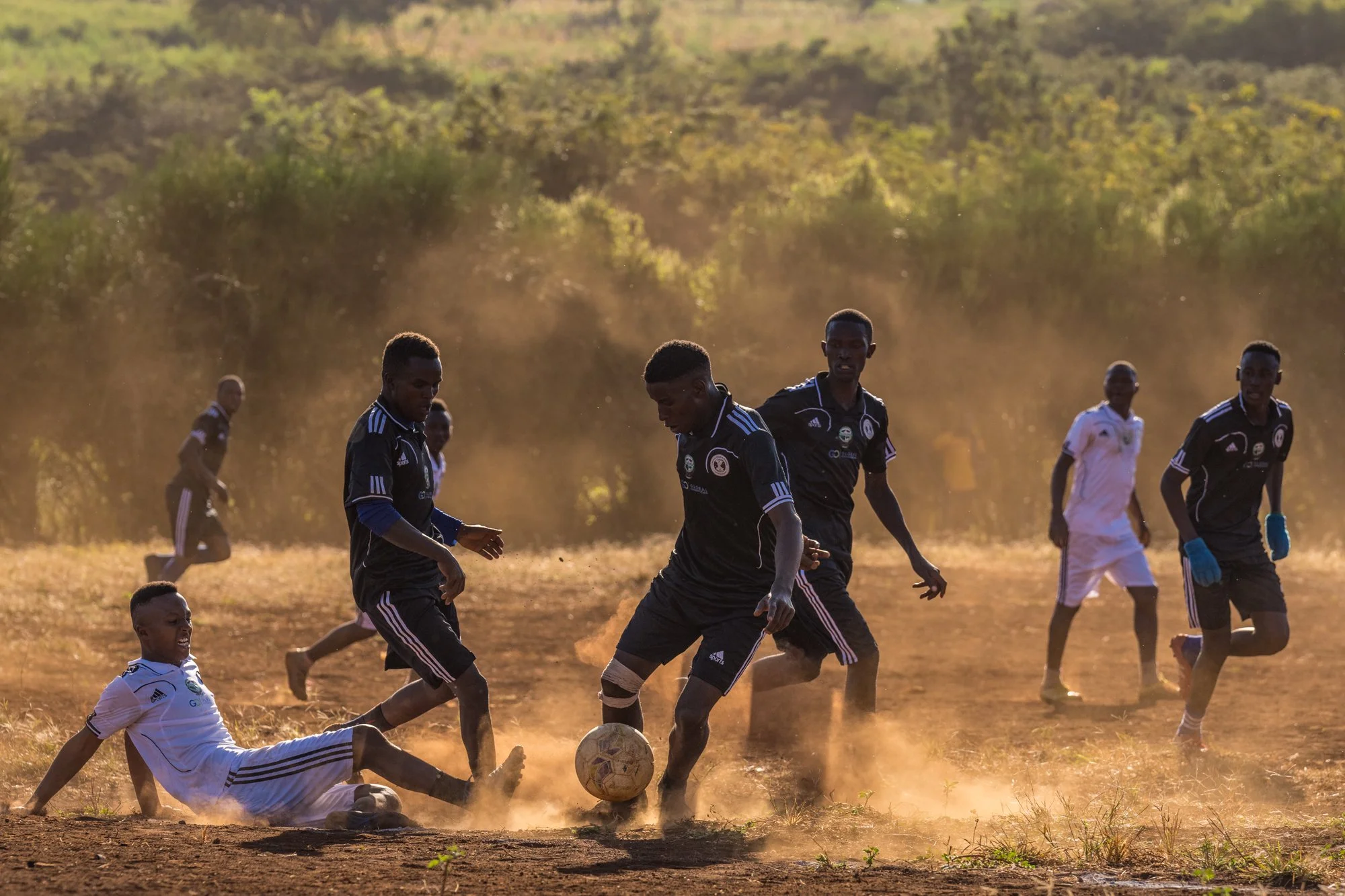
Building on this infrastructure, the Warriors for Wildlife program has emerged as a model of effective community-led conservation. These trained Human-Elephant Conflict (HEC) Officers, members of their own communities, managed nearly 500 incidents in 2024, bringing local knowledge and technical expertise. Through regular, hands-on training sessions in participating villages, APW has equipped these officers and community members with toolkits for elephant deterrence, including chili smoke bricks, air horns, and Roman candles. This combination of tools, training, and local leadership has created a sustainable and locally led approach to conflict management.
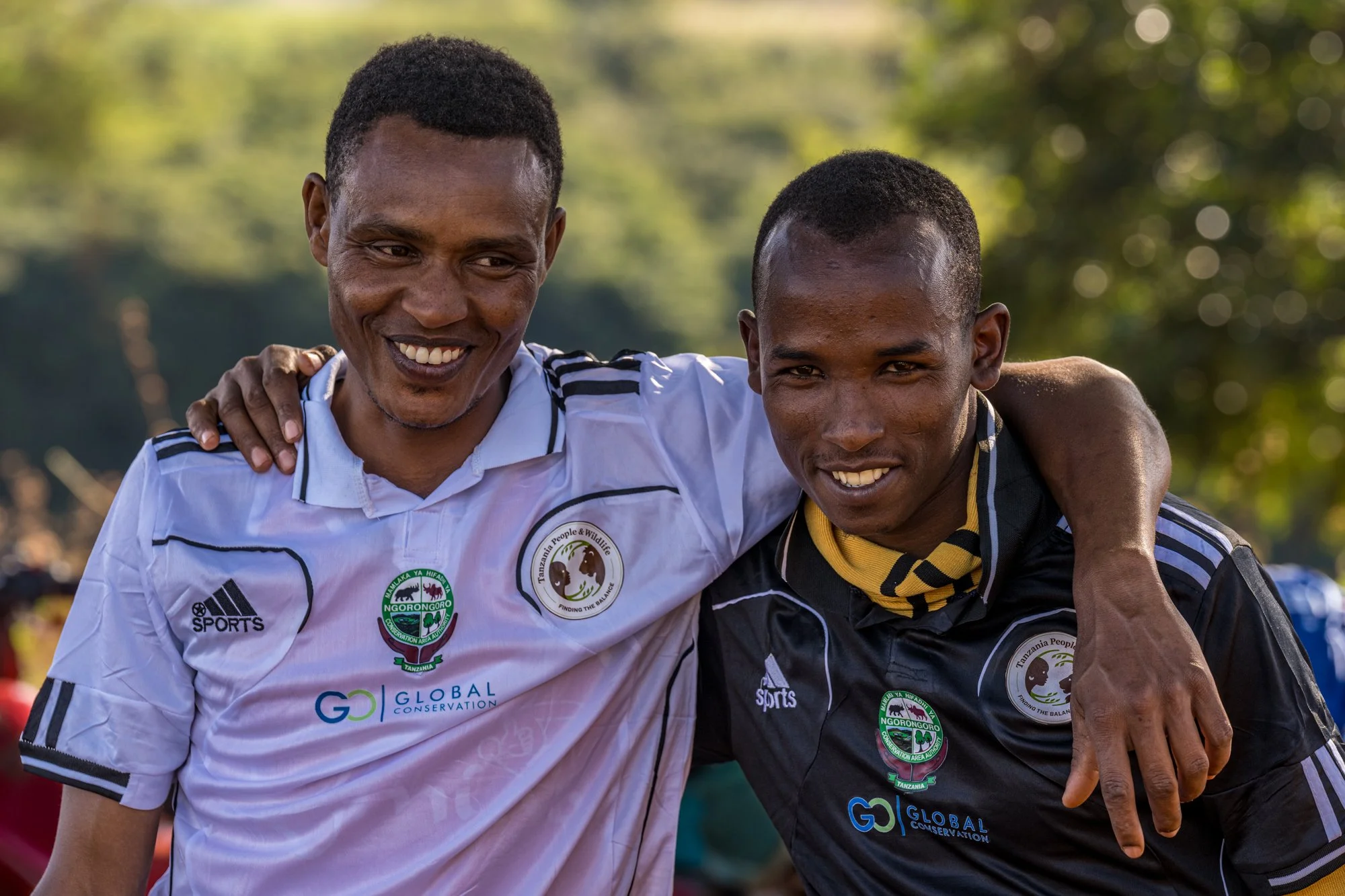
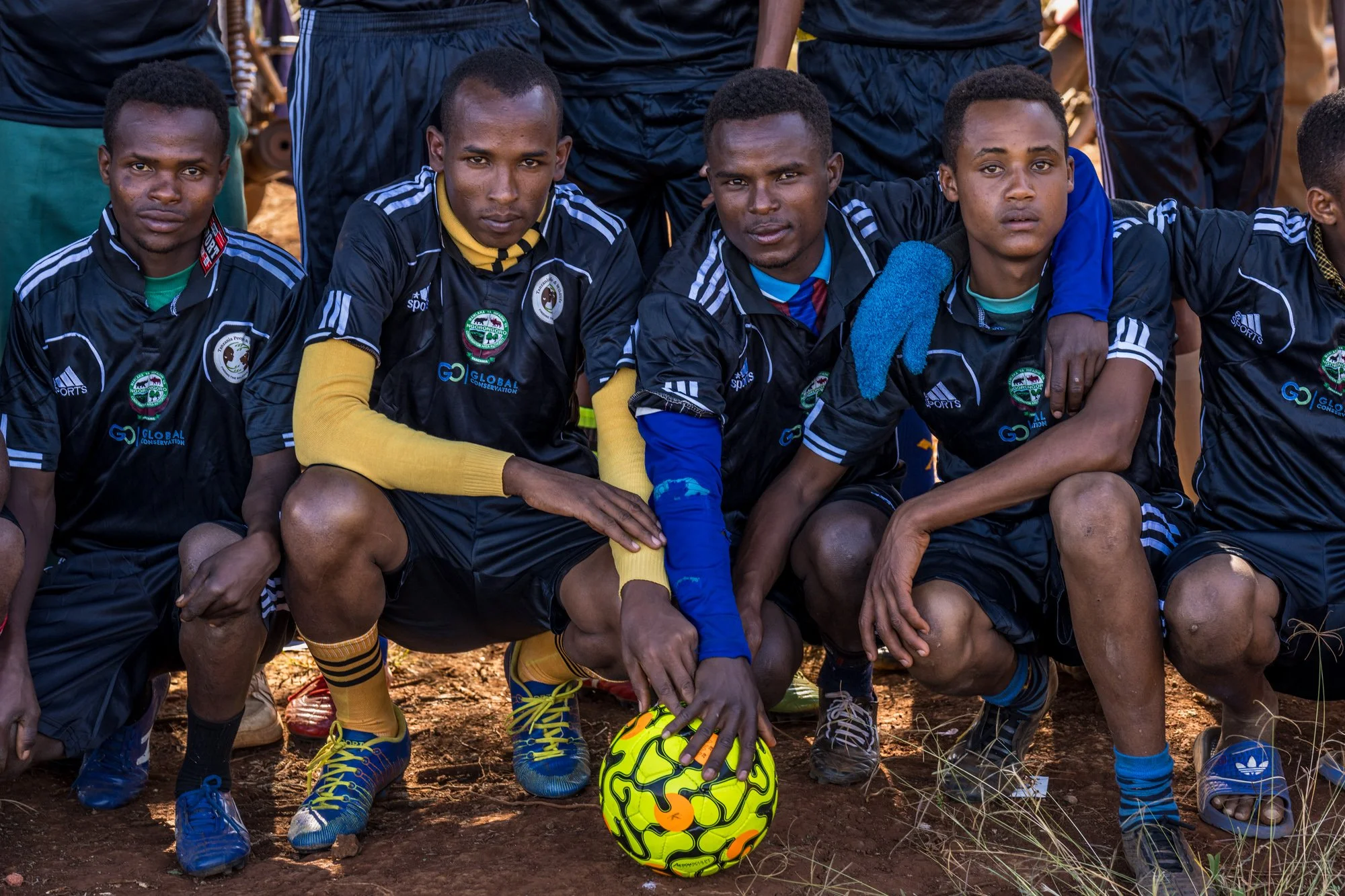
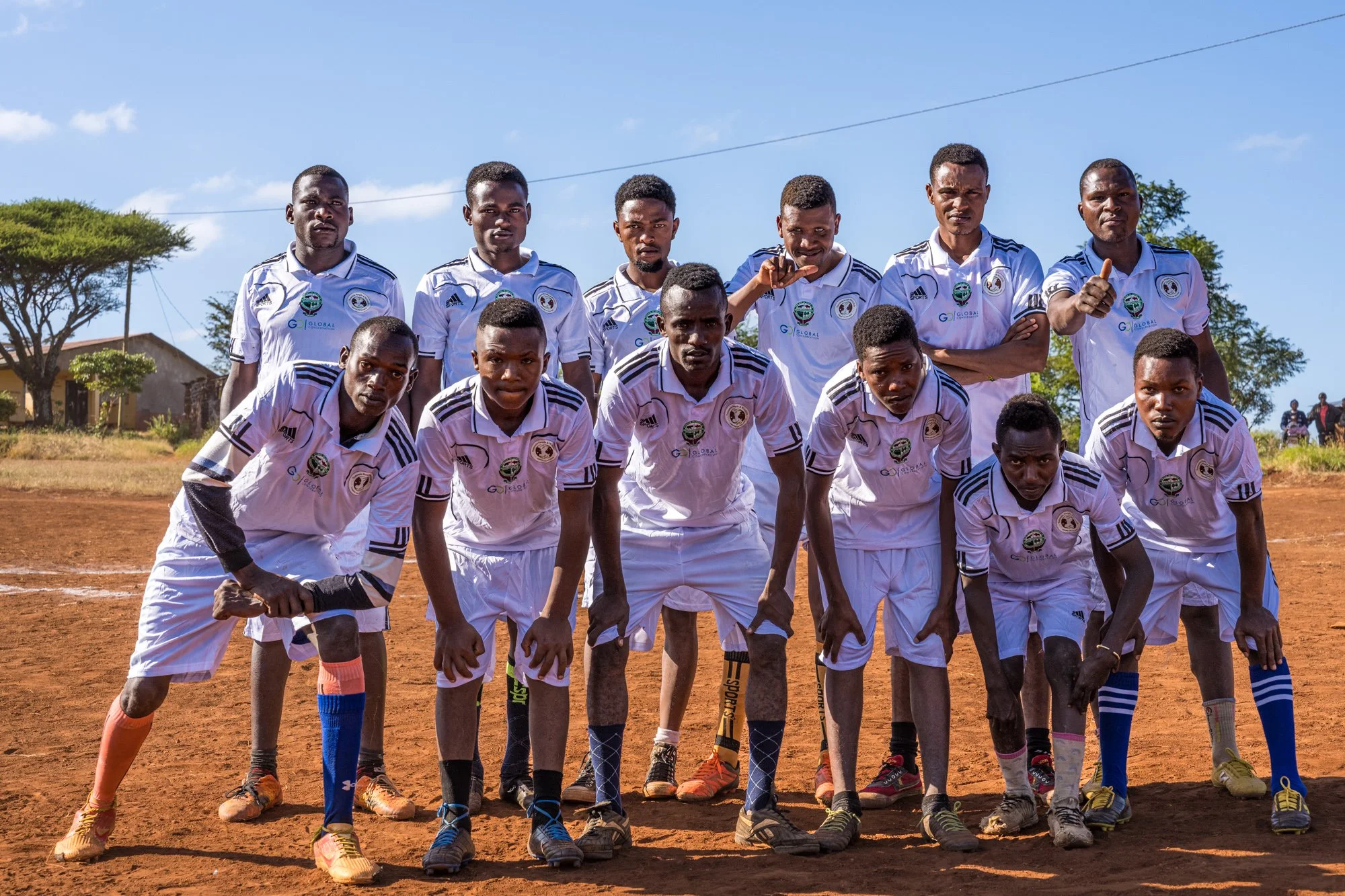
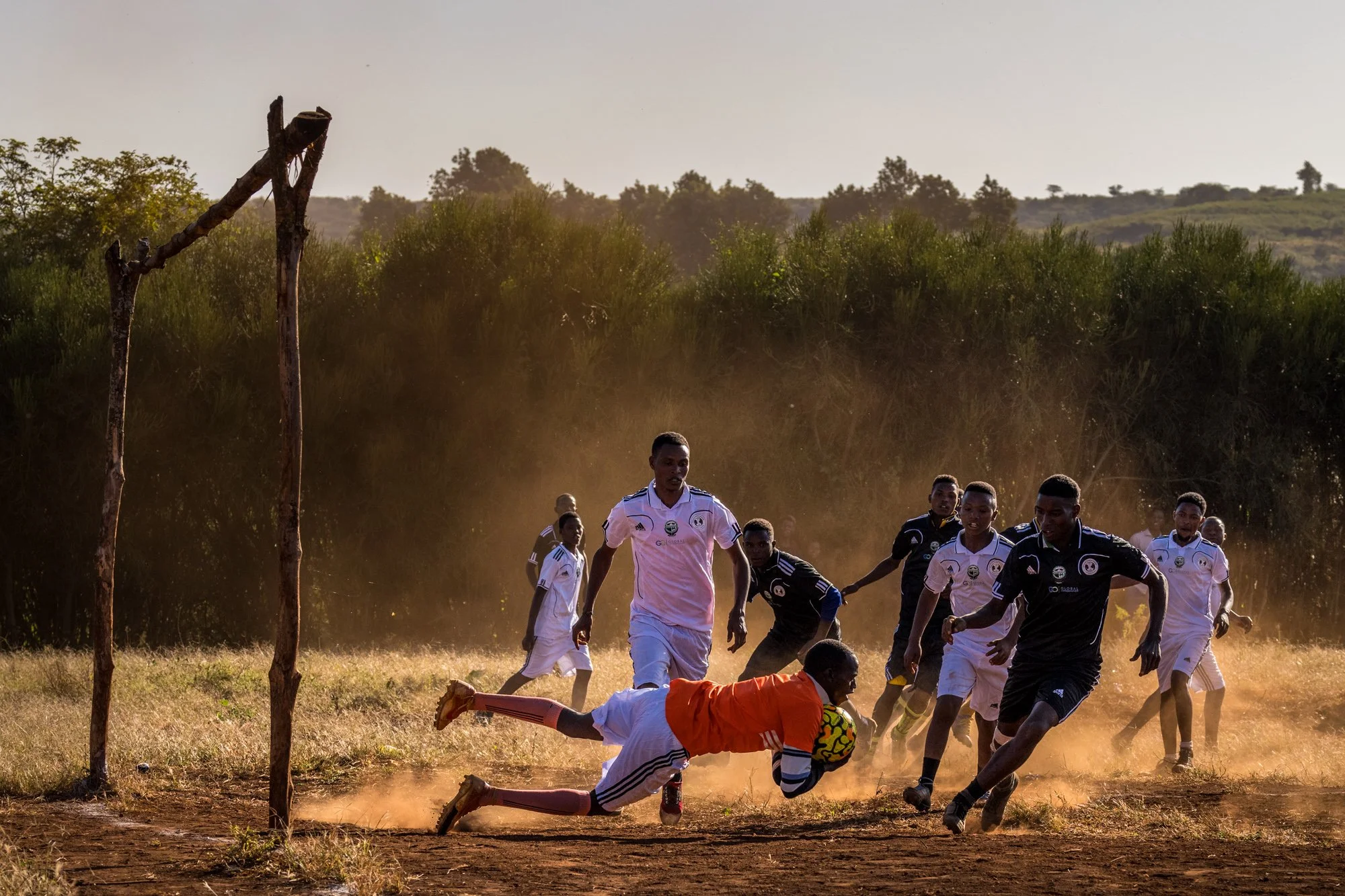
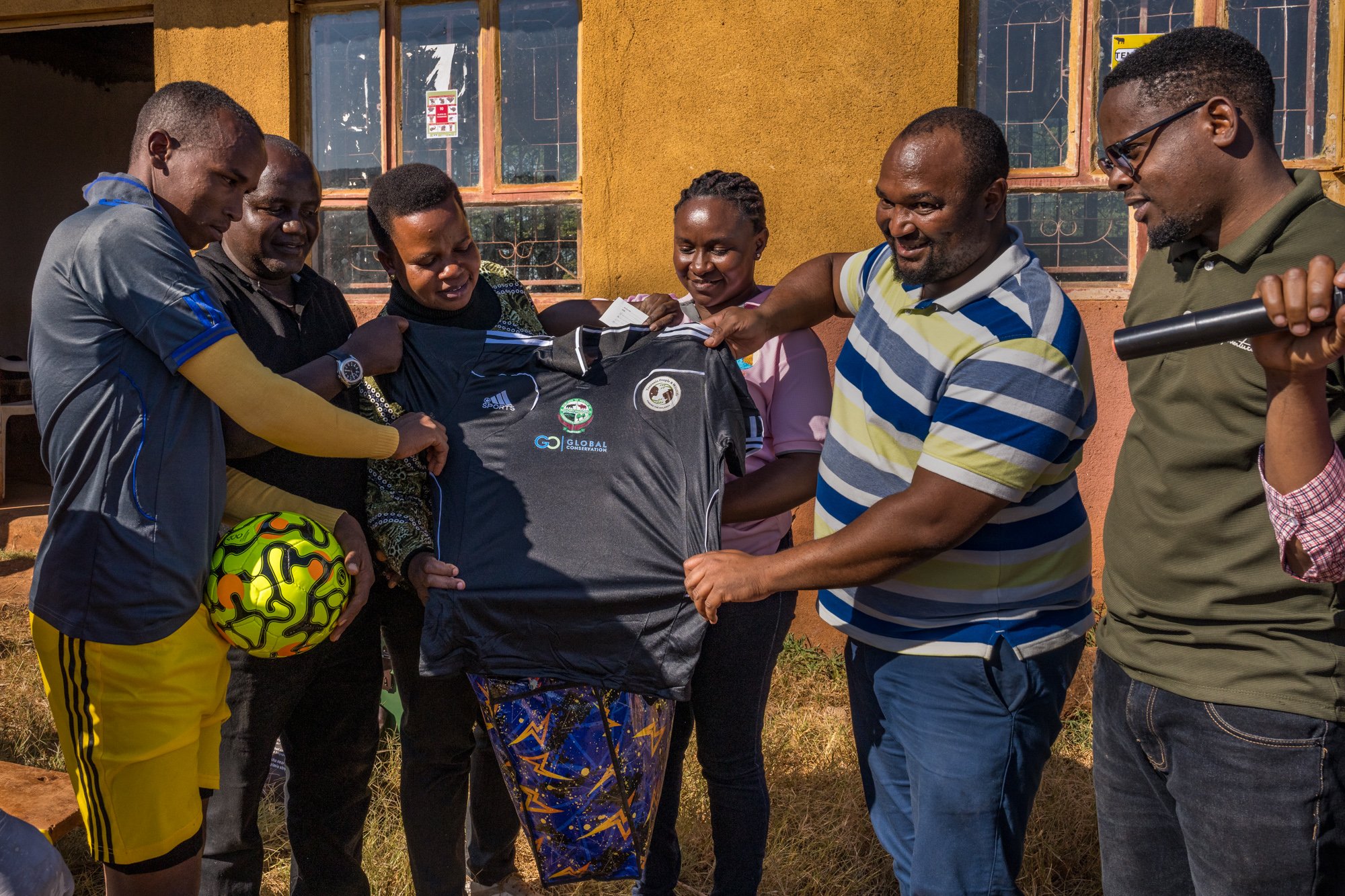
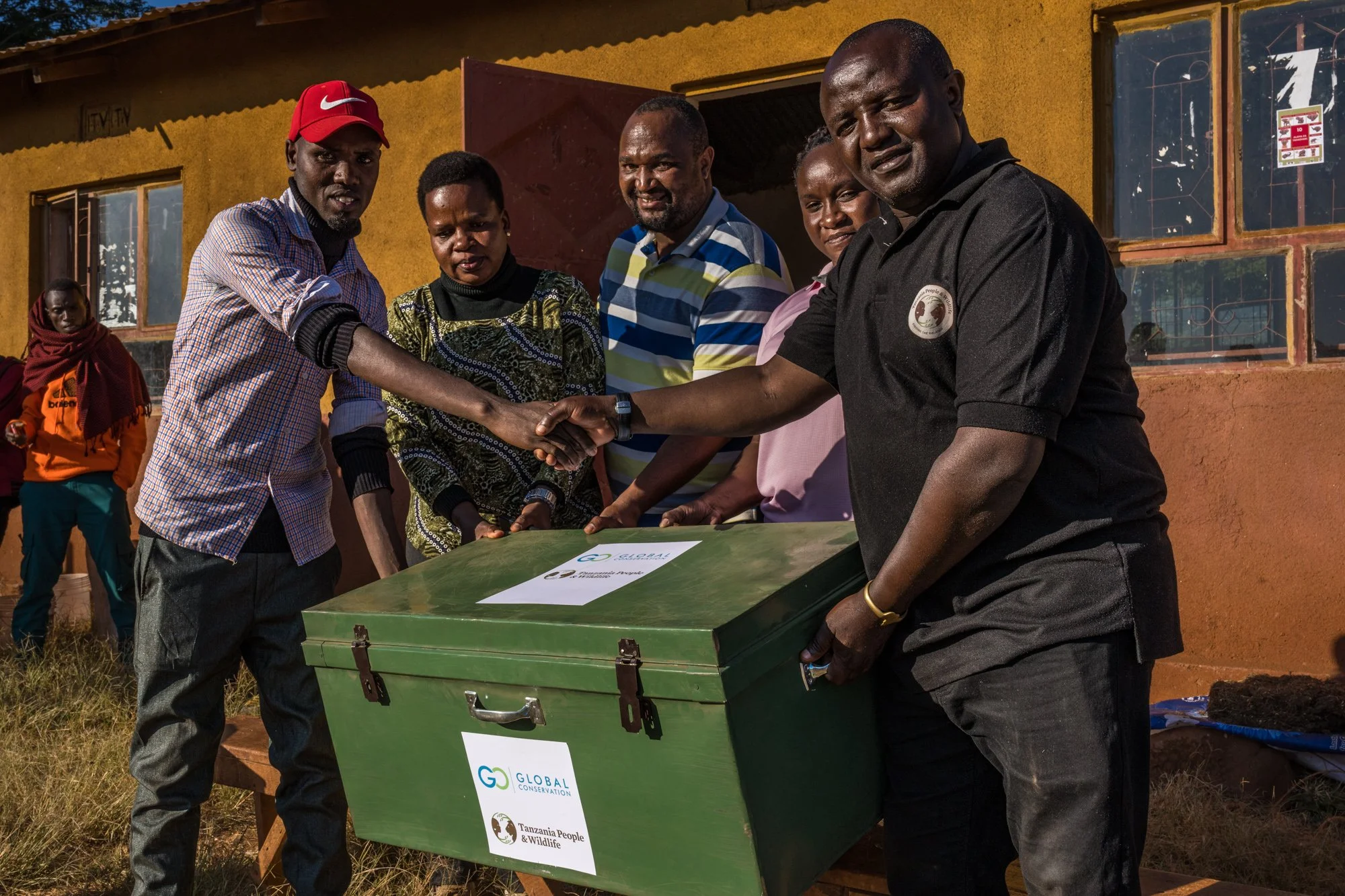
The program's impact also extends beyond direct conflict resolution. Thanks to Global Conservation, a community soccer tournament reached over 120 in-person participants and thousands over local radio, combining a love of sports, lessons about elephant coexistence, and a celebration of community pride.
Measurable Progress Through Data
The numbers reflect the effectiveness of these combined initiatives. Despite maintaining consistent elephant populations in the area, crop-raiding incidents during peak conflict months showed a remarkable 52% decrease compared to 2023. Response times now average just 30 minutes—a critical improvement that minimizes damage and reduces risk to both wildlife and communities. The systematic recording of over 3,200 elephant observations throughout the year has created a valuable database that informs strategy refinement and helps predict potential conflict zones.
Expanding Impact

Global Conservation, African People & Wildlife, and the Ngorongoro Conservation Area Authority, all pictured here, worked within the Ngorongoro Crater Area itself to conduct ecological studies.
Building on these successes, GC’s support for an upcoming Conservation Technology Center (CTC) marks another milestone in APW’s commitment to data-driven conservation solutions. While final renovations at NCAA headquarters are underway, state-of-the-art monitoring equipment stands ready to enhance our understanding of elephant movement patterns and community interaction zones.
The success of programs in Ngorongoro is now shaping conservation strategies in other critical landscapes. In the Lake Natron area, 20 newly trained HEC Officers are putting these proven approaches into action with help from APW, demonstrating how targeted interventions can create ripples of change across ecosystems. APW is planning to increase HEC monitoring and mitigation efforts into the Mkomazi-Tsavo corridor, which is further to the east. This will help people and wildlife live together more comfortably in yet another important area.
Reflecting on 2024 and 2025, our partnership with African People & Wildlife has driven meaningful innovations in wildlife protection and community resilience. The impact of GC’s support now stretches far beyond Ngorongoro, helping scale conservation solutions across Tanzania. As we look ahead, the lessons learned and successes achieved here are a blueprint for balancing the needs of wildlife and rural communities—an approach that is more critical than ever in today’s conservation landscape.
KopeLion

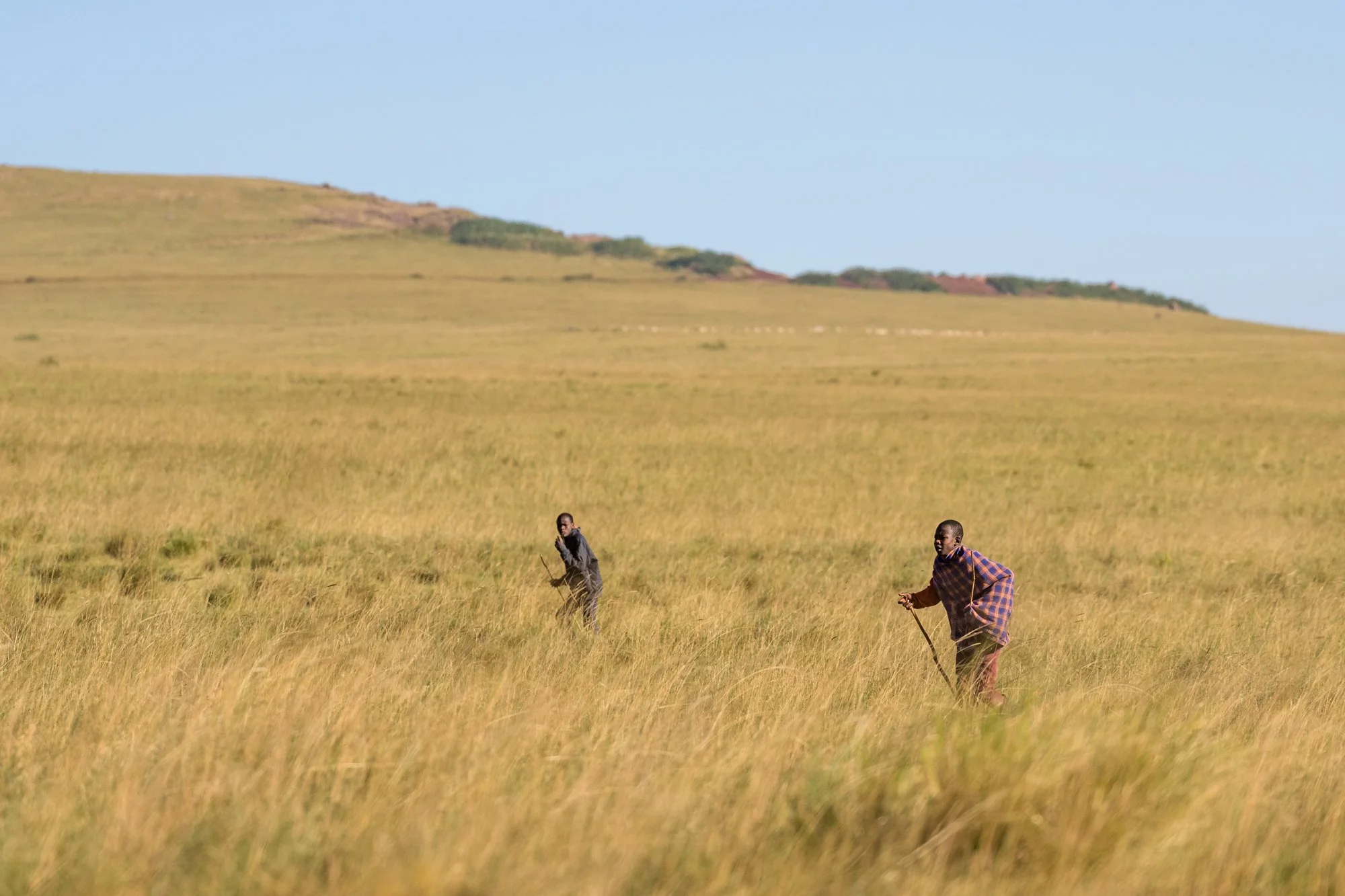
Masai children share the landscape with lions, leopards, and hyenas and are fully expected to defend their cattle.
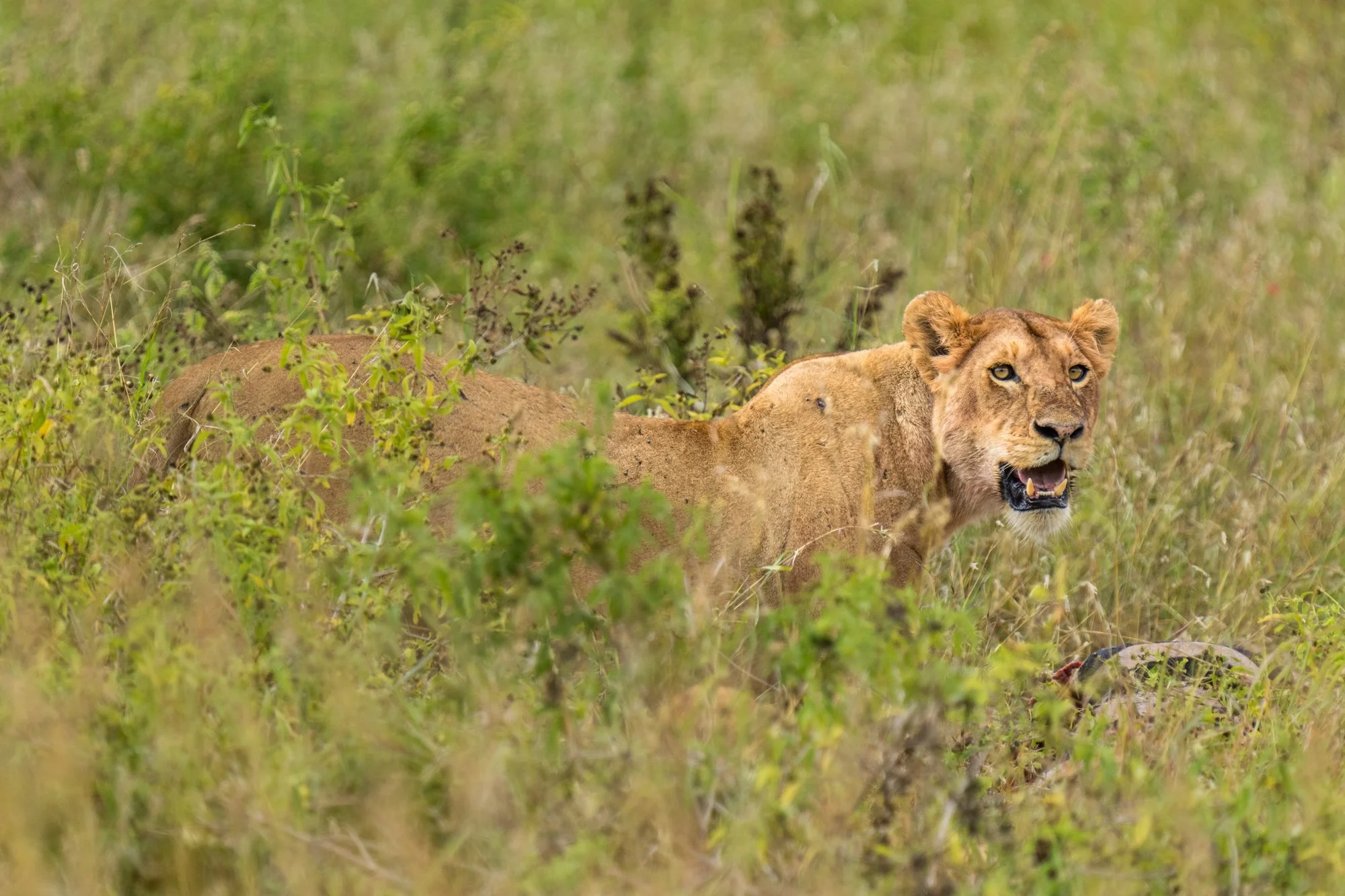
Top predators, like this African lion, are actually wary of humans and do not go looking for trouble regularly.
Strategic Framework
In a world of diminishing space, lions’ future is increasingly tied to shared landscapes. Ngorongoro, a unique protected area in the Greater Serengeti ecosystem, serves as a significant site for studying and developing a sustainable coexistence model, which ultimately ensures metapopulation connectivity. Working together with long-standing culture and traditions in challenging landscapes, KopeLion bases its efforts on three areas of action: to cut costs, realize the value, and apply the knowledge.
Global Conservation provides support across all strategic themes by funding the essential core costs of the project.
Reducing Human-Lion Conflict
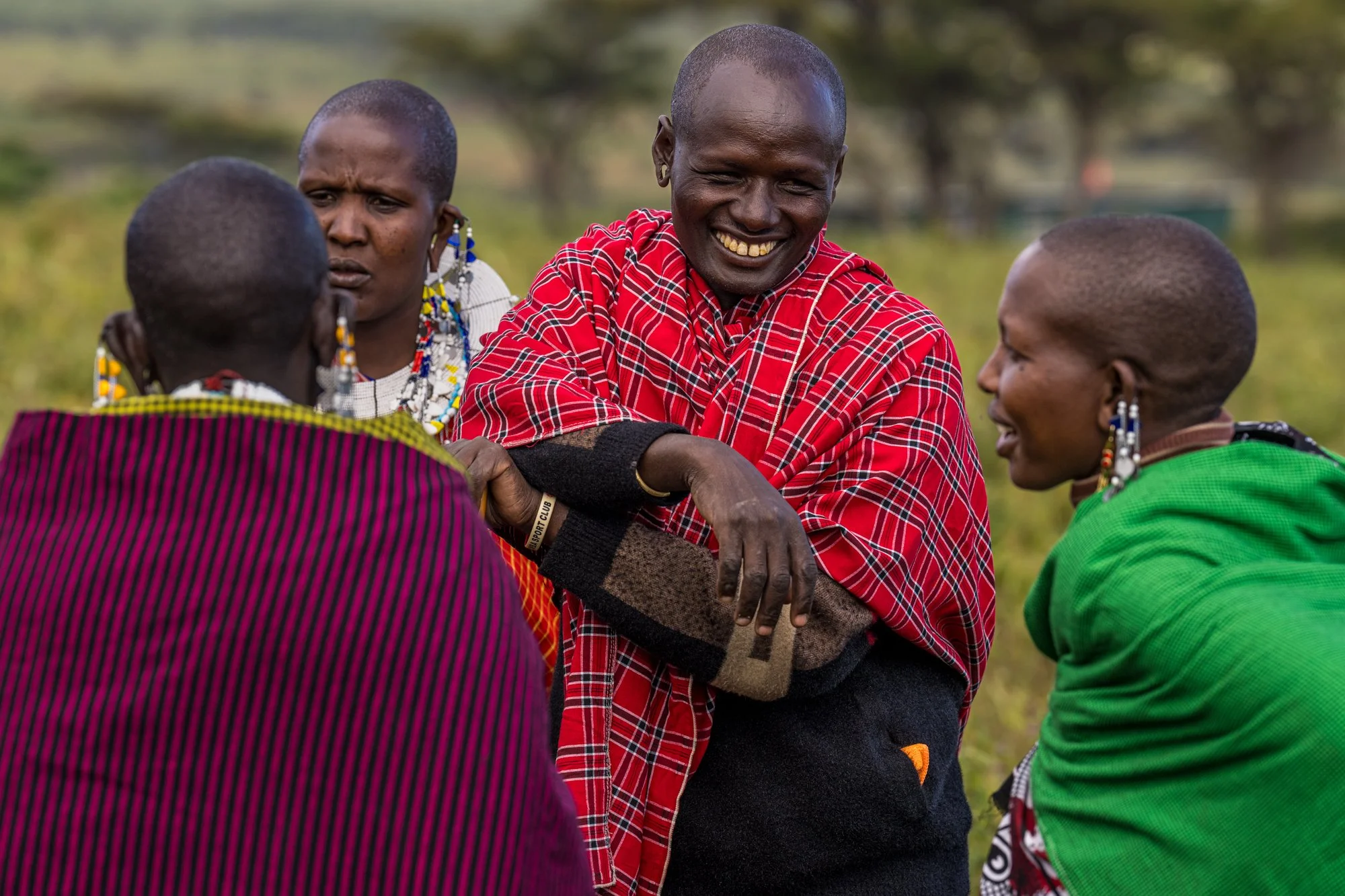
The lchokuti talk to the community about reducing conflicts with lions.
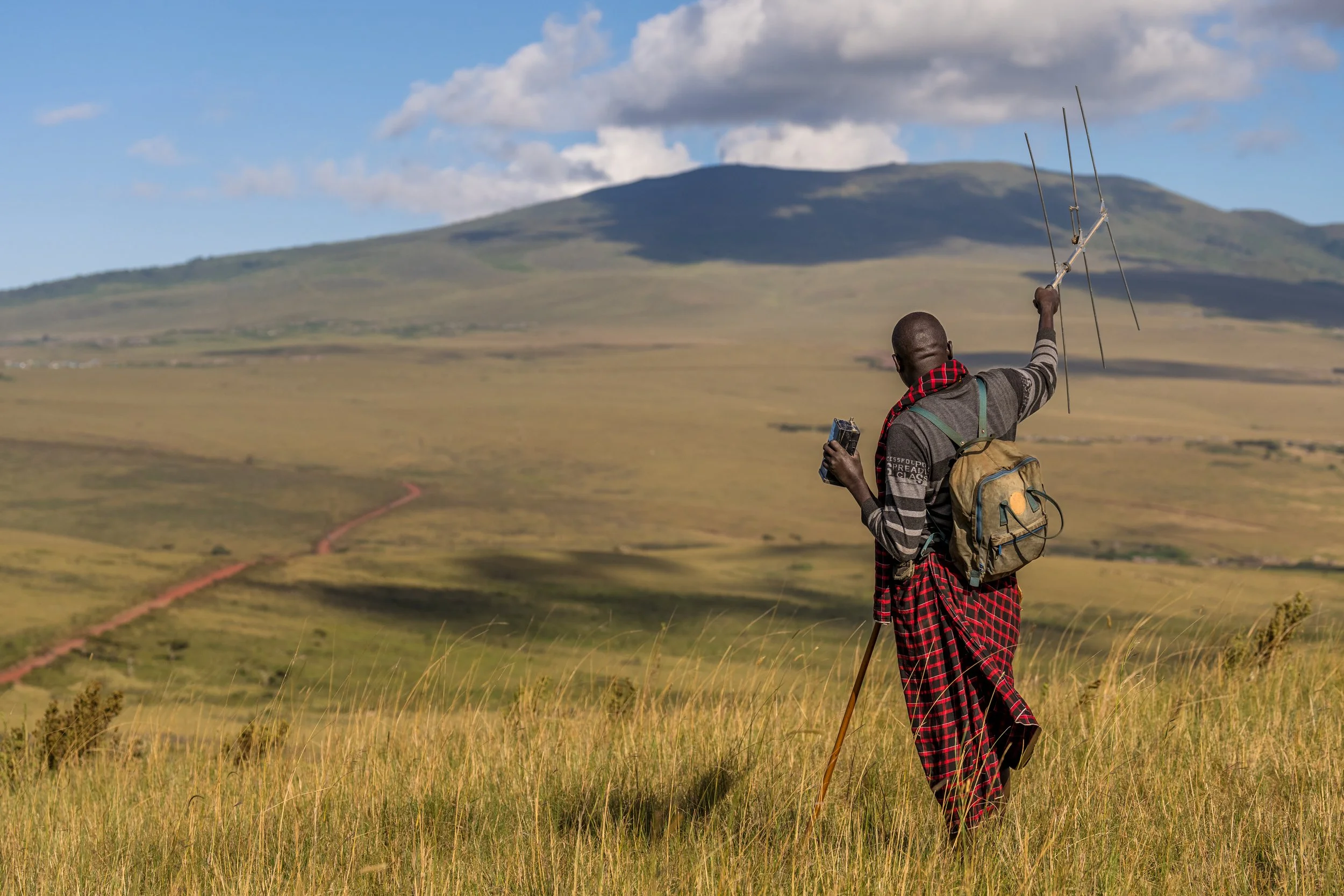
One of the Ilchokuti uses radiotelemetry to track the whereabouts of the closest GPS collared lions.
The Ilchokuti Program, central to KopeLion, helps people in Ngorongoro live with lions. Their 30 Ilchokuti on the ground play a critical role in reducing human-lion conflict by warning herders and the community about collared lions in pastures and near settlements. By tracking collared lions daily, Ilchokuti help keep people, livestock, and lions safe.
Furthermore, Ilchokuti have treated many injured livestock, most of which recovered. Their communities appreciate this support, which boosts their tolerance for lions that attack their livestock. Ilchokuti also help find and return lost livestock and reinforce weak bomas that are vulnerable to lion attacks at night.

Ilchokuti Support in 2024-25
No. of bomas reinforced - 79
No. of animals treated for predator wounds - 529
No. of livestock found when lost - 1165 (99% found)
Value of livestock found - $113,695
Number of lion observations by Ilchokuti - 692
Conservation Incentive Payment Program
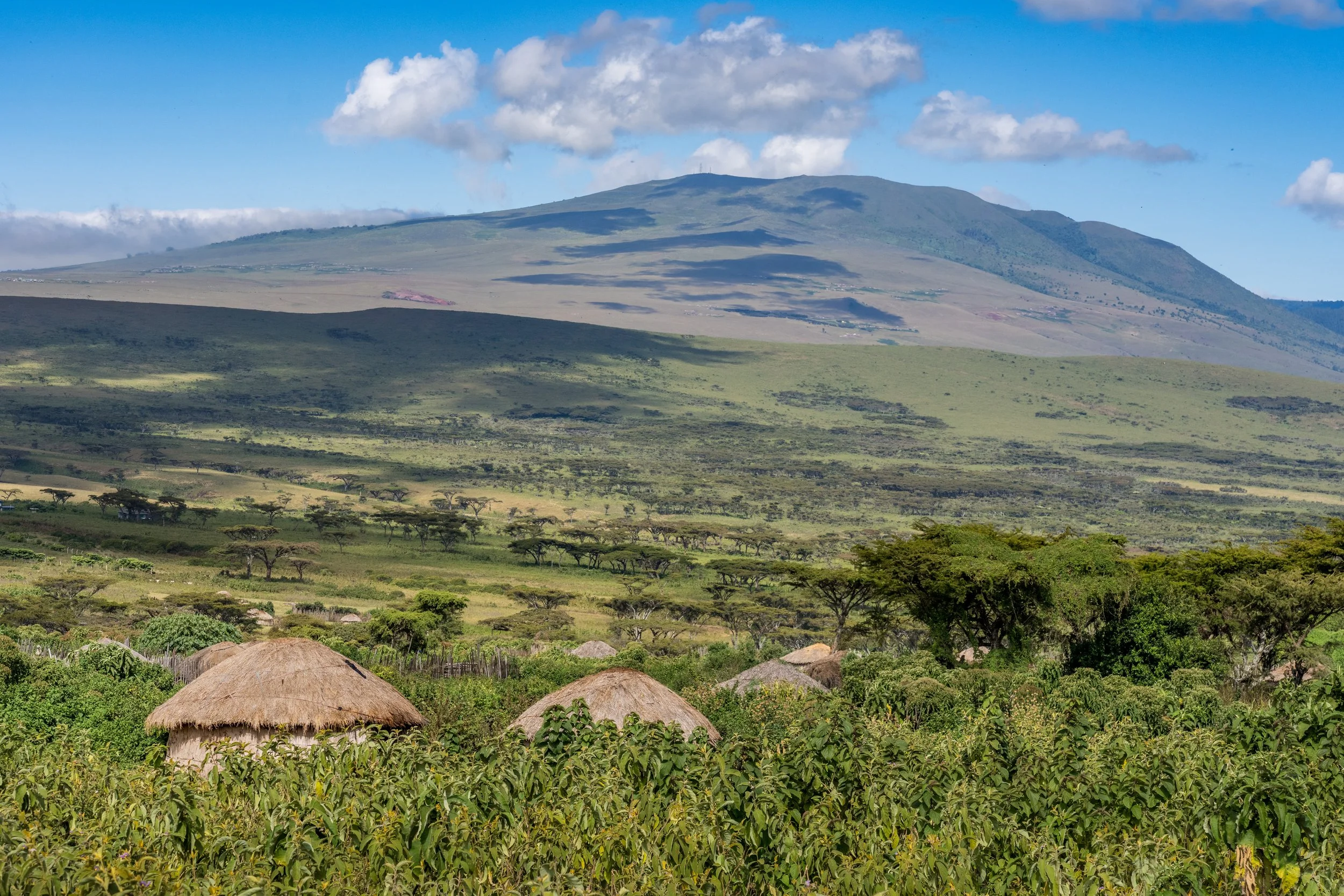
In 2023, KopeLion finalized their Conservation Incentive Payment trial program by conducting a household survey, and in 2024, they took a final step by holding a large stakeholder workshop to present the survey's findings. The workshop involved a wide range of important stakeholders in conservation, including community members from the NCAA Tour operators, and representatives from government organizations.
The findings from the household survey indicate that people are generally more tolerant of lions when they receive tangible benefits from them. It was also a chance to insist on a call to action for the government and other stakeholders to take lessons from the trial and use this model in NCA and other areas with potential human and wildlife conflicts.
Education Project
KopeLion successfully launched their education project in 2024 by establishing clubs in eight primary schools throughout the Ngorongoro Conservation Area, training the teachers who will oversee these clubs, and creating a year's worth of lesson plans to instruct students in clubs about conservation and coexistence-related issues.
Boma Construction Scheme
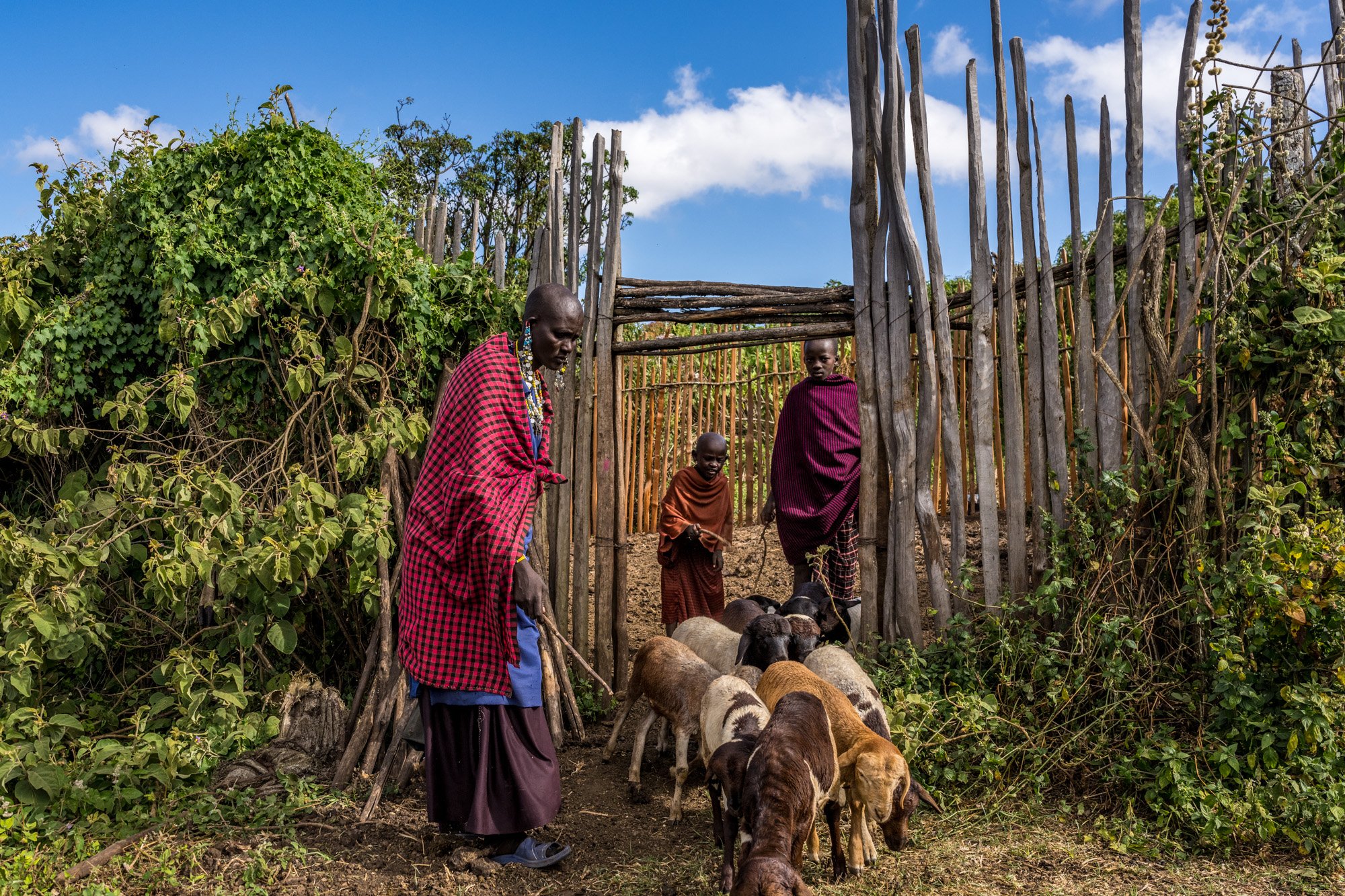

As part of KopeLion’s initiative to reduce attacks at the homestead level, KP’s team has managed to construct five fortified bomas in areas with high levels of conflict. They’ve established a monthly monitoring plan to visit and collect information about attacks as a way to measure the impact of constructing predator-proof bomas.




Packed with highlights of conservation successes from around the world at our project sites, this report features the effectiveness that the Global Park Defense and Community Engagement programs have for protecting culturally rich and highly biodiverse natural ecosystems in the most threatened parts of our world—land or sea.