Komodo National Park, Indonesia
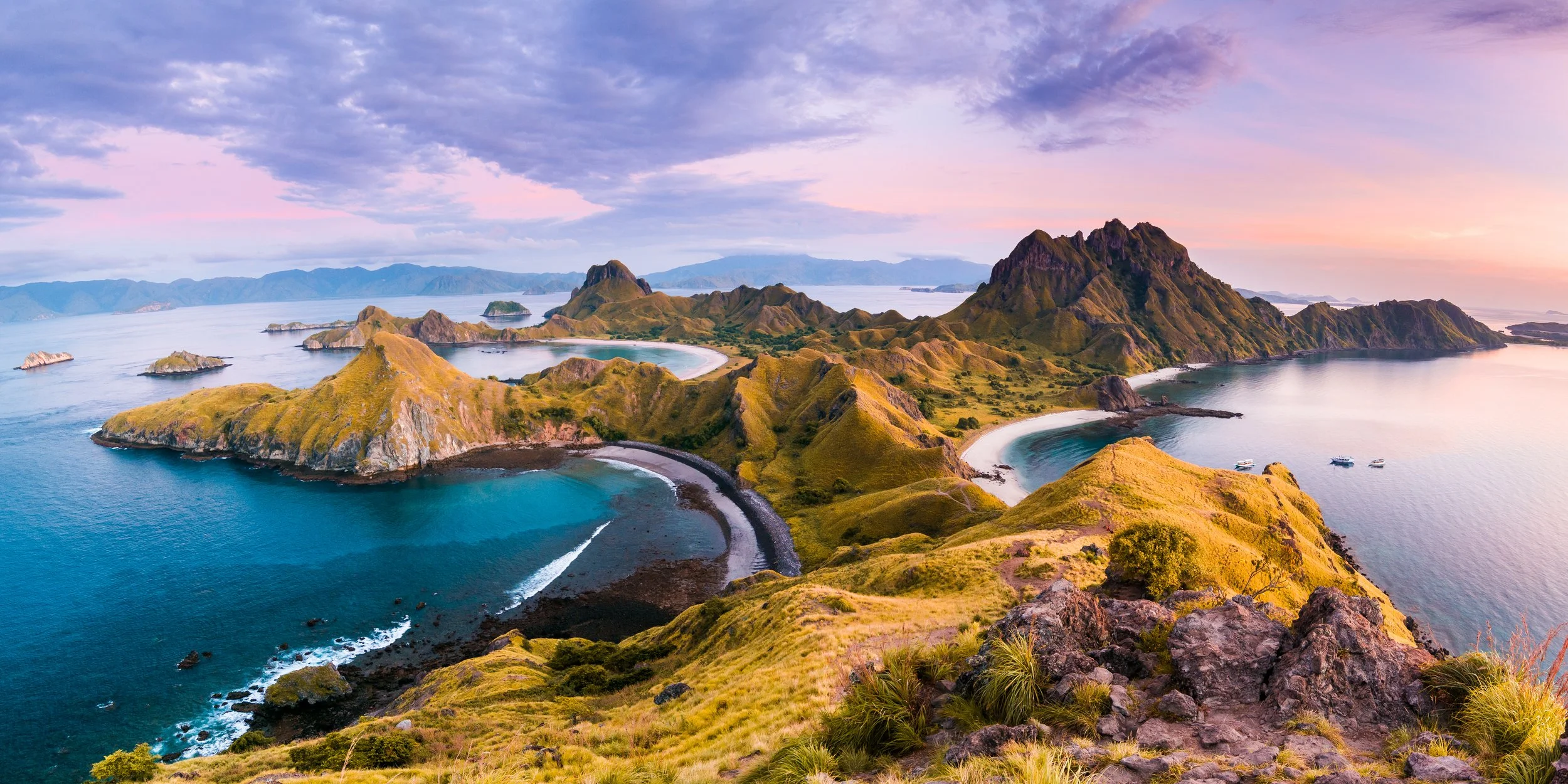
Komodo Island, home to incredible marine life as well as the infamous komodo dragons.
Overview
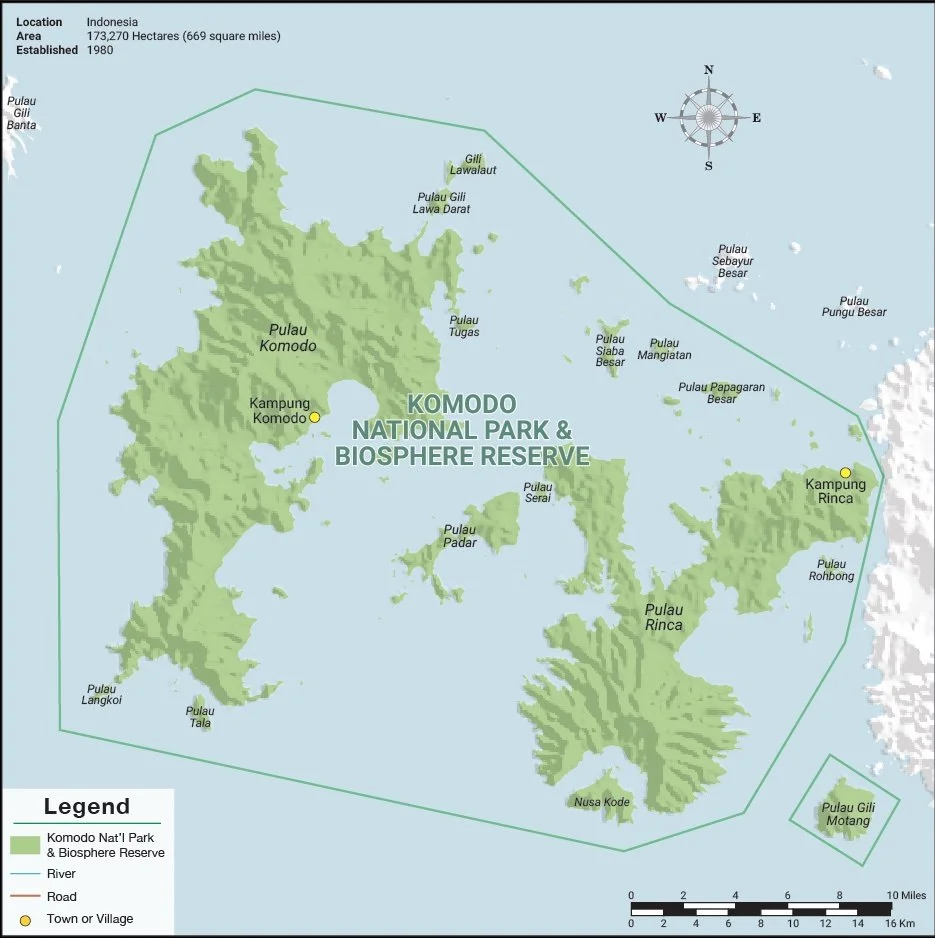
Established in 1980 in order to protect the largest lizard on the planet, and nestled in the heart of Indonesia’s archipelago, lie the volcanic islands of Komodo National Park (KNP). Rolling green hills, dry savannas, and white and pink sand beaches make up the park’s three large islands (Komodo, Padar, and Rinca) and a legion of other smaller islands, surrounded by clear blue water.
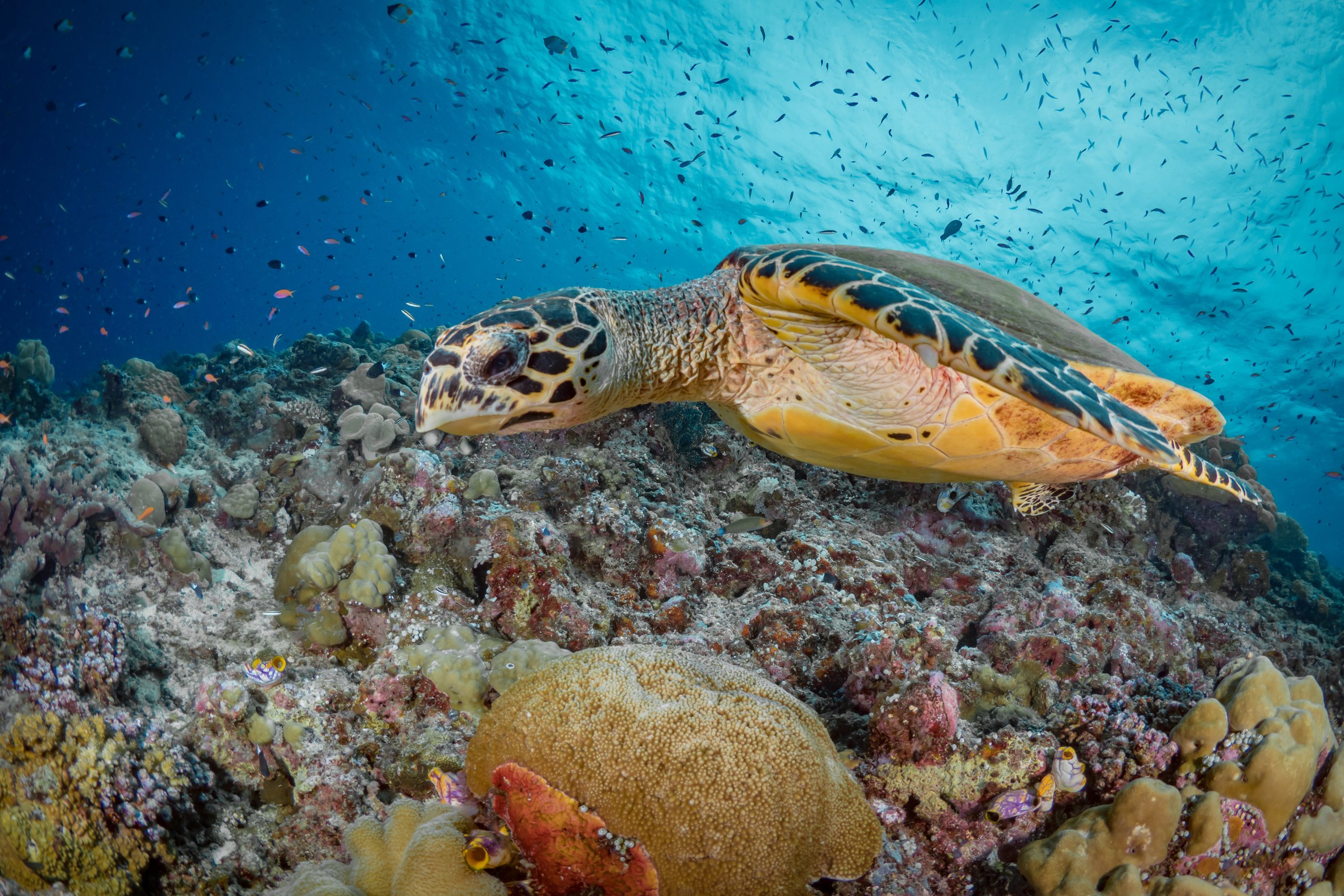
Under the ocean’s surface, manta rays, whale sharks, and over a thousand species of tropical fish thrive among an abundance of other species of animals and corals. On land, deer and buffalo roam beside the park’s most famous animal: the Komodo dragon. Recently, Global Conservation committed to a new 3-year Global Park Defense program, supporting the Komodo Survival Program, which includes:
Renovation of West Komodo Ranger Station and dormitories for police and law enforcement rotations
Purchase of a Rapid Sea Patrol Vessel to be stationed full-time on the West Coast of Komodo Island
Marine radar deployment on the West coast of Komodo Island to detect illegal vessels, especially at night, for rapid interdiction.
Introduction: A Park for Dragons
It is unsurprising that these lizards are called "dragons." Often weighing more than 300 pounds, these giant lizards can grow up to 10 feet long, run as fast as 12 miles (19 km) per hour, smell blood from almost six miles away, and deliver a powerful bite with venom in their saliva strong enough to kill a human. As the largest, most aggressive animal in the park, they are at the top of the food chain.
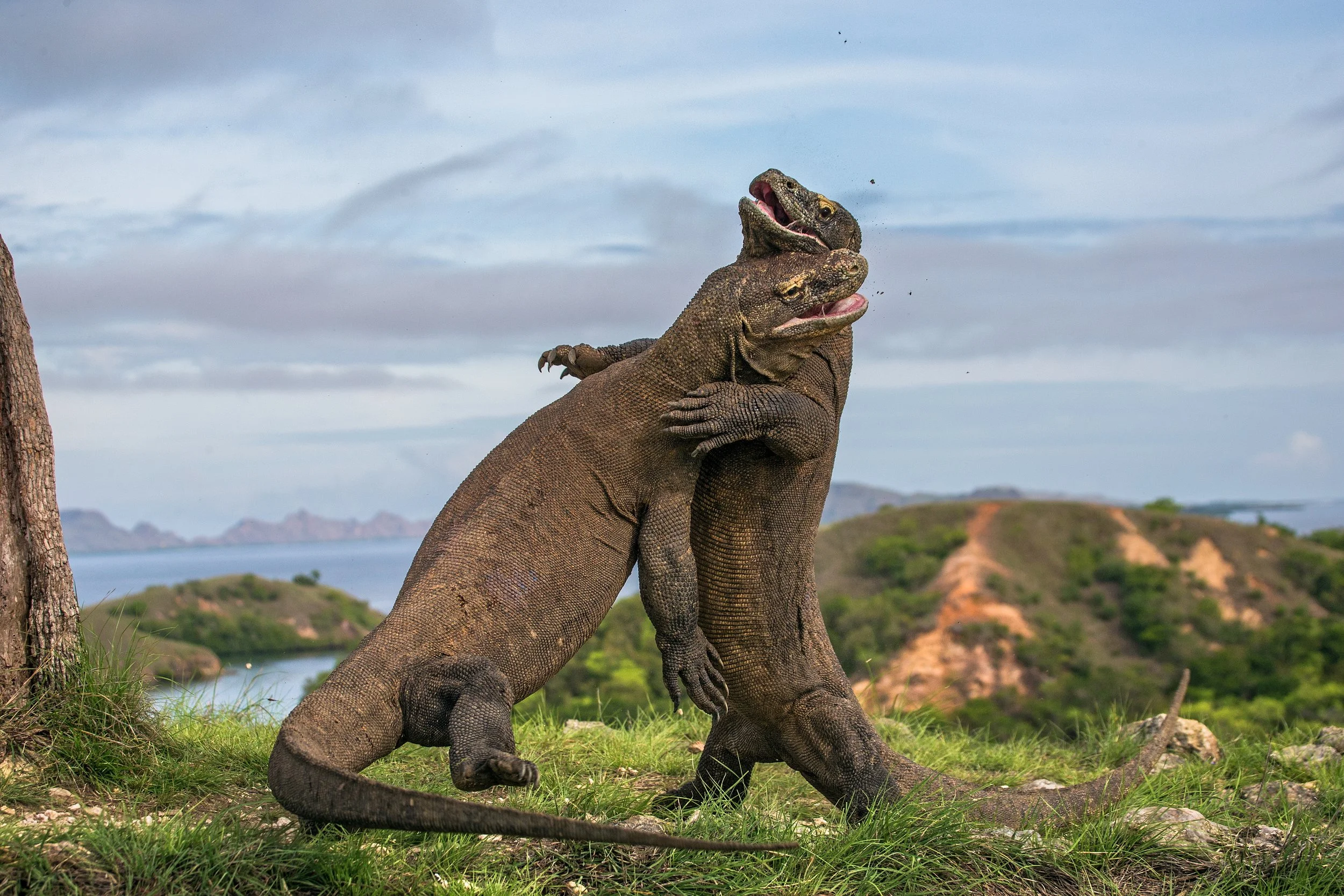
Would you like to learn more about Komodo Dragons?
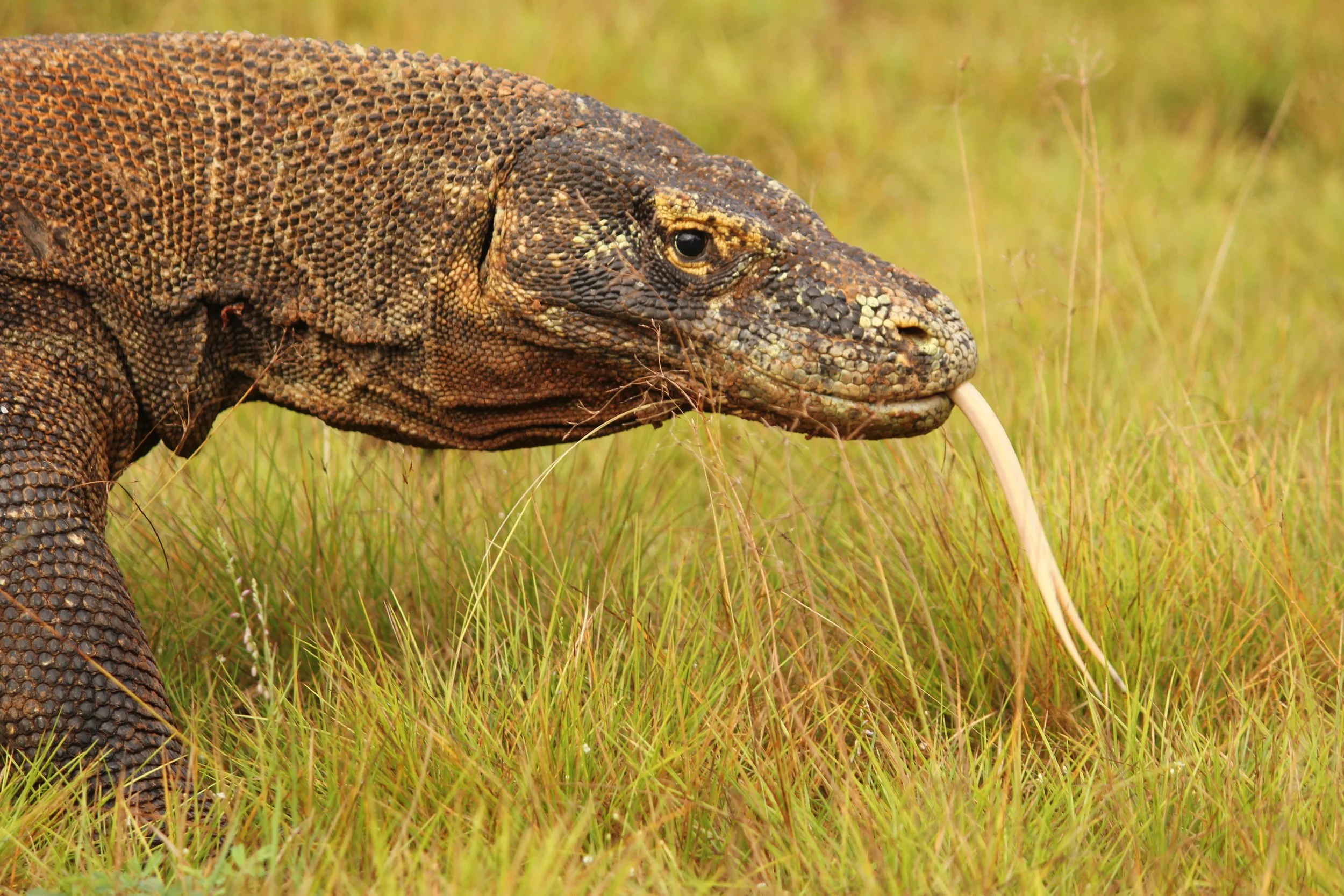
While they eat a wide variety of animals, ranging from rats to adult buffalo, their numbers have declined. There are now fewer than 3,500 dragons left in the park due to human-caused habitat loss, illegal hunting, and climate change. Consequently, they are classified as Endangered on the IUCN’s Red List.
KNP was initially established to protect the Komodo dragon and its remaining habitat in 1980. In 1991, due to the park’s dedication to protecting its land and marine life, it was officially designated a UNESCO World Heritage Site.
The beauty and impressive biodiversity above and beneath its oceans' surface make the park an ideal destination for the tourism industry, which thrives there. While prosperous for the local community's economy, tourism can be detrimental to the environment. Visitors bring in the funds that over 3,200 people living in the park and over 16,800 others living in the surrounding areas need to survive. However, because the only way to travel within the park is by foot or by boat, the more people exploring the islands, the more pollution from boats and the more foreign substances from visitors' shoes.

The large size and mountainous terrain of Komodo NP make patrolling a challenge for the dedicated rangers.
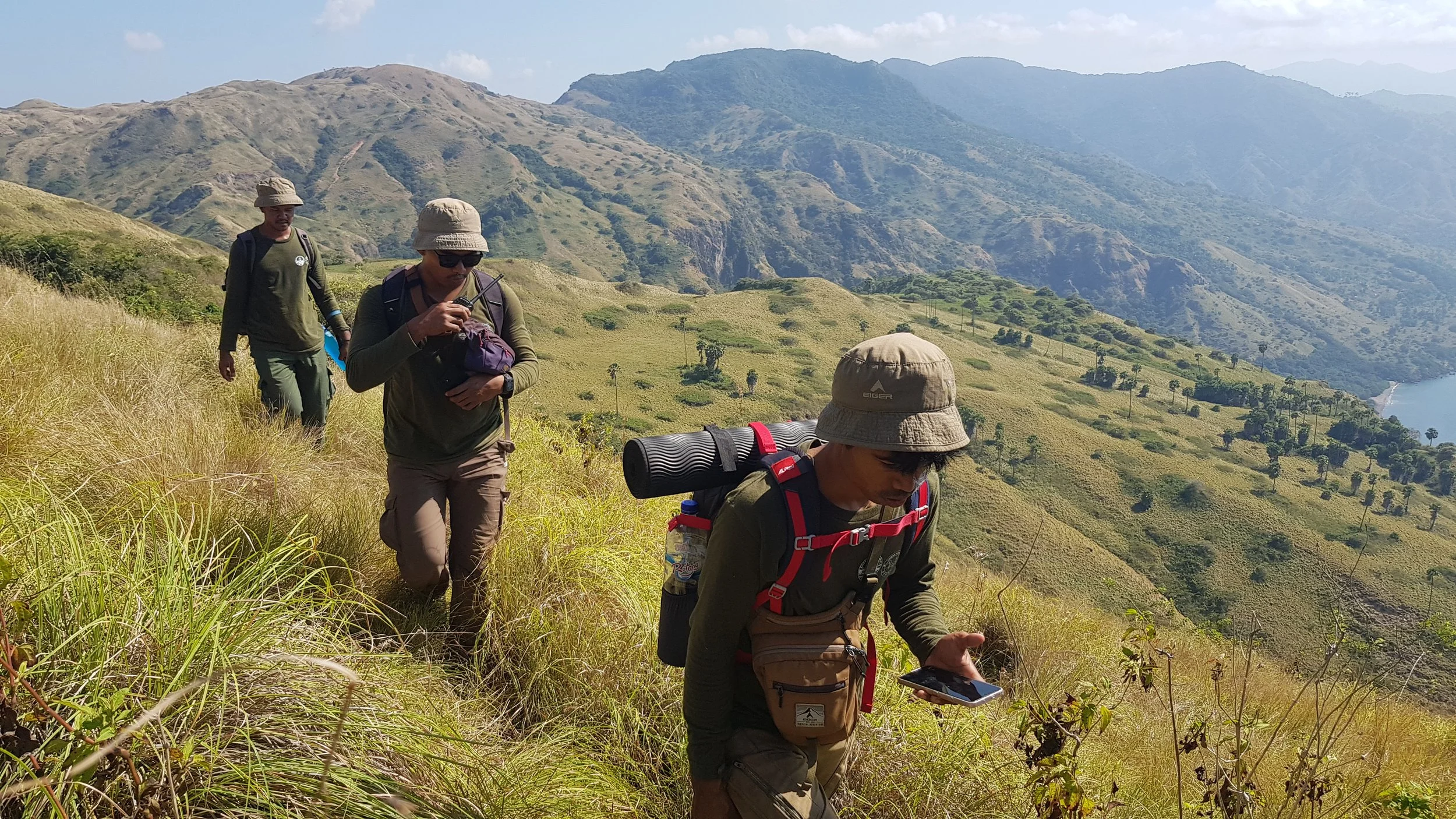
Global Conservation provides SMART technology, radar, drones, and stationary cameras to ensure the capture or expulsion of poachers.
Given the sheer size of the park, one of the main issues preventing effective protection is a lack of monitoring and reporting. Without access to the technology necessary to thoroughly survey the land, there is no way to ensure that conservation guidelines are being upheld and that there are no illegal actions taking place in the park. It also means that, even when human-caused impacts are discovered, there is often a lack of accountability for actions that intentionally or unintentionally impact the environment in illegal or negative ways.
Despite efforts to protect the park and all life that relies on it, KNP has been and still is under threat of further human impact.
Threats

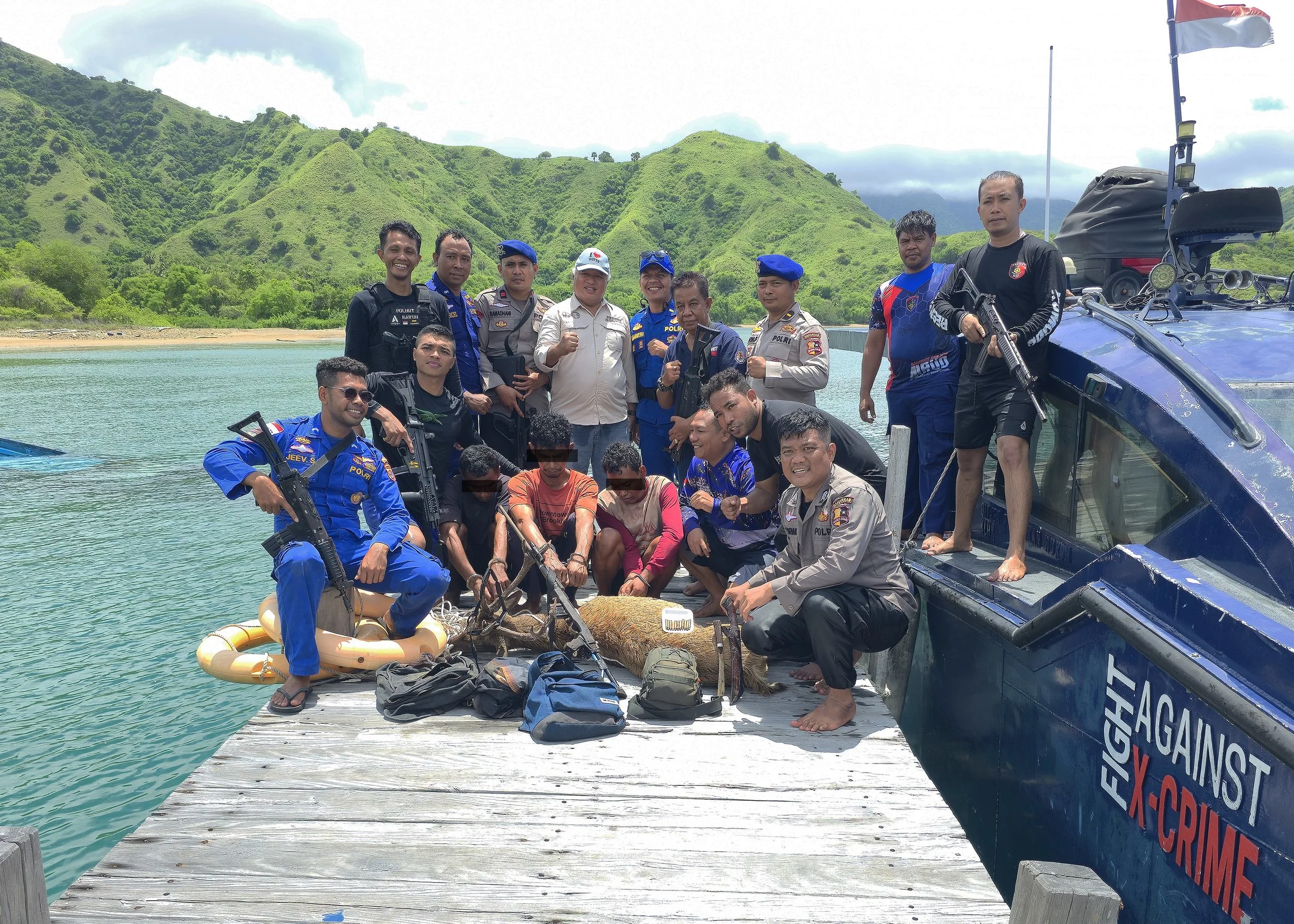
Historically, people on Flores Island have burned Komodo dragon habitat to clear the land for other uses, and poachers have targeted the dragons and their prey. The dragons’ prey primarily are Timor deer and Asian water buffalo, however, the deer seem to be primarily affected due to being much smaller than water buffalo and, therefore, easier to transport.
Komodo National Park has experienced a significant rise in tourism over the past decade. While ecotourism promises sustainable support for conservation and local livelihoods, uncontrolled mass tourism is becoming a potential threat to the park’s ecosystems and long-term sustainability. The increasing number of tourists—particularly from cruise ships and unregulated tour operators—has led to growing pressures on the park’s terrestrial and, most importantly, marine habitats due to waste and coral reef damage due to non-environmentally friendly anchoring, snorkeling, and diving practices.
Furthermore, tourists feed the dragons and disrupt their mating behavior, causing KNP to consider closing Komodo Island (just one of the islands in KNP) to tourism. Nonetheless, tourism remains an important part of sustainable conservation financing for KNP.
Critical Initiatives
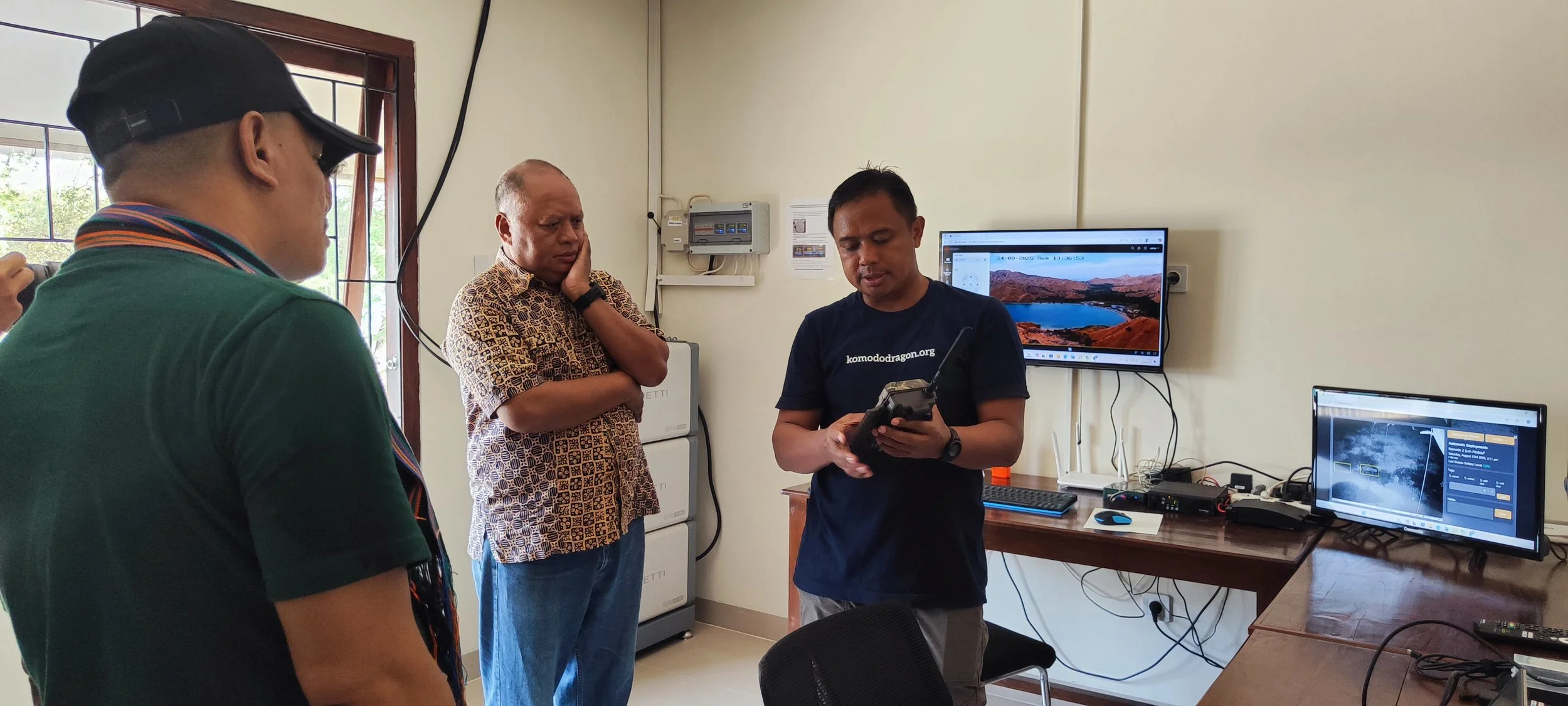
Strengthening Anti-Poaching Enforcement Through Global Park Defense
Analysis of data collected through SMART Patrols and surveillance systems enabled intelligence efforts to be refined and focused on identified poaching hotspots, strengthening coordination with law enforcement authorities. 2025’s activities focus on analyzing poachers’ behavior and movement patterns and establishing a comprehensive, park-wide defense through the development of an integrated, technology-based surveillance system to prevent repeat offenses and strengthen long-term protection.
An effective wildlife protection effort relies not only on advanced technologies but also on skilled personnel that are capable of operating and managing surveillance systems. Rangers are trained through a capacity-building program on surveillance activities to improve the skills, knowledge, and operational efficiency of rangers and other law enforcement officers. This program emphasized practical, hands-on training in various surveillance technologies, including camera traps, CCTV systems, drones, and network and communication operations.
Rangers are already experienced with camera traps for wildlife monitoring and research, but for surveillance purposes, they need to acquire an expanded skill set. This includes not only technical proficiency but also strategic planning and data analysis to achieve effective and targeted surveillance outcomes.
Conservation Action
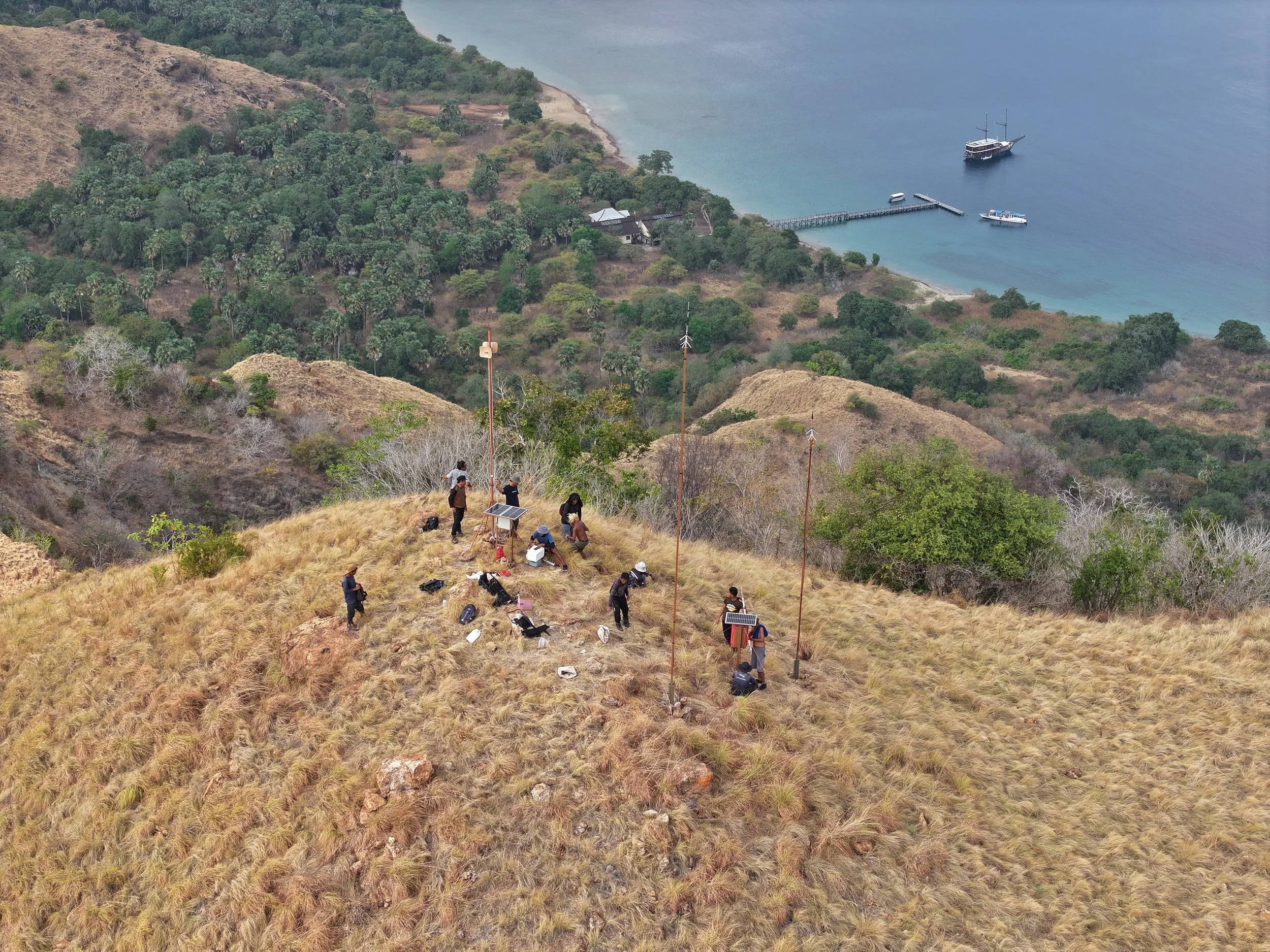
The team installs an internet tower and a radio tower.
In partnership with the Komodo Survival Program (KSP), Global Conservation has funded and supported efforts to provide the technology and resources needed to more effectively protect KNP.
While many of Indonesia’s national parks have been using SMART technology to protect their lands, KNP had not, so implementing relatively user-friendly technology has been Global Conservation’s leading priority.
The 2022-2025 plan that Global Conservation developed in collaboration with KSP involves increasing the frequency of monitoring and patrolling, as well as implementing all of the methodologies being set up during this year's pilot project.
Significant progress has been achieved through substantial investments in infrastructure. Upgraded ranger station and dormitory at Loh Wenci Resort in West Komodo represent a key milestone in the protection effort of the park, particularly on the west coast of Komodo Island. This facility, which is now fully operational, serves as a hub, facilitating improved coordination and efficiency in the ranger deployment across the park.
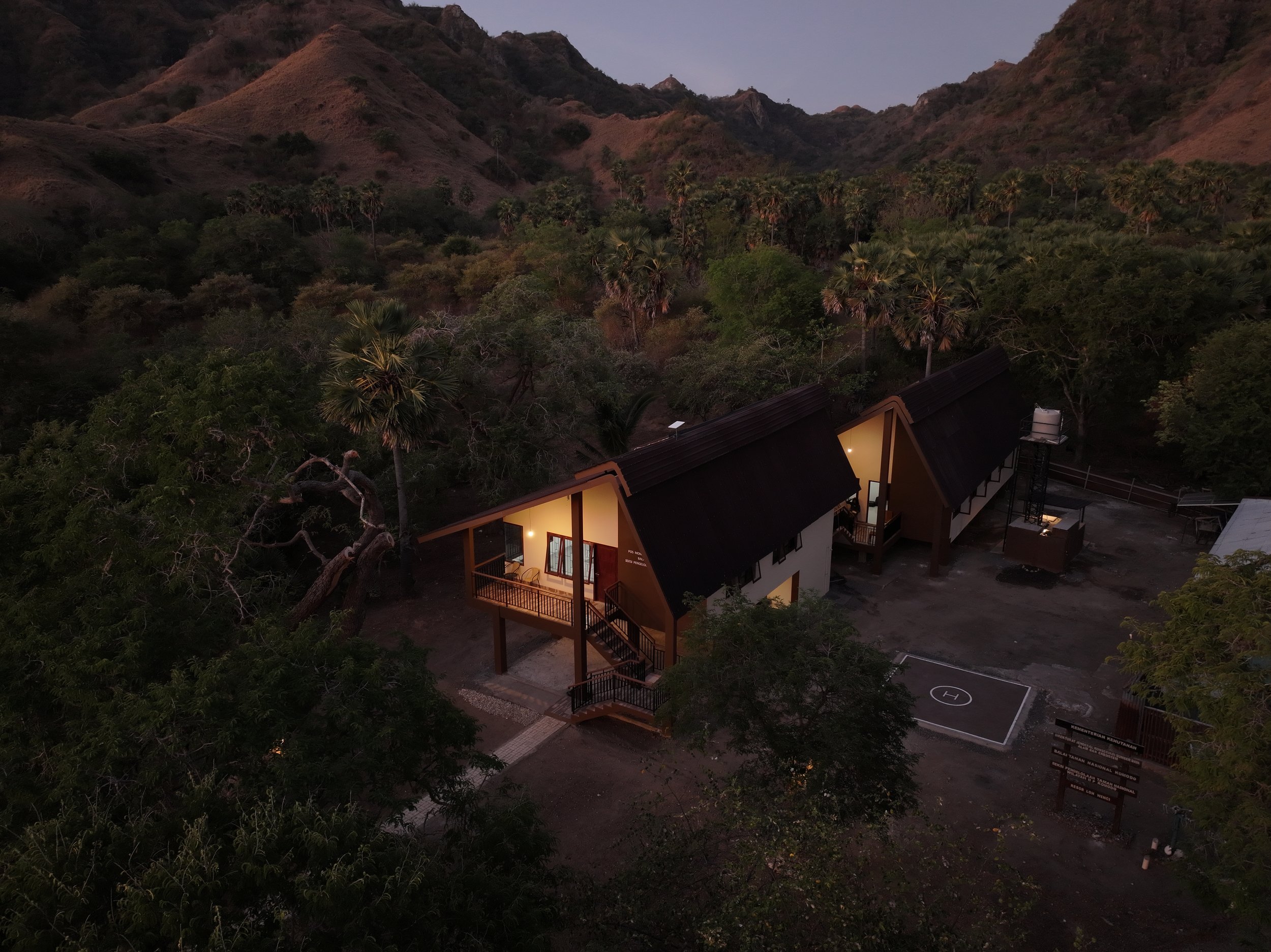
The new Ranger Station and Dormitory at Loh Wenci Ranger Station, West Komodo.
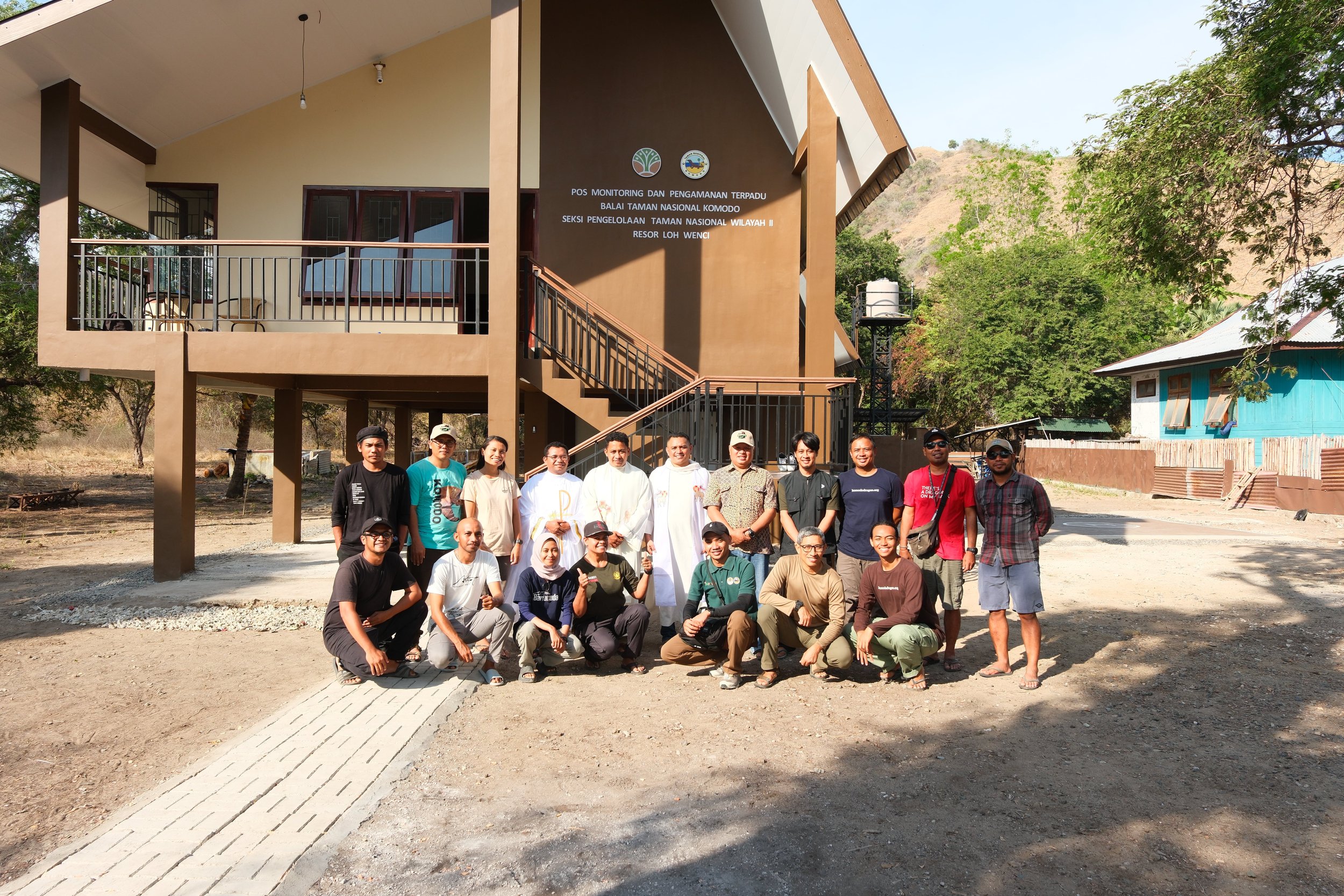
The KSP Team is proud to have a new facility that has already helped stop poaching.
Intensifying Smart Patrol In Komodo National Park
Throughout 2025, Komodo National Park independently intensified SMART Patrol operations, financed through their internal resources. Building on the foundation laid by the initial pilot project supported by GC in 2021, the SMART Patrol has become one of the components of KNP’s conservation strategies. In 2025, the KNP patrol efforts focus on covering previously unpatrolled areas, especially terrestrial areas. The team concentrated on identifying and deterring illegal activities on land while emphasizing marine patrols targeting unauthorized fishing vessels and unregulated tourism boats.
In 2025, the total patrol coverage area has increased compared to the previous year. In the previous year, patrol teams covered an area of 114,000 hectares, while this year's coverage expanded to 125,000 hectares. This number represents an increase of approximately 9.65% growth.
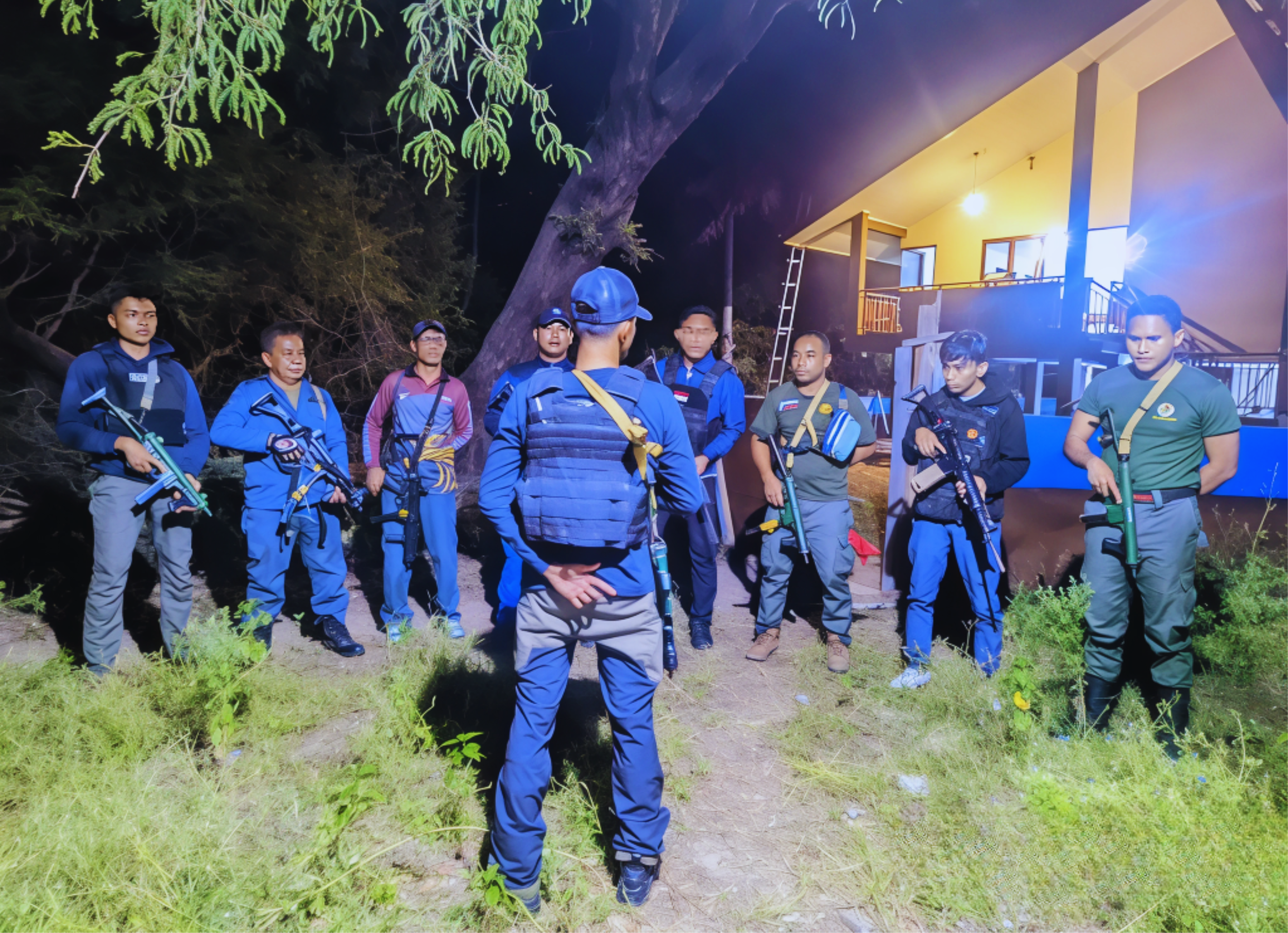
Terrestrial patrol combines with…
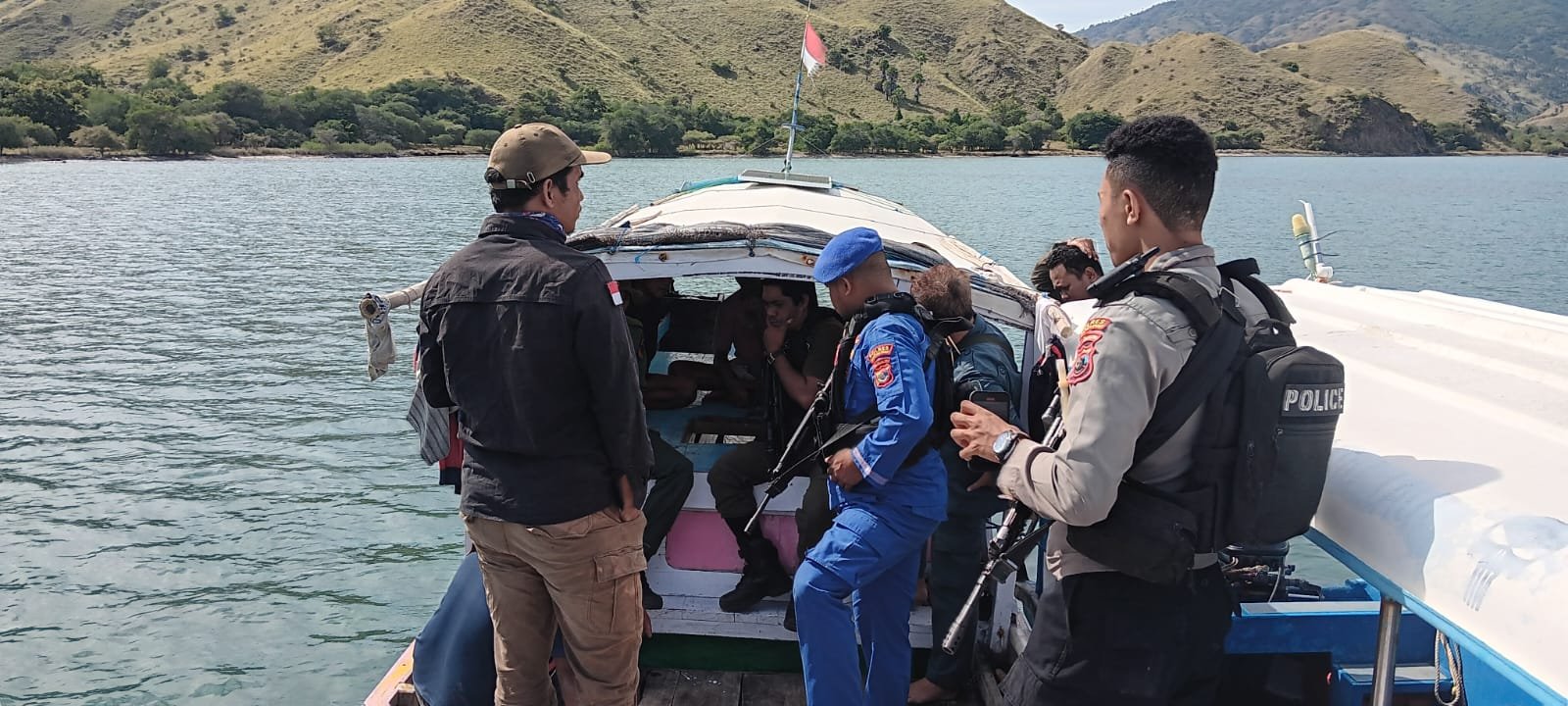
marine patrol, stopping poaching at every entry and exit.
Meanwhile, an integrated surveillance and monitoring system is being implemented to improve situational awareness and response capabilities across the park’s landscape. The establishment of Global Park Defense, which includes advanced surveillance tools such as long-range VTOL drones as well as smaller shorter-distance DJI drones, long-range cameras, CCTV networks, camera traps (both offline and online), and SMART patrol systems, has transformed protection operations within KNP. Furthermore, the installation of a solar-powered energy grid provides a reliable and sustainable power source for remote ranger facilities and surveillance equipment.
These technological and infrastructure improvements have yielded measurable benefits in the protection of KNP. The Global Park Defense has effectively detected and prevented numerous illegal activities, such as wildlife poaching, and secured tourism revenue in the West Coast of Komodo National Park. The availability of real-time data has enabled rangers to shift from reactive patrol to more efficient proactive interdiction and targeted and intelligence-led enforcement actions, thereby enhancing operational effectiveness and deterrence.
The integration of infrastructure improvements, innovative technologies, and improved ranger capacity has significantly delivered measurable impact in biodiversity protection. With continued support from Global Conservation, KNP is now aiming to position itself as a pioneering and innovative model for technology-based adaptive conservation management and effective law enforcement within Indonesia’s protected area network.
Infrastructure Support for Marine Patrolling
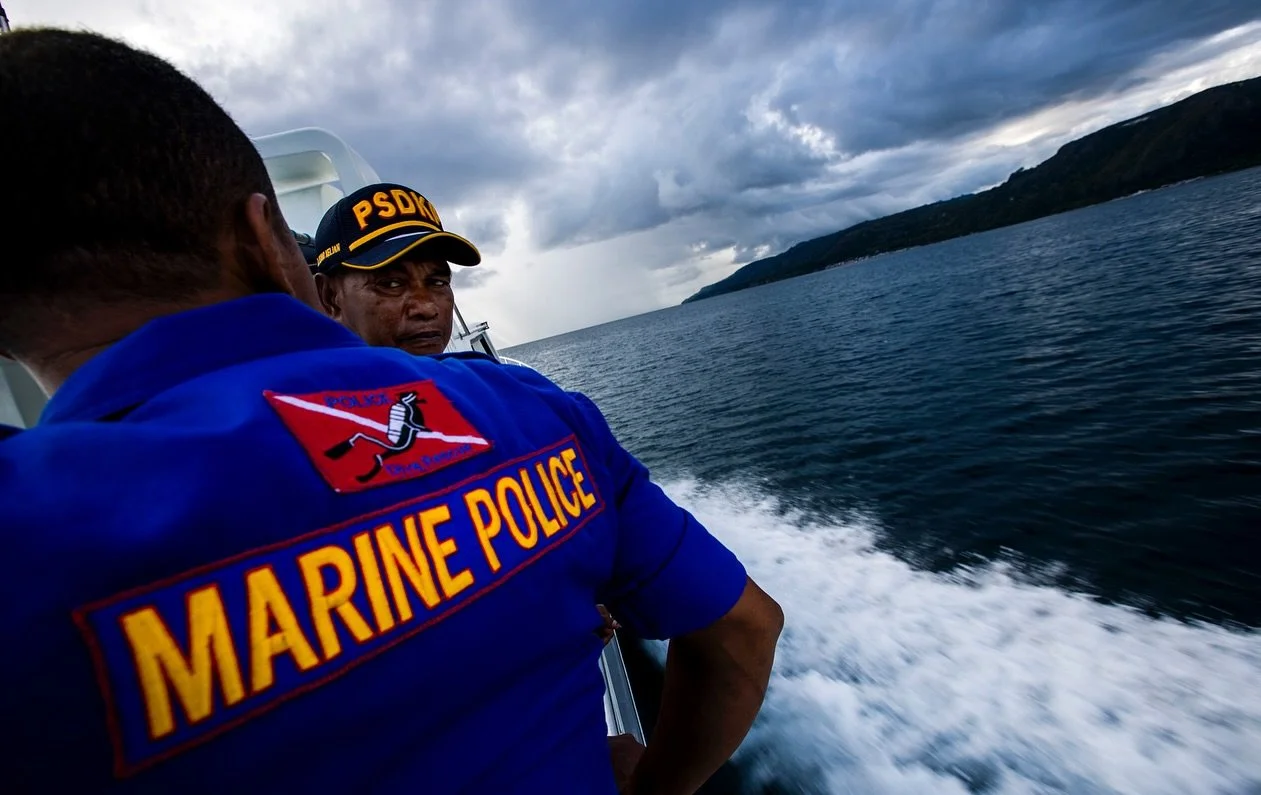
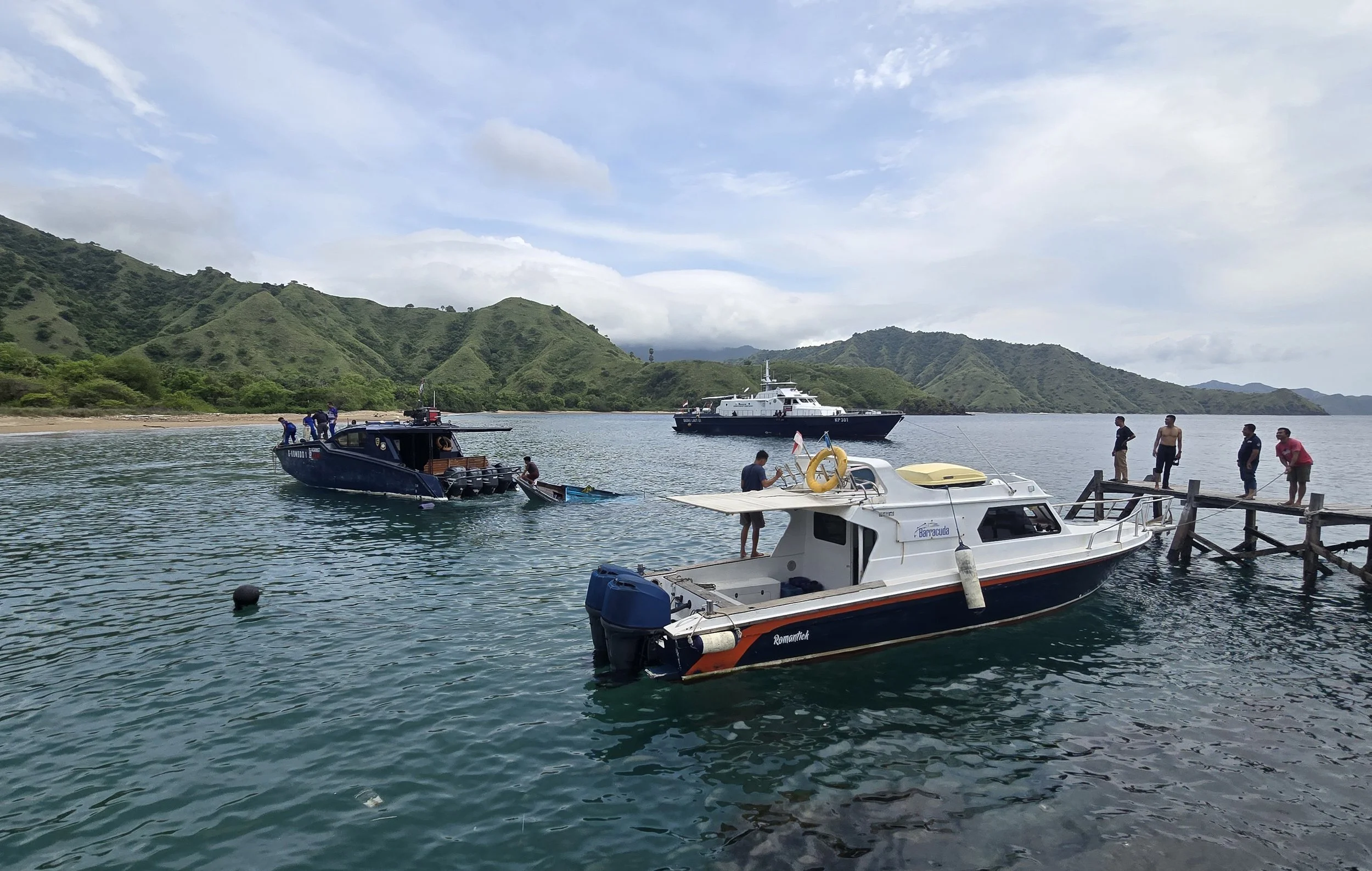
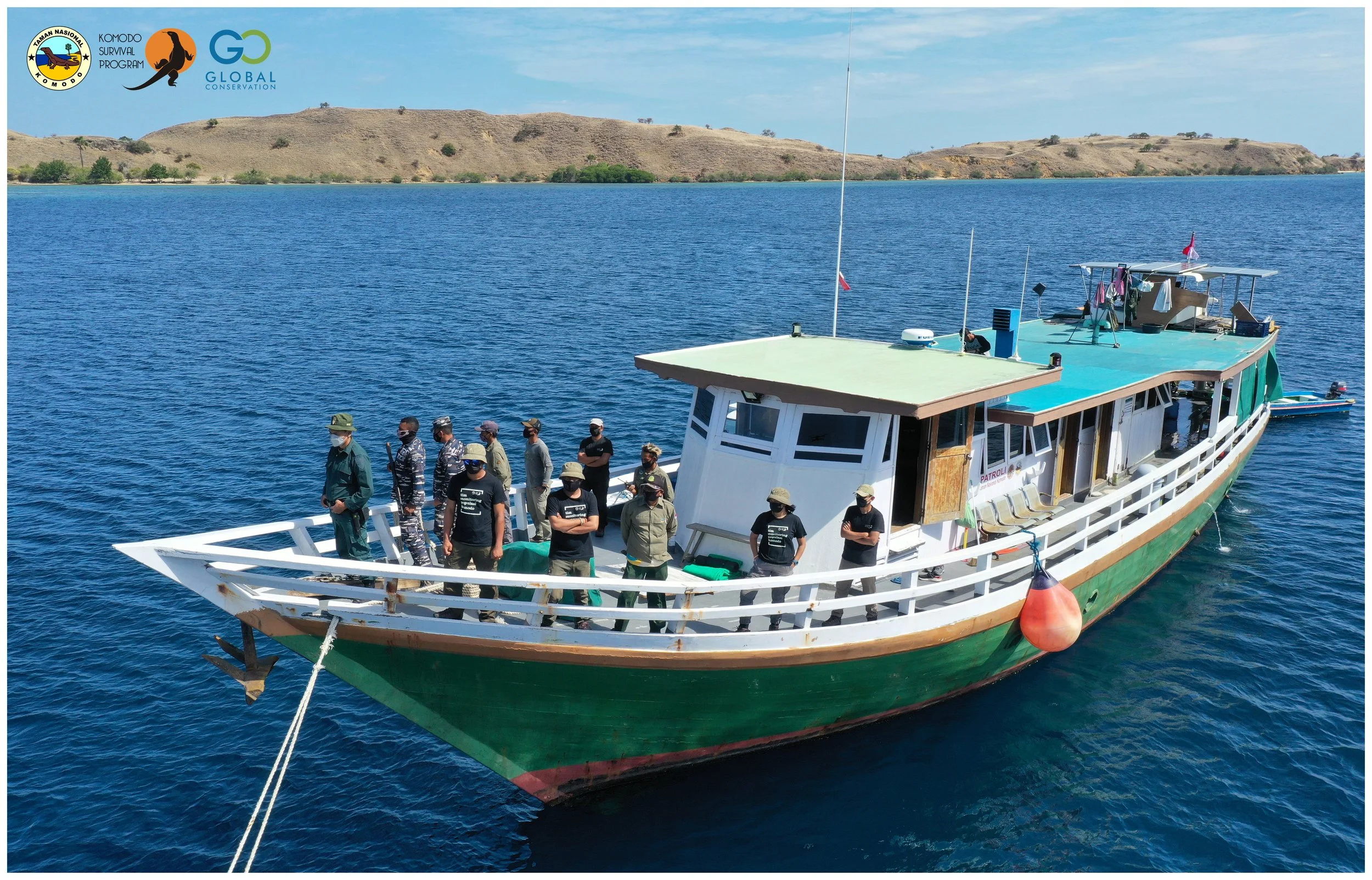
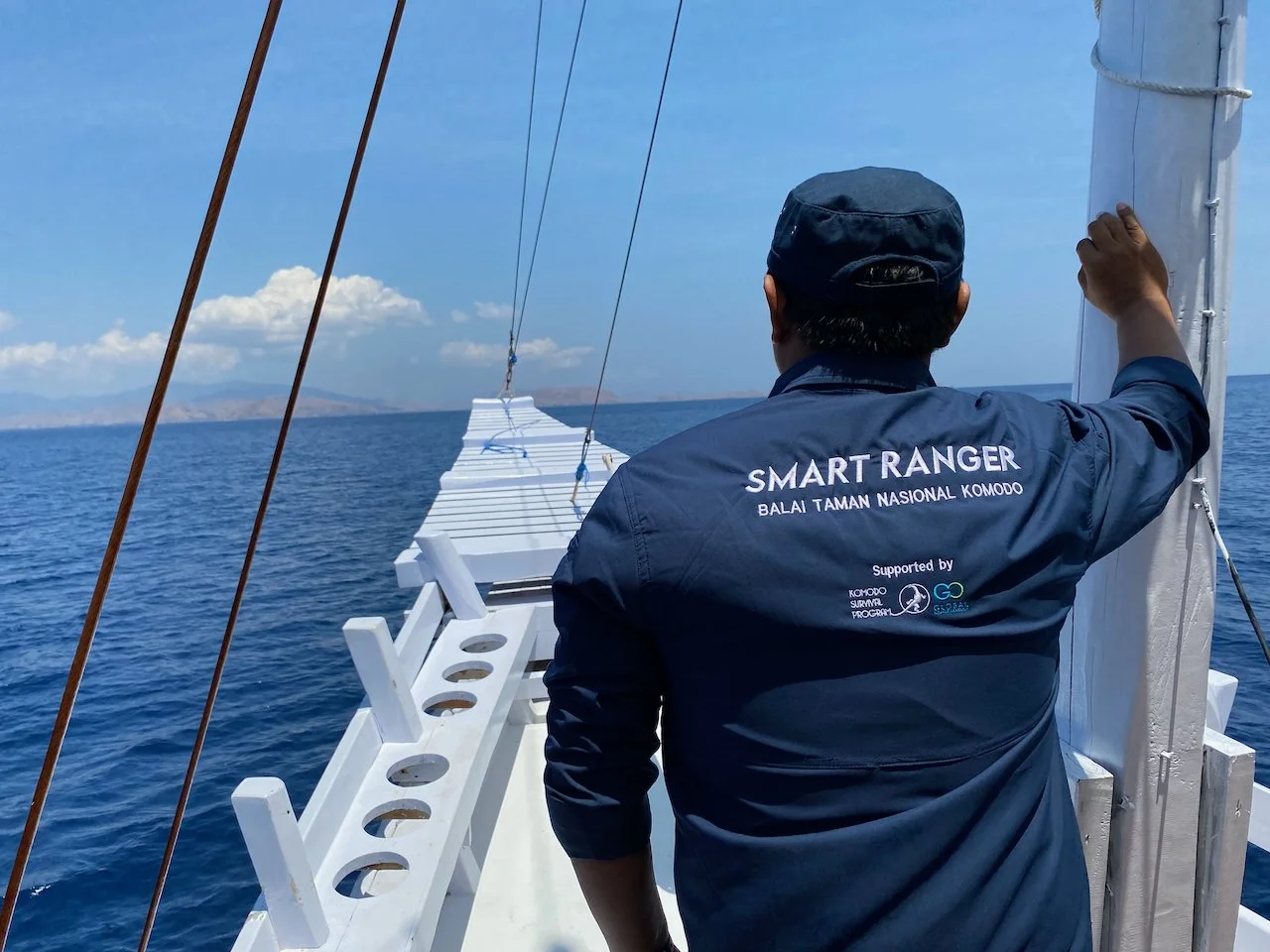
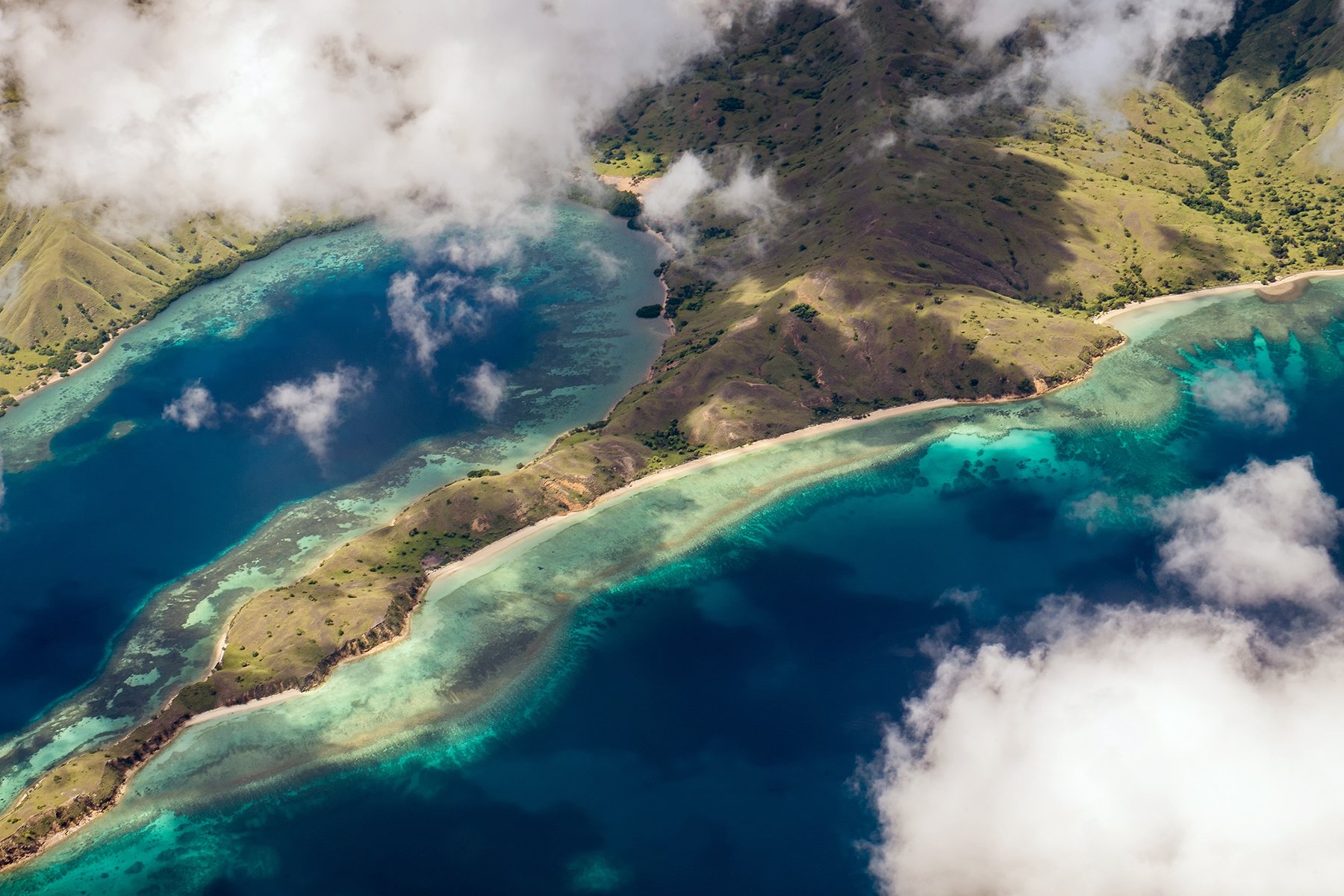
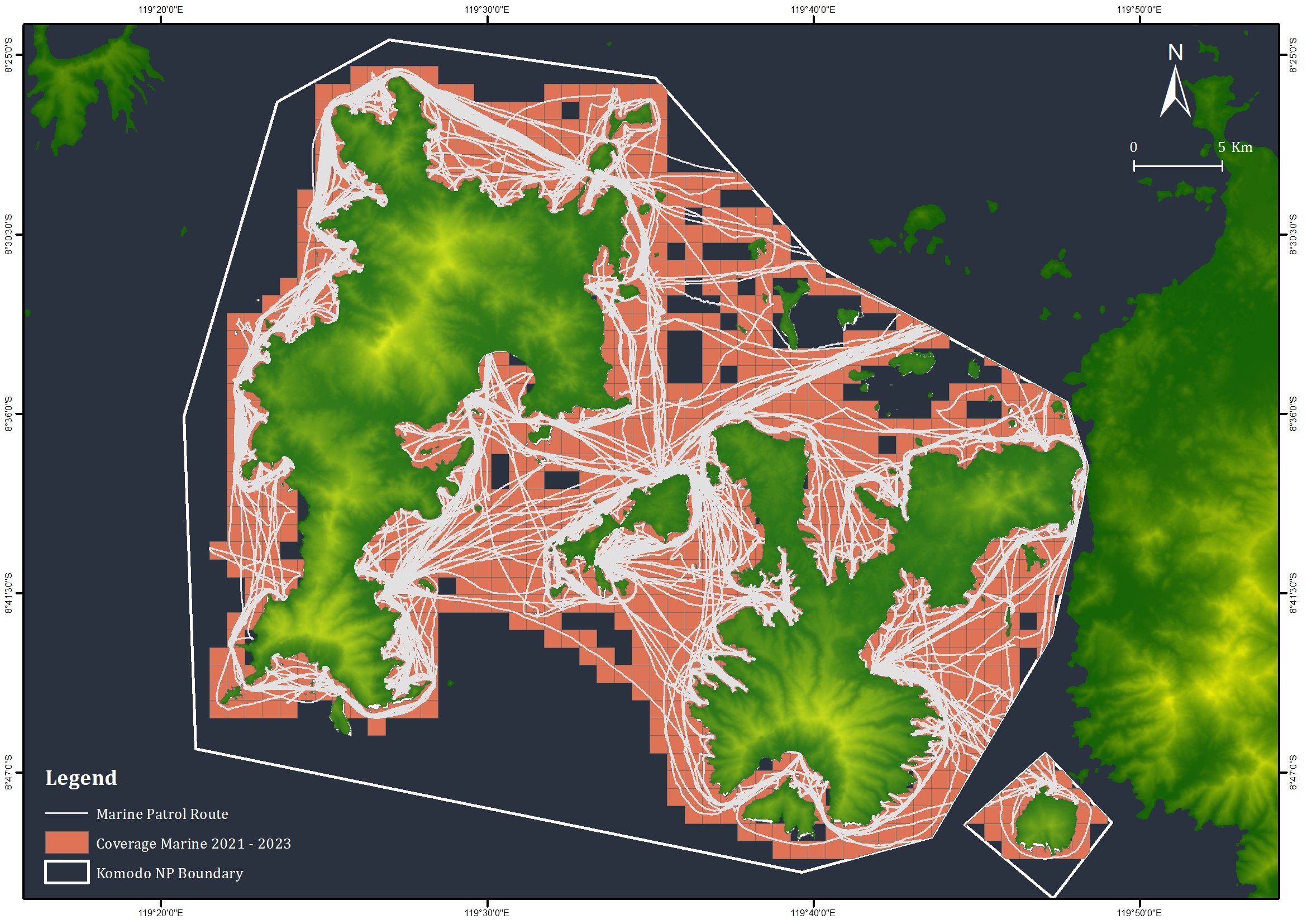
Komodo National Park is located in the eastern part of Indonesia, consisting of five major islands and more than one hundred smaller islands. As an archipelago, the boundary of the park is the ocean. Therefore, to protect the park, marine patrol is one of the most important components. To encourage and optimize protection and patrolling activities, a proper upgrade of facilities and infrastructure, such as boats, is required.
Marine patrolling in the waters surrounding the islands is crucial to keep underwater habitats healthy and flourishing. Illegal fishing, including blast fishing, which uses explosives to kill fish, is indiscriminate. Massive sections of reef become underwater wastelands, thereby providing no habitat for fish to stay and no sustainable fishing in the future.
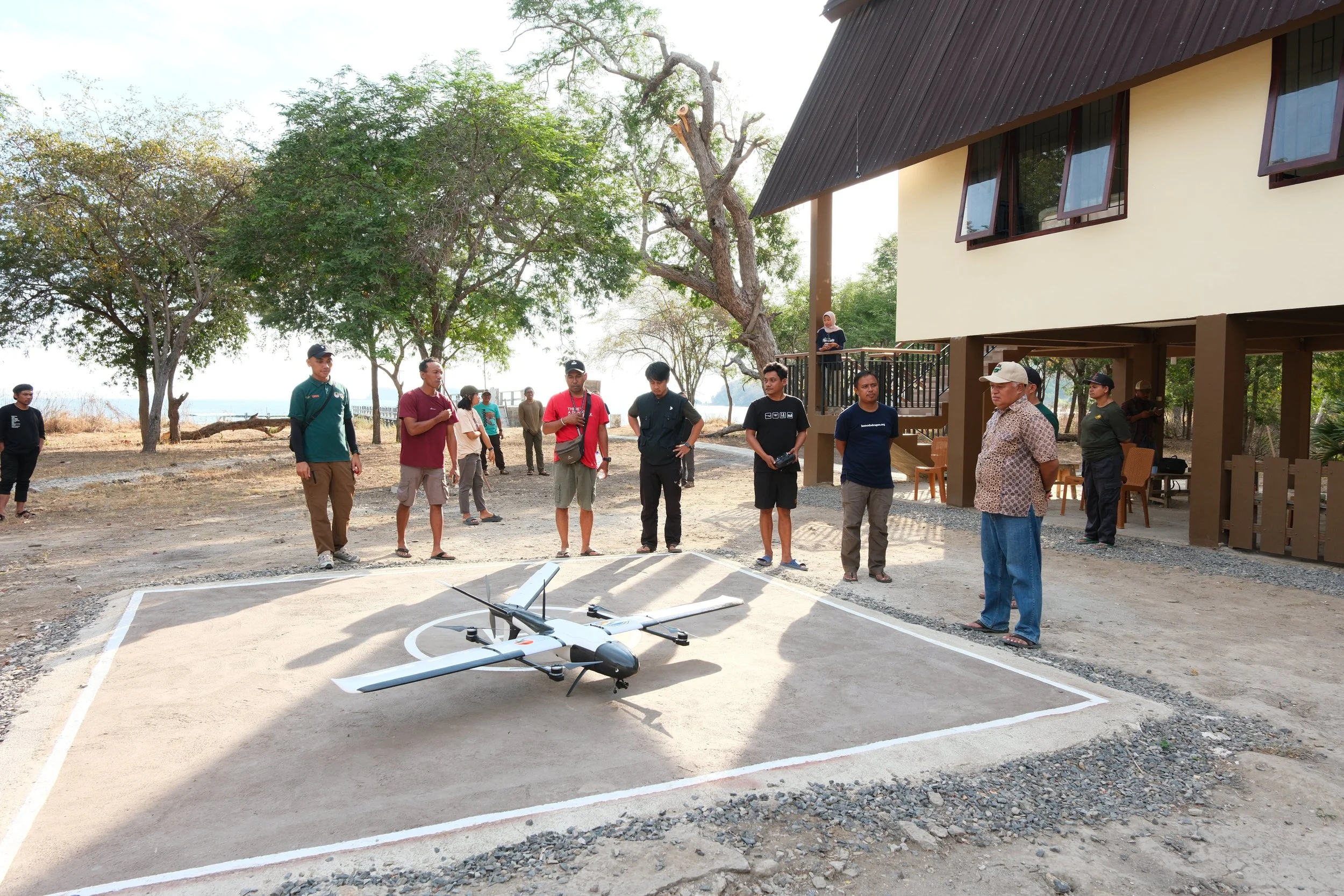
To strengthen monitoring across both terrestrial and marine areas, VTOL drones were introduced, offering substantial operational advantages. These drones can cover vast and remote environments, including valleys, coastlines, and marine areas, with extended flight durations of up to one hour and operational ranges of up to 40 km. Their ability to hover precisely, guided by pre-programmed flight missions, allows flexible and targeted inspections. In addition, multiple onboard cameras positioned at the front, below, and on both sides enable comprehensive coverage of patrol areas within a short time frame, increasing the efficiency and effectiveness of surveillance operations.
Experience our work on Komodo National Park