
GC in the News: Nature Plus and Global Conservation Cameroon supports communities in Lomié in the management of non-timber forest products
Originally Published by Kenfack Tsabdo Gibrile at Media Terre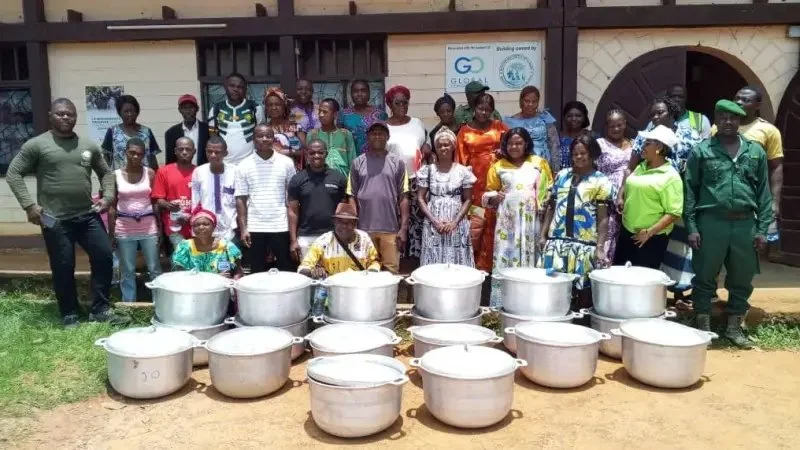
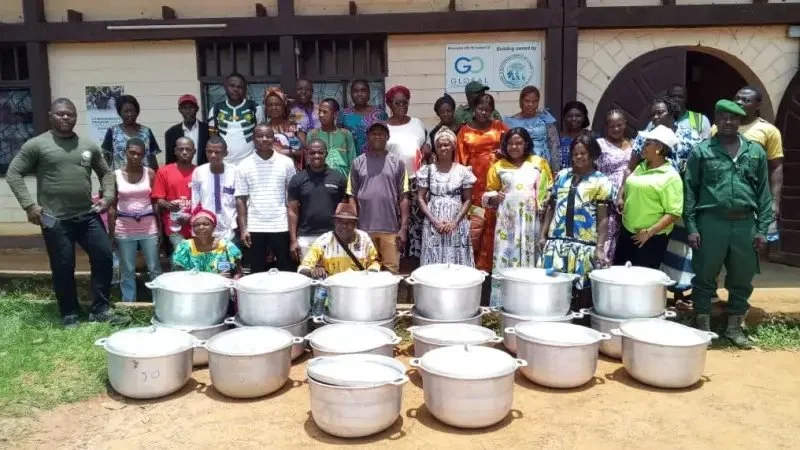
At the initiative of Nature Plus and Global Conservation Cameroon, a workshop for exchange and capacity building for stakeholders in the Non-Timber Forest Products (NTFP) sector was held from March 26 to 27, 2026, at the offices of the Eastern branch of the Dja Biosphere Reserve Conservation Service in Lomié, in the Haut-Nyong department, East Region of Cameroon. The workshop was co-organized with financial support from the Department of Environment, Food and Rural Affairs (DEFRA) within the framework of the project "Strengthening law enforcement responses to counter IWT in Cameroon” and from the European Union within the framework of the project "Inclusive conservation in the Gabonese and Cameroonian landscapes of the TRIDOM."
For these two international organizations, the main objective was to bring together all the actors and stakeholders in the non-timber forest products (NTFP) sector to ensure the implementation of good practices at each stage, from harvesting to marketing. Specifically
The objective of these two international organizations was to ensure the development of the NTFP market through workshops for NTFP producers, buyers, and exporters, as well as training on harvesting, drying, packaging, storage, processing, and other best practices within the sector. In addition to training, the workshop focused on exploring prospects and opportunities with stakeholders in the NTFP sector to understand the challenges, identify constraints, and propose solutions. These solutions included sustainable harvesting practices, structuring supply chains, processing, and certification for accessing new markets, among other things.
The training modules enabled participants to assess the communities' level of knowledge regarding best practices at each stage of the NTFP (Non-Timber Forest Products) value chain, from harvesting to marketing, including conservation, processing, storage, and transport. The communities were equipped with additional knowledge to improve their techniques and strategies for better access to national and international markets, with a strong emphasis on adhering to quality and certification standards. The workshop provided an opportunity to connect the sector's cooperatives and Common Initiative Groups (CIGs) with legal buyers such as Ecotrading in Cameroon and Comptoir Africain in Belgium, facilitating access to national and international markets. These local organizations, primarily composed of Bantu and Baka women, were also made aware of sustainable practices for managing forest resources in general, and NTFP management practices in particular. The participants collaboratively developed a common strategy and management plan for the upcoming NTFP harvest.
Nature Plus and Global Conservation Cameroon are joining forces for greater impact.

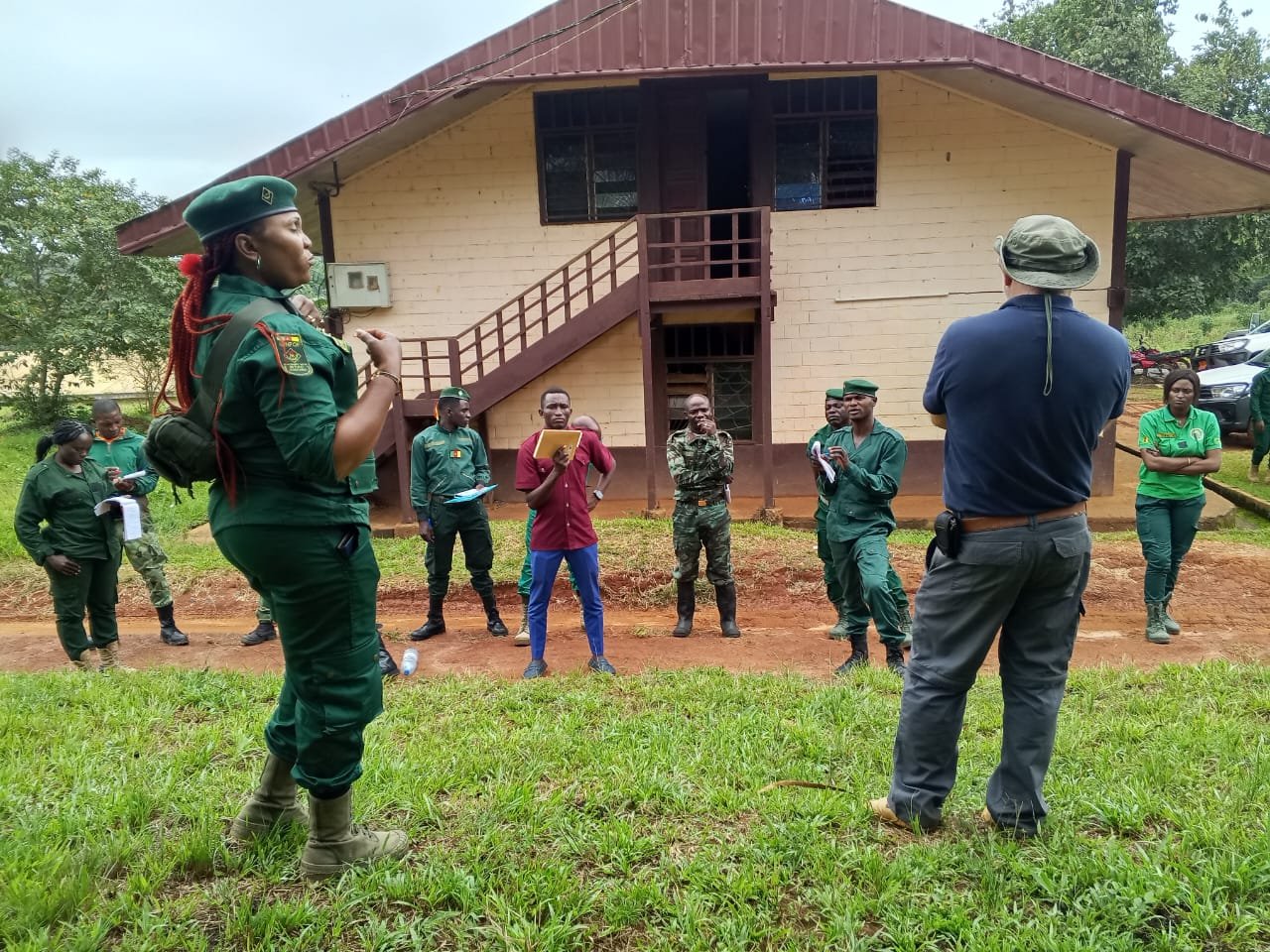
Rangers learn how to use SMART technology provided by GC.
The event, which brought together more than thirty stakeholders (Baka and Bantu harvesters, collectors, MINFOF officials, forestry sociologists, and buyers and exporters of non-timber forest products), also provided an opportunity for Technical and Financial Partners (TFPs) and Civil Society Organizations (CSOs) to strengthen their collaboration, avoid duplication of activities for the benefit of communities in the area, and pool their efforts. On the ground, it appears that Global Conservation Cameroon is currently expanding its activities by engaging communities in the Dja-Odzala-Minkébé Trinational (TRIDOM) landscapes in local economic development activities that are compatible with the preservation of forest ecosystems. Its commitment to these communities revolves around establishing collaborative approaches with local communities to support the sustainable management of natural resources and the fight against poaching.
“As a Global Conservation employee, one of our objectives is to support communities: to reduce the pressure on wildlife and encourage people involved in NTFPs (Non-Timber Forest Products) to find alternatives, activities that keep them occupied and allow them to do other things, thus easing the burden on wildlife,” explained Ghislain Clément Tamesse Fonkou, Community Engagement Officer at Global Conservation Cameroon. “This activity is closely aligned with our work. Global Conservation also supports these communities by offering them other income-generating activities, such as agricultural production through plantain cultivation, maize farming, and many others. NTFPs also contribute to generating income to minimize the pressure on wildlife,” he continued.
Nature Plus, for its part, is implementing the inclusive conservation project in the Gabonese and Cameroonian landscapes of the TRIDOM project. One of the objectives, according to Romain Foula, technical assistant at Nature Plus, is to evolve forest management models to improve the incomes of local communities, the majority of whom are women. To this end, Nature Plus is piloting the concept of concession 2.0 through the collection and marketing of non-timber forest products (NTFPs) by local communities. Following an assessment of the sector, Nature Plus intends to support the Centre Vert cooperative in Lomié and more than a dozen affiliated Common Initiative Groups (CIGs) through capacity building, material support, and technical assistance.
Structuring the NTFP sector to strengthen the socio-economic empowerment of communities
The renewed interest shown by Global Conservation Cameroon and Nature Plus in non-timber forest products (NTFPs) is justified by the fact that this sector has the unique ability to reduce human pressures on forest landscapes while simultaneously providing income for communities to foster their socio-economic empowerment. Indeed, the project's designers indicate that NTFPs play a crucial role in the local economy and the conservation of natural resources. In this sense, they offer livelihood opportunities to local communities while contributing to the sustainable management of forests. Nature Plus and Global Conservation Cameroon believe that NTFPs represent a strategic lever for local economic development and the preservation of forest ecosystems.
“SIM, through me, thanks the organizers of this workshop, particularly Nature+ and Global Conservation, for including us in this major forum, where the objective is to promote the sustainable management of non-timber forest products. We received more than we expected, because communities are often overlooked. And we, as concession holders of these Forest Management Units (FMUs), must help them to also leverage this resource, because NTFPs are a source of wealth for these communities and contribute to their development and well-being,” declared Eveline Wissewa Djaoyang, social mediator at the Mbang Industrial Company (SIM). She continued, “At our level, we will assist them with planning during harvest periods and entry into our FMUs, helping them integrate the harvest sites and supporting them in implementing sound management of these NTFPs. We will not stop there.” Over time, we will really focus on this area, as it can also enrich these communities. Although local development happens at all levels, we will rely on the guidance of Nature+ to achieve these objectives and ensure good co-management of these NTFPs (Non-Timber Forest Products).
The Cameroonian Forestry and Commercial Exploitation Company (SEFECCAM) echoed this sentiment. “I am delighted to have participated in this workshop, which was initially intended to be a sharing of SEFECCAM’s experiences regarding NTFP production. However, it also turned out to be more than just a one-way communication. It was much more of an exchange, and I can now say that it significantly strengthened SEFECCAM’s capacity in the areas of co-management and community involvement in NTFP harvesting,” argued Brice Poka, a social mediator at SEFECCAM. “For us, who are in regular communication with local communities, the Farmer-Forest Committees (FFCs), and directly involved in harvesting NTFPs in the forests we manage, it was essential that we have the technical tools to support them.” "And this action is in line with our objectives and obligations as a certified forestry company," he emphasized.
Unfortunately, field experience reveals that the sustainable management of NTFPs still faces several constraints: overexploitation and conservation, lack of awareness of regulations, which sometimes limits the development of the sector, lack of infrastructure, which prevents local processing and upgrading of products, and difficulties in transport and access to the market.
Community Support, a Key Factor in the Project's Success
The implementation of the project has been welcomed by the beneficiary communities on the ground. “We sincerely thank the organizers of this workshop, which came at a very opportune time to address the problems we encounter in the field. These include issues related to the collection, processing, and marketing of our products, as well as legal aspects. Without secure documentation, we cannot sell effectively. We need to operate legally,” rejoiced Ms. Yvonne Minlo Mabia, president of the COOP-CA COTRAMO cooperative. “The workshop was a complete success. All our problems were addressed, and we are waiting for the promises to be fulfilled. We were concerned about reaching all our communities, as there are 63 villages. There were difficulties accessing Moabi trees, which are located far away. Many trees are cut in agroforestry areas near our villages. Now that SIM has agreed to support us with their truckload, this objective has been achieved.” “We’re going to organize ourselves to do good work,” continued Ms. Christine Ampilé, women’s representative at CPF No. 2 of UFA 10-036, operated by SIM. Regarding the value chain, she was convinced. “The concept was well explained. It’s about each person positioning themselves in a specific link, collaborating with others, and reaping significant benefits without necessarily having to travel to the city. This solves the price problem. The ball is now in the communities’ court,” she emphasized.
The president of the Centre Vert Cooperative in Lomié, Ms. Lydie Adjele, echoed this sentiment. “I am very pleased to be holding this workshop because the agenda includes many points that will resolve most of our problems. For example, regarding marketing, we already have confirmation that we will have a buyer who will take everything we produce in the forest, regardless of the tonnage and without requiring credit. We also have confirmation of our harvesting permit. We simply need to call the heads of the Zoulabot or Lomié posts and the Lomié conservation officer, who are ready to help us in case of harassment or abuse,” she explained enthusiastically. The requirement for the inclusion of the Baka community was also a point of interest. “I am also very happy to hear that the project advocates for 25% Baka participation per group.” Within our activities and the cooperative, we already have seven Baka groups for which we were no longer able to closely monitor the situation because we had no one to support us. Now that Nature+ and Global Conservation are working with us, we think things will improve. The small working capital we had wasn't allowing us to do the necessary follow-up,” she adds. Before concluding, she says, “I know that with Nature+, we'll have the time to go into all our Baka communities and see those who are truly committed to collecting non-timber forest products, to support them, and to raise their awareness. This will help them to also collect good quality products, participate in group sales, earn money like everyone else in the community, and realize their projects.”
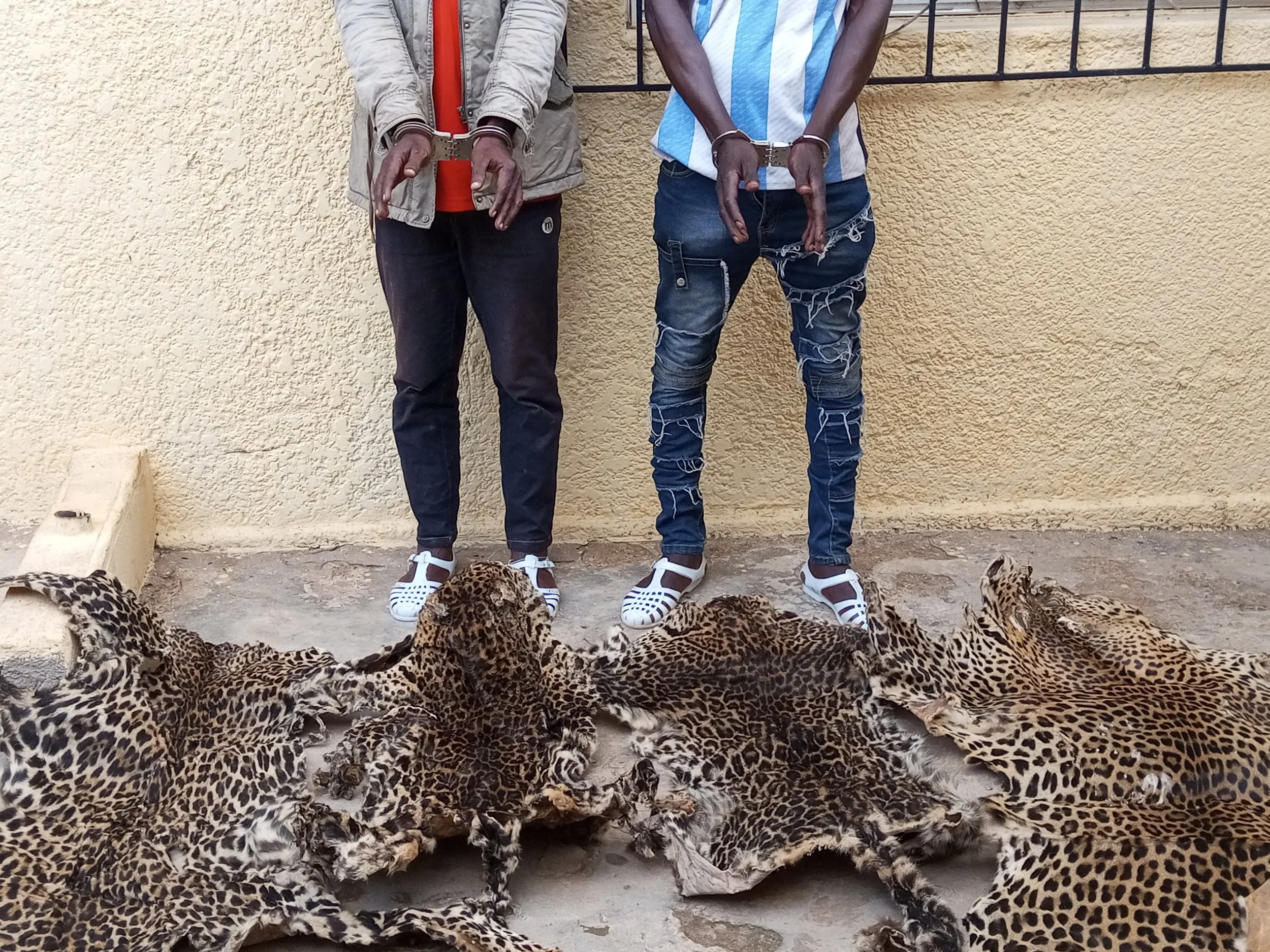




Packed with highlights of conservation successes from around the world at our project sites, this report features the effectiveness that the Global Park Defense and Community Engagement programs have for protecting culturally rich and highly biodiverse natural ecosystems in the most threatened parts of our world—land or sea.