
Recent Arrests and Prosecutions in the Fight Against International Wildlife Trafficking in Cameroon and Gabon
An Ivory Trafficker and a soldier Convicted for Possession of Class A Ivory Tusks from Critically Endangered African Forest Elephants

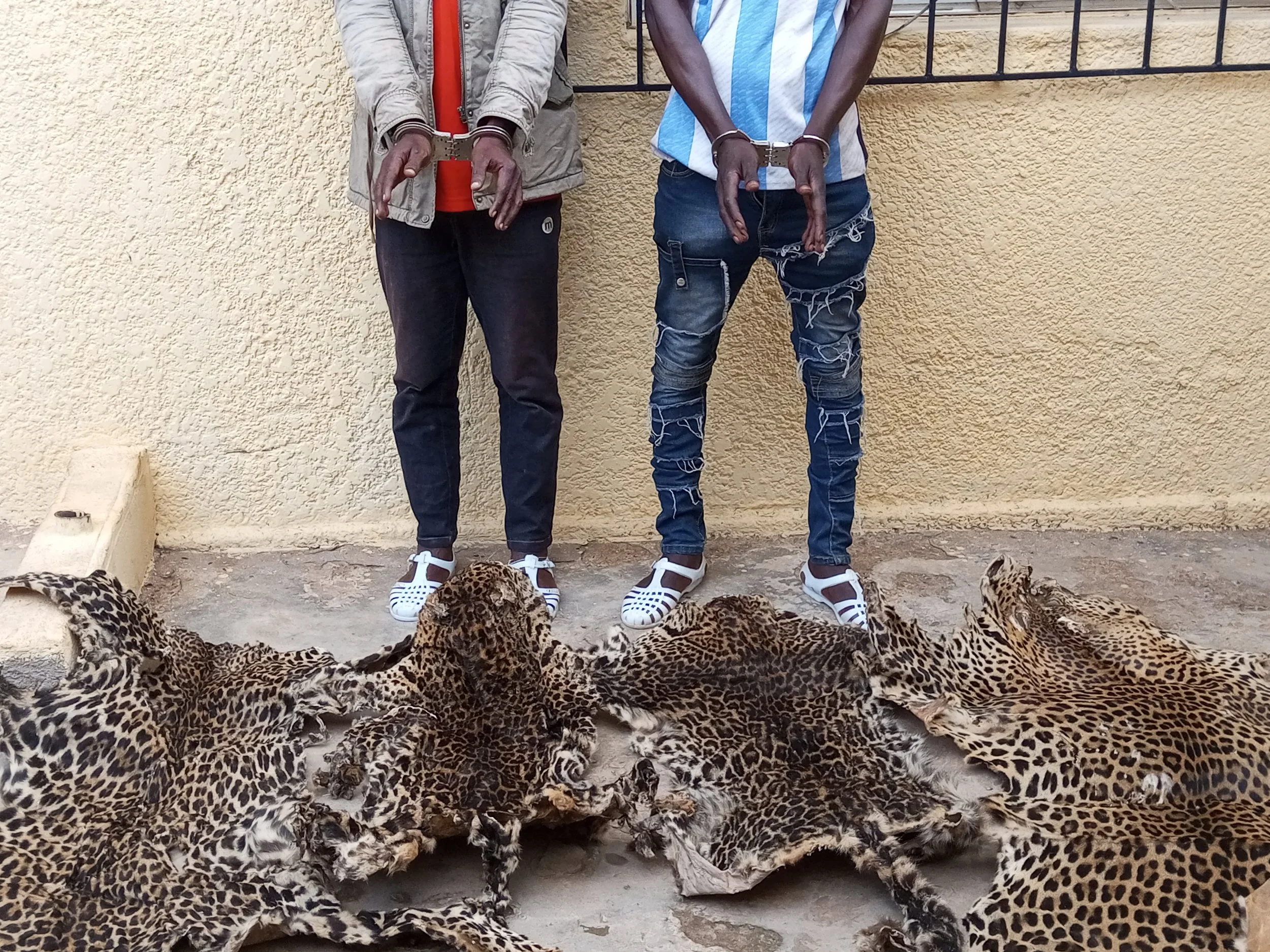
Arrested ivory poacher convicted in September 2026, Yvan Wilfried Zanga.
The Ebolowa courts have handed down critical rulings to combat wildlife crime, including prison sentences and fines, thanks to the effectiveness of the Southern Water and Forestry agents with the support of law enforcement forces and technical assistance from Global Conservation.
The High Court of Ebolowa, in the capital of the South Region of Cameroon, handed down a landmark ruling, sentencing an international ivory trafficker to two years in prison, a fine of 200,000 CFA francs, 49,000 CFA francs in court costs, 2 million CFA francs in damages, and 12 months of imprisonment.
The trafficker was apprehended in possession of three ivory tusks by agents of the Ministry of Forestry and Wildlife (MINFOF) Southern Region Delegation, Judicial Police, with technical assistance from Global Conservation Central Africa on April 13, 2026. The suspect was arrested in the city of Ebolowa as he was preparing to market these illicit products. That was confirmed to have been collected in the city of Minvoul, located in the North of Gabon.
Using their training in interdictions and evidence collection, Forestry and Wildlife officials seized the wildlife products, which were placed under seal and added to the case file. Following the preliminary investigation, the accused was remanded in custody and then sent to trial to answer charges of illegal possession, trafficking, and sale of products of fully protected Class A species—African Forest Elephants.
“These court decisions encourage the numerous efforts undertaken by the Cameroonian government and its partners, such as Global Conservation, to reduce international wildlife crime in the TRIDOM area to a minimum,” stated Dr. Hervé Koundou Amang, Global Conservation’s manager for wildlife law enforcement.
Cameroon is facing ongoing wildlife crimes in the country and illegal ivory poaching from Gabon, its neighbor to the south, which has around 90,000 of the last remaining African forest elephants. By ensuring both high-profile arrests and prosecutions, Cameroon, with the support of Global Conservation, is sending a strong deterrent signal to ivory and wildlife poaching syndicates.
Pangolin scales were also among the items seized by government officials.
This case once again highlights the recurring problem of wildlife trafficking in the southern region of Cameroon, especially on the border with Gabon. On December 11, 2025, the Dja-et-Lobo Departmental Delegation of Forests and Wildlife, in collaboration with the Gendarmerie and with the support of GC, arrested a soldier in Sangmélima. He was attempting to sell ivory tusks, elephant jawbones, and pangolin scales. On January 6, 2026, the Ebolowa military court convicted the soldier for these same offenses.
African Forest Elephants benefit from special protection under Cameroonian law concerning Class A protected species—great apes (gorillas and chimpanzees), elephants, lions, giraffes, leopards, and all three local pangolin species.
Under Cameroon's Forestry and Wildlife Laws, penalties for poaching, capturing, keeping, or marketing Class A protected animals include fines from 20 to 50 million Central African CFA francs ($34,000–$89,000 USD) and prison sentences.
Global Conservation is supporting arrests, prosecutions, and intensified ranger patrols and community surveillance networks in partnership with the Ministry of Forestry and Wildlife of Cameroon.
Ebolowa Courts Issue Important Decisions to Combat Wildlife Crime
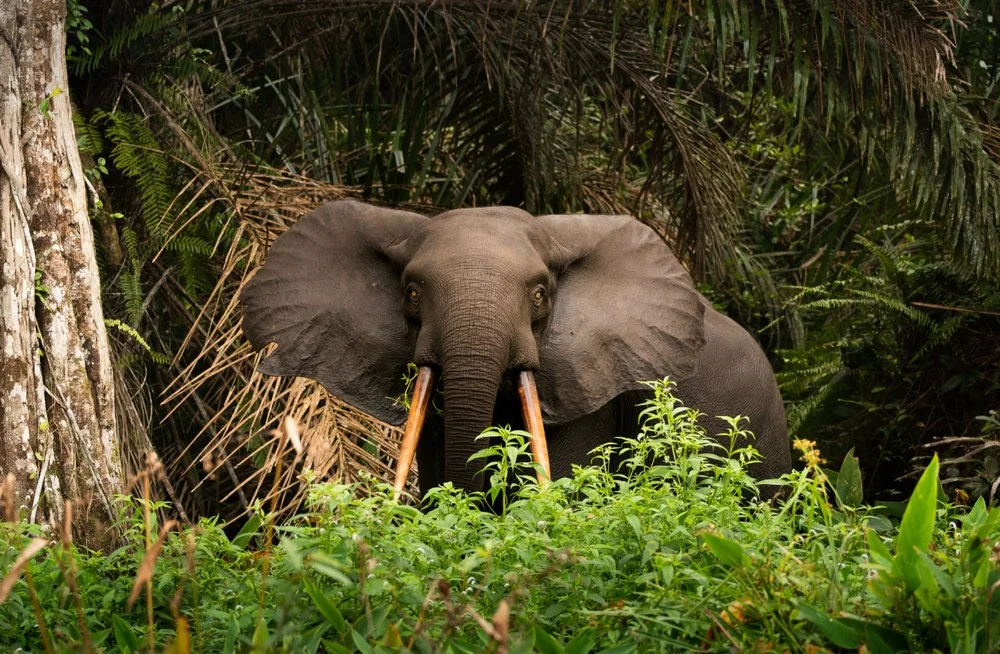
Critically Endangered African forest elephants are the more elusive versions of the larger cousins, the African savannah elephants.
Thanks to the successful work of forestry and wildlife officers in the South Region, as well as the backing of law enforcement authorities and the technical aid of the non-governmental organization Global Conservation, prison sentences and financial fines have recently been issued.
In a historic decision on September 3, 2026, the High Court of Ebolowa in the South Region sentenced an international ivory trafficker to two years in prison, a fine of 200,000 CFA francs, court costs of 49,000 CFA francs, damages of two million CFA francs, and a 12-month jail sentence if payment is not made. The confiscation of the seized ivory tusks was also mandated by the court. In this particular instance, police from the South Regional Delegation of Forestry and Wildlife's Regional Control Brigade had caught the trafficker in possession of three ivory tusks.
On April 13, 2026, the arrest was made with the help of Judicial Police officers from the South Regional Division and technological support from the non-profit organization Global Conservation. According to Global Conservation, the suspect was caught in the town of Ebolowa while getting ready to sell these illegal goods, which came from the northern Gabon town of Minvoul.
The wildlife products that had been seized were sealed and added to the court file. The accused was charged with unlawfully possessing, transporting, and selling trophies from completely protected species after being placed under detention in custody following the judicial inquiry. Dr. Hervé Koundou Amang, a wildlife law enforcement consultant for Global Conservation, said, "These court rulings support the extensive efforts made by the Cameroonian government and its partners, such as Global Conservation, to drastically reduce the international wildlife crime plaguing the TRIDOM area."
The State Sends a Deterrent Signal in Response to Recurrent Wildlife Crimes in Collaboration with NGO Global Conservation
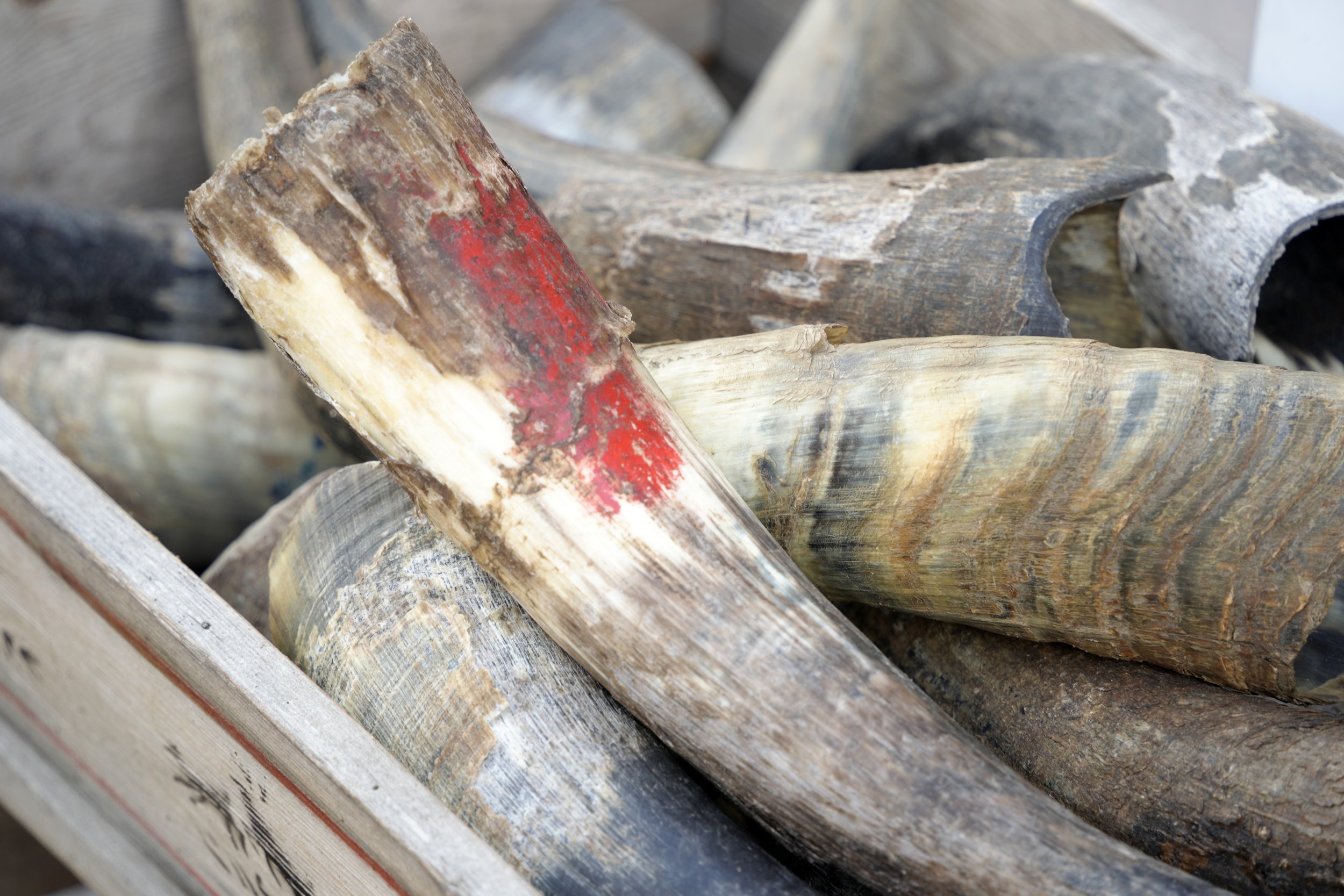
This case demonstrates once more how common wildlife trafficking is in the South. A military officer was taken into custody in Sangmelima on December 11, 2025, by the Dja-et-Lobo Divisional Delegation of Forestry and Wildlife, assisted by the NGO Global Conservation and collaborating with Gendarmerie forces. He was trying to sell pangolin scales, five elephant jaws, and three elephant tusks. On January 6, 2026, the Ebola military court found the commander guilty of these crimes.
It is important to remember that Cameroonian law, notably Law No. 2024/008 of July 24, 2024, which governs the forestry and wildlife sectors, provides elephants with exceptional protection. Because they aid in the distribution of seeds and the germination of numerous plant species, including the moabi tree, these pachyderms are essential to biodiversity.
Background Data
On September 3, 2026, the Tribunal de grande instance de la Mvila found Yvan Wilfried Zanga guilty of trafficking in ivory.
On April 13, 2026, he was taken into custody in Ebolowa while carrying three elephant tusks that were purportedly from Minvoul, in northern Gabon.
For the crime, Zanga, 26, was given a two-year suspended prison term.
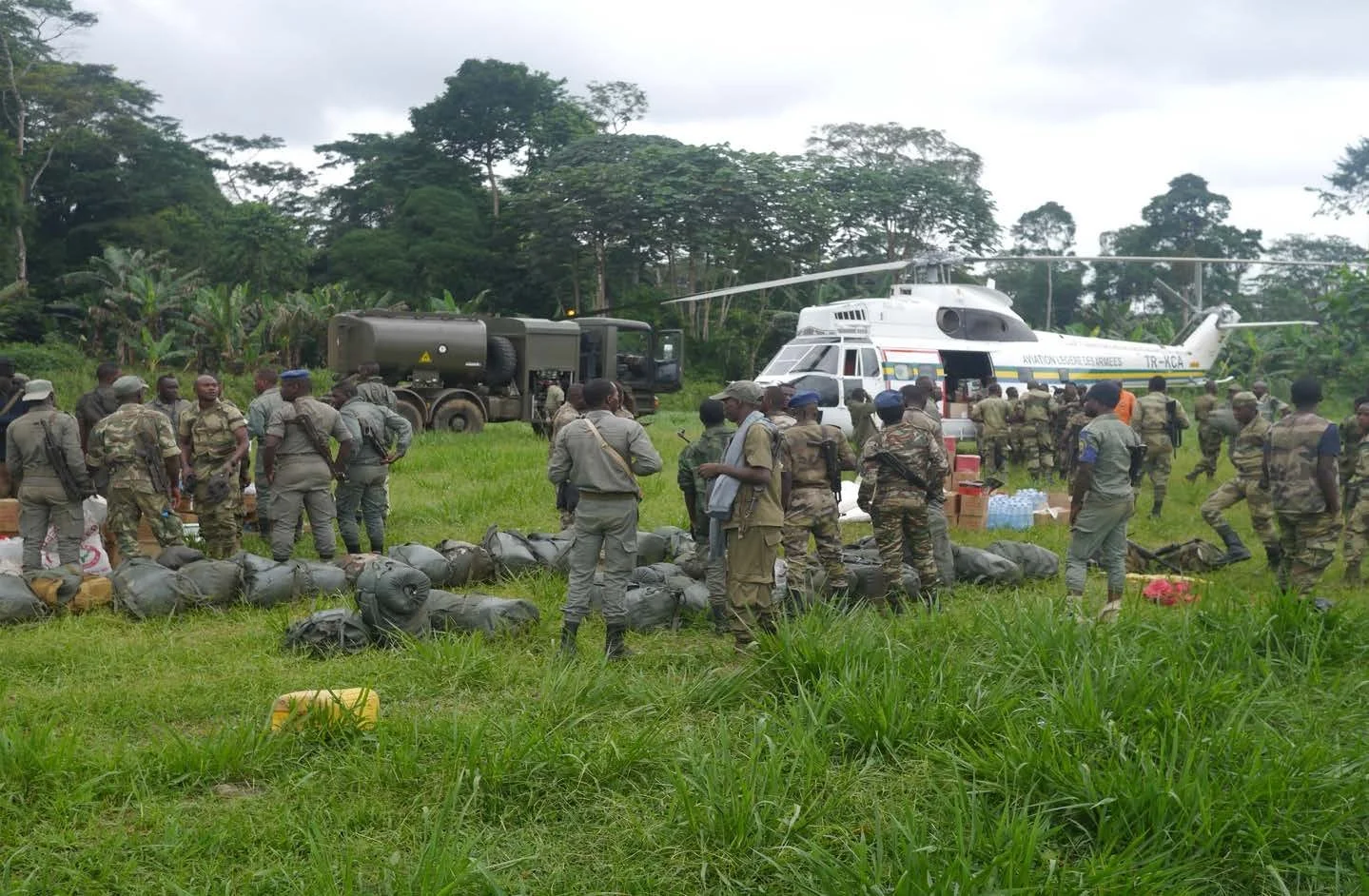
Ecoguards from Gabon's National Parks Agency (ANPN) and troops from Gabon's military prepare for a 30-day anti-poaching deployment in Gabon's remote Minkébé National Park. Credit: Bill Kanapaux/USFWS
Along with 49,000 FCFA in fines and court expenses, the court also ordered him to pay 2 million FCFA in damages. This verdict demonstrates Cameroon's dedication to protecting elephants and its vigorous enforcement against wildlife trafficking.
Junior Yvan Wilfried Zanga's latest court decision is part of a larger, more aggressive effort to stop the trafficking of endangered wildlife items and save the region's delicate elephant herds.
Cameroon's strong commitment to maintaining and executing its strict wildlife preservation laws is evident from the successful prosecution and subsequent conviction. Disrupting the intricate and frequently global supply chains that enable the illicit transportation of ivory and other animal parts, which seriously endanger biodiversity, requires swift action.
The decision in this case makes it clear that anyone involved in the illicit ivory trade would be subject to severe legal consequences under Cameroon's ivory trafficking legislation. It indicates a strong and consistent attitude against environmental violations and adds to the increasing precedence of wildlife crime convictions in Cameroon. The cooperative participation of international non-governmental organizations like Global Conservation and governmental agencies like the Regional Delegation of Forests and Wildlife in the arrest operation further demonstrates a thorough, multifaceted approach being used to destroy these illegal networks and protect the country's natural heritage.
Useful Consequences
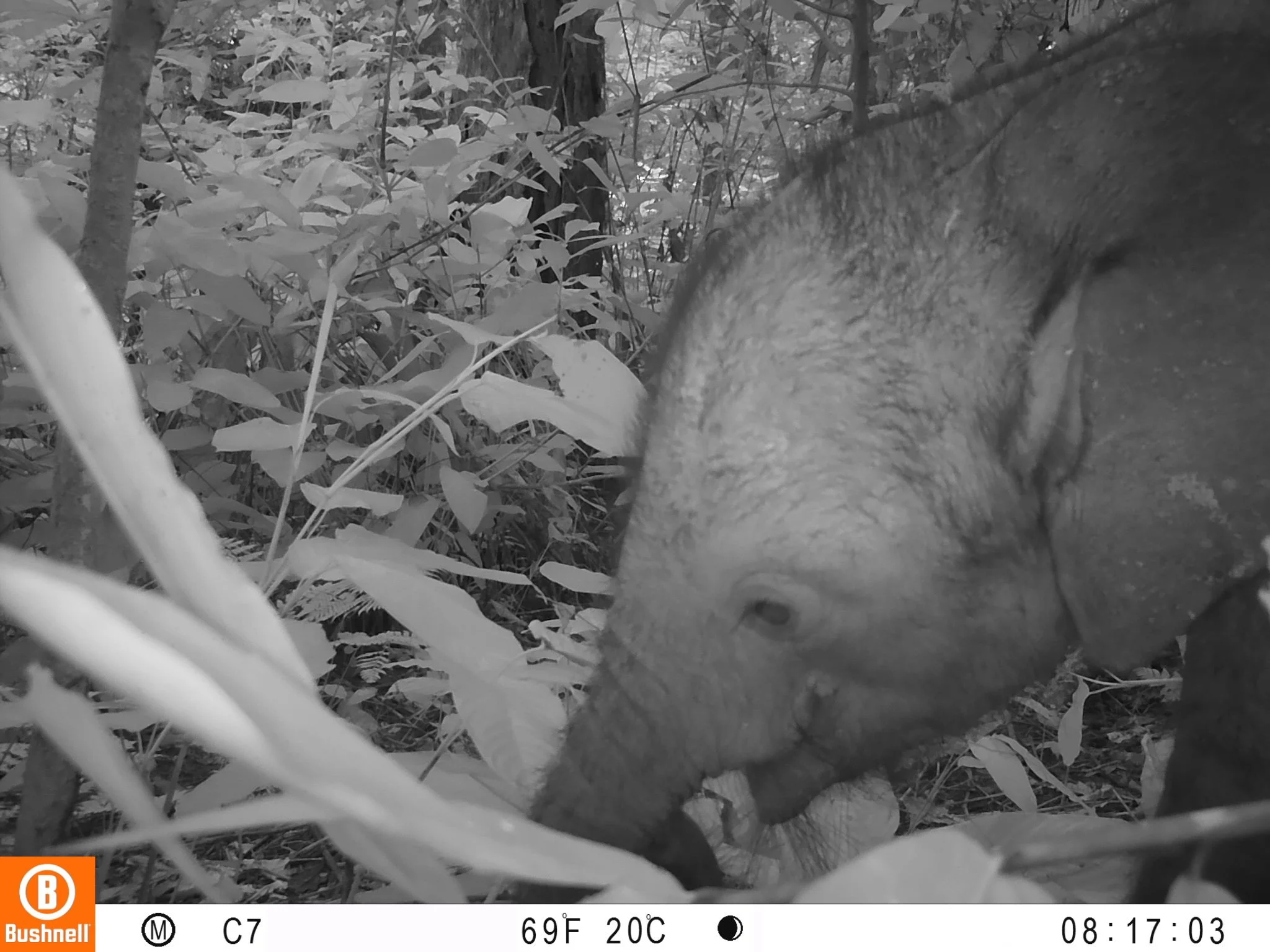
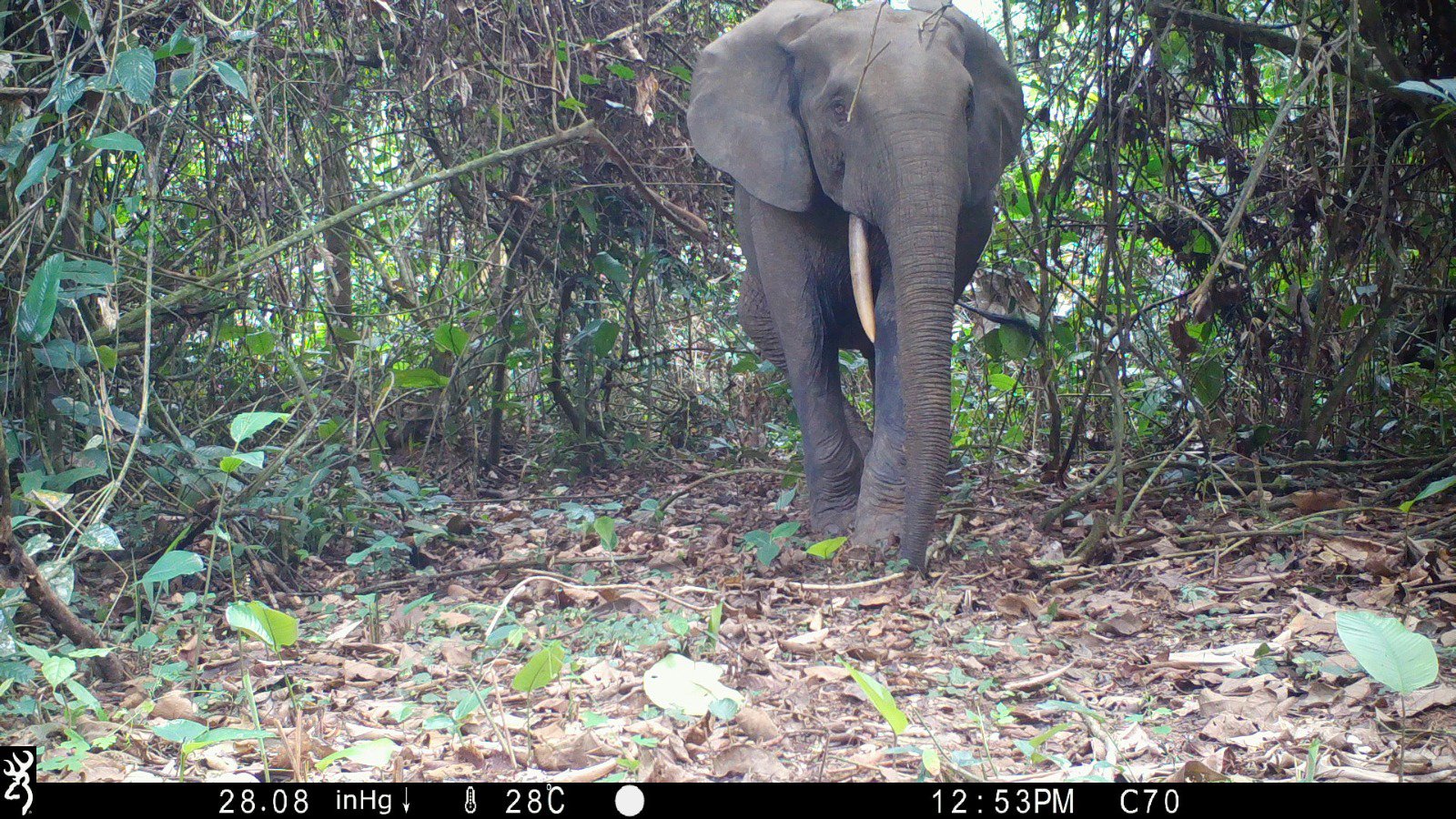
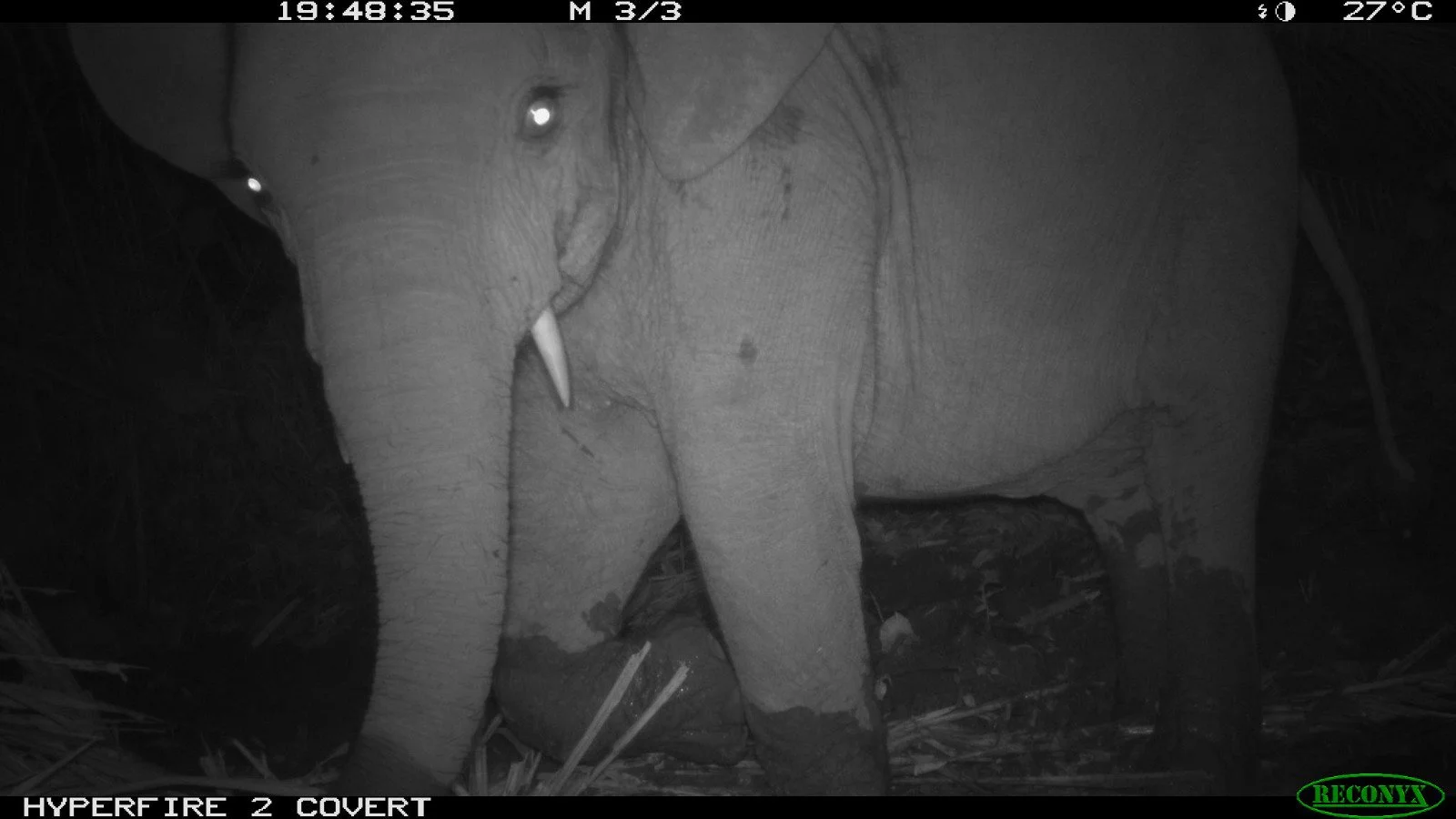
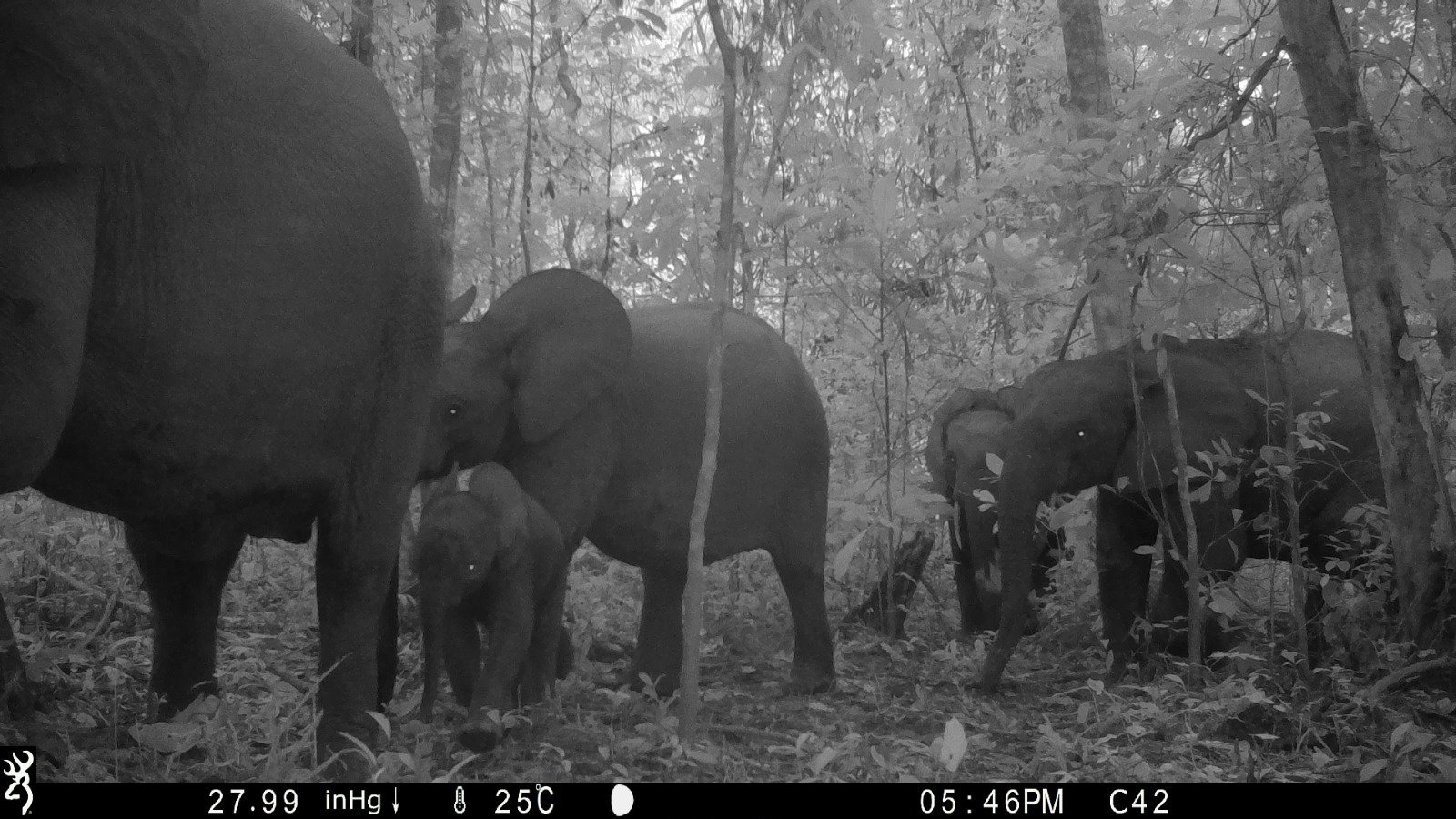
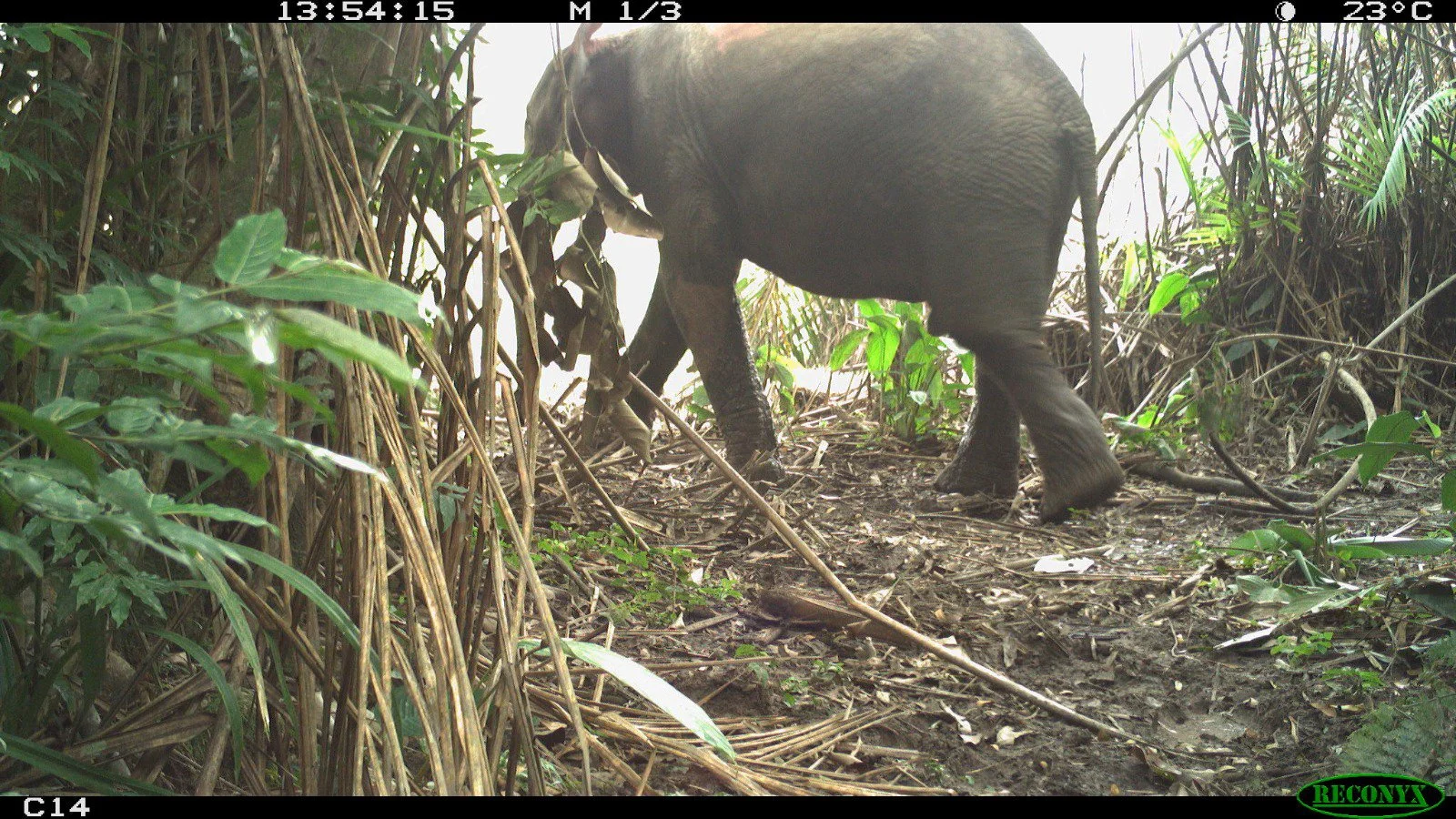
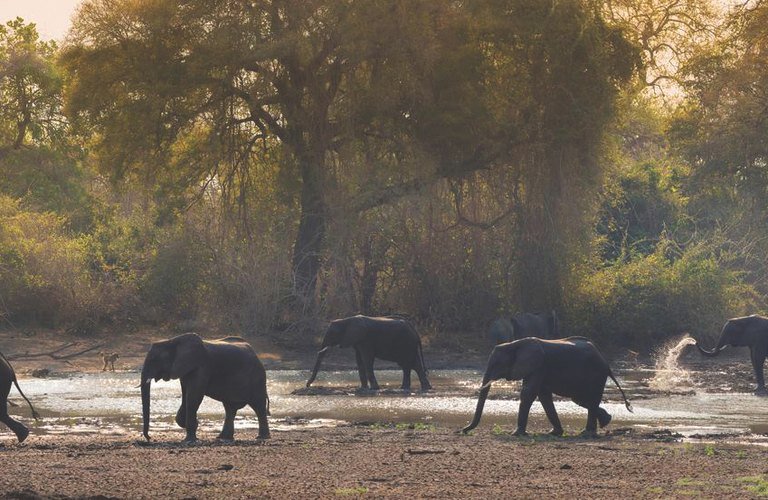
African forest elephants, ranging from babies to adults, were caught on camera during Oliver Fankem’s studies.
This judgment establishes a precedent for sanctions like suspended prison terms and hefty fines, demonstrating Cameroon's vigorous enforcement against wildlife trafficking. Attorneys who counsel clients engaged in commerce or logistics should be cognizant of the increased dangers and dire repercussions associated with illicit ivory ownership.
The sustainability of Africa's last remaining forest elephant populations depends on the Dja Rainforest Complex in Cameroon and Gabon being protected from professional elephant poaching syndicates. Rapid Response teams and satellite trail camera surveillance networks will be used to protect community forest concessions and national parks from professional poachers.
Only about 6000 elephants remain in the deep, intact forests where the study is active, along with the remaining big apes (gorillas and chimpanzees) and other essential species. By protecting Cameroon's important national parks and forestry concessions, we will also be fighting against poachers who cross from Cameroon into Gabon.
One of the few active non-governmental organizations (NGOs) in the Dja Forest Complex, GC Cameroon has been protecting the Dja-Ngoyla-Nki-Minkebe Landscape (DNNM) since 2021. Under the leadership of Oliver Fankem, GC Director of Central Africa, GC Cameroon has secured substantial funding from the EU and UK Defra for the preservation of forests and wildlife, amounting to almost 2 million hectares of forestry and protected areas.
In order to lessen illegal wildlife poaching, especially of Class A animals like elephants, gorillas, chimps, and pangolins, which are subject to harsh prison sentences and tenfold penalties under the new Cameroon Wildlife Law, GC Cameroon has been working for the past five years to bolster national park patrols in Southeast Cameroon across nearly one million hectares.
If MINFOF Rangers and Community Ecoguards are supported and there is consistent monitoring and presence, professional poachers and game meat hunters are less likely to attack national parks. This is due to the severe penalties, the possibility of jail time and fines, and the confiscation of firearms and motorcycles, especially for Class A wildlife.


Packed with highlights of conservation successes from around the world at our project sites, this report features the effectiveness that the Global Park Defense and Community Engagement programs have for protecting culturally rich and highly biodiverse natural ecosystems in the most threatened parts of our world—land or sea.