
Field Notes from Our Partner African People & Wildlife in Ngorongoro, Tanzania
Words by Laly Lichtenfeld, Ph.D. Co-Founder and Chief Executive Officer for APW
From encouraging signs in our wildlife counts to a difficult few weeks for lions and a milestone for Mama Asali, here are my notes from the field.
Record Elephant Numbers and 96 Wildlife Transects Completed in 2025
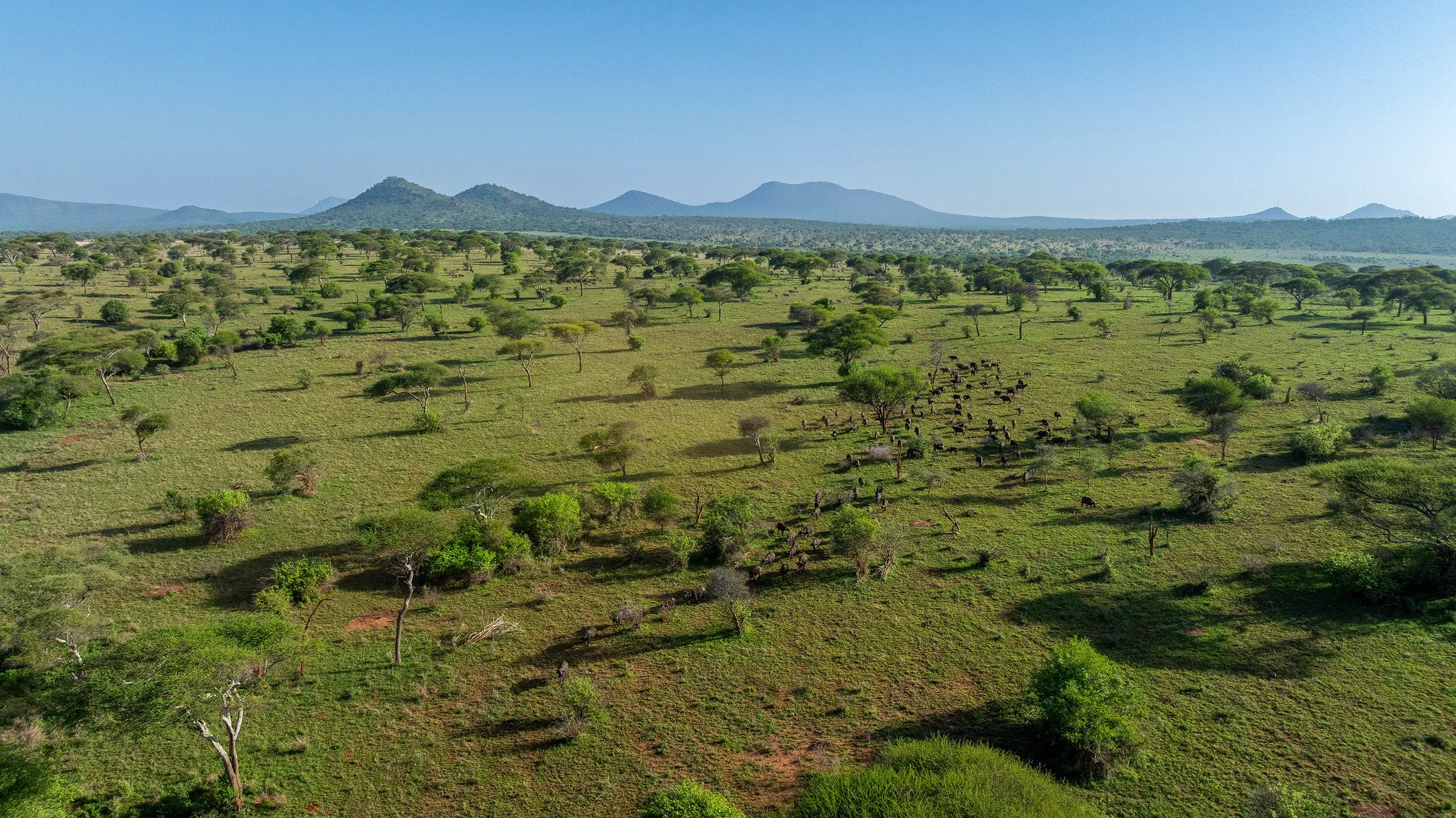
A herd of buffalo moves across wooded savanna near Noloholo, likely enjoying the new, green growth brought by recent rains. Photo by Laly Lichtenfeld.
African People & Wildlife (APW)-supported Community Game Scouts operate across more than 1.7 million acres of communal land adjacent to Tarangire National Park, conducting wildlife counts twice a month, every month.
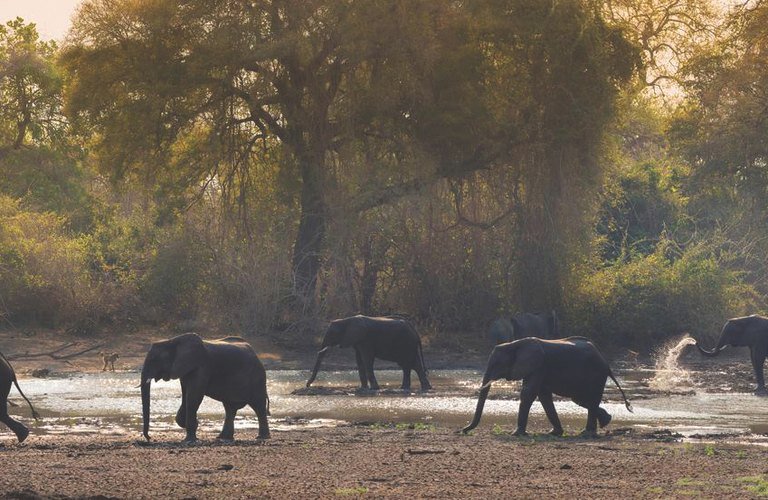
In 2025, they completed all 96 transects, recording 11,459 animals across 26 species and a record number of elephants, continuing a trend of increasing elephant abundance since 2020. As always, trends in wildlife numbers offer insight not only into the health of the land but also into the relationship between wildlife and the communities living alongside it.
A Difficult Insight into Lion Recovery
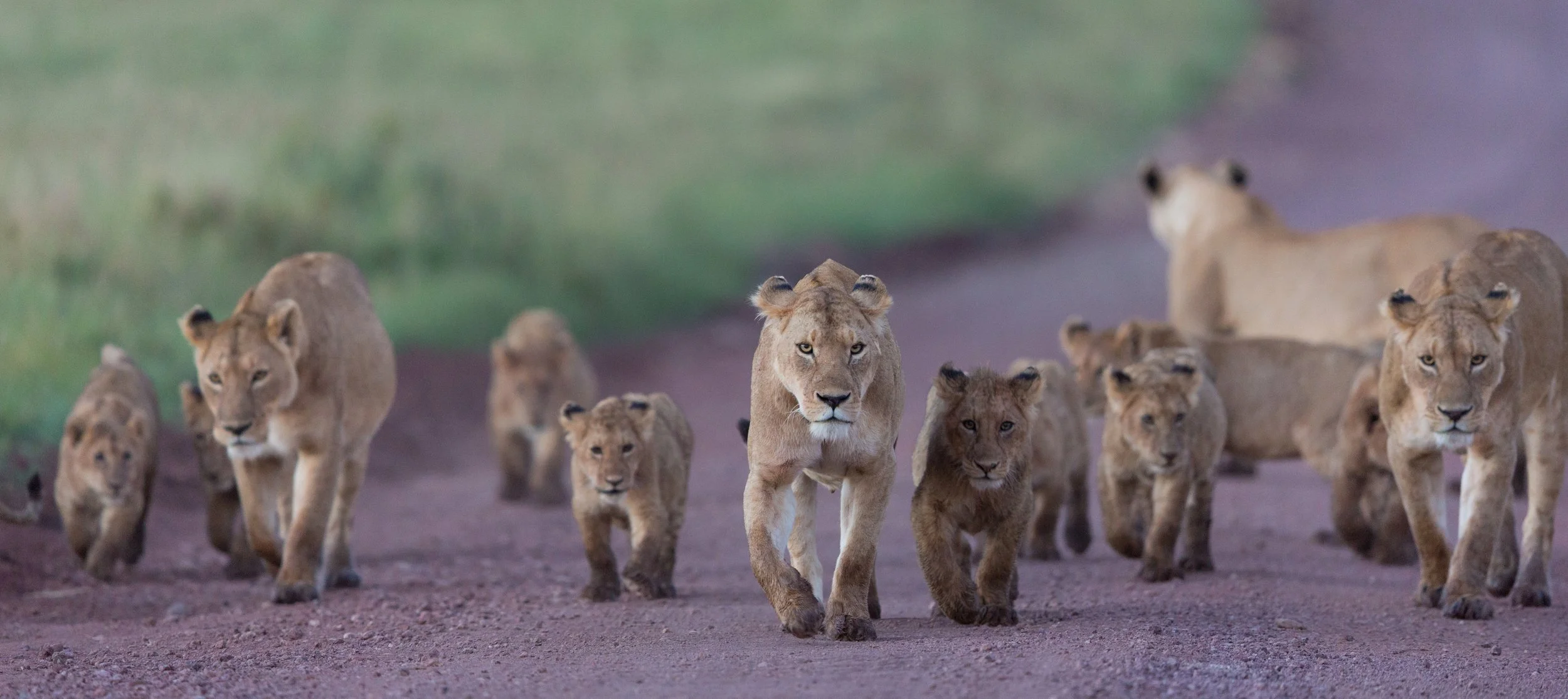
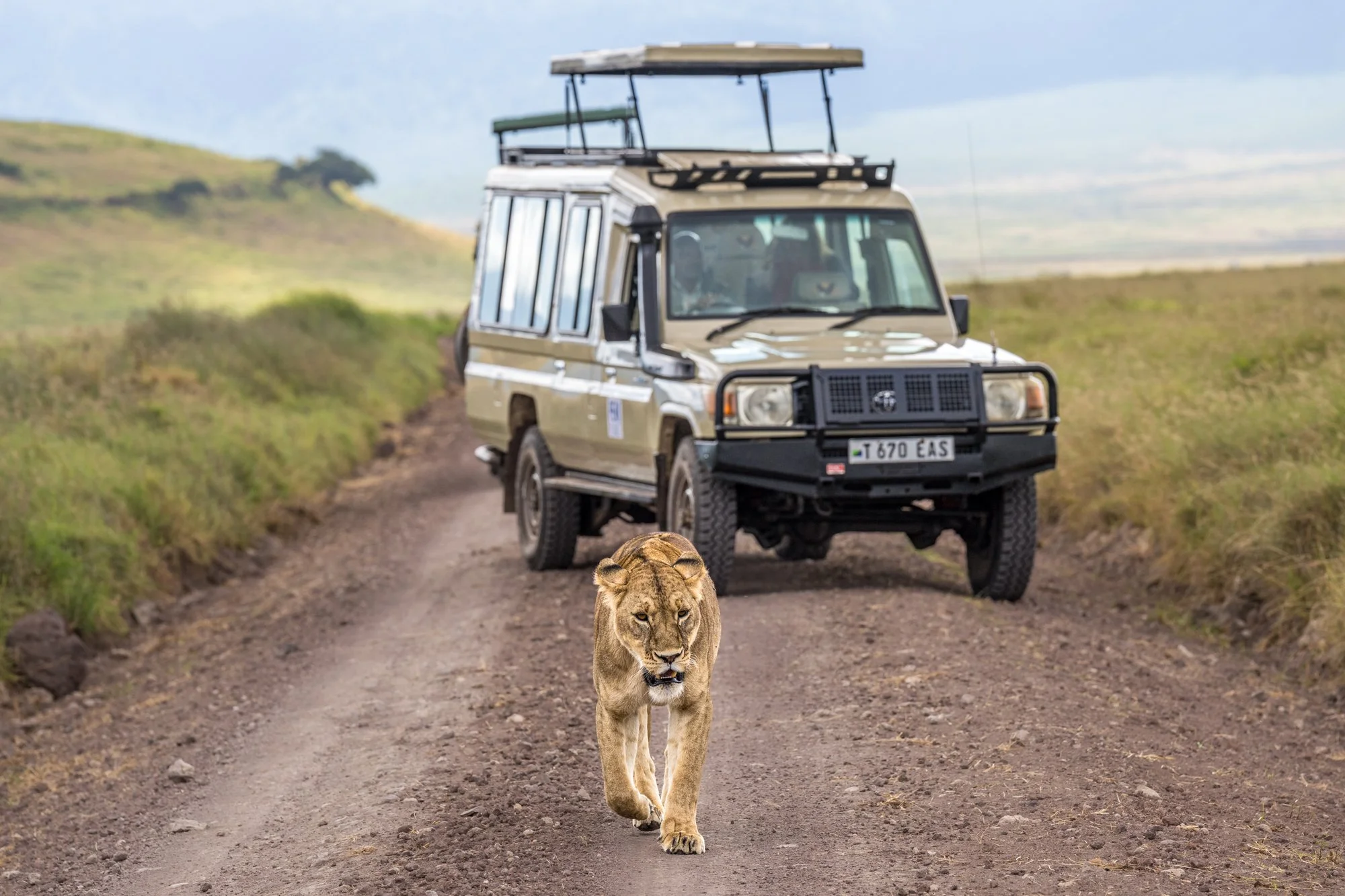
Four lions have been killed in retaliatory attacks in the Tarangire-Manyara landscape following recent livestock losses. This situation is, in part, a consequence of recovery—as lion populations grow and move into areas where they haven't been as active in recent years, encounters with people and livestock become more frequent. It is never easy to witness, and it deepens my commitment to making sure our work can scale alongside these shifts. Our Warriors for Wildlife have been on the ground to help de-escalate and gather information while investigations continue with local authorities. Our partners at the Lion Recovery Fund are tracking these dynamics across the continent, and their latest findings are worth reading.
The Queen Bee Program Make Progress with New Equipment
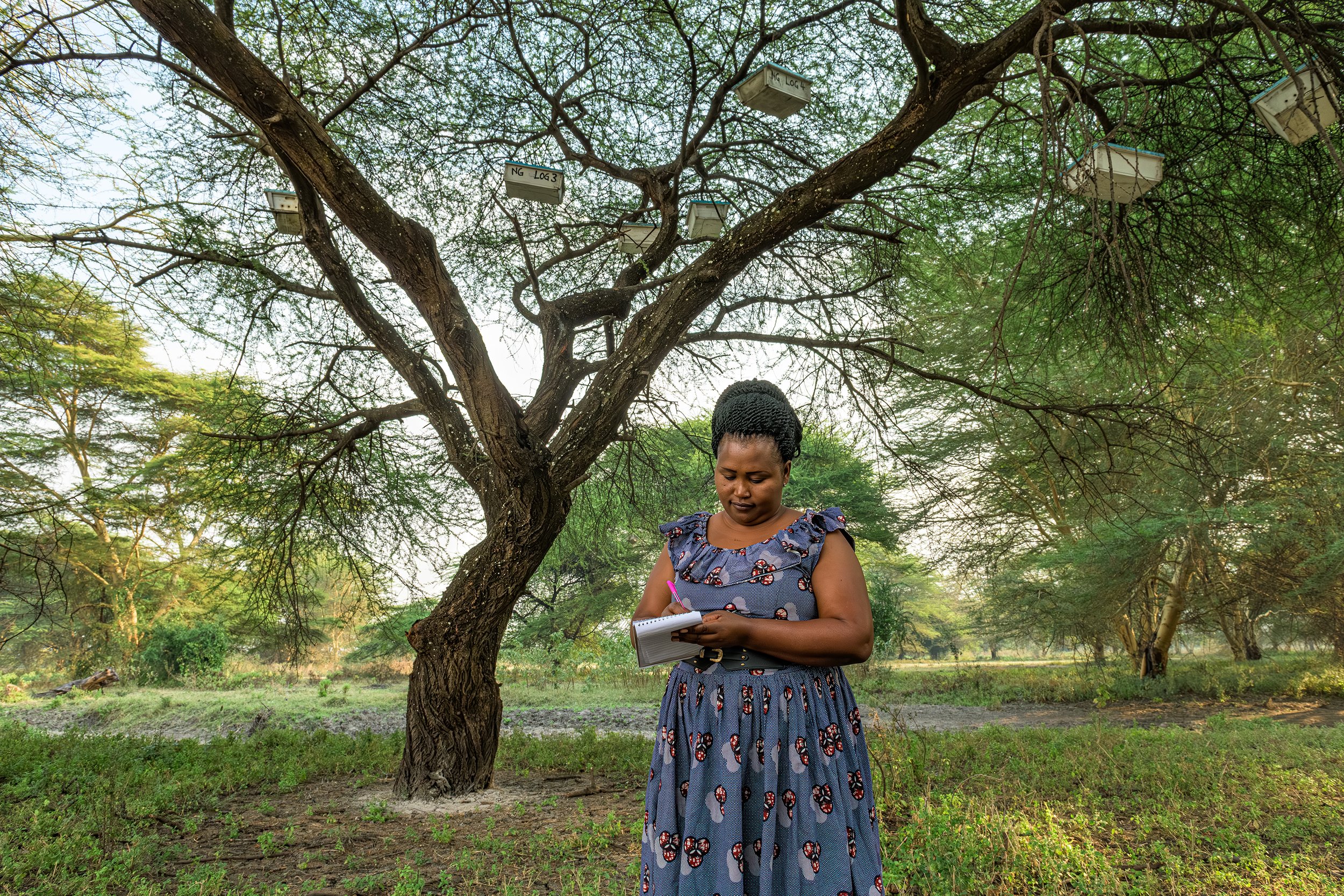
One of the “Queen Bees” develops a report for the Queen Bee program, where the trees that hold the bee hives are found in the open savannah. Photo ©Joshua Asel
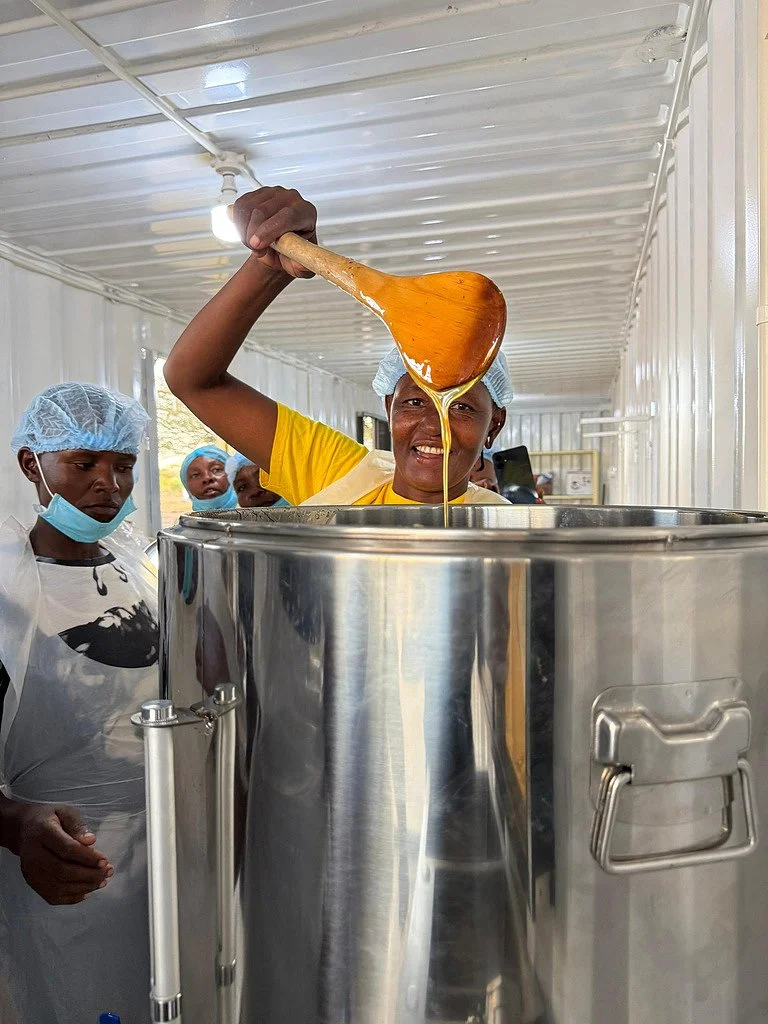
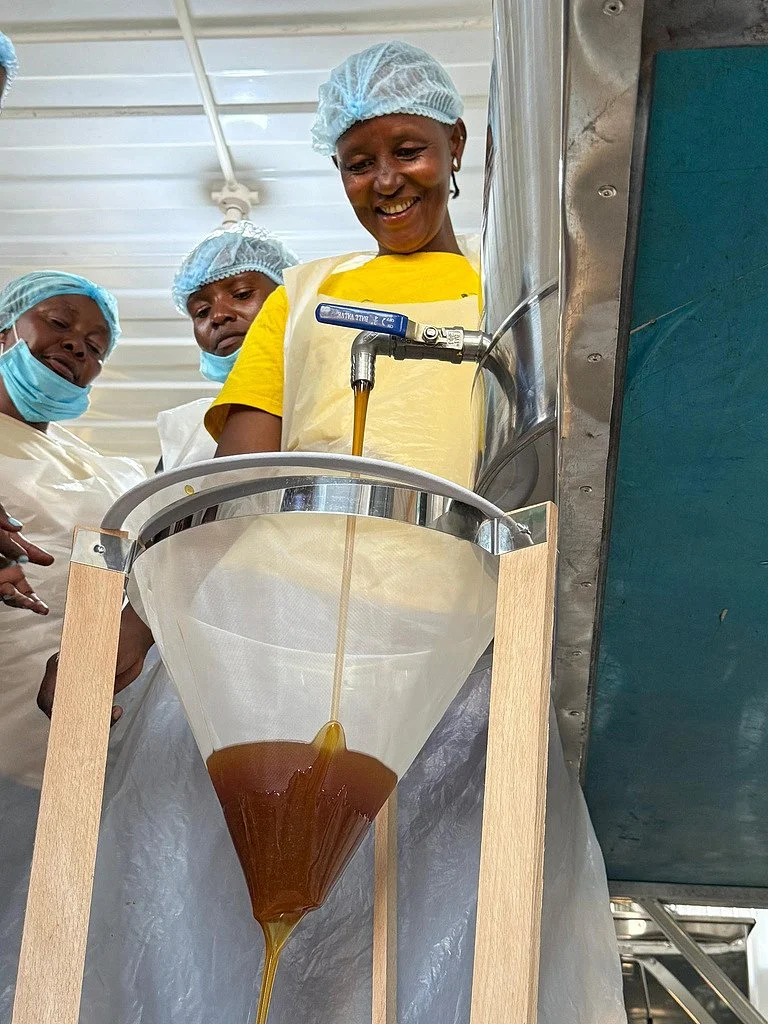
Women-owned honey enterprises reach a new milestone in two communities. Brand new processing equipment is now installed at our Lemooti and Mswakini centers, and our team has been on the ground alongside Queen Bee program assistants to complete hands-on training. The women leading these enterprises are gaining confidence with their modern equipment and are well-positioned to expand their reach in the honey market—part of a broader vision where communities thrive alongside wildlife. It always brings me joy to see what women can build when they can access the resources and knowledge to create their own path.
Leafy trees return to campus: When the rains return, the views around the Noloholo Environmental Center transform and come alive with new growth. Photo ©Laly Lichtenfeld.
Seedlings take hold at school: Wildlife Club members plant trees in the schoolyard as part of World Wildlife Day, which focused on the important role of plant biodiversity this year. Photo ©Laly Lichtenfeld.
“As always, the work continues. Conservation needs are constantly changing based on the season, local events, new ideas, and so much more. The rains will soon begin to ease, which means less mud on boots and tires and at least one less challenge for our teams working across the different landscapes. I look forward to sharing our progress in the months ahead!”
- Laly Lichtenfeld, Ph.D.



Global Conservation supports two conservation partners for the Ngorongoro World Heritage Site in Tanzania: African People and Wildlife (APW) and KopeLion. Regarding APW, we provide support to human-wildlife conflict mitigation officers, with a primary focus on elephants, while KopeLion focuses on developing a sustainable model for lion-livestock coexistence.