
For The Oceans Successfully Completes the First Phase of the “Peace for the Pacific” Expedition
Representing more than 600 nautical miles of monitoring, documentation, and scientific research across one of the most important marine corridors in the Eastern Tropical Pacific
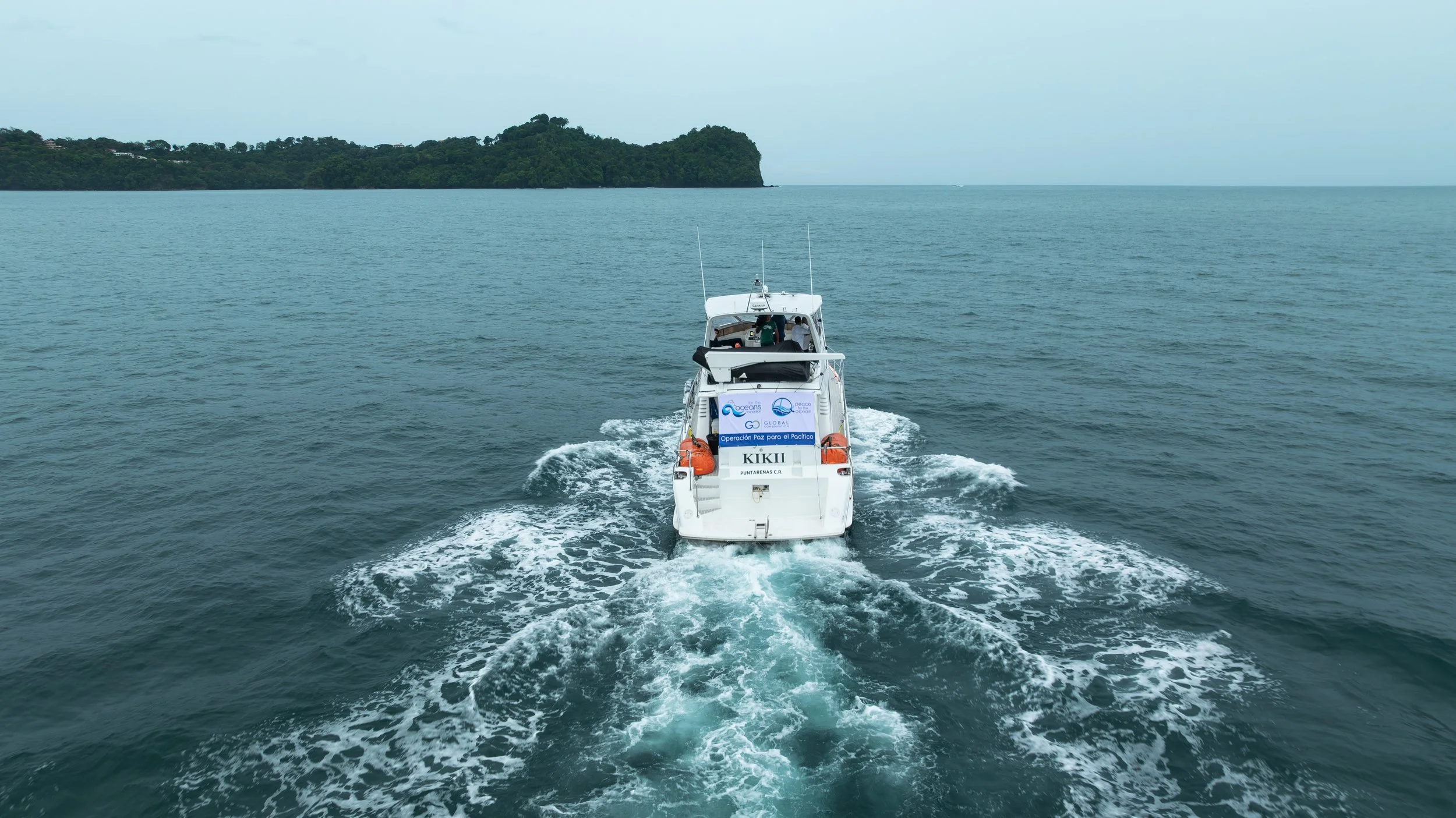
Funded by Global Conservation, For the Oceans Foundation has announced the successful completion of the first phase of the “Peace for the Pacific” Expedition, a scientific, monitoring, and marine documentation mission that covered more than 600 nautical miles throughout Costa Rica’s Eastern Tropical Pacific. PftP was developed by For the Oceans Foundation within the framework of the One Ocean Worldwide Coalition (OOWC).
The expedition was designed to collect information on the condition of strategic marine ecosystems and highly migratory species of ecological importance within one of the most biologically significant marine regions of the Eastern Tropical Pacific.
This operation represents a decisive move in the transition from scientific evidence to direct protection action in one of the most marine corridors of the Eastern Tropical Pacific.
“The ocean spoke to us for more than 600 miles. Now it is our responsibility to listen, to act, and to put an end to the ongoing aggression suffered by its ecosystems and wildlife. This expedition allowed us to gather valuable information, document realities that require urgent attention, and reaffirm our conviction that scientific evidence must be transformed into concrete actions to protect marine life and achieve Peace for the Ocean,” said Jorge Serendero, Expedition Director and Executive Director of For the Oceans Foundation.
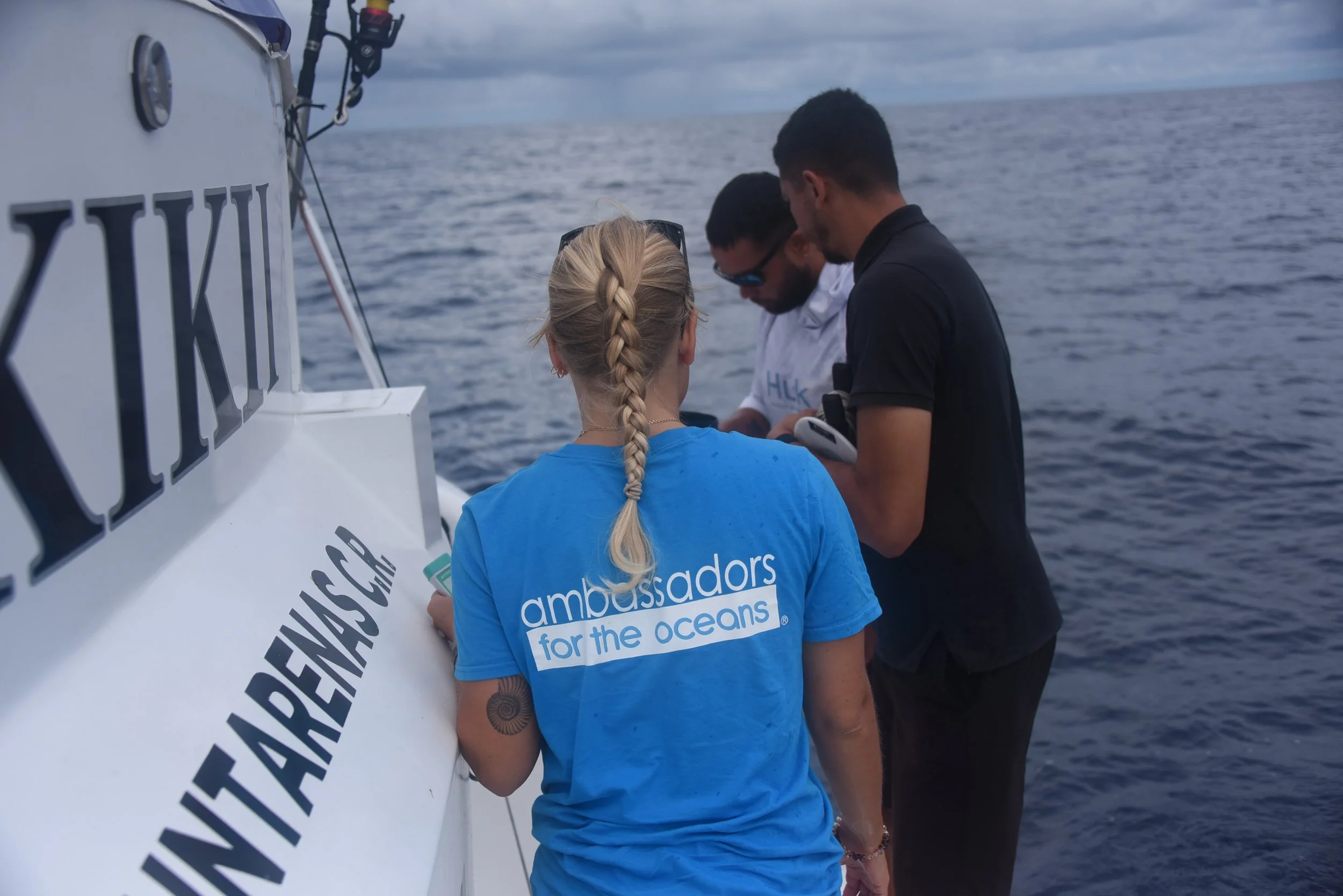
The mission brought together scientists, marine conservation specialists, communicators, and collaborators committed to ocean protection in a joint effort to document the current condition of one of Costa Rica’s most important marine biological corridors.
Throughout the expedition, the team conducted systematic observations, audiovisual documentation, biological data collection, and ecosystem monitoring activities. The information gathered will now undergo scientific analysis and validation by participating experts.
An important scientific component of the expedition involved the collection of phytoplankton samples for Dr. Maribel Vargas Montero of the Center for Microscopic Structures Research (CIEMIC) at the University of Costa Rica. These samples contribute to ongoing research related to Harmful Algal Bloom (HAB) monitoring and the generation of information supporting NASA’s PACE mission.
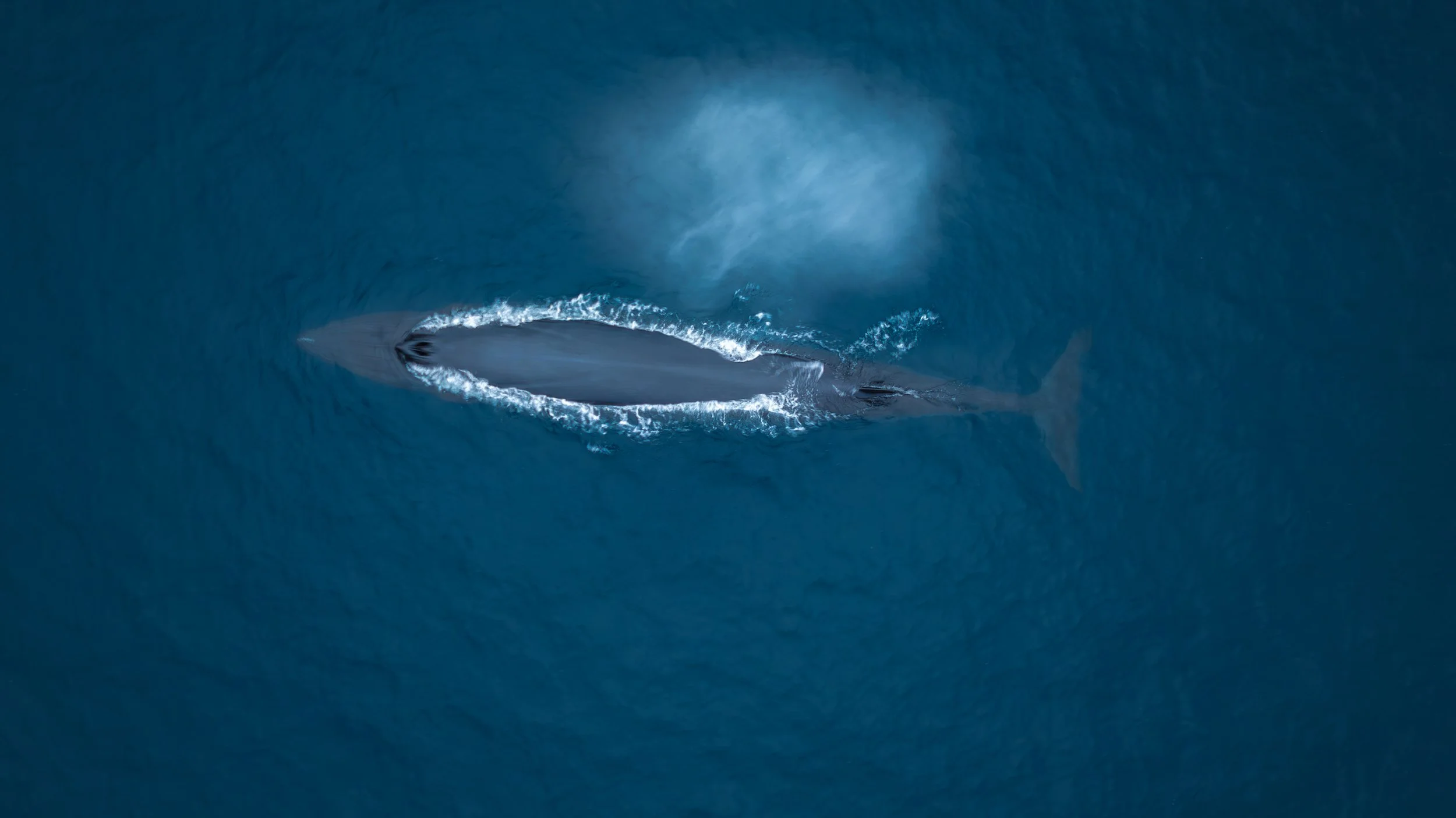
The expedition also generated valuable audiovisual documentation and field testimonies that will contribute to future educational and public awareness initiatives highlighting the ecological importance of Costa Rica’s South Pacific marine ecosystems and the challenges they face.
For the Oceans Foundation emphasized that this expedition is part of a long-term effort to strengthen marine conservation in Costa Rica’s South Pacific, promote effective protection for highly migratory species, and generate scientific evidence capable of supporting improved marine management, conservation initiatives, and public policy development.
The organization expressed its gratitude to the scientists, volunteers, collaborators, and partner organizations that contributed to the success of this first phase of the mission. Special recognition was given to Global Conservation, one of the expedition’s principal supporters and strategic partners, whose commitment to conservation helped make this important initiative possible. Appreciation was also extended to the organizations that form part of the One Ocean Worldwide Coalition (OOWC) and to all those working to advance marine conservation, scientific research, and ocean protection.
With the completion of the field phase, the expedition now enters the scientific analysis stage. Results and findings will be shared publicly once the corresponding technical evaluations have been completed.
Science provides the evidence. Conservation demands action to achieve Peace for the Ocean.
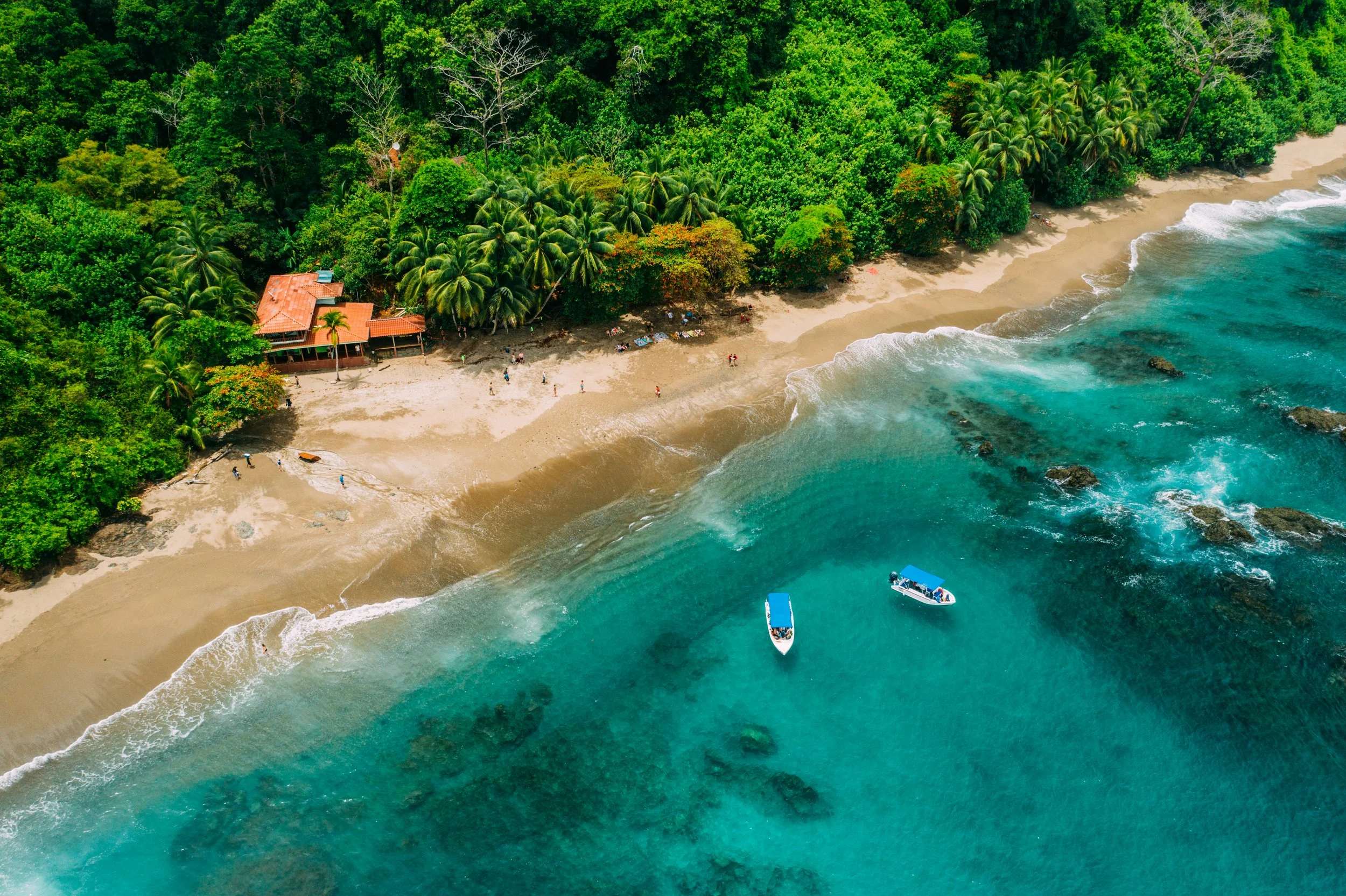
Isla del Caño
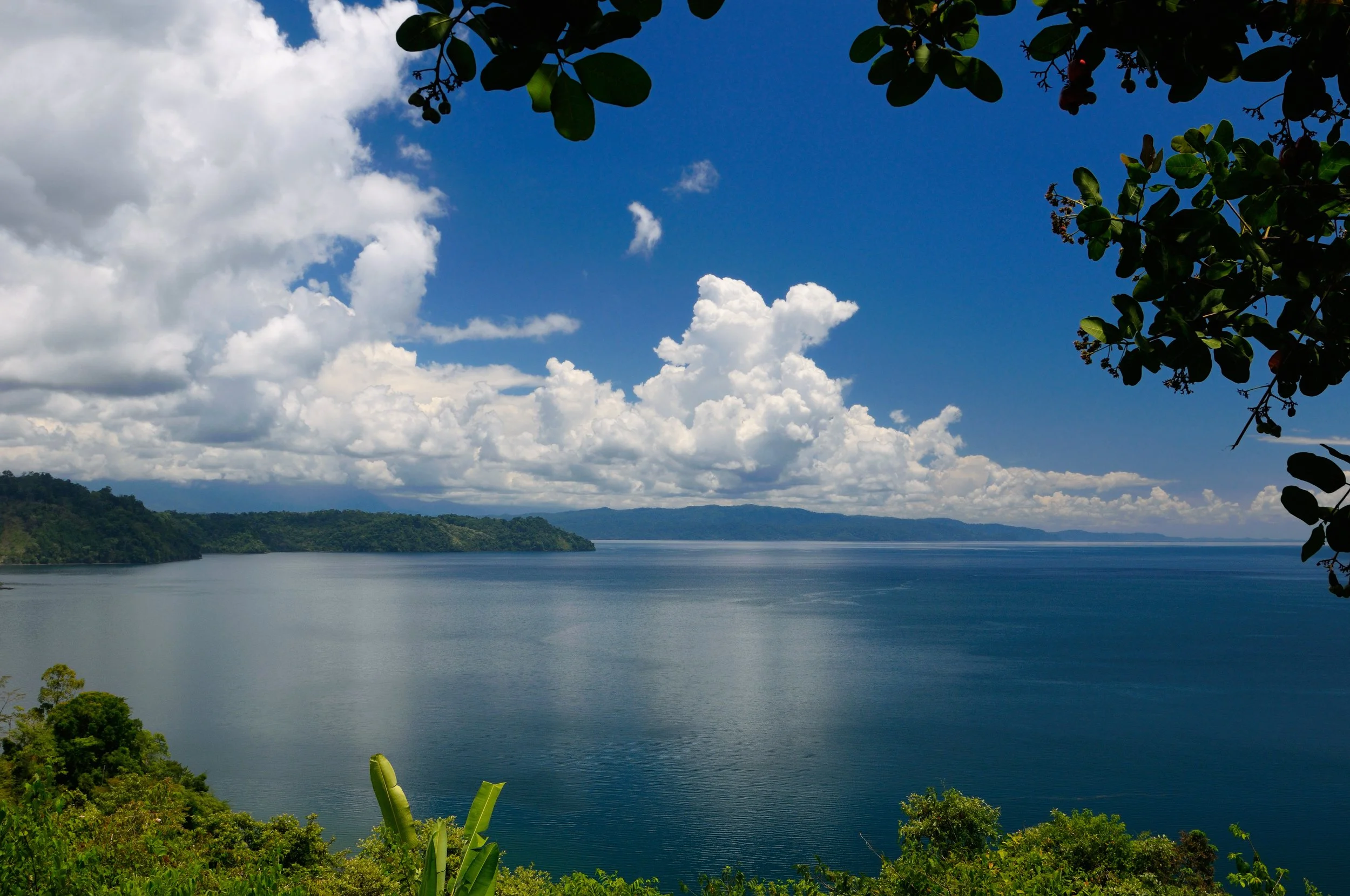
Golfo Dulce at Osa Peninsula
Context and Relevance
The South Pacific of Costa Rica—including Caño Island, Golfo Dulce, the Osa Peninsula, and its connection to Cocos Island—constitutes a critical node for migratory species of high ecological value such as sharks (hammerhead, tiger, and Galápagos), oceanic mantas, sea turtles, and whales. Previous research conducted alongside scientists such as Dr. Mauricio Hoyos and OOWC partners has confirmed the ecological connectivity of this corridor. However, these routes are facing increasing threats: - Illegal fishing (IUU) - Unregulated maritime traffic - Tourism pressure in sensitive areas - Climate change impacts
The Operation
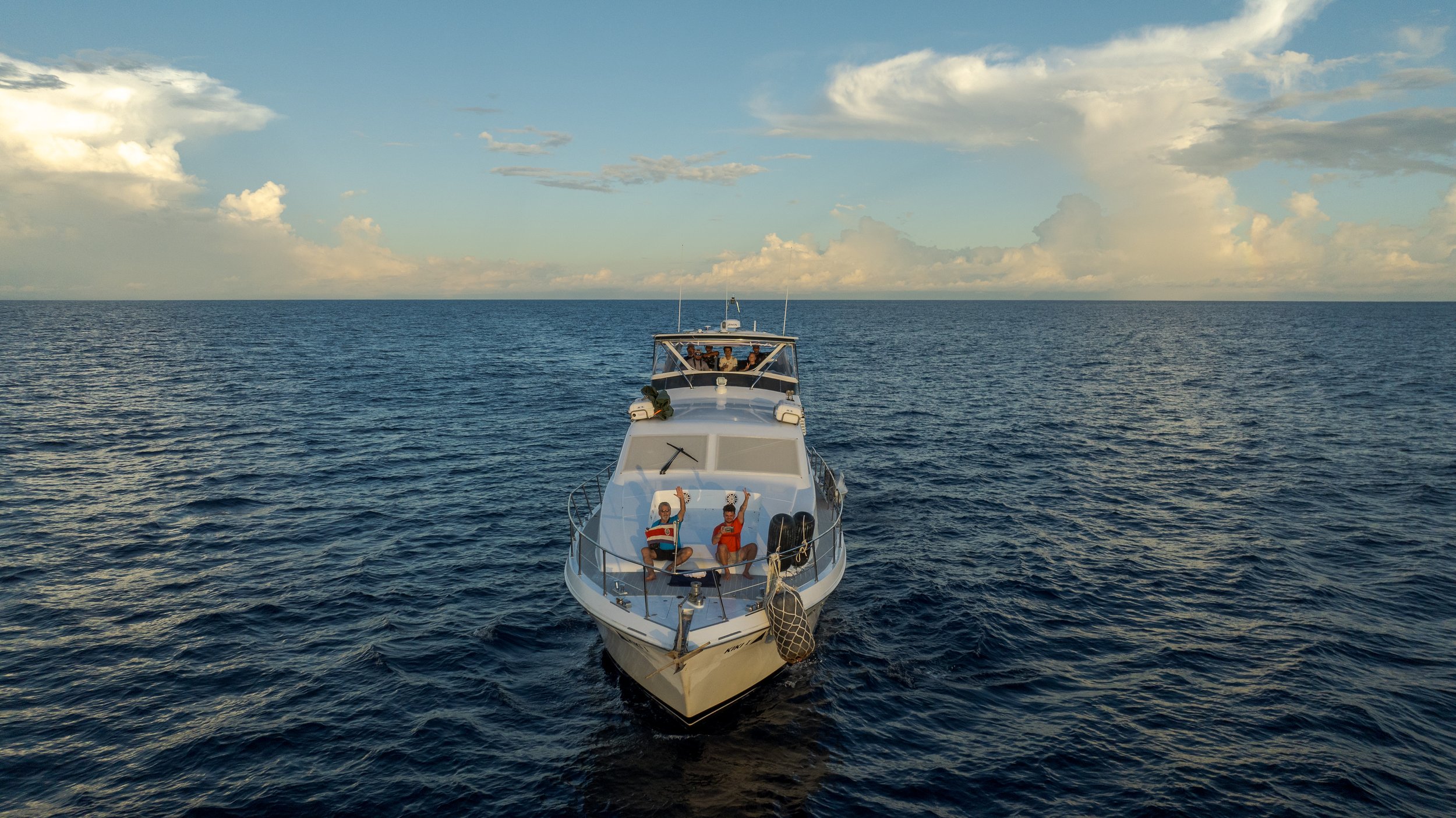
“Operation Peace for the Pacific” is a mission of monitoring, control, and documentation within a 50-mile offshore radius to be carried out during the summer of 2026 through systematic patrols.
The project will integratescientific monitoring of migratory species, detection and documentation of illegal fishing, assessment of ecological impacts and maritime traffic, and production of audiovisual evidence and technical-scientific reports Coordination with authorities (Costa Rican Coast Guard and international partners).
Operational Team
The project will involve an interdisciplinary team composed of two marine biologists, a project director, drone specialists—Communications team (audiovisual documentation, technical reporting, and media management) Research Boat
Strategic Impact
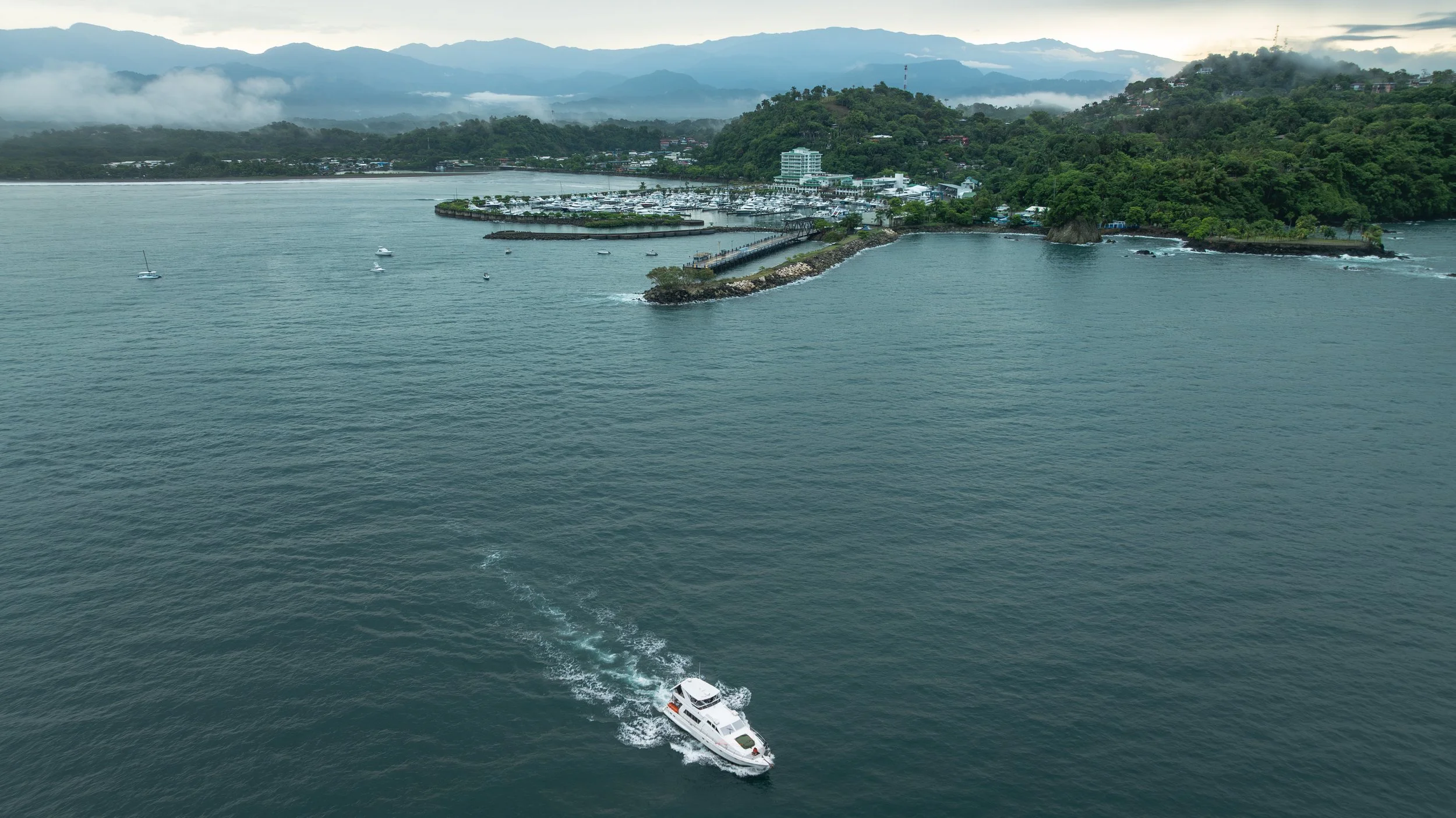
Beyond its direct outcomes, this operation will generate key scientific inputs and evidence to strengthen a high-impact line of work that has developed the expansion of the Corcovado Marine Protected Area, consolidating a functional corridor between Osa, Caño Island, and Cocos Island.
This positions the project not only as a standalone action but also as a structural component in Costa Rica’s marine conservation policy.
“Operation Peace for the Pacific” is not only a monitoring effort; it is a concrete intervention to protect vital ocean corridors, based on science, institutional coordination, and direct action.
Costa Rica has demonstrated global leadership in conservation. This initiative allows us to take a further step: from commitment to effective protection in the open ocean.
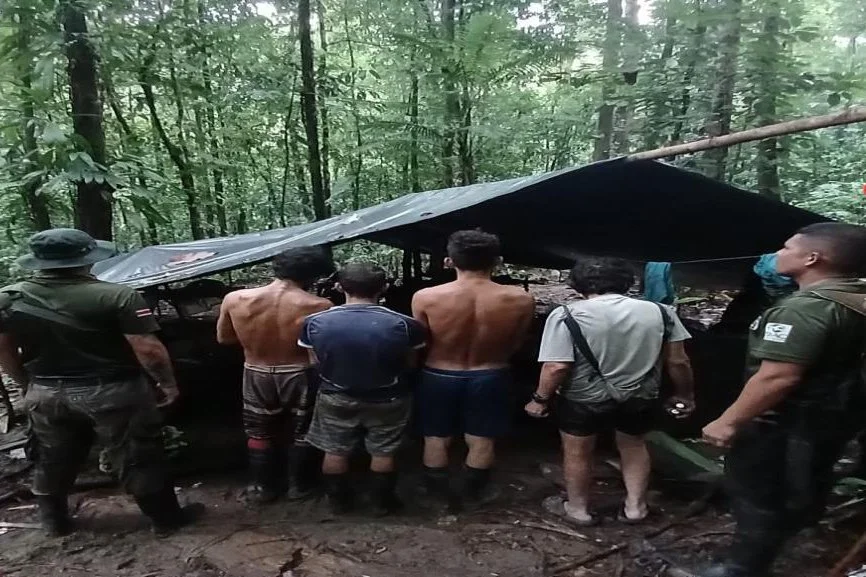

Marco Bustos Salazar, a park ranger and conservation leader from the Área de Conservación Guanacaste (ACG) in Costa Rica, recently completed a specialized course on protected area management led by Jim Barborak from Colorado State University.