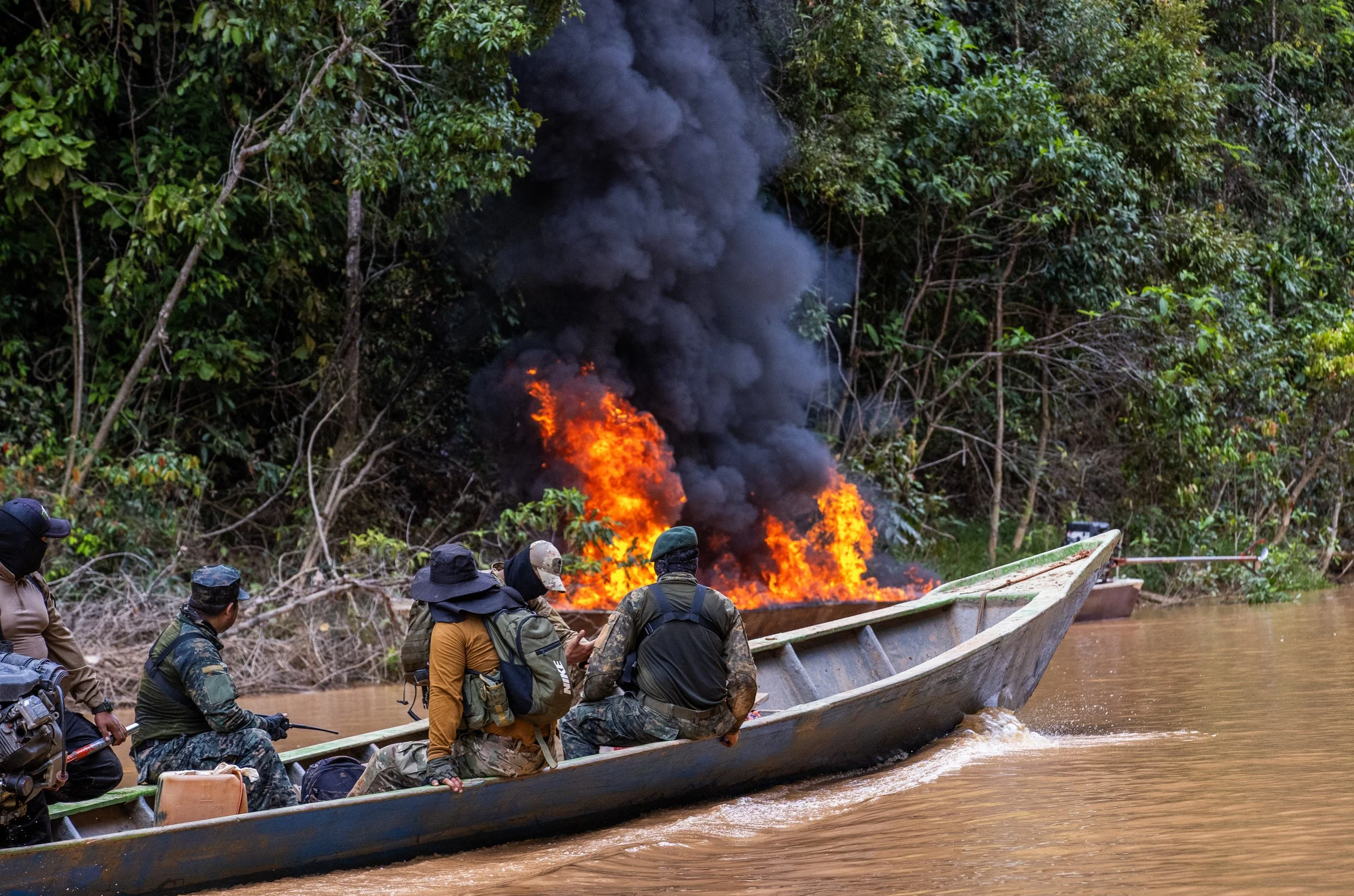
Global Conservation and Busch Gardens Conservation Fund Announce Historic $2 Million Grant for Wildlife Recovery of Lions, Rhinos, Elephants, Hippos, Hyenas, and Giraffes in Uganda’s National Parks
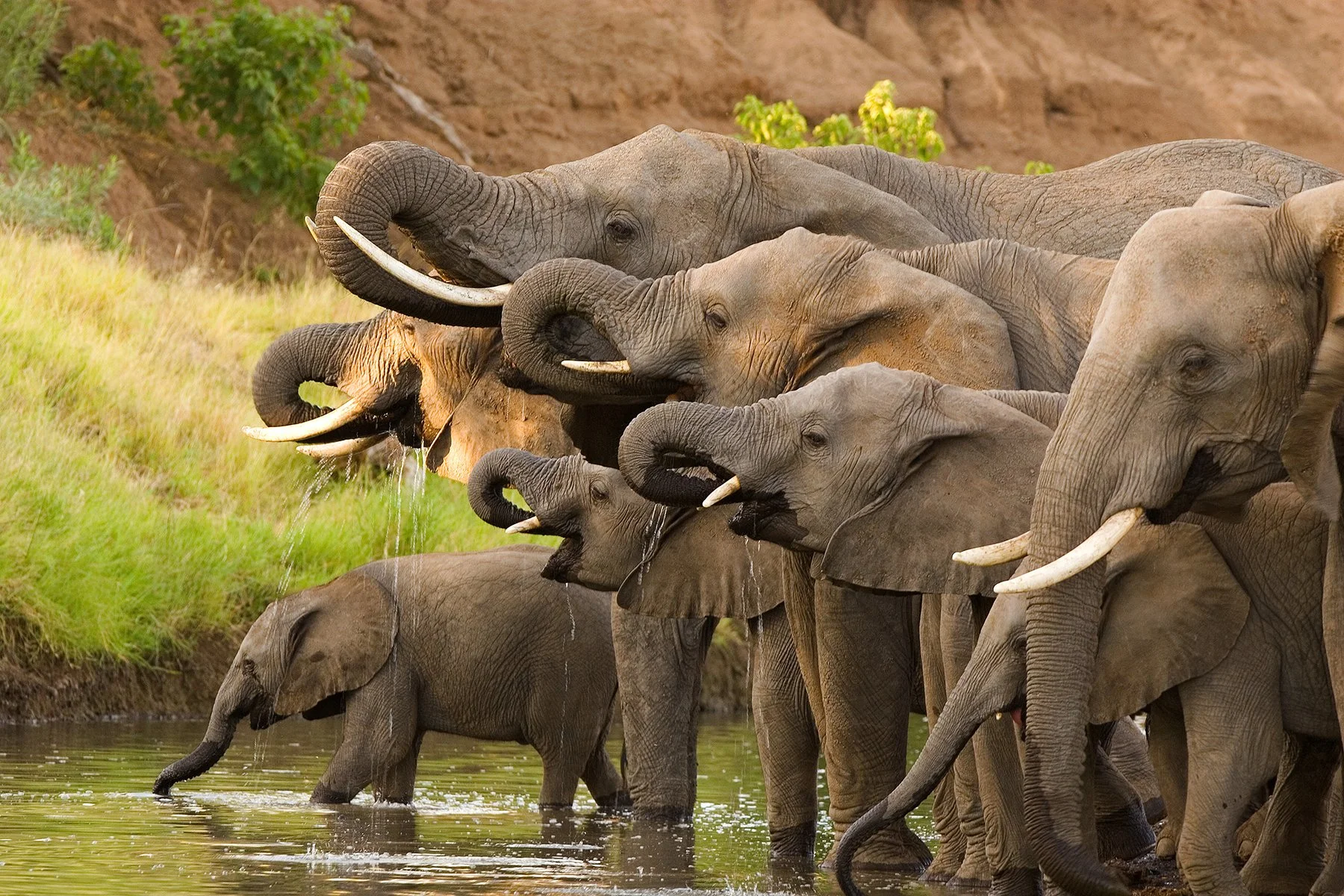
Milestone for East African conservation: reintroducing rhinos and lions to Kidepo Valley National Park
Global Conservation and Busch Gardens Conservation Fund announced today a landmark five-year, $2 million investment to deliver transformative, landscape-scale conservation across Uganda’s Kidepo Valley, Murchison Falls, and Queen Elizabeth National Parks.
The first of its kind, the national initiative, From Recovery to Resilience: Scaling Conservation Impact in Uganda, will be executed in partnership with the Uganda Conservation Foundation (UCF) and the Uganda Wildlife Authority (UWA), building on more than a decade of collaborative management and conservation work in the region.
Major expected outcomes of this initiative will be enhanced protection of Uganda’s national parks, which this month recruited 600 new park rangers, and the reintroduction of rhinos and lions to Kidepo Valley National Park, a milestone for East African conservation.
Key Takeaways:
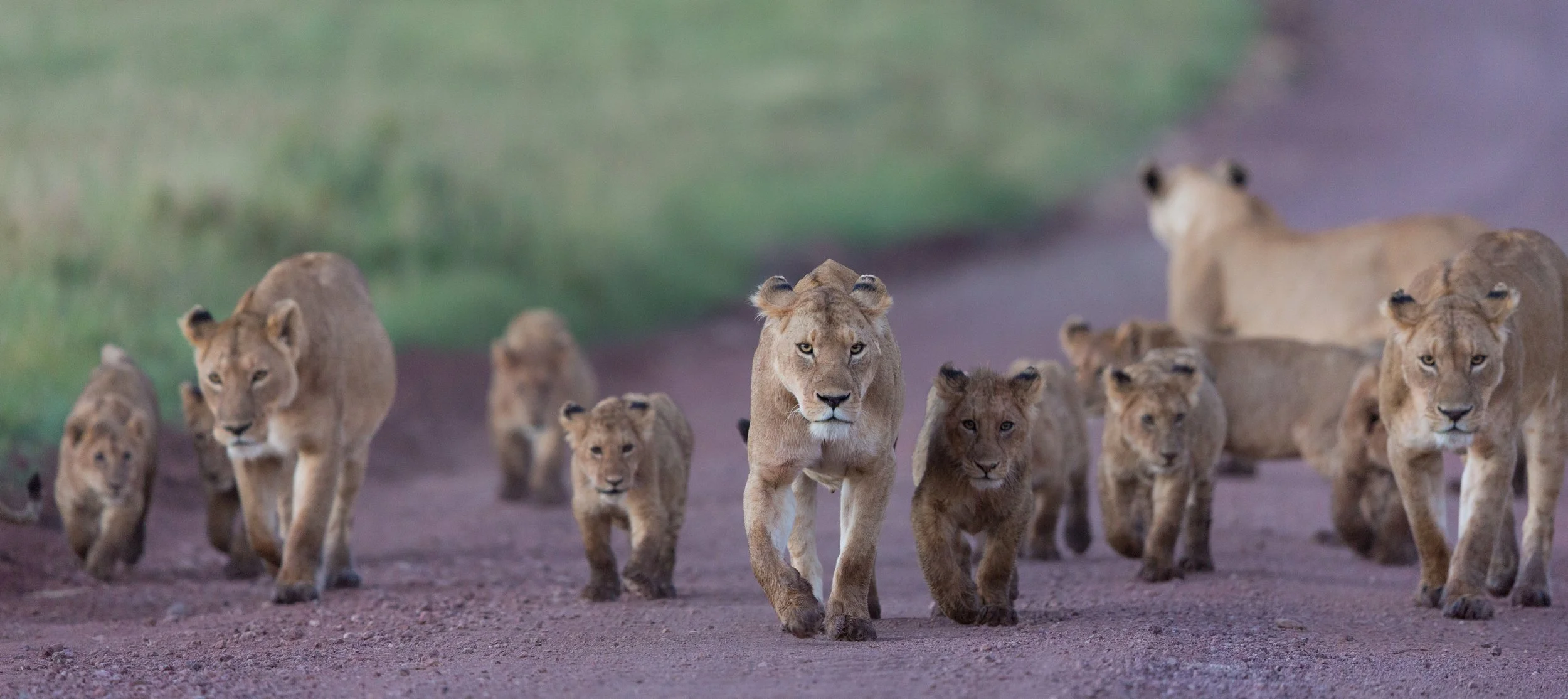
Global Conservation and the Busch Gardens Conservation Fund will direct funding toward protecting critical species, including lions, rhinos, elephants, hippos, hyenas, and giraffes.
The program will integrate species recovery plans into the EarthRanger platform, enabling a scalable, data-driven system that expands effective management across entire protected areas.
The initiative signifies wildlife protection at scale by addressing the 80% of under-managed key landscapes across the region using Global Park Defense and Community Protection methods.
Large-scale, technology-enabled conservation uses digital systems and real-time field data to provide consistent, evidence-based protection and species recovery for three of Uganda’s most iconic and endangered national parks, which face wildlife poaching and industrial-scale illegal snaring of thousands of animals each year.
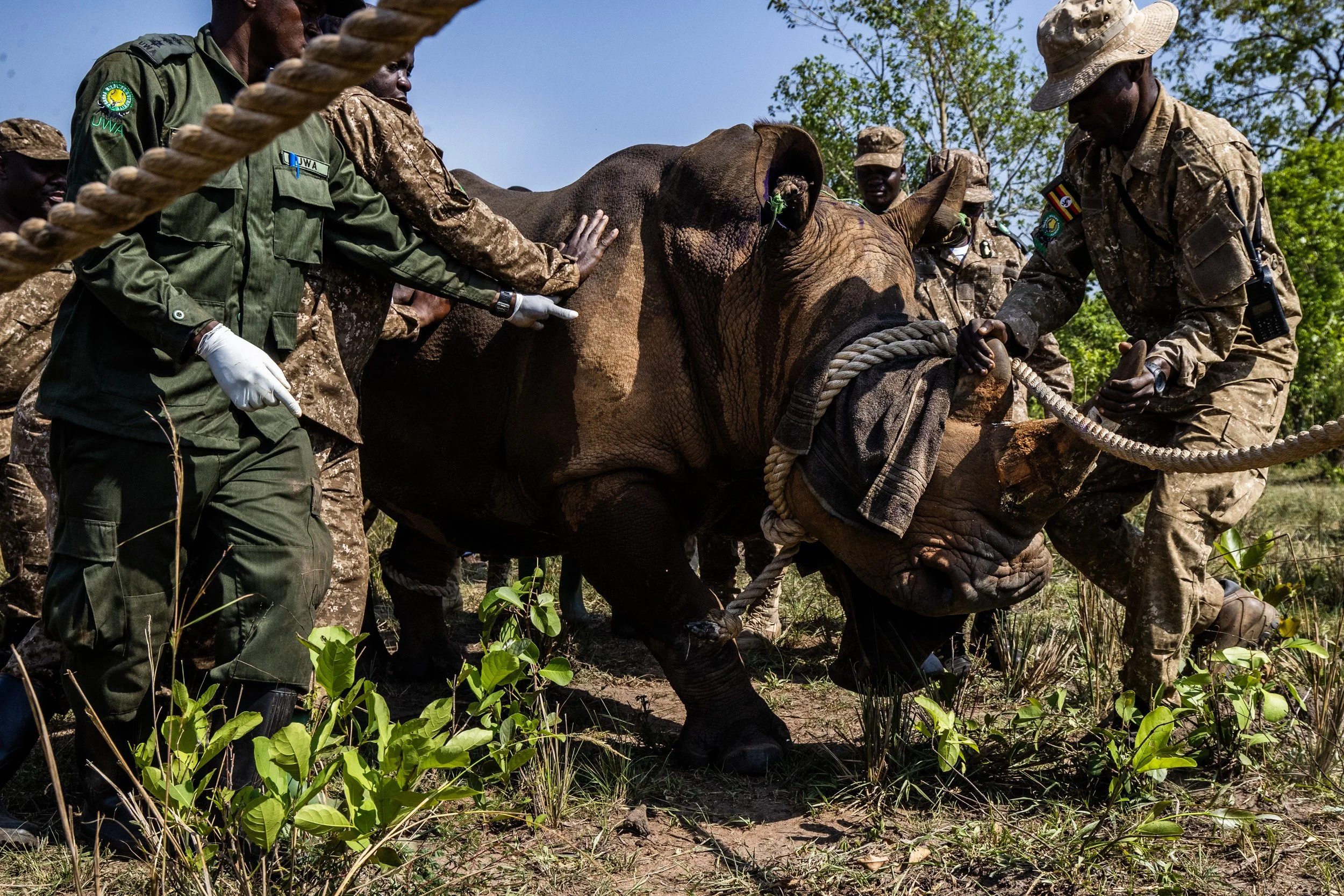
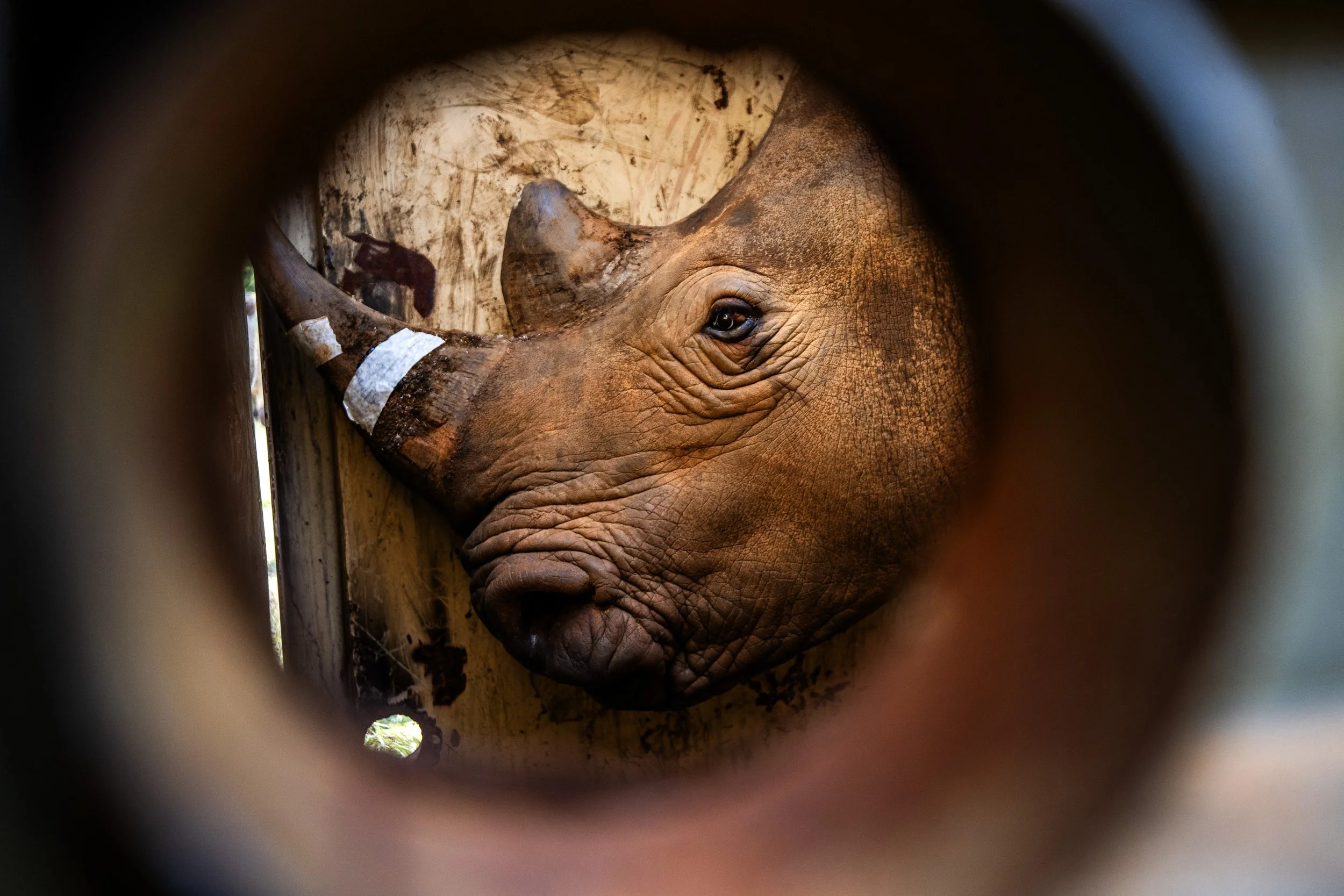
In March 2026, Global Conservation, in partnership with the Uganda Conservation Foundation, the Northern Rangeland Trust, WildLandscapes East Africa, and the Uganda Wildlife Authority, successfully reintroduced rhinoceros to Kidepo Valley National Park, which had been wiped out in 1983 due to poaching, conflict, and failing protection. This funding enables around-the-clock surveillance and patrolling to protect the rhinos inside Kidepo Valley National Park and improve fencing, access roads, fire prevention, park-wide communications, and security systems.
Historically, conservation impact across Uganda’s protected areas has been concentrated in limited, tourism-accessible zones, leaving more than 80% of key landscapes under-managed. These UCF-led recovery programs directly address that imbalance by transitioning from localized recovery efforts to a park-wide, fully integrated system-driven model of protected area management, embedding sector and species-specific planning at the core of national park operations.
Jeff Morgan, Executive Director of Global Conservation, said, “This partnership reflects Global Conservation’s deep commitment to protecting wildlife at scale. Uganda’s national parks are home to some of Africa’s most iconic and threatened species, and we are proud to invest in a program that combines cutting-edge technology with on-the-ground expertise to secure their future. The collaboration with Busch Gardens Conservation Fund, UCF, and UWA gives us confidence that these funds will deliver lasting, measurable impact.”
Coordinated Investment Framework Delivers Conservation at Scale
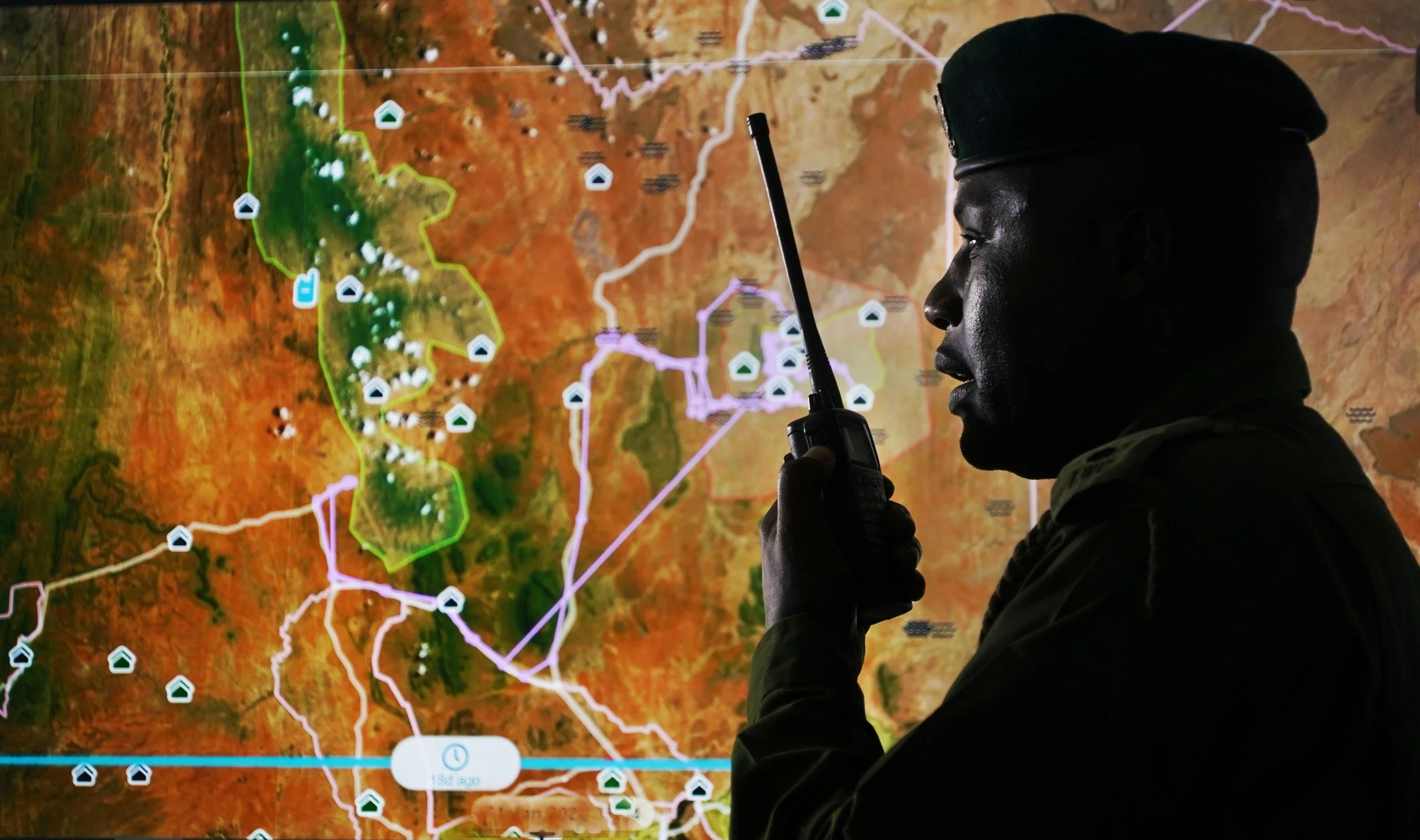
Image courtesy of EarthRanger
With a projected budget of approximately $2 million over five years, the initiative is structured as a catalytic, co-funded platform to raise up to $5 million in this period. Contributions from the Busch Gardens Conservation Fund will leverage matched funding from Global Conservation, creating a coordinated investment framework designed to deliver conservation impact at scale.
Rob Yordi, Executive Director of the Busch Gardens Conservation Fund, said, “For more than two decades, the Busch Gardens Conservation Fund has been dedicated to supporting grassroots conservation efforts that deliver meaningful results for wildlife and local communities. This initiative builds on that legacy by bringing together partners around a coordinated investment framework that aligns resources, expertise, and long-term conservation goals. By co-funding proven conservation solutions and scaling them across entire ecosystems, we can accelerate wildlife recovery, strengthen protected area management, and create lasting impact in some of Africa’s most important landscapes.”
Michael Keigwin, Founder and Trustee of the Uganda Conservation Foundation, said, “Our collaborative management with the Uganda Wildlife Authority is based on thirty years of frontline conservation and regional development in three of Africa’s most incredible landscapes and species.”

Using devices as simple as cell phones, conservationists are able to keep track of data across the protected areas. Photo courtesy of EarthRanger.
Crucially, the integration of digital systems and real-time field data will enable the consistent production of high-quality, evidence-based content from Uganda’s parks, significantly expanding global media reach, enhancing donor visibility and positioning all partners at the forefront of large-scale, technology-enabled conservation.
Charles Tumwesigye, Commissioner of Field Operations of Uganda Wildlife Authority, said, “Our use of conservation technology across our protected areas has grown enormously, with UWA for the first time having real-time access to data and reports to support and help us conserve our protected areas, tourism, and our wildlife better. We can’t thank our long-term partners enough and have lots yet to accomplish.”
By embedding sector-based planning, scaling data-driven systems, and focusing on sustained species recovery, the program will expand protected area management across entire landscapes, delivering measurable ecological recovery, reduced threats, and resilient park-community systems — while establishing a scalable, nationally owned model for long-term conservation success in Uganda.