
GC Impact Report 2024-25: Enabling the Recovery of Murchison Falls National Park, Uganda
Photography by Paul Hilton
The Jewel of the Nile in Africa
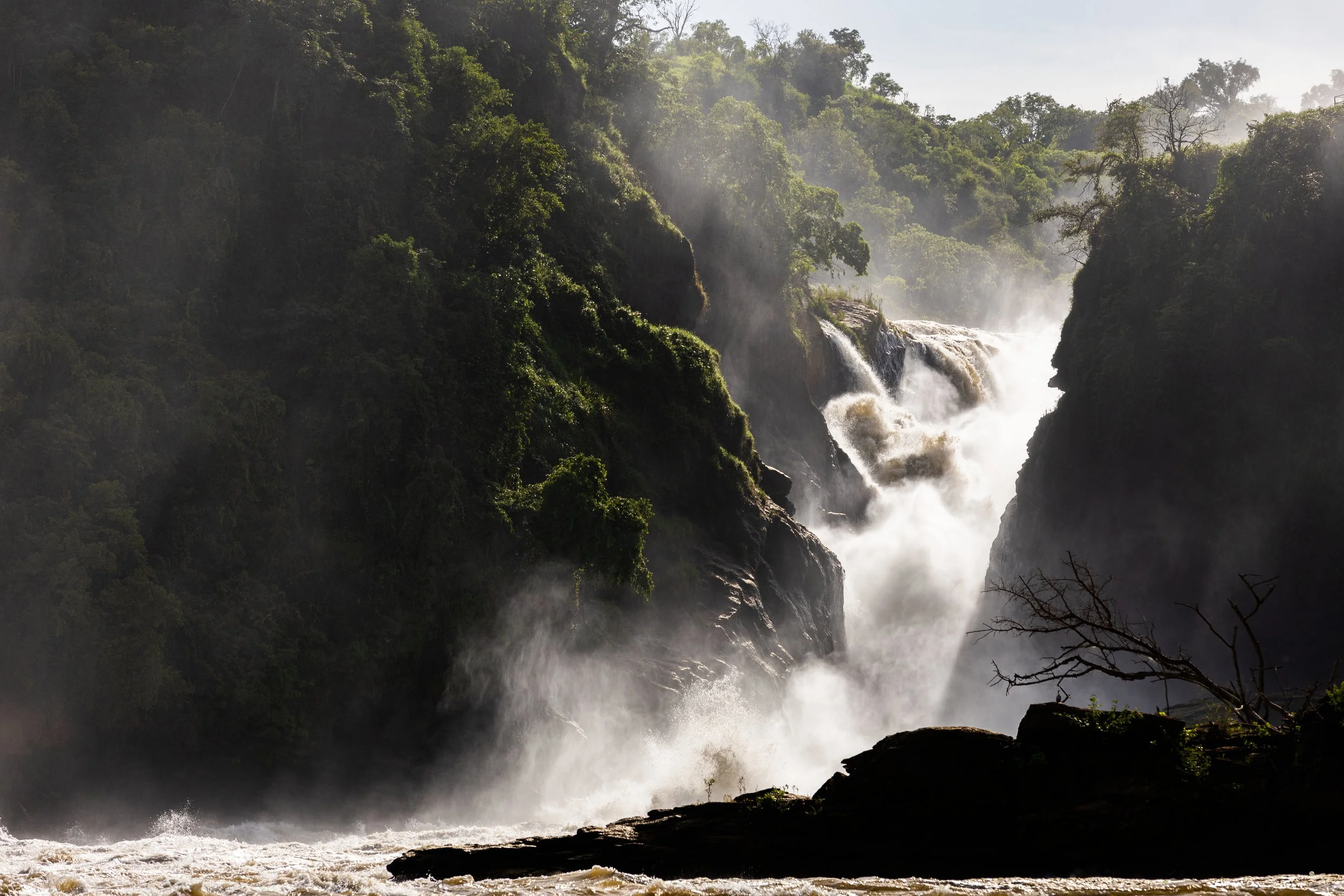
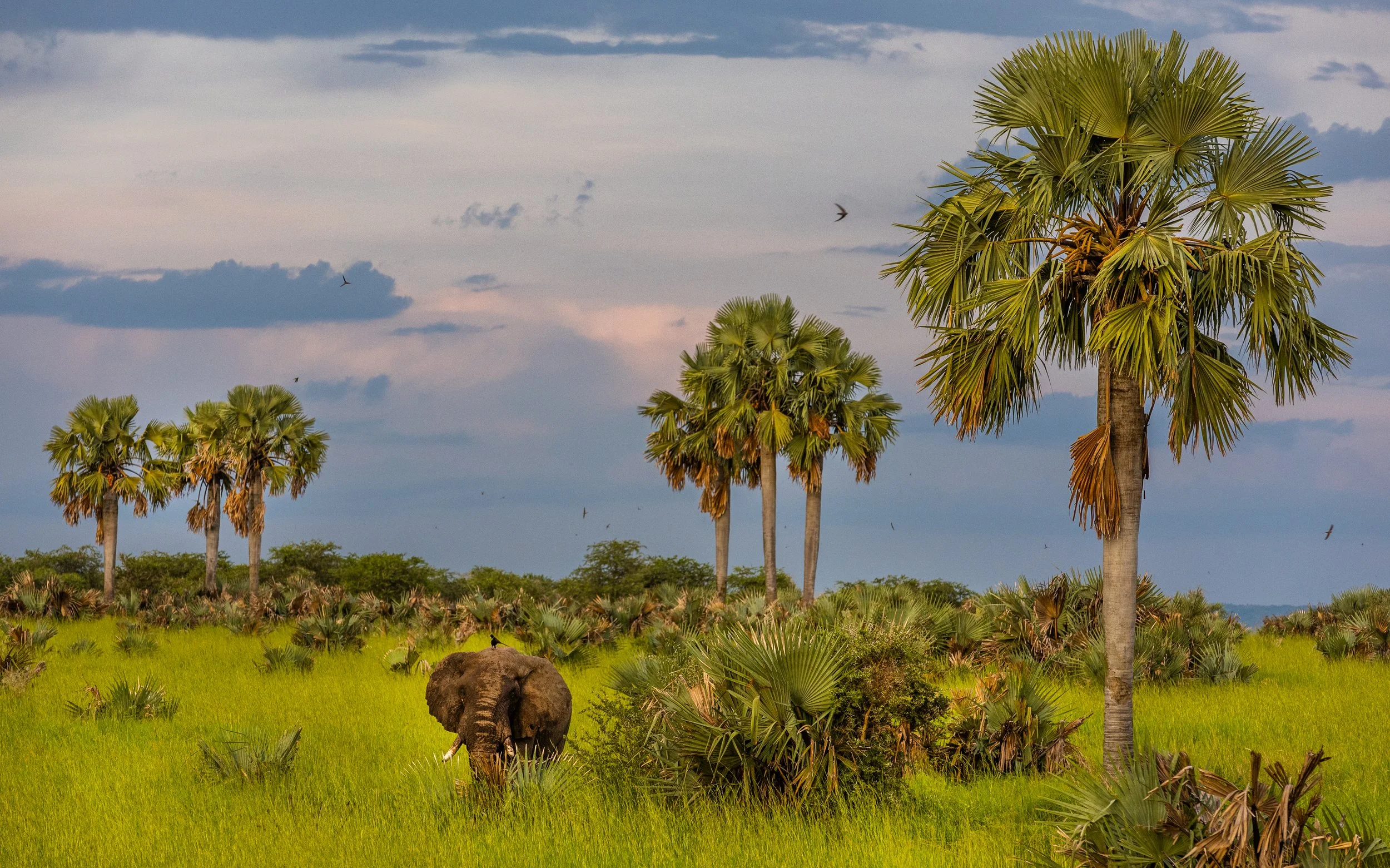
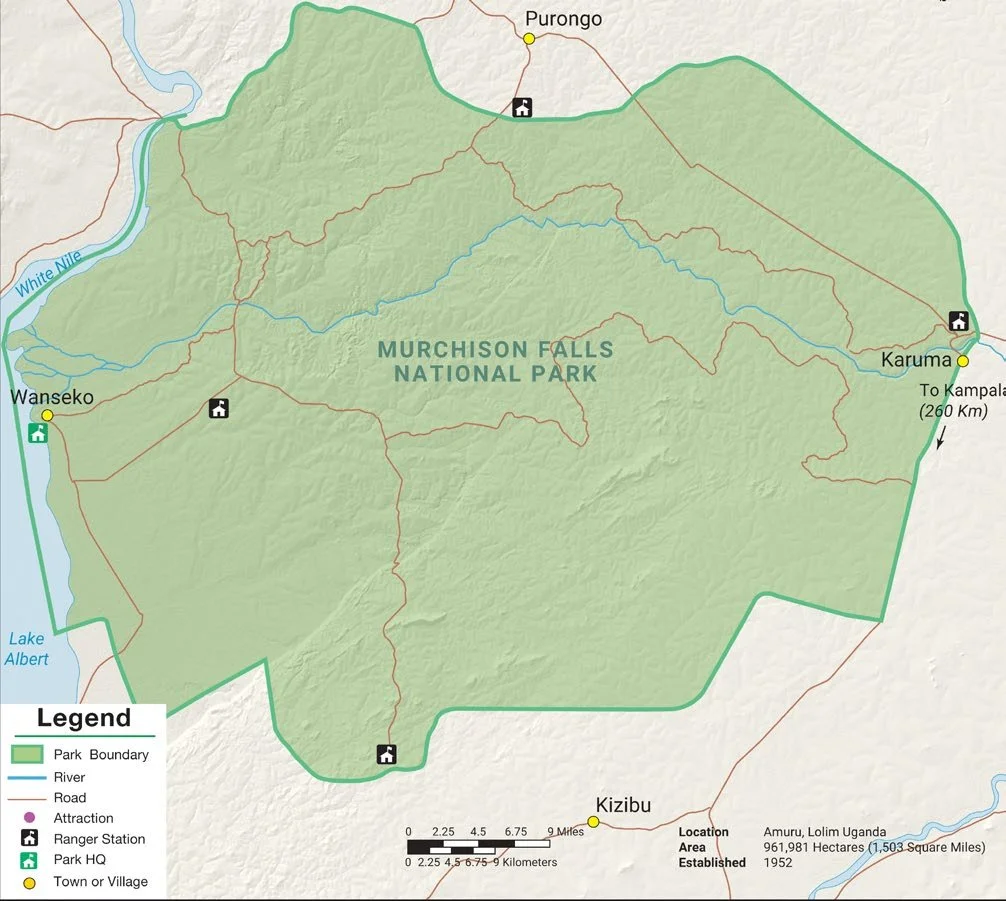
Since 2018, Global Conservation has been supporting the work of the Uganda Conservation Foundation (UCF) and the Uganda Wildlife Authority (UWA) to restore wildlife, develop effective park management, and drive up tourism numbers in Murchison Falls National Park, Uganda.
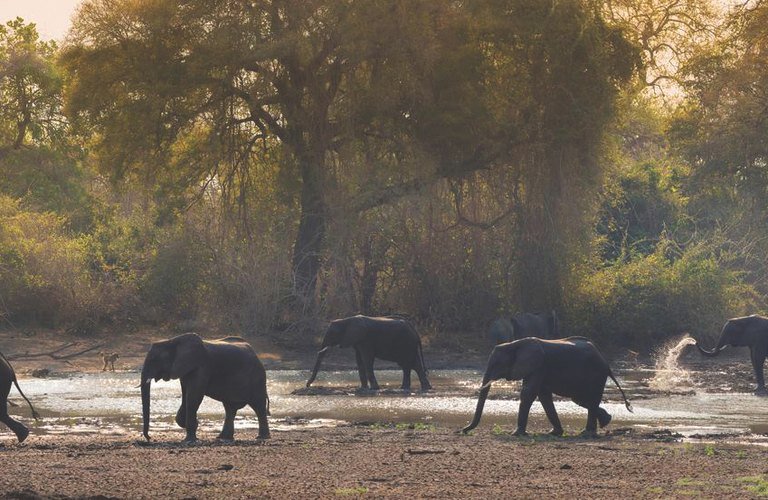
Murchison Falls National Park was once considered the Jewel of Africa, with hundreds of thousands of visitors, before the region fell to civil war, which decimated nearly 90% of the park’s biodiversity—elephants, hippos, lions, and hundreds of other species. These animals were killed both for food and to sell poached goods in order to fund war. While the war stopped in 1986, the recovery of the area is slow going and remains a top priority in the face of continued poaching.
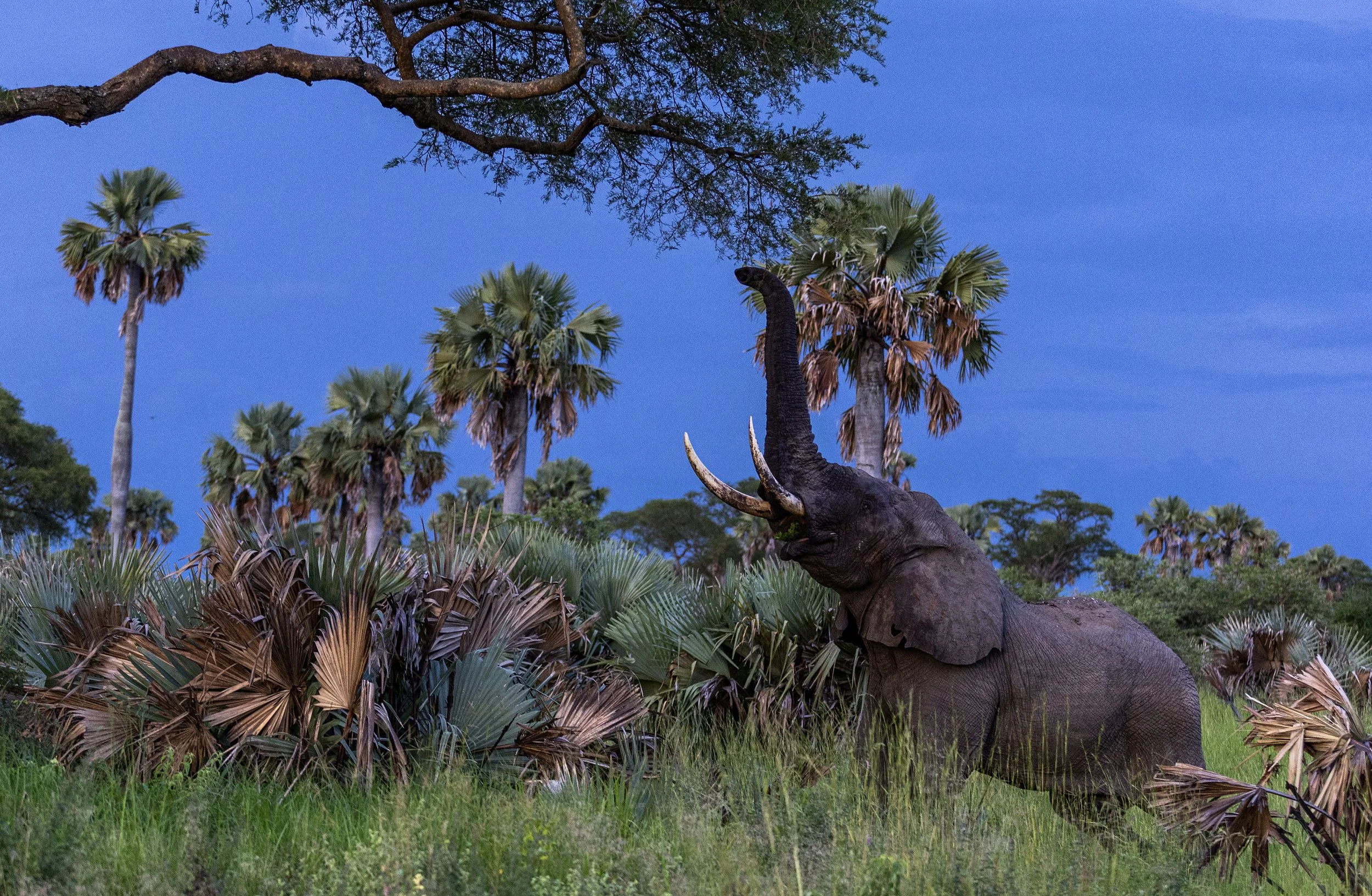
Uganda’s largest and oldest national park is over 500,000 hectares and was once the most visited park in Africa and home to the highest megaherbivore biomass on the continent. From the late 1970s to the year 2000, the park suffered extreme poaching, with elephant numbers tragically dropping from over 16,000 to under 500. The impact of poaching on other herbivores and the carnivores was just as dramatic—a complete collapse.
Since the turn of the millennium, the core tourism area of MFNP (3%) has stabilized, resulting in a steady recovery in tourist numbers. Outside of the core area, though, poaching has remained extreme, especially in the 97% of the national park outside the tourism area. Vast areas remain vulnerable to poaching blocking wildlife growth and ability to distribute across the landscape.
Deploying Global Park Defense
Over the past five years, UCF and UWA, with Global Conservation support, have built out critical new infrastructure and professional park management and protection systems, deploying Global Park Defense across nearly 85% of the national park. The Global Park Defense program has achieved critical outcomes toward park and wildlife protection to stop wildlife poaching and enable biodiversity recovery:
Park-wide Communications
Five new digital radio towers now enable communications to all vehicles, 18 ranger stations, and patrol team handsets.
Community Protection
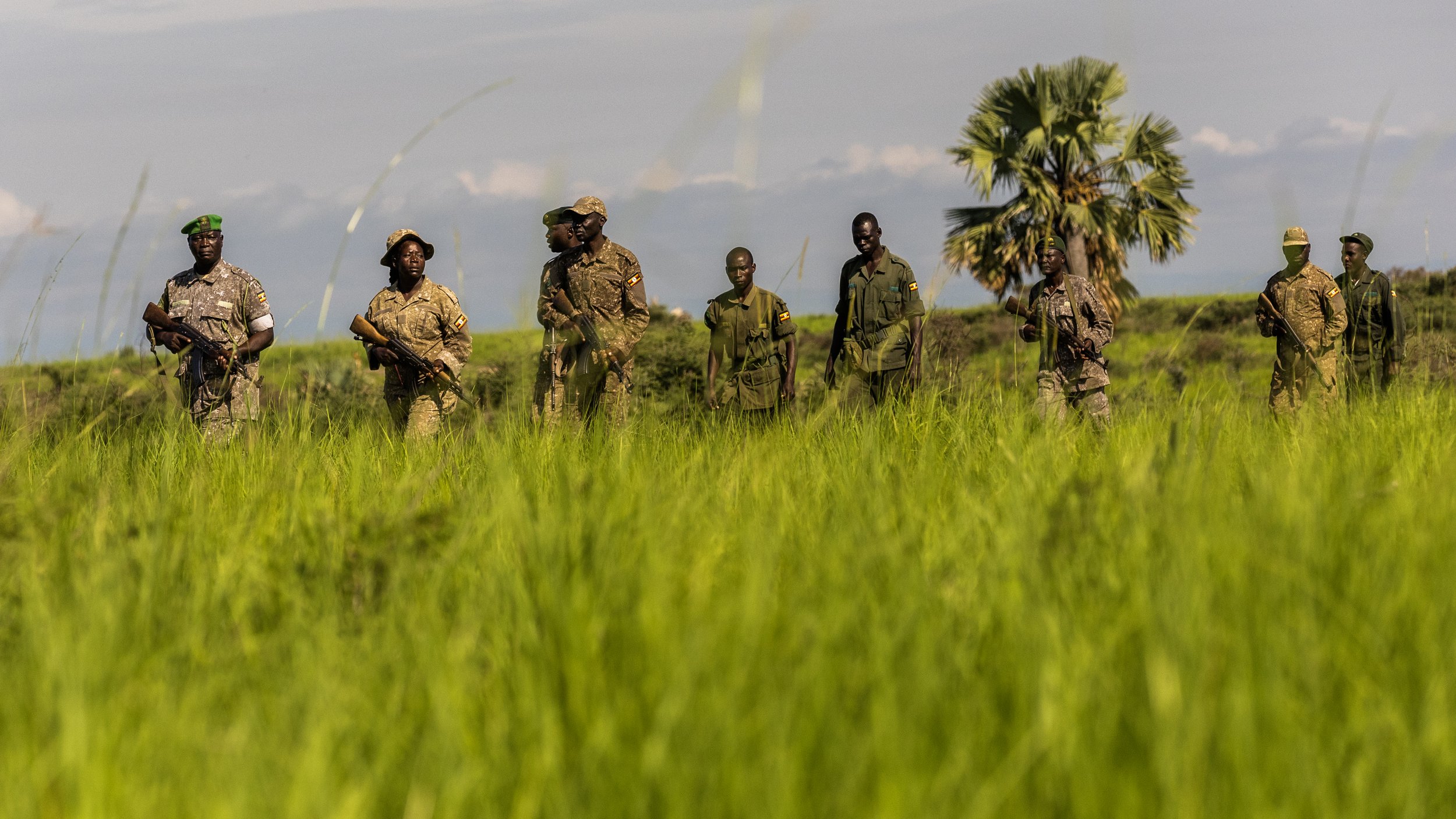
80 Community Scouts provide support to UWA, including rotations to support ranger stations and patrols. The program employs youth from the north of the park who are selected to undertake vocational college courses in hydraform brick making, industrial painting, tractor operations, installation of water tanks and guttering, fencing, tree nursery set-up, and tree management.
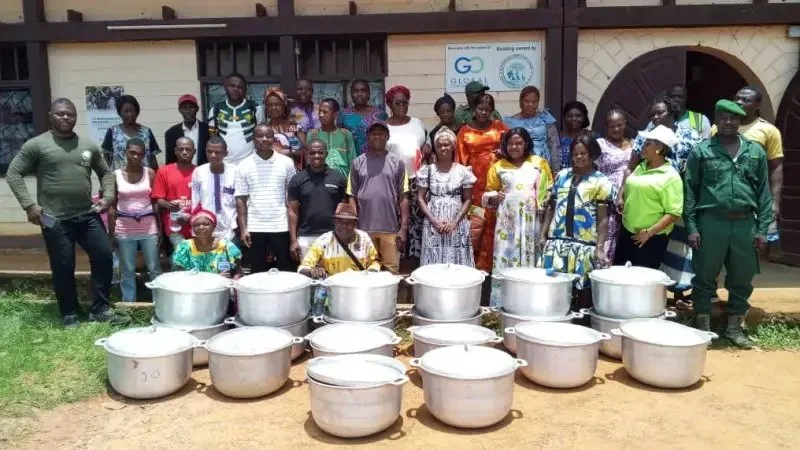
Additionally, the Community Scout assists with patrolling and surveillance. This is especially significant given that they come from communities that tend to have negative perspectives toward UWA and the national park. Their attitudes have now changed, and they are now trusted park ambassadors within their communities.
New Joint Operations Command Center (JOCC)
For the first time, the national park has a complete command center with Operations Center, Intelligence, Police Station, Jail, Armory, Confiscations Warehouse and independent Solar Power and generators.
EarthRanger Real-Time Protection System
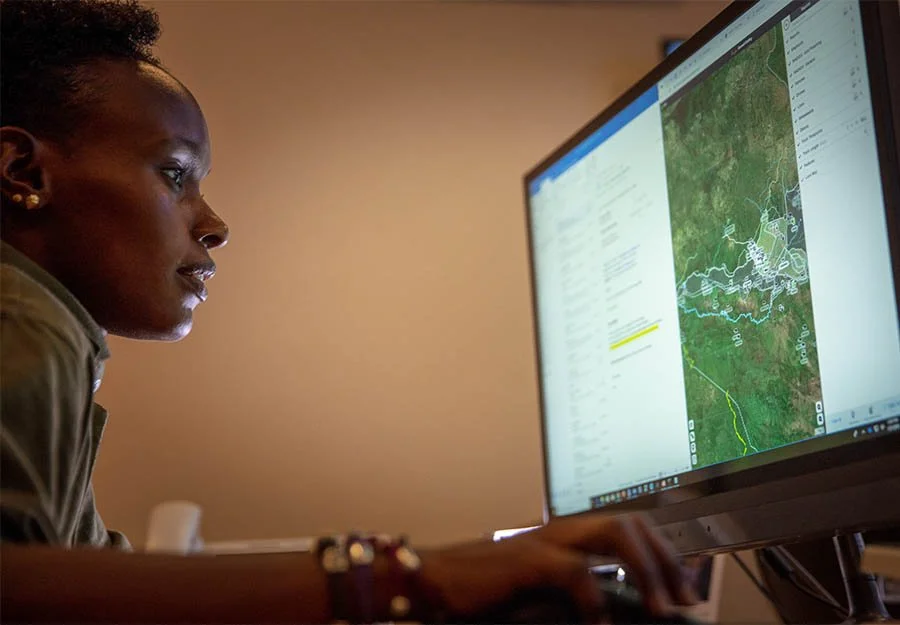
EarthRanger provides a real-time protected area management solution that aids protected area managers, ecologists, and wildlife biologists in making more informed operational decisions for wildlife conservation. EarthRanger collects, integrates, and displays all historical and real-time data available from a protected area—including wildlife, ranger patrols, spatial data, and observed threats.
EarthRanger is a proven ‘Force Multiplier’ for security operations with a visualization capability that allows managers to gain a real-time, in-depth understanding of activities related to poaching and other threats. EarthRanger informs patrol planning and increases patrol effectiveness as well as enabling analysis and deeper insight into meaningful trends, such as poaching interdictions, animal behavior, and the national park’s responses.
Expanded Patrol Operations
Especially during Covid, when park revenues collapsed, Global Conservation’s ongoing support enabled continued Ranger patrolling in all 9 sectors of the national park and replenishment of rations and water, as well as fuel and vehicle maintenance.
Professional Training and Equipment
With major upgrades to Ranger Kits and Ranger Stations, including solar power and kitchens, beds, and baths. All Murchison Falls Rangers received Junior Leadership training, which included human rights and medical education, as a foundation before undergoing Special Skills training.
Aerial Wildlife Surveys
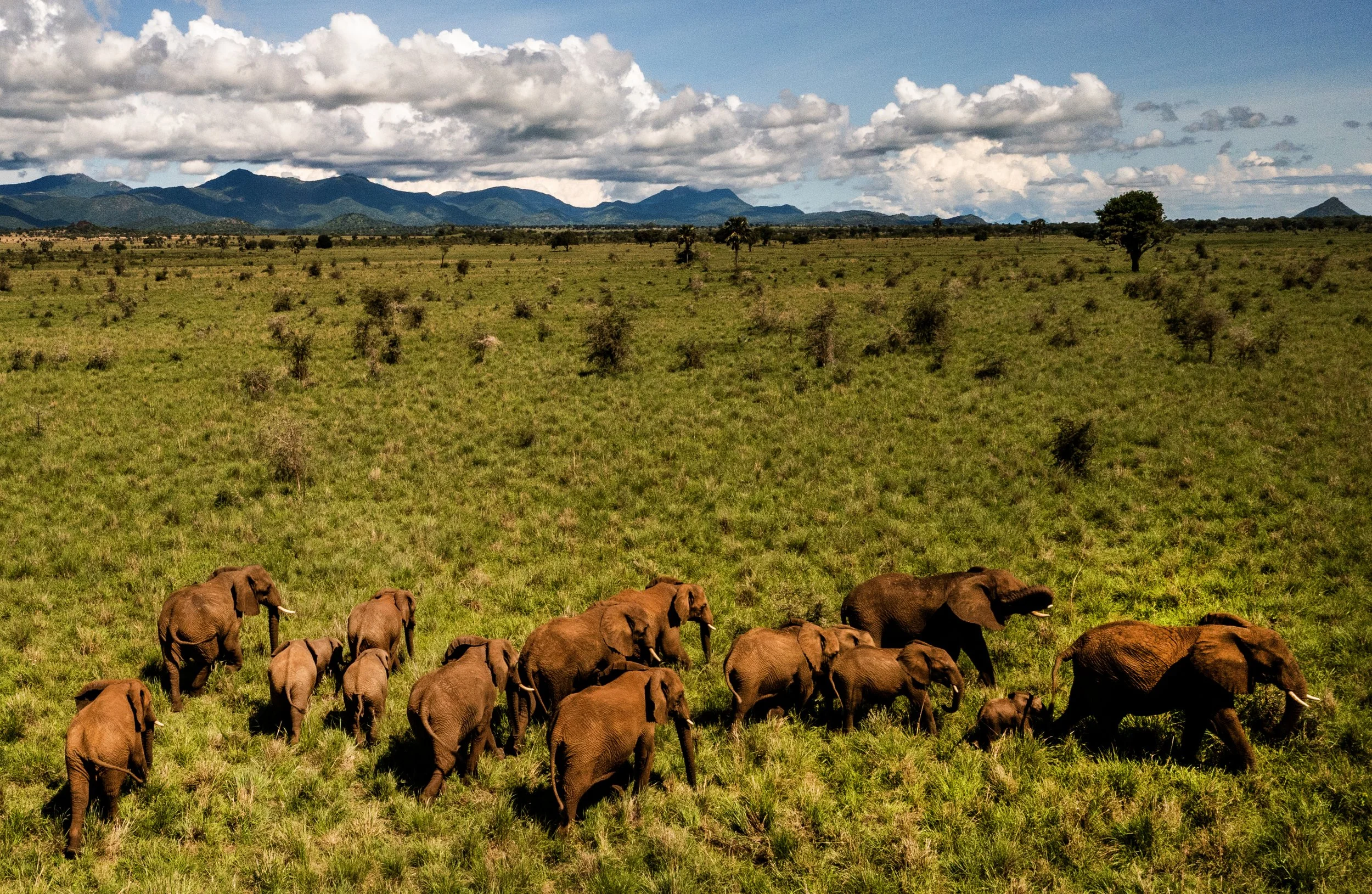
For the first time in Africa, led by Dr. Richard Lamprey and sponsored by Global Conservation, an aerial survey used imaging and artificial intelligence to provide an estimated population count for a major national park, giving an accurate count of elephants, hippos, buffalos, and other herbivores.
Traditional aerial elephant surveys rely on human spotters counting elephants one by one while looking out the window. With the latest airborne imaging systems, baseline wildlife population surveys and detailed land use and deforestation maps can be automatically generated for park and wildlife management, community development, and wildlife corridor planning.
Establishing and Leveraging the Foundations of Protected Area Management
UCF has focused on rebuilding the essential systems of protected area management, many of which were lost or outdated due to decades of unrest from the 1970s to the early 2000s. The focus has now shifted from rebuilding to operationalizing these foundations for stronger conservation management.
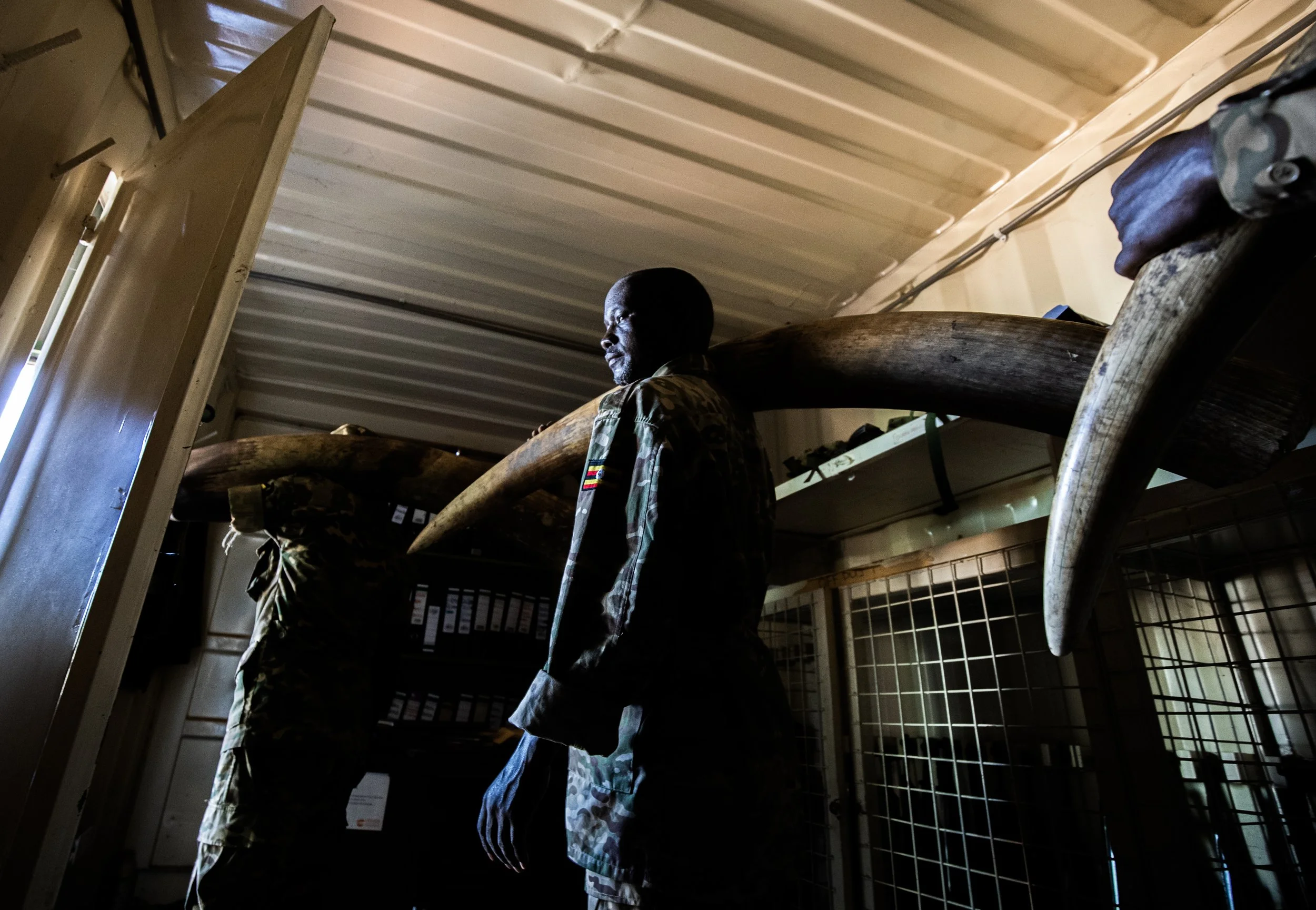
The three Law Enforcement and Operations Centers serve the Queen Elizabeth, Murchison Falls, and Kidepo Valley Conservation Areas. Each includes a Joint Operations Command Centre housing the Operations Room, Intelligence, Investigation, and Prosecution departments, and UWA leadership offices.
The Operations Rooms use EarthRanger, integrating digital radio and phone systems to provide real-time communication and visual situational awareness across the protected areas. This enables coordination of over 100 ranger posts (30 built by UCF), the Marine Ranger Unit, Veterinary Response Units, and community conservation and problem animal control teams.
Through these efforts and from the support of Global Conservation, UCF and UWA have expanded management coverage from limited tourism zones in Queen Elizabeth and Murchison Falls to over 80% of the parks.
Critical Outcomes of Murchison Falls Recovery
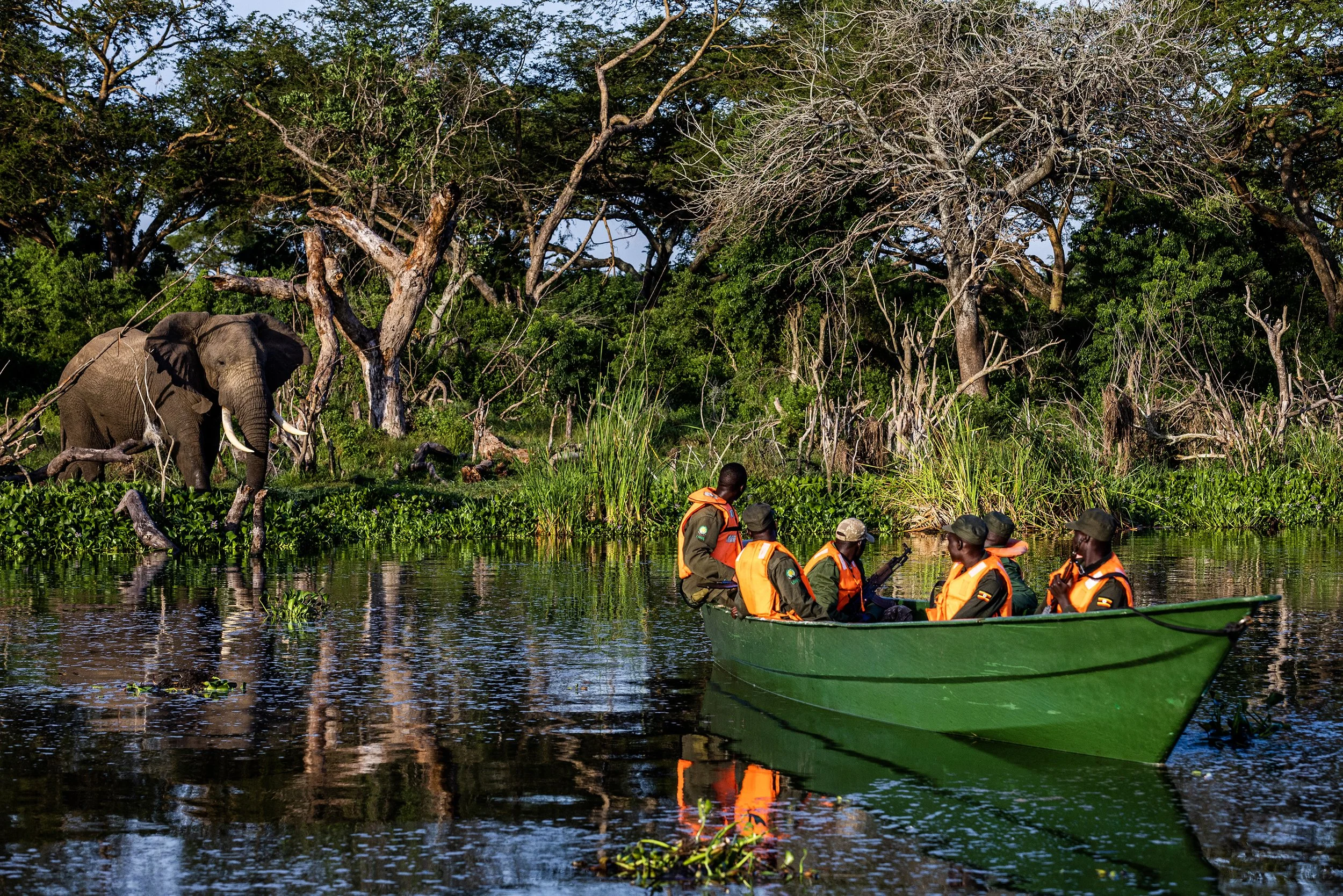
As part of a broader initiative to enhance operational capacity and wildlife protection across MFCA, significant investments were made in the recovery and development of ranger infrastructure. This strategic effort focused on expanding ranger presence and reinforcing law enforcement capabilities in the park. Key achievements include:
Construction of 11 Ranger Posts and QRF accommodation: New ranger posts were constructed at Punu Rii, Bugungu, Rabongo, Got Labwor, Mupina, Bulaya, Sengenege, Waiga, Kololo, Atil Camp, and Ayago 3. Two QRF blocks were also constructed at the Mubako Headquarters to support rapid deployment and tactical operations.
Establishment of 5 Marine Ranger Stations in the Delta area: To counter illegal activities along the Nile, marine stations were constructed at Paraa, Semanya, Delta, Buligi, and Kabim. Each station was equipped with jetties, boats, and communication tools to support marine operations.
Ranger Academy Upgraded: The Ranger Academy received new furniture, fittings, and a solar power system with backup generators and is now fully operational and being utilized for UWA refresher training of the rangers in various disciplines like QRF, first aid, and Human rights.
These developments mark a transformative step in MFCA’s conservation strategy, reinforcing ranger capacity, improving response times, and safeguarding Uganda’s natural heritage against poaching and illegal wildlife trade.
Unified Command and Control for all park sectors, enabling effective planning and targeted patrolling against wildlife poaching.
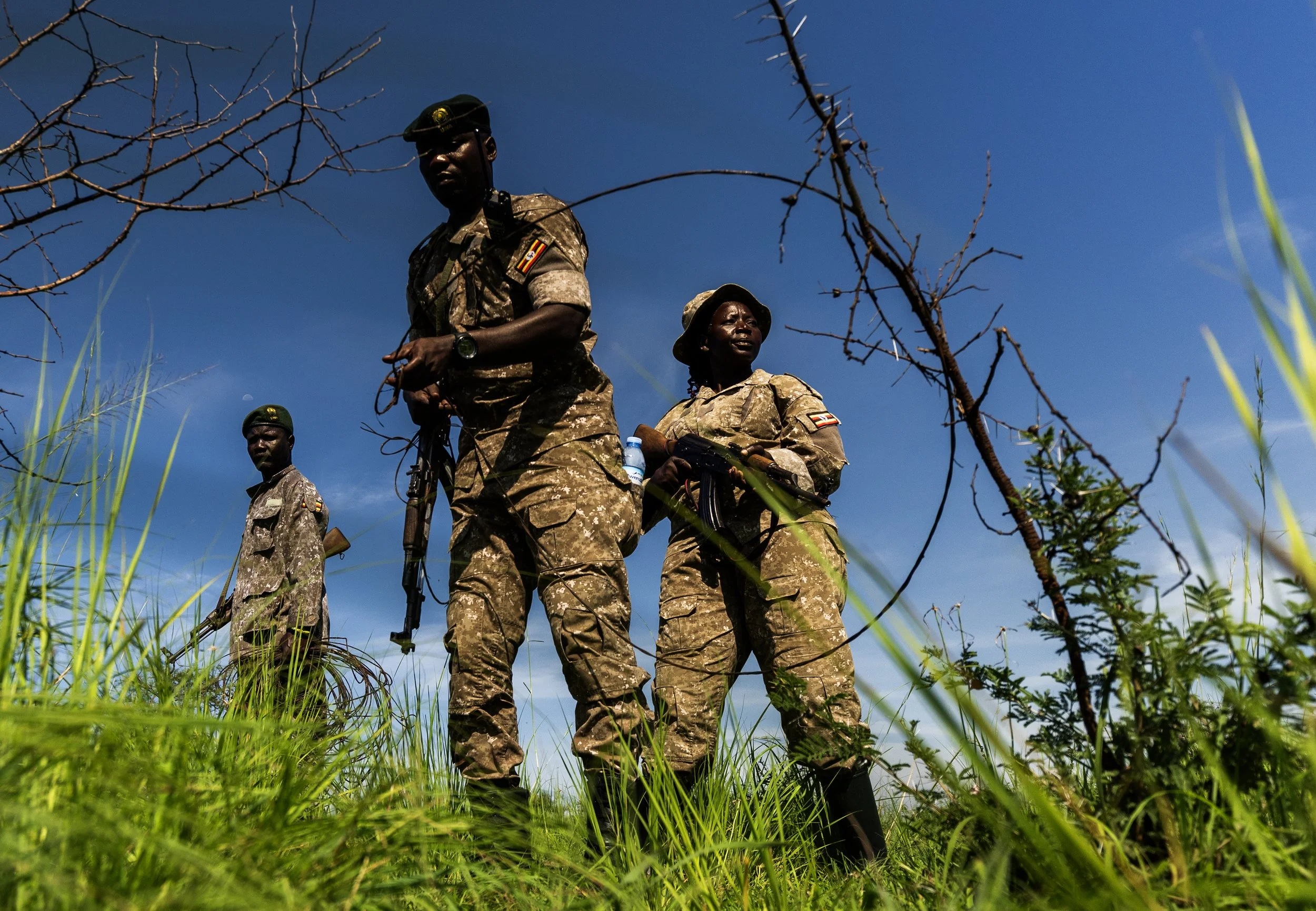
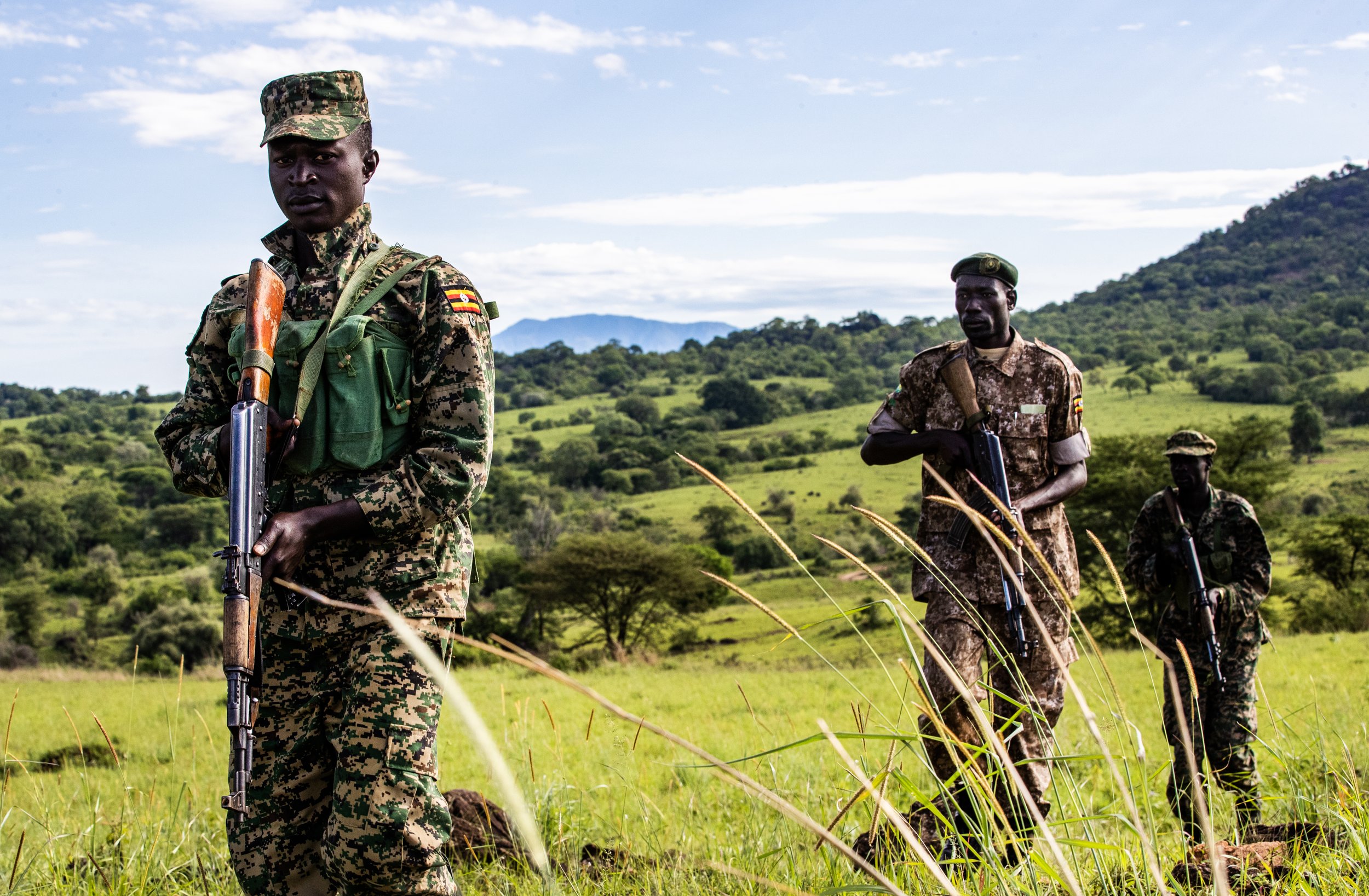
Collaboration for Park and Wildlife Protection now allows multiple team members and teams from neighboring protected areas to collaborate and share data about poaching and wildlife tracking to activate joint patrol missions and responses to illegal activities.
A completed Joint Operations Command Centre (JOCC) was built to combine resources and capabilities together into a coordinated and well-managed system with an armory, police station and cell block, guard room, storage facilities, radio and internet towers, solar power and generator, and operational assets and supplies.
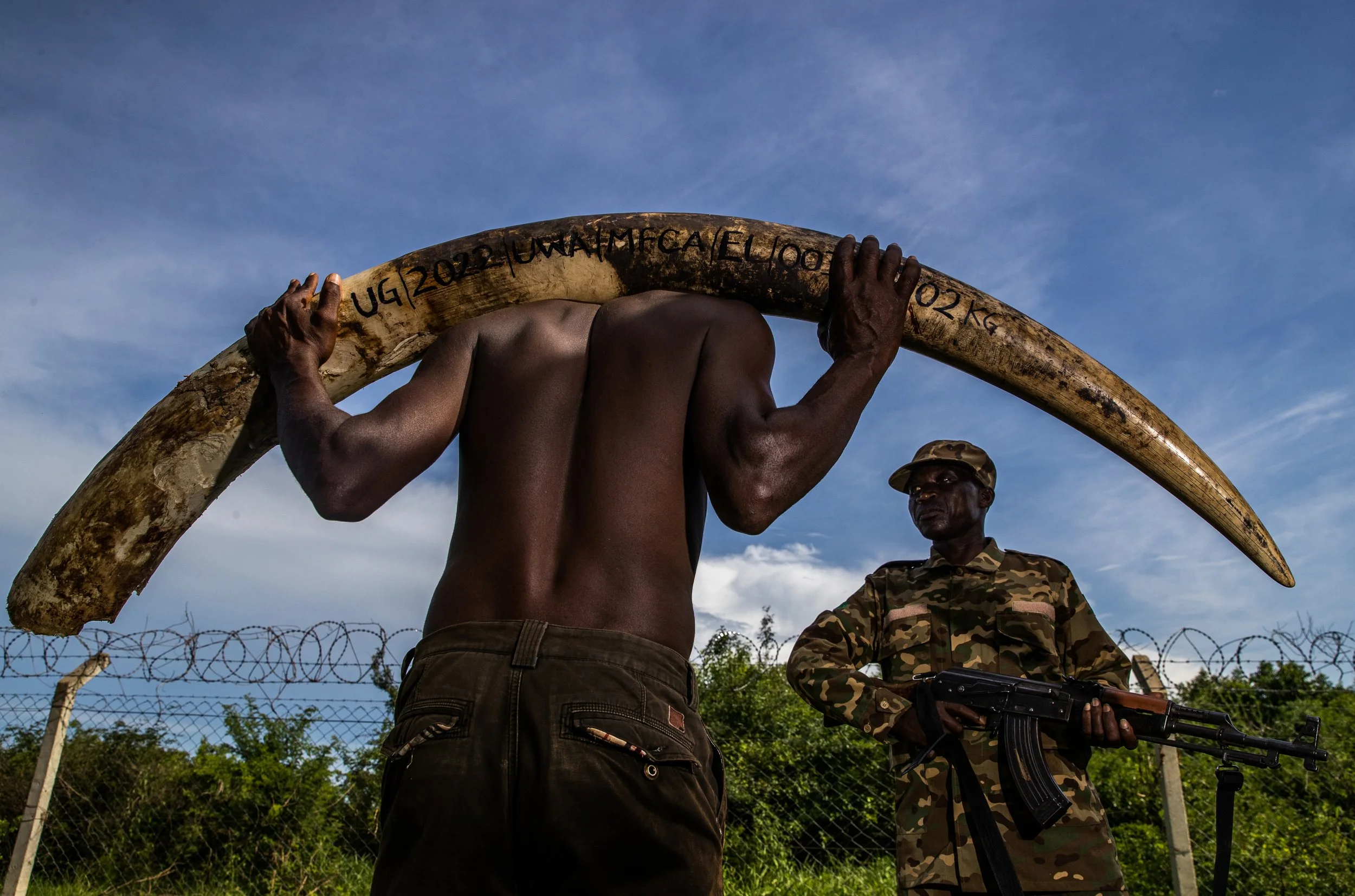
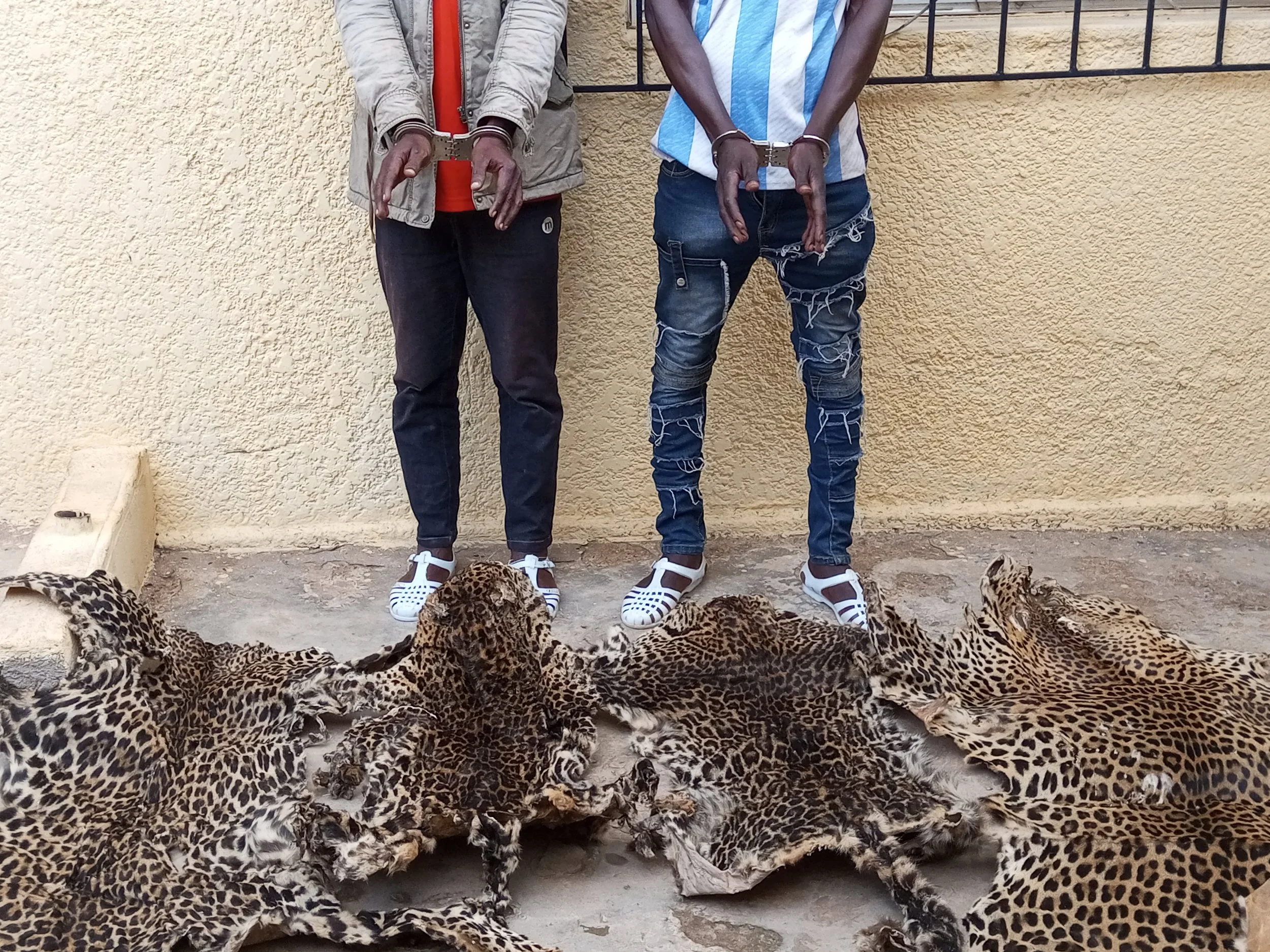
Intensive Patrolling Covering tens of thousands of miles and hundreds of operations annually, Understaffed Ranger teams arrested over 460 poachers in 2022 alone and removed 8 tons of traps and snares.
New Marine Teams and Boats now support five ranger stations on the shorelines where the majority of wildlife poachers are entering the national park. In the Delta, the core tourism area, threats to the park come from the Nile River and Lake Albert, where poachers disguised as fishermen would wait for patrols to pass and enter the park to lay thousands of snares. Forty rangers were trained in boat operations, safety and rescue techniques and patrol operations from the waterways. Since 2018, 34 metric tons of wire snares have been removed from the Delta.
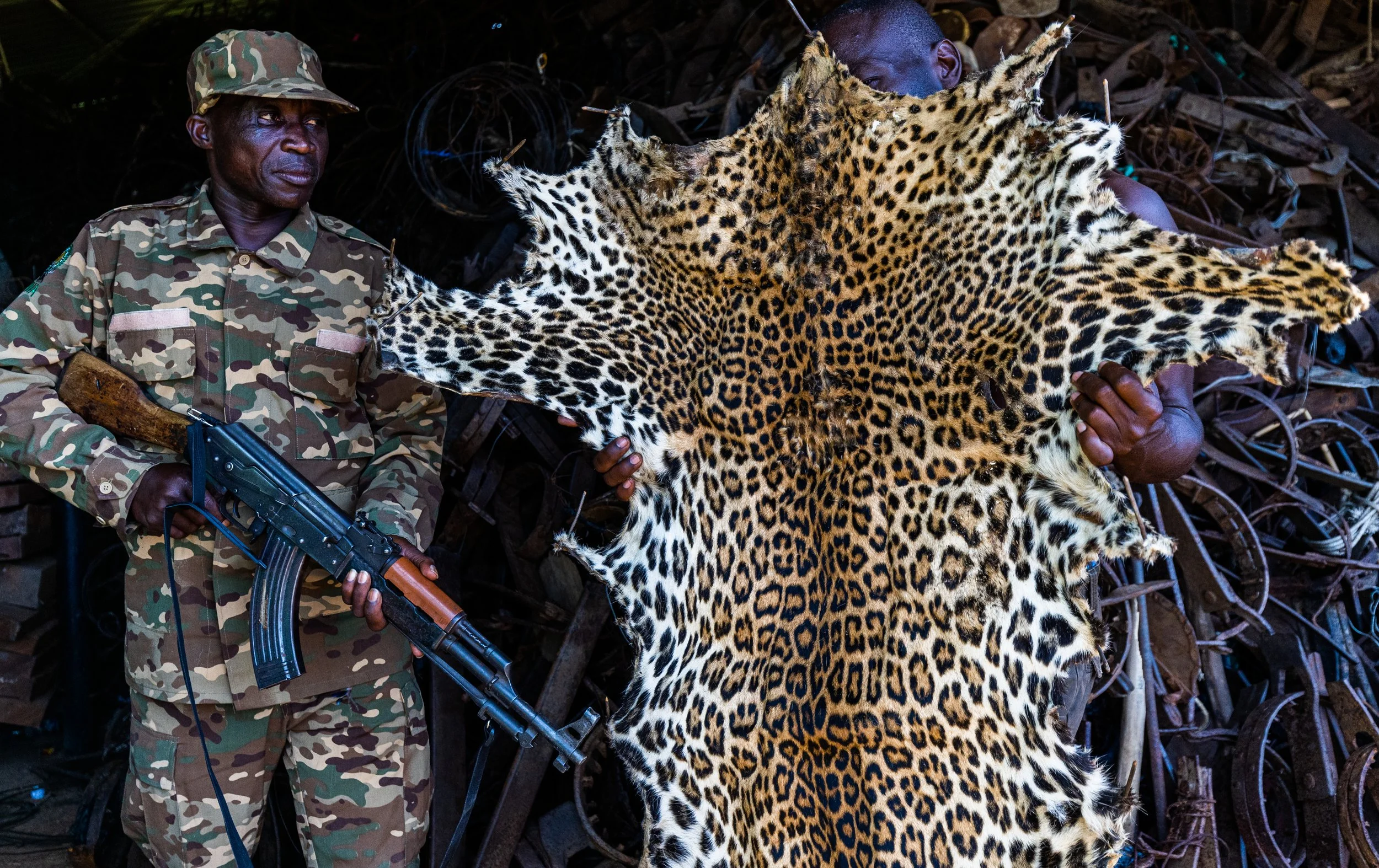
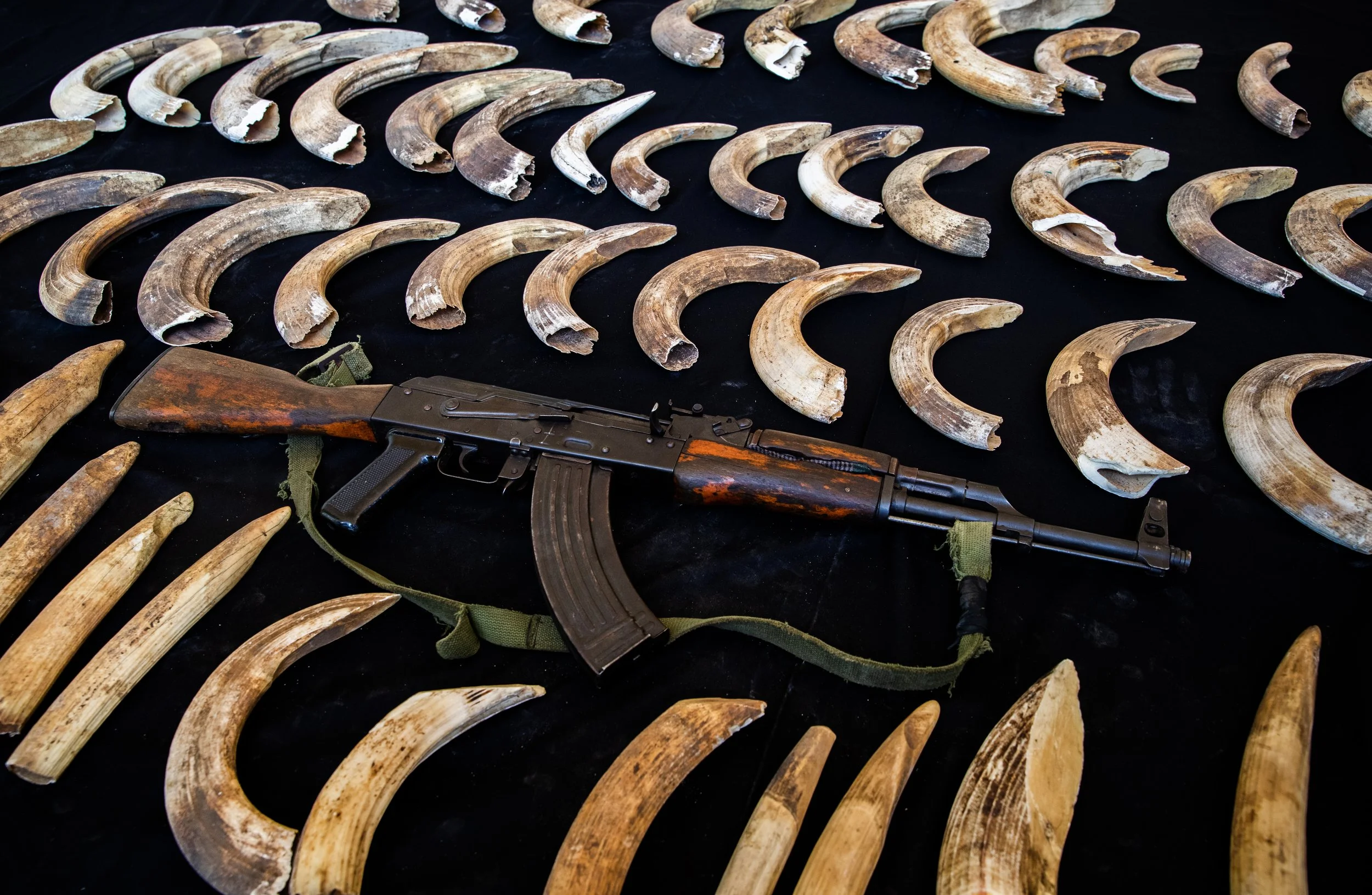
Reduced Wildlife Poaching to less than 5% of species killed annually, despite thousands of highly skilled poachers taking lion, elephant, hippo, and buffalo, as well as other game meat species, with guns, traps, snares, and spears.
We have successfully reduced Human-Wildlife Conflict by implementing proactive mitigation strategies such as timely, automated alerts and seamless incident recording. This approach enables managers to effectively reduce conflict and promote the peaceful coexistence of communities and wildlife.
Snare Mountain: The Symbol of Murchison Falls’ Recovery
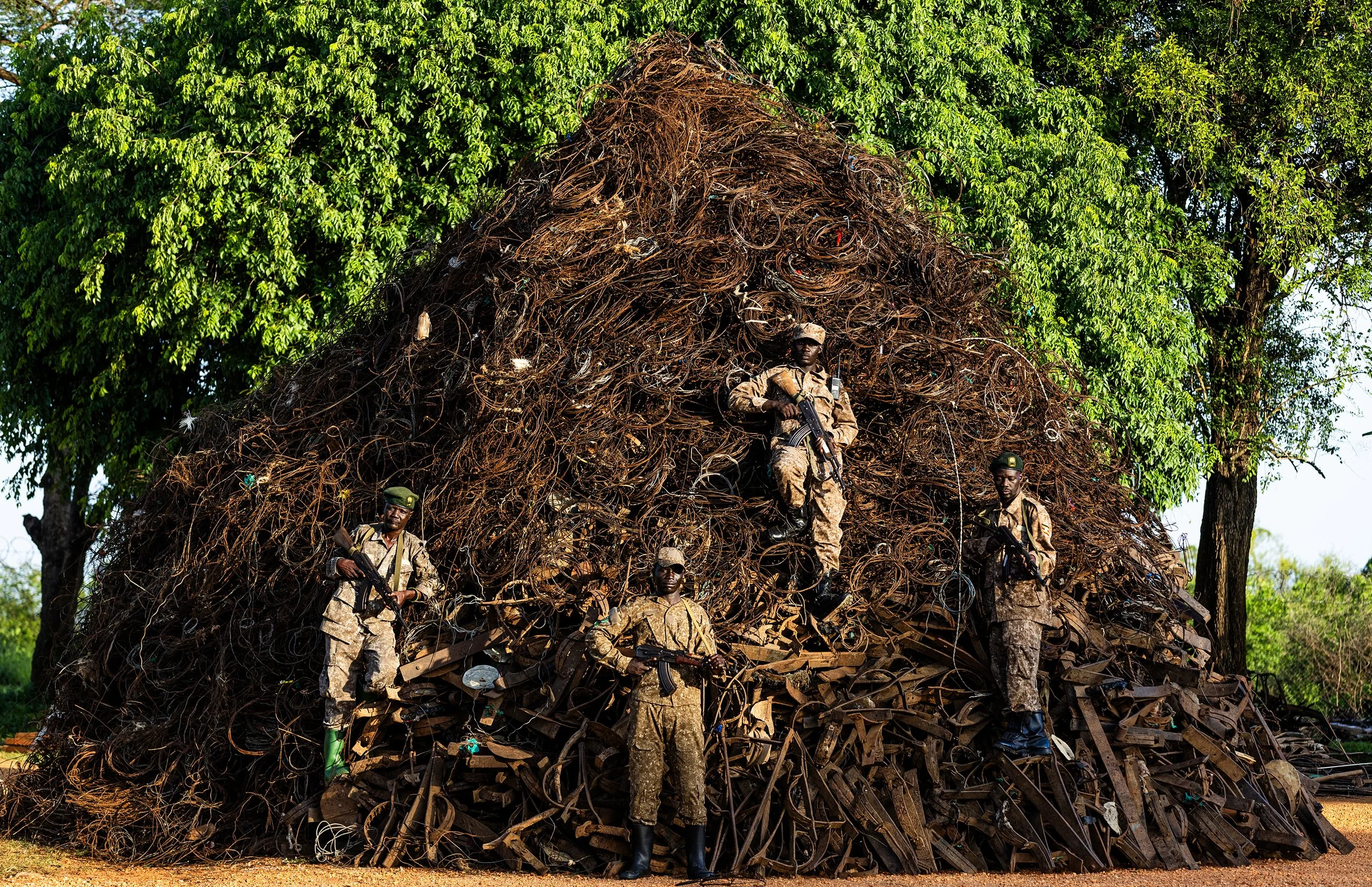
GC Photographer Paul Hilton travelled to Murchison Falls National Park to document and film the Recovery of Murchison Falls Program, creating an image that captured both the enormity of the challenges faced and the determination of those working to overcome them—particularly the teams from UWA and UCF.
The result was Snare Mountain: an immense pile of snares and wheel traps removed from the park over the course of a single year. Each of these devices will have killed at least one animal, a stark reminder of the industrial scale and sustained nature of poaching that has afflicted Murchison Falls for decades. Kulu Haruna, Warden in Charge of Law Enforcement and Operations, estimated that since the start of the recovery program, at least twelve such mountains had been collected—each now buried beneath the foundations of the new Joint Operations Command Center and Armory.
The striking image of Snare Mountain gained global recognition, featuring in more than 400 international publications, including The Guardian and CNN, drawing worldwide attention to the relentless efforts to combat wildlife crime and restore Murchison Falls National Park.
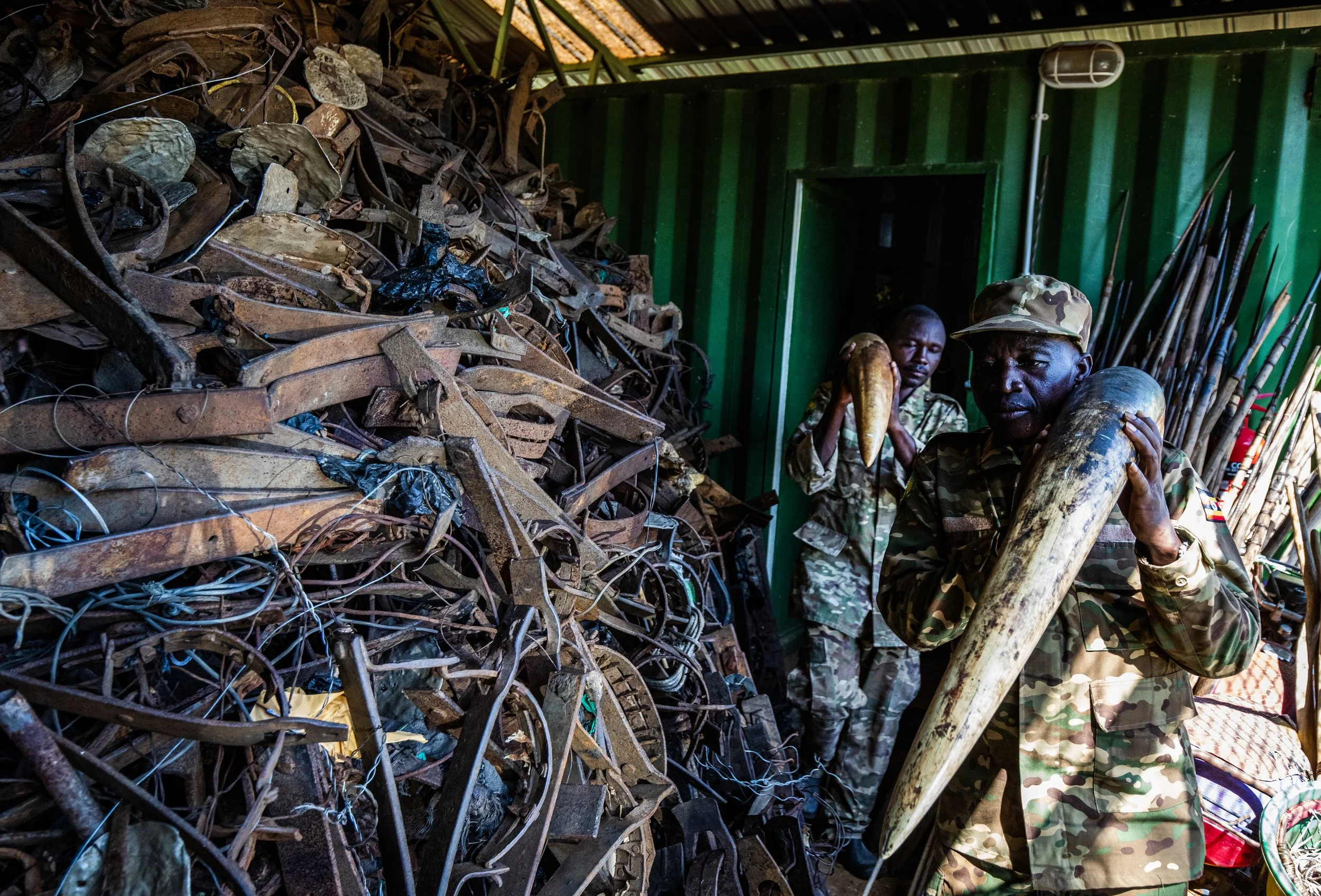
Massive Snare Removal: Over 12,000 kilos are removed each year, which is particularly important across the entire park because these snares indiscriminately kill all species, both large and small. The rare Rothschild giraffe, lions, and elephants were being caught in very high numbers and were suffering agonizing deaths and injuries. One third of the elephants in the area received snare injuries, including some tragically having their trunks severed off.
Wildlife Monitoring using satellite collars on lions and elephants is registered on the EarthRanger system so they can always be monitored to see how they are using the habitat. As elephants roam outside the national park, communities can be alerted in advance to discourage them from crop raiding. If the collar stays static for a while, an alert will be made to deploy to see what has happened to the lion.
Global Conservation is extremely proud and pleased with our investment in deploying Global Park Defense to aid the recovery of Murchison Falls National Park. We thank Michael Keigwin, the Director of UCF, for his critical leadership in making this possible, as well as the UCF team and UWA.


Packed with highlights of conservation successes from around the world at our project sites, this report features the effectiveness that the Global Park Defense and Community Engagement programs have for protecting culturally rich and highly biodiverse natural ecosystems in the most threatened parts of our world—land or sea.