Mana Pools National Park 2024-25 Impact Report
Conservation Victory:
No Elephants Poached In Mana Pools National Park for SIX Years
Mana Pools National Park has become a final stronghold for wildlife. The site has suffered fewer losses compared to surrounding reserves due to its position at the center of this wilderness area, but its defenses are being strengthened in order to ensure its continued survival as wildlife numbers dwindle elsewhere. Rangers are tasked with patrolling this vast wilderness and are now supported by Global Conservation's Global Park Defense Program.
With our support, the Bushlife Conservancy has been working tirelessly to curb poaching in Mana Pools National Park and the surrounding Zambezi Valley, Zimbabwe. Thanks to this hard work, they recently announced that Mana Pools National Park has been free of any elephant poaching incidents for six years.
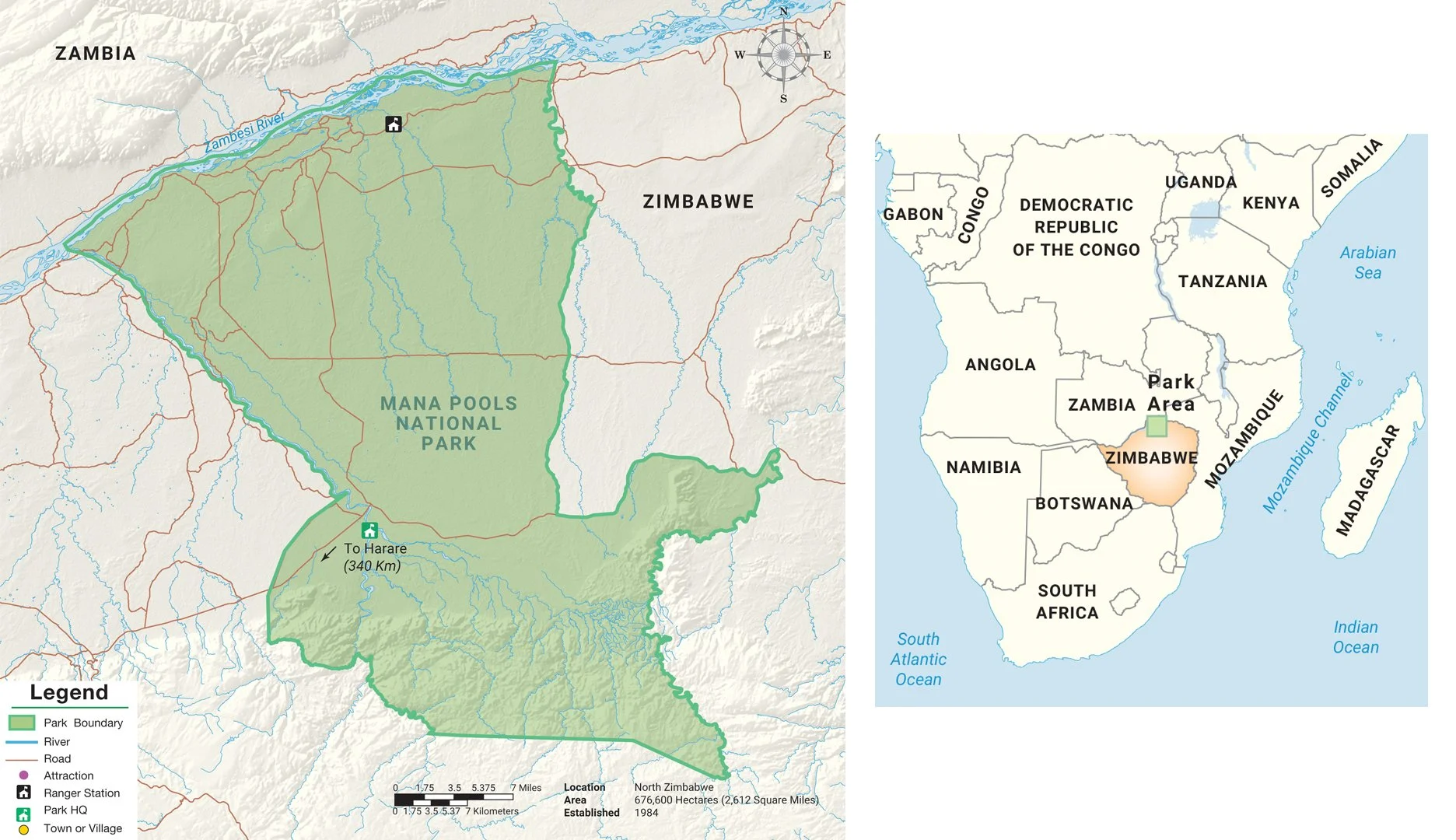
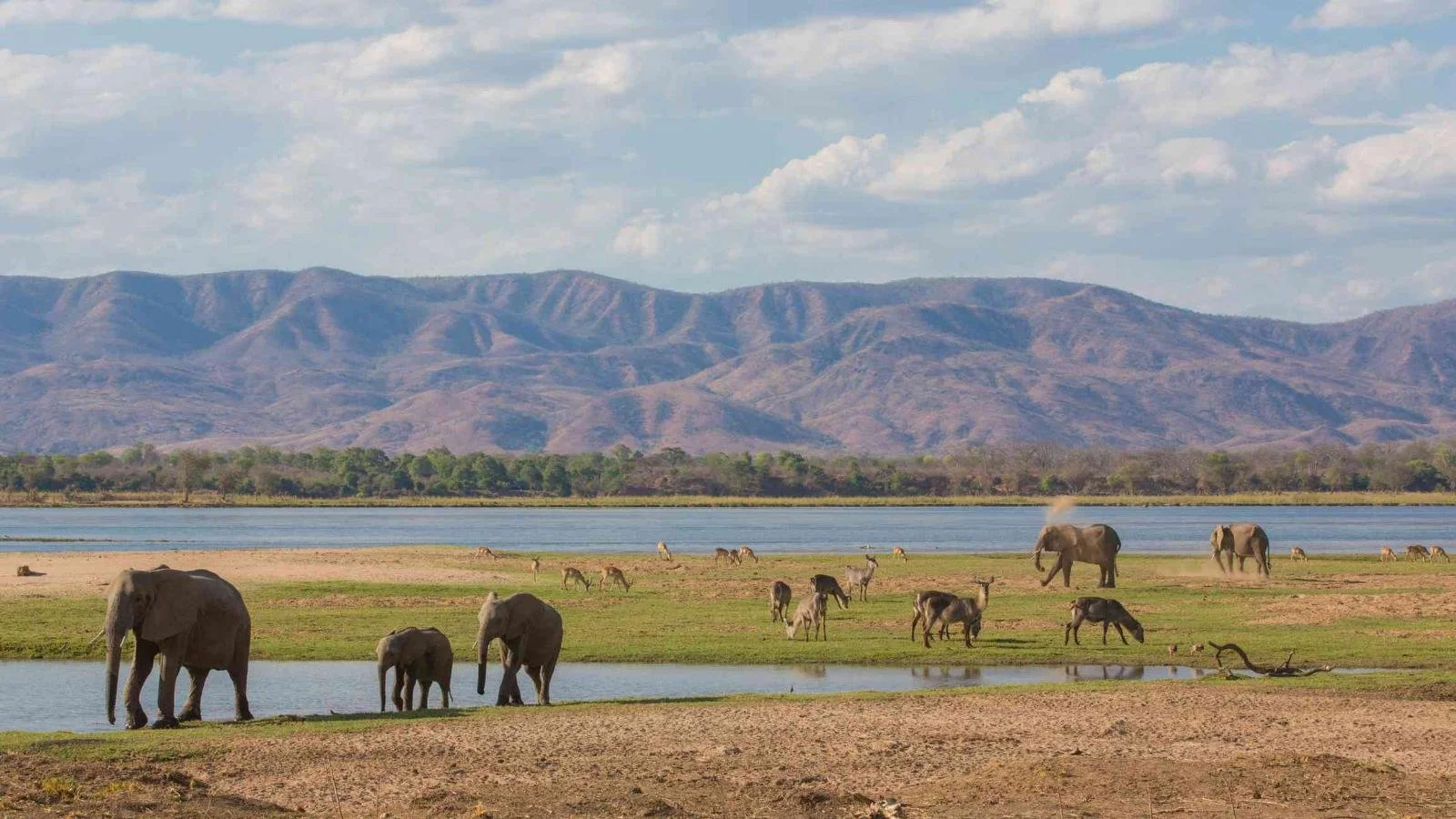
The 220,000-hectare Mana Pools National Park, a UNESCO World Heritage Site, lies in the Lower Zambezi Valley of Zimbabwe.
Mana Pools National Park and World Heritage Site is one of Africa’s most renowned game-viewing destinations. It’s here that the floodplain of the Lower Zambezi River turns into a broad expanse of water after each rainy season, attracting myriad wildlife as the flood recedes. This is the last national park in Africa where visitors can still walk unescorted among big game. Approximately 7,000 tourists visit Mana Pools World Heritage Park and the Lower Zambezi Valley each year, generating over $2 million in revenues.
However, the Zambezi Valley has historically been plagued by rampant elephant poaching. Twelve thousand elephants have been poached in this area over the past ten years, and by 2014, elephant numbers had decreased 40% from 18,000 to 11,500.
Reduction in Elephant Poaching to Zero
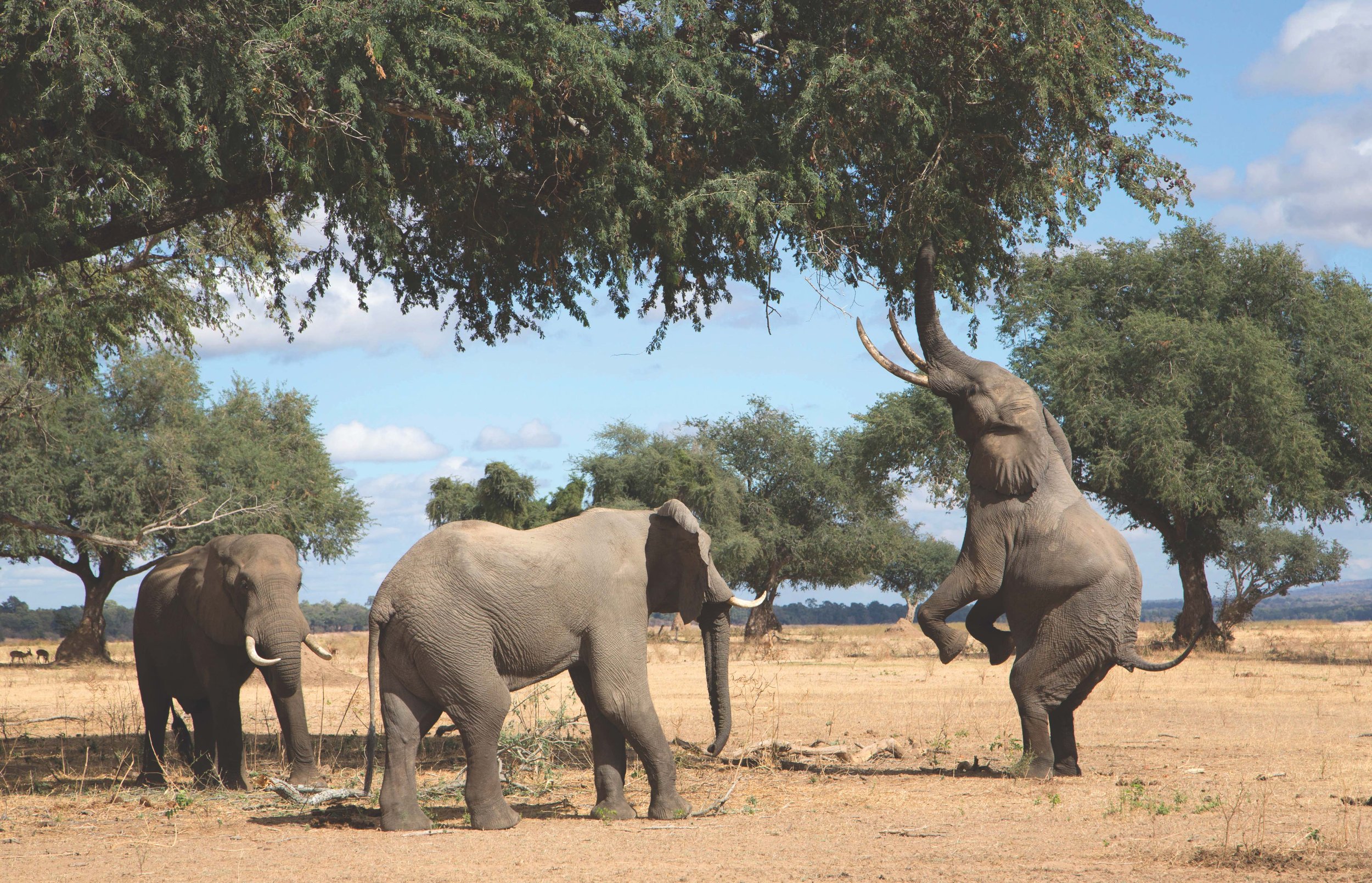
Thanks to Global Conservation and our Partners in Protection – BSU, Akashinga, and the Crocodiles – and the efforts of National Park rangers and investigation teams, elephant poaching in the Lower Zambezi has declined every year since 2016.
2016: 70+ (5.8 per month)
2017: 28 (60% decrease from 2016)
2018: 18 (36% decrease from 2017 and 76% from 2016)
2019: 7 (Down 90% from 2016)
2020-2025 YTD: 0
Summary of Patrolling Results – 2024 - 2025
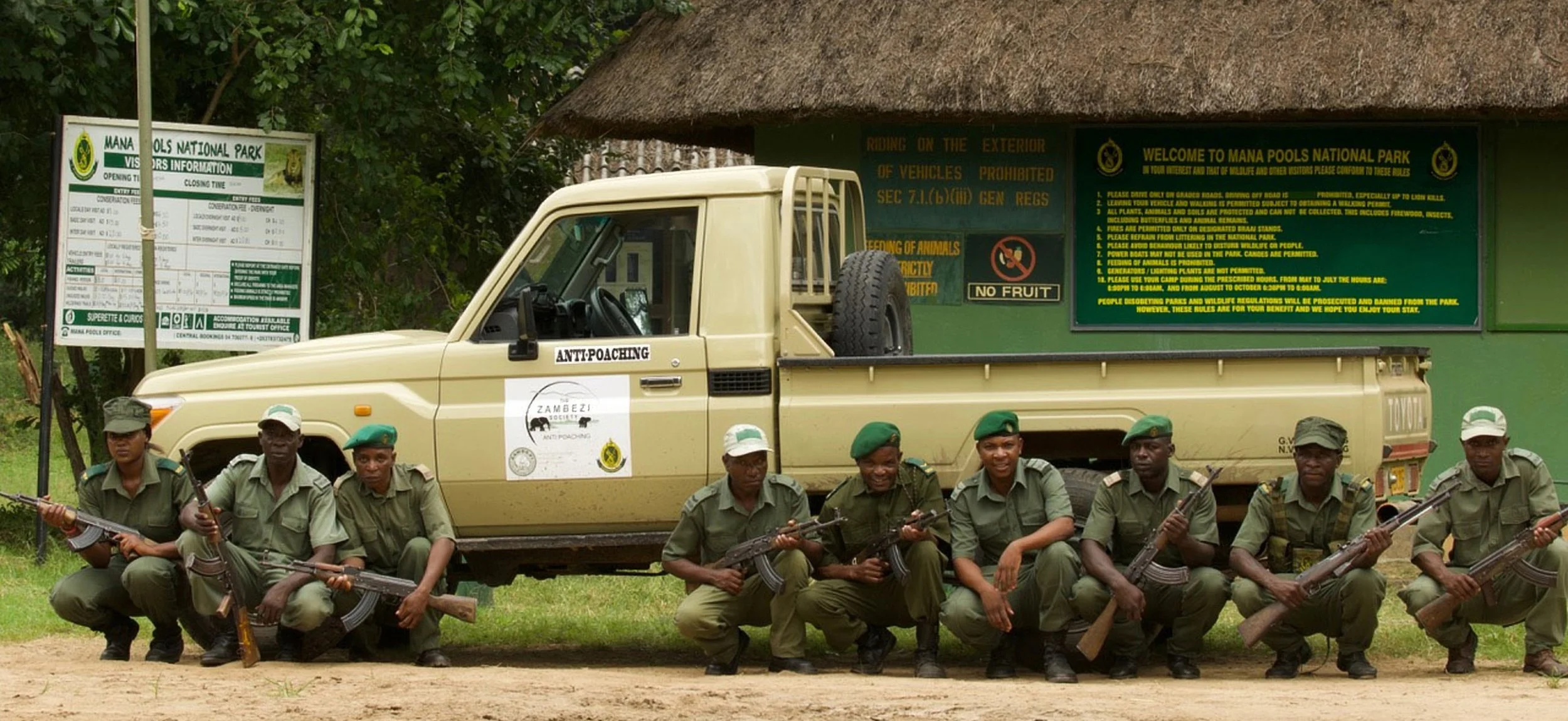
Bushlife now has 8 working vehicles up and running to reach our remote bases throughout the National Park and surrounding sectors.
Vehicle deployments have continued on a daily basis.
On average a vehicle drives 3000 km/month, using 300 liters of diesel.
75 National Park Rangers are deployed in the bush on patrol per month per vehicle.
A full-time mechanic is employed for working on these vehicles along with a runner in Harare procuring spares
Community Engagement and Conservation Efforts
We worked closely with the Hurungwe Rural District Council, organizing meetings with village headmen and chiefs and working on methods to mitigate wildlife conflict. Encroachment into former community conservancy land has displaced wildlife, increasing conflict. The challenge is in balancing human interests with conservation efforts. Our job is to present the case for biodiversity, advocating for the wildlife and its habitat.
Illegal Gold Mining and Habitat Destruction
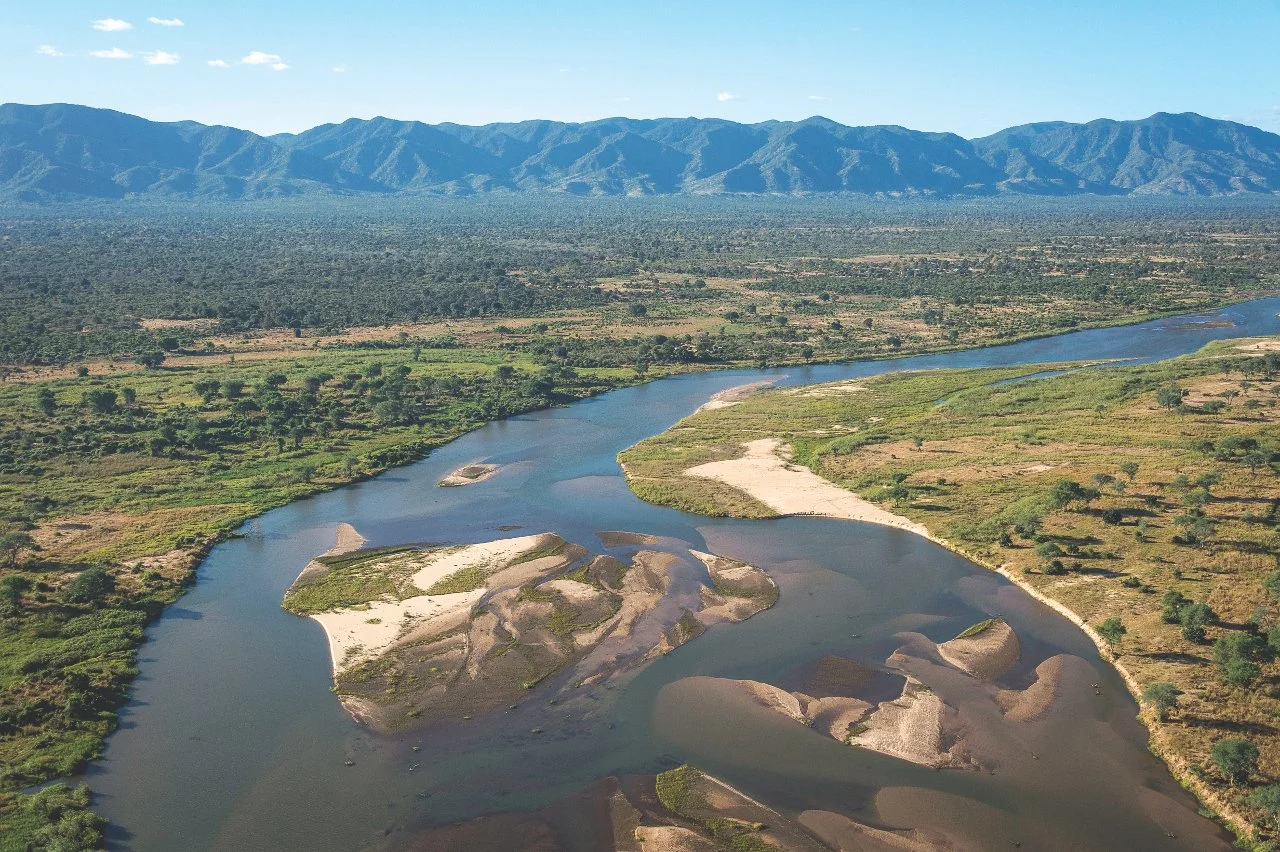
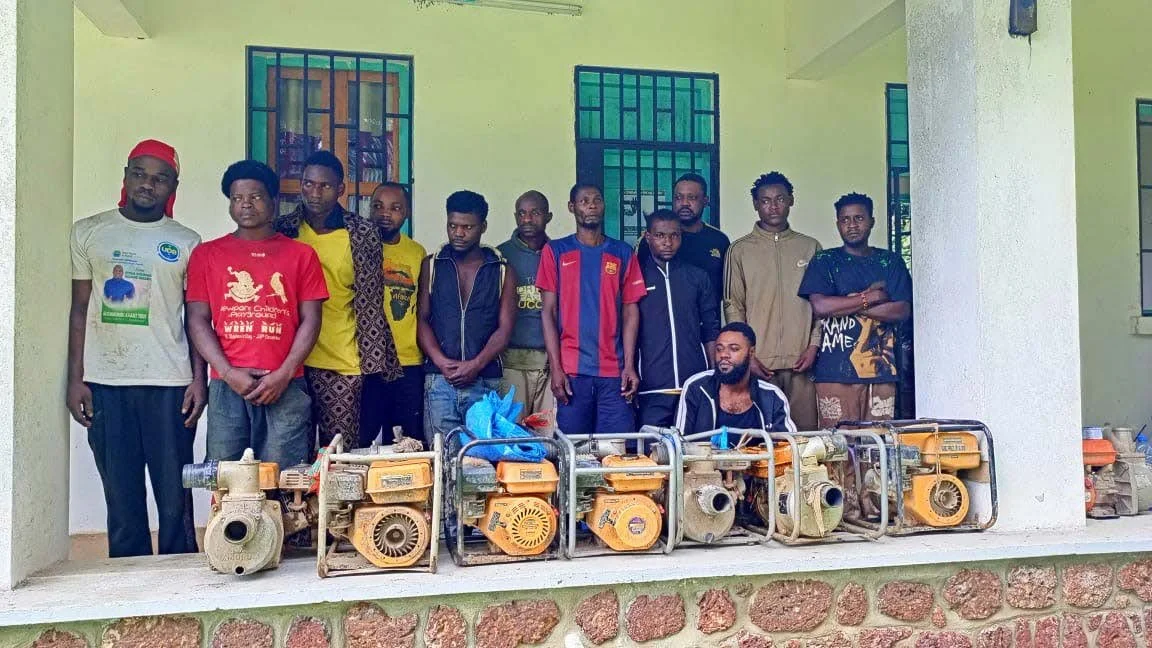
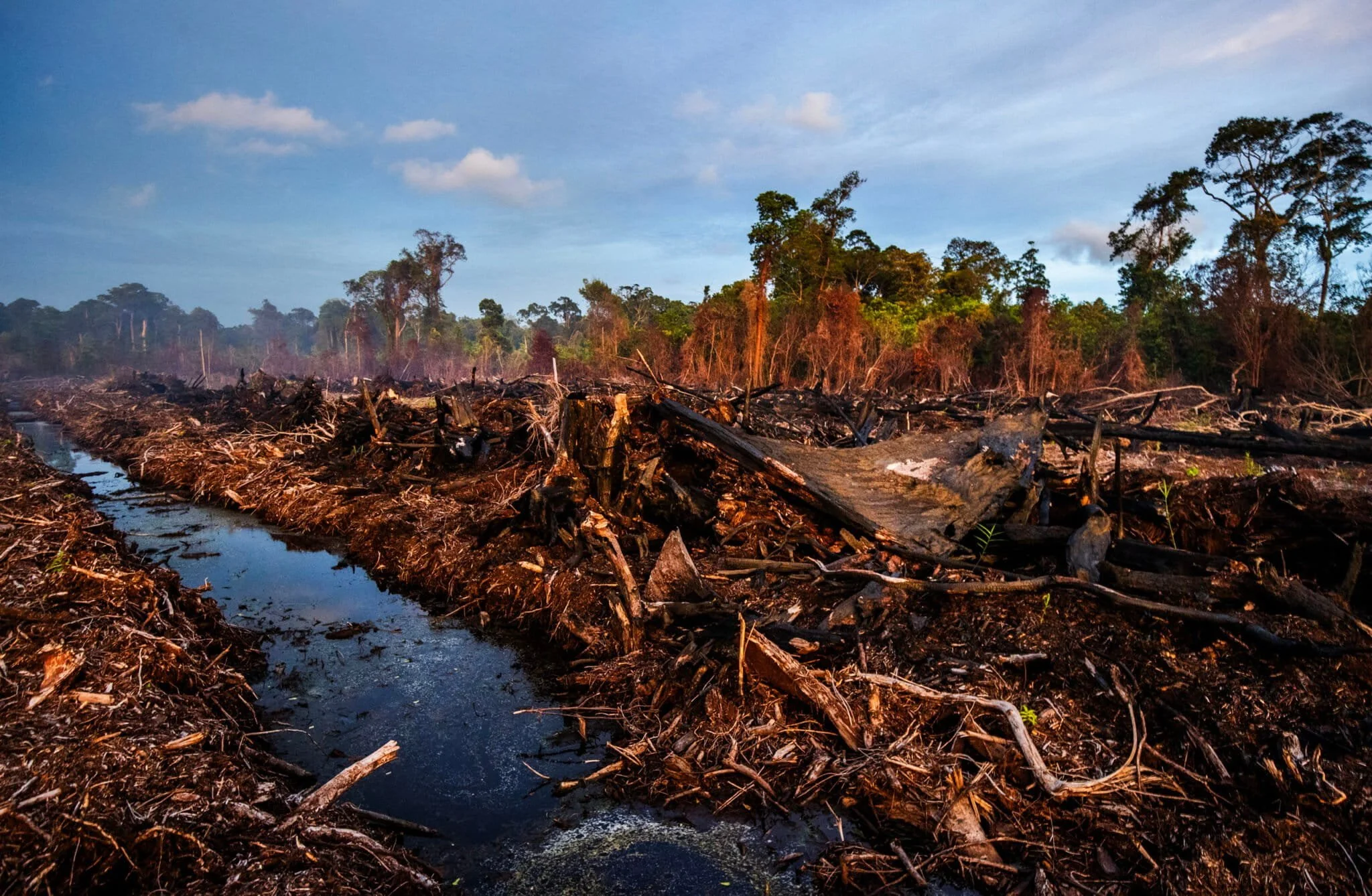
People continue to mine illegally in wildlife areas, excavating riverbeds for gold. This has led to significant habitat destruction and wildlife displacement. We worked with the Community Council Scouts to remove gold panners and were successful after two months of constant policing. Opposition arose from community members who blamed conservation efforts for disrupting their gold-related income.
Conservation Education Program
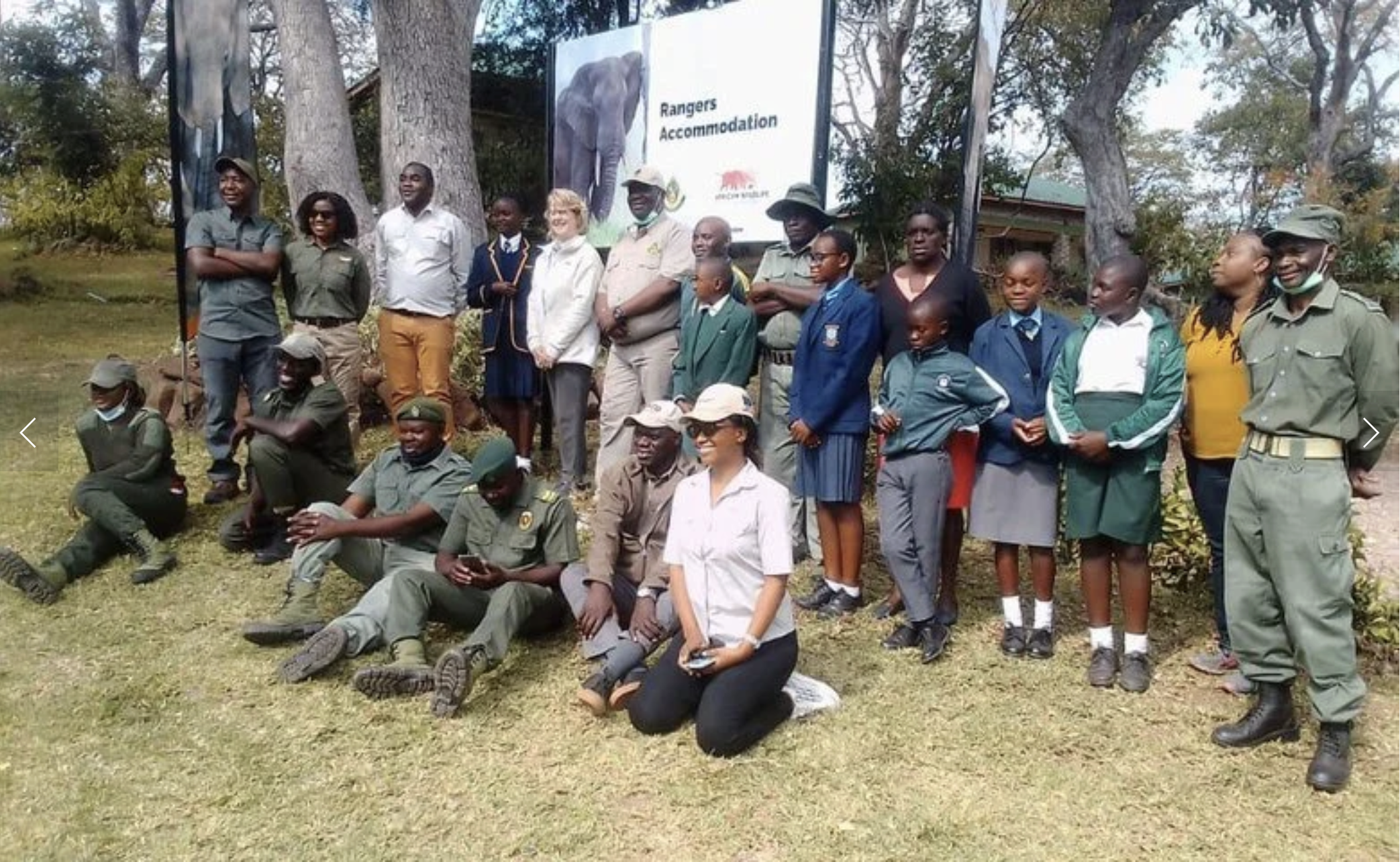
Our school conservation awareness program was highly successful. Our schoolteacher and community liaison, Sophea Masabe, taught 1,000 students across 24 schools, visiting each school six times throughout the year. We organized and funded a year-end wildlife quiz contest to celebrate student achievements. Parents, teachers, and hundreds of students attended, and prizes such as backpacks, t-shirts, and school supplies were awarded.
The Challenges Ahead

The challenges are severe. Only 3000 elephants are left in Mana Pools, and the park has seen a 35% decrease in numbers over 12 years. We know that a poacher may get very little in compensation for an average pair of elephant tusks, only $200 to $300 USD but sell them for a wholesale price to black market retailers (more often than not in China) for as much as $2100 per kilo. The penalty for poaching is an automatic 9 years and prison and poachers can legally be shot on sight (Law of Zimbabwe). Yet poaching continues to be prevalent due to the financial hardship of those that live in the Zambezi Valley.