GC Partner HAkA Calls for Aid Amid Extreme Flooding Event in Sumatra

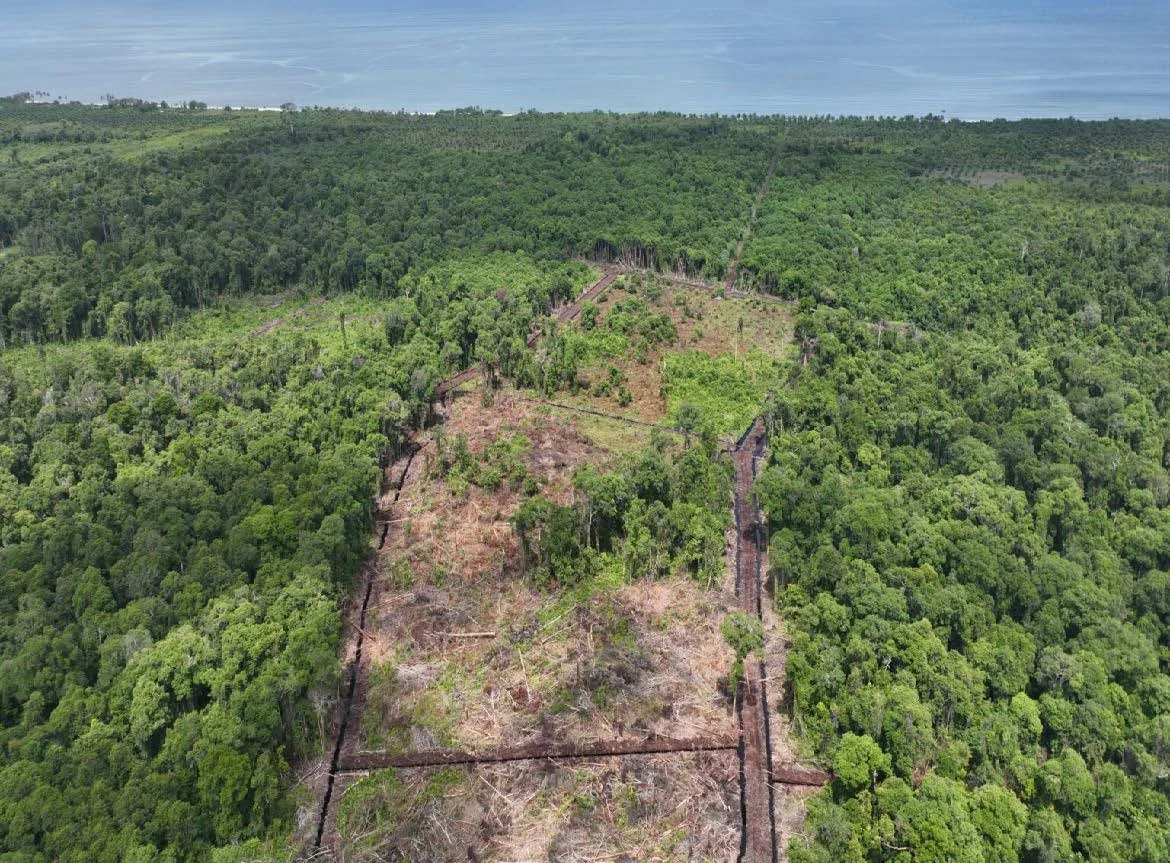
“What we are seeing now in Aceh—entire villages submerged, families displaced, bodies being pulled from rivers and mud—is not just the result of extreme weather. It is a disaster magnified by human greed. For decades, illegal logging and unauthorized land-clearing inside the Leuser Ecosystem have stripped the hills of their natural sponge. When cyclone-driven downpours came, there was nothing left to absorb the water—so the floods turned into a lethal wave that laid waste to communities downstream. The same forests that once safeguarded rivers and soil are damaged. Now HAkA stands with survivors, demanding a stronger commitment now to protect the forests from ecological destruction—before more lives are lost.”
-Farwiza Farhan, HAkA Chairperson
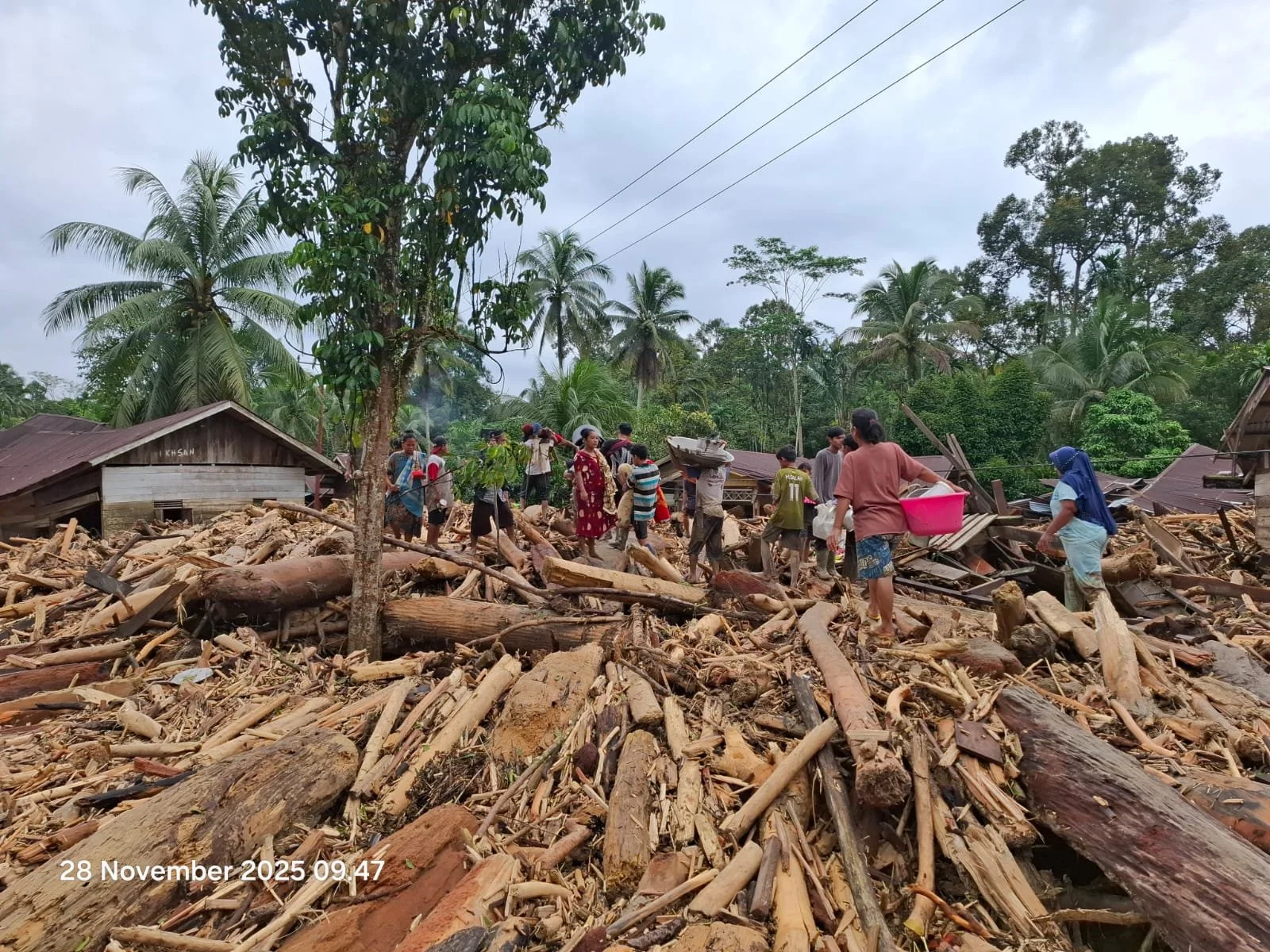
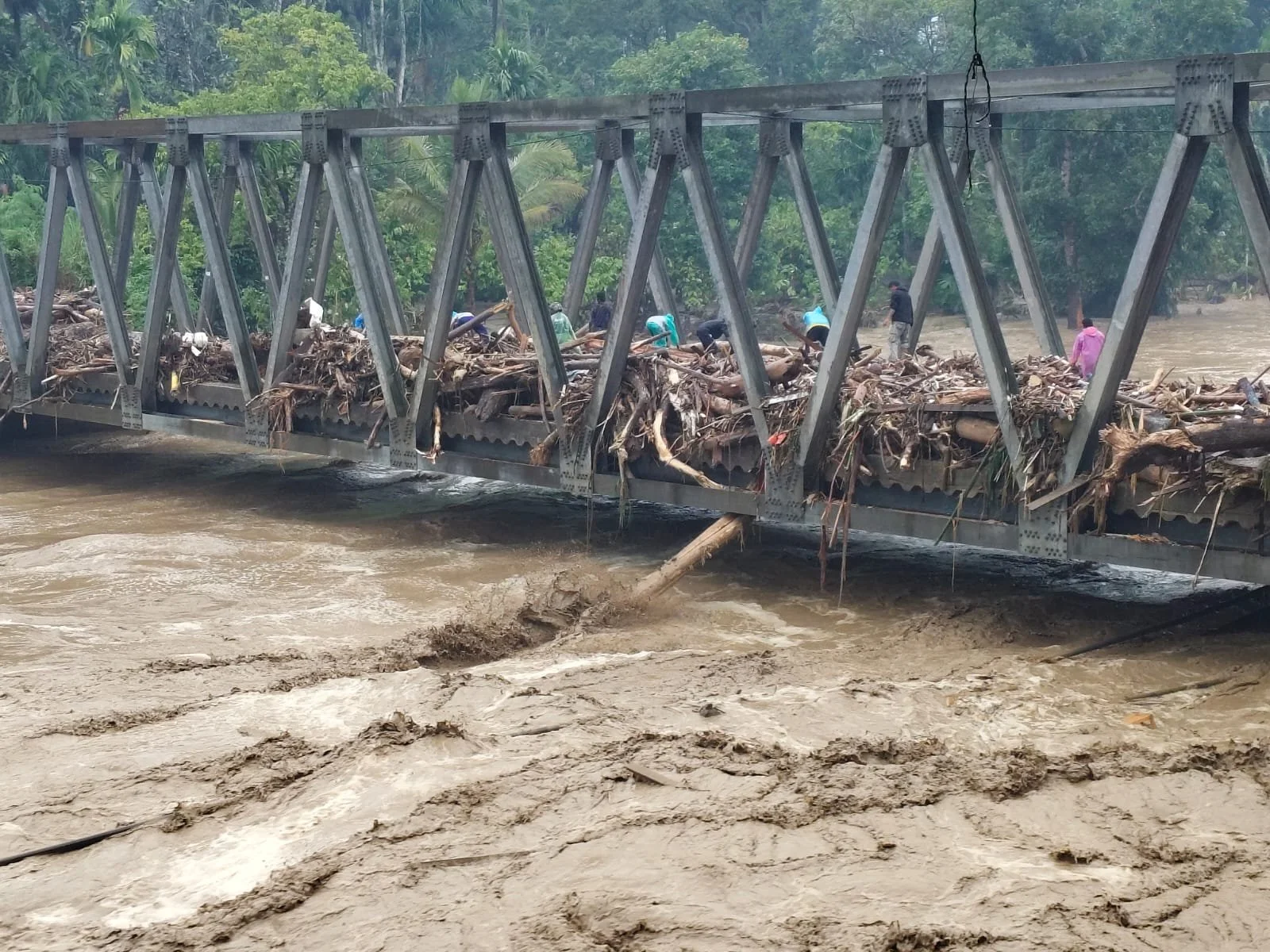
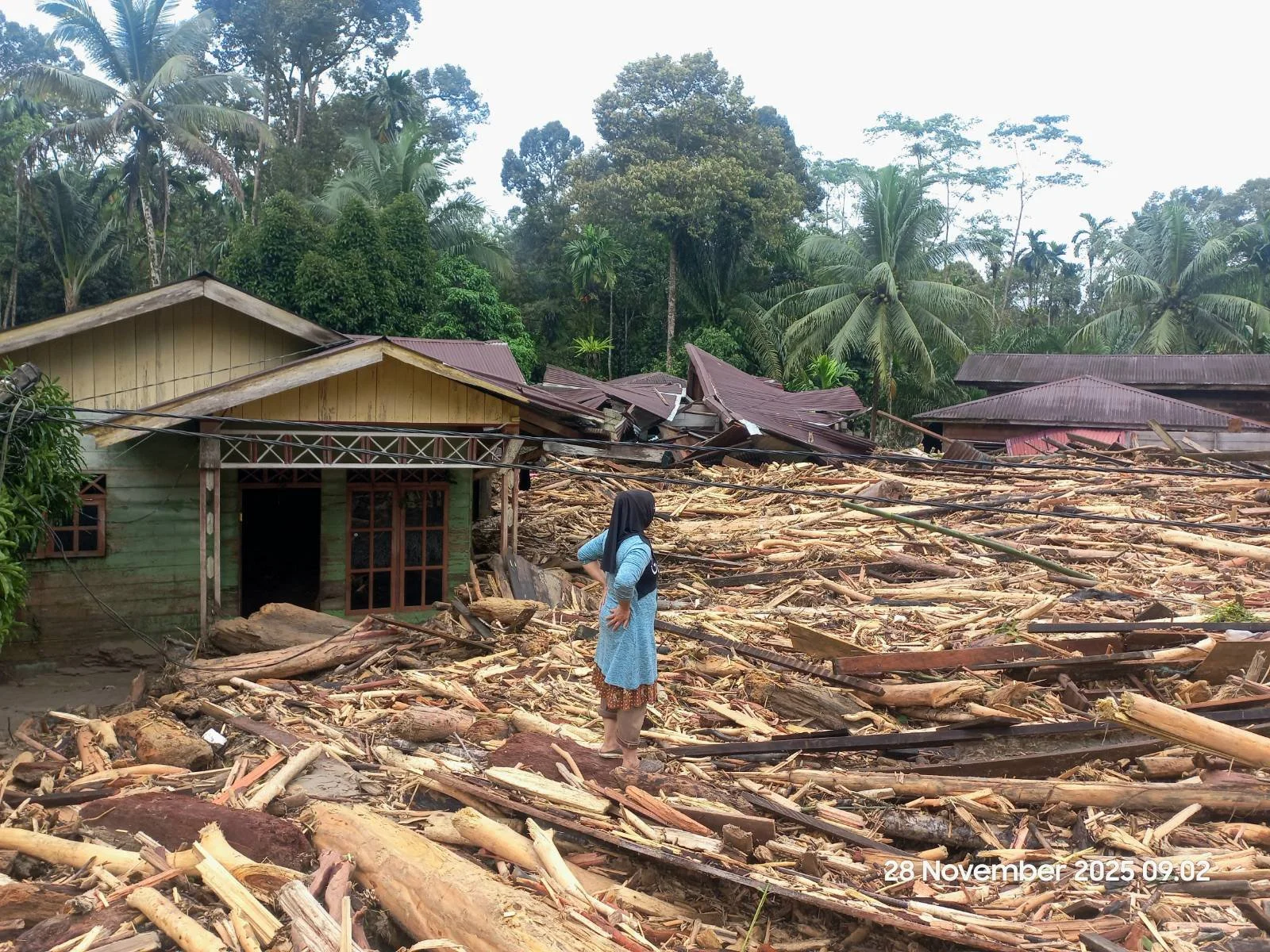
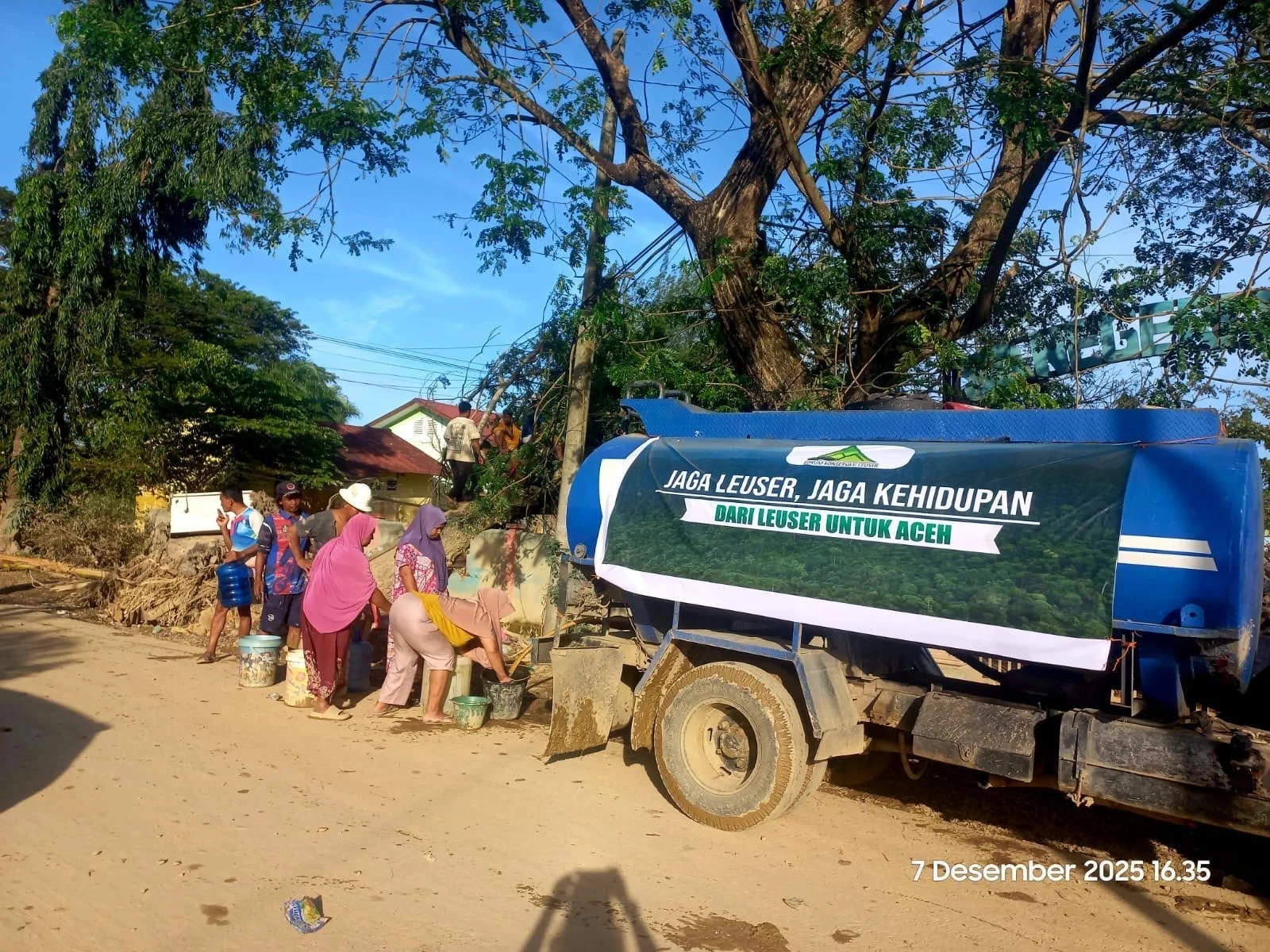
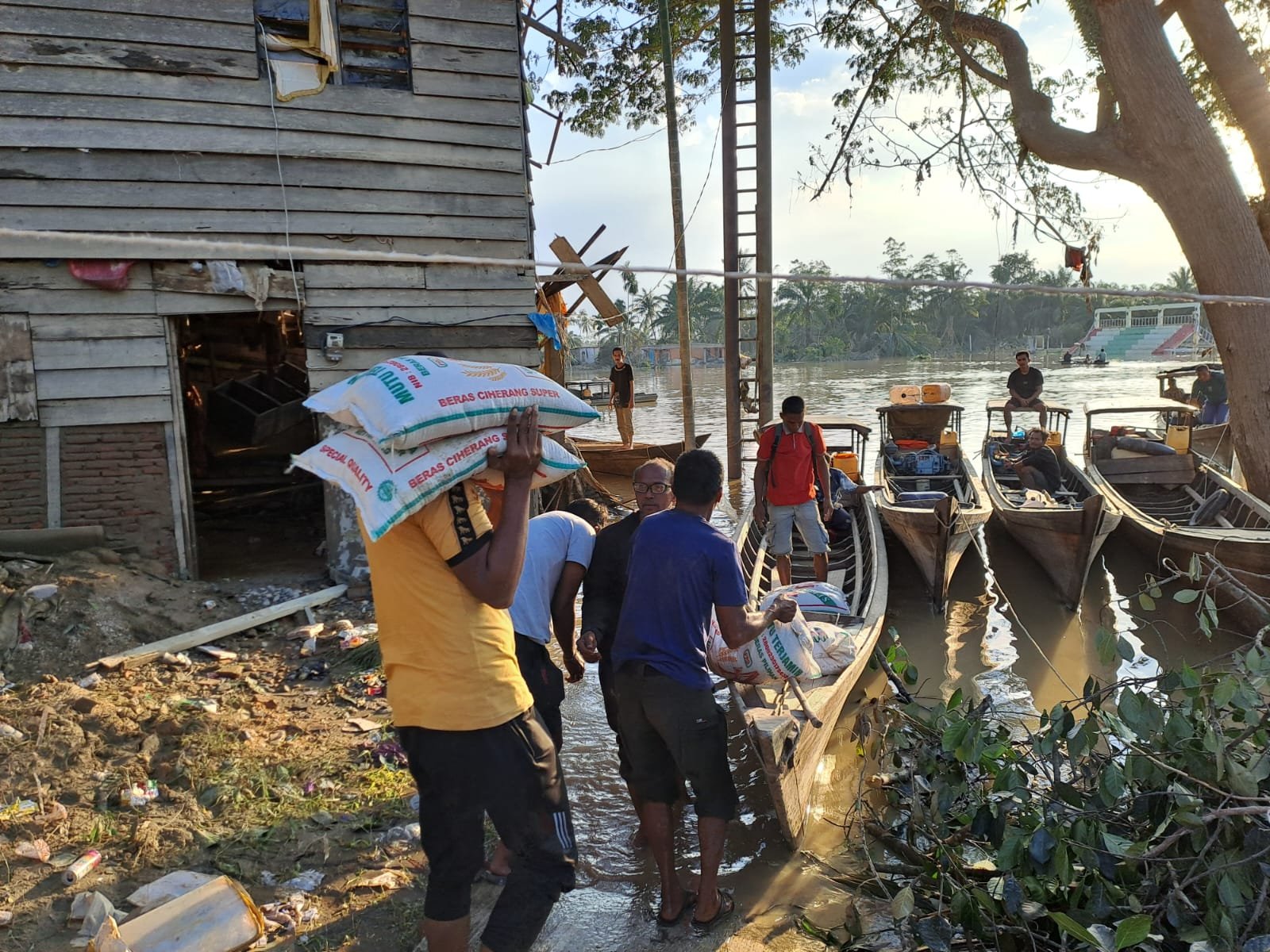
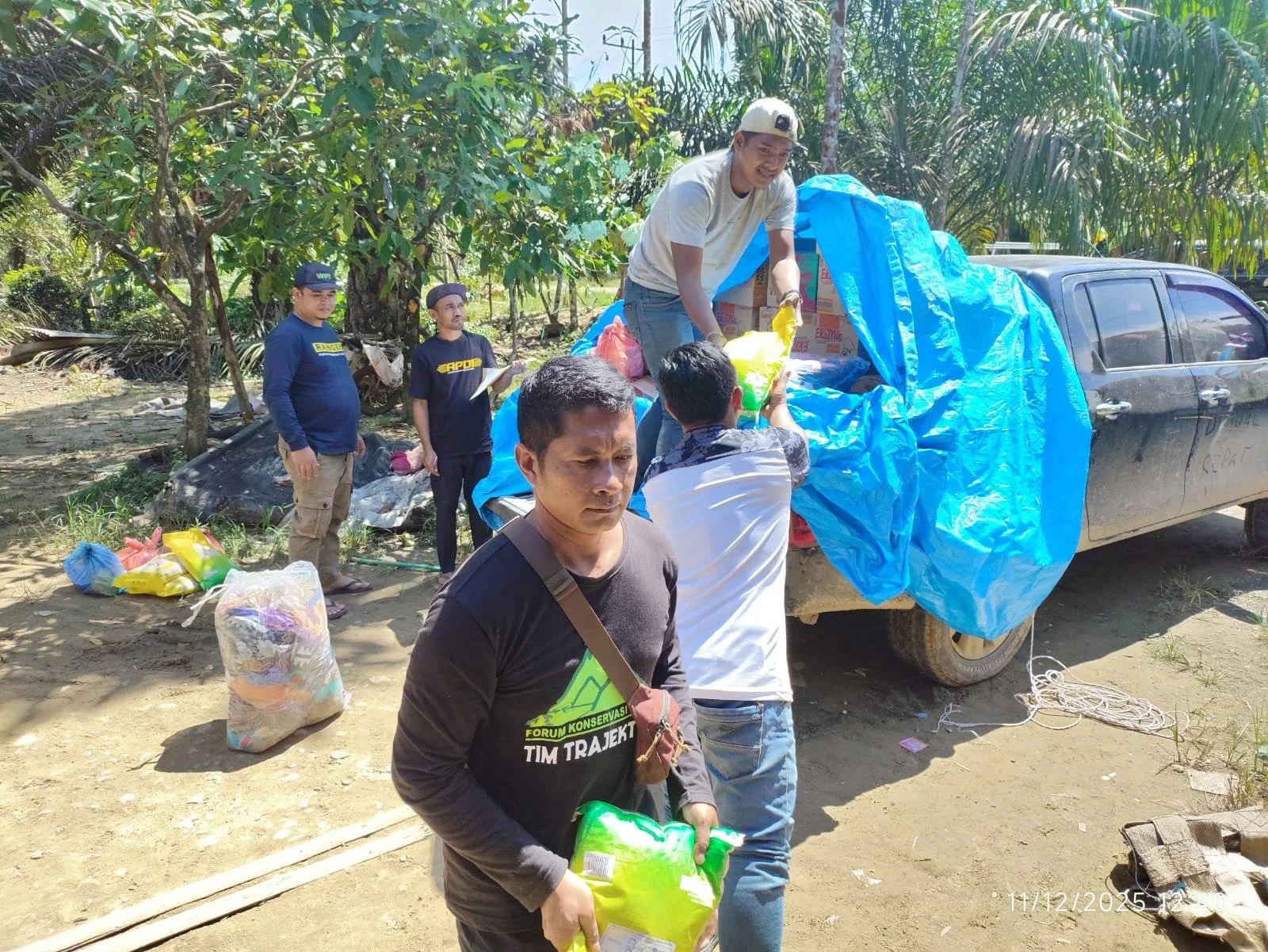
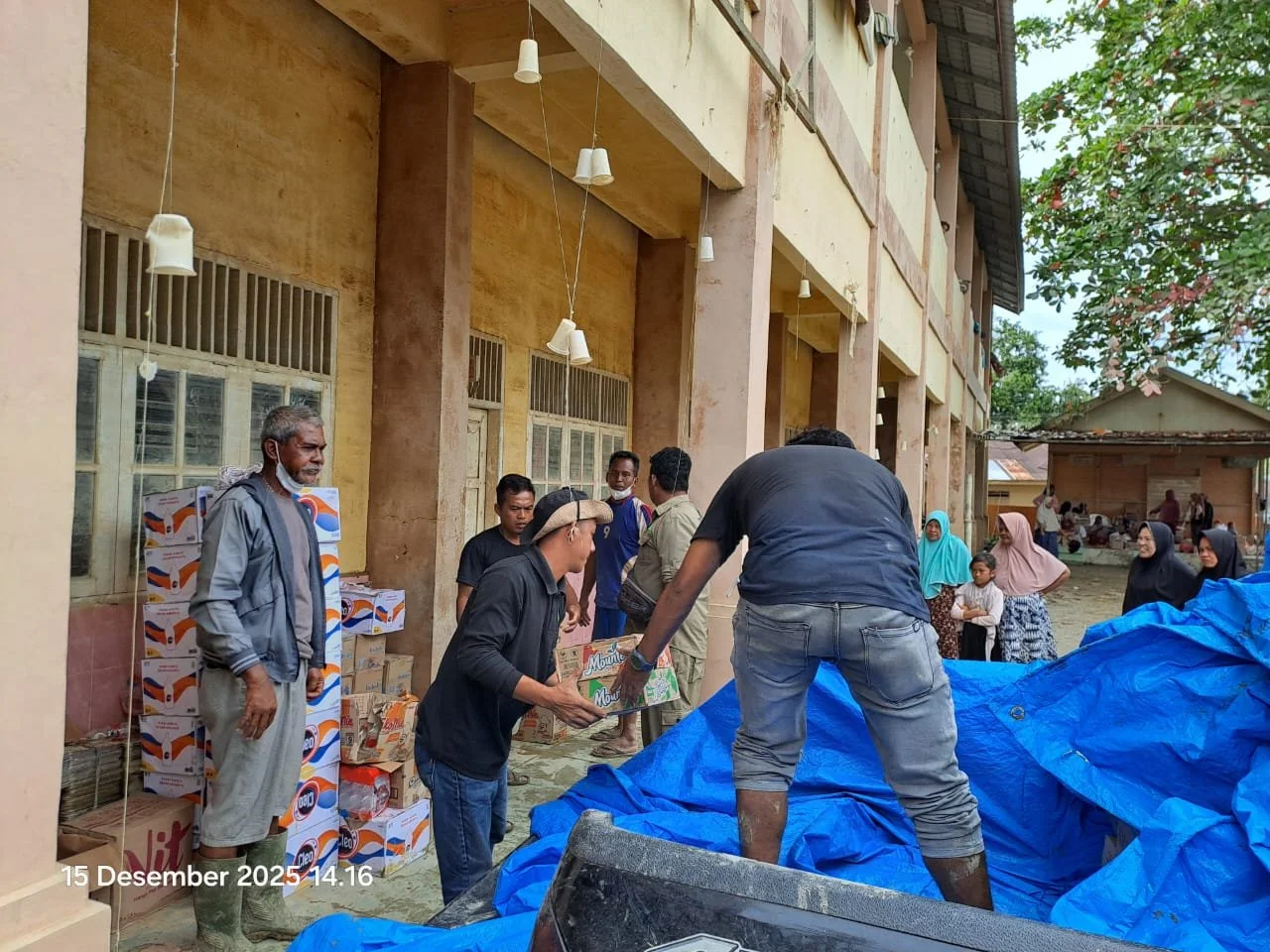

Please make an Emergency donation today to help provide food, water, and further security for those in need.
Executive Summary:
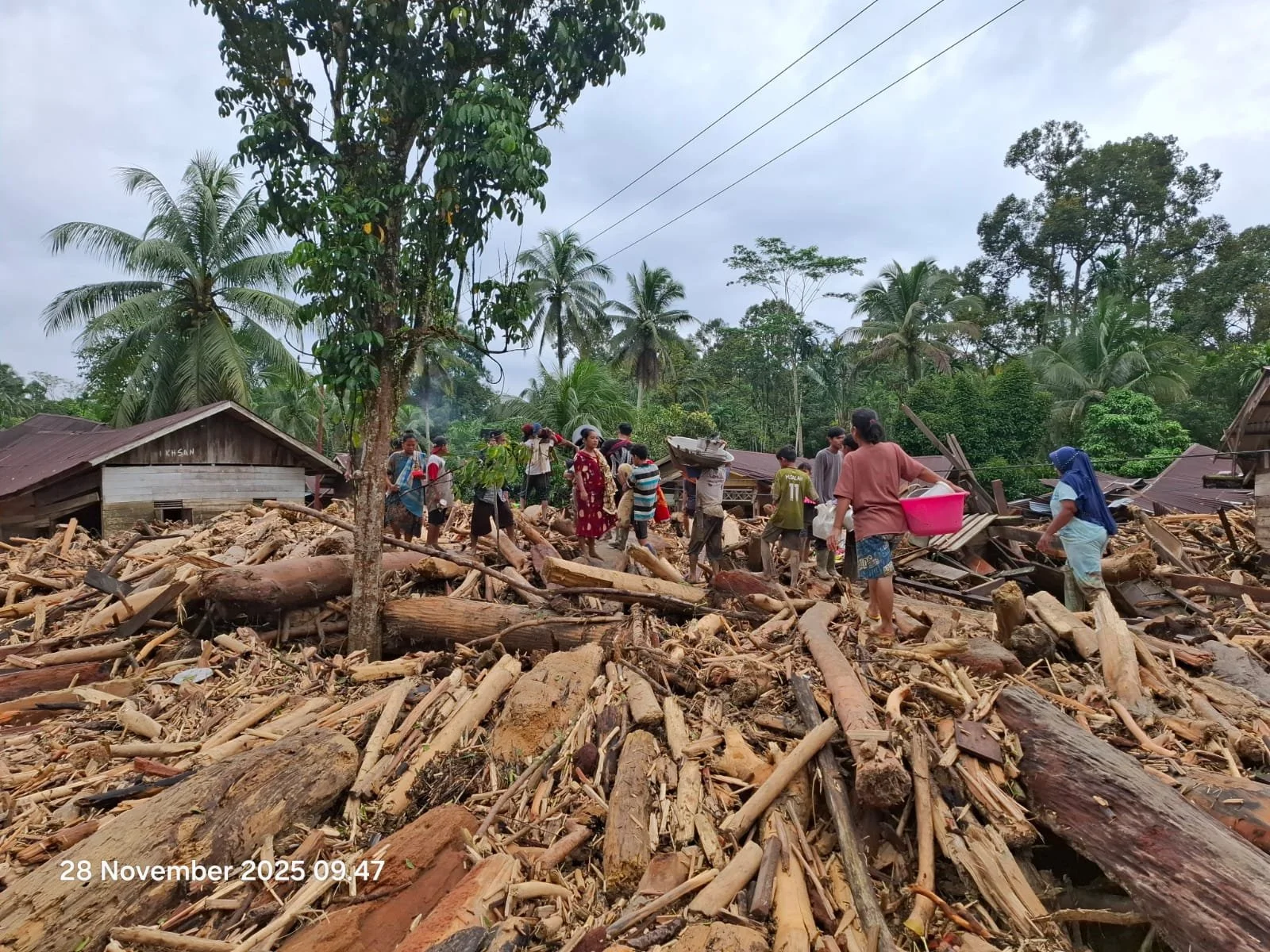
Cyclone Senyar made an unexpected landfall in Aceh overnight on 25-26 November 2025, causing severe flooding and landslides in Aceh, North Sumatra, and West Sumatra.
78 FKL, HAkA staff and guests are in disaster locations in Aceh Tengah, Bener Meriah, Langsa, Lhokseumawe, Aceh Timur, Aceh Tamiang, Aceh Tenggara, Singkil, Aceh Jaya, and Gayo Lues. In many locations road access as well as telecommunication and electricity access has been cut off and some groups remain uncontactable. Our most URGENT priority is confirming their safety, carrying out supply drops and attempting evacuation.
Rangers, other field staff, and community partners have lost homes, farms, and essential livelihood assets.
Flooding and landslide impacts in Aceh: As of 27th November, over 45,000 people were affected, the death toll was at 19 people, approximately 1,500 people were displaced, and major infrastructure was damaged.
Immediate needs: Search and Rescue assets for evacuation, medical supplies, shelter, food, water, and comms. HAkA and FKL are jointly appealing for emergency funding of approximately US$ 96,000; see section 6 for details.
Response underway: communications, mapping of staff and disaster locations, evacuation logistics, rapid assessments, and supply deployment.
Medium- and long-term focus: livelihoods, housing, mental health, and environmental recovery.
Cyclone Senyar devastated Sumatra in western Indonesia three weeks ago, causing massive flooding. However, the extent of the devastation didn't become apparent until mid-December, when the waters had subsided. Over a million people have been displaced, over 1,000 people have died, and about 150,000 dwellings have been damaged. According to scientists, the storm occurs only once every 70 years.
However, by the standards of the capital's leadership in Jakarta, it is hardly a national catastrophe. Despite the fact that officially designating it as such would grant authorities emergency powers and, crucially, make it much simpler for them to collect international aid, officials have refused to do so. President Prabowo Subianto and other politicians have said that Indonesia does not require foreign assistance.
According to Farwiza Farhan, the leader of HAkA, an NGO operating in Aceh, a province in Sumatra, "the arrogance of this government has cost lives." The head of Indonesia's disaster agency said the destruction was not as bad as it appeared on social media when the floods occurred (he later apologized). Ms. Farhan claims that relief operations have been sluggish and ill-coordinated.
Rebuilding damaged homes and infrastructure is expected to cost 52 trillion rupiah ($3.1 billion), according to officials. As of right now, hundreds of people are still unaccounted for, diseases are spreading, and numerous towns are still stuck due to fallen roads and bridges. As a sign of their desperation and rage at the central government's response, Acehnese citizens have begun raising white flags outside their houses.
Environmentalists assert that immediate efforts are necessary to prevent the next catastrophe. They assert that deforestation exacerbated the floods. Tree roots prevent soil from slipping away, and tree canopies retain water. However, since 2001, illicit logging and palm oil plantations have caused Sumatra to lose 4.4 million hectares of forest, an area around the size of Denmark.