Protection of the Naso Indigenous Territory and La Amistad International Park
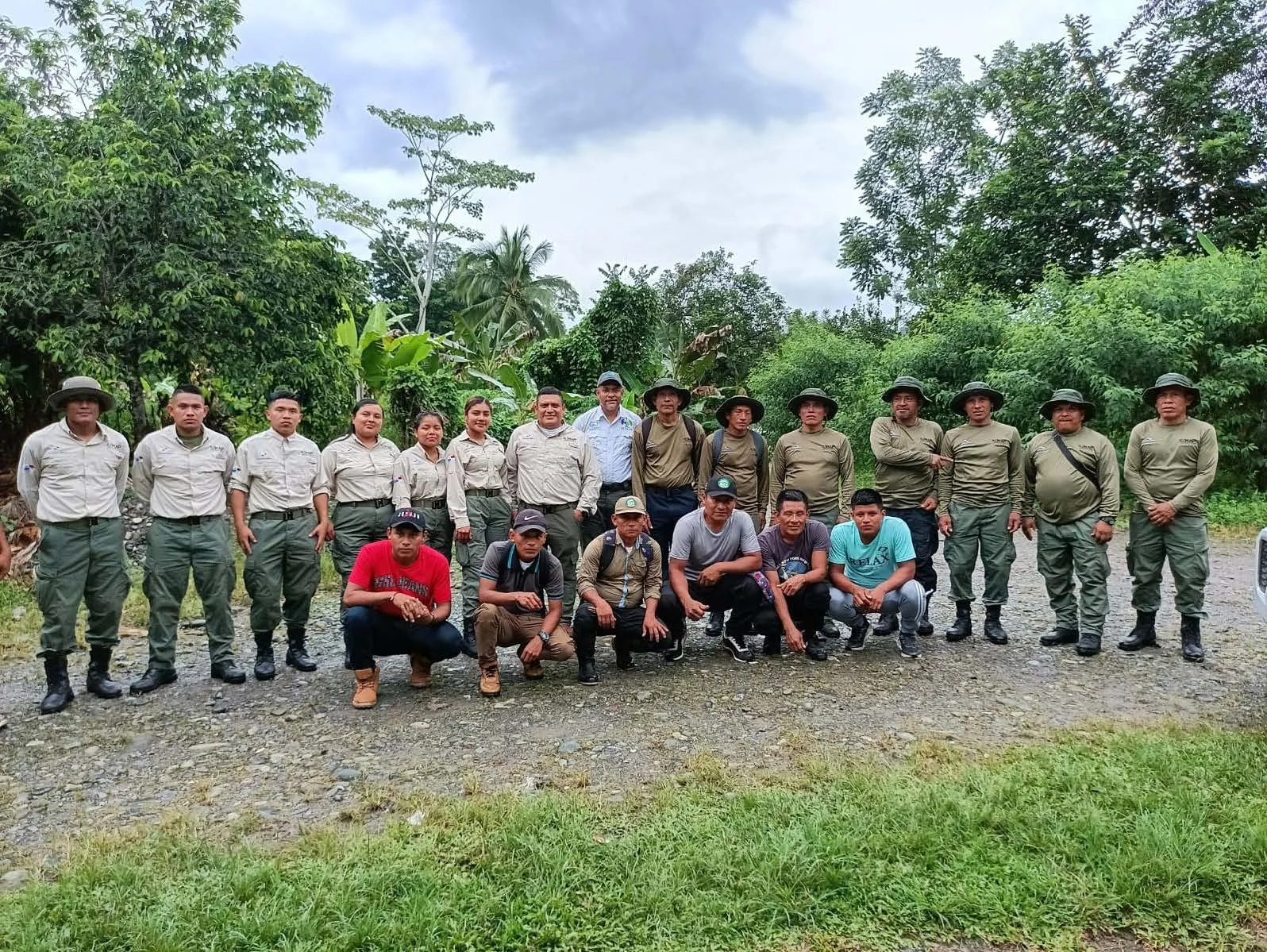
The entire Naso Ranger Patrol Team.
Summary
Global Conservation has received critical funding from the Alumbra Foundation to support National Park and Community Protection of the Naso Indigenous Territory, the largest legally established Indigenous Comarca in Panama (160,616 hectares). The Naso people have won their battle for communal lands after nearly 20 years of legal struggle. Now, they must protect it.
To make this historic endeavor possible, Global Conservation is deploying our Community Protection and Global Park Defense Programs in partnership with the Naso People and MiAmbiente, the Ministry of Environment of Panama.
The Naso have organized a 60-member Community Protection team responsible for demarcating, monitoring, and patrolling their territory. From 2024 to 2026, Global Conservation is investing over $400,000 to protect the Naso Kingdom and La Amistad International Park (PILA), which is managed by the Naso people.
Even more, Global Conservation is equipping and training 40+ La Amistad National Park Rangers recently hired by the government, including 5 Naso community members (up from just 3 rangers in 2024).
Global Conservation's primary objective is to train and equip Protection Teams from both La Amistad International Park (PILA) and the Naso Kingdom, ensuring the integrity and protection of the Naso Territory and La Amistad International Park.
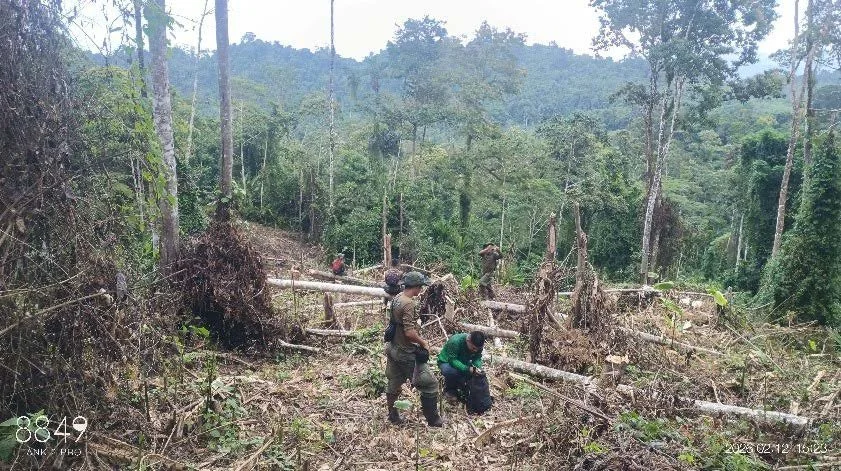
Invaders destroyed the Naso Indigenous lands.

Naso rangers patrol through the densest jungle areas.
Threats to Naso Indigenous Territories
GC’s Indigenous Community Protection is being implemented in an integrated manner across the Naso Territory, La Amistad International Park, and the Palo Seco Forest Reserve (PILA). Major threats to the Naso Territory include settler invasions from competing indigenous groups, illegal cattle ranching, illegal logging, and agricultural expansion.
Naso-ground patrols and satellite monitoring have documented these threats. In one bold incident, a recently constructed community ranger station was burned by invaders.
Given these increasing external pressures, it is essential to provide the Naso People with the resources and support necessary to defend their territory, protect their cultural and spiritual heritage, and conserve the region’s ecosystems for future generations.
After 20 years to secure their Comarca lands, Global Conservation is the only organization to financially and technically support the Naso People to protect their hard-won lands.
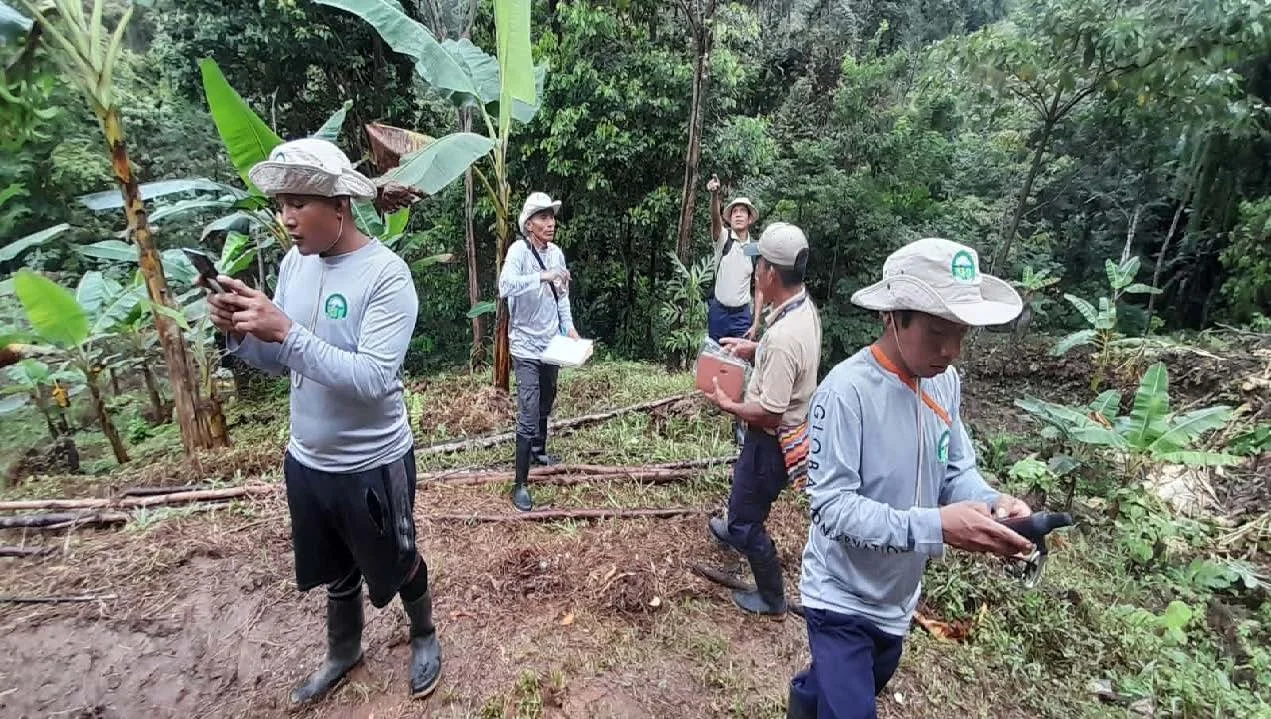
Naso Community Protection
General Objectives
Global Conservation's primary objective is to train and equip Protection Teams from both La Amistad International Park (PILA) and the Naso Kingdom, ensuring the integrity and protection of the Naso Territory and La Amistad International Park.
Objective 1: Specialized Training and Education for Community Rangers and Park Rangers
To strengthen the protection of the Naso Territory and improve coordination with protected area authorities, a technical training program was implemented for Naso community rangers and rangers from La Amistad International Park (PILA Caribbean sector).
As part of this objective, 14 PILA Caribbean rangers and 6 Naso community rangers received specialized training in the use of the EarthRanger platform, a technological tool used to monitor, record, and manage real-time information on patrols, incidents, and threats within the territory.
Specialized Indigenous Territory Protection training includes:
Basic and advanced use of the platform for recording patrols and field events
Georeferencing of threats such as invasions, illegal logging, and illegal cattle ranching
Managing and analyzing field data to help make better decisions about protecting territory
Integration of community monitoring with protected area monitoring systems
Naso Community Protection training strengthens the technical capacities of the Community Ecoguards and National Park Rangers, improves coordination between Naso community brigades and park rangers, and enhances territorial monitoring through the use of digital conservation tools.
Performance Indicators
14 PILA Caribbean rangers and 6 Naso community rangers trained in the use of the EarthRanger platform.
Operational use of EarthRanger for recording patrols and reporting incidents within the Naso Territory and adjacent PILA areas.
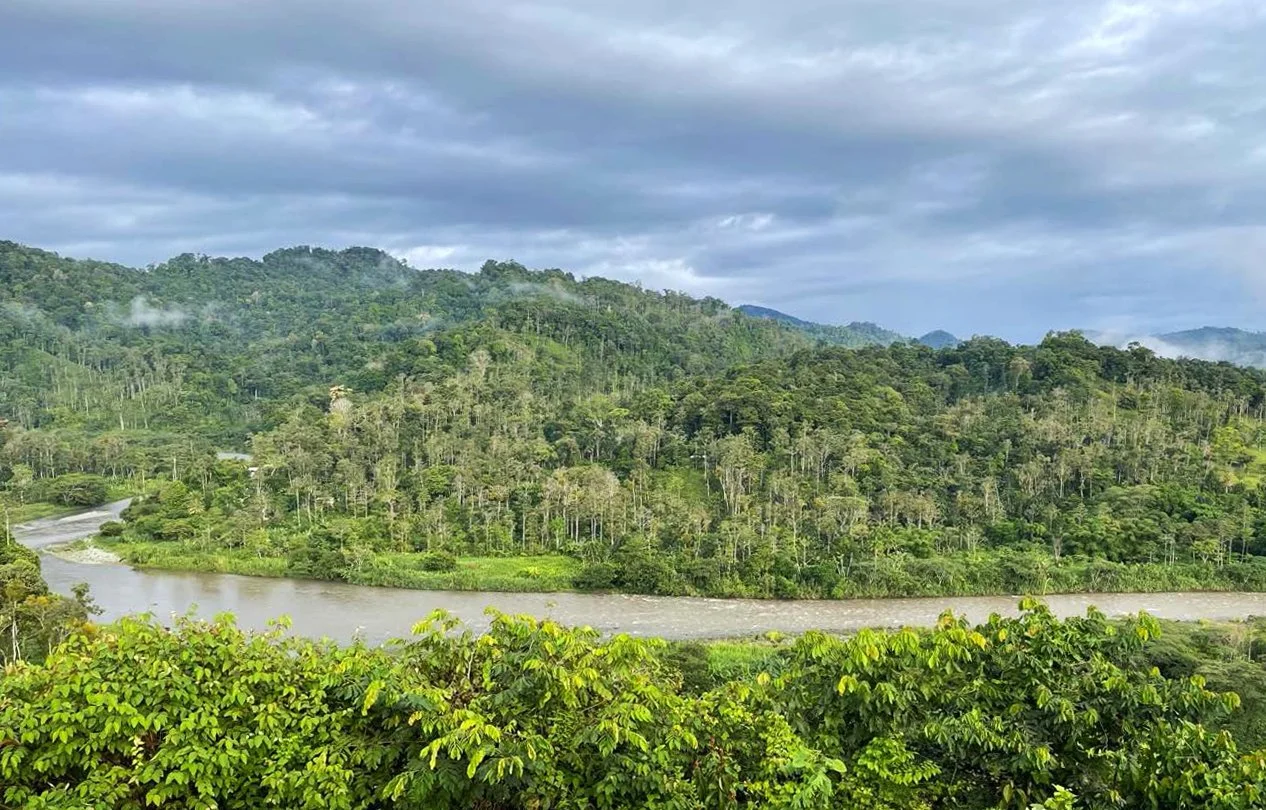
Such a beautiful yet demanding environment requires substantial equipment for patrolling.
Objective 2: Provision of Equipment for Community Rangers
To strengthen field operations, essential equipment was provided to the Kljunker (Naso Community Ecoguards).
This included Hardened Smartphones with the EarthRanger application installed, two Garmin InReach satellite communication devices, and a first aid kit. With this equipment, three community patrol teams were organized, each composed of three trained members, strengthening field monitoring, communication, and response capabilities during patrol operations.
Performance Indicators
11 smartphones delivered to community ranger teams to strengthen monitoring and field communications.
4 smartphones with the EarthRanger application installed were delivered to the Kljunker community rangers, including training in their use for patrol monitoring and reporting.
4 additional smartphones delivered to PILA Caribbean park rangers to improve communication and coordination during patrol operations.
2 Garmin InReach satellite devices delivered to Naso rangers to strengthen satellite communication and support park monitoring efforts.
Three training activities were conducted, including one theoretical training session and two field trips focused on strengthening monitoring, patrol, and conservation technology skills.
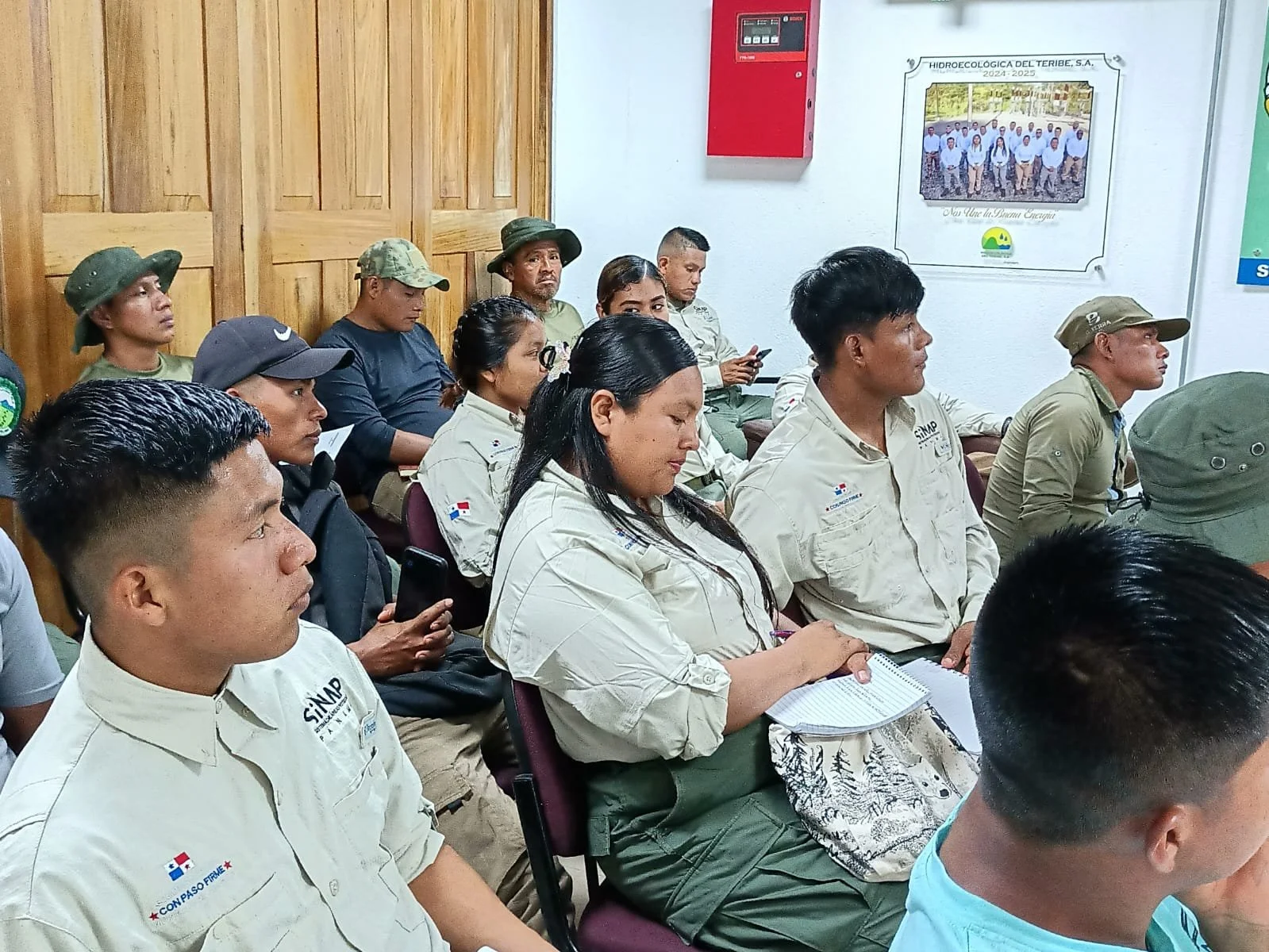
Naso women have also now joined the Naso Community Ecoguards.
Objective 3: Expansion of the Community Ranger Program
As part of efforts to strengthen conservation and protection within the Naso Territory, community rangers increased monitoring and surveillance activities through systematic patrols across different areas of the territory.
These patrols contributed directly to strengthening the Community Ranger Program, promoting active participation of community members in territorial protection. These activities also helped consolidate the technical capacity of the local ranger teams and increased community presence in conservation efforts within the Naso Comarca.
Performance Indicators
26 patrols were conducted between June 2025 and February 2026.
26 foot patrols were conducted in different areas of the territory.
103 patrol hours were completed during monitoring and surveillance activities.
366.57 kilometers covered during community patrols.
Naso Community Ranger Program
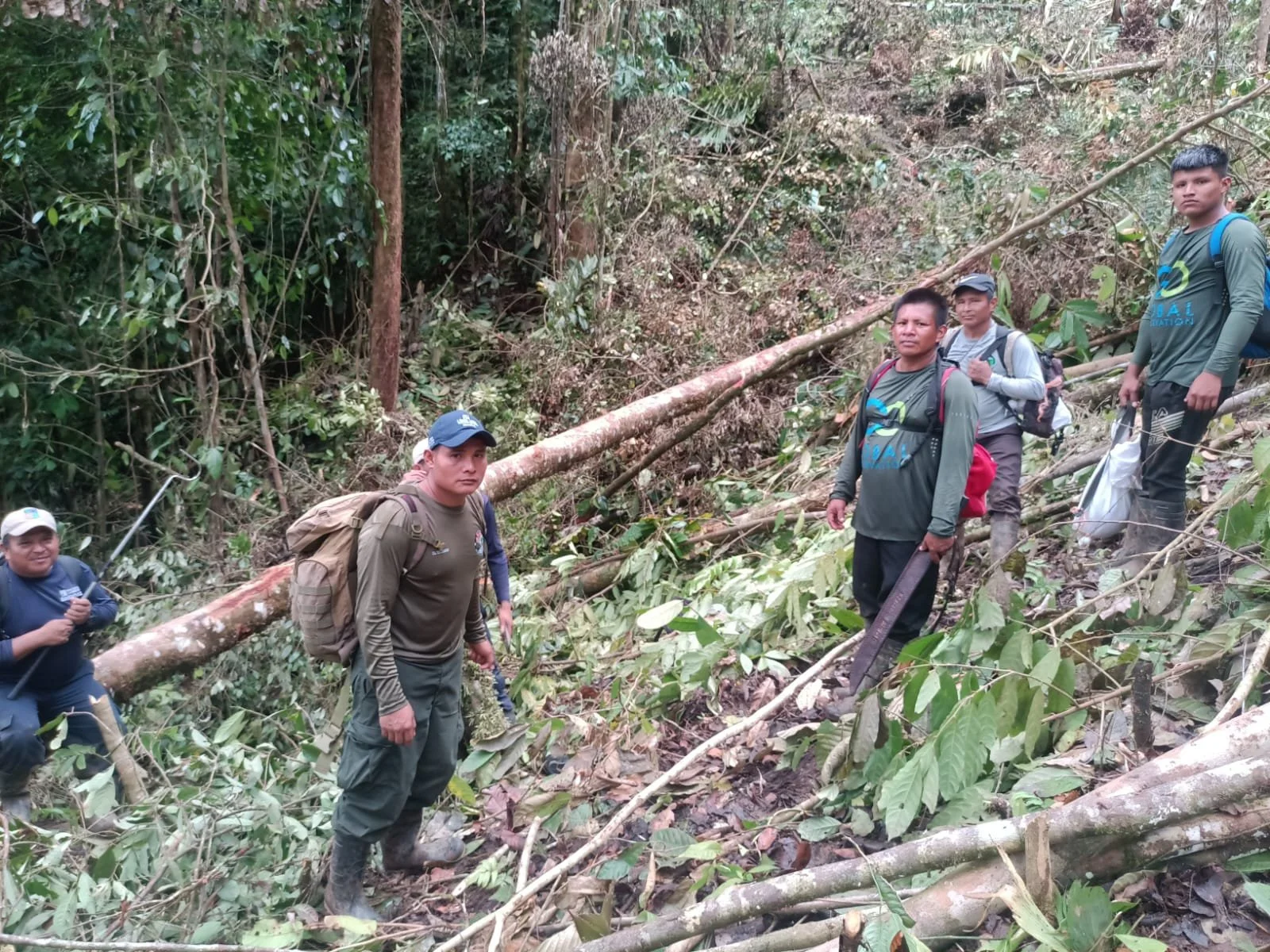
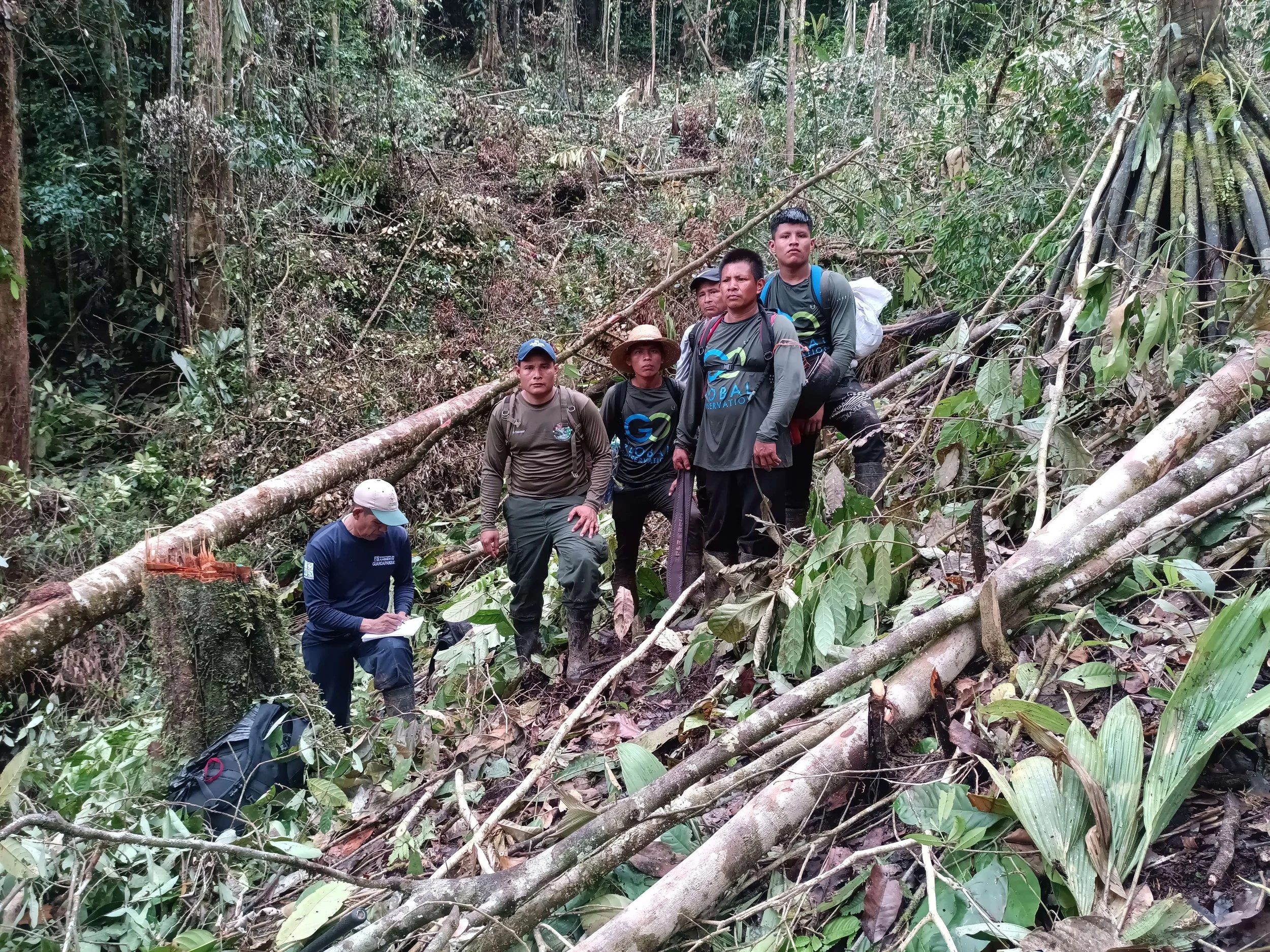
Naso Patrols finding extensive illegal land clearing on their Comarca.
Summary of Monitoring Results
During patrol and monitoring activities, several environmental, cultural, and territorial control events were recorded, including:
1. Threats and illegal activities
Incidents related to pressure on natural resources were documented, including illegal crops, deforestation, illegal cattle ranching, and human settlements inside or near the park. These included corn and banana cultivation in watershed headwaters, cattle fencing, deforestation in areas such as Loma Orquídea, and an agricultural settlement within the protected area. Evidence of illegal timber extraction and a hunting camp was also discovered and dismantled.
2. Protection of Naso cultural heritage
Patrols identified cultural and archaeological sites, including ancestral graves and traditional grinding stones. Evidence of grave looting and illegal excavation attempts was also recorded, allowing community authorities to strengthen monitoring of these sites.
3. Biodiversity monitoring
Rangers documented wildlife presence, including fresh jaguar tracks, a possible jaguar den, signs of white-lipped peccary activity, and a direct observation of a tapir along the riverbank.
4. Territorial control and park boundary demarcation
Boundary verification activities were conducted, including marking trees to indicate park boundaries in the Namuwoki sector.
5. Institutional coordination and outreach
Joint visits with Ministry of Environment and SINAP personnel were conducted with landowners near the park to raise awareness about conservation and park boundaries, as well as to address cases of deforestation threatening PILA.
Results for La Amistad International Park (PILA)
Performance Indicators
71 patrols were conducted during the reporting period.
Patrol distribution:
31 vehicle patrols
30 foot patrols
2 motorcycle patrols
8 ATV patrols
461 patrol hours completed
3,086.86 kilometers covered during patrol operations.
These indicators reflect significant operational efforts to strengthen surveillance, expand territorial coverage, and improve conservation monitoring in the area.
Threats and Illegal Activities Identified
1. Illegal resource extraction control
Evidence of illegal timber harvesting was identified, including sawmill waste and logging residues. In the Kuenquin–Santa Marta sector, timber was confiscated and official notifications were issued. Land use was also detected within the park, including a house under construction with banana crops nearby.
2. Patrols in critical areas
Patrols were conducted in strategic sectors such as Fila Colorado, Los Pozos, Los Mojicas, and Mochila–Agua Caliente. No new illegal activities were observed, although wildlife tracks, such as those of deer and paca, were recorded.
3. Special operations and institutional coordination
A special patrol operation for the Carnival holiday was conducted in sectors including Entre Ríos, Los Quetzales, and Garita Final, in coordination with the Environmental Emergency Group (EME-Ambiental).
4. Park boundary control
Trees were marked with red paint to reinforce the boundaries of La Amistad International Park and prevent encroachment.
5. Cross-border community coordination
Meetings were held with the ADITRIBI community organization in Costa Rica to strengthen cross-border coordination with local stakeholders near the park.
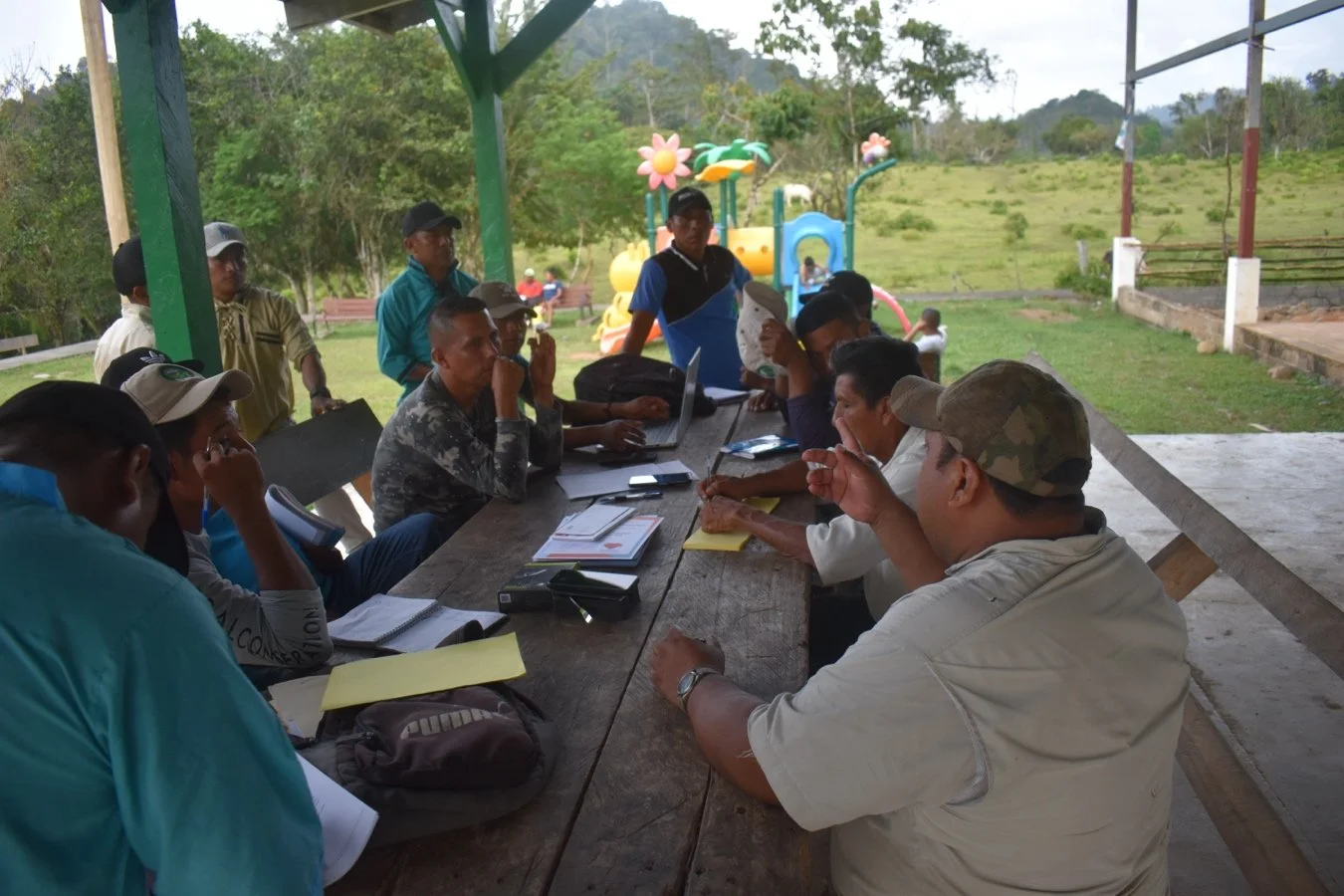
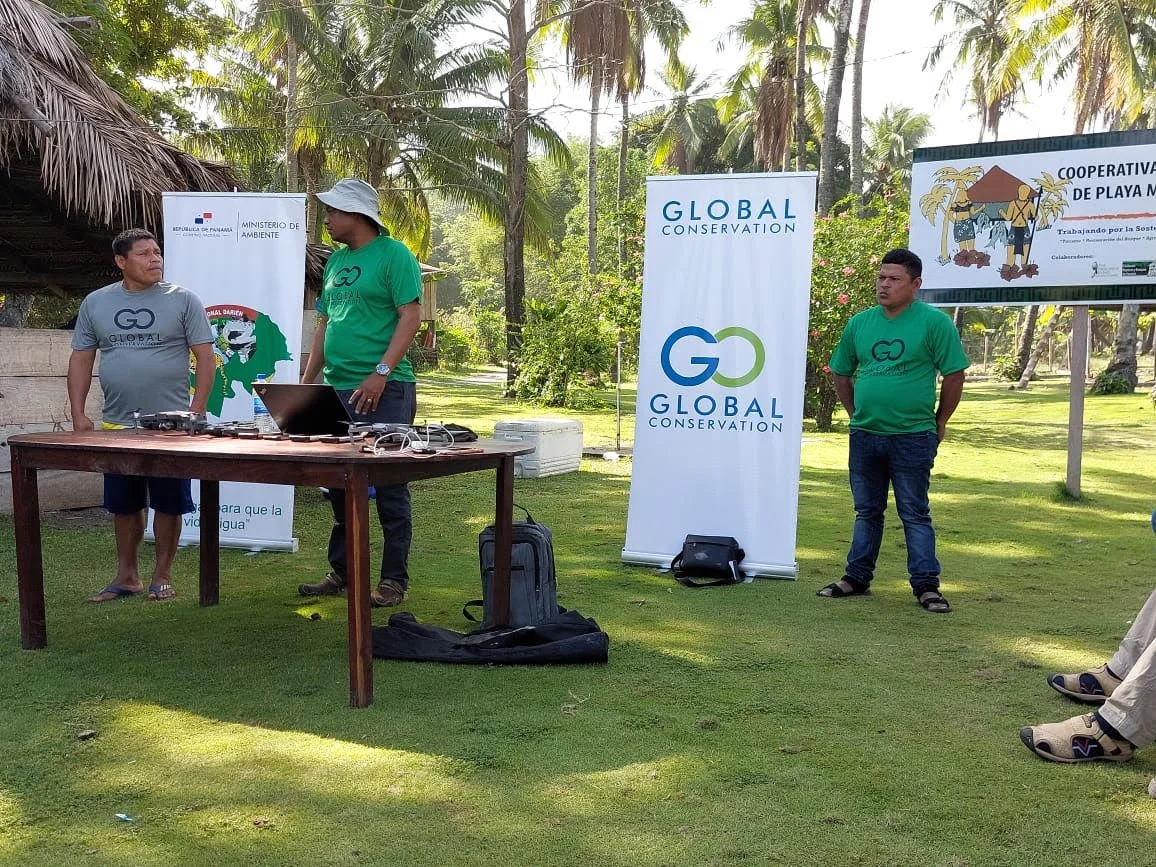
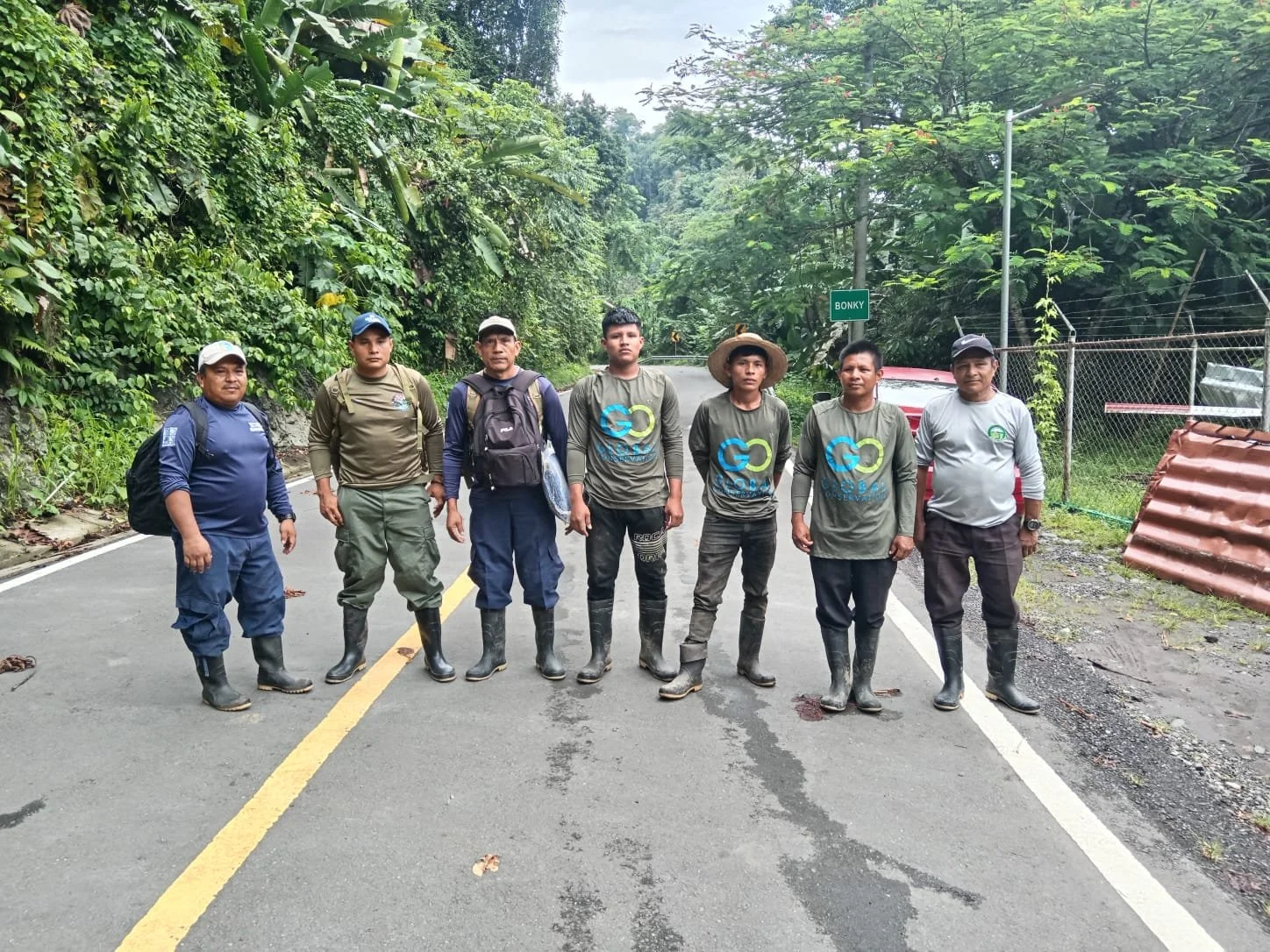
Key Activities Conducted by Naso Rangers and PILA Park Rangers
1. Patrols in critical areas
Naso community rangers, in coordination with PILA park rangers, conducted patrols in priority areas including Fila Colorado, Los Pozos, Los Mojicas, and Alto Katsy, strengthening field presence and monitoring potential threats.
2. Control of illegal activities
Illegal logging evidence was identified, leading to timber confiscation in the Kuenquin–Santa Marta sector. Land use inside the park, including construction and agricultural activity, was also documented.
3. Boundary demarcation and institutional coordination
Tree marking activities were conducted to reinforce park boundaries. These actions were coordinated with park authorities and included joint patrols and special operations during high-risk periods such as Carnival.