
Update on GC Singkil Wildlife Reserve and Suaq Restoration in Leuser Ecosystem, Sumatra
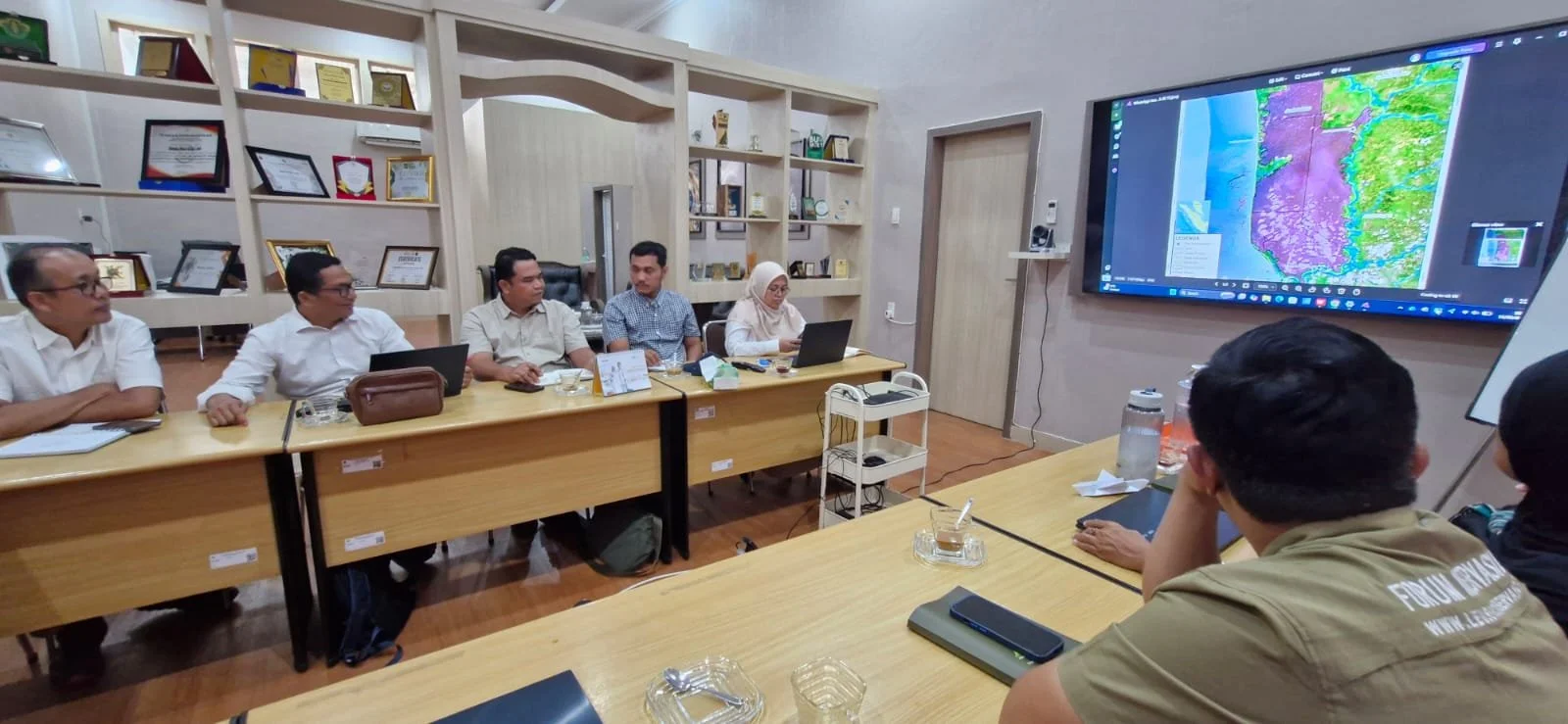
Singkil met with BKSDA Aceh to secure the permits to construct 3 guard posts in Rundeng, Trumon, and Trumon Tengah. Singkil will also operate patrol teams in the Teluk Rumbia post.
Rawa Singkil Protected Area Guard Post Construction and Operations Plan
The construction of the new posts is now underway with completion estimated for August 2026. So, by then, we will have continued presence in these four locations in Rawa Singkil to deter logging, clearing, and poaching. FKL and BKSDA have planned the composition of the guard post team: one personnel from BKSDA Aceh, two personnel from the Police, two from the community-based rangers, and one from FKL. Each shift will conduct patrol and monitoring for 15 days.
Law Enforcement
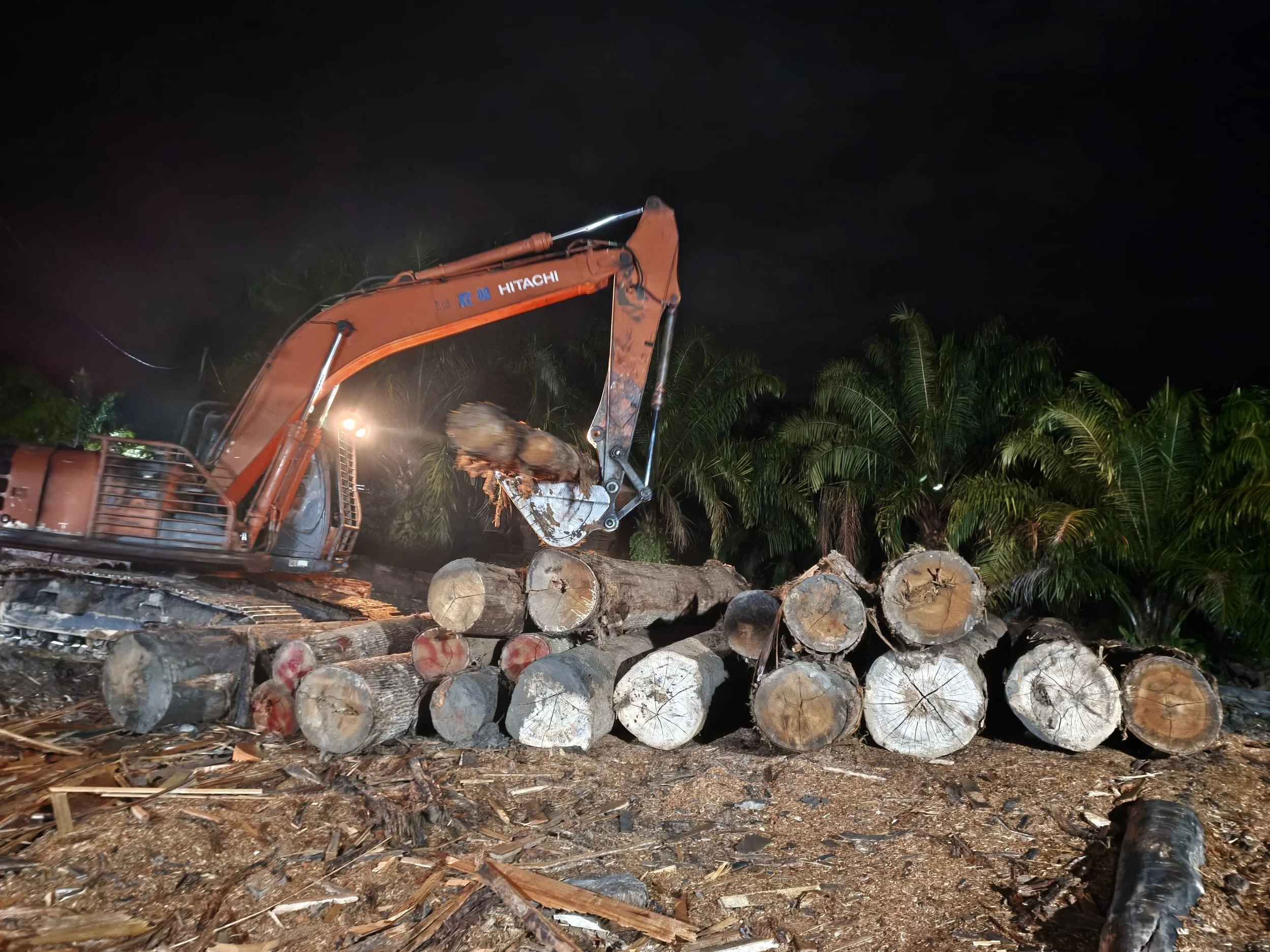
Since the start of the project, FKL supported four joint enforcement operations in SM Rawa Singkil alongside BKSDA Aceh, Polri, and military personnel:
November 2025: Trumon (Keude Trumon, Aceh Selatan): 0.5 m³ processed timber and 85 ha of illegal oil palm identified and destroyed.
January 2026: Rundeng and Trumon resorts (Pintu Rimba, Trumon Timur, Aceh Selatan): 16-day operation (15–30 January) with Polsek Trumon Timur, Koramil Trumon, and Dandim Aceh Selatan. Five perpetrators apprehended (two for illegal timber transport, three for land clearing). Processed timber seized and destroyed; approximately 4.5 ha of illegal oil palm destroyed; an estimated 30 hectares land fire extinguished using three water pumps (two BKSDA, one BPBD/Damkar Trumon).
February 2026: Rundeng resort (Desa Oboh, Subulussalam): 4 excavators found clearing land within the reserve; operators warned. 420 illegal oil palm stems uprooted (approx. 13 ha).
June 2026: 31 logs of round timber and one excavator seized. As of 23 June, timber is secured from Desa Kapa Seusak, Trumon Timur. The excavator remains in the forest area; evacuation delayed due to fire damage to its ignition system.
Advocacy and campaign updates from HAkA
Leuser Storytelling Campaigns: Launched a series of storytelling campaigns in Jakarta utilizing art exhibitions and documentary screenings to highlight the intricate human-nature relationships across the Leuser Ecosystem, with a specific focus on the Rawa Singkil Wildlife Reserve (Suaka Margasatwa Rawa Singkil / SMRS).
Partnership update with Paul Hilton: While the planned collaboration with Paul Hilton is temporarily on hold, we are actively pivoting to partner with local Indonesian storytellers. This will allow us to co-create deeply contextualized, community-driven campaigns centered on human-nature relations specifically within SMRS.
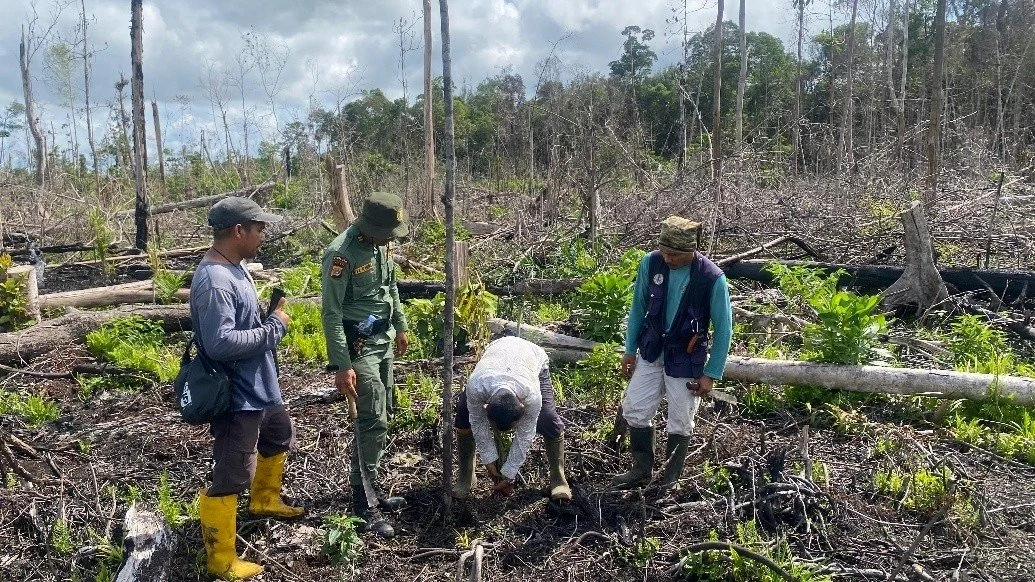
Legal Review & Community Advocacy
Leveraging co-funding from complementary donors, we partnered with WALHI, MaTA, and LBH Aceh to conduct a rigorous review of selected palm oil concessions surrounding SMRS. The preliminary findings reveal that the majority of these companies are engaged in active tenurial conflicts with adjacent communities.
Grassroots Land Defense: We are currently evaluating and selecting key conflict-affected villages to receive direct support. This initiative aims to strengthen community capacity to defend local land rights while concurrently building grassroots coalitions dedicated to the long-term protection of SMRS.
Coalition Building: Field visits to Aceh Selatan, Subulussalam, and Aceh Singkil are underway to identify and onboard strategic local organizations, expanding and strengthening the Rawa Singkil Advocacy Coalition.
Data Modeling & Field Verification
HAkA partnered with Auriga to develop advanced modeling on future forest loss trends within SMRS. This predictive analysis synthesizes historical deforestation data, the physical presence of palm oil mills, and their production capacities.
Next Steps: The preliminary analysis is nearing completion and will undergo a thorough collaborative review. This data will serve as the foundation for targeted field verification visits scheduled for July and August to ground-truth and deepen our findings.
Suaq Restoration Program Progress Report: January – March 2026

Transporting seedlings by boat for planting activities in the Suaq restoration area.
Overview
Distributed 5,535 seedlings of 14 restoration and livelihood-supporting tree species to local farmer groups, strengthening both ecosystem recovery and community income opportunities.
Planted 1,179 seedlings across 4.26 hectares of degraded land, while maintaining an additional 4,356 seedlings for future planting phases to ensure higher survival rates and long-term restoration success.
Strengthened community ownership of restoration efforts through the active involvement of local farmer groups and women-led nursery activities, creating sustainable livelihood benefits alongside conservation outcomes.
Enhanced protection of the Suaq restoration landscape through routine monitoring, installation of prohibition signboards, and increased patrol efforts to address encroachment pressures and safeguard restored areas.
Restoration Progress
The Pasie Lembang area has experienced degradation from past land-use pressures, affecting forest cover and ecosystem functions. Restoration is important to improve habitat quality, support biodiversity, and strengthen ecosystem services for local communities. FKL implements its restoration program under this grant in close collaboration with local communities in Pasie Lembang, who manage 173 hectares of land within a total 716-hectare community management permit area. FKL provides seedlings to support both planting and long-term maintenance efforts. This community-based approach not only contributes to ecological recovery in degraded areas but also creates direct livelihood benefits for surrounding villages.


Restoration Seedling Distribution from January 2026 – March 2026
During the reporting period, farmer groups received a total of 5,535 seedlings consisting of a wide range of multipurpose and economically valuable tree species. The distributed seedlings included jengkol (1,209), durian (1,143), robusta coffee (931), Indian almond (507), key lime (500), mangosteen (299), sugar palm (246), snake fruit (168), Malay apple (152), stink bean (136), nibung (97), cacao (56), jackfruit (47), and camphor tree (44). These species were selected not only for their contribution to landscape restoration and ecological recovery, but also for their long-term potential to strengthen community livelihoods and diversify household income sources.
Community participation remained central throughout the process, with local farmer groups actively involved in seedling care and land management activities to support long-term restoration outcomes. The gradual planting approach allows activities to align with favorable seasonal conditions, helping improve seedling survival rates and ensuring stronger establishment in degraded areas.
Total seedlings planted in January 2026 – March 2026
From the 5,535 seedlings distributed to farmer groups, around 4,356 seedlings are still being maintained for the next planting phase. Planting is being carried out gradually to ensure better land preparation, stronger seedling survival rates, and more effective long-term restoration results.

Women farmers from local communities are involved in nursery and seedling preparation.
The restoration program also actively involves women farmers from local communities in nursery and planting activities. Their participation plays an important role in seed preparation, seedling maintenance, and other restoration efforts carried out in the field. By engaging local women directly, the program not only strengthens community participation in ecosystem restoration but also creates additional livelihood opportunities and encourages greater community ownership in protecting and restoring degraded areas.

One of the main challenges in the Suaq restoration area is an ongoing land dispute involving a third-party claiming ownership over land that has already been purchased for restoration purposes. In response, the joint task force and local police are currently collecting supporting data and evidence to pursue legal follow-up actions. At the same time, protection efforts in the area have been strengthened through increased patrol activities carried out by the CPT team to prevent further disturbance and encroachment. Restoration teams also continue conducting planting activities and community outreach to raise awareness about the importance of protecting the restoration area. In addition, prohibition signboards have been installed throughout the site to reinforce area boundaries and reduce illegal activities within the restoration landscape.
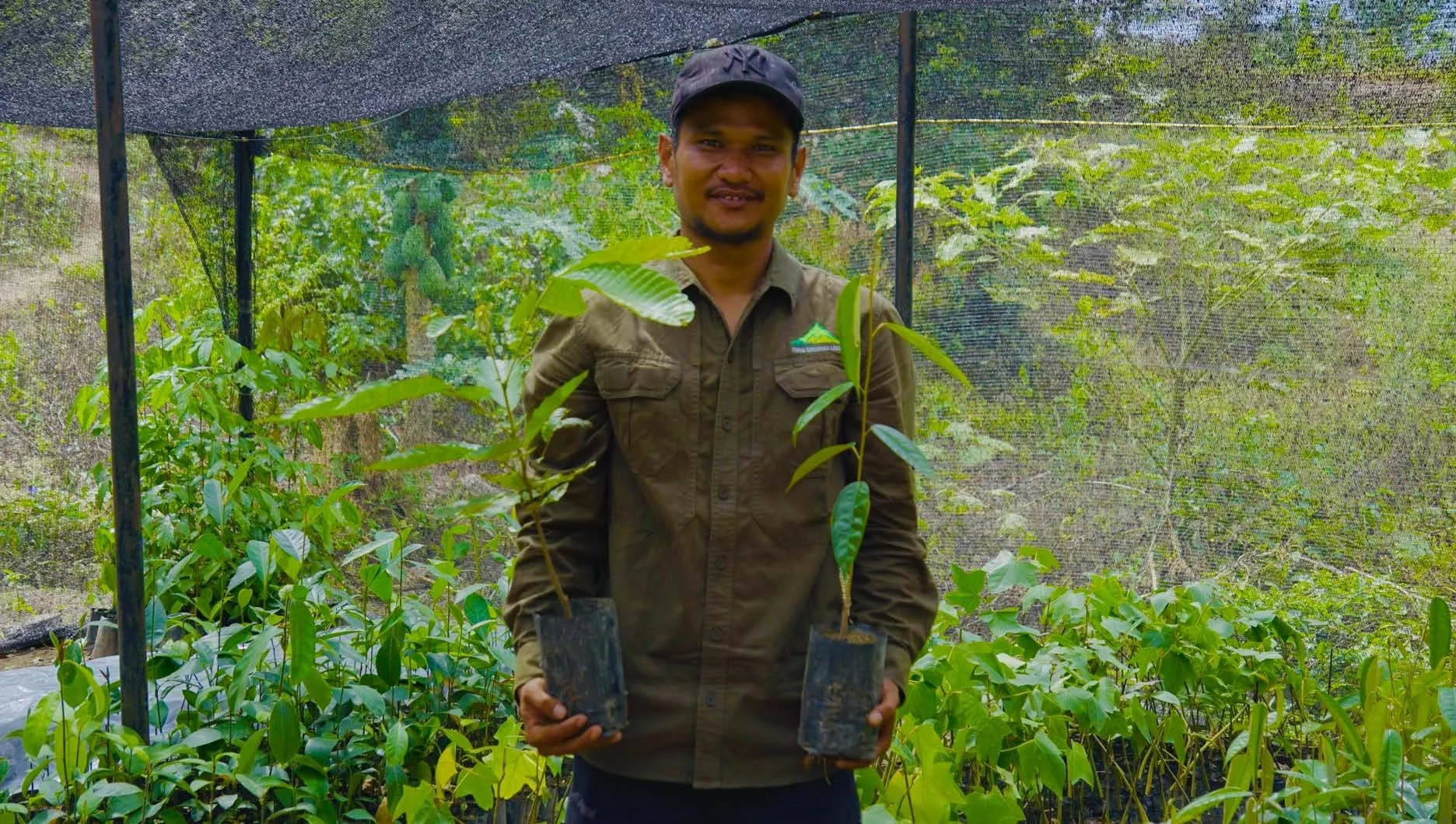
Next steps
To strengthen protection and accelerate restoration efforts within the Suaq landscape, the program plans to establish additional Community Patrol Team (CPT) units to improve area surveillance and prevent further encroachment. This expansion will require support for patrol personnel honorariums, field consumption, and essential patrol equipment to ensure effective and continuous protection activities.
In addition, restoration efforts will continue through the production, procurement, and planting of native and multipurpose tree seedlings. As significant portions of the restoration area remain open and degraded, additional seedlings will be needed to support future planting activities and increase vegetation cover across the landscape. Continued restoration is expected to contribute to ecosystem recovery while strengthening community involvement in long-term forest management.
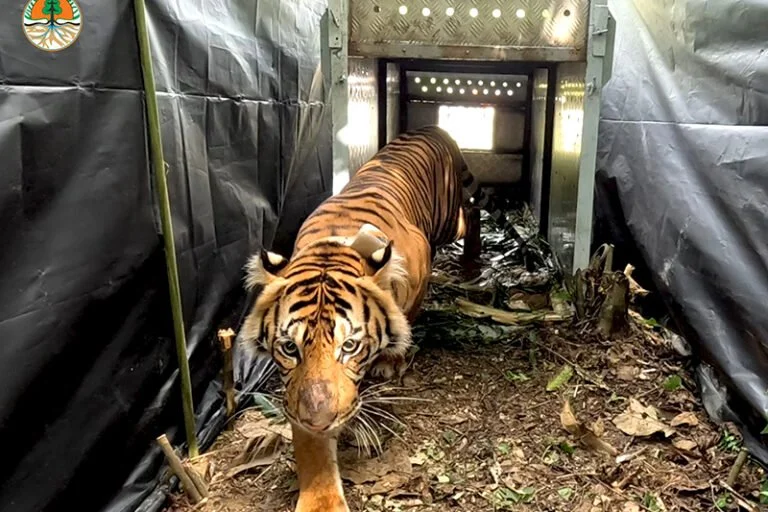
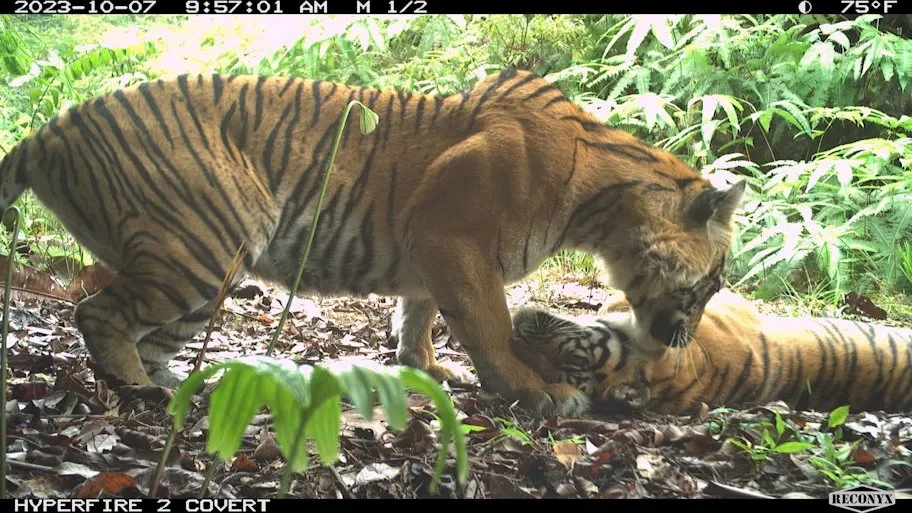

The FKL Wildlife Protection Teams have made significant progress in safeguarding the biodiversity of the Bengkung Trumon Megafauna Sanctuary (BTMS) and the Suaq region from January to November 2024. Eight Wildlife Protection Teams conducted 88 patrol missions, covering 5,807 km, documenting vital wildlife presence through sightings, including 1,896 orangutans, 1,182 Malayan bears, 844 Sumatran tigers, and 221 Sumatran elephants. These efforts also dismantled 15 snares and documented 35 poaching cases.