
GC Supports Alaungdaw Kathapa National Park, Myanmar Despite Civil War
Imagine a deep forest where elephants rip the blood-red branches from Siamese rosewood trees, where leopards stalk gibbons through the canopy, where dragon-like mammals called pangolins rustle through the undergrowth, and where the ghosts of rhinos roam. Here, the Petpa, Patolon, and Taungdwin rivers are born among the emerald trees. These forests flow over rolling mountains and run against thousand-foot cliffs that protect this place like a fortress. This is Alaungdaw Kathapa National Park (AKNP), the jewel of Myanmar and that country’s oldest and largest national park at 160,500 hectares.
Yet, Myanmar has been deeply entrenched in a country-wide conflict since 2021.
Helping Working Mahouts Who Joined the Civil Disobedience Movement
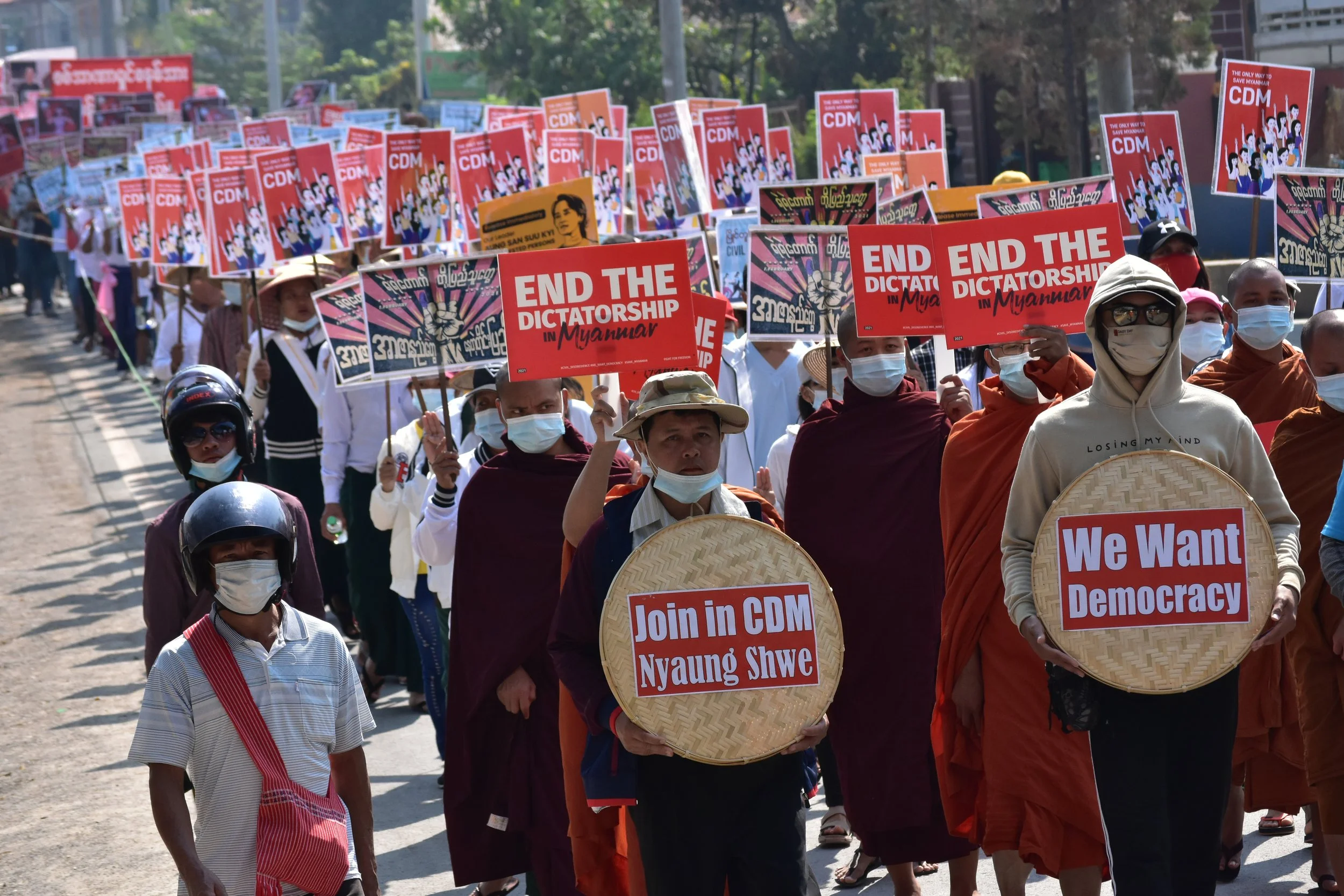
Responding to Myanmar's military coup in 2021, many professionals across the country joined the famous Civil Disobedience Movement (CDM), which is a massive, peaceful resistance campaign started by healthcare workers and citizens to protest the military coup.
Alaungdaw Kathapa National Park (AKNP), the nation's first national park located in the northwest Sagaing region, has 350,000 acres. Thirty-four elephants and thirty-two mahouts belonging to the park management joined the movement. This is important for the effective conservation and management of the National Park, as many villages around the National Park become the center of conflicts. Additionally, the long-term dedication of CDM staff and elephants is jeopardized by uncertainties, including survival and conflicts related to generating revenue for their livelihoods.
After the coup, all international support to the national park was suspended, including the support to the trained rangers.
Technically, there has been no more effective management of the National Park institutionally and officially since the coup. However, there have been reports about site-specific local protection made by CDM rangers and their elephants that are mainly used for the transportation of food, equipment, and medicine. They protect AKNP from illegal logging, wildlife poaching, and encroachment within their reach and capacity.
Many armed revolutionary groups, known as the People's Defense Force (PDF), have emerged throughout the country, creating internal conflicts as some factions attempted to operate independently without unifying under the command of the National Unity Government (NUG) or the ethnic revolutionary organizations that train and supply them, which also caused turmoil for territorial claims. Honest CDM rangers and their loyal elephants have been targeted by the separated armed groups, leading to a recent killing of a working elephant who joined the CDM movement together with their rangers.
The Role of Working Elephants in the Park's conservation and management
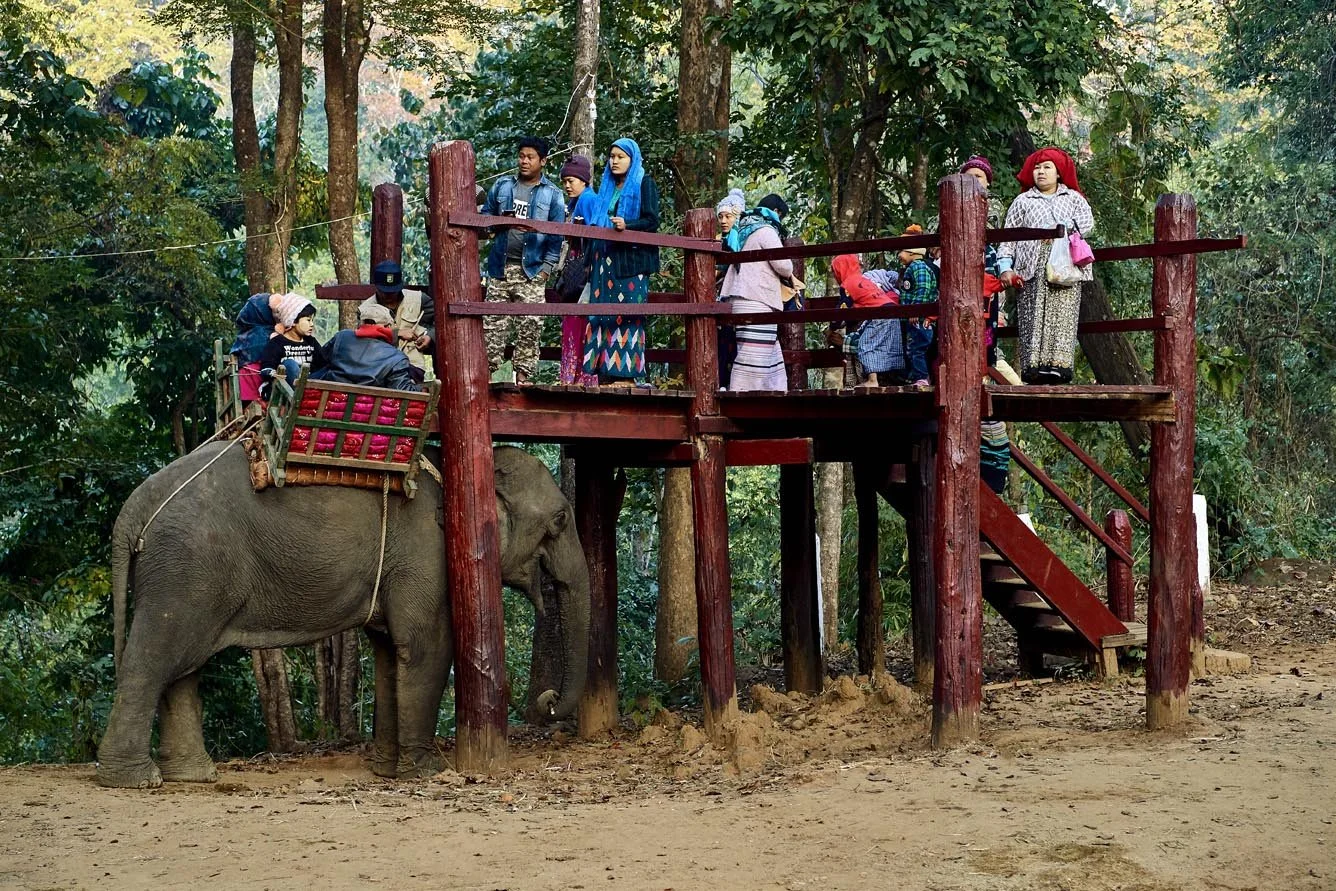
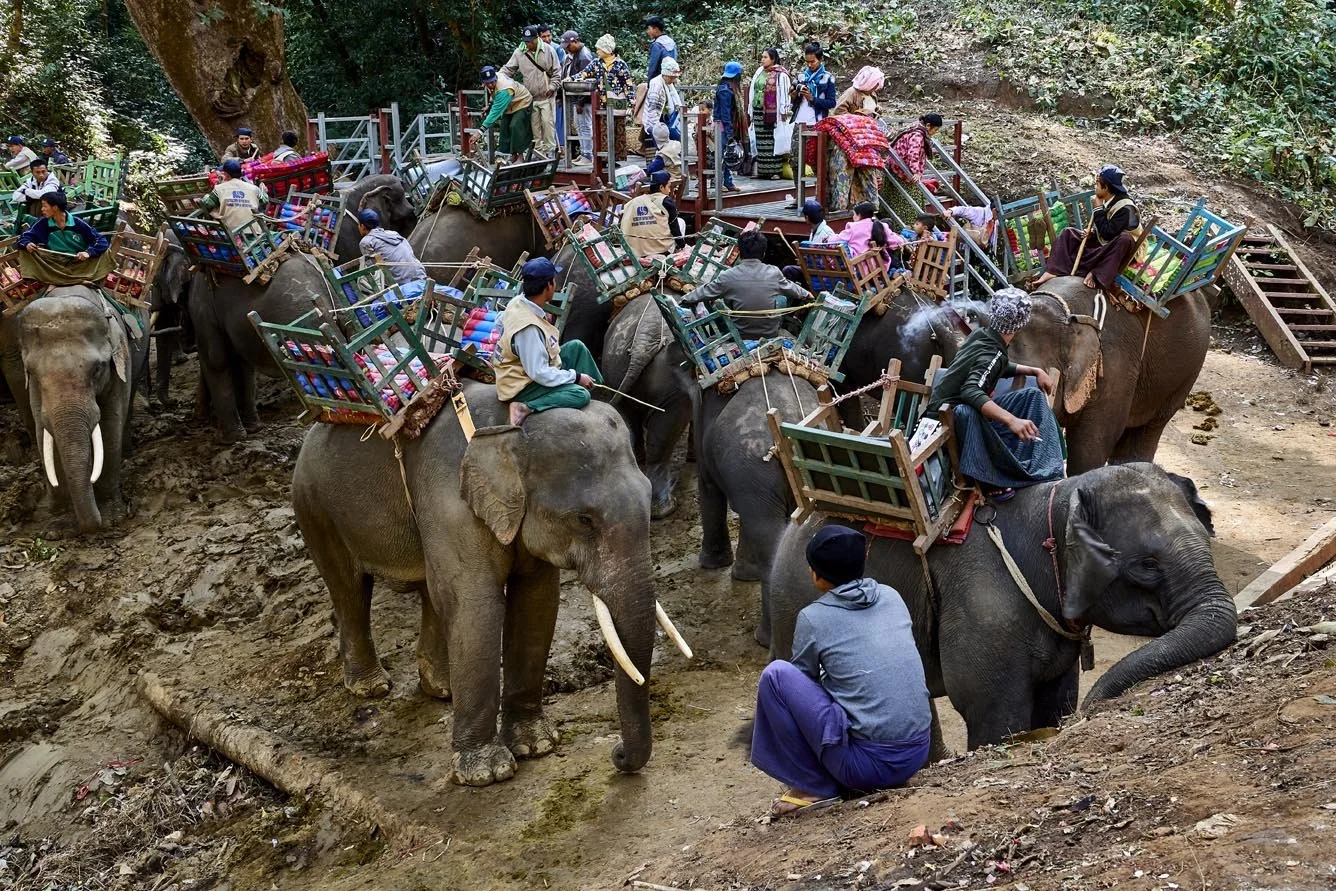
A defining and vital asset of the park’s operational management was its herd of domestic elephants. A dedicated team of 34 domestic elephants (14 males and 20 females, including seven newborn baby elephants [three males and four females]) and their mahouts were essential to park operations. They counted as the backbone of remote field logistics, regularly deploying to transport field equipment, rations, medicine, and building supplies required for anti-poaching patrols, infrastructure maintenance, and the support of frontline field staff.
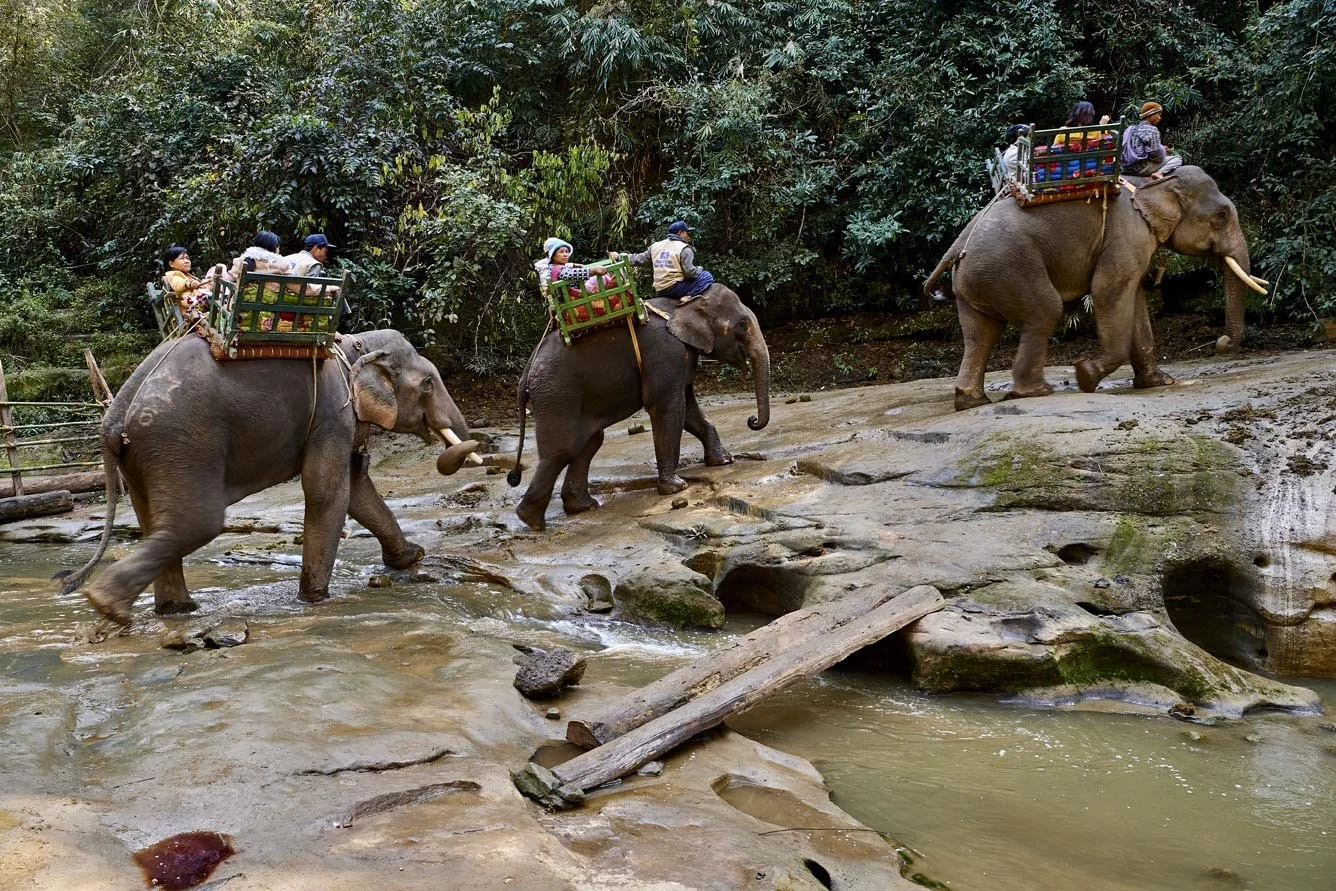
To assess the impact of the CDM, we conducted semi-structured interviews with former park employees who joined the movement. These were supplemented by informal consultations with other ex-staff members who did not join the movement to gain deeper context. The profile of CDM elephants belonging to the National Park can be found as follows:
Responding to the Coup and Emerging CDM (park rangers, admin staff, mahouts, and the elephants)
The management and governance of the park have been severely disrupted by Myanmar's shifting political landscape. Following the military coup, approximately 80% of the park’s workforce joined the CDM. In defiance of commands from the central park headquarters, the field rangers, mahouts, and elephants sought refuge within the National Park itself. Consequently, the park headquarters became entirely dysfunctional as the loss of key administrative personnel paralyzed operations. A Park Warden who was positioned at the park, even with the promotion after the coup, resigned from his job as he realized the challenges ahead. The reduction in the workforce has severely compromised park operations. Concurrently, staff who participated in the CDM have forfeited their salaries and benefits. Similarly, the elephants associated with the CDM have lost access to critical veterinary care and monthly supplementary vitamin support.
Tragic Loss of CDM Elephants
The information generated from interviews reveals that illegal logging activities exist in the park, especially in its southern and eastern parts. Recent reports indicate that these illicit operations utilize privately owned domestic elephants. Because these private elephants frequently roam the fringes of the national park, areas typically occupied by the park's own CDM elephants, distinguishing between the two has become exceptionally difficult. Criminals actively exploit this lack of clear identification by targeting the more approachable, habituated elephants instead of the wild population.
Consequently, a 40-year-old CDM female elephant of AKNP (a mother of twin elephants) named Po Ei San was killed by an armed man in January 2026 with the excuse of threatening the lives of the villagers—that excuse was not accepted by the local people. A peer source of our colleagues points to the armed man as a native of Win Kon village, who was reported to also be a member of Bo Nagar, a controversial figure in the revolution. The loss of Po Ei San is a profound tragedy, and it underscores the severe, deeply distressing reality faced by the sanctuary's camp elephants and their handlers since the coup.
It is, then, deeply tragic that nine elephants have died prematurely over the last five years. What makes this loss even more painful is that these deaths were entirely preventable; timely veterinary care and proper training for mahouts could have saved them.
Losing a female park elephant like Po Ei San and eight other elephants over the last half-decade is not just a blow to the local CDM community who protected them; it is a permanent loss to the long-term conservation and heritage of AKNP.
The Reality Facing AKNP's CDM Elephants:
Targeted and Vulnerable: Because these elephants and their handlers (mahouts) aligned with the anti-regime resistance (often cooperating with local defense groups to survive), they became targets. Armed conflict, shifting territorial control, and rogue actors or local militias operating within Sagaing's dense forests have turned the park into a conflict zone.
The "9 Miles" Camp Area: The 9-mile mark is part of the traditional core patrol and pilgrimage route within the park. Having a tame, beloved park elephant like Po Ei San shot and killed inside her own sanctuary by an armed actor highlights how completely the breakdown of law and order has stripped away the protections of this ASEAN Heritage Park (Wikipedia).
Extreme Hardship: The CDM elephant camps have survived strictly on local community donations and cross-border humanitarian support. The mahouts have continually faced severe shortages of veterinary medicine, supplementary food, and basic security while trying to keep these intelligent animals safe (myaelattathan.com).
To further prevent the preventable tragedy of working elephants in AKNP, the following financial need is requested from GC for 2026:
Medical supplies for 34 working elephants in AKNP (150 USD per elephant)
Veterinary care for 34 elephants 6 times a year (200 USD per visit)
Supplementary food for 34 elephants and mahouts
Logistic and transaction cost
Securing AKNP for the Future
Despite the Civil War, Alaungdaw Kathapa National Park (AKNP) is still a refuge for the animals that live there. It also draws about 150,000 Buddhist pilgrims who visit each year during the religious festival from January to April. They come to worship the holy remains of Lord Alaungdaw Kathapa, Buddhist royalty, which are secured in a cave deep within the park. The forests here in this national park, the only park in Asia with a famous Buddhist religious site, vibrate with life and spirituality.
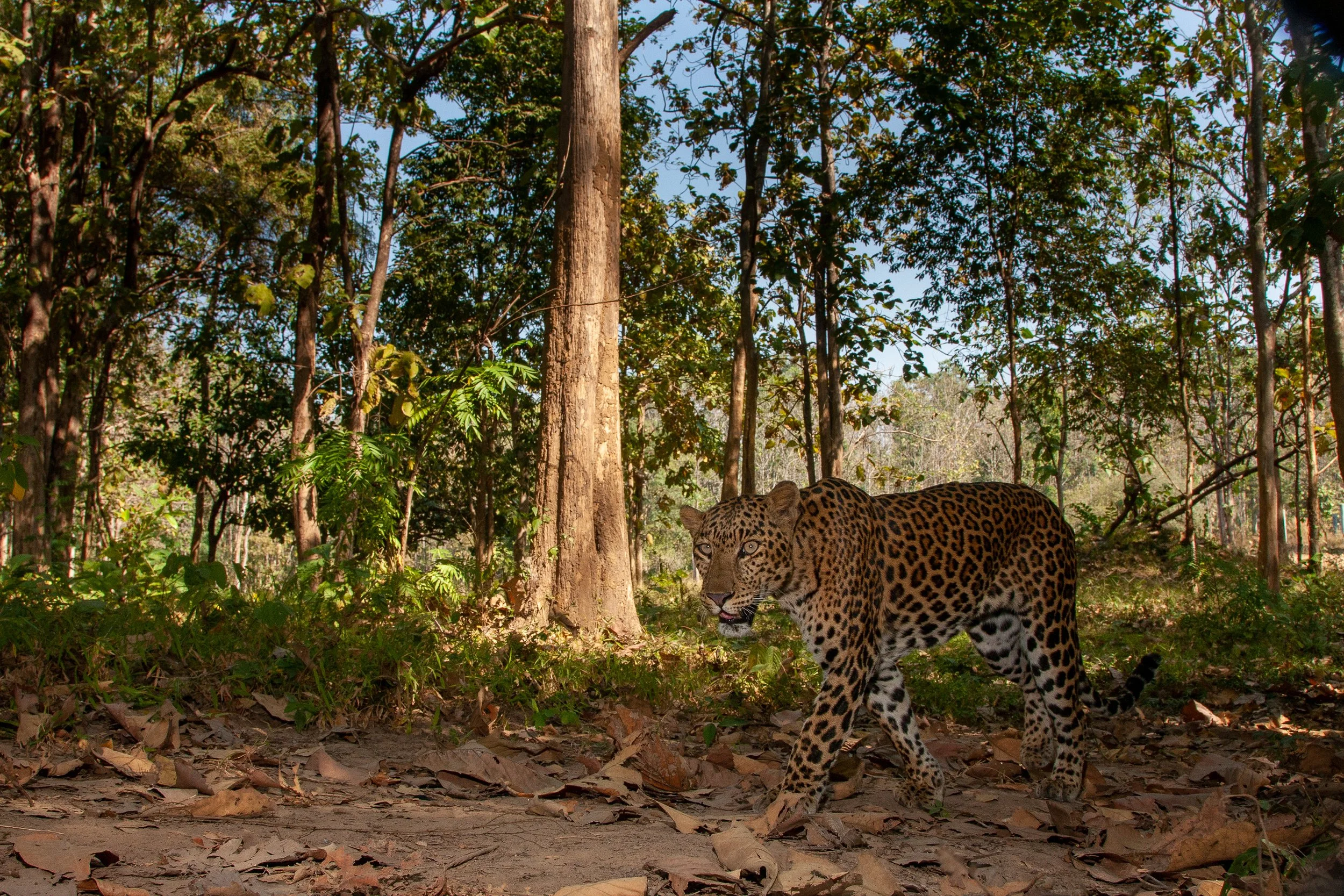
The indochinese leopard is one of many Critically Endangered species within Myanmar. Photo © Dome Pratumtong
The Critically Endangered Sunda Pangolin.
Phayre's leaf monkey is yet another Endangered species.
To help secure the future of this unique place, Global Conservation signed an agreement with the Myanmar Ministry of the Environment in 2018. This year, the Myanmar Department of Forestry will finally begin to deploy Global Park Defense in AKNP, and Global Conservation will work to have AKNP listed as a Natural and Cultural UNESCO World Heritage Site.
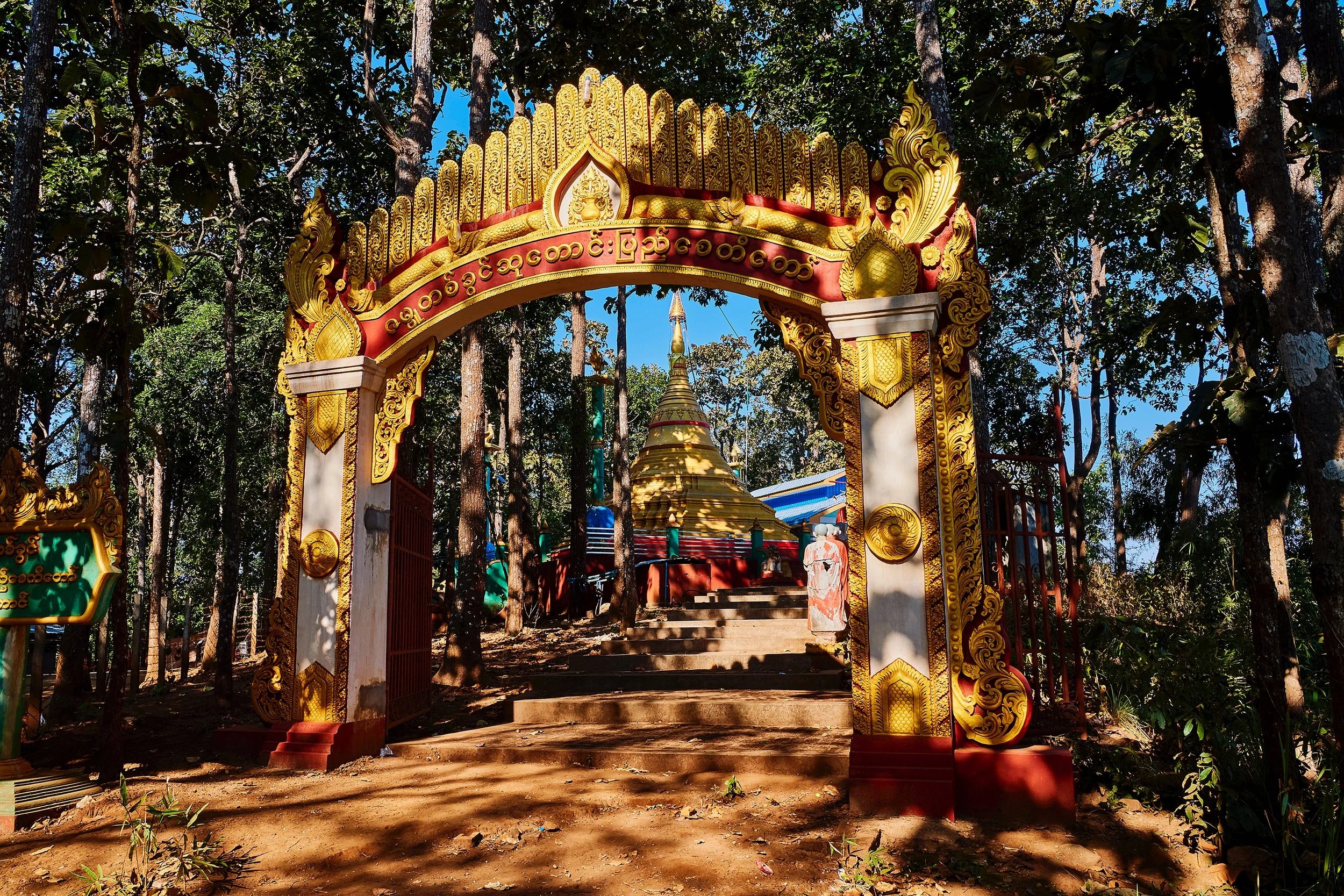
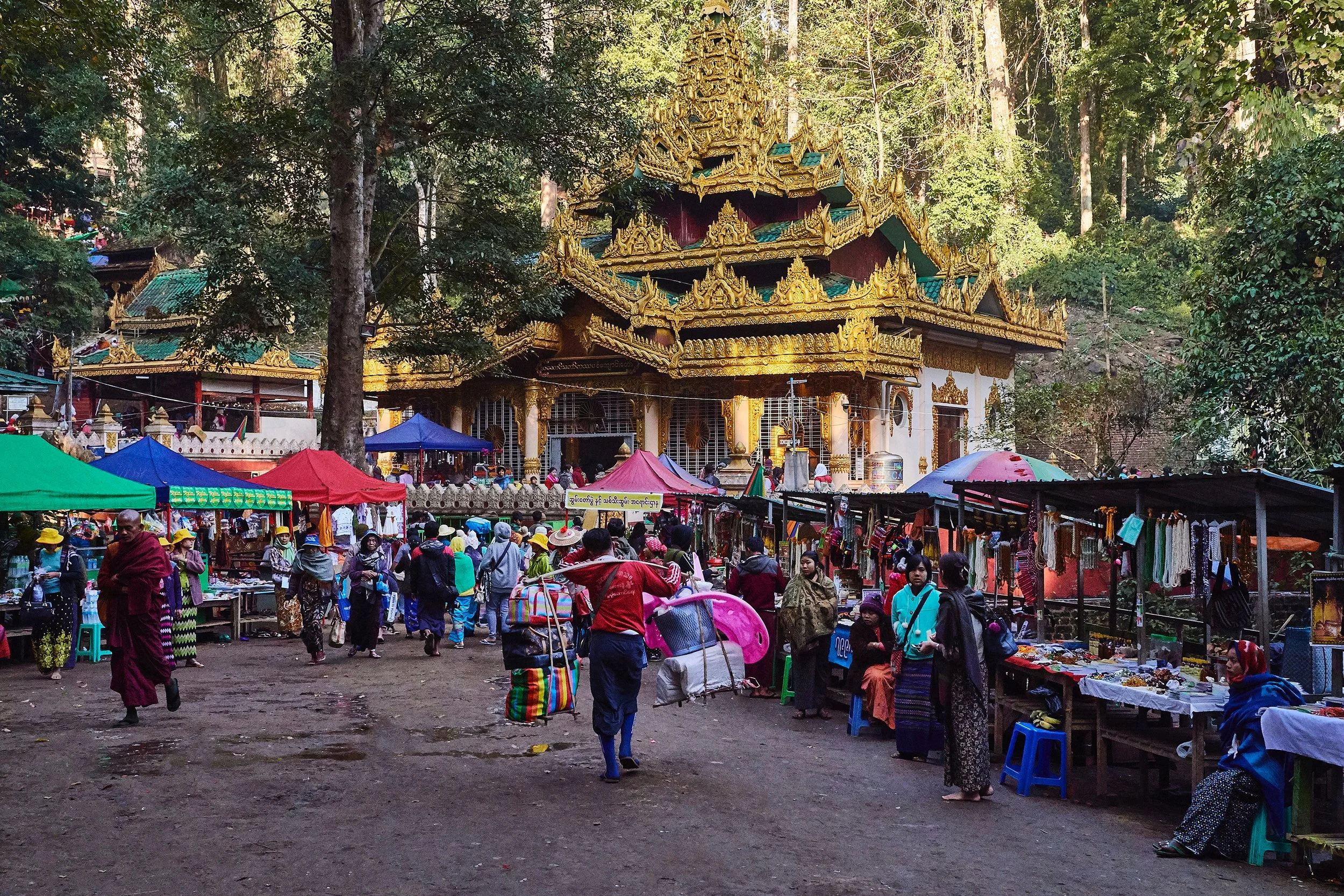
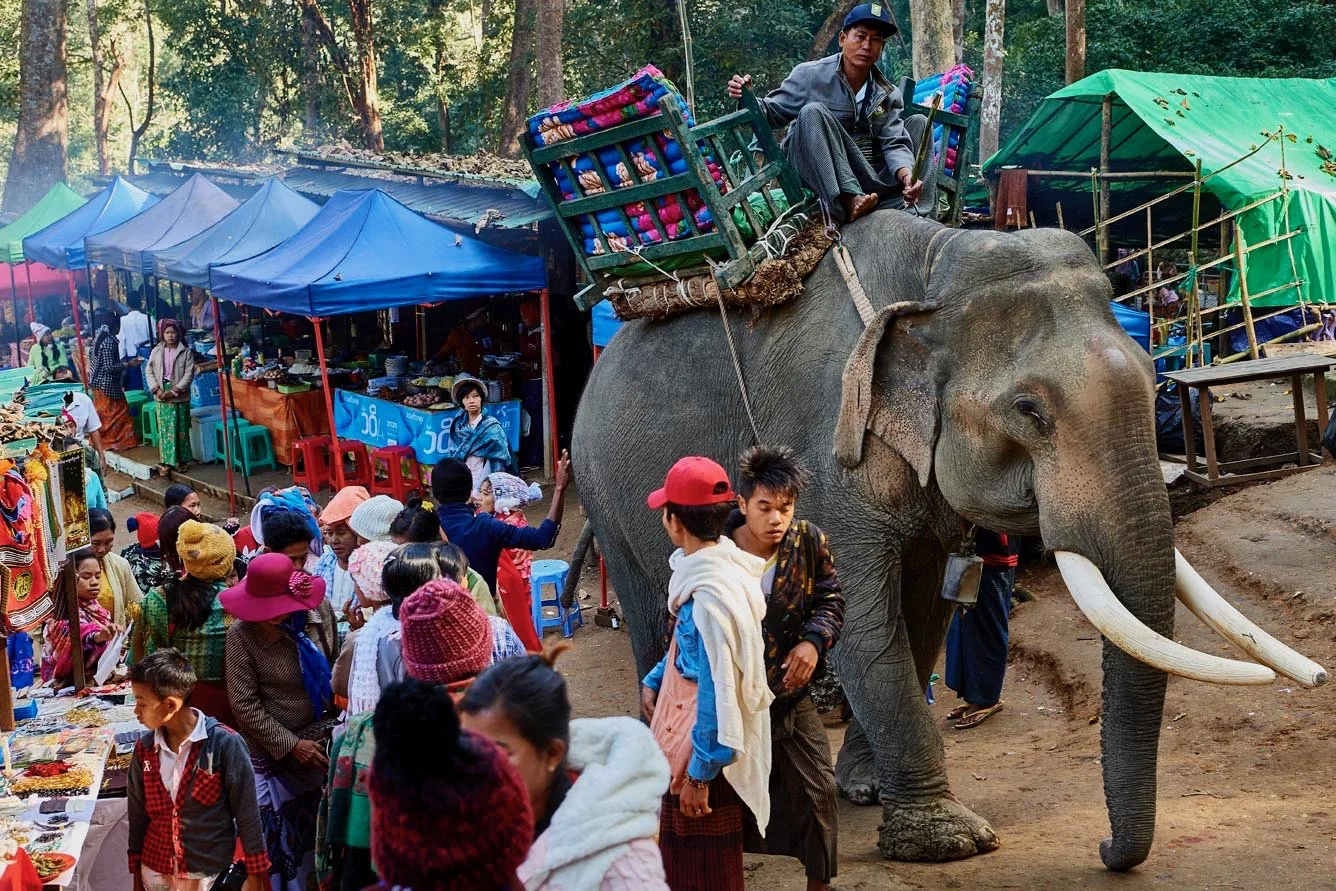
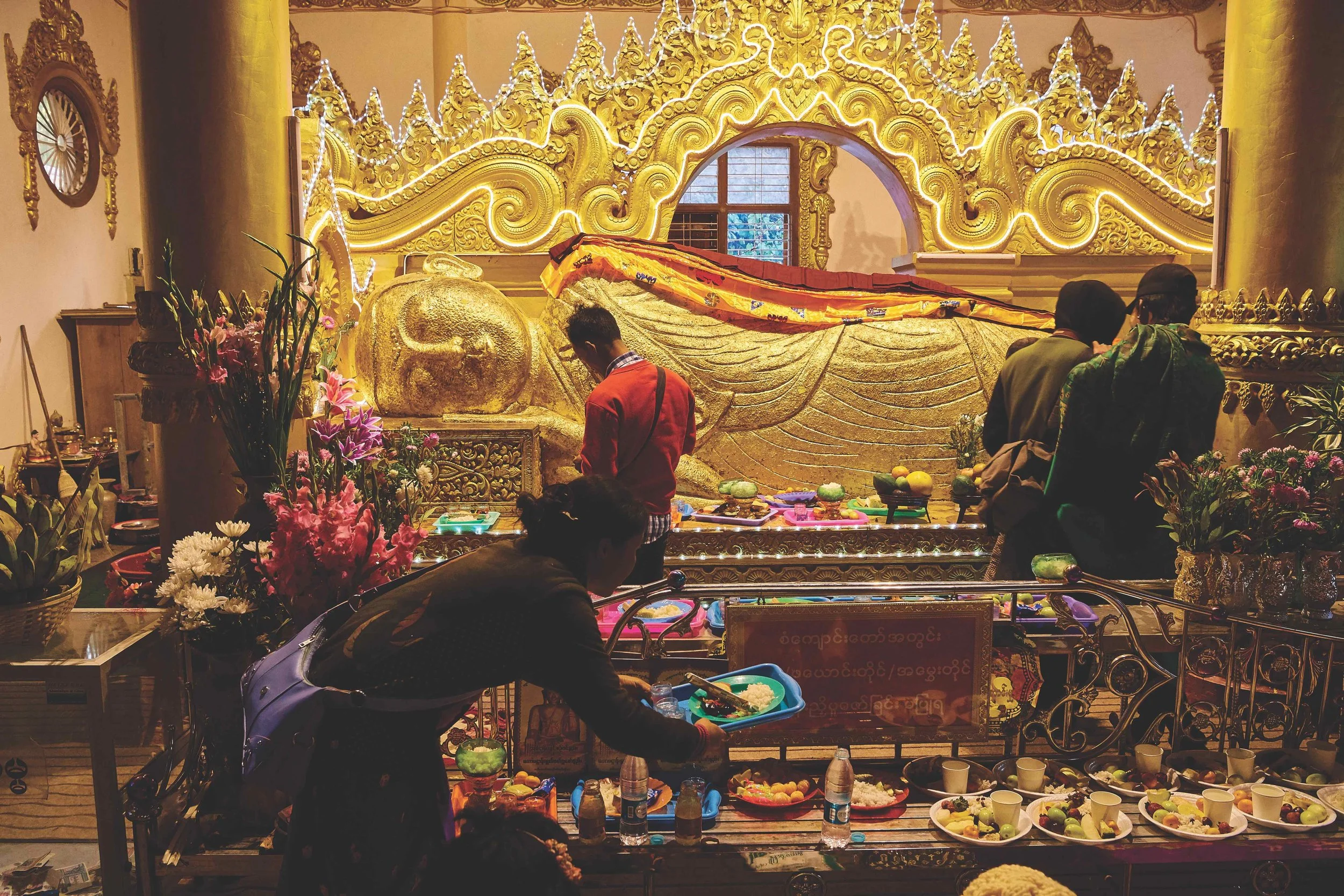
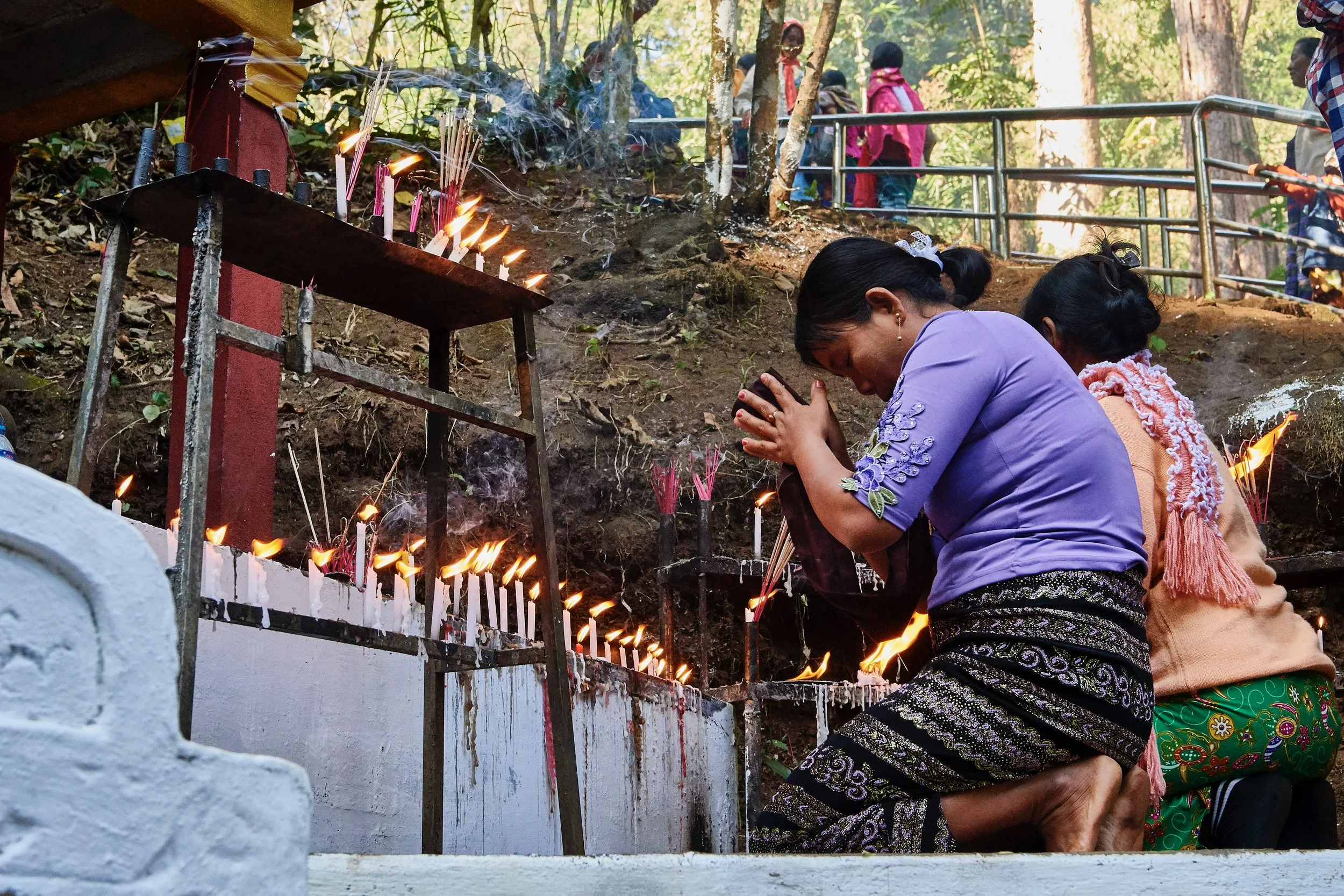
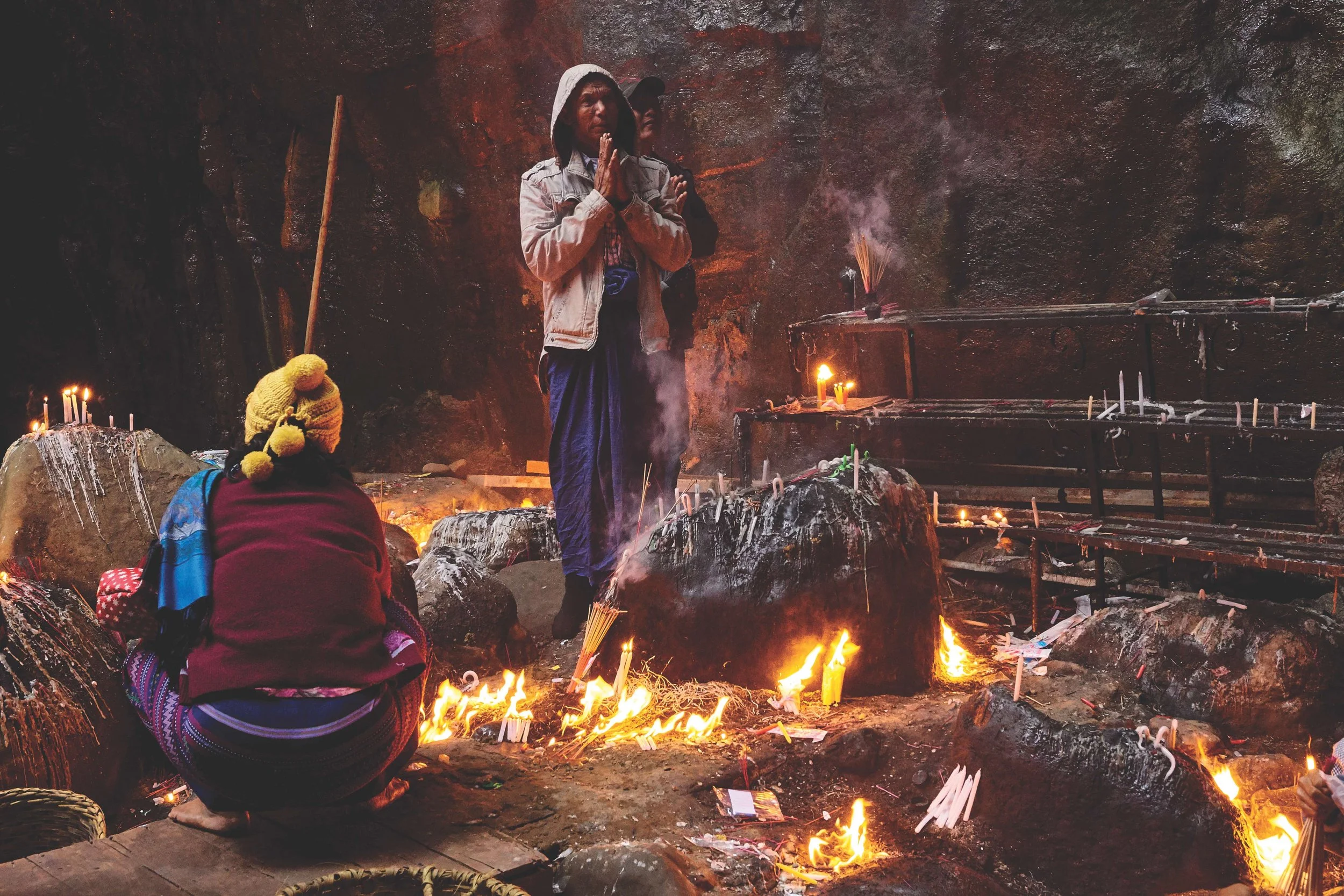
The challenges will be significant, as the dangers to AKNP are many. Myanmar faces some of the highest deforestation rates of any country in the world, having lost over 12% of its forest cover in the past 10 years. Myanmar’s natural areas are all in danger, but AKNP is a last bastion for wilderness: the massive cliffs that form 60% of its boundary make it one of Myanmar’s only national parks with potential for long-term protection.
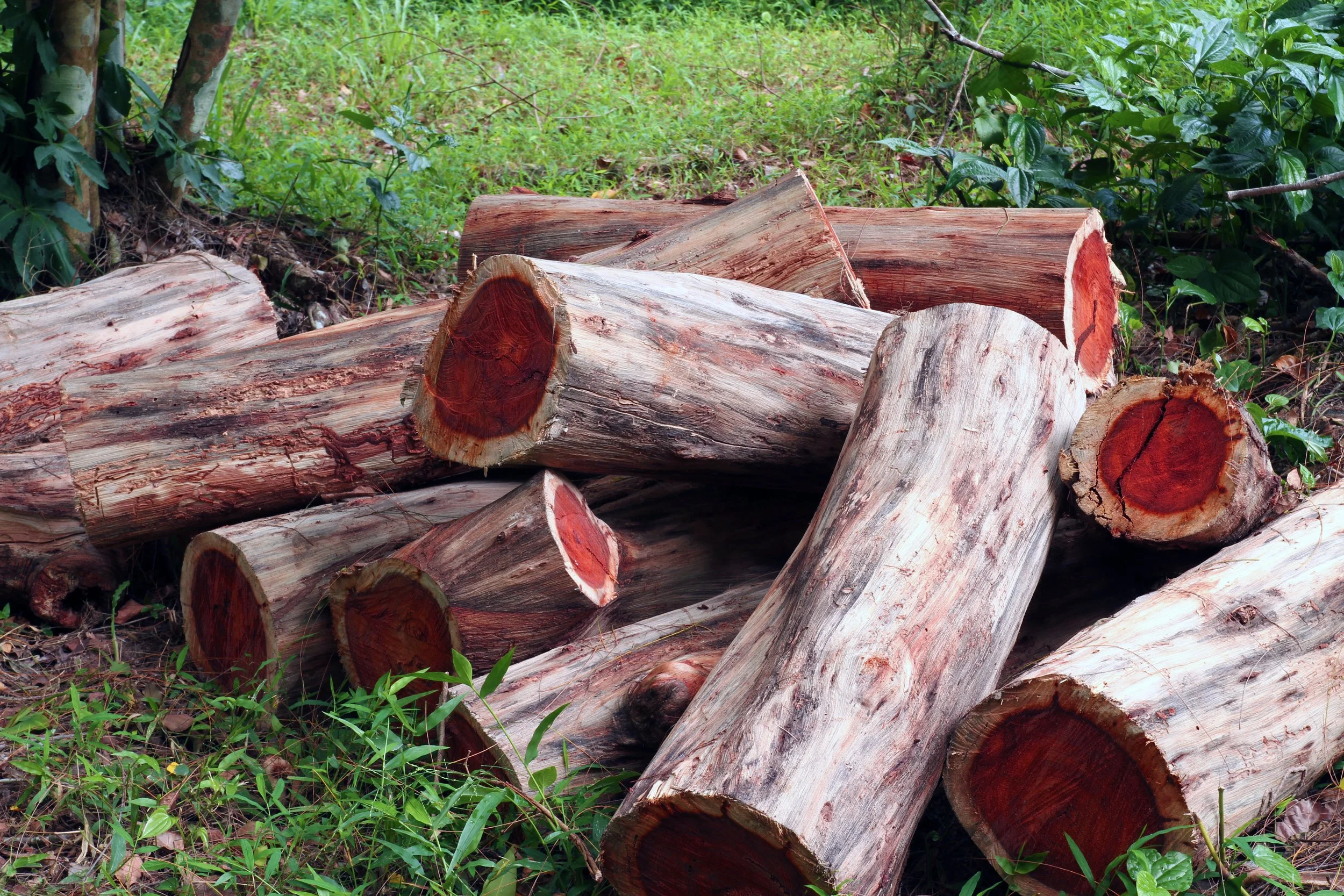
Still, AKNP is under threat from wildlife poaching and illegal logging, including illegal clearing of the final fragments of forest in the park’s buffer zone. The buffer zone has already lost over 60% of its forest, which has restricted the migration of wildlife. The global trade in one of AKNP’s trees, Siamese Rosewood—also known as Bloodwood—is thought to be even more lucrative than the trade in elephant ivory. Wildlife habitats vanish as loggers chainsaw forests in search of the rare Bloodwoods for export to China, where they will become ornately carved furniture
.
The Sumatran rhino, almost extinct in the whole of Myanmar, has already disappeared from the park. The growing trade in elephant skin threatens the future of that megafauna species in Myanmar, as it makes all elephants, not just those with large tusks, a valuable commodity. Even orchids are threatened in AKNP by the illegal trade in ornamental plants.
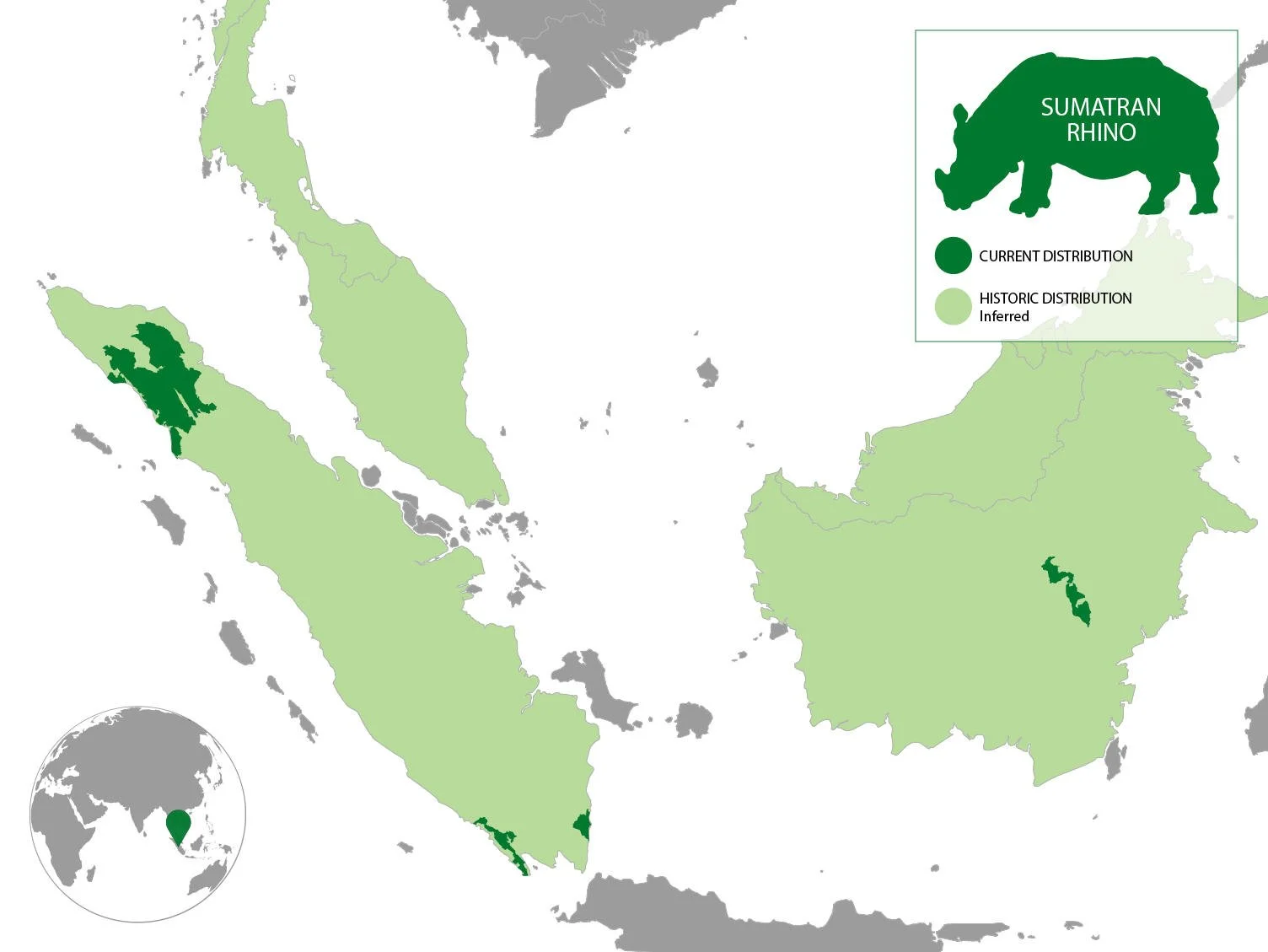
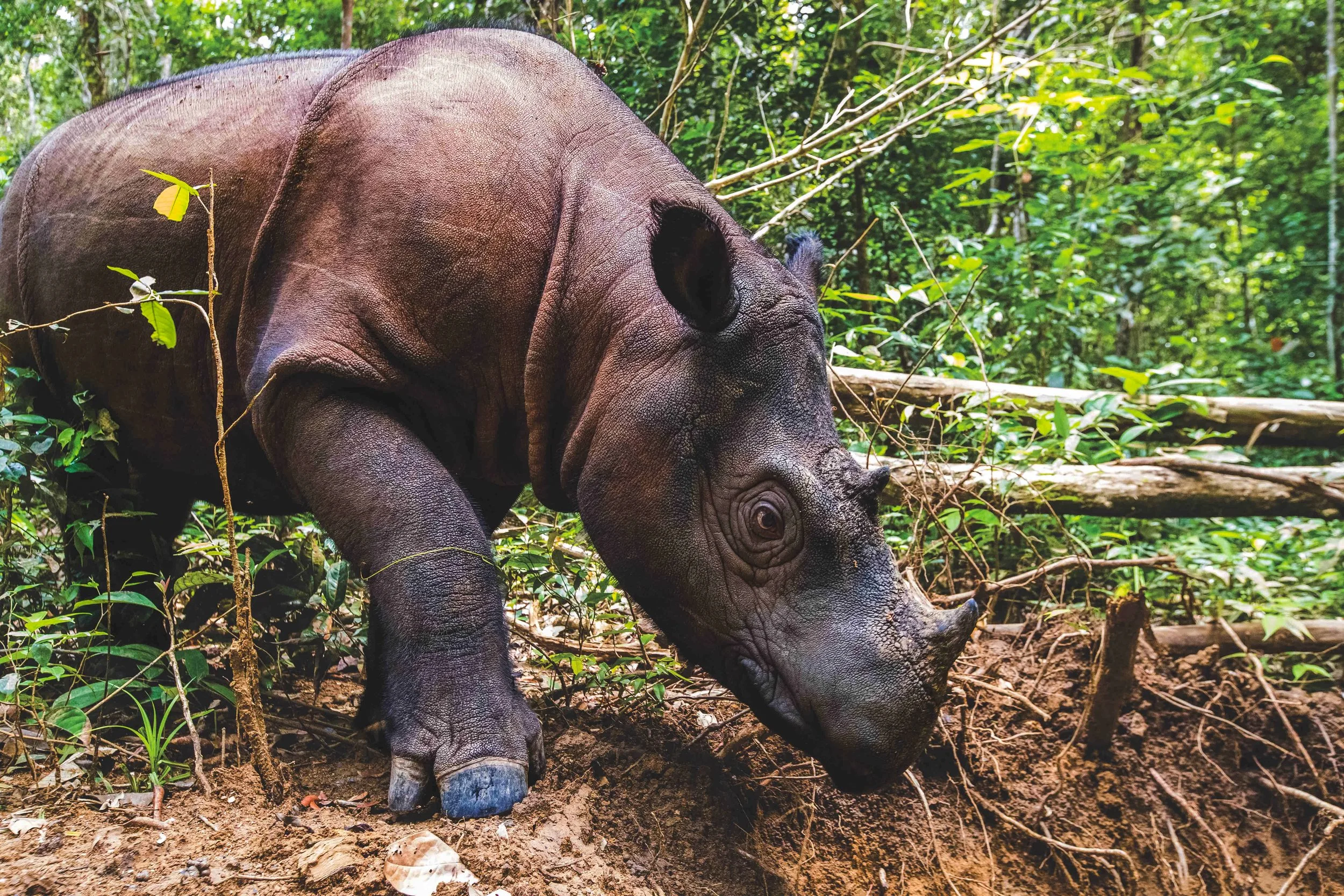
Photo ©Paul Hilton
This is why Global Conservation is investing in critical Global Park Defense technologies and systems, as well as the training needed to effectively protect core wildlife habitats from illegal logging and wildlife poaching.
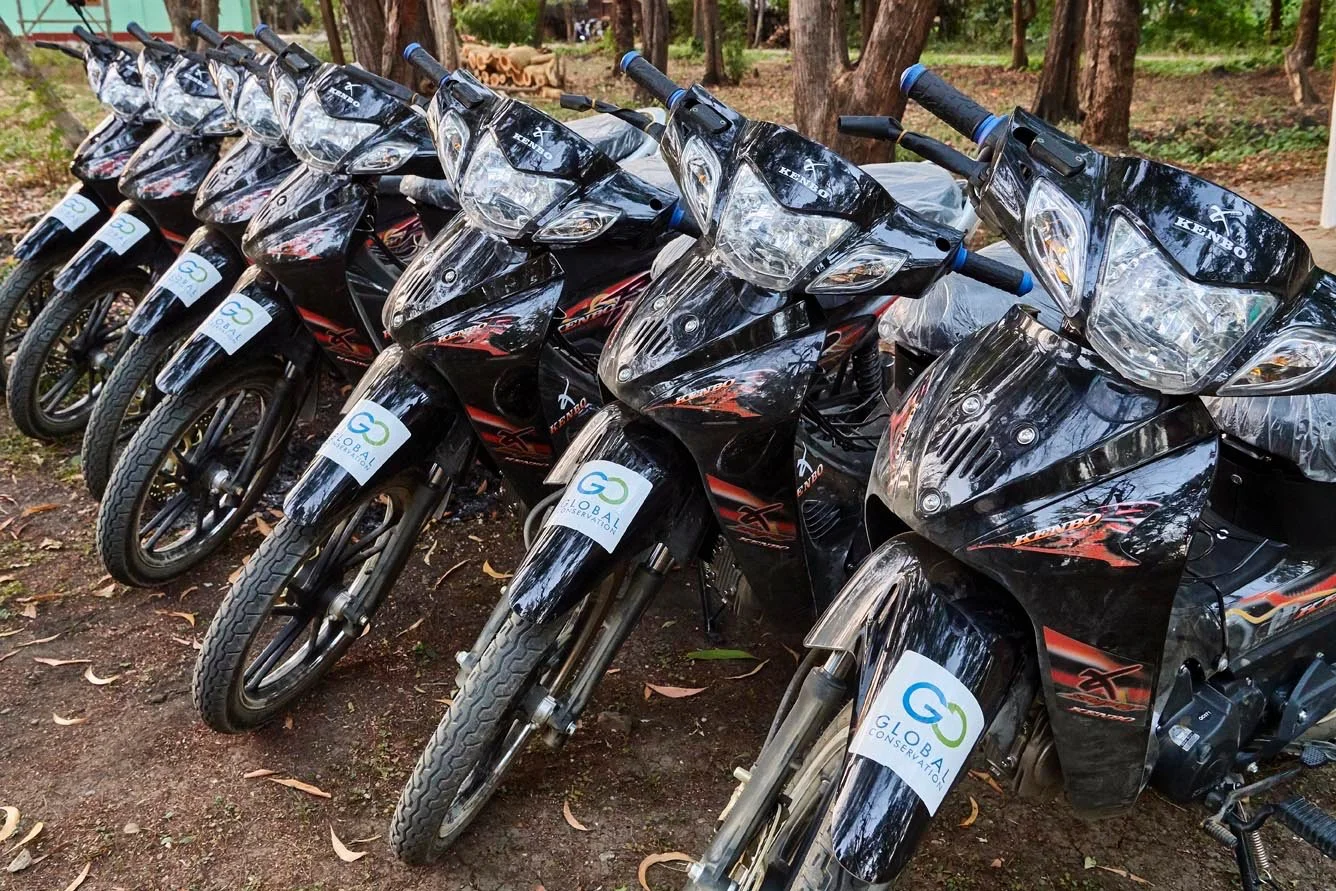
Working with the Myanmar Department of Forestry and the Chief Minister of the Sagaing Region, Global Conservation is establishing a new Command Center, deploying cellular trailcams, providing trucks and motorcycles, and supporting SMART ranger patrols that will increase the effectiveness of forest and wildlife protection across 400,000 hectares of the park and its surroundings.
Together with Myanmar’s leaders, Global Conservation aims to preserve this park’s mountains, rivers, forests, and trekking trails that venture into eight diverse ecosystems. Thereby, we can ensure that AKNP’s strong populations of unique wildlife like Asian elephants, banteng, leopards, gibbons, and pangolins persist long into the future.





The FKL Wildlife Protection Teams have made significant progress in safeguarding the biodiversity of the Bengkung Trumon Megafauna Sanctuary (BTMS) and the Suaq region from January to November 2024. Eight Wildlife Protection Teams conducted 88 patrol missions, covering 5,807 km, documenting vital wildlife presence through sightings, including 1,896 orangutans, 1,182 Malayan bears, 844 Sumatran tigers, and 221 Sumatran elephants. These efforts also dismantled 15 snares and documented 35 poaching cases.