Originally published for The Borneo Post by Emin Madi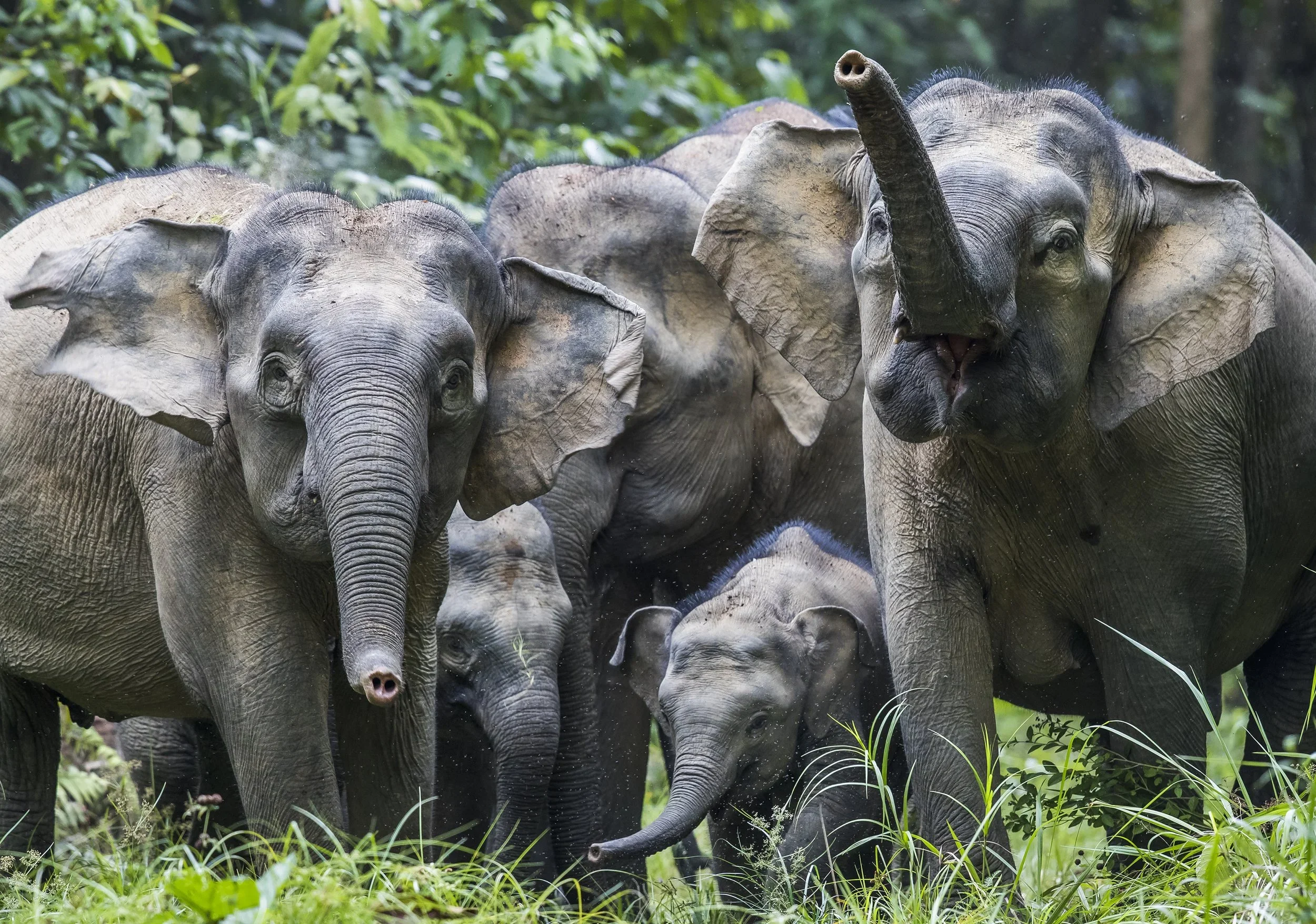
Yayasan Sabah’s story has long been one of investing in the state’s future.
For decades, thousands of Sabahans have benefited from its scholarships and study loans, enabling generations of students to pursue higher education locally and overseas. Education remains the foundation on which the organization was established and continues to be one of its most visible and enduring contributions to Sabah’s development. Yet beyond lecture halls and university campuses lies another, perhaps less visible, legacy—one rooted deep within some of Borneo’s oldest rainforests.
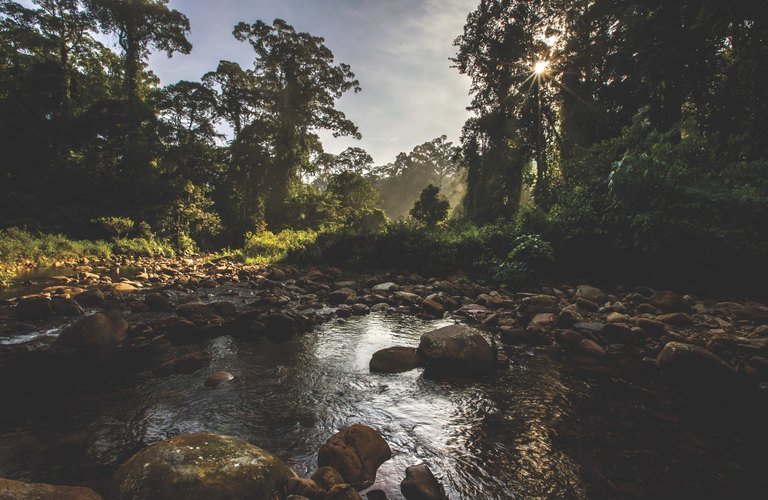
Over the years, Yayasan Sabah has emerged as a leading conservation advocate by voluntarily setting aside three conservation areas under its stewardship: the Danum Valley, Maliau Basin, and Imbak Canyon conservation areas, collectively known as the DaMaI Rainforest Landscape (DRL).
Together, these protected landscapes safeguard globally significant biodiversity, endangered wildlife, and important watersheds. They also protect vast carbon stores that benefit not only Sabah but also Malaysia and the wider world.
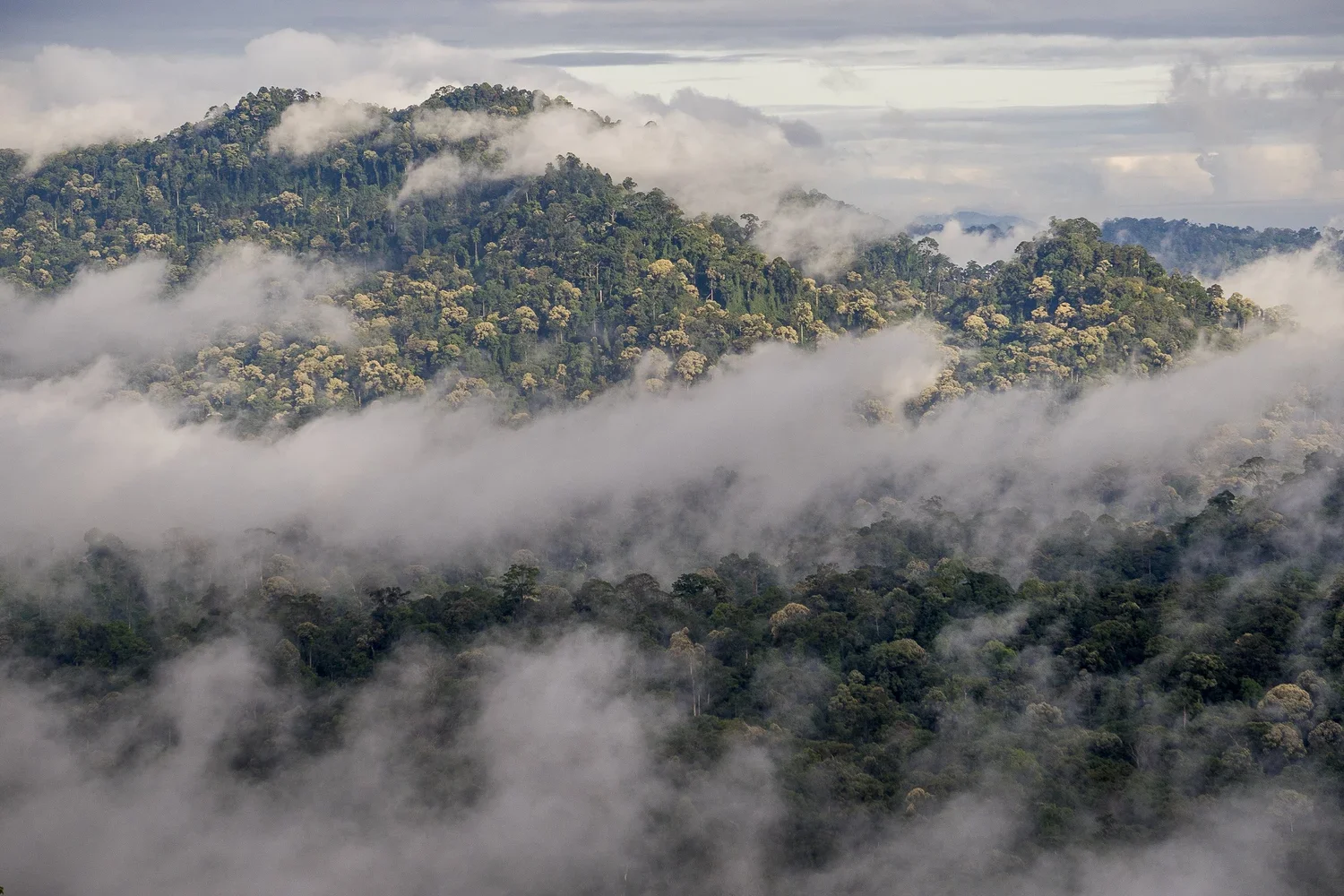
The DaMaI Rainforest Landscape represents one of the largest remaining contiguous protected rainforest ecosystems in Southeast Asia. It provides a sanctuary for iconic wildlife, including orangutans, Bornean pygmy elephants, clouded leopards, and sun bears, as well as countless other species found nowhere else on Earth.
Environmental experts stress that protecting a rainforest involves far more than simply declaring it protected. Conservation requires constant vigilance, as illegal hunting, wildlife poaching, land encroachment, and other forest crimes remain persistent threats.
“Without regular monitoring, patrols and enforcement, even the best-protected forests can gradually become vulnerable,” said Sabah Environmental Trust (SET) chief executive officer Dr Rahimatsah Amat.
Recognizing this reality, the DaMaI Patrolling Programme, supported by SET, was launched in October 2017 to strengthen protection across the three conservation areas. The initiative focused on active patrolling, monitoring, and enforcement to detect illegal activities before they could cause lasting damage. One of the program's defining strengths was its collaboration with Global Conservation, including the use of its Global Park Defense system. By combining technology, field intelligence, and systematic patrol planning, the approach enhanced rangers’ ability to detect threats, respond more effectively, and improve protection across the landscape.
The initiative also supported the Sabah government’s broader conservation efforts by helping to identify and address gaps in enforcement and landscape protection.
More importantly, it demonstrated how strategic partnerships among government agencies, conservation organizations, and local personnel could strengthen the management of one of Sabah's—and Malaysia's—most valuable natural assets.
Over the years, the program came to be regarded as one of the key pillars supporting the security of the DaMaI Rainforest Landscape. However, every conservation program faces the same fundamental question: what happens when external funding comes to an end?
After operating for almost eight years, the DaMaI initiative concluded in 2025.
Some of the achievements include the buy-in from the state and national government to establish the SFD-PROTECT team and the Community Rangers, respectively. While its achievements remain significant, its conclusion has renewed attention on one of conservation’s greatest challenges—not merely establishing successful programs, but sustaining them.
The need to protect DaMaI has not diminished. If anything, the importance of safeguarding these forests has grown as global attention increasingly focuses on biodiversity conservation, climate resilience, and ecosystem services. Yayasan Sabah continues to allocate its own resources to conservation. However, maintaining comprehensive protection across hundreds of thousands of hectares of rugged rainforest is an expensive undertaking.
Patrol teams require trained personnel, transport, equipment, communication systems, data management, maintenance, and continuous operational support. The reality is that conservation carries recurring costs long after projects end. This raises an important question not only for Yayasan Sabah but for Sabah as a whole. It may be one reason why Sabah Chief Minister Datuk Seri Hajiji Noor has said Sabah deserves fair economic value for carrying a major share of the nation’s environmental responsibility.
Hajiji has argued that if Sabah continues to shoulder such responsibility on behalf of the nation, it should receive fair economic value for that contribution. He emphasized that when ecosystems absorb carbon and support biodiversity, the value created does not benefit Sabah alone. It benefits Malaysia, the region, and the world. Ultimately, protecting Sabah’s conservation areas is not only about preserving biodiversity.
A veteran journalist who has actively promoted Yayasan Sabah’s conservation areas for years said, "It is about protecting the state’s international reputation, maintaining public trust, and demonstrating that Sabah is a credible and reliable partner for global conservation.”
He said Sabah had earned international recognition for protecting globally significant rainforests such as the Danum Valley, Maliau Basin, and Imbak Canyon conservation areas.
“These areas are valued not only for their extraordinary biodiversity but also for their contribution to climate regulation, scientific research, water security, and sustainable nature-based tourism. When reports of illegal logging emerge—whether within the conservation landscape, buffer zones, or adjoining forests—they can create the perception that protected areas are not adequately safeguarded. Even if the illegal activities occur outside the strictly protected core areas, the distinction is often lost on international audiences. Images of logged forests can quickly shape public opinion and raise questions about the effectiveness of forest governance,” the Sabahan journalist said.
Dr. Rahimatsah added, "The greatest asset of Sabah’s conservation program is not only its forests but also the confidence that the global community places in Sabah’s ability to protect them. Once that confidence is weakened, it becomes much harder to attract the financial and technical support needed to conserve these forests for future generations.”

He acknowledged that illegal logging occurs in many countries and that the existence of such activity does not necessarily mean conservation has failed.
“What international partners look for is how effectively the authorities detect, investigate, and prosecute offenders and whether there is a genuine commitment to strengthening protection,” he said.
This raises the question of how Yayasan Sabah—and, more broadly, the state government—can leverage fully protected conservation areas to generate economic value.
One recommendation made during the recent Yayasan Sabah-organized Maliau Basin Ecotourism and Sustainable Finance Workshop was to use Sabah’s iconic wildlife species and unique habitats to complement luxury tourism offerings. An exclusive, off-grid luxury lodge set within Sabah’s largely untouched natural environment could potentially attract high-end international visitors. Stakeholders at the workshop were told that several sites within Yayasan Sabah’s areas may be suitable for this purpose, catering to both high-end visitors and inclusive hospitality offerings.
These responsibilities do not fall on Yayasan Sabah alone. They require greater assistance and participation from both the state and federal governments. For Malaysia, and Sabah in particular, protecting its rainforests is not only an environmental responsibility but also an investment in its international credibility.
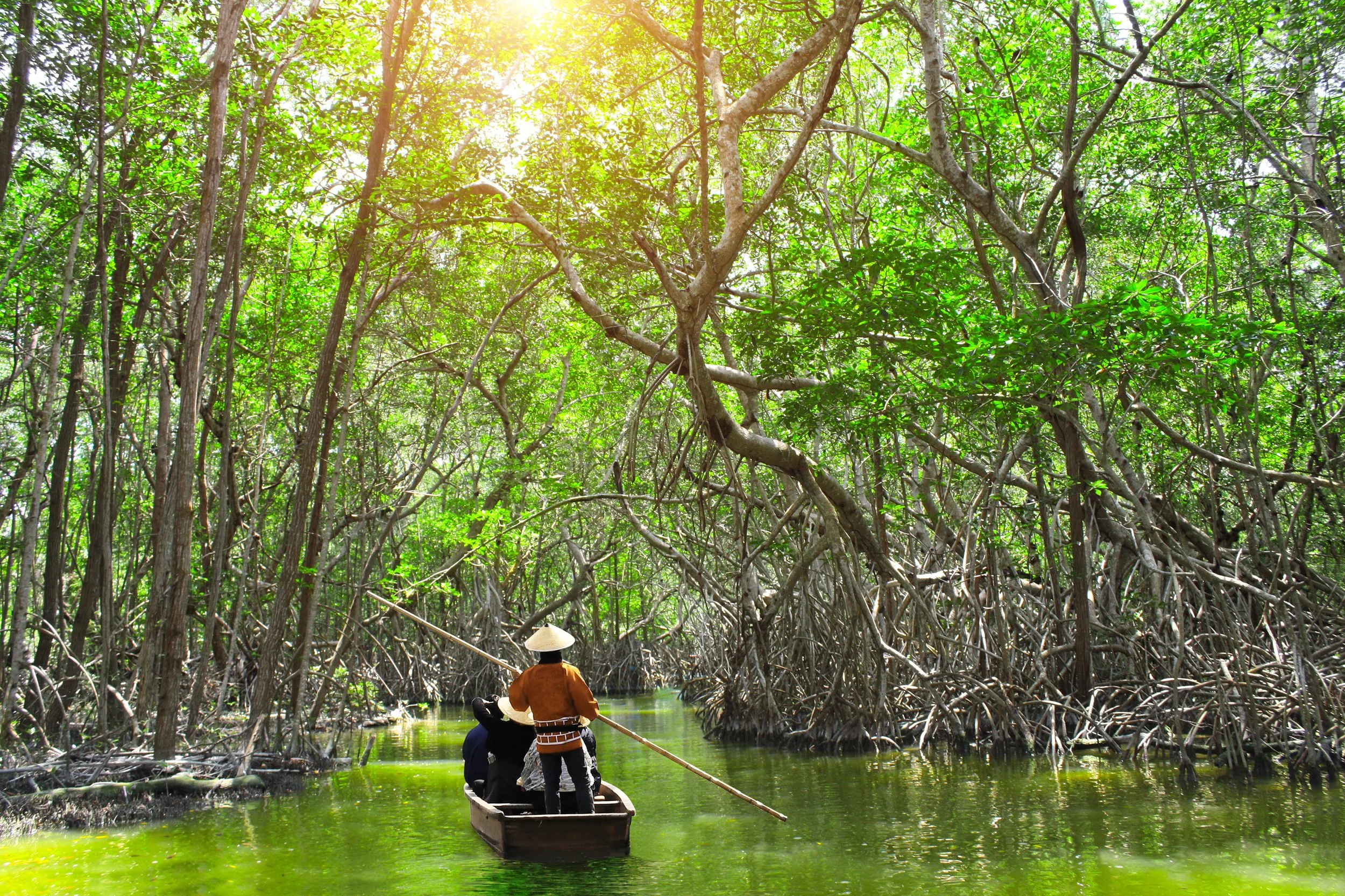
“The conservation of Malaysia’s mangrove ecosystems must go hand in hand with uplifting the communities whose lives and livelihoods are intertwined with these coastal forests,” said Deputy Minister of Natural Resources and Environmental Sustainability (NRES) Syed Ibrahim Syed Noh.
“While mangroves are vital for shielding coastlines, safeguarding biodiversity, and locking away carbon, their true worth lies not just in their environmental services but in the people, traditions, and ways of life they sustain," he emphasized.
“Behind every mangrove ecosystem are communities whose lives depend on it, generations of traditional knowledge, industries that have grown around it, and ways of life that have been shaped over time. The real question is what does sustainable development mean if an ecosystem becomes more valuable, but the people living alongside it do not experience that value?" he said at the launch of the International Conference Kuala Sepetang Sustainable Living Model on Saturday.
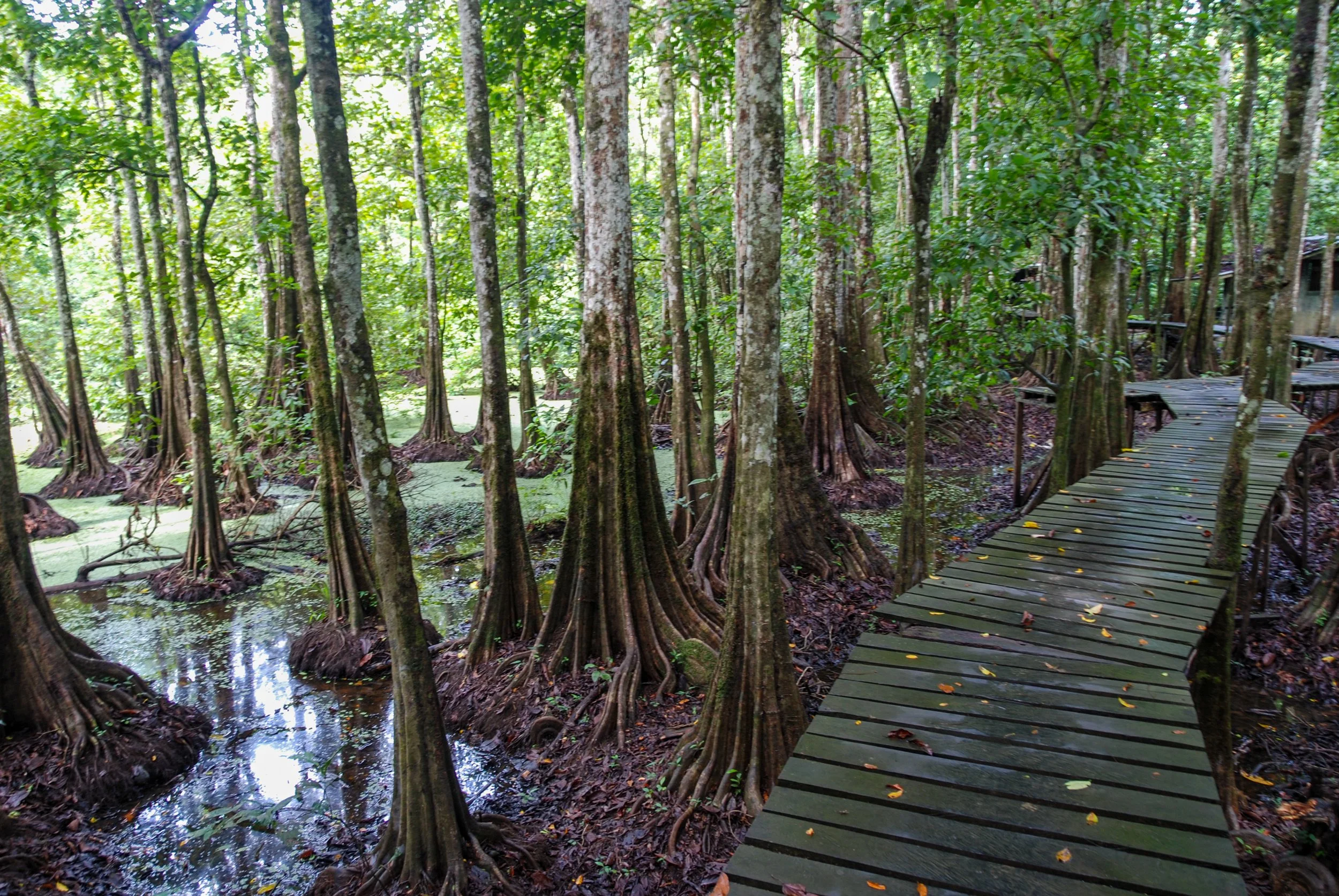
Tropical flooded rainforest and buttress root trees by the Kinabatangan River.
Malaysia is abundantly blessed with rich forests and invaluable natural ecosystems, said Syed Ibrahim, citing mangrove forests and peat swamp forests as valuable natural assets. He described them as prime examples of nature providing natural buffers against coastal erosion and flooding while simultaneously supporting fisheries and other economic activities that sustain local livelihoods.
Sharing his recent visit to the Kuantan Mangrove Park, Syed Ibrahim said the experience reinforced his appreciation of the invaluable role mangroves play in protecting the environment and supporting local communities.
“What appears to be a calm and tranquil ecosystem is in fact working tirelessly every day, protecting coastlines from erosion and flooding, providing habitats for diverse species, and serving as a living classroom where people can better understand nature,” he explained.
He stressed that conserving mangrove ecosystems should not come at the expense of traditional industries but instead create opportunities for innovation and sustainable economic growth.
“We want our forests to remain protected, but we also want traditional industries to continue to thrive and innovate. We want the wisdom of previous generations to be preserved while ensuring young people see a future and new opportunities in this heritage,” he said.
Therefore, he said initiatives such as Reducing Emissions from Deforestation and Forest Degradation (REDD+), blue carbon, carbon credits, environmental, social, and governance (ESG) principles, and the green economy have become increasingly vital in shaping a sustainable future.
However, he stressed that any new economic model must be built on a solid foundation of credible scientific data, transparent measurement, integrity, and good governance to ensure lasting public confidence and trust.
“The policies we formulate, the innovations we introduce and the investments we make must deliver tangible benefits to the people. True sustainability is achieved when nature is protected, the economy continues to grow, and communities are empowered to prosper alongside the environment,” he said.