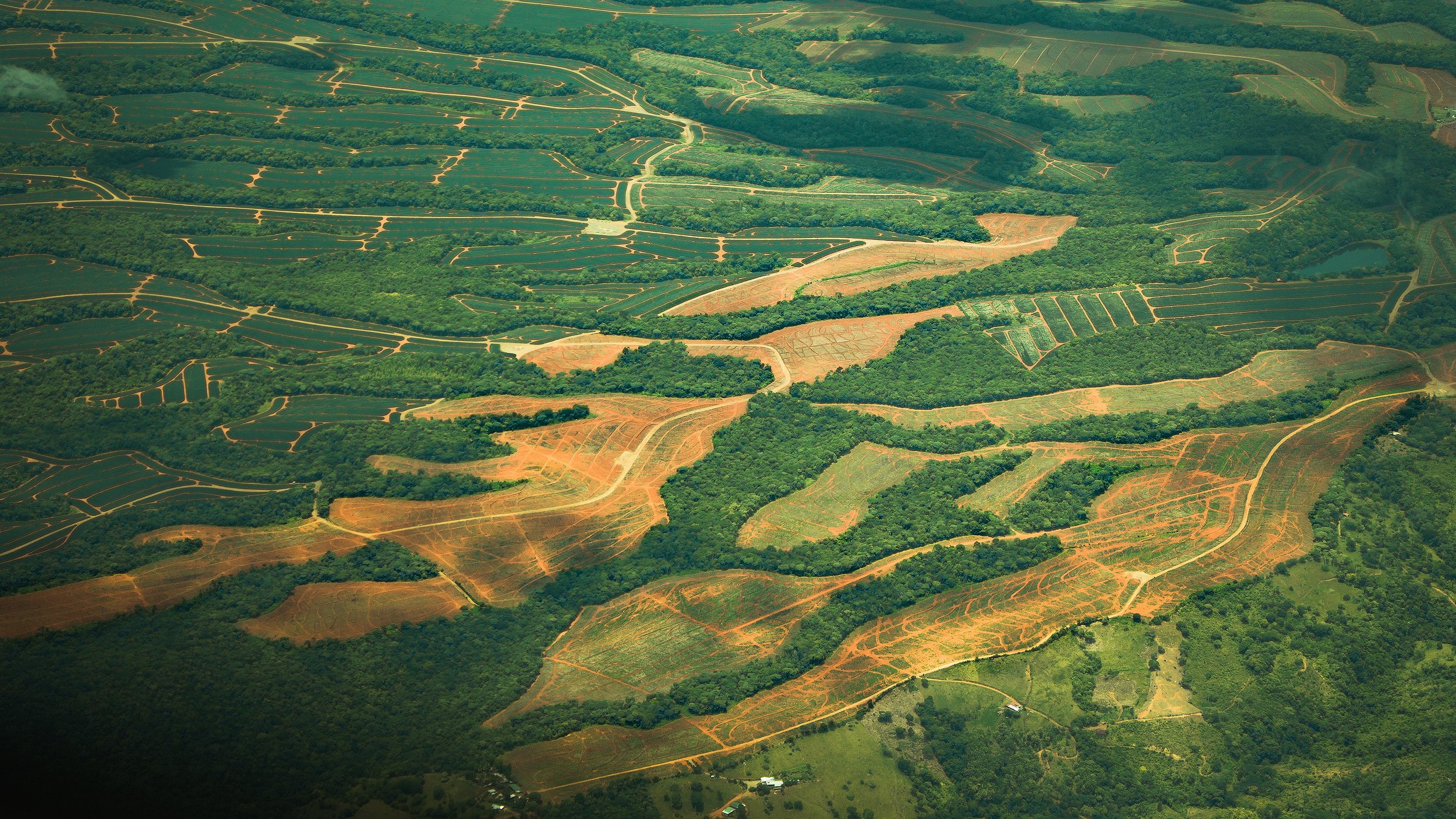
The devastation to Costa Rica’s forests from illegal banana plantations can be seen from the air.
Conservation Areas and Protected Areas Include:
La Amistad Pacific Conservation Area - La Amistad International Park
Osa Conservation Area
Corcovado National Park
Golfo Dulce Forest Reserve
Guanacaste Conservation Area
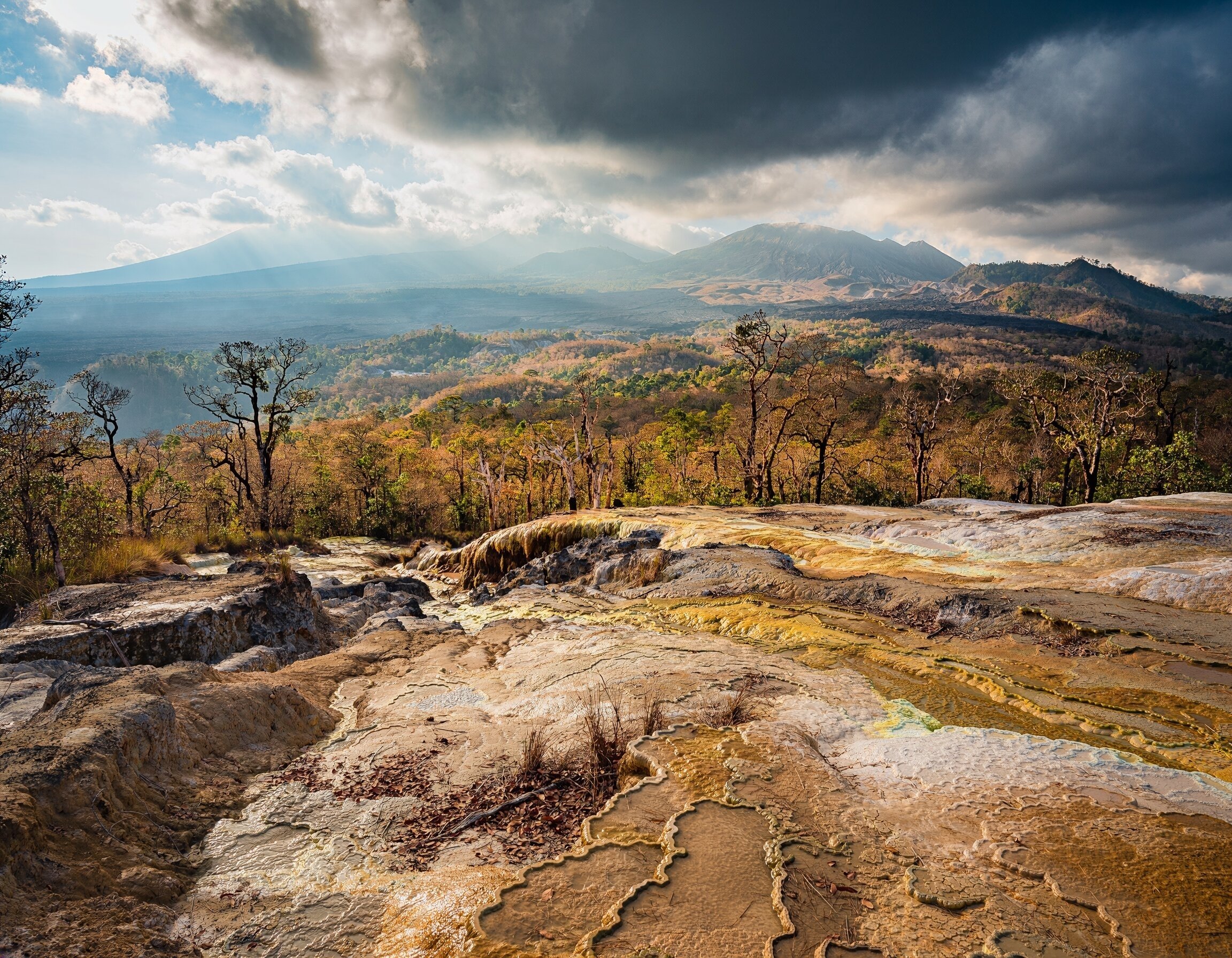
The volcanic terrain of Rincon de la Vieja National Park reveals a contrasting side of Costa Rica's natural landscape. Eroded earth, mineral-rich formations, and tropical forest vegetation create a visually diverse environment beneath the surrounding mountain ridges.
Guanacaste National Park
Sanatra Rosa National Park
Rincon de la Vieja National Park
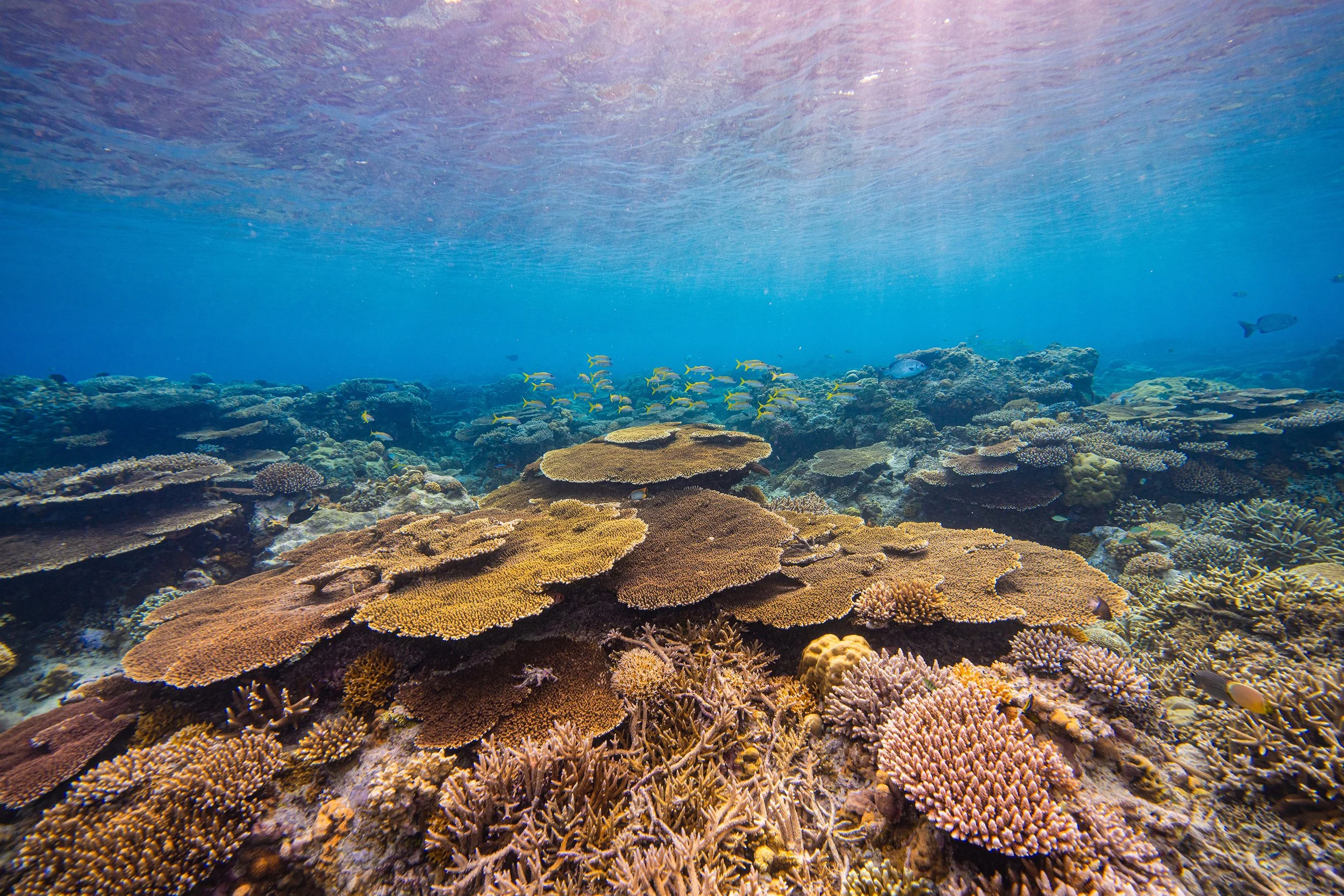
Bahia Santa Elena Marine Area
Junquillal Bay Wildlife Refuge
Zapandi Riparian Wetland
GLOBAL PARK DEFENSE

This Annual Results Report brings together the operational, technical, and conservation results from the Global Park Defense Costa Rica Program in 2025. The report integrates results from four strategic conservation areas: Corcovado National Park (PNC), Golfo Dulce Forest Reserve (RFGD), Guanacaste Conservation Area (ACG), and La Amistad International Park (PILA).
Across these areas, coordinated efforts focused on prevention, protection, and control actions aimed at safeguarding biodiversity, enforcing environmental legislation, and strengthening institutional presence in Protected Wild Areas and their buffer zones. The unified analysis highlights the complementary contributions of each area and demonstrates the national impact of the program.
Together, these areas illustrate a balanced national strategy combining prevention, enforcement, community engagement, and ecosystem protection. The 2025 results confirm the effectiveness of the Global Park Defense Costa Rica Program as a national conservation mechanism.
The integrated efforts across conservation areas strengthened environmental governance, reduced illegal activities, and protected critical ecosystems. Continued investment in coordinated patrols, technology, and community participation will be essential to sustain and expand these impacts.
2025 Global Park Defense Costa Rica Indicators
The operational indicators of the Global Park Defense Costa Rica Program (GPD CR) constitute a key tool for measuring, analyzing, and communicating the program’s performance at the territorial level during 2025. These indicators allow for an objective assessment of operational effort, the effectiveness of control and protection actions, responses to environmental crimes, and the environmental and economic impact of interventions, both nationally and by conservation area.
The information presented is structured by intervention areas—Corcovado National Park (PNC), Golfo Dulce Forest Reserve (RFGD), Guanacaste Conservation Area (ACG), and La Amistad International Park (PILA)—facilitating spatial comparison of results, analysis of territorial trends, and the identification of areas experiencing higher environmental pressure or greater operational intensity.
The indicators are grouped into five main categories: Operations and patrols, Seizures and wildlife rescue, Environmental complaint management, Environmental impacts, and Economic value of seized resources. Together, these components reflect not only the scale of the effort deployed by the program but also its contribution to environmental governance, law enforcement, and the protection of the State’s natural heritage.
The analysis of these indicators, complemented by their graphical and spatial representation, makes it possible to visualize the territorial distribution of the program’s impact, strengthen strategic decision-making, and support accountability to partner institutions. Likewise, the variability observed among areas reflects differences in size, socio-environmental dynamics, and levels of anthropogenic pressure, reinforcing the need for differentiated and adaptive management approaches in protected areas.
Control and Protection Patrol Corcovado National Park
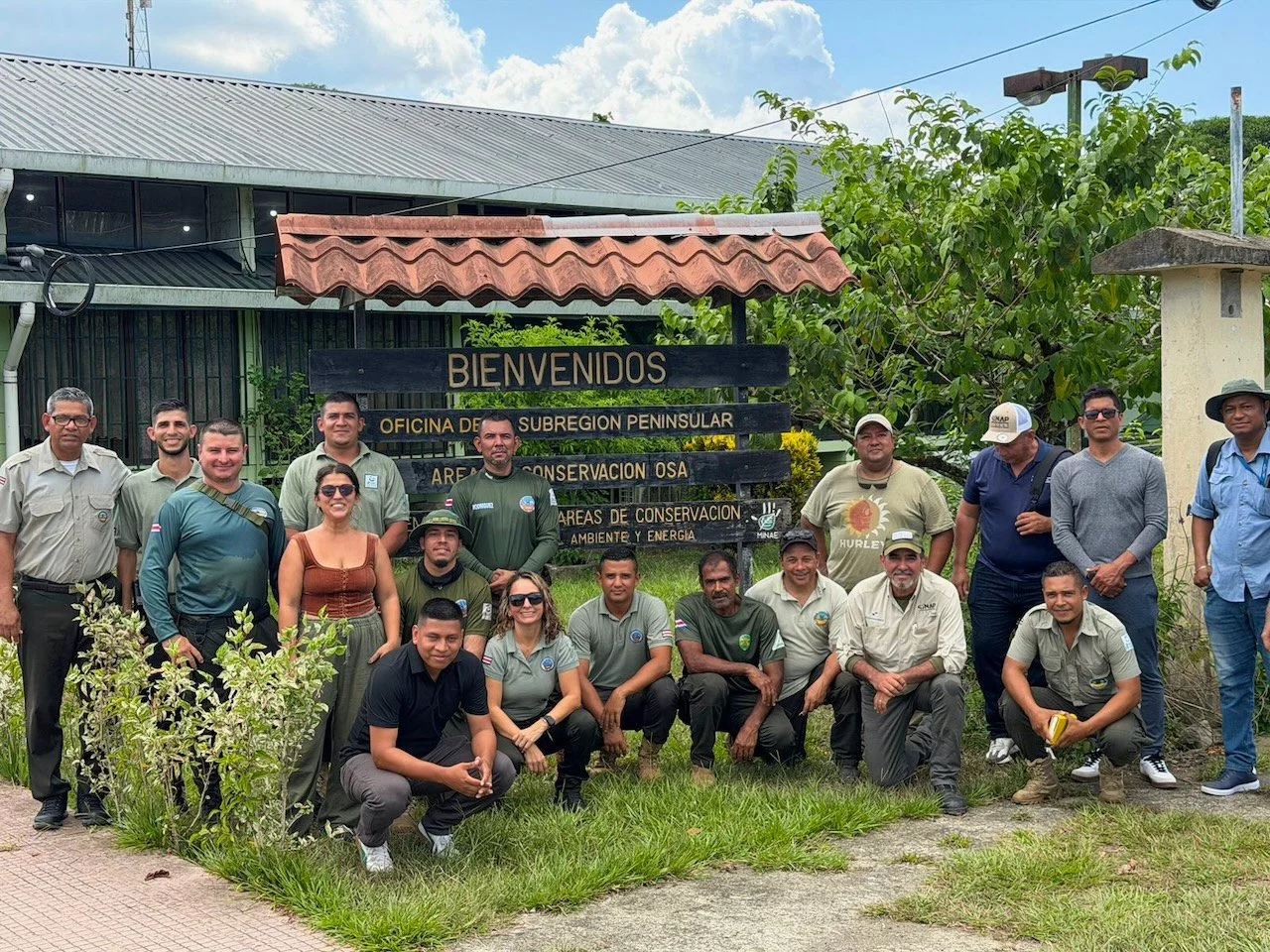
Throughout 2025, the Control and Protection Patrol of Corcovado National Park implemented a sustained and strategic presence aimed at safeguarding biodiversity, strengthening territorial control, and preventing environmental crimes within both terrestrial and marine areas of the protected area. Patrol operations were conducted in accordance with SINAC–MINAE mandates, prioritizing high-risk zones identified through historical pressure, intelligence reports, and spatial monitoring. Search and detection of drug-related activities were carried out primarily along coastal zones and strategic access routes. These patrols contributed to the disruption of illicit transit pathways that pose indirect threats to protected ecosystems through habitat degradation and associated criminal activities. The presence of patrol units in these areas served both a preventive and deterrent function.
Illegal logging incidents were monitored and addressed within forested interior zones and buffer areas, where selective extraction pressures persist. Patrols focused on early detection, evidence collection, and coordination with competent authorities, reinforcing the protection of primary forest cover and critical habitats. Illegal fishing activities, particularly along the marine boundary of the park, were a significant focus throughout the year. Patrols documented and responded to unauthorized fishing practices, especially in coastal sectors vulnerable to access by small vessels. These actions contributed to the protection of marine biodiversity and the recovery of sensitive coastal ecosystems.
Illegal mining activities, although less frequent, were identified in specific inland sectors. Patrol interventions emphasized surveillance, site verification, and reporting, aiming to prevent habitat alteration and water contamination associated with artisanal mining practices.
Map of Corcovado National Park
The activities mapped for 2025 reflect the culmination of year-round efforts focused on deterring and responding to illegal activities such as drug trafficking routes, illegal logging, illegal fishing, illegal mining, and wildlife poaching. These operations aligned with patterns observed earlier in the year, reinforcing priority corridors and coastal access points that have historically been associated with environmental infractions.
Illegal Mining

Field teams conducted control patrols to detect and dismantle illegal mining sites within protected areas. Actions included the destruction of improvised camps and seizure of equipment used for mineral extraction. These interventions aim to prevent habitat degradation, water contamination, and long-term ecosystem damage.
Looting (Guaquerismo)
Rangers carried out surveillance and ground inspections to address illegal archaeological looting activities. Confiscation of tools and documentation of affected sites were part of the protection measures. These actions safeguard cultural heritage and prevent irreversible damage to historically significant areas.
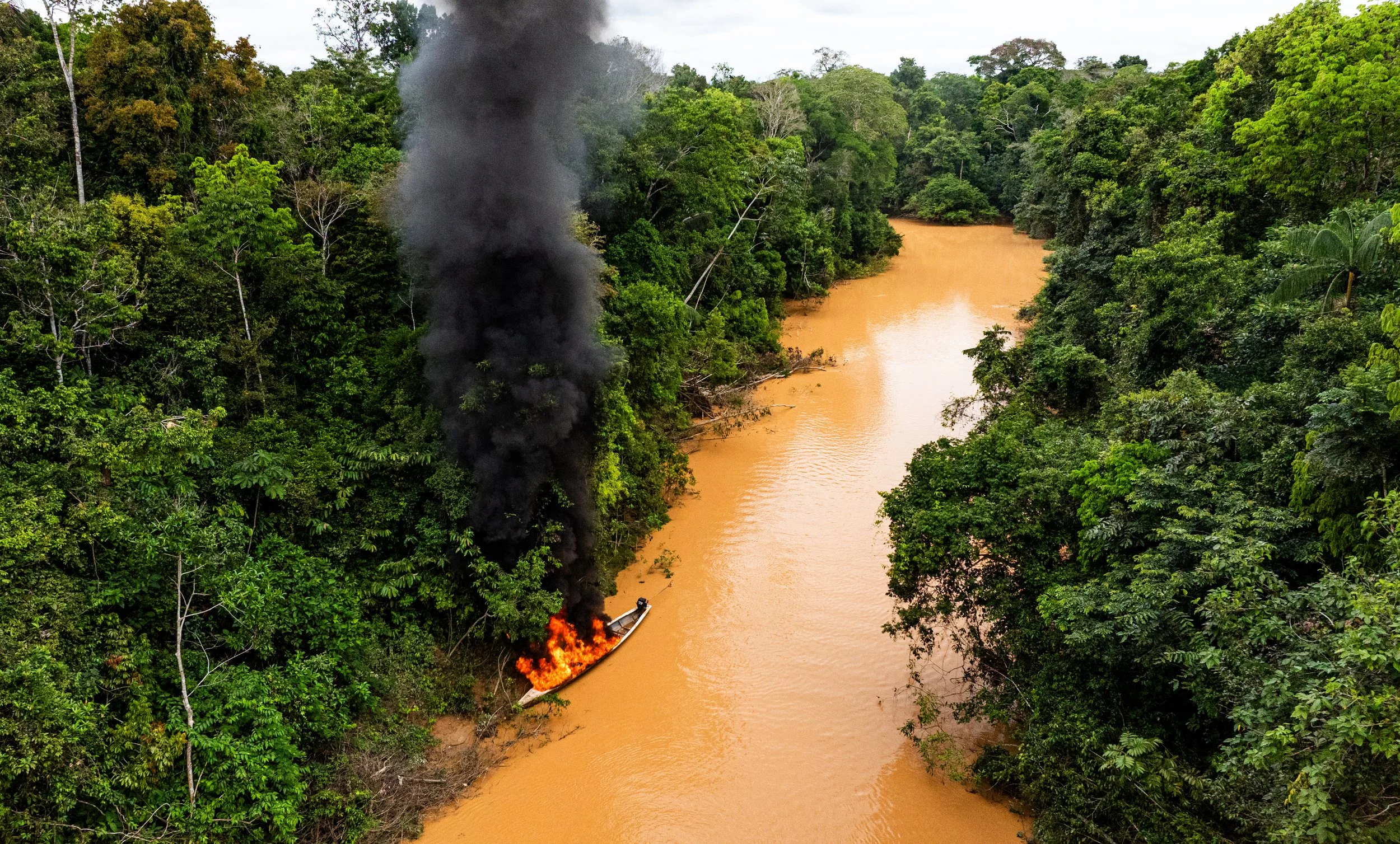
Illegal Mining – Camp Destruction
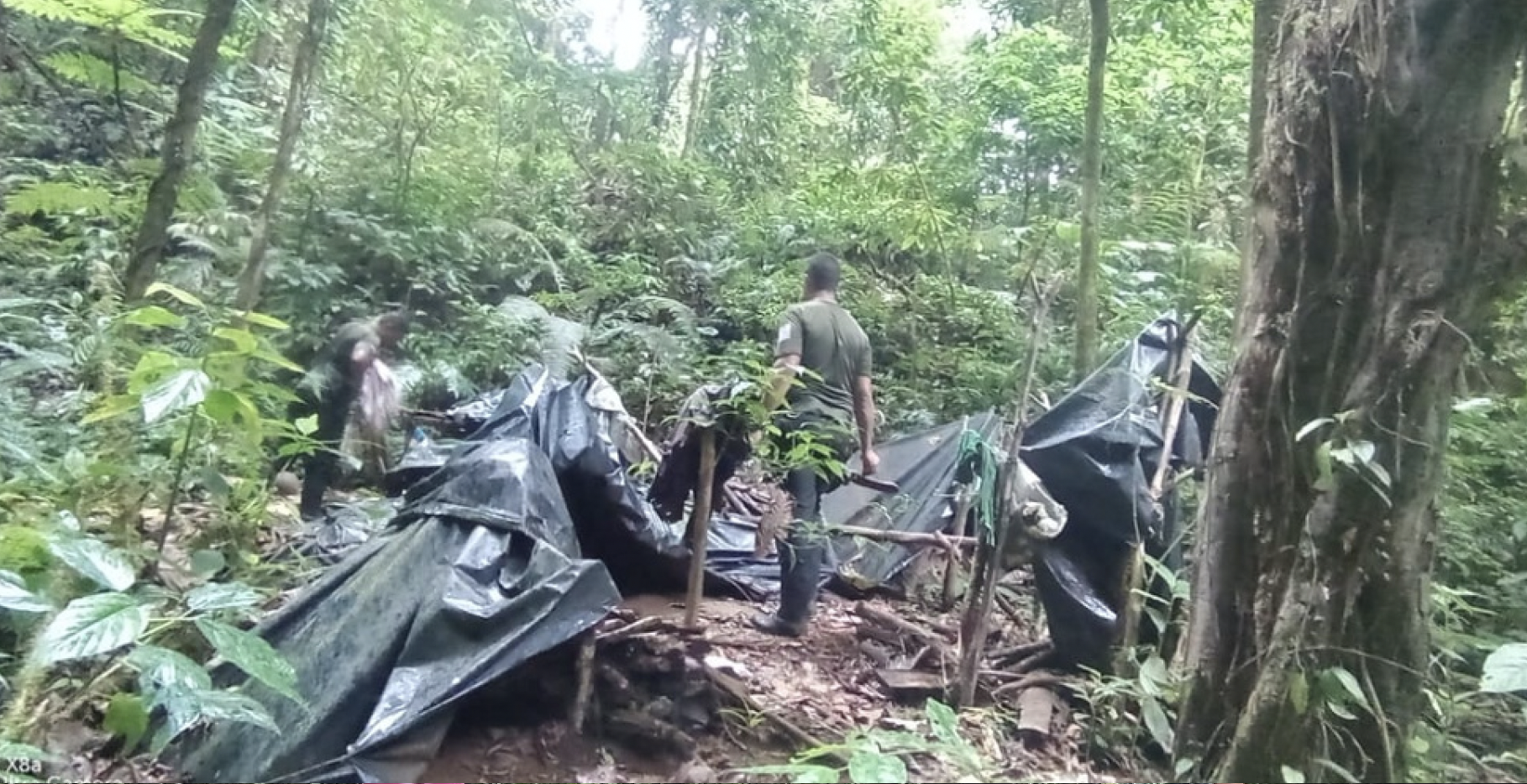
Protection units identified and dismantled temporary camps used for unauthorized mining operations. Structures were removed and materials seized to halt ongoing environmental harm. This response reduces deforestation, soil erosion, and river sedimentation caused by illegal activities.
River Affected by Illegal Mining
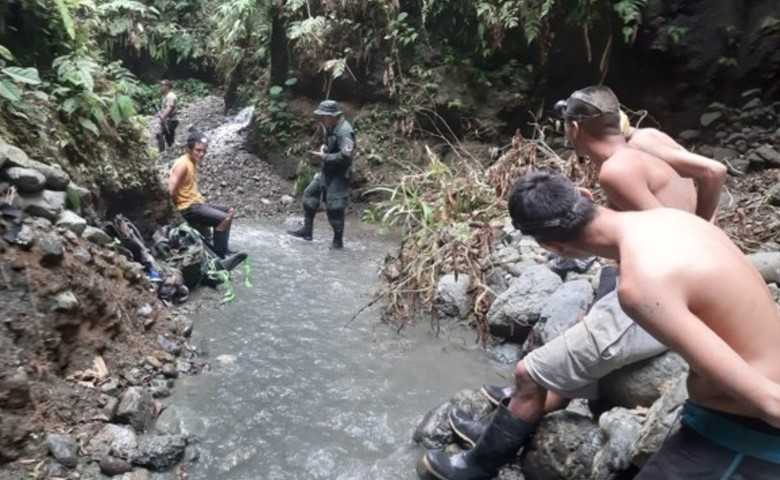
Monitoring patrols documented river sections impacted by sedimentation and pollution from illegal mining. Evidence was collected to support enforcement procedures and restoration planning. These efforts contribute to protecting aquatic biodiversity and restoring ecosystem integrity.
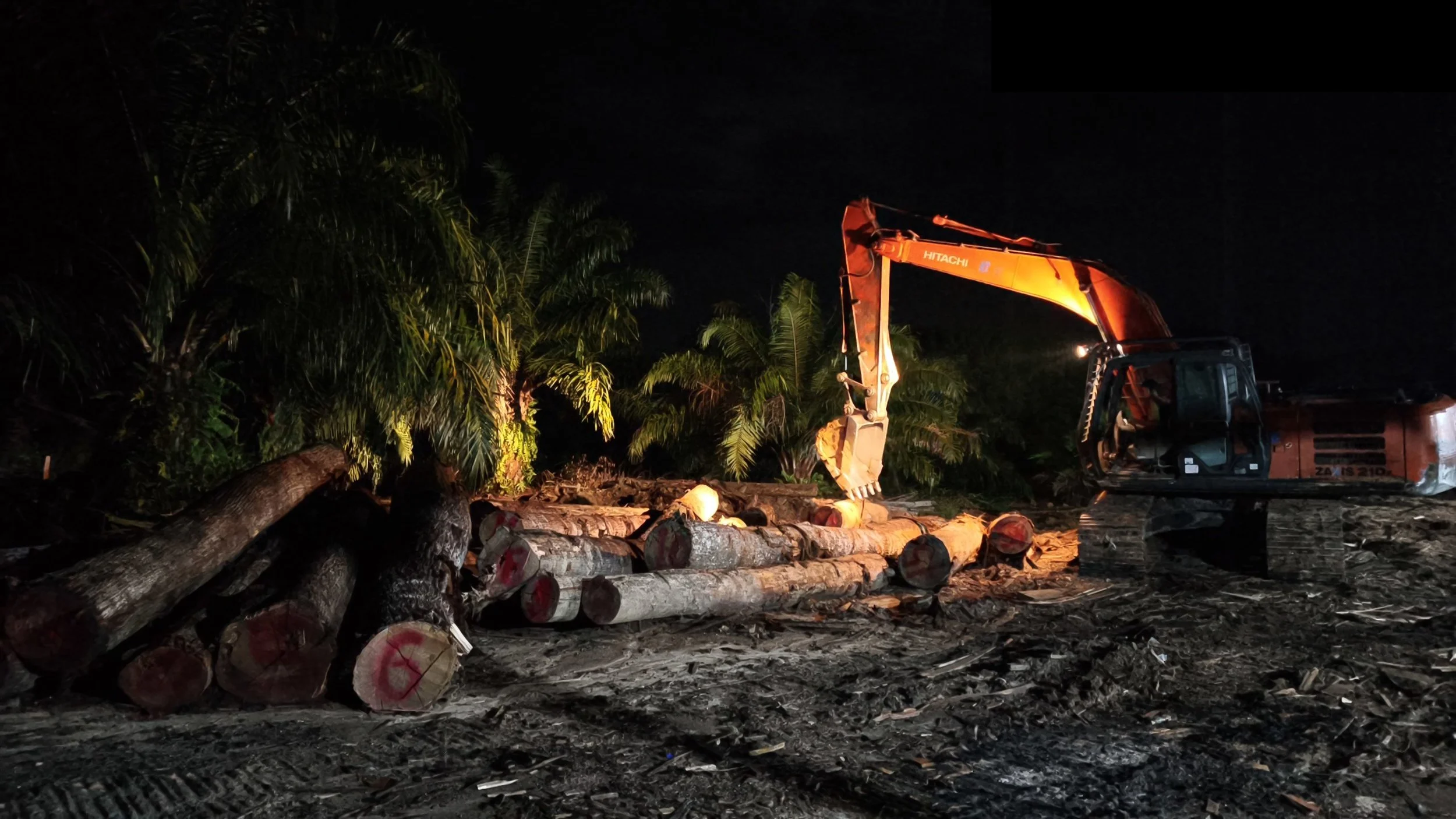
Illegal Timber Extraction
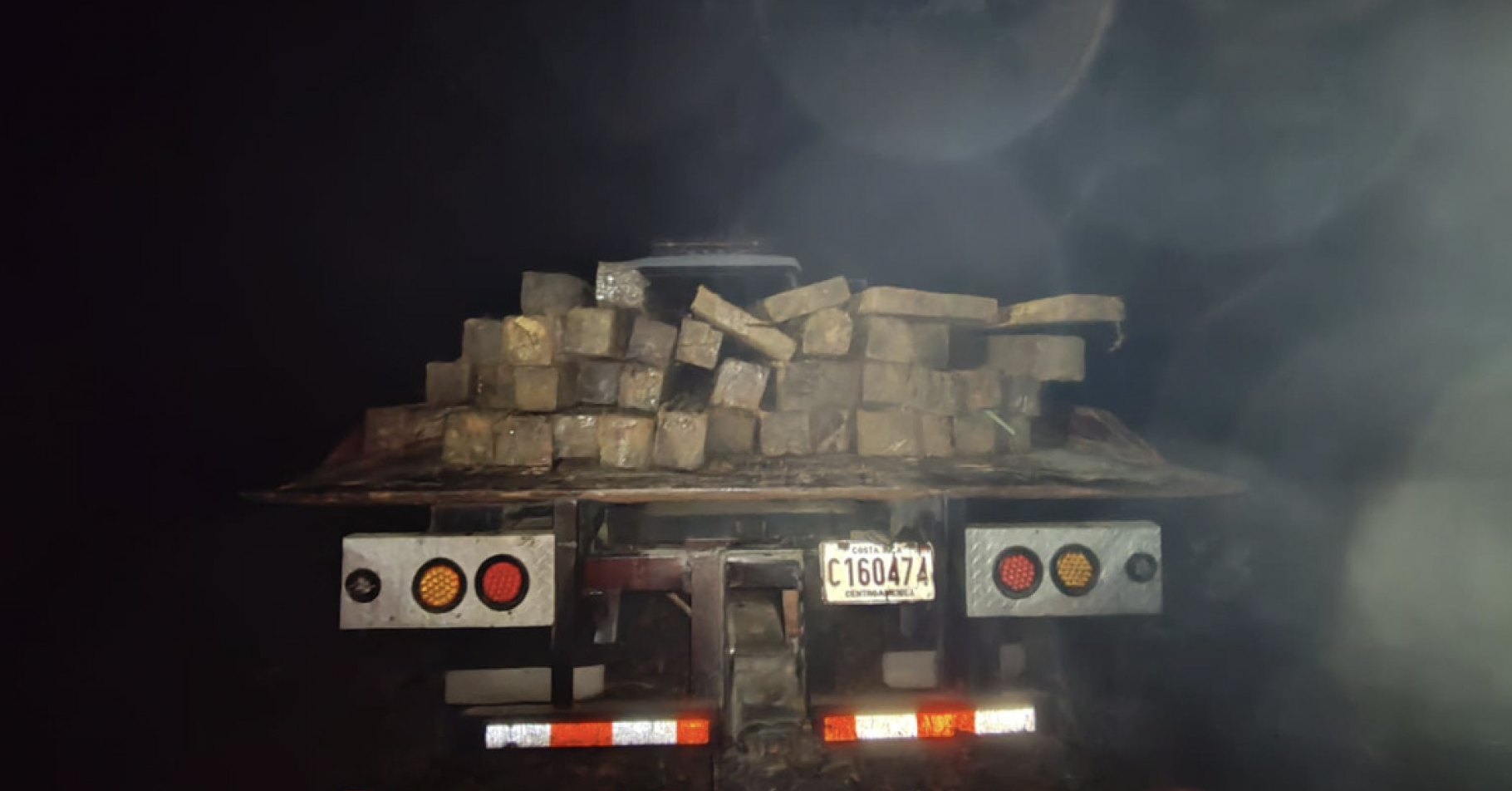
Rangers detected and intervened in cases of unauthorized logging within protected forests. Confiscated timber and tools were secured, and responsible parties reported to authorities. The operations help conserve forest cover, protect wildlife habitat, and maintain ecological connectivity.
Lagoon Patrol – Wildlife Seizure
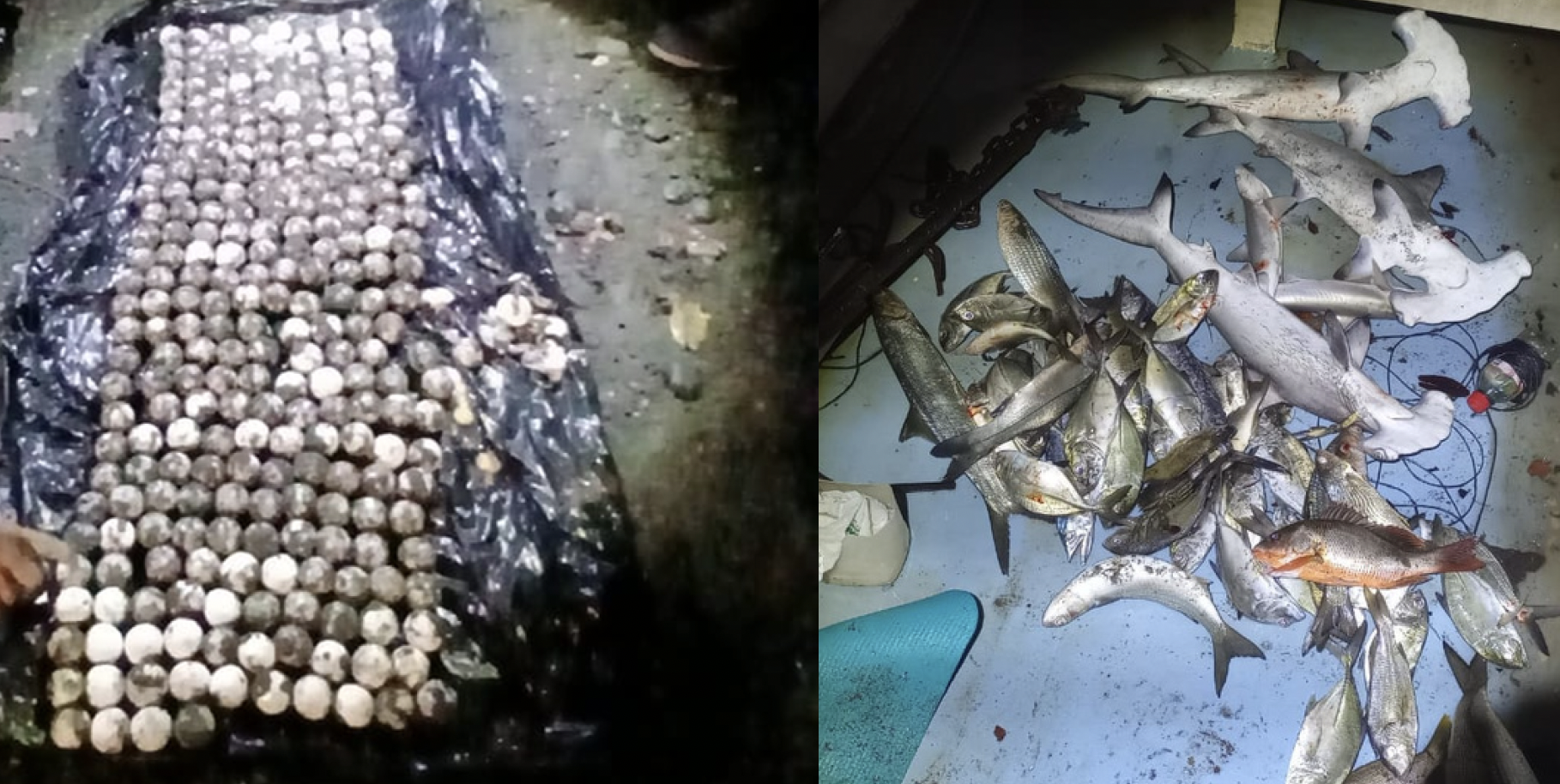
Aquatic patrols were conducted to prevent illegal wildlife capture and trafficking in lagoon ecosystems. Confiscated species were processed according to established protocols to ensure proper management.
Seized Water Pumps – Illegal Mining Patrols
Rangers confiscated motorized water pumps used in illegal mining operations inside protected areas. These patrols disrupted unauthorized extraction activities affecting rivers and forest ecosystems. The seizures reduce sedimentation, water contamination, and long-term ecological degradation.
Control and Protection Patrol Golfo Dulce Forest Reserve
The activities carried out by the Control and Protection Program in the Golfo Dulce Forest Reserve and its area of influence are aimed at ensuring compliance with environmental legislation and the conservation of forest resources, biodiversity, and associated ecosystems. Operational actions included land and coastal patrols, road checkpoints, nighttime controls, and the response to reports related to environmental offenses such as illegal logging, poaching, land-use change, and impacts on wetlands and water resources. These interventions enabled institutional presence at strategic points and ensured a timely response to situations that threaten ecosystem integrity.
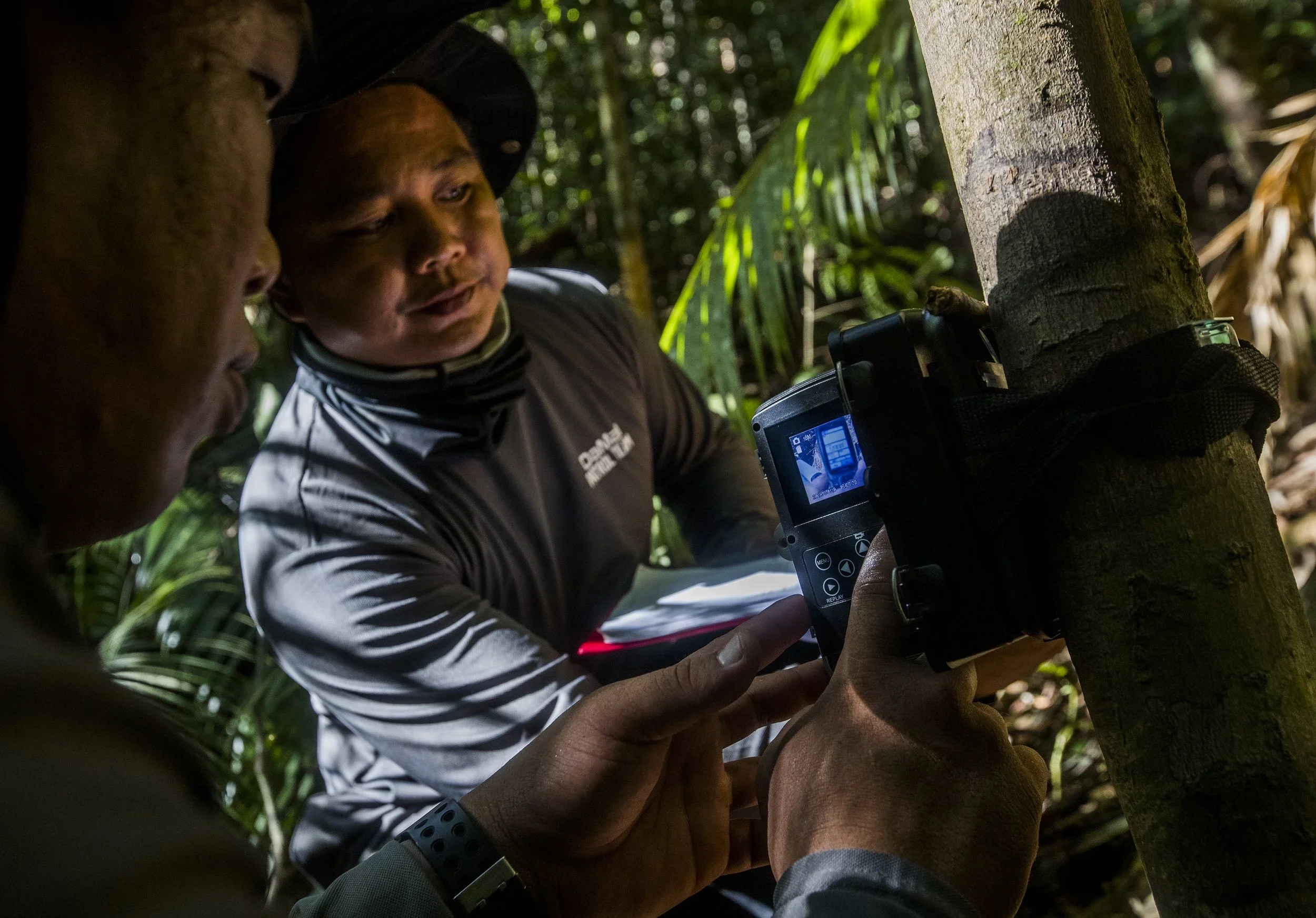
As part of preventive control, fixed posts and periodic patrol routes were maintained in priority sectors, defined based on incident history, accessibility, and pressure on natural resources. Operational scope also included wildlife monitoring through camera traps and field verification patrols, as well as follow-up on reports related to wetland impacts, encroachment on the Maritime Terrestrial Zone, and illegal activities within protected areas. Likewise, forest fire prevention and control activities were implemented through surveillance, patrols, and institutional presence in higher-risk areas.
The spatial distribution of interventions reflects the sectors with the highest operational priority, mainly in public access areas, zones near population centers, biological corridors, and areas with a history of illegal activities. This information serves as a key input for operational planning, resource allocation, and strengthening control and protection strategies, contributing to the effective management and conservation of the Golfo Dulce Forest Reserve.
Map of Gulfo Dulce Forest Reserve
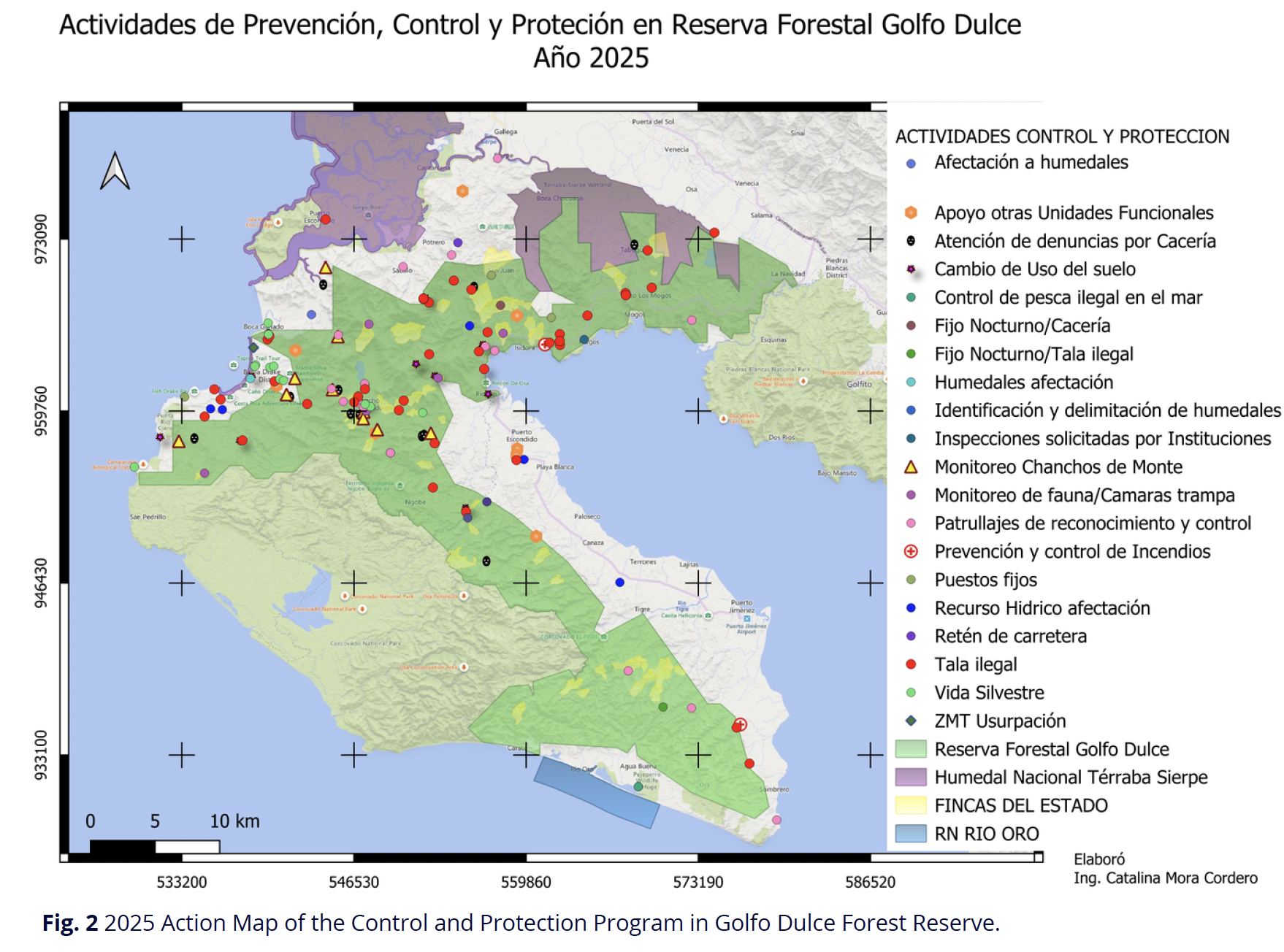
This map shows the spatial distribution of operational actions carried out in 2025 by the Control and Protection Program in Corcovado National Park. It includes patrols, checkpoints, inspections, and response to environmental violations, aimed at preventing illegal activities, strengthening institutional presence, and supporting the conservation of the park’s ecosystems and biodiversity.
On-Site Evidence of Peccary Hunting
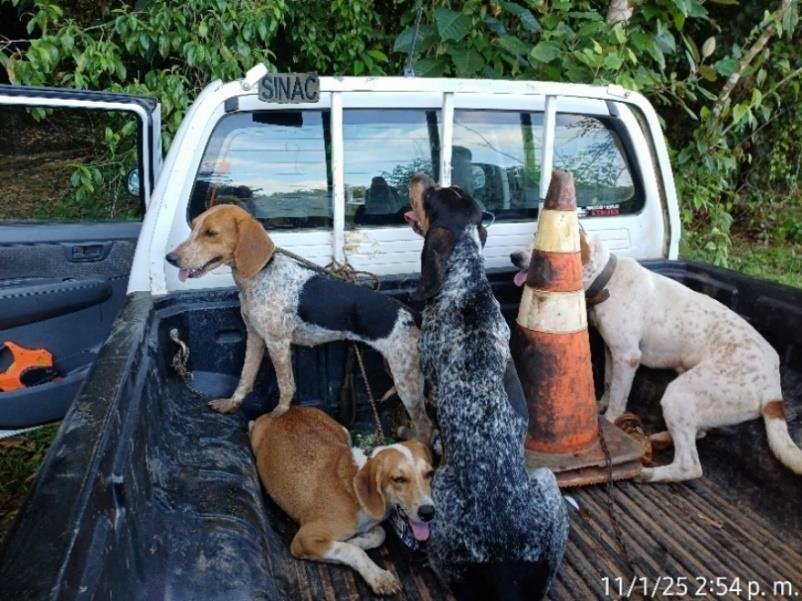
The following images illustrate the illegal hunting that occurs within the reserve. Unfortunately, these environmental crimes often employ hunting dogs to secure their targets.
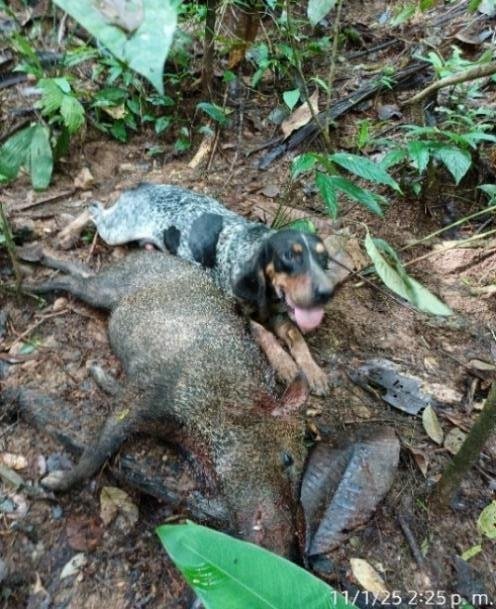
This photo shows the dog with its prey, a peccary known as Pecari tajacu.
Field teams documented evidence of illegal hunting of white-lipped peccaries within protected zones. Inspection and reporting procedures were activated to identify those responsible. These actions strengthen wildlife protection and deter poaching activities.
Timber Findings and Seizure
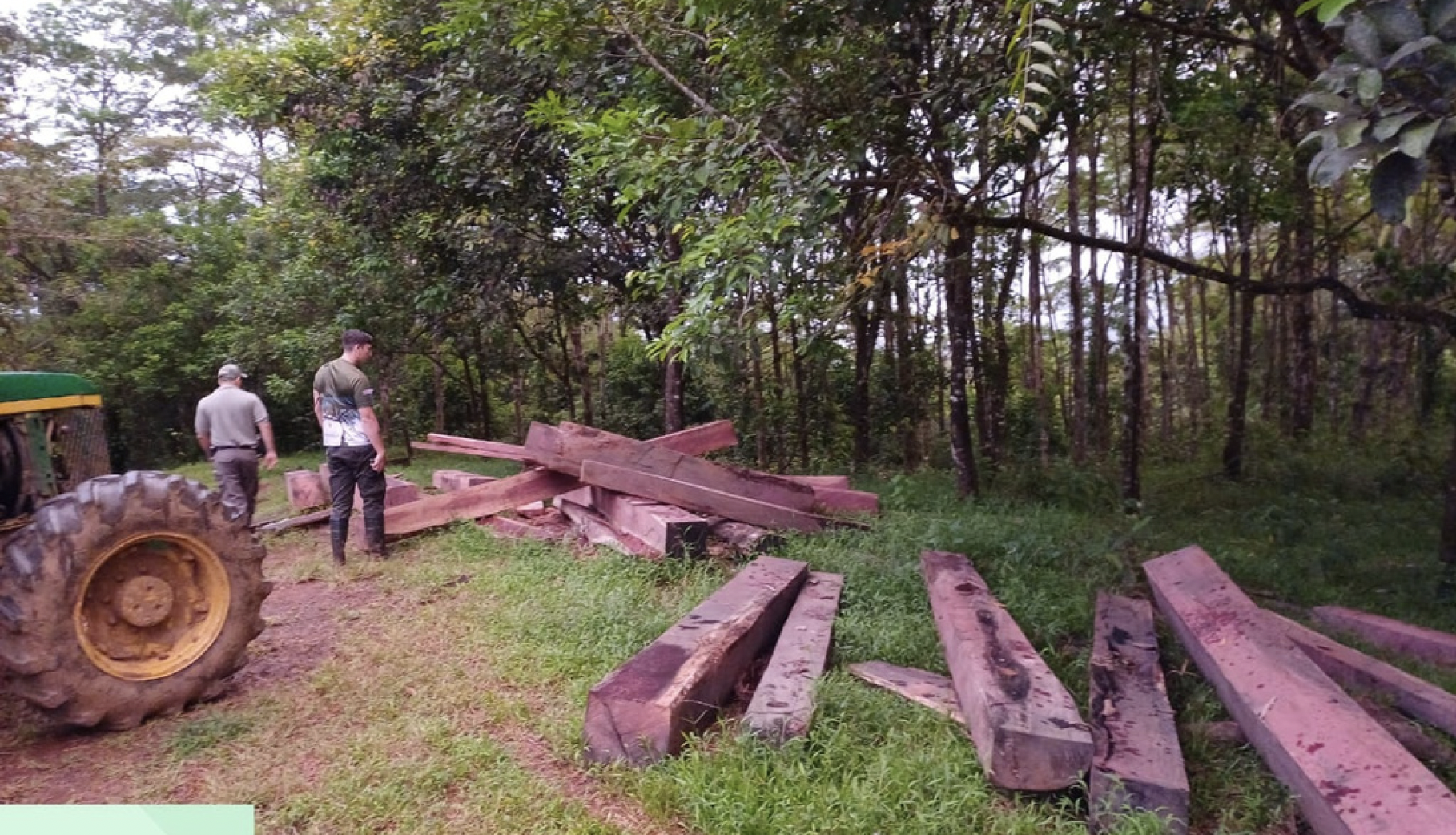
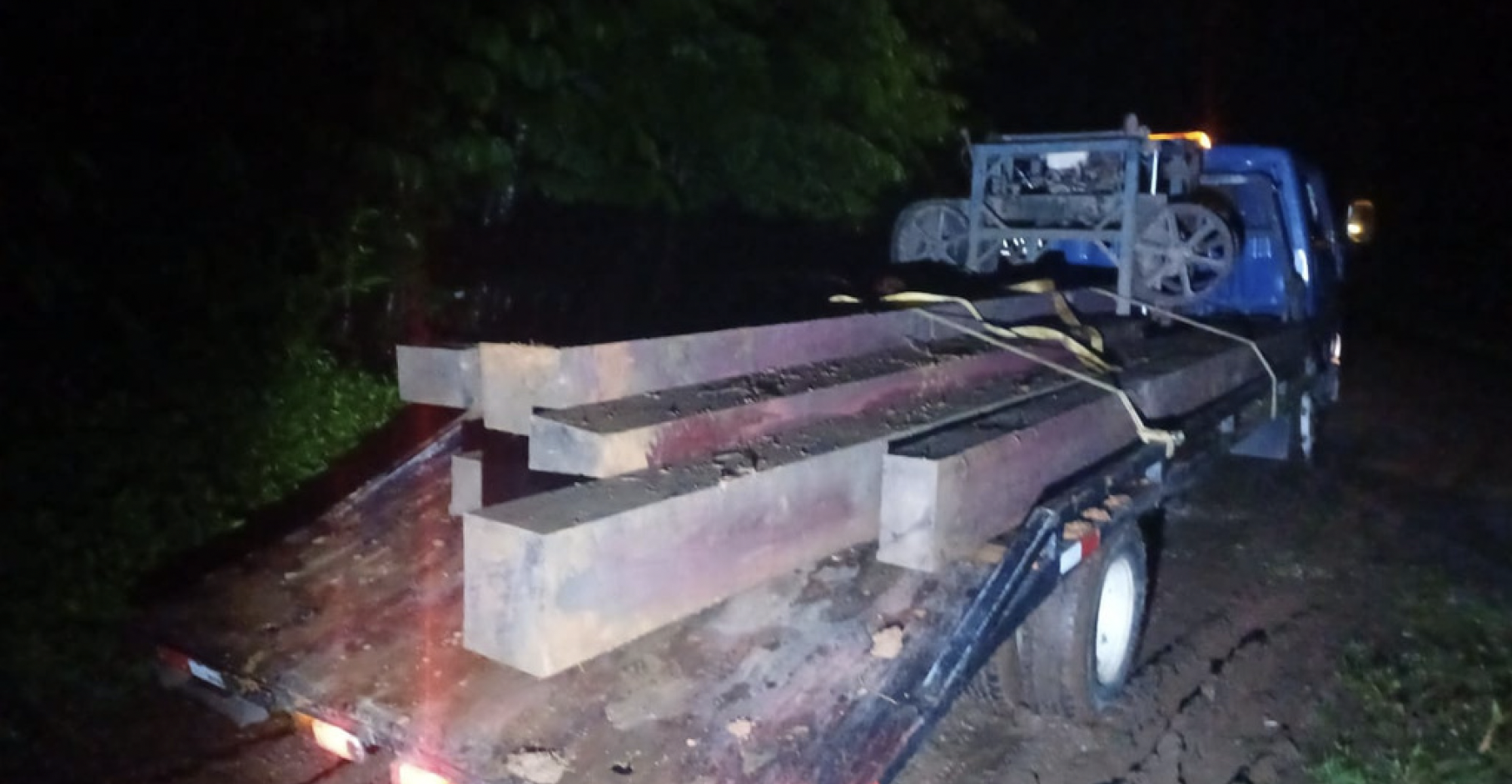
Patrol units located illegally harvested timber during routine control operations. Wood was confiscated and documented to support legal enforcement processes. This intervention protects Patrol units from illegally harvested timber during routine control operations. Wood was confiscated and documented to support legal enforcement processes.
On a separate occasion, authorities seized illegally transported timber and detained individuals involved in trafficking. Evidence collection supported prosecution and legal follow-up. These operations deter organized environmental crime networks.
Forest Fire Response
Control teams responded to active forest fires threatening biodiversity and watershed integrity. Fire suppression protocols were implemented to contain and extinguish affected areas.
Aquatic and Terrestrial Patrols – Rancho Quemado Wetland
Joint aquatic and ground patrols supported wetland protection and monitoring efforts. Rangers inspected vulnerable areas to prevent illegal resource extraction and wildlife disturbance. These coordinated actions enhance ecosystem conservation and local enforcement presence.
Illegal Logging Detection and Biological Monitoring Support
Patrol teams detected unauthorized tree felling while supporting biodiversity monitoring activities. Findings were documented and enforcement procedures initiated. Integrated patrols strengthen both protection and scientific management of the area.
Control and Protection Patrol La Amistad International Park
During 2025, La Amistad International Park (PILA) implemented a comprehensive control and protection strategy aimed at strengthening territorial governance, reducing environmental threats, and ensuring compliance across one of Costa Rica’s largest and most complex protected areas. Throughout the year, patrol operations were conducted across PILA and its surrounding areas, including buffer zones, indigenous territories, and adjacent protected areas.
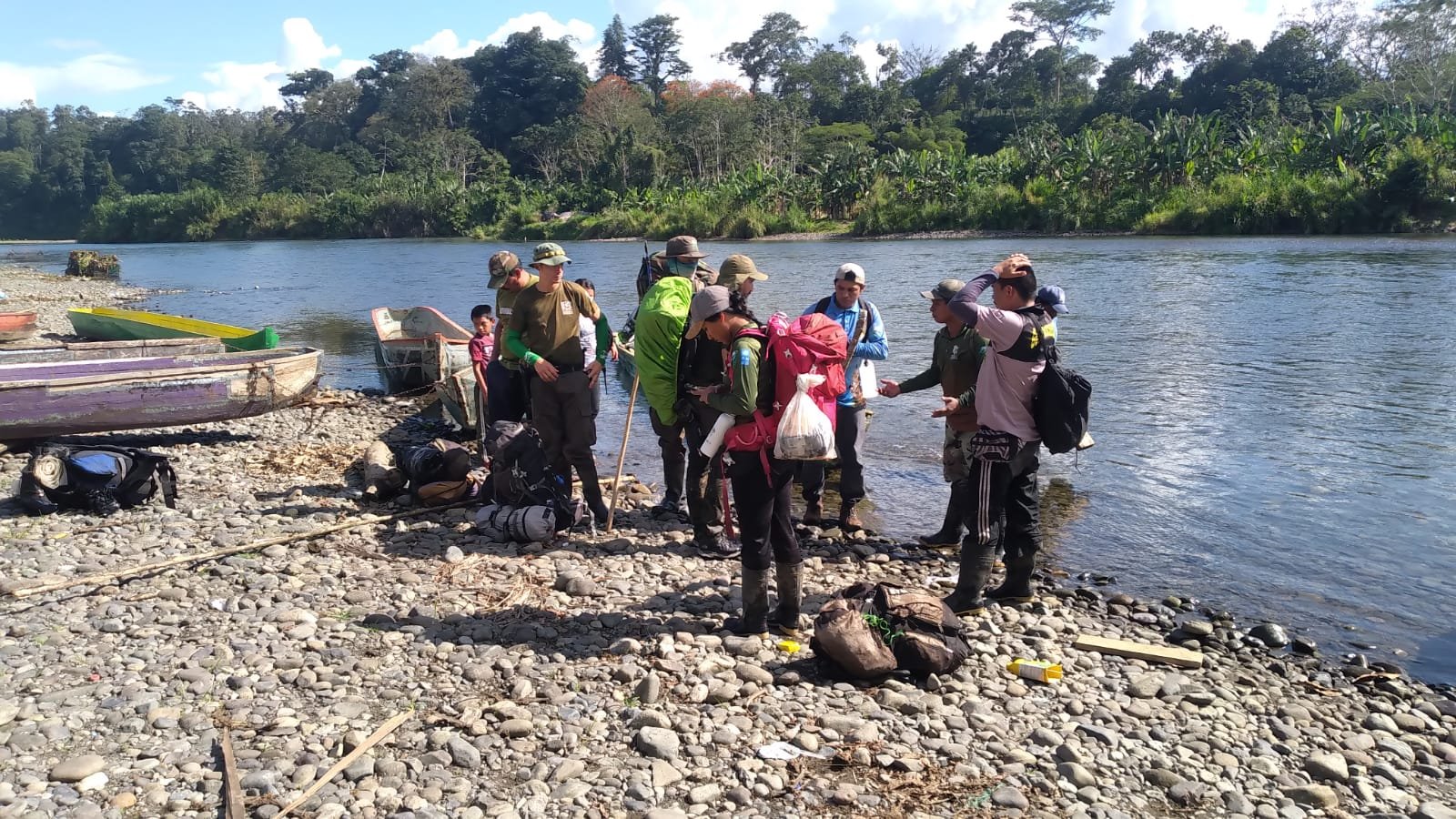
The spatial distribution of patrol routes and action points demonstrates sustained institutional presence and effective coverage of priority sectors, particularly along river systems, access trails, and transition zones where pressure on natural resources is historically higher.
A significant achievement during 2025 was the integration of patrol routes with targeted enforcement actions. Patrol teams combined routine surveillance with strategic interventions, allowing for early detection of illegal activities and timely response. This approach improved patrol effectiveness and strengthened deterrence, particularly in sectors with previously recorded repeated infractions.
Observation points and systematic monitoring supported continuous situational awareness and adaptive management throughout the year. In summary, the control and protection actions implemented in La Amistad International Park during 2025 demonstrate an effective, coordinated, and multi-dimensional enforcement strategy, culminating in the intensive activities recorded.
Map of La Amistad International Park
The map highlights a diverse set of law enforcement and management actions implemented during 2025. These include responses to illegal logging, deforestation, wildlife poaching, and illegal fishing, as well as seizure of vehicles and timber, monitoring of observation points, and follow-up of legal and administrative cases. Each recorded action reflects direct intervention by park authorities to address identified threats and enforce environmental regulations.
Temporary Sawmill Dismantling
Rangers dismantled an improvised sawmill operating illegally within the protected landscape. Equipment was confiscated to prevent continued timber processing. The action disrupted illegal supply chains and reinforced territorial control.
Illegal Logging in Indigenous Territories – Buffer Zone of La Amistad
Patrols detected illegal logging activities within Indigenous territories in the park’s buffer zone. Coordination with local authorities strengthened enforcement and protection measures. These efforts safeguard forests and respect community land rights.
Timber Seizure During Road Monitoring
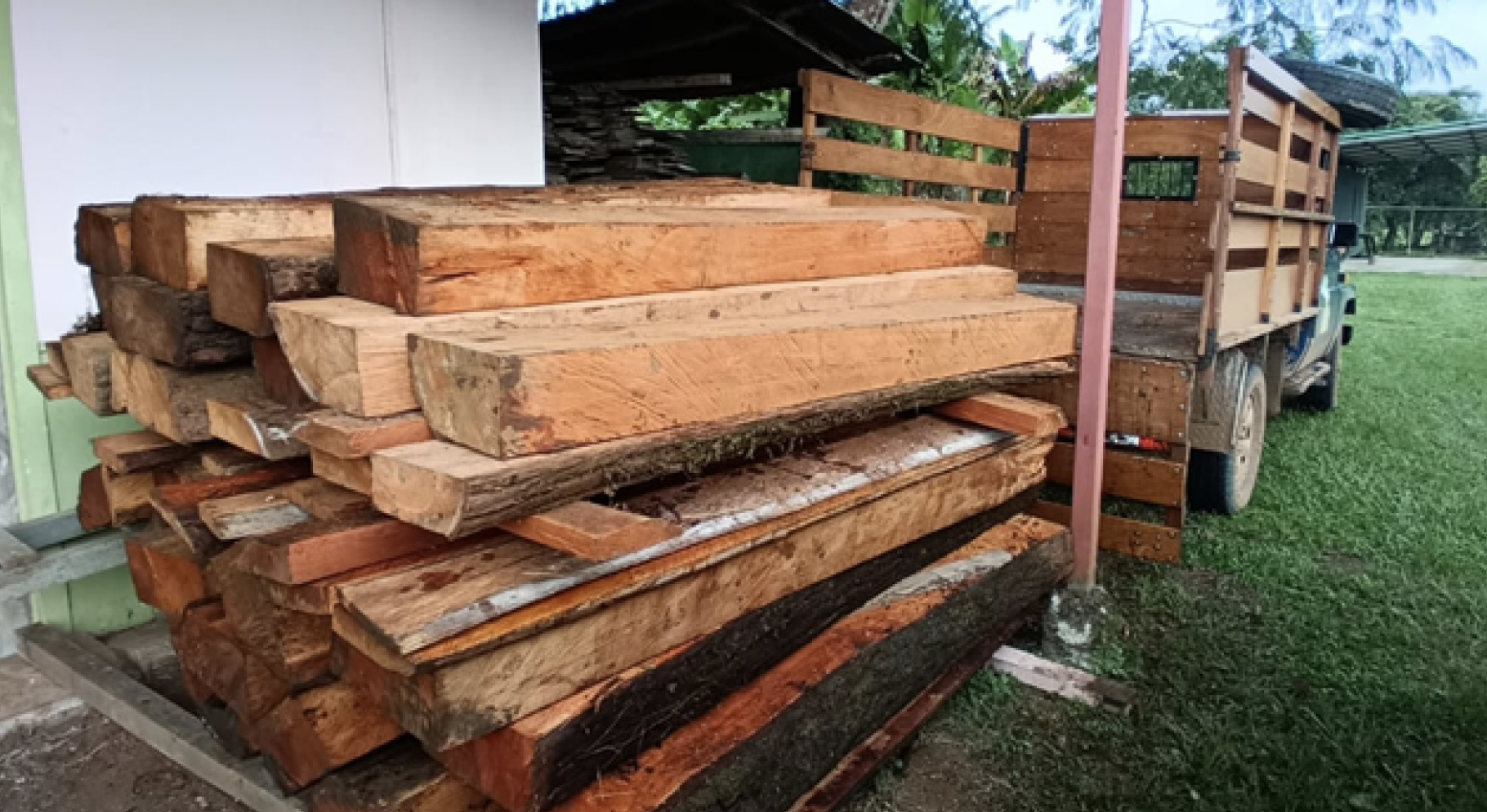
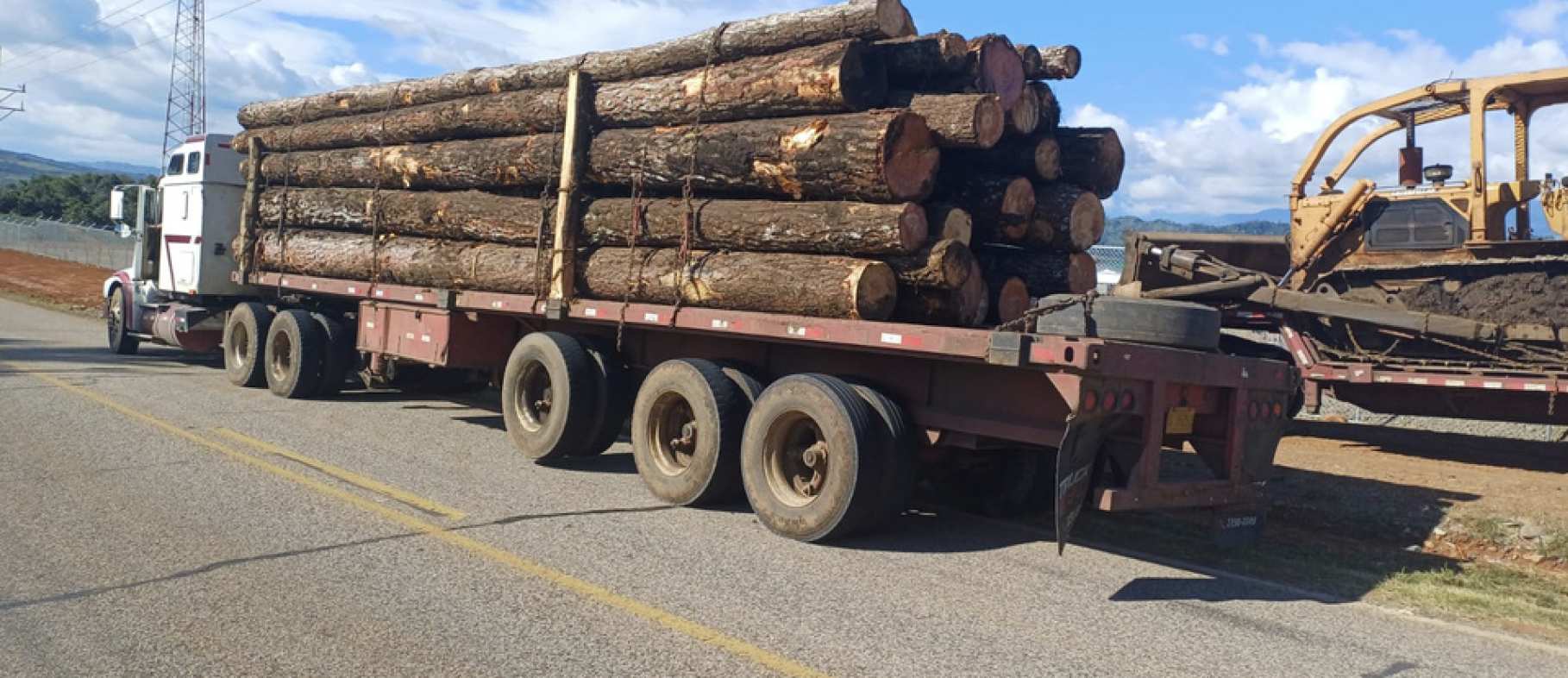
Control checkpoints intercepted illegally harvested timber during transportation monitoring. Wood was confiscated and documented under environmental regulations. Road surveillance reduces illegal trade and improves traceability.
Intervention in Illegal Logging and Land-Use Change
Field teams intervened in areas affected by unauthorized deforestation and land-use conversion. Activities aimed to stop forest clearing for agriculture or pasture expansion. These measures protect—
Binational Costa Rica–Panama Patrol Operations
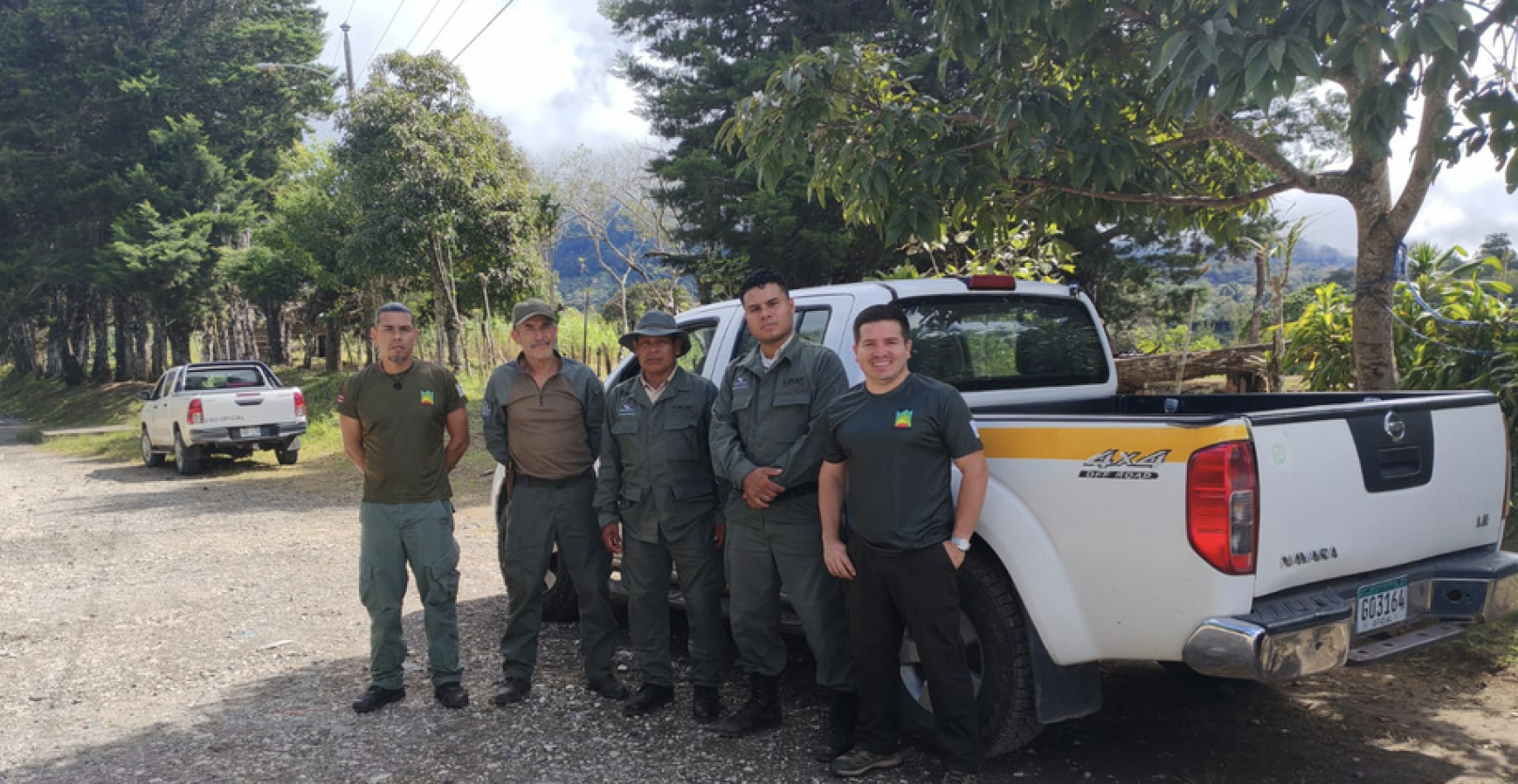
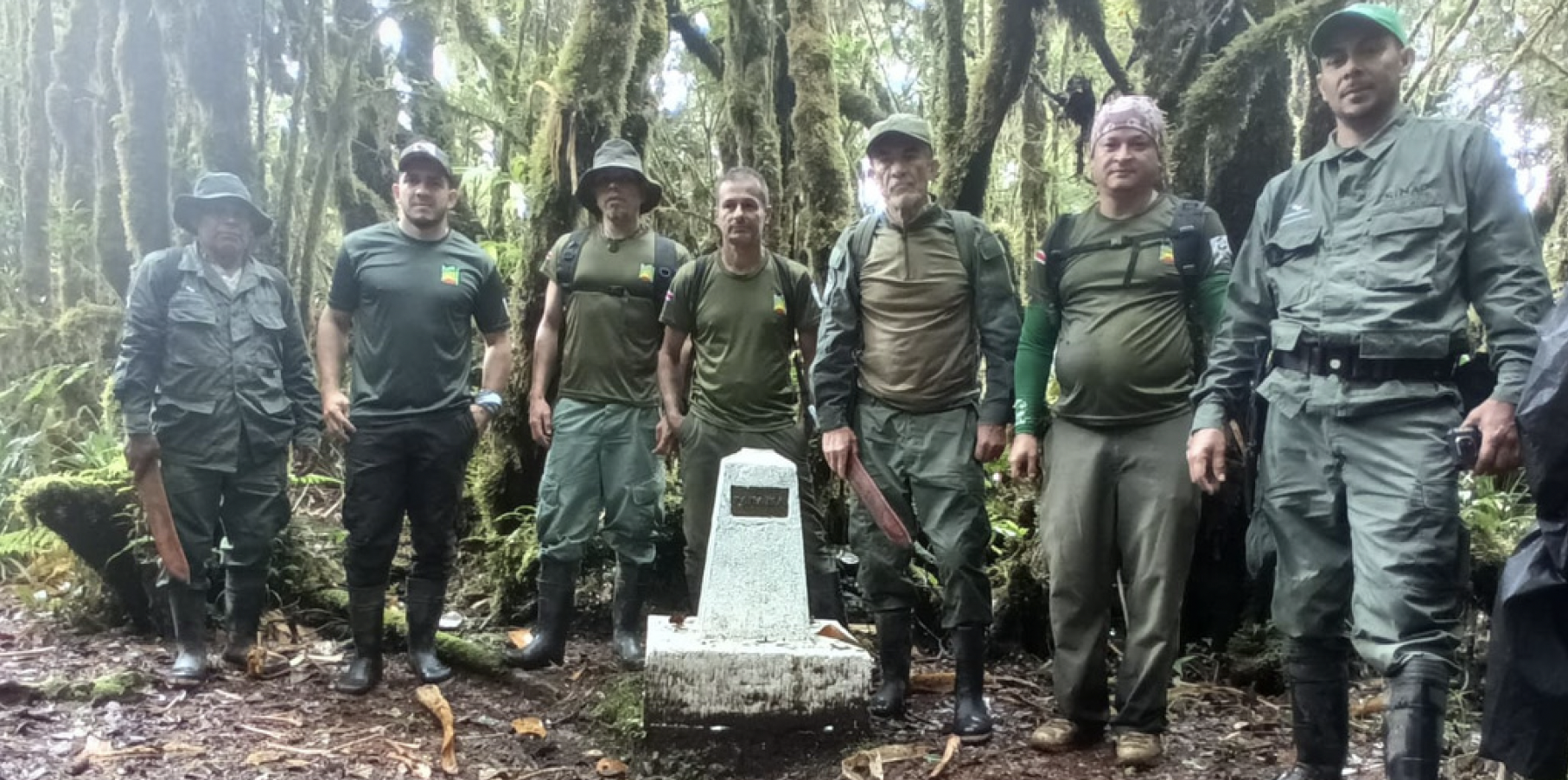
Joint patrols strengthened cross-border coordination in protected ecosystems. Operational collaboration improved intelligence sharing and territorial coverage. Binational efforts enhance——
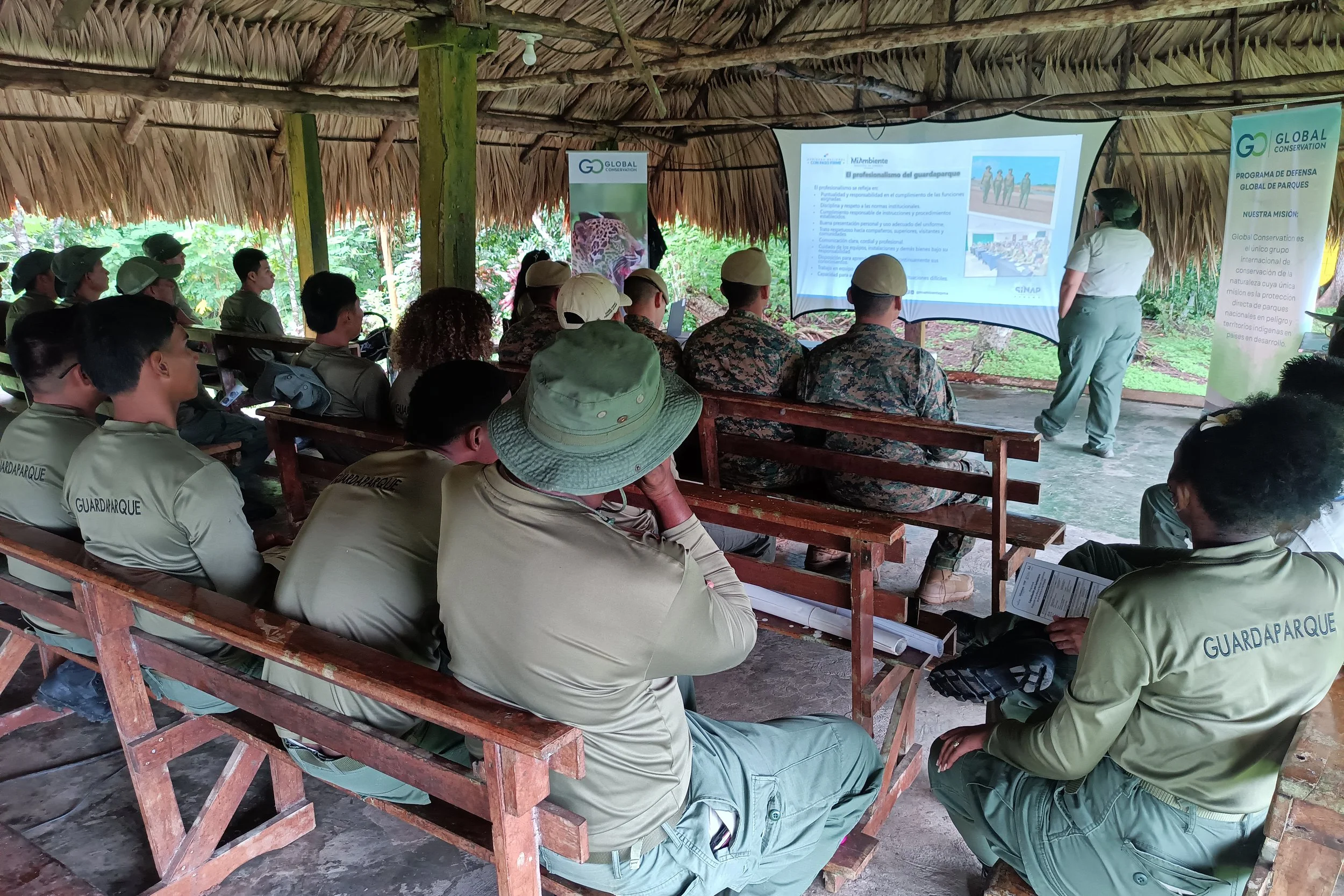
Wildfire Training and Prevention of Illegal Tourism – La Amistad
Personnel received specialized training in wildfire response and prevention strategies. Patrols also addressed unauthorized tourism activities inside the park.
Patrols Addressing Land-Use Change Within the Park
Rangers conducted operations targeting suspected land-use change for pasture and coffee plantations. On-site inspections documented environmental impacts and halted expansion activities. These actions preserve forest integrity within park boundaries.
Control and Protection Patrol Guanacaste Conservation Area
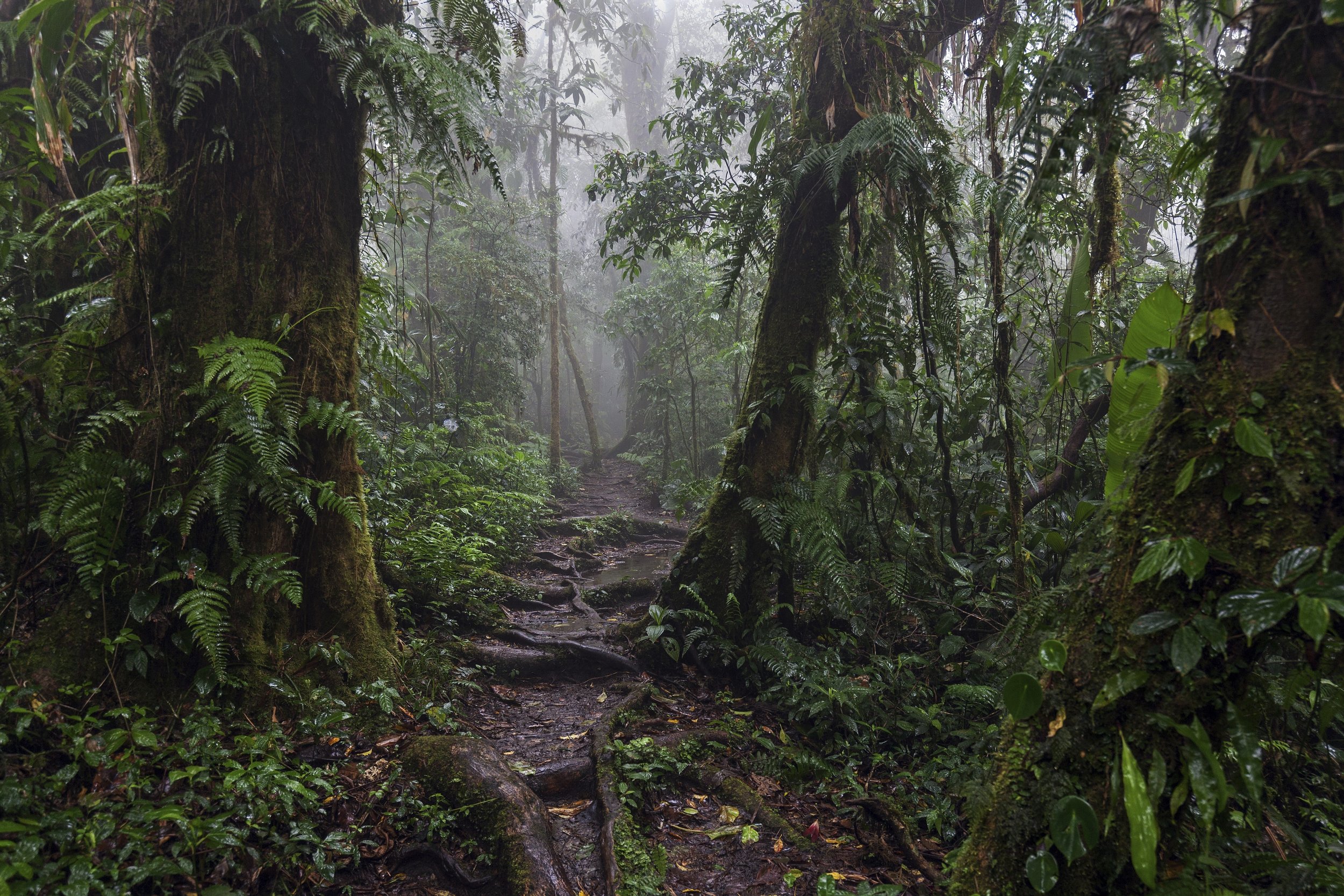
In 2025, the Guanacaste Conservation Area (ACG) reinforced its territorial control, fire prevention, and biodiversity protection efforts through coordinated actions across its protected areas, including Santa Rosa, Guanacaste, and Rincón de la Vieja National Parks, as well as coastal and wetland ecosystems. A central component of the year’s strategy was the Fire Management Program, which responded to multiple wildfire incidents and implemented extensive preventive patrol routes in high-risk zones. Fixed surveillance points were maintained throughout the dry season, allowing early detection and rapid response. In addition, the incorporation of a thermal camera significantly strengthened monitoring capacity by enabling night surveillance and the detection of heat sources in remote or inaccessible areas.
This technology improved early fire identification, enhanced operational safety, and increased the effectiveness of response teams. Complementing fire management, the Protected Areas Wildlife Brigade and the Forest Control Brigade carried out enforcement operations to combat environmental crimes. Actions included arrests, detection of illegal firearm possession, prevention of illegal logging and timber theft, interception of vehicles transporting forest products, control of illegal fishing, identification of wildlife trafficking and unlawful possession of fauna, monitoring of land-use change, and anti-poaching operations. These interventions were strategically distributed across ecological corridors, forest boundaries, coastal sectors, and areas of high biodiversity importance.
The 2025 actions demonstrate a strong institutional presence and an integrated conservation model that combines technology, field operations, prevention, and enforcement.
Map of Guanacaste Conservation Area
Throughout 2025, the Guanacaste Conservation Area (ACG) implemented an integrated control and protection strategy combining field patrol operations with the use of technological tools to strengthen territorial governance, prevent environmental crimes, and reduce fire-related risks across terrestrial and marine protected areas. The actions reflected in the patrol map illustrate the spatial reach of enforcement activities carried out during the year and their contribution to conservation outcomes.
Thermal Camera – Technological Support
Thermal imaging technology was deployed to monitor forest fires and detect illegal activities. The system enhances real-time surveillance in remote and high-risk areas. Technology integration
Implementation of Technology for Early Fire Detection
Advanced monitoring tools were implemented to improve early wildfire detection. Digital systems support data collection and operational coordination. Innovation enhances proactive protection and resource management.
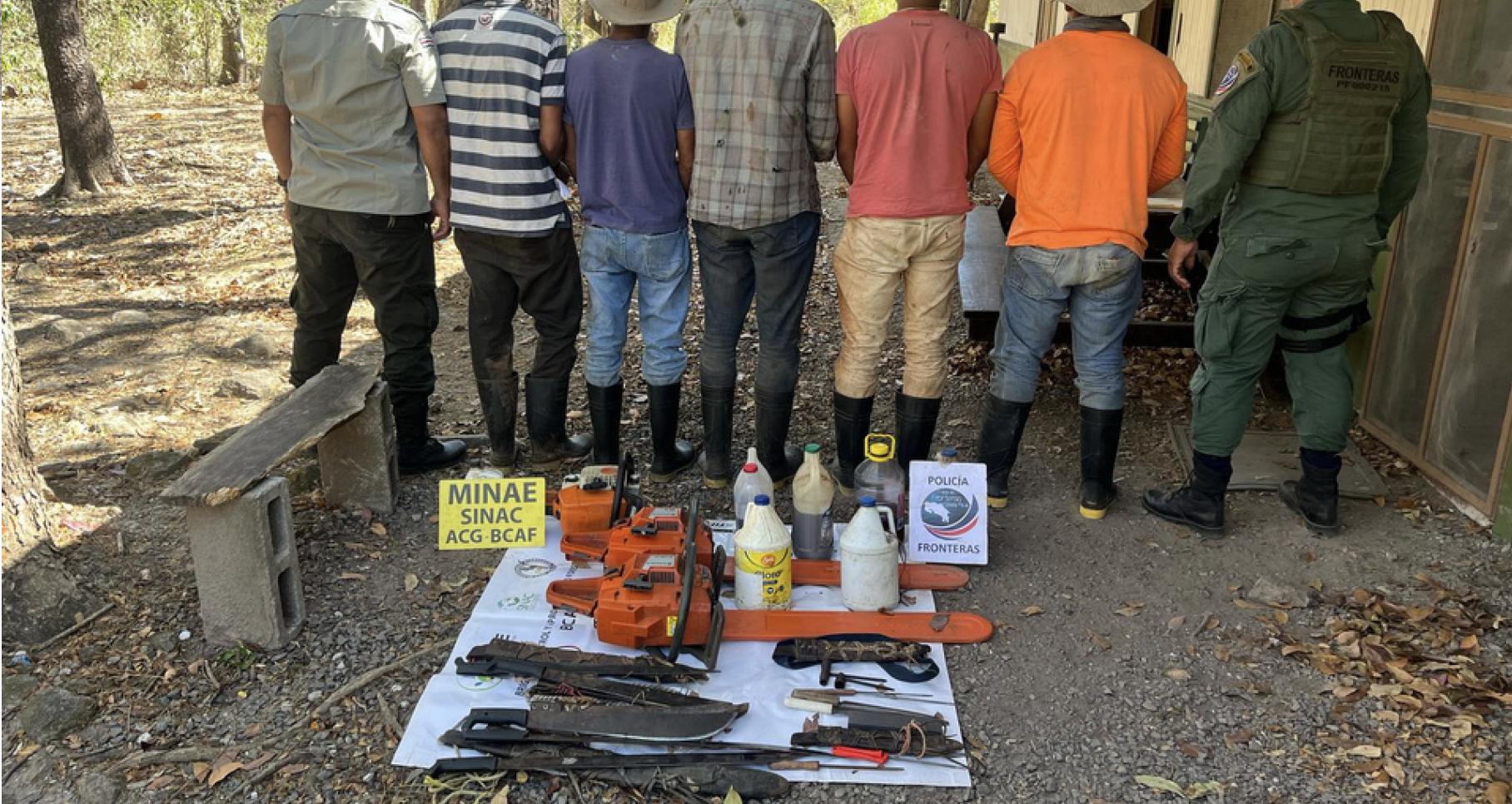
Arrests for Illegal Logging and Hunting
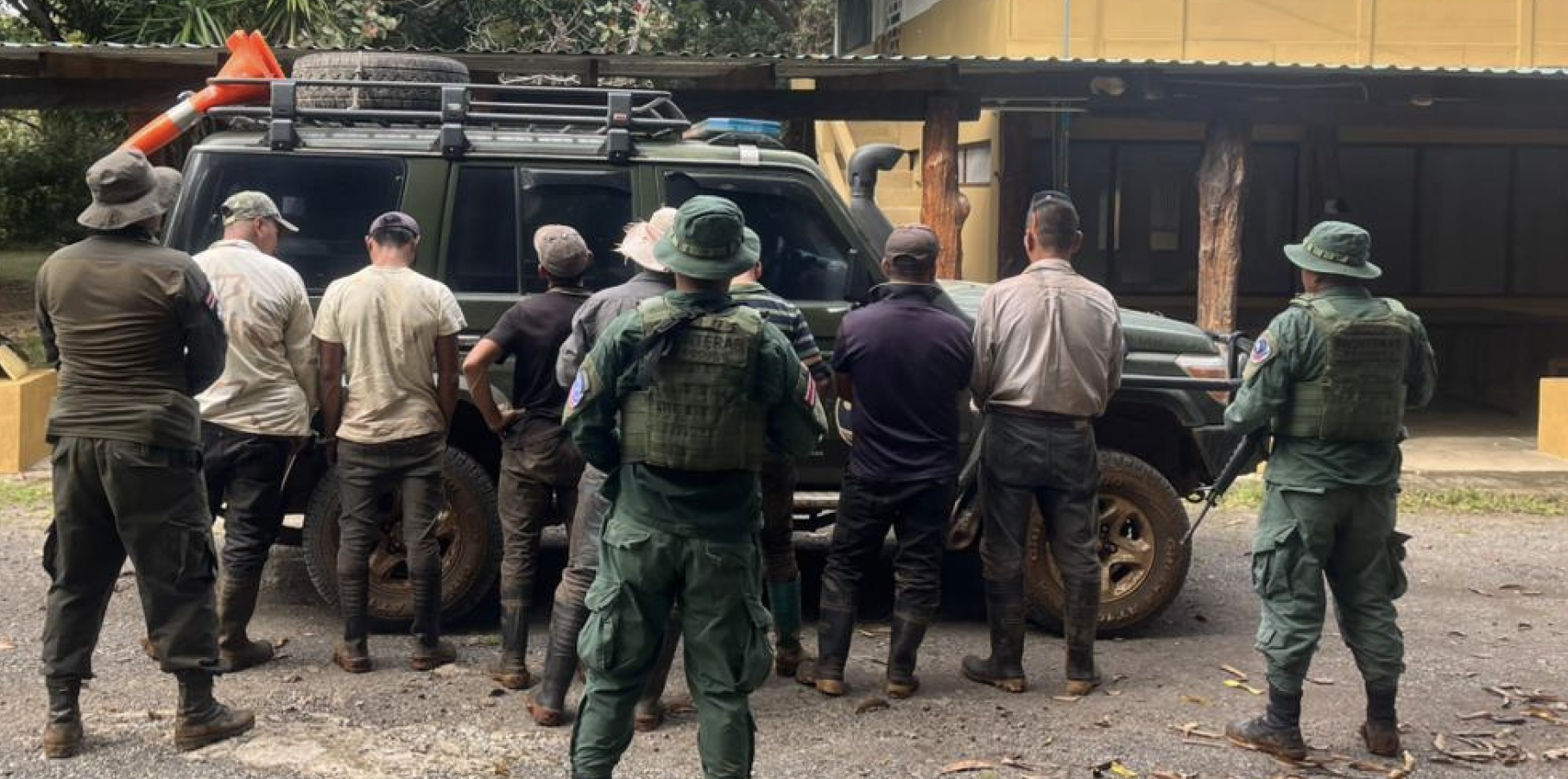
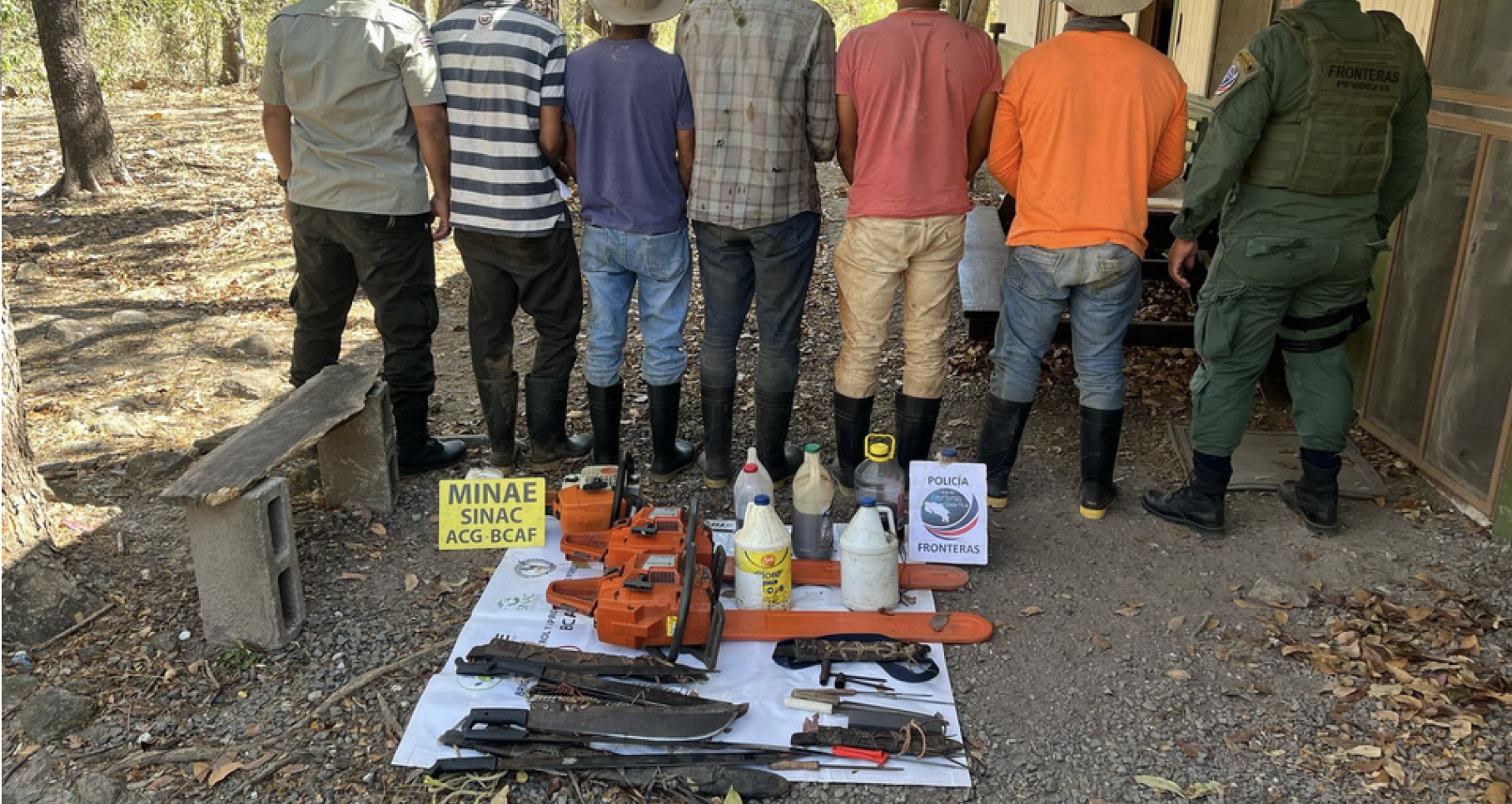
Individuals involved in illegal logging and wildlife hunting were detained during patrols. Evidence was secured to support judicial proceedings. These enforcement actions reinforce legal compliance with local authorities.
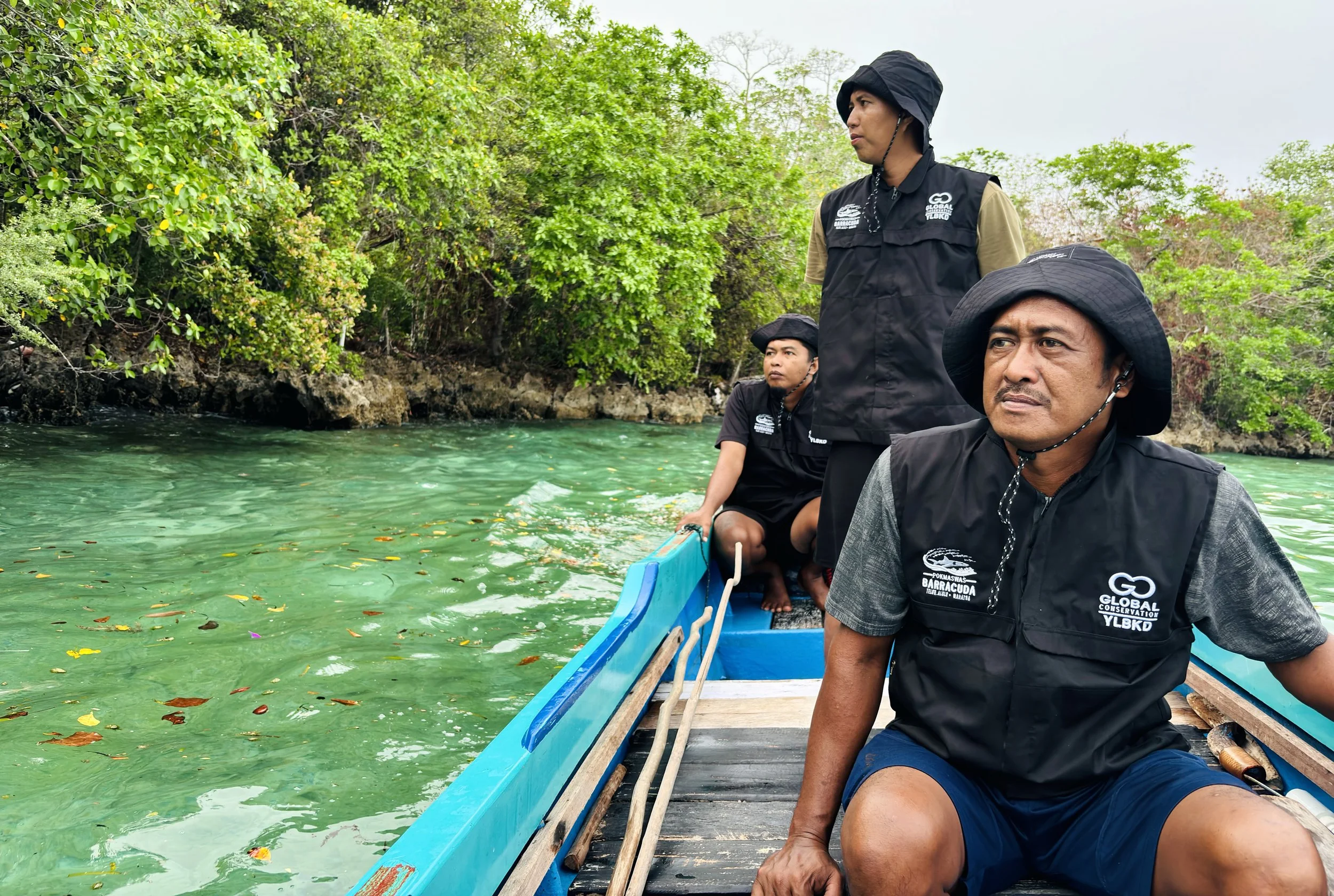
Marine Patrols in Coastal Zones
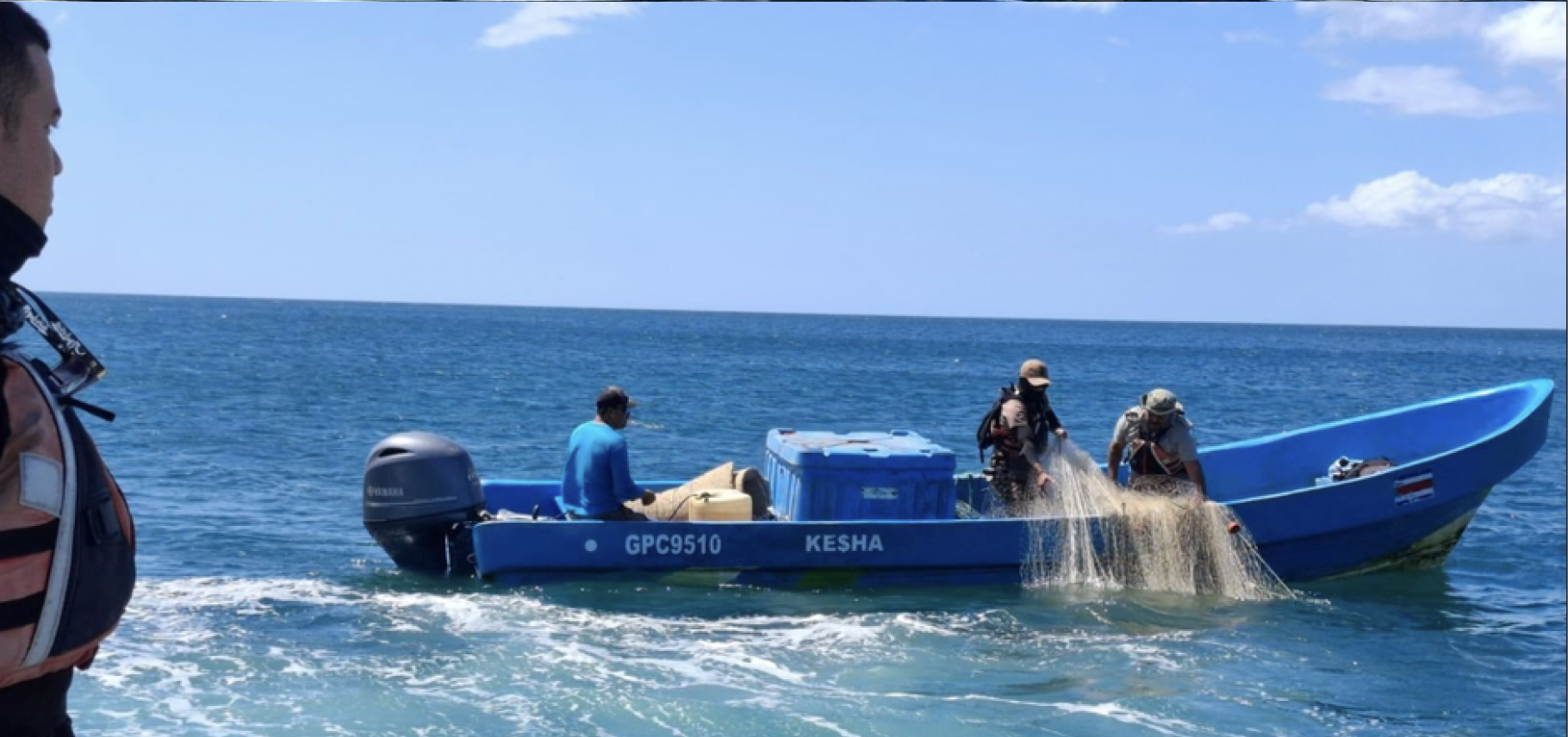
Aquatic patrols monitored marine sectors to prevent illegal fishing and wildlife extraction. Rangers ensured compliance with conservation regulations in sensitive habitats. These operations protect marine biodiversity and ecosystem health.
Wild Seizure—Hunting Impact
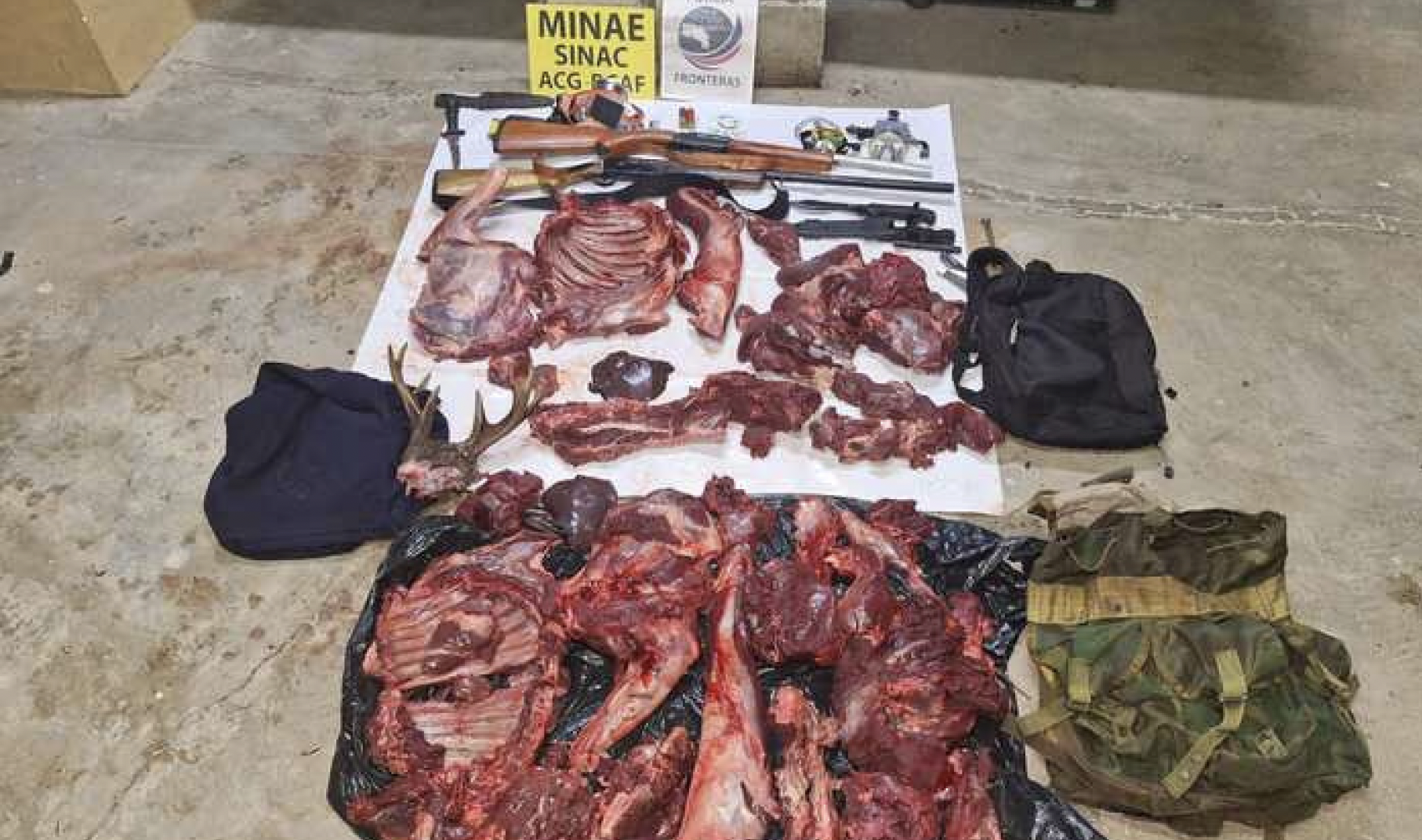
Confiscated wildlife specimens affected by illegal hunting were documented and processed. Authorities initiated legal procedures against responsible parties. The intervention supports species conservation and ecosystem balance.
Mounted Terrestrial Patrols
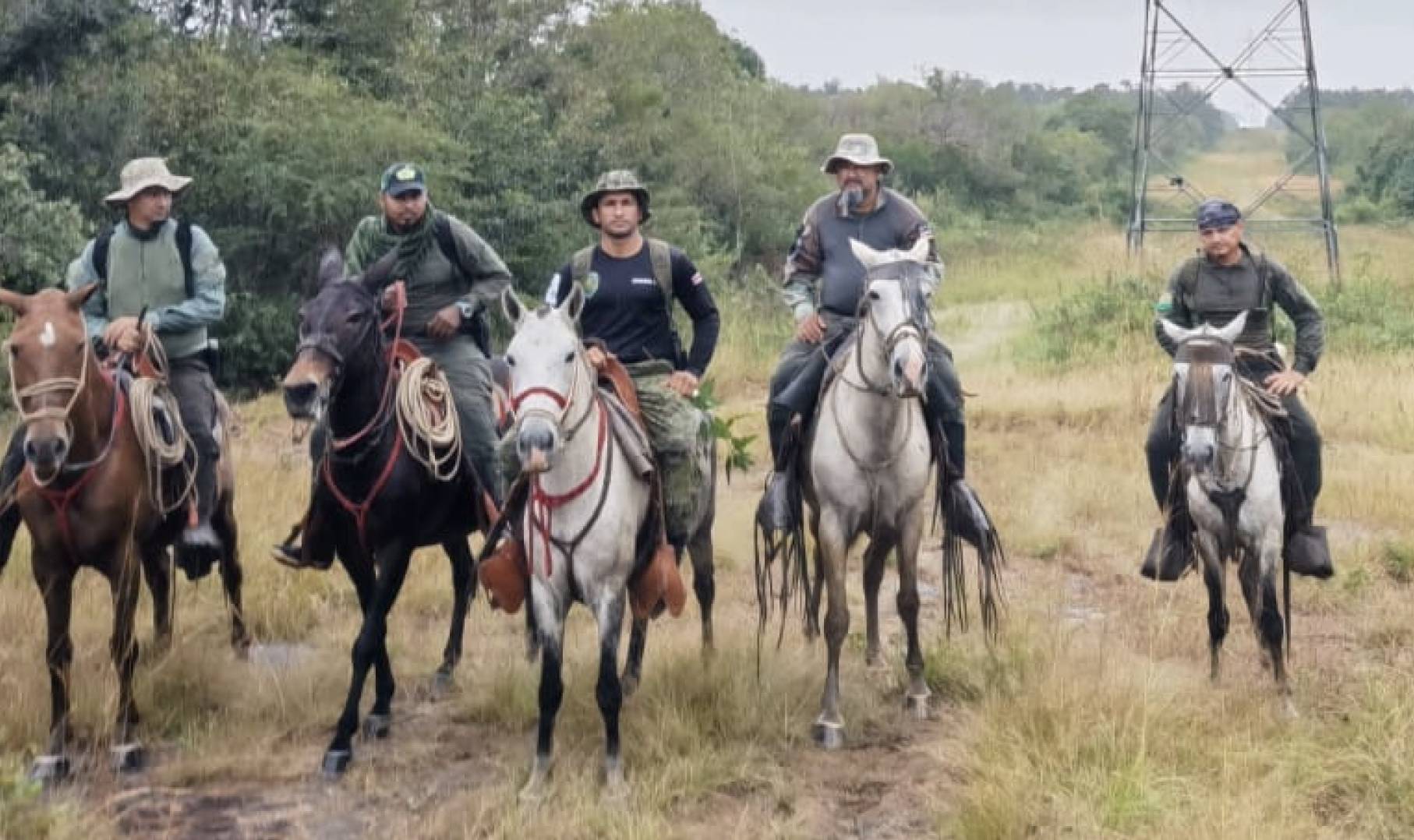
Horseback patrols expanded surveillance coverage in remote and rugged terrain. This approach improves access to areas difficult to reach by vehicle. Mounted units strengthen continuous territorial control.
Illegal Timber Trafficking

Patrol teams detained individuals engaged in unlawful timber extraction and transport. Confiscated materials were secured as legal evidence. These actions disrupt illegal supply chains and protect forest ecosystems.
Synthesis of Results
The 2025 operational results of Global Park Defense Costa Rica demonstrate a sustained and strategically targeted protection effort across key conservation areas, reflecting both the ecological importance of these territories and the intensity of the threats they face. Through coordinated patrols, surveillance, community engagement, and law enforcement actions, GPD Costa Rica has reinforced the integrity of some of the country’s most valuable ecosystems.
Across all areas, a total of 1,402 control and protection operations were conducted, supported by more than 57,000 hours of institutional surveillance and 7,235 hours of community ranger engagement. These efforts highlight a robust operational presence that combines professional enforcement with local stewardship, essential for long-term conservation effectiveness.
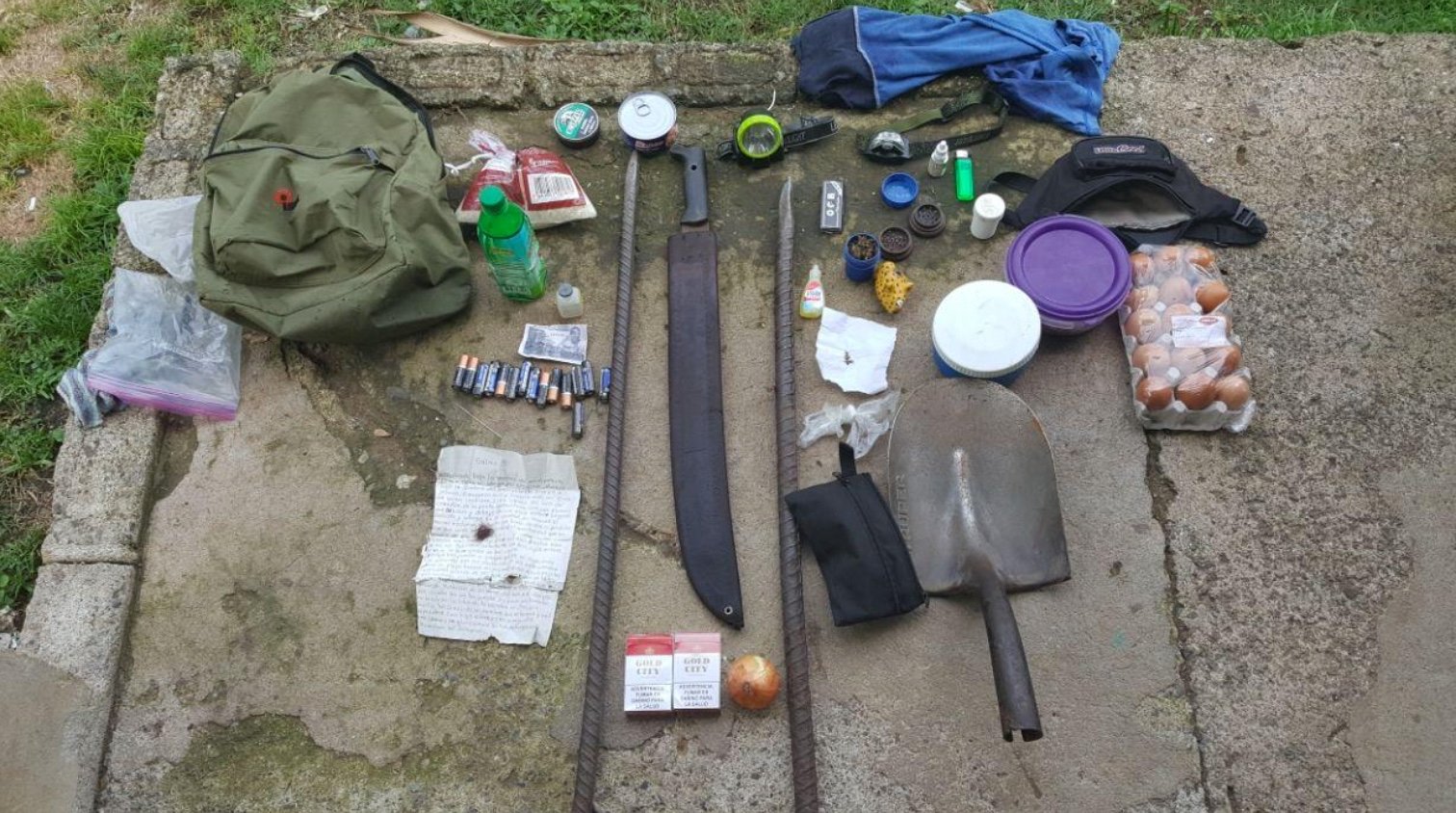
Parque Nacional Corcovado (PNC) stands out for its consistent patrol coverage and community involvement, reflecting the park’s status as one of the most biodiverse sites on the planet. The protection of Corcovado safeguards primary lowland rainforests, critical wildlife corridors, and habitats for emblematic species such as jaguars, tapirs, and scarlet macaws. The area’s enforcement results, including arrests, wildlife rescues, and high-value seizures, underline the economic and ecological stakes associated with protecting intact tropical ecosystems.
In the Reserva Forestal Golfo Dulce (RFGD), operational indicators reveal a strong response to environmental crime and forest fire incidents.
The detection and management of forest fires, combined with timber seizures and wildlife rescues, emphasize the reserve’s vulnerability and its importance as a buffer zone for coastal and marine ecosystems. Protecting RFGD directly contributes to carbon storage, watershed regulation, and the conservation of mangroves and transitional forests vital for climate resilience. Technical inspections requested by competent institutions were also conducted, and support was provided to other functional units through joint operations, strengthening interinstitutional coordination and territorial surveillance capacity.
The Área de Conservación Guanacaste (ACG) recorded the highest levels of patrol effort, seizures, and wildlife rescues, reflecting both its vast size and ecological complexity. ACG encompasses dry forests, cloud forests, and marine ecosystems, making it a cornerstone of Costa Rica’s national conservation strategy. The significant enforcement actions and economic value of seized resources demonstrate the high pressure on these ecosystems and the critical role of sustained protection to ensure ecosystem restoration and species recovery.
The area also provides critical ecosystem services such as water regulation, carbon sequestration, climate resilience, and soil protection for surrounding communities.
Parque Internacional La Amistad (PILA), a UNESCO World Heritage Site, shows the importance of binational cooperation and long-term surveillance in remote, high-altitude ecosystems. The protection of PILA preserves cloud forests and páramo ecosystems that are essential for regional water supply, climate regulation, and biodiversity conservation at a transboundary scale. Additionally, patrols resulted in the transfer of wildlife to rescue centers, contributing to the protection of affected species and reinforcing the park’s role in biodiversity conservation.

Olive ridley sea turtles crawl out onto the beach for laying eggs in Guanacaste, where GLobal Conservation is present to defend this vulnerable species.
Programmatic Balance and Contribution
Demonstrated the highest enforcement intensity and wildlife rescue volume.
Contributed extensive patrol coverage and strong community-based conservation.
Played a critical role in dismantling illegal mining and hunting networks.
Generated the highest economic value of seized resources and addressed the greatest number of environmental complaints.
Overall, the USD 1.1 million estimated economic value of seized resources reflects not only successful law enforcement outcomes but also the substantial natural capital being defended. Beyond enforcement metrics, these results underscore a broader conservation impact: the preservation of ecosystem services, biodiversity, and cultural heritage that sustain local communities and contribute to national and global environmental goals. The 2025 operational indicators confirm that Global Park Defense Costa Rica plays a critical role in safeguarding ecosystems of exceptional ecological, economic, and social value.
By maintaining a strong operational presence across diverse conservation areas, GPD Costa Rica ensures that forests, wildlife, and natural resources continue to provide essential ecosystem services, support livelihoods, and strengthen Costa Rica’s leadership in conservation and environmental protection.