Niokolo-Koba National Park, Senegal
Global Conservation has been providing support to Niokolo-Koba National Park, Senegal, since 2022 to help the work of Panthera’s Philipp Henschel for national park recovery, expansion, and protection of all sectors through both scientific monitoring and ranger patrolling.
After this assessment period, Global Conservation was invited as a co-funder with the WCN Lion Recovery Fund (LRF) and the Rob Walton Foundation to expand patrolling coverage and solidify gains over the past 4 years.
Introduction
About Niokolo-Koba National Park: UNESCO World Heritage
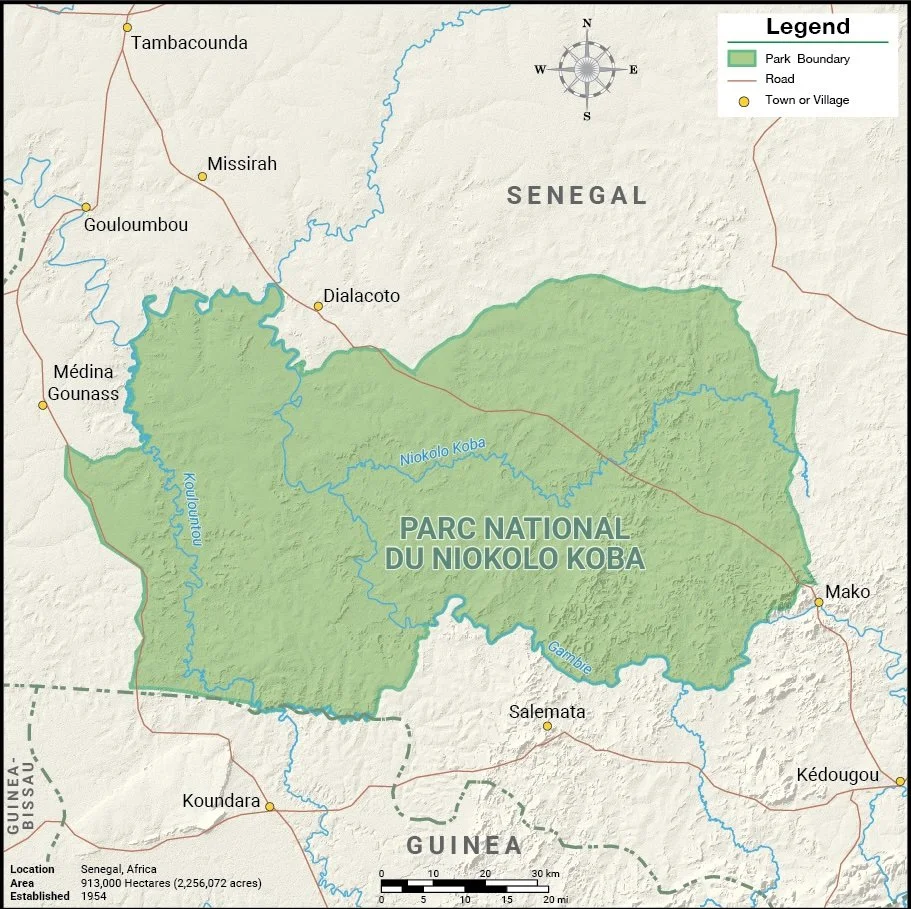
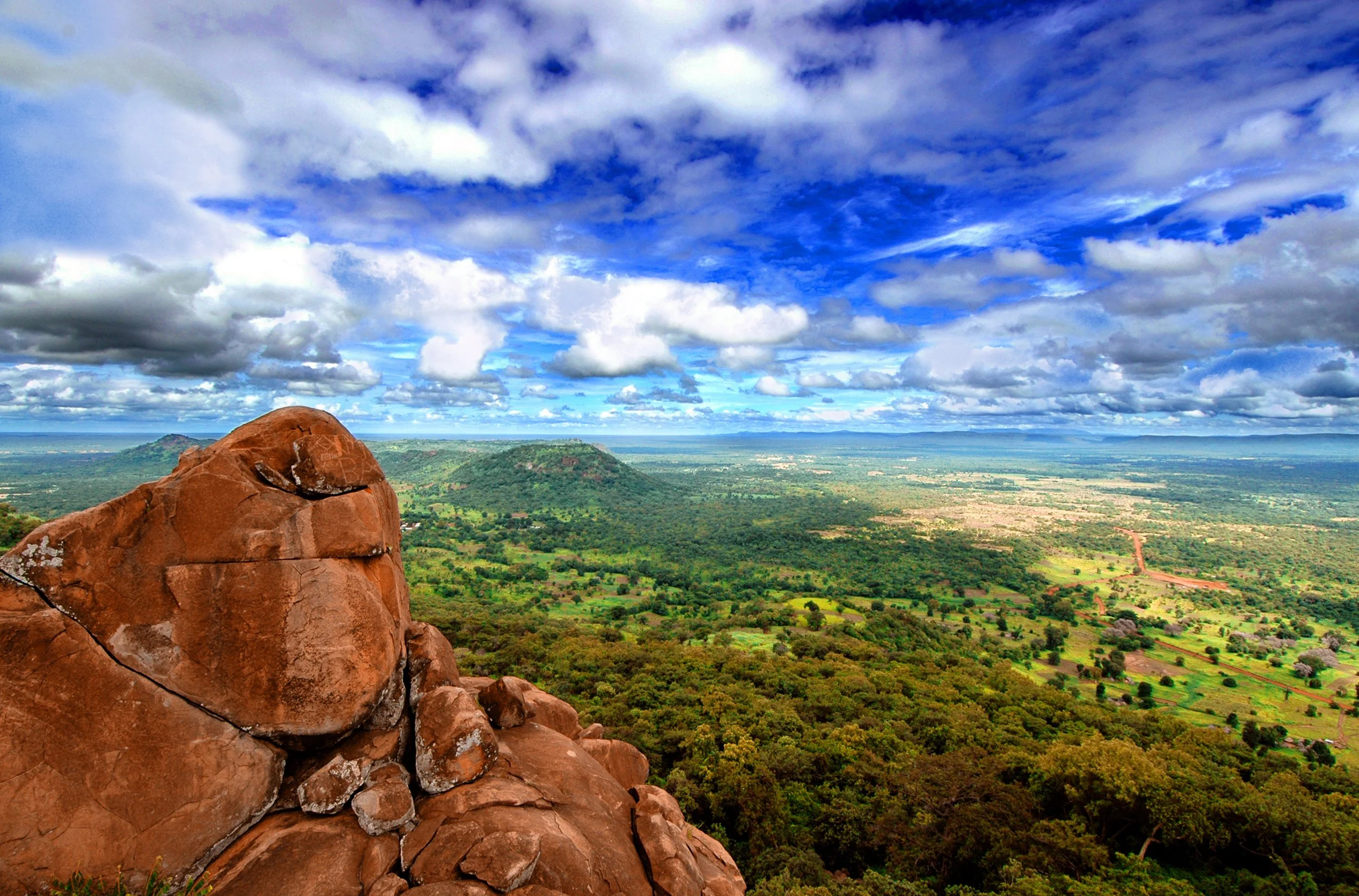
Located in a well-watered area along the banks of the Gambia river, Niokolo-Koba National Park (NKNP) is characterized by its group of ecosystems typical of this region, over an area of 913,000 hectares. Watered by large waterways (the Gambia, Sereko, Niokolo, and Koulountou), it comprises gallery forests; savannah grass floodplains; ponds; dry forests—dense or with clearings; rocky slopes and hills; and barren Bowés.
The property has a remarkable diversity of wildlife, unique to the sub-region. It counts more than 70 species of mammals, 329 species of birds, 36 species of reptiles, 20 species of amphibians and a large number of invertebrates.
The park also boasts a wealth of habitats and a diverse flora, featuring over 1,500 important plant species. This remarkable plant diversity justifies the presence of a rich fauna characterized by the Derby Eland (the largest of African antelopes), chimpanzees, lions, leopards, and a large population of elephants, as well as many species of birds, reptiles, and amphibians.
However, reports indicate that there is considerable poaching of elephants in the area. The proposed dams on the Gambia and the Niokolo-Koba are also a concern because they would have disastrous consequences for the ecological integrity of the property.
As the second-largest national park in West Africa and a UNESCO World Heritage Site, Niokolo-Koba is more than a protected area; it’s a vital sanctuary for the region’s dwindling biodiversity. NKNP is home to one of only two remaining populations of Critically Endangered West African lions, a distinct genetic clade (a group of organisms that includes a single ancestor and all of its descendants).
Yet, like many ecosystems across West Africa, Niokolo-Koba has faced escalating threats. Over the past 30 years, the park’s lion and elephant populations have suffered dramatic declines. Fueled by climate change, illegal wildlife trade, human encroachment, and development-driven infrastructure like roads, the park’s fragile ecosystem has been stretched to the brink.
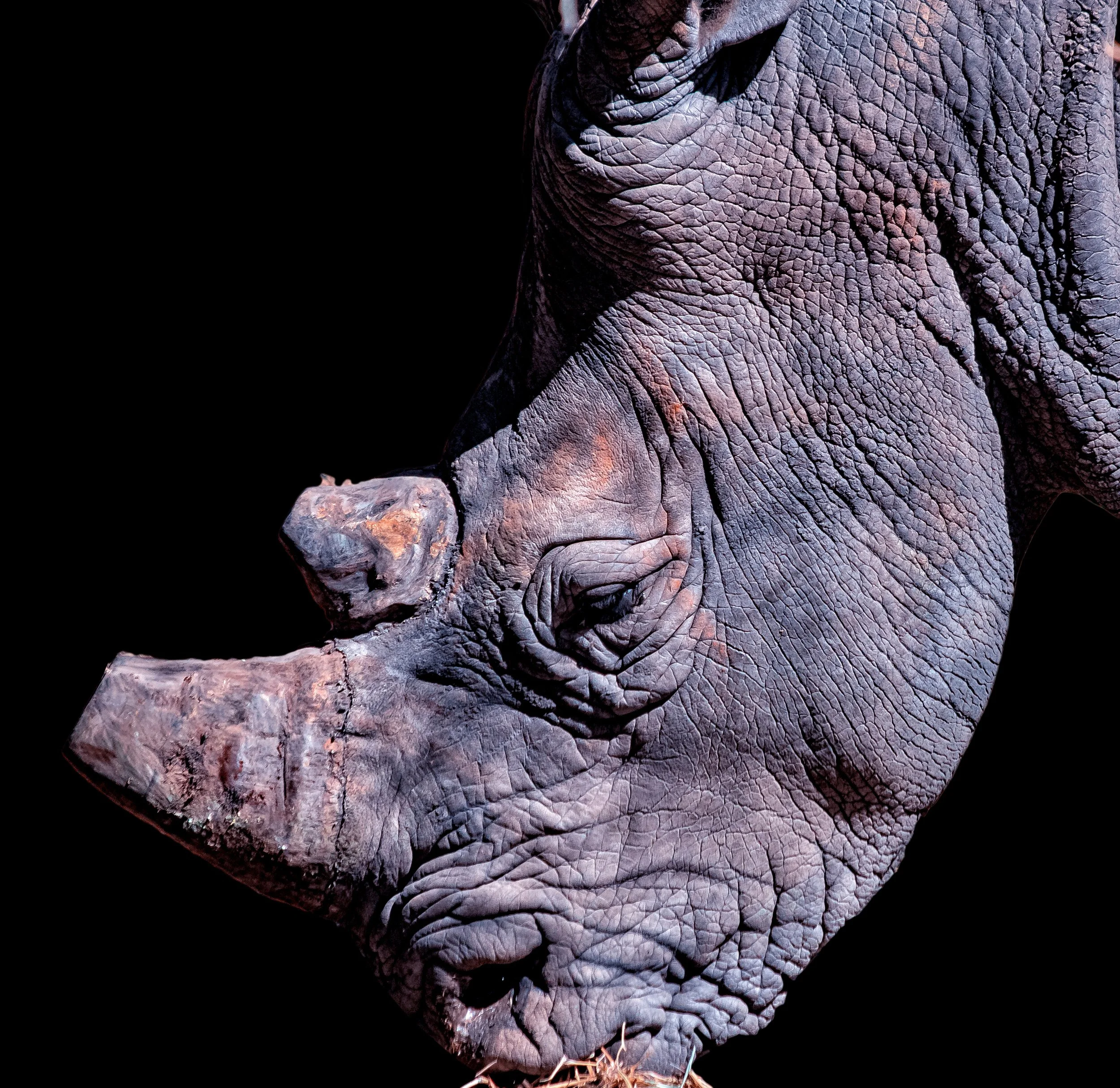
A rhino has its horn cut off to sway poachers from trying to kill it.
Although the park was removed from UNESCO’s List of World Heritage in Danger in 2024 following significant conservation and management efforts, it continues to face a range of pressures, including poaching, bushfires, agricultural expansion, mining activities, the spread of invasive species such as Mimosa pigra, and the growing impacts of climate change.
The proposed 24-month project is expected to be implemented by IUCN and executed by the Directorate of National Parks under Senegal’s Ministry of Environment and Ecological Transition. It is also expected to leverage US$4 million in co-financing to support conservation and sustainable management efforts across the Niokolo-Koba landscape.
The initiative aims to restore 3,000 hectares of degraded ecosystems, improve the management of 913,000 hectares of terrestrial protected areas and promote sustainable management practices across 5,000 hectares of landscapes. It is also expected to strengthen participatory governance, ecological monitoring, and sustainable livelihoods in communities surrounding the park.
In total, the initiative is expected to directly benefit 2,000 people, including 1,500 women. By placing local communities, women, and young people at the center of restoration and sustainable management efforts, the project seeks to promote an integrated approach that brings together biodiversity conservation, ecosystem resilience, and local development.
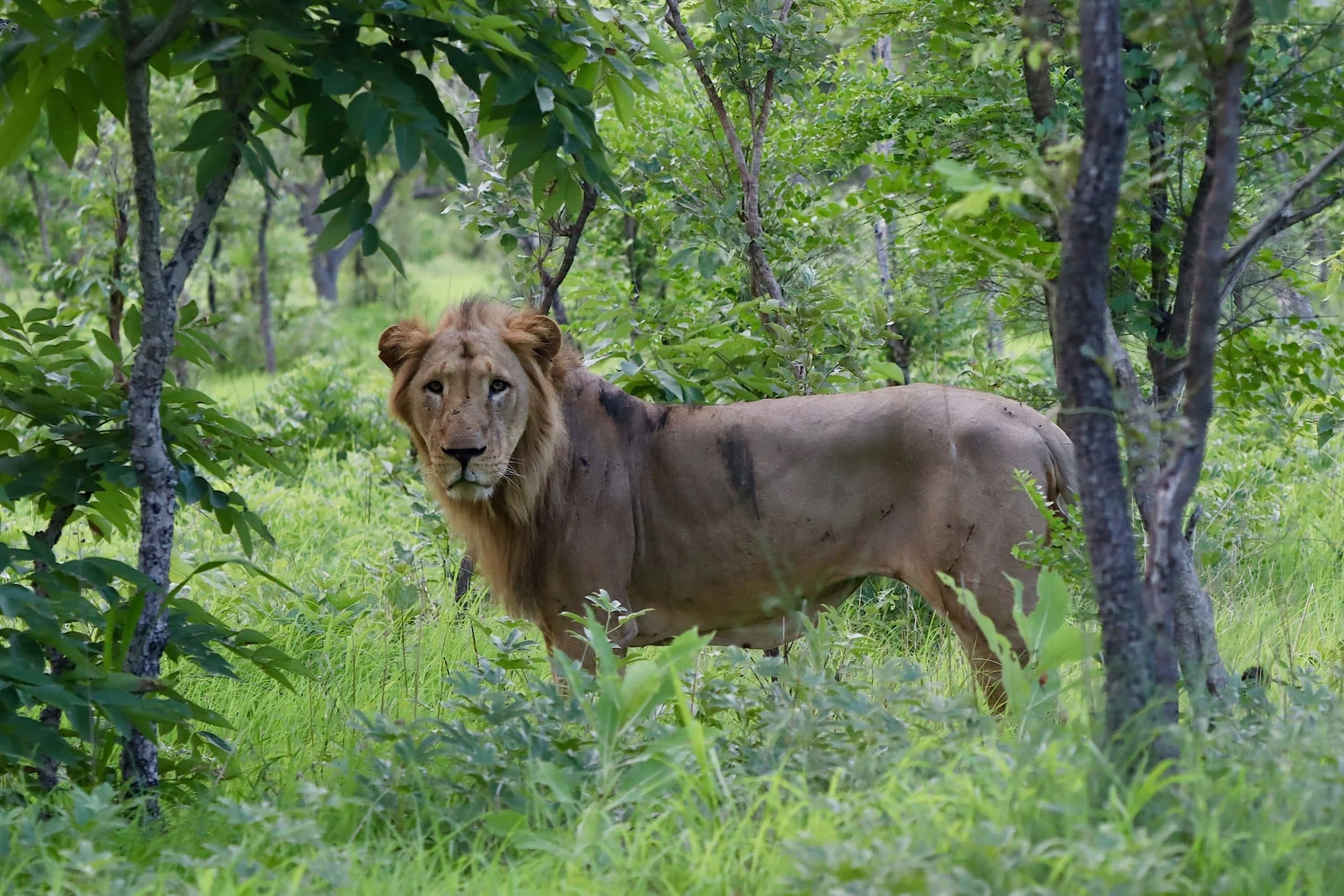
But Niokolo Koba’s story isn’t just one of loss—it's also one of resilience. Panthera began conservation work in Niokolo Koba in 2011, when Senegal’s Department of National Parks (DPN) invited us to conduct the park’s first-ever lion survey. Only 10-15 individuals remained in the park at the time. Today, their population has more than doubled.
Over the past decade, Panthera has built a strong working relationship with the government of Senegal, formalized through a long-term agreement with the DPN to strengthen park management and security. We provide direct support to ranger teams for effective large-scale patrols, the rebuilding and expansion of the park’s infrastructure, and intensive ecological monitoring, including monitoring lions using GPS collars.
Hope for the Snegal Lions
In June 2021, Florence, or Flo, became the first lion in Senegal to be collared, along with several other members of the Simenti pride. Flo was around six years old and quickly became a fan favorite among Panthera field staff and followers. The pride then consisted of Flo, her sister Awa, a young male named Aziz, and two subadult females. A dominant male known as Bour (meaning "king" in Wolof), famous for his imposing presence and charisma, reigned over the pride.
The Simenti pride were closely monitored for 14 months thanks to their GPS collars until the collars stopped working in August 2022. After that, scientists monitored the pride with remote cameras, tracking all of the highs and lows that come with lion life—from Bour’s disappearance following a violent confrontation with a coalition of three young males to Awa giving birth to a litter of four cubs, three of which are still alive today.
In late 2022, Flo disappeared, raising fears that she had been killed. Panthera scientists began an intensive search that included placing camera traps in areas where she was last tracked. Footage soon revealed that Flo, then about 9 or 10, had been denning to safely birth three cubs.
This marked Flo’s third litter, bringing her total to nine cubs. As the matriarch of Niokolo-Koba, she had contributed what was then roughly one-third of the park’s entire lion population. It was a joyous moment.
“When the history of Niokolo Koba’s recovery is written,” said Panthera West and Central Africa Regional Director Dr. Philipp Henschel, “Florence above all others will likely be recognized as the critical driver of West African lion recovery in one of this big cat’s last strongholds.”
The Ghost Elephant
The “Ghost Elephant” of Niokolo Koba was recently captured on video for the first time in years, sparking discussions on what can be done to protect the elephant and the technical feasibility of restoring a breeding population in the park.
The African elephant situation in Niokolo Koba is the bleakest of the park's headline species. Decades of poaching for ivory and meat have reduced the park's elephants to what may be a single bull, photographed periodically by Panthera and DPN camera traps and nicknamed the "Ghost Elephant" by researchers. The African savanna elephant (Loxodonta africana) was listed as Endangered by the IUCN on March 25, 2021.
The Ghost Elephant was captured on video again in the 2023-2024 monitoring cycle, sparking discussions among researchers about the technical feasibility of relocating elephants from other parts of Africa to rebuild a breeding population at Niokolo Koba. DNA extraction from dung samples continues across the park in case additional individuals are present but uncaptured by the camera network.
Niokolo Koba National Park is of outstanding global importance for the conservation of threatened, iconic wildlife. It harbors one of the only four remaining populations of West African lions, a distinct genetic clade, and what is likely the largest remaining population of leopards in West Africa. Alongside big and small cat species such as servals, caracals, and African wild cats, the park is home to Africa’s northwesternmost populations of elephants and chimpanzees and is a stronghold for some of the last surviving populations of African wild dogs and western giant elands. However, heavy poaching over the past 30 years, illegal gold mining, and premature drying up of water pans due to exotic plant invasion have taken a dramatic toll on the park.
Panthera was first introduced to the area’s conservation potential in 2011 when the management authority, the Direction of National Parks (DPN), invited us to conduct the park’s first-ever lion survey. Only 10-15 individuals remained in the park at the time. Today, there are more than twice as many lions in the Park. We immediately understood that protection efforts in the park would not only benefit lions but also a whole suite of threatened species. This work is helping Panthera realize its vision of restoring lions and other wildlife to this precious landscape.
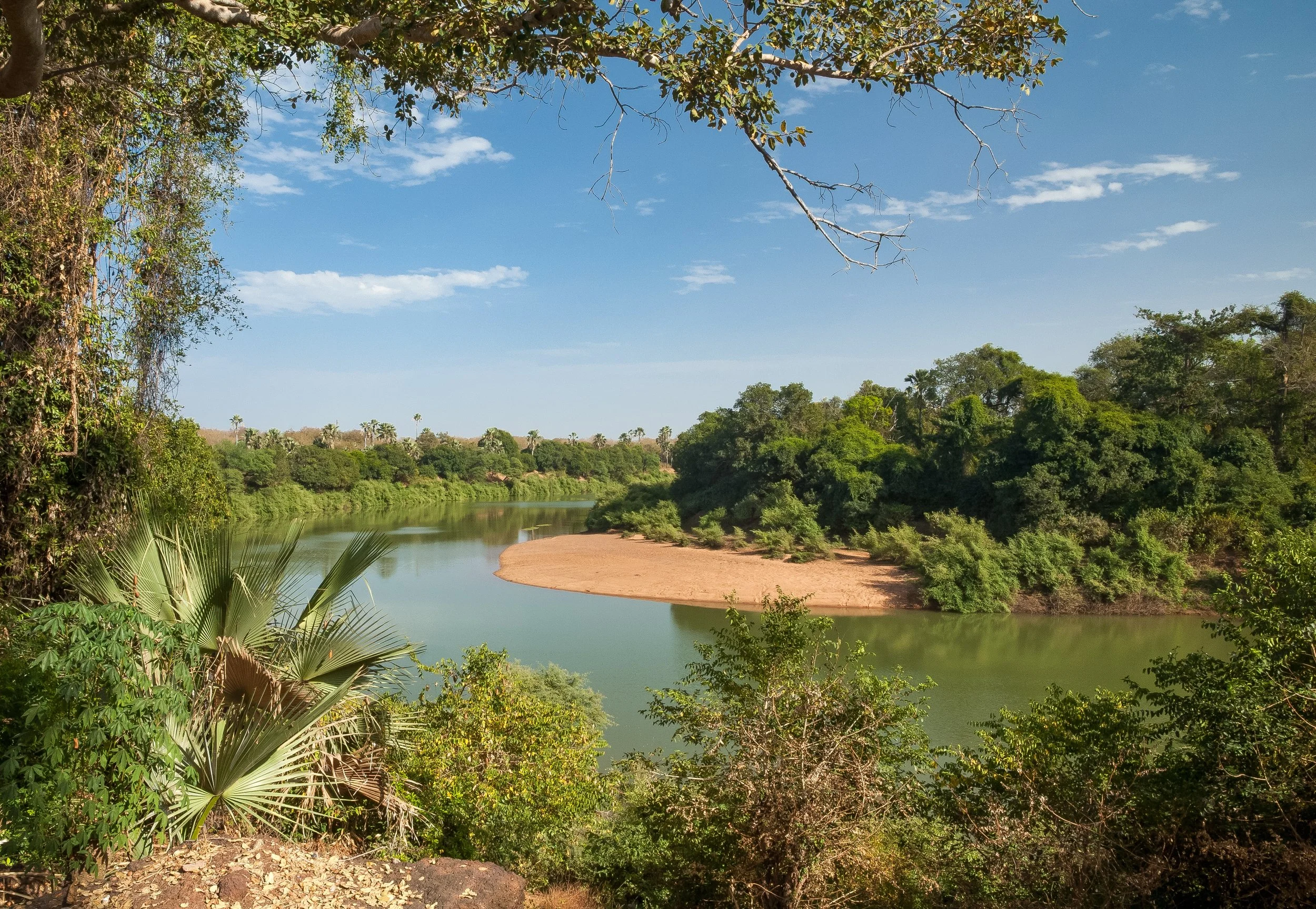
Gambia River in the Niokolo Koba National Park.
Over the past decade, we've built a strong working relationship with the government of Senegal, formalized through a long-term agreement with the DPN to strengthen park management and security. We provide direct support to ranger teams for effective large-scale patrols, the rebuilding and expansion of the park’s infrastructure and intensive ecological monitoring, including monitoring of lions using GPS-satellite collars. Program activities started in 2017, and in just a few years, our support model has resulted in the doubling of lion numbers, positive population trends for large prey, and the first elephant records in a decade. We have also rehabilitated more than 250 km of roads and created more than 40 km of new ones, as well as a new ranger post and operations base equipped with a hangar, airstrip, and surveillance plane.
In 2025, The Global Environment Facility (GEF) approved US$1,258,700 for a new initiative led by the International Union for Conservation of Nature (IUCN) in Senegal. The initiative aims to support biodiversity conservation, ecosystem restoration, and community resilience in the Niokolo-Koba National Park (PNNK) landscape.
Management and Security Needs
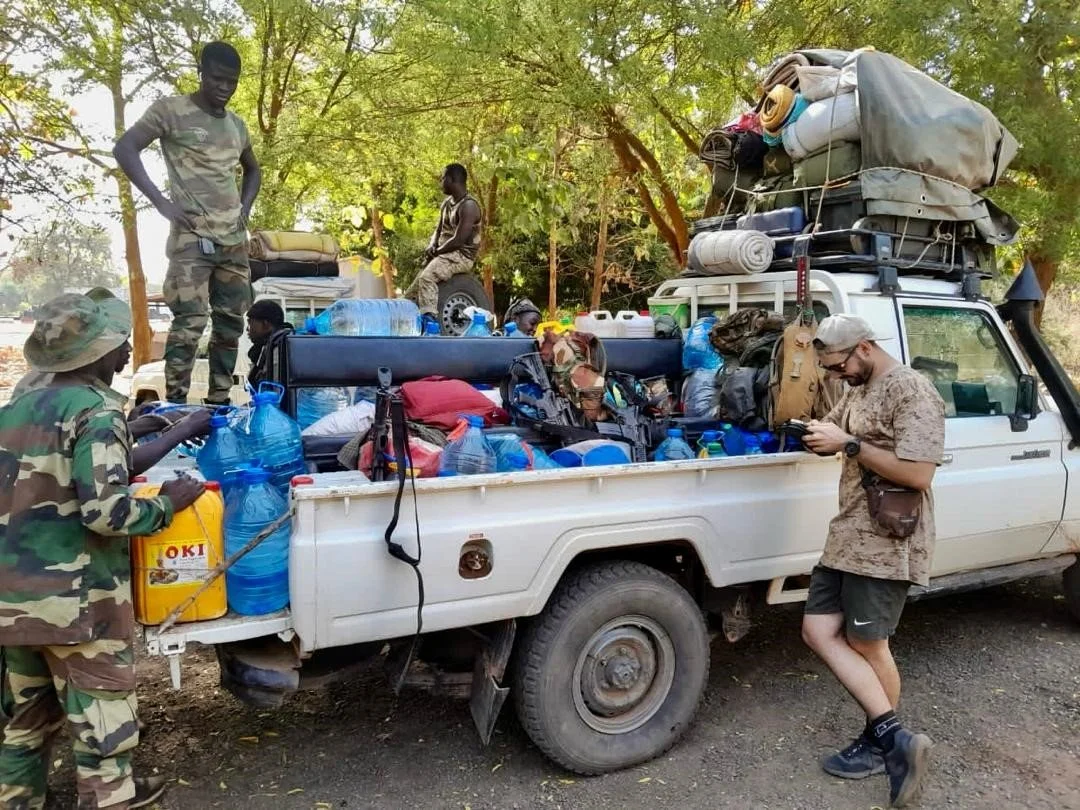
The park is managed by an administration under the direct supervision of the State through the Ministry of Environment and Nature Protection and the National Parks Directorate. In 2002, a development and management plan was elaborated.
The property, inscribed into the List of World Heritage Sites in Danger in 2007, is subject to many pressures, such as poaching, bushfires, the premature drying up of ponds and their invasion by plants. Added population growth and poor soil in the surroundings have led to encroachment on agricultural land and livestock wandering in the park.
The priorities for the protection and management of the property are thus to implement urgent measures to halt poaching, improve the park’s ecological monitoring program, develop a plan for the survival of endangered species and address the premature drying up of the ponds and their invasion by plants or find alternative solutions, and minimize the illegal movement of livestock. It is also necessary to improve cross-border cooperation and measures to protect buffer zones and ecological corridors outside the park.
In 2009, Philipp Henschel from the Panthera Lion Programme embarked on a mission to survey the last strongholds of the West African lion. It had long been known that lions and other wildlife were in worse shape in West Africa than in Southern and East Africa. Still, the lion conservation community didn’t know how serious the situation was. Philipp surveyed 21 parks and reserves, and his findings were startling. Lions persisted in just four protected areas in West Africa, and the remaining numbers, even in those parks, were low—well below 500 animals across the entire region.
Poaching, bushfires, ponds drying up too quickly, and plant invasions are only a few of the threats facing the property, which was placed on the 2007 List of World Heritage in Danger. Livestock straying into the park and agricultural land being encroached upon are further consequences of population increase and bad soil. The property's protection and management priorities should be to end poaching immediately, strengthen the park's ecological monitoring program, devise a strategy to ensure the survival of endangered species (perhaps by preventing the ponds from drying up too quickly or preventing plant invasions), and reduce the illegal movement of livestock. Extending efforts to safeguard buffer zones and biological corridors outside the park's borders is also crucial. With the help of development partners, protecting the property should be a top priority for the national government's policies, projects, and budget in order to ensure its good management in the long run.
Highlights
Critical Lion Recovery—now with 40-50 known lions, up from just several a decade ago.
GC supports the expansion of Ranger Patrolling Teams, Stations, and Coverage across the national park.
Ideally, the GC Project will reintroduce elephants, which will also help lions, leopards, antelopes, and the whole wildlife chain in the region.
Previous Results 2022—Present
Starting in 2022 through 2023, GC supported additional Elite Ranger Teams to foster Lion Recovery. Rangers patrolled 5,500 km on foot and 12,600 km on vehicles. This led to the detection of 22 poacher camps, 34 poacher trails, and 9 livestock encroachment events. A total of 15 poachers were arrested and prosecuted, with a total of 21 weapons confiscated.
Rangers benefited from continuous training in data collection and navigation using CT5 units and GPS, as well as training delivered by military advisors from the UK.
Panthera deployed a full camera trap grid across the entire 9,000 km² park, in what is likely the biggest camera trapping effort ever conducted in West Africa. All camera traps were placed by DPN ranger teams accompanied by Panthera technical staff, reaching many remote areas of the park that had never been patrolled in the past. Besides delivering important baselines on wildlife distribution and numbers, these large, park-wide systematic camera grids really oblige patrol teams to repeatedly cover the entire park with patrols and are very effective in curbing poaching activities.
This GC Project is aimed at restoring the population of lions inhabiting NKNP to support national park and community protection, which has already resulted in an 87% decrease in poaching and other illegal activities in the pilot area (25% of the park) where Panthera has been uninterruptedly working since 2017.
With LRF and GC’s support, Panthera expanded the surveillance and wildlife monitoring-related activities executed in the pilot area to the entire park in 2021, revealing encouraging signs of lion recovery, with 29 adult and sub-adult lions inhabiting the park that year.
As a result of expanding and intensifying law enforcement efforts, patrol distance has increased 5-fold since the start of the program and signs of poachers have dropped by 87% in the pilot area. Furthermore, lion numbers have doubled to 40-50 by the end of 2024, putting us on track to exceed 100 lions by 2030.
In an effort to provide staffing and coverage for the entire park, Mobile Brigades have been deployed throughout the park using rotational shifts. An operational SMART database and analysis system fed by patrol and camera trap data is also in place to inform law enforcement planning.
Challenges
A 2006 census carried out by the African Parks Foundation found that populations of hartebeest, buffalo, kob, waterbuck, and roan antelope had each declined by more than 90 percent compared with a 1990-91 baseline. Elephants, lions, leopards, and wild dogs were all reduced to fragments of their historic numbers. Among them: West African lions, which the park's first systematic survey (carried out by Panthera in 2011) counted at only 10 to 15 individuals. Panthera, the global wild cat conservation organization, would return formally in 2017 under a long-term partnership with Senegal's Direction des Parcs Nationaux (DPN). That partnership is the proximate cause of nearly everything that followed.
The high turnover rate of rangers in the park is one of the main challenges we have faced and its impact has been even greater due to the unusually long time that the replacement of the rangers is taking and the subsequent delay in the creation of new mobile brigades.
One hundred new rangers were assigned to the park in June 2023, meaning that we will be able to create two new brigades by mid-July (five brigades in total).
GC Supports Lion Recovery
New video footage reveals the birth of three kittens by a lioness in one of the world's rarest lion populations, increasing hopes that the critically endangered big cat can be saved from extinction.
In March 2023, we obtained beautiful footage of a Critically Endangered West African lioness and her three cubs as they nurse, play, and feed just steps from a remote video camera in the Niokolo-Koba National Park (NKNP). This footage and documentation of new lion life in the park indicates the tremendous recovery of a population on the brink of extinction. Now considered the matriarch of NKNP, ‘Florence’ is the 9 to 10 year-old lioness featured in these clips and was the first lion ever collared in Senegal in 2021 by Panthera and Senegal’s Department of National Parks (DPN).
The effort by conservationists is succeeding, with strong indications of restoring lion and prey populations and a progressive expansion of anti-poaching coverage. Niokolo-Koba is crucial, as the West African lion is Critically Endangered.
Along with many other noteworthy features, it is home to the only remaining population of wild dogs in West Africa, the only population of the Critically Endangered Lord Derby eland in West Africa, a sizable population of chimpanzees, and the greatest number of leopards (about 400) in West Africa. There is also a large hunting block adjacent to it, into which Panthera could expand their work one day, making the park even more important.
Given that the WAP complex is in danger in Benin, Burkina Faso, and Niger, Niokolo-Koba assumes enormous significance for West African lions. Only four populations survive, two of which (in Nigeria) are in danger of becoming extinct locally. The largest population, the WAP, is also under intense political pressure.
In contrast to their relatives in the south, west African lions are all but extinct. Their ancient range has been limited to four populations, which are still present in Nigeria, Benin, Niger, and Burkina Faso. Scientists estimate that between 120 and 374 still exist in the wild.
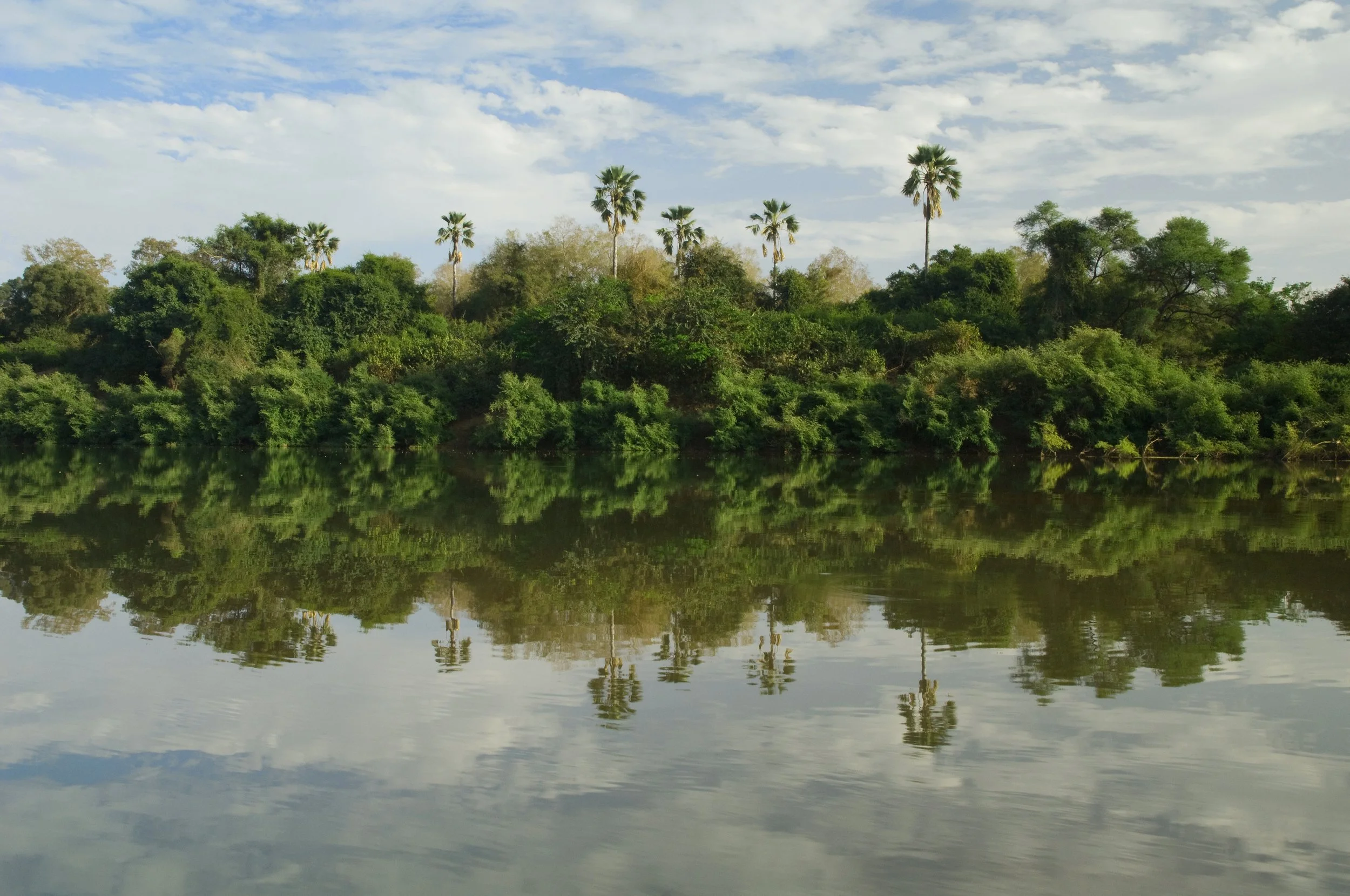
Only 29 exist in the forests surrounding the tributary to the Gambia River in Senegal's Niokolo-Koba national park, and they are in danger from poaching and habitat loss brought on by farming. Conservationists now have optimism for the lioness and her three cubs' survival thanks to recent footage of the family.
Florence has contributed approximately one third of the park’s lion population and serves as the critical driver of West African lion recovery in one of this big cat’s last strongholds. Panthera Central and West Africa Regional Director Dr. Phil Henschel hailed the birth of these new cubs as a significant milestone in the future of West African lions, of which 120 to 374 are estimated to remain in the wild.
Wild Cat Species in Niokolo-Koba National Park
Lion
Leopard
Serval
Caracal
African Wildcat
DPN Mobile Anti-poaching Brigades
While DPN has many rangers, they are critically short of operational funding. A key focus is to secure resources necessary to allow for the rollout of regular patrols. Panthera initially focused their work on a 579 sq. mile intensive protection zone (IPZ) while they scaled their resources up. The first step taken was to equip, train, and deploy two mobile anti-poaching brigades within the park while simultaneously working to improve road access and to fix up critical infrastructure, such as ranger housing. Such was the intensity of illegal activity in the park; the early results were astonishing. The two mobile anti-poaching teams located 30 poacher camps and made numerous arrests in the first six months. After securing the IPZ, Panthera was invited to work in the remainder of the park. Over time, they gradually scaled up their efforts to support DPN, which allowed them to protect an increasingly significant proportion of the park.
The success of Panthera’s work rests on a solid and genuine partnership with DPN. Two senior DPN officers, Commandant Assane Kandji and Captain Lang Halima Diedhiou, have been seconded to the Panthera team, respectively, assuming the roles of Head of Park Operations and Head of Anti-Poaching Support in the joint Panthera-DPN team, ensuring a strong working relationship. Their skill and dedication are a massive boost to the park.
Additionally, Panthera has trained an impressive team of other Senegalese staff. For example, Mouhamadou Mody Ndiaye is Panthera’s survey coordinator, heading up a very intensive survey effort involving camera trap grids that extend across the entire park. Mouhamadou’s job is to roll these out with a biannual frequency: one year, the grid is rolled out across the whole park to look at the occupancy and frequency of capture of all wildlife species. In the second year, camera trapping is done specifically to survey large lions and other large carnivores.
This work has enabled Panthera to document changes in the population size of lions (and some other species, where individuals are easily identified from coat patterns) and in their distribution within the park. They found that the number of lions has steadily increased to at least 40 individuals and that the distribution of most wildlife species has grown dramatically within the park as a more significant portion of it has come under effective management. Panthera also uses SMART law enforcement software to monitor patterns in illegal activities in the park over time and space. SMART data has shown that poaching has dropped over time, allowing wildlife populations to recover.
GC has supported Panthera’s work in Niokolo-Koba National Park since 2022, along with LRF, Ayers Wild Cat Conservation Trust, Fondation Segre, Global Wildlife, and others.
Since 2022, Panthera has increased the number of mobile teams to three and then to six, which has had a massive impact on poaching in the park. Much remains to be done, as the park is huge and ideally needs another four mobile patrol teams. In addition, Niokolo-Koba is part of a larger complex of protected areas within Senegal and in neighboring Guinea Conakry, all of which need urgent support. The case for investing in conservation efforts in the Niokolo-Koba ecosystem is compelling.
The northern lion subspecies is considered Endangered, and the West African clade is likely to be declared Critically Endangered.
With the unrest affecting WAP and the uncertainty of the status of lions in Kainji Lake National Park, Niokolo-Koba assumes outsize importance. The park also contains West Africa’s only population of wild dogs—the only population for at least 3,100 miles. An estimated 30 painted dogs are remaining in the park in four packs. The Zoological Society of London has established Project Lycaon to understand the conservation issues facing the remaining painted dogs in Niokolo-Koba and to help protect them. Indeed, the Wildlife Conservation Network’s Painted Dog Fund has already granted this important work. Niokolo-Koba also contains the only remaining population of West African Lord Derby Eland, plus West Africa’s largest population of leopards, a key population of Endangered West African crocodiles, and important populations of many other species, including chimpanzees.
Niokolo-Koba shows how much there is to gain from investing in collaborative management partnerships to support the management of critically underfunded parks. Without such investment, many protected African areas risk being completely extirpated of their wildlife. Luckily, that has not happened in Niokolo-Koba. While the investment came too late for the elephants (just one individual remains in the park), other wildlife species are recovering strongly.
Removal from The UNESCO World Heritage in Danger List
The committee cited several specific reasons for the July 24, 2024, delisting. Monitoring of emblematic species had been significantly stepped up. Anti-poaching surveillance had expanded across the entire park rather than the pilot zone. A mine pollution control system had been installed at the eastern border. Water and soil analysis equipment had been deployed. A formal program to control the invasive shrub Mimosa pigra had been implemented. Senegal had also formally committed to reappraising development plans, including the proposed Sambangalou dam upstream, that had originally triggered the in-danger inscription.
The seven-year arc of improvement, from roughly 2017 onward, mapped almost exactly onto the Panthera-DPN partnership. Other partners played important supporting roles, including the Leo Foundation (which organized a June 2024 ranger training in collaboration with the Great Plains Foundation), the Lion Recovery Fund (which financed the lion population recovery target), the Royal Commission of AlUla (Saudi Arabia), and the European Union-funded BIOPAMA Programme. The 2024 delisting was the result of these layered, sustained interventions rather than any single program. As Panthera's regional director Dr. Henschel put it after the decision, the park retains the potential to be "nurtured into the Serengeti of West Africa" if current investments continue.
The delisting does not mean the threats are gone. The 2024 IUCN assessment still classifies West African lions as Critically Endangered. The African wild dog population in the park remains small enough to depend heavily on the Niokolo River corridor for movement. The Ghost Elephant may or may not have produced offspring. The Sambangalou dam proposal remains live in the regional development pipeline. The invasive Mimosa pigra has been pushed back but not eliminated. What has changed is the trajectory: from sustained collapse across the late 20th century to measurable, monitored recovery across the past decade. The Niokolo Koba model has already begun informing conservation strategies at the W-Arly-Pendjari Complex and other West African protected areas. The next decade will test whether this model is a one-park exception or the start of a regional turnaround.