
GC’s Derawan Archipelago 2025 Annual Report
Introduction to the Derawan Archipelago

The Derawan Archipelago comprises a group of tropical islands situated within Berau Regency, East Kalimantan, Indonesia, and is centrally located within the Coral Triangle.
The unique region is influenced by tropical ocean currents—the powerful branches of the Indonesian Throughflow (ITF) around the Derawan Archipelago, which move warm, low-salinity waters from the Pacific to the Indian Ocean. This advantageous position creates an extraordinary marine environment. As a result, Derawan is considered to have the second-highest coral reef diversity after Raja Ampat and stands as a vital multinational feeding ground in the area.
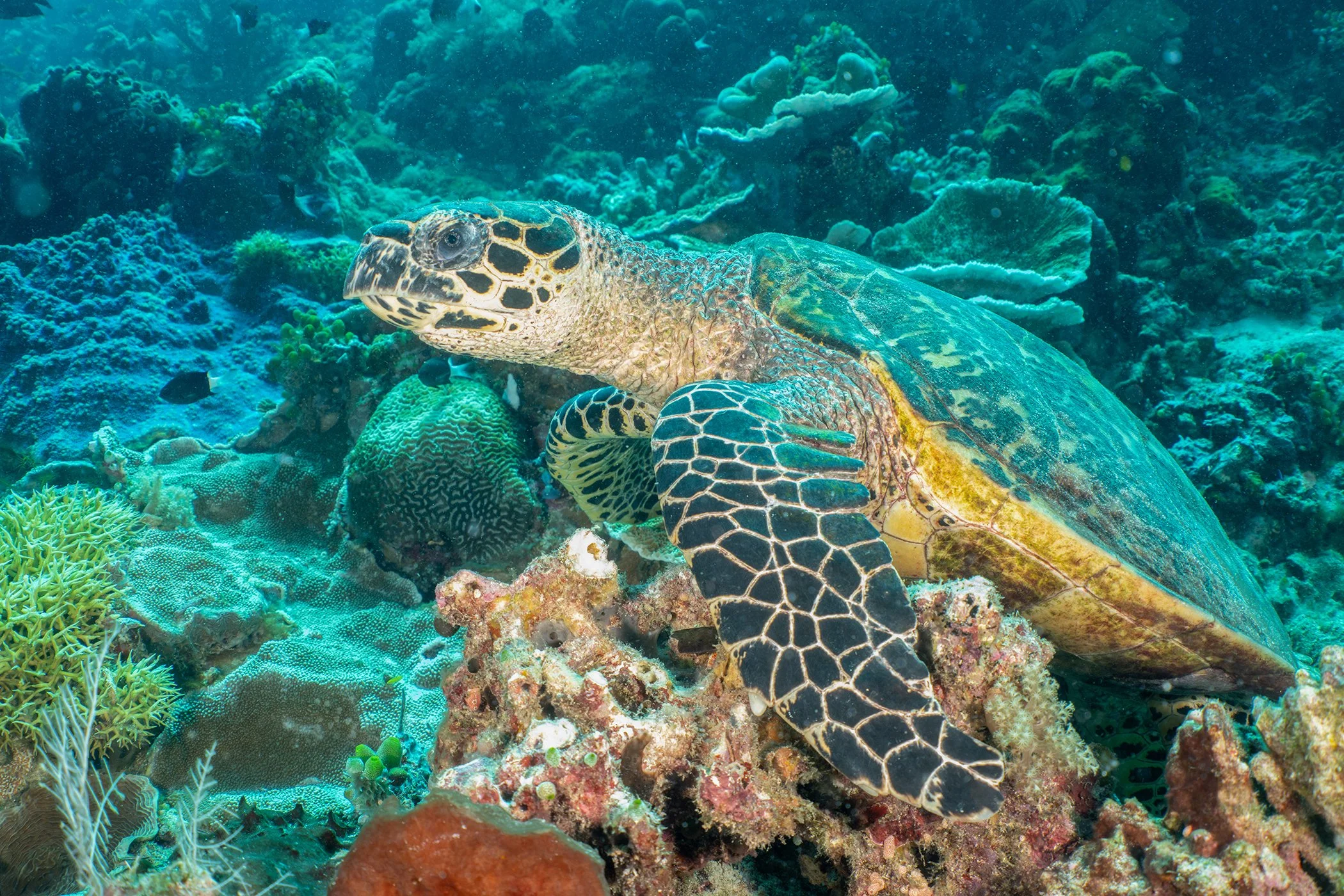
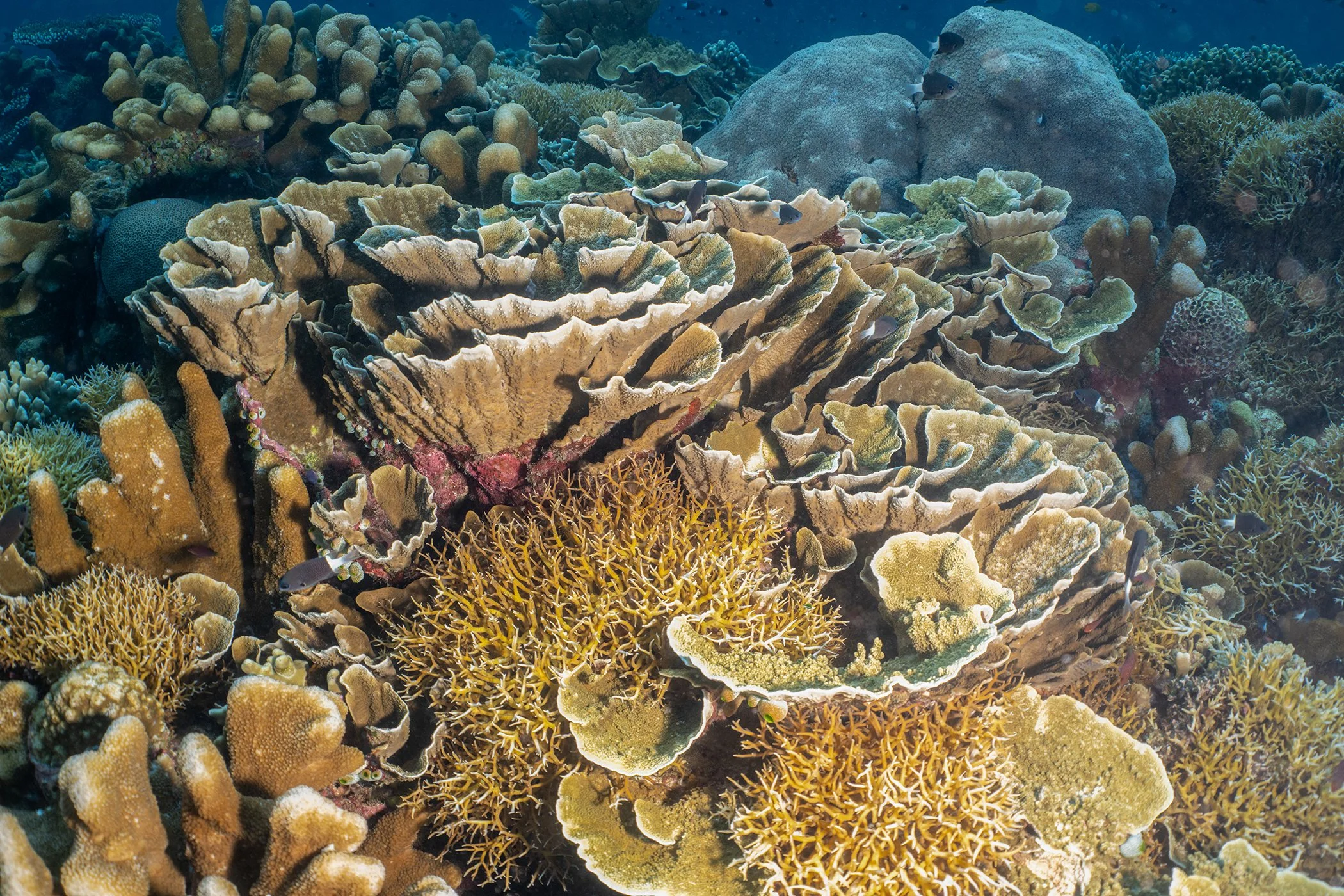
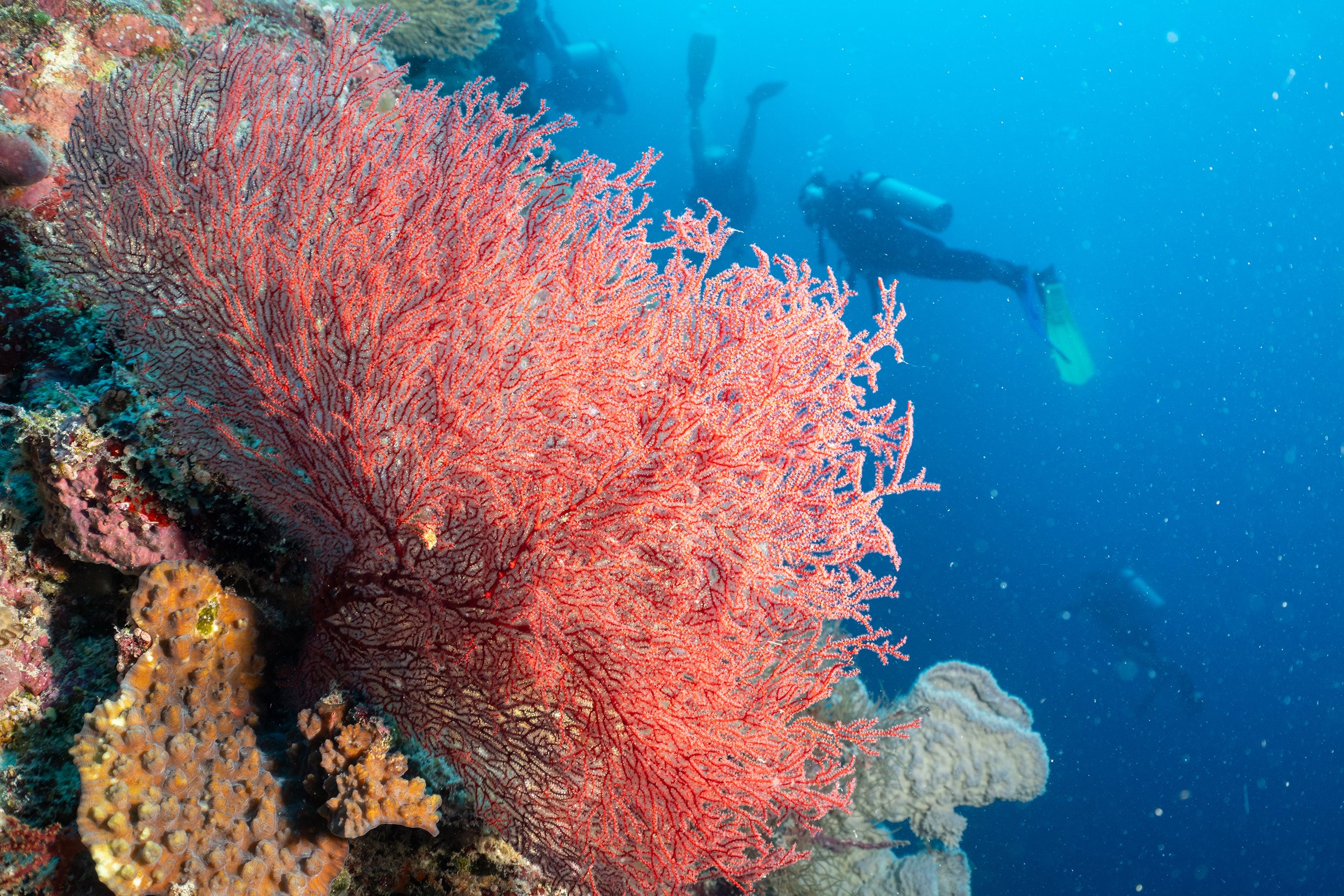
Such environmental conditions nurture an exceptional variety of ecologically significant marine life. Species found here include green turtles, hawksbill turtles, manta rays, numerous shark species (including whale sharks), thousands of reef fish, nearly 500 reef-building coral species, the unique stingless jellyfish of Kakaban Lake, and Irrawaddy dolphins. It also serves as a migration path for large marine mammals like sperm whales, pilot whales, and killer whales (orcas).
Combined, this rich biodiversity has earned Derawan its status as one of the leading Indonesian destinations for underwater activities. Travel providers frequently refer to Derawan as "one of the world’s most breathtaking underwater paradises," with sites like Kakaban, Sangalaki, Maratua, and Derawan Island being popular among both Indonesian and international tourists.
Global Conservation Signs Deal to Support the Protection of the Derawan Archipelago Against Illegal Activities
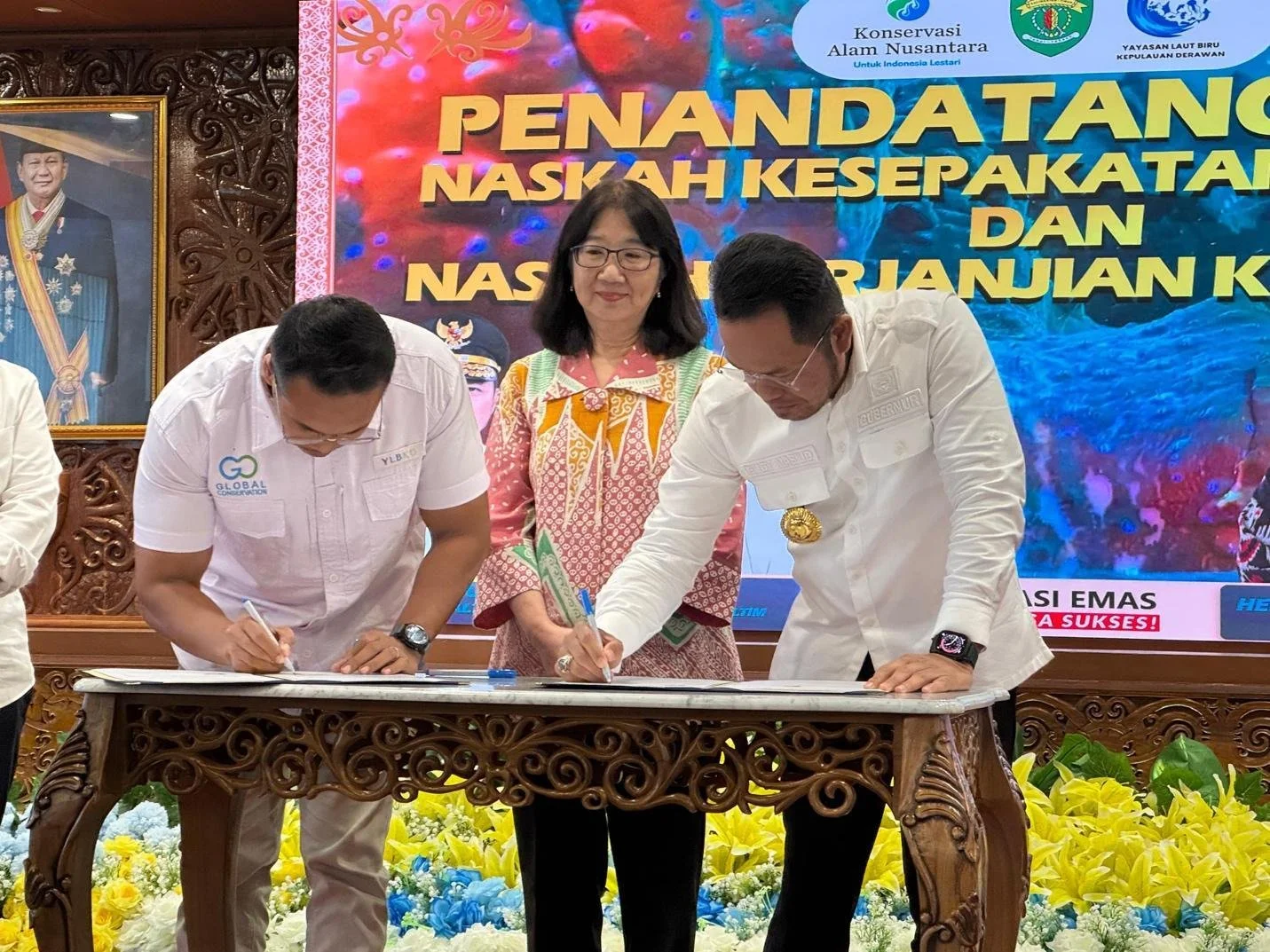
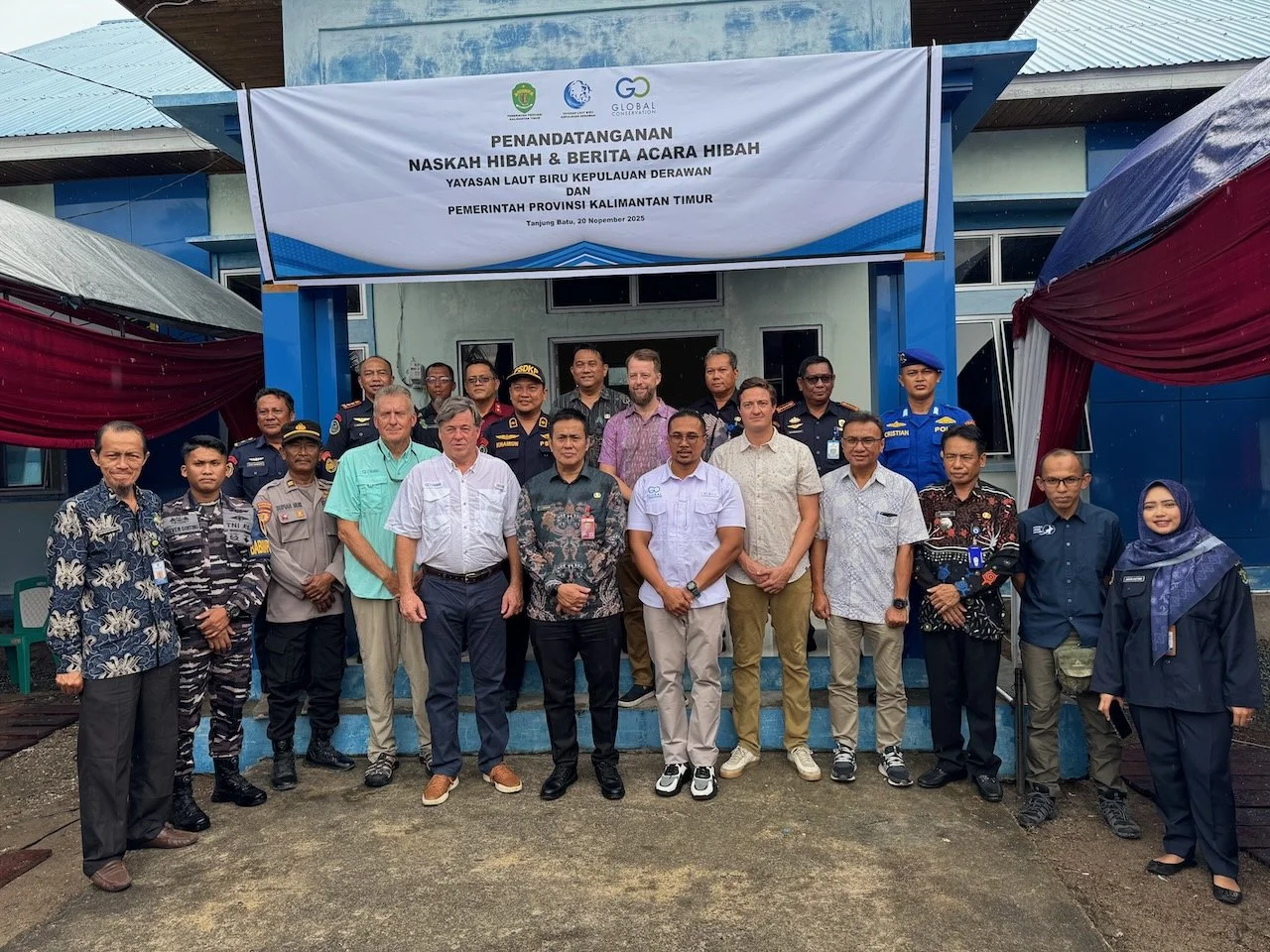
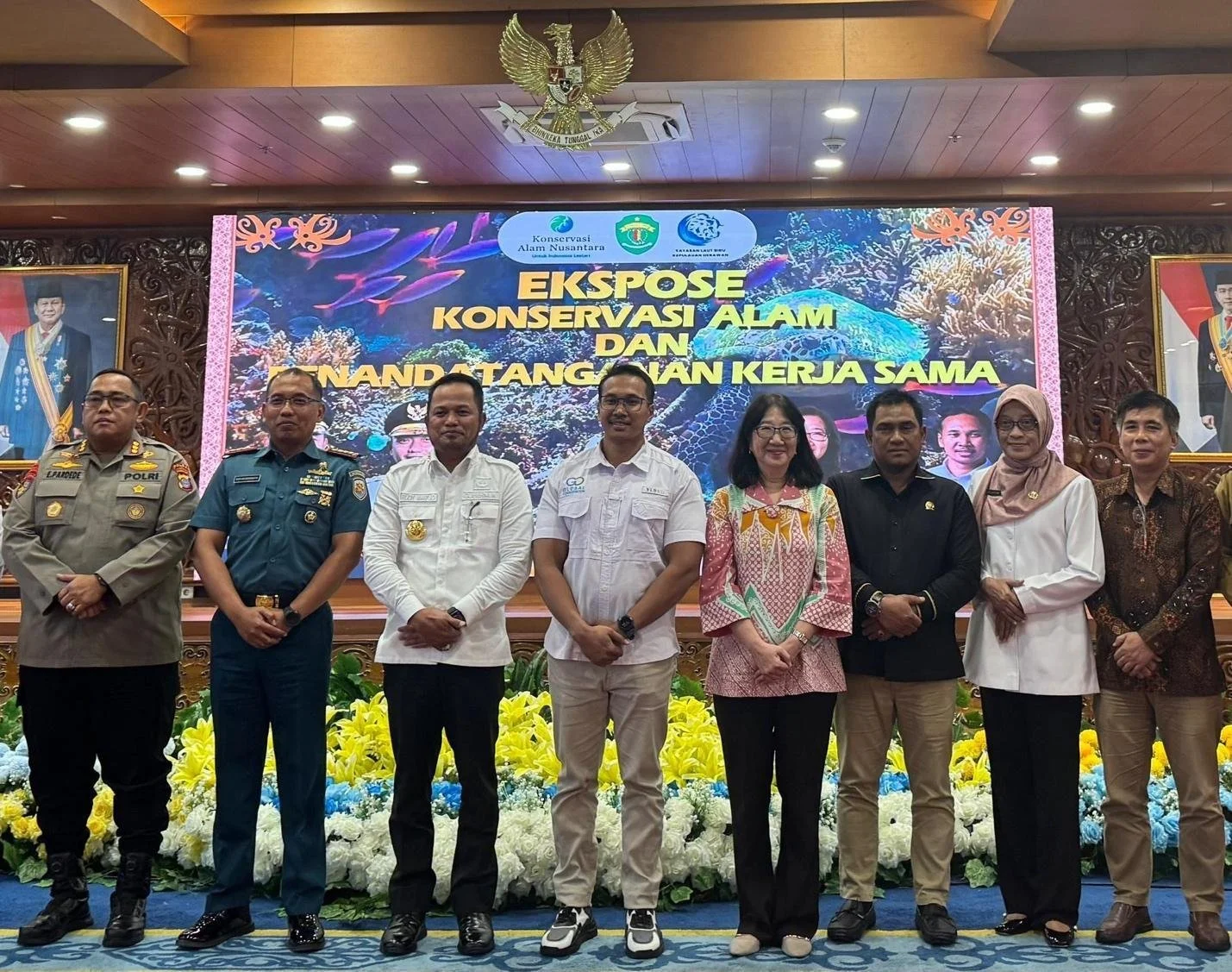
Through our local agency in Indonesia, Yayasan Laut Biru Kepulauan Derawan (YLBKD), we have officially signed an agreement with the East Kalimantan (EK) Government. The MoU was signed by the GC Director for Indonesia, Dr. Dadang Mujiono, and the Governor of East Kalimantan, Dr. Rudy Mas’ud.
This agreement focuses on protection support, particularly the deployment of Global Park Defense from GC to the EK Government for conservation areas across the region, beginning with a pilot project in the Derawan Archipelago.
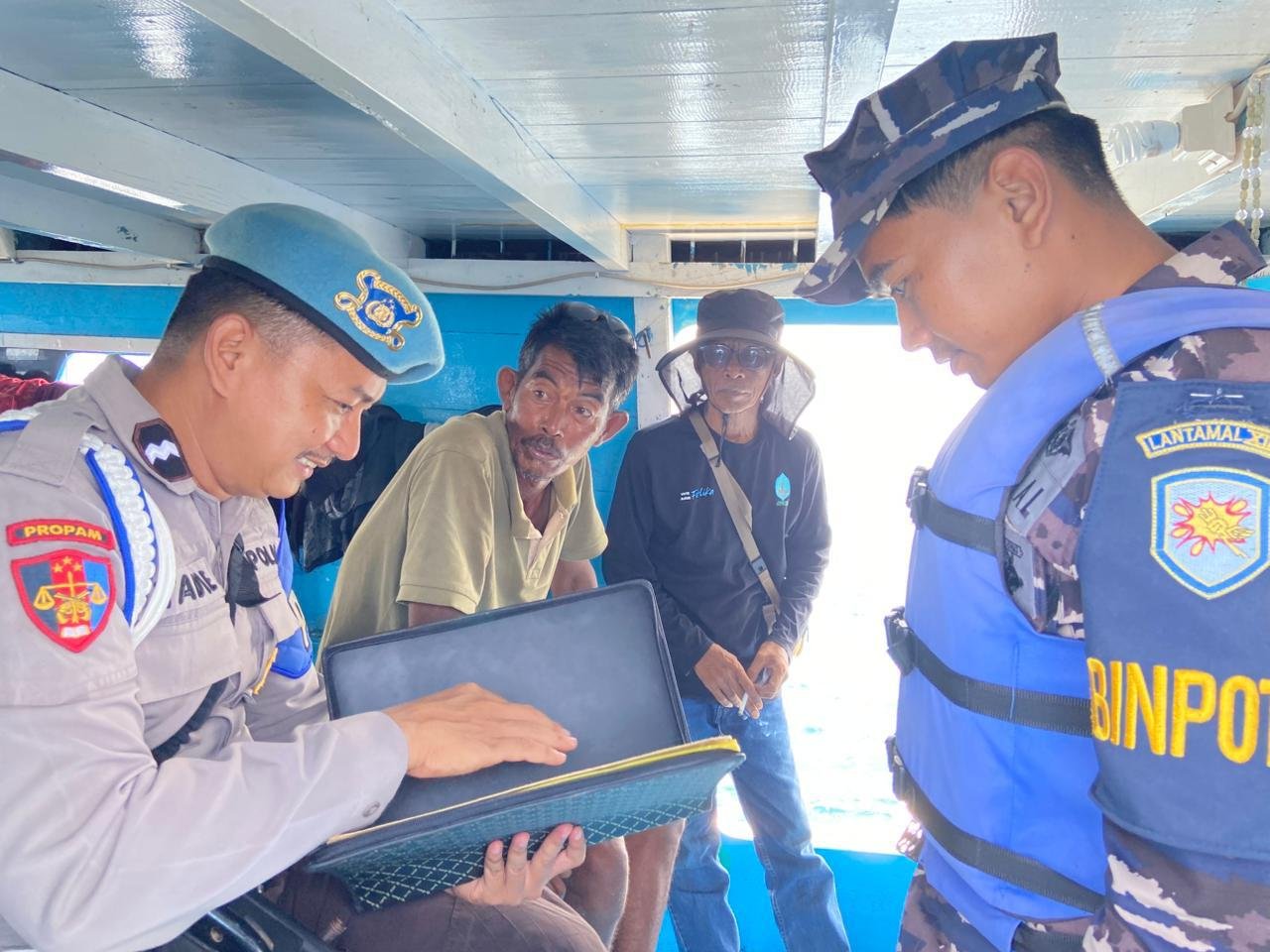
Under the joint coordination of the EK Government and GC, the EK Department of Fisheries and Marine Affairs (DKP) will now lead the protection of this UNESCO-nominated heritage site—the Derawan Archipelago. DKP fisheries supervisors will work closely with Marine Police and Navy officers to safeguard Derawan from illegal activities.
We also emphasize the importance of strengthening the management of this critical marine protected area (MPA). GC—through its Director for Indonesia and team—is committed to fostering sustainable inter-agency coordination, maintaining ongoing dialogue and negotiation, and building trust among stakeholders. These efforts aim to create a supportive and accountable environment in which all parties are aligned in their mission to protect Derawan’s ecosystem from illegal activities.
The MoU signing ceremony received widespread media coverage across East Kalimantan and Indonesia. Senior officials, including the Director of East Kalimantan Marine Police and representatives of the Chief of Naval Staff, attended the ceremony. Several NGOs based in East Kalimantan, including TNC Indonesia (YKAN), also traveled to witness the event.
Expanded Patrol Coverage
With the broadened geographic scope and stronger community involvement, patrol teams covered more than 4,830.38 kilometers (over 3,000 miles) throughout the year—exceeding the total area of the Marine Protected Area, which spans 280,000 hectares (2,800 km²).
Patrol Highlights
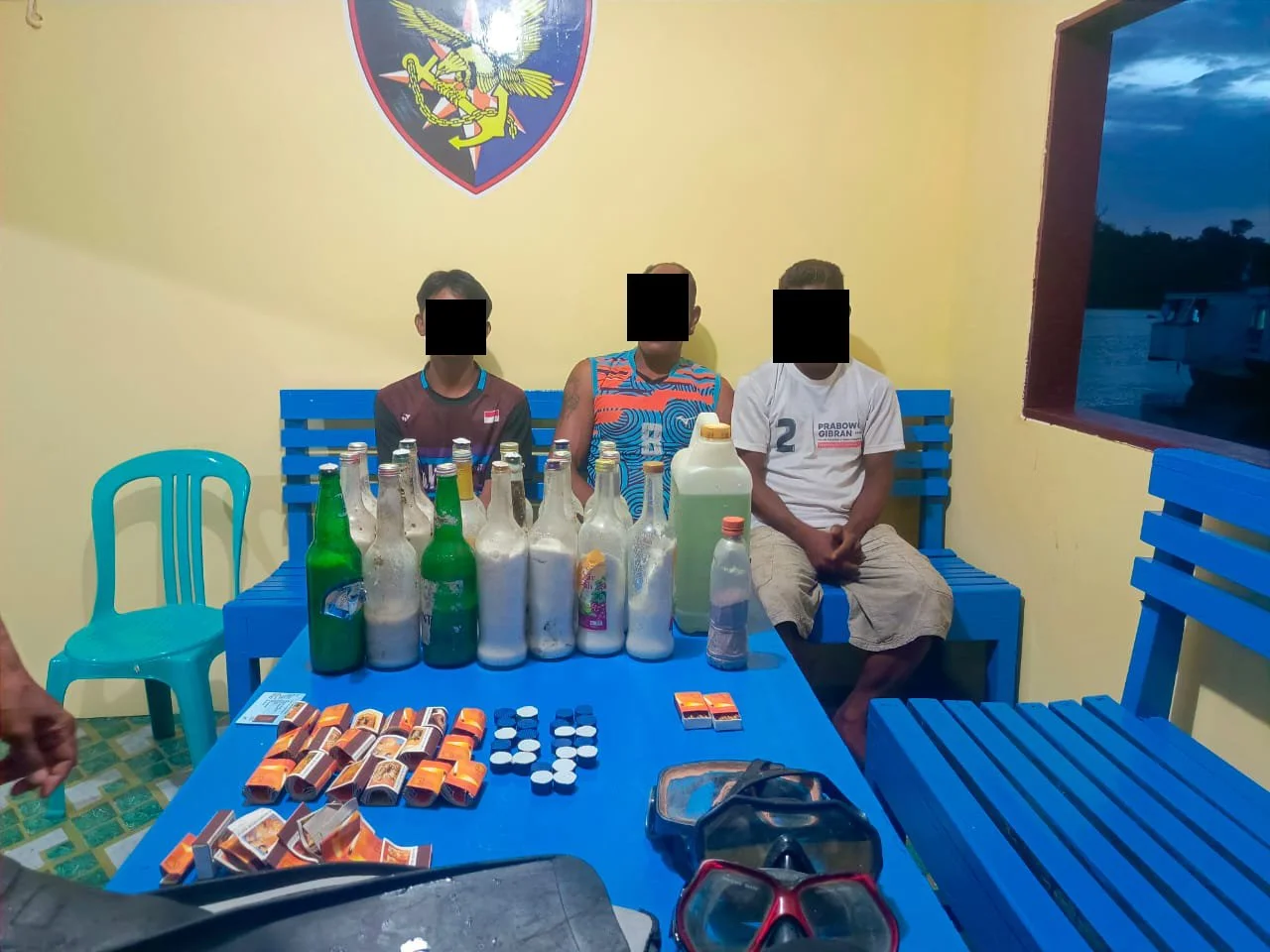
The East Kalimantan Fisheries and Marine Affairs Agency (DKP) continued regular patrols across priority zones. During these operations, officers uncovered active bomb-fishing practices. In parallel, the EK Air and Water Police conducted targeted, intelligence-driven patrols. Their teams intercepted multiple cases of potassium poison (potas) use and apprehended several bomb-fishing operators, marking a strong early-year enforcement footprint.
Our turtle protection team, run by the EK Natural Resources Agency (BKSDA), successfully thwarted an attempt to smuggle turtle eggs. Although the perpetrators fled before arrest, the operation prevented the eggs from entering the illegal wildlife trade.
In addition to that, regular patrols continued stopping another illegal fishing activity. Officers seized a compressor used for potassium-assisted fishing, adding to growing evidence of destructive fishing methods in the region.
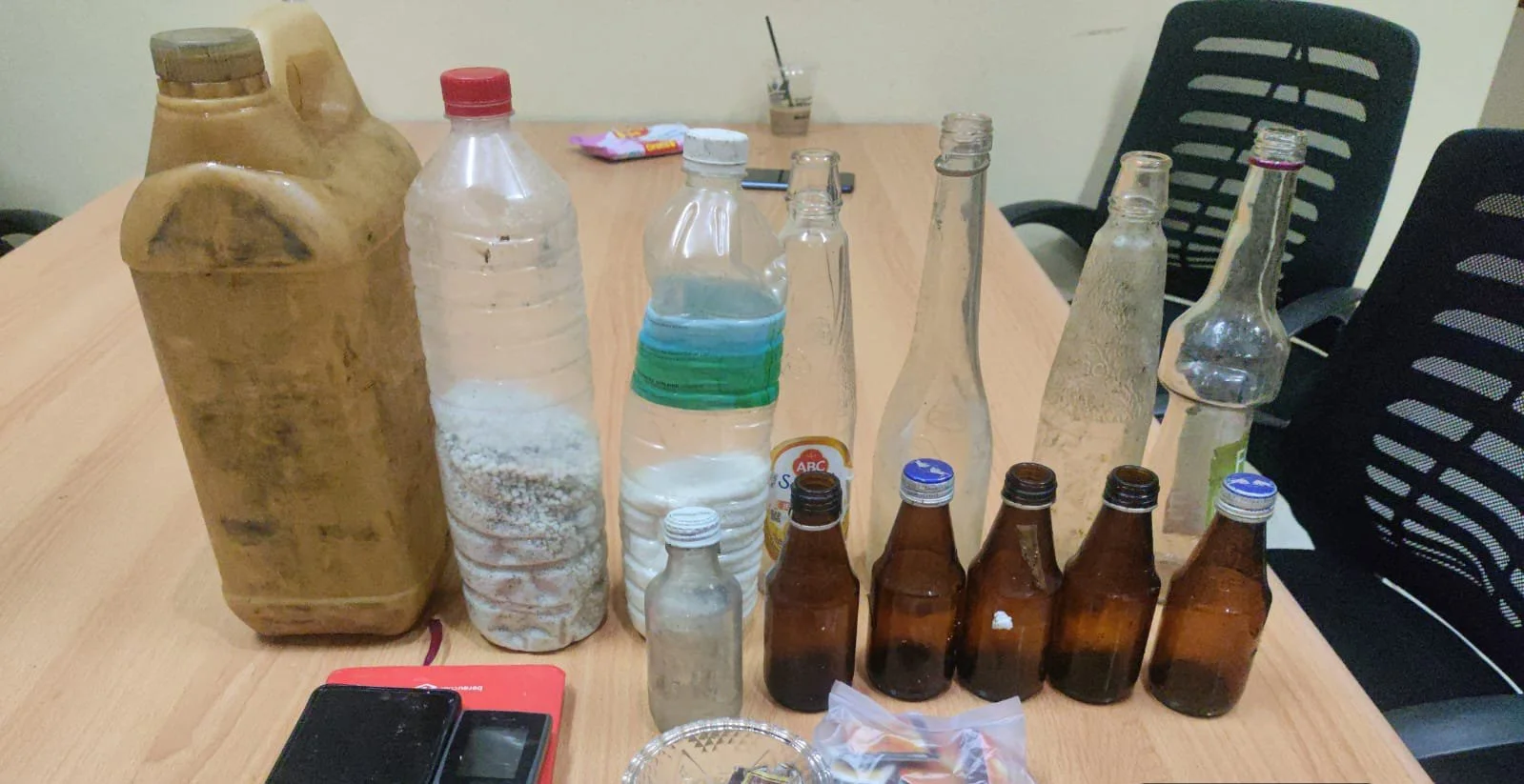
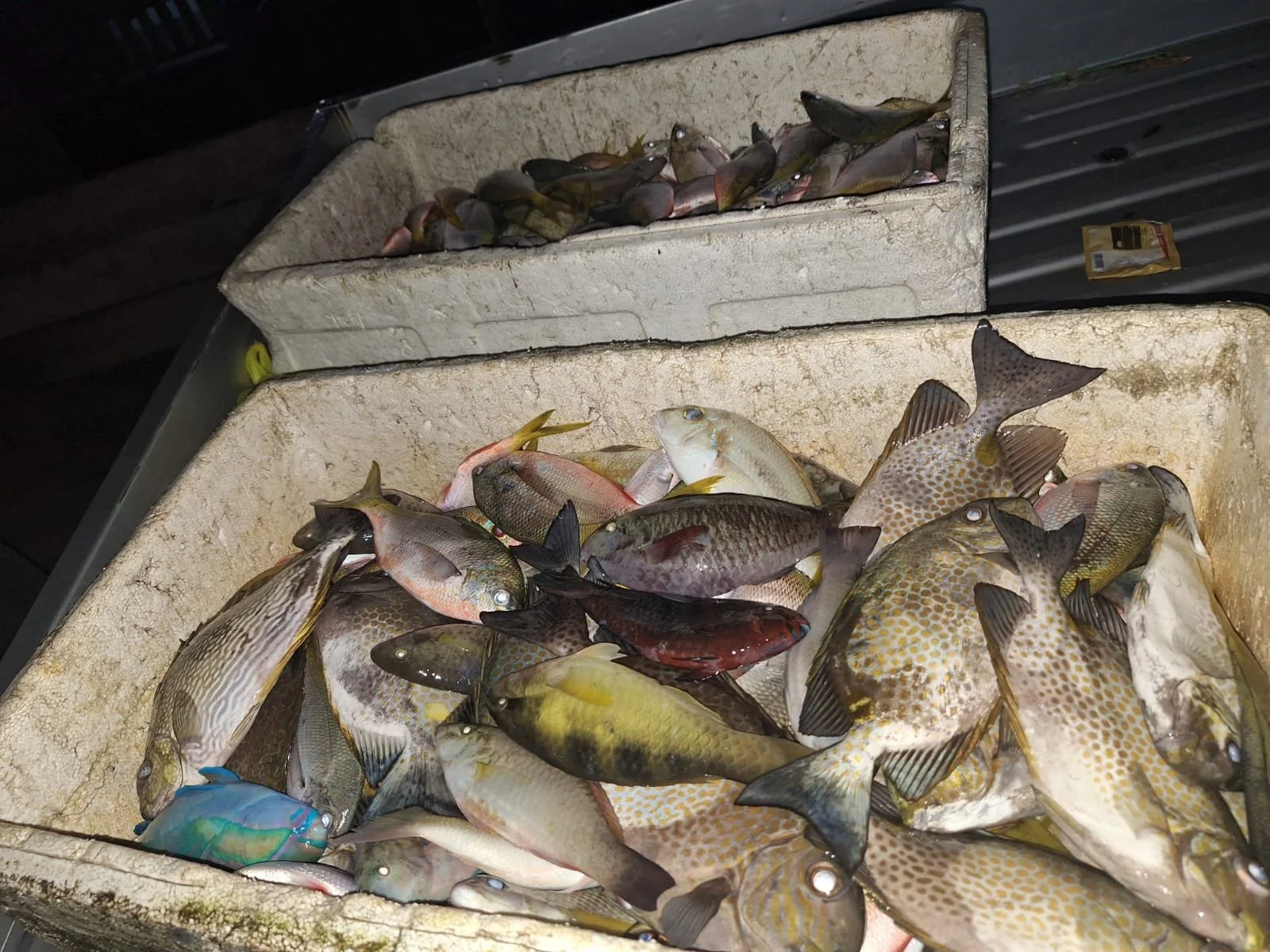
In June, DKP East Kalimantan and Berau law enforcement arrested two fish bombers inside the Semama Island no-take zone. The joint patrol occurred on Sunday afternoon at approximately 04:38 PM. Officers seized:
The operational boat
Glass bottles filled with explosive materials
Detonators
Two boxes of illegally caught fish
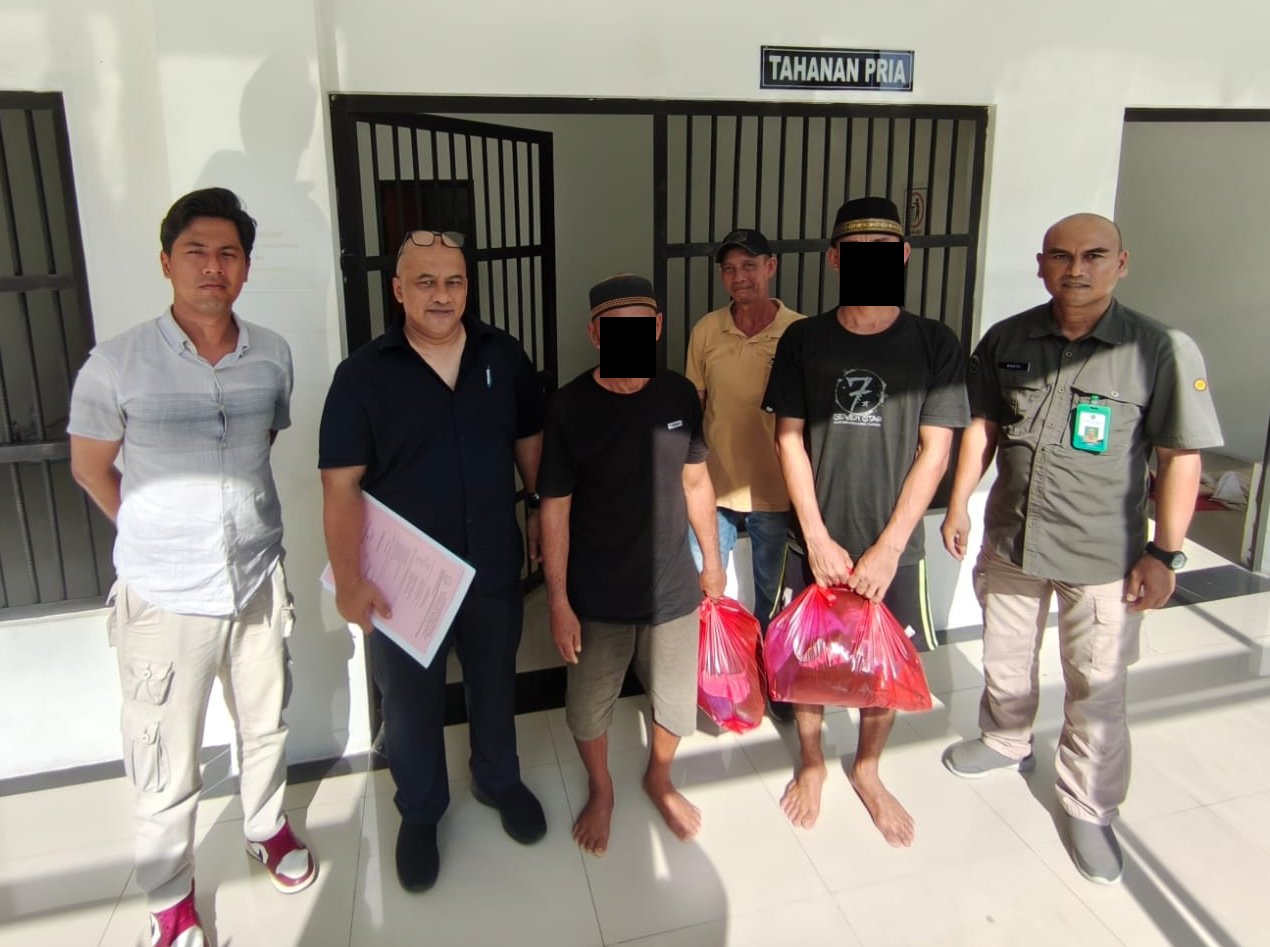
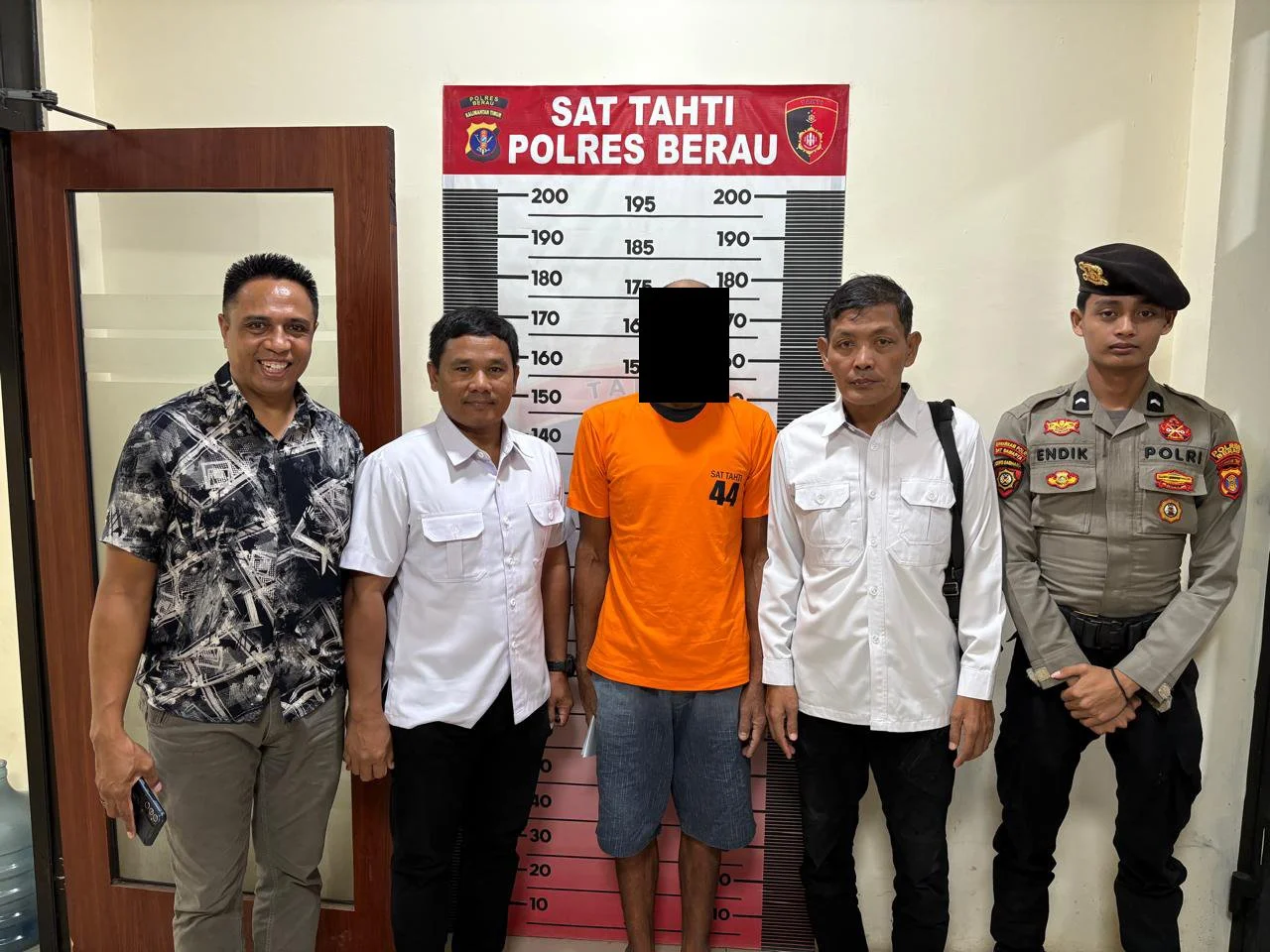
In August, two major IUUF cases reached legal verdicts:
Fish bombers arrested in Semama Waters in June by the DKP were sentenced to one year and four months in prison and fined IDR 5 million.
Fish bombers arrested in Balikukup in May by the EK Marine Police were sentenced to 1 year in prison and fined IDR5 million.
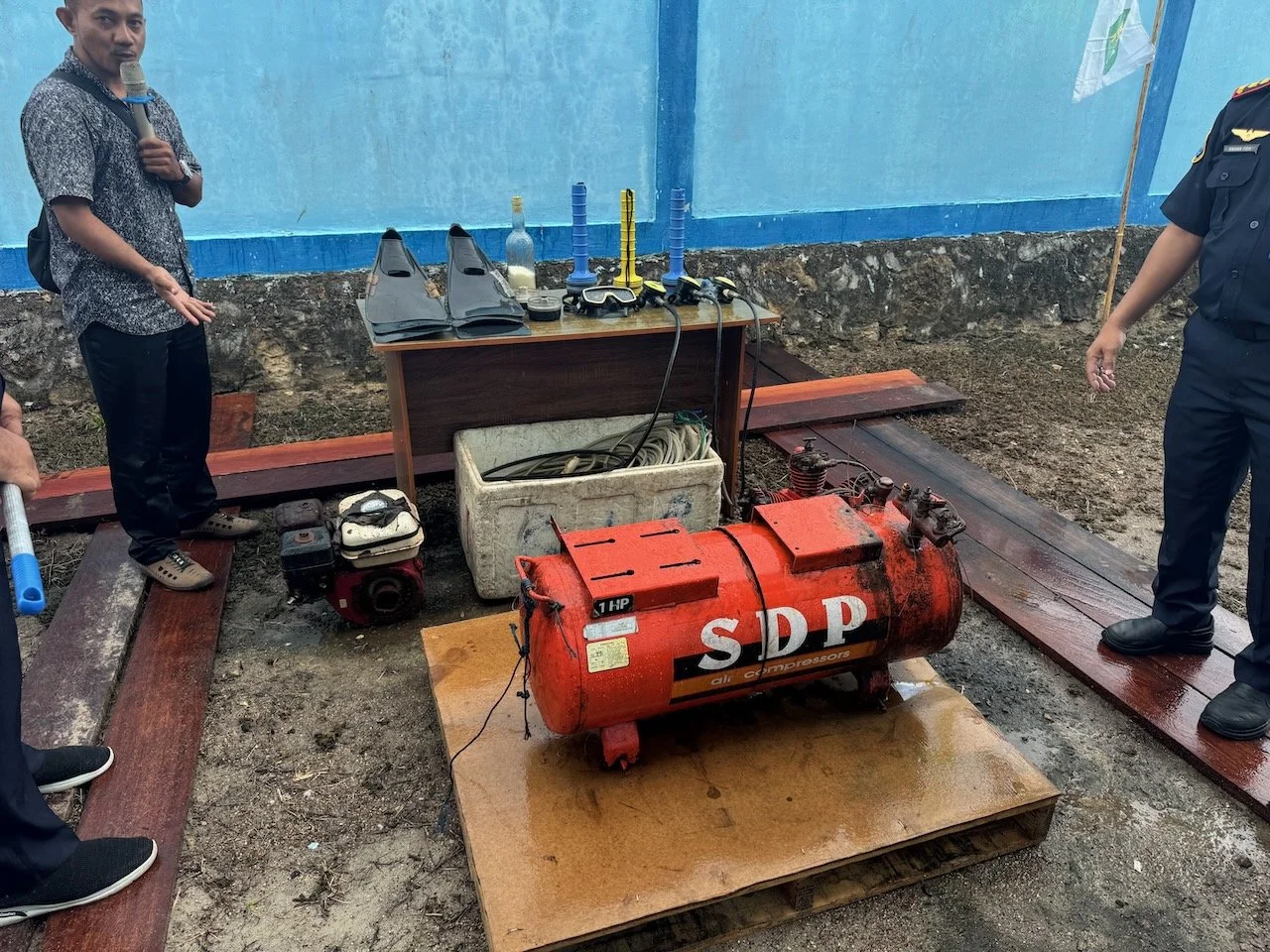
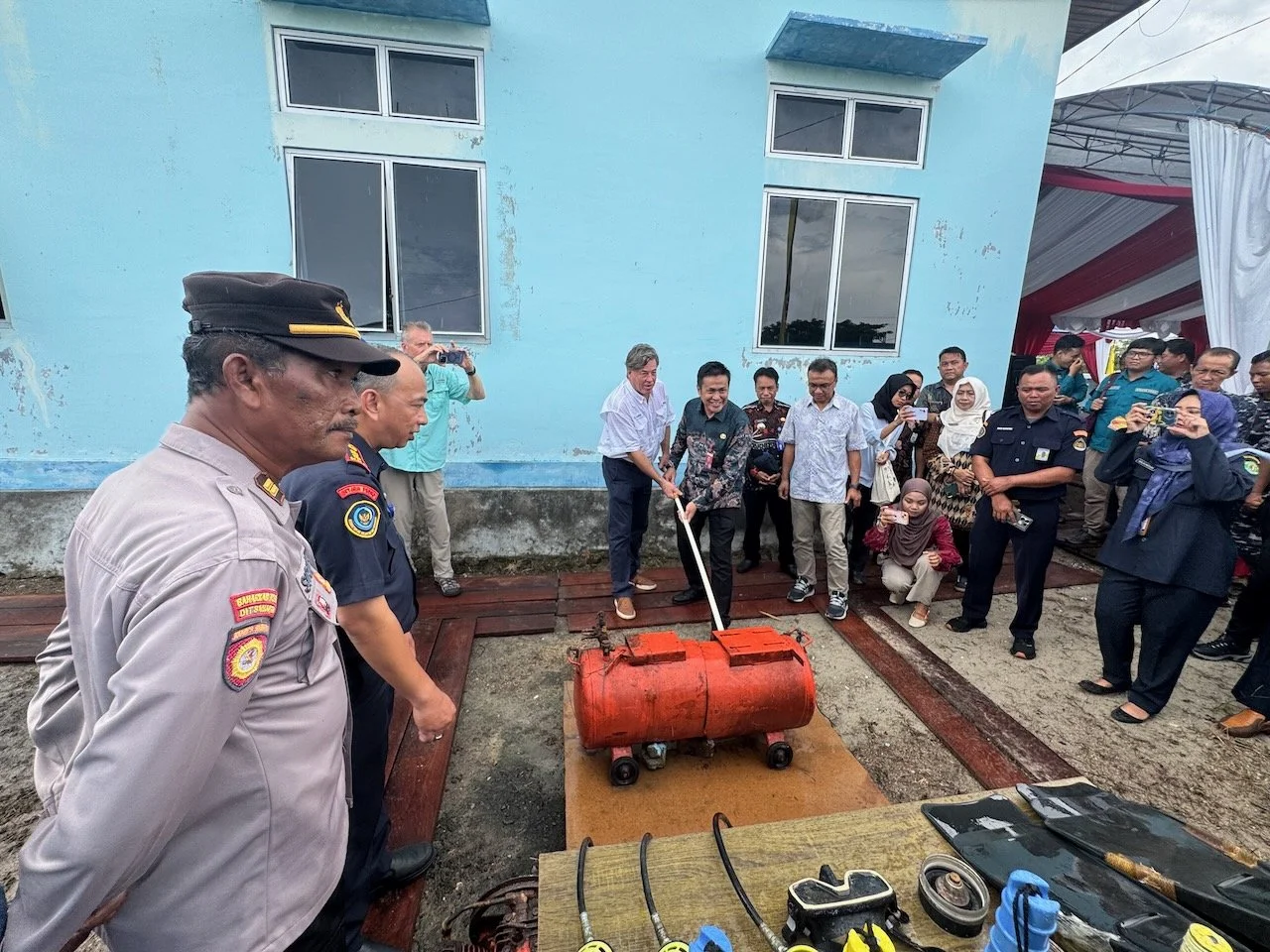
In September, DKP seized another compressor used for potassium-assisted fishing in Tanjung Batu—one of the key hotspots for IUUF in the Derawan region. The repeated confiscations signal persistent illegal activity but also show continuous, proactive enforcement.
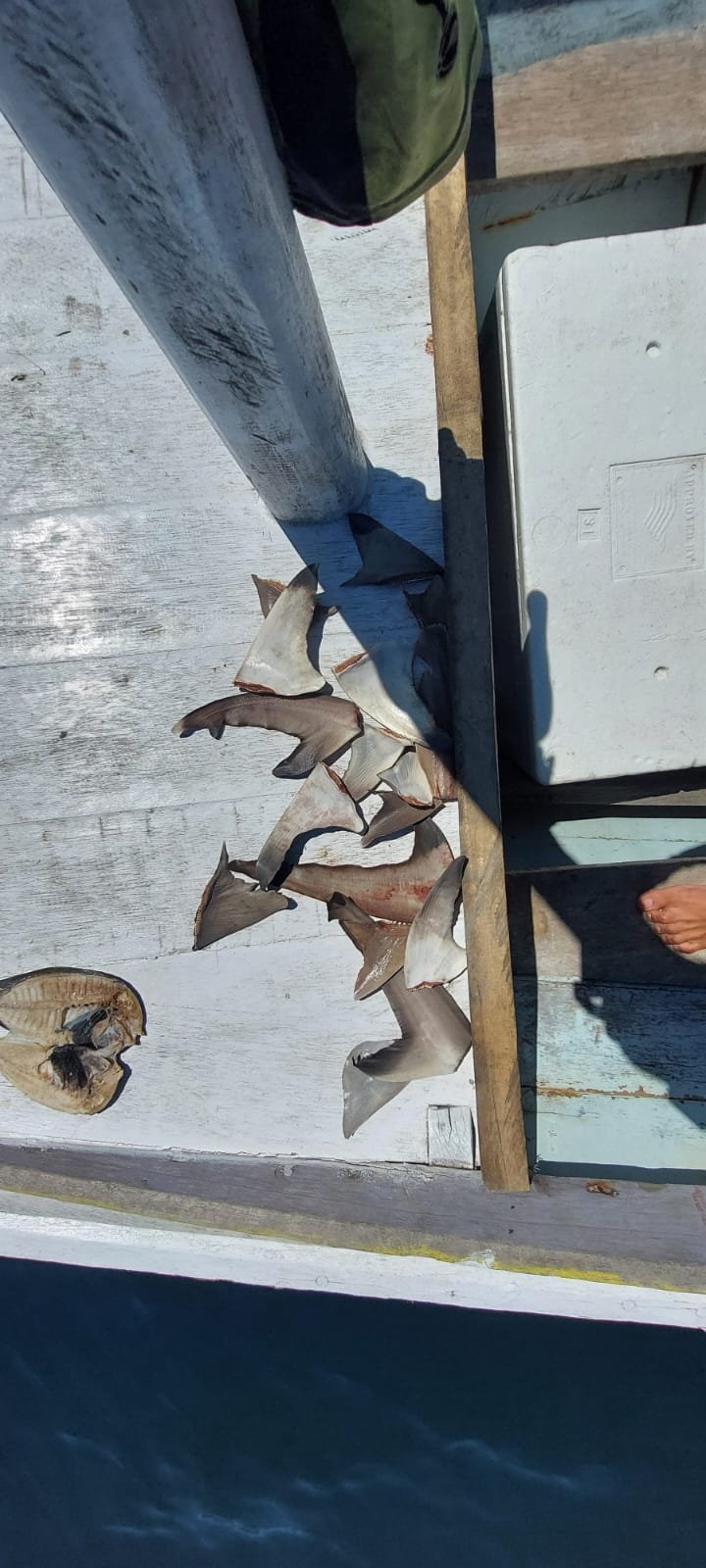
In October, DKP Tanjung Batu intercepted a shark-poaching case in Tanjung Batu's waters. Officers secured the evidence, marking another important step in protecting endangered species in the Derawan Archipelago.
In the closing of 2025, EK DKP documented shark poaching activities by Malaysian fishers in the waters of Baluntung Reefs.
Morphological analysis identified the fins as originating from Nurse Sharks (Ginglymostoma cirratum) and Brown-banded Bamboo Sharks (Chiloscyllium punctatum). Although these species are not fully protected under current Indonesian regulations, shark finning is strictly prohibited. Officials then destroyed the confiscated shark fins. Meanwhile, the poachers were given strict sanctions and expelled from Indonesian waters, as they had entered Indonesia's territory illegally.
Violation Detection And Enforcement
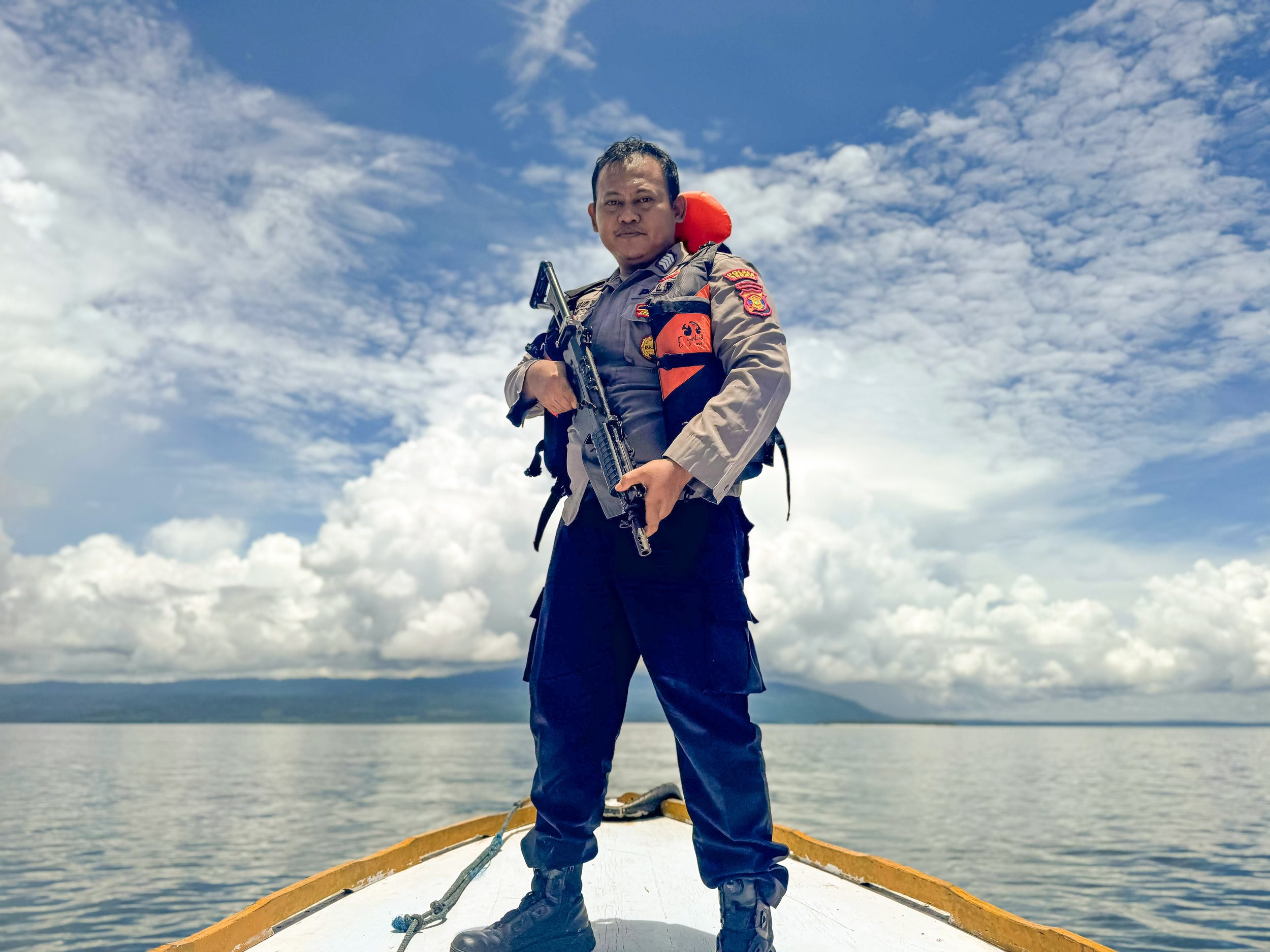
During these patrols, four patrol teams identified more than 75 fisheries violations. The offenses included entry into no-take zones, fish bombing, potassium cyanide fishing, trawling, and shark poaching. Patrol teams responded by issuing verbal warnings and written citations, confiscating fishing gear, and pursuing legal action against offenders.
Based on 2025 sea patrol data, monthly trends reveal three distinct phases over the year. From January to March, no patrol activities were conducted, creating a monitoring gap that accounted for 25% of the year. After patrols began in April, reported violations remained relatively stable and low through September, averaging 3.6 cases per month. Notably, April and August recorded zero violations despite active patrols.
A sharp increase occurred in the fourth quarter, with 17 violations in October and 19 in November. This happened because the establishment of the new patrol team made documentation of ocean activities more visible.
Turtle Protection
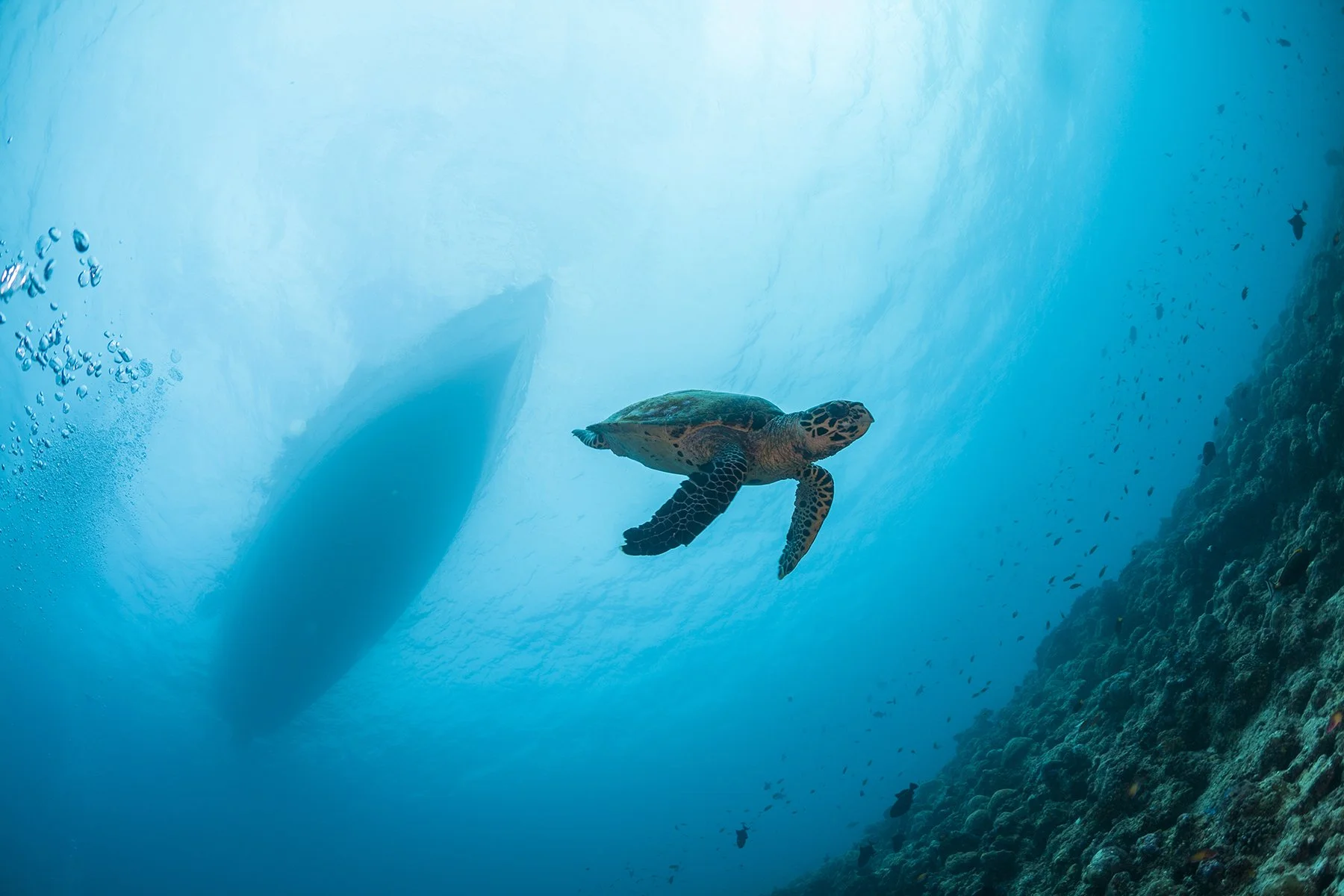
The Derawan Archipelago is a crucial habitat for two of the world’s seven sea turtle species: the hawksbill turtle and the green turtle.
Key islands—including Sangalaki, Semama, Balembangan, Bilang-Bilangan, and Mataha—serve as primary nesting sites, while Derawan, Maratua, and Sambit also record regular nesting activity. Several shallow-water areas, particularly around Maratua, Derawan, Panjang, and the Sigending coast in Biduk Biduk, function as vital feeding grounds where foraging turtles are frequently observed. However, sea turtle populations continue to face serious threats. Poachers target both eggs and turtles.
Marine pollution—especially plastic waste—damages feeding habitats and threatens turtle health. Poorly managed tourism and coastal activities disrupt nesting processes and degrade critical coastal ecosystems. To strengthen conservation efforts for these protected species, GC, through YLBKD, actively supports both community-based organizations and government agencies. GC provides direct support to Maratua Peduli Penyu (MALIPE) for conservation activities centered on Balembangan Island, and also supports the East Kalimantan Natural Resources Conservation Agency (BKSDA), part of the Ministry of Environment and Forestry, for conservation initiatives on the islands of Sangalaki and Semama.
GC selected these two partners based on their demonstrated field experience in protecting sea turtles from illegal exploitation. MALIPE has worked for nearly four consecutive years to safeguard turtle nesting habitats, while BKSDA East Kalimantan brings more than a decade of institutional conservation experience.
Support for MALIPE
GC’s support for MALIPE ran from January 2024 to October 2025. During this period, the two organizations collaborated on several core conservation activities:
Nest Patrols and Monitoring
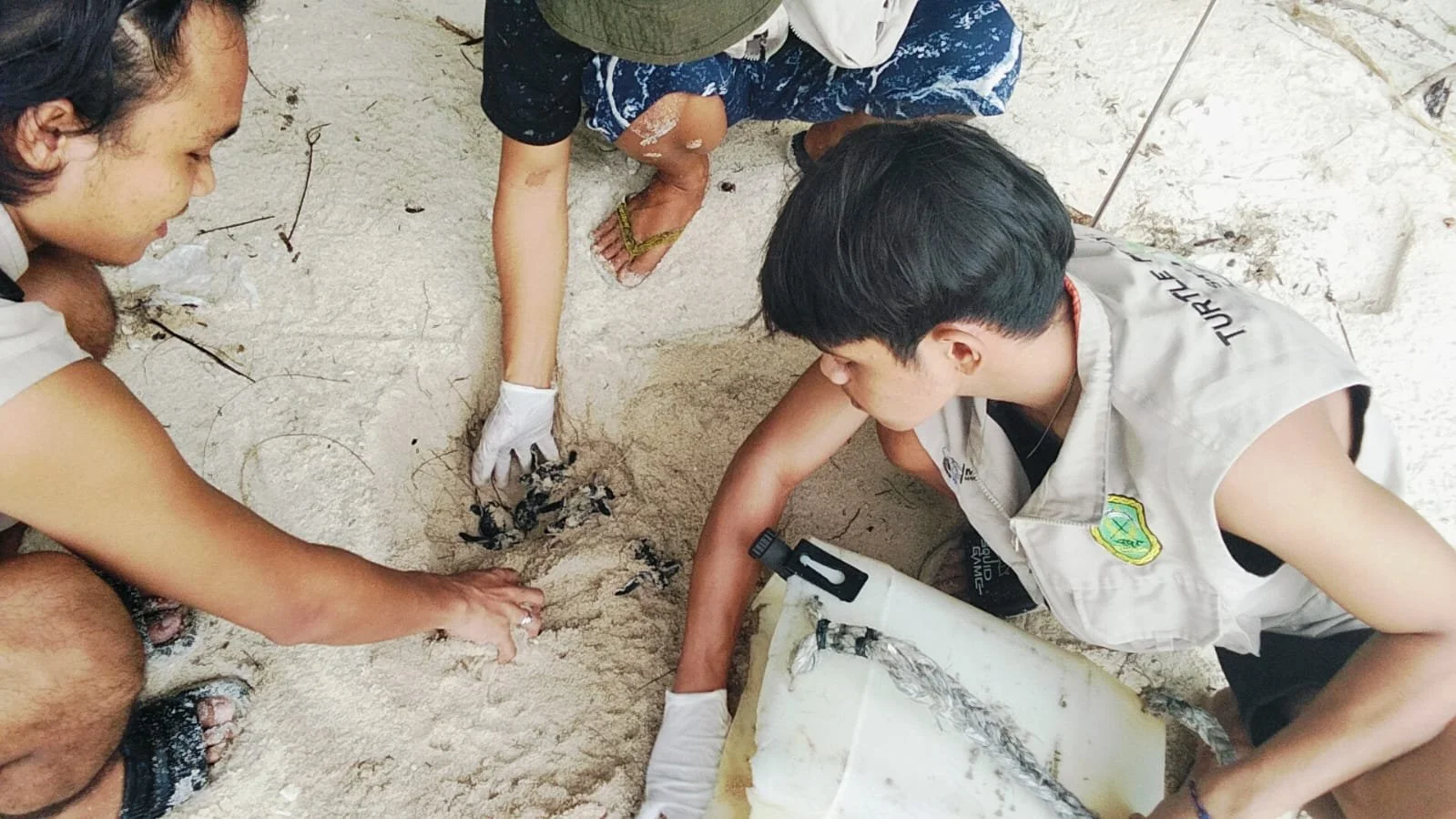
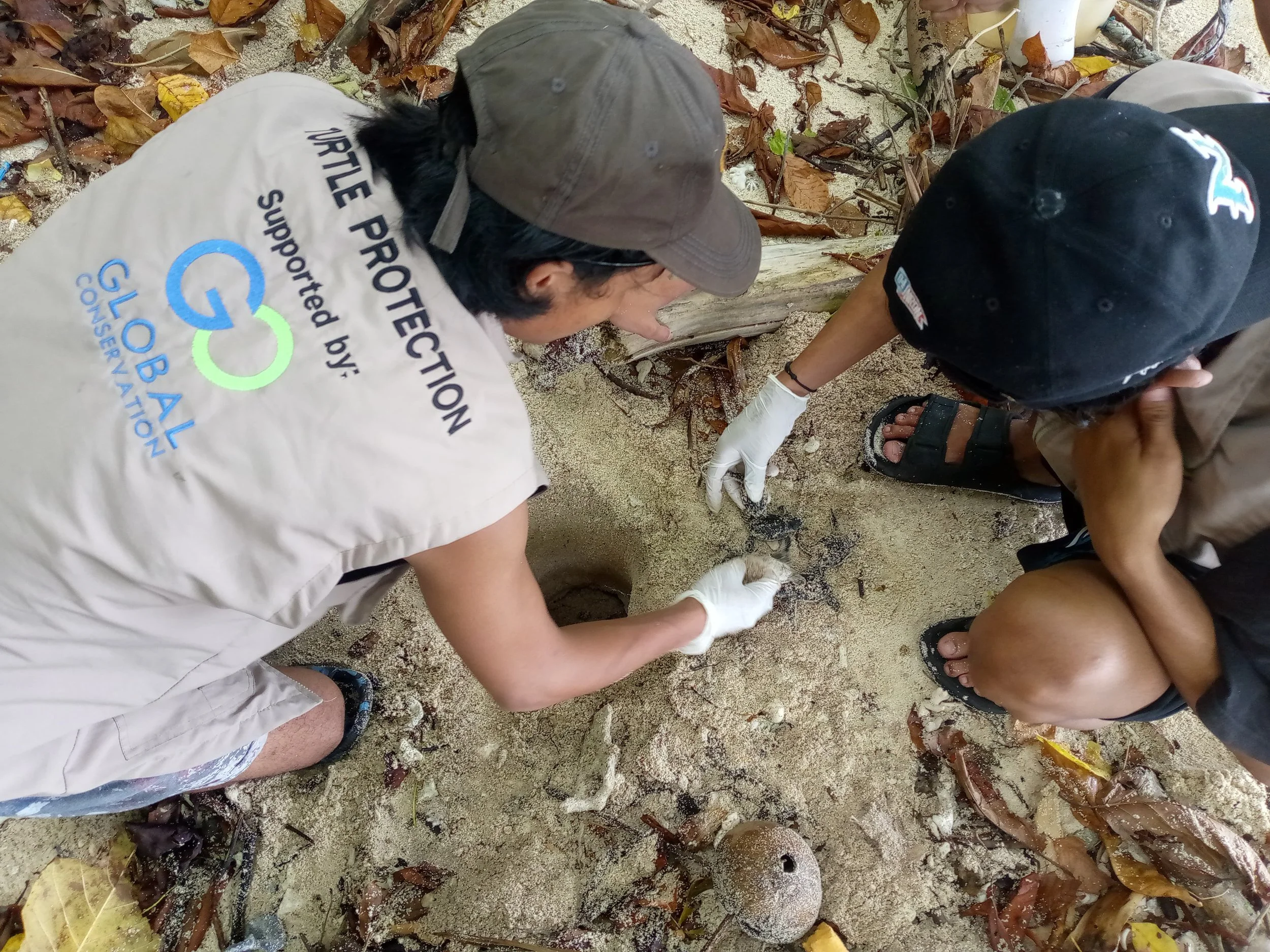
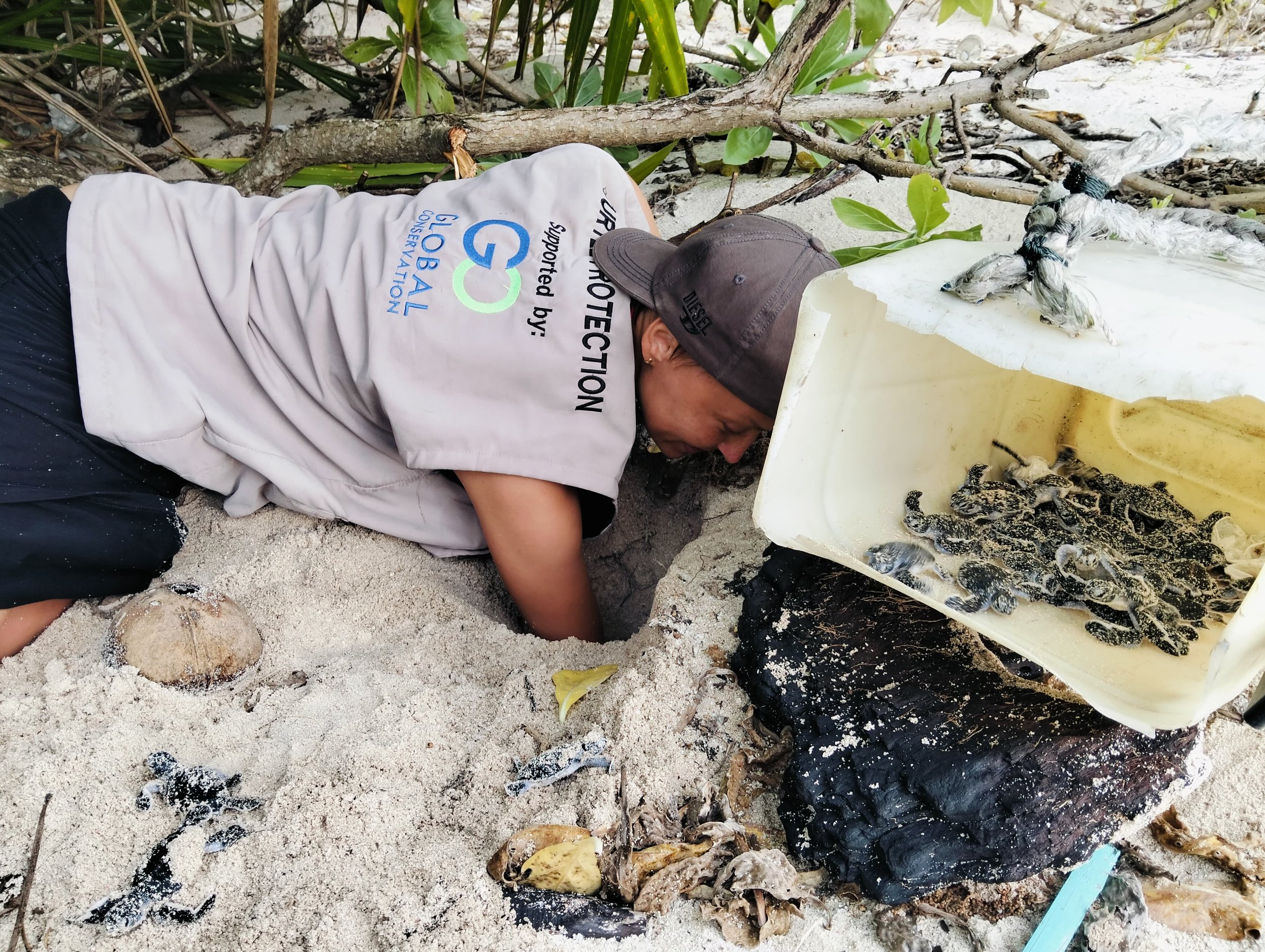
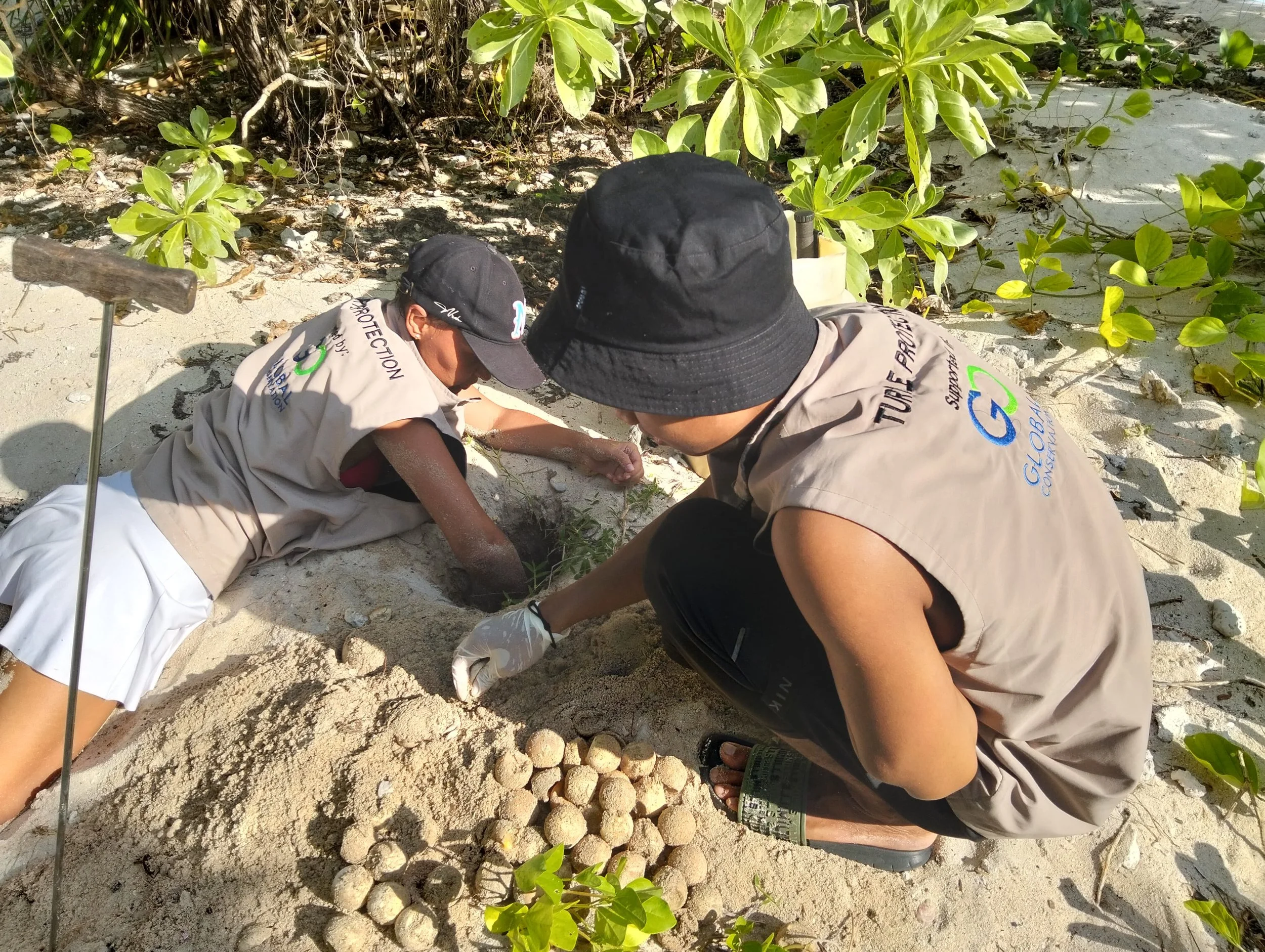
Rangers and conservation teams conducted routine patrols across nesting areas to prevent illegal activities, record nest counts, document hatching success, and monitor habitat conditions each nesting season. GC funded operational expenses, including ranger salaries, patrol logistics, solar panels, generators, ranger station maintenance, field equipment, and basic office supplies.
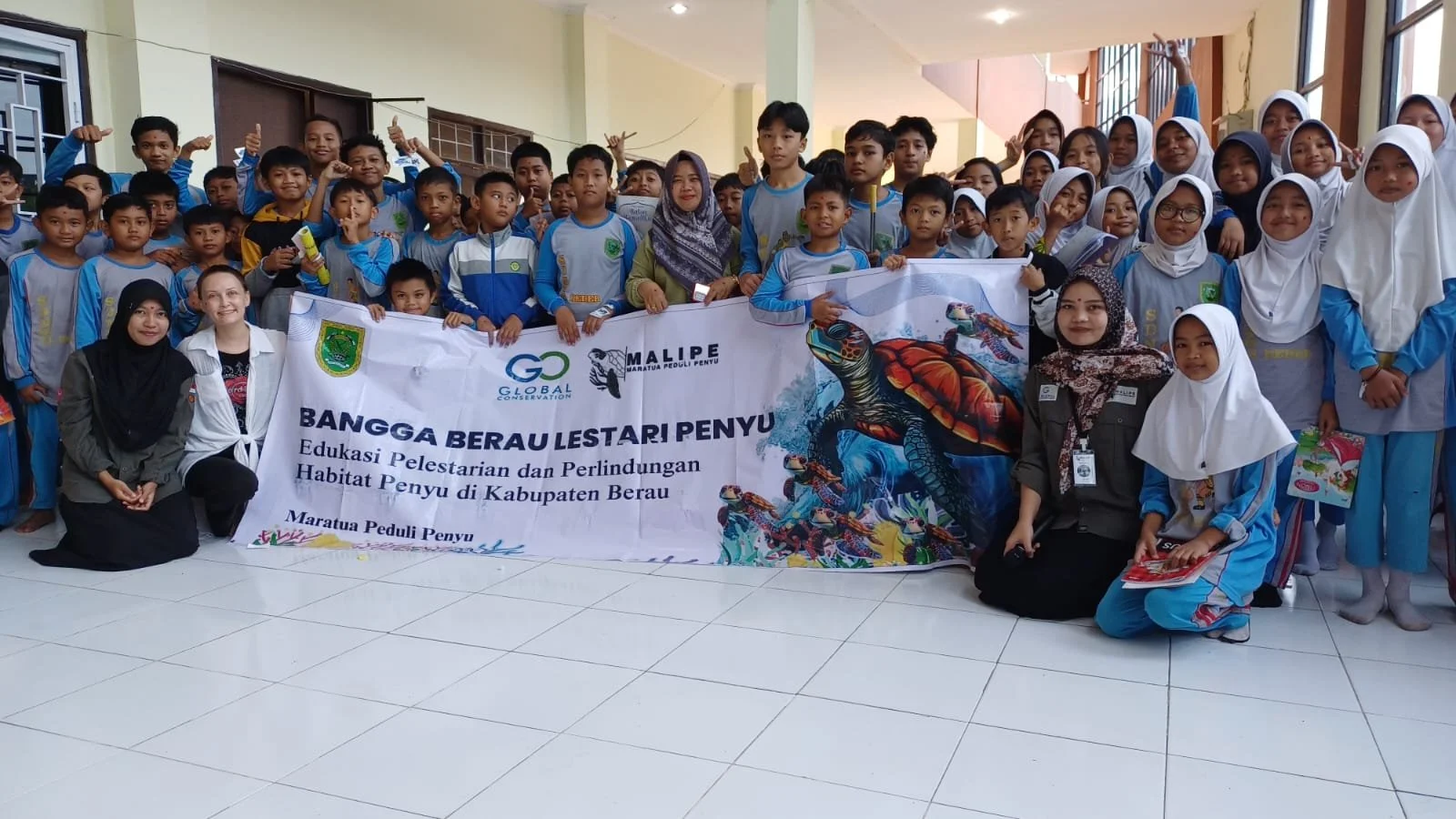
Conservation Education in Schools
Outreach programs were conducted in schools across the cities of Samarinda and Berau to strengthen students' environmental awareness and promote long-term stewardship of marine ecosystems.
Ranger Deployment
Rangers safeguarded nests, prevented disturbances, and conducted rapid responses to emerging threats.
Marine Monitor
As a result of our efforts in deploying M2, the EK Government agreed to lead the operations, appointing DKP Kaltim as the primary operator with the EK Marine Police and Navy as co-partner agencies.
This commitment was formalized through the signing of an MoU between the EK Governor and GC Director of Indonesia, witnessed by the EK Marine Police Director and Commander of Naval Base XIII.
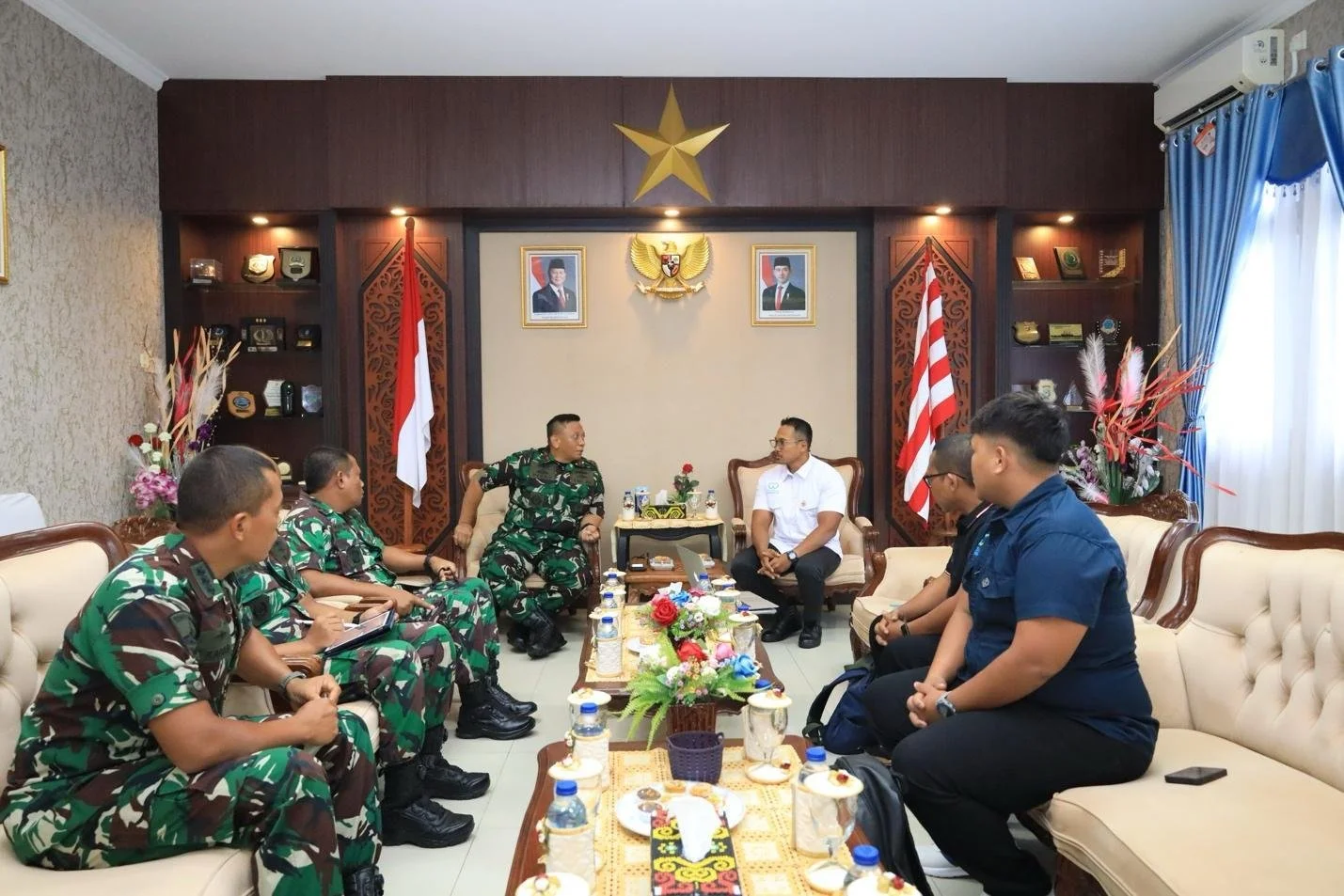
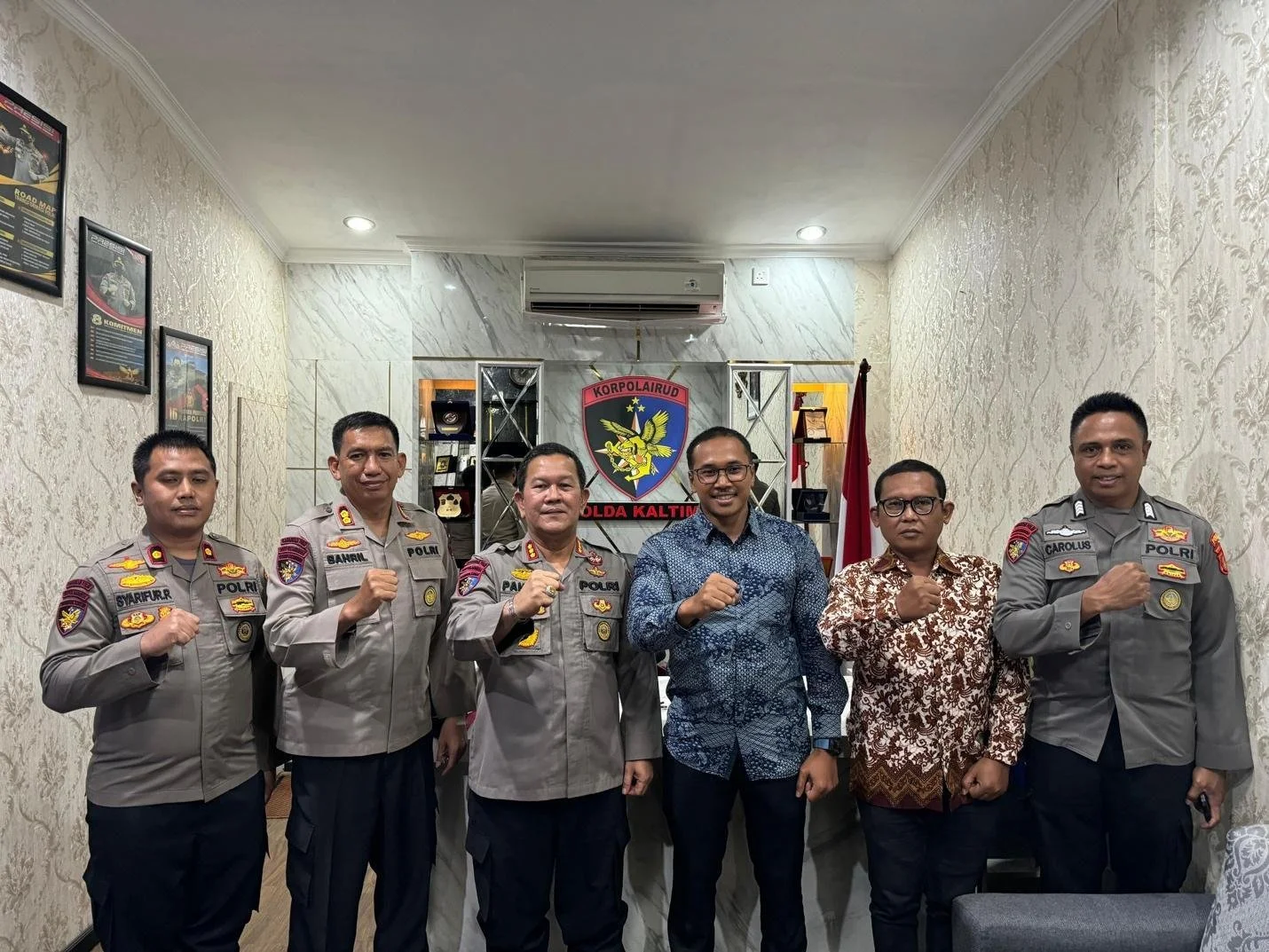
All partner agencies now, gradually, share access to the M2 cloud viewer, enabling coordinated monitoring and joint situational awareness.
In addition, M2 was introduced to the Minister of Marine Affairs and Fisheries through the Director of Conservation Ecosystem, who confirmed its alignment with Indonesia’s Ocean Monitoring System (OMS). Because M2 and other similar systems are designed solely for conservation purposes, the Minister conveyed to military counterparts that the technology does not overlap with defense functions and therefore should not create concerns within security institutions.
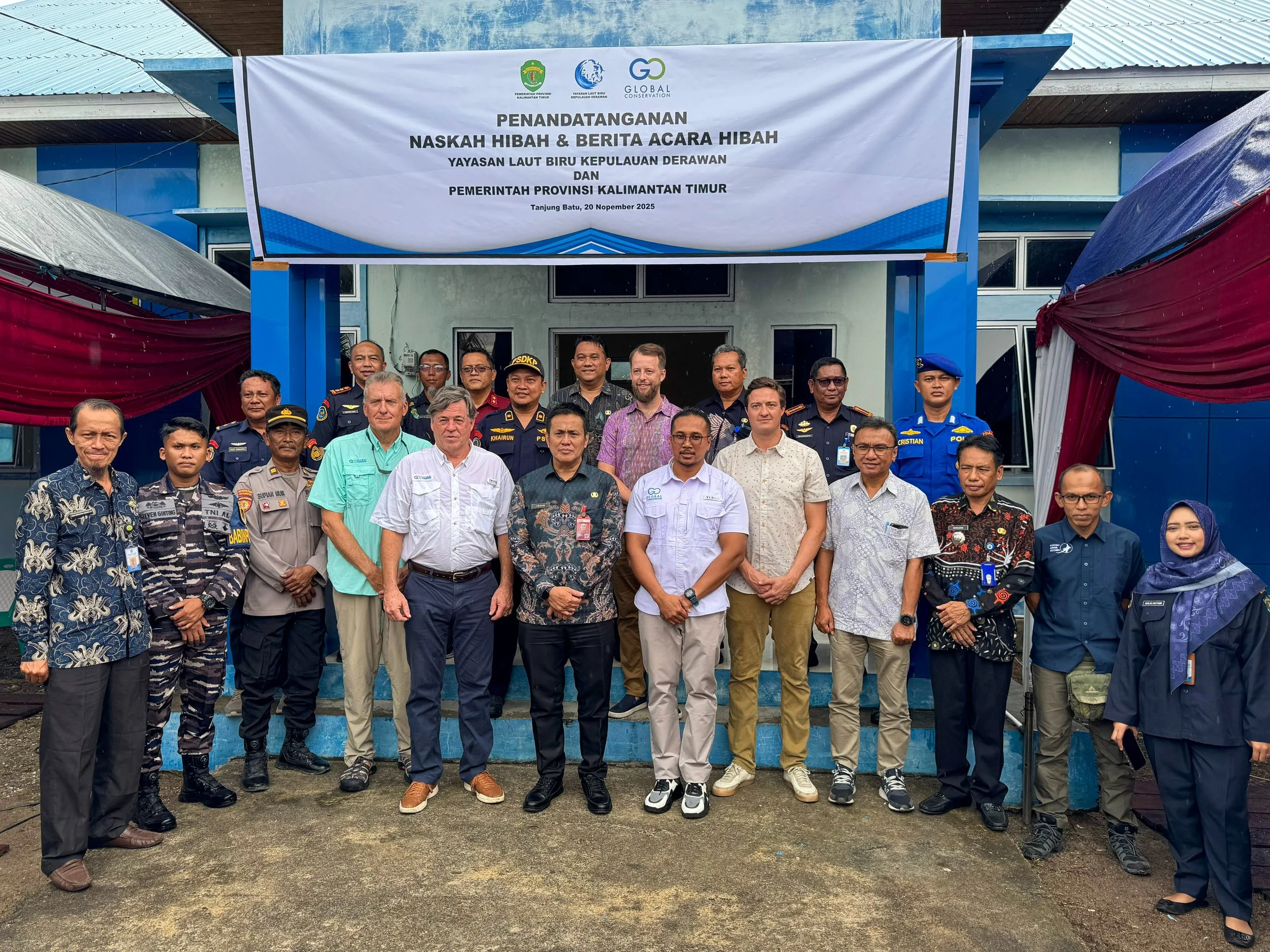
With the MoU between GC/YLBKD and the EK Government in place, M2 was officially deployed in Tanjung Batu on the coast of the Derawan Archipelago in November 2025. Local officers—including DKP, the Marine Police, and the Navy—are jointly involved in its operations.
Community Protection & Engagement
Sustainable Fishing Gear (Bubu) Assistance
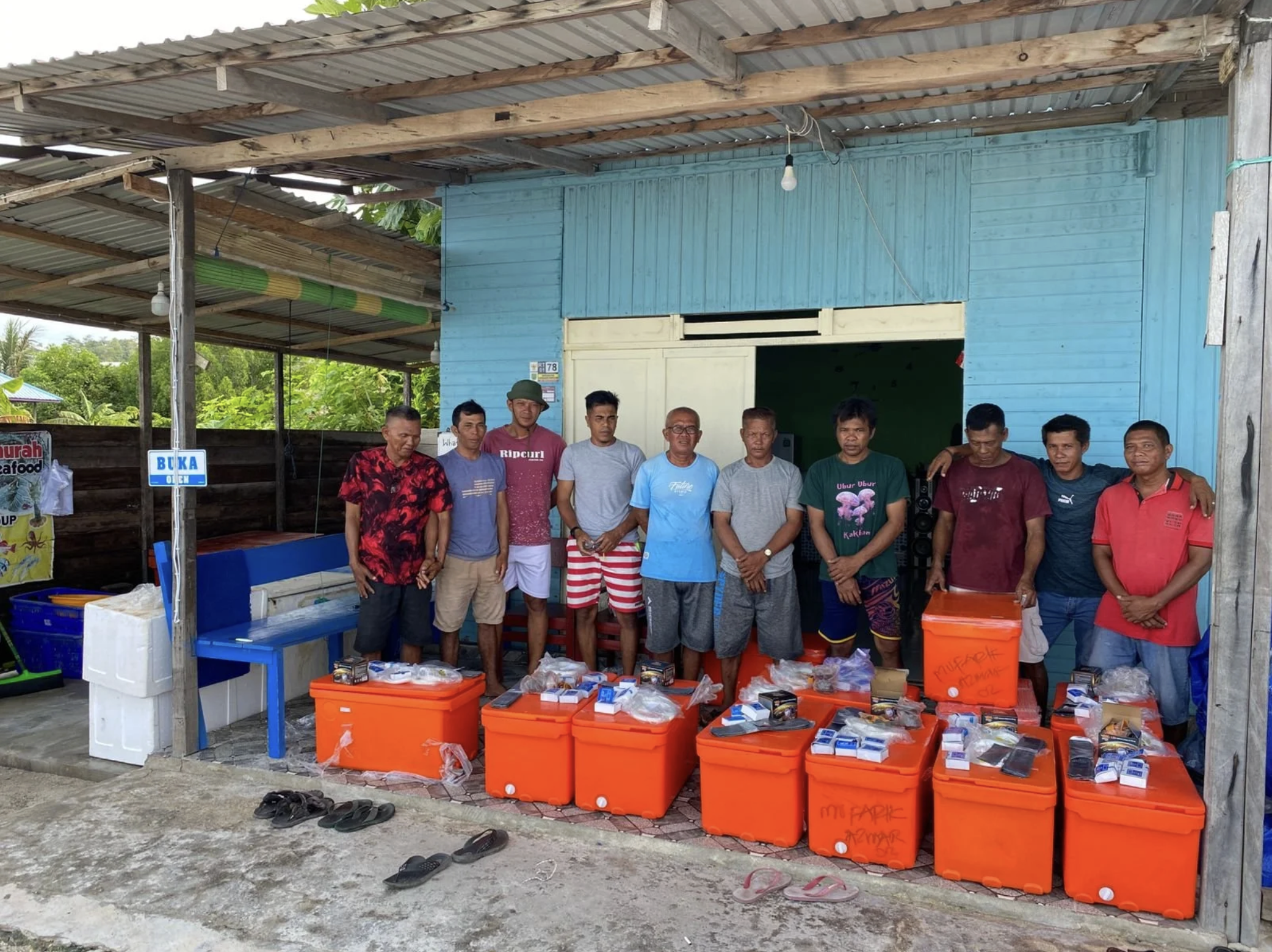
Fishers in Derawan rely on environmentally friendly fish traps made of rattan (bubu) as their primary fishing gear. GC Derawan provides Maratua Island fishers with environmental fishing gear.
However, limited equipment has restricted their fishing capacity and daily income. To respond to this gap, GC provided additional bubu directly to local fishers as an initial investment to strengthen both livelihoods and sustainable fishing practices.
After receiving the new bubu, fishers returned to sea more regularly and increased their catch stability and daily income. Better economic security made people less reliant on harmful fishing methods.
Most importantly, this initial investment has generated a strong multiplier effect. The first batch of only 10 bubu has now multiplied through independent reinvestment by the community. This growth confirms that fishers have embraced sustainable fishing as both an ecological and economic solution.
As explained by Miharta, a local fisher from Derawan:
“With the support of 10 bubu sets provided by Global Conservation last year to five fisher groups, each group now owns more than 30 to 45 bubu. The catch obtained from using these traps has been reinvested to purchase even more bubu, allowing their catches to continue increasing.”
Tour Guide Training
To address limited guiding capacity in Derawan, GC implemented a targeted tour guide training program for tourist operators across Derawan Island to improve service quality and support sustainable tourism, including alternative sources of income.
Developed with local guides, village authorities, and tourism experts, the program covered guiding skills, service ethics, basic tour management, and English communication, led by the Head of East Kalimantan’s Indonesian Tour Guide Association (HPI), Awang Mohammad Jumri Syafi’i.
A respected local figure, Pak Miharta (Tata), was also involved to ensure local history and cultural knowledge remained central, reinforcing Derawan’s identity as both a marine and cultural tourism destination.
Grouper Aquaculture
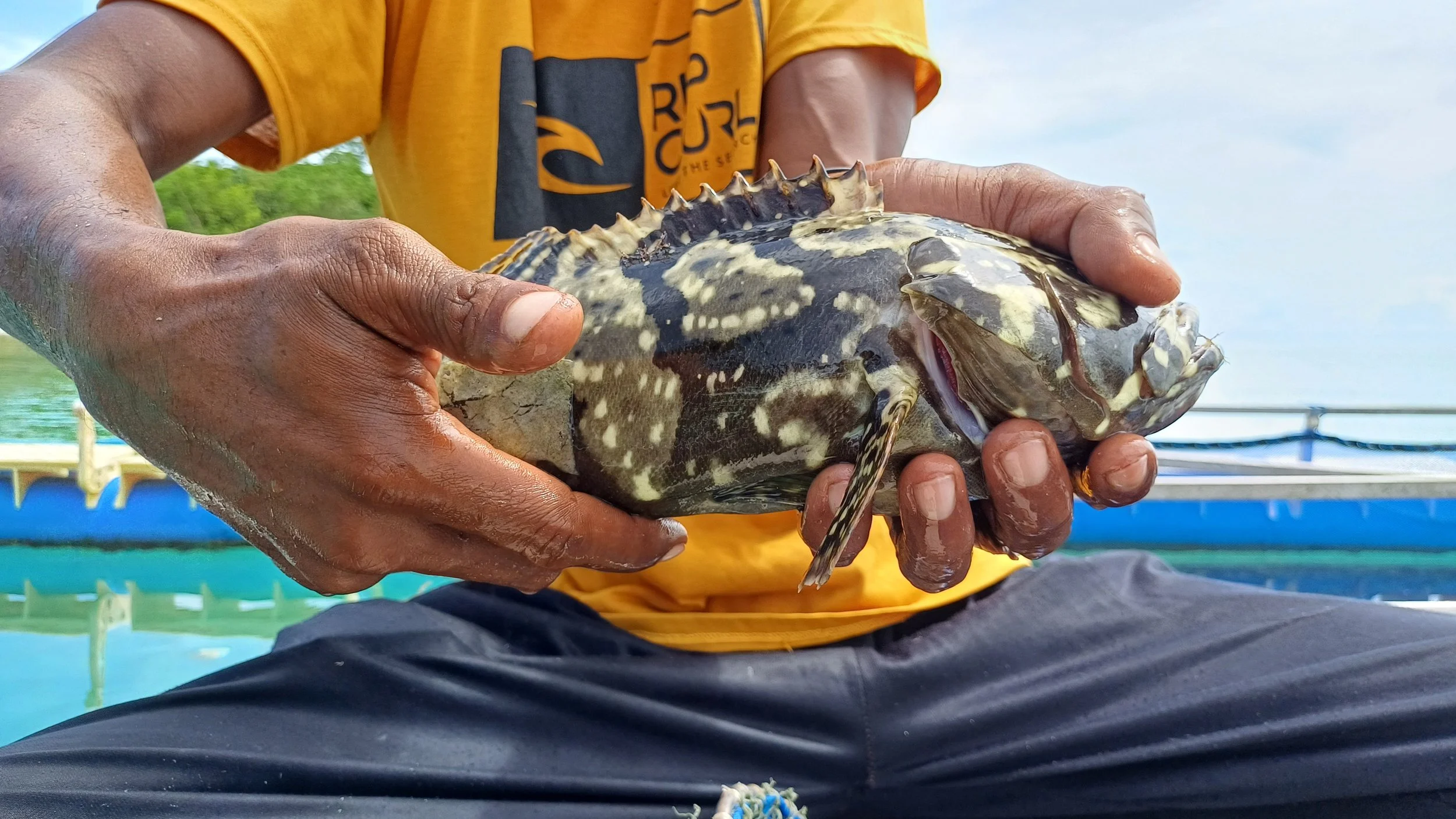
Destructive fishing continues to threaten waters around Maratua, fish stocks, and long-term livelihoods, driven in part by limited access to sustainable economic alternatives. To address this, GC supported fisher groups in Payung-Payung Village, Maratua Island, in transitioning toward legal, higher-value livelihoods through aquaculture.
GC provided 1,000 grouper fingerlings to a 10-member grouper aquaculture group to develop a high-value, sustainable business.
Since May 2025, the fingerlings have grown from approximately 10 cm to 20–25 cm by December, reflecting consistent monthly growth and strong daily management by the fishers.
The group now operates a promising aquaculture enterprise, with growing anticipation of the first harvest strengthening income prospects and reinforcing their commitment to protecting the surrounding marine environment.
Beach Clean-Ups
As part of its community-based conservation strategy, GC, in collaboration with local partners, conducts regular beach cleanups in Maratua and Derawan to reduce coastal waste and prevent marine pollution from reaching coral reef ecosystems.
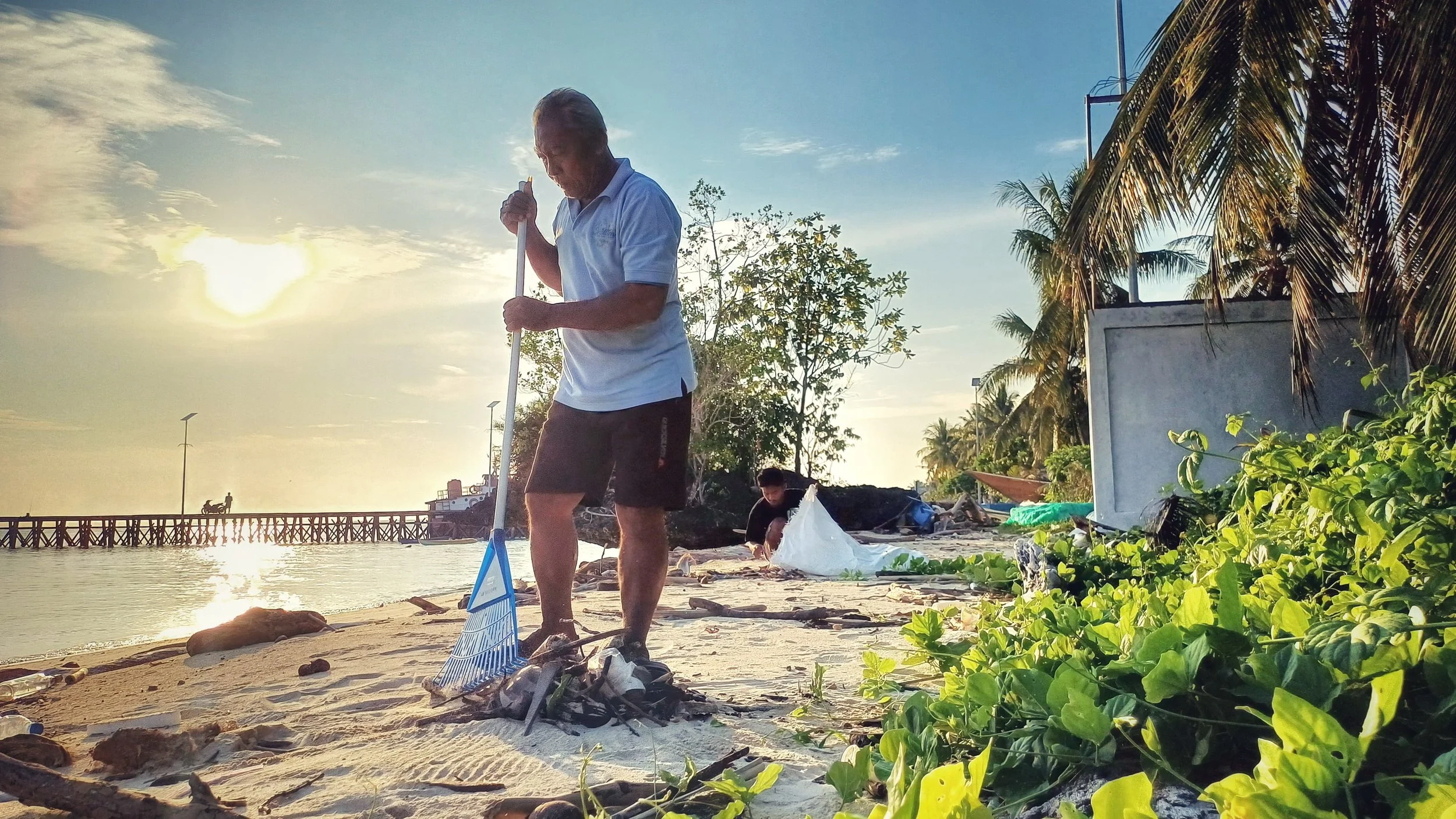
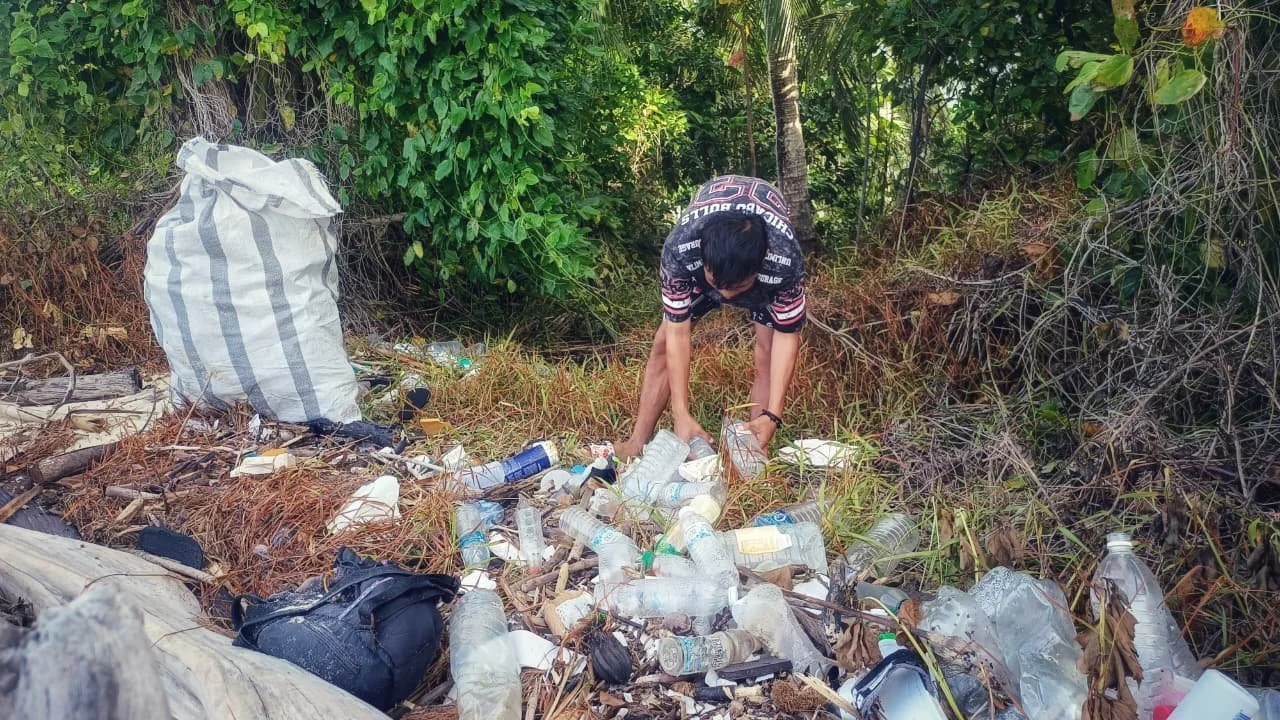
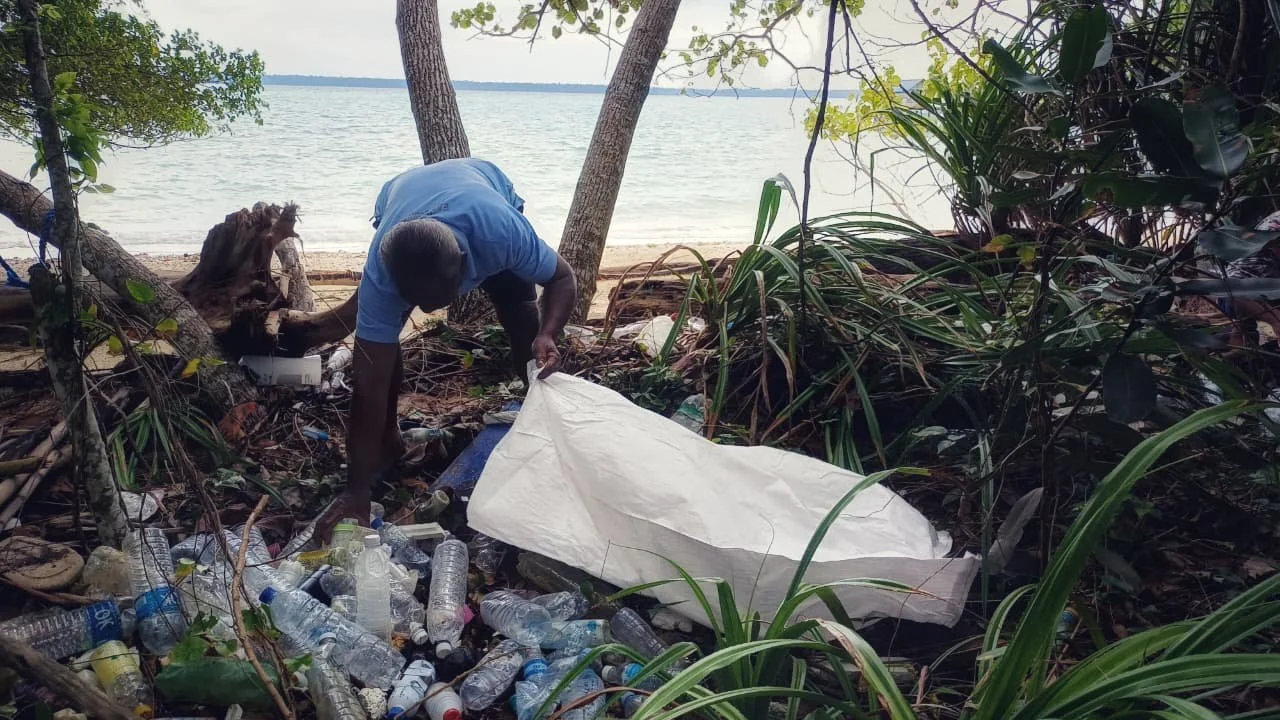
In Maratua, cleanups are held up to ten times each month and carried out by a team of five community workers under Maratua Peduli Lingkungan, a local group comprising fishers, tourism operators, and conservation advocates, ensuring coordinated and effective implementation.
Similarly, in Derawan, the Lembaga Pemberdayaan Masyarakat (LPM) leads beach clean-up efforts. The LPM is composed of individuals from backgrounds similar to those in Maratua, fostering a shared commitment to local environmental conservation.
Notably, the LPM frequently extends invitations to a broad range of stakeholders, including representatives from the Navy, Police, Village Staff, and community children. Involving children serves the important dual purpose of instilling a sense of environmental stewardship from an early age and recognizing them as future custodians of Derawan’s natural resources.
Each cleanup activity is carefully planned and executed, with collected waste being sorted into categories such as plastic, glass, metal, and organic materials. This systematic sorting supports improved waste management practices within the community.
Coral Transplant
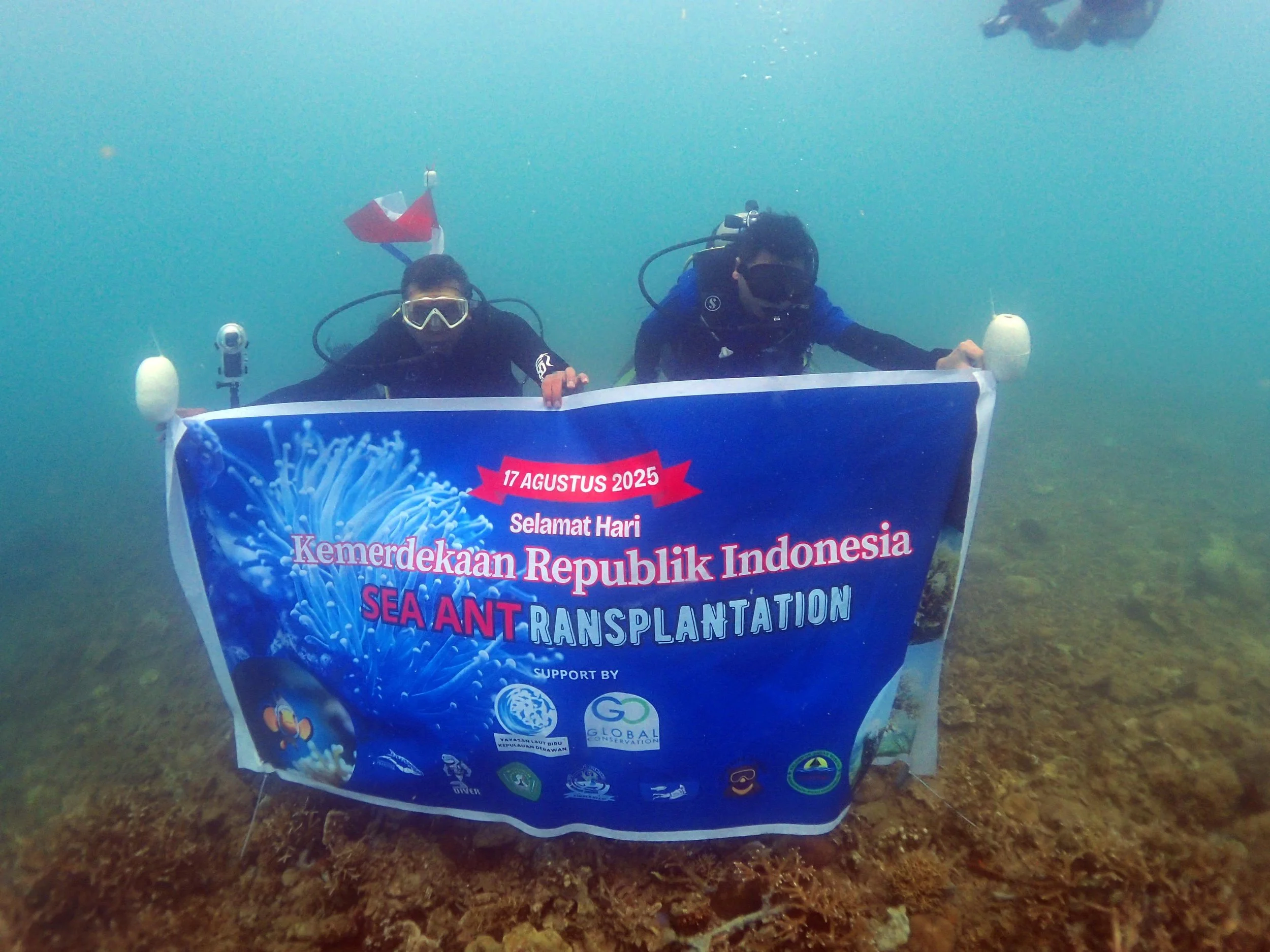
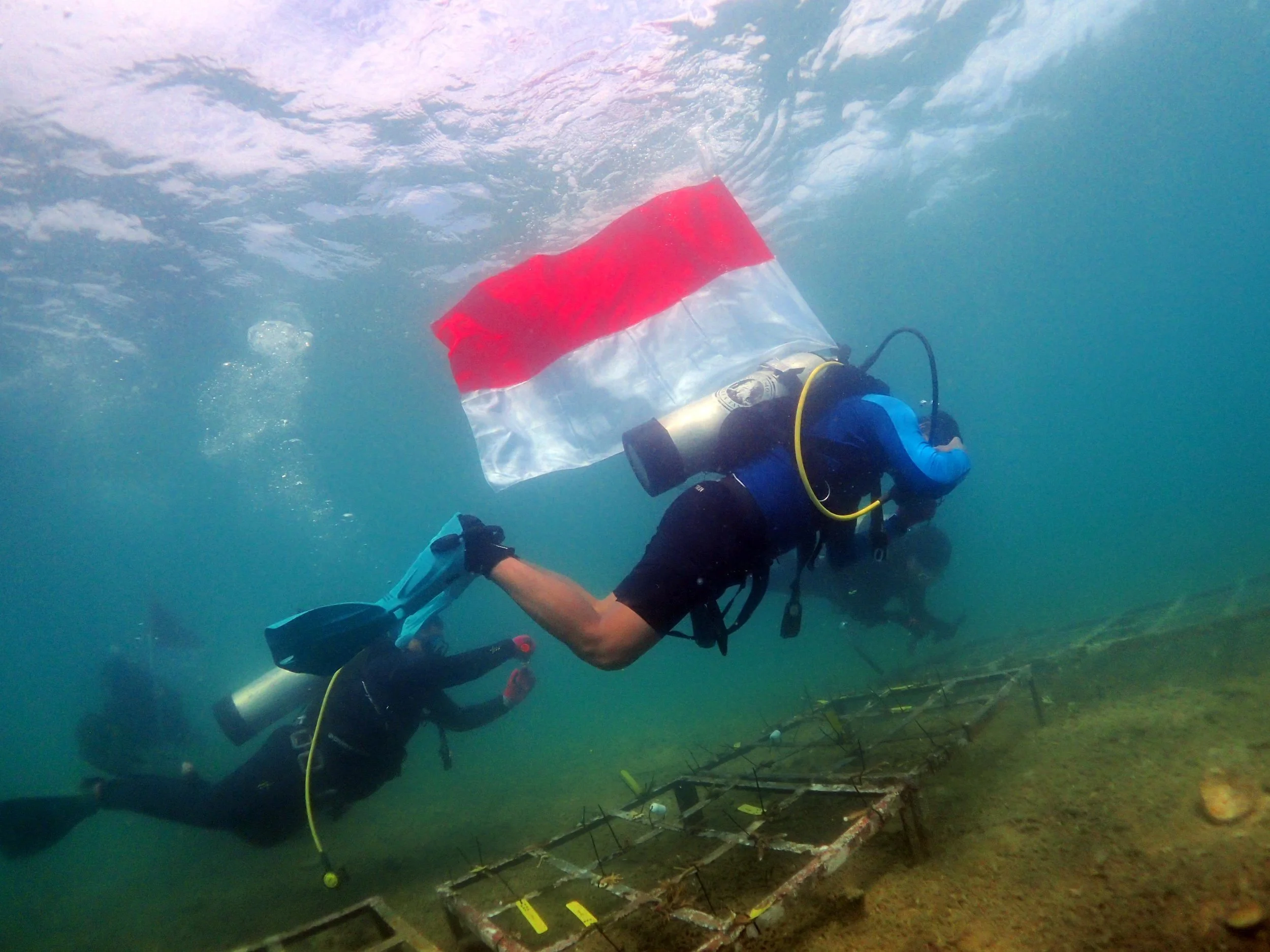
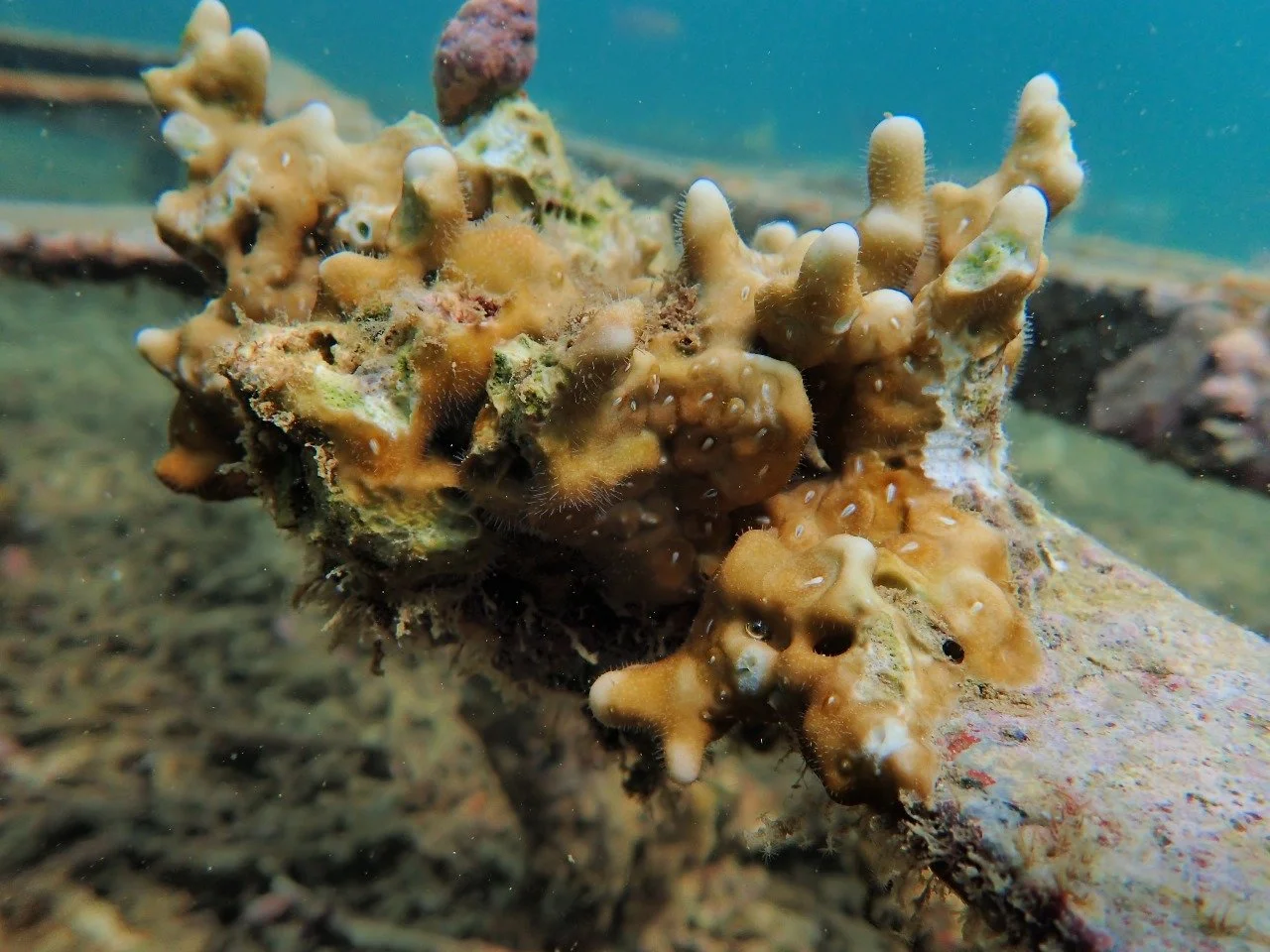
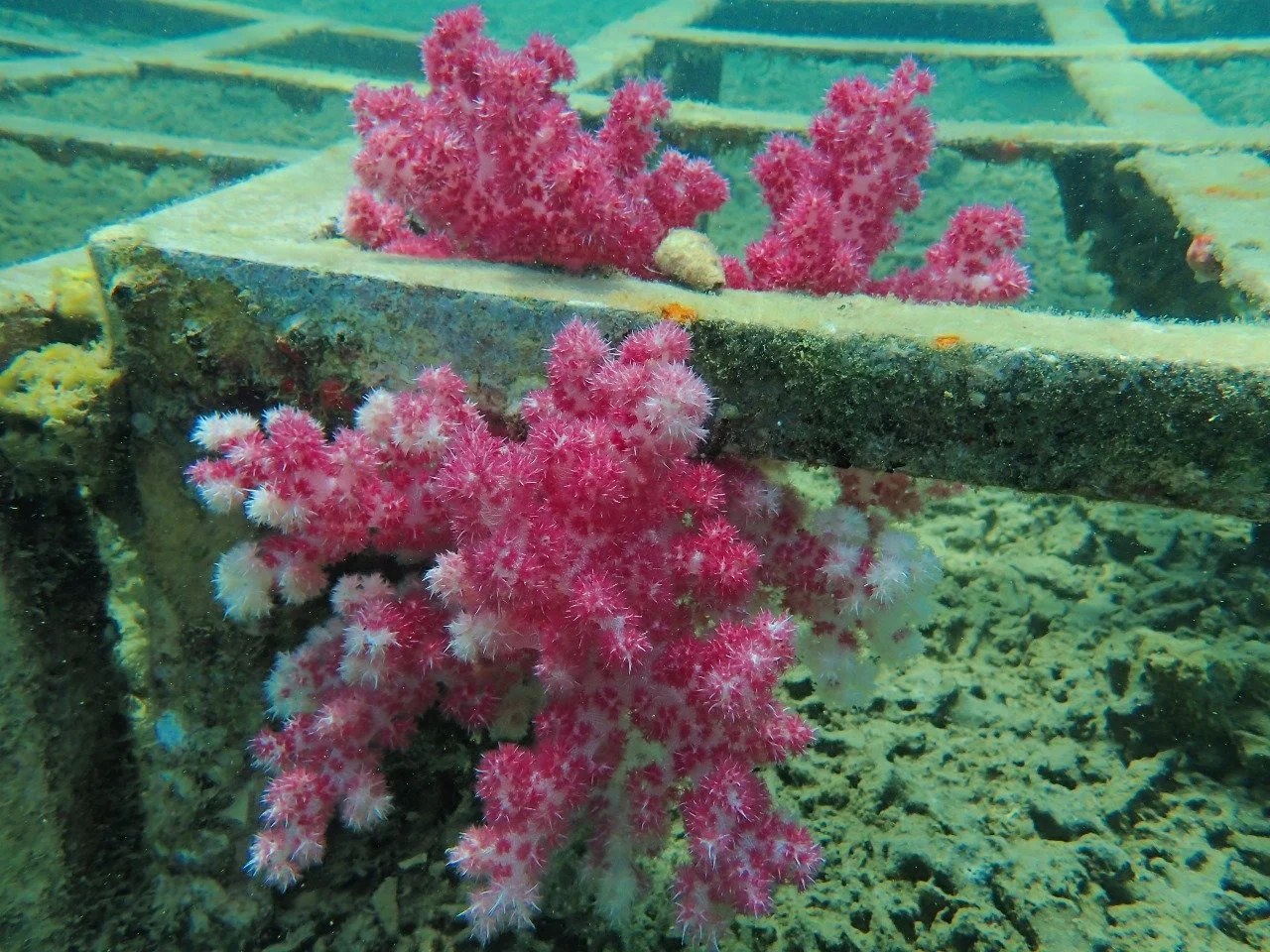
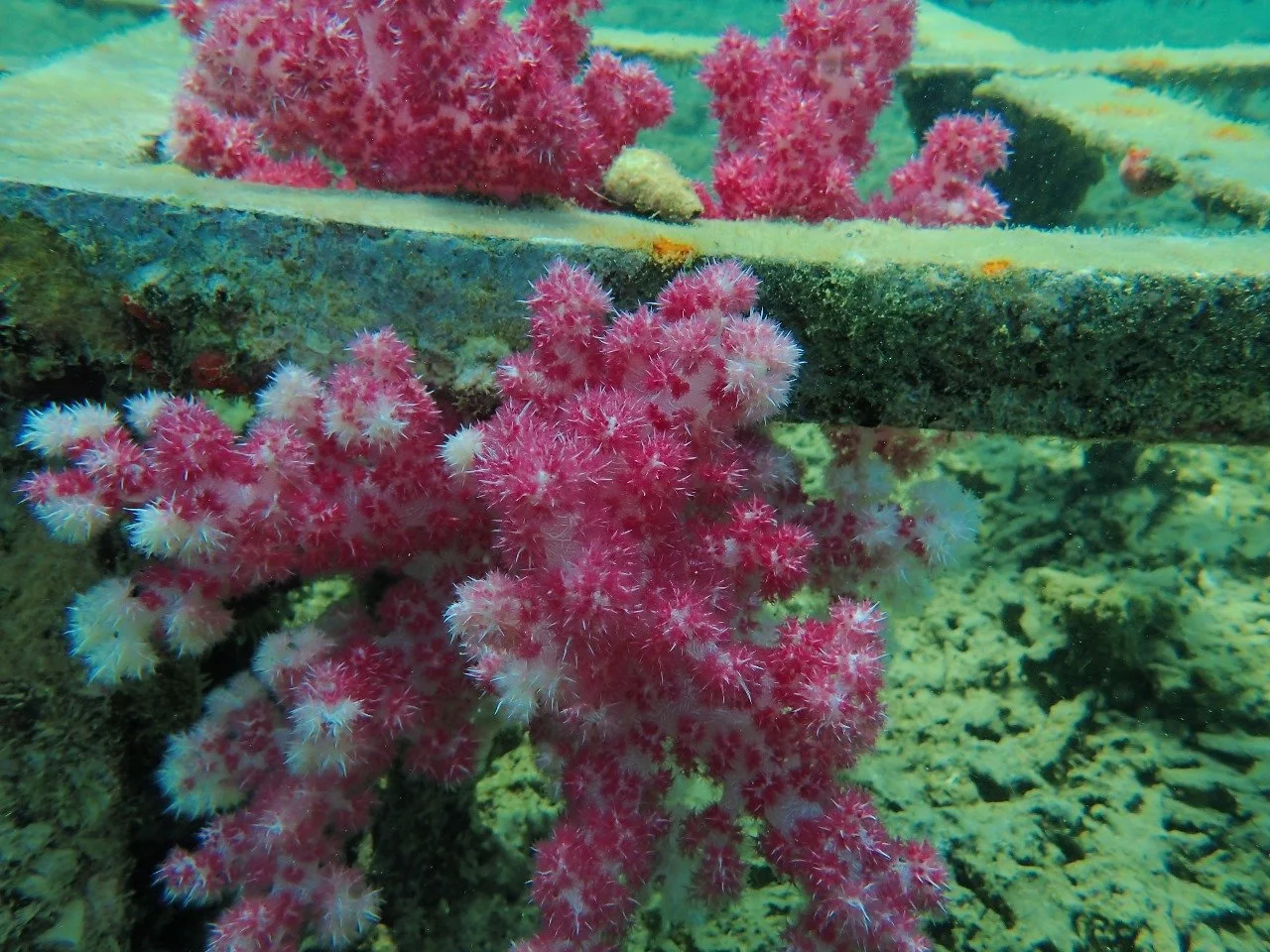
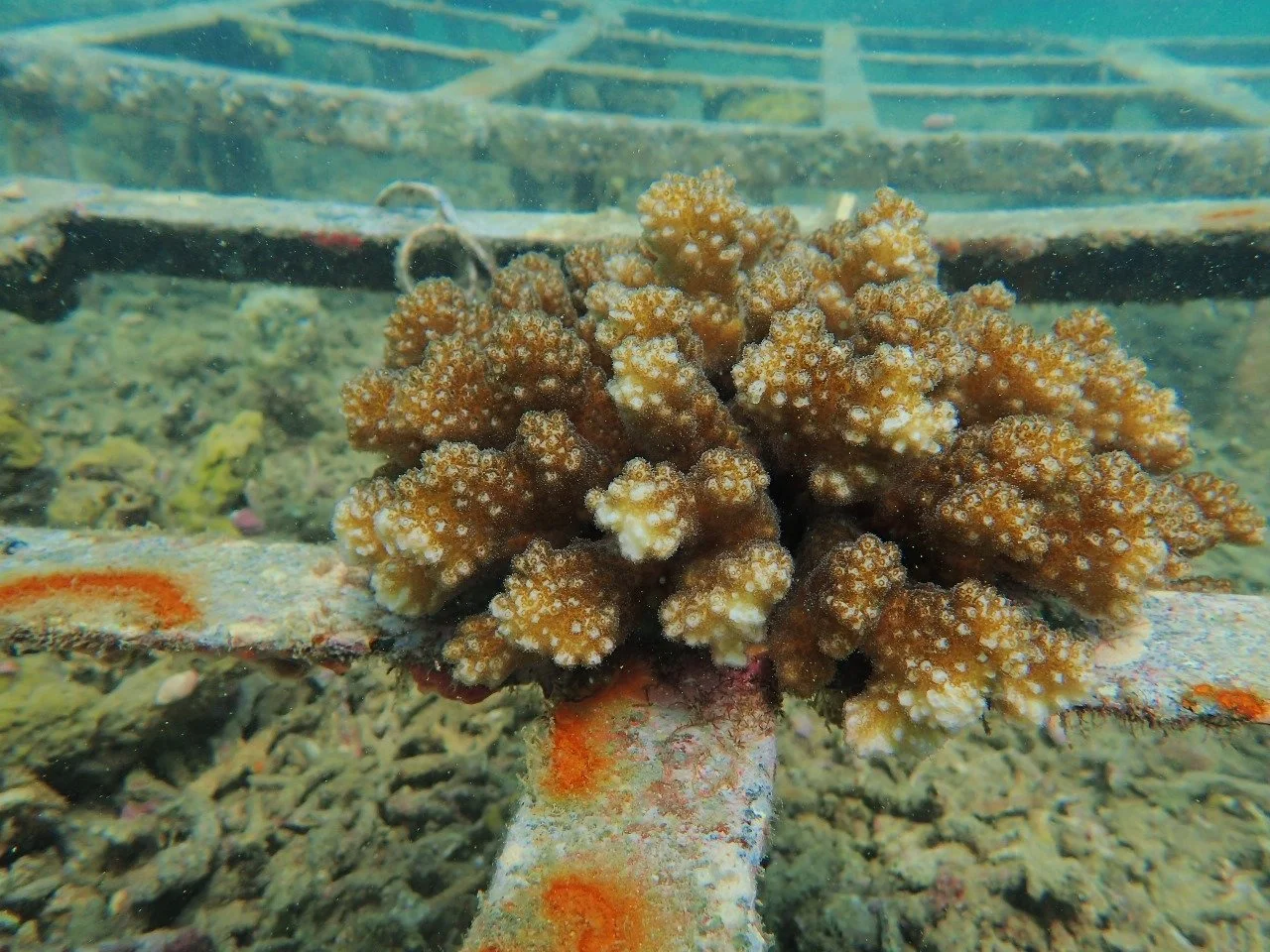
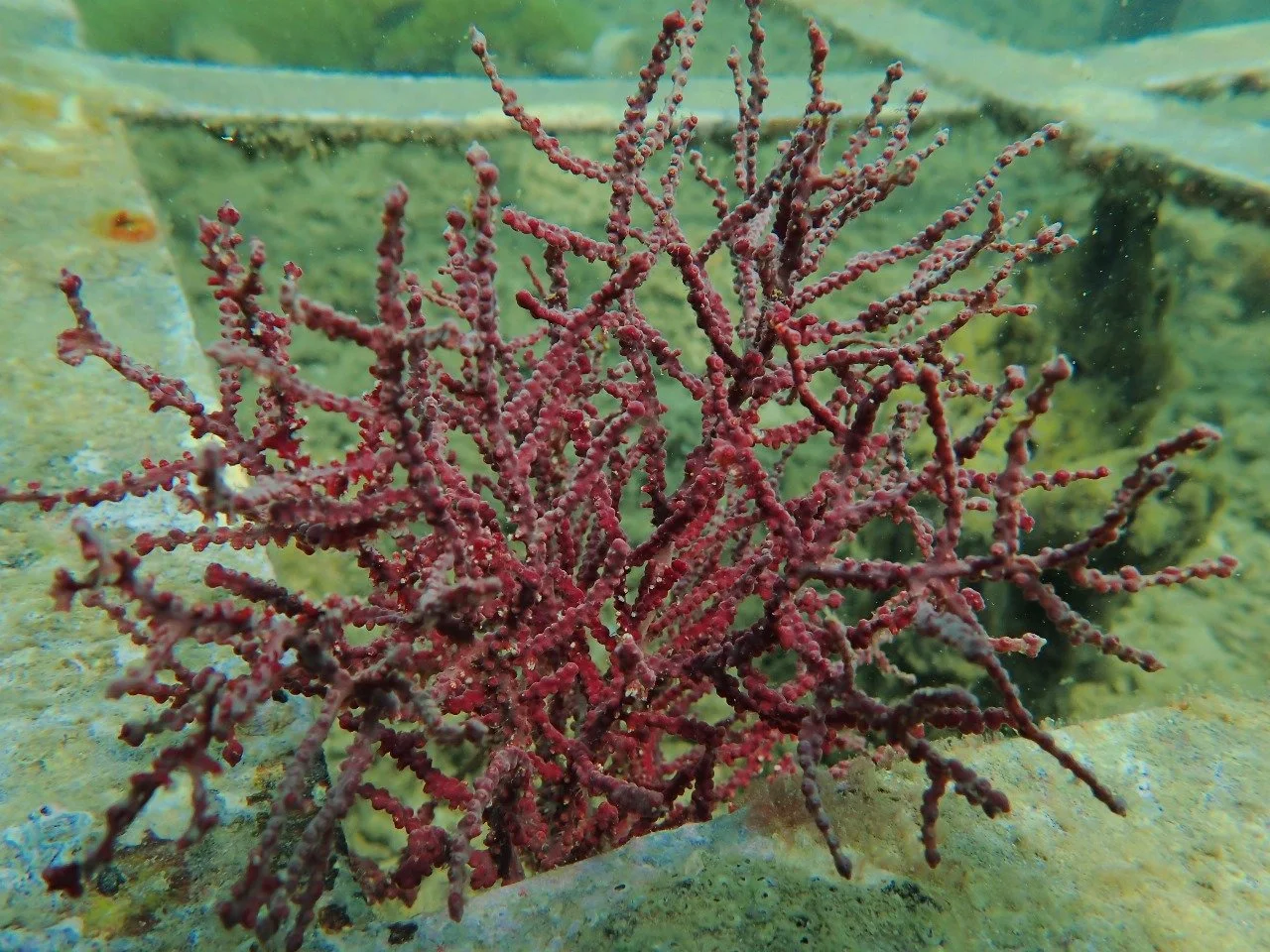
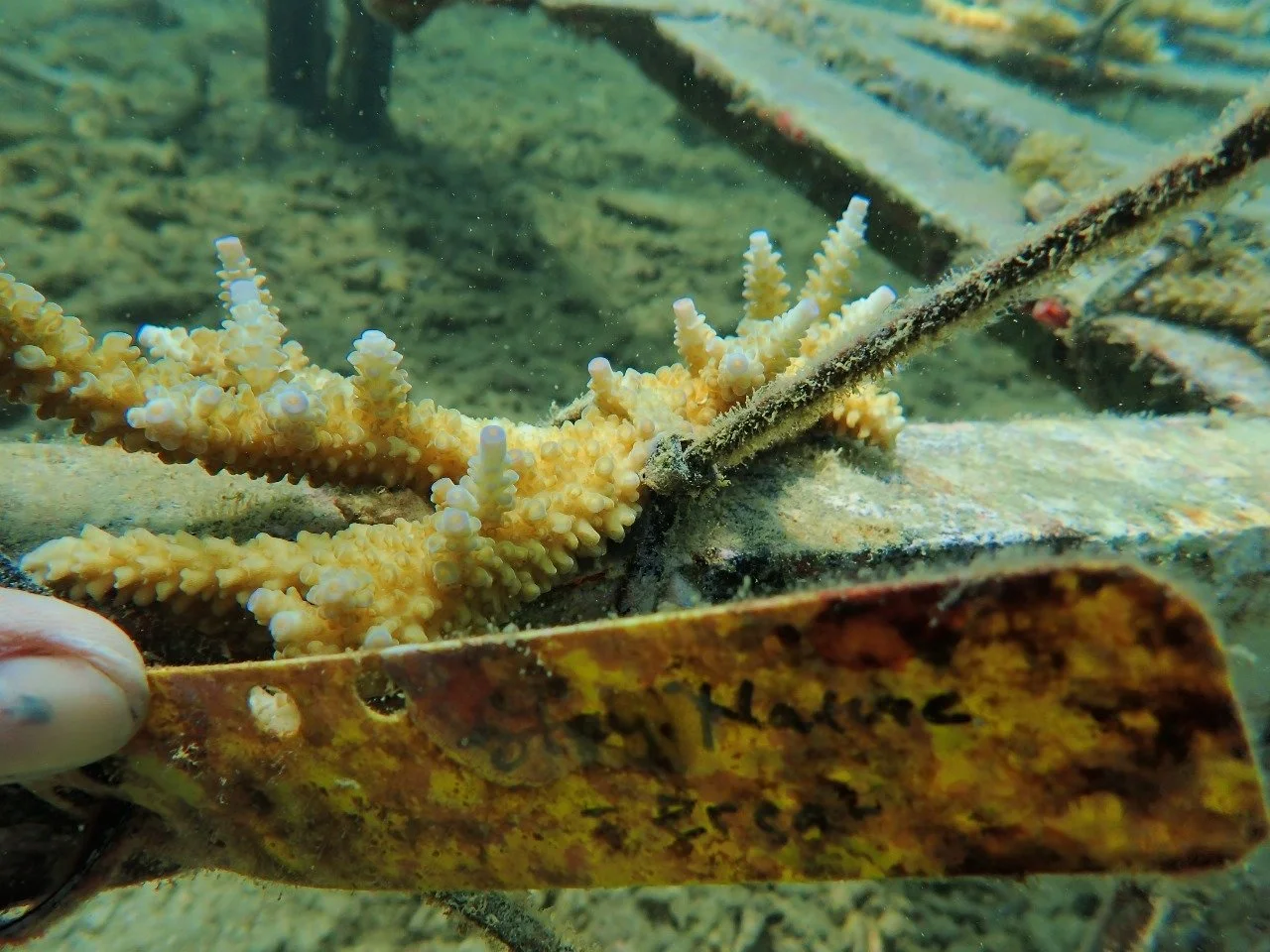
The Samarinda Scuba Community, with funding and support from GC, carried out a coral transplantation activity on August 17, 2025, to coincide with Indonesia’s Independence Day.
The event marked not only a national celebration but also a concrete commitment by the present generation to protect Indonesia’s marine ecosystems. Conducted in Muara Badak waters, the activity reflected strong collaboration between the diving community and conservation institutions, linking national pride with long-term marine conservation action.
Three months after the coral transplantation, follow-up monitoring in November showed encouraging results. The transplanted corals adapted well to their new environment and displayed healthy growth, with visible increases in size and density across the sites.
These outcomes indicate that the transplantation methods were effective and environmentally appropriate, supporting the gradual recovery of coral reef structures in Muara Badak waters and emphasizing the value of sustained, collaborative conservation efforts.

To ensure our work remains visible and trusted at the local level, GC adopts a humanist approach alongside its enforcement-focused efforts.
While protection and surveillance remain central, we recognize that effective conservation also requires community support and participation. We therefore actively engage with local communities and governments by supporting social, cultural, and educational activities that promote environmental awareness and shared responsibility.
In Maratua, for example, we supported The Maratua Subdistrict Family Welfare Movement (Kelompok PKK Kecamatan Maratua) during the Children’s Cultural Showcase (Pentas Ceria) in commemoration of Hari Kartini, which included activities focused on children and families.
In Tanjung Redeb, we supported the DKP Berau during Indonesia’s National Archipelago Day (Hari Nusantara), which featured student competitions centered on environmental issues.
Through these engagements, Global Conservation strengthens trust, reinforces local ownership, and positions conservation as a collective effort that protects both ecosystems and communities.
National and International Outreach
Promoting GC’s flagship program—Global Park Defense and Project Across Indonesia
GC’s work in Indonesia extends beyond field operations to sustained national and international engagement in support of its flagship programs. Through continuous coordination with stakeholders at local, provincial, and national levels, we strengthen institutional alignment, operational effectiveness, and long-term sustainability of its conservation efforts.
For Global Park Defense (GPD), this engagement has involved close collaboration with the East Kalimantan Government, Marine Police, Naval Base (Lantamal) XIII Tarakan, the Naval Staff Headquarters, the Ministry of Marine Affairs and Fisheries, and the Ministry of Finance, reflecting GPD’s cross-sectoral approach that bridges conservation, maritime security, and governance.
Marine Monitor (M2)
A similar engagement strategy underpins the Marine Monitor (M2) program. In addition to coordination with government partners, GC actively participates in national and international forums to share experiences, build partnerships, and promote technology-driven marine protection. This includes participation in conferences and strategic meetings such as the Ocean Innovation Challenge, hosted by YKAN, The Nature Conservancy (TNC), and Newlab.
Through these platforms, we highlighted our flagship initiatives, including M2 and its integration with ProtectedSeas. These engagements generated strong interest and constructive responses, particularly at the ministerial level, reinforcing M2’s relevance as a scalable tool for marine protection and maritime governance.



Yayasan Laut Biru Kepulauan Derawan (YLBKD), in collaboration with Global Conservation (GC), continued to strengthen marine protection in the Derawan Archipelago through support for patrol operations, the deployment of M2 monitoring technology, capacity building for law enforcement, and initiatives focused on community empowerment and applied research.