
Global Conservation’s Indigenous Lands Protection
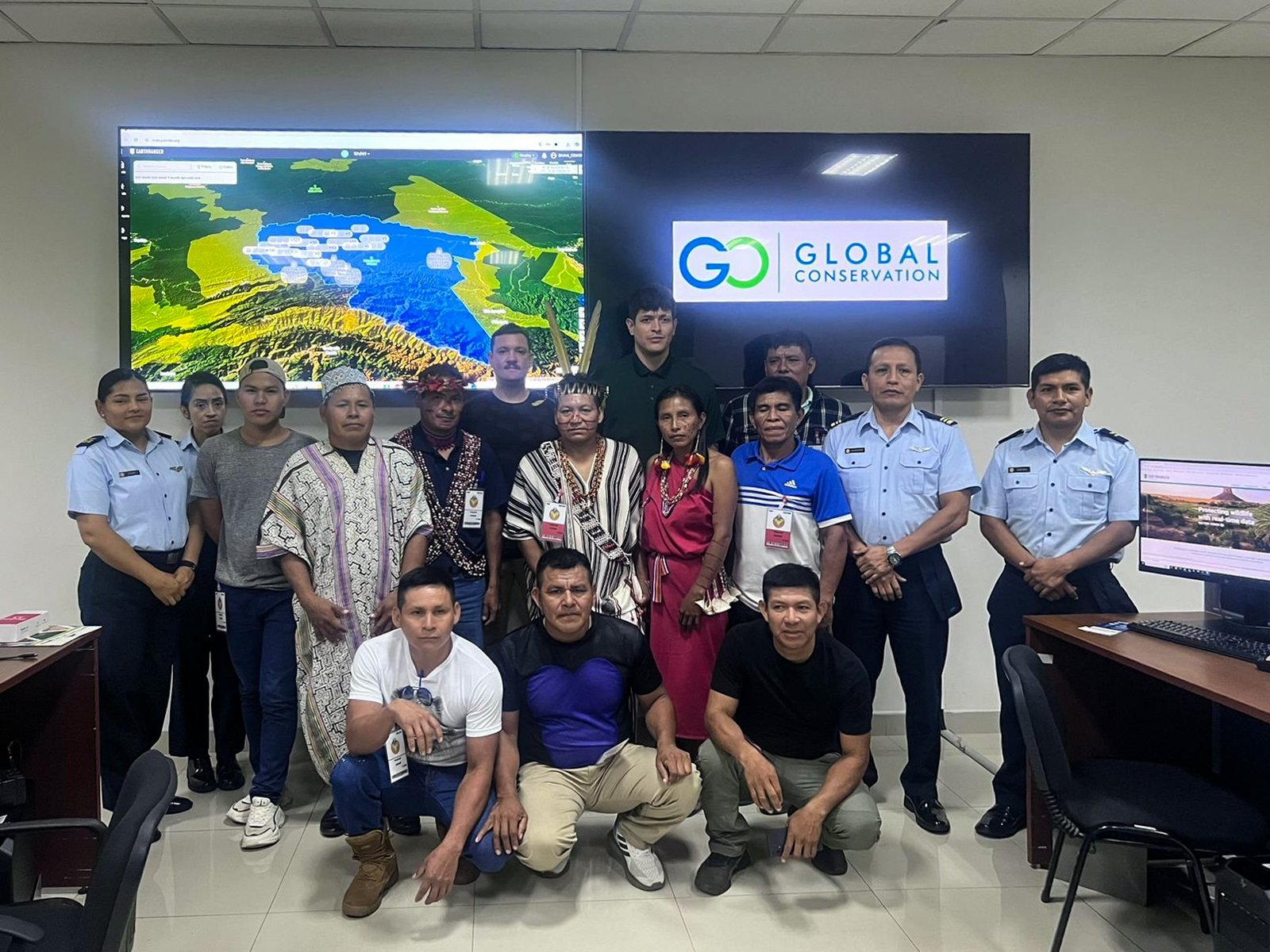
Indigenous teachings, generational values, and devotion to being one with nature is more important and valuable than ever in a world that is currently in its Sixth Mass Extinction and caused by humans alone.
In contrast to the old ways of fortress conservation, which excludes and forces out local communities from their homelands in order to create protected areas, Global Conservation is working directly with indigenous peoples in National Parks and World Heritage Sites to help defend the incredible natural beauty they inhabit. Indigenous peoples make up 5% of the world’s population but safeguard 80% of the world’s biodiversity.
Many biodiversity hotspots around the world only still exist as "untouched wilderness" today because of the indigenous people living in those areas, who have been exceptional stewards of the land.
Indigenous peoples are, and have always been, a significant answer to the entire climate change problem, as their traditional practices promote biodiversity, enhance carbon sequestration, and maintain ecosystem resilience against climate impacts.
Global Conservation’s Indigenous partnership initiative is leading our Community Protection program that effectively prevents illegal logging, poaching, and land grabbing.
We work on the basis of three key values: Dignity, Trust, and Equity.
DIGNITY: Human dignity is inviolable. It must be respected and protected. The dignity of the human person is not only a fundamental right in itself, but it also constitutes the real basis of fundamental rights. The 1948 Universal Declaration of Human Rights enshrined human dignity in its preamble: ‘Whereas recognition of the inherent dignity and of the equal and inalienable rights of all members of the human family is the foundation of freedom, justice, and peace in the world.’
We promote the highest level of participation by the local community and encourage the formation of community-based organizations that empower local people to manage their own projects and lands adjacent to and within the endangered national parks where we work.
TRUST: We believe that reliability and long-term commitment are critical to building trust. By jointly planning and then delivering on our promises, Global Conservation is known as a trusted partner who sets the stage for long-term, productive relationships.
EQUITY: Equity is the quality of being fair and impartial. The term “equity” refers to fairness and justice and is distinguished from equality. Whereas equality means providing the same to all, equity means recognizing that we do not all start from the same place and must acknowledge and make adjustments to imbalances.
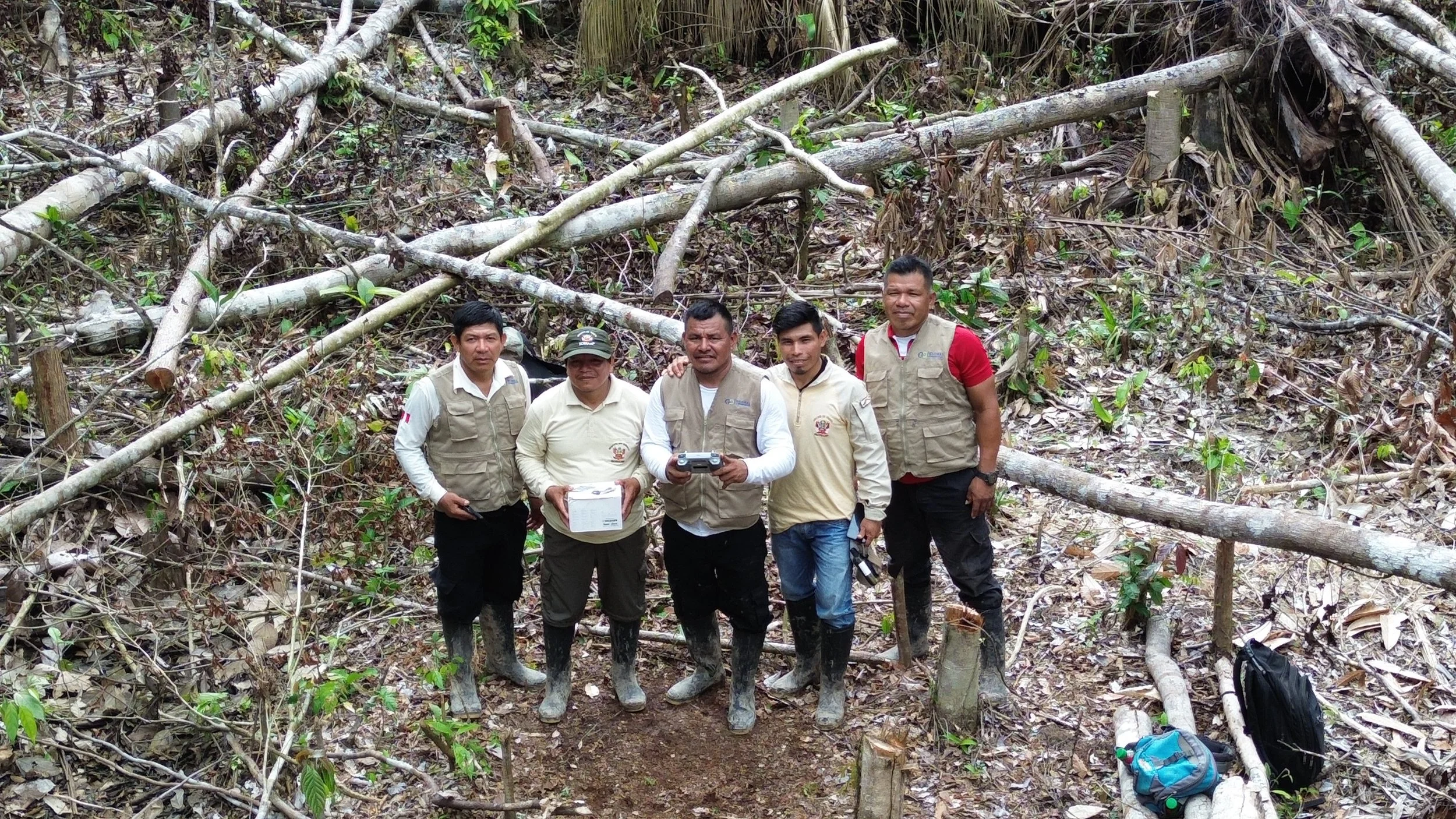
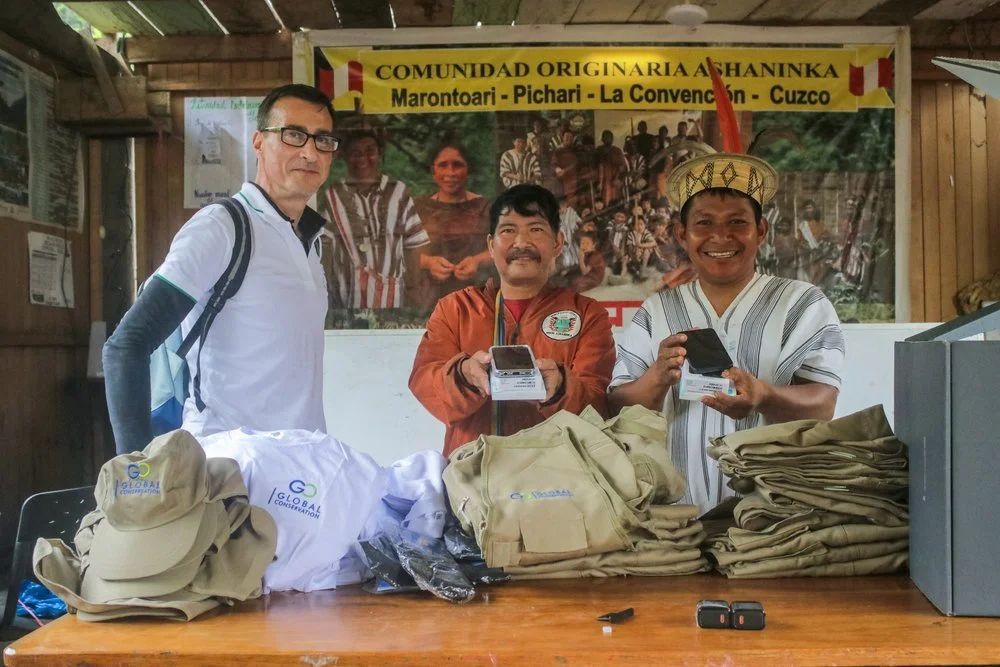
Ashaninka tribe members in Otishi National Park are able to use their new drone to now scan for habitat destruction and find poachers faster.
How Community Protection Helps Us Achieve Our Mission
Community Protection is built on the idea that socio-economic benefits and community engagement can alleviate poverty and improve human welfare while supporting conservation efforts and reducing threats to biodiversity. It brings together the people who actually live near or inside endangered national parks, indigenous territories, or marine protected areas and involves them in the planning and decision-making from day one. Such indigenous and local communities are key players (and have power) in the decision-making and implementation of choices on the management of the ecosystems at issue, meaning that some kind of community authority exists and is capable of enforcing regulations.
Through honest conversations to discover the community's needs and values, as well as informing them about what benefits could come from conservation (like better living conditions or ecotourism), Global Conservation engages with all key stakeholders. By balancing the needs of the people with the needs of national parks, along with their forests, rivers, coastal waters, and wildlife, true community protection is possible.
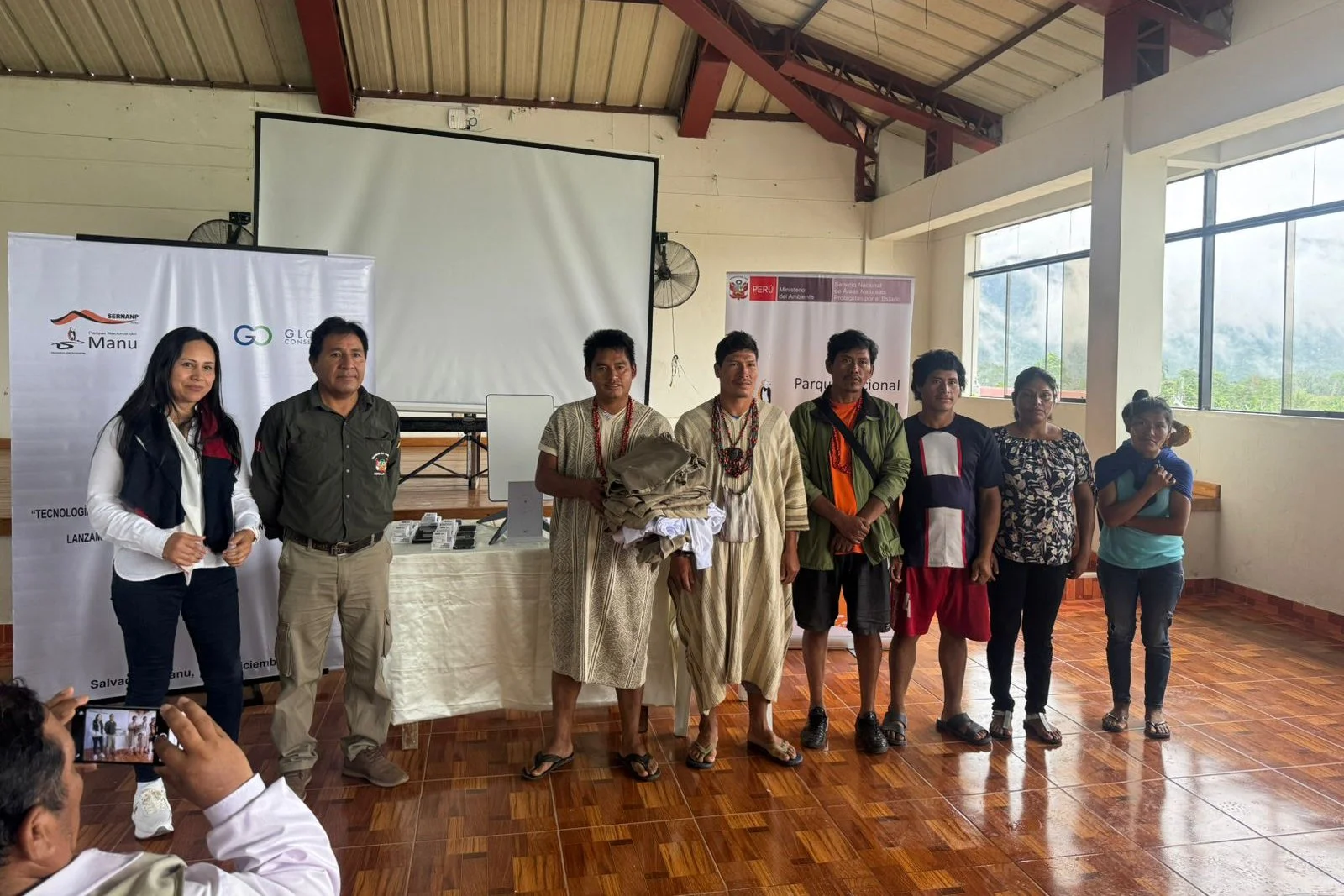
GC Director for South America Margoth Quispe (far left) works with indigenous people in Peru to help protect their lands.
Our relationships with local communities endure because they are built on a foundation of undivided respect, cooperation, and reciprocity. Every human community has different needs, and every species and location provides a different set of assets and challenges.
In order to protect endangered national parks, their gateways, and their buffer zones, we work closely with local communities and indigenous leaders with respect to each location to collaboratively plan for biodiversity conservation and sustainable land use. We believe that the knowledge and practices of indigenous and local communities are key to conservation. We also believe that traditional knowledge and western technology can work together to manage and protect ecosystems while strengthening communities.
Our investments transcend the boundaries of conservation and community development through programs that benefit rural communities, wildlife, and wildlands simultaneously. By balancing the traditional knowledge of local people with science and the latest advances in conservation technology, our work creates sustainable solutions to some of the world’s most pressing challenges. Our community-driven programs positively impact some of the planet’s greatest biodiversity hotspots and last remaining wildlife strongholds.

COMMUNITY PROTECTION IN PRACTICE
Global Conservation acts as a catalyst to create community-based organizations in places where biodiversity is threatened. We bring a positive vision and possible solutions to local residents, highlighting the uniqueness of their area’s forests and wildlife, and then ask for their help to protect them. Local communities are able to utilize their generations-deep knowledge of the natural ecosystems where they grew up, which includes geography and unique or endemic wildlife, and combine that with cutting-edge resources and training to provide an extremely comprehensive protection strategy in addition to providing tourism opportunities.
In most places where we work, people have co-existed with wildlife for centuries, possibly millennia. In these regions, livelihoods are directly dependent on natural resources, but overexploitation in the last few decades has made people and wildlife more vulnerable, which now increases conflicts over already-depleted resources and drives illegal poaching of already-threatened wildlife species.
We hire people from local communities and indigenous tribes as Ecoguards, giving them dignified employment and elevating their community leadership role. The Global Park Defense program makes it possible for park managers, together with indigenous tribes, to protect their ancestral lands from colonizers and poachers.
PRINCIPLES IN OUR WORK
All cultures have nature stewardship traditions; we need to build on them.
Nature and culture are interconnected, as are biodiversity and cultural diversity.
Balancing conservation and the use of natural resources is possible and desirable.
Indigenous peoples have a special role in conservation.
The use of indigenous and local knowledge is essential.
Rights and incentives are key drivers for conservation.
Institutions and governance in conservation need to be multi-level and participatory.
Diverse, flexible, and pluralistic conservation governance regimes help build resilience.
Training Community Ecoguards to Leverage Local Knowledge for Conservation
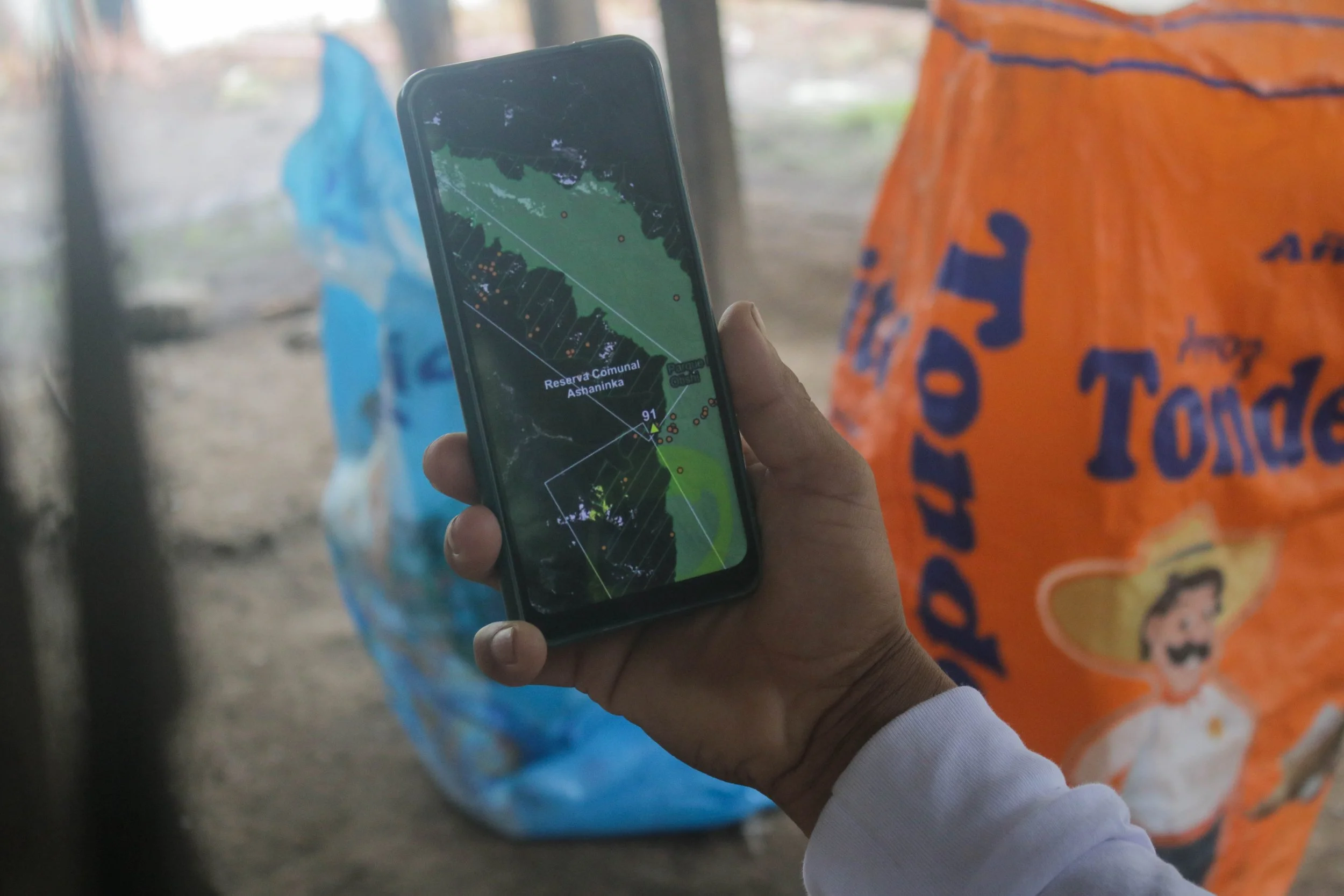
Communities have a unique, comprehensive knowledge of their own landscapes and wildlife. That is why Global Conservation believes in working to support the people who already live in key landscapes so they can protect their own resources.
As in many other communal conservation areas across the continent, GC equips the Community Ecoguards that work with park authorities and law enforcement with advanced anti-poaching tools, ecological monitoring technology, and satellite communications. This allows them to deploy enforcement and wildlife conflict mitigation strategies. Global Conservation combines valuable knowledge of their homeland with conservation technologies to boost their careers and safeguard biodiversity.
Local communities play a vital role in the fight against wildlife crime. However, engaging communities to support wildlife conservation activities is often challenging and, in most cases, takes a long time. With GC’s help, it will be possible for communities to take charge of project activities by assisting in the development of strong community institutions at project locations that represent community voices, adhere to democratic procedures, and encourage the acquisition of project management skills.
PROJECTS
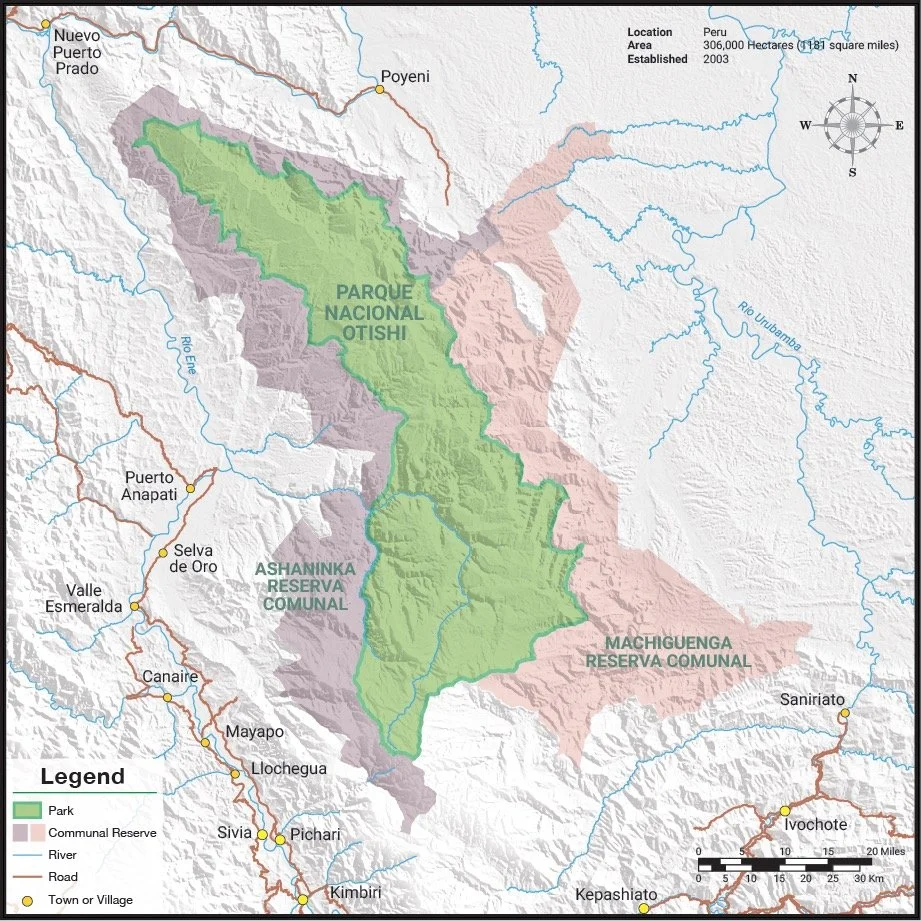
Otishi National Park, Peru: Asháninka Communal Reserves
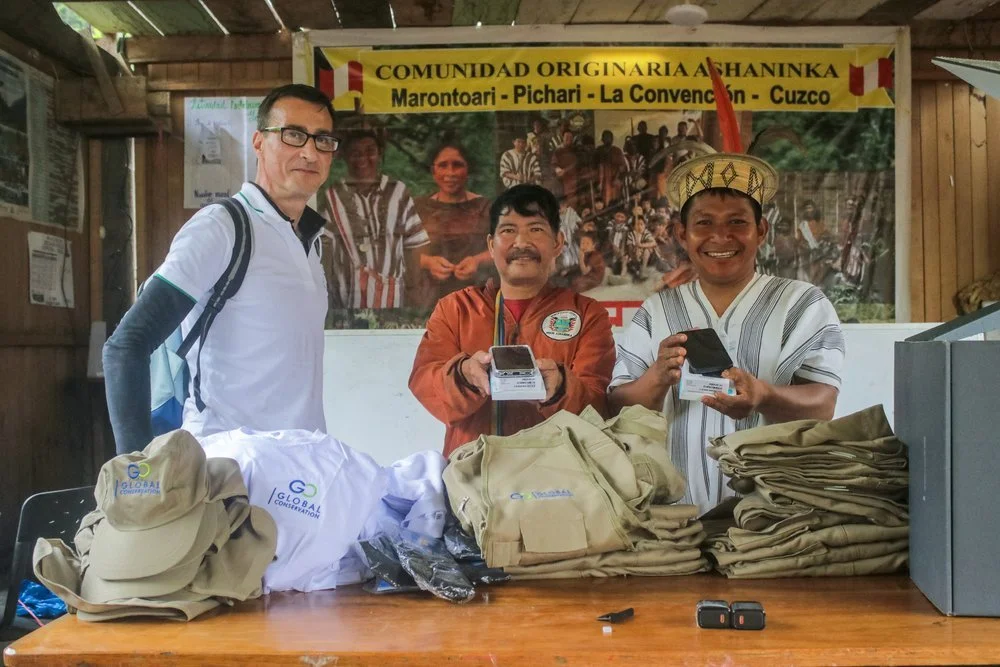
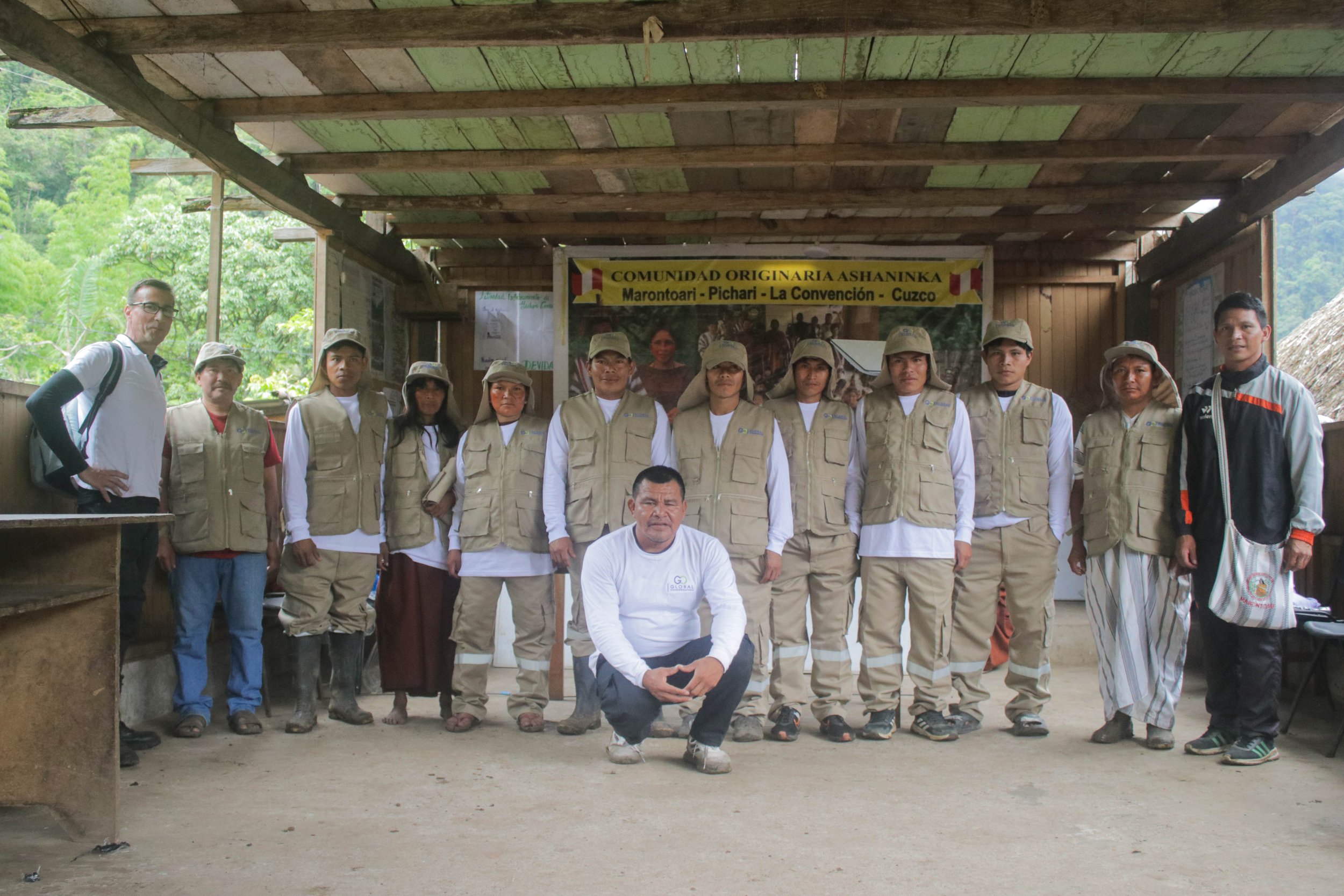
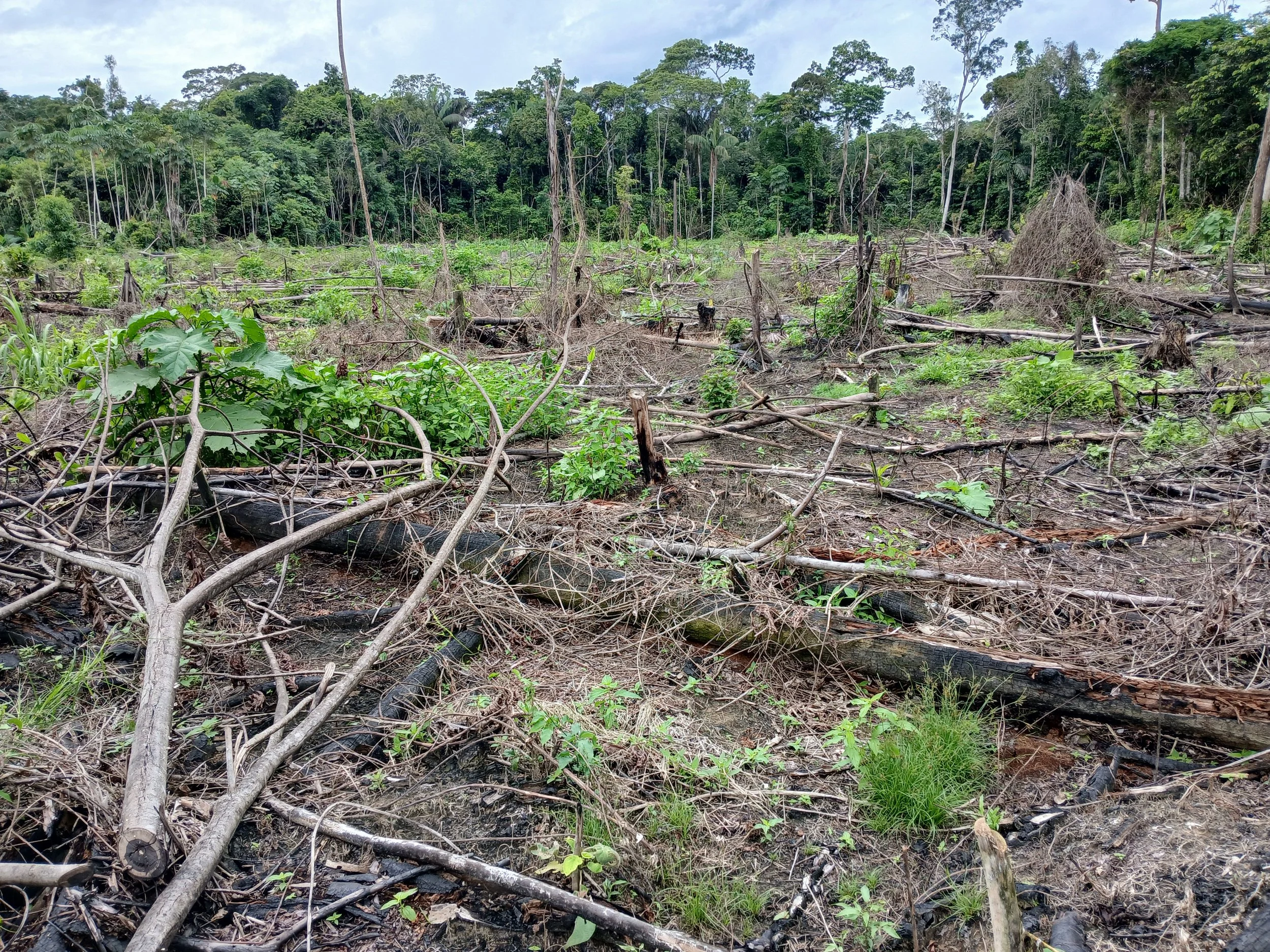
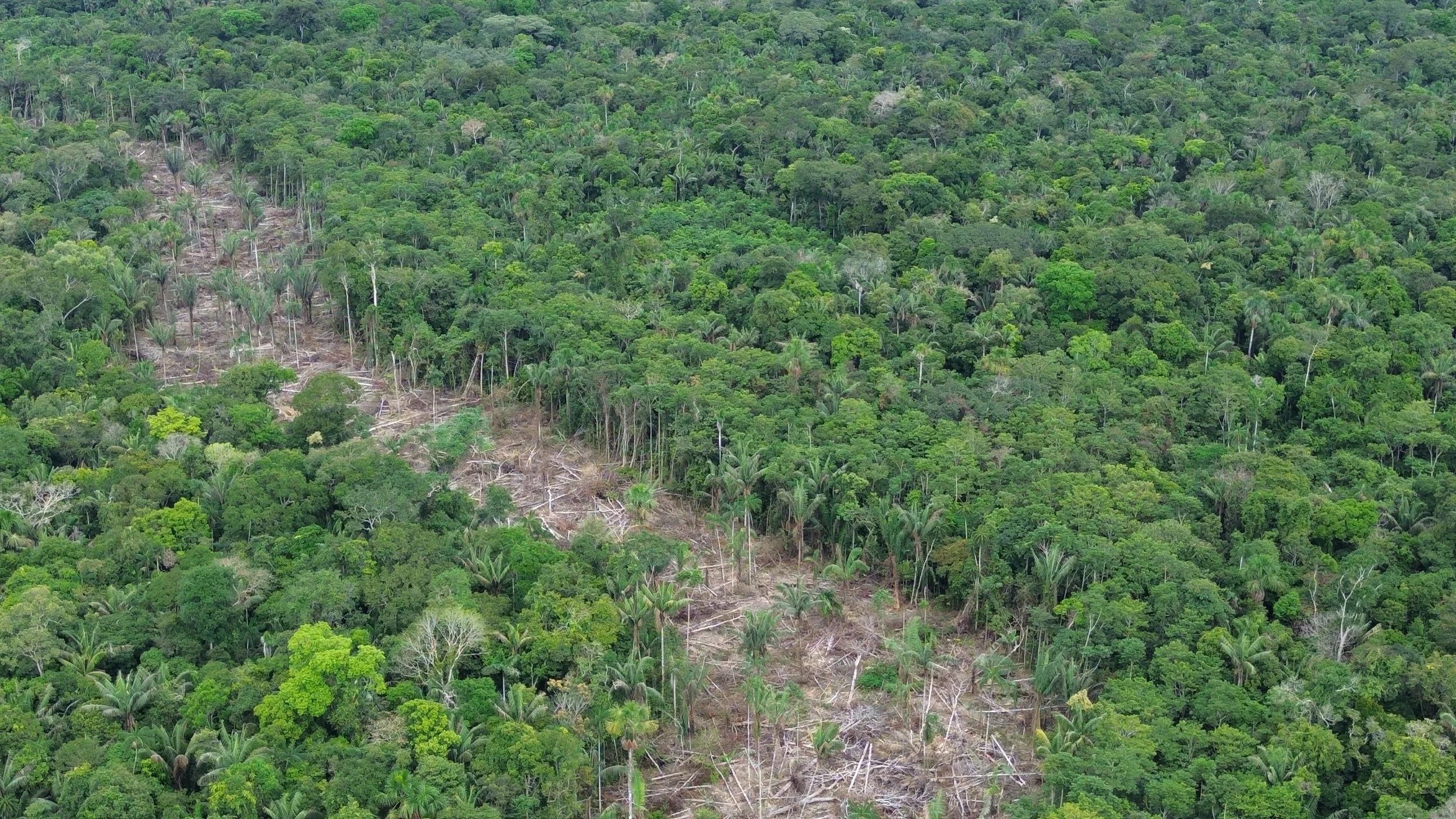
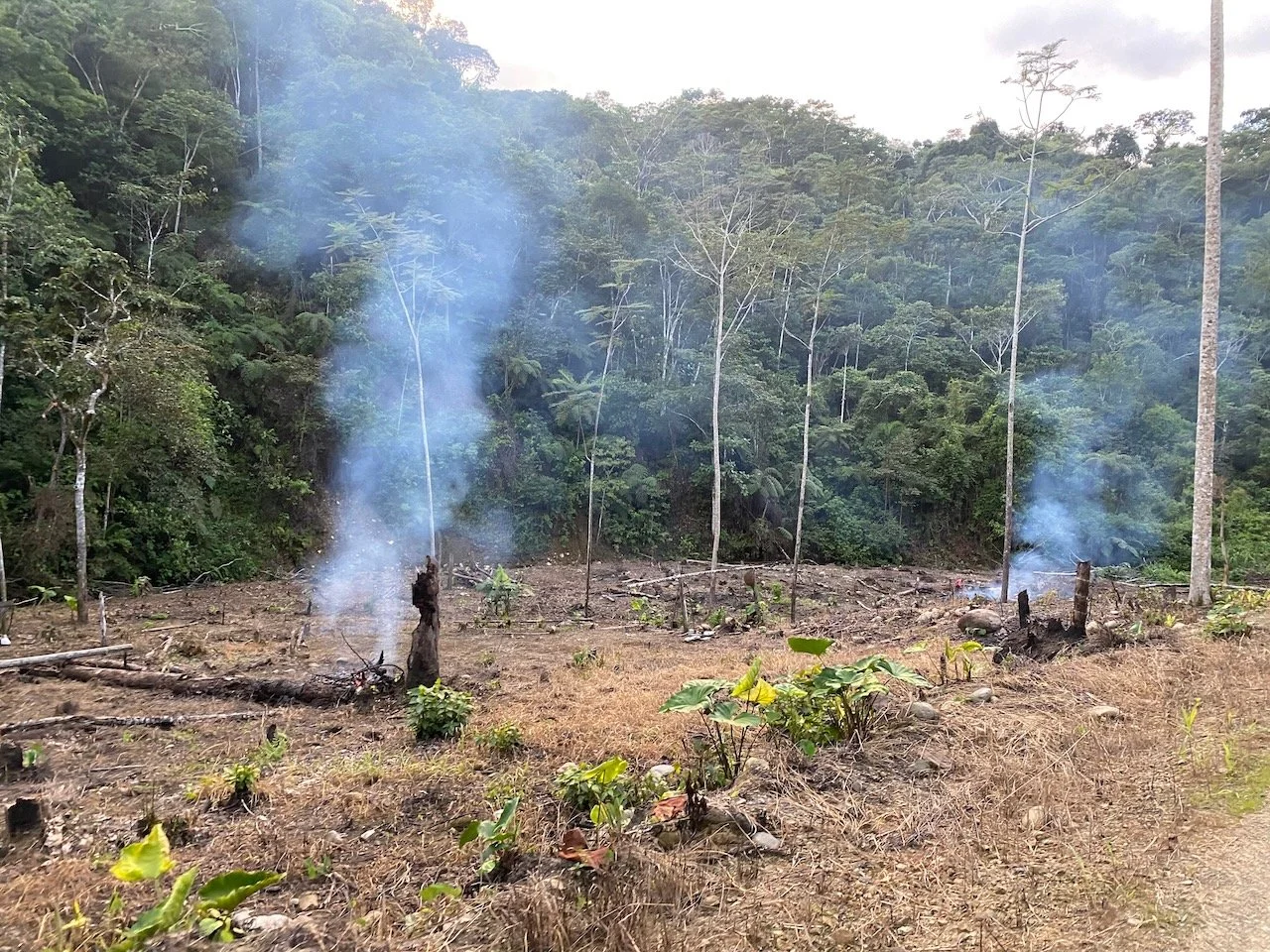
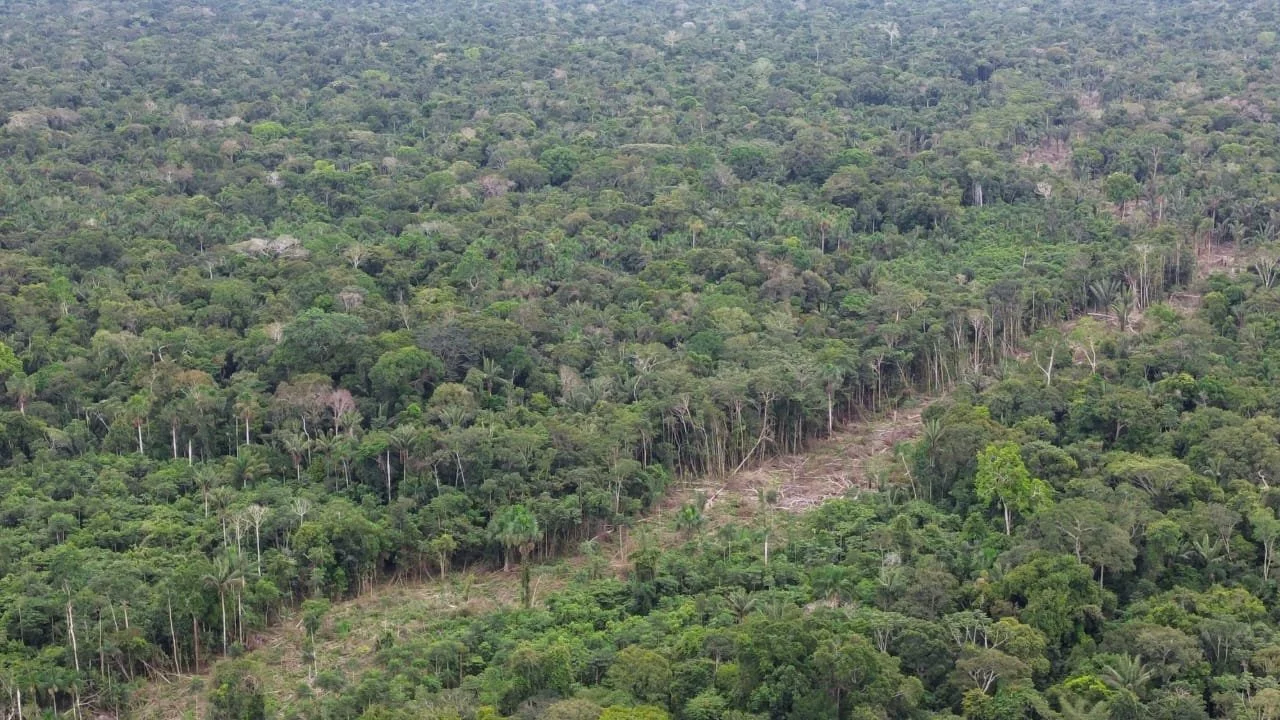
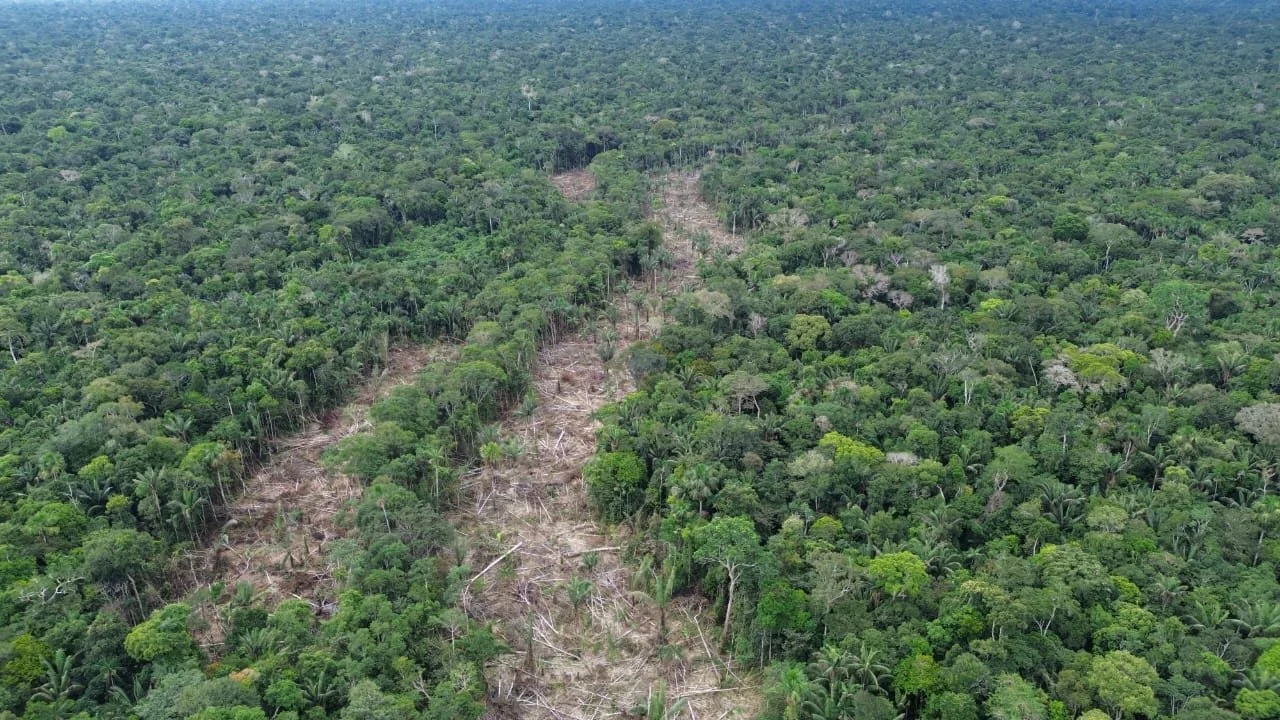
Focused on protecting 400,000 hectares of communal reserve forests around Otishi National Park in Peru, Global Conservation helps the Asháninka People deploy Global Park Defense and Community Protection to protect against the violent conflict from invaders and illegal loggers clearing the forests for illicit crops and for the installation of illegal infrastructure (clandestine airstrips). 99% of the surface of Otishi National Park is still in a natural state due to its steep mountain geology and impenetrable forests, but surrounding areas are largely cut or fragmented with heavy clearing for agriculture.
Global Conservation is helping the Ashaninka People of Peru protect their Communal Reserves adjacent to Otishi National Park, a large area of highly threatened indigenous lands facing violent conflict from invaders and illegal loggers clearing the forests for illicit crops and for the installation of illegal infrastructure (clandestine airstrips).
“It is much more than monitoring the territory; it is about a spiritual connection and care for nature because they are guardians of the forest. So this is how the figure of the Asháninka ecoguards arises.”
— Margoth Quispe, Director of South America for Global Conservation
Otishi National Park was created in the high jungle area of the Vilcabamba Range, traversing the Departments of Junin and Cusco. The stated aim of this National Park is to protect the outstanding natural beauty of the area and the cultural integrity of the two indigenous communities—the Asháninka and the Machiguenga.
The Asháninka are the largest indigenous group in Peru's Amazon and inhabit a large area adjacent to Otishi National Park. Global Conservation is working with the national park authorities and the indigenous authorities of both the Ashaninka and the Machiguenga Reserves.
The Asháninka are estimated to number between 25,000 and 45,000 people who live in remote valleys and are mostly dependent on subsistence agriculture. They use the slash-and-burn method to clear lands and plant yucca roots, sweet potatoes, corn, bananas, rice, coffee, cacao, and sugar cane using biodiversity-friendly techniques. Hunting, fishing, and foraging for fruits and vegetables in the jungle are core to their livelihoods. They use bows and arrows or spears as their traditional weapons of choice.
For over a century, there has been encroachment onto Asháninka land by loggers, Maoist guerrillas, drug traffickers, colonists from other regions, and oil companies.

Global Conservation’s Influence
In Otishi National Park, we have built the first-ever cooperation for park and Communal Reserve protection between the Asháninka People in the Asháninka Communal Reserve of Peru, SERNANP, and the Joint Command of the Peruvian military to assist local indigenous communities to better protect their indigenous territories against illegal logging, coca cultivation, and invasive settlements.
Deploying Global Park Defense (GPD) in partnership with the Asháninka Indigenous Communities, SERNAP, the Peruvian Air Force, Naval Marines, and law enforcement will deliver the critical expansion of protection across over 400 kilometers and 400,000 hectares focused on two primary areas with 10 indigenous communities.
This integrated model, which Global Conservation Peru created over the course of five years in Sierra del Divisor National Park, is currently being scaled to include the combined 5 million hectares of Otishi and Manu National Parks and their Indigenous Territories.
Never before have Peru's National Parks worked so closely with all key governmental organizations and their combined resources in partnership with local communities to stop the environmental damage of its National Parks. Due to Peru's long history of establishing National Parks and Indigenous Territories, we now need to work harder together in order to protect them.
Manu National Park, Peru: Machiguenga People are the Guardians of the Forest

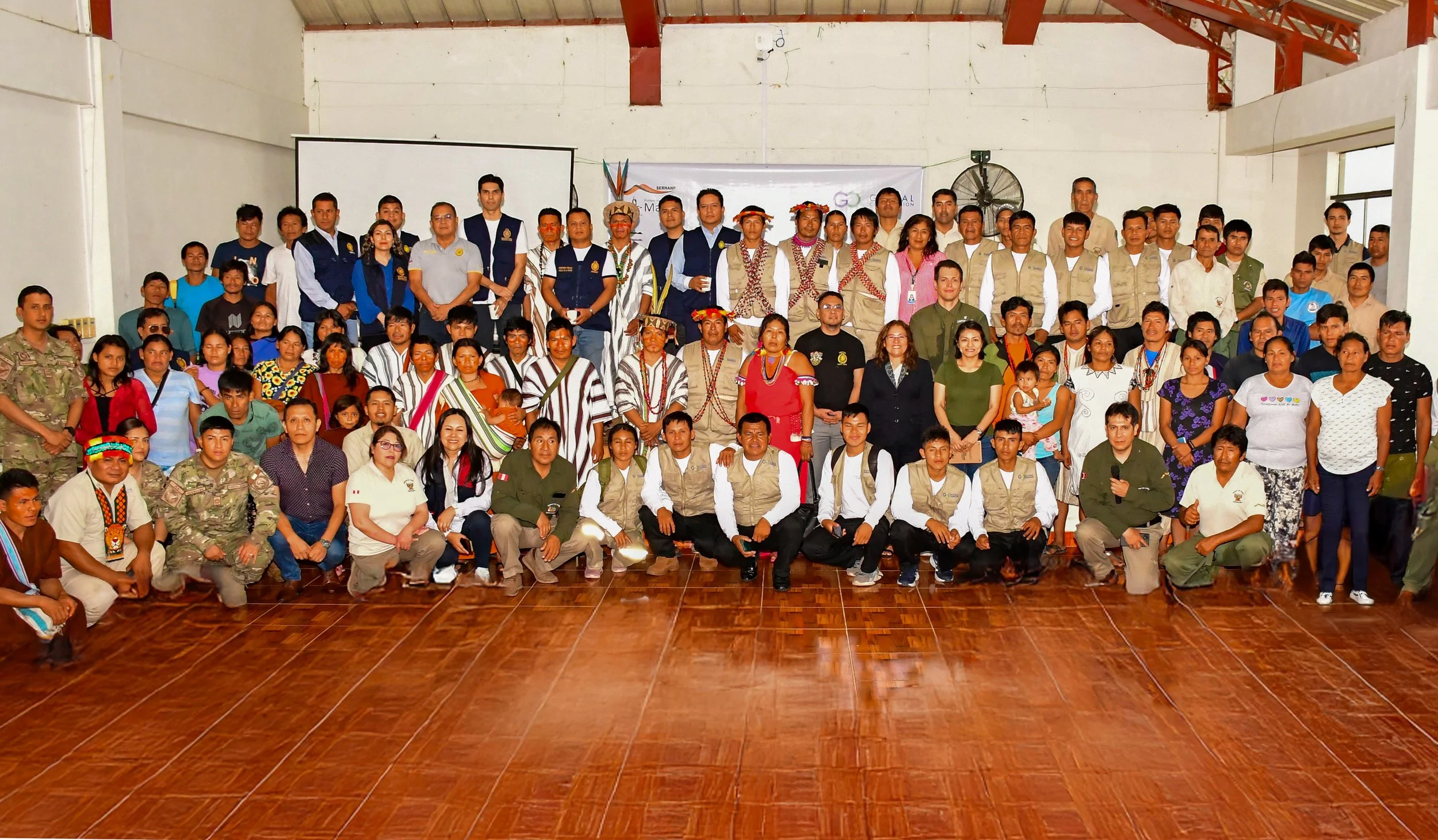
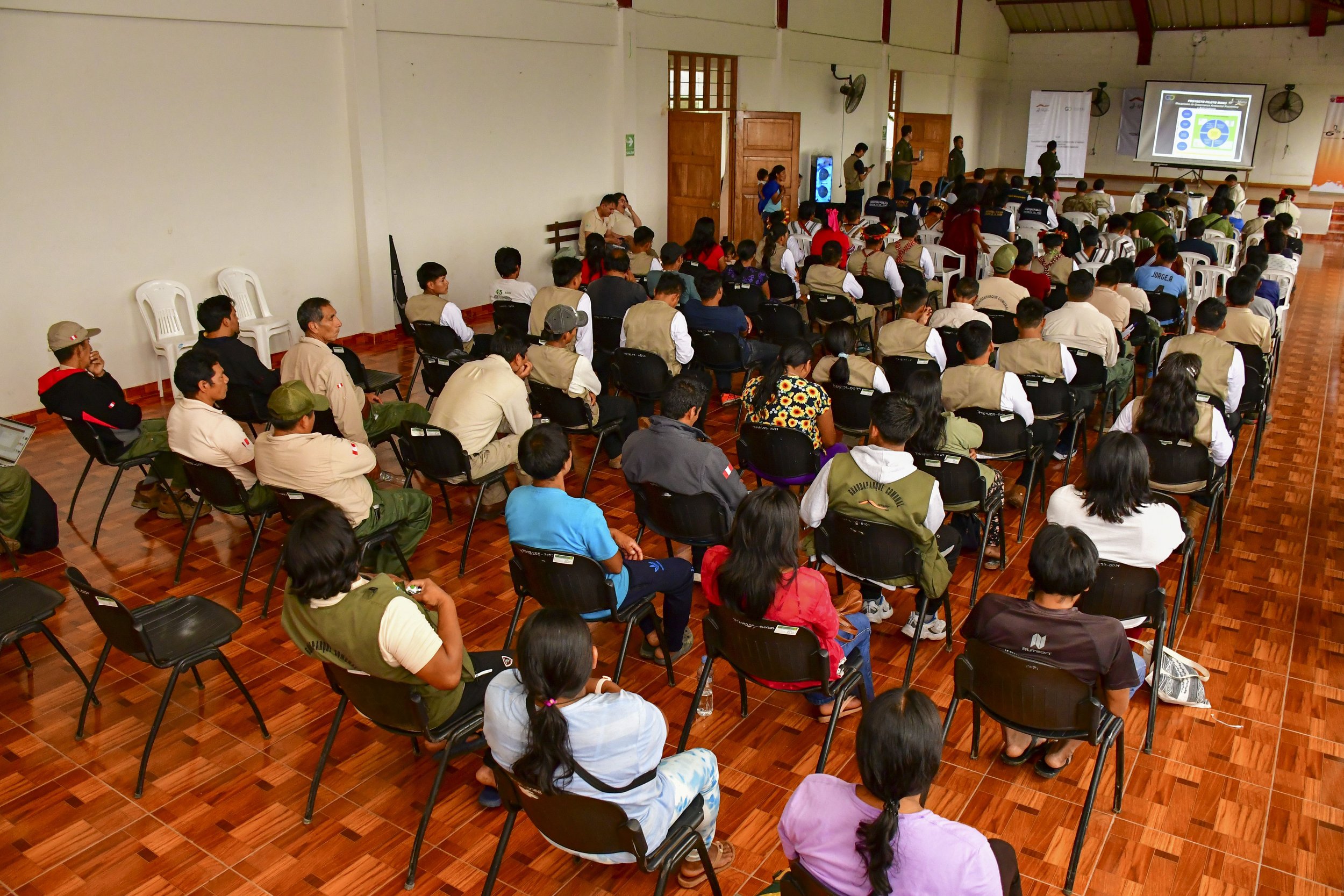
Residents of three communities will be trained as eco-guards and trained to monitor their forests using technology and, consequently, the protected natural area.
Global Conservation has deployed Global Park Defense to protect the borders of Manu National Park, spanning over 1,700,000 hectares from the Andes to the Amazon.
The protection of Manu National Park is one of the highest priorities of Peru. The new highway from Salvacion to Boca Manu has already been built, and the existing highway to Cuzco has been greatly improved. A planned highway connecting Boca Manu to the "wild west" mining city of Puerto Colorado threatens to open Manu National Park to massive, rapid development and potential destruction of forests and wildlife in border areas.
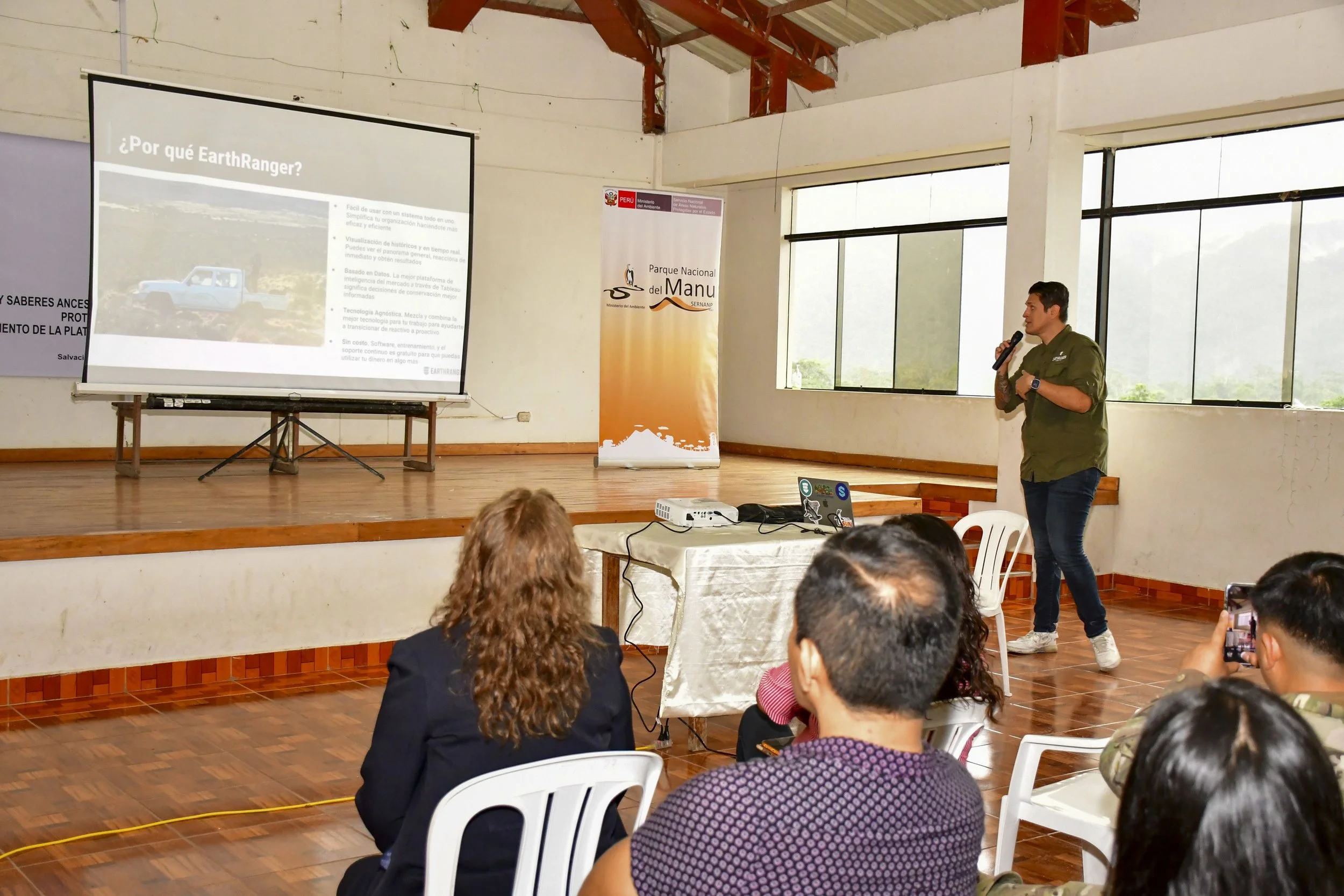

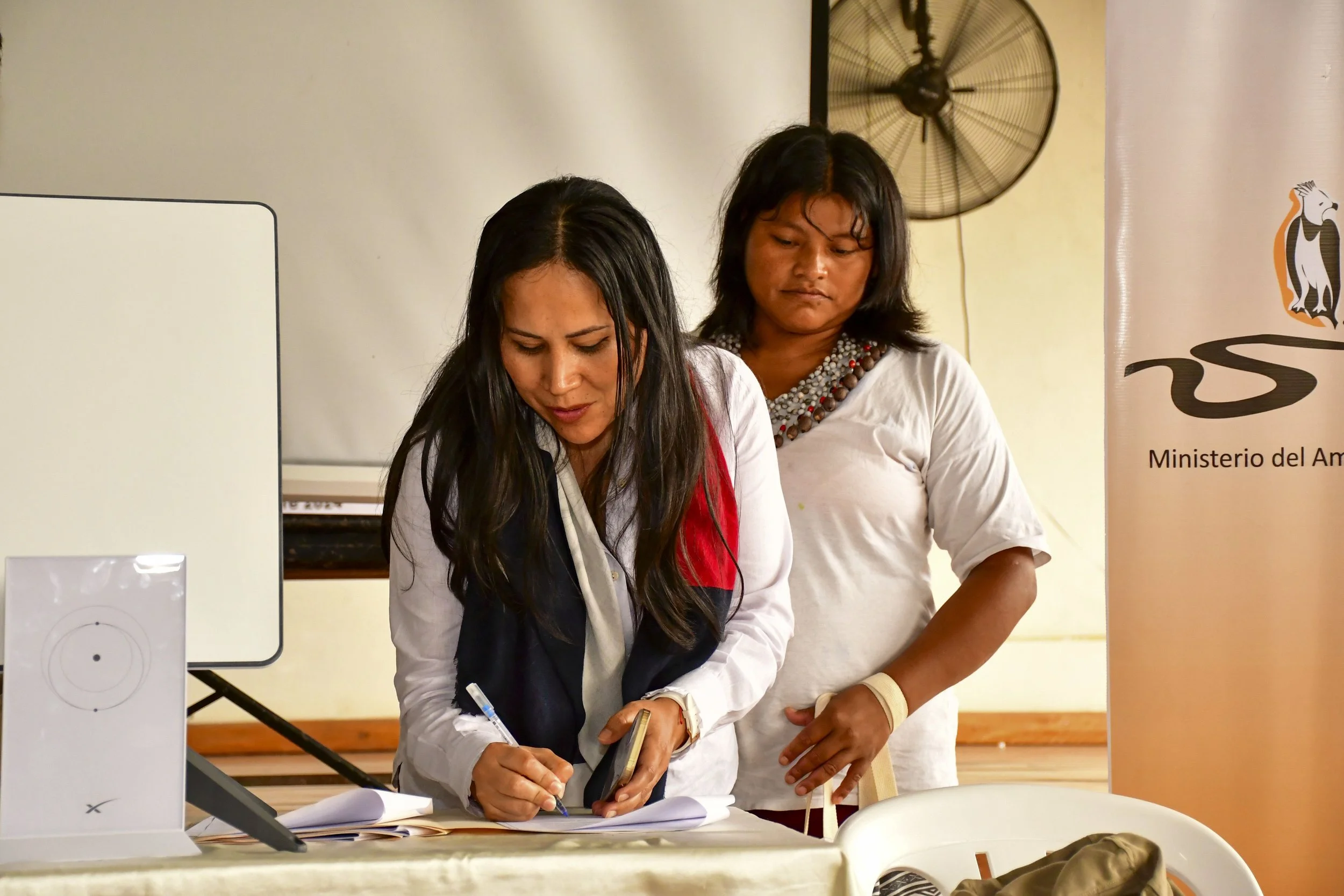
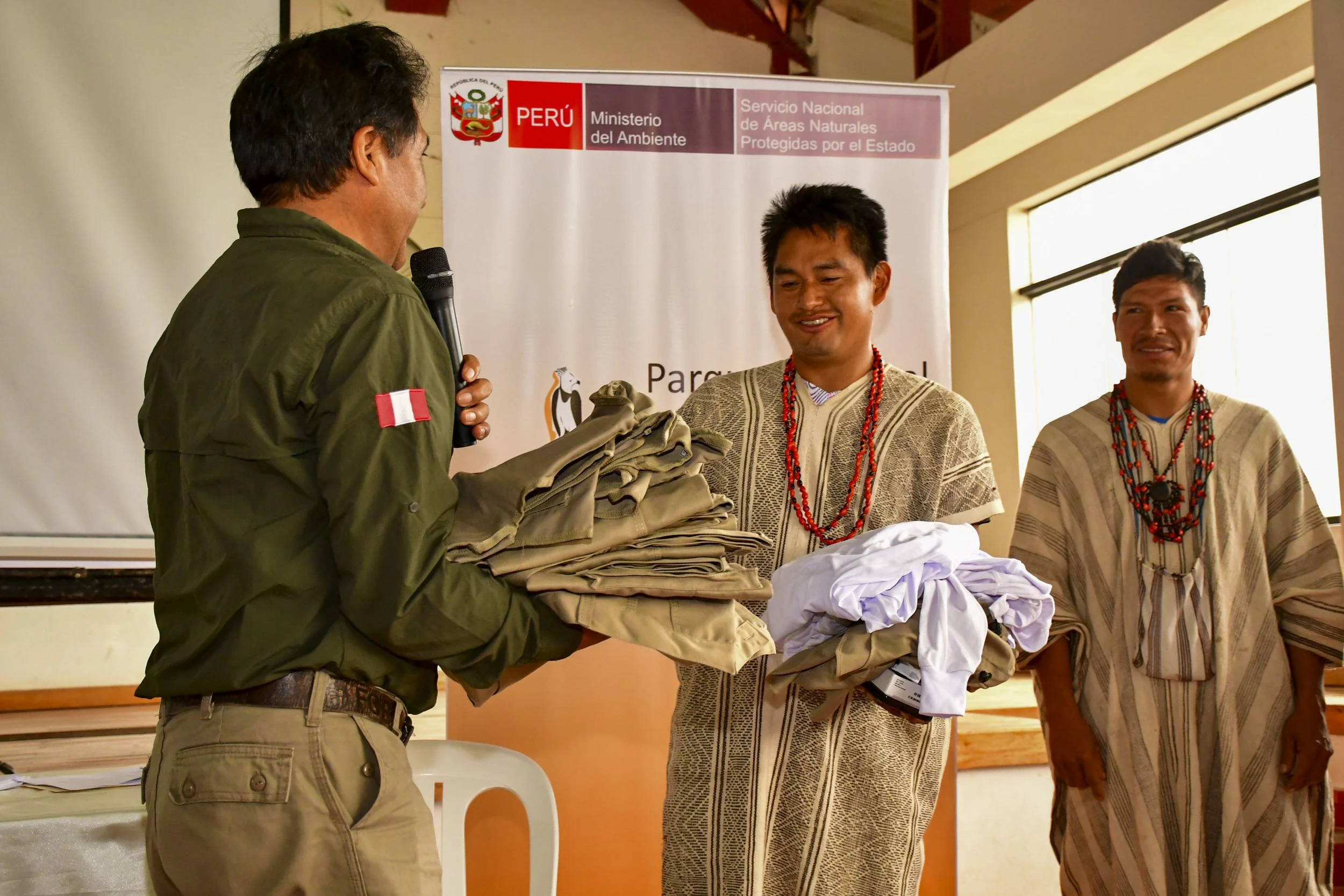
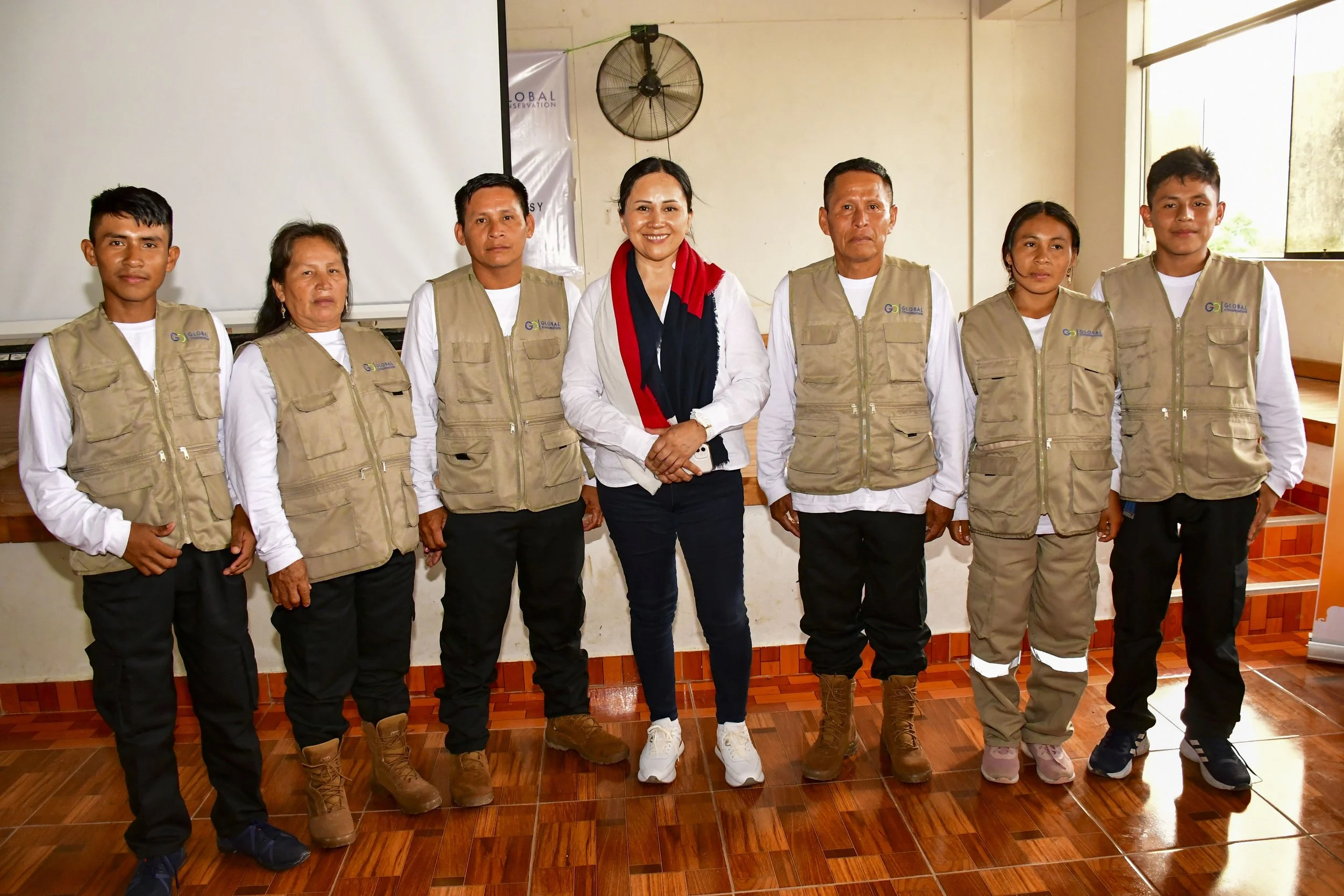
Now is the time to protect Manu National Park by deploying Global Park Defense—systems, equipment, and training—to increase the effectiveness of patrolling and law enforcement and remove illegal activities from in and around the National Park.

The Machiguenga are an indigenous people who live in Manu National Park and the adjoining areas. Their main crops grown are manioc, maize, and bananas, but today commercial crops such as coffee and cacao are increasingly important. Their main source of protein used to be peccaries and monkeys, but today fish have become more important as game animals have become increasingly scarce as a consequence of the encroachment of highland immigrants into the area.
We have built new cooperation between the Indigenous Communities surrounding the national parks with the National Parks Authority (SERNANP), law enforcement, and the military when needed to better protect their Indigenous Territories, especially against coca cultivation.
Supported by satellite and aerial monitoring, deforestation events are rapidly responded to before they become out of control. Invasions can occur swiftly, especially in nearby Indigenous Territories and community areas, where there is no National Park designation to provide protection, no budget for protection, and no formalized law enforcement collaboration.
Global Park Defense integrates local communities into park and wildlife protection and increases collaboration with law enforcement to rapidly remove illegal invaders and illicit crops being grown on their lands before things get out of control.
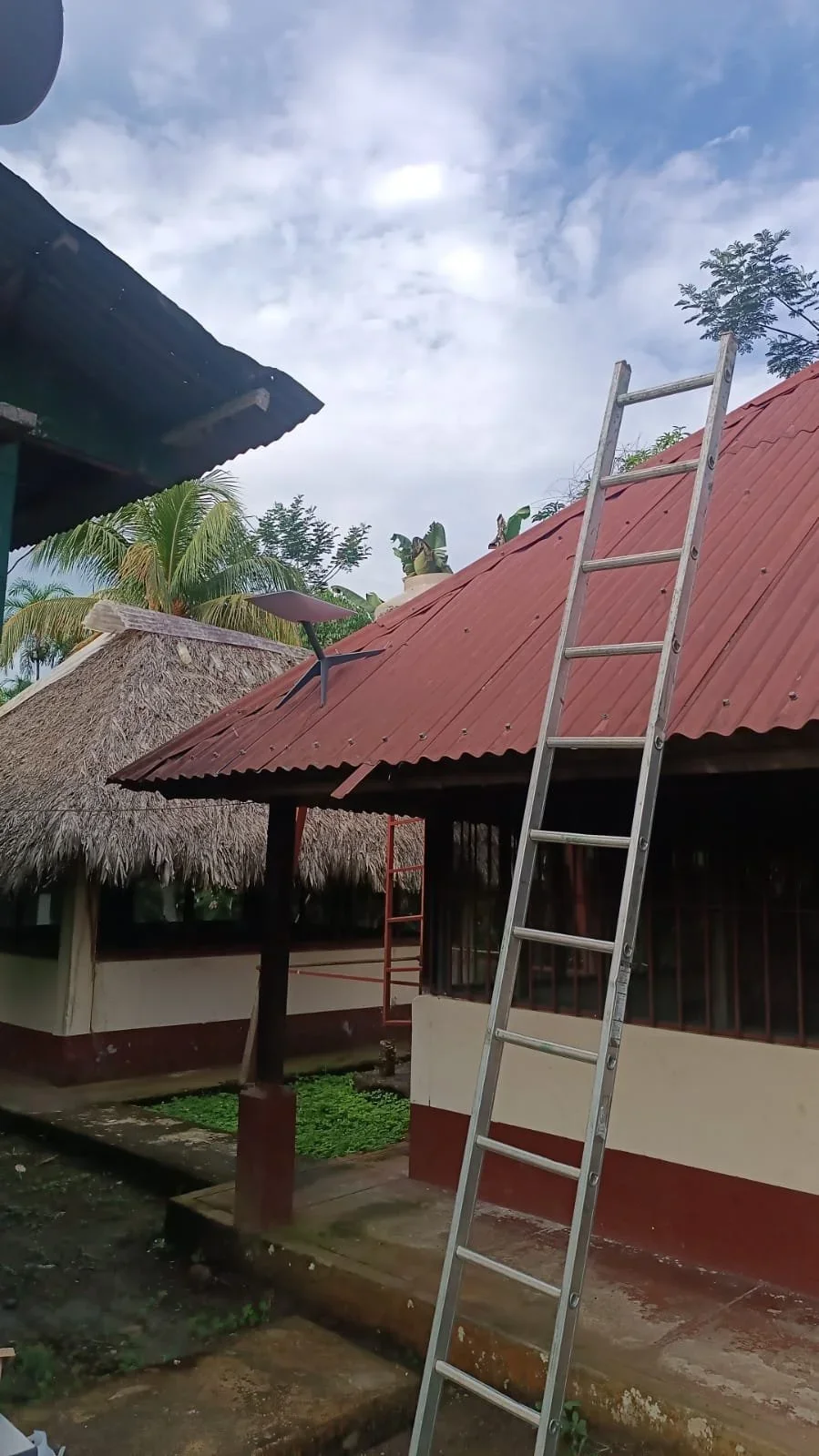
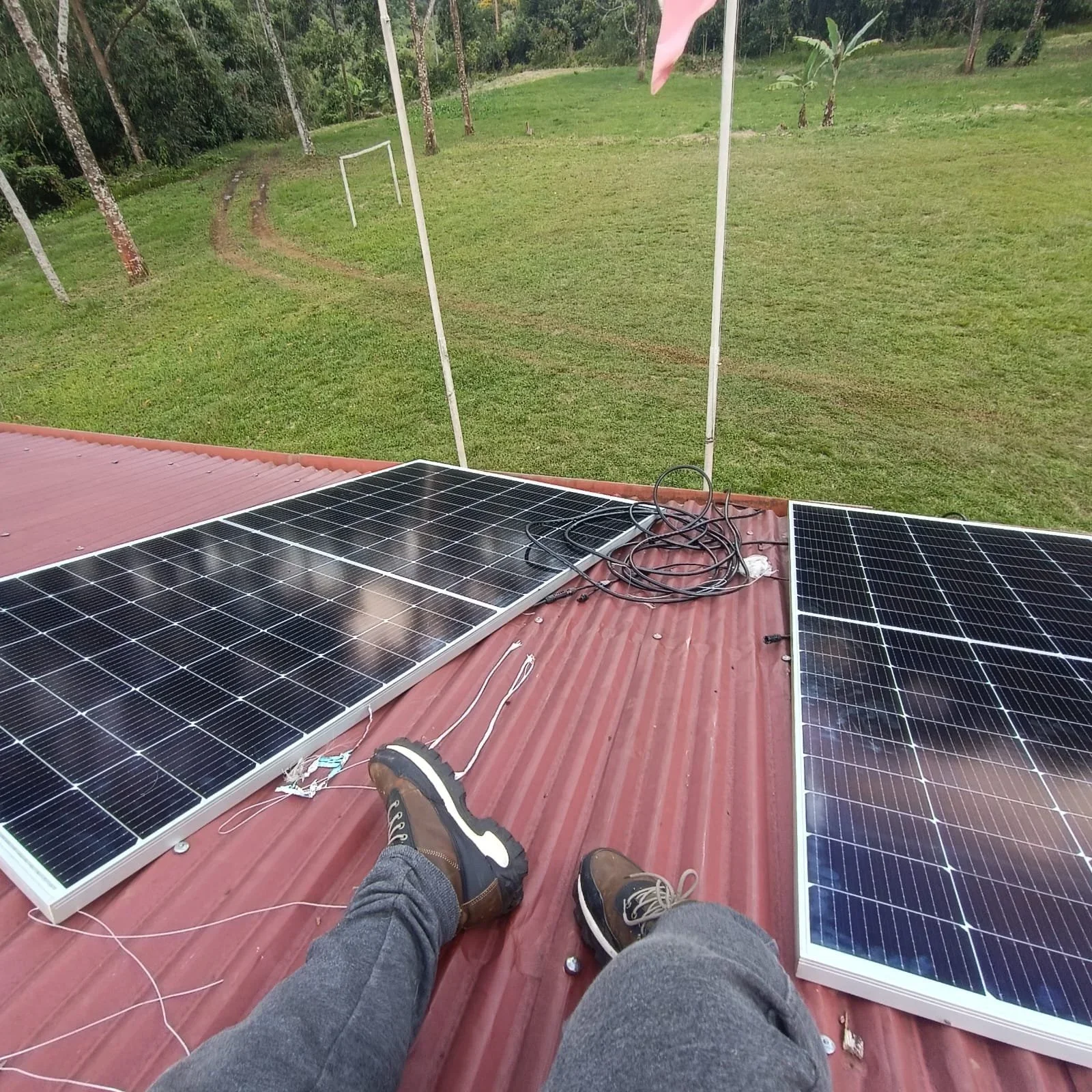
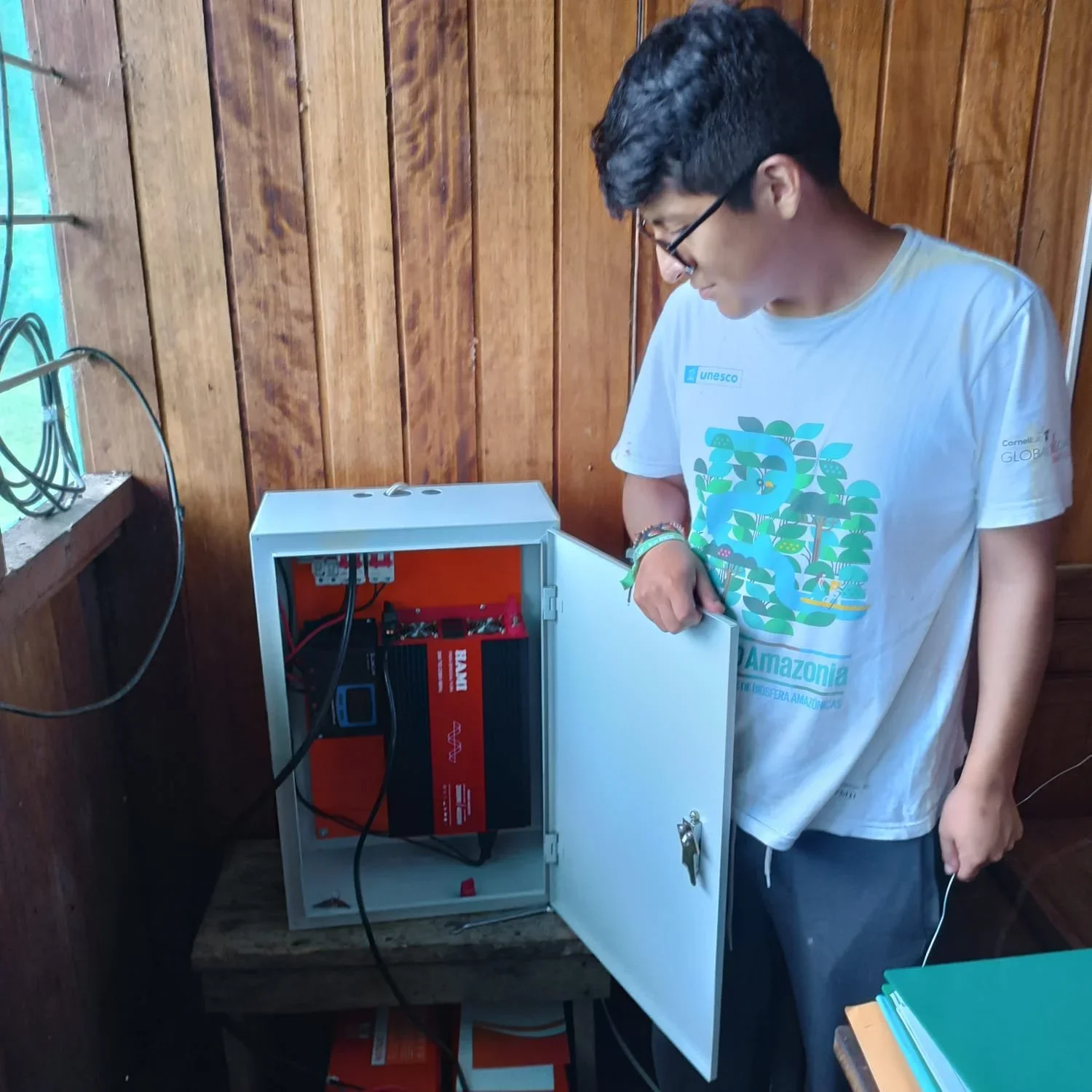
Global Conservation installed Internet service in the three indigenous communities bordering Manu National Park that have received training in using the EarthRanger system.
Mapping Deforestation for Rapid Response
Using satellites to identify deforestation in the National Park and surrounding Communal Reserves, which are supported by high-resolution aerial overflights to clearly identify specific areas for targeted combined interdictions, enables the Park Authority to prioritize scarce resources by deciding where and when to patrol, when to secure backup from law enforcement, and where to better locate ranger stations to stop deforestation and illegal activities.
By responding rapidly to threats, illegal settlements, and coca growers are discouraged from entering and destroying National Park forests and associated killing of wildlife to feed their crews. By increasing the fear of interdiction and arrest, we greatly discourage illegal activities within the National Park and via critical access routes.
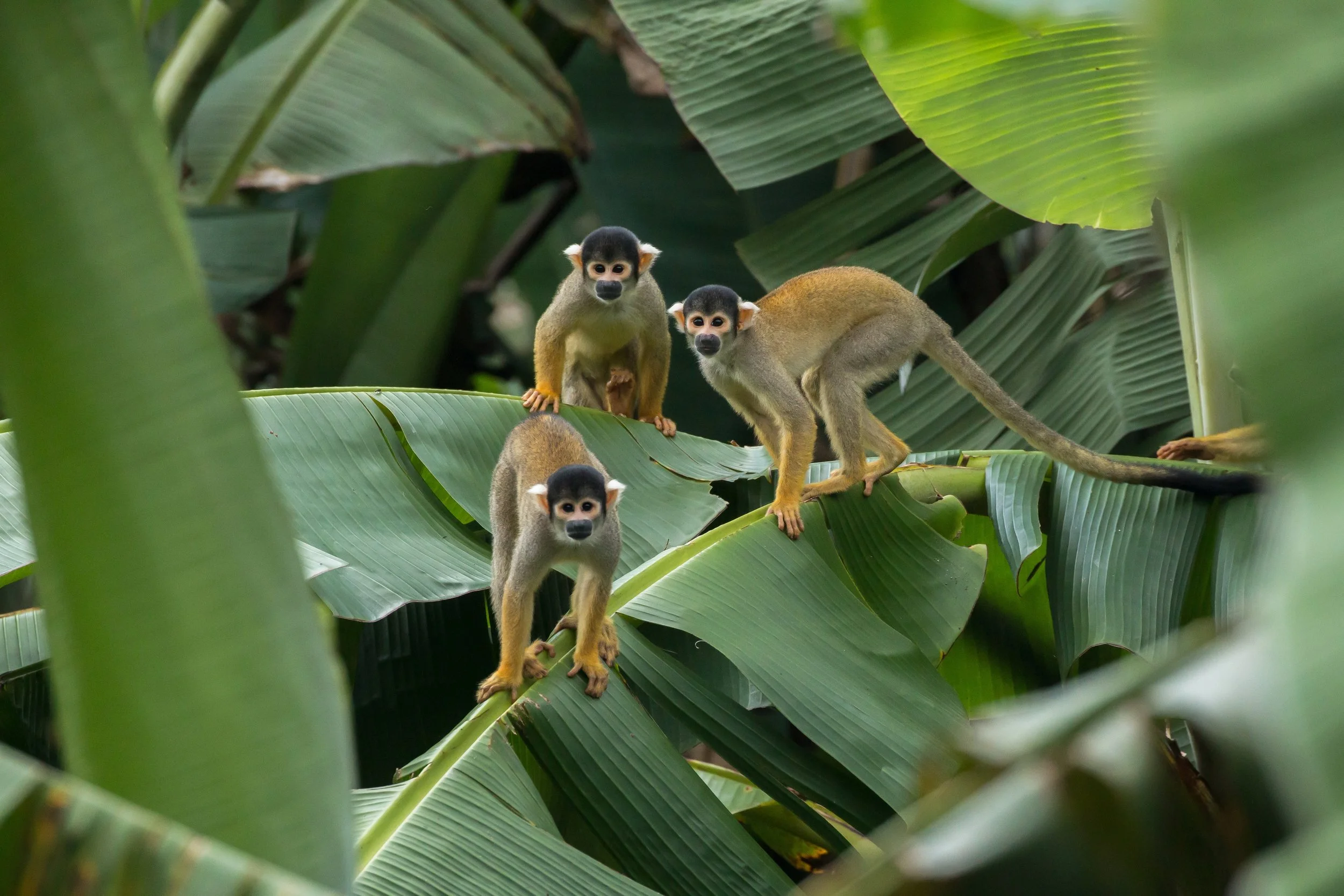
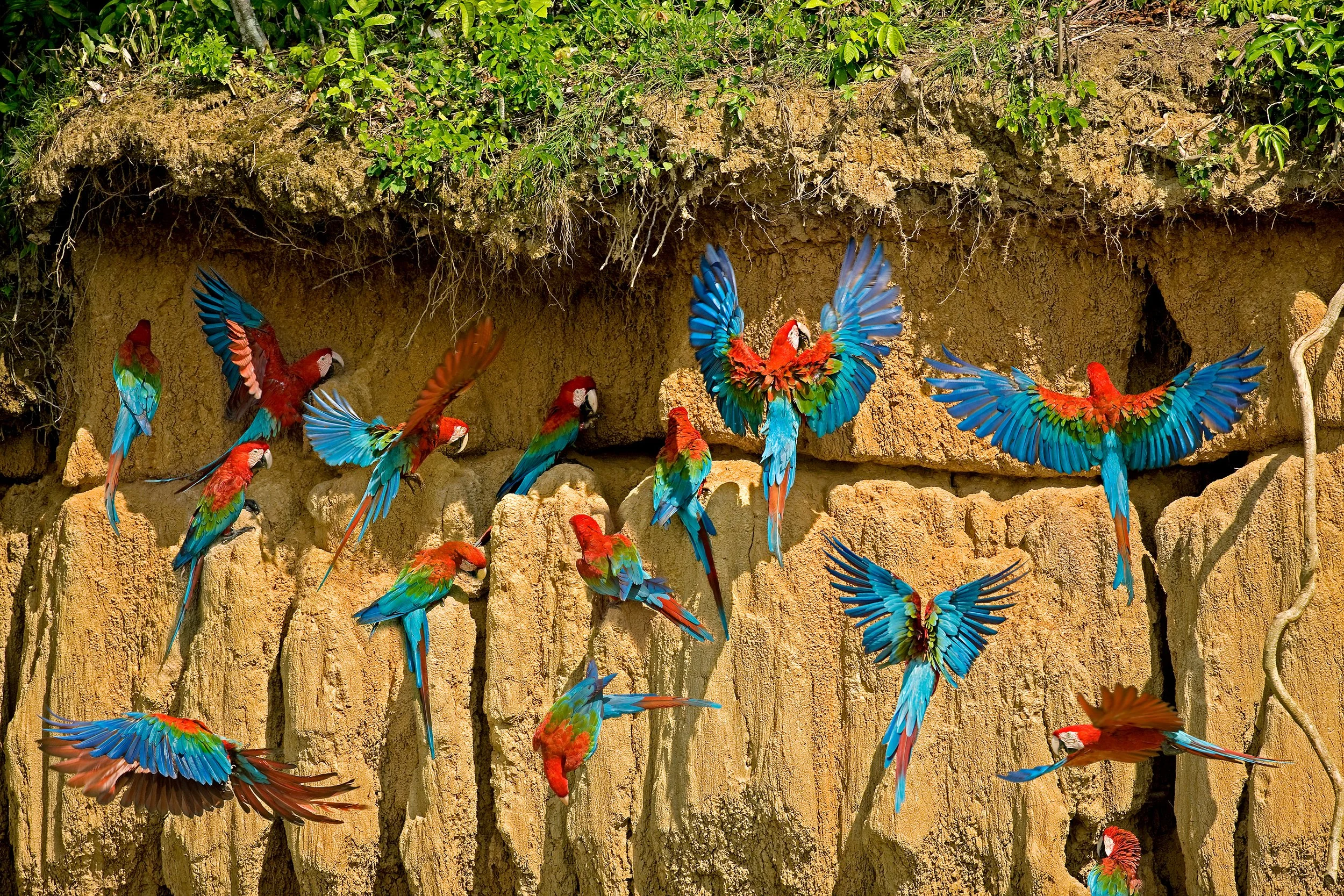
Biodiversity Recovery is just as important as Forest Protection as the populations of most species have declined to dangerous levels due to commercial poaching and hunting.
Global Conservation supports the development of a 30-person Manu Community Protection Force deploying Global Park Defense over the next 2 years with the primary goals:
Equip and train 30 Community Ecoguards from 10 Communities
Hire an Enforcement Manager living in the Region
Logistics for 10,000+ kilometers of Patrolling per year
Deployment of the SMART System and the EarthRanger System for Protection and Biodiversity
Coordination of detentions and relocations with the park authorities and competent authorities (Prosecutor's Offices)
Satellite and Aerial Forest Monitoring
Coordination with SERNANP and Law Enforcement
Ngorongoro, Tanzania: Indigenous Lion Hunters Have Become Lion Protectors

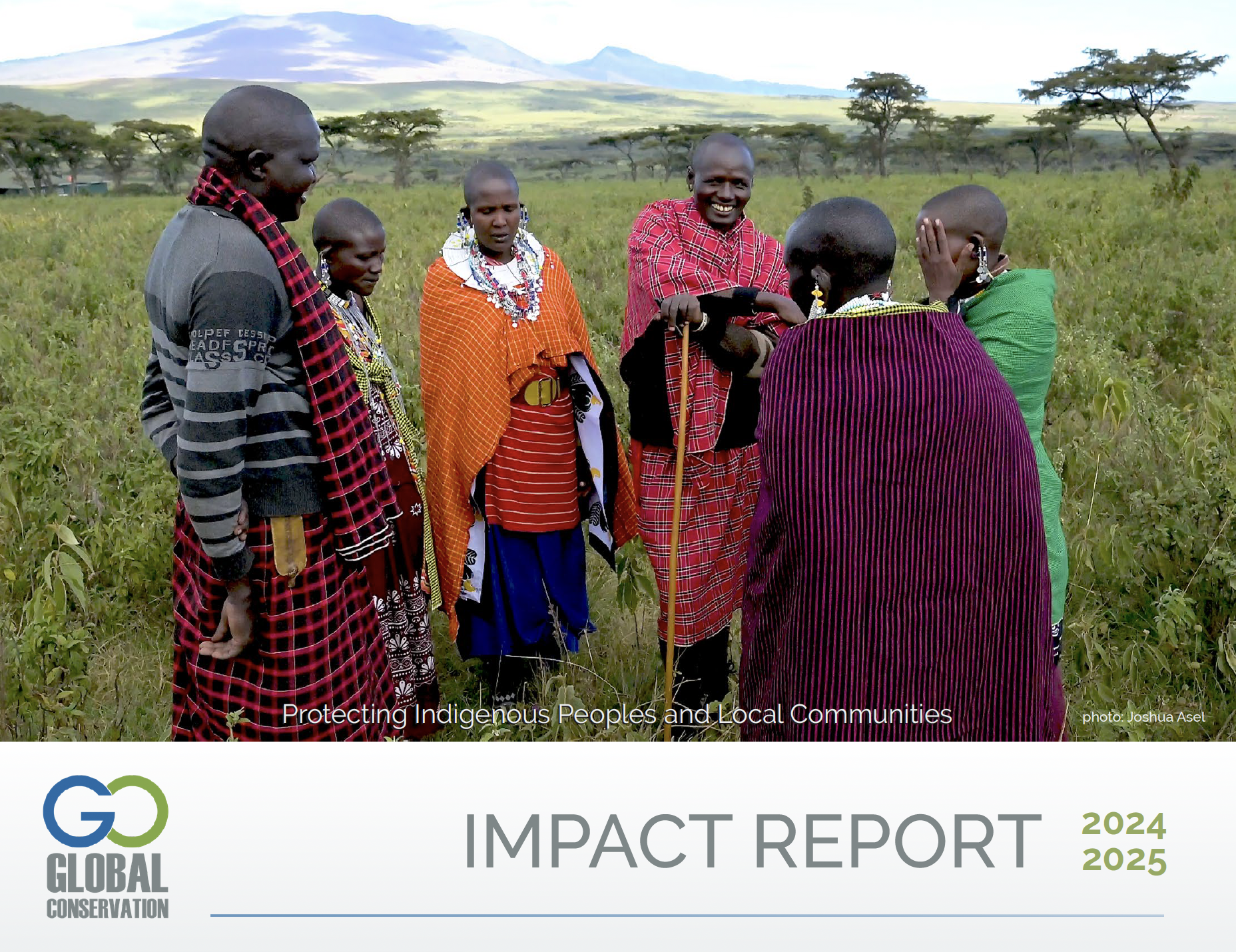
Ilchokuti, who are part of the local pastoralist communities, speak with other community members.

Top predators, like these African lions, are actually wary of humans and do not go looking for trouble regularly.
In the Ngorongoro Conservation Area, lions and indigenous people have coexisted for the past 2,000 years. However, the traditional pastoralist lifestyles of the Maasai and Datooga, as well as a further drop in lion numbers, are under risk due to dwindling space, damaged landscapes, and rising poverty that have upset the balance between humans and lions.
Working together with long-standing culture and traditions in challenging landscapes, KopeLion bases its efforts on three areas of action: to cut costs, realize the value, and apply the knowledge.
Global Conservation provides support across all strategic themes by funding the essential core costs of the project.

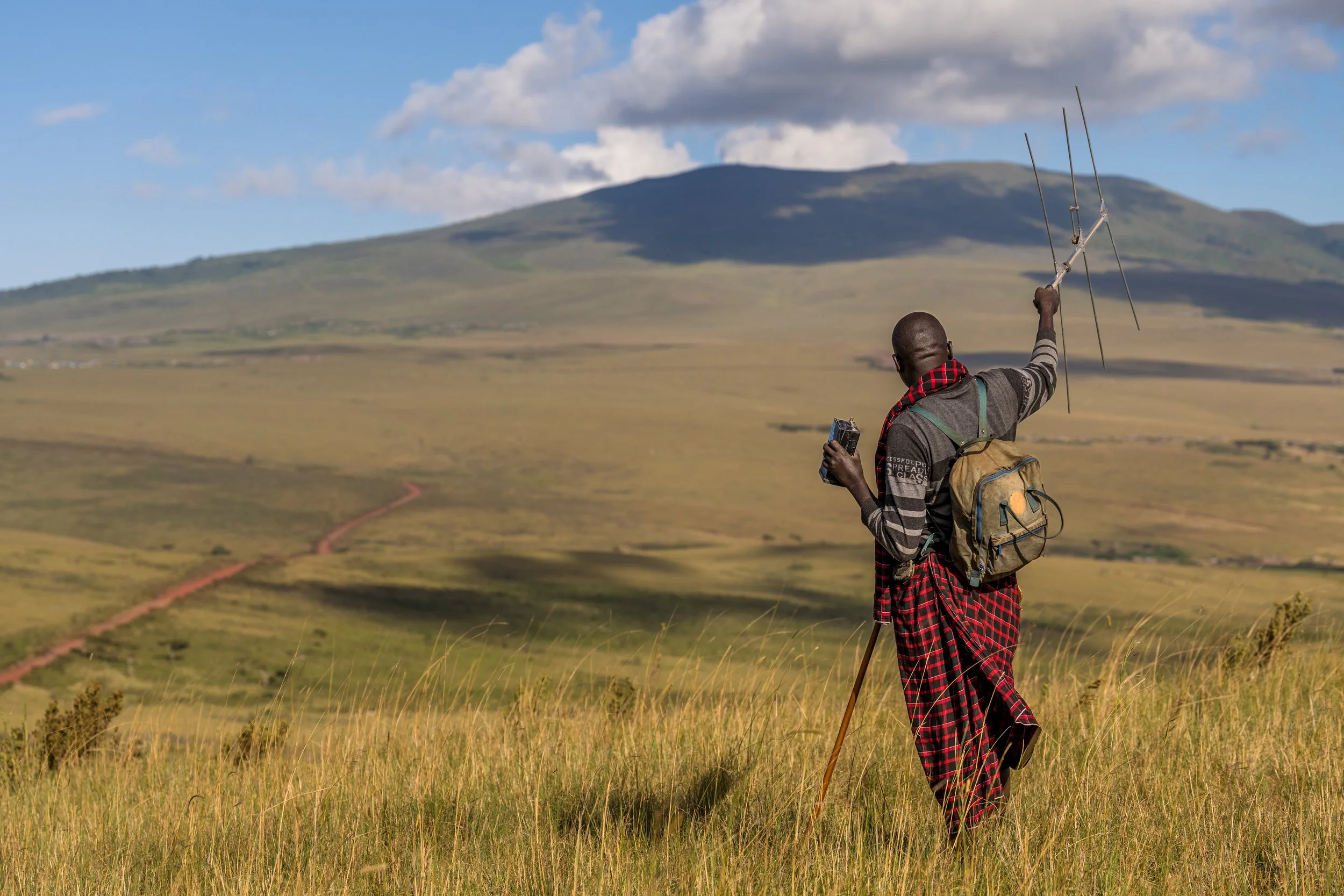
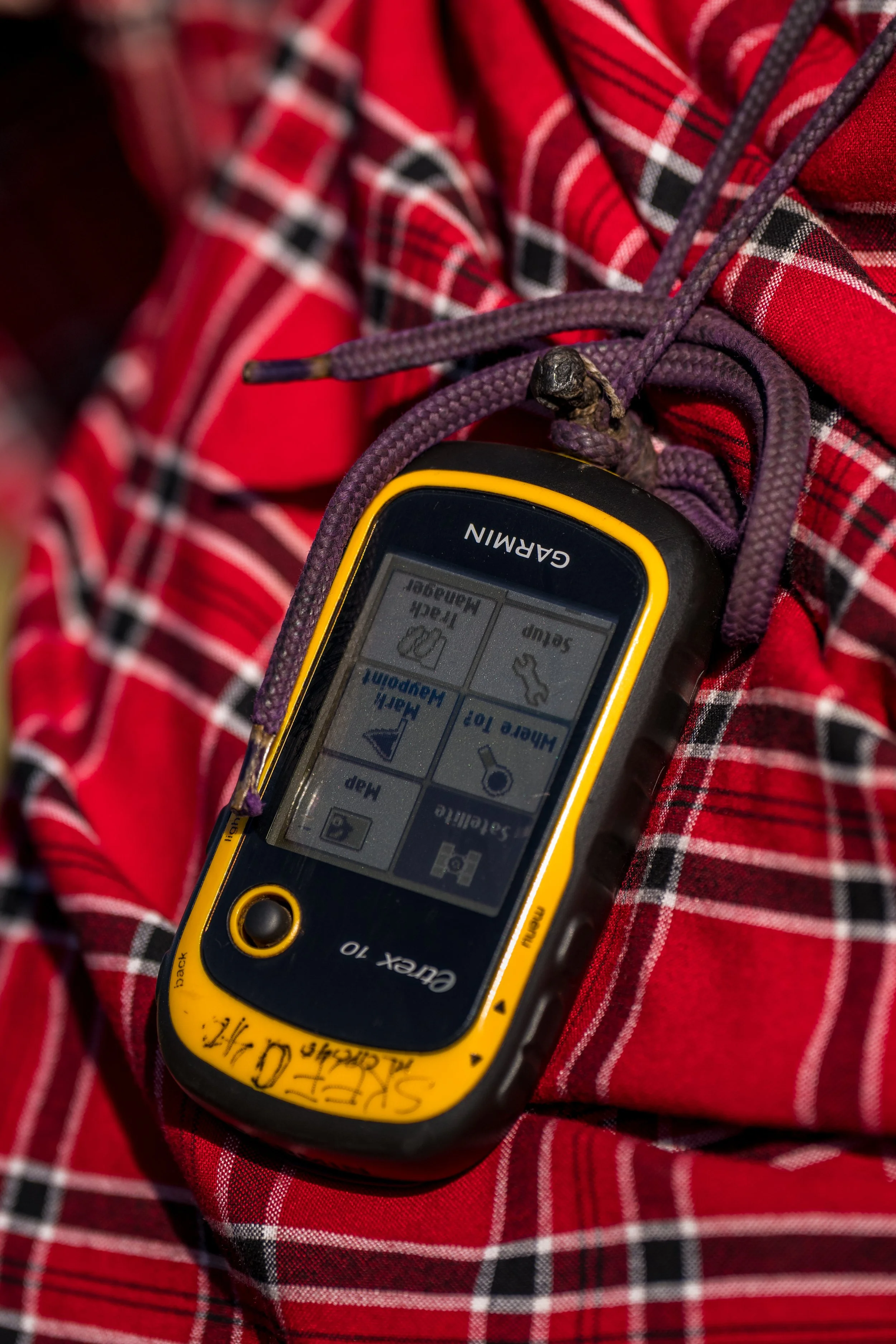
Tracking collared lions by using a set of radio telemetry devices, which include the antenna and receiver, is part of the Ilchokuti's work.
The Ilchokuti Program, central to KopeLion, helps people in Ngorongoro live with lions. Their 30 Ilchokuti on the ground play a critical role in reducing human-lion conflict by warning herders and the community about collared lions in pastures and near settlements. By tracking collared lions daily, Ilchokuti help keep people, livestock, and lions safe.
Furthermore, Ilchokuti have treated many injured livestock, most of which recovered. Their communities appreciate this support, which boosts their tolerance for lions that attack their livestock. Ilchokuti also help find and return lost livestock and reinforce weak bomas that are vulnerable to lion attacks at night.
Ilchokuti Support in 2024-25

"Kopelion has given us more than a fence; they have given us a future. My cows [and goats] are now safe, and we can sleep peacefully at night," Nataana says, her gratitude evident in every word.
No. of bomas reinforced - 79
No. of animals treated for predator wounds - 529
No. of livestock found when lost - 1165 (99% found)
Value of livestock found - $113,695
Number of lion observations by Ilchokuti - 692
Boma Construction Scheme
As part of KopeLion’s initiative to reduce attacks at the homestead level, KP’s team has managed to construct five fortified bomas in areas with high levels of conflict. They’ve established a monthly monitoring plan to visit and collect information about attacks as a way to measure the impact of constructing predator-proof bomas.
The Conservation Incentive Payment Program
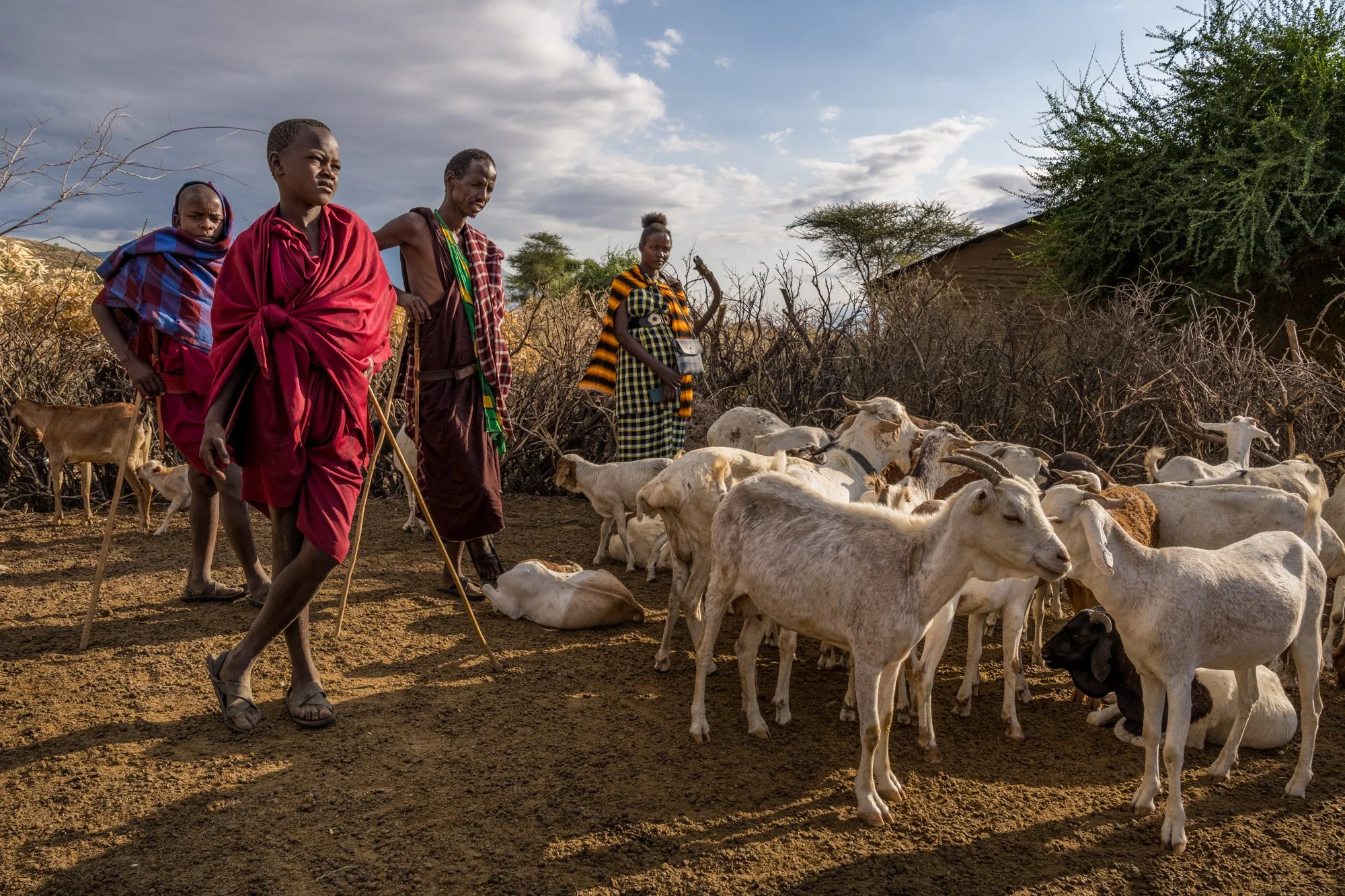
In 2023, KopeLion finalized their Conservation Incentive Payment trial program by conducting a household survey, and in 2024, they took a final step by holding a large stakeholder workshop to present the survey's findings. The workshop involved a wide range of important stakeholders in conservation, including community members from the NCAA Tour operators, and representatives from government organizations.
The findings from the household survey indicate that people are generally more tolerant of lions when they receive tangible benefits from them. It was also a chance to insist on a call to action for the government and other stakeholders to take lessons from the trial and use this model in NCA and other areas with potential human and wildlife conflicts.
Education Project
KopeLion successfully launched their education project in 2024 by establishing clubs in eight primary schools throughout the Ngorongoro Conservation Area, training the teachers who will oversee these clubs, and creating a year's worth of lesson plans to instruct students in clubs about conservation and coexistence-related issues.
Completed Project: KOGUI

The Kogui are a community deeply rooted in ancient traditions, living in harmony with nature in the sacred lands of the Sierra Nevada de Santa.
Over the past two years, Global Conservation has supported the Kogui people to protect their lands, enabling regular and long-distance patrolling and monitoring using the latest technologies—SMART Patrolling, satellite monitoring, and early fire detection systems.
Combining Community Protection with Global Park Defense, we have enabled the organization of Kogui communities across four valleys to better protect their newly acquired lands, over 120,000 hectares, through the passage of laws in 2022.
Highlights – Natural Heritage
The Sierra Nevada de Santa Marta is the tallest coastal mountain in the world, rising to about 18,900 feet above sea level.
The Sierra Nevada de Santa Marta is a source of 36 rivers.
The Kogui people are learning how to use SMART technology to patrol their lands.
The Kogui people, descendants of the Tayrona people, have been farmers and stewards of their indigenous lands for thousands of years in the Sierra Nevada of Santa Marta, which they call "The Heart of the World."

By safeguarding this critical forest and wildlife habitat covering hundreds of thousands of hectares, Global Conservation is supporting the protection of forests and wildlife along with traditional cultural values associated with Indigenous Peoples.
In 2023, Parque Nacional Sierra Nevada de Santa Marta was increased from 400,854.30 to 573,312.60 hectares to better safeguard the lands of the Arhuaco, Kogui, Wiwa, and Kankuamos Indigenous Peoples settled there and to improve land management to protect the cultural and environmental heritage of the Sierra Nevada of Colombia.
Indigenous peoples have shown the opportunity for long-term sustainable use by communities to better manage natural resources for thousands of years, and this expansion process required the joint and sustained effort of various stakeholders for several years.
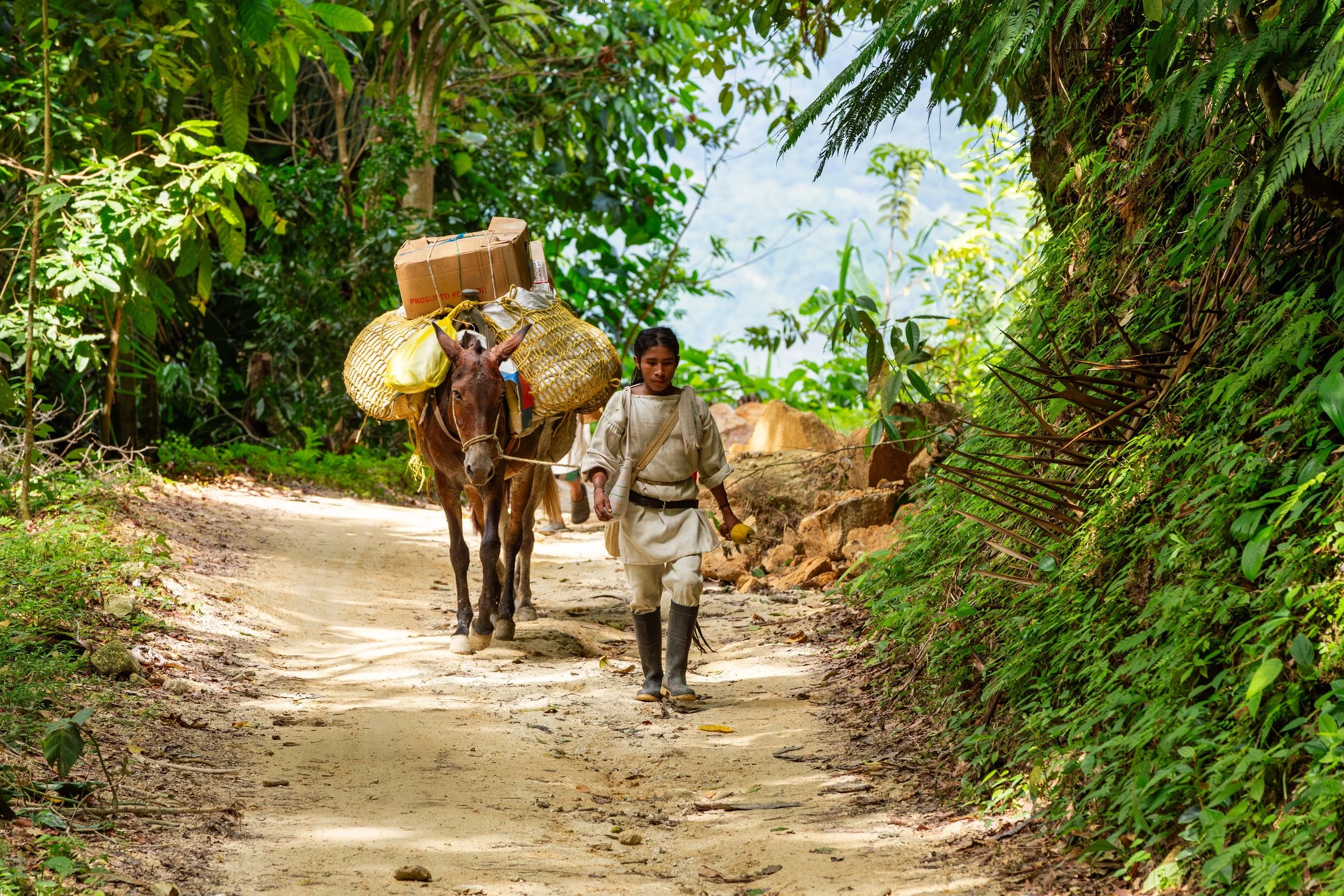
A Kogui woman transports goods on the road to Ciudad Perdida, Magdalena, Sierra Nevada de Santa Marta, Colombia.
Global Conservation is supporting park and wildlife protection in the Sierra Nevada de Santa Marta with the Kogui people, covering over 120,000 hectares across four valleys.
Under a Tri-Party Agreement with the National Parks of Colombia and the Resguardo Kogui-Malayo-Arhuaco (RKMA), Global Conservation has developed a Protection Plan for joint actions for strengthening enforcement and control.
GC Support of Community Protection includes the following:
· Deployment of Global Park Defense
· Funding Community Ecoguards from the RKMA
· Training of Community Ecoguards on SMART Patrolling and Mapping
· Supporting Joint Patrolling - PNSN+RKMA
· Providing Vehicles, Mules, Food, and Fuel for Patrolling
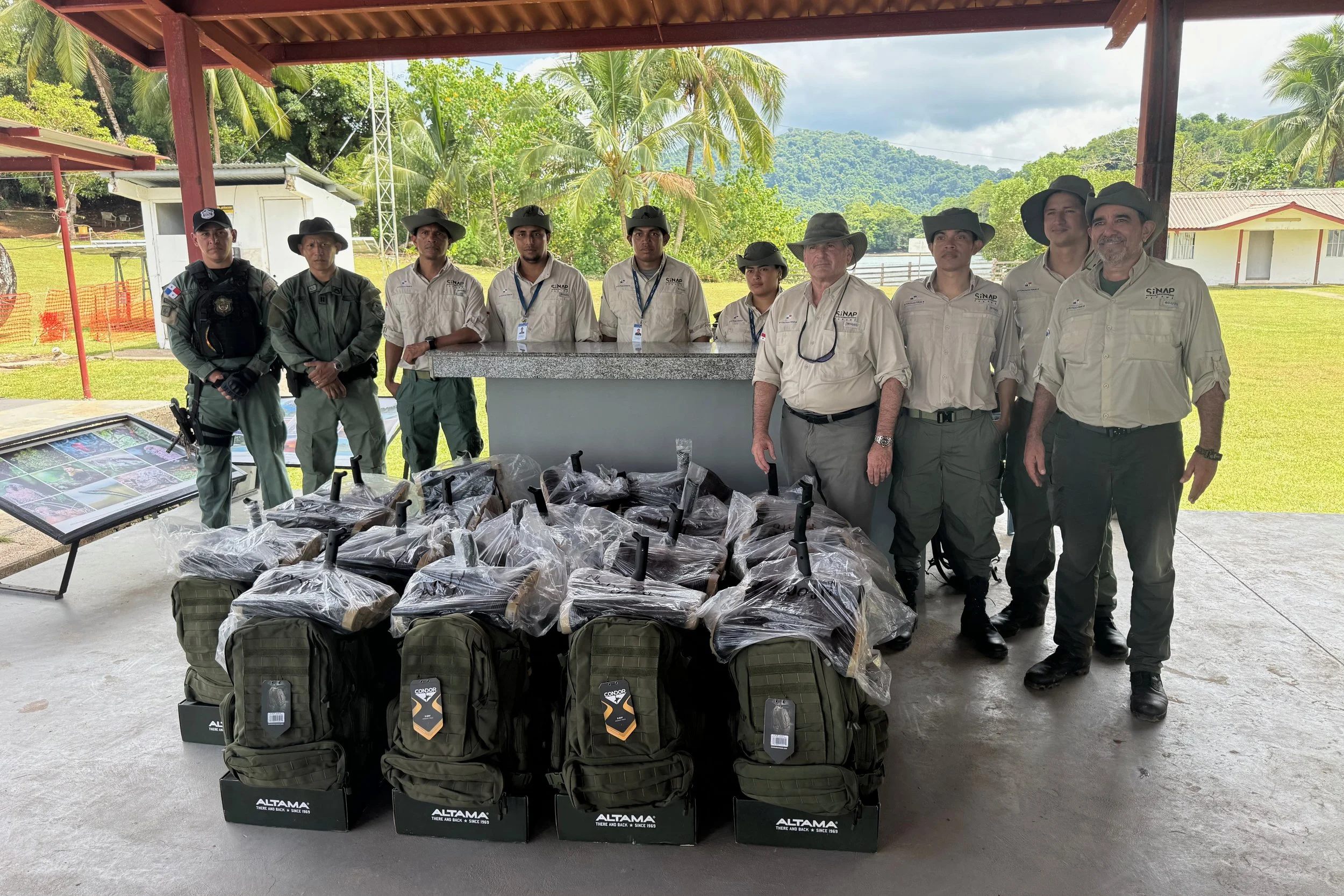
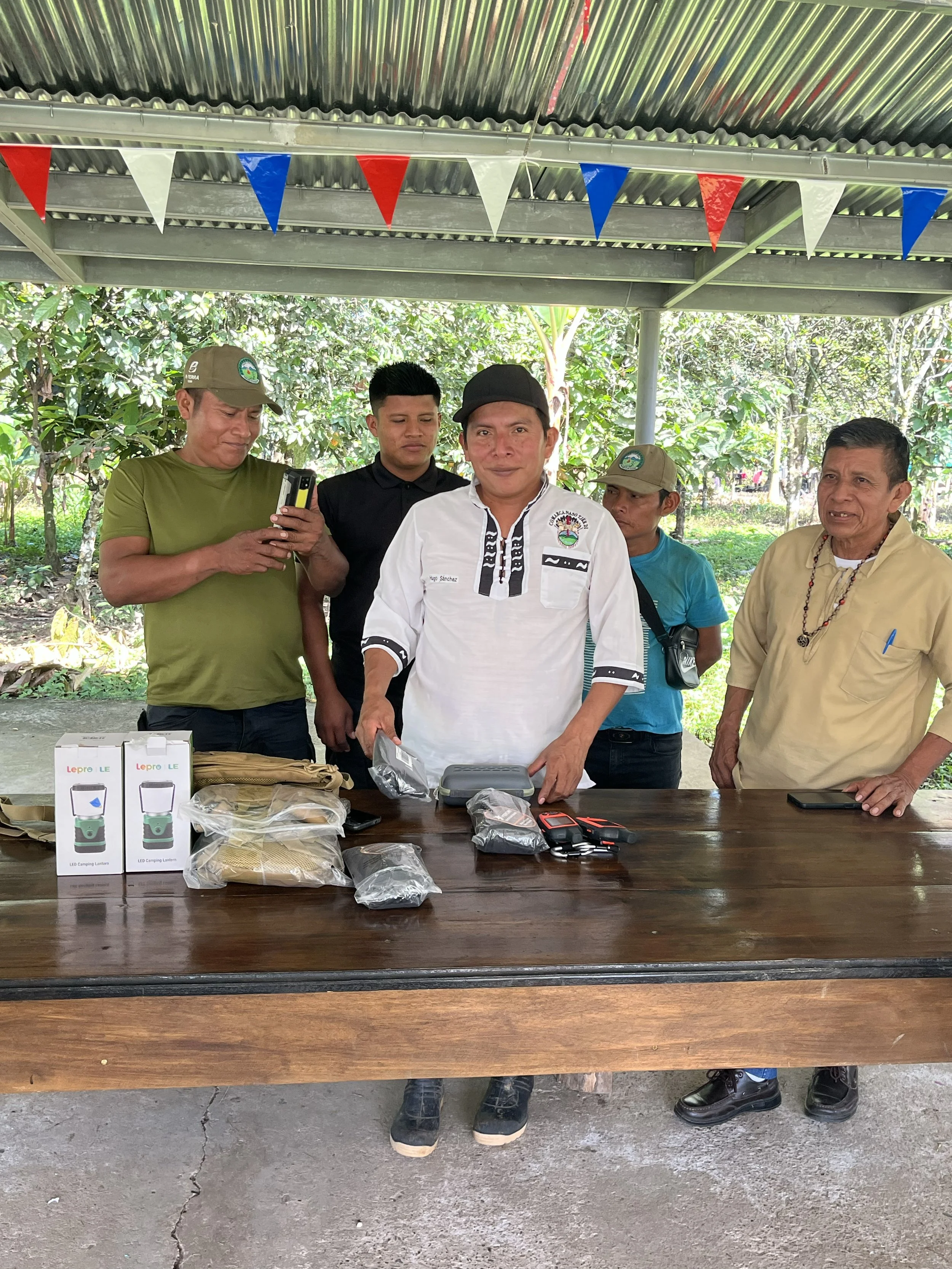
· Patrol Equipment: Tents, Backpacks, Boots, GPS
· Mapping of Indigenous Lands and Environmental and Cultural Heritage Monitoring
· Fire Prevention and Rapid Response
· Socialization of Protection with Traditional Authorities and Mamos
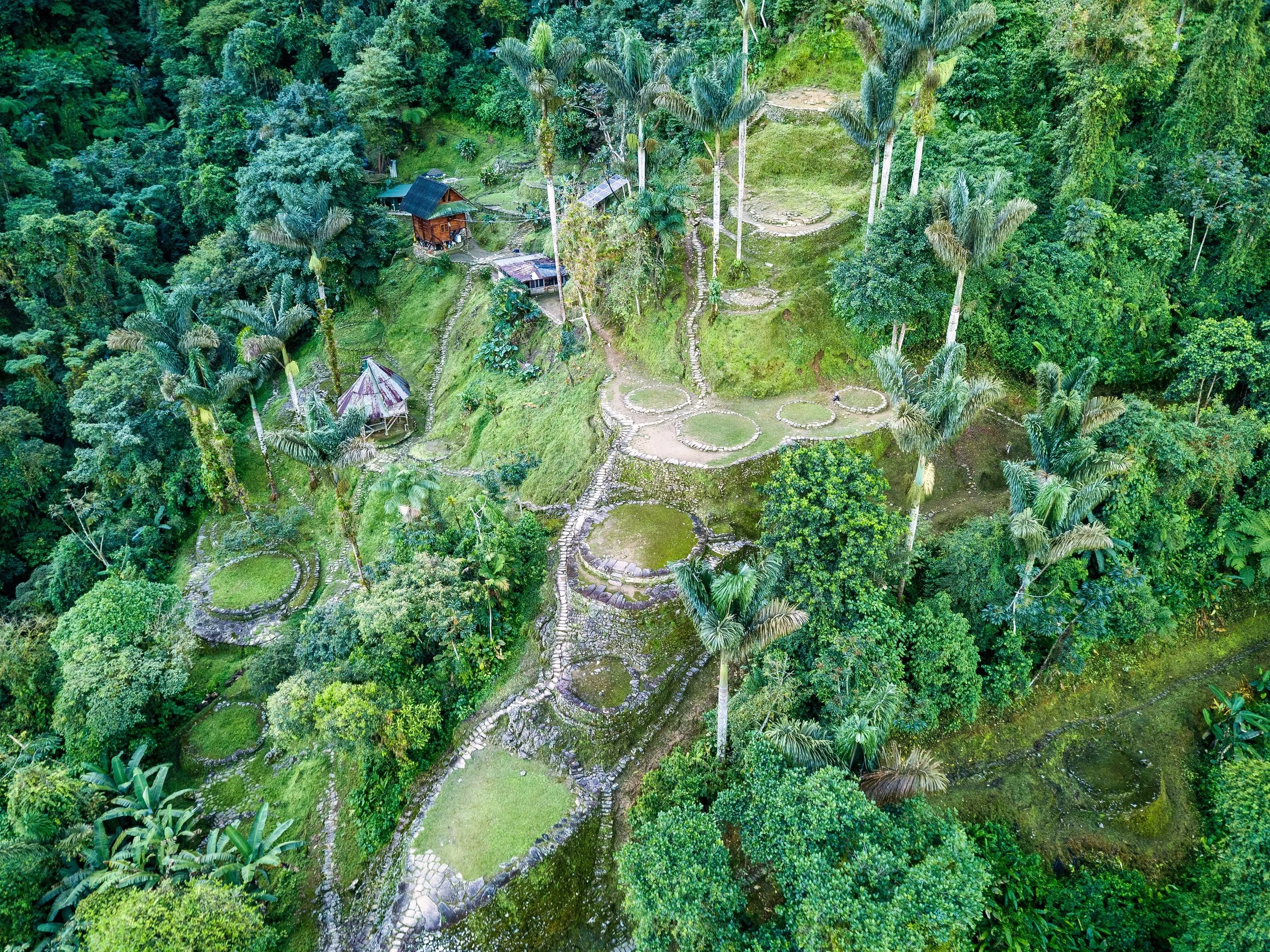
The ancient ruins of the Tayrona civilization, Ciudad Perdida, in the heart of the Colombian jungle.
Beginning in 2022, Global Conservation meetings with the indigenous leaders of the Kogui peoples and the national park authority found consensus on an action plan for restarting patrolling, monitoring, and surveillance of the indigenous territories in collaboration with park rangers to decrease the threats of illegal logging, land clearing, and wildlife poaching.
After thirty years of insecurity, where large areas of the national park were cleared for marijuana and coca cultivation, two park directors were murdered and a park ranger was killed in 2019, the national park authority seeks to build capacity to deploy SMART Patrols and integrated Community Protection in critical areas facing deforestation and along the forests and wildlife habitats to recover their natural values.
The Challenges
The national park and indigenous territories lost over 80% of the park’s forests in the past 30 years. Deforestation by fire, cutting, and clearing continues at a rapid pace—nearly 4.2% loss over the past 10 years.
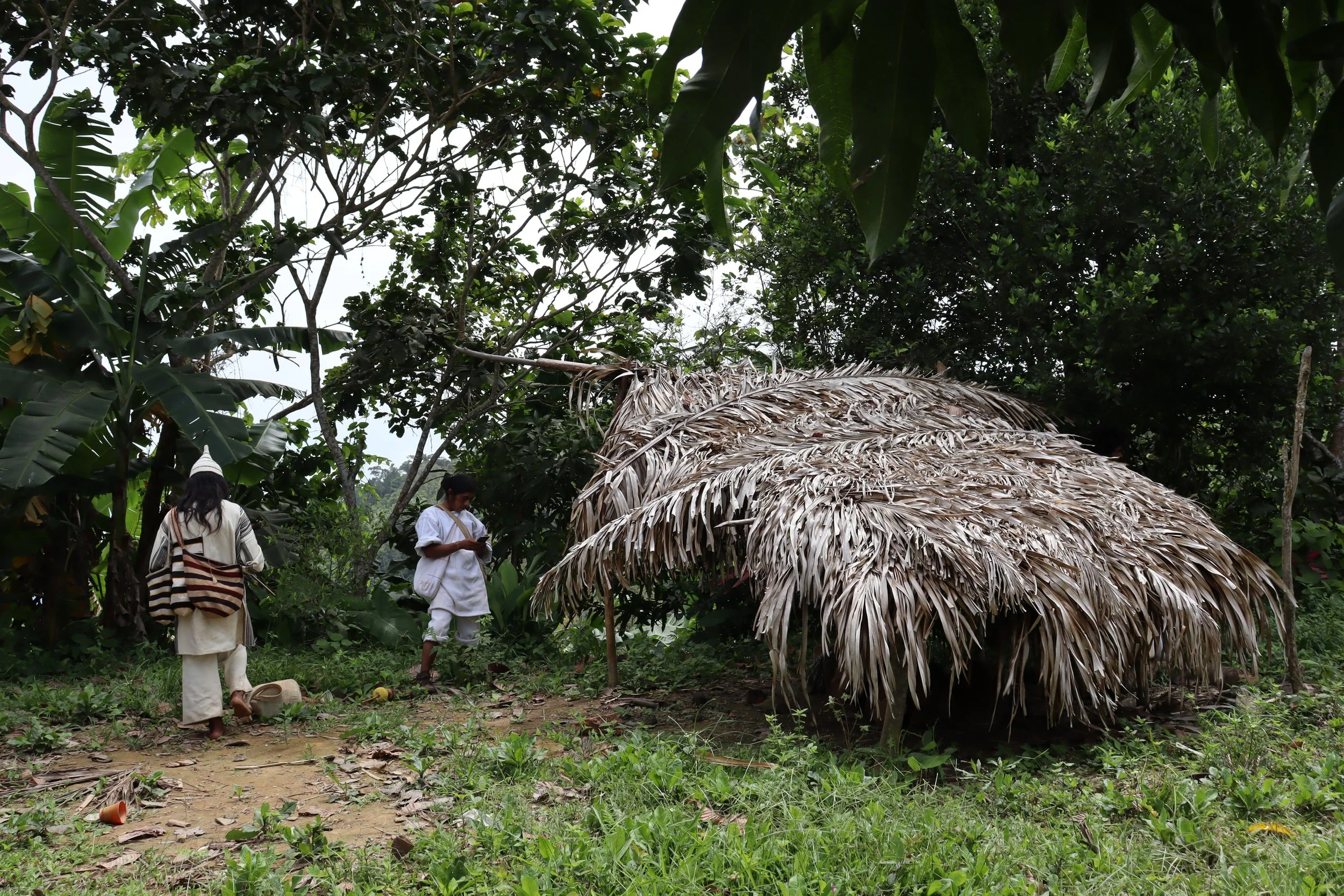
The Kogui patrol uses SMART technology to document a temporary shelter built by poachers.
Global Conservation is deploying Global Park Defense in partnership with the indigenous peoples and national parks authority to protect over 120,000 acres of highly biodiverse forests and wildlife habitats in the northern sector.
It is an incredible biodiversity resource for both the region and the world, harboring about 20% of Colombia’s species diversity. This amazing landscape is being threatened by hunting, illegal extraction of resources, forest fires, land tenure issues, and the propagation and trafficking of illicit drugs.
All of these contribute to loss of habitat, resulting in escalating conflicts between jaguars and livestock and between peccaries and farmers. Weak cell and internet service interfere with the ability to respond efficiently to illegal activity.
Global Conservation is providing Global Park Defense training for the national park and indigenous groups to improve the capacity of rangers and community ecoguards to organize patrols on park lands and marine protected areas using SMART systems.
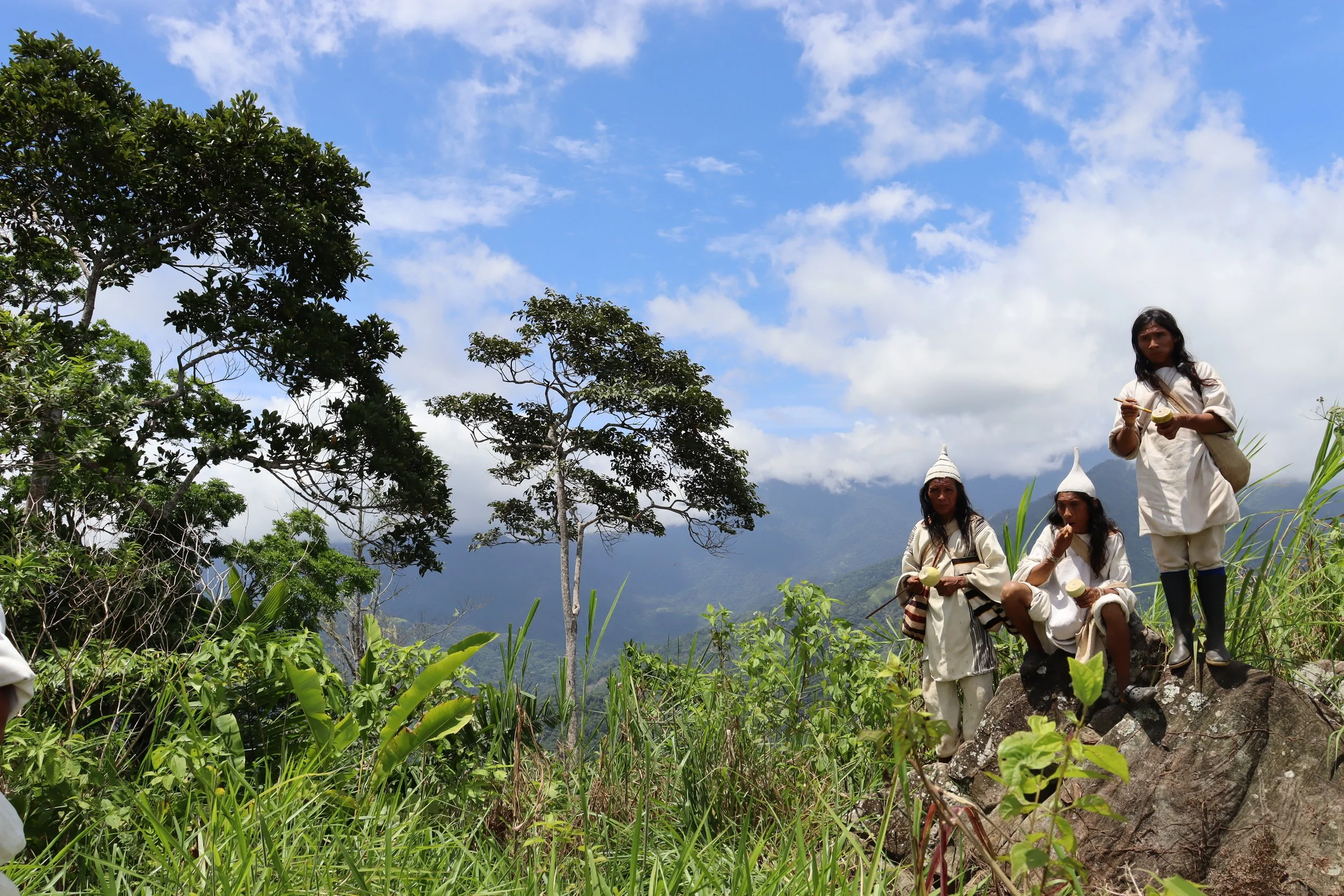
This Global Park Defense program is providing funding, equipment, and training for Community Protection Teams working closely with the National Park Authority to stop illegal land invasion, land clearing, illegal logging, and wildlife poaching over the 120,000-hectare focus forest area. We also provide legal and prosecution support for cases involving arrests or land invasions.
Priorities for deploying Global Park Defense in 2024 include:
Expanding the number of Park Rangers and Community Patrolling Teams, enabling a 20-strong Community Protection Force with equipment, systems and training
Design a camera trap network based on coverage and accessibility.
Procure equipment for extended patrols, including hammocks, packs, and flashlights.
Support regular joint patrols between Communities and Park Rangers.
Provide satellite internet for remote bases and a new command center.
Analyze flyover and satellite imagery to identify trails and new deforestation.
Implementing Global Park Defense in Parque Nacional Sierra Nevada is critical for protecting Colombia’s declining wildlife populations, as well as conserving some of the most unique forests and wildlife habitats in South America.
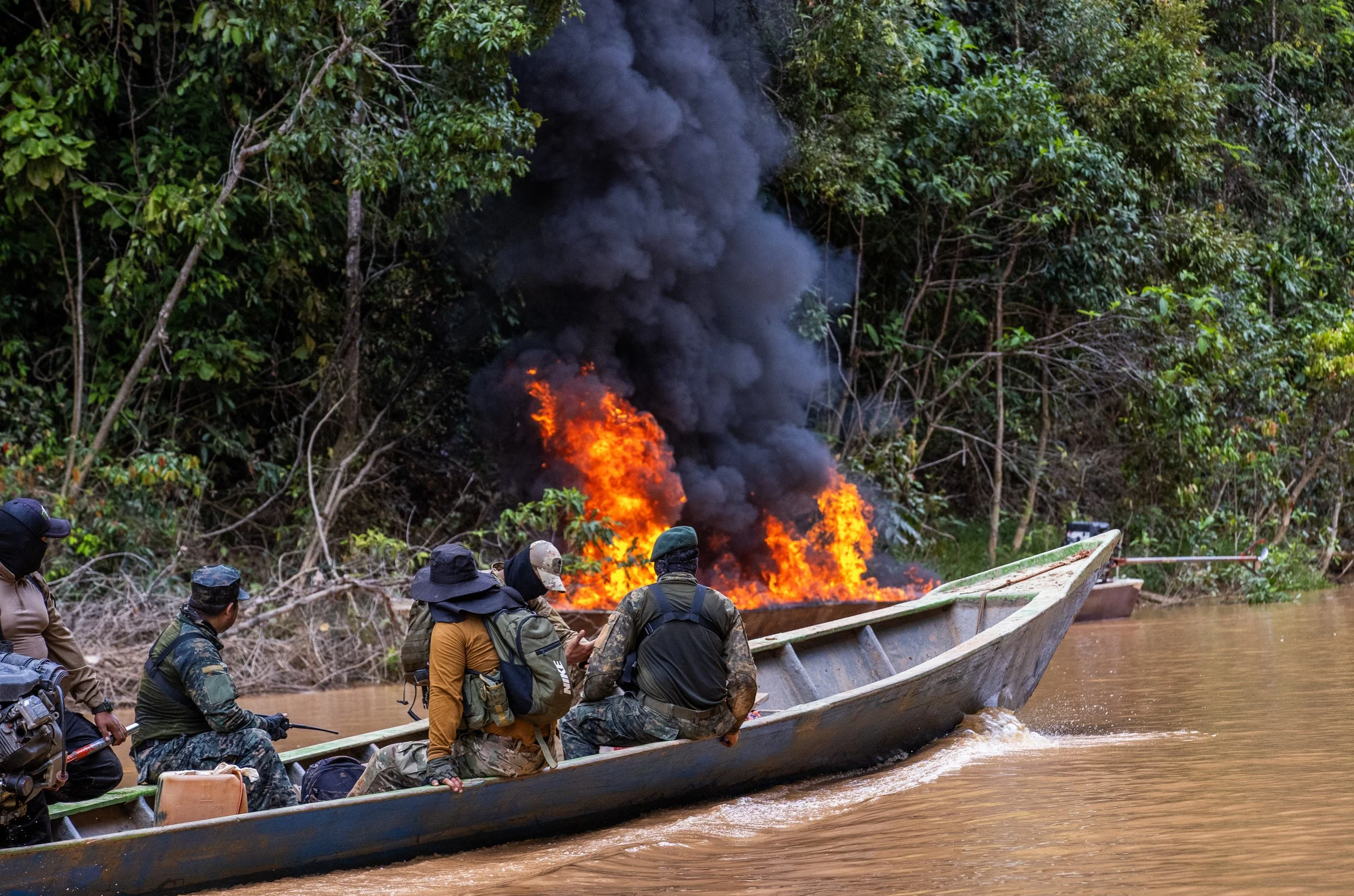
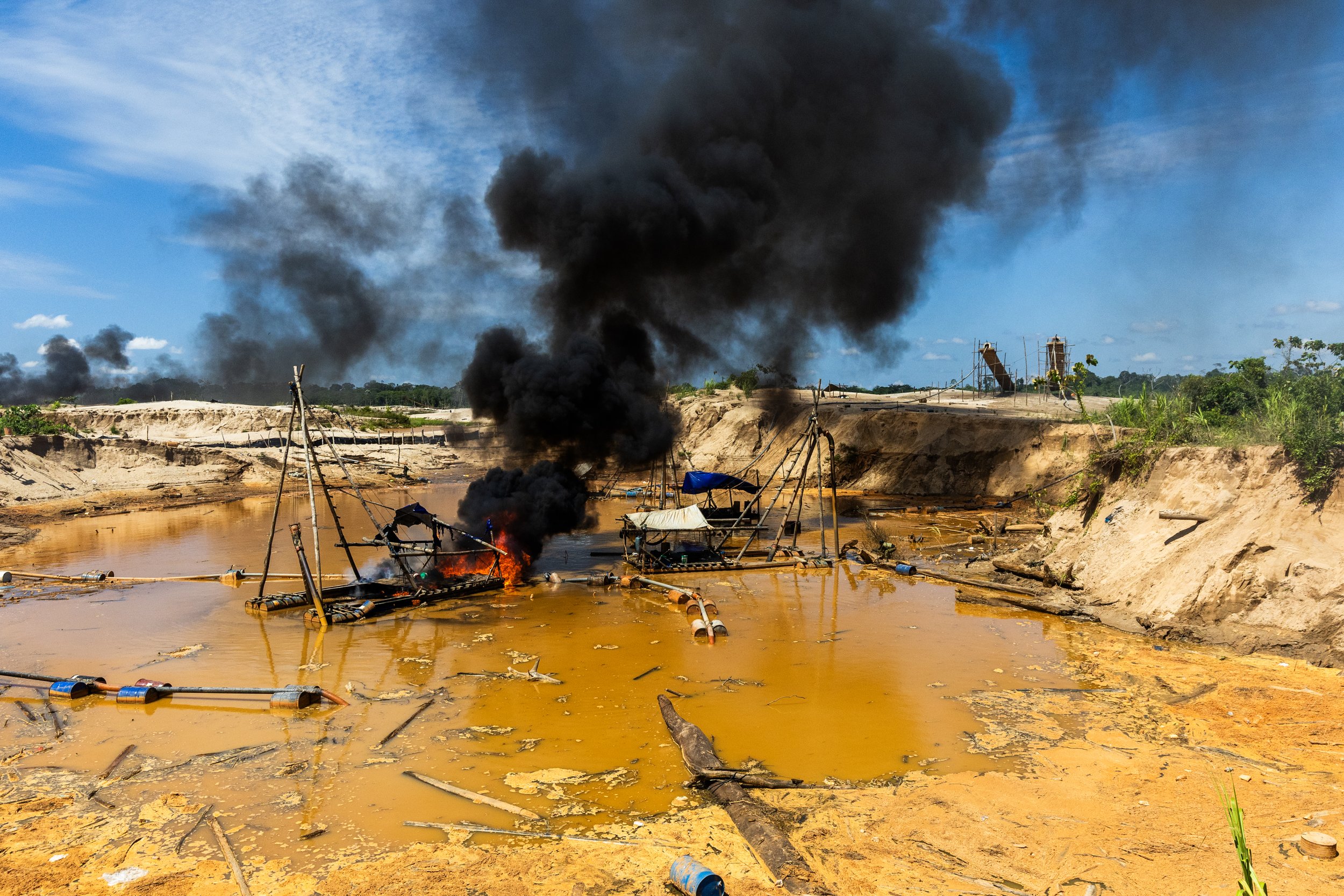

Global Conservation supports two conservation partners for the Ngorongoro World Heritage Site in Tanzania: African People and Wildlife (APW) and KopeLion. Regarding APW, we provide support to human-wildlife conflict mitigation officers, with a primary focus on elephants, while KopeLion focuses on developing a sustainable model for lion-livestock coexistence.