
Protecting Mouling, India: A Three-Year Report to Global Conservation
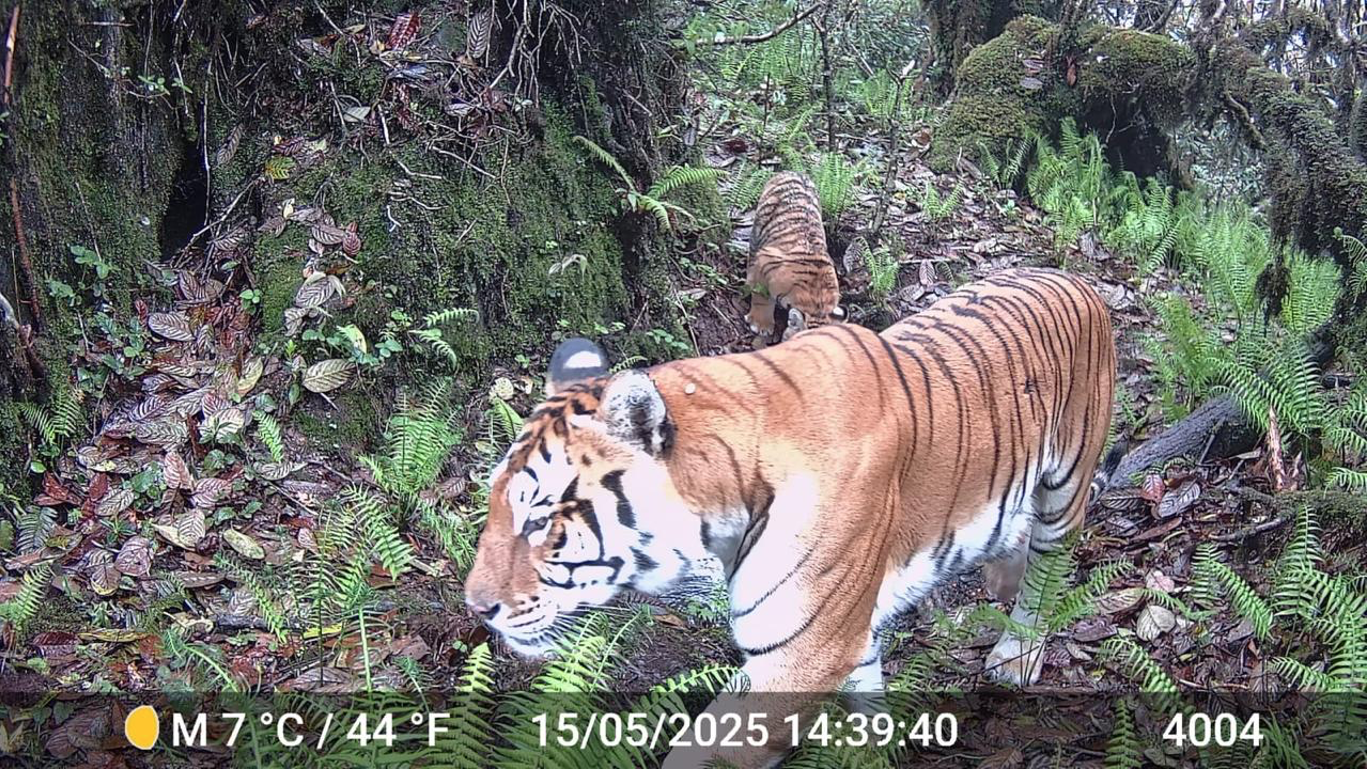
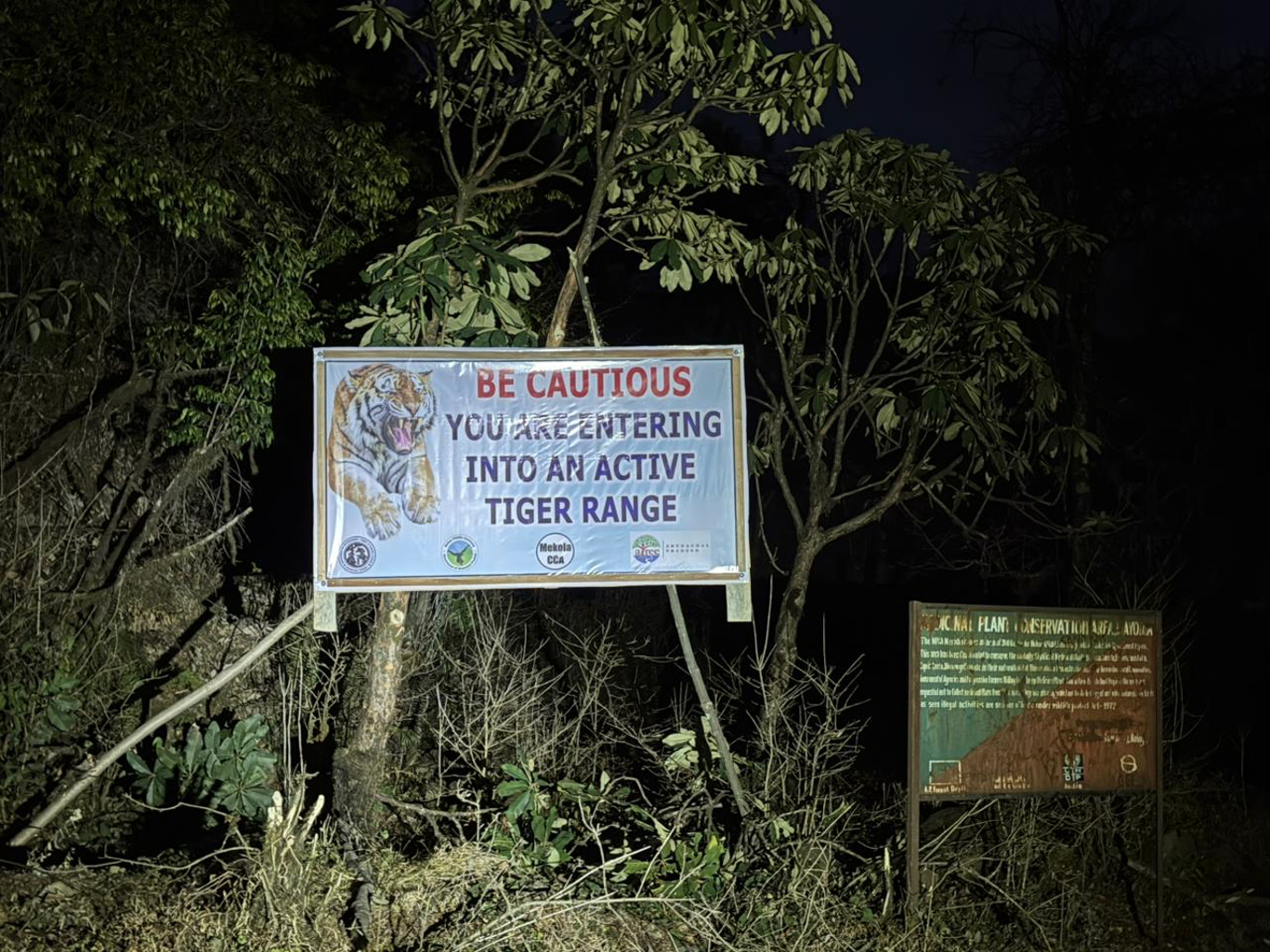
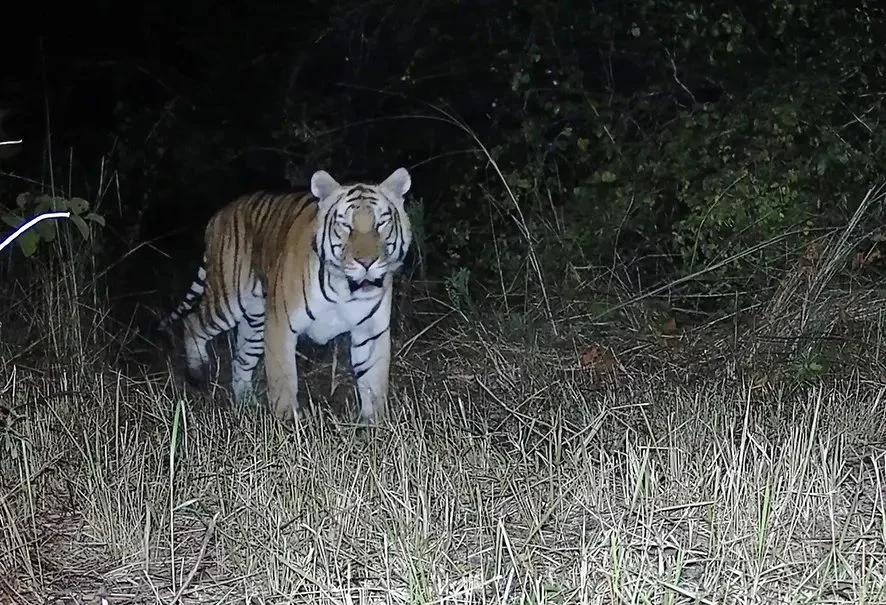
Tiger recorded by a camera trap inside the Mekola Clan's Community Conserved Area.
Community-led Conservation: ATREE’s Theory of Change
The Ashoka Trust for Research in Ecology and the Environment (ATREE) program in Arunachal Pradesh—part of the wider Himalayan Initiative—works across one of the most irreplaceable and least-protected biodiversity regions on earth. Its overarching goal is to secure the long-term socio-ecological integrity of the Eastern Himalayas by integrating rigorous science, strengthening protected-area management, and supporting the rights and stewardship of the Indigenous communities who hold most of these forests.
ATREE’s theory of change is simple: lasting conservation in this region depends on Indigenous communities being equipped, empowered, and recognized as the primary stewards of their forests. From that starting point, we work to prevent the loss of biodiversity and bioresources by strengthening local practices and institutions and by enhancing community rights over forests and natural resources—including within protected areas.
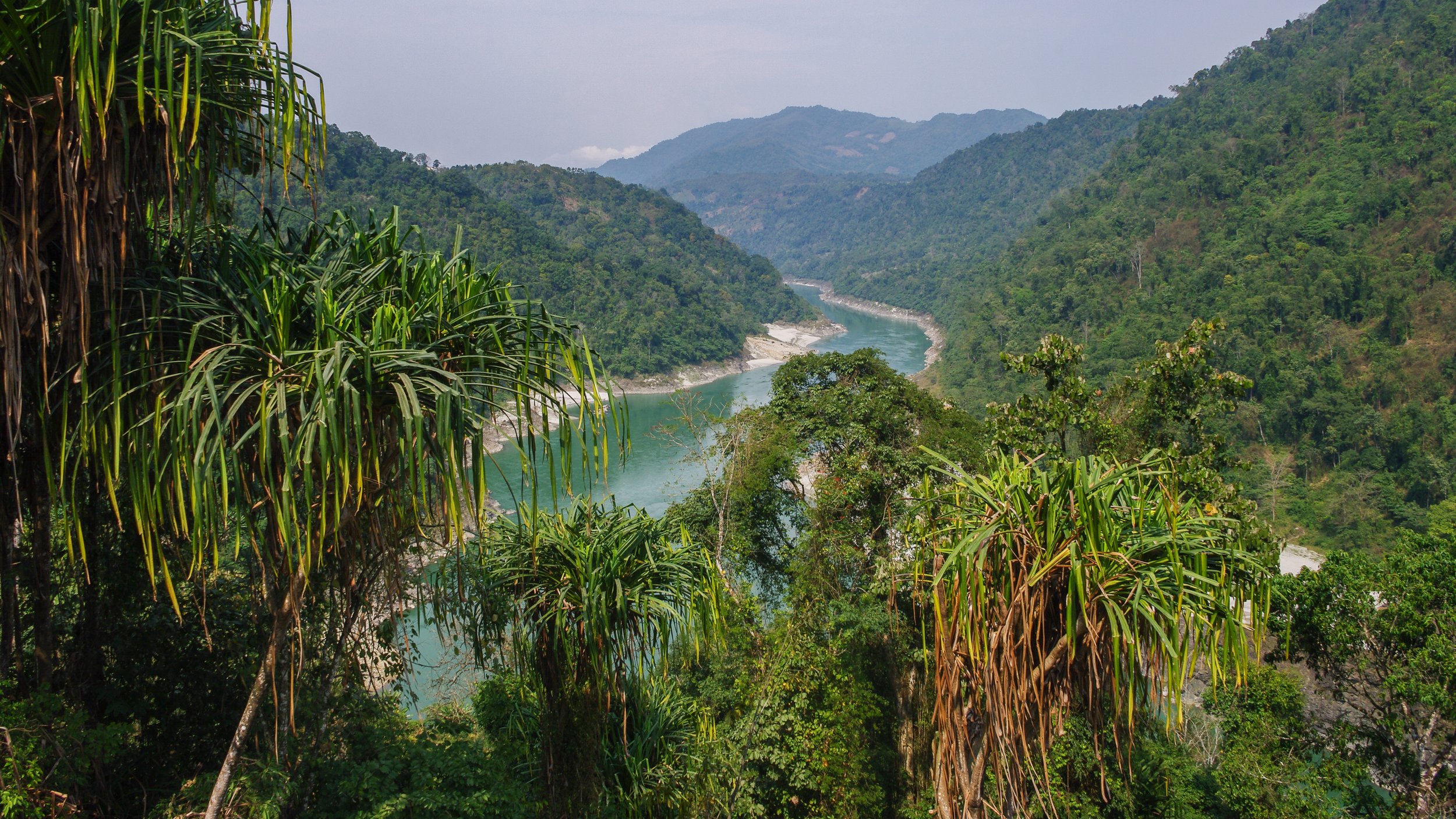
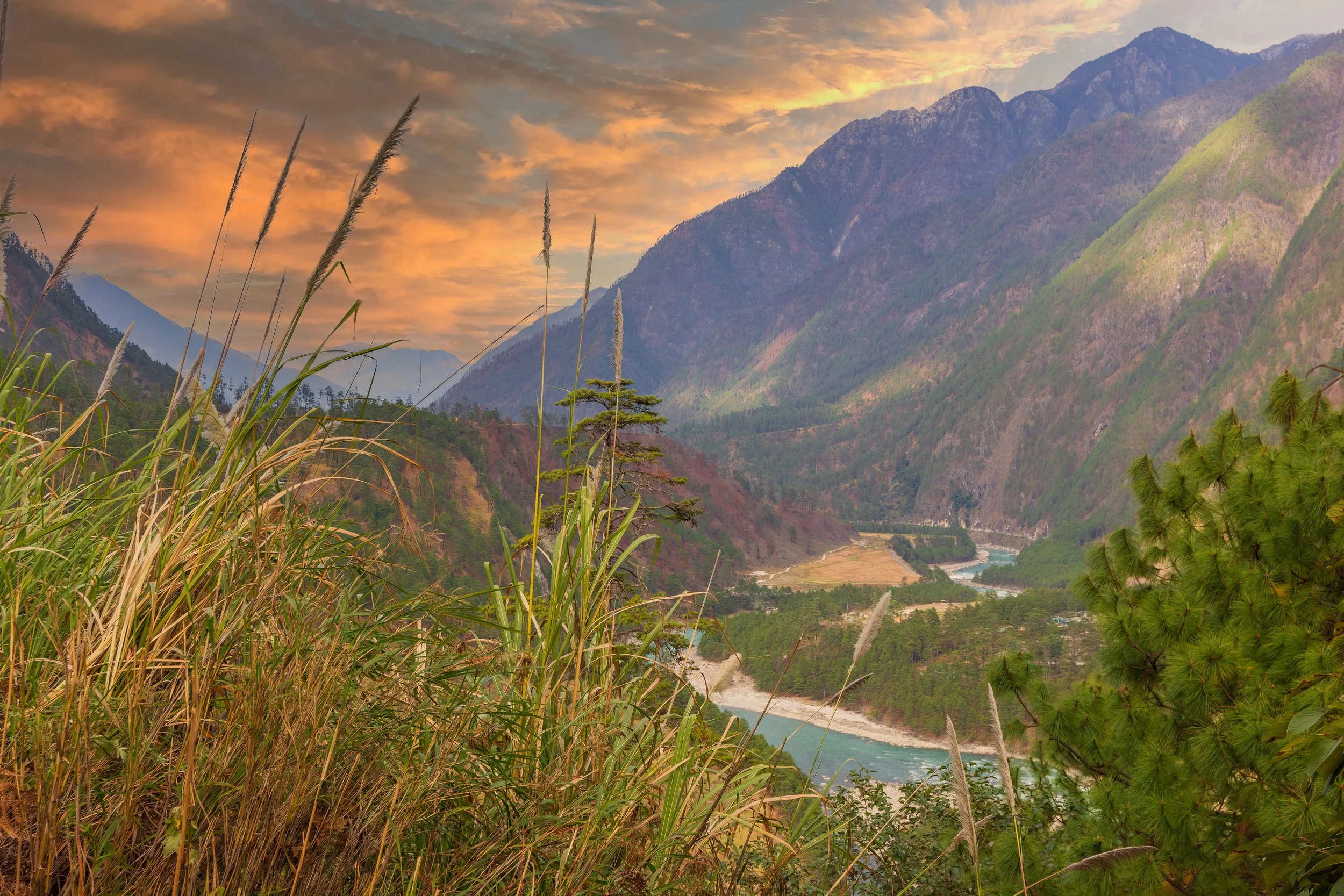
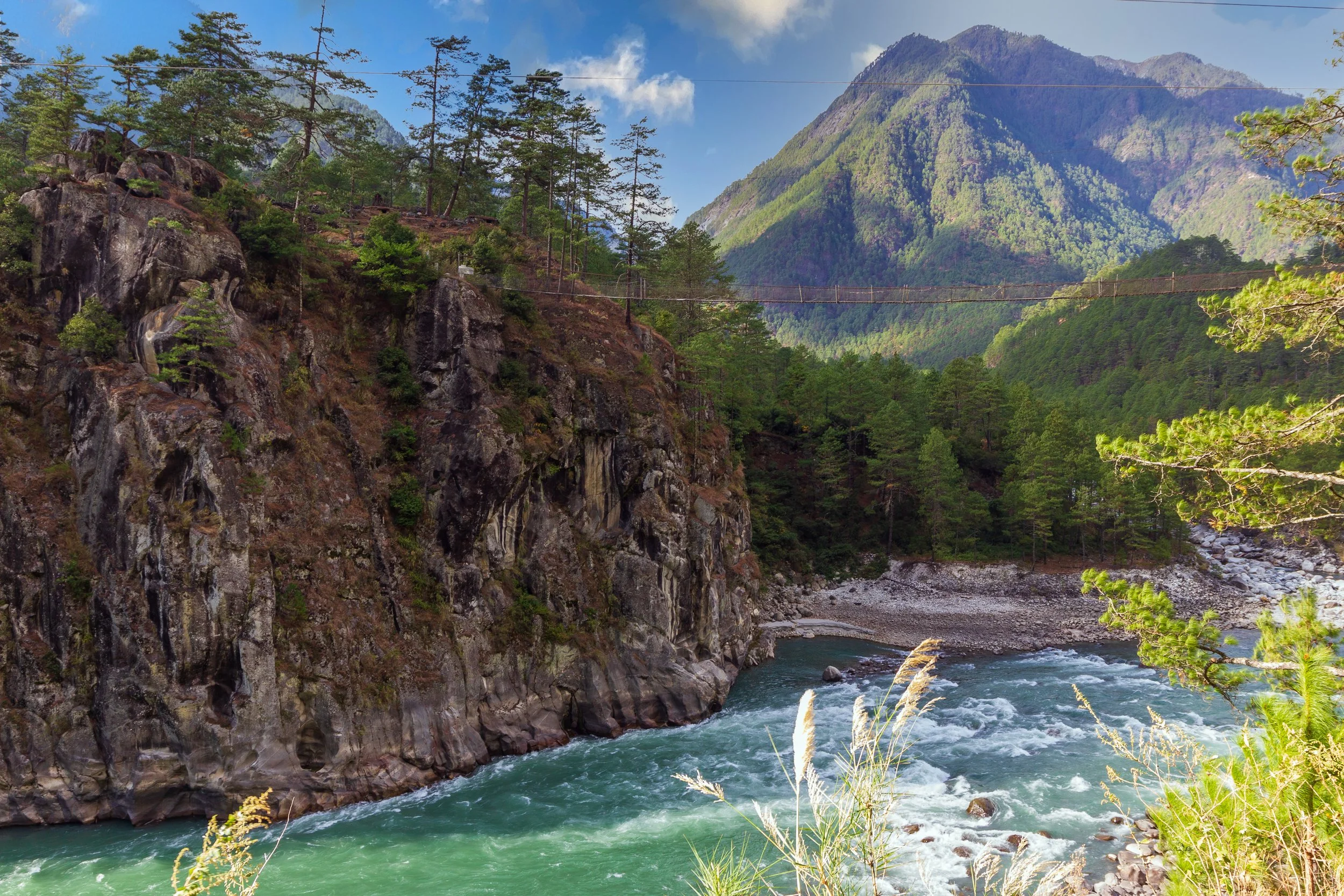
The Mouling Conservation Landscape in Upper Siang is our Flagship site in Arunachal Pradesh. It's where we are proving the model that we then extend across the Siang, Dibang, and West Kameng valleys of the state and ultimately across the wider Eastern Himalaya.
ATREE’s Work Rests on Five Pillars:
Averting biodiversity loss through targeted research and monitoring.
Strengthening protected areas and forest management through Forst Department capacity-building, joint patrolling infrastructure, and trained local youth.
Empowering Indigenous Communities as primary stewards.
Facilitating conservation-linked livelihoods that make stewardship economically rational.
Generating the interdisciplinary knowledge that policy and practice depend on.
Since Establishing a Permanent presence in Pasighat in 2023, ATREE has, with Global Conservation's catalytic support:
Initiated the first ever patrolling expeditions inside Mouling National Park in 2024, establishing working patrol routes across all three ranges.
Conducted eight expeditions since 2024, including over 220 km of community-led patrolling on foot and generating the park's first evidence-based baselines of mammals and birds.
Delivered six technical training camps for frontline Forest Department staff with local youth embedded alongside them as joint patrol teams.
Launched the first systematic survey of mammals and birds inside D'Ering Wildlife Sanctuary, establishing the sanctuary's first baselines.
Built working relationships with the Arunachal Forest Department and Mouling NP management.
Conducted biodiversity expeditions documenting six butterfly species new to India from Upper Siang along with substantial new records for other wild animal species.
Equipped frontline staff with uniforms, field gear, and camera traps.
Established active engagement with five villages bordering the park — Yosing, Lissing, Yingku, Yibuk, and Ramsing.
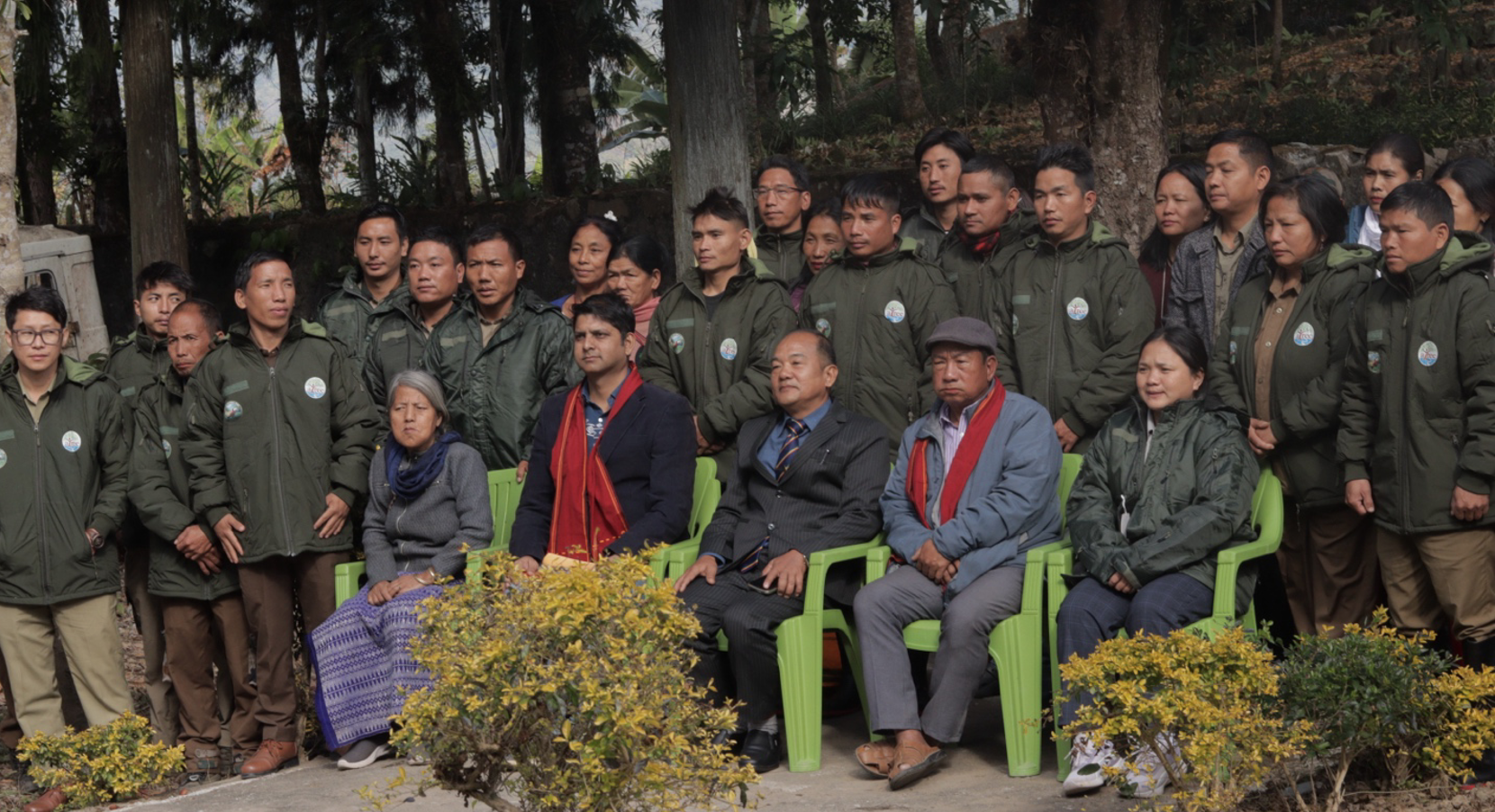
Frontline staff of Mouling NP with Shri Ritesh Darrang (DFO) and Shri Tana Tapi after a 2026 training camp and gear distribution—31 staff equipped, including six women.
Three Ranges, Five Buffer Villages, and One Flagship Site
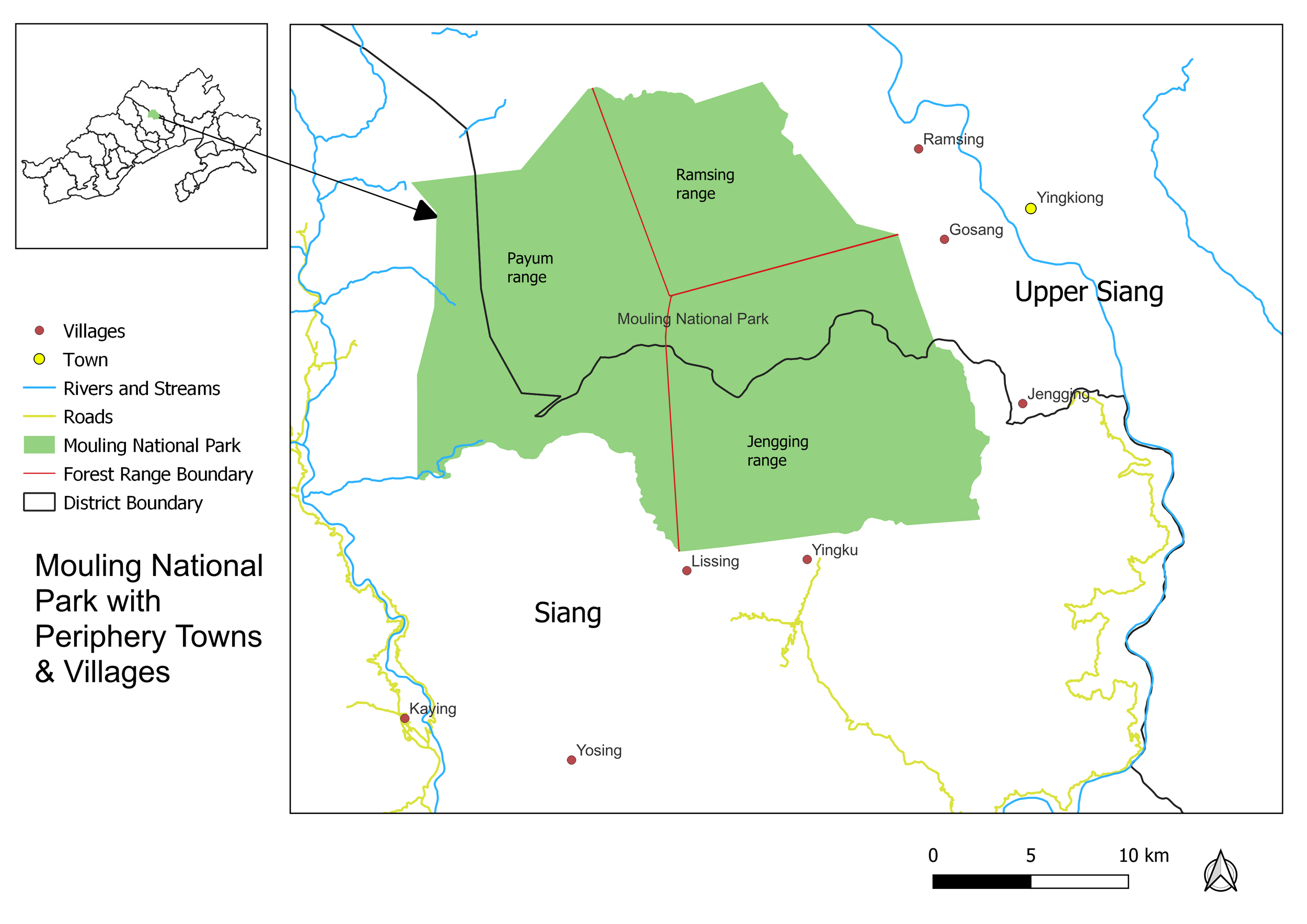
The Mouling Conservation Landscape in Upper Siang is the program's flagship site—where we are proving the model that we then extend across the Siang, Dibang, and West Kameng valleys of Arunachal Pradesh and ultimately across the wider Eastern Himalaya.
Goals and Deliverables for 2026-2028
Park and community protection sites are at the center of this strategy. The model pairs Forest Department capacity with community-led stewardship—because in Arunachal, where most forests are community-owned and Indigenous communities hold deep customary rights, durable protection cannot be built on enforcement alone. The plan is organized around three objectives:
1) Complete ecological and socio-economic baselines for Mouling:
Priority focus on the under-studied Northern and Western regions of the park. Recruit and train the Mouling Youth Force—building on the joint patrol teams already operating in Mouling since 2024: 20 local youth alongside 10-15 frontline Forest Department staff, equipped with SMART-style data capture, camera traps, and mobile reporting tools—a protection mechanism designed for Arunachal's tenure reality. Run six biodiversity expeditions per year across the 483 km² park, building the spatial database on species, threats, and resource use that the park has never had. In parallel, conduct structured socio-economic surveys in the five buffer villages—Yosing, Lissing, Yingku, Yibuk, and Ramsing—on livelihood systems, resource dependency, and community priorities to ground the conservation strategy in lived reality.
2) Strengthen Coordination, joint planning, and patrolling infrastructure with the Arunachal Forest Department.
Revise and renew the existing MoU with the Forest Department to expand the stakeholder base and lay out a clear pathway for joint protection action. Expand the network of patrols and transit infrastructure inside Mouling NP, including identification of perennial water sources critical for both wildlife and patrolling teams. Embed an ATREE team within Mouling NP headquarters for ongoing coordination on data sharing, joint decision-making, and joint Forest Department–youth deployment across the landscape.

In-field training of Forest Department staff and local youth in drone-based survey of inaccessible terrain—D'Ering Wildlife Sanctuary, December 2025.
3) Develop and operationalize a co-management framework for long-term conservation.
Sustained stakeholder mapping and village-level consultations across all three years; conservation-linked tourism enterprise pilots in one or two of the most promising buffer sites to demonstrate that stewardship pays. In Year 3, convene a regional gathering bringing together community partners, the Forest Department, civil society, and national/international conservation actors to align around a forward-looking vision for the landscape.
Five Concrete Outputs—Co-owned with the Forest Department
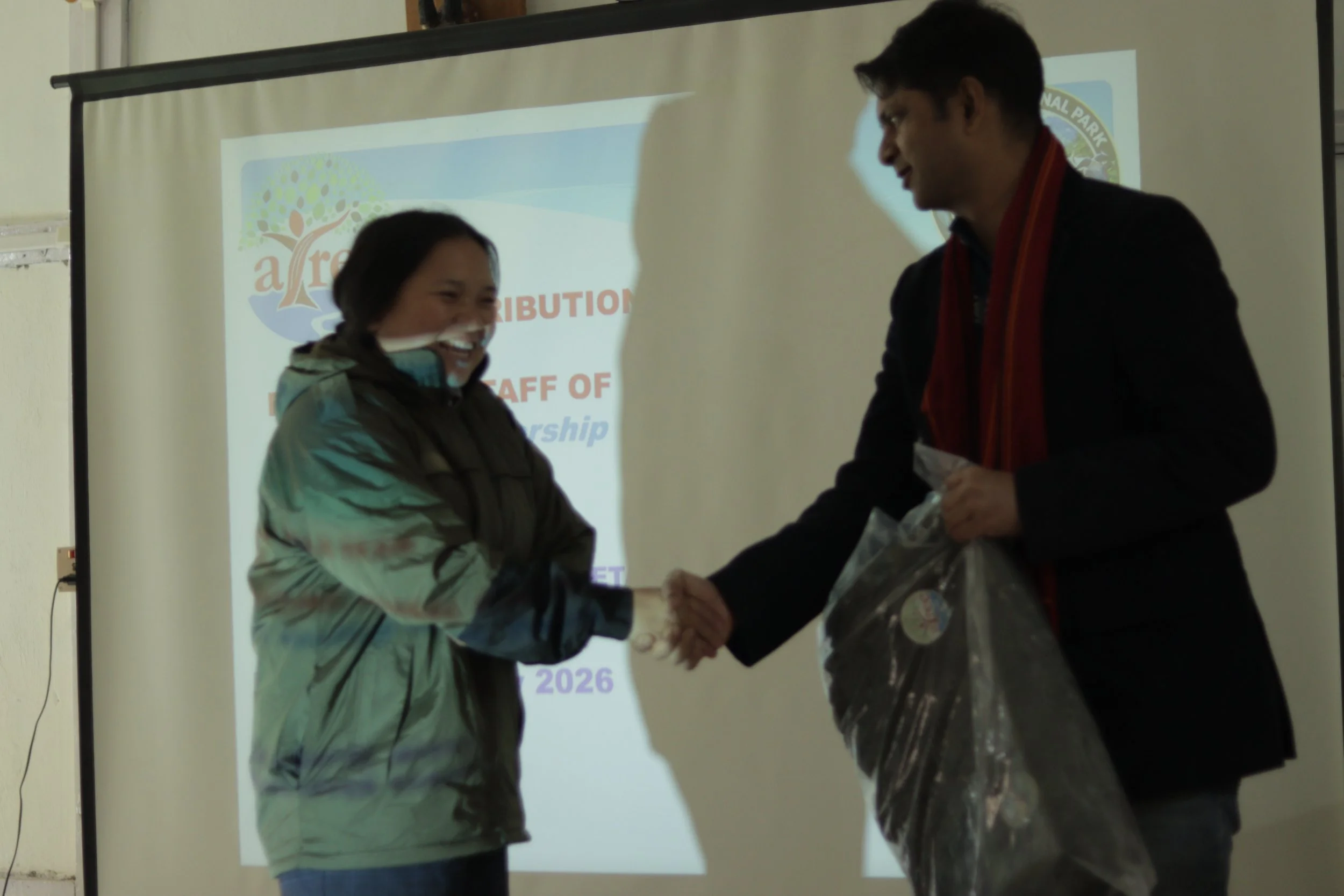
First set of patrolling and field gear handed over to frontline Mouling NP staff in the presence of the DFO and retired Field Director Shri Tana Tapi.
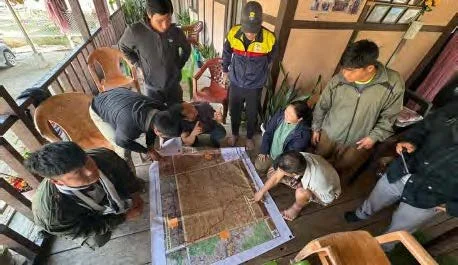
Planning in progress with the local community of Ramsing village to breach the northern frontier of Mouling Landscape.
A trained joint protection force of 20 local youth and 10-15 frontline Forest Department staff, operating across the park and its buffer.
18 expeditions completed and a spatial database covering species, threats, and resource use across the previously undersurveyed Northern and Western regions of MNP.
A revised ATREE Forest Department MoU, a functional in-park coordination presence at Mouling NP headquarters, and an expanded trail network with identified water access points to support sustained joint patrolling.
Strengthened village-level conservation agreements, monitoring systems, and livelihood pilots in the five buffer villages.
A published landscape strategy, co-owned with the Forest Department, outlining scale-up pathways, partnerships, and financing priorities for the next decade.
How this fits ATREEs Broader 2026 Goals
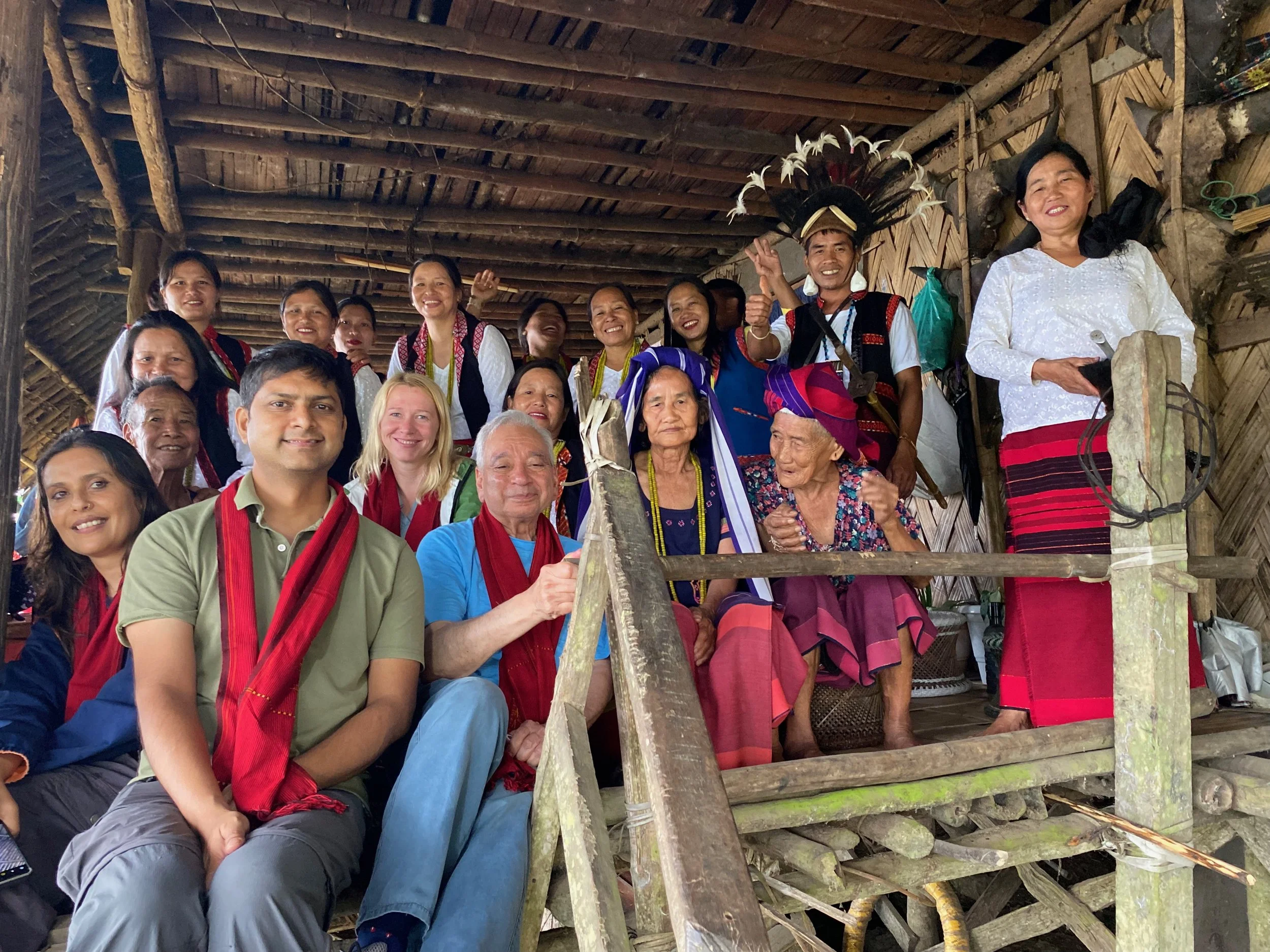
Mouling is the proof point for the Eastern Himalayas program's wider thesis—that community rights and protected-area effectiveness are complements, not tradeoffs. The joint patrol model at Mouling—pairing trained Forest Department frontline staff with local youth, supported by expanding trail and transit infrastructure—is the mechanism through which this thesis is being tested. The model and personnel built at Mouling extend directly to ATREE's Dibang work (Mekola CCA and beyond) and to West Kameng, where related work is already underway. A win at Mouling is a template for the Eastern Himalayas and, through the Himalaya Initiative, for the wider Trans-Himalayan region. Planning is in progress with the local community of Ramsing village to breach the northern frontier of Mouling Landscape.
Global Conservation's early investment in this landscape has been amplified many times over.
Beyond GC's contribution, ATREE has secured additional support for the Siang, Dibang, and West Kameng landscapes in recent years, including multi-year commitments from the Rural India Support Trust and Surgo Foundation (for Siang valley work), and Eicher Group Foundation funding.
GC's early belief in this landscape is what made that follow-up possible.
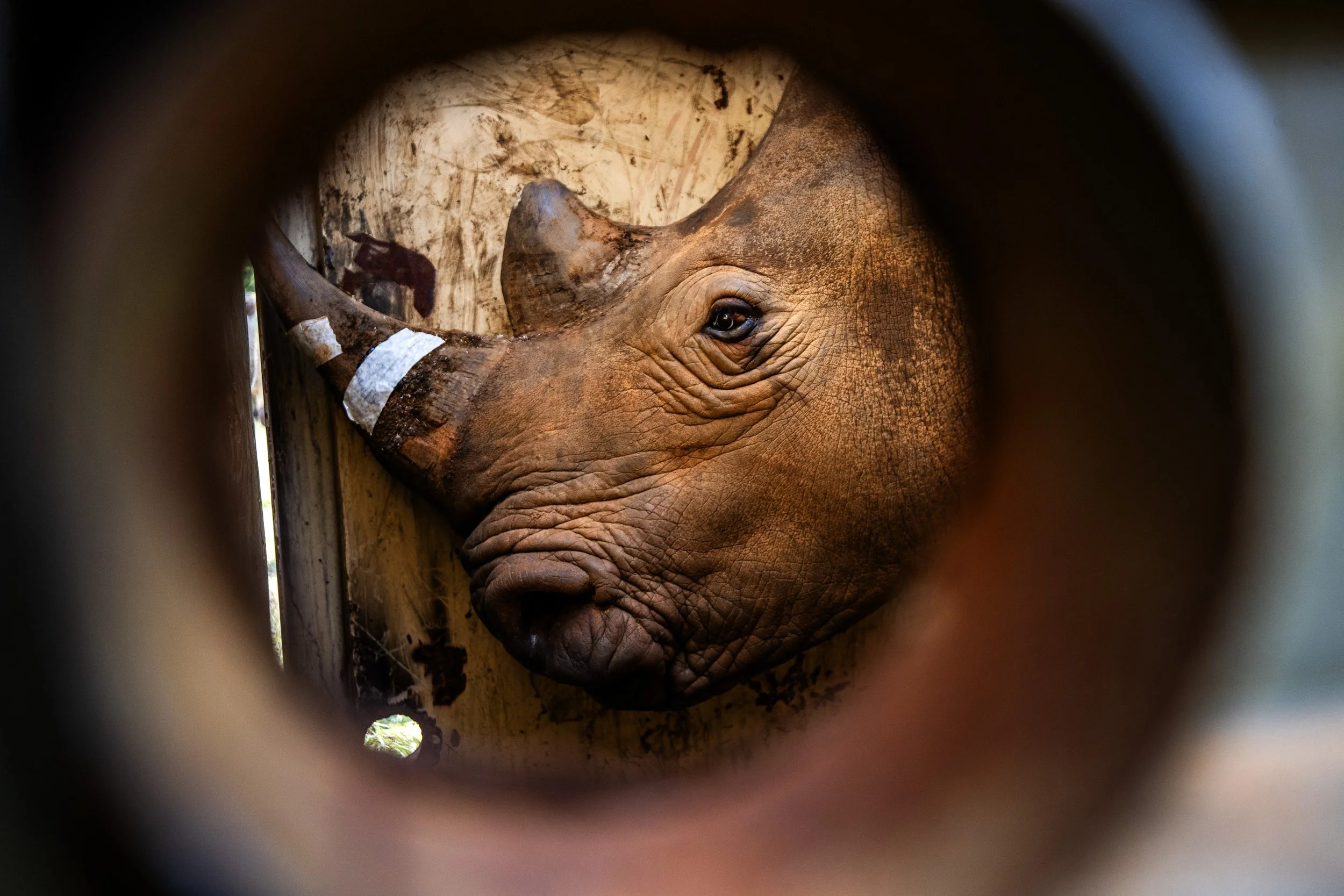
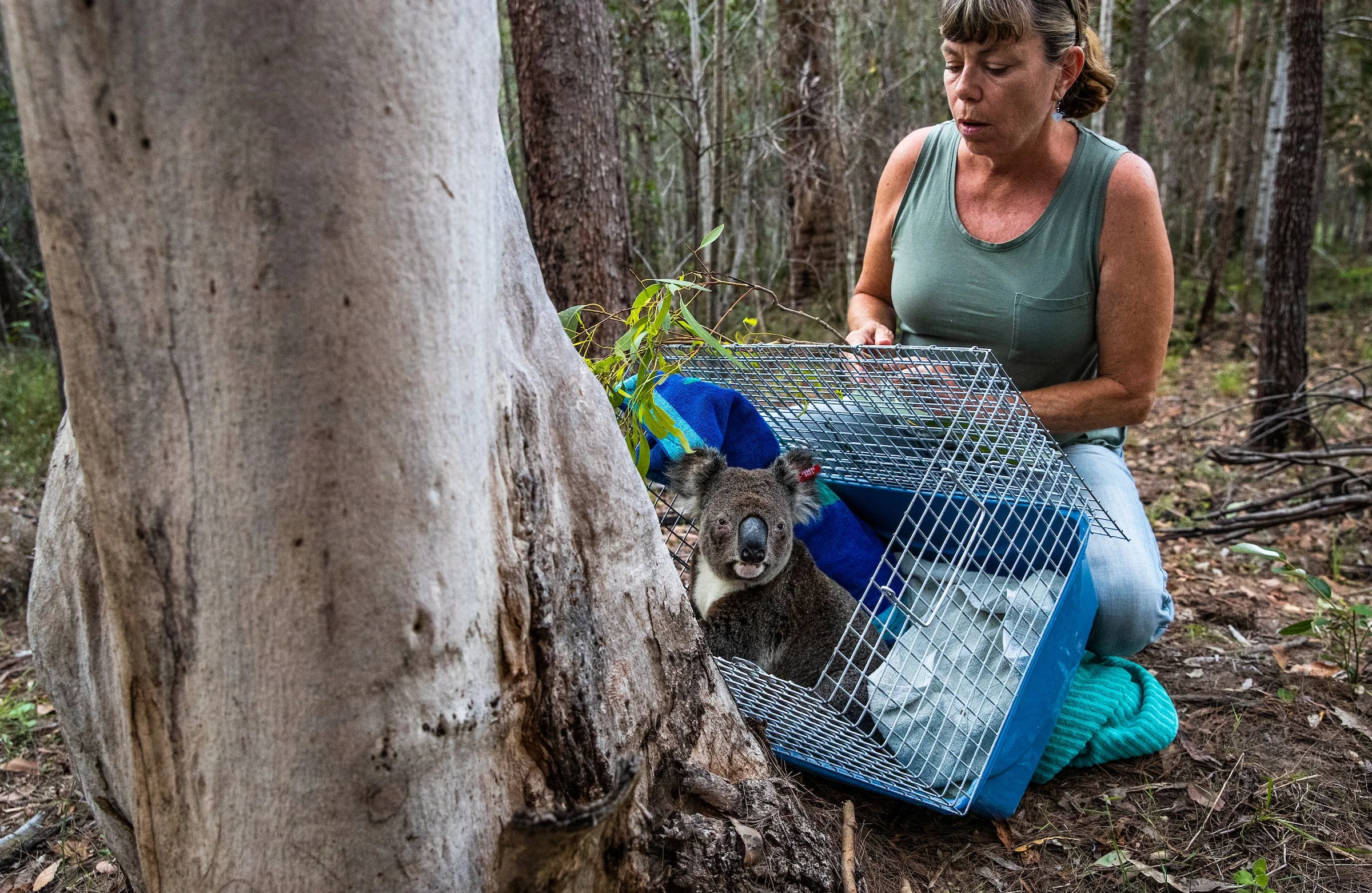
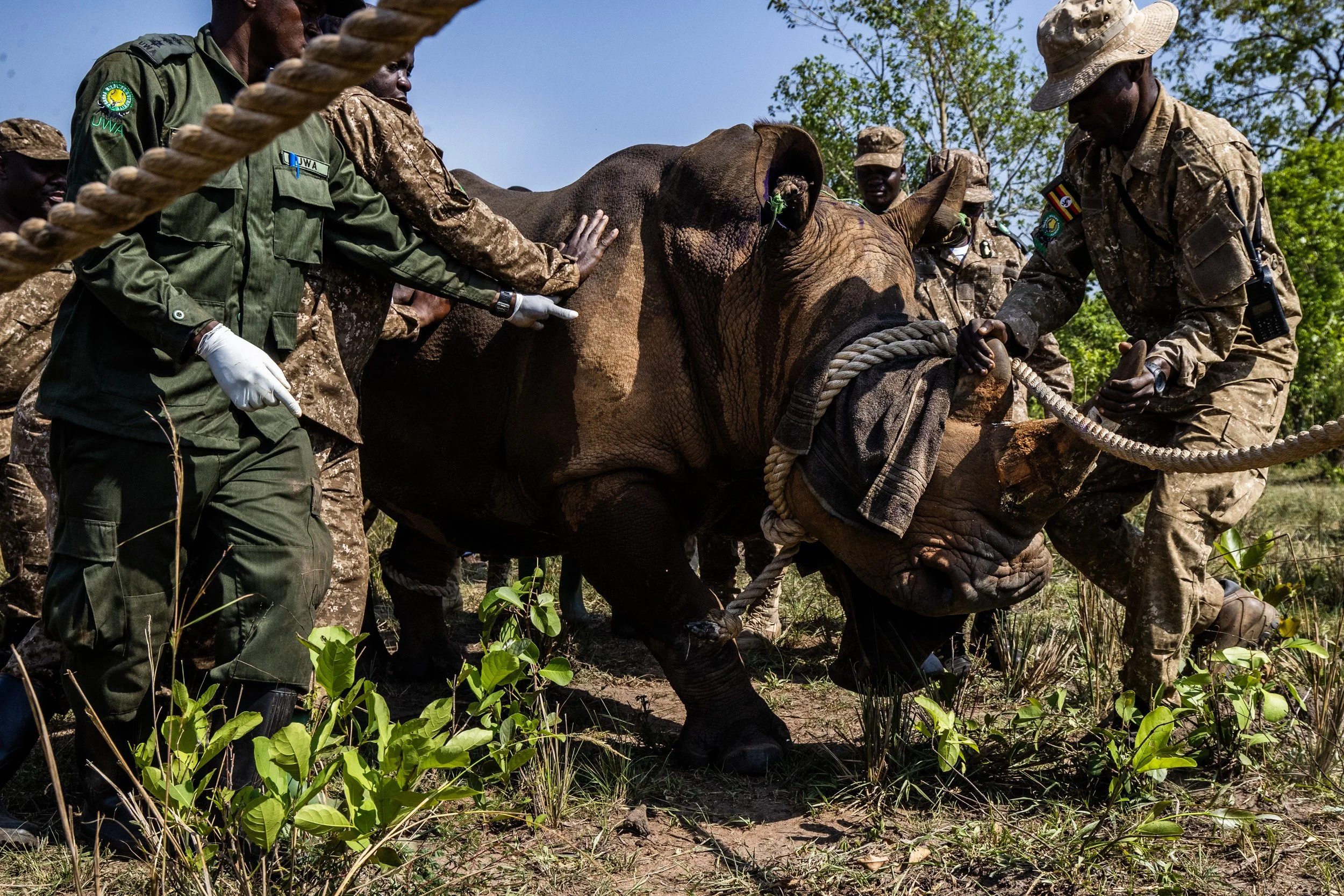
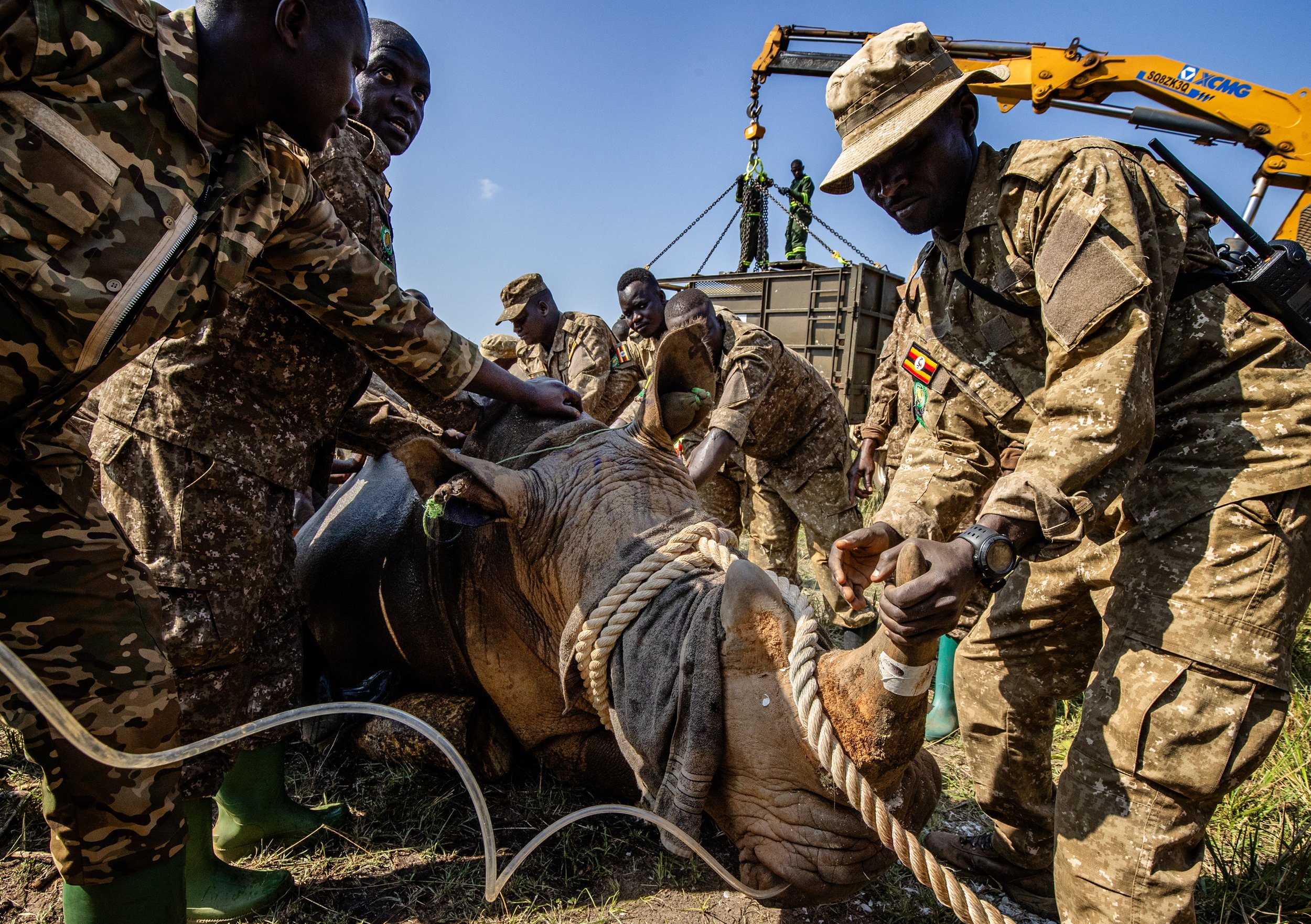

In a year resplendent with symbolism and substance, Rolex marks the 50th anniversary of its pioneering Awards program by announcing five extraordinary women as the 2026 Laureates, including our own GC Hero Farwia Farhan.