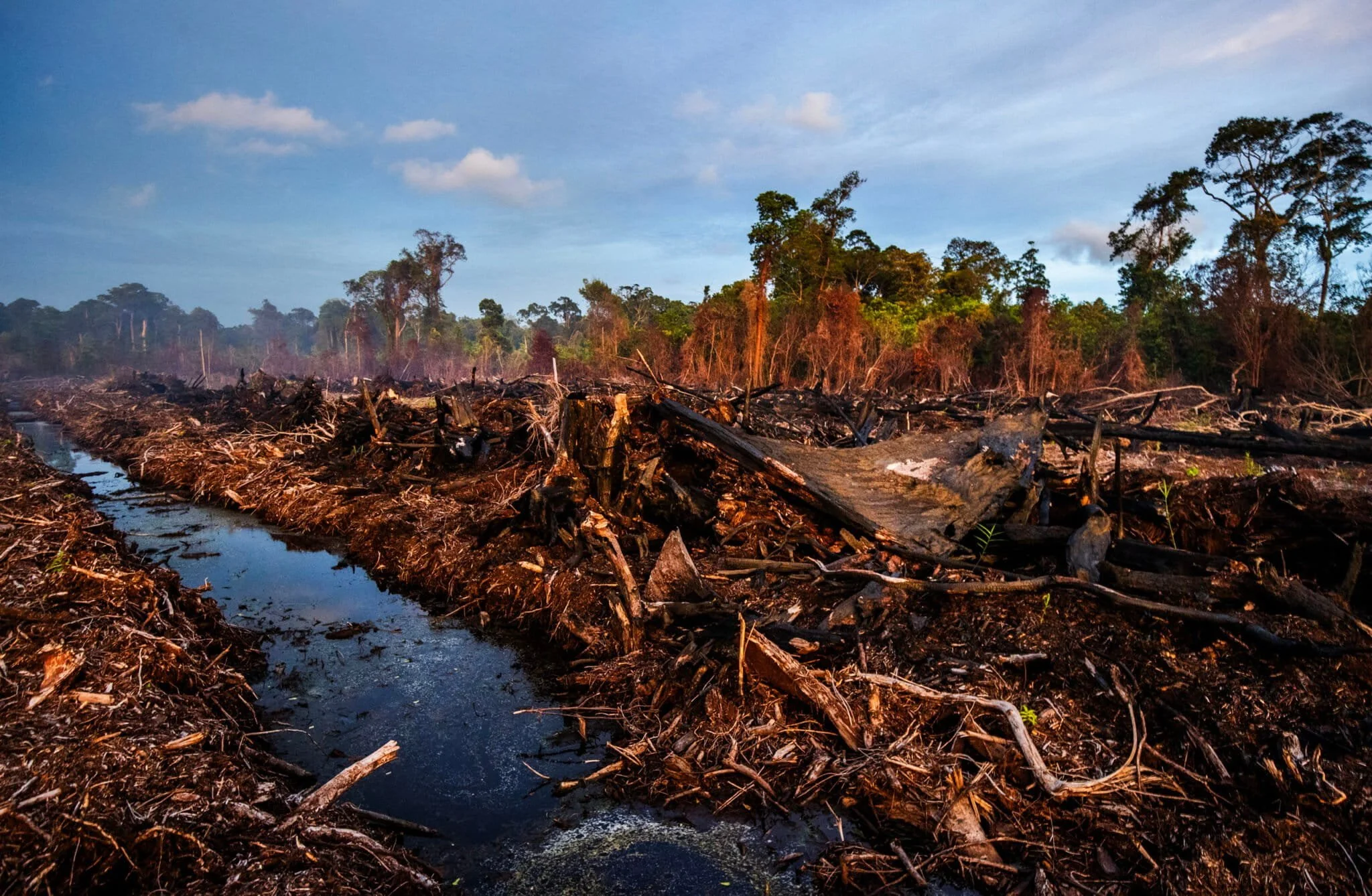
GC Derawan Marine Protection 2026 Highlights
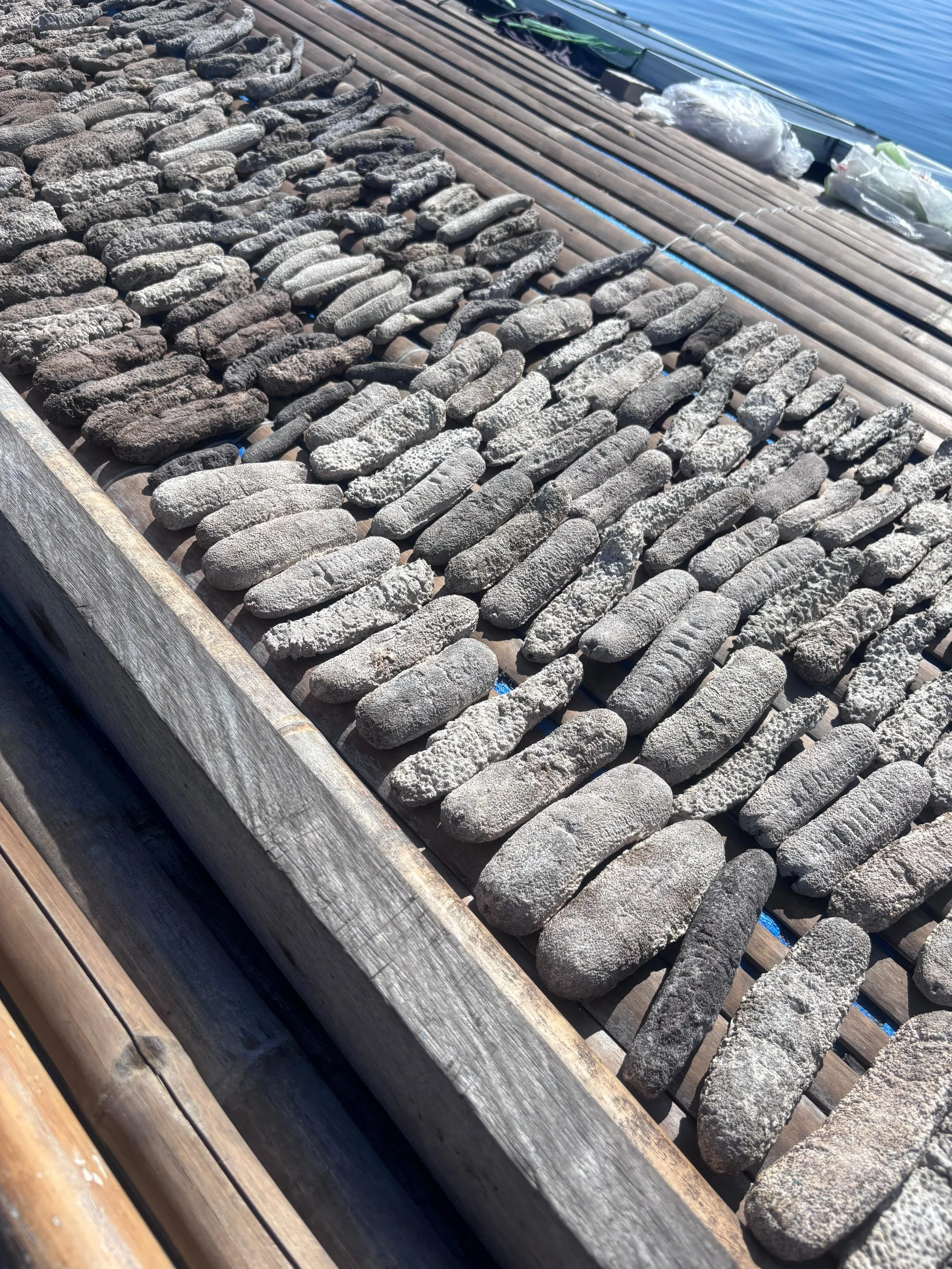
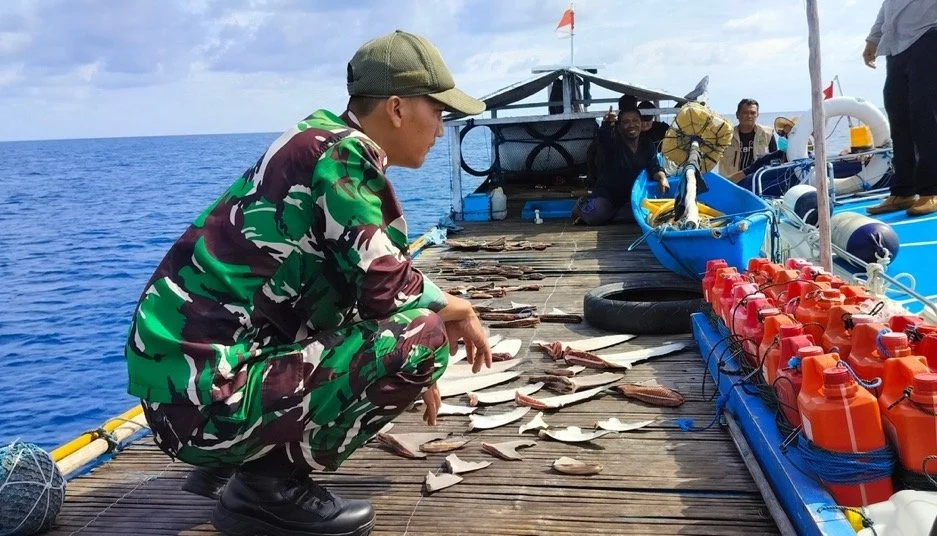
Hundreds of sea cucumbers illegally harvested were found and confiscated by joint marine patrol members.
June 2026 demonstrated the continued strengthening of marine conservation efforts led by Global Conservation and Yayasan Laut Biru Kepulauan Derawan (YLBKD). Through enhanced patrols, technology deployment, expanded partnerships, key species protection, and community empowerment, multiple initiatives continued to support sustainable marine conservation across East Kalimantan and Maluku.
Expanding Marine Protection through Technology, Partnerships, and Community Leadership
June 2026 demonstrated the growing scale of marine conservation efforts supported by Global Conservation (GC) and Yayasan Laut Biru Kepulauan Derawan (YLBKD). Through patrol support, technology deployment, community capacity building, and local leadership development, multiple initiatives continued to strengthen marine protection efforts across East Kalimantan and Maluku.
East Kalimantan Marine Patrols Become More Targeted
Joint marine patrols conducted by the East Kalimantan Marine and Fisheries Department (DKP), in collaboration with the Berau Fisheries Department and the East Kalimantan Marine Police, covered approximately 236 km of marine waters during June.
These patrols were led by valuable intel, targeting areas identified through MarineMonitor (M2) detections and community reports regarding increasing IUU fishing activities around Tanjung Batu waters.
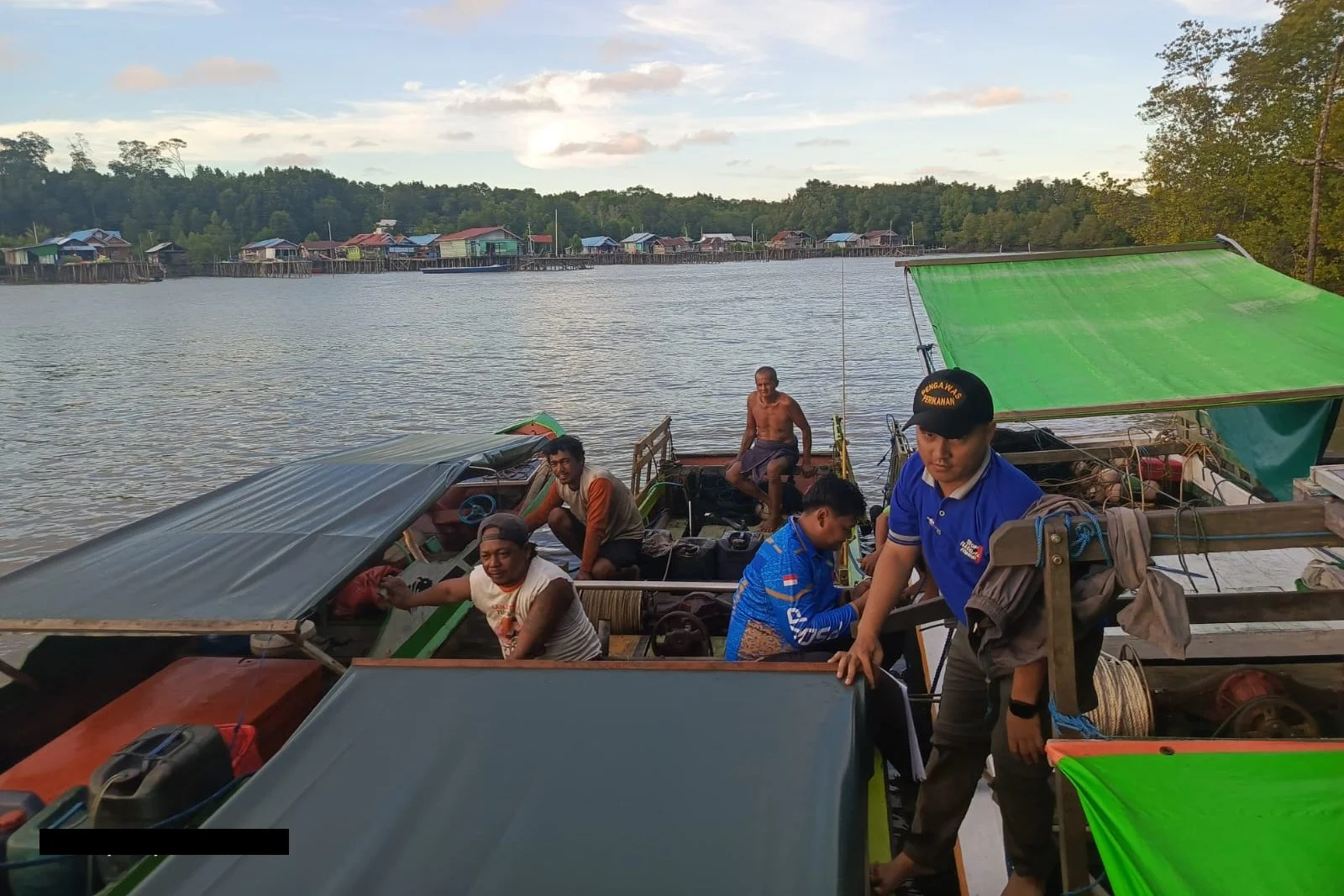
Fisheries inspectors conducting vessel inspections in Tanjung Batu waters.
Patrol teams continued to document fisheries violations, including incursions into no-take zones and the use of environmentally harmful fishing practices, including indications of potassium-based fishing. Nevertheless, fisheries inspectors continued outreach and awareness activities to encourage compliance with fisheries regulations.
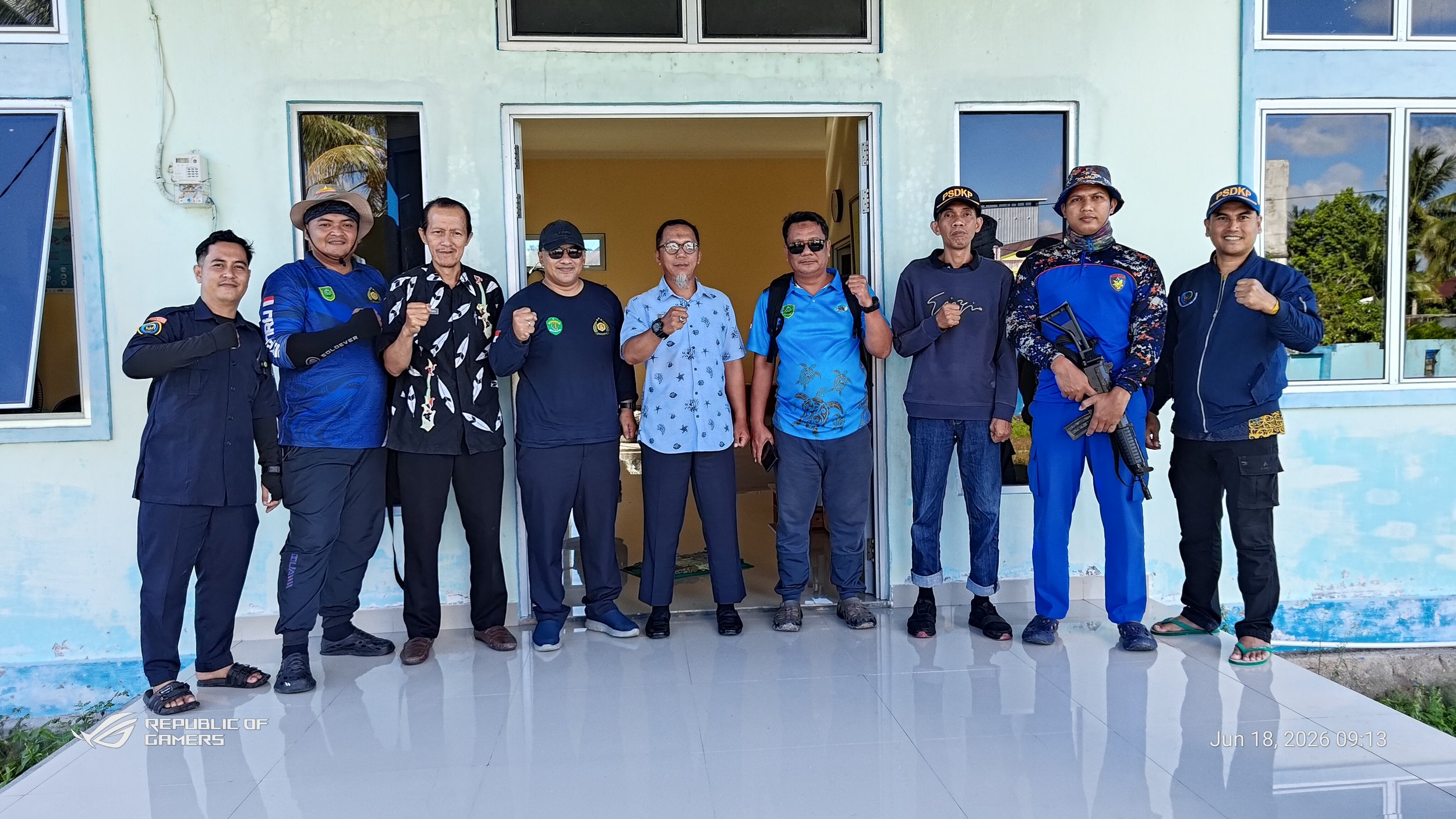
Group photo at the Tanjung Batu Fisheries Monitoring Station following the completion of joint patrol activities.
Meanwhile, patrols led by the Tanjung Batu Fisheries Monitoring Station covered an additional 173 km around the M2 surveillance area. Although violations inside no-take zones are still occasionally detected, trends indicate a gradual decline as a result of continued outreach and enforcement efforts.
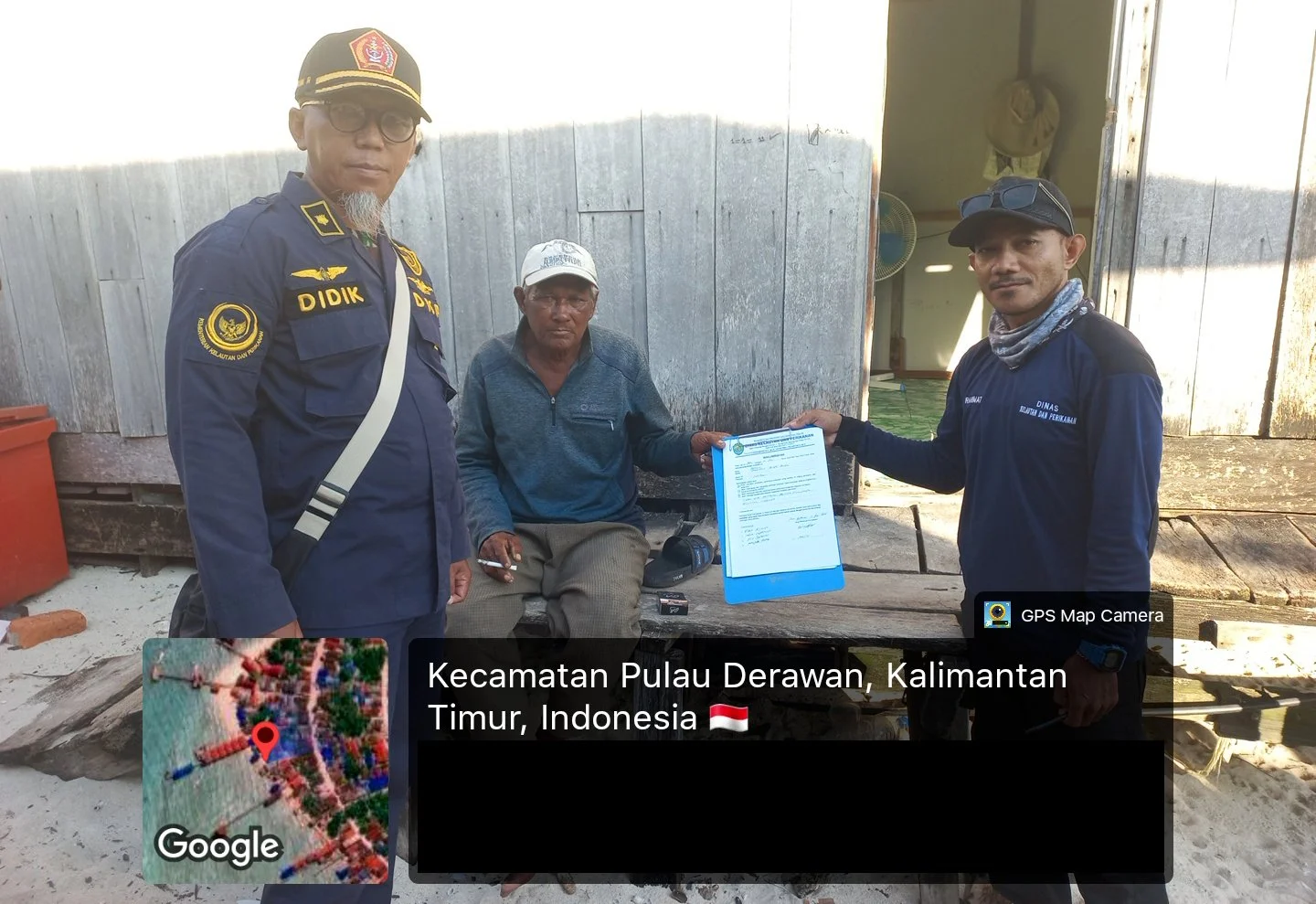
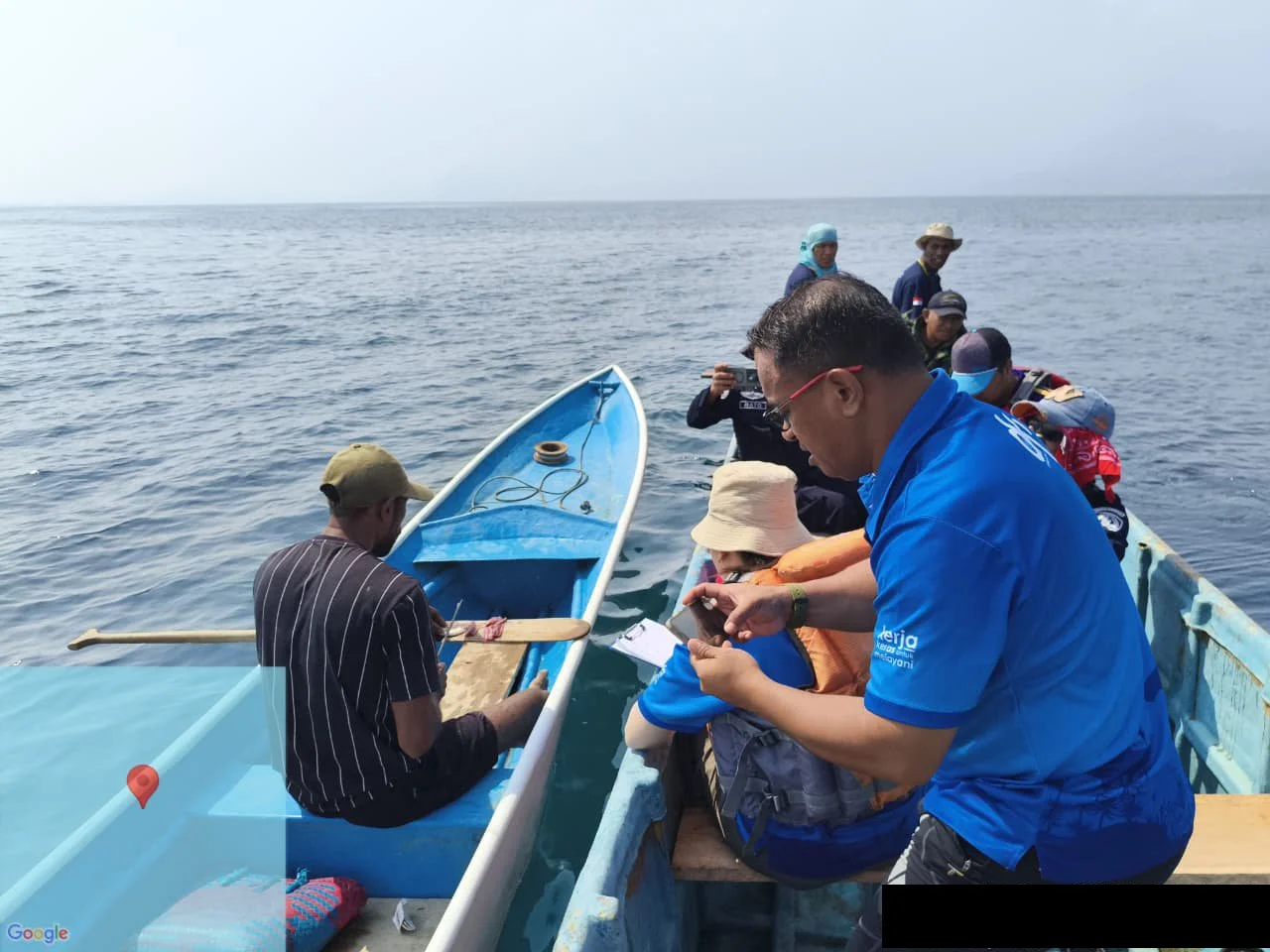
Fisheries inspectors collecting data from local fishers in Tanjung Batu waters.
Strengthening Community-Based Surveillance
Participatory patrols conducted by community watch (PokMasWas) Biduk-Biduk continued during June, covering approximately 16 km of coastal waters. Patrols focused on monitoring local fishing activities and identifying potential threats to coastal ecosystems.
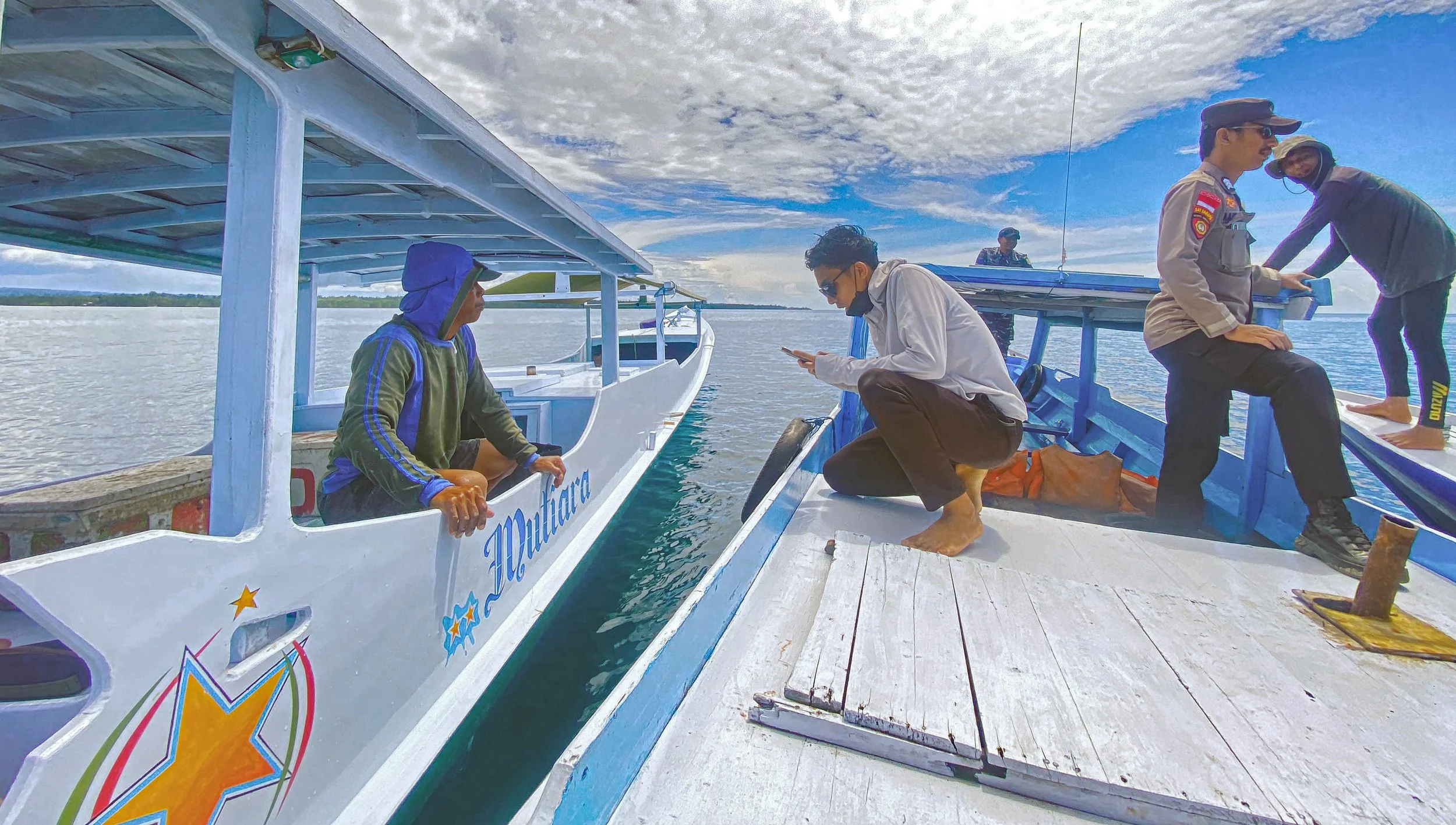
Community patrol officers collecting fisheries data in Sigending waters, Biduk-Biduk.
In addition, PSDKP Berau, under the coordination of PSDKP Tarakan Head Yoki Jiliansyah, conducted marine patrols across the southern Derawan Archipelago, including Tabalar, Talisayan, and Balikukup waters, covering approximately 117 km.
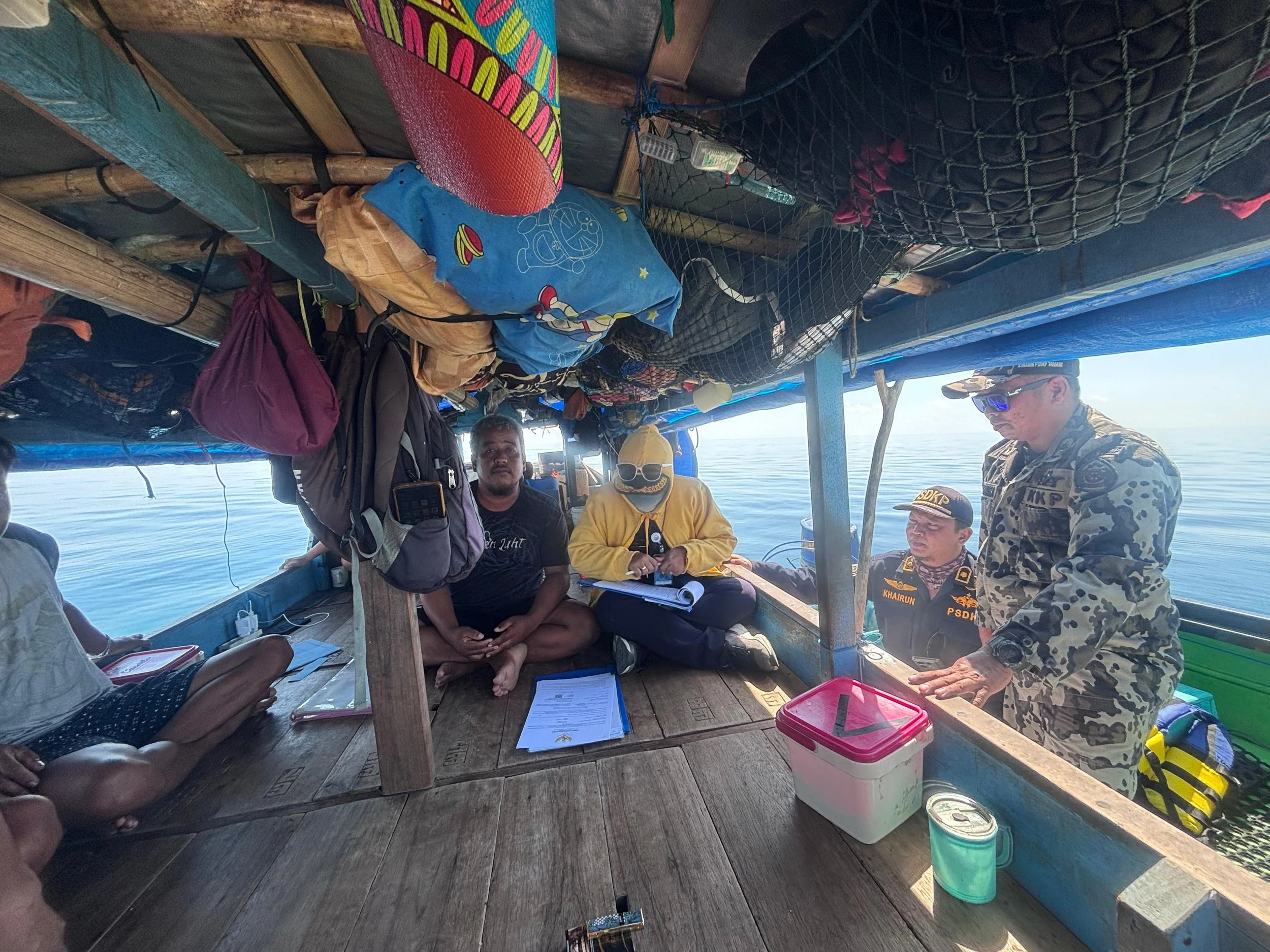
Fisheries inspectors from PSDKP Tarakan conducting vessel inspections.
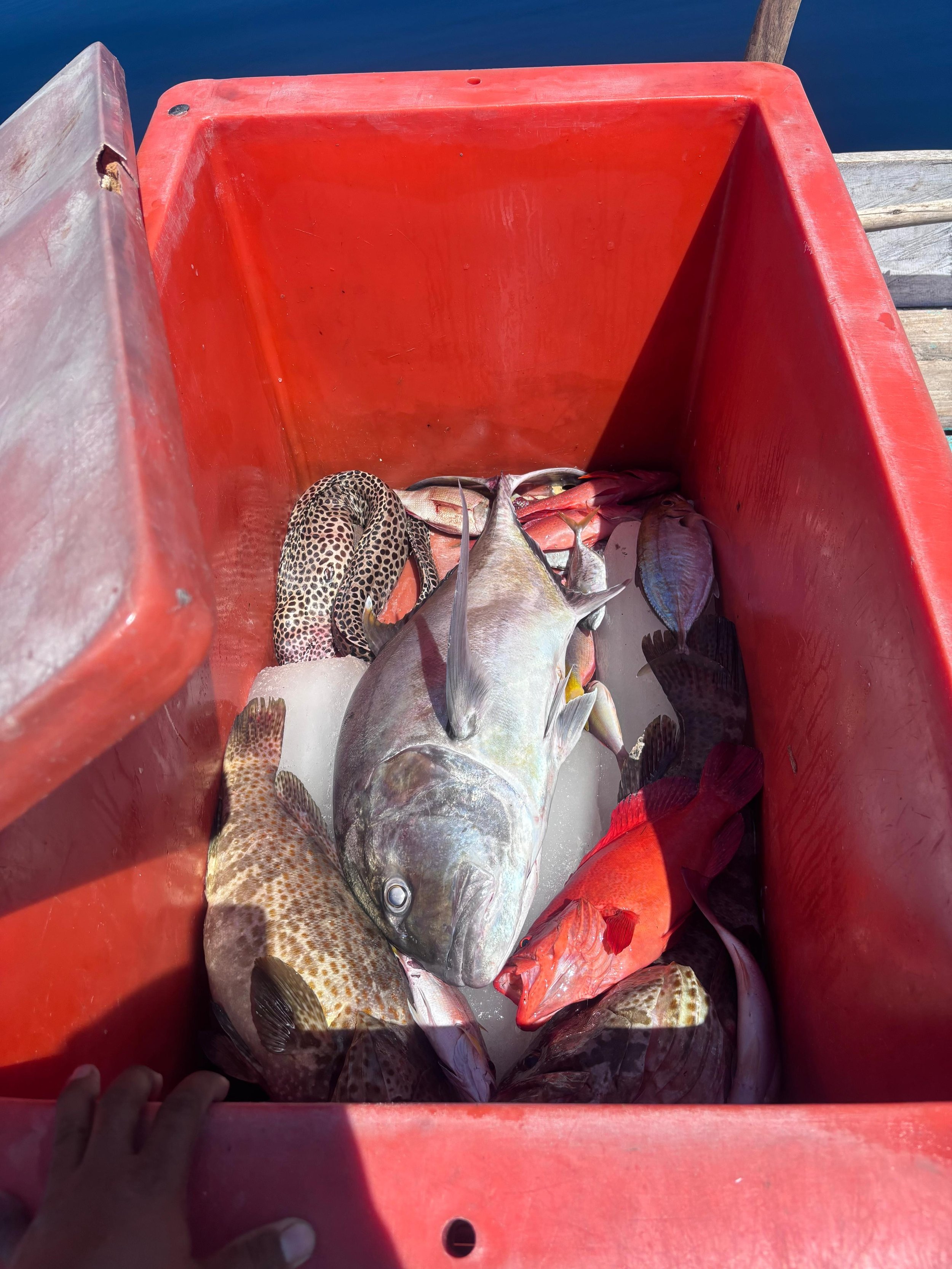
A typical fish catch observed in the southern Derawan Archipelago.
A total of 14 fishing vessels were inspected. Most vessels were found to have incomplete or missing permits. Vessel operators received warnings and guidance to comply with existing fisheries licensing requirements.
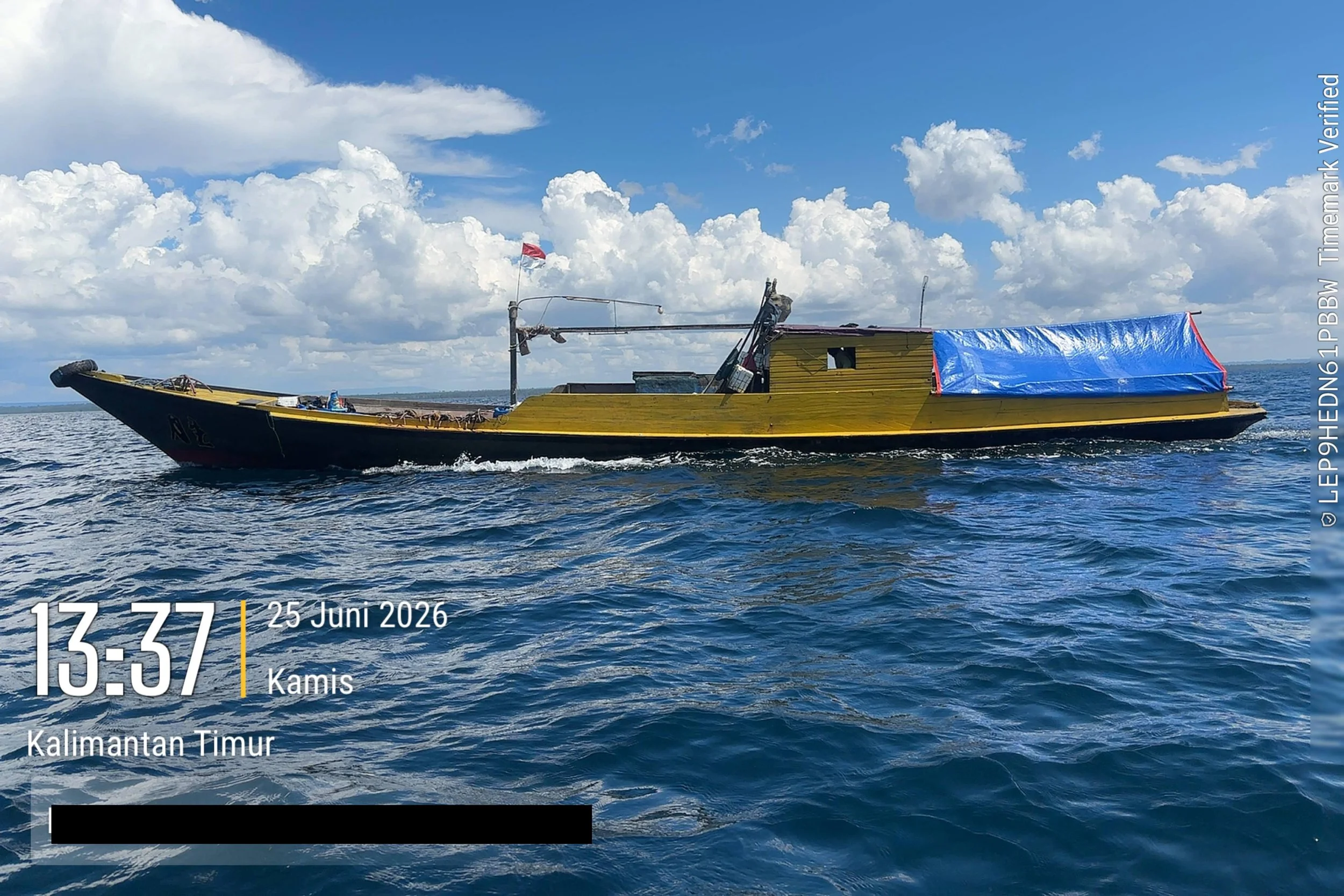
Typical fishing vessels operating in southern Derawan waters.
Marine Surveillance Continues in Maluku
In Maluku, fisheries inspectors from DKP Maluku Branch Office VI (Banda Islands) and Branch Office XI (Tanimbar Islands) continued routine marine surveillance activities.
In the Banda Islands, patrol teams covered approximately 60 km. Overall, the marine environment remained relatively secure from destructive fishing activities. Most of the fishers encountered used environmentally friendly handline gear.
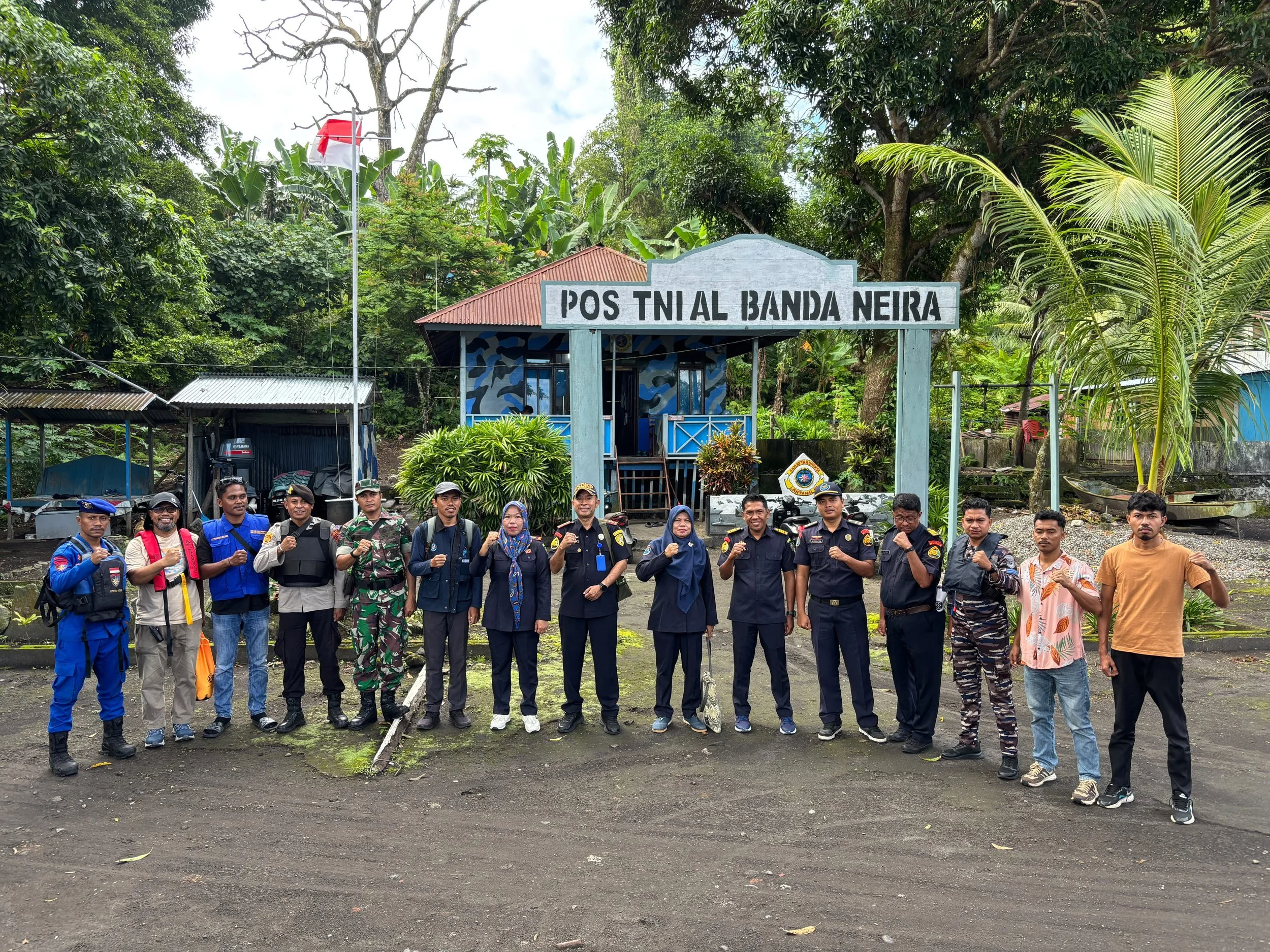
Group photo before commencing patrol activities in Banda waters.
Patrol teams also documented local residents extracting marine sand for household construction purposes. Teams advised community members to limit extraction activities to minimize the risks of coastal erosion.
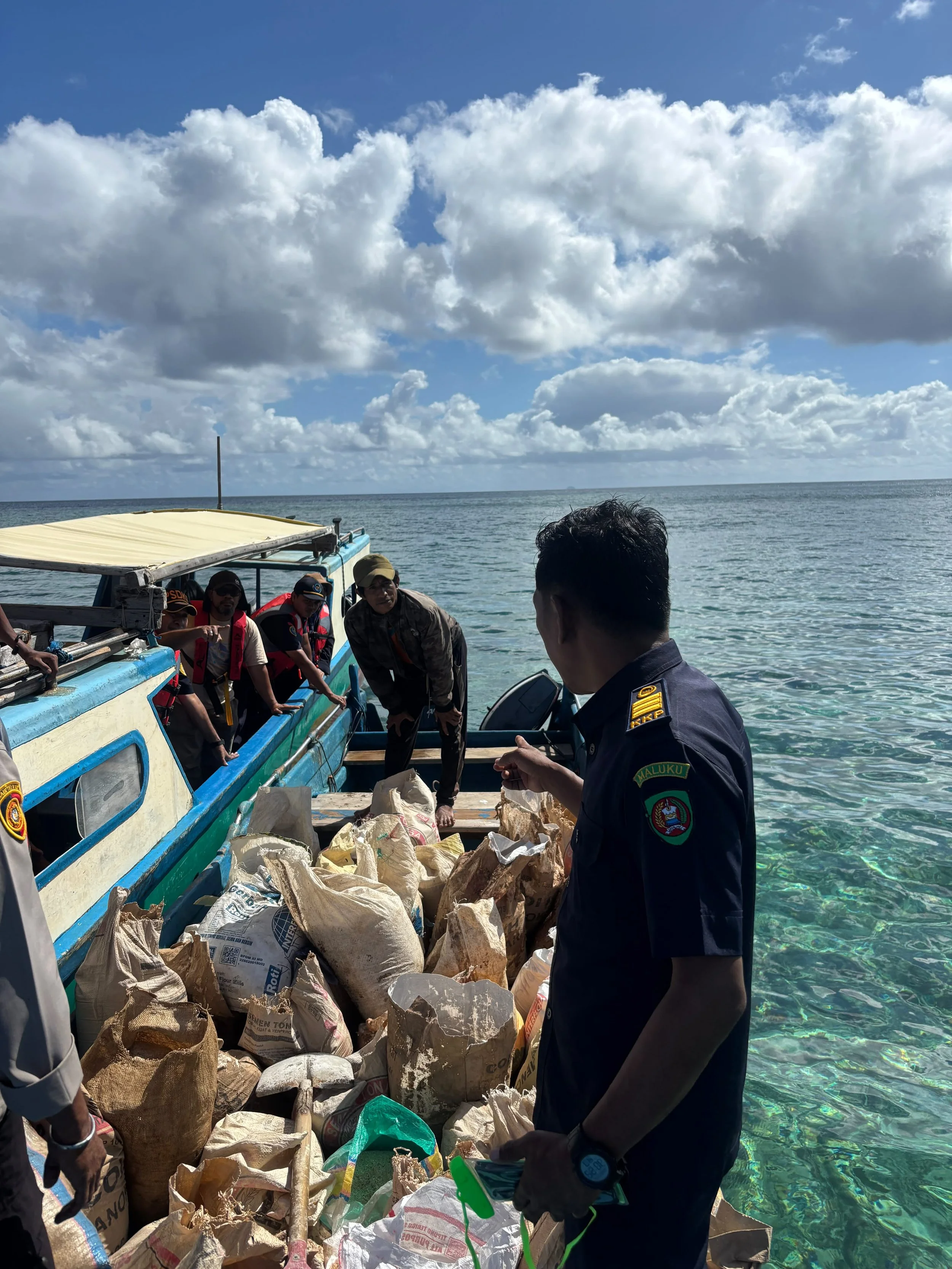
Marine sand extraction activities by Banda fishers.
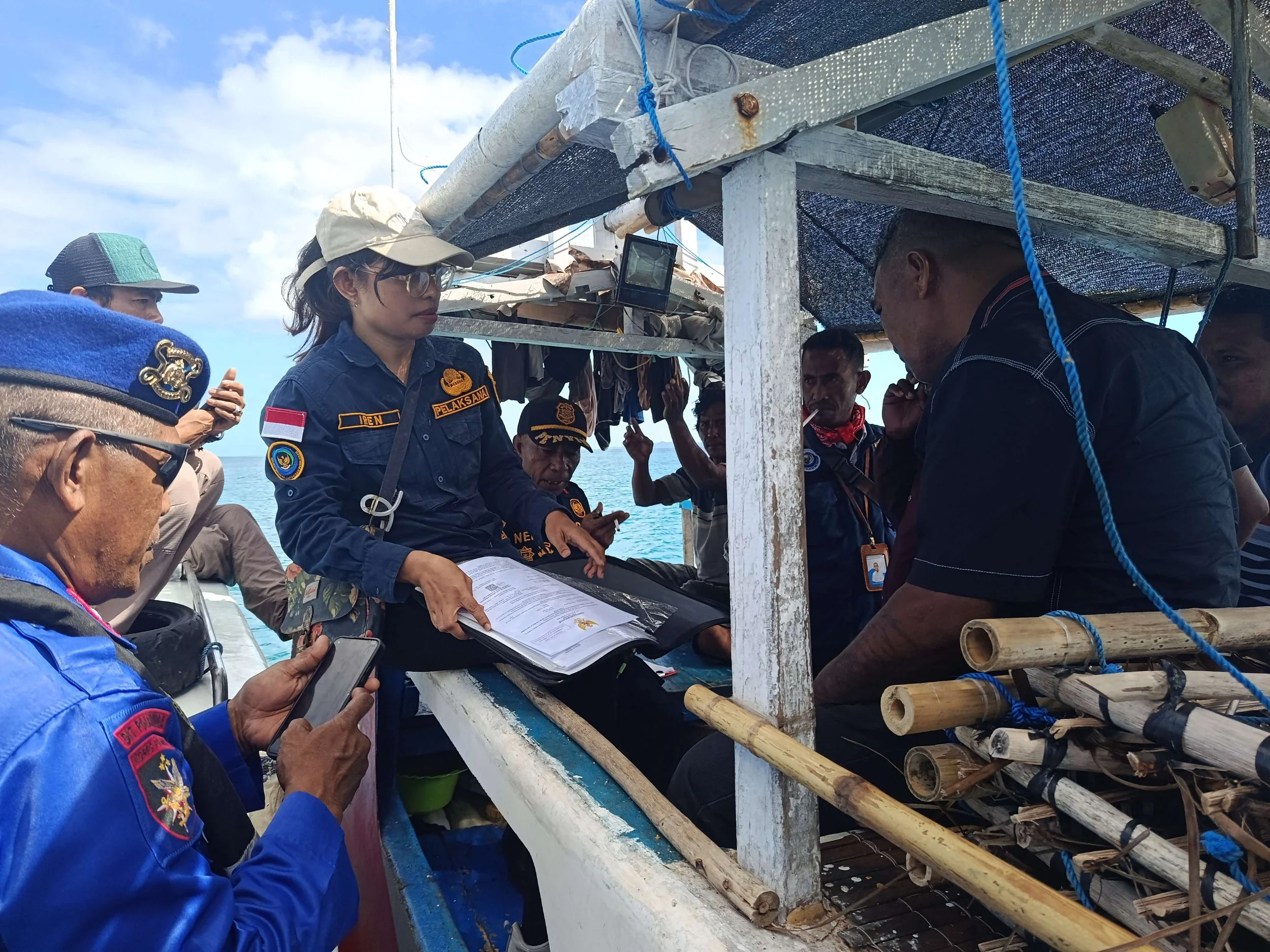
One of the female fisheries inspectors ("Srikandi") conducting surveillance activities in Tanimbar waters, Maluku.
Encouragingly, one member of the coastal women's environmental group committed to coordinating with village authorities to strengthen oversight of excessive sand extraction activities.
In Tanimbar, GP XI patrol teams conducted routine patrols covering more than 33 km. Patrol teams observed local fishers actively fishing using relatively environmentally friendly traditional gear.
Overall, patrol teams reported that marine conditions remained secure, with no indications of destructive fishing activities.
Sea Turtle Protection in Buru Island
PokMasWas Sugiraja Watulu, a local community surveillance group in northern Buru Island, continued supporting sea turtle conservation through routine nest monitoring and beach patrols.
Between 17–30 June 2026, nine group members conducted regular patrols and successfully documented three nesting events of leatherback turtles (Dermochelys coriacea) on 17, 19, and 25 June.
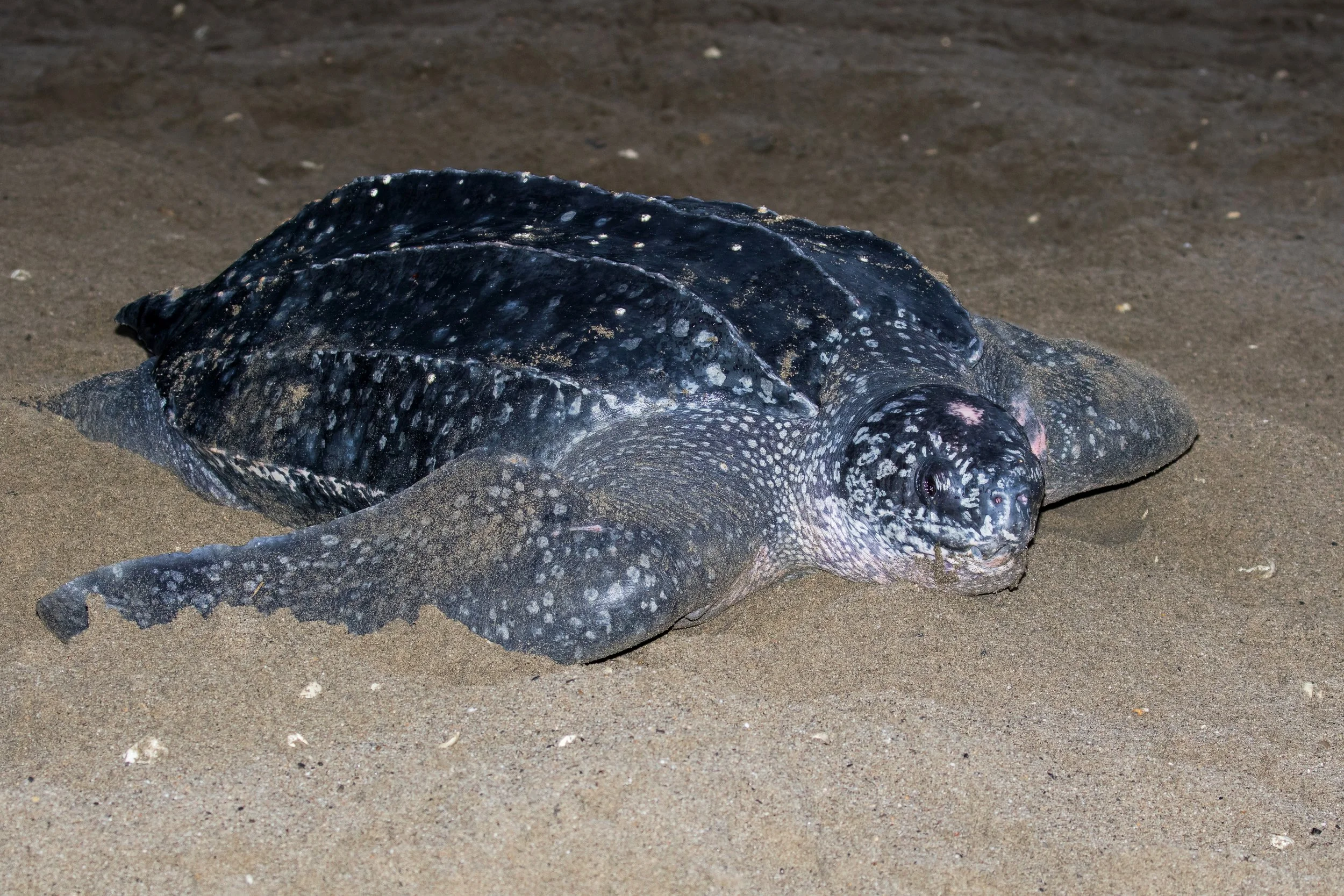
A leatherback turtle (Dermochelys coriacea) nesting on Buru Island, documented by PokMasWas members.
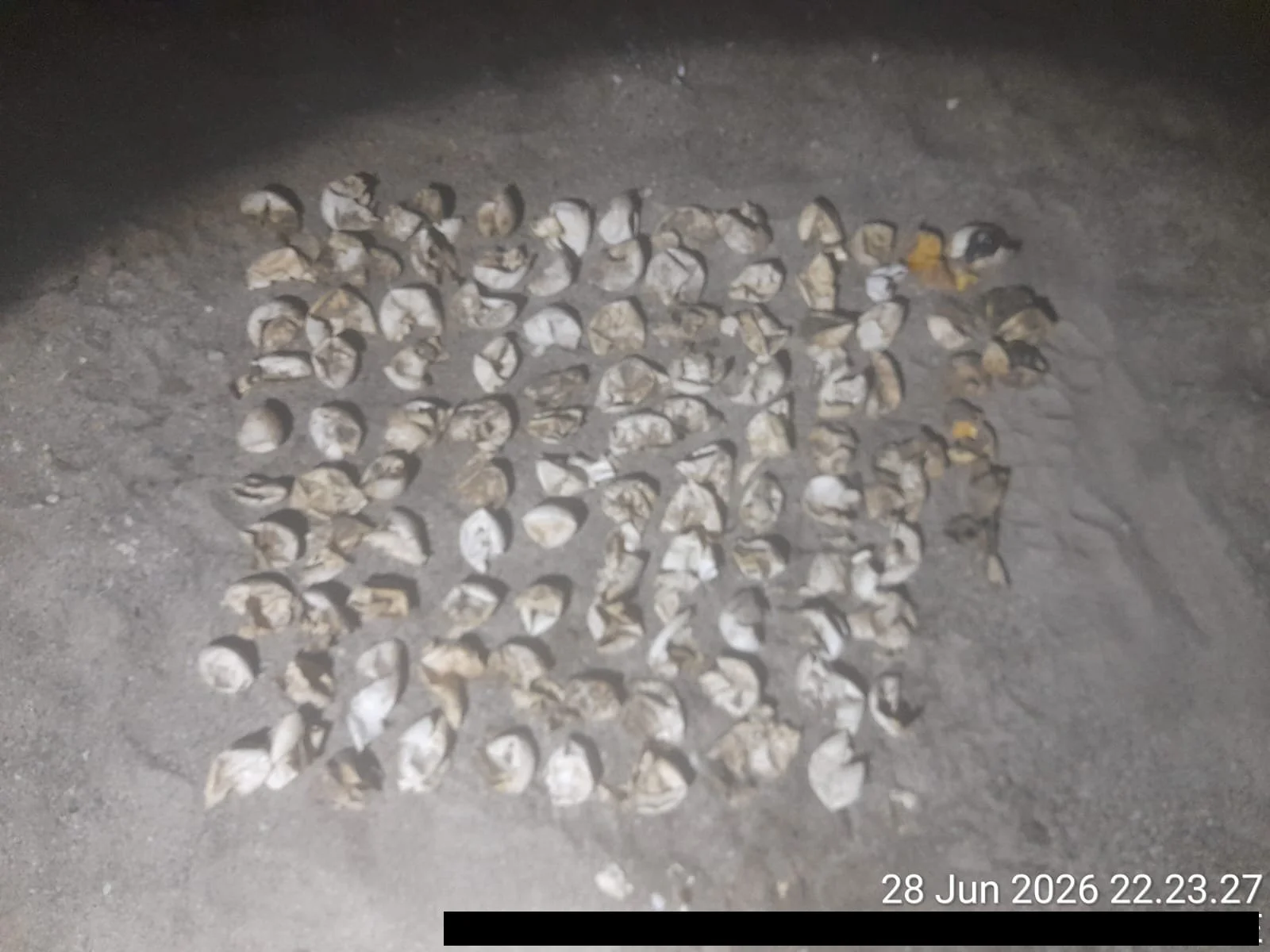
Collection of hatched olive ridley turtle eggshells by PokMasWas Sugiraja Watulu members.
Patrol teams also documented the successful hatching of relocated nests, including olive ridley turtle (Lepidochelys olivacea) nests, demonstrating the effectiveness of nest relocation and protection efforts.
These activities continue to generate valuable long-term monitoring data supporting sea turtle conservation in Buru waters.
MarineMonitor (M2) Supports Data-Driven Decisions
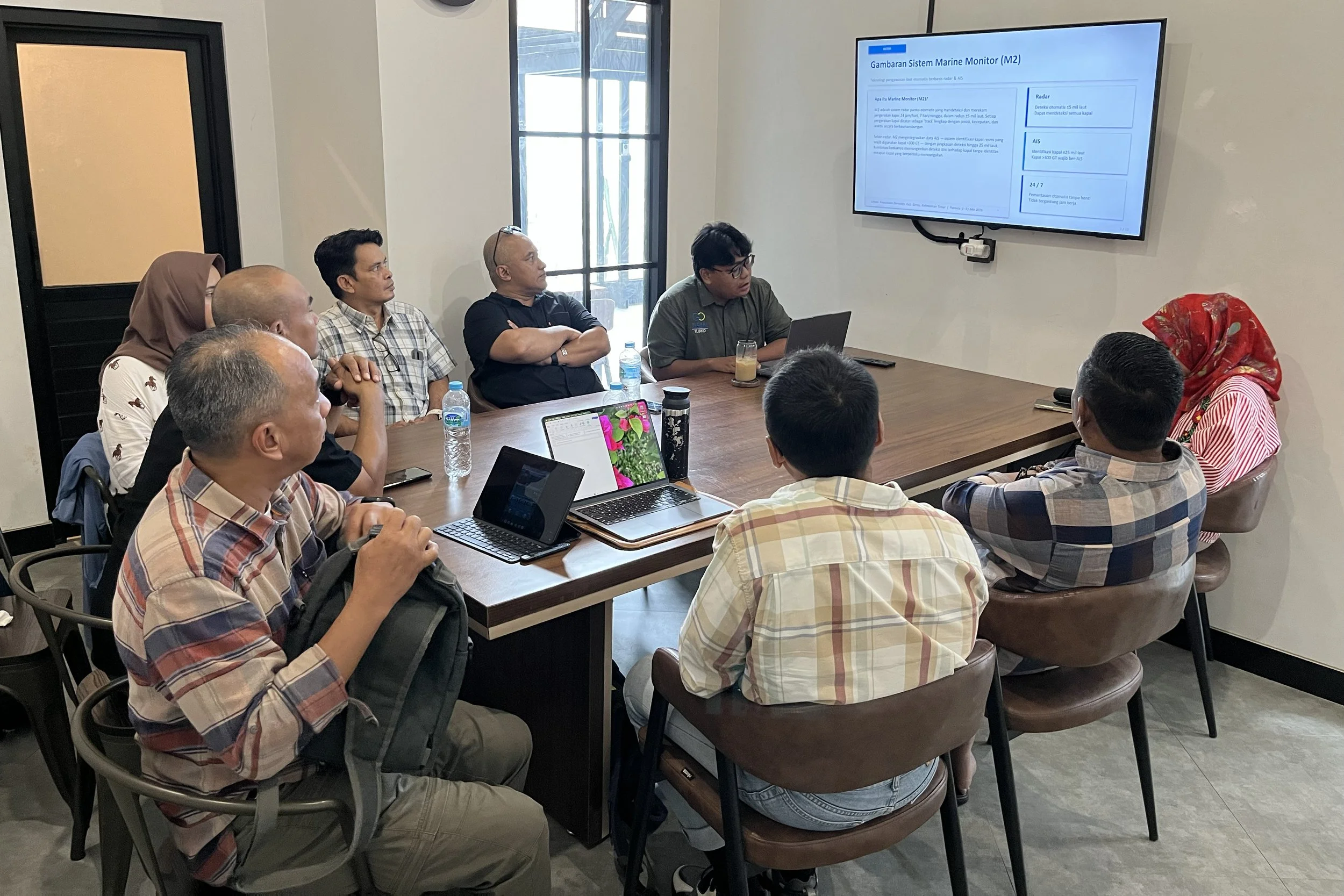
Monthly M2 briefing presented by GC/YLBKD to East Kalimantan fisheries inspectors.
GC and YLBKD continued monthly briefings with East Kalimantan DKP regarding MarineMonitor (M2) findings.
Between 1 and 31 May 2026, M2 detected 5,232 valid vessels operating in Derawan waters out of a total of 26,803 radar detections. Among these, 142 vessels triggered alarms after entering restricted areas, while 75 vessels exhibited suspicious loitering behavior within protected zones.
These findings continue to support evidence-based decision-making and improve the effectiveness of marine surveillance efforts.
Strengthening Capacity through EarthRanger
EarthRanger training continued during June, targeting fisheries inspectors from Tanjung Batu Station. The training aimed to improve field staff capacity in using technology-based monitoring systems for integrated surveillance, documentation, and reporting.
GC and YLBKD also continued developing an independent EarthRanger Report Generator application to automate operational reporting processes, improve consistency, and reduce manual errors.
In addition, YLBKD integrated Gemini AI into its website infrastructure to automate error detection and improve system reliability.
Expanding Collaboration with PSDKP Tarakan
Follow-up actions from the strategic meeting between GC, the Director of Indonesia and the Head of PSDKP Tarakan have begun to generate tangible outcomes.
Beyond patrol activities in southern Derawan waters, both parties have initiated preparations to expand collaboration to the Mahakam River system in Kutai Kartanegara to support conservation of the critically endangered Mahakam dolphin.
As part of this initiative, GC established a partnership with Wildlife Protection Solutions (WPS) and the EarthRanger team to strengthen wildlife monitoring capacity. Four camera traps, including solar panels and protective cases, are scheduled to arrive in mid-July 2026.
The equipment will primarily support monitoring activities conducted by PSDKP Tarakan through its Balikpapan Working Unit, representing an important step in expanding biodiversity protection efforts across East Kalimantan.
Community Protection
Supporting Women as Conservation Divers
GC and YLBKD launched a Rescue Diver scholarship program for Nisa Amaliah, a young woman from Maratua Island. The program aims to strengthen the capacity of coastal women and increase their participation in marine conservation efforts.
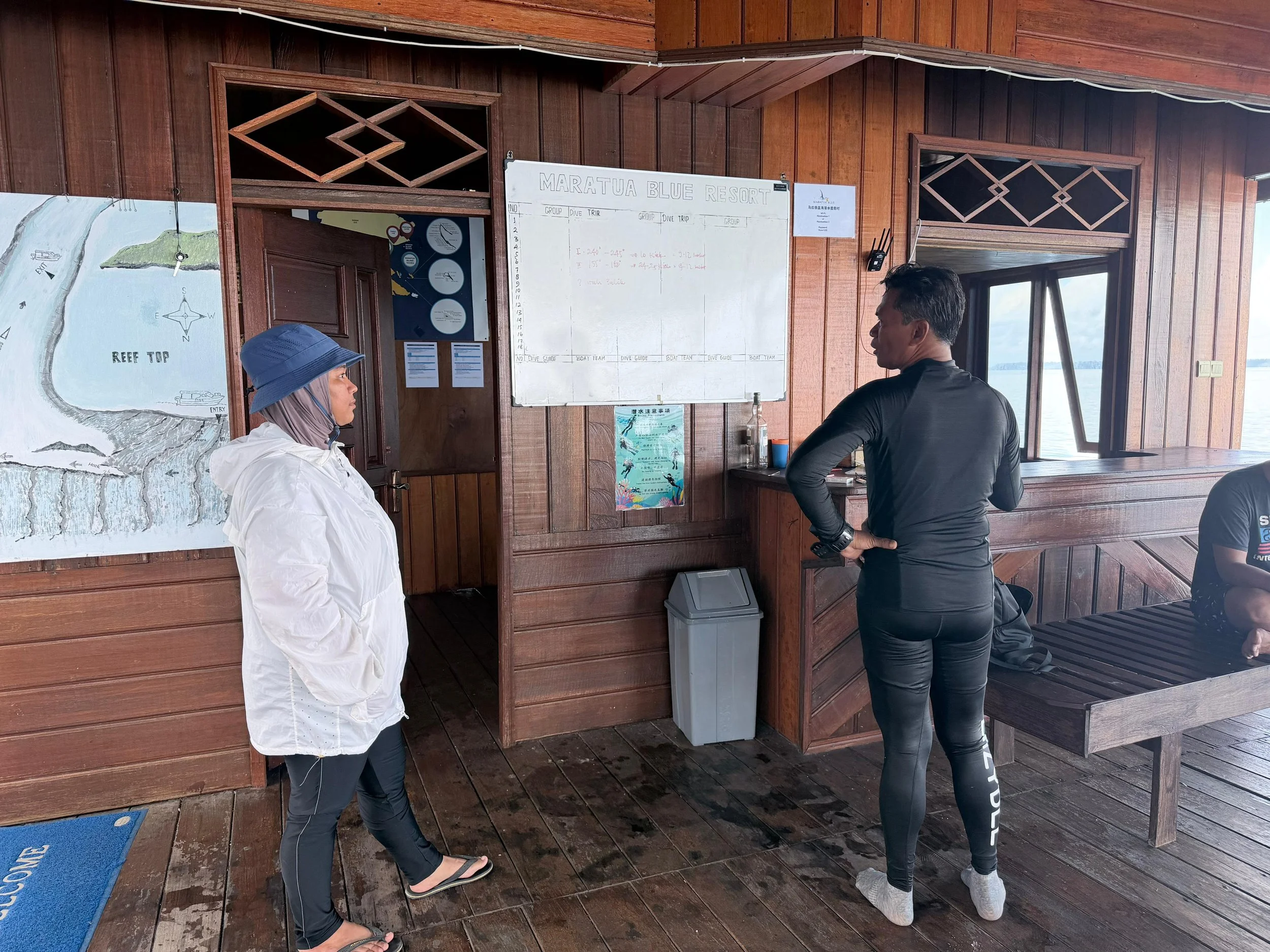
One of the practical sessions during the Rescue Diver certification program
Capacity building also continued internally. During June, Zenobia Z. Helza, Derawan Protection Coordinator, officially obtained his PADI Dive Master certification, further strengthening the technical capacity of the conservation team.
Bringing Conservation Learning into the Field
On 14 June 2026, students from the International Relations Programme, Faculty of Social and Political Sciences, Mulawarman University, participated in an educational field trip to Mangrove Park and Beras Basah Island, Bontang.
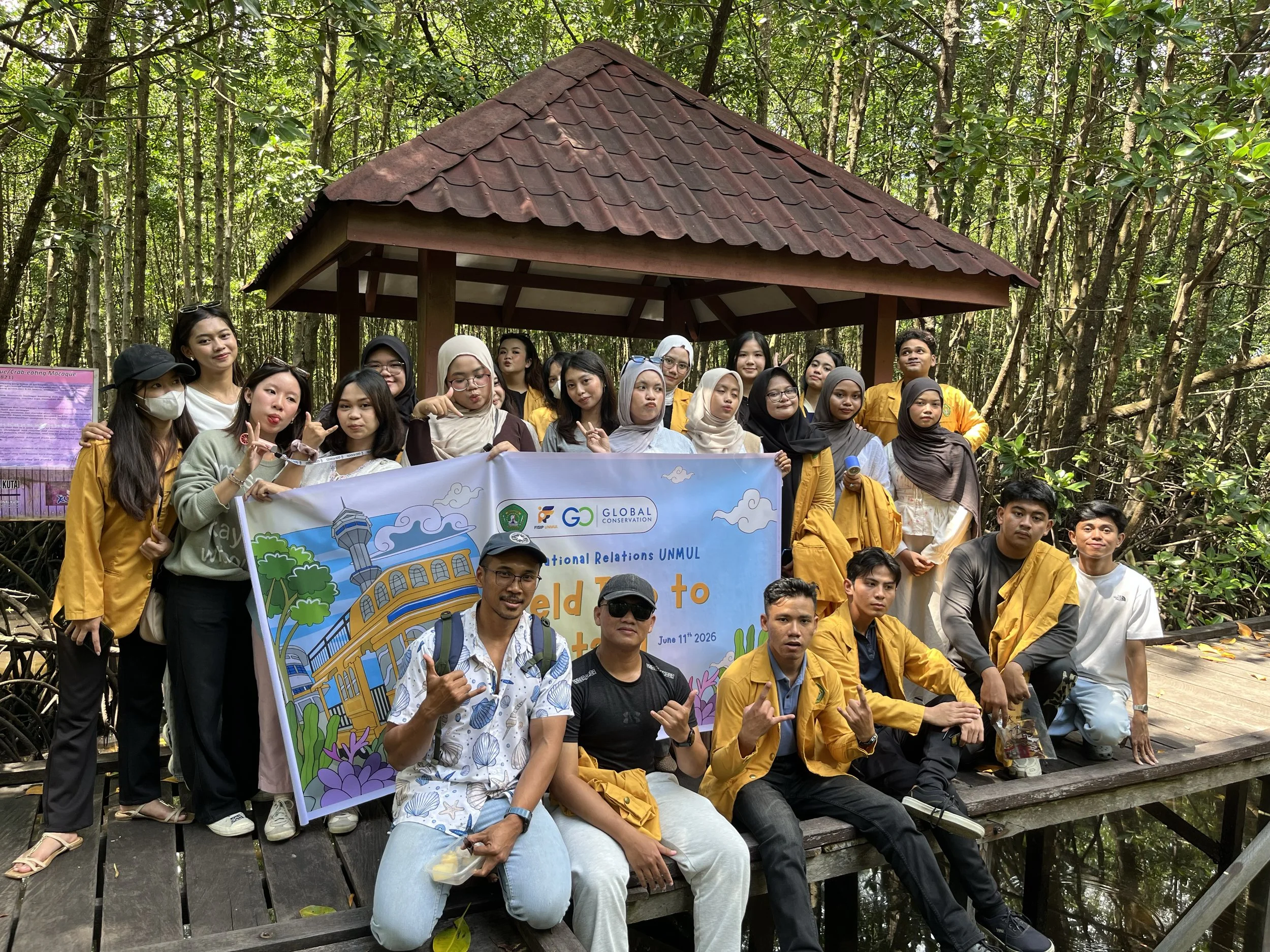
Students directly observed mangrove, coral reef, and seagrass ecosystems while exploring the linkages between conservation, sustainable development, and coastal communities.
Strengthening Coastal Women's Leadership
YLBKD and GC, with support from the East Kalimantan Marine and Fisheries Agency, organised a Coastal Women's Empowerment Training in Tanjung Batu on 19–20 June 2026.
Under the theme "Women Guardians of the Sea: From Environmental Awareness to Coastal Community Leadership", the training aimed to strengthen women's leadership in supporting sustainable coastal resource management.
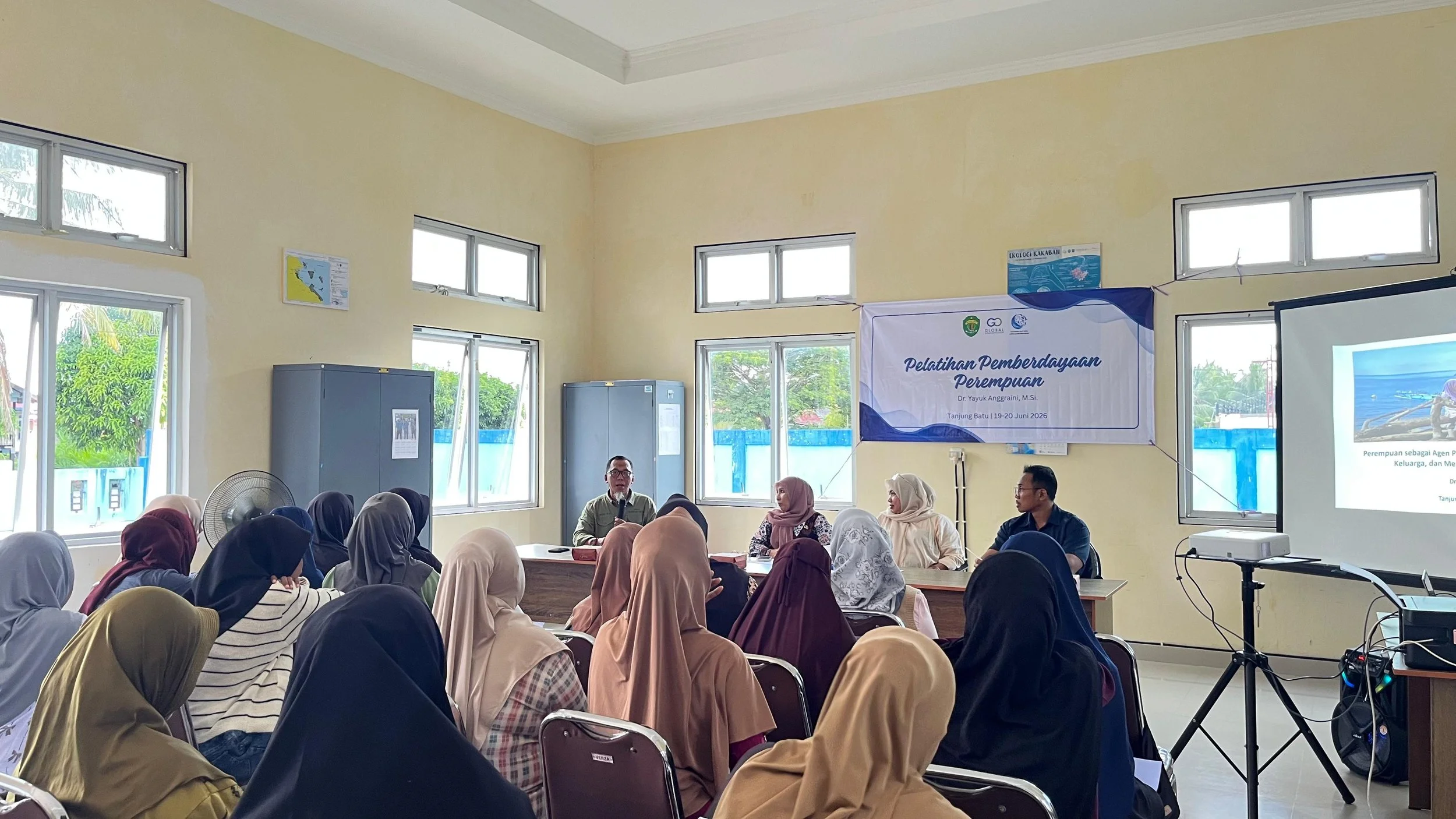
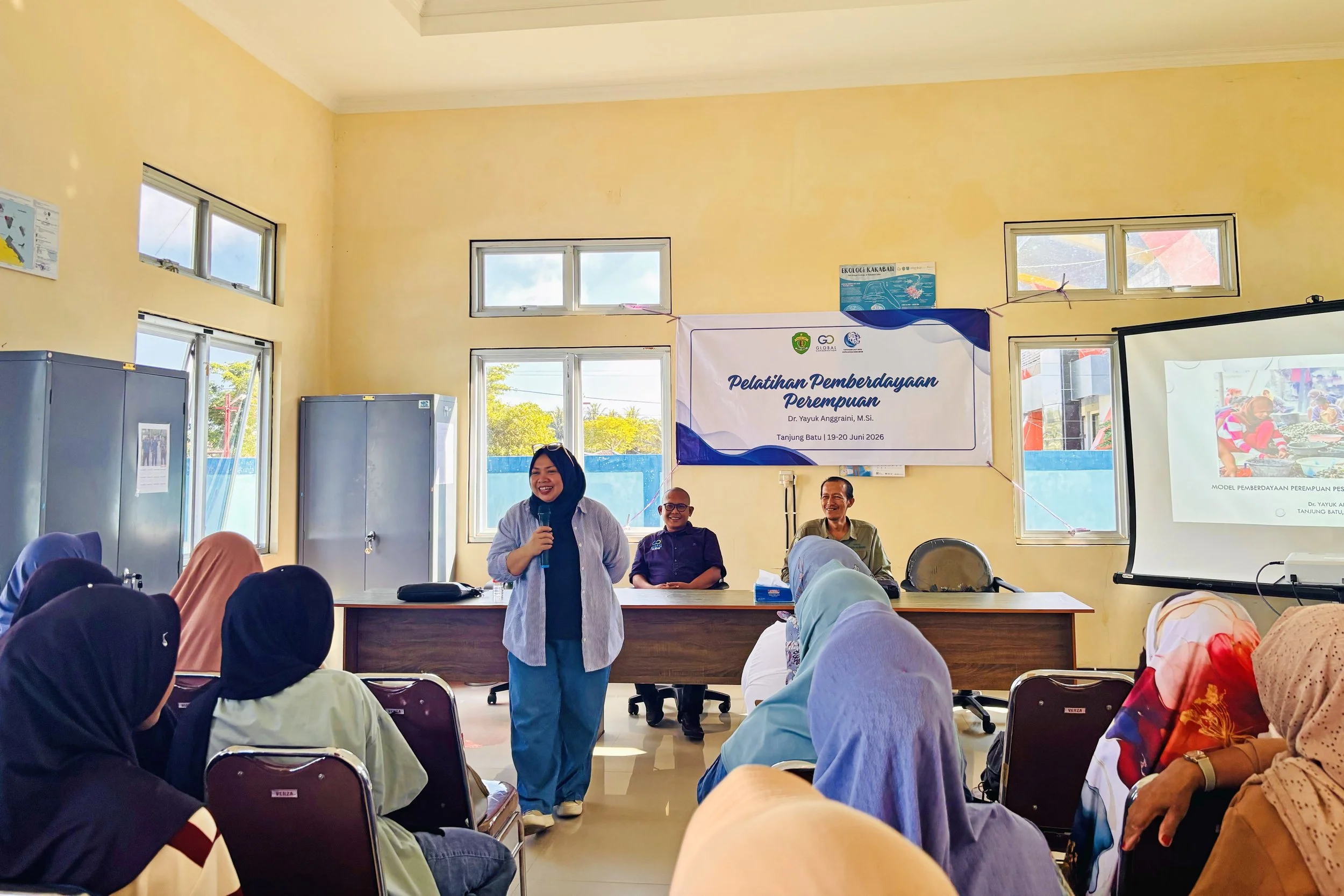
The training was facilitated by Dr. Yayuk Anggraini, a gender expert from Mulawarman University, and involved participants from fishers' wives' groups, fisheries processing groups, and coastal SMEs.
Participants discussed coastal environmental issues, the impacts of destructive fishing practices, and the strategic role women play in promoting environmental awareness within families and communities.
The training also strengthened leadership, organization, and networking among coastal women, contributing to broader community-based conservation efforts.
Overall, June 2026 demonstrated that effective marine conservation requires a combination of field enforcement, technological innovation, cross-sector partnerships, and active community participation. By expanding collaboration with government agencies, local communities, academia, and strategic partners, GC and YLBKD remain committed to strengthening marine biodiversity protection while building a long-term foundation for sustainable conservation across East Kalimantan, Maluku, and other emerging conservation landscapes in Indonesia.