GC Featured in Variety: Bob Woodruff’s ‘Last Lands’ Docuseries on the Harrowing Fight to Protect Earth’s Threatened Ecosystems
In a follow-up to Last Lands 1, which was a 2-Time Emmy Nominee, Season 2 is a two-part series focusing on Central America, including El Mirador in Guatemala and Coiba National Park in Panama. We at GC hope this series will inspire thousands of people to help Protect Our Planet.
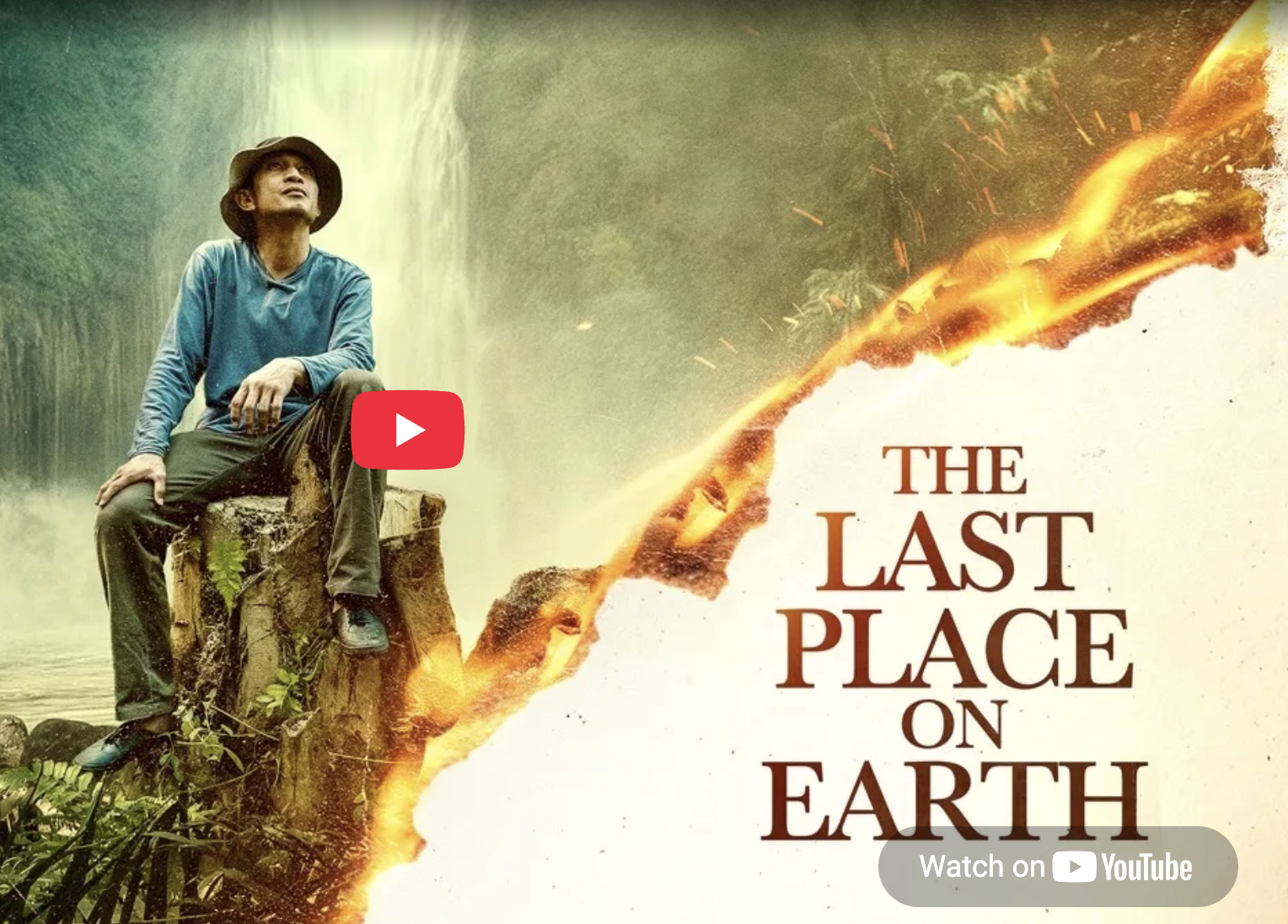
Watch the Trailer:
Docuseries “Last Lands,” hosted by ABC News correspondent Bob Woodruff, returns for Season 2 for new on-the-front-lines dispatch from the battle to protect the health of the planet.
The two-part special will premiere on ABC News Live, Disney+ and Hulu on Thursday, Oct. 16, at 8:30 p.m. ET. The second episode will go live the following week on Oct. 23. The documentary series, presented in partnership with not-for-profit environmental organization Global Conservation, spotlights conservation efforts to preserve Earth’s most threatened ecosystems.
Two-part series premieres Oct. 16 on ABC News Live, Disney+ and Hulu
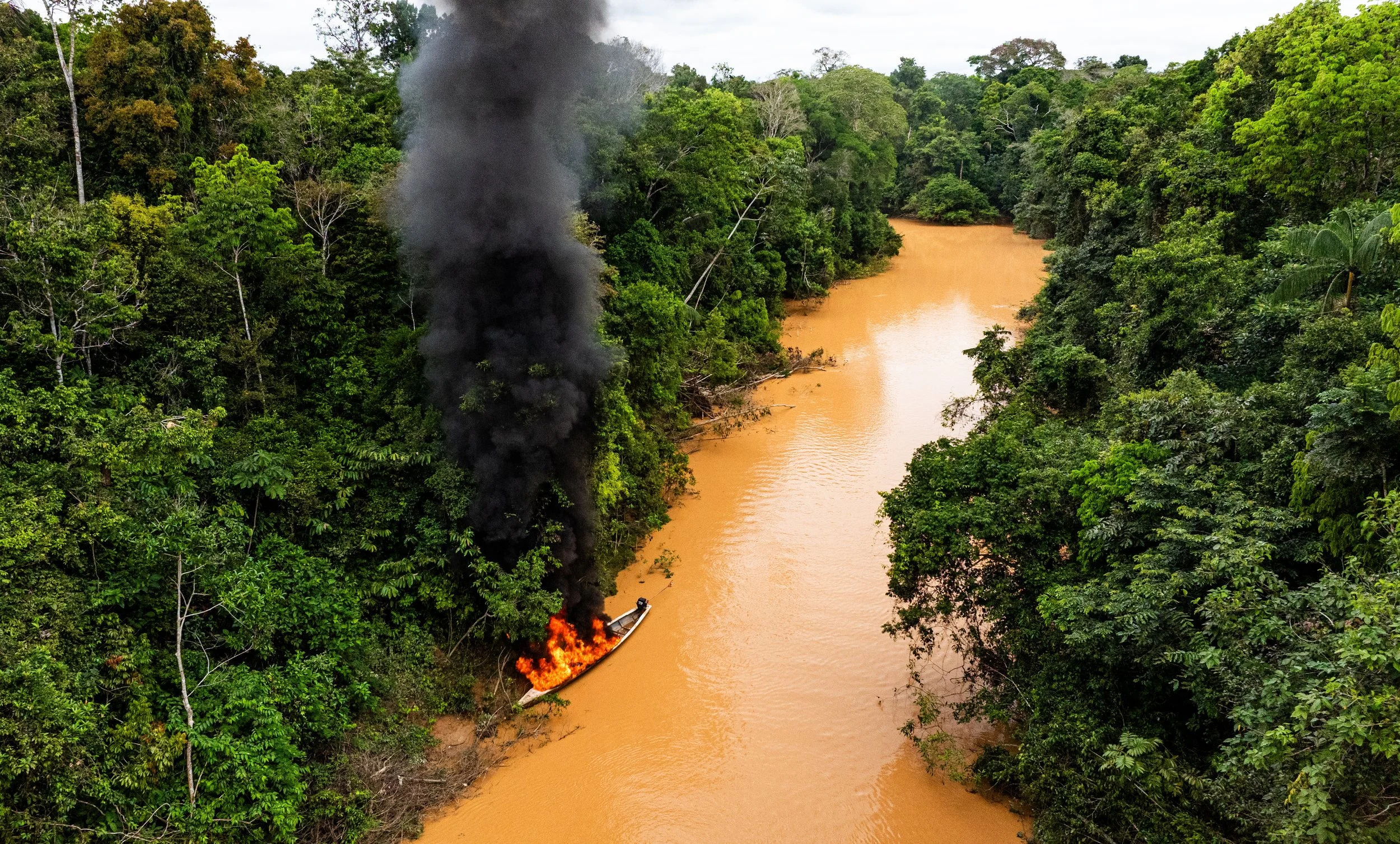
Low-cost tech and joined-up funding have reduced illegal logging, mining and poaching in the Darién Gap—it’s a success story that could stop deforestation worldwide
Global Conservation’s primary objective on land and sea is to protect the endangered marine ecosystems of the Baja Sur marine corridor from Loreto to East Cape (Boca del Álamo) by alleviating the pressures of illegal fishing, unregulated tourism, overfishing, and increasing marine traffic.
Packed with highlights of conservation successes from around the world at our project sites, this report features the effectiveness that the Global Park Defense and Community Engagement programs have for protecting culturally rich and highly biodiverse natural ecosystems in the most threatened parts of our world—land or sea.
Global Conservation is working to protect the Last 10% of Intact Primary Forests and Marine Ecosystems.
In 2025, Global Conservation made a tremendous impact towards our protection goals across 22 countries and over 20 million acres.
Global Conservation is working to secure permanent protection for Mirador National Park in Petén, Guatemala—the Heart of the Maya Biosphere and the Cradle of Maya Civilization.
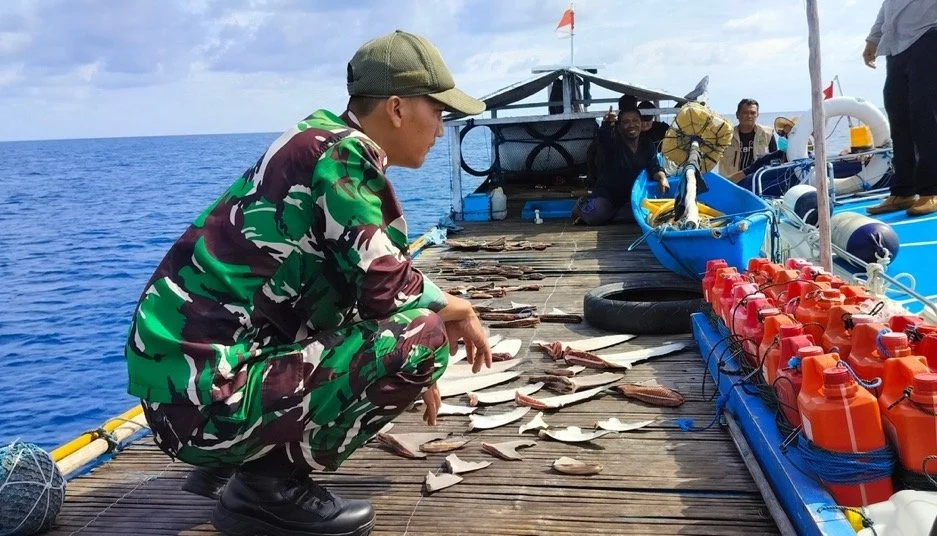
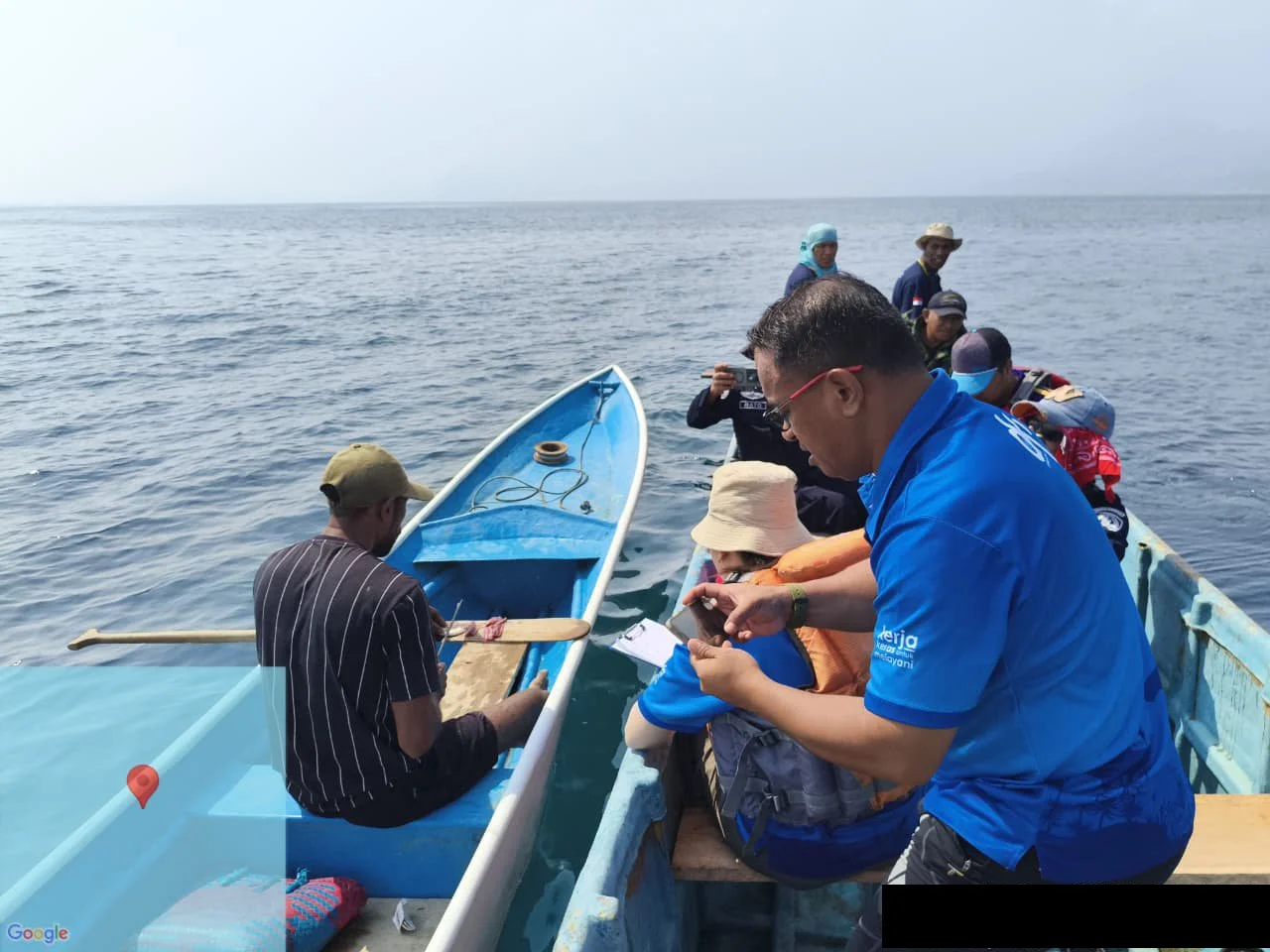
Indonesia just inaugurated its first marine radar with the Governments of East Kalimantan and Berau to protect the Derawan Archipelago, Indonesia’s most important and biodiverse Marine Protected Areas (MPA).
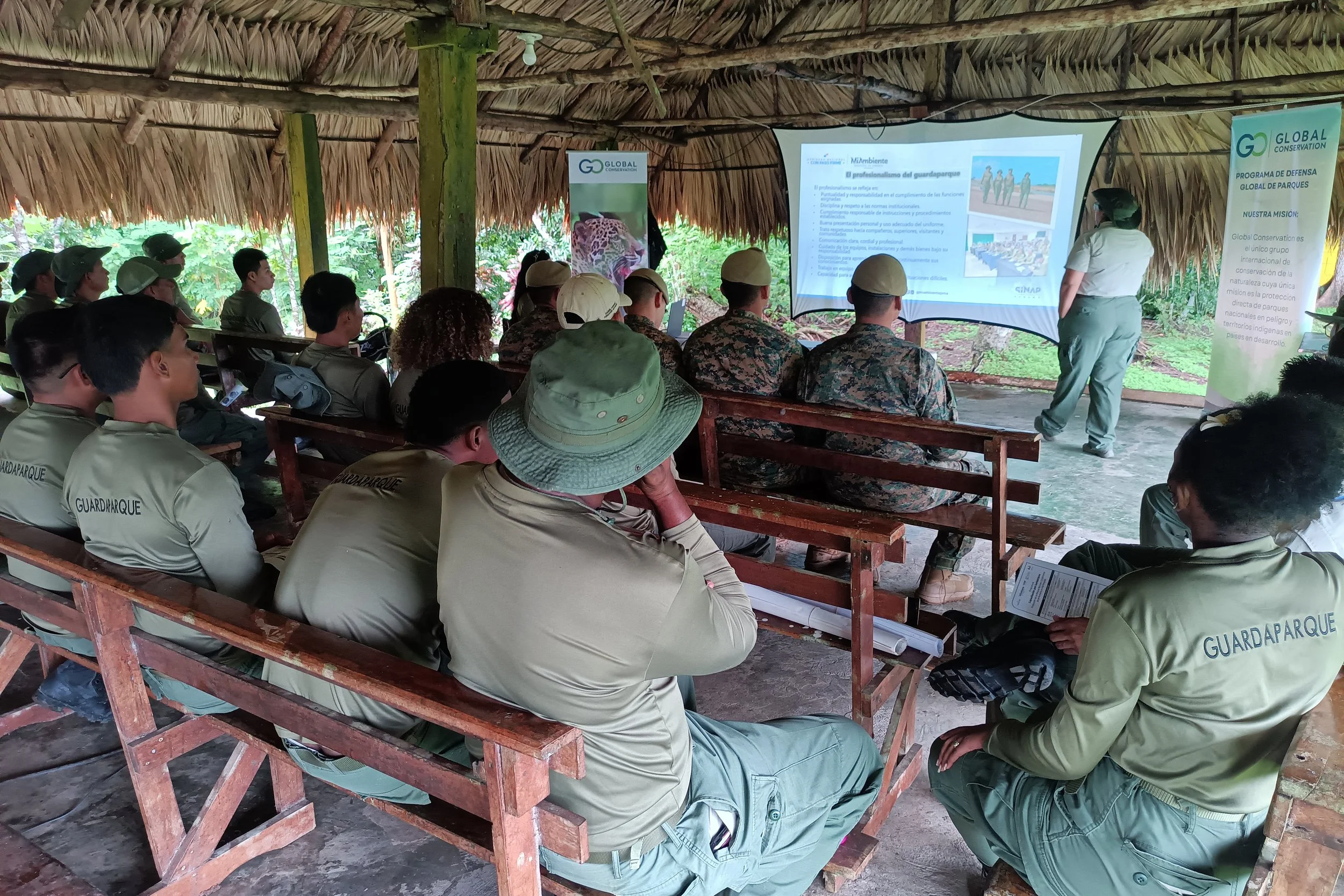
Rangers from the Naso Kingdom spend days patrolling their forests to stop deforestation, which is penetrating the borders of their territory. Satellite monitoring and observing the terrain from high points helps them identify deforestation hotspots to visit on patrols. Global Conservation continues to support the community rangers in their efforts to protect this vast area of tropical rainforests in Panama.
Global Conservation forwards protection efforts throughout Peru in multiple parks while supporting native peoples through our Community Engagement program.
This inspiring event merged conservation leaders together with people who also share their passion for wildlife and habitat protection on a global scale! Live music from local band NOTORIOUS set the tone for a fun and thriving evening.
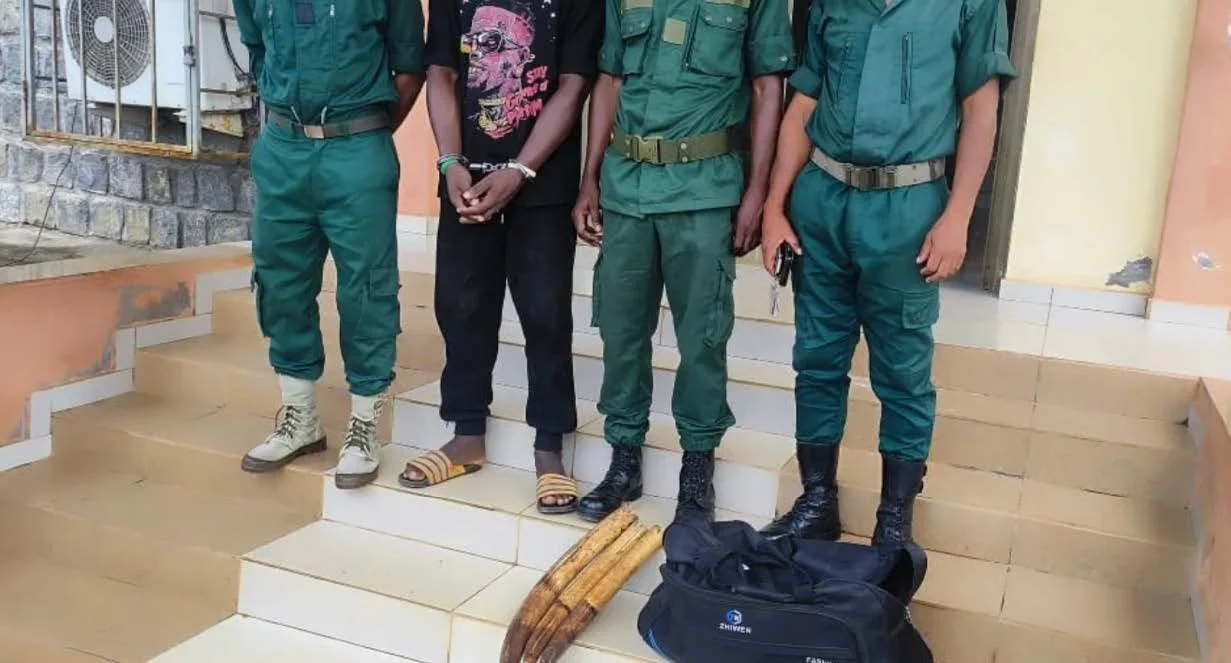
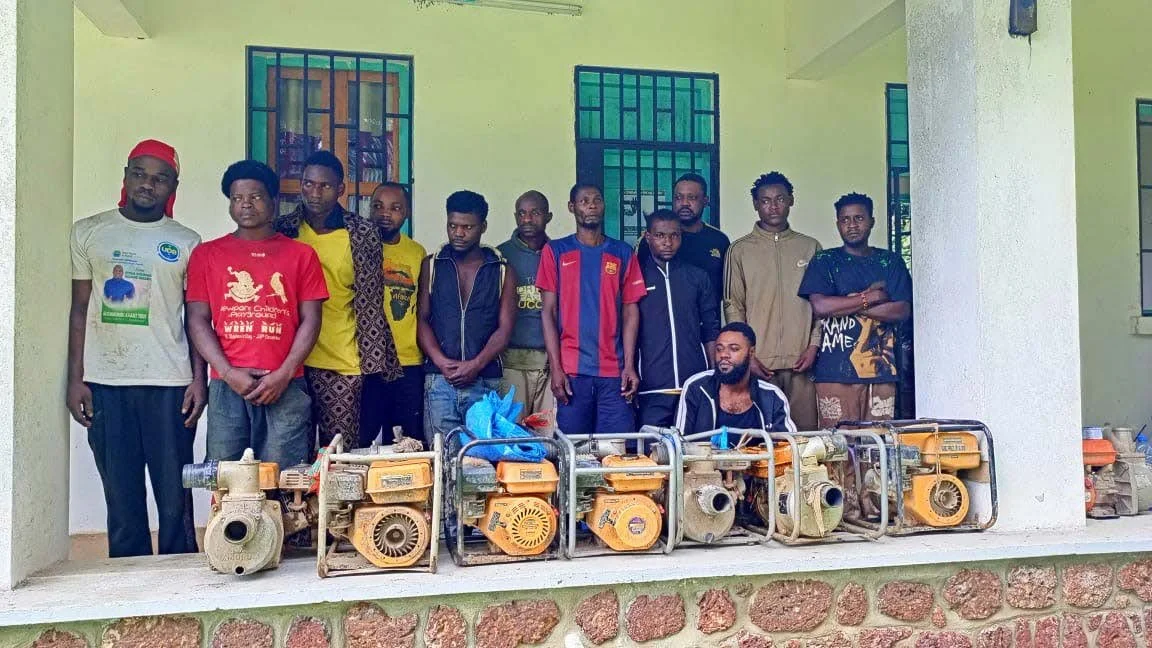
We are improving park and wildlife protection systems in Dja Faunal Reserve, Ngoryla and Nki National Parks in Cameroon, and Minkebe National Park in Gabon, as well as scaling Community Protection around the park's southeast and delivering training and equipment to provide real protection across a massive area of deep forests and jungles home to elephants, great apes, and many other endangered species.
Update: On October 31st, the President of the Congress of Guatemala and Congressman César Fion gave a formal recognition to the Genesis Elite Ranger Team and to me inside the Congress in Guatemala City.
GC has supported Forum Konservasi Leuser (FKL) for the past six years with eight FKL Wildlife Protection Teams who, in 2024-25, conducted 150+ patrol missions, covering 11,600 km over 2,680 days of patrolling dense, mountainous forests critical for the survival of the last Sumatran tigers (less than 400), rhinos (less than 80), elephants, and orangutans.