The animals were discovered in Tanzania's world-famous Ngorongoro region
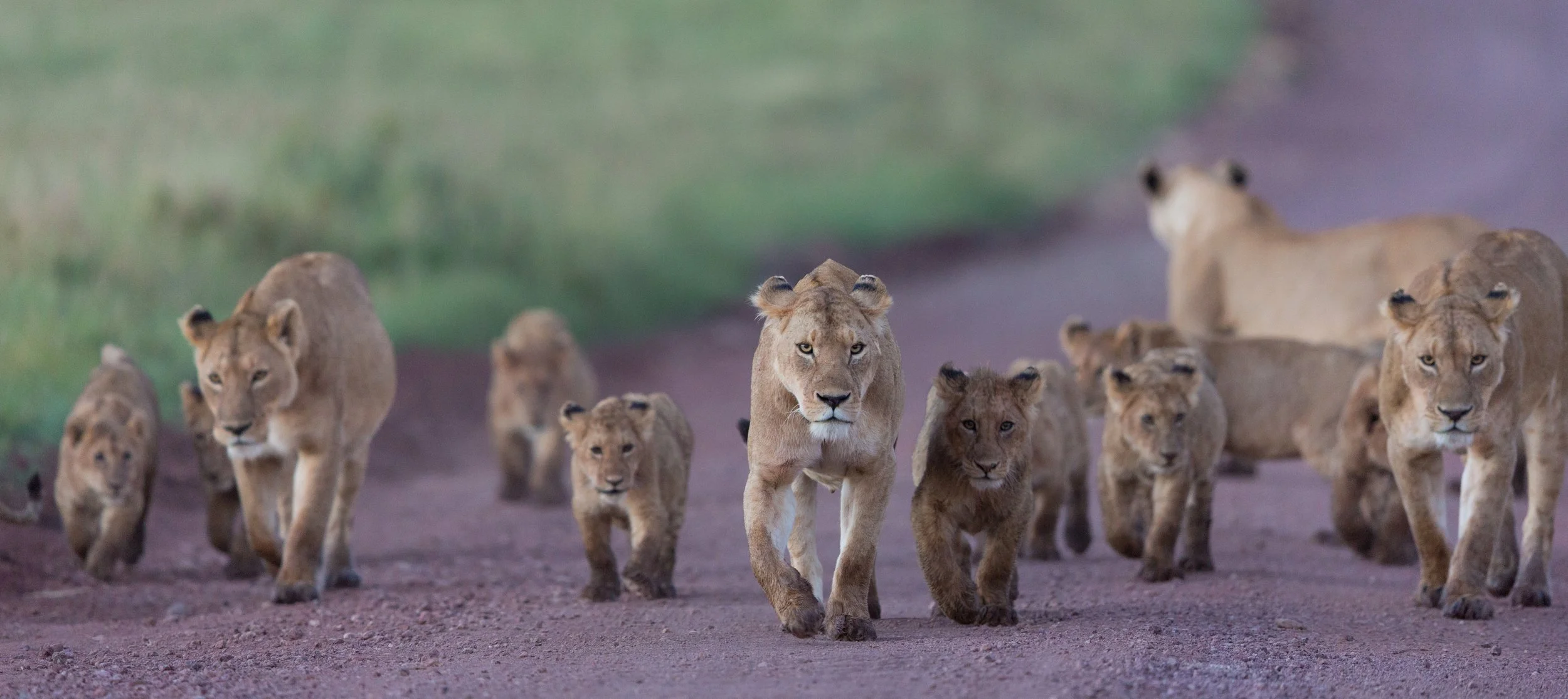
Wildlife authorities in Tanzania's renowned Ngorongoro Conservation Area are looking into the possibility that poison was the cause of death of ten lions. Initial examinations conducted on Friday indicated that the animals had likely consumed a poisonous substance before their demise. Lions and other big carnivores have been poisoned on multiple occasions in East Africa, a region with a long history of predator-livestock conflict.
Tourists from all over the globe flock to Ngorongoro, a UNESCO World Heritage Site in northern Tanzania, to see the lions, elephants, buffalo, and black rhinos that call this place home. According to AFP, however, the population of the Ngorongoro region has increased from 8,000 in 1960 to over 100,000 now, and as a result, related problems are becoming increasingly common. Officials have not yet decided if the deaths of twenty elephants in Kenya's Amboseli region, close to the Tanzanian border, were intentional or caused by pesticide poisoning.
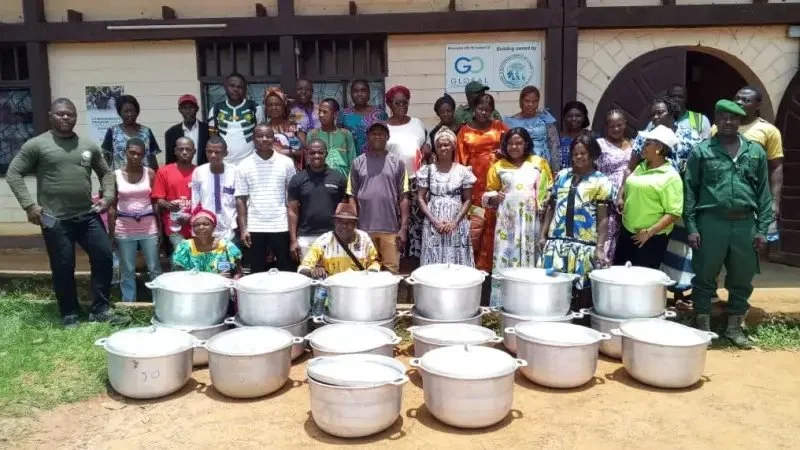
At the initiative of Nature Plus and Global Conservation Cameroon, the main objective was to bring together all the actors and stakeholders in the non-timber forest products (NTFP) sector to ensure the implementation of good practices at each stage, from harvesting to marketing.
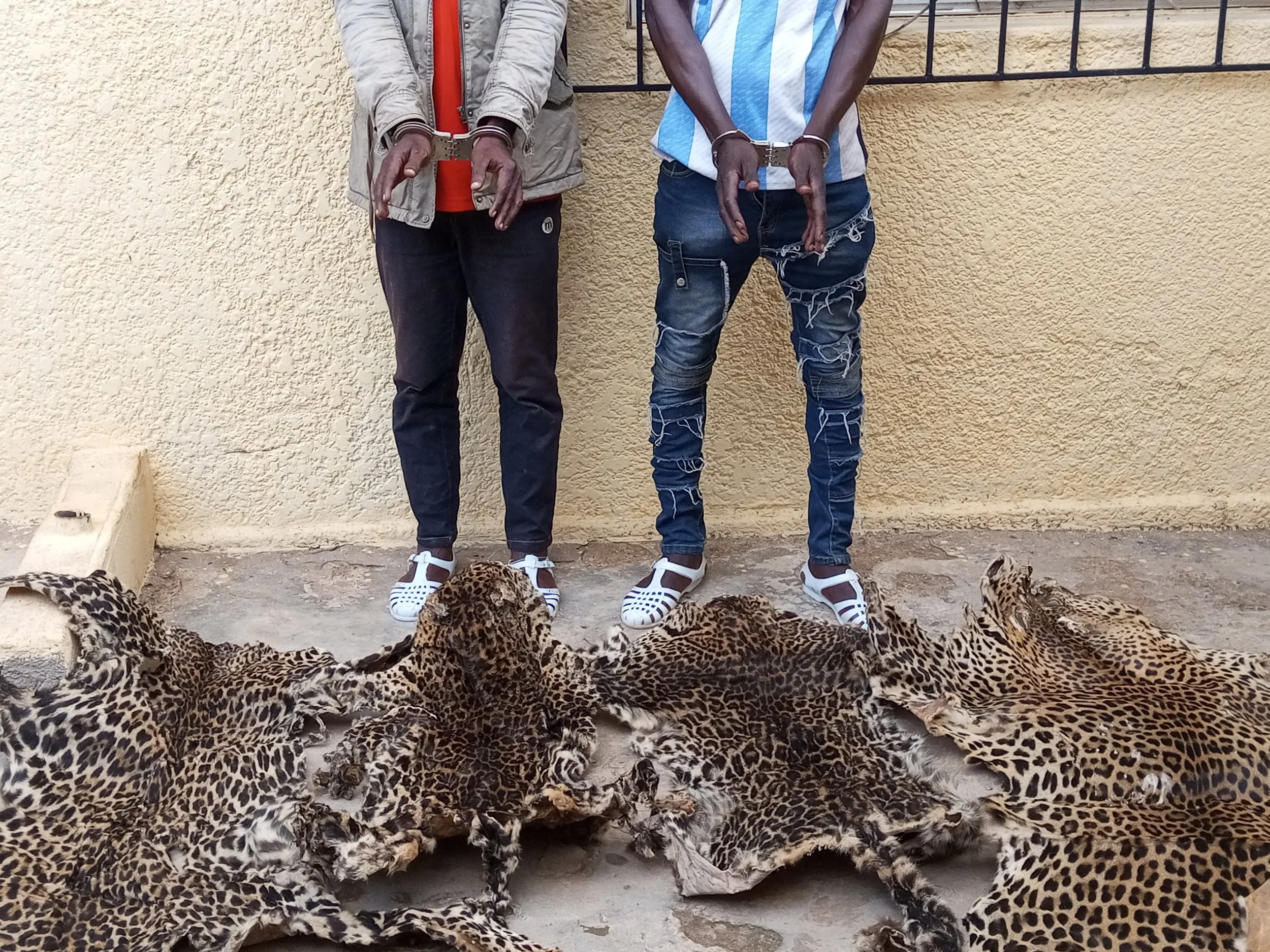
Despite several challenges encountered during the year, the EAGLE teams pushed forward with 90 significant wildlife traffickers arrested in seven countries. It is a positive example of how team spirit and inner motivation play a strong role in getting results and fighting obstacles.
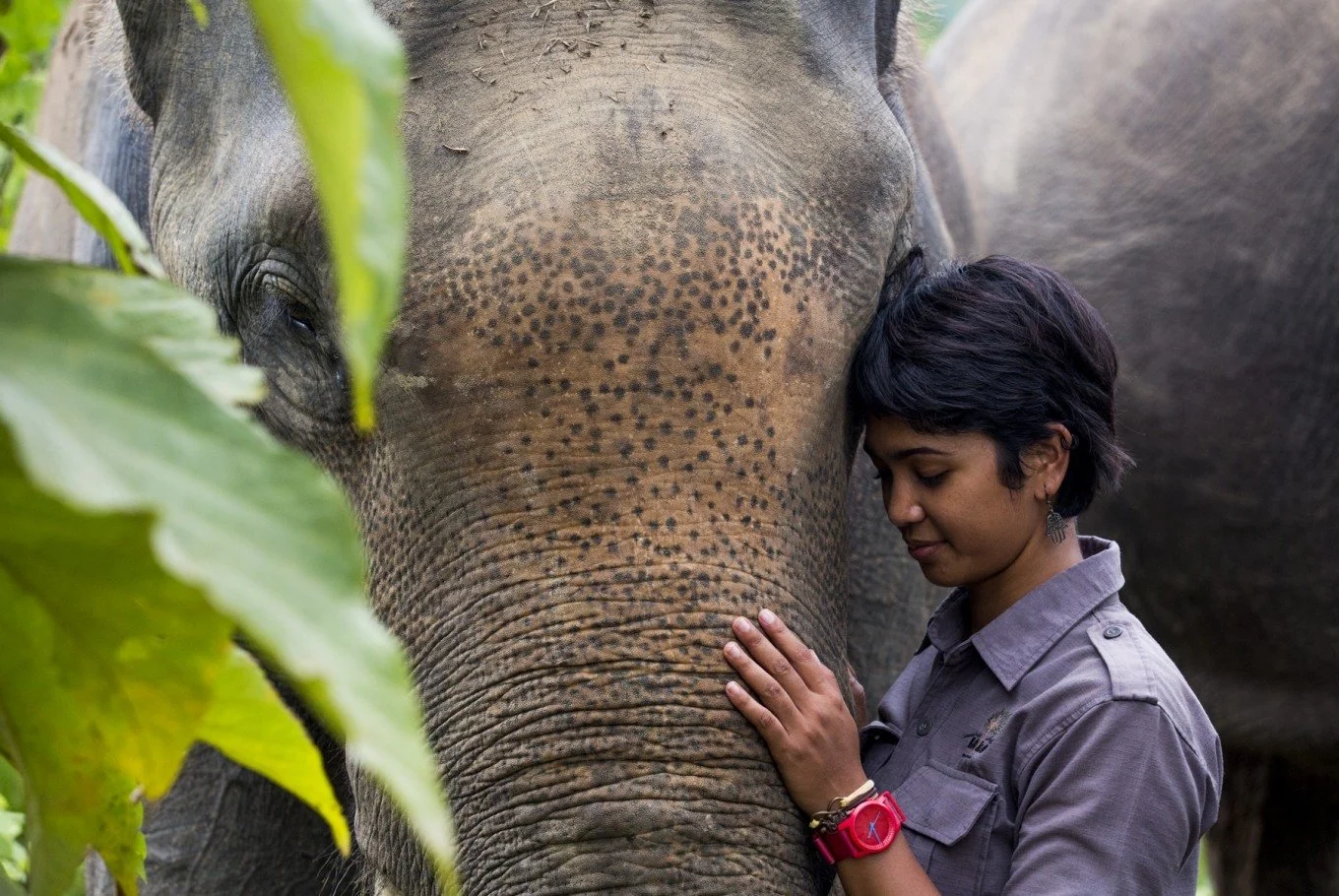
Global Conservation collaborates with numerous individuals worldwide who are pioneering in the fields of environmentalism, encompassing anti-poaching, wildlife conservation, and the promotion of human-wildlife coexistence. We have the great honor of highlighting some of our Heros for you by sharing their history and stories.
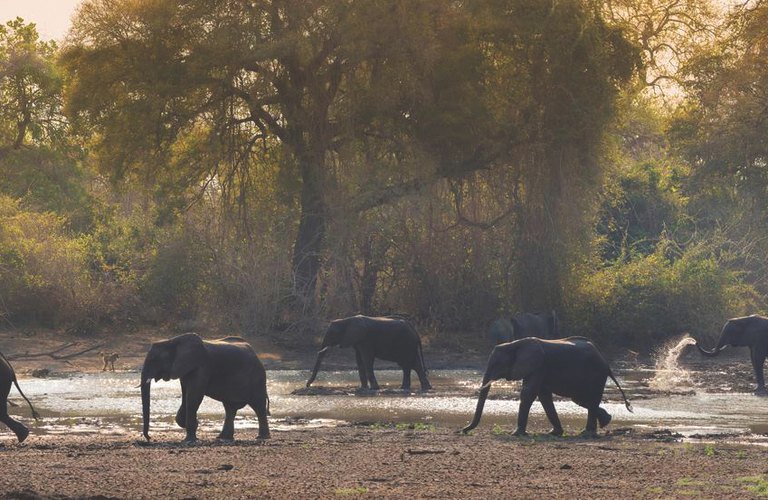
With our support, the Bushlife Conservancy has been working to curb poaching. Thanks to this hard work, they recently announced that Mana Pools National Park has been free of any elephant poaching incidents for three years.
GC gets to share our work with global media outlets so we can spread a message of hope, goals, and achievements.
Mana Pools National Park has the amazing success of having no poached elephants since 2019, Akashinga's all-women anti-poaching unit is supported in growth and strength of numbers while expanding into Mana Pools, and river patrols shut down crocodile poaching efforts.
As part of our outreach to Silicon Valley and the SF Bay Area, Global Conservation held its 2nd Annual fundraising event at The Guild Theatre.
Global Conservation has released the first trailer for our "War On Nature" series, featuring world-famous conservation photographer and filmmaker Paul Hilton, whose coverage of Uganda recently made headlines world-wide.
GC shares news from our partner Panthera and where else we work to help save Endangered African Lions. We're helping to fight against the local extinction of two different populations of African lions.
Packed with highlights of conservation successes from around the world at our project sites, this report features the effectiveness that the Global Park Defense and Community Engagement programs have for protecting culturally rich and highly biodiverse natural ecosystems in the most threatened parts of our world—land or sea.