
May was another productive month for Global Conservation (GC) and Yayasan Laut Biru Kepulauan Derawan (YLBKD). Across the Banda Seas and the Derawan Archipelago, we expanded marine protection efforts, strengthened partnerships with government agencies, increased community participation, and advanced research that supports long-term conservation policy.
Strengthening Protection in the Banda Seas
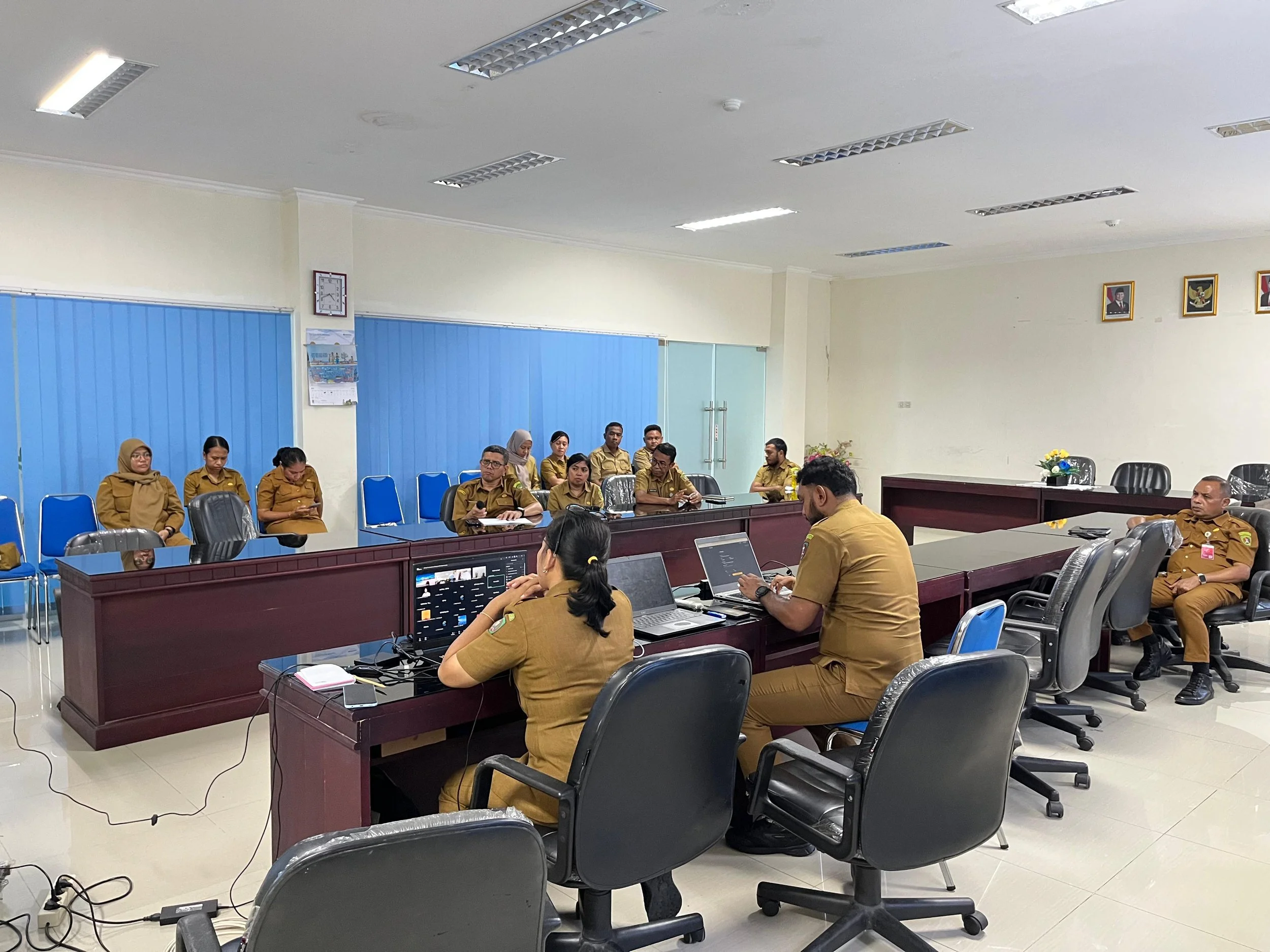
Following the launch of the Banda Seas Project in April, patrol teams from the Fisheries and Marine Affairs Department (DKP) of Maluku, local NGOs, the Navy, and the Marine Police conducted three patrol missions across Banda Neira, West Seram, and the Kei Archipelago, covering approximately 360 km of marine waters.
Patrols documented fisheries targeting high-value species, such as live red groupers and flying fish eggs, while monitoring potential threats to marine ecosystems. Most vessels encountered operated with relatively environmentally friendly fishing gear. We were also thrilled to see women actively participating in patrol operations in West Seram, which demonstrates the growing role of women in marine conservation and enforcement.
Patrol teams received reports of suspected fish bombing activities in West Seram. Despite not locating any perpetrators during the patrol period, we documented and secured the information for future investigation.
Expanding Partnerships in East Kalimantan
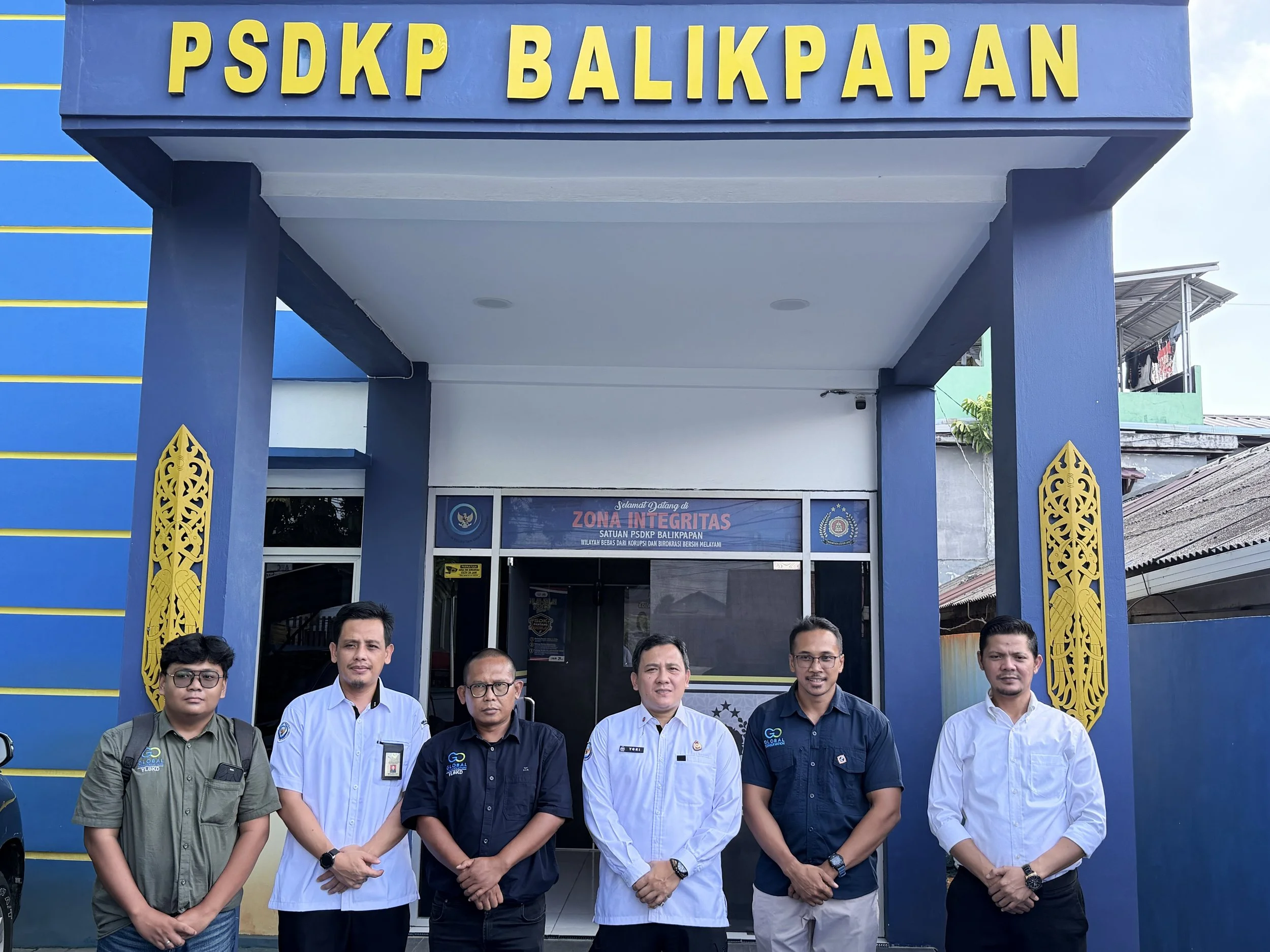
GC and YLBKD continued strengthening partnerships with agencies responsible for marine enforcement and surveillance. A strategic meeting with Yoki Jiliansyah, the Head of PSDKP Tarakan, laid the groundwork for working together in the future on fighting illegal fishing, building skills, and using new monitoring technologies like MarineMonitor (M2).
The partnership may also support broader conservation goals, including protection of the endangered Mahakam dolphin population.
Protecting the Derawan Archipelago
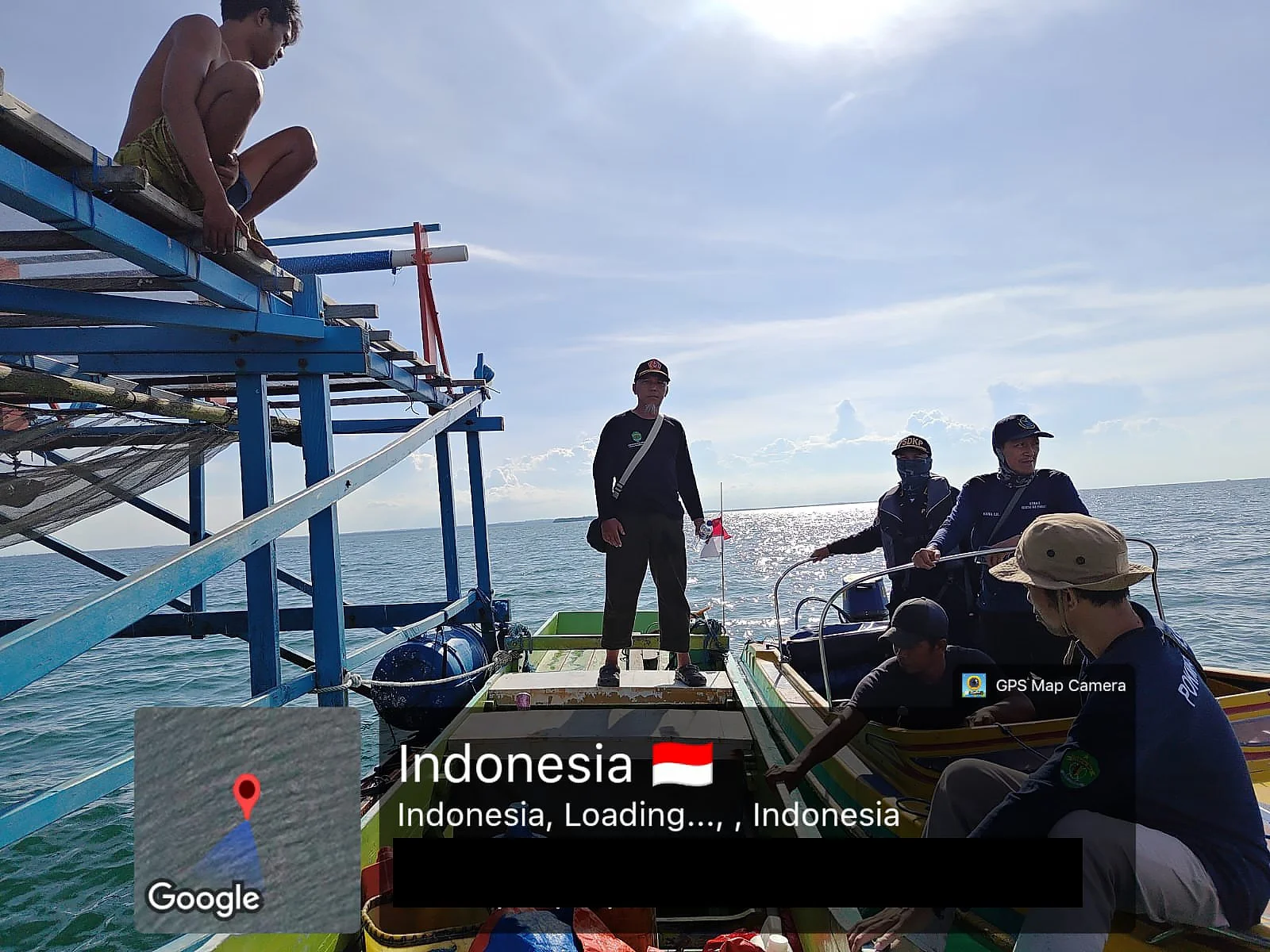
Despite budget limitations imposed by the central government of Indonesia that affect government patrol operations, joint patrol teams from DKP Tanjung Batu and local law enforcement continued to protect Derawan waters. Patrols covered approximately 70 km and focused on areas affected by recent fish bombing incidents.
Patrol teams also used MarineMonitor (M2) to identify and verify a forest fire on Rabu-Rabu Island. The incident demonstrated how M2 supports not only marine surveillance but also broader environmental monitoring.
Using MarineMonitor (M2) to Support Management Decisions
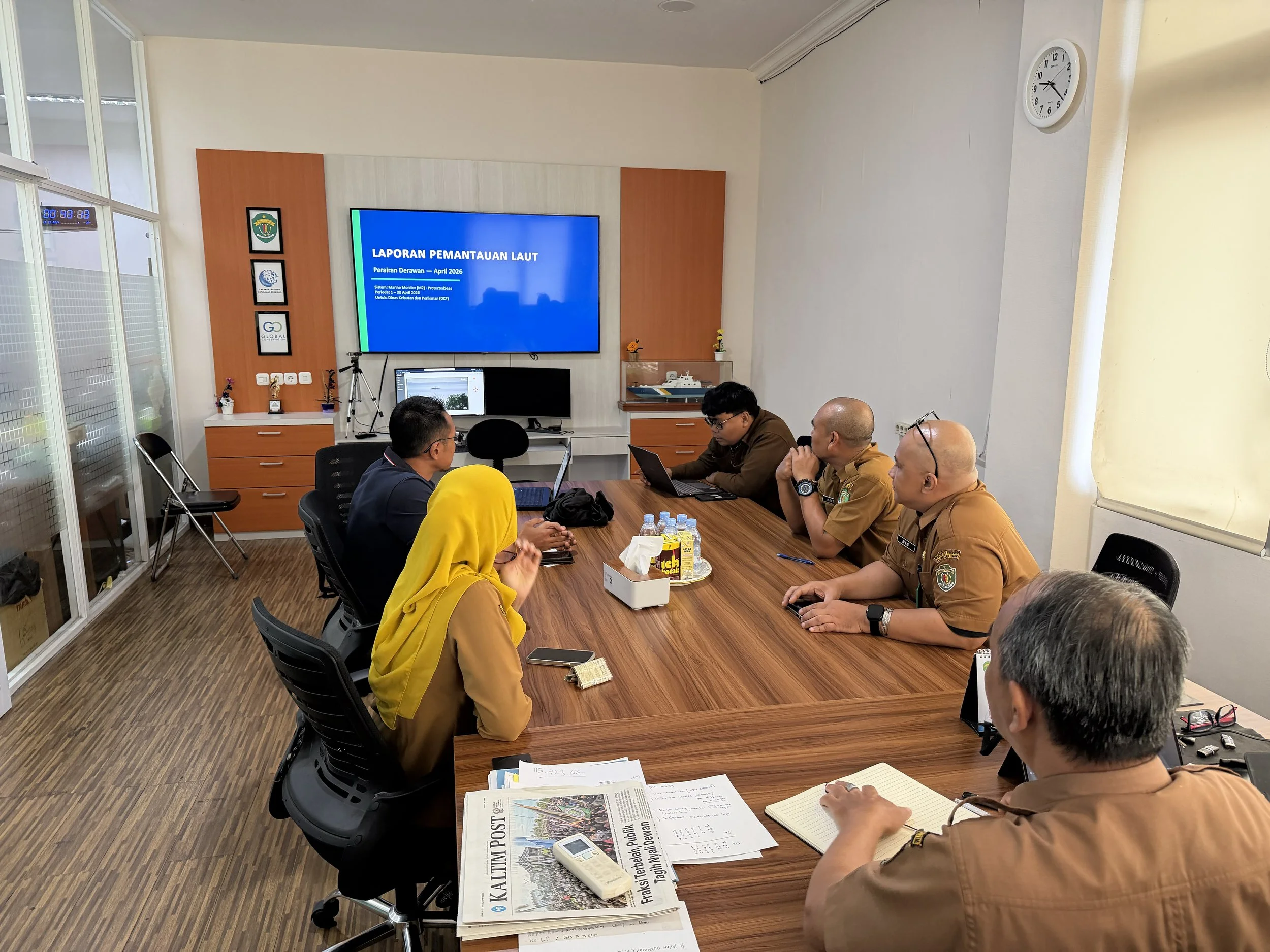
GC and YLBKD continued monthly engagement with the East Kalimantan DKP to review MarineMonitor (M2) data and vessel activity trends. These discussions help inform future marine management and enforcement decisions in the Derawan Archipelago.
Scaling Shark and Ray Protection
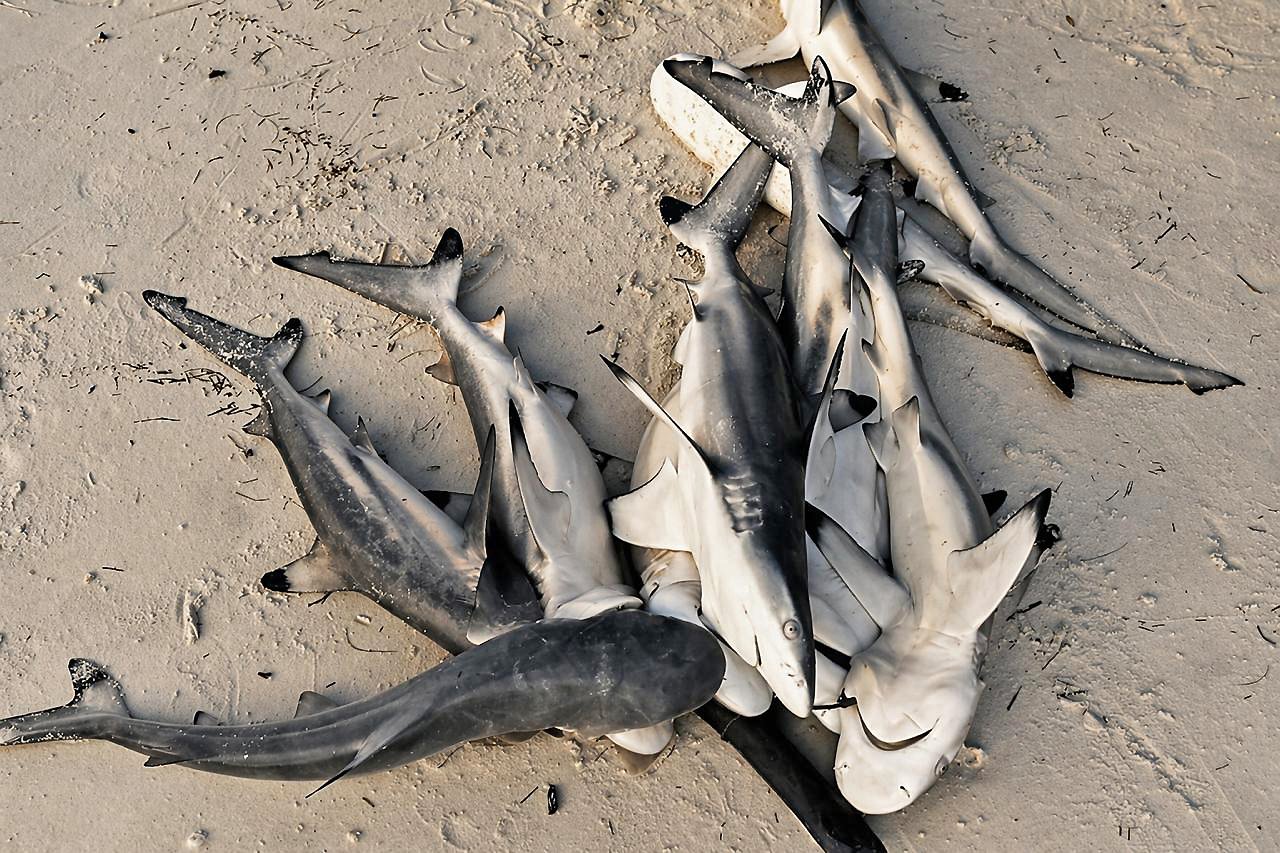
GC and YLBKD submitted a new proposal to the Save Our Seas Foundation to strengthen shark and ray conservation in East Kalimantan.
Priority areas include Tanjung Batu, Muaras Reef, and Bilang-Bilangan, where shark poaching remains a concern, as well as Teluk Alulu, Pulau Semut, and Talisayan, which serve as important shark habitats.
Community-Based Monitoring
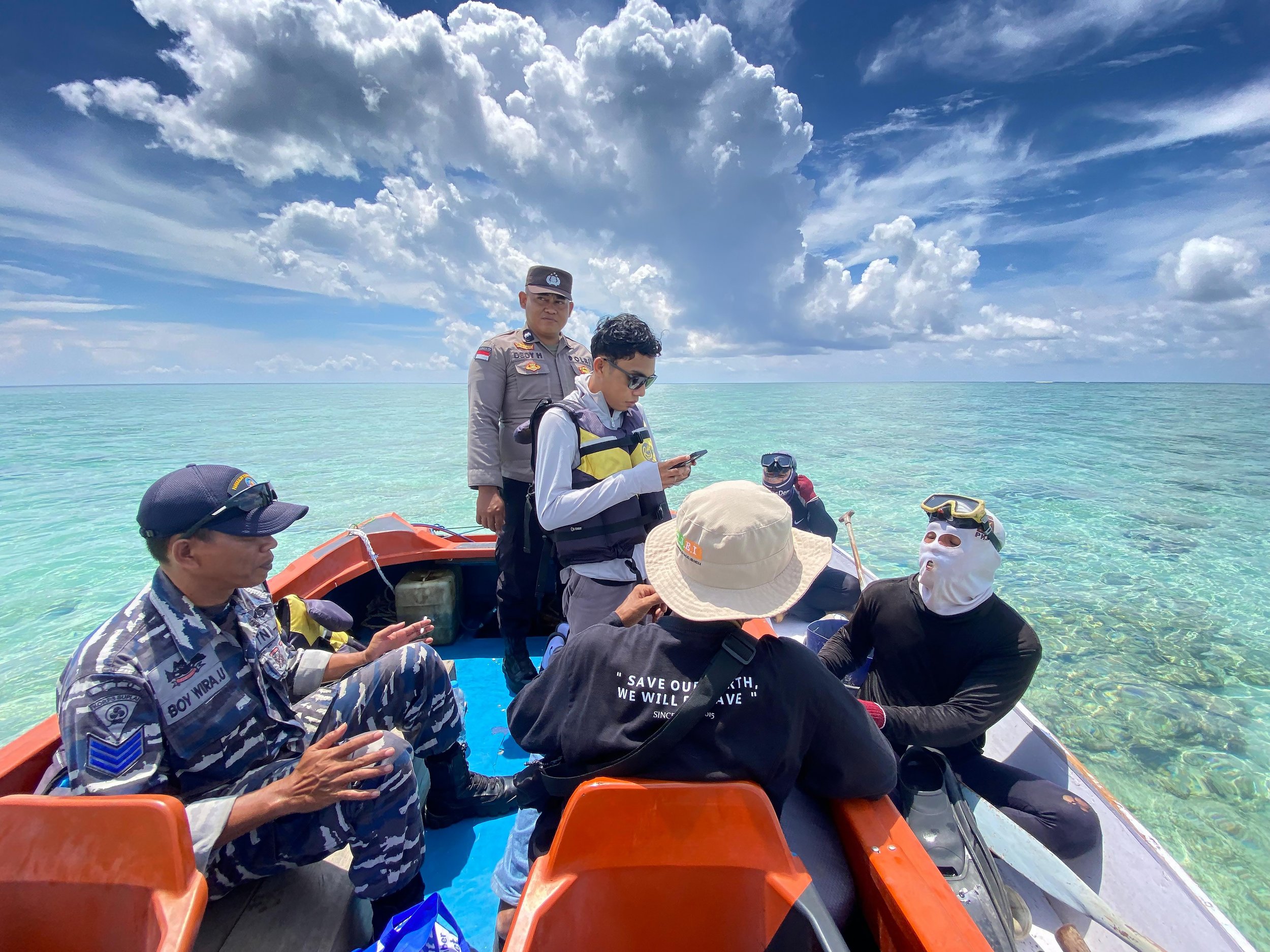
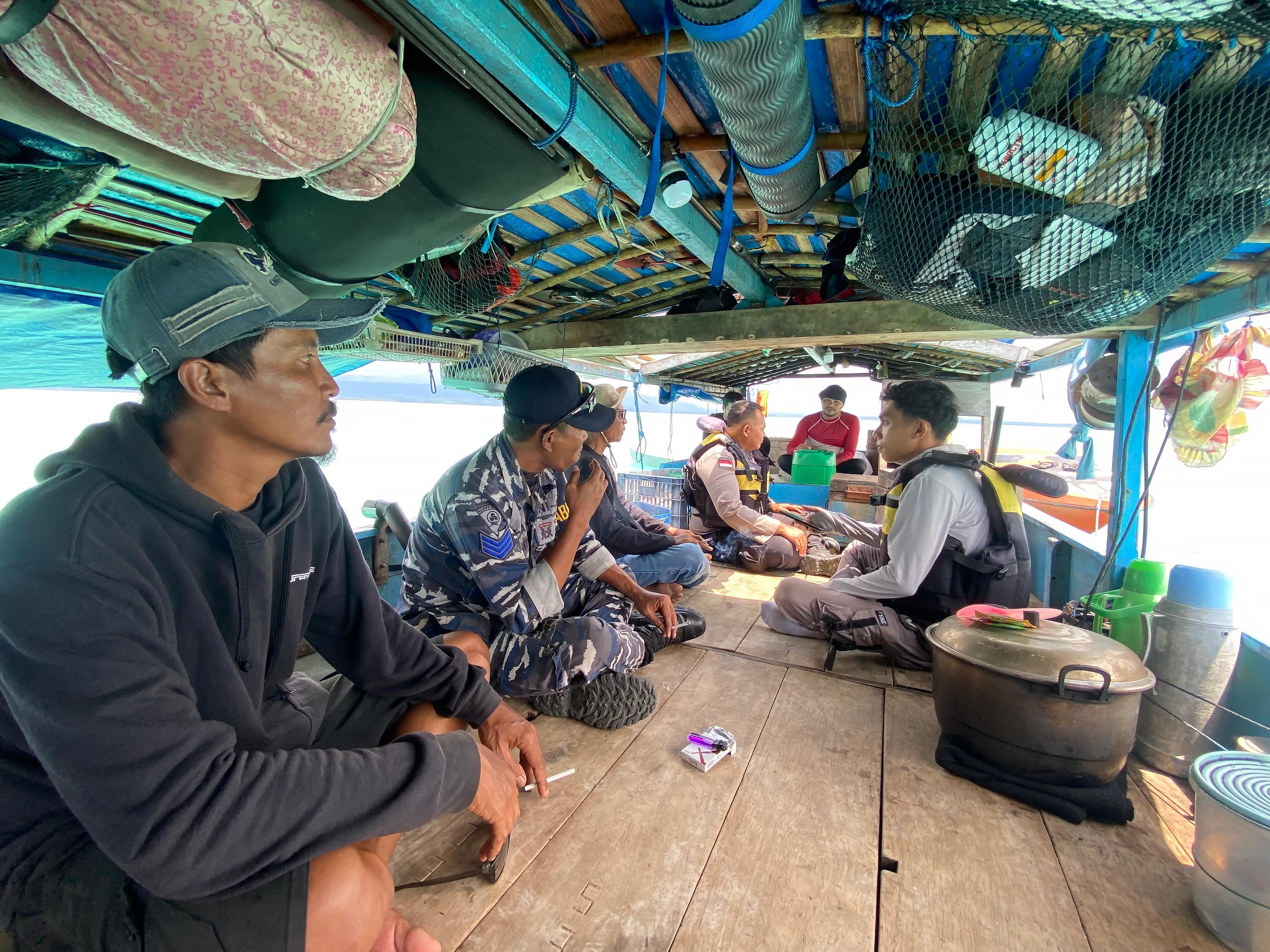
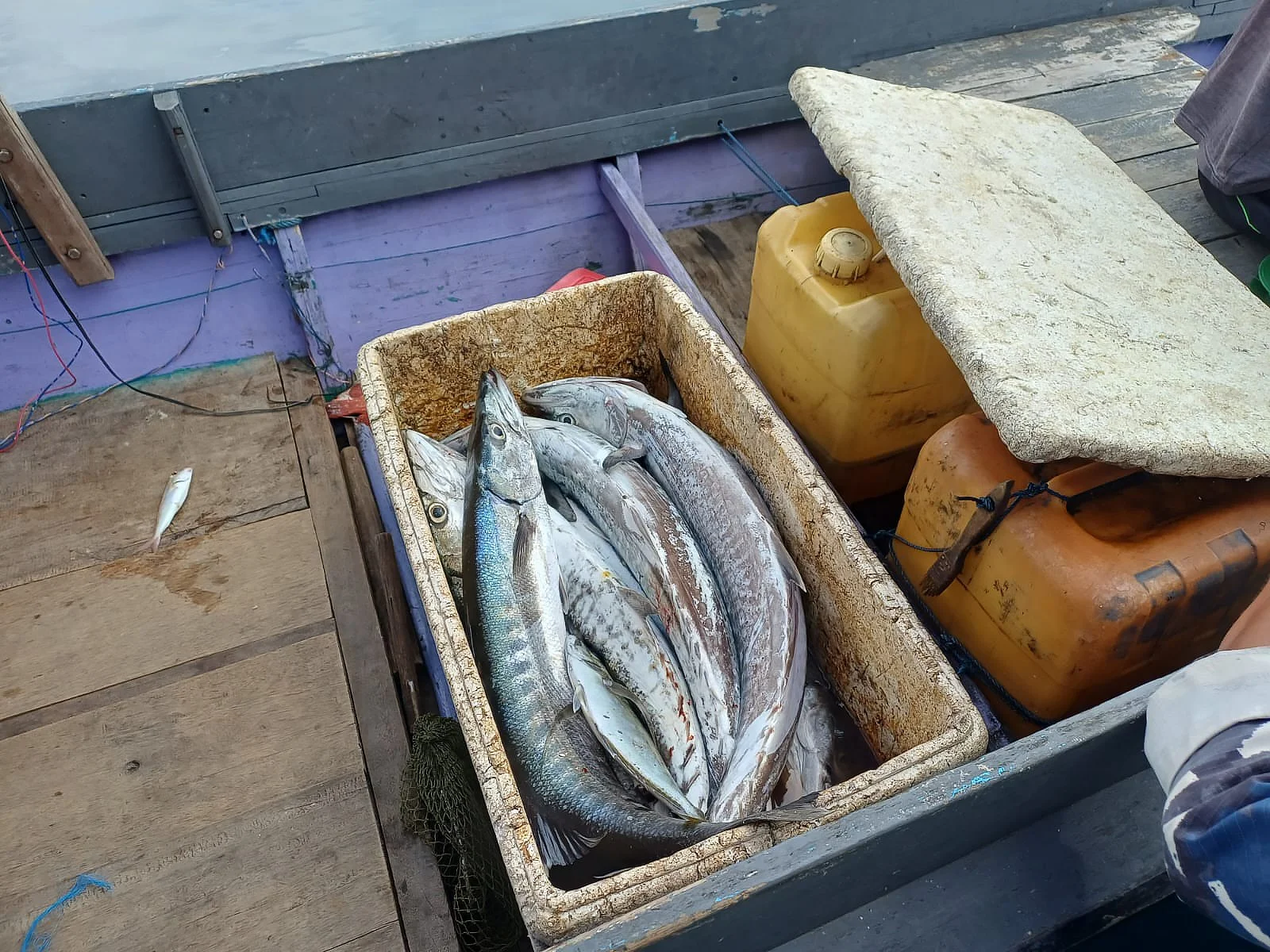
Although funding decisions from the Save Our Seas Foundation are still pending, community-based monitoring activities have already begun.
Local teams in Teluk Alulu now conduct regular SMART-enabled monitoring patrols in Teluk Lumantang and Pulau Semut. In Biduk-Biduk, PokMasWas and Forlika continue routine patrols around former turtle slaughter hotspots, helping ensure suspicious activities are reported quickly to authorities.
Research Supporting Conservation Policy
Research supported by GC and YLBKD continues to progress. Researchers from Mulawarman University have completed the first phase of fieldwork and are currently analyzing data related to marine tourism, destructive fishing transitions, public perceptions of MarineMonitor (M2), and cultural tourism in the Derawan Archipelago.
Building the Derawan Encyclopedia
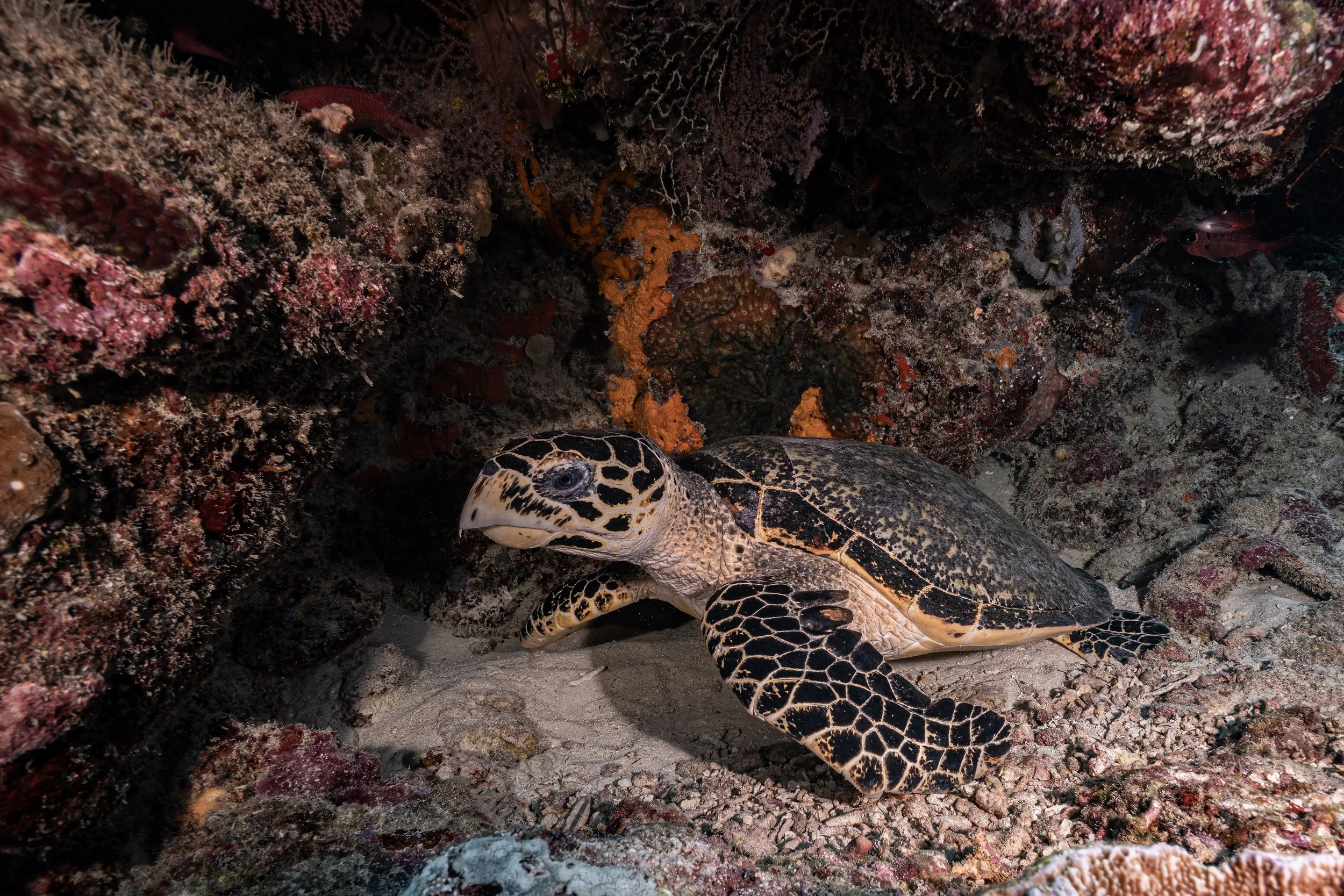
The Derawan Encyclopedia continues to grow through the collection of underwater imagery, species documentation, and biodiversity records that will support a comprehensive digital knowledge platform for the archipelago.
Supporting Women in Diving
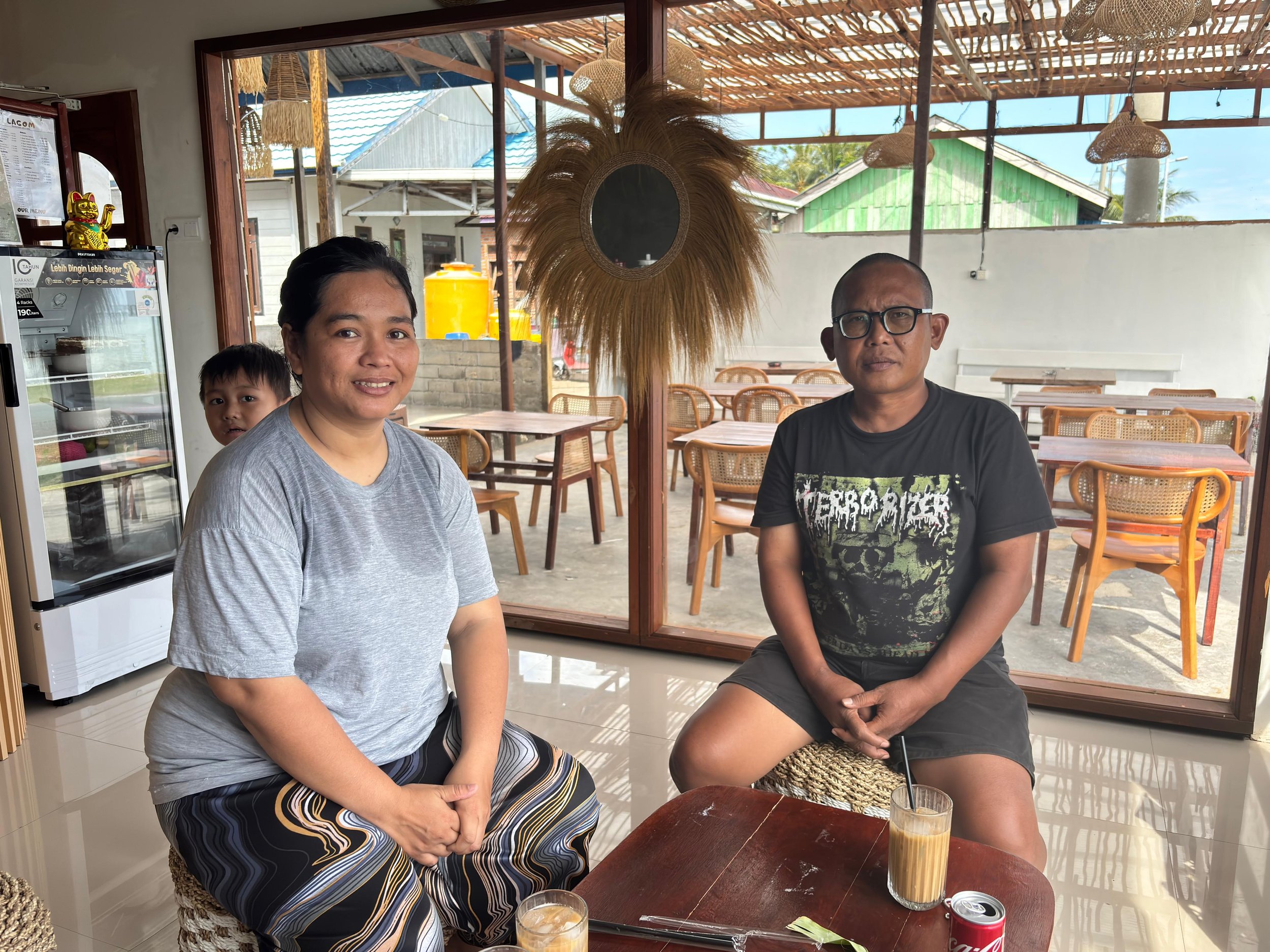
Anies, one of the candidates selected for advanced scuba diving capacity development support.
Our Women in Diving initiative continues to move forward. Candidates for advanced scuba certification have been identified, and we remain on track to support the development of at least two female dive instructors from the Derawan Archipelago by the end of 2026.
Increasing Public Engagement
YLBKD/GC Derawan and Banda recently published its First Quarter Progress Report through its public social media platforms, increasing transparency and helping a broader audience follow conservation efforts across Derawan and beyond.
DKP Kei Islands Strengthens Marine Surveillance with Support from YLBKD and Global Conservation
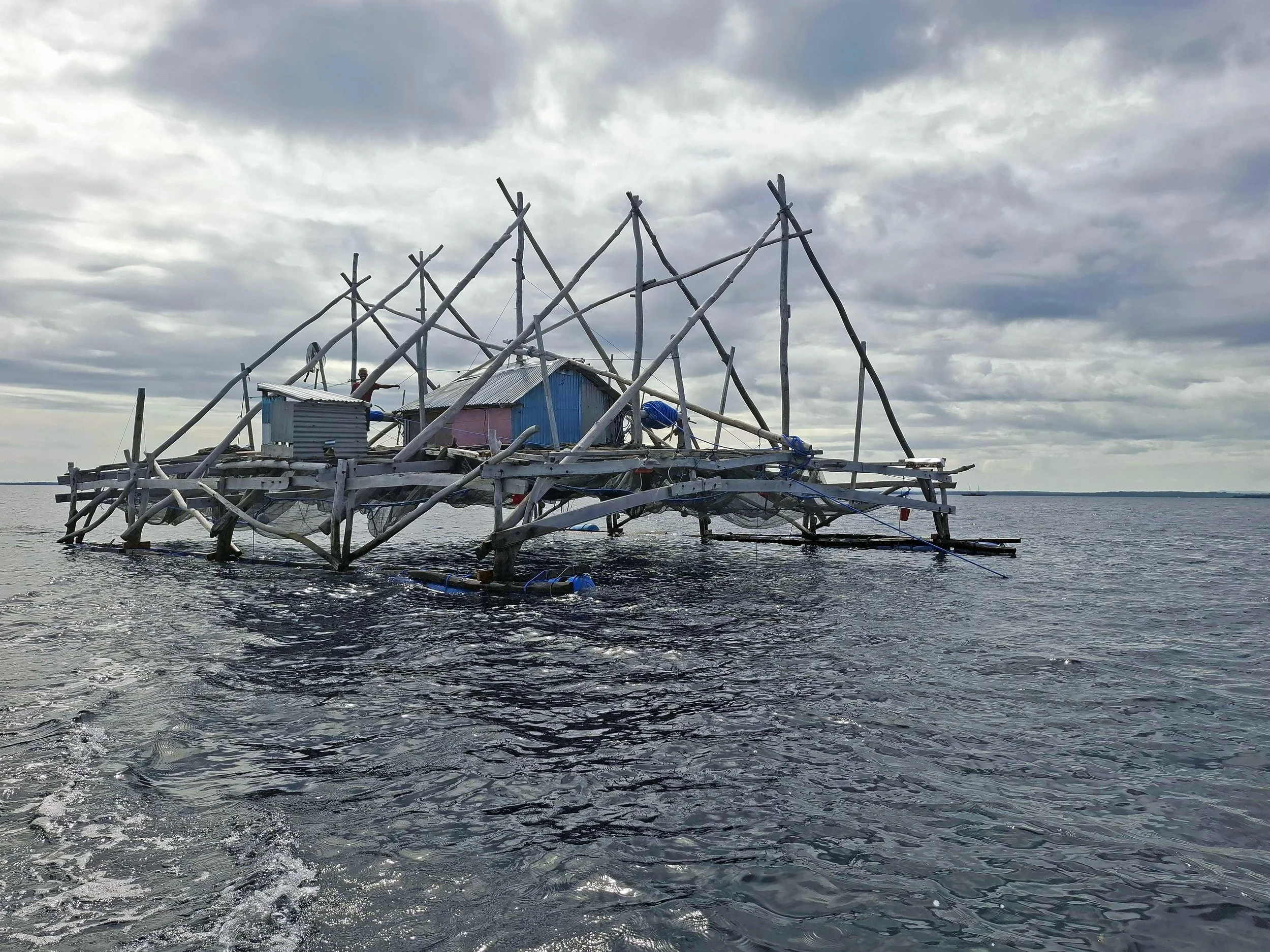
A fishing platform, known in Indonesia as a bagan, is used by local fishers to catch small pelagic fish at night, using large lights to attract them. This bagan was inspected while on patrol.
The Marine and Fisheries Agency Branch Office (DKP) Cluster VIII Kei Islands, supported by YLBKD and GC, conducted a marine patrol operation across the waters of the Kei Islands, including areas surrounding Tanimbar Kei. The patrol aimed to strengthen monitoring efforts against exploitative and potentially destructive fishing activities during the flying fish season.
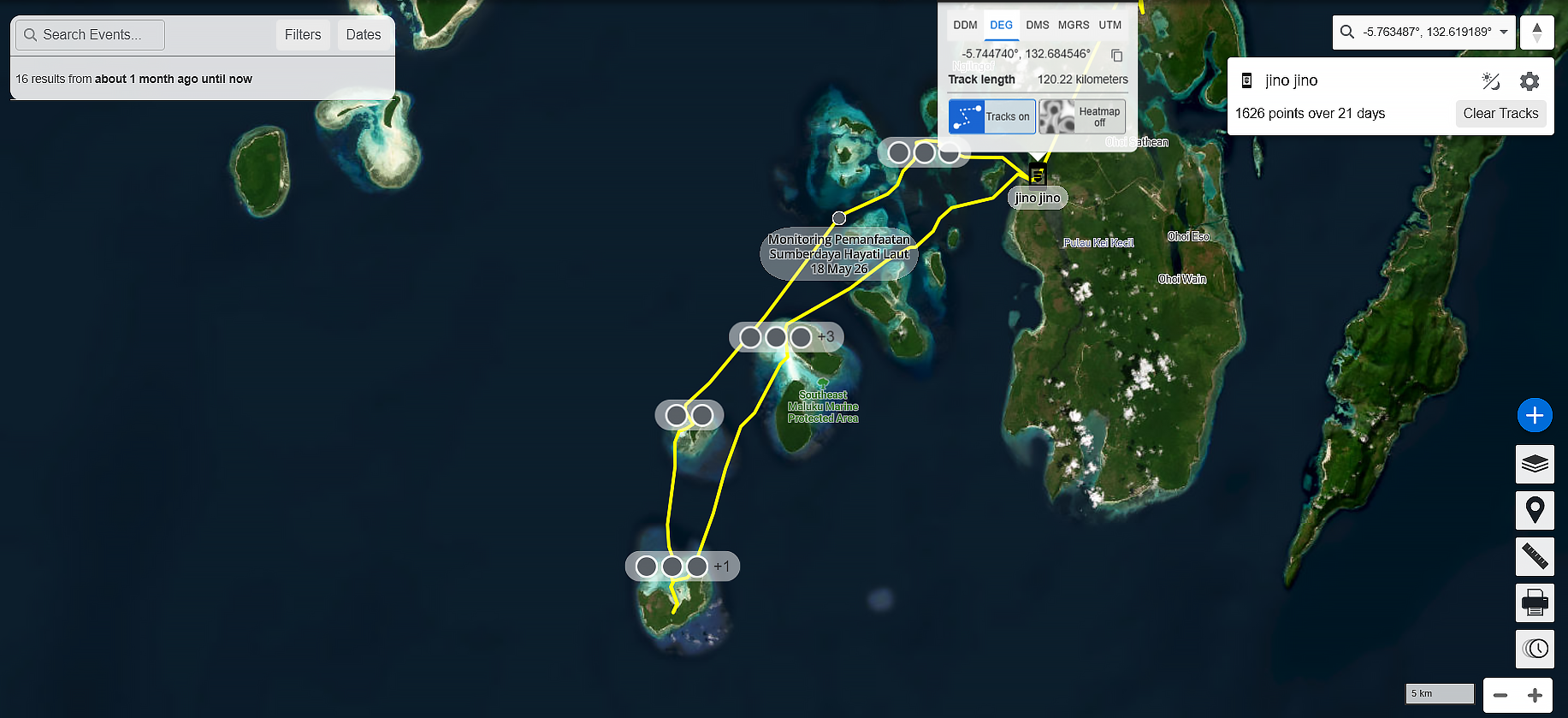
During the operation, officers utilized the EarthRanger (ER) platform to support real-time patrol monitoring and field documentation. Officers also observed activities related to pelagic fish egg harvesting, increasing concerns over potential overexploitation, particularly by fishers from outside Maluku.
Fish eggs have become a highly targeted commodity in Maluku waters due to their strong market demand and economic value. During seasonal migration and spawning periods, waters surrounding Kei and nearby islands become important aggregation areas for pelagic fish species, making egg harvesting easier and more profitable for fishers. However, excessive and unregulated extraction may threaten the sustainability of future fish stocks, particularly in ecologically sensitive spawning areas.
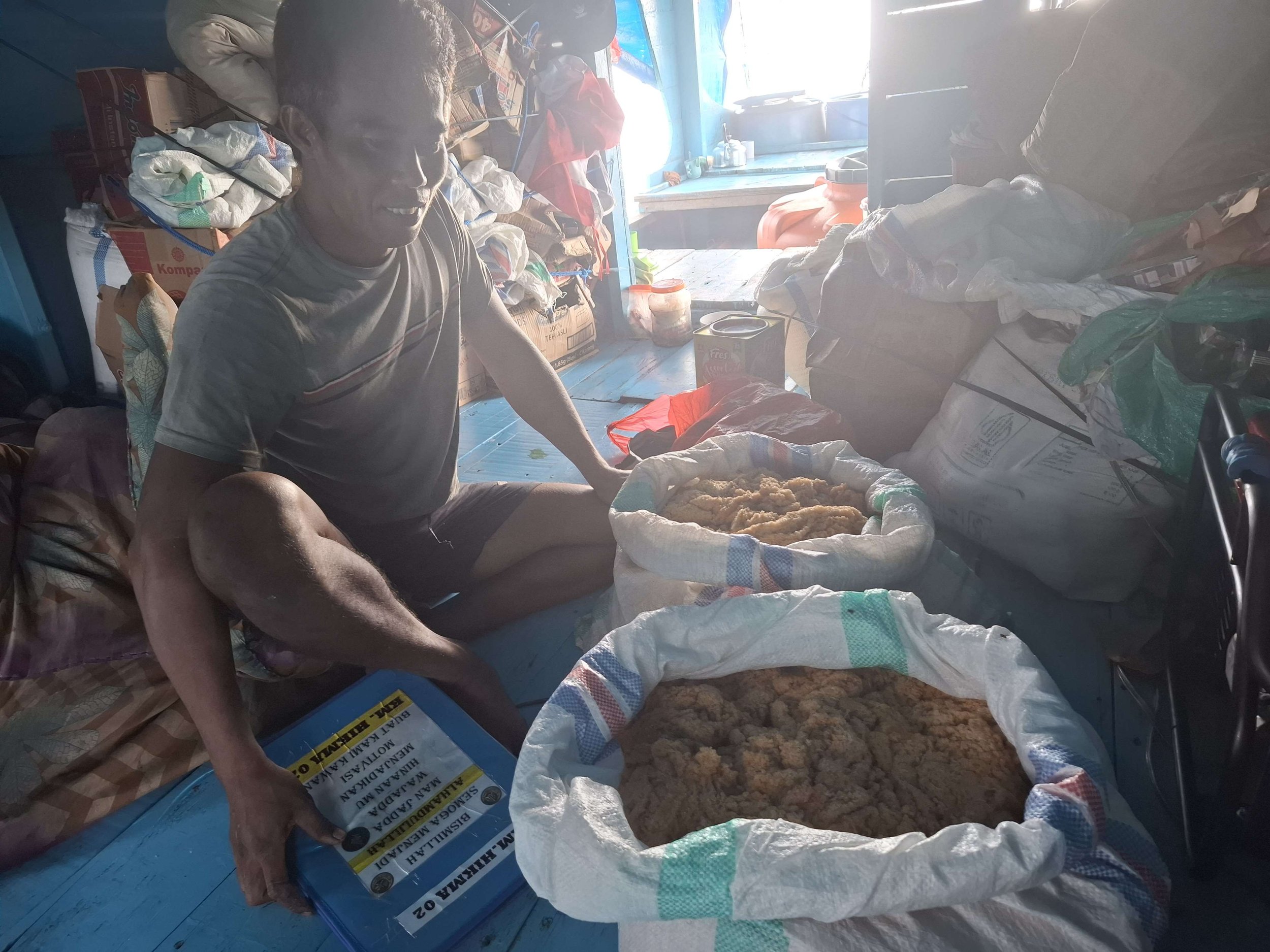
The patrol team further documented several environmental threats, including excessive fishing support materials, potential destructive fishing practices, and abandoned ghost nets that may endanger coral reefs and marine life.
DKP Kei Islands emphasized that the strengthened monitoring efforts are intended to ensure responsible and sustainable use of marine resources while protecting local coastal communities from unregulated external fishing pressure. Monitoring activities will continue to intensify throughout the flying fish season as part of broader efforts to prevent Illegal, Unreported, and Unregulated (IUU) Fishing in Maluku waters.
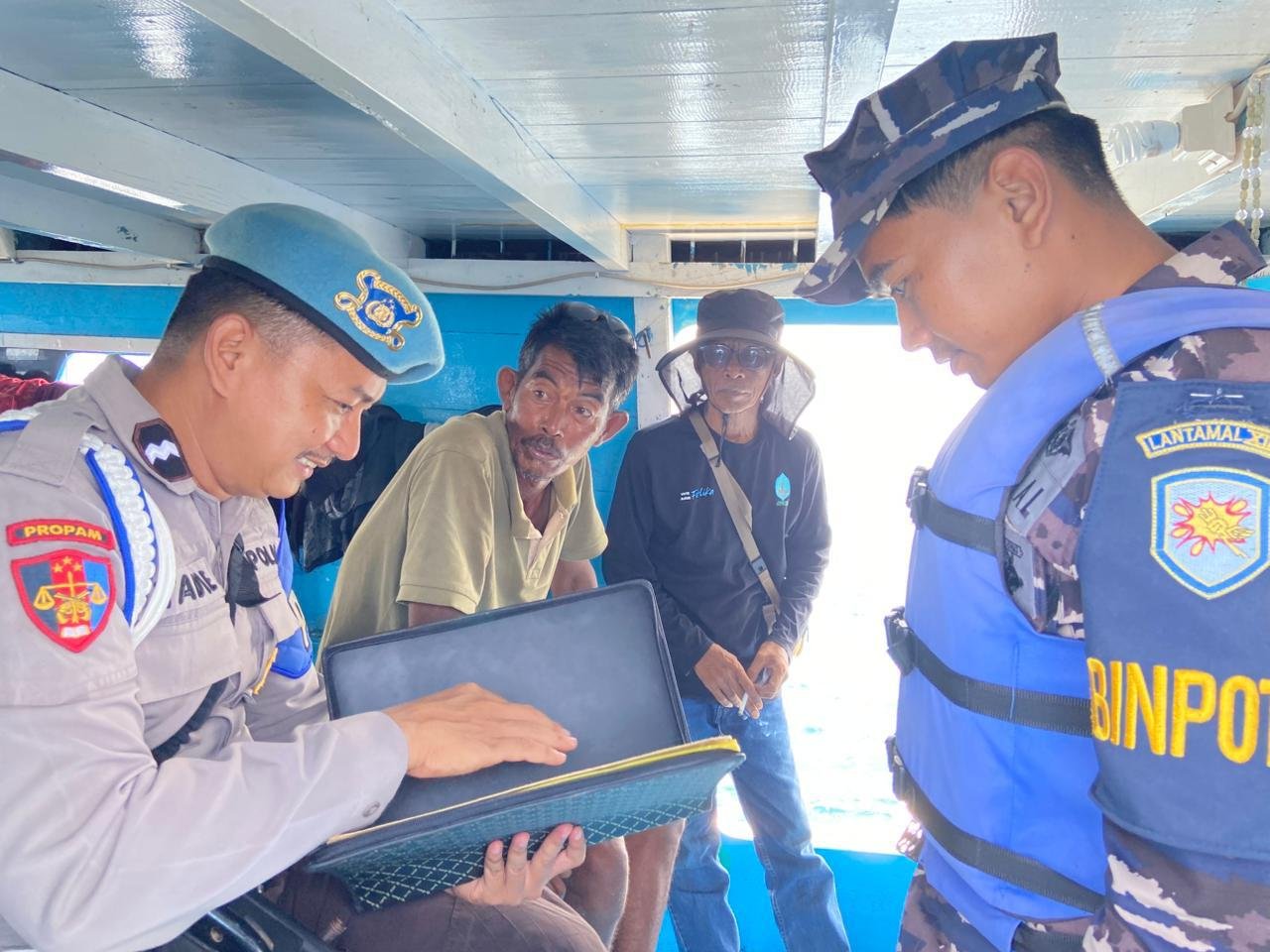
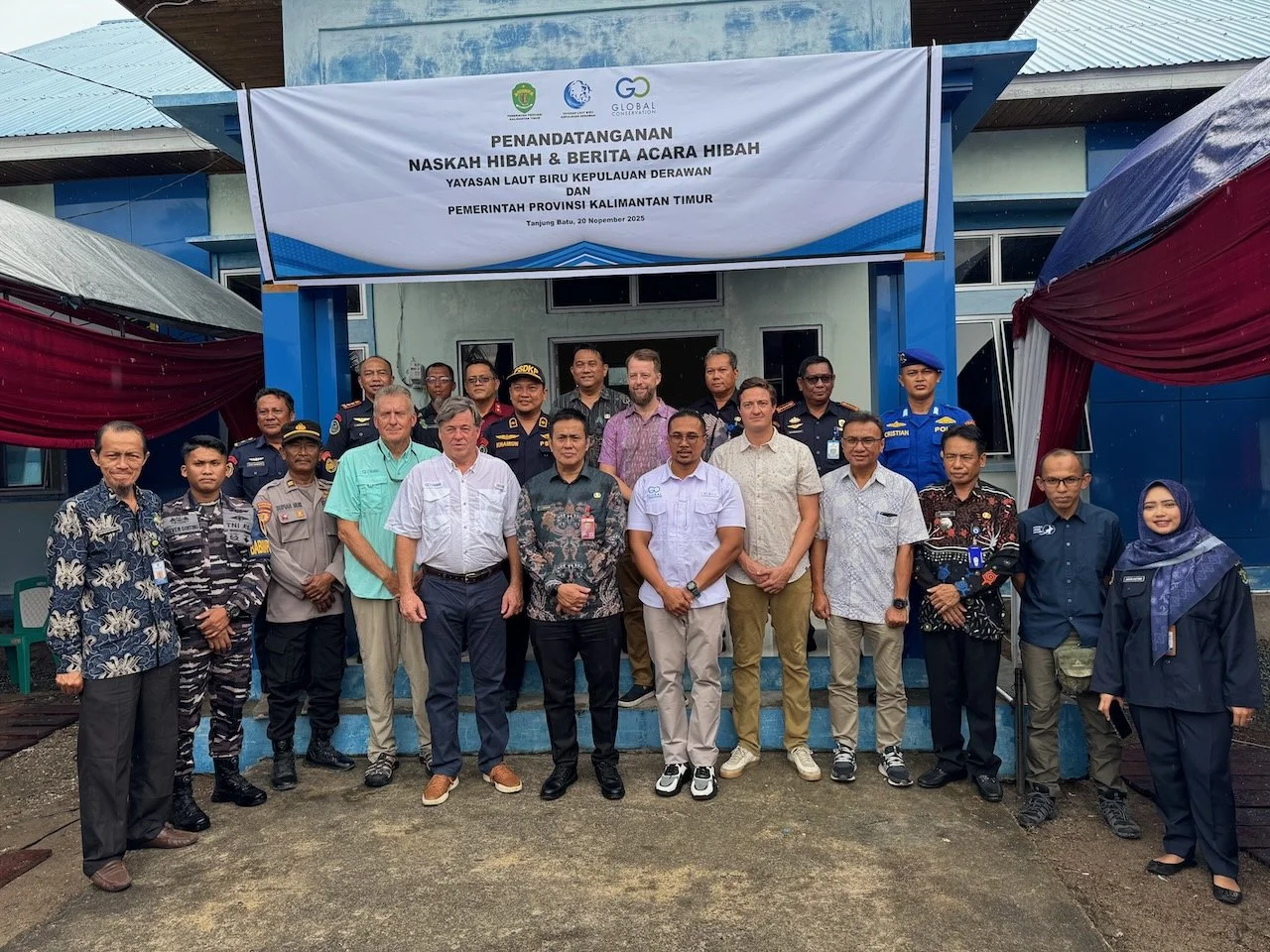
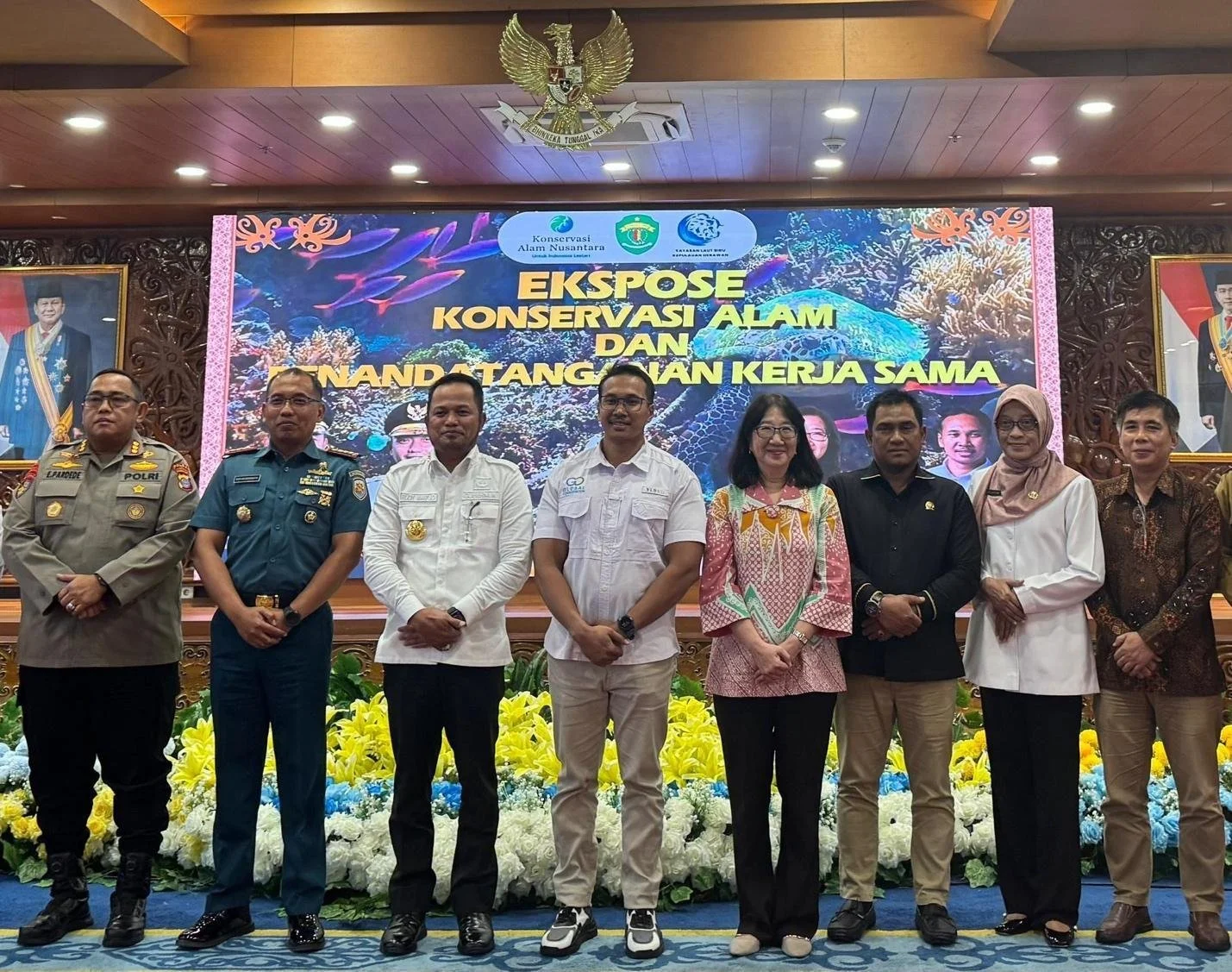



Yayasan Laut Biru Kepulauan Derawan (YLBKD), in collaboration with Global Conservation (GC), continued to strengthen marine protection in the Derawan Archipelago through support for patrol operations, the deployment of M2 monitoring technology, capacity building for law enforcement, and initiatives focused on community empowerment and applied research.