

During August, Global Conservation (GC) and Yayasan Laut Biru Kepulauan Derawan (YLBKD) continued strengthening marine protection across East Kalimantan and Maluku through enforcement patrols, species protection, conservation technology, and community engagement under our Global Park Defense (GPD) and Community Protection (CP) programs.
Derawan Marine Patrols
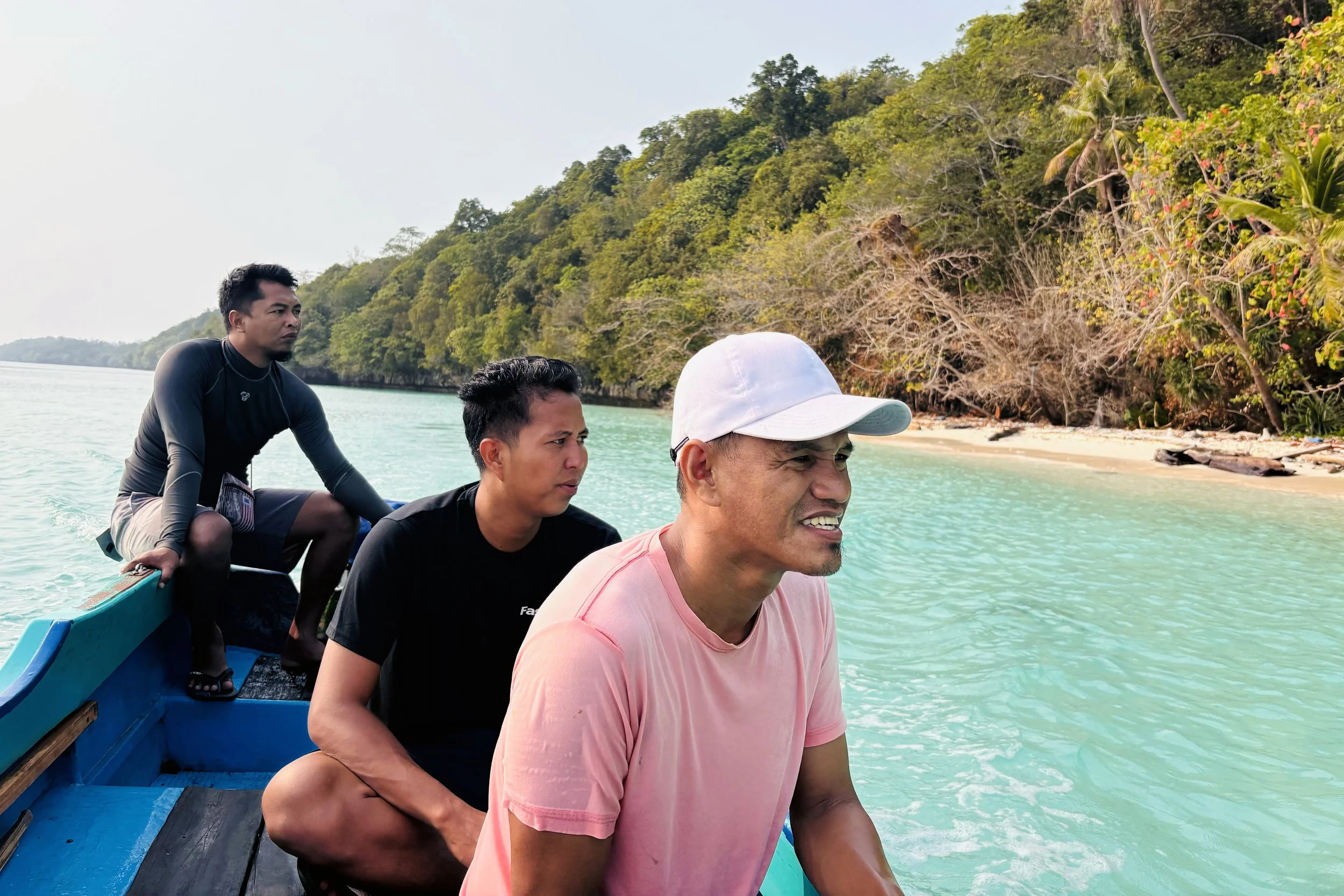
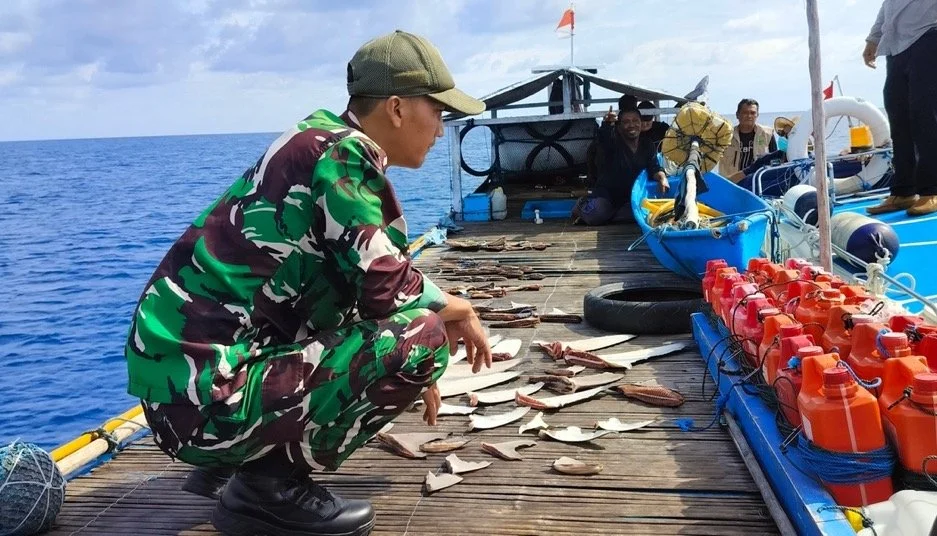
Three routine surveillance patrols were conducted with the KKP3K-KDPS Tanjung Batu team on August 13, 17, and 26–27, covering approximately 311 km. Patrols maintained enforcement presence across the marine protected area and monitored fishing activities and potential violations. One patrol encountered fishers using compressors, reinforcing the need for consistent surveillance in the area.
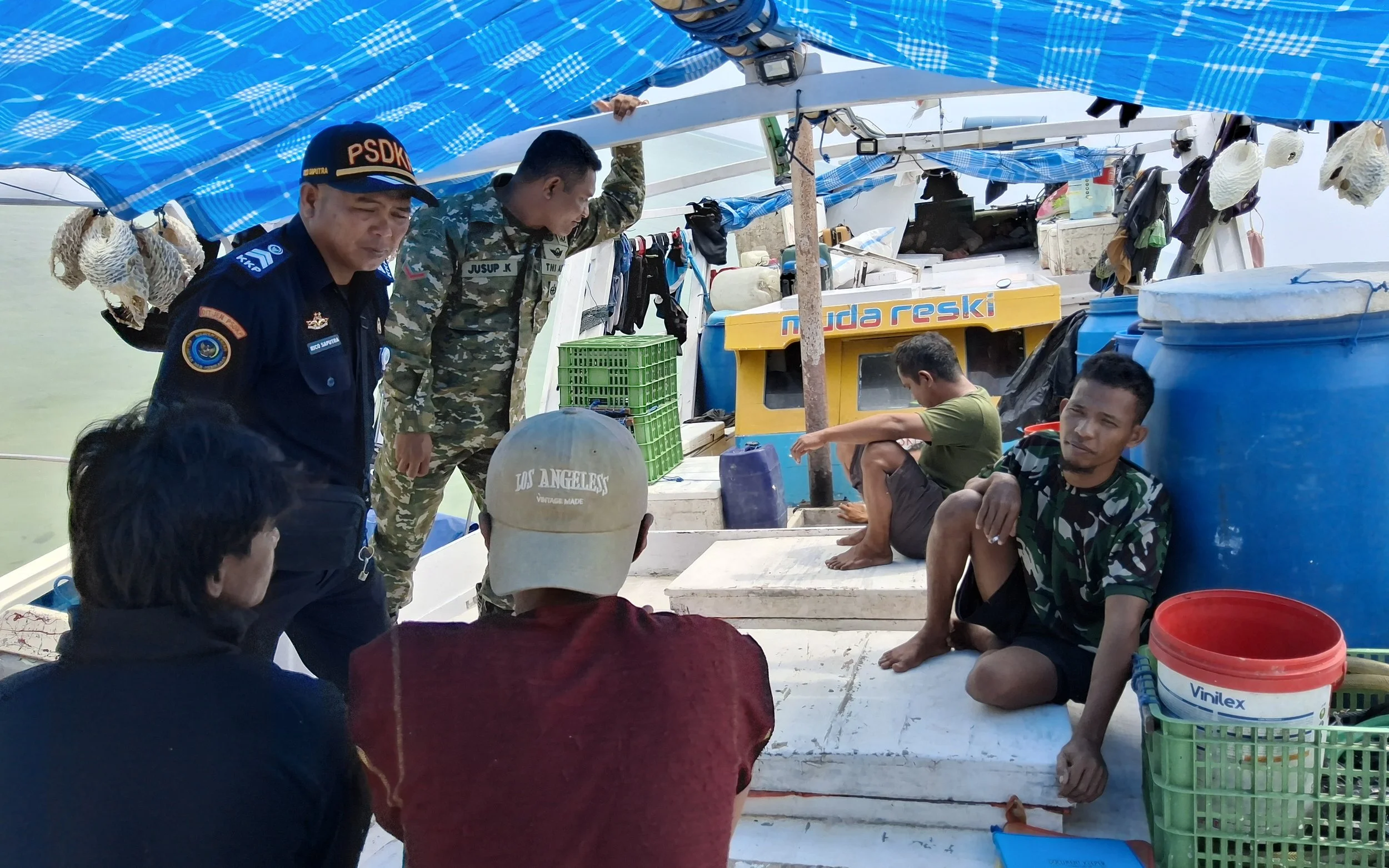
Patrol in the waters of Derawan.
After nearly one quarter without targeted operations, East Kalimantan Water Police (Polairud) also resumed targeted patrols around Karang Muaras, Balikukup, Mataha, and Bilang-Bilangan, areas where illegal fishing activities have previously been reported. No suspicious activities were detected during the operation.
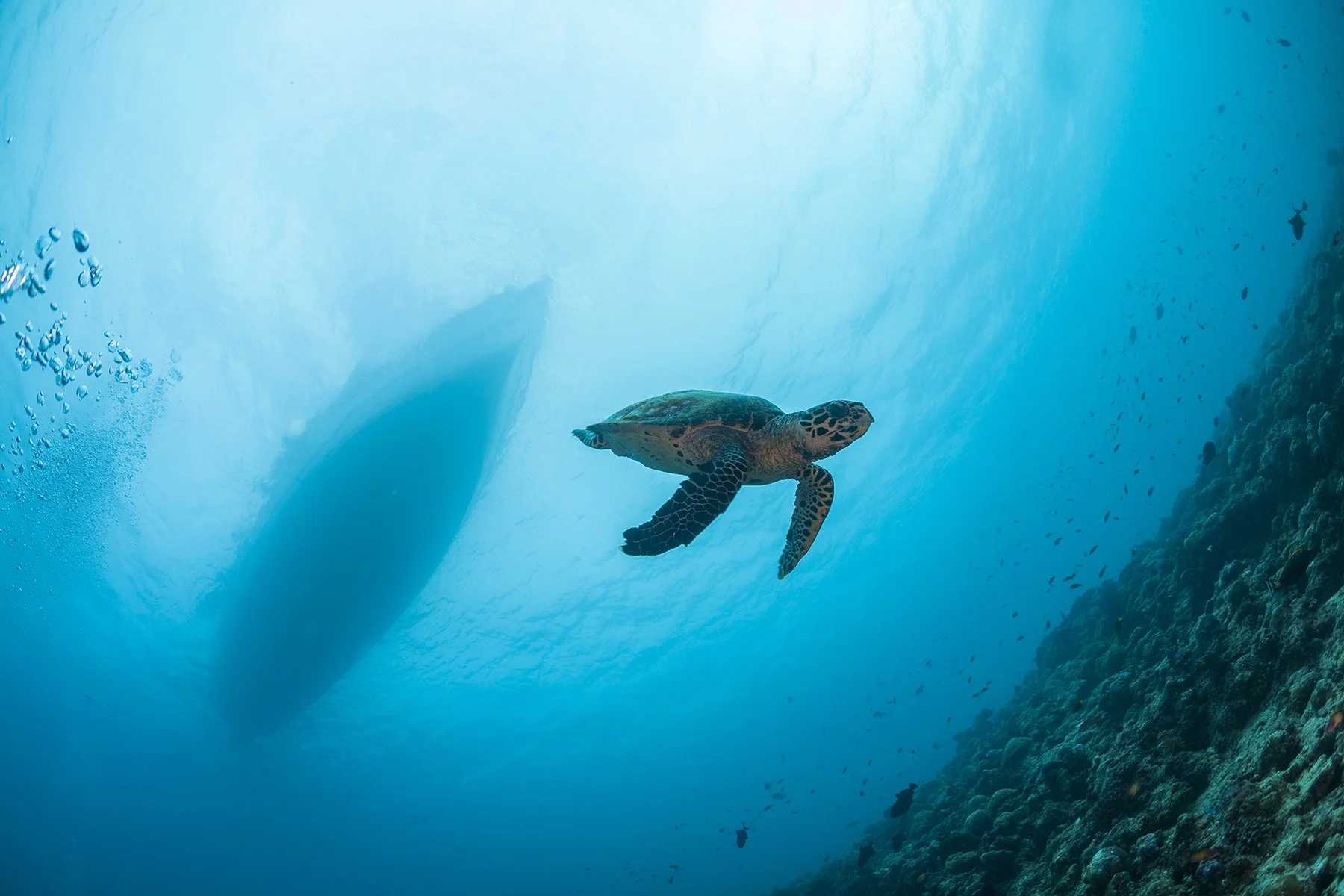
Rapid Response to Turtle Incident in Balikukup
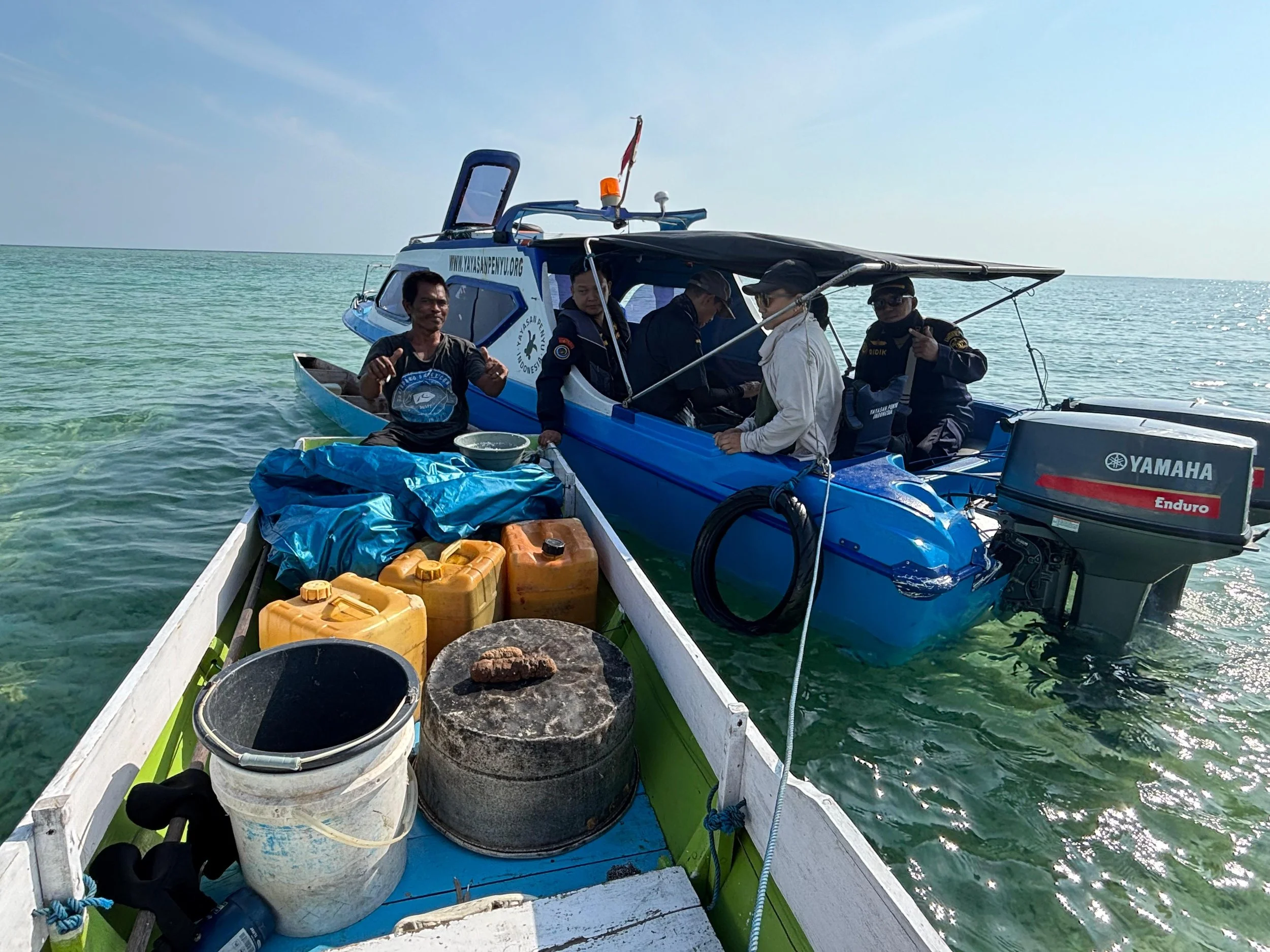
Another patrol in the waters of Balikukup, but this time specifically in an area of turtle poaching.
Following an incident involving a nesting turtle in Balikukup, GC/YLBKD immediately coordinated with government partners to strengthen protection in the area. With primary operational support from GC/YLBKD, a rapid-response patrol covering approximately 140 km was led by KKP3K-KDPS Tanjung Batu together with PSDKP, local authorities, and a ranger from Yayasan Penyu Indonesia.
The response strengthened field presence and coordination to prevent further disturbance to nesting turtles and other protected marine species.
Expanding Marine Protection in Maluku
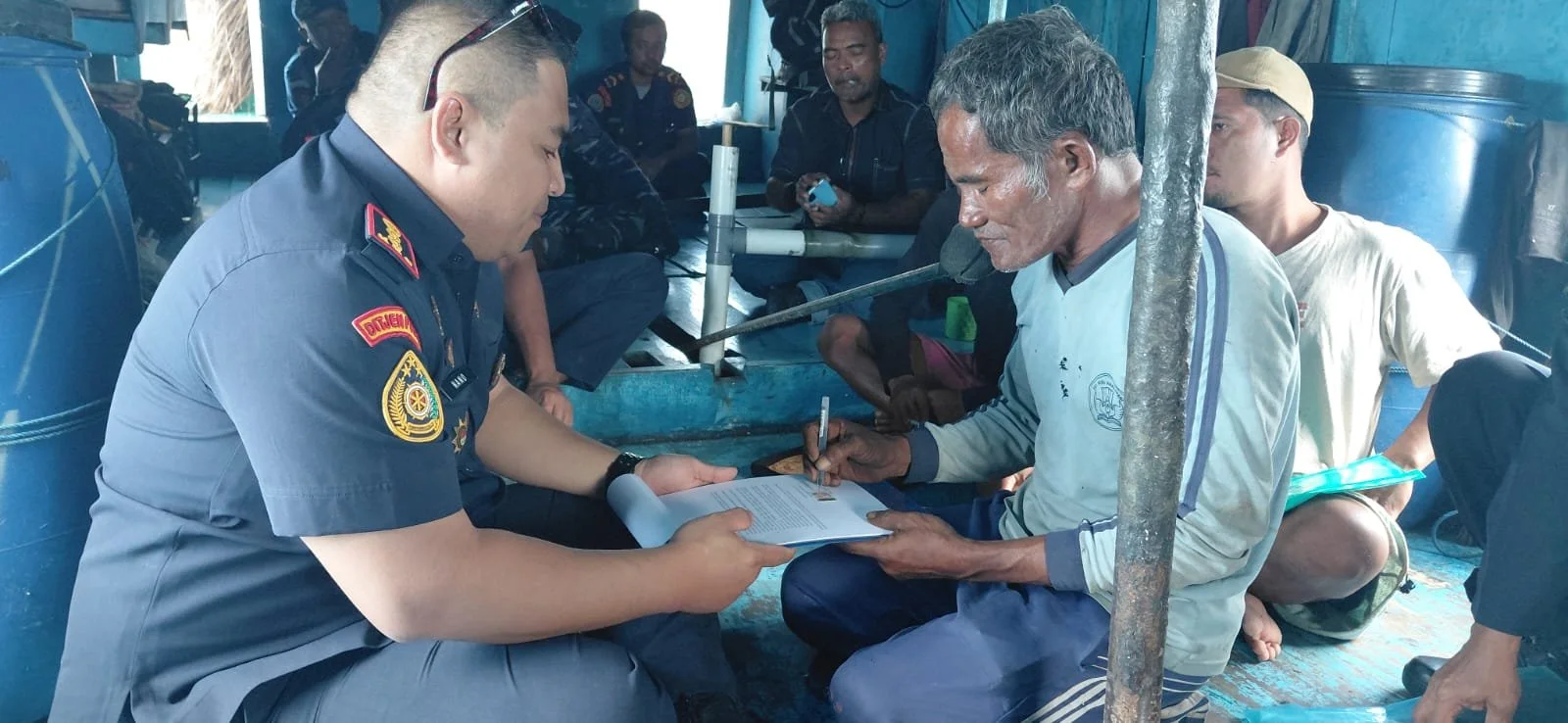
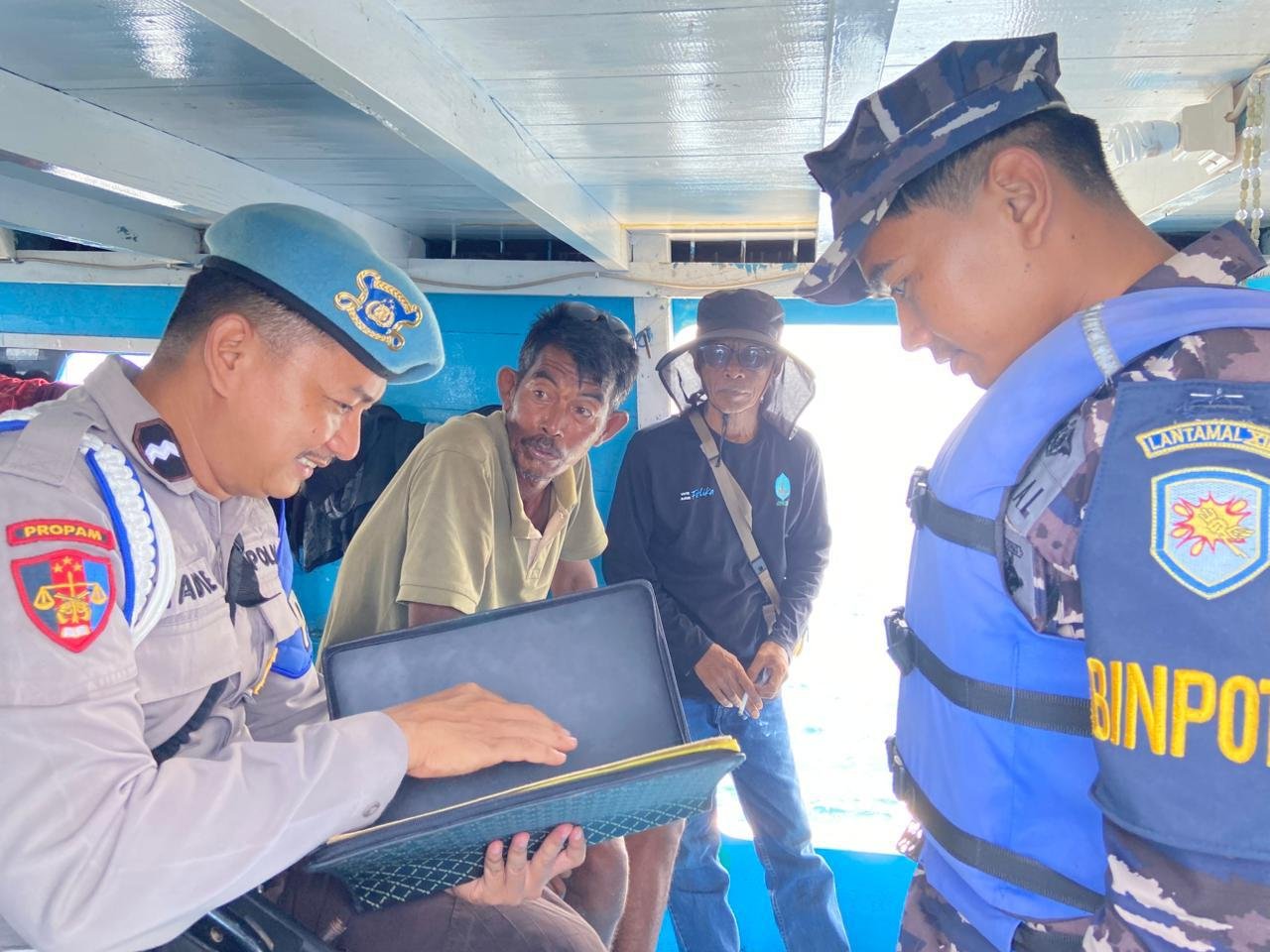
Fishing permit supervision by a Maluku fisheries officer.
Our partnership with Maluku Fisheries Agency (DKP Maluku) continued to expand. In the Tanimbar Islands, a multi-agency patrol around Seira and Ngolin inspected three fishing vessels. One vessel had complete documentation, while two others received formal guidance and were required to complete their permits. EarthRanger continues to support patrol documentation.
In West Seram, patrols around Huamual Belakang found no destructive fishing activities. Teams also worked with local fishers and Pokmaswas on awareness of compressor and potassium fishing risks and monitored a 90-hectare community-managed “Fish Bank” conservation area in Sole Village. Turtles were also observed around Sanahuni.
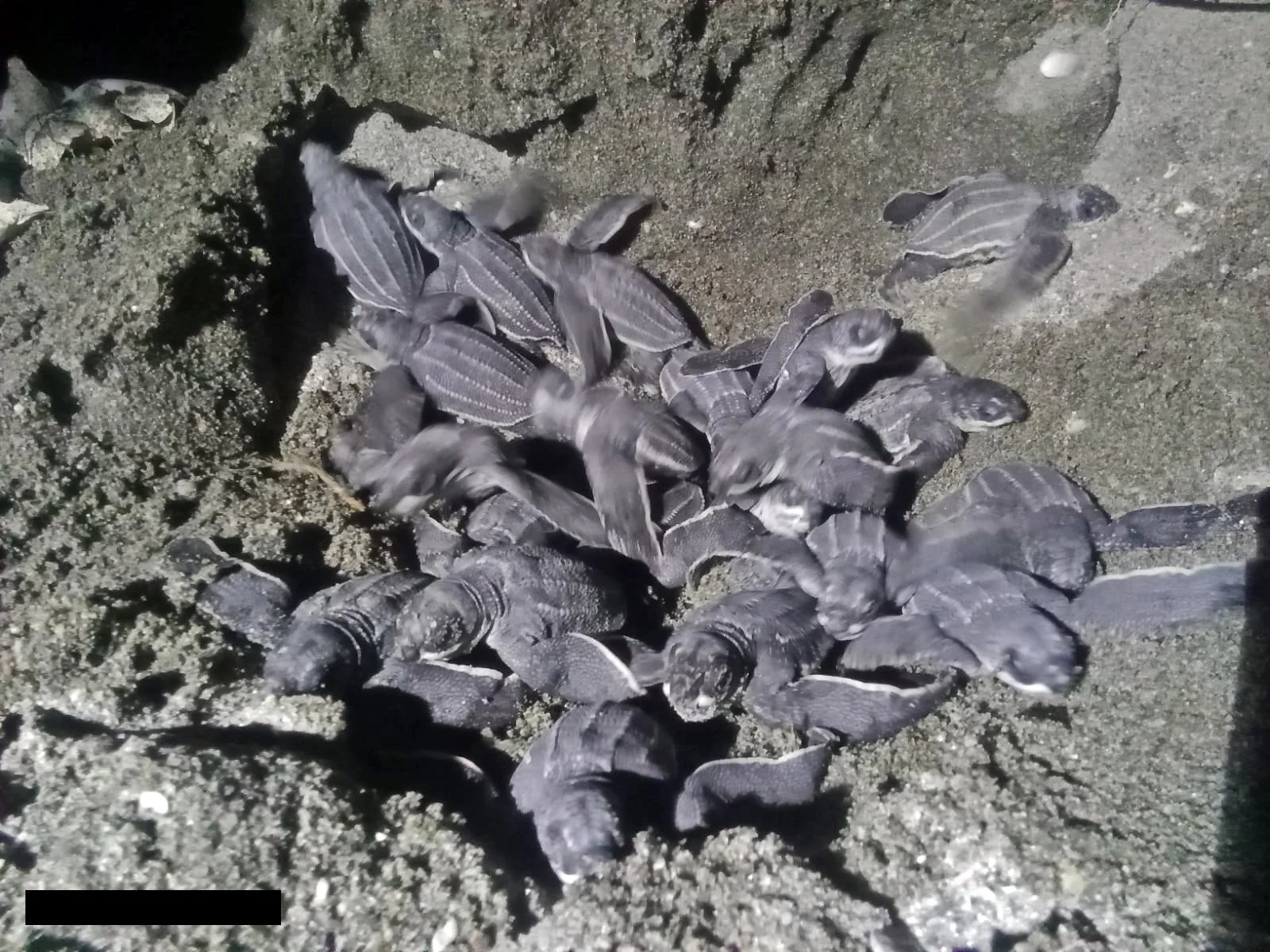
Under the protection of the team, newly hatched leatherback sea turtles emerge and instinctively start to make their way to the ocean on Buru Island in Maluku.
Meanwhile, on Buru Island, Pokmaswas Sugiraja Watulu continued community-based protection along approximately 13.9 km of turtle nesting coastline in Fena Leisela. August monitoring documented leatherback turtles (Dermochelys coriacea) coming ashore to nest and successful hatching from previously monitored nests.
Blacktip Shark Monitoring and New Pokmaswas
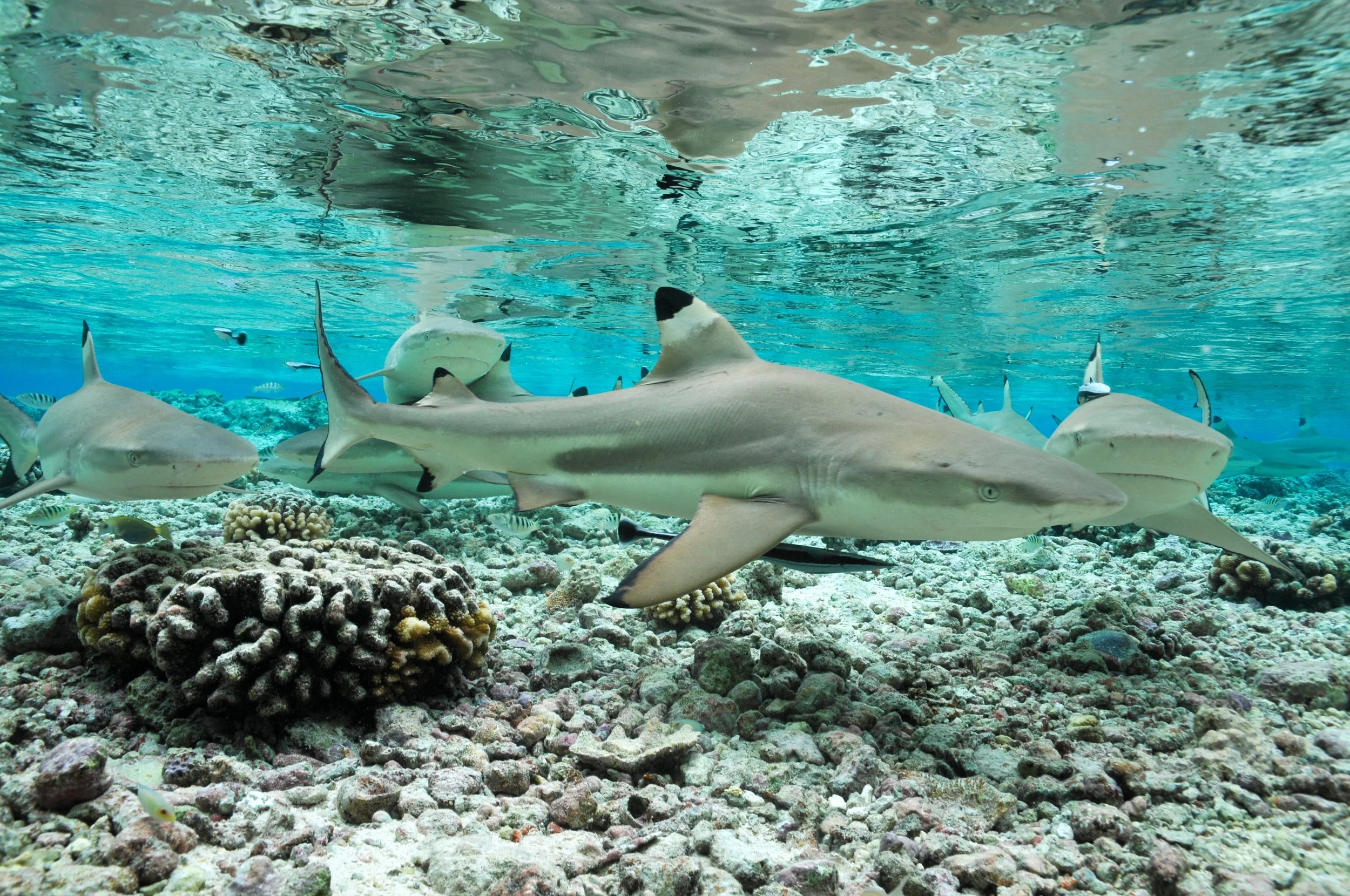
Two monitoring patrols were conducted with the Teluk Alulu community around Teluk Lumantang, an important Blacktip Shark habitat in Maratua. Approximately 40 km were monitored, with no violations detected.
GC/YLBKD also supported Teluk Alulu residents in establishing the new Pokmaswas Barracuda Teluk Alulu, strengthening community participation in shark monitoring and broader marine protection around their village.
Preparing Camera Traps for Mahakam Dolphin Protection
GC/YLBKD met with the Balikpapan Service Unit of the Pontianak Marine Management Office to advance the donation and deployment of four camera traps for monitoring areas within the Mahakam dolphin habitat in Kutai Kartanegara.
Site selection will be coordinated with PSDKP Tarakan’s Balikpapan unit and relevant local authorities before deployment. Discussions also opened opportunities for joint shark conservation outreach with fishing communities in Tanjung Batu.
Coral Restoration in Bontang
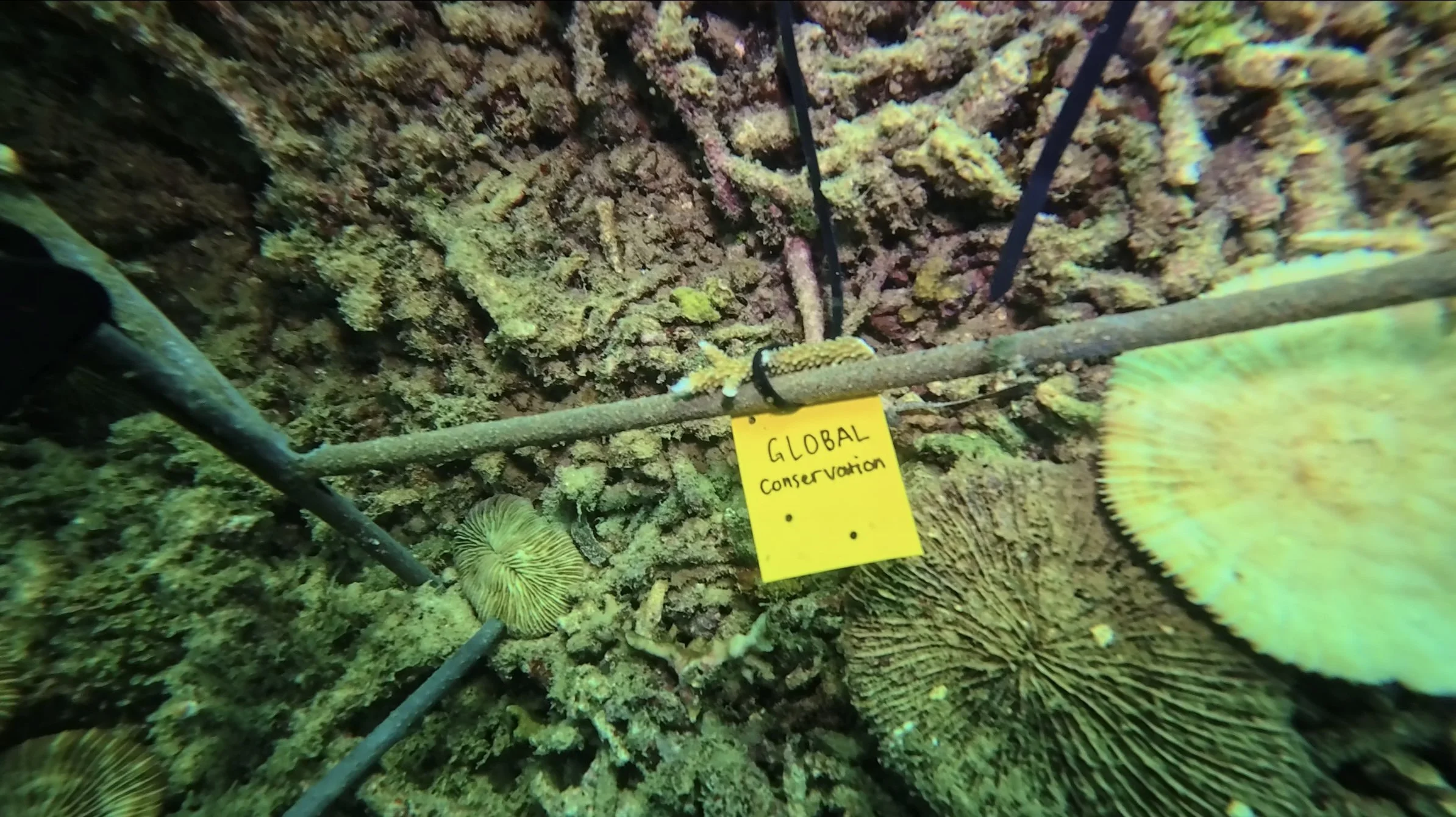
Planted coral named after Global Conservation in the waters of Beras Basah, Bontang, EK.
GC/YLBKD supported Sea Ant Transplantation Conservation 2026 at Beras Basah Island, Bontang, on August 1–2. More than 40 divers and freedivers participated in coral transplantation and maintenance, demonstrating growing involvement of the diving community in marine ecosystem restoration.
Conservation Technology and Derawan Encyclopedia
We continued integrating EarthRanger API data with GCBS and GCDA, improving automated patrol reporting, documentation, and program evaluation.
Development of the Derawan Encyclopedia also progressed significantly, including its landing page, dive-site and species information, and the Underwater Collection. The platform is being designed as a broader digital knowledge hub combining scientific information, conservation documentation, underwater photography, academic research, government information, and local community knowledge.
Engaging the Next Generation
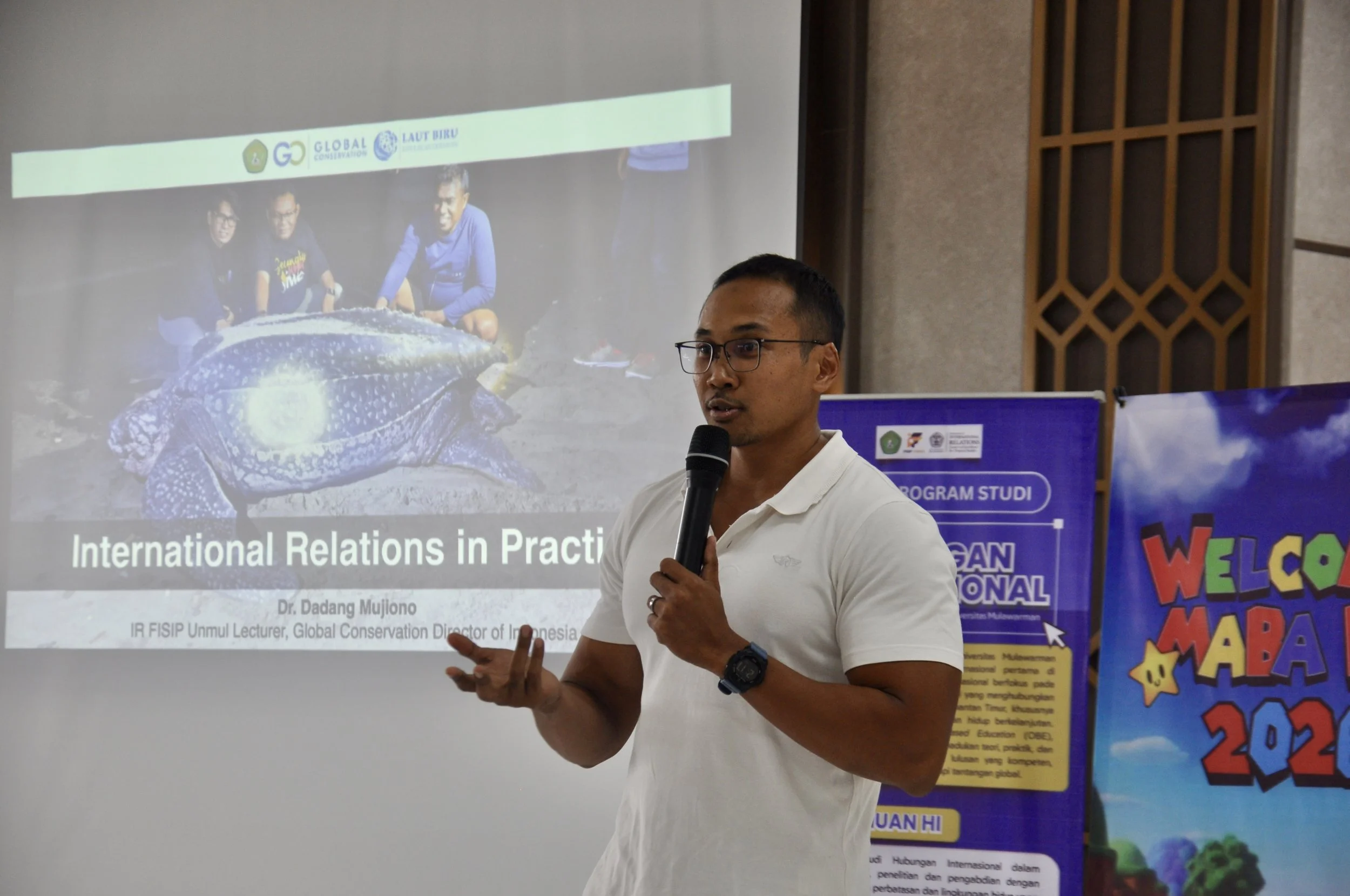
GC Project Director Dr. Dadang gives public lectures on sustainability in front of the new colleague student of the International Relations Dept. of Mulawarman University.
On August 8, GC Director of Indonesia spoke to new International Relations students at Mulawarman University about sustainability and its connection to international relations, using GC/YLBKD’s work in Derawan as a practical case study. The discussion highlighted how conservation increasingly involves governance, technology, communities, NGOs, governments, and international actors, and encouraged students to contribute through research, policy, communication, and field conservation.
Overall, August demonstrated continued progress in connecting government enforcement, community protection, conservation technology, species monitoring, and education across our Indonesia program. From rapid response in Balikukup and expanded patrols in Maluku to new community protection initiatives and preparations for Mahakam dolphin monitoring, our field partnerships continue to grow in both reach and capacity.
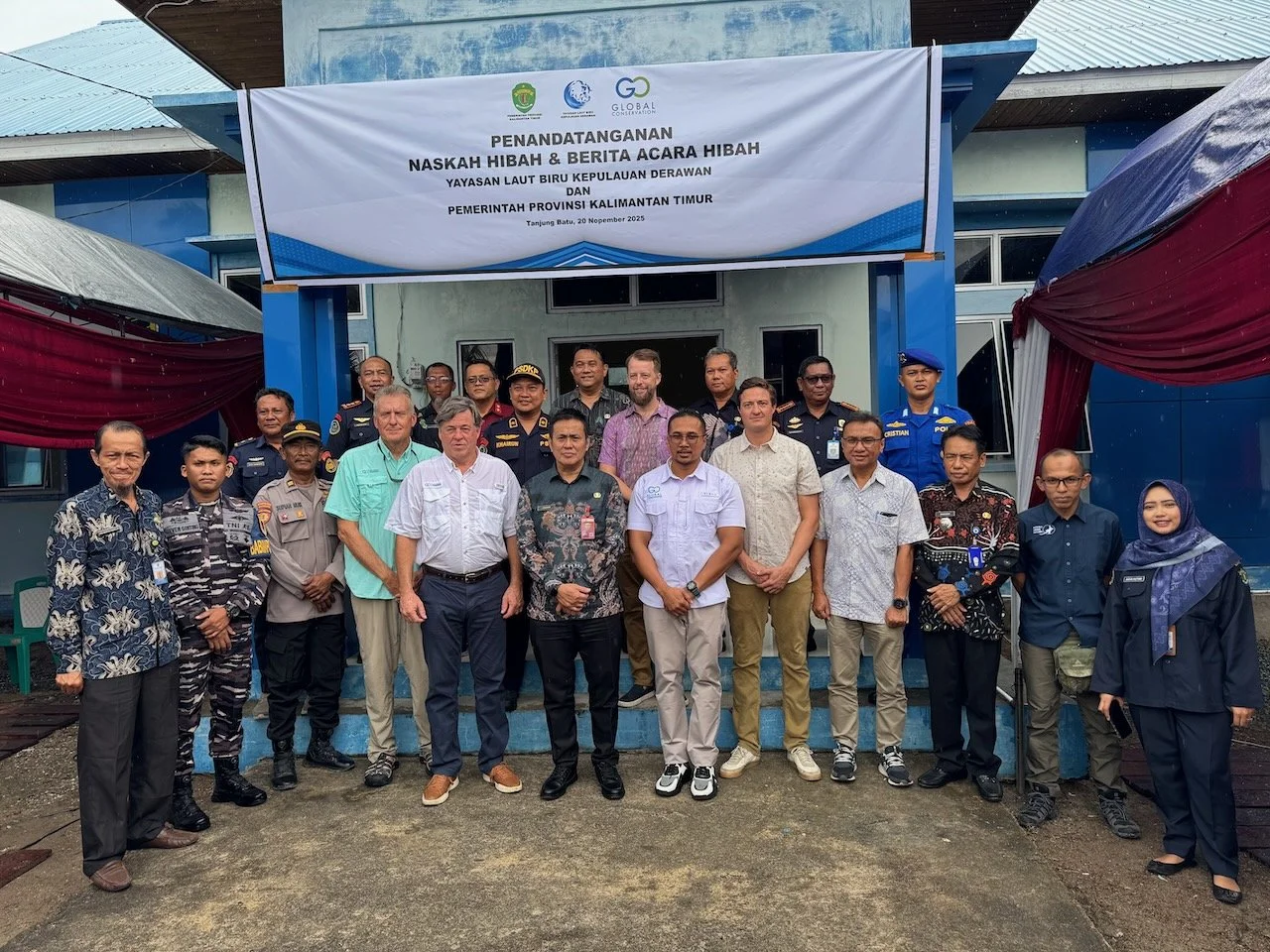
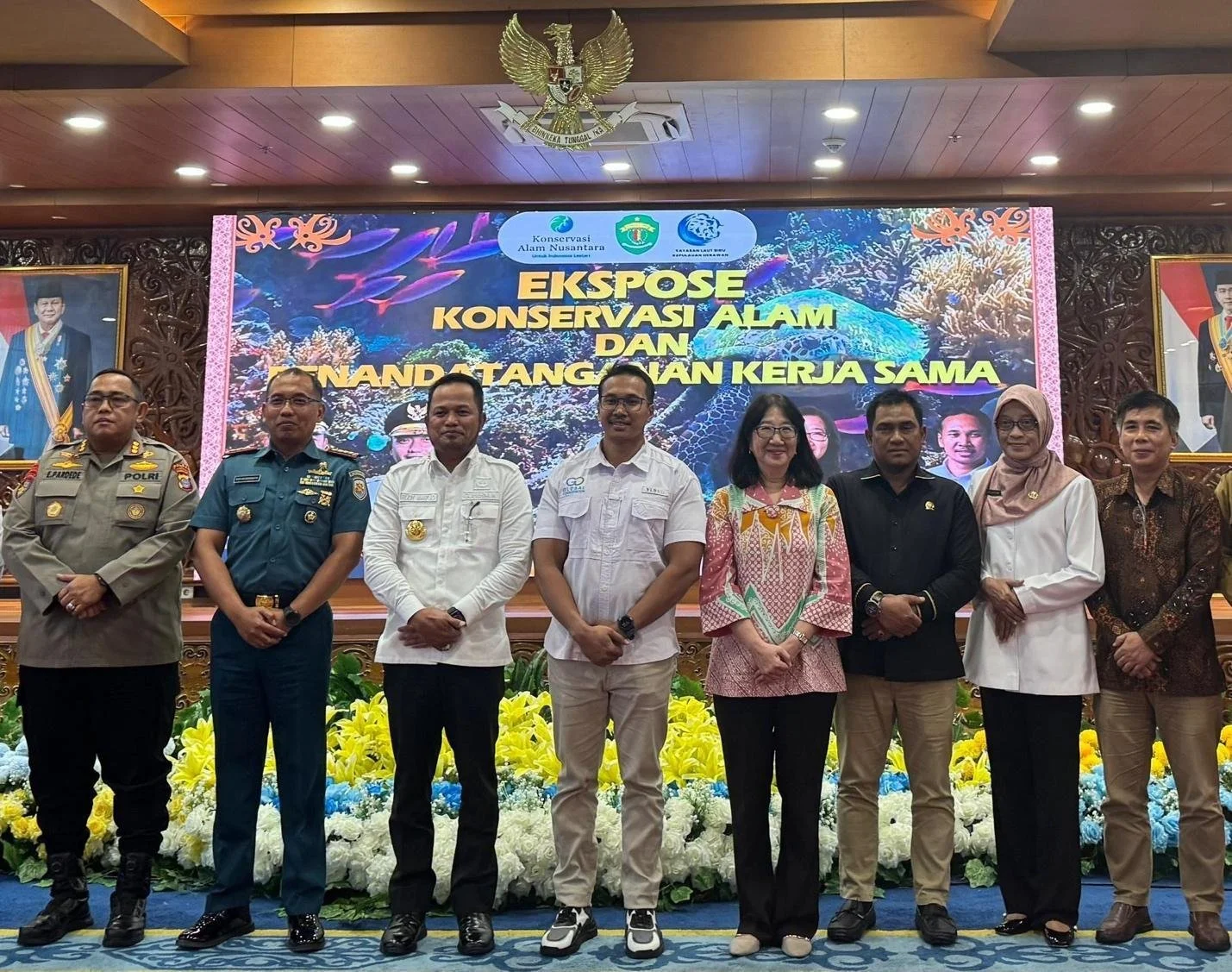


Yayasan Laut Biru Kepulauan Derawan (YLBKD), in collaboration with Global Conservation (GC), continued to strengthen marine protection in the Derawan Archipelago through support for patrol operations, the deployment of M2 monitoring technology, capacity building for law enforcement, and initiatives focused on community empowerment and applied research.