NEW Project Areas from Global Conservation
Global Conservation has recently invested in not one, not two, but seven new projects for both land and sea! Today, we’re featuring three of the projects that we’re most excited about. From protecting a crucial reef system in the Philippines to supporting the revival of a nearly non-existent population of lions in Sengal, each of these projects represents and supports a unique opportunity for our Global Park Defense process.
Apo Reef Marine Protection, Philippines
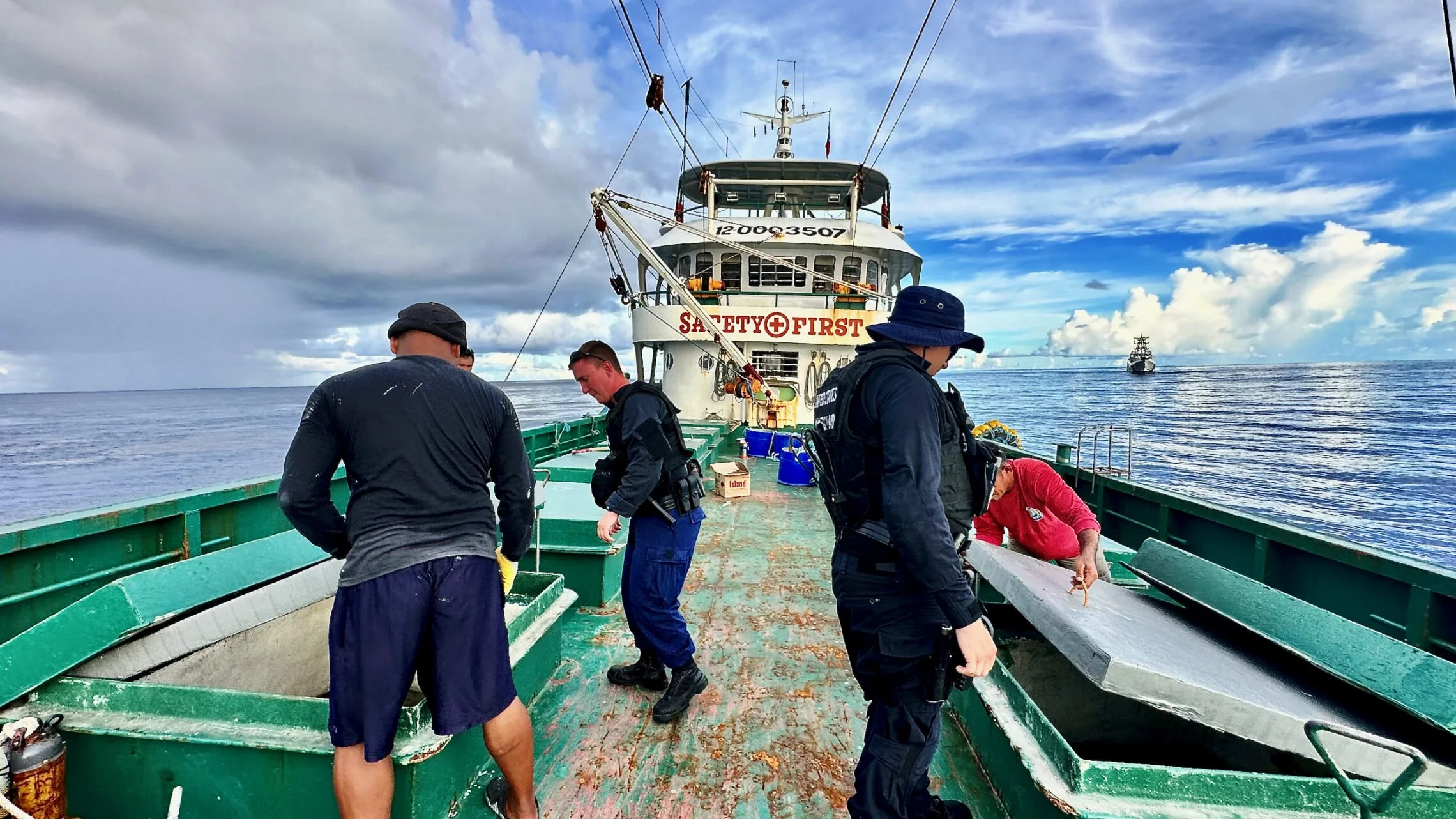
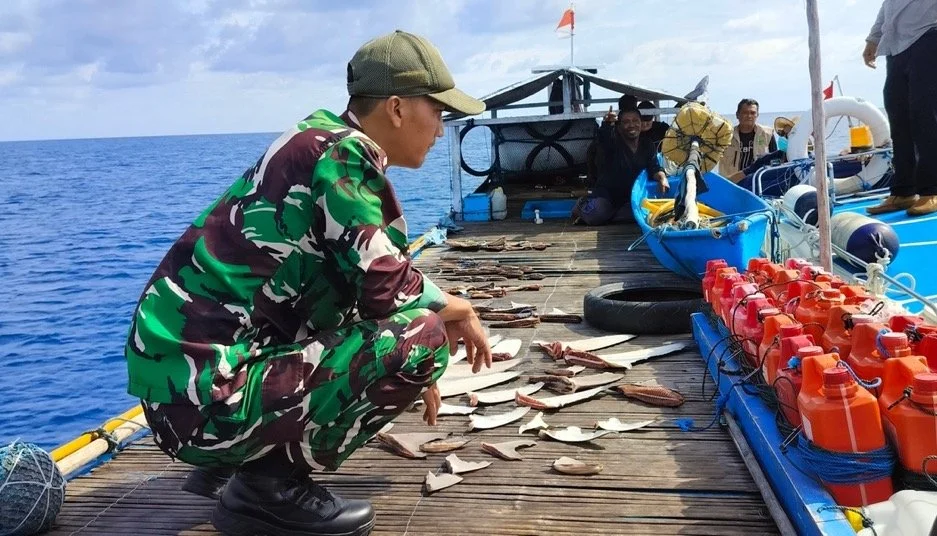
Global Conservation is supporting Marine Protection for Apo Reef National Marine Park in the Philippines, including Marine Monitor (M2) radar, fast boats and motors, Rapid Response Teams, and deployment of Skylight and EarthRanger marine protection systems.
In addition, Global Conservation provides operating support for Marine Warden patrolling, as well as vessel fuel and maintenance needed to deliver 24/7 surveillance and rapid response interdictions against illegal fishing in the national Marine Protected Area.
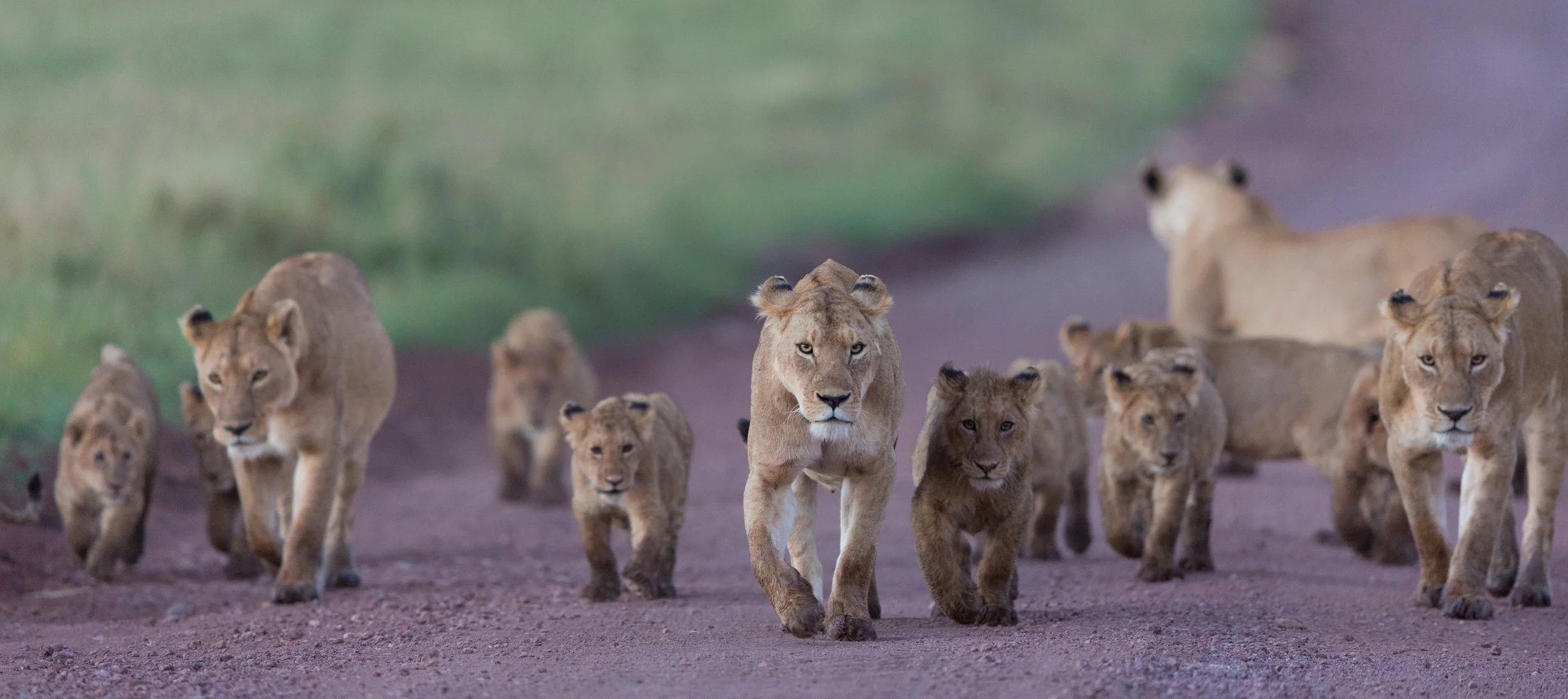
Ruaha National Park, Tanzania
Ruaha National Park is a national park located in Tanzania. In 2008, the Usangu Game Reserve and other important wetlands were added to the park, increasing its size to about 20,226 km² (7,809 sq mi). The park is about 130 km (81 mi) west of Iringa. The park is a part of the 45,000 km² (17,000 sq mi) Rungwa-Kizigo-Muhesi ecosystem [2], which includes the Rungwa Game Reserve, the Kizigo and Muhesi Game Reserves, and the Mbomipa Wildlife Management Area.
Niokolo-Koba National Park, Senegal
The property has a remarkable diversity of wildlife, unique to the sub-region. It counts more than 70 species of mammals, 329 species of birds, 36 species of reptiles, 20 species of amphibians and a large number of invertebrates.
The park also boasts a wealth of habitats and a diverse flora, featuring over 1,500 important plant species. This remarkable plant diversity justifies the presence of a rich fauna characterized by the Derby Eland (the largest of African antelopes), chimpanzees, lions, leopards, and a large population of elephants, as well as many species of birds, reptiles, and amphibians.
You Can Protect Wildlife and Wildlands