New Episode—WAR ON NATURE: Shri Lanka’s Endangered Wildlife
In this episode of War on Nature, conservation photojournalist Paul Hilton documents the escalating human-elephant conflict in and around Wasgamuwa National Park in Sri Lanka.
For generations, elephants have followed instinctive migration routes through the landscape. Today, local communities are attempting to alter these ancient movement patterns as they struggle to coexist with one of the world’s most iconic and threatened species. This episode offers a close look at the challenges facing both people and elephants as development, habitat pressure, and changing landscapes bring them into increasing conflict.
Hilton, one of the world’s leading conservation photojournalists, has spent years documenting the threats facing elephants and other endangered wildlife. His relationship with Global Conservation spans more than a decade.
The film also features conservationist Vinod Malwatte, Executive Director of the Lanka Environmental Fund, who shares with Hilton the challenges of addressing human-elephant conflict in affected communities, along with broader issues surrounding national park protection in Sri Lanka.
What will it take to create a future where people and elephants can coexist and protect the ecosystems they both depend on?
Human-elephant conflict is one of the most complex conservation challenges facing Sri Lanka. Protecting elephant habitat while supporting the communities living alongside these animals requires long-term solutions, local leadership, and effective protection of national parks.
Global Conservation works to protect endangered national parks and UNESCO World Heritage Sites in developing countries through its Global Park Defense program, working alongside local and indigenous communities to strengthen park protection and defend critical ecosystems.
In this episode of War on Nature, conservation photojournalist Paul Hilton documents the escalating human-elephant conflict in and around Wasgamuwa National Park in Sri Lanka.
Ugandan wildlife authorities have reintroduced rhinos into a remote protected area where they were once poached into extinction, an event seen by conservationists as a milestone in efforts to support the recovery of a species threatened by poaching.
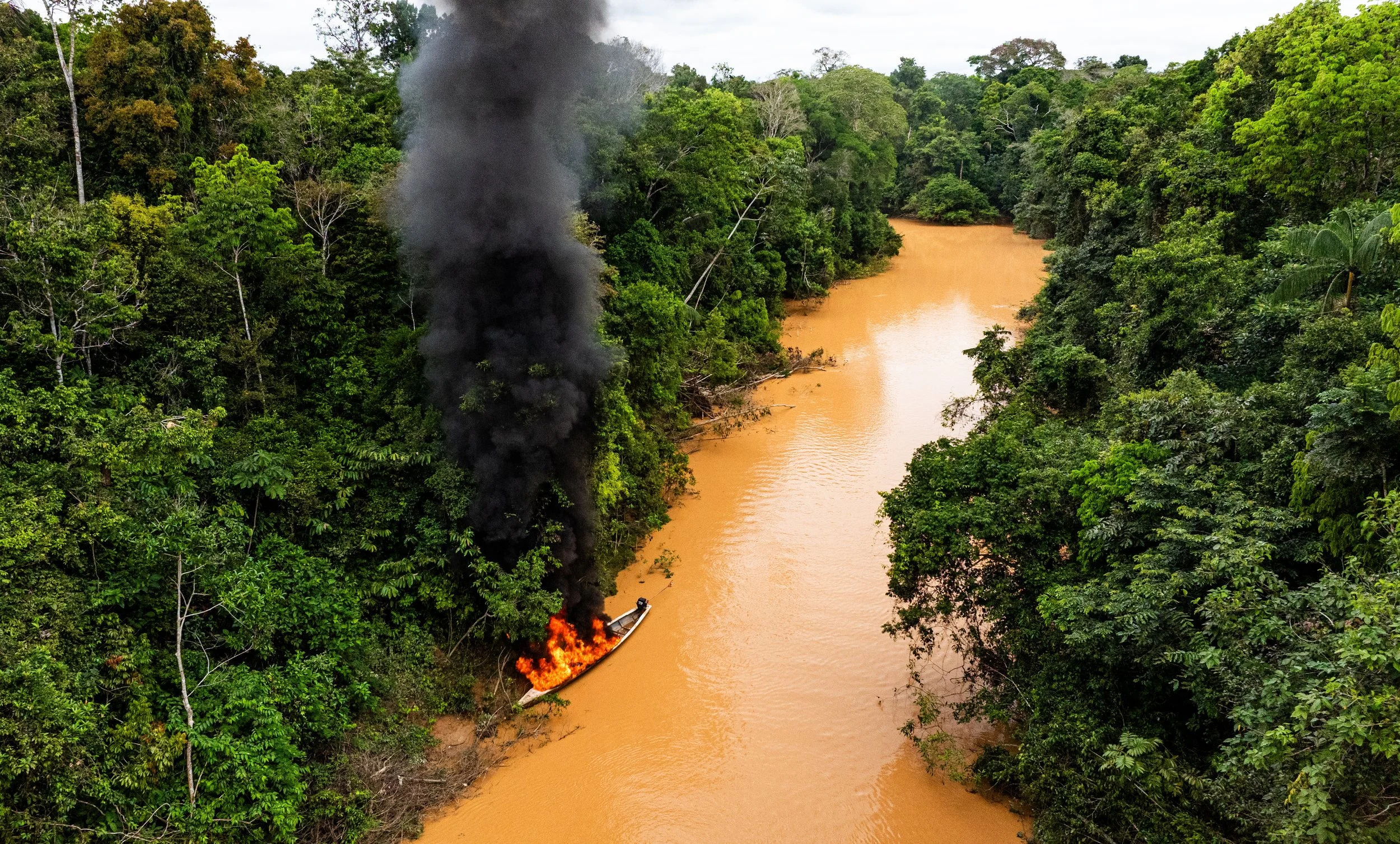
Global Conservation is working under a newly signed cooperation agreement with Peru’s Public Ministry’s Specialized Environmental Prosecutors Office to undertake a dangerous, multi-phase national park enforcement mission to remove illegal miners and organized crime syndicates destroying one of Peru’s most important and largest national parks, Tambopata National Park in the Amazon.
As wealthy people and governments seek refuge in gold from inflation, wars, and geopolitical instability, the heyday of the precious metal has turned mining into such a magnet that, since last year, illegal miners have deforested an area equivalent to roughly 700 soccer fields within Tambopata, digging up dirty gold potentially worth millions of dollars.
On August 27, the 2nd Jungle Brigade for the Protection of the Amazon received a visit from Dr. Ronal Ramón Flores Ñañez, Deputy Supreme Prosecutor attached to the Office of the Attorney General, and Dr. Frank Robert Almanza Altamirano, National Coordinating Senior Prosecutor of the Specialized Environmental Prosecutor's Offices, to verify the military actions carried out against the advance of illegal mining in Madre de Dios.
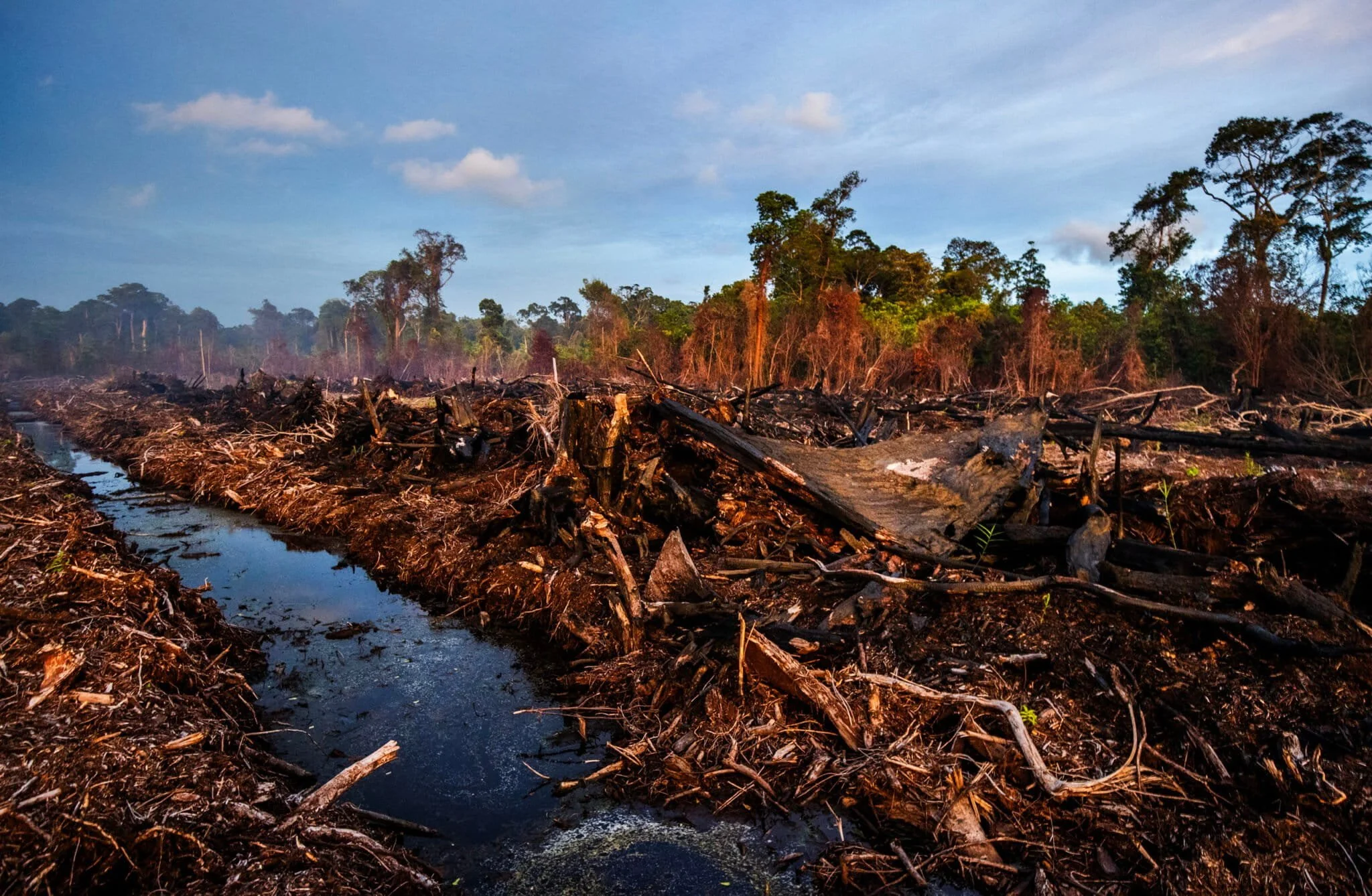
The raid over several days this week was part of an intensified government campaign against illegal gold mining in Madre de Dios, one of Peru’s most biodiverse regions, as authorities try to stop the activity from advancing into protected areas of the Amazon. Mining has stripped away vast areas of rainforest, leaving behind a scarred landscape of contaminated pools and altered rivers in the hunt for lucrative gold.
Teams of soldiers on Tuesday stormed Tambopata National Park, a spot in the Peruvian Amazon in the southeastern Madre de Dios region visited by an average of 40,000 tourists per year. ABC News documented countless gold mining camps along the Tambopata river, which was home to a rich rainforest a few years prior.
Robert Baigrie is Vice President for Strategic Partnerships at Wildlife Conservation Network (WCN), building relationships that are able to generate transformational support for the organization’s highest priority initiatives. As a member of WCN’s senior leadership team, he works closely with the President and CEO across business and conservation pillars, with an immediate focus on the Africa Keystone Fund.
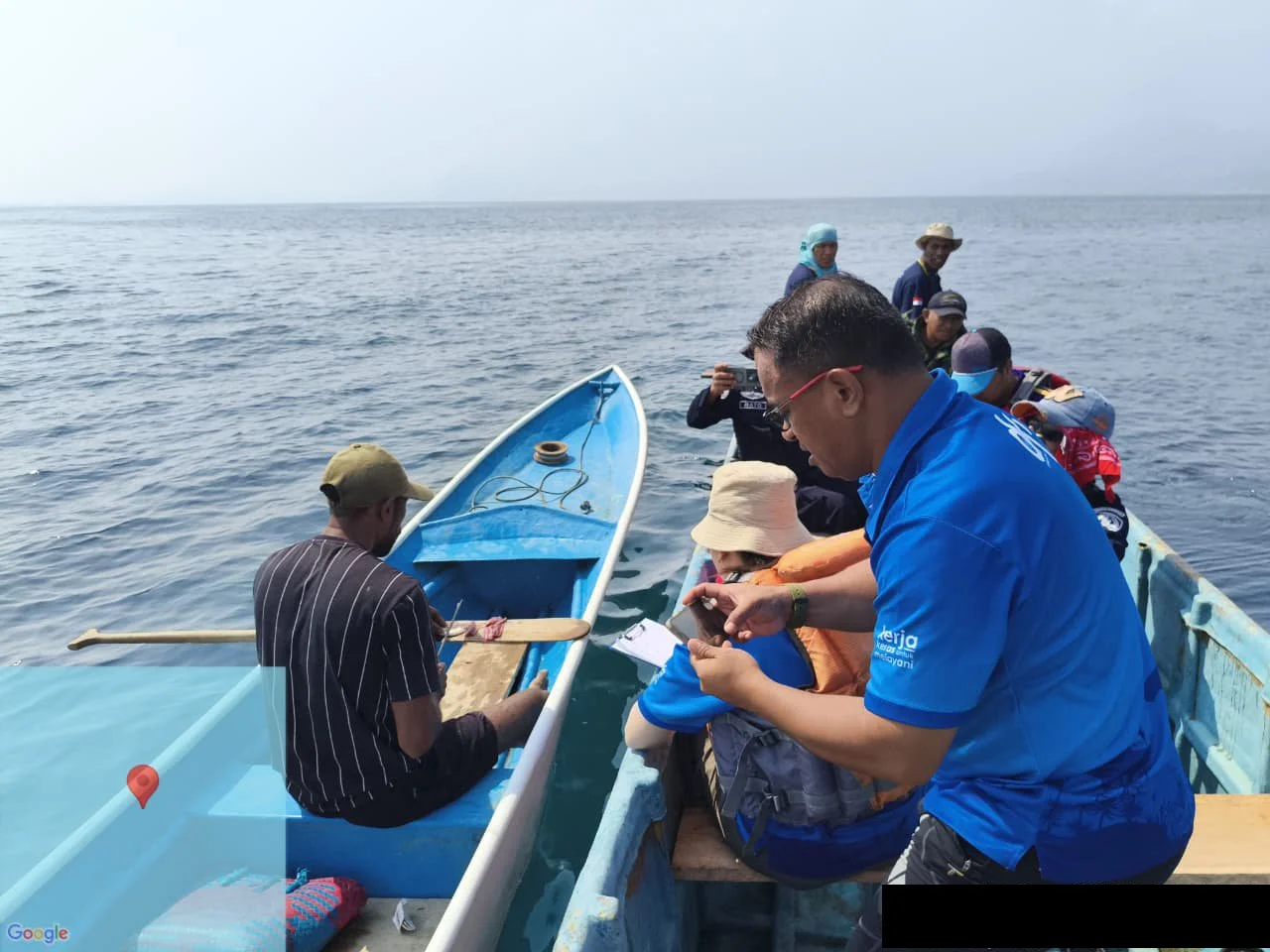
During the second quarter of 2026, Global Conservation in Mexico has worked alongside our partners CONANP, CONAPESCA, and SEMAR to deploy two Marine Monitor systems. And park rangers alongside fisheries officers have been working closely together to carry out marine and land patrols along the marine protected area.
The Sumatran orangutan population is steadily decreasing. The population has fallen by 19.5% since 2011, according to recent survey results published in a respected scientific journal. The current population stands at 11,694 individuals. At the same time, there are only an estimated 716 remaining Tapanuli orangutans, making their population a critically endangered species.
To help secure the future of this unique place, Global Conservation signed an agreement with the Myanmar Ministry of the Environment in 2018. This year, the Myanmar Department of Forestry will begin to deploy Global Park Defense in AKNP, and Global Conservation will work to have AKNP listed as a Natural and Cultural UNESCO World Heritage Site.
In order to stop illicit palm oil plants and timber extraction, Global Conservation is supporting the construction of new guard posts, restoring forests through the Squa nursery program, and advancing law enforcement partnerships.