Tambopata National Reserve, Peru
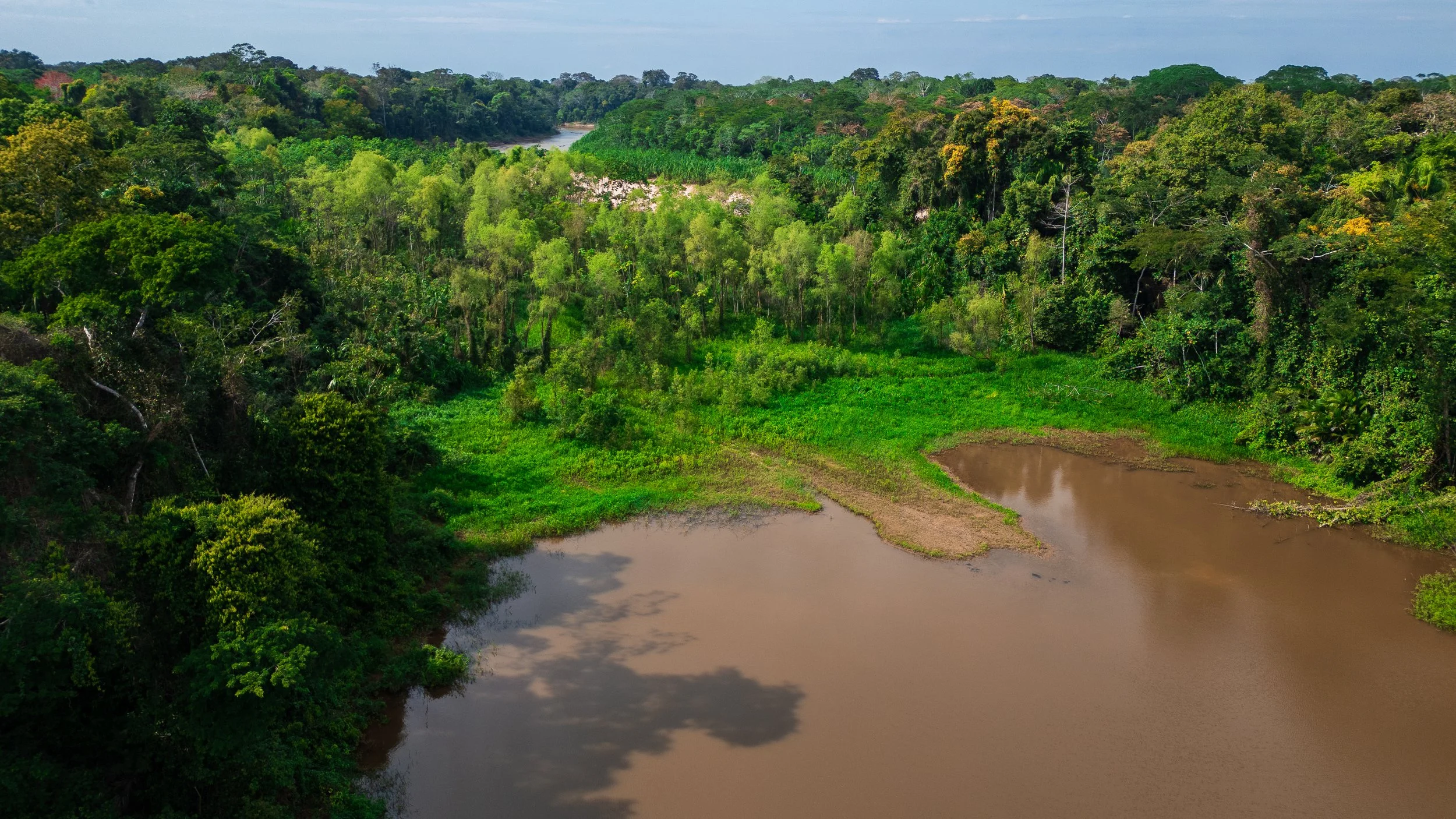
On Bolivia's border with Madidi National Park lies Tambopata National Reserve. Important tropical humid savannas and tropical montane forests are part of the patchwork of habitats it safeguards, which stretches from the Amazon lowlands to the highlands.
This region is home to approximately 20% of Peru's species. Among them are more than 1,200 butterfly species, over 180 species of mammals, and about 600 species of birds. The area also serves as a sanctuary for endangered river turtles and giant otters, as well as other savanna-specific species like maned wolves and marsh deer.
These headwaters serve multiple purposes: they supply water to people further downstream, they house important fish and river turtle species, and they provide an essential food source for indigenous people in the regions where they have ancestral rights to exploit these resources. The protected areas, the rivers inside them, and the biodiversity they contain are under danger from the exponential growth of illicit gold mining and agricultural expansion for coca growing.
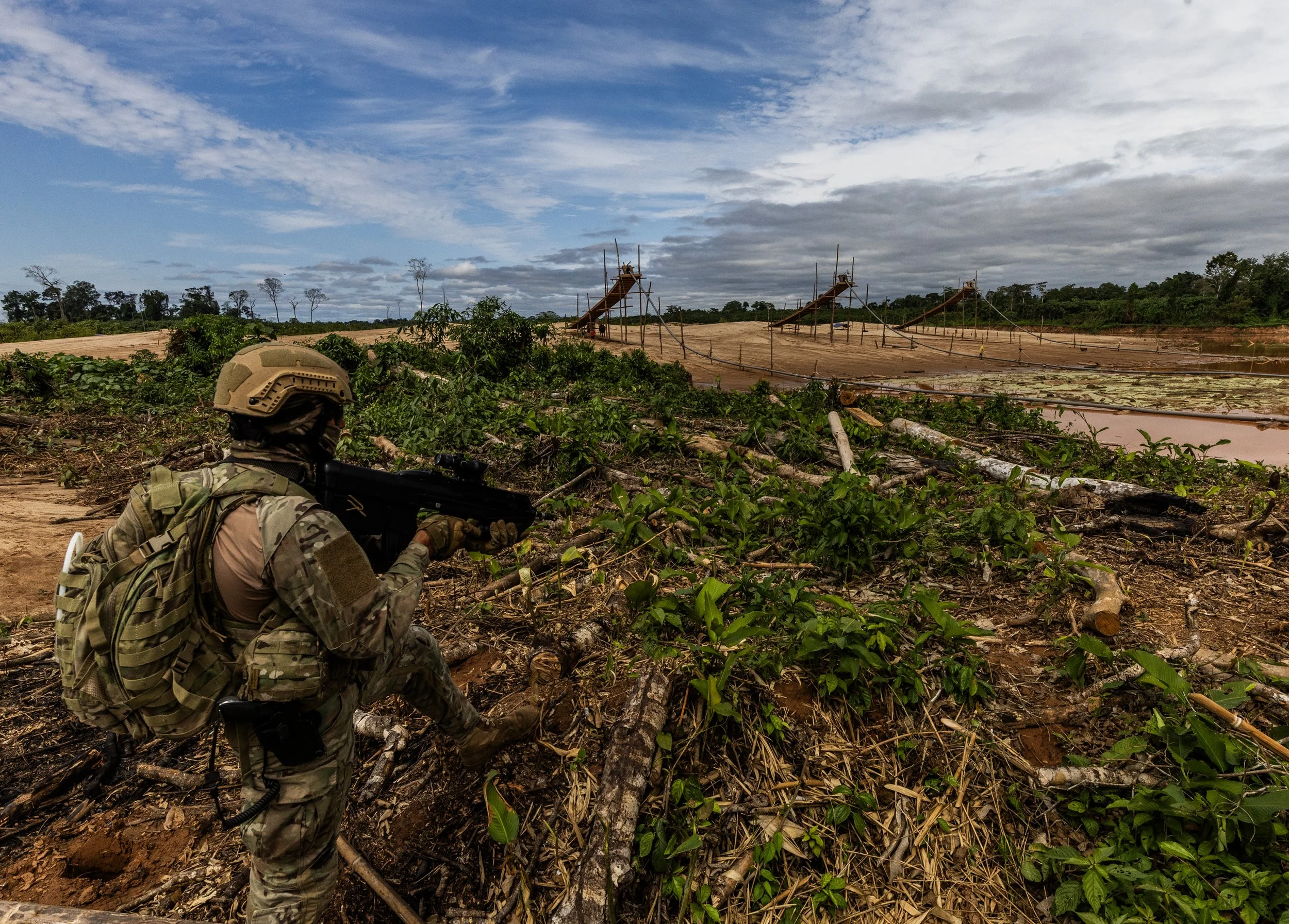
A Peruvian soldier with the joint patrol force for Operation Mecury II surveys three gold mining engines.
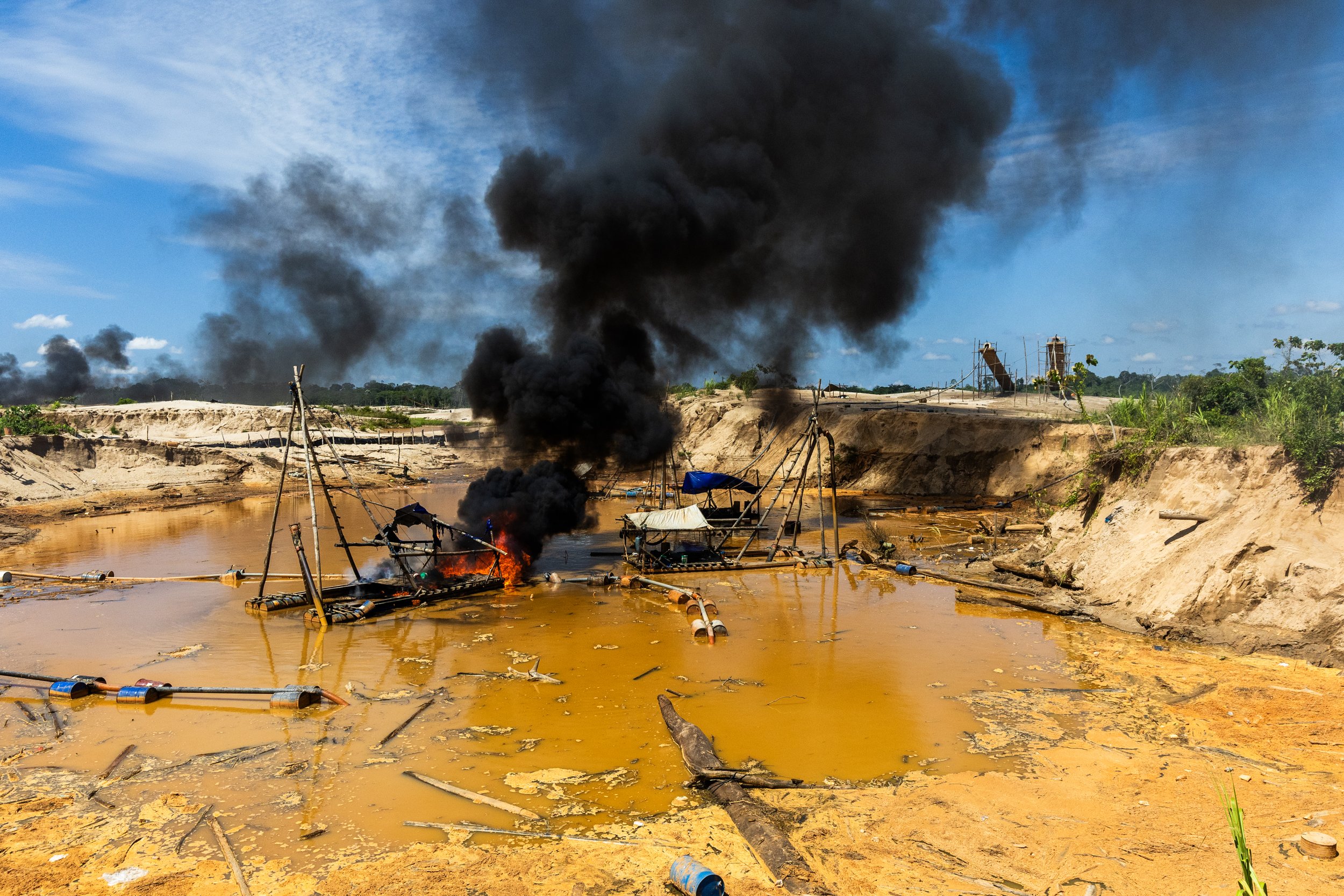
Gold mining encampments and machinery are destroyed.
GC Primary Objectives
Park Protection - Control and Surveillance
Expand Global Park Defense
Expand Community Protection
Joint Patrolling Operations Against Illegal Mining
Remote Surveillance through high-resolution satellite data, overflights, and the use of drones to detect illegal activities
Support the Peruvian authority of natural protected areas, SERNANP, in their law enforcement operations against illegal activities in the buffer and core zones of the protected areas, especially against alluvial gold mining activities
Background
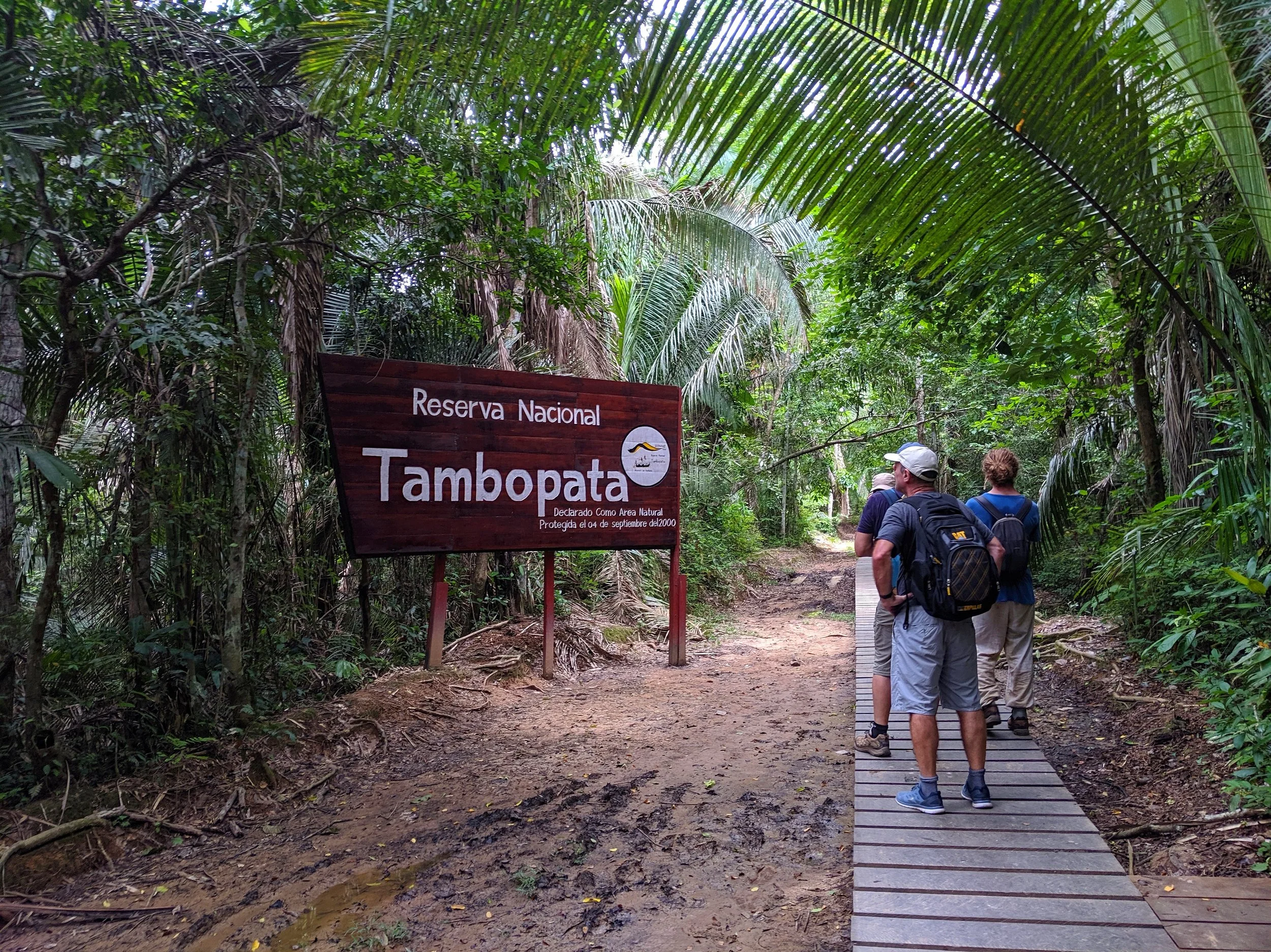
Nature enthusiasts from all over the world flock to this Peruvian getaway.
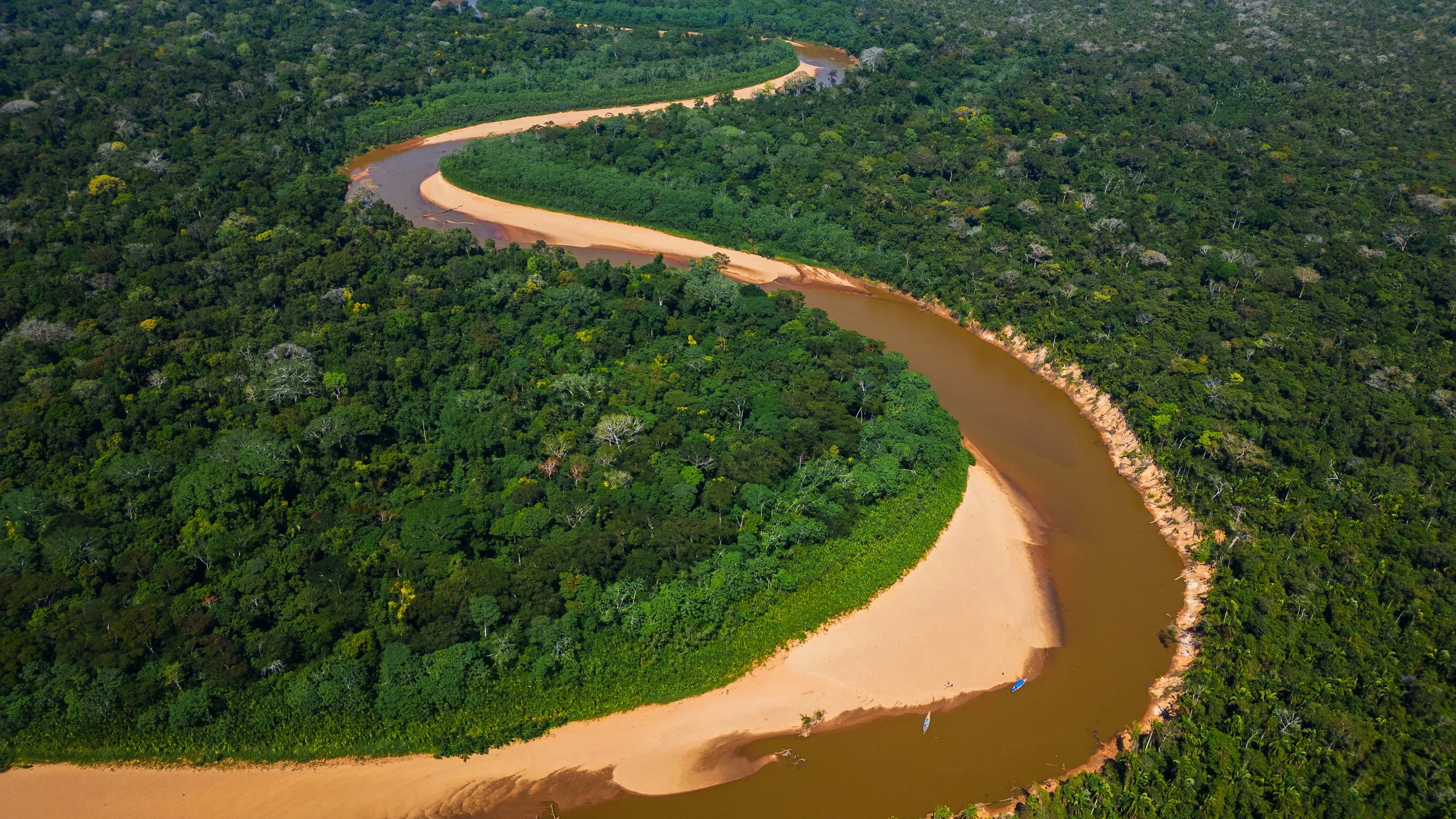
The Tambopata National Reserve is located in the southeast region of Peru, a conserved area spanning 274,690 hectares (1,061 square miles). Lowland Amazon rainforest, riverine forest, and oxbow lakes are just a few of the varied habitats found within the Reserve. The region is traversed by three rivers: the Madre de Dios, the Tambopata, and the Malinowski.
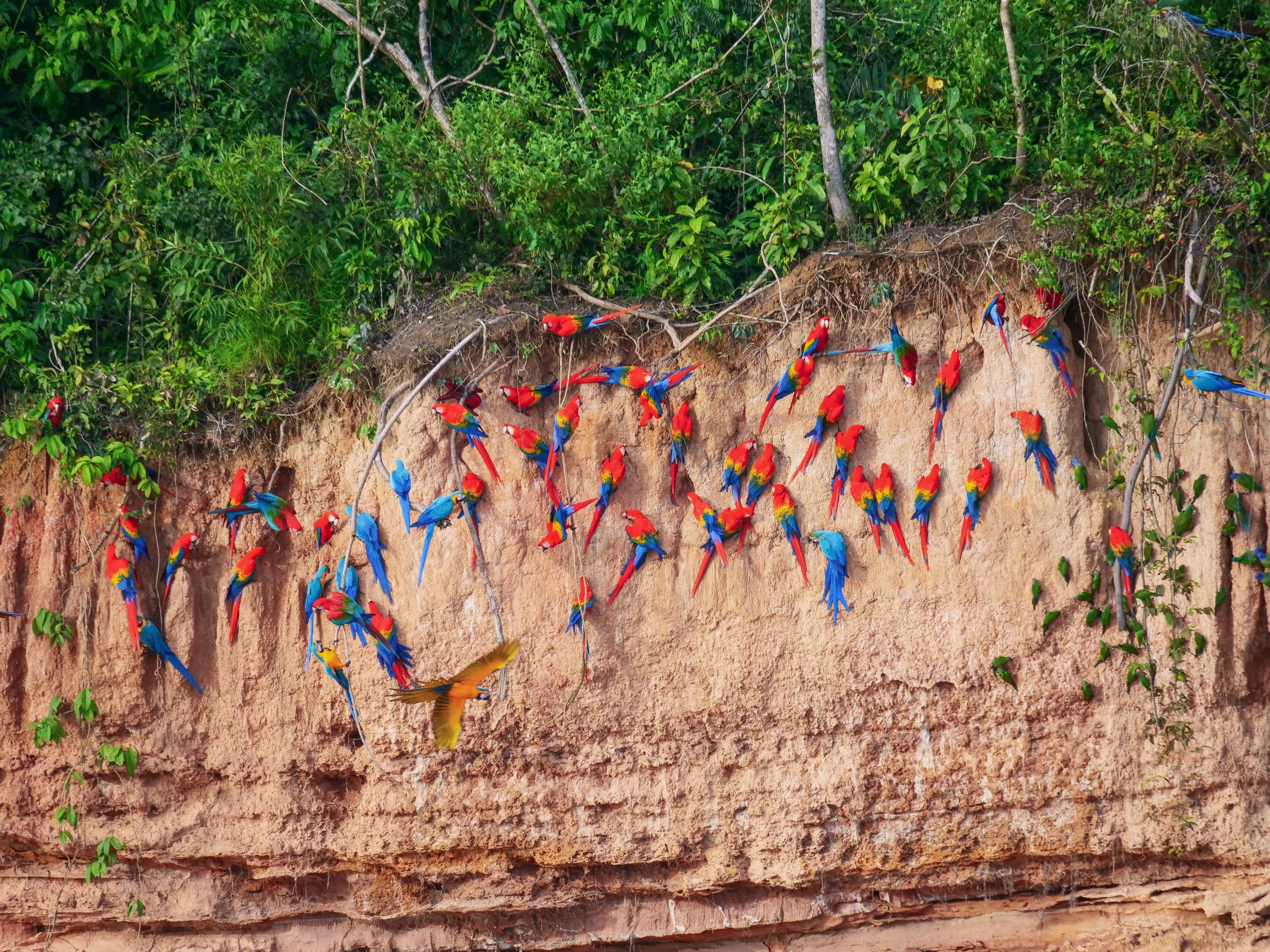
Tambapota National Reserve provides clay lick walls for colorful macaws, which adds necessary minerals to their diet.
The Reserve is exceptionally biodiverse due to its protected status and remote location. More than one thousand kinds of butterflies, one hundred species of animals, six hundred species of birds, and hundreds of species of plants and trees call this reserve home. Incredibly, the area around this reserve is among the most biologically diverse on Earth.
A wide range of shrubs, ferns, and exotic orchids are among the more than 1,200 plant species found here.
100 amphibian and reptilian species, including the anaconda, caimans, and beautiful poison dart frogs.
the howler monkey, jaguar, tapir, and sloth are just a few of the 160 mammalian species.
The 179 different fish species that call the Tambopata and Madre de Dios rivers home are vital to maintaining a healthy ecology.
A never-ending show, Tambopata's sky is home to 630 different bird species. These include raptors, hummingbirds, macaws, and toucans.
The 1,200 different species of butterflies that call this area home add a burst of color to the landscape and are a representation of the abundant natural resources found there.
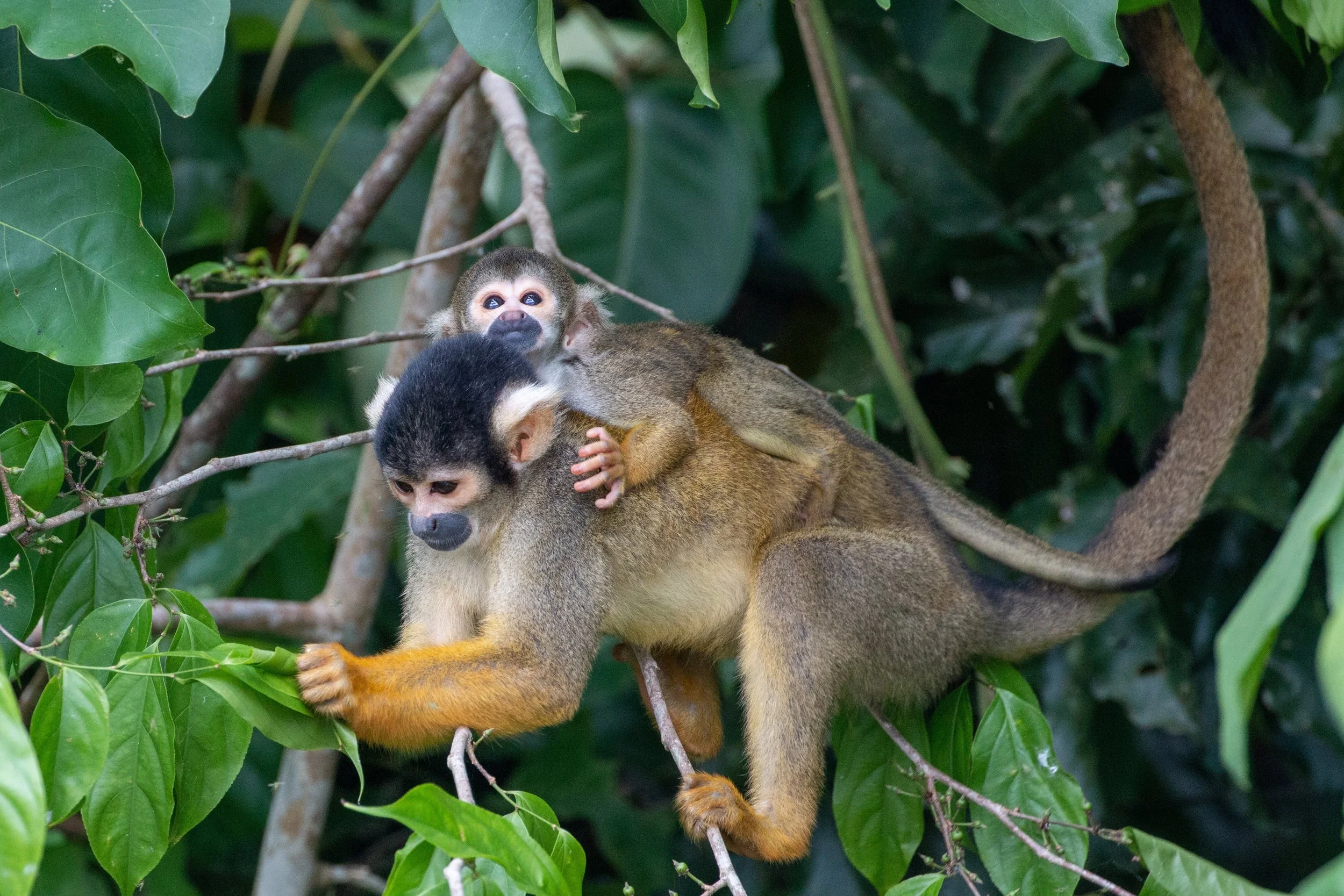
A squirrel monkey mother and child forage for figs in the high canopies of the Reserve.
Each community in the Reserve and its environs has its own unique history and culture. The Reserve's buffer zone is still home to many indigenous families, including those of the Ese Eja people, who originally lived there. The reserve's borders are devoid of any human habitation but for a handful of ranger posts and the lodge that houses our Tambopata Research Center, or TRC. The lodge's establishment prior to the area's 1996 designation as a National Reserve means that the TRC is located within the Reserve. In fact, the TRC is now South America's most isolated lodge because of its location.
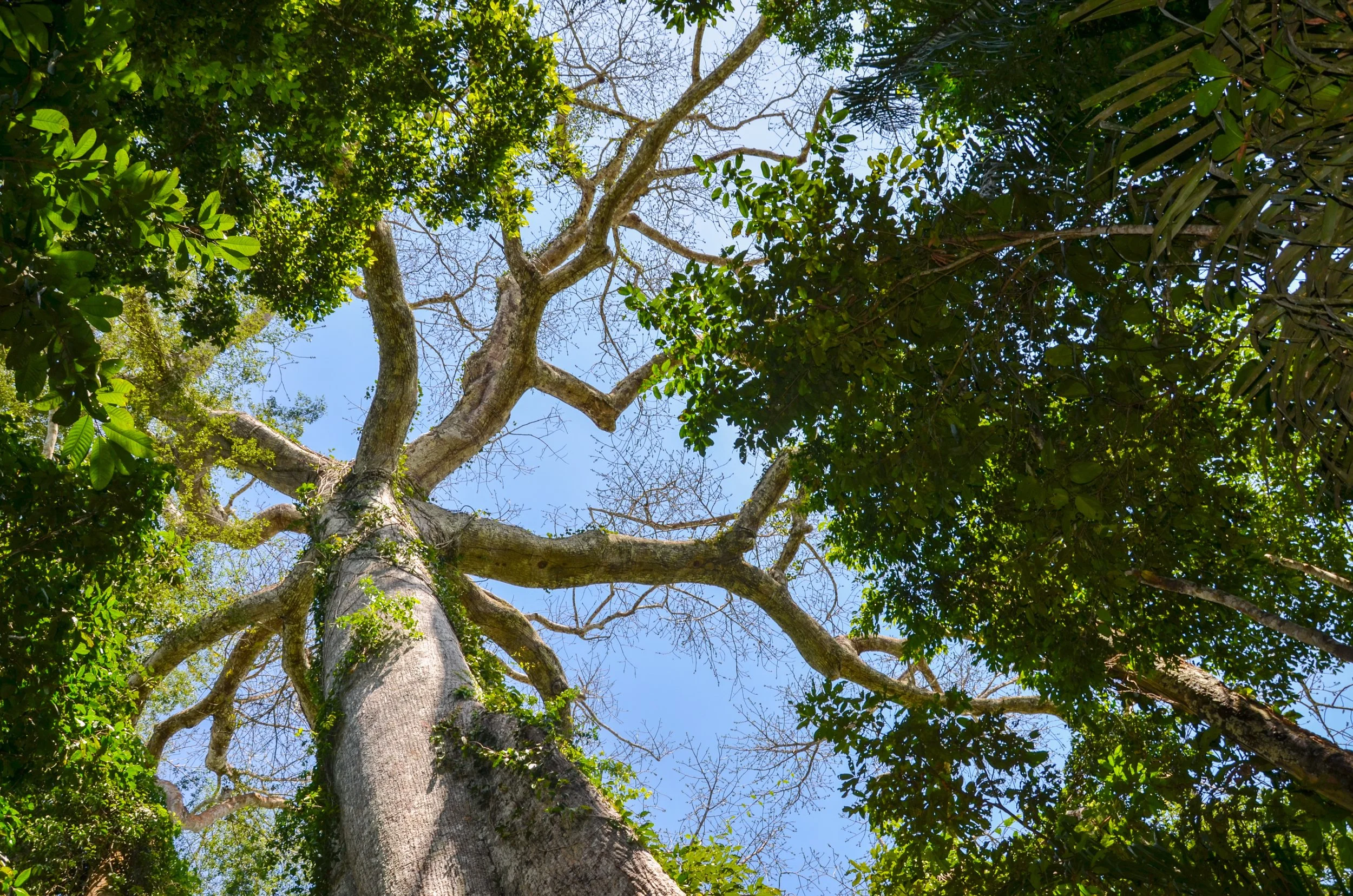
A number of environmentalists and biologists started fighting to keep the Tambopata region from being developed in 1990. Because it was (and is) one of the biggest and last surviving tracts of unspoiled rainforest in the world, its preservation was a matter of great personal importance to them. Tambopata connects cloud forests at higher elevations and wet savannas, and it is one of the few regions that contain lowland and foothill rainforests! To add insult to injury, the most out-of-the-way parts of Tambopata were home to almost no one. Environmentalists see the area's potential as a connecting pathway to the jungles of Bolivia and Manu National Park. Animals that had vanished from other regions of the Amazonian forest were formerly abundant in this region, including gigantic otters, harpy eagles, numerous macaw species, tapirs, jaguars, and other felines.
Originally, the area that encompasses present-day Tambopata National Reserve and the adjacent Bahuaja-Sonene National Park was designated as the "Tambopata-Candamo Reserved Zone" as an earlier form of protection. While this designation did offer some protection, it also allowed for possible changes in land use, leaving the area vulnerable.
To secure a more permanent protected status for the area, conservation organizations conducted additional studies. These studies demonstrated the region's crucial importance for biodiversity and its potential to collaborate with local cultures. As a result, they put up a strong case to change Tambopata's status from a "reserved zone" to a "national reserve," a more official and permanent form of protection.
Tambopata safeguards various tropical rainforest ecosystems, preserving its forests and ensuring the sustainable use of forest resources by local communities.
GEOGRAPHY
Tambopata National Reserve extends all the way to the Bolivian border to the east and, to the south, borders Bahuaja-Sonene National Park.
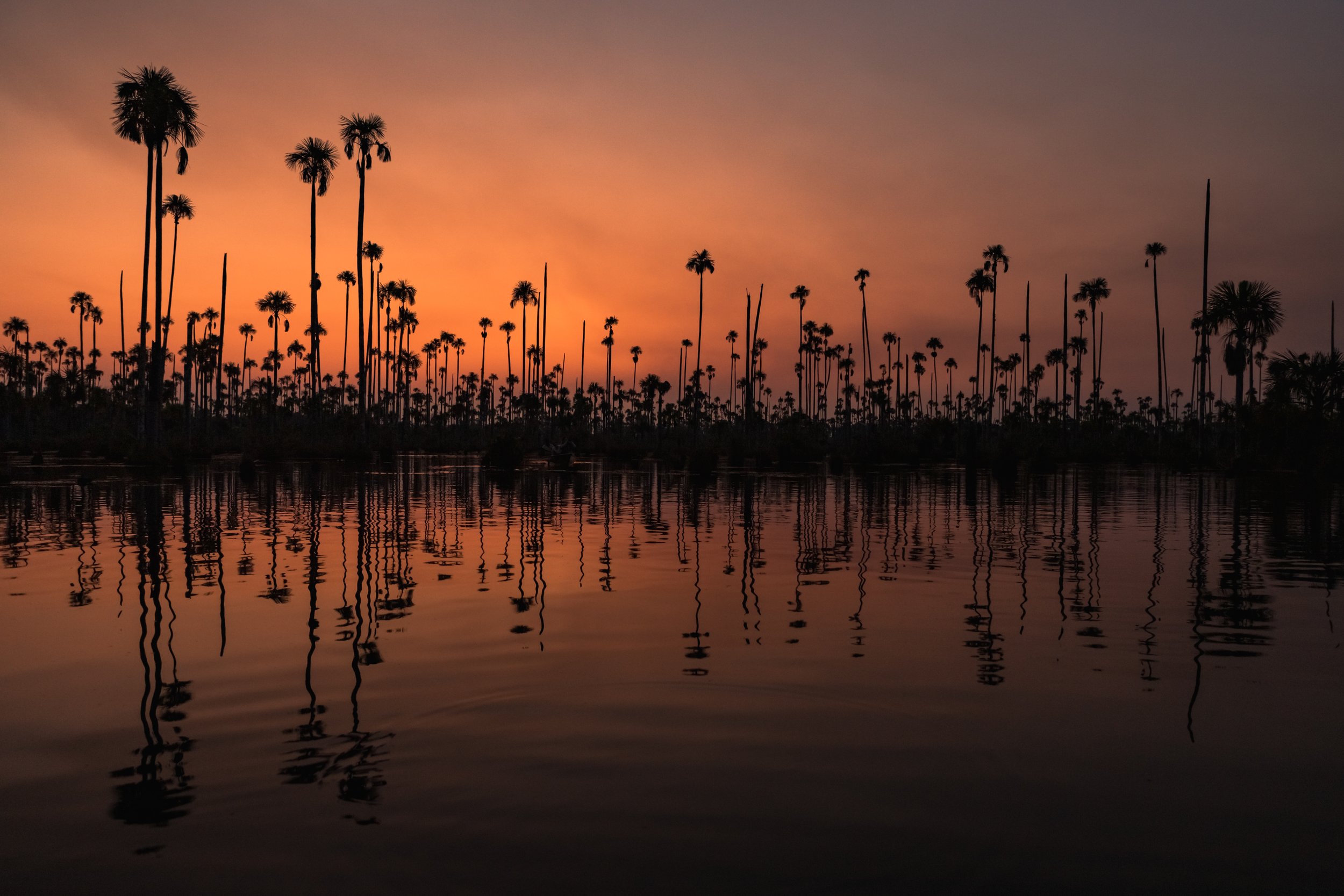
At an altitude of 200 to 400 meters above sea level, the region is characterized by wooded hills and plains, marshes, oxbow lakes, and winding rivers, the most important of which are the Tambopata, Malinowski, and Heath rivers, which flow through the reserve.
ECOLOGY
Oropendola bird nests hang from a massive Brazil nut tree in the Peruvian Amazon.
The Tambopata National Reserve is a biologically significant area because it protects a rainforest that is classified as moist and wet subtropical forest according to the Holdridge life zone classification. The reserve also extends into Bolivia and is a part of the Vilcabamba-Amboro wildlife corridor.
FLORA
For those who are passionate about plant life, Tambopata National Reserve is a paradise. Numerous plants can be found in this distinctive habitat. It is a botanist's heaven due to its highly varied biodiversity. The reserve is home to 1713 species of vascular plants in 145 families, including everything from delicate orchids to tall trees. Every single species essential to the ecology. These species thrive because of the reserve's dedication to protection.
FAUNA
The Black caiman is the largest predator in the Amazon ecosystem, potentially capable of taking any animal within its range, including other predators.
This reserve is home to a wide variety of mammals, including but not limited to: jaguars, pumas, ocelots, collared peccaries, giant otters, spider monkeys from Peru, white-lipped peccaries, capybaras, tufted capuchins, marsh deer, red brockets, brown-throated sloths, black-capped squirrel monkeys, and South American tapirs.
Within the reserve, you can spot a variety of birds, including the harpy eagle, white-necked jacobin, scarlet macaw, rufescent tiger heron, king vulture, roseate spoonbill, crested eagle, razor-billed curassow, blue-and-yellow macaw, variegated tinamou, sunbittern, red-and-green macaw, horned curassow, golden-tailed sapphire, and many more species of birds.
Every member of the ecosystem, from the smallest beetle to the largest jaguar, contributes significantly to preserving ecological balance, and a visit to Tambopata is an opportunity to observe this harmony firsthand.
In addition to being a sanctuary for animals, Tambopata is a place where environmental education and scientific research take place. The ecosystems there are so well-preserved that they draw scientists from all over the globe as well as tourists who are looking for a more profound and meaningful relationship with nature.
TOURISM
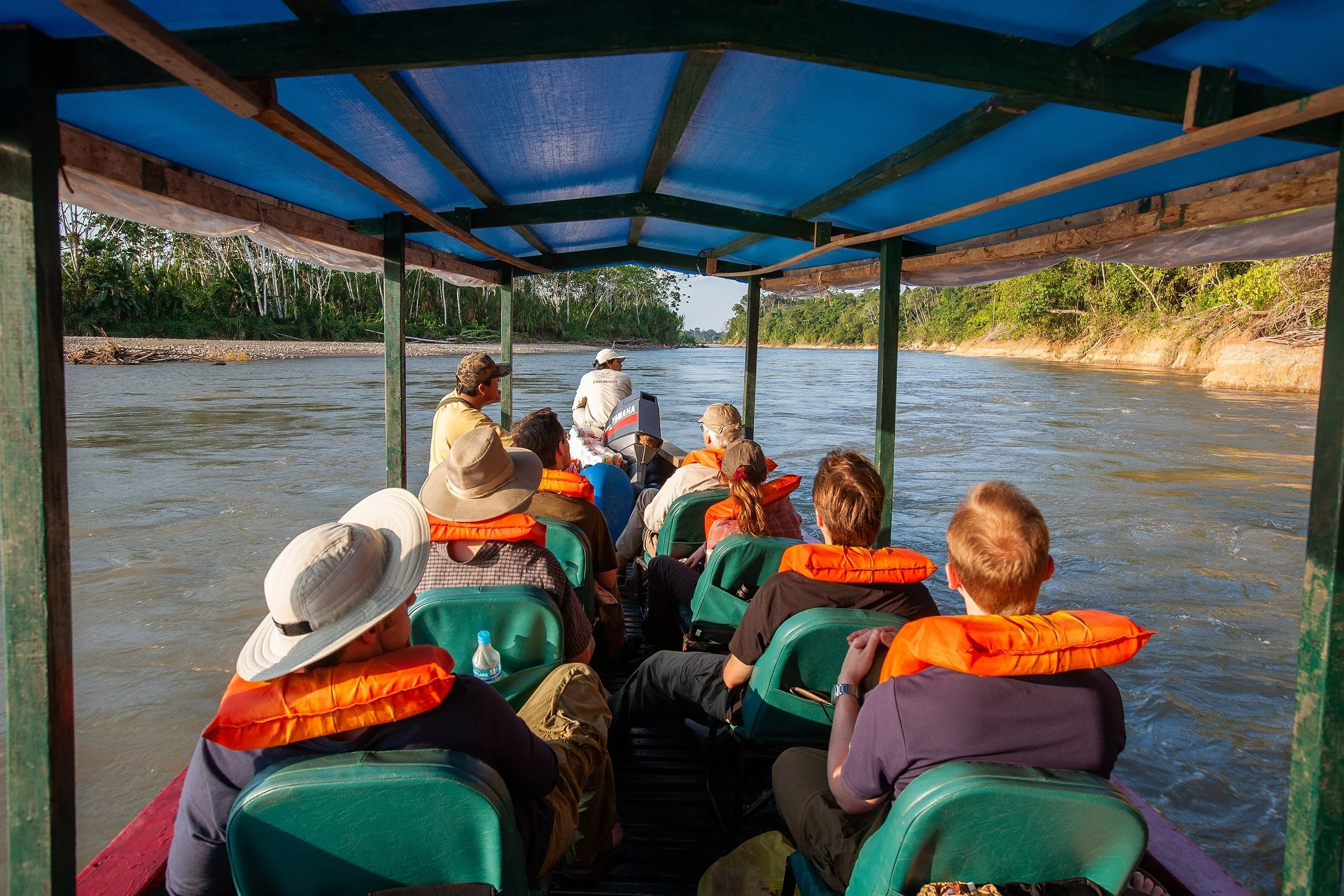
Cruising along the majestic Amazon river is one of the most famous things to do in Tambopata. On the journey, you can see the colorful birds that live in the riverbank trees, as well as the rich wildlife that lives in and around the rivers and shores, including giant otters, capybaras, pink dolphins, and black caiman, one of the largest species in the region.
Exploring these nooks offers a peaceful, educational, and profoundly natural experience, and these river cruises also provide breathtaking views of the "cochas," which are U-shaped lakes that serve as autonomous homes for many species. For these reasons, many travelers dream of visiting the Amazon.
The only way to access its dense forests and marshes is by boat on the riverways. It is truly an amazing place to visit and see wildlife that you will not come across anywhere else.
Threats
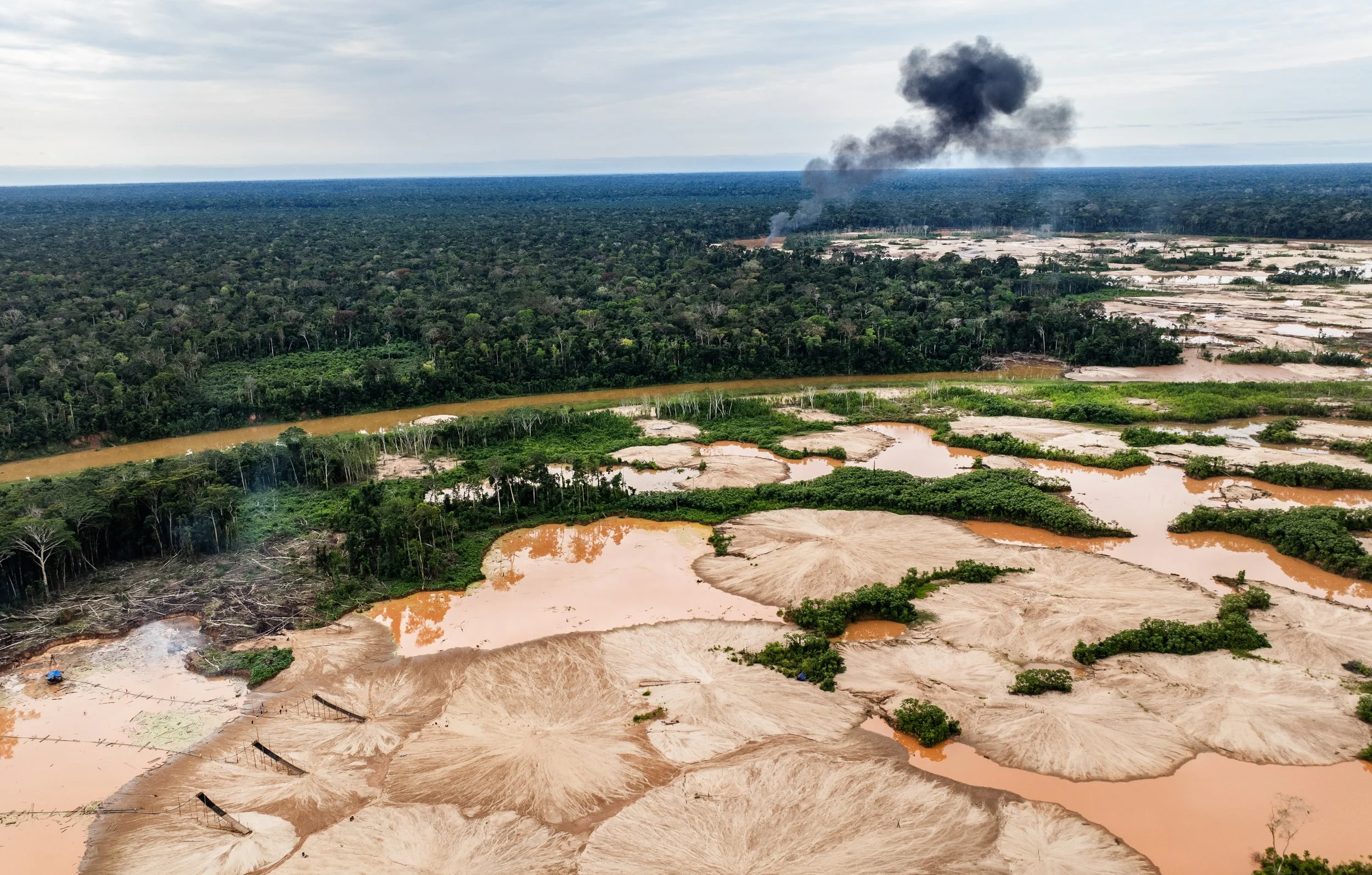
Dead and poisoned land created by gold mining.
Deforestation in the southern Peruvian Amazon has been largely caused by gold mining for decades. In the mid-2010s, mining-related deforestation reached crisis levels, with a focus on Tambopata National Reserve and its buffer zone. As a result, in February 2019, the government launched the massive "Operation Mercury" and in 2021, the "Restoration Plan" was implemented.
Illegal gold mining within Tambopata National Reserve resumed its worrying expansion in the second half of 2025 and early 2026, after a period of reduced mining activity owing to Operation Mercury and the Restoration Plan.


The northern portion of the Reserve, which is bordered by the Malinowski River, had a total of 500 hectares of forest cut down between 2025 and 2026 as a result of illicit mining (see Base Map below).
In February 2026, we identified 183 mining constructions (including heavy equipment and excavators) and 67 mining camps in five mining zones within the northern half of Tambopata National Reserve using very high-resolution satellite images (Planet's SkySat, 0.5m).
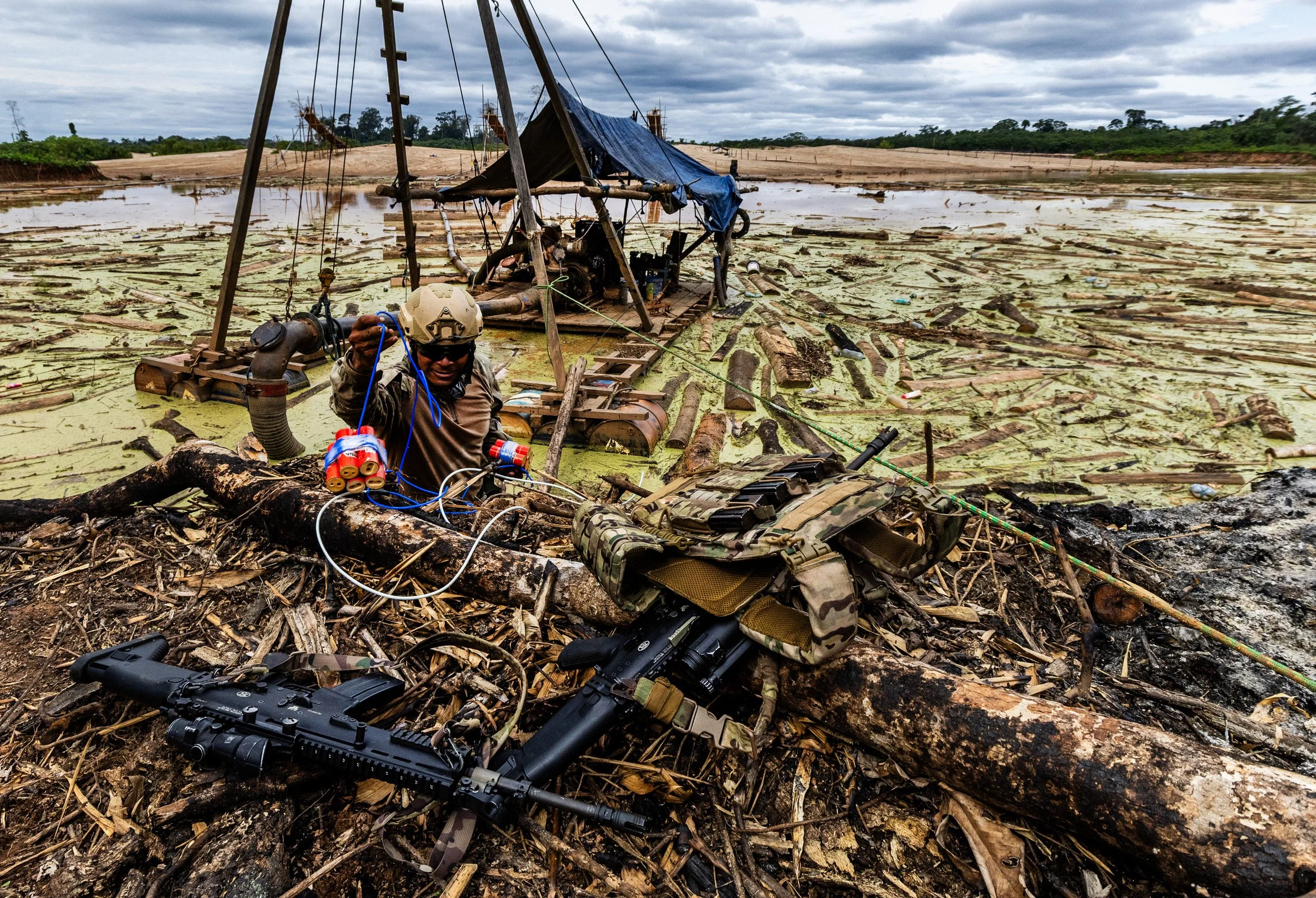
One by one, mining sites and encampments are destroyed. Over 90 in total were dismantled.
We estimate that around 1,000 individuals are now engaged in illicit mining within the Reserve, using a conversion factor derived from the machinery and camps discovered in the mining zones (ACCA, 2022).
The Peruvian government has responded to this situation by launching a series of measures in early 2026 (January-March) to combat the further invasion of illegal mining within Tambopata National Reserve. These interventions, carried out in coordination with military and police institutions, have led to the confiscation and destruction of tools, machinery, and encampments utilized in these illegal mining operations (Joint Command of the Armed Forces, 2026).
There are five main points to consider when formulating public policy on the subject of illicit mining in Tambopata National Reserve: the 2026 election, legislative roadblocks and challenges, enforcement activities, and state constraints.
One of Peru’s Special Forces soldiers prepares to deploy to the next mining site after they’ve finished blowing up mining engines and camp sites.
Yearly mining deforestation within Tambopata National Reserve from 2016 to 2025.
This mining activity primarily impacted the Alluvial Floodplain Forest and Non-Floodplain Terrace Forest.
The first of these is Operation Mercury, a multisectoral intervention against illegal mining in critical zones of the Madre de Dios region. It was launched in early 2019 and led to a significant decrease in mining expansion that same year compared to 2016 and 2017, when higher levels of mining expansion were recorded. Operation Mercury also succeeded in reducing mining expansion within the Tambopata National Reserve and its buffer zone.
Furthermore, in 2021, there was a significant reduction in mining-related deforestation as a result of the "Restoration Plan"—a series of military interventions in key illegal mining zones in the southern Peruvian Amazon—which had been implemented the previous year. In 2020, problems with the COVID-19 pandemic caused a decrease in police and military presence in key sectors, including Tambopata National Reserve and its buffer zone (AIDER, 2021; DAR, 2023; Vadillo, 2022). As a result, illegal miners were seen reentering Tambopata, as reported by Romo (2020). However, the expansion of illegal mining activity in the Madre de Dios region, including Tambopata, was successfully countered by the renewed military operations.
In the years 2025–2026, a very alarming expansion of deforestation due to gold mining (500 hectares) was recorded, which exceeded the figures documented in the crucial years leading up to Operation Mercury in 2016 and 2017. This abrupt increase was probably caused by the exponential rise in the global price of gold, so it is likely that the sustained rise in gold prices has influenced the expansion of illegal mining in recent years by increasing the expected profitability from trading recovered ore.
Global Conservation Leading Anti-mining Efforts in 2026
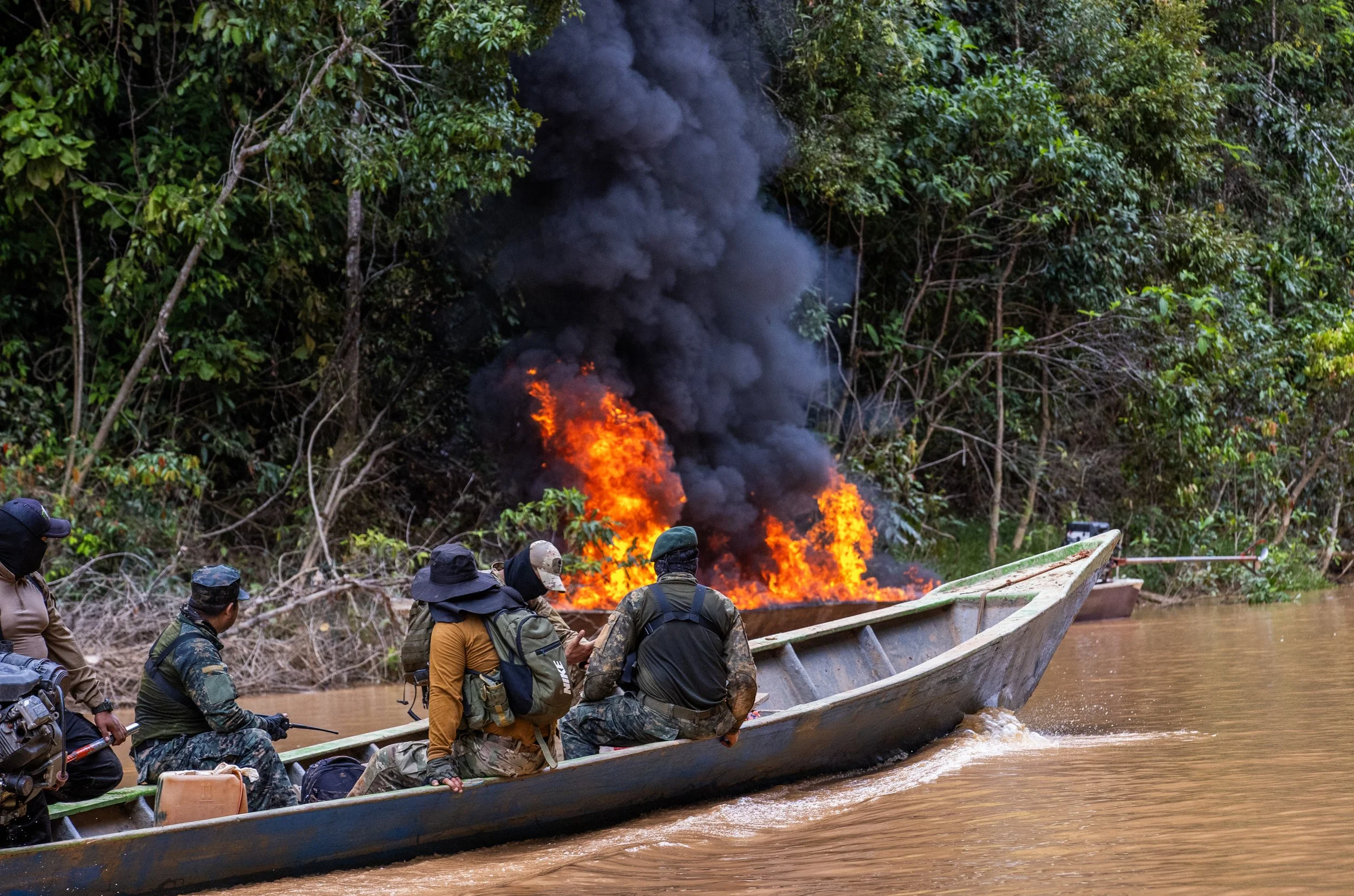
Peru’s forces move onto the next mining engine site after clearing this area.
Global Conservation is working under a newly signed cooperation agreement with Peru’s Public Ministry’s Specialized Environmental Prosecutors Office to undertake a dangerous, multi-phase national park enforcement mission to remove illegal miners and organized crime syndicates destroying one of Peru’s most important and largest national parks (1,061 square miles)—Tambopata National Park in the Amazon.
Mining has now spread across nine regions of the Peruvian Amazon and has been documented in 225 rivers and streams. While the mines themselves trample landscapes, the mercury used in the process is poisoning communities.
Operation Mercury 2 combines detailed satellite surveillance by Global Conservation, aerial reconnaissance conducted with the Peruvian Air Force, and major law enforcement operations over the next year focused on removal of illegal gold mining camps and equipment from Tambopata National Park, near Puerto Maldonado in Madre de Dios province.
Skyrocketing gold prices are driving tens of thousands of illegal miners to destroy thousands of square miles of the Amazon every year. Illegal gold mining has surpassed cocaine trafficking as Peru's most profitable illicit industry controlled by a network of transnational drug cartels, domestic gangs, and heavily armed syndicates.
Global Conservation has been working with Peruvian authorities and Indigenous communities to strengthen protection of the country’s endangered national parks facing illegal mining, land clearing for coca cultivation, wildlife poaching, and illegal logging. GC has formal partnerships with Peru's National Parks Authority (SERNANP), the Justice Ministry’s Specialized Environmental Prosecutors Office and the Peruvian Air Force for aerial surveillance.
Global Conservation’s mission in the Amazon is to convert real-time satellite monitoring into actionable enforcement efforts to protect national parks before large-scale destruction and strengthen long-term enforcement capacities to protect Peru’s globally significant tropical forests, rivers, and wildlife from organized environmental crime.
GC is working to bring the same level of multi-agency enforcement to nature protection in endangered national parks and indigenous territories of Peru, Ecuador, Bolivia, and Colombia.
A Better Future
Tourists enjoy walking sky bridges and passing by monkeys in the Reserve.
Tambopata National Park has over 40,000 visitors a year, bringing in $20-30 million in tourism revenues for local communities, many of which are indigenous. Tourism to Peru’s national parks today generates over $5 billion a year, including more than $1.2 billion in nature tourism to these spectacular parks. While gold mining is 2% of GDP, tourism is 8% of Peru’s economy and employs 1.2 million Peruvians.
Global Conservation is proposing a long-term solution for balanced economic development in the Madre de Dios province of Peru. Instead of destroying Tambopata National Park and its surrounding forests for one-time gold mining, Global Conservation and the Government of Peru must protect the last remaining intact tropical forests and wildlife habitats of Tambopata for future generations and long-term tourism revenues.