Ruaha National Park, Tanzania
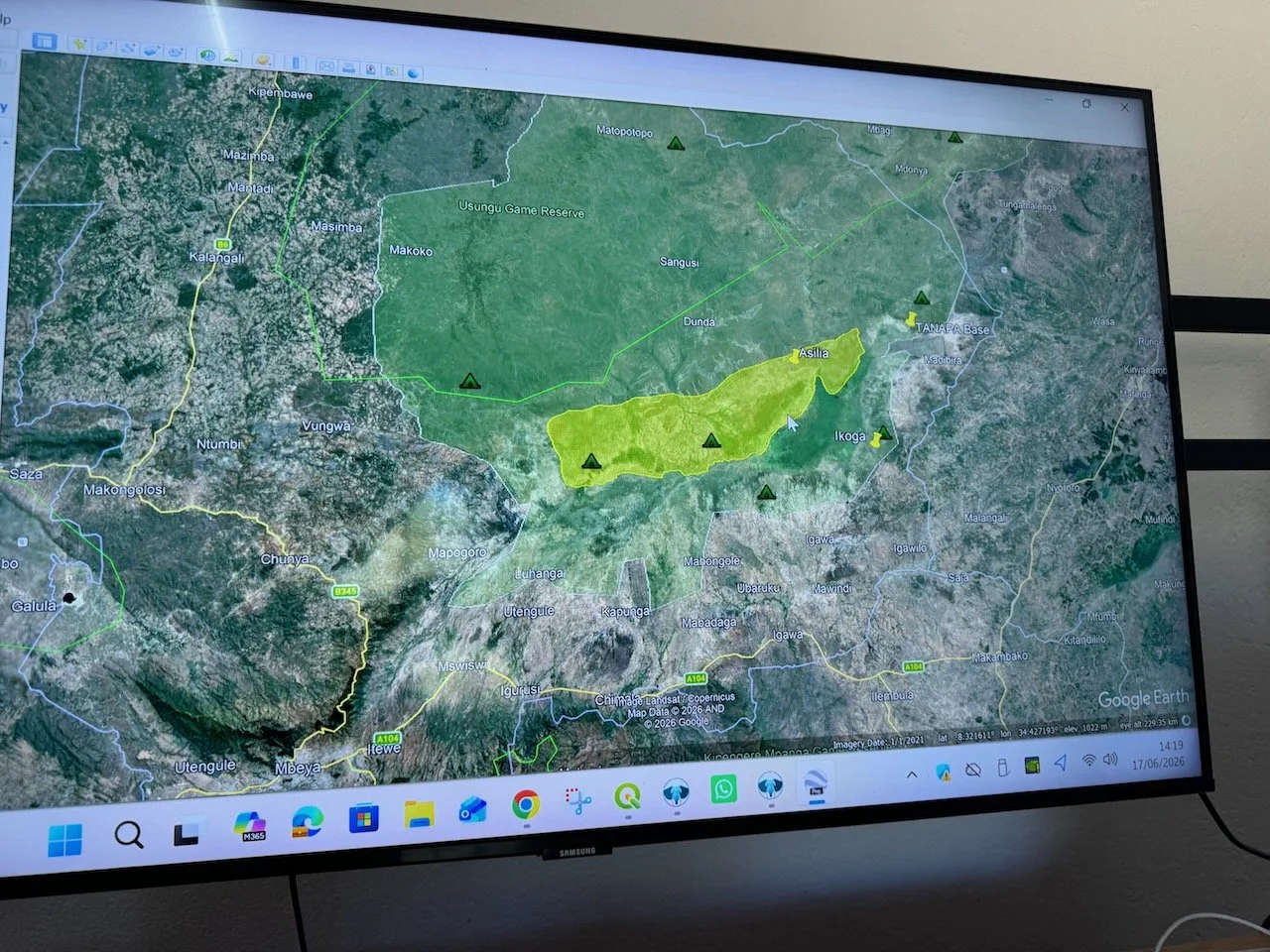
Global Conservation uses EarthRanger technology to monitor the park, where rangers can instantly respond to invaders; now implemented in Ruaha NP.
Background
Ruaha National Park is a national park located in Tanzania. In 2008, the Usangu Game Reserve and other important wetlands were added to the park, increasing its size to about 20,226 km² (7,809 sq mi). The park is about 130 km (81 mi) west of Iringa. The park is a part of the 45,000 km² (17,000 sq mi) Rungwa-Kizigo-Muhesi ecosystem [2], which includes the Rungwa Game Reserve, the Kizigo and Muhesi Game Reserves, and the Mbomipa Wildlife Management Area.
Germany gazetted the Saba Game Reserve in 1910. British colonial authorities changed the name to the Rungwa Game Reserve in 1946. In 1964, the southern portion of the reserve was excised and elevated to full park status.
Since 2005, the protected area has been considered a Lion Conservation Unit. Other mammals include the East African cheetah, African leopard, African wild dog, spotted hyena, Masai giraffe, hippopotamus, African buffalo, greater kudu, lesser kudu, roan antelope, and sable antelope.
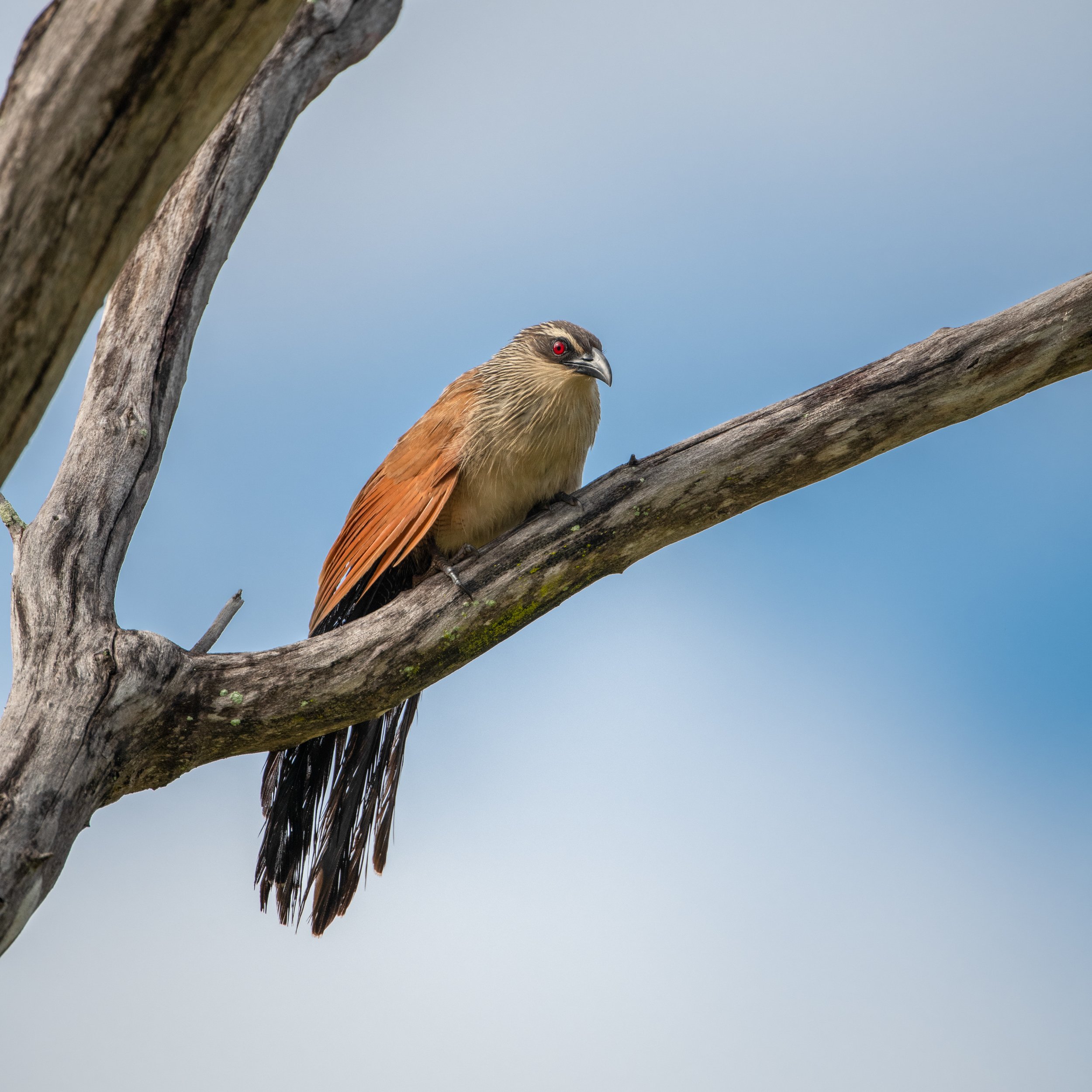
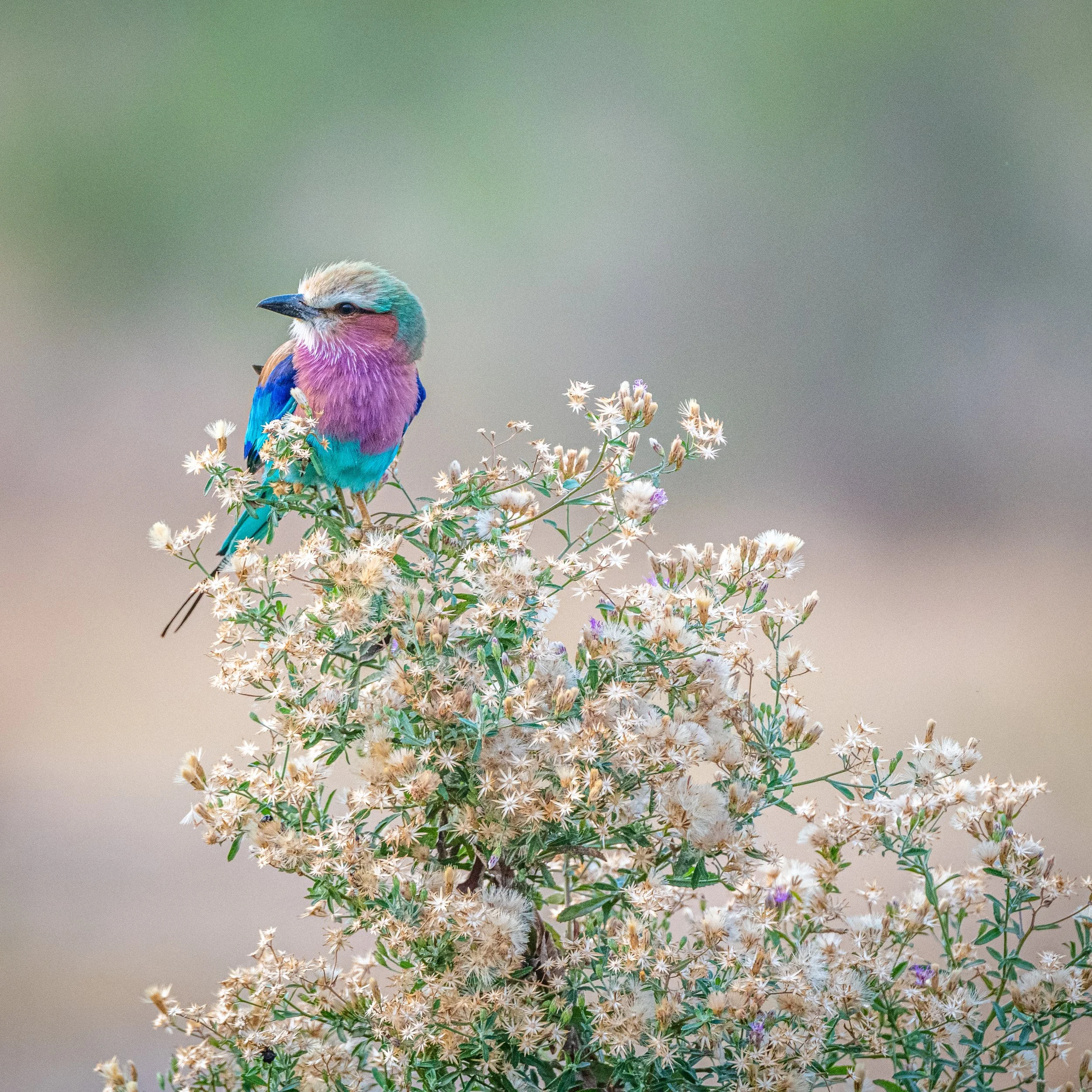
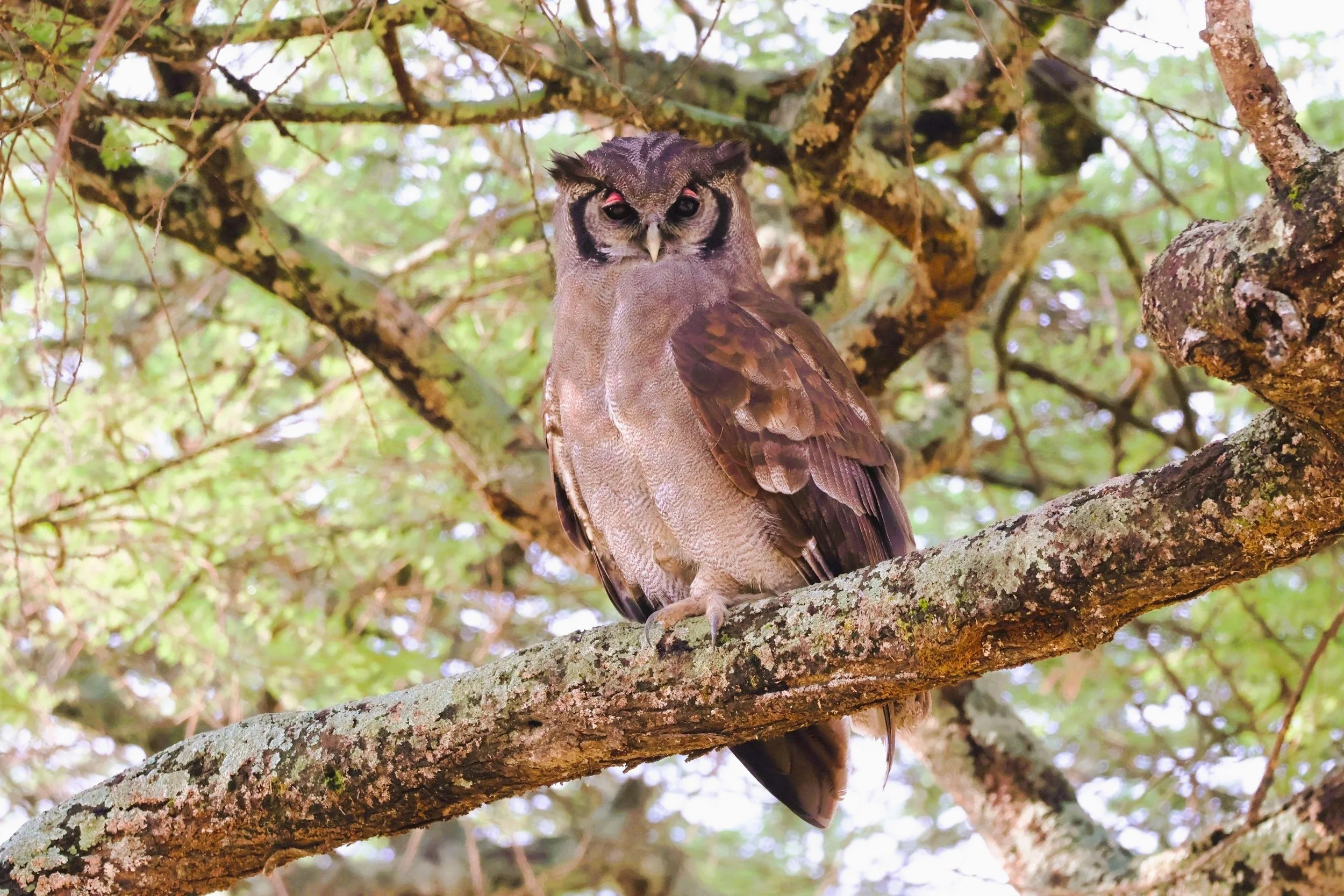
More than 571 species of birds have been identified in the park. Among the resident species are hornbills. Many migratory birds visit the park.
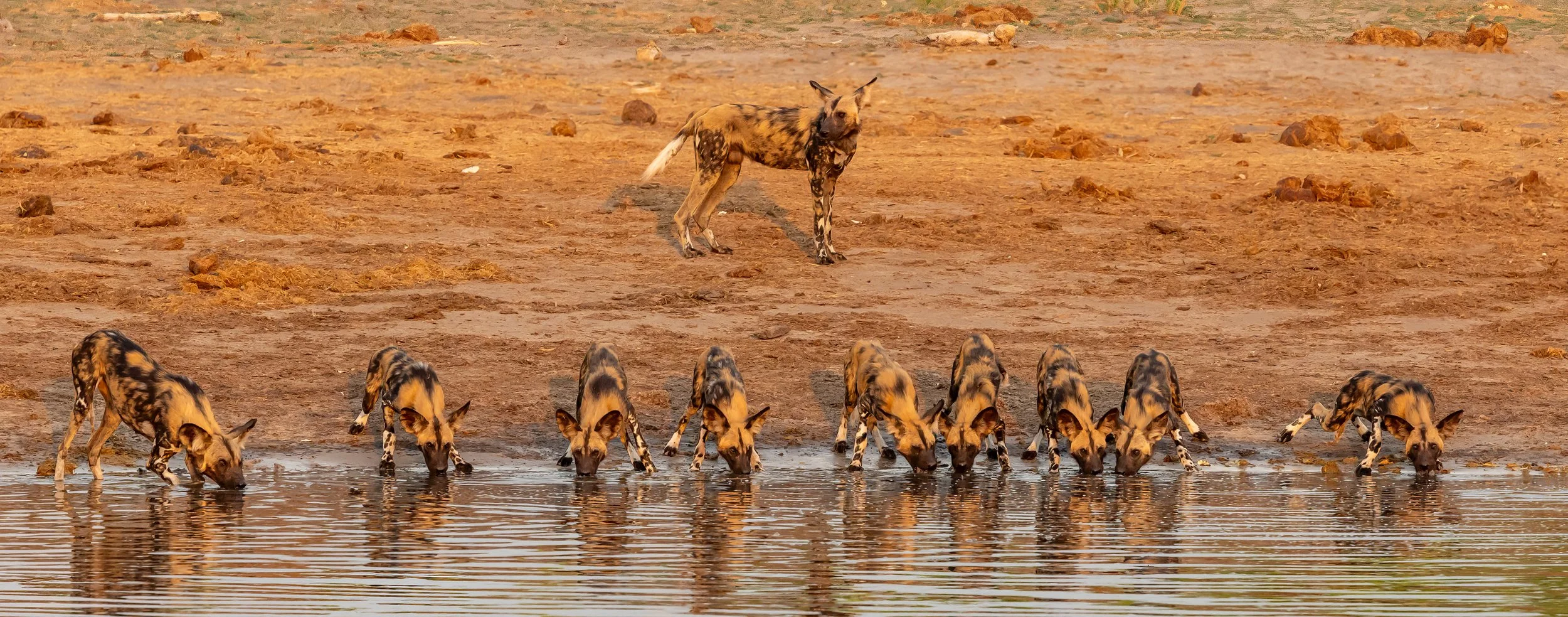
African wild dogs, also known as painted dogs, crowd a watering area in the Usangu wetlands.
Threats to Ruaha National Park
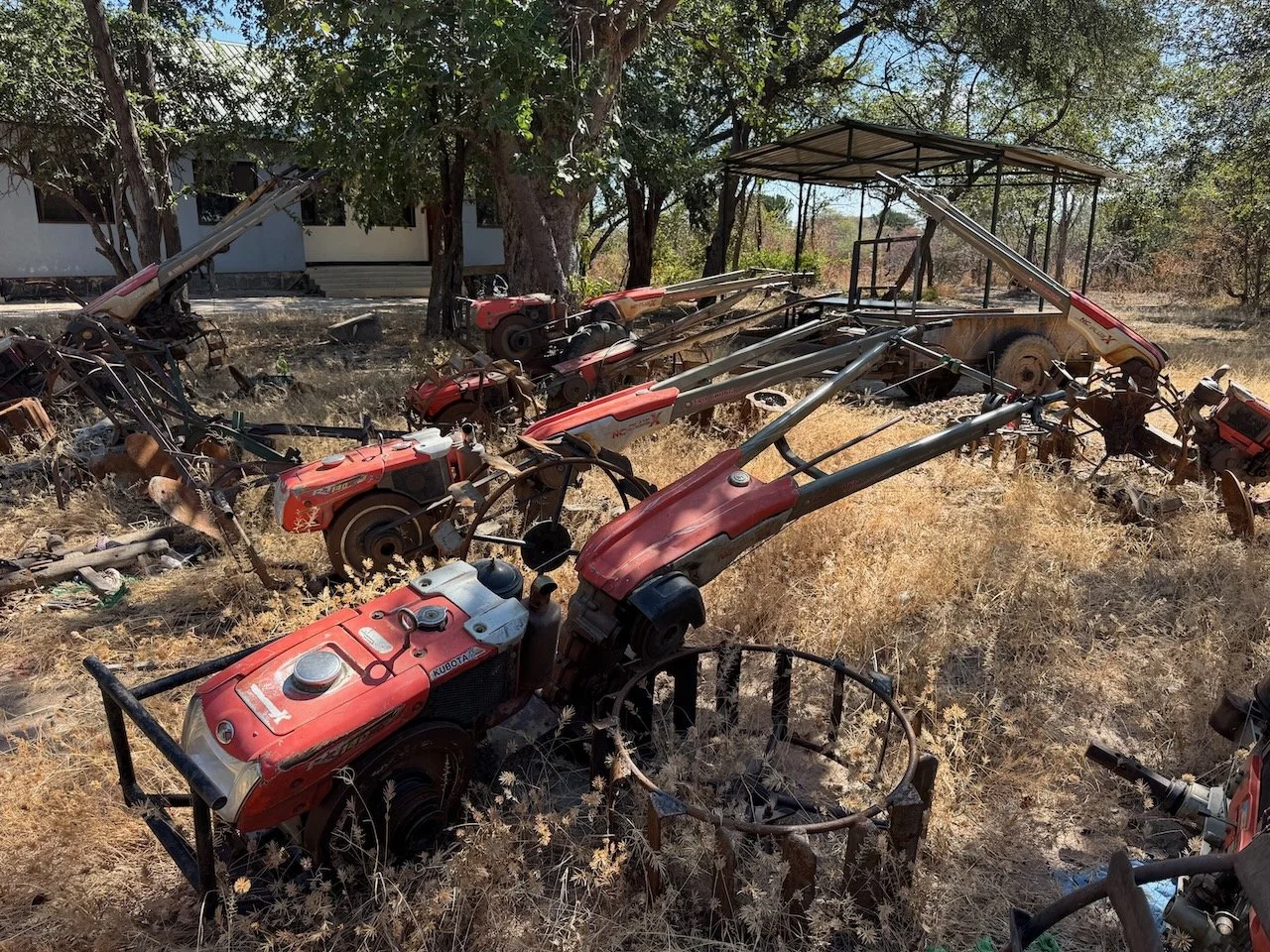
Tractors used for illegal rice cultivation were confiscated by park officers.
Cattle Herding
Illegal Rice Farming
Wildlife Poaching
Lack of Management
No Funding for Equipment, Fuel, or Repairs
No Protection Systems in Use—EarthRanger or SMART
No Working Ranger Communications
Ruaha Usangu Wetlands
The Ruaha Usangu Wetlands are a vital ecological lifeline in southern Tanzania. Covering about 6,000 km², they are the primary source of the Great Ruaha River and serve as a crucial dry-season refuge for vast wildlife, maintaining the environmental balance of the entire Ruaha-Rungwa ecosystem.
The wetlands provide several critical functions that make their protection essential:
Hydrological Lifeblood: At the heart of the wetlands is the Ihefu Swamp, the primary source of the Great Ruaha River. This river is crucial for downstream ecosystems, including Nyerere National Park, and sustains Tanzania’s national power grid by feeding the Mtera Reservoir.
The wetlands are home to a notable variety of plants and animals because they are located in a transition zone between East African acacia and Southern African miombo savannahs. They harbor large populations of roan and sable antelopes, elephants, lions, and African wild dogs.
Sable antelope are as rare as they are majestic. They use their long, curved horns to spear lions in defense.
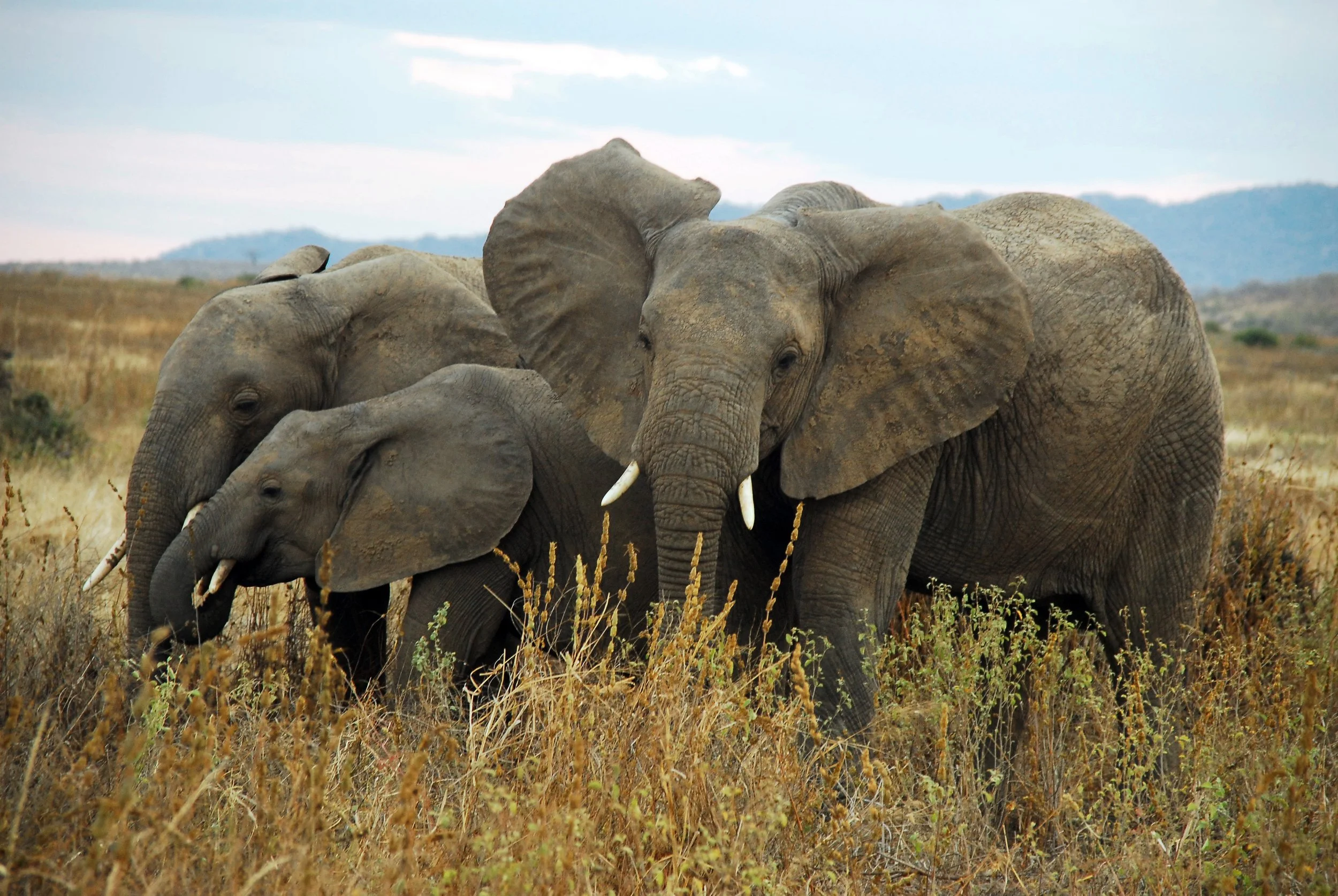
The life-giving wetlands prevalent in Ruaha allow for relatively flourishing herds of elephants, which means anti-poaching protection is all the more important.
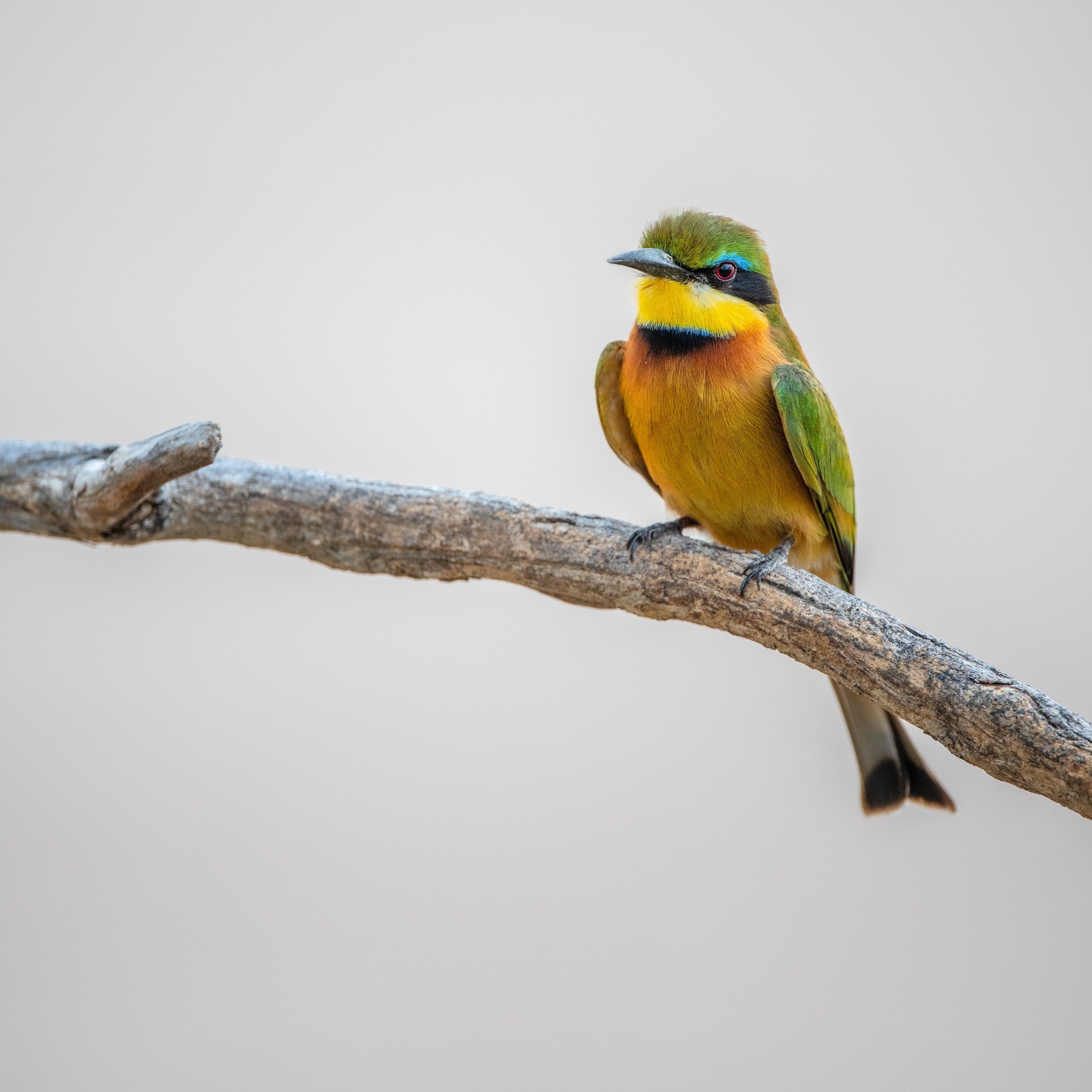
Key Bird Area (IBA): Recognized as an IBA by BirdLife International, the basin hosts thousands of migratory bird species, in addition to rare and endemic species such as the Wattled Crane.
Ecological Buffer: Originally a hunting block, the wetlands were incorporated into Ruaha National Park in 2006. This protection was implemented to mitigate the ecological degradation and water shortages caused by upstream agriculture and livestock grazing, ensuring a sustainable future for the broader region.
An essential feature of the Ruaha-Rungwa ecosystem is the Usangu Wetland. The wetlands are home to an immense biodiversity of species. Herds of roan and sable roam the vast wetland, and wild dogs run free along rivers. Hundreds of ostriches congregate in a manner rarely observed elsewhere in Africa; hundreds of ostriches gather together. In other places in Africa, Thousands of migratory bird species pass through the wetland as well as unidentified amphibians, still waiting to be discovered.
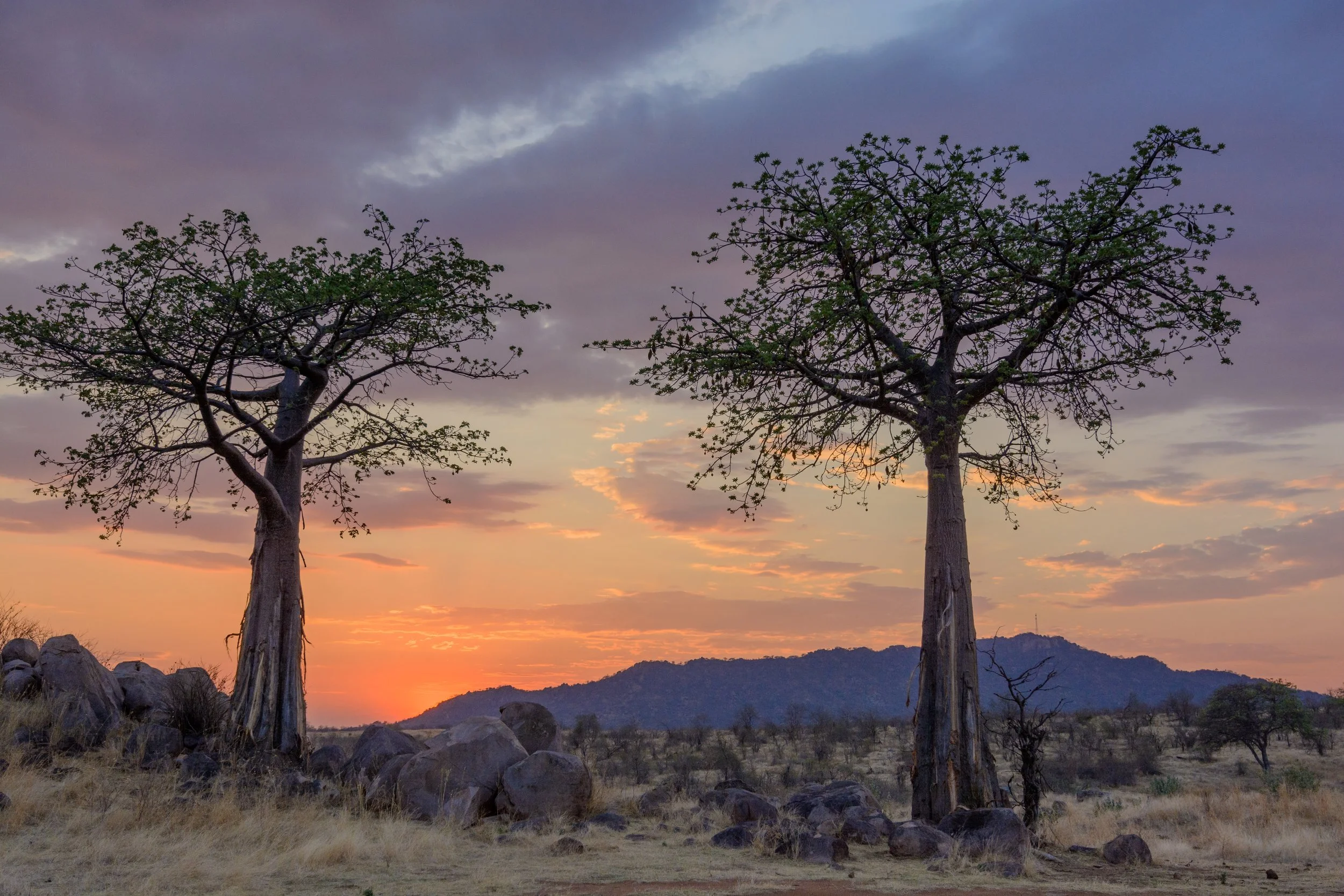
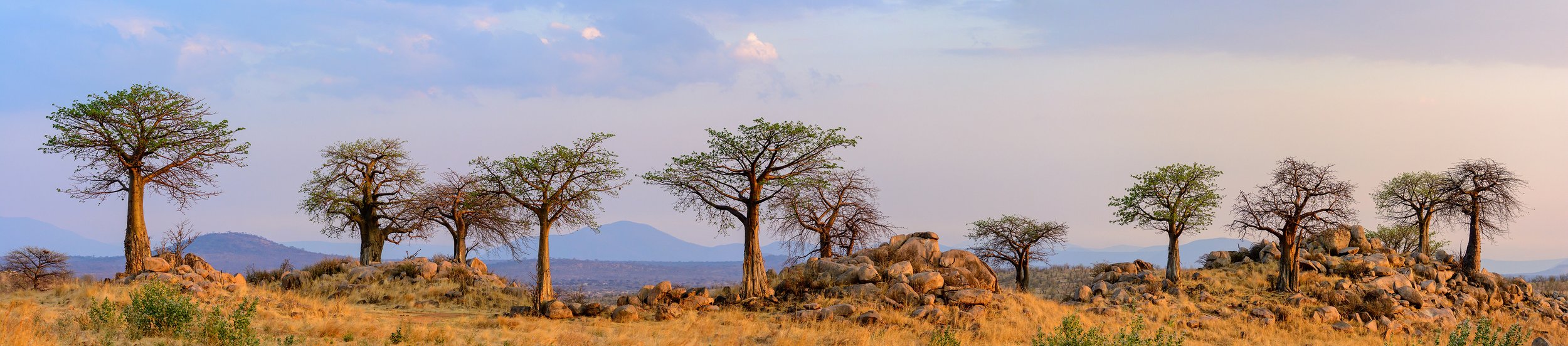
Baobabs, known as the "trees of life," are an iconic feature of Ruaha and are thought to live to 2,500 years old, maybe more—among the oldest living things on earth. Without peers, they are the largest trees in Africa, with trunks of large specimens attaining girths of 30 meters or more.
Its many intricate waterways feed into the Great and Little Ruaha rivers, which, in turn, contribute to the mighty Rufiji River system in the Selous Game Reserve. This one relatively small wetland area channels water that supports thousands of kilometers of southern Tanzania’s wildlife areas.
Human farming activities upstream from the wetlands have caused significant changes in the flow of water into them. Water-intensive rice farming, in particular, has led to the wetlands all but drying up entirely. Without these waters passing through Usangu’s wetlands and on to the thousands of kilometers of wildlife areas downstream, the knock-on effects on greater southern Tanzania’s wildlife are enormous.
The Usangu Wetlands History
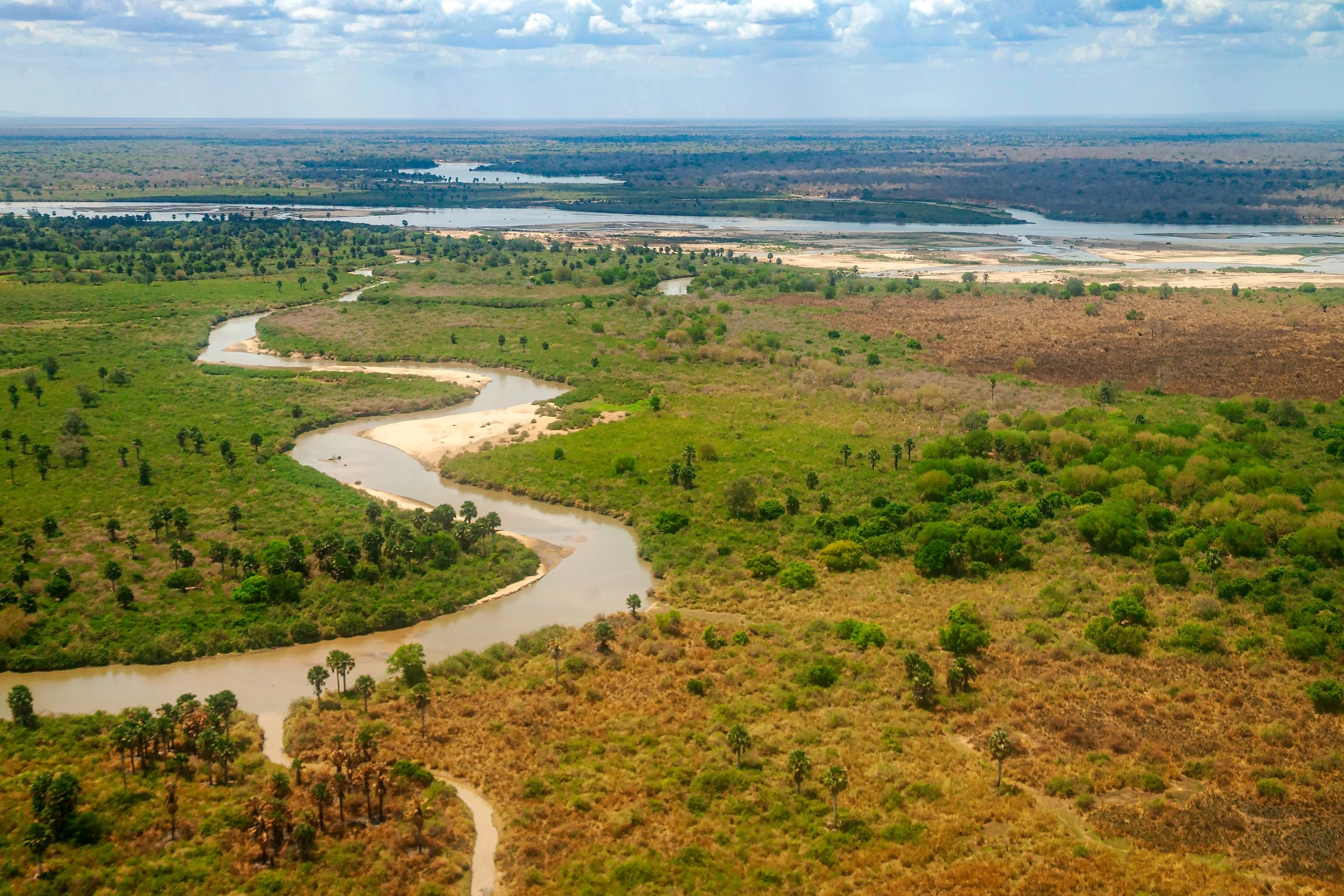
The Greater Ruaha Ecosystem in Tanzania is a vast region, encompassing approximately 50,000 square kilometers, and is home to over 10 percent of Africa’s lions. We’re in the Usangu Wetlands, which are part of the Usangu Game Reserve—a relatively new addition to Ruaha National Park since its inclusion in 2006—an area that was once an ecosystem on the brink of collapse.
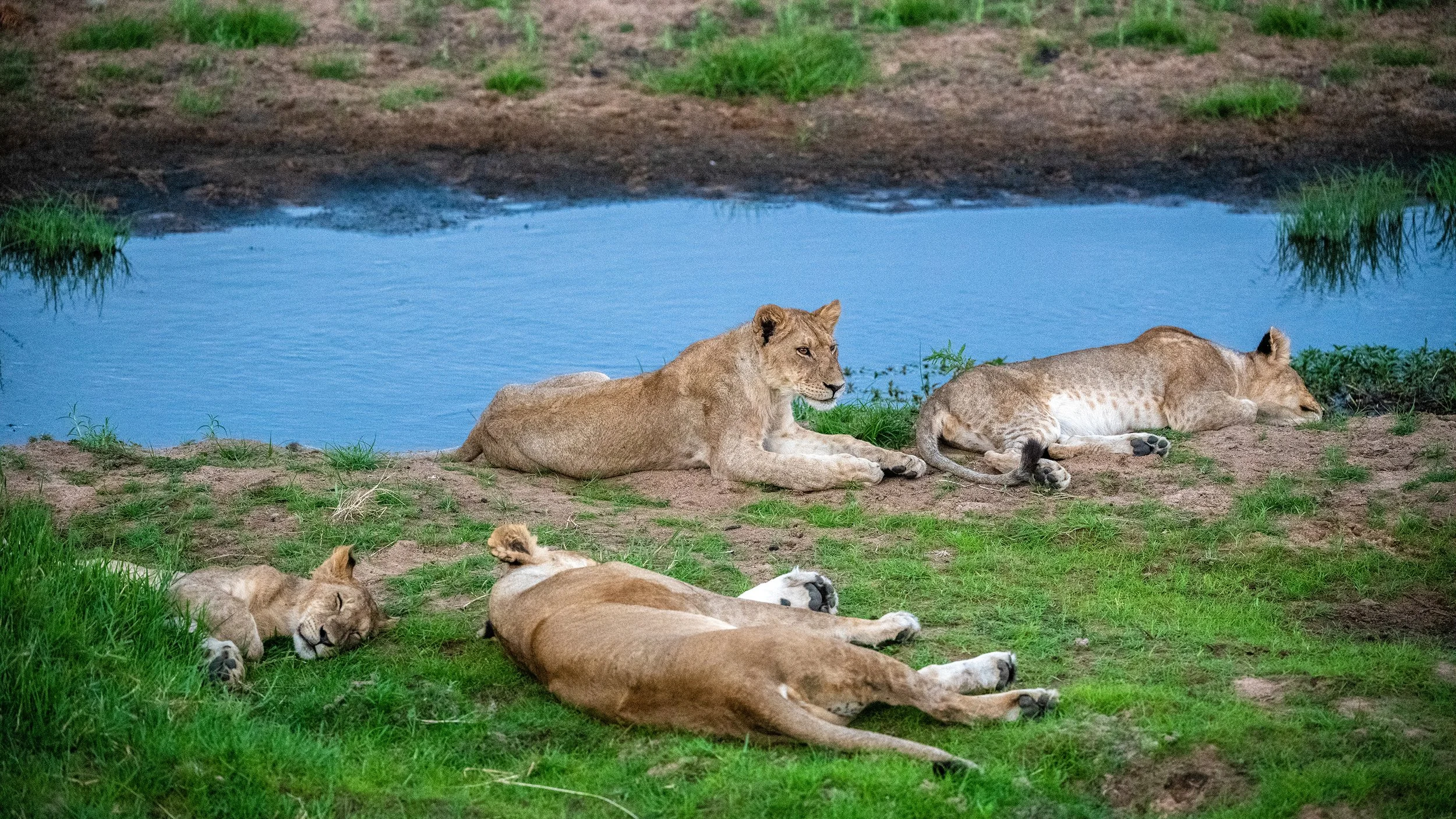
Located in an old and abused hunting block—Usangu Game Reserve—the Usangu Wetlands feed into river systems crucial to the whole country. These remote watery plains, at the heart of which sits the Ihefu Swamp, are the source of the Great Ruaha River. The Great Ruaha River is the lifeblood for huge areas of the country, not least because its two hydroelectric dams generate about 50 percent of Tanzania’s electricity.
In 1993, the Great Ruaha River ran dry for the first time in known history. This catastrophe was caused by human activity within the Usangu Wetlands. Once rich in wildlife, the area was unrecognizable. Rice farms with their thirsty requirements and fed by unmanaged water trenches were drying out the wetlands. This situation was compounded by intense grazing, with cattle tramping the ground and removing grass cover, which in turn increased evaporation of the remaining water. The hydroelectric turbines stopped turning, reducing the electricity available for economic development. To counter the problems, the Tanzanian Government expanded Ruaha National Park to include the 6,000-square-kilometer wetland wilderness.
Confiscated motorcycles from illegal wildlife poachers working in the national park.
The expansion was not without controversy because annexing Usangu meant displacing people. There were 27 villages relocated, and the communities from the 31 further villages along the outskirts of the park became banned from entering the land that was once the resource they lived off.
Livestock grazing, fishing, hunting, farming, and wood gathering were all forbidden under new rules. Understandably, community feelings ran high.
It was a confusing time for the communities, and they struggled to understand the new rules. Living in such a rural environment, without access to electricity or the means to buy alternative fuel sources, cooking was primarily performed over a woodfire. Without access to the park, the communities struggled to gather enough wood for their basic needs; however, they could see wood lying on the ground within the park, which they were not allowed to use. One or two people picking up firewood might not be a problem, but when it’s 600 people, it quickly becomes unsustainable.
To change the narrative, solutions needed to be found, and this included locating alternative energy sources and improving income so the local communities could afford to buy into it. Initially, the communities felt the emphasis was only on the wildlife and that people didn’t matter. While the feelings of some of the older people living in the villages bordering the park are still mixed, the outlook of the younger generation is more open, with many embracing the opportunities that tourism in the park is opening up. The partnership created between Asilia, Tanzania National Parks Authority (TANAPA), and the Tanzania Wildlife Research Institute was the start of the region’s recovery. In 2021 Asilia Africa approached the community looking for people who were keen to train in hospitality and tourism and work at a new camp.
Removing fish traps in the national park rivers is an ongoing effort required on every patrol.
GC Executive Director Jeff Morgan pitches in to help remove the traps.
Many of the staff at Usangu Expedition Camp are from the villages and communities surrounding the park. Their fathers were poachers, collecting honey, trapping wildlife, and fishing within the park, but they can now use the skills and knowledge of the land that their fathers taught them in new roles as guides. After initially facing backlash from their community for accepting work inside the park, they have now become ambassadors for it. The community has observed the income they earn and the improvements to their livelihoods, leading to a greater understanding of the importance of protecting the land to enhance tourism generation, which will further benefit the community. It is only when conservation is supported by the community that it can truly thrive.
With the support of the community and in conjunction with the efforts of TANAPA, Usangu has returned to being a year-round seasonal wetland ecosystem, feeding the Great Ruaha River, which in turn becomes the main tributary to the Rufiji River, delivering hydroelectric power to the country and providing a source of water depended on by communities and wildlife alike.
Wildlife is now thriving in the Usangu Wetlands, no longer competing for grazing against cattle or under threat from bushmeat poaching.
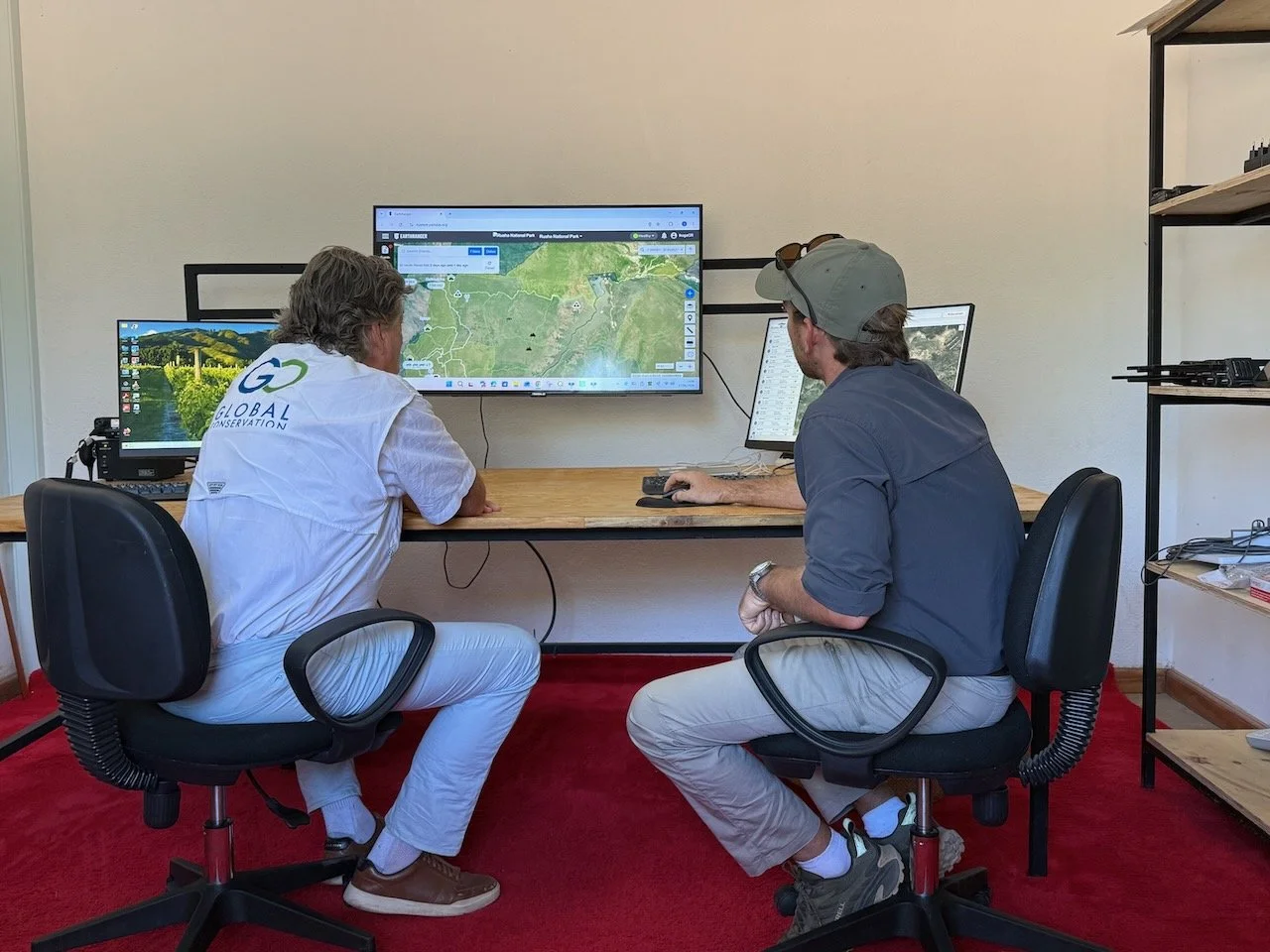
Jeff Morgan, Executive Director of Global Conservation, with Thomas Barnes Ruaha Protection Manager of Six Rivers Africa, working on finalizing the EarthRanger program that tracks illegal activities.
Focus on the Program
Ruaha Usunga Wetlands Habitat Protection and Restoration
GC Support for Six Rivers - Project Overview
This project aims to deploy Global Park Defense and Community Protection in Ruaha National Park’s Usangu Wetlands and surrounding areas, covering approximately 200,000 hectares in the Southwest of the park.
One key component is restricting illegal livestock grazing within the protected area without damaging local livelihoods and thereby strengthening the integrity of the Usangu Wetlands.
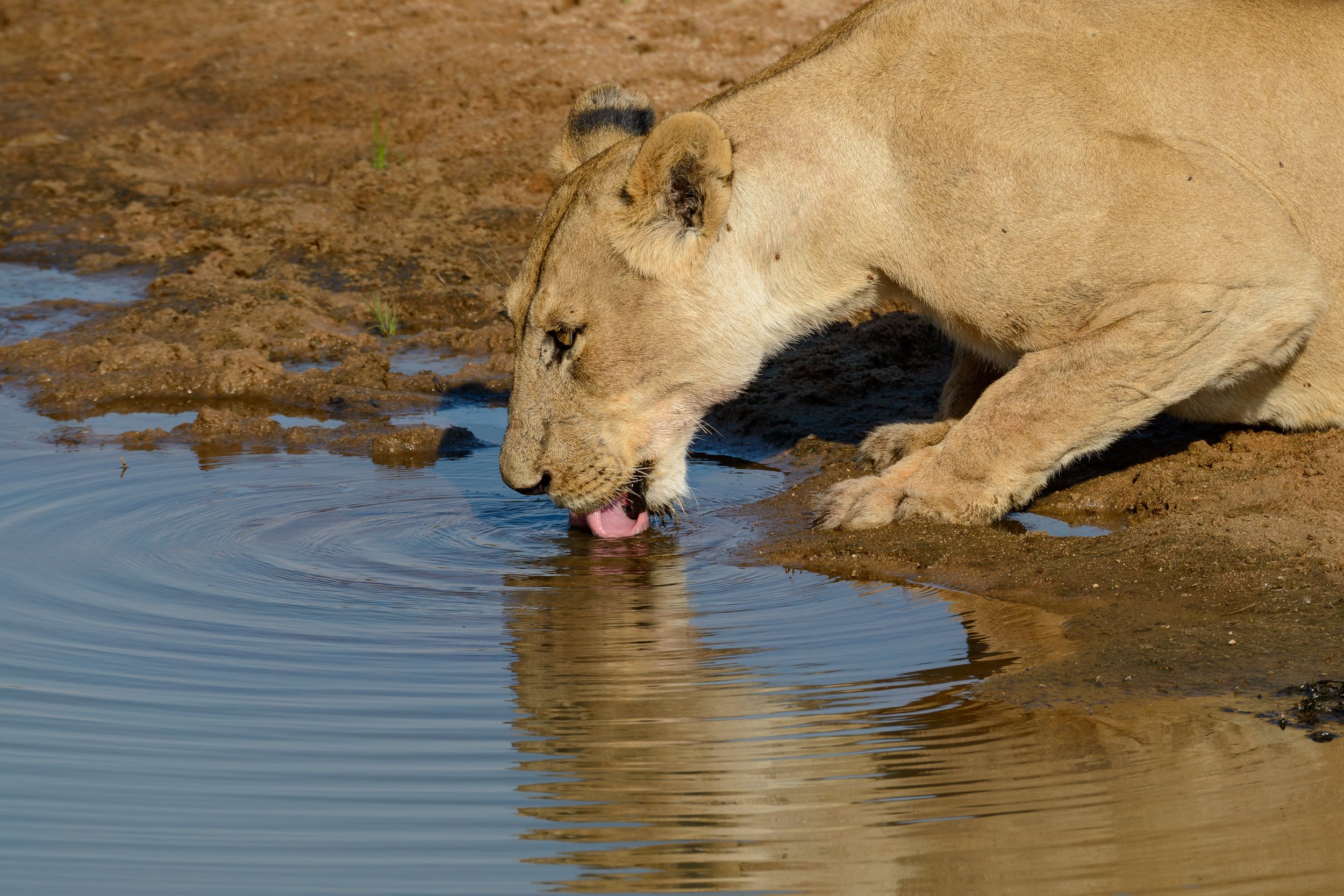
This GC Project ultimately affects all species but with a key focus being on lions, which are hugely impacted by the illegal herders, armed with spears, who do not tolerate any threat to their livestock.
SRA sponsored the collaring of five lions by TAWIRI (Tanzania Wildlife Research Institute) during June and July 2025. Three of these collars are still working (one male and two female), and the SRA research manager keeps a record of their movements. As well, two elephants have been collared and tracked in EarthRanger.
From a wildlife protection and general conservation perspective, Six Rivers Africa works in the southern section of Ruaha National Park in what is referred to as the Usangu Wetlands. Efforts are concentrated around the Ihefu wetland, as this area is under the most pressure from Illegal activities. While SRA has a mandate to work across the entire national park, this area has been prioritized due to a combination of financial restraints, environmental importance, and the greatest threat—primarily illegal encroachment of cattle and associated illegal activities, which greatly degrades the wetland, resulting in reduced water flow in the Ruaha River. The large cattle herds and human presence also greatly reduce available habitat for ungulate herds such as topi and buffalo.
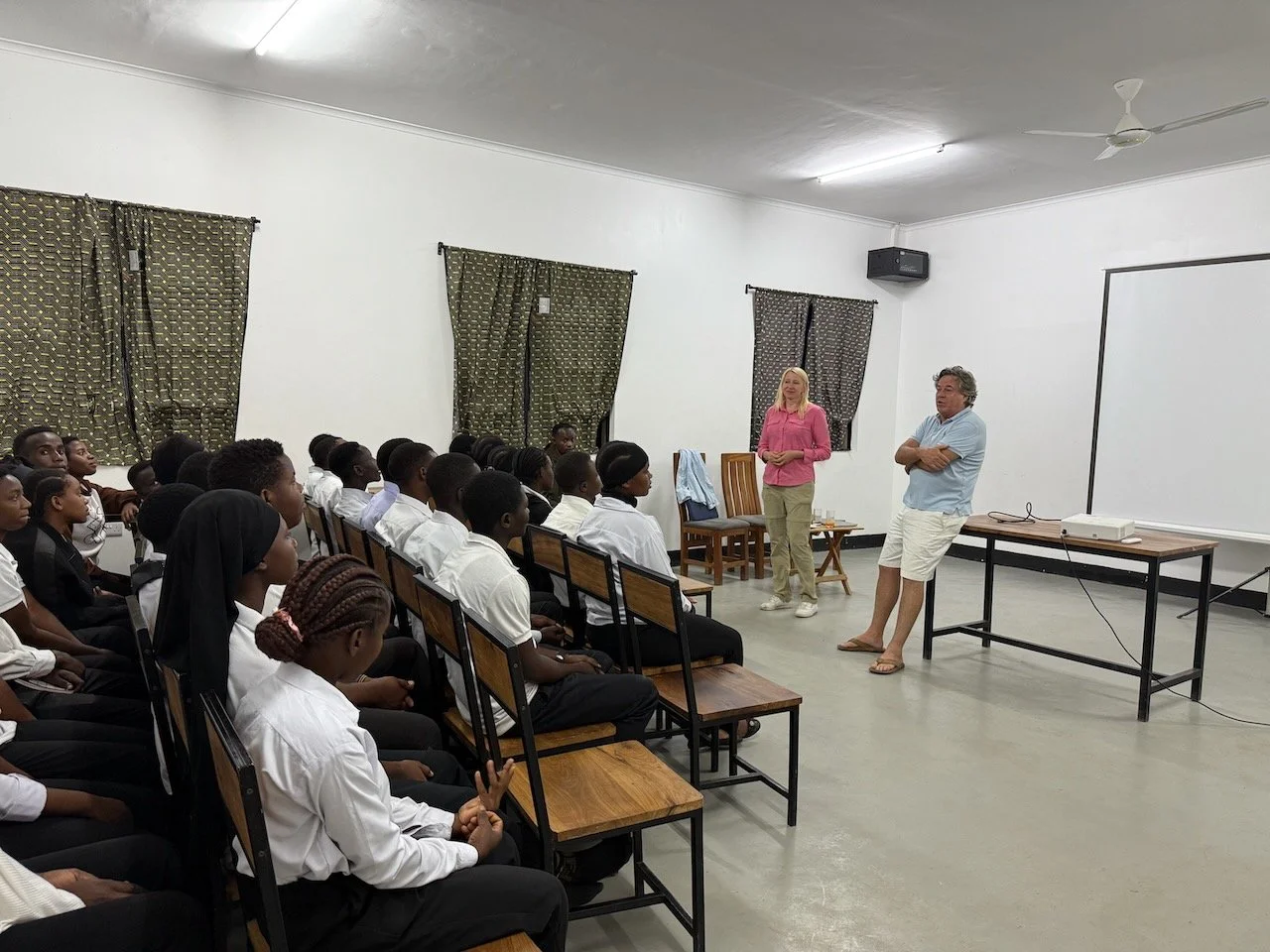
Training in economics and tourism development by Dr. Olena Slobodian and Jeff Morgan of Global Conservation.
Recent years have focused on building the SRA base at Ikoga and activating aerial patrols with TANAPA to remove illegal livestock and enhance wildlife habitat while reducing poaching. This challenge, however, remains significant, resulting in the initiation of this project.
This grant will support the Tanzanian government in implementing their registration of all cattle in and around the Usangu catchment, Ruaha National Park. Barcoded ear tags will be deployed on each cow, with ownership and origin identified and linked to the tags. This will help control the long-distance free movement of cattle onto the Ihefu wetland, a key wildlife habitat. True ownership and origin will allow for the strict removal of livestock from the park by rangers, with livestock likely leaving the area as community grazing is insufficient.
Six Cattle Sensitization Teams (CSTs) will be established, employed from local communities and trained to engage and educate the owners/herders on environmental protection. The unarmed CSTs, operating on motorbikes, will work closely with the tagging and registration teams. The Six Rivers Africa control room and aviation wing will further support this joint initiative to reduce illegal grazing in the park, thereby restoring the ecological integrity of the area.
Observations
Six Rivers Africa is a newly formed NGO working in two national parks in Tanzania. They have a solid Central Base in Ruaha South on the Usunga Wetlands with helicopters and light aircraft for monitoring. 5 Managers, 10 staff, and 12 Village Wildlife Scouts.
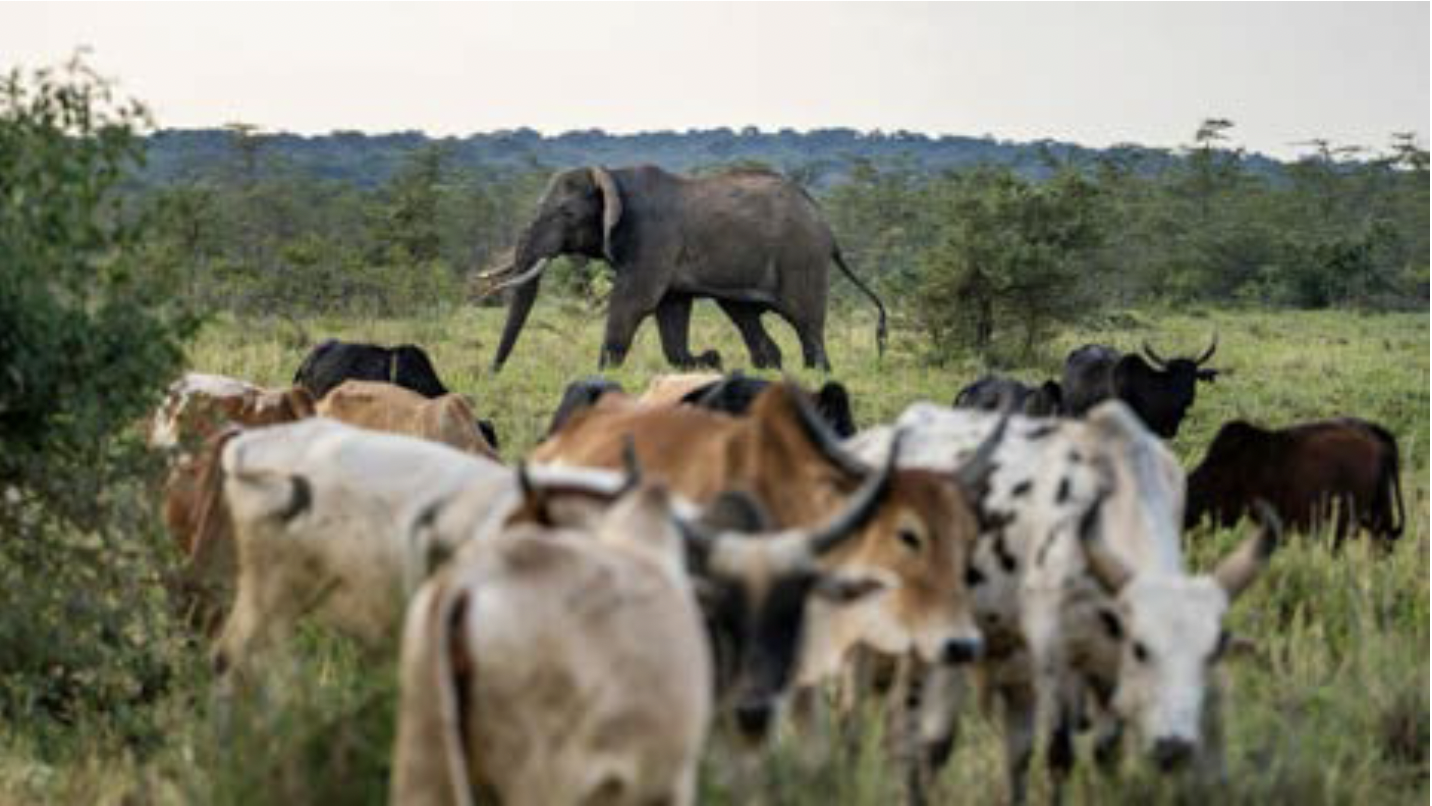
Cattle are destroying the national park and herders threaten and kill wildlife as well as create potential for disease in wildlife.
The GC Project is focused on the Usunga Wetlands, which is one of the most important Wildlife Habitats in Tanzania, if not all of Africa. Currently, the Usunga Wetlands are severely impacted by livestock grazing (20,000 to 50,000 head of cattle per year) and rice farming on an adjacent 100,000 hectares within the national park.
Cattle herders grazing thousands of livestock within the Ruaha National Park cause massive watershed damage to the Usanga Wetlands and surrounding areas, as well as risk wildlife contracting diseases.
Without government support to remove 100,000 hectares of rice farmers and villages from the Usangu Wetlands, this program will not be very effective. Illegal Cattle must be confiscated, not fined, to have a measurable impact, causing real economic loss to illegal grazers in the national park. Cattle tagging is ok but needs a Real Penalty after 2-3 violations.
Ruaha National Park in Tanzania was expanded in 2008 with the Usangu Game Reserve to the Usunga Wetlands, which were added to the park, increasing its size to about 2 Million Hectares - 20,226 km2 (7,809 sq mi).
Fighting Cattle Invasions
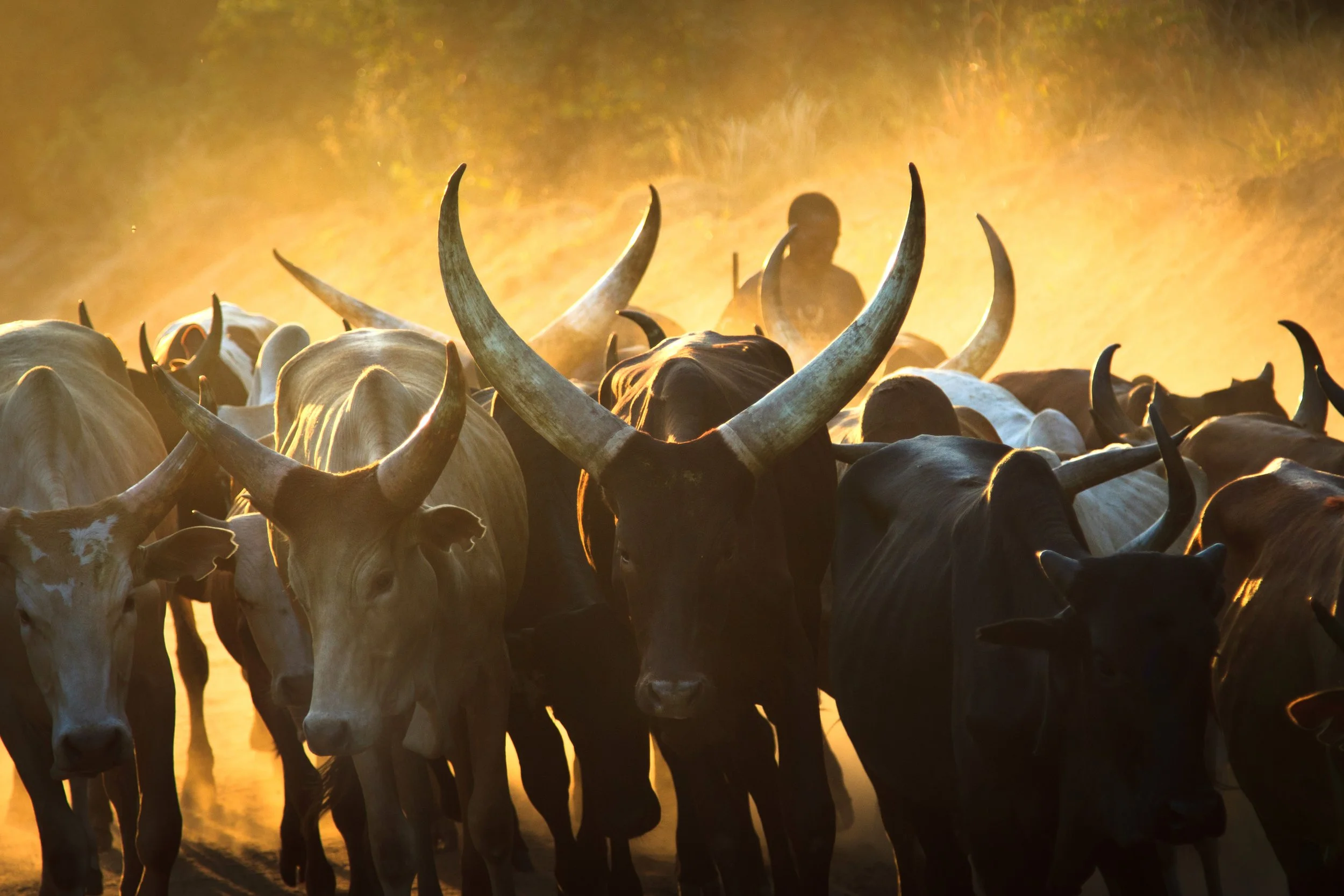
The inundation of the source of the Ruaha River on the Ihefu wetland by thousands of cattle is an enormous issue. The health of this river system is of national importance for water provision, power generation, agriculture, and wildlife areas. The severe overgrazing and trampling by tens of thousands of cattle greatly damaged the wetland and its water-holding capacity. (The Great Ruaha River stopped flowing in the dry season for several years, a key reason for the government decision to incorporate the Usangu Game Reserve into the Ruaha National Park in 2006 to better protect this vital water source.)
Illegal fishing, grazing, and bushmeat poaching are a huge threat to wildlife in the area, including the lions. A better understanding of livestock ownership, origin, and numbers, together with sensitization amongst the owners and herders, should result in greatly reduced livestock numbers in the wetland, which will in turn assist in boosting the lion population by removing the threat (herders armed with spears protecting their livestock) and by expanding the habitat available to all wildlife, including prey species of lions.
Goals
Stop the grazing of cattle within the National Park, focused on the Usanga Wetlands.
Protect wildlife against illegal poaching and hunting in the Usanga Wetland and greater Ruaha National Park.
Develop a prosperous tourism economy for local communities to move from exploitation to conservation.
Currently there are ~40,000 cattle within a few square kilometers inside the park adjacent to the southern boundary. This number has remained high during much of the two years SRA has been working in the area, despite active law enforcement by TANAPA, supported by SRA. The pressure has been a long-standing issue for the Tanzanian authorities due to the abundance of year-round green grass in the wetland. The continual trampling by so many animals in a concentrated area affects the effectiveness of this huge "sponge." The continual human presence reduces habitat availability for wildlife and the associated offtake by herders (snaring of birds and mammals, net fishing, fires, etc.) all have a negative impact on this highly sensitive environment. The situation affects all species, but lions are of course at huge risk due to their perceived threat to livestock. A reduction in illegal grazing will have a very positive impact on all wildlife, including lions.
The project has three main angles of intervention
Cattle sensitization teams. The initial 6 x 2-man teams will engage, educate, and guide cattle herders away from the protected area. They are a community-led function that will reduce conflict and aim to prevent escalation. These teams alone will, however, not solve the problem.
Support the implementation of the Tanzania Livestock Master Plan. This is a government-initiated program that aims to ear tag all cattle with a special barcoded tag. The Mbarali area adjacent to the Usangu catchment has been identified by the government as a pilot project for conducting comprehensive tagging of all cattle and establishing baseline ownership to differentiate between local and incoming livestock and determine numbers. Ear tags and application equipment will be procured as needed to ensure the smooth running of this crucial government initiative in the target area, with support provided as needed to the MLF team undertaking this huge operation.
Confiscation and impounding of cattle. This process is an accepted practice that is already conducted in the protected area. The challenge is that currently a fine is paid for the release of the herd, but the cattle are soon returning to the park. Key to the success, therefore, is support with ear tagging (and linked establishment of ownership and origin) in the area, which will greatly improve the ability of TANAPA to act more harshly with repeat offenders or untagged livestock being impounded. (A well-publicized and legitimate escalation protocol will be enforced by the authorities, which will severely punish repeat offenders, making it financially unsustainable to risk taking cattle into the protected area). The aircraft will continue providing aerial support to locate any transgressors, and collapsible, helicopter-transportable holding pens, or bomas, will be fabricated for impounding confiscated cattle.
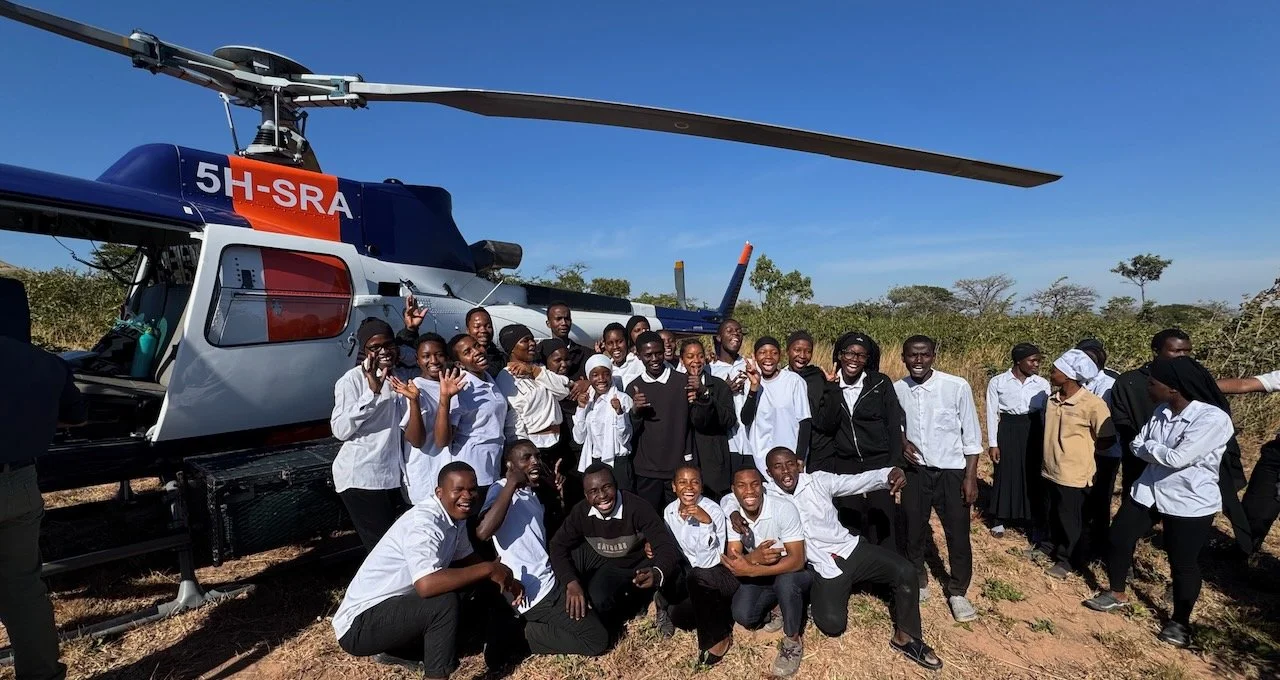
Ruaha Tourism Academy students will be the future leaders in tourism in and around the national park.
This new approach, therefore, combines the strategy of engagement and education by CST community members with cattle ear tagging for the verification of ownership and origin—all working towards sustainably keeping cattle out of the protected area and, importantly, off the Ihefu wetland. A crucial component will be the committed removal of external herds from the area by the MLF. Illegal grazing in protected areas poses a significant problem across Tanzania because community pastures are insufficient to support the large number of cattle in the country, which often travel long distances in search of better grazing. If this joint project is successful, it will likely be rolled out elsewhere.
As noted, this project represents a new initiative in Tanzania. In light of this, if it’s managed properly and adequately funded, the initiative should help towards tackling the threat. Therefore, determining ownership and origin and tagging all cattle herds will be crucial to success; therefore, collaboration with and support of the project's associated partner, the Ministry of Livestock and Fisheries, will be key to the success as they roll out their ear-tagging initiative countrywide.
The dynamics of ownership or origin of the cattle herds in Usangu are not yet well known. Although the herders are mainly from the largest ethnic group in Tanzania, who are predominantly pastoralists (the Wa-Sukuma), it is very likely they do not own many of the herds. Establishing ownership and origin (local or external) will potentially be a challenge; however, the task will be undertaken by the project government partner.
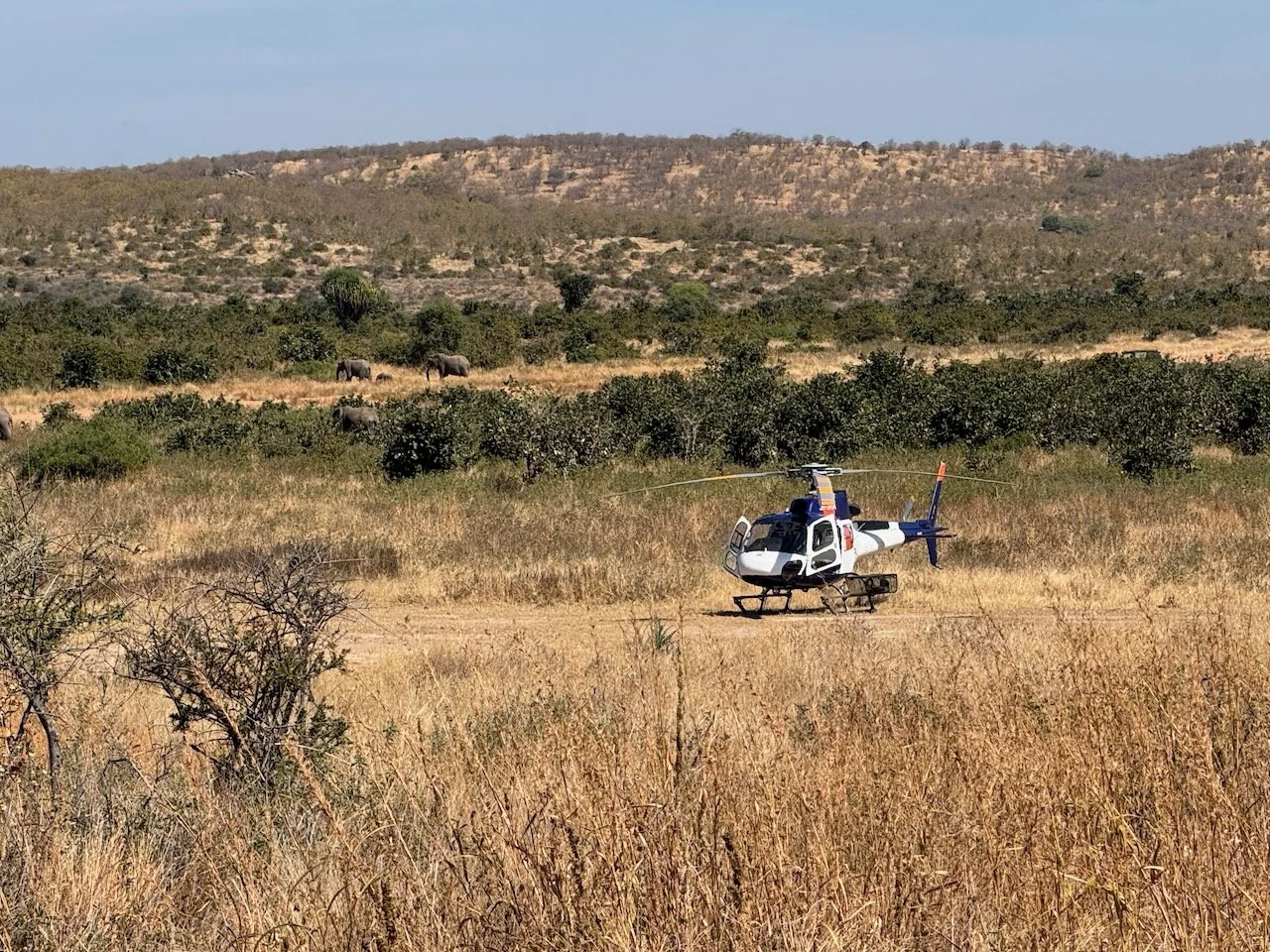
Accessibility in the wetland is a challenge; however, this is a key reason for having a helicopter on site to allow for offending cattle herds to be herded to more accessible areas for impoundment in the portable holding pens—initially for the tagging operation and engagement with the owners, after which they will be escorted out. Subsequent tagged transgressors will be impounded and then auctioned off by TANAPA.
A big reduction in illegal grazing should have a positive impact on all wildlife in the area, including lions (and their prey). Similarly, reducing the number of domestic dogs that accompany herders in the area will lower the risk of canine distemper being transmitted from these dogs to the wild lions.
The twelve members of the cattle sensitization team will ideally be recruited from the local communities adjacent to this KPA. The local communities will need time to understand the concept, but we expect them to welcome the project, as most are agriculturalists.
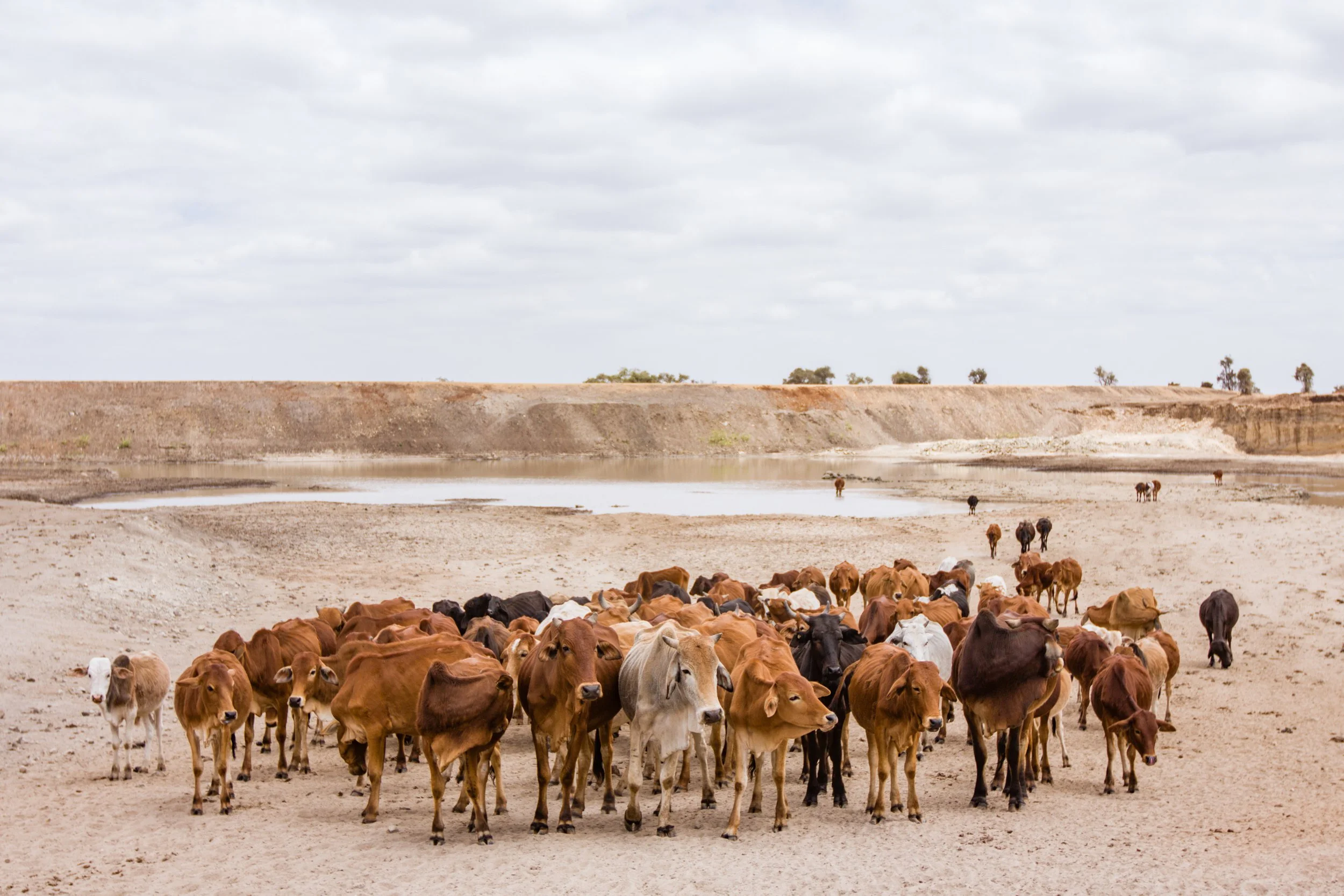
The Wa-Sukuma generally bring the cattle in from farther afield in western Tanzania. For the communities adjacent to the national park, the influx of external cattle disrupts local systems, disrespects local land usage and at times destroys crops; therefore, the success of this project will bring a direct benefit to all communities living near the Usangu area.
The collared lions are monitored, with the aircraft regularly obtaining a visual of the animals to ensure they are well and to verify if they are perhaps near livestock.
Threats are monitored as part of the daily aerial surveillance support SRA provides TANAPA, and improvements are continually being made to record all information in a central control room (cattle numbers, key species sighted, etc.). As a TANAPA ranger is always present during ground or aerial patrols, they also monitor all threats and enter them into their own LE monitoring database.
GC Partners
Six Rivers Africa
Lion Recovery Fund / WCN
Implementing Partners
TANAPA Ruaha National Park representative
Ministry of Livestock & Fisheries representative