Derawan Archipelago – January 2026 Highlights

Officers check fishing permits in Derawan and Biduk Biduk Waters.
Maratua, January 2026 – Yayasan Laut Biru Kepulauan Derawan (YLBKD), in collaboration with Global Conservation, continued to strengthen marine protection in the Derawan Archipelago through support for patrol operations, the deployment of M2 monitoring technology, capacity building for law enforcement, and initiatives focused on community empowerment and applied research.
During January 2026, YLBKD and GC supported marine patrols conducted by the East Kalimantan Marine and Air Police (Polairud) and the Provincial Fisheries Supervisory Authority (PSDKP), involving both headquarters and the Tanjung Batu field unit (M2 site). These patrols form part of the Global Park Defense (GPD) framework to ensure consistent protection of core zones and no-take areas.
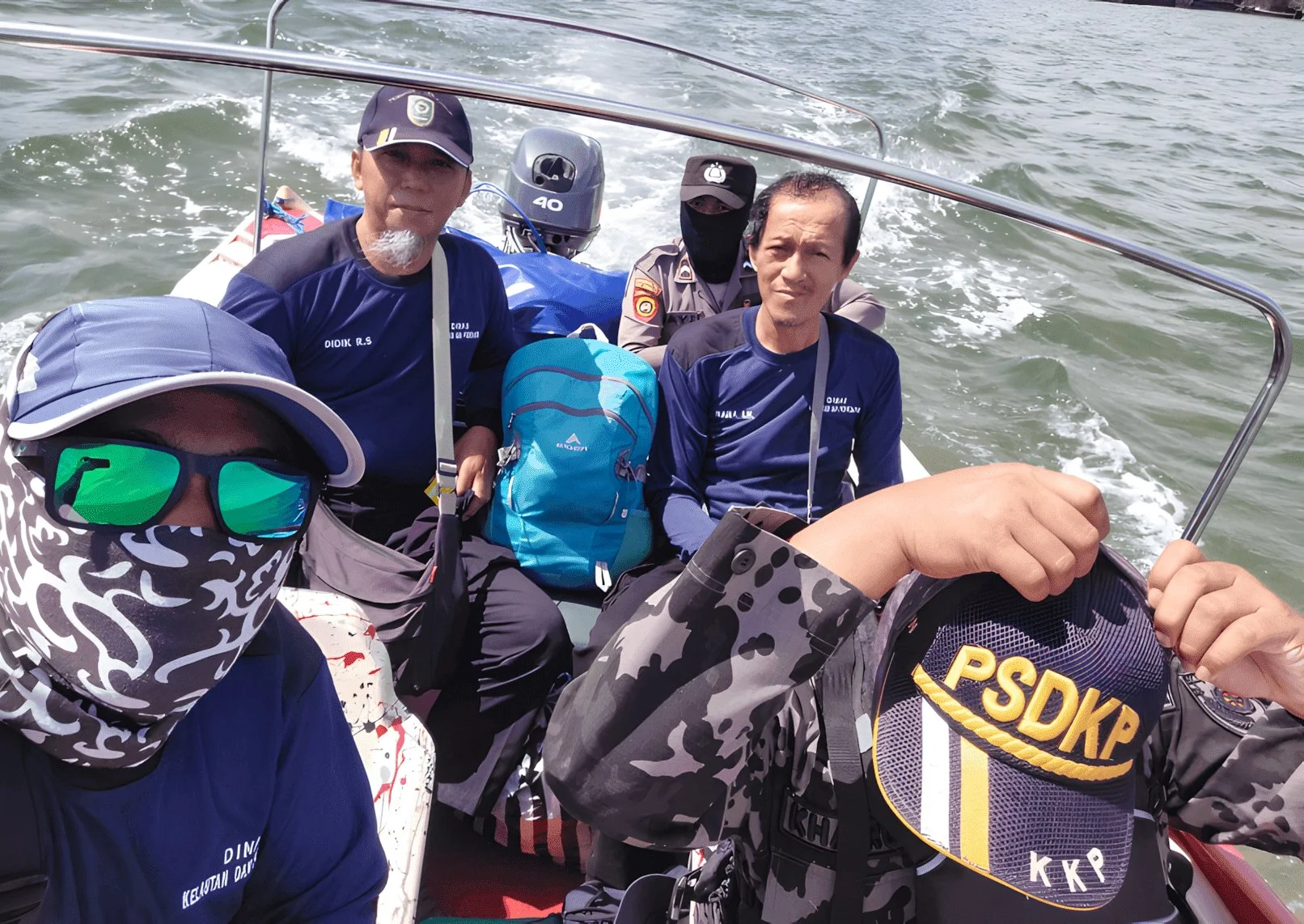
Provincial fisheries supervisors and the local police on duty in Tanjung Batu Waters.
One enforcement action successfully intercepted compressor fishing inside a no-take zone. This operation was guided by radar and long-range camera data from the M2 system, demonstrating the value of technology-enabled targeting for law enforcement at sea. The compressor has been confiscated and transferred to the local fisheries supervisory station in Tanjung Batu.
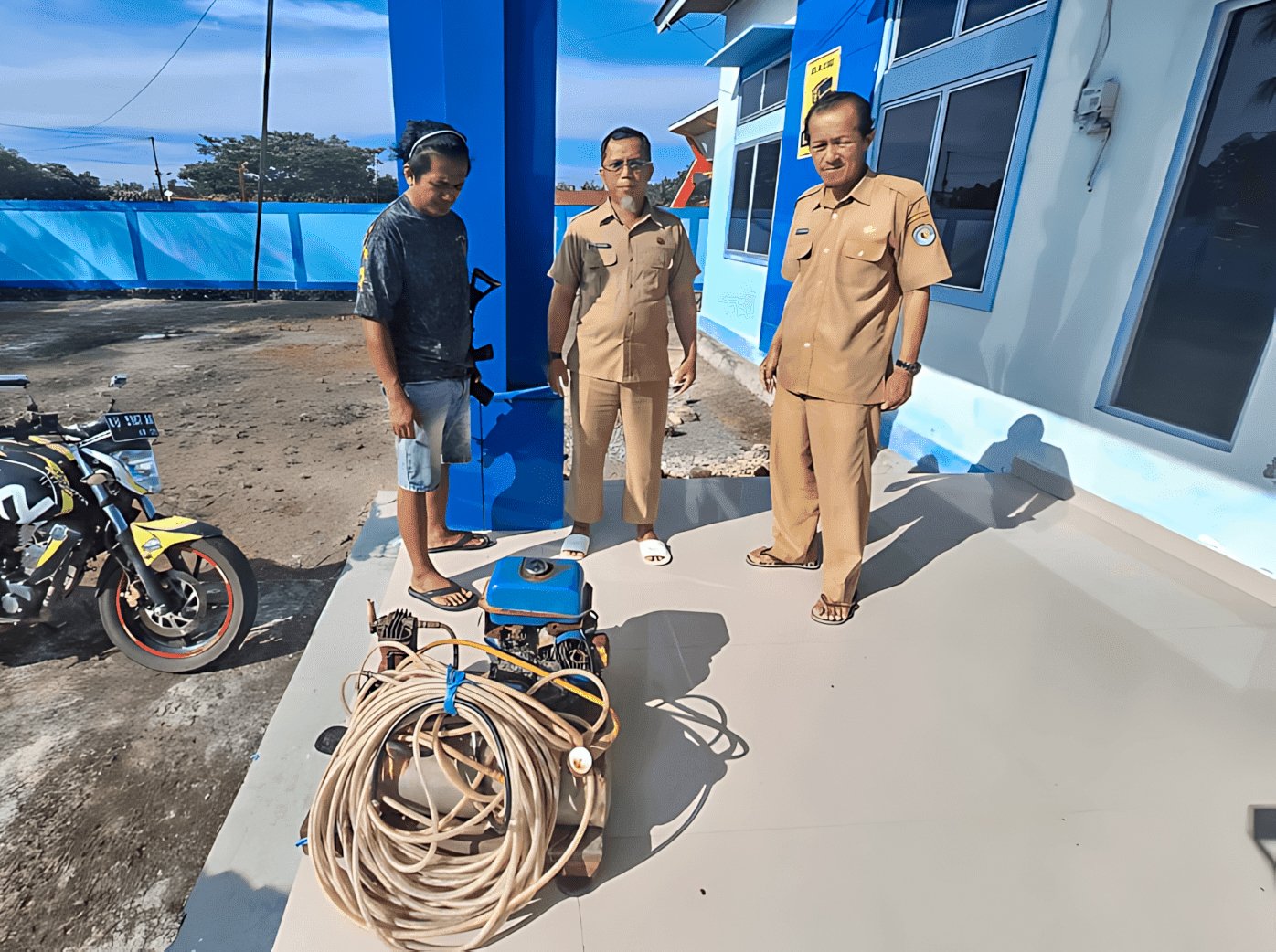
(Marine police officer transferred the compressor used by fishers in Tanjung Batu waters.)
Provincial fisheries officers also detained foreign fishers from Samporna, Malaysia (locally known as “manusia perahu” or sea gypsies). Although their fishing gear was relatively low-impact, they were targeting sharks as their primary catch. This case illustrates the value of cross-border surveillance in protecting threatened marine species.
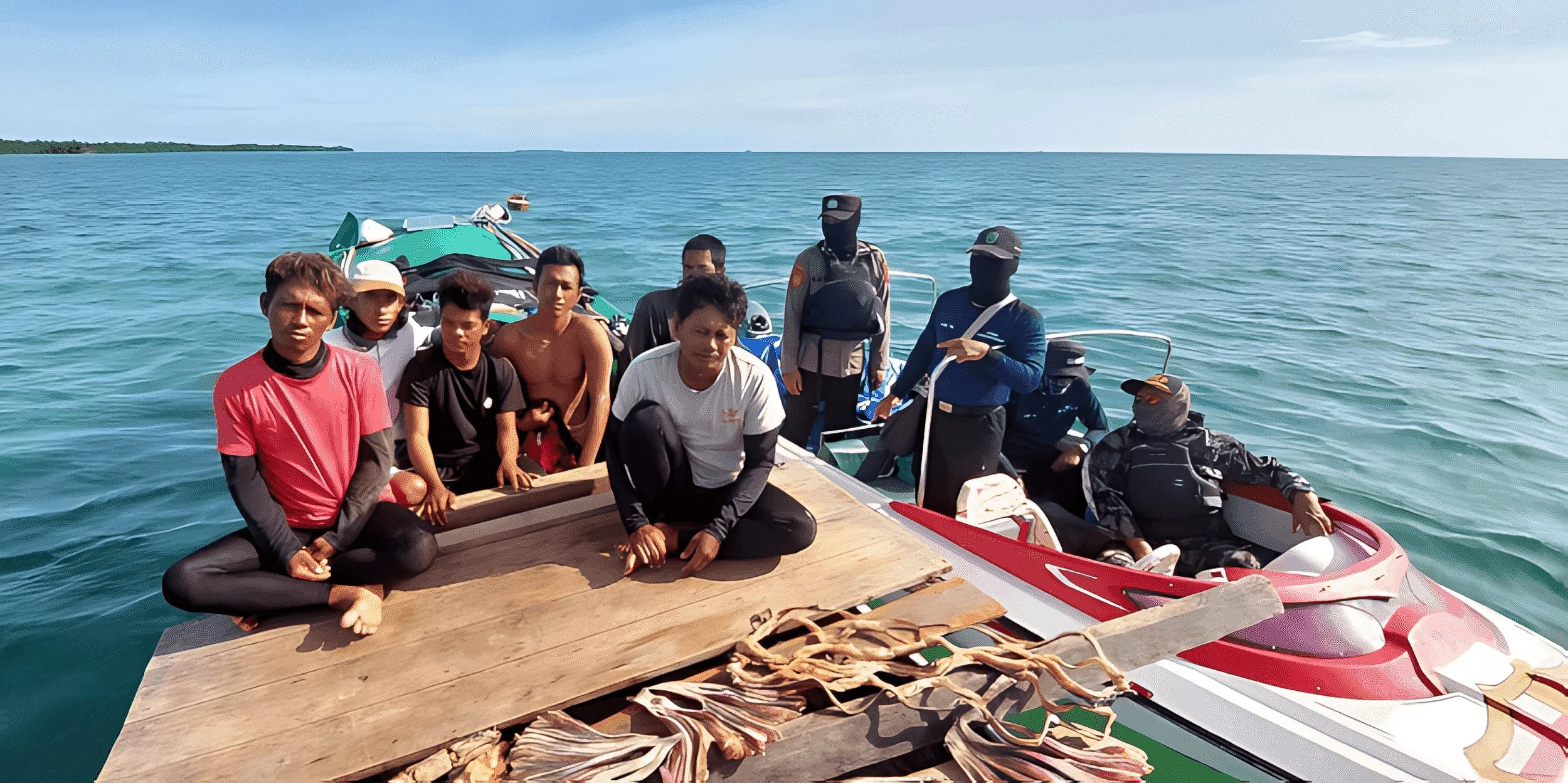
Illegal foreign fishers from Sampoerna were detained by the provincial fisheries supervisors in Tanjung Batu waters along with dried shark fins.
To strengthen operational capacity, YLBKD and GC, along with the East Kalimantan Provincial Marine and Fisheries Office, held a technical workshop in Tanjung Batu to teach people how to use the M2 system. Participants included the Marine Police, Indonesian Navy, Fisheries Supervisors, and Civil Service Police (Satpol PP). All agencies committed to integrating M2 into their routine enforcement activities and registered institutional accounts on the ProtectedSeas cloud viewer to access monitoring data directly.
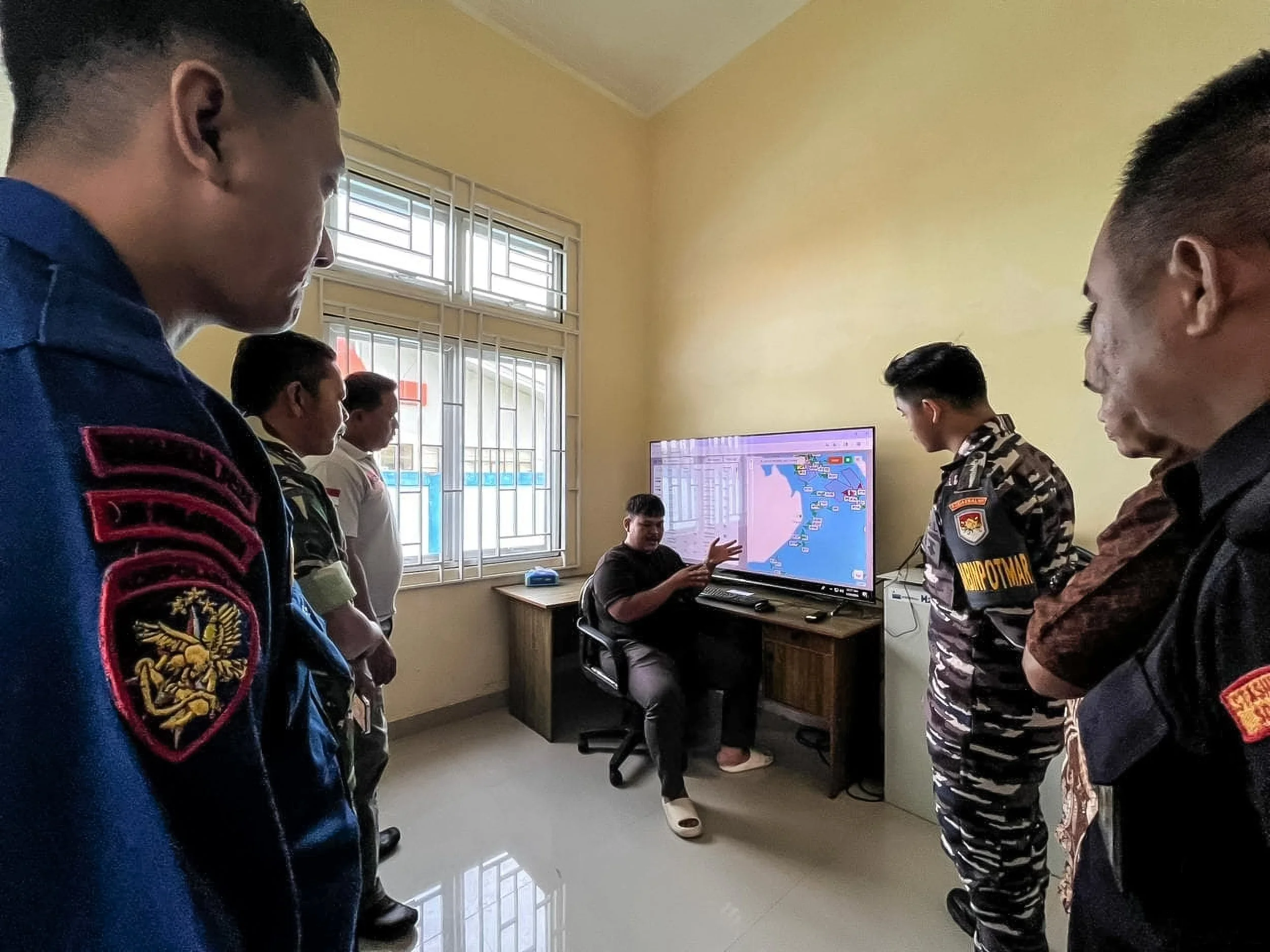
Zeno, the Protection Coordinator, explains M2 charts to the Local Les in Tanjung Batu.
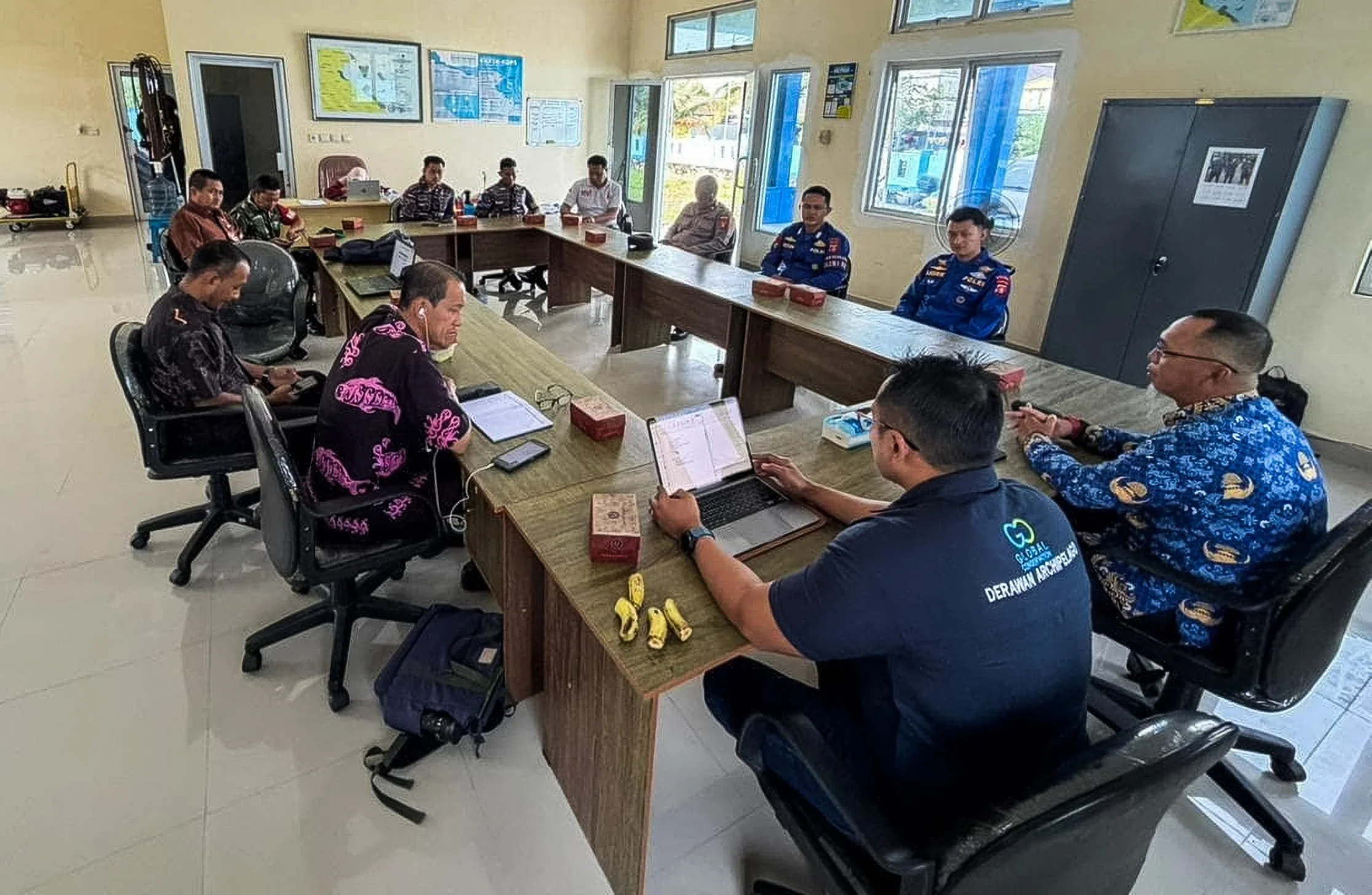
Dadang, together with Didik, the Chief of Tanjung Batu Fisheries Supervisor, led the M2 workshop and coordination in Tanjung Batu.
Beyond enforcement, GC and YLBKD initiated discussions with dive operators in Maratua on rebranding Derawan as a conservation and sustainable tourism destination. A key proposal is to upgrade diver certification—particularly for women—up to instructor level. This initiative aims to strengthen local human resource capacity and expand women’s roles in marine tourism and conservation.
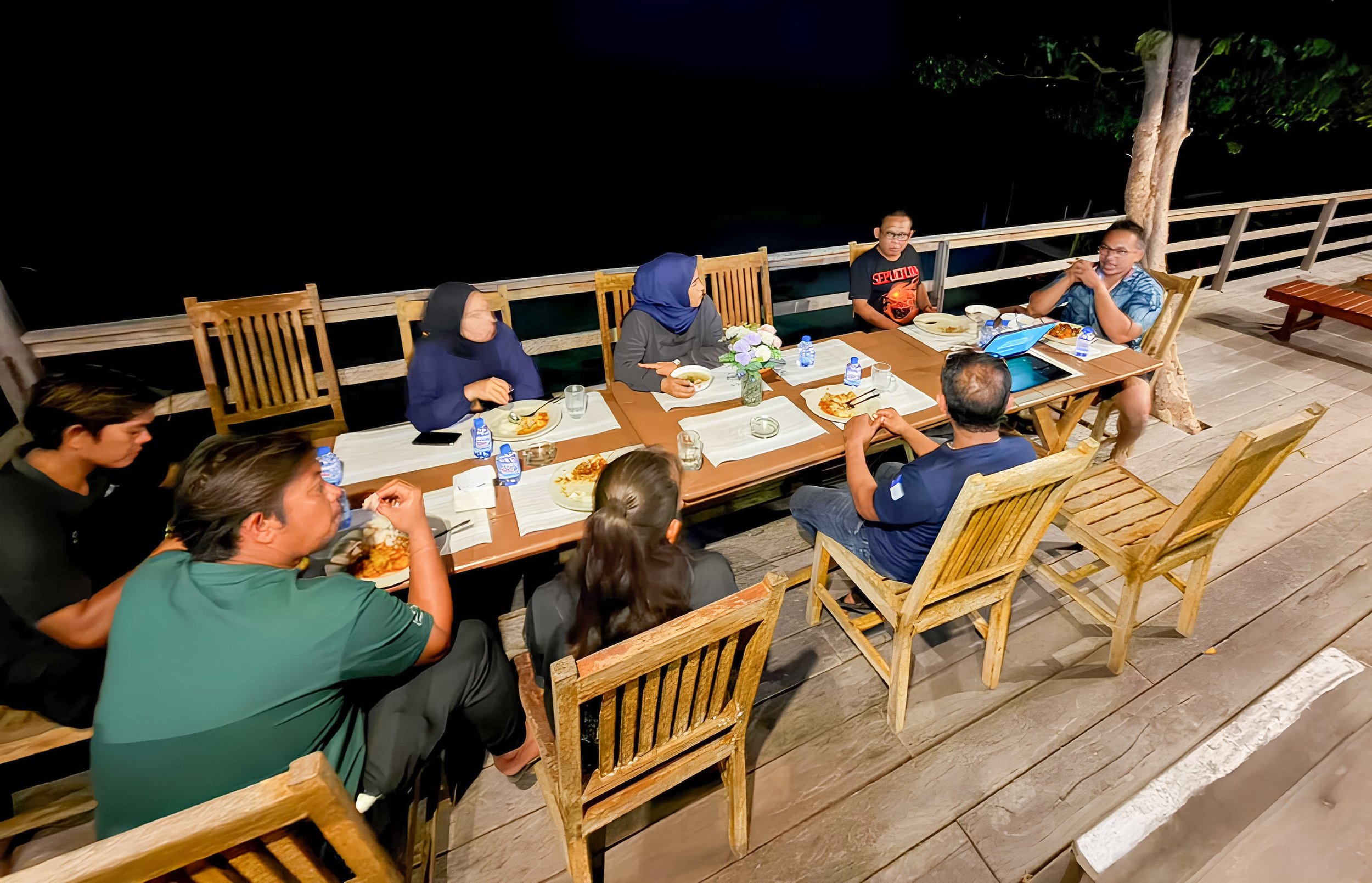
Derawan-Maratua rebranding and diving certification discussion in Maratua.
On the research front, GC and YLBKD have established a collaboration with the Faculty of Social and Political Sciences of Mulawarman University (FISIP Unmul) and the Faculty of Fisheries (FPIK Unmul). A Memorandum of Understanding is scheduled for signing in late February 2026, with research activities beginning in March 2026. The program will support four multidisciplinary research projects involving up to 20 researchers, focusing on the social impacts of conservation policies, fisheries dynamics, and the status of protected marine species. Findings will support evidence-based management of the Derawan Marine Protected Area.
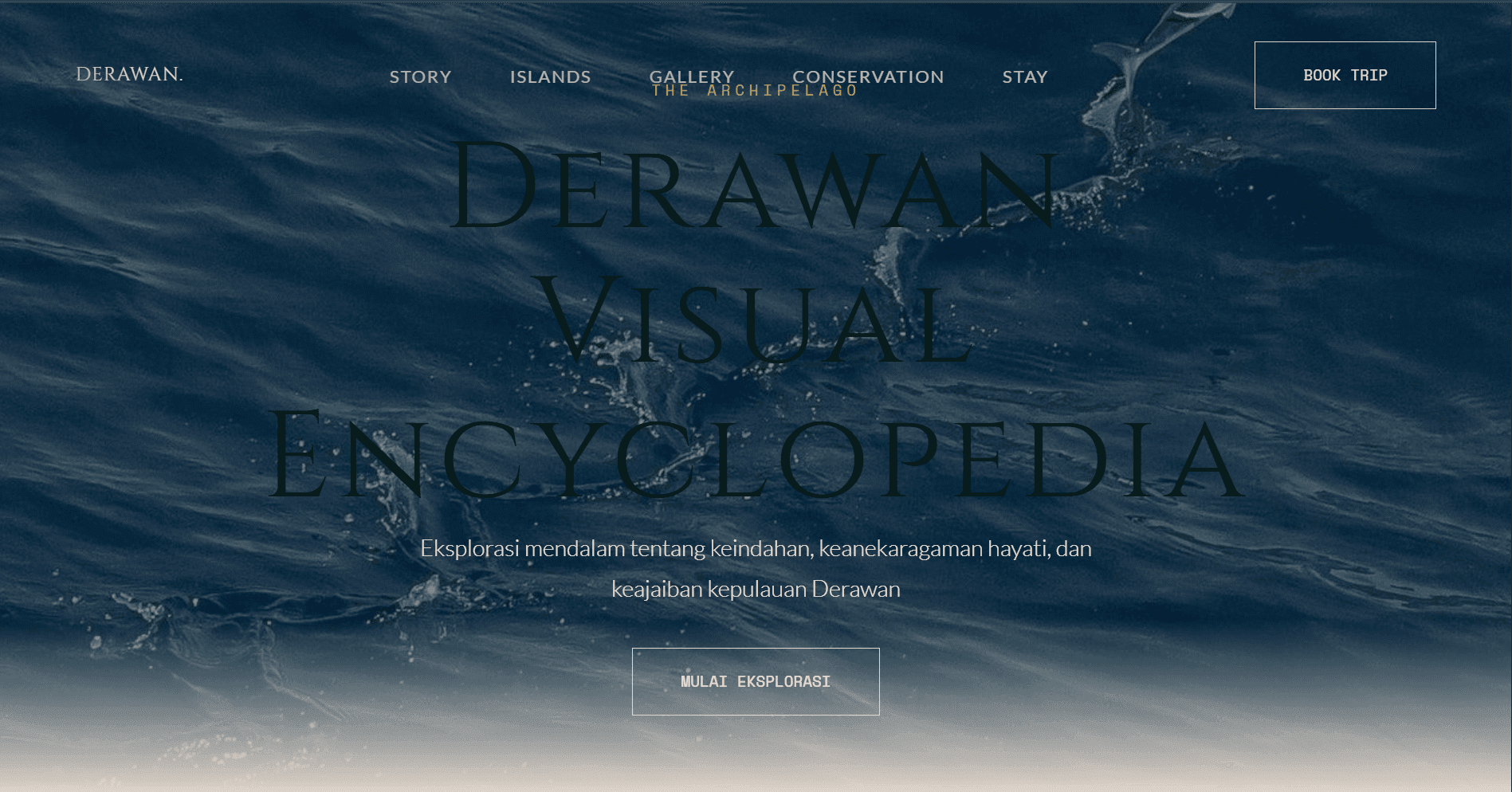
A prototype of the new Derawan-Maratua branding website.
Through coordinated patrol support, technology deployment, institutional capacity building, research collaboration, and community empowerment, YLBKD and GC reaffirm their commitment to protecting Derawan’s core conservation zones while promoting inclusive and sustainable development.