Protecting Our Planet on EARTH DAY
How to Save the Last 10% of Intact Tropical Forests in Africa, Asia, and the Americas
Protecting Endangered National Parks in Developing Countries Will Save The Last Fragments of Tropical Wilderness and Highest Concentration of Biodiversity Outside the Amazon and Congo Basins
Executive Summary
This analysis, sponsored by Global Conservation, applies the latest, high-resolution Earth observation data to evaluate whether Direct Protection reduces the loss of intact, old-growth tropical forests—Earth’s most biodiverse land biome—within the most strictly guarded areas: National Parks (IUCN Category II), Strict Nature Reserves/Wilderness Areas (IUCN Cat. Ia/b), and legally recognized Indigenous Territories (ITs). In this first-ever global analysis focused exclusively on the rapidly diminishing intact tropical forest blocks outside the Amazon and Congo basins, we utilize inside-outside forest loss analyses combined with matched counterfactuals to evaluate the performance of over 400 strictly Protected Areas (PAs) in over 50 countries. Furthermore, we identify areas of high species richness and rarity, both within and beyond PA boundaries. In doing so, we pinpoint areas where protection is working, where it is failing, and where targeted conservation investments can have the greatest impacts.
Introduction
The Amazon and Congo basins have long dominated global analyses and public attention to tropical forest loss, obscuring an even more dire crisis unfolding beyond their boundaries. Across large parts of Asia, Africa, and the Americas, mere fragments remain of intact old-growth forests—the most critical tropical landscapes for terrestrial biodiversity. In many countries, these forests have diminished to less than 10% of their historical range in less than a human lifetime.

On the outskirts of the Tayrona indigenous peoples’ territory lie incredible stretches of rich tropical rainforest.

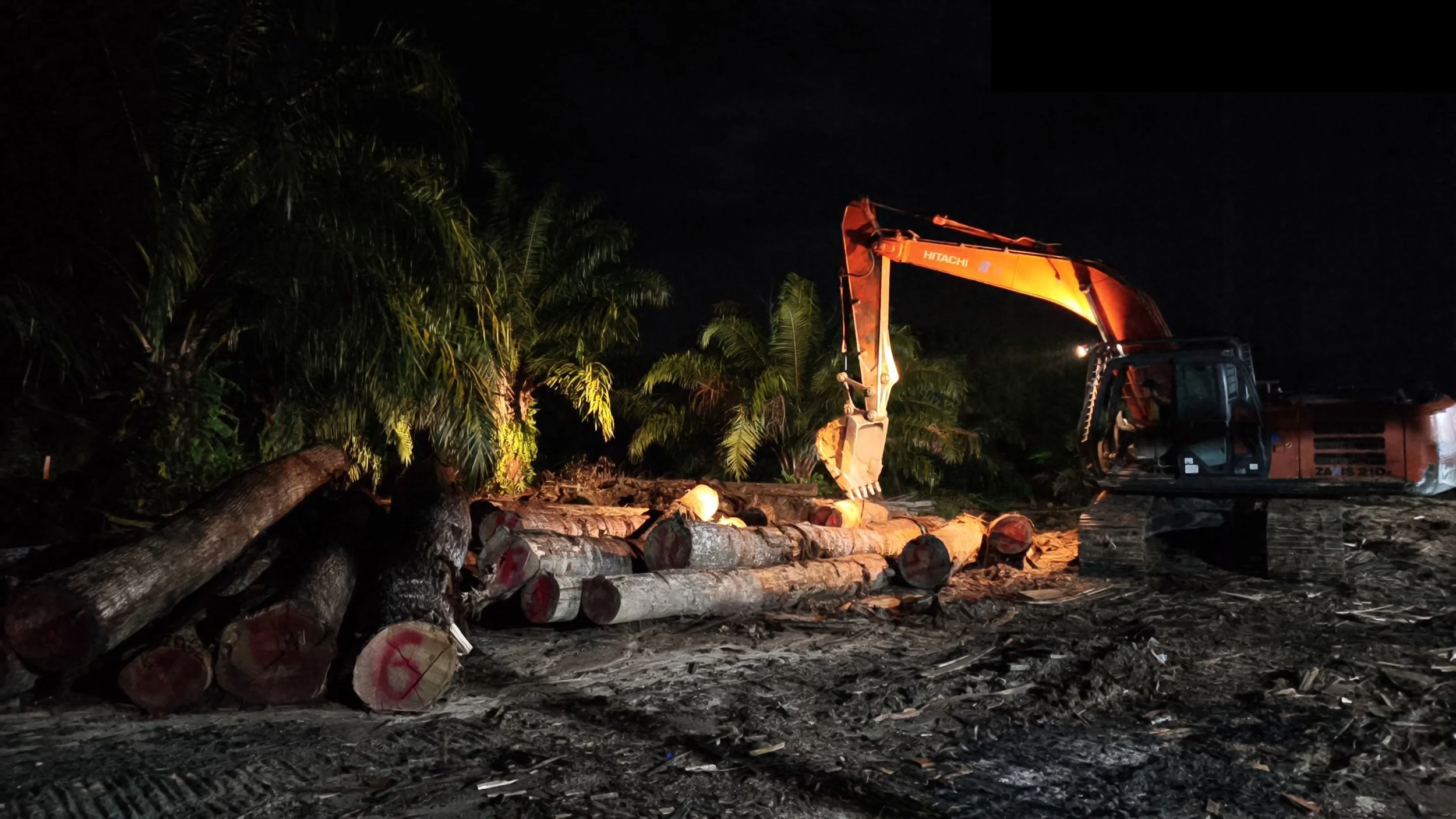
Inland, the sights can provide a very different story. Sections of rainforest are illegally logged rappidly.
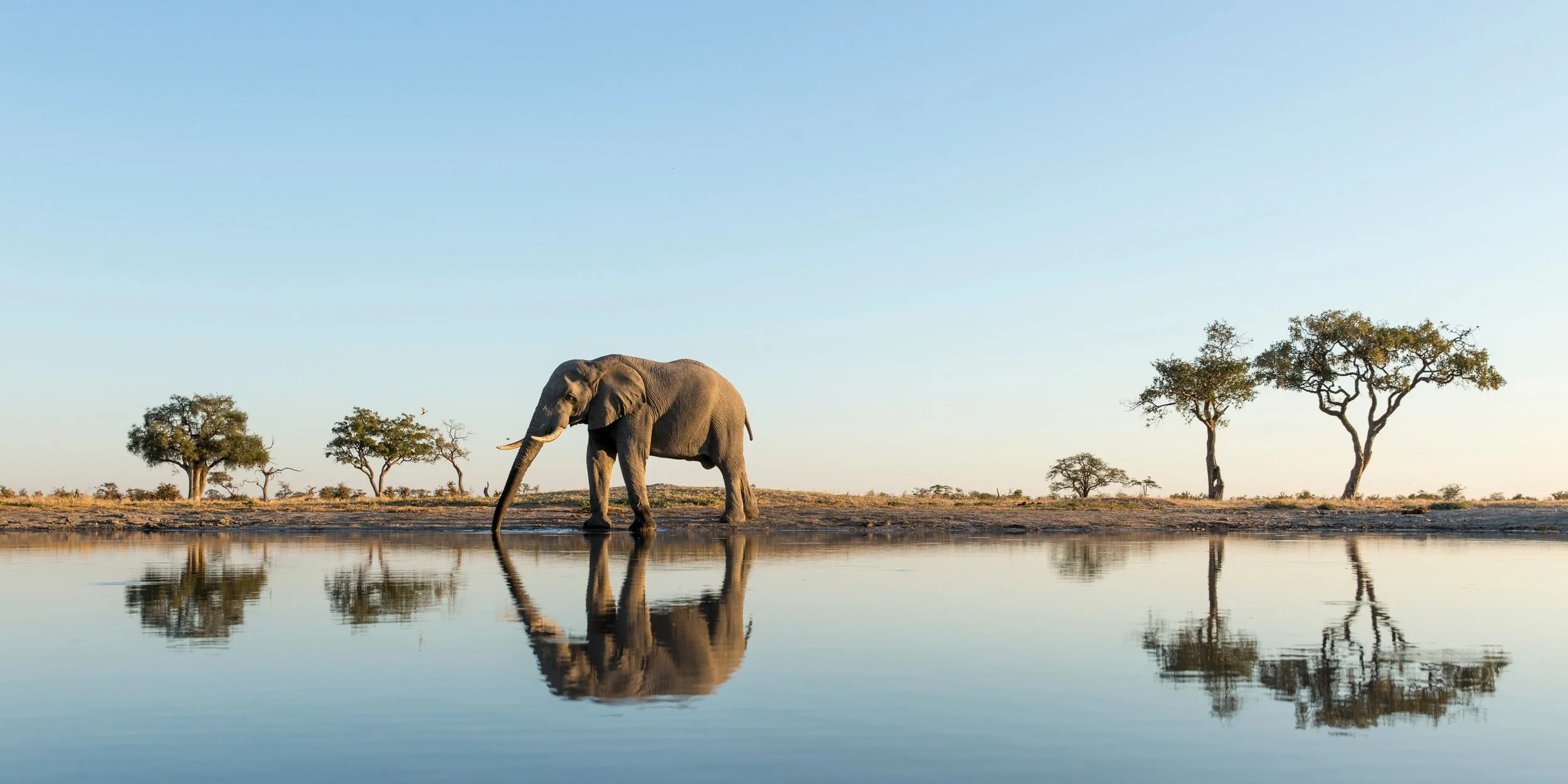
What were once expansive old-growth forests now persist as rapidly eroding islands in a sea of human development. Clinging to these “island” fragments, as their last hope, are some of the world’s most iconic and endangered species: from forest elephants and orangutans to pygmy hippos, Javan rhinoceros, and much more. Many of these landscapes coincide with globally recognized “biodiversity hotspots”—conservation’s top priorities containing the rarest and most fragile species—now in the midst of the most destruction.
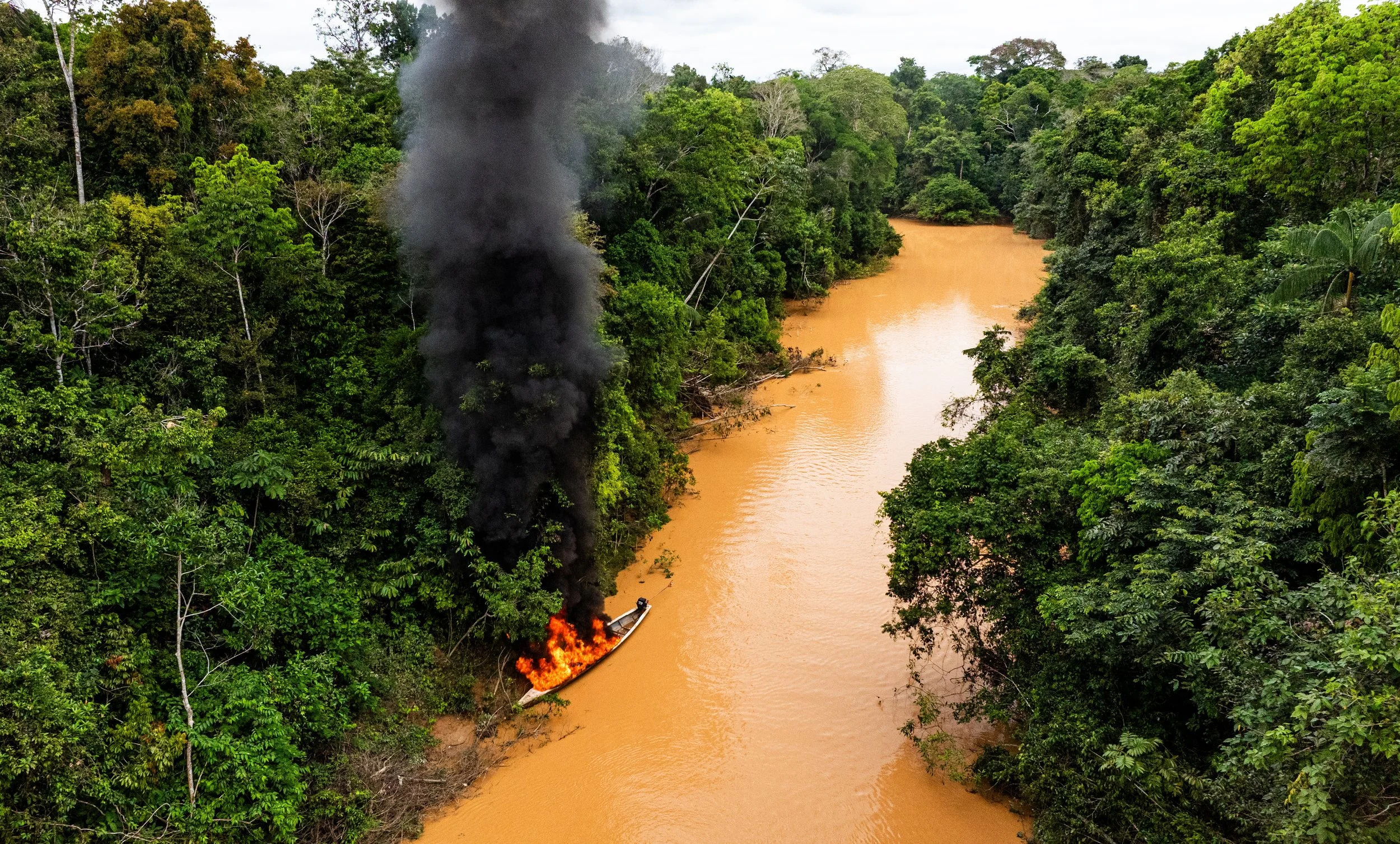
With some of the highest levels of legal protection, public visibility, and purported investments, national parks are widely considered the crown jewels of conservation, charged with protecting some of the most iconic and irreplaceable ecosystems and wildlife on Earth. However, in the Global South, people often attribute the effectiveness of national parks to their remoteness rather than their robust security. As such, they frequently crumble in the crosshairs of expanding human frontiers, where accelerating pressures from cattle ranching, agricultural expansion, narco trafficking, illegal logging and mining, and associated infrastructure and development erode and eradicate forest ecosystems. Empirical evidence demonstrates that developing countries' PAs suffer from underfunding, understaffing, and inadequate equipment.
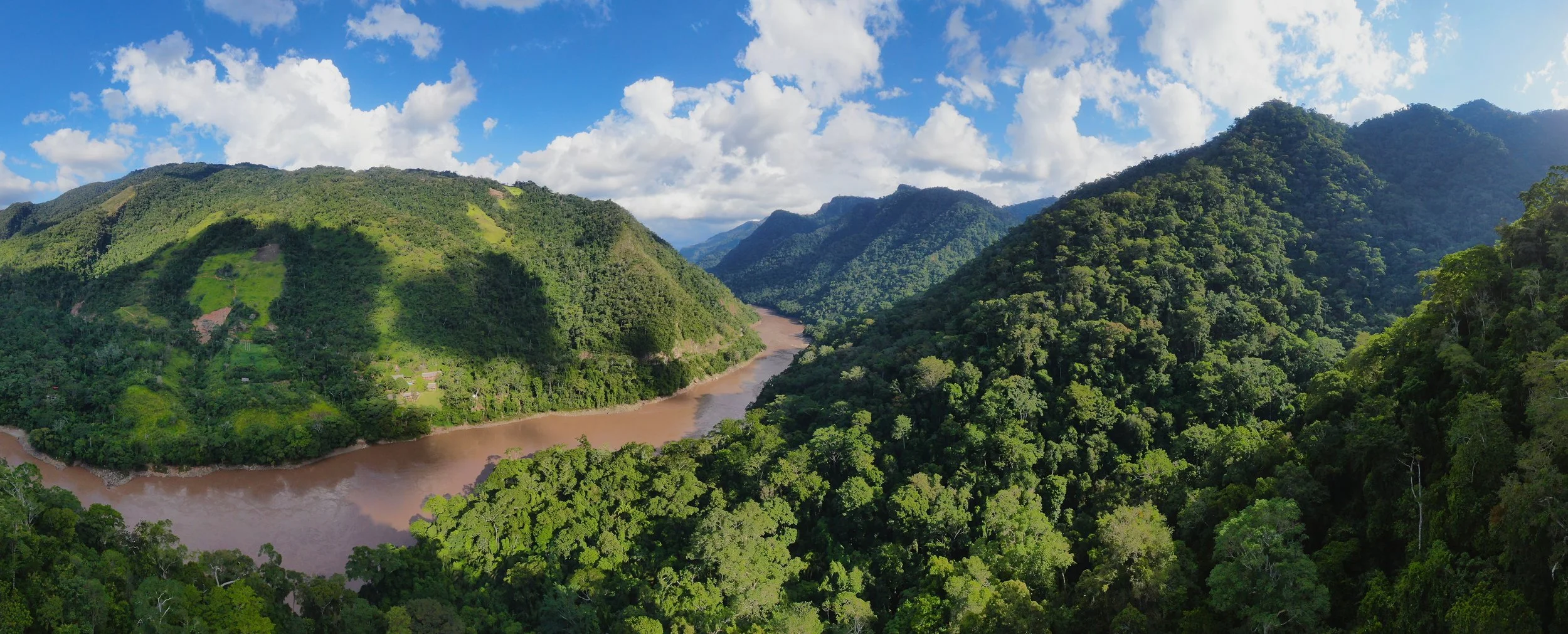
Tropical rainforest in the area of Tarapoto, Peru is under constant threat of rapid agricultural expansion, including palm oil, cattle, and various types of plantations.
Despite billions in climate finance, government funding, and philanthropic support, only a small portion of these resources is allocated to park protection. Even conservation leaders, such as Kenya, have experienced significant wildlife population declines (68%–70%) since the 1970s due to habitat loss, human-wildlife conflict, and poaching. Without effective action to safeguard endangered National Parks in the Global South, the ecosystems and the iconic species they protect will face extinction.
This critical investigation will be the first effort to focus exclusively on the most endangered intact tropical forest ecosystems of Asia, Africa, and the Americas, outside the Amazon and Congo basins. It will systematically evaluate the current level of forest protection, with particular attention to areas of highest conservation priority.
Given this context, three key questions will be addressed:
How well are strictly protected areas in these endangered tropical areas preventing forest loss compared to matched counterfactuals and thus securing their borders?
To what extent are key conservation priority sites covered by strictly protected areas, and which remain unprotected?
What can be done to increase the protection effectiveness of these protected areas?
In this analysis, we:

Utilize the latest satellite data available to compare forest loss in strictly protected PAs and Indigenous Territories with tailored counterfactuals to determine how much forest would have been lost without the presence of each PA.
Evaluate protection outcomes across more than 400 National Parks and Indigenous Territories across 50 countries, determining how effectively they secure their borders; and
Identify practical strategies to strengthen on-the-ground conservation capacity.
In doing so, we identify which PAs and ITs are effective, which are failing, and where targeted conservation investments can have the greatest impacts within the context of these high-priority conservation zones.
Analysis Scope & Site Selection
Site Selection
Site selection will focus on intact primary tropical forests within Tropical Moist Broadleaf, Tropical Dry Broadleaf, and Tropical Coniferous biomes, prioritizing biodiversity hotspots outside the Amazon and Congo basins, and will compare national parks, Indigenous Territories, and other PAs with appropriate counterfactual areas for robust inside-outside forest loss comparisons.
Data Collection
Data collection will integrate the latest spatial datasets, including tropical forest biome classifications, intact and primary forest layers (e.g., Global Forest Watch), and biodiversity prioritization frameworks (e.g., “biodiversity hotspots”), and use developing-country national parks, Indigenous Territories, and other PA boundaries and attributes from the World Database on Protected Areas (WDPA). Counterfactuals will be evaluated using global land cover classifications, biomass, forest density, and tree height models. Oceanic and freshwater masks will remove non-conformal areas from analysis.

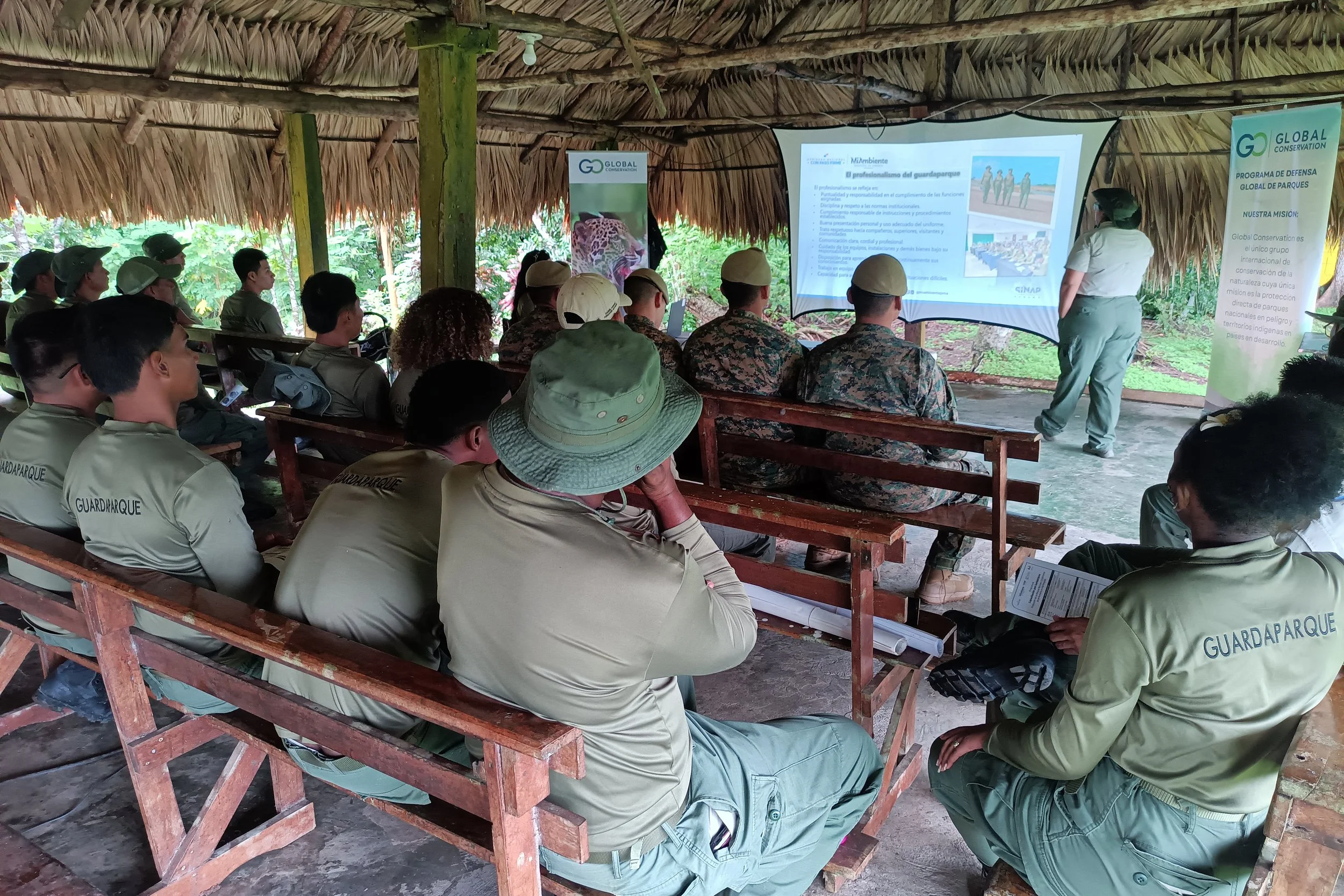
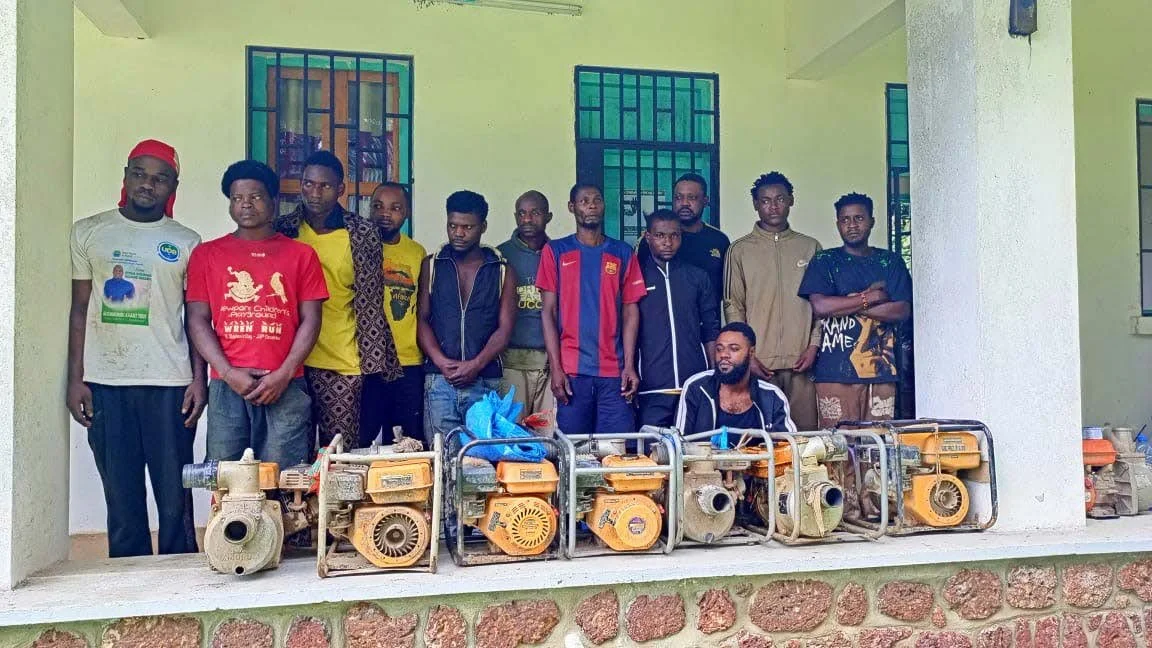
Rangers learn how to use tools like “EarthRanger,” which uses collected data from the field with integrated technology to help develop strategies that accelerate conservation impact.
Analyses
This study will formally quantify the remaining extent of intact primary tropical forest and woodland and statistically compare relative deforestation to a historical baseline (Year 2000).
Protection effectiveness for protected areas and Indigenous Territories will be evaluated using counterfactual-based inside-outside forest loss comparisons and results will be benchmarked against country-level deforestation rates to assess the level of PA and IT effectiveness in securing their borders. Counterfactual areas will be explicitly analyzed for relevance, robustness, and similarity to their PA counterparts to qualify them for analysis using biomass and/or canopy height models in remaining forest patches in a repeatable, testable fashion. If they cannot be fully qualified, the analysis will either be foregone or the writeup will explain the limitations of the analysis for every PA. Further, we will establish metrics for all the large, tropical protected areas of all IUCN Categories throughout the forested and wooded tropics that meet the analysis criteria and will produce a concise summary of each of these PAs.
Deliverables
Expert-reviewed analysis of Questions #1-3 in a publicly available report, including:
Executive Summary
Introduction and Background
Analytical Framework
Findings and Analysis
Results and Case Studies
Discussion and Implications
Interpretation of Results
Implications for Conservation Strategy and Investment
Supporting Materials
Figures and Maps
Technical Appendix (methods overview and data sources)