The 2026 First Quarter Summary for the Guanacaste Conservation Area

Actions carried out included the establishment of fixed roadside checkpoints, vehicle inspections, and horseback patrols in remote and hard-to-reach areas, allowing for greater monitoring coverage and a stronger presence in vulnerable sectors.

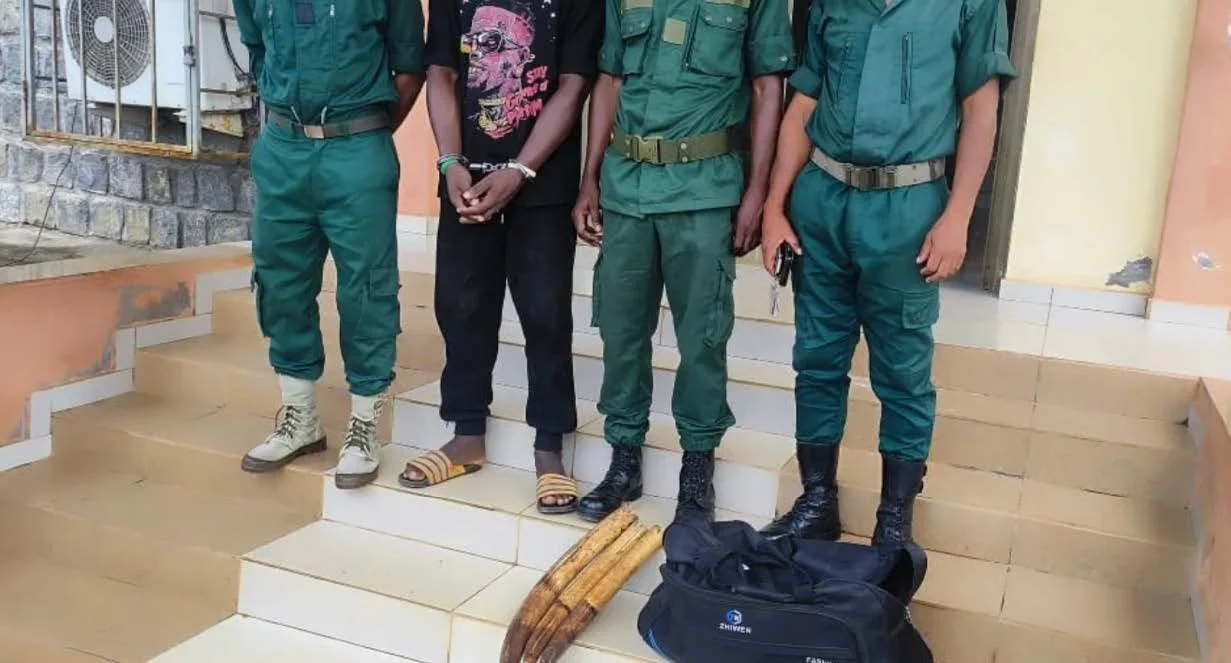
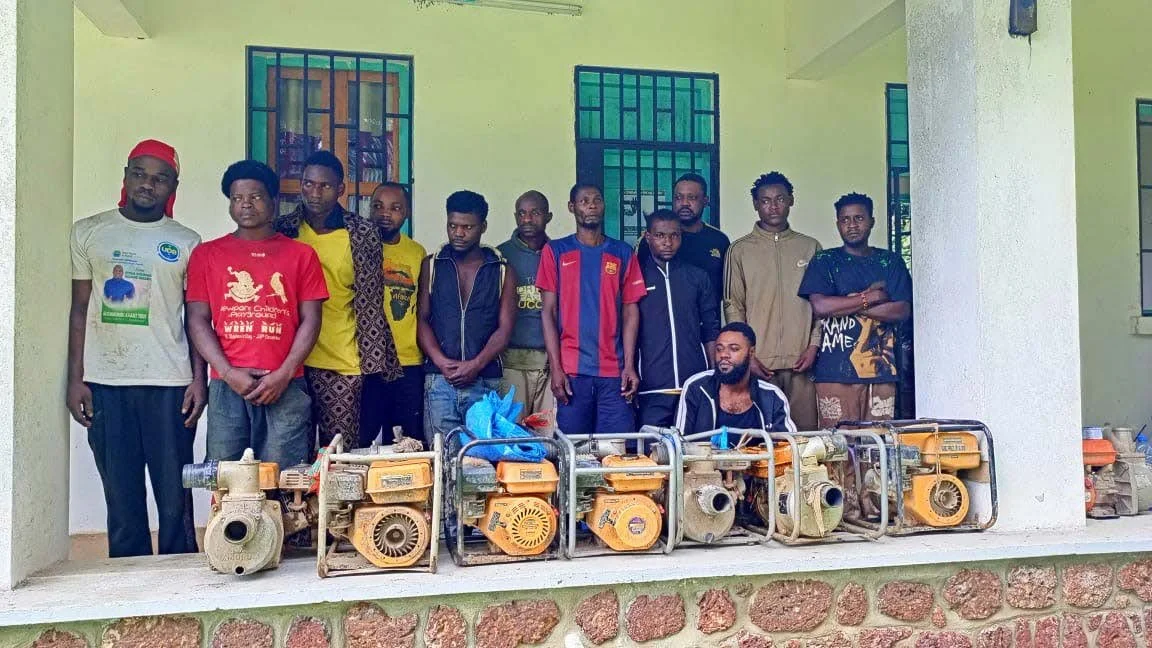
Individuals involved in illegal hunting activities within protected areas were detained as part of ongoing law enforcement and conservation efforts aimed at protecting wildlife and preserving natural habitats.

PROTECTED AREAS

  • Guanacastes National Park

  • Santa Rosa National Park

  • Rincón de la vieja National Park

  • Bahía Santa Elena Marine Area

  • Junquillal Bay Wildlife Refuge

  • Zapandí Riparian Wetland

“Every patrol carried out across the Guanacaste Conservation Area, every ranger deployed in the field, and every hectare protected represents a commitment to safeguarding some of the world’s most valuable ecosystems. Supporting conservation in Costa Rica is far more than protecting nature—it is investing in biodiversity, water security, climate resilience, and in the people who work every day to defend these irreplaceable landscapes for future generations.”

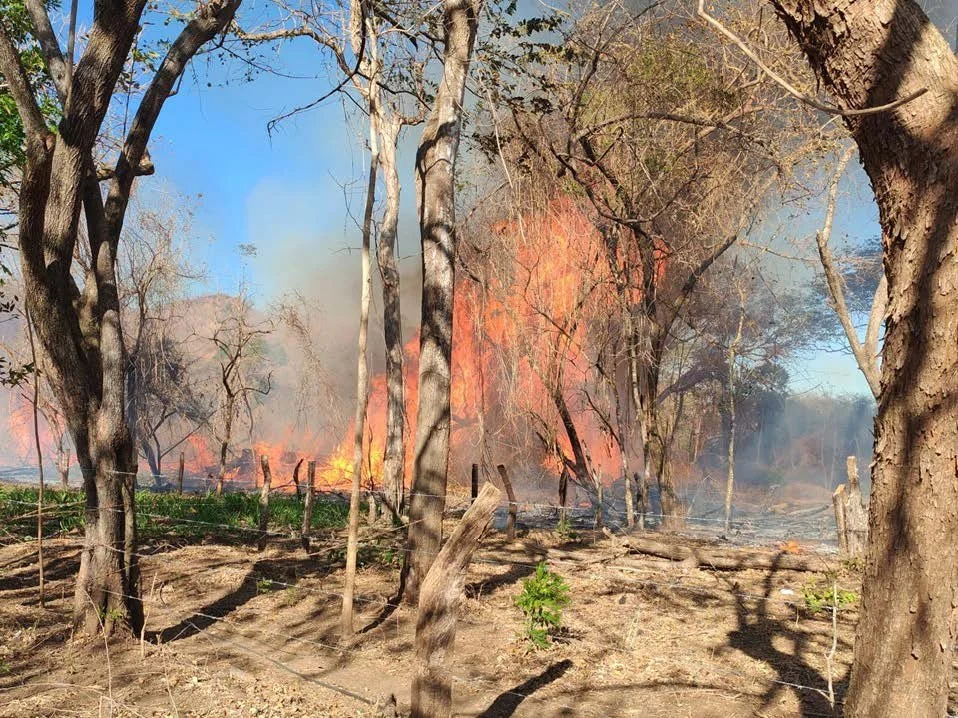
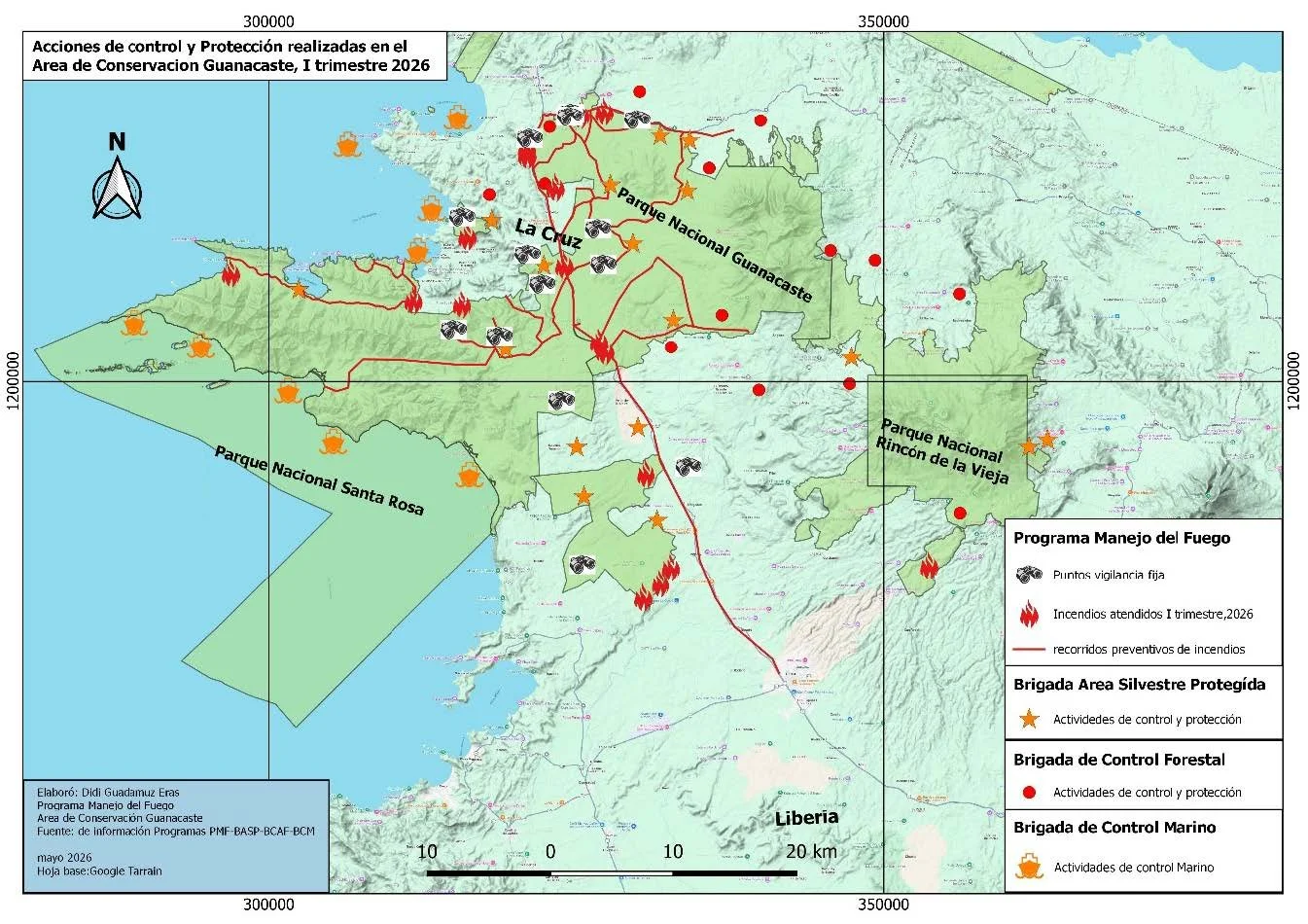
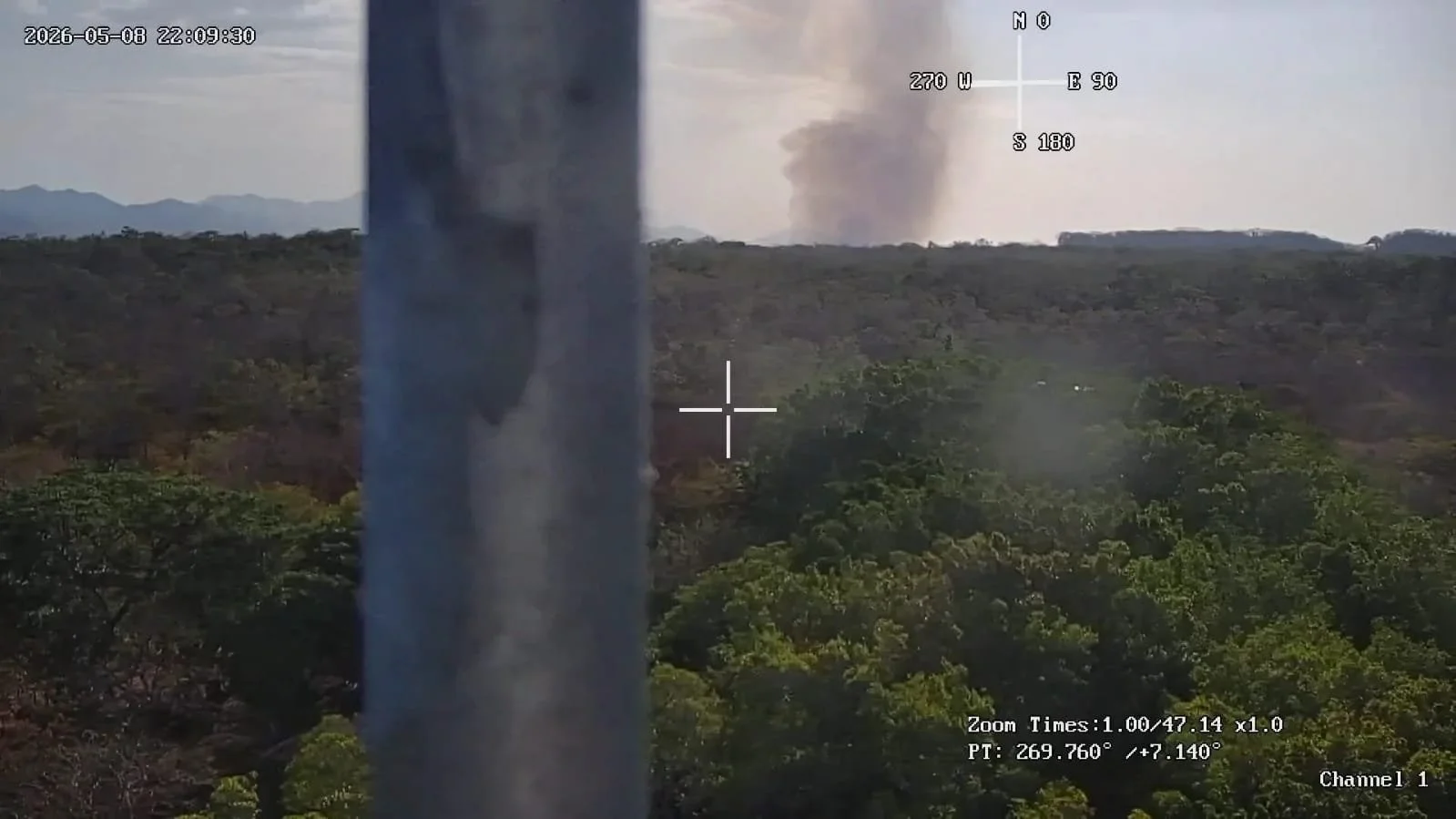
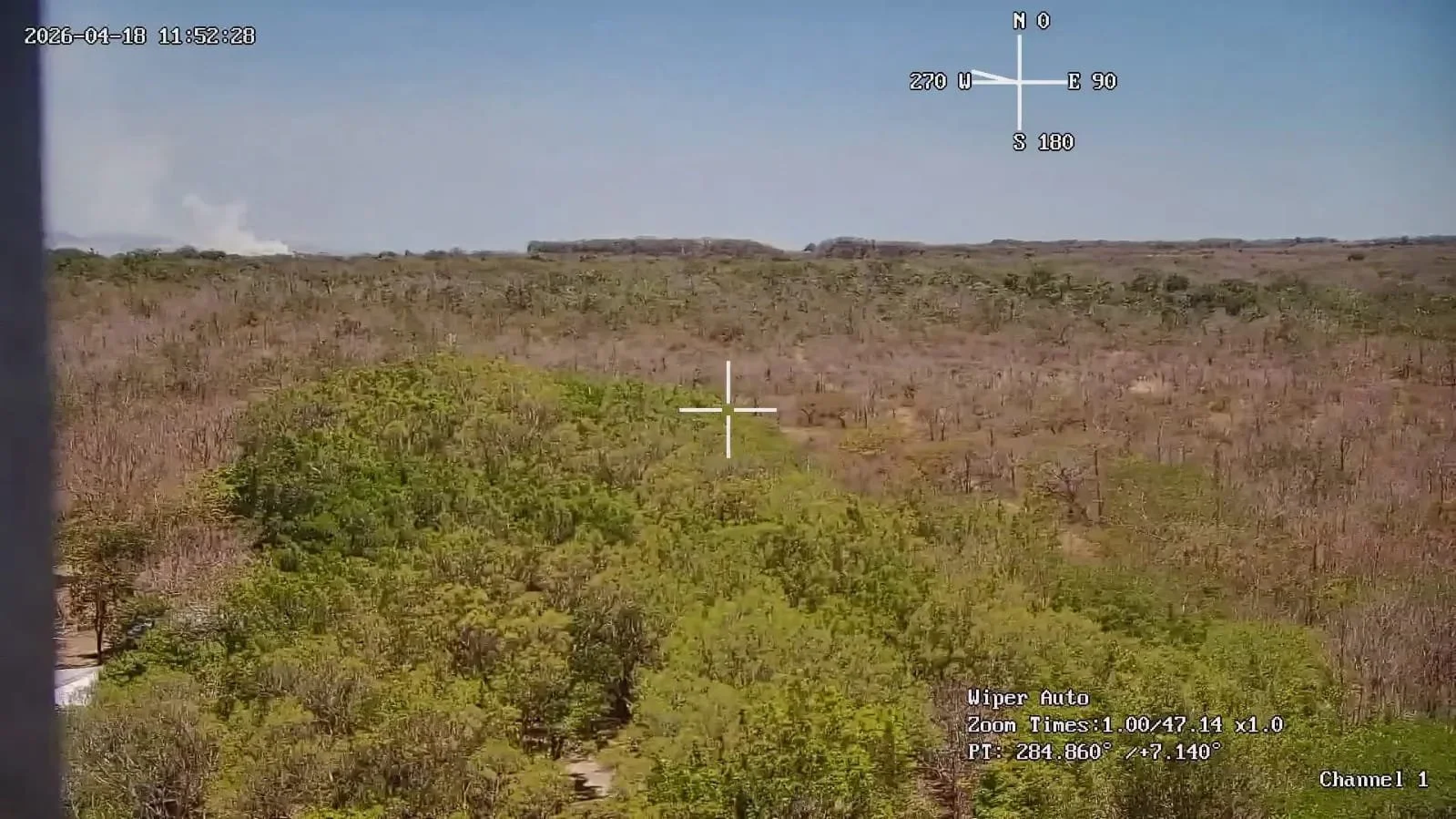
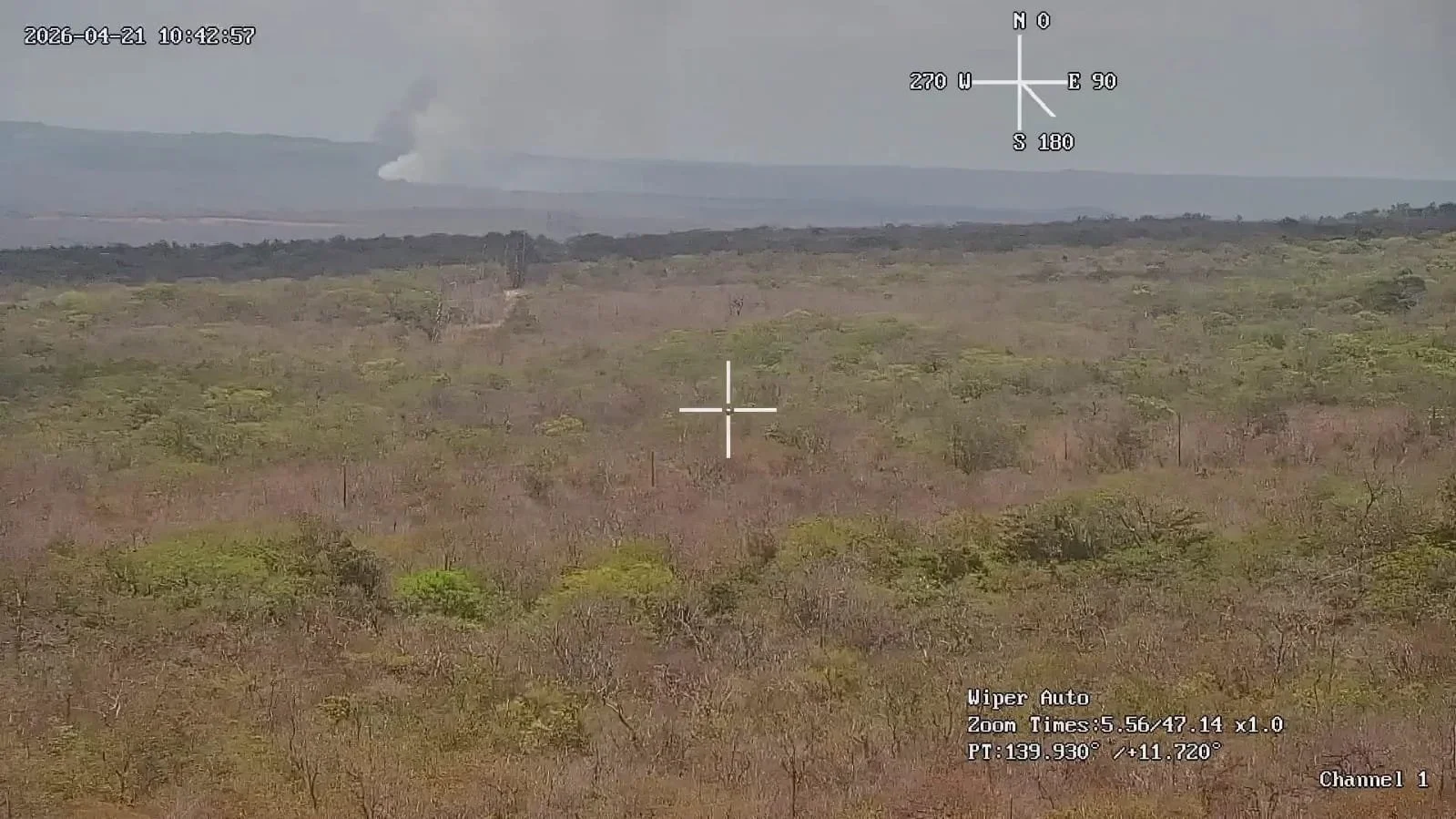
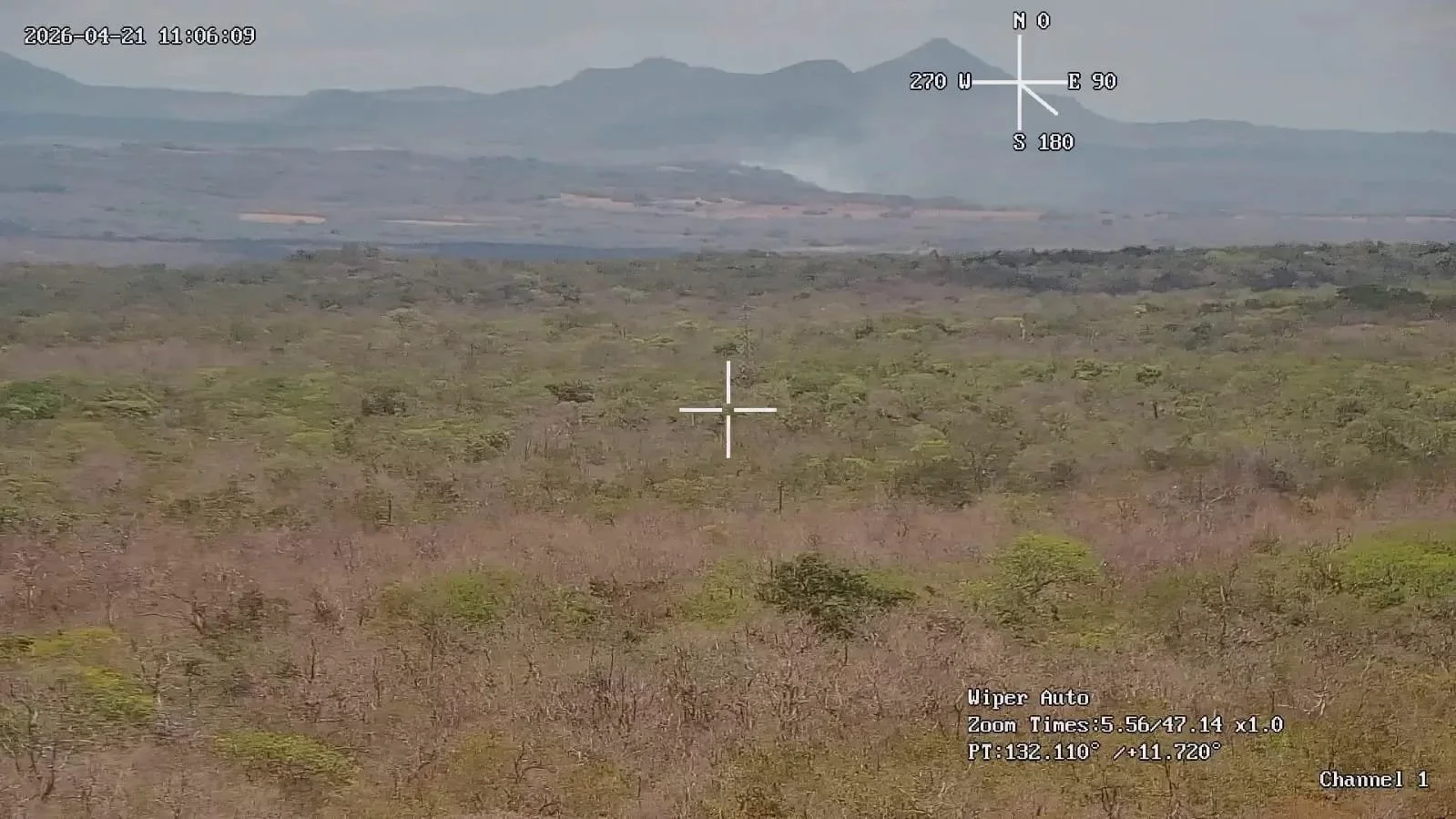
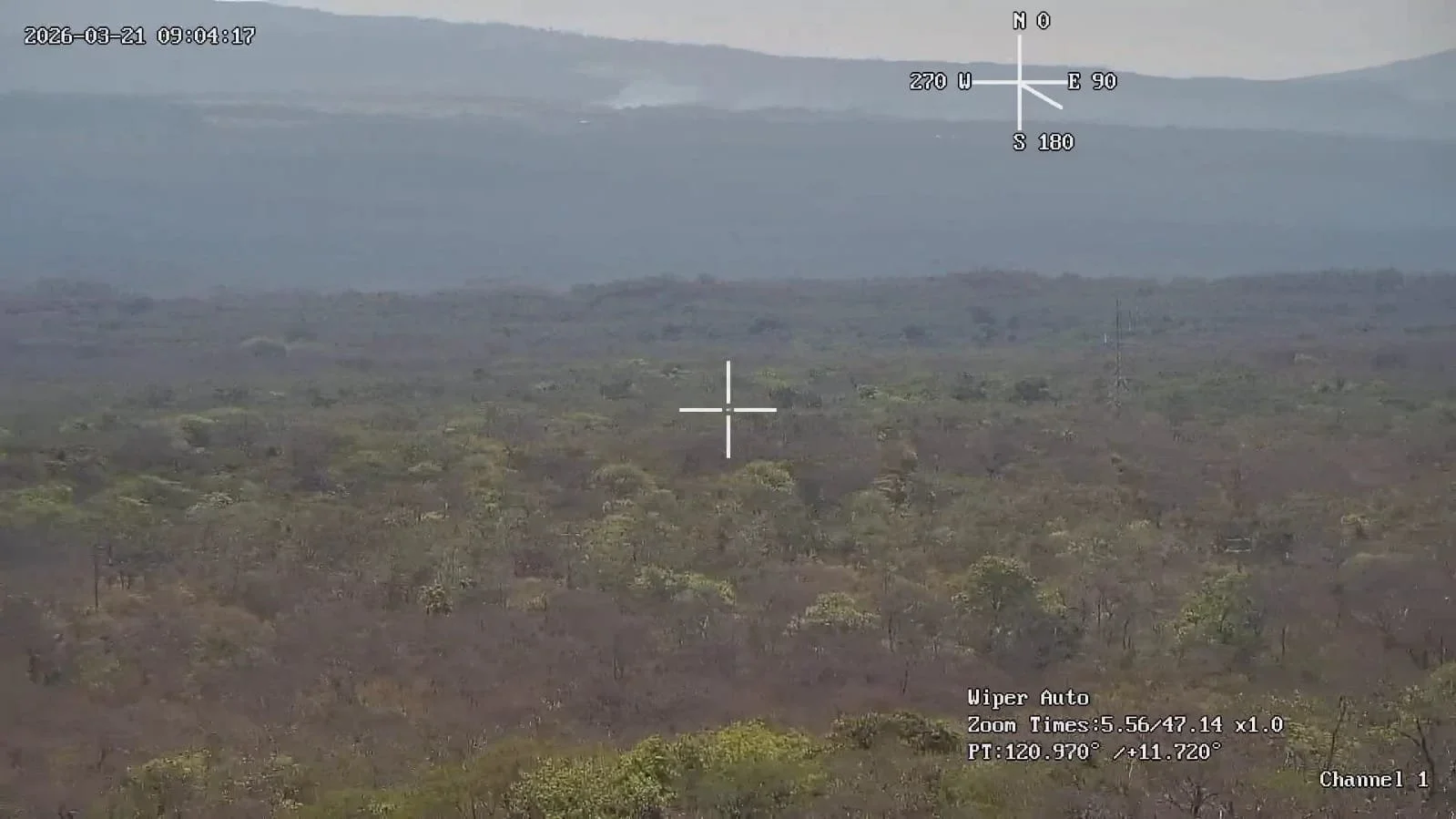
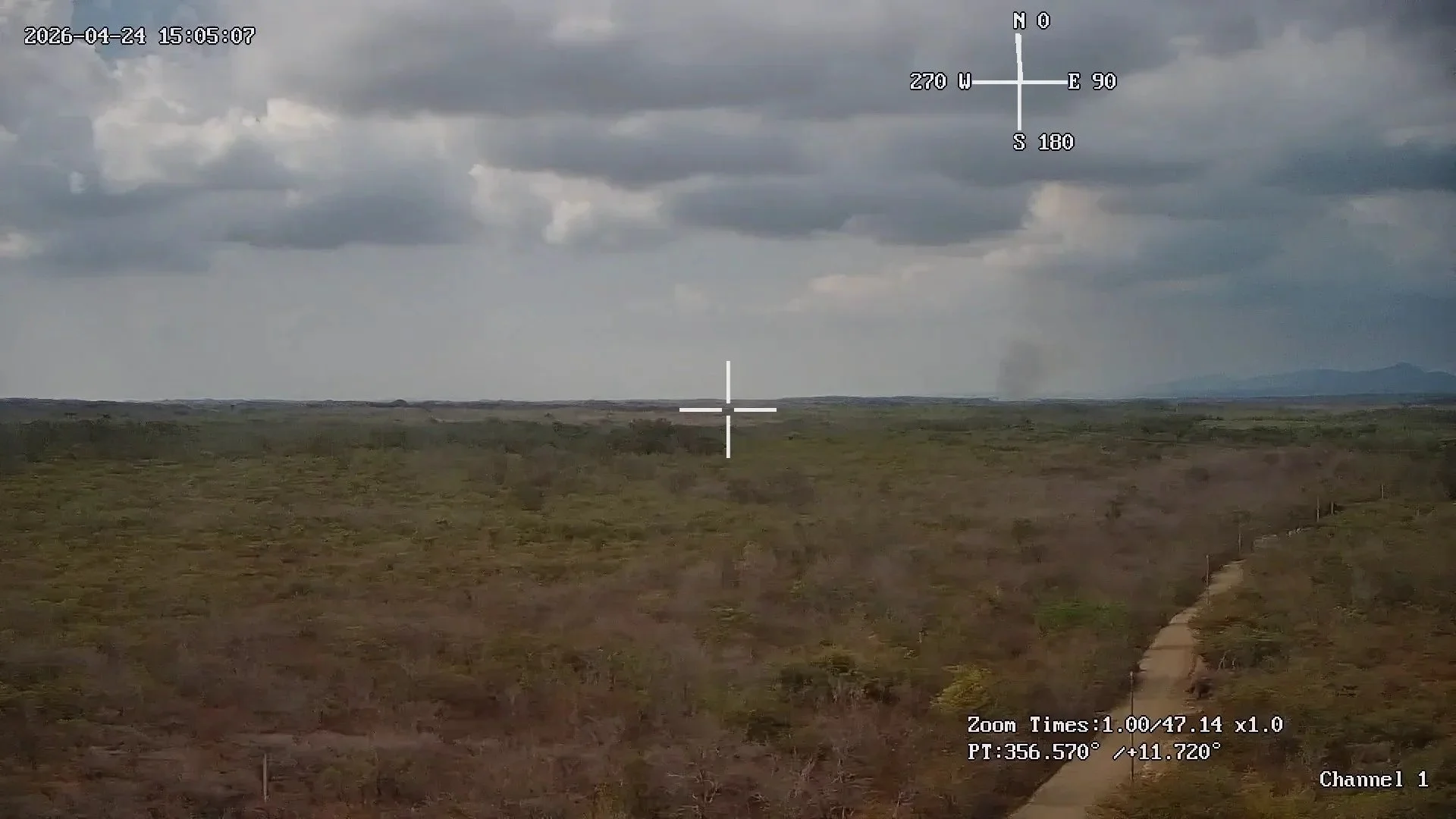
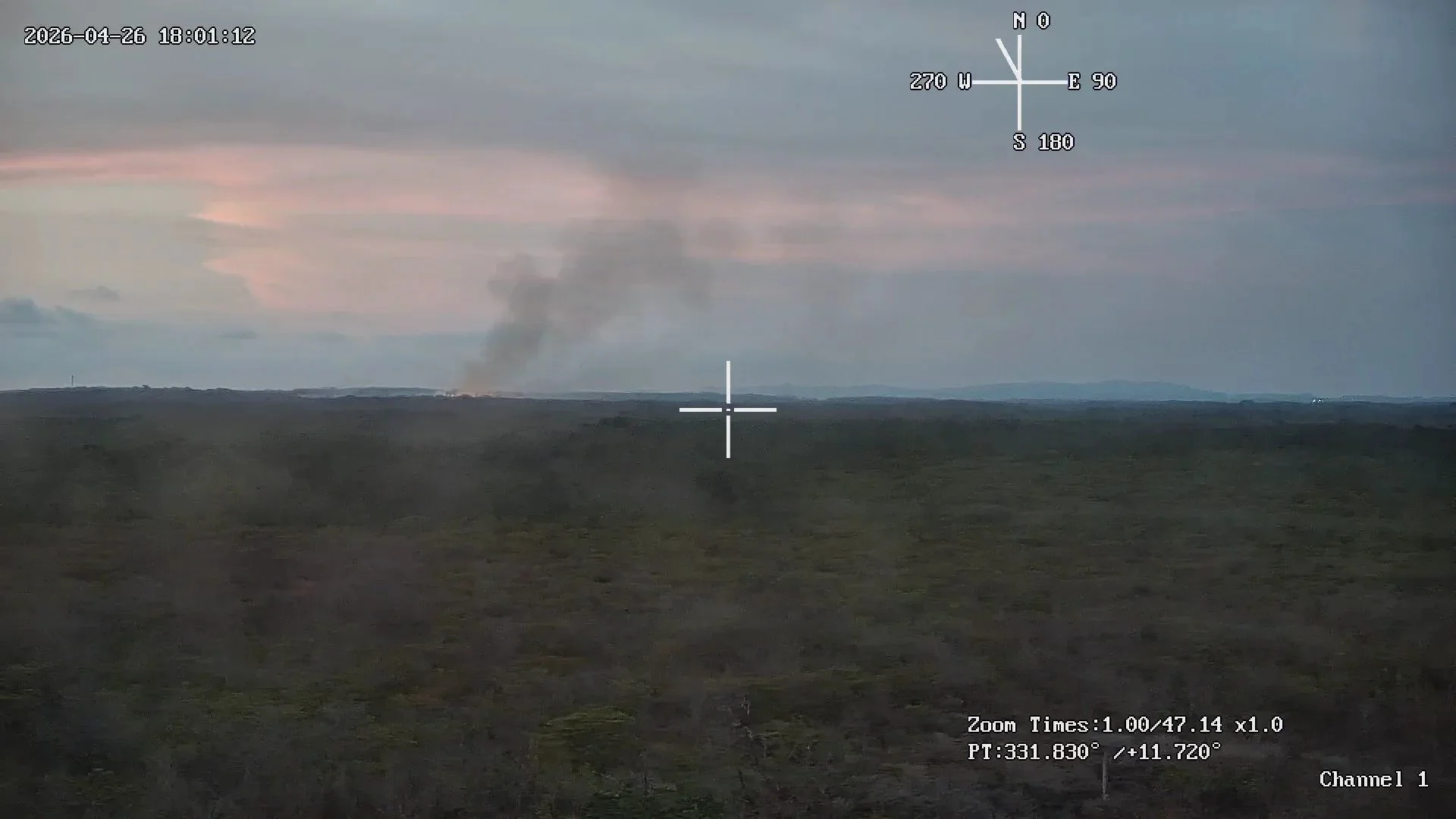
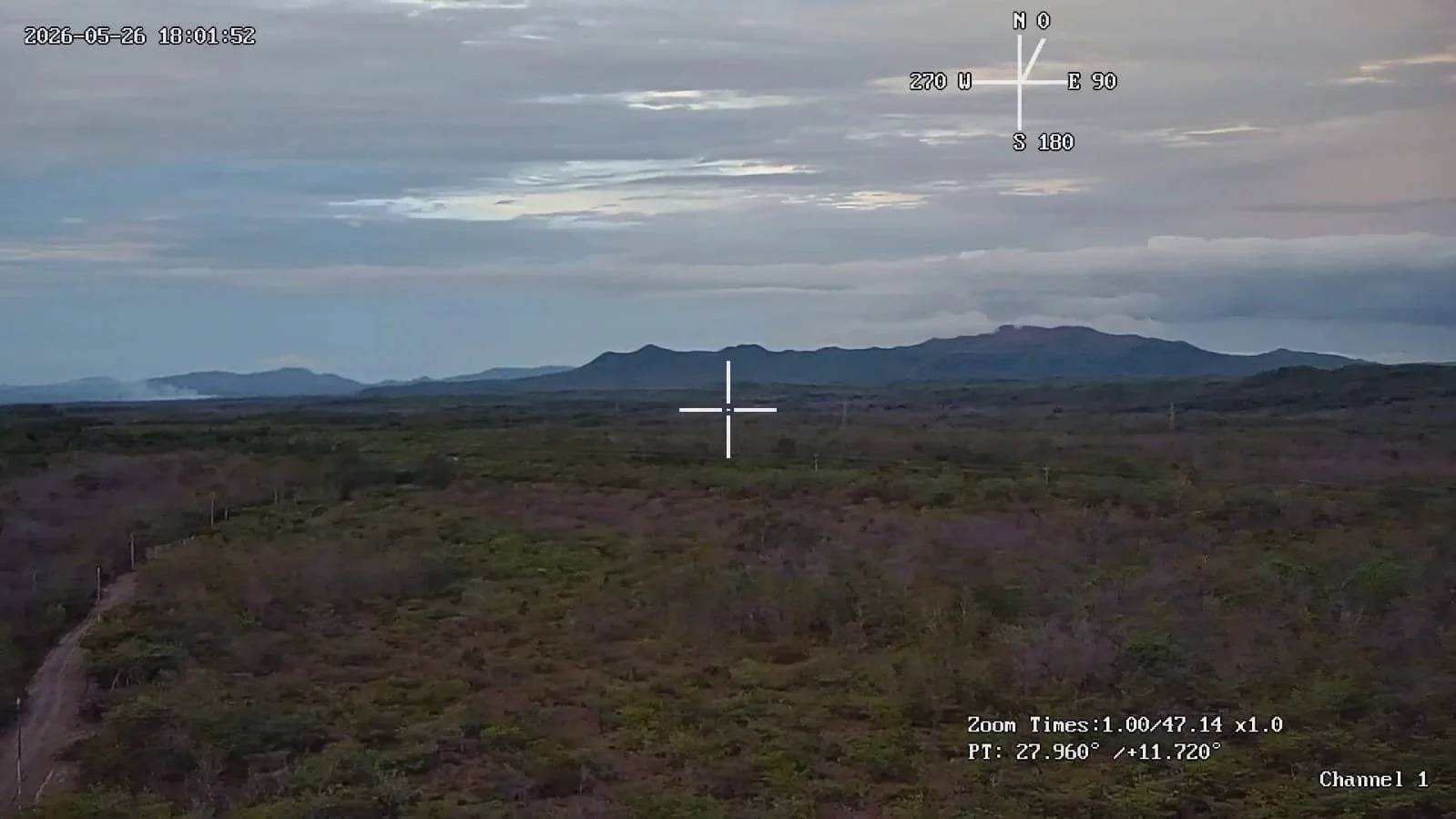
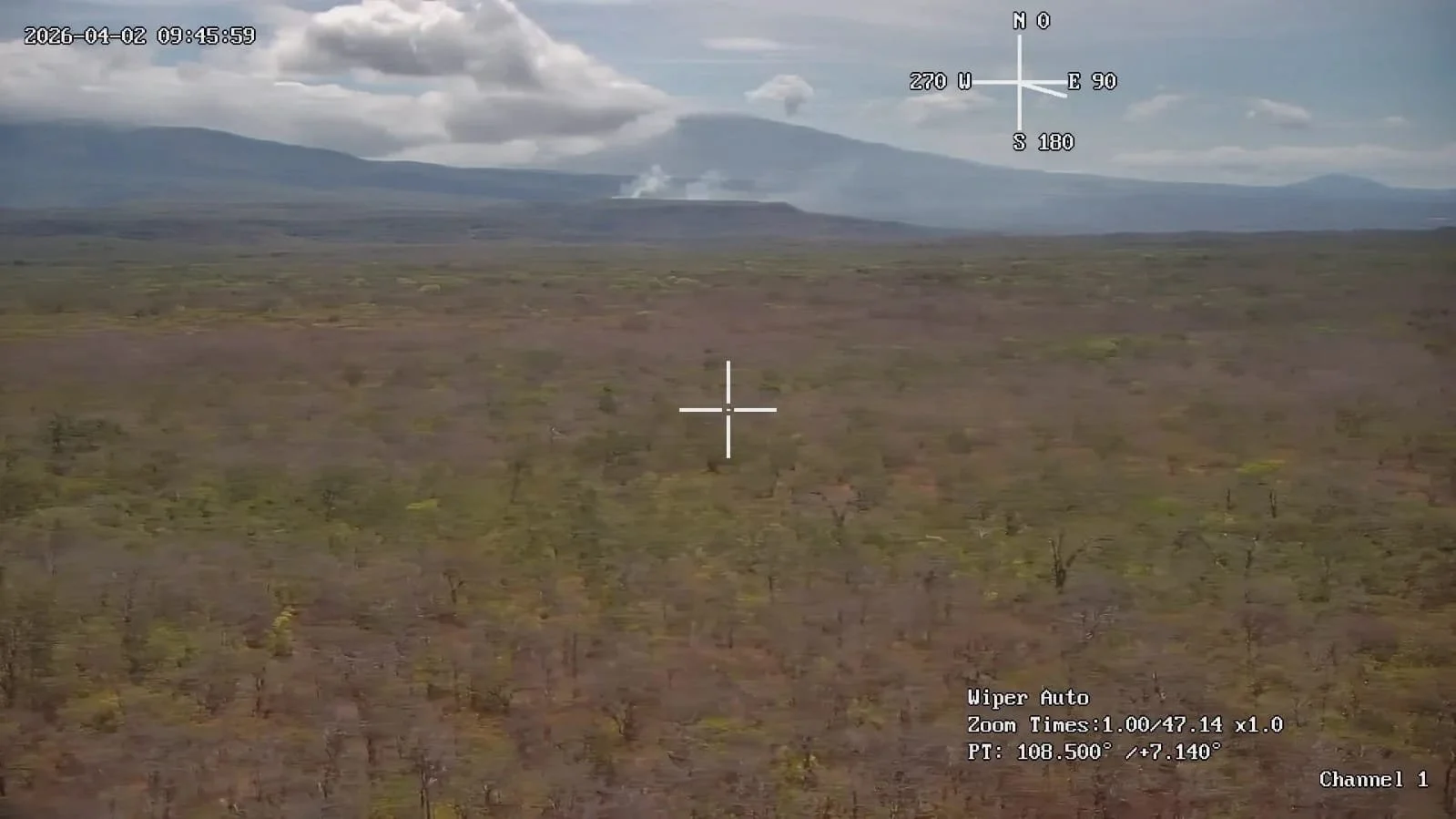
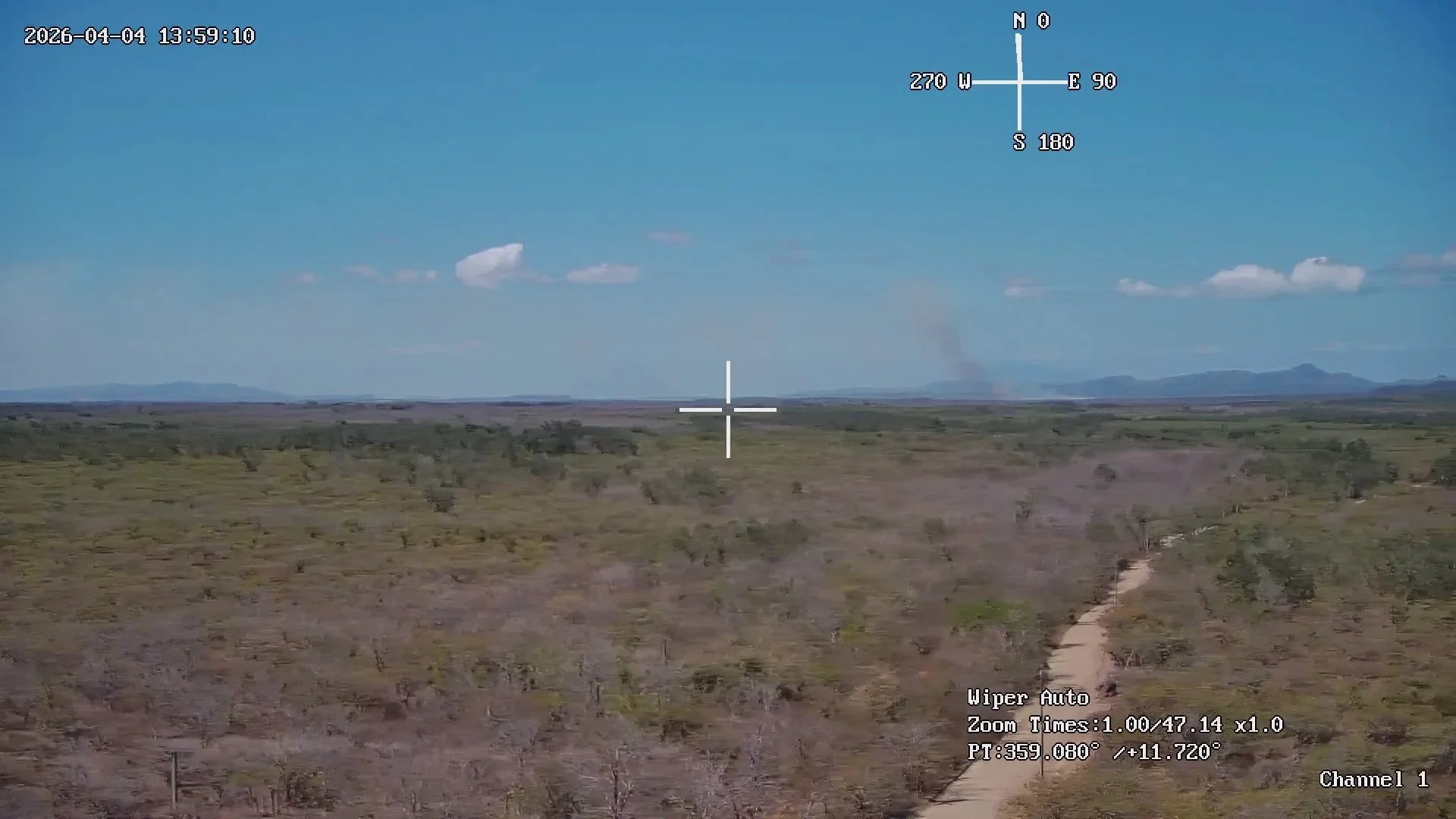
Response efforts to forest fires were intensified during the first quarter of 2026, which began with significant challenges due to the high number of incidents reported. Personnel carried out prevention, monitoring, and control actions to reduce the environmental impact on protected areas and surrounding communities.
Results for the Global Park Defense Program in Costa Rica—First Quarter 2026

The Guanacaste Conservation Area showcased its operational prowess and dedication to environmental preservation in the first three months of 2026 by implementing a comprehensive strategy that prioritized monitoring, preserving biodiversity, preventing wildfires, and coordinating among institutions. Protecting natural resources and minimizing illegal environmental activities within protected areas required 7,677 hours of fieldwork, which was accomplished through 142 control and surveillance operations.

Environmental law violations were located, those engaged in unlawful operations were either summoned or detained, and illegal field equipment, wildlife, rifles, and bladed weapons were confiscated as a result of these efforts. Furthermore, the prosecutor's office was legally presented with many cases, which strengthened the processes of legal enforcement and accountability, and environmental objections were also addressed.

Some of the species affected by illegal possession, poaching, and accidental deaths caused by road traffic.

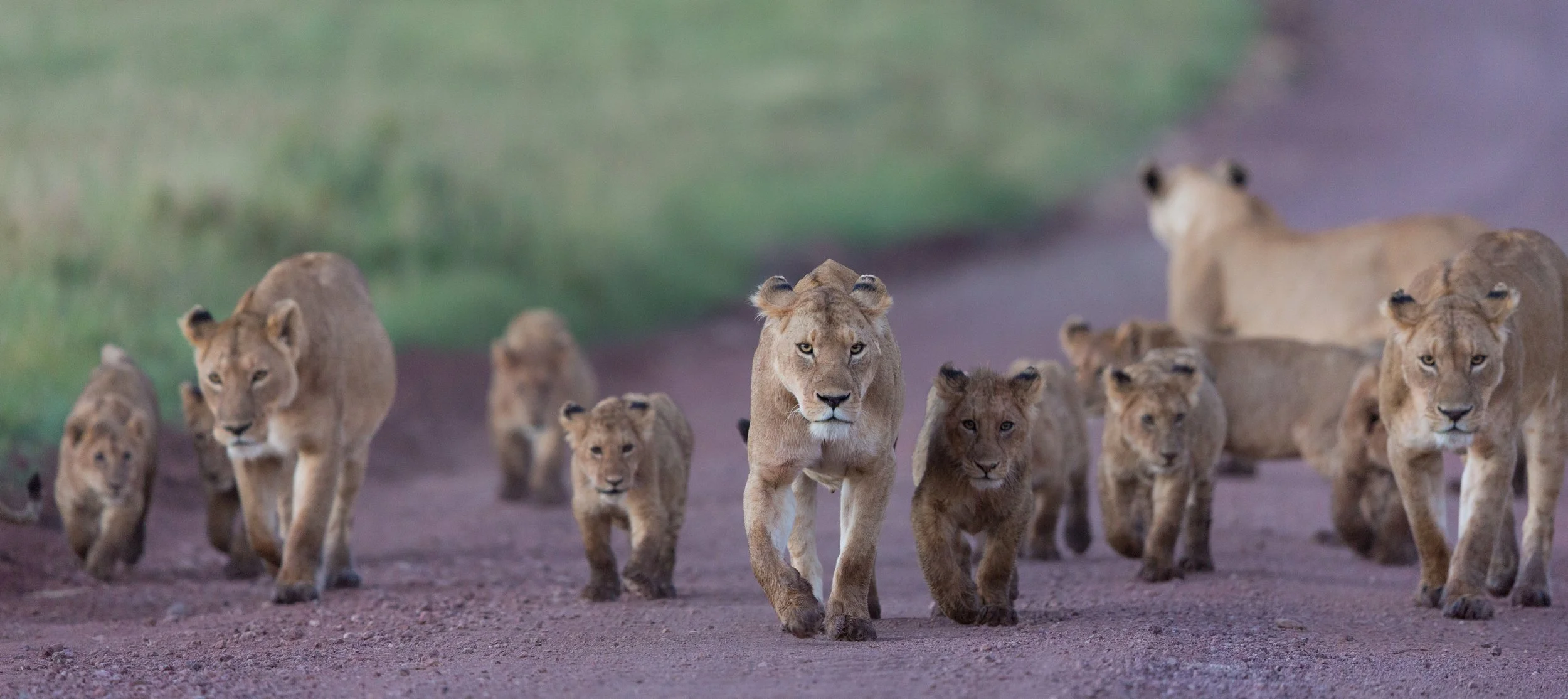
Exceptional biodiversity is supported by the marine-coastal habitats, mangrove forests, cloud forests, wetlands, and tropical dry forests that are all preserved in this area. Many endangered and well-known animals find safety in these environments, including monkeys, sea turtles, jaguars, pumas, tapirs, scarlet macaws, sea turtles, and many migratory and native species. In addition to being crucial for the preservation of biodiversity, these areas are also vital for the upkeep of ecological connectedness, water resources, climate regulation, and the environmental sustainability of the communities in their vicinity.

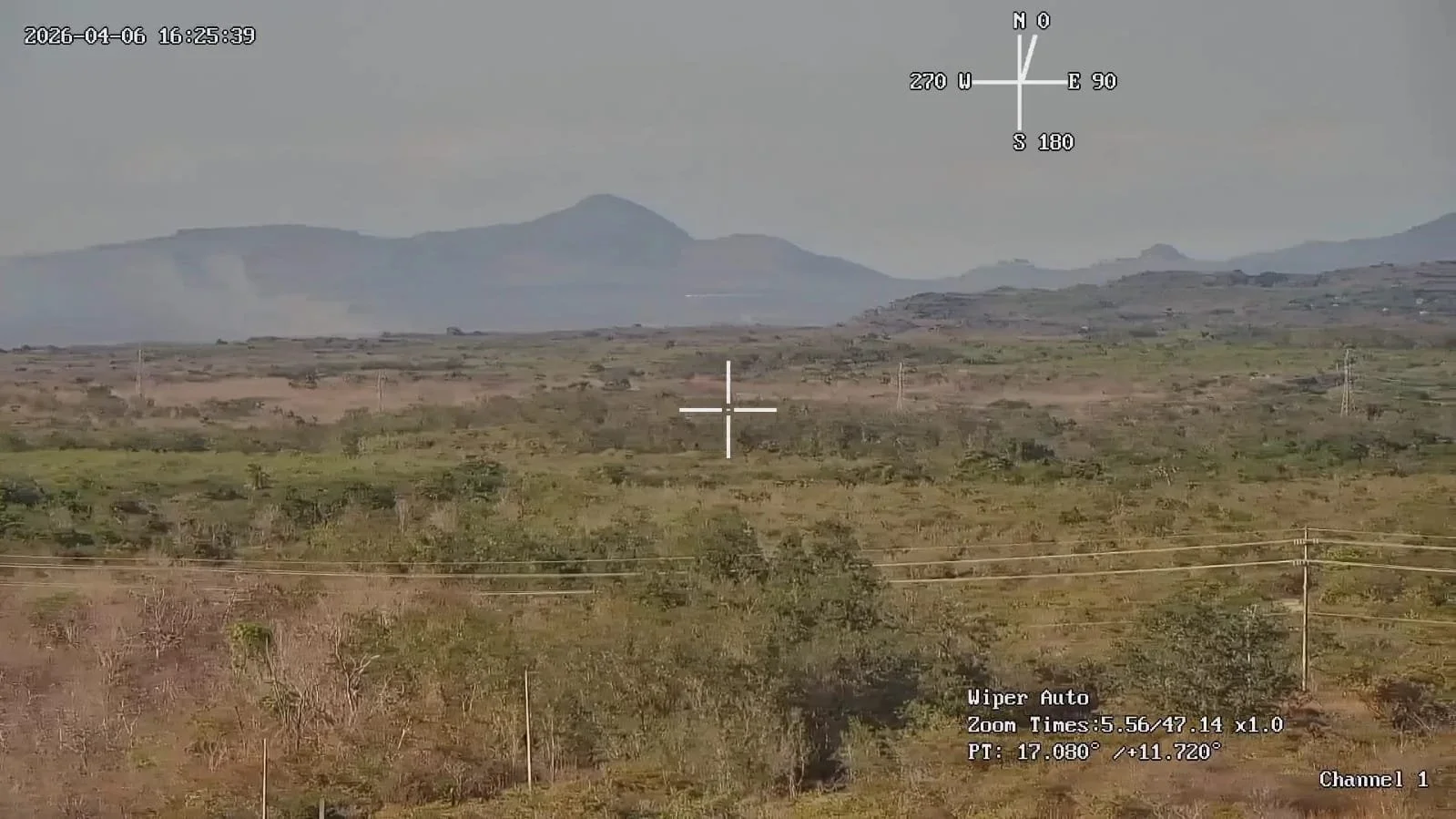
The dry season saw a continuation of the prioritization of wildfire response and prevention efforts. Twenty forest fires were put out by authorities, who also conducted 138 preventative operations and field engineering monitoring actions to safeguard ecosystems that were at risk of fire. These endeavors highlight the significance of merging quick reaction to emergencies with plans for prevention in the long run.


As a result of Global Conservation's funding, the Guanacaste Conservation Area's operational and technical capacities have been significantly enhanced. The long-term preservation of important habitats and animals, better field operations, protection of biodiversity, prevention of wildfires, and institutional cooperation are all directly impacted by this partnership. One of the most significant protected areas on Earth cannot be effectively conserved without ongoing global assistance.

Overall, the indicators for the first quarter of 2026 show that management is actively working to maintain biodiversity, reduce environmental threats, increase legal enforcement, and secure Costa Rica's natural heritage for the future.
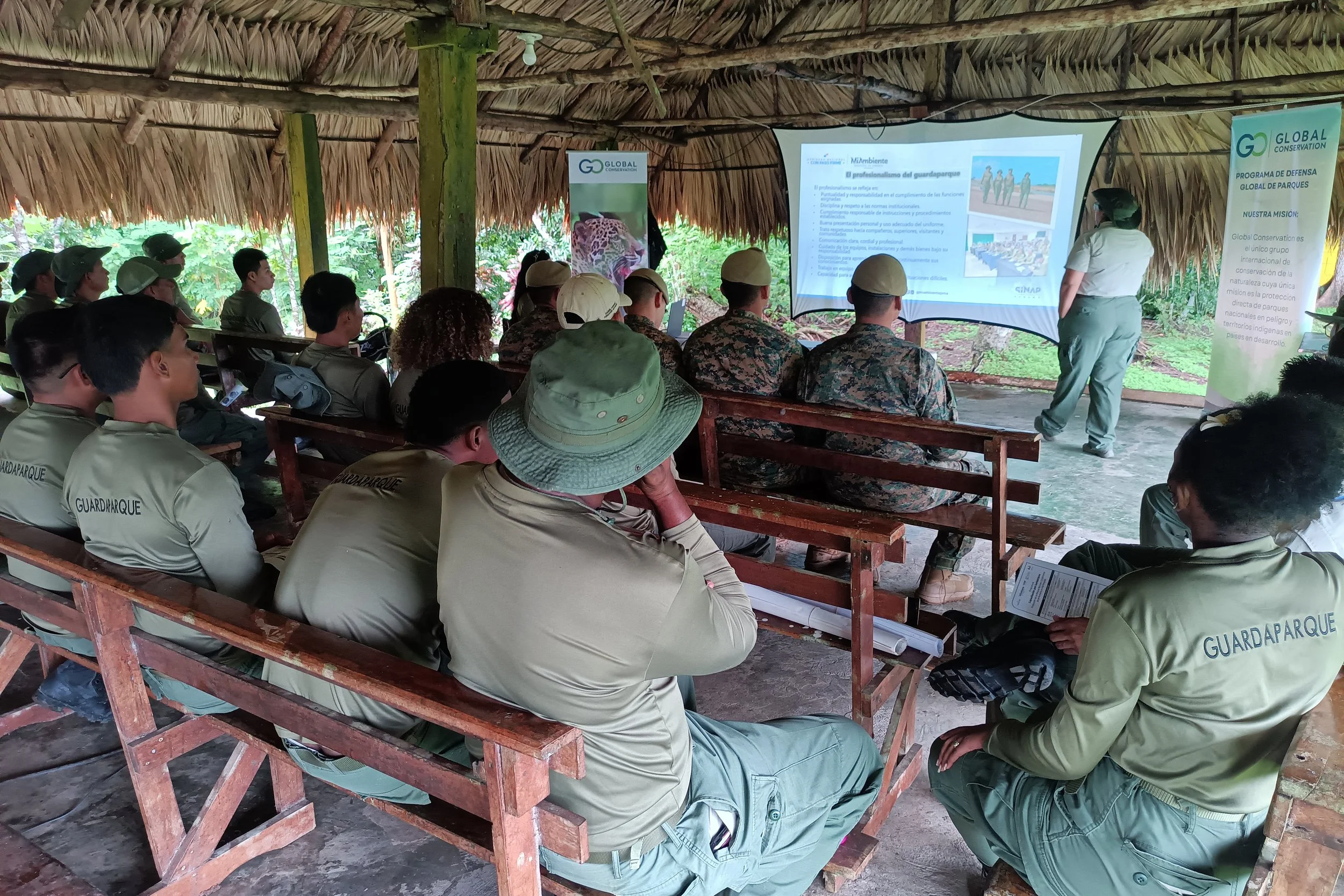
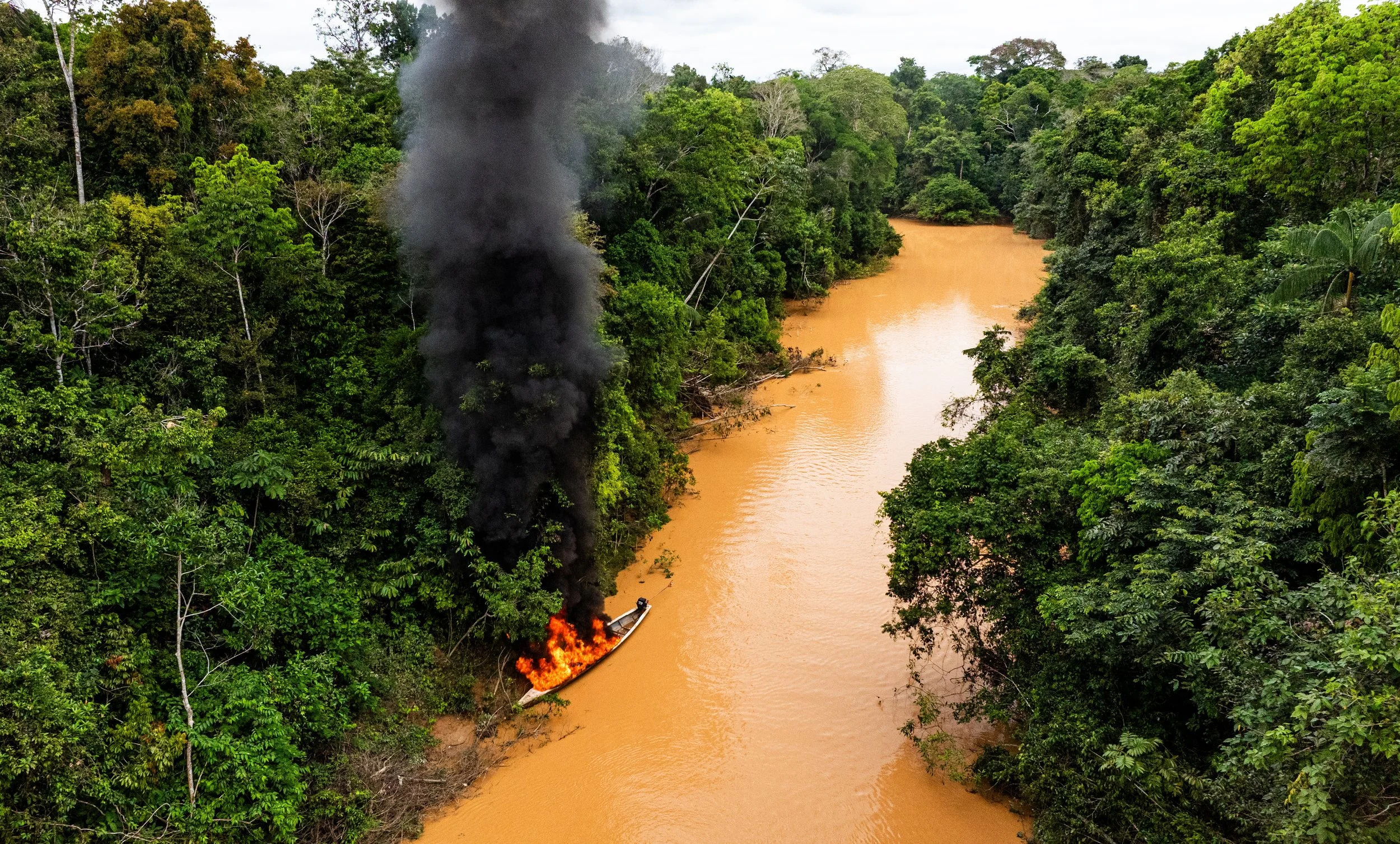
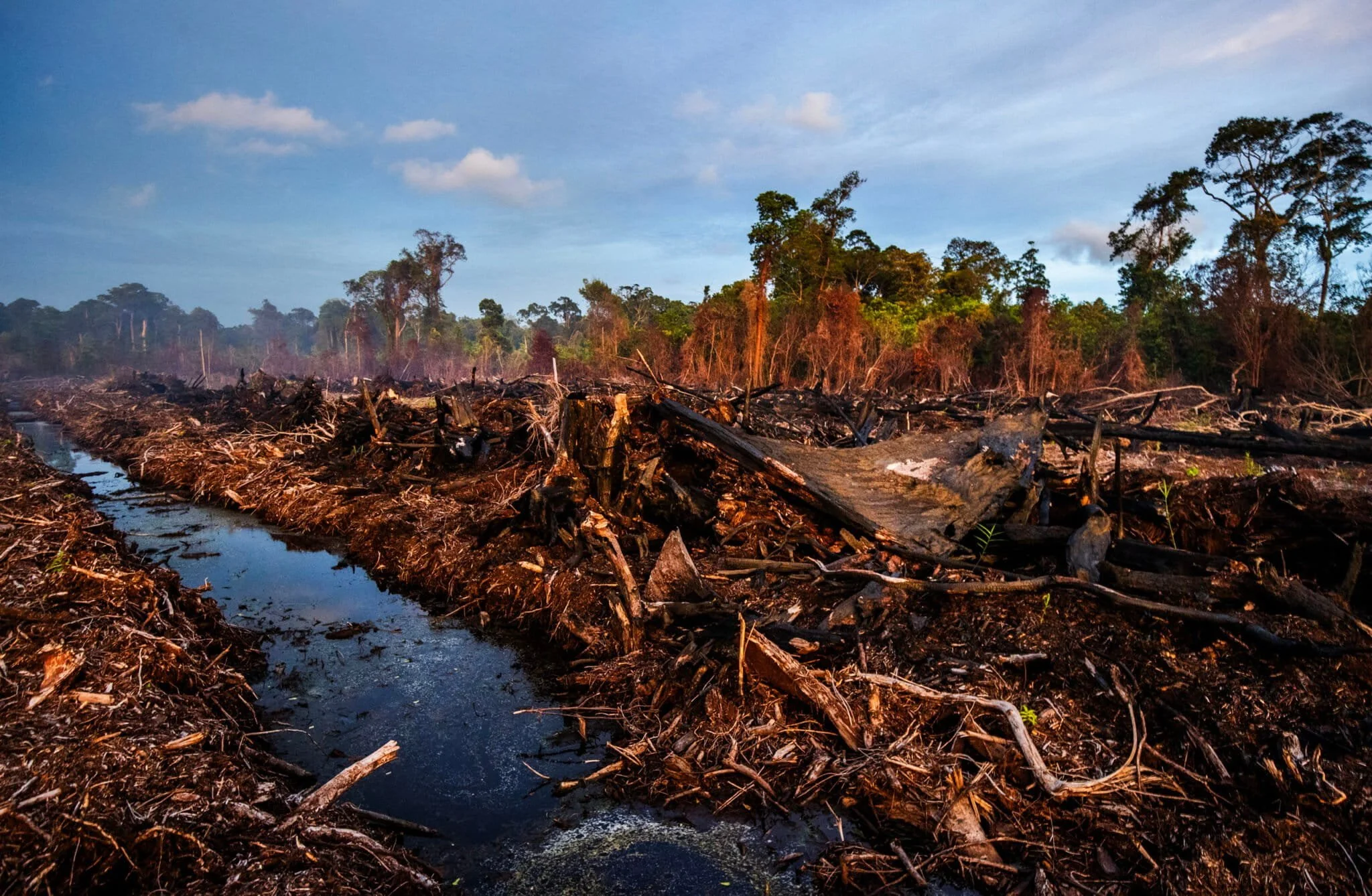
Authorities responded to a citizen complaint regarding illegal logging activities, carrying out field inspections and follow-up actions to verify the situation and enforce environmental regulations.

Indicators – Q1-2026 Guanacaste Conservation Area

Q1 2026 Result

  • Control and surveillance operations conducted: 142

  • Firearms and bladed weapons confiscated: 4

  • Other seizures carried out

  • Various equipment and tools

  • Wildlife confiscated: 4

  • Wildlife rescued or received: 1 parrot

  • Environmental complaints addressed: 24

  • Complaints filed with the prosecutor’s office: 6

  • Violated laws identified: 4

  • Economic value of confiscated resources: $7,000

  • Individuals detained or summoned: 16

  • Hours invested in control and surveillance: 7,677

  • Joint actions carried out with other authorities: 7

  • Forest fires attended: 20

  • Prevention activities conducted: 138

  • Field engineering supervision actions for fire prevention: 10

  • Wildlife protection actions: 8

The results achieved reflect the commitment of the Guanacaste Conservation Area to biodiversity conservation and to strengthening the protection of natural resources in one of Costa Rica’s most important ecological regions.

Program Components

  1. Equipment

  2. Training

  3. Surveillance

  4. Park Management Systems

  5. Joint Patrol Operations

  6. Infrastructure

  7. Park Border Demarcation

  8. Gov’t Co-Investment

1. Equipment

  • Uniforms

  • Shirts, Pants

  • Boots (USA)

  • Machete

  • Backpacks

  • Tents / Hammocks

2. Training

  • GC Enforcement Director

3. Surveillance

  • Threat Mapping

  • Drones (2)

  • Cellular Trailcam Network - 8 Trails

  • Aerial Surveillance - 6 Months

4. Park Management Systems

  • EarthRanger

  • Smartphones

  • Communications - Starlink

5. Joint Patrol Operations

  • Red Line Community Cleanup - North

  • Special Joint Operations - 4 per Year

  • Fuel - Food - Transport

  • Vehicle Maintenance

  •  Military Camps – Key Areas


6. Infrastructure

  • Buena Vista Station Restoration

  • Command Center 1

  • Computers and Furnishings

  • Command Center 2

  • Computers and Furnishings

7. Park Demarcation

  • Signage

  • Installation 

8. Required Govt. Co-Investment 

  • 6-10 New Park Rangers 

  • 2 Trucks

  • 6 Motorcycles

  • Aerial Surveillance


Next
Next

Expansion of the Marine Monitor (M2) Radar Systems and Command Centers at the Turneffe Atoll Marine Reserve