GC Announces New Protection of Amboró National Park, Bolivia
Background
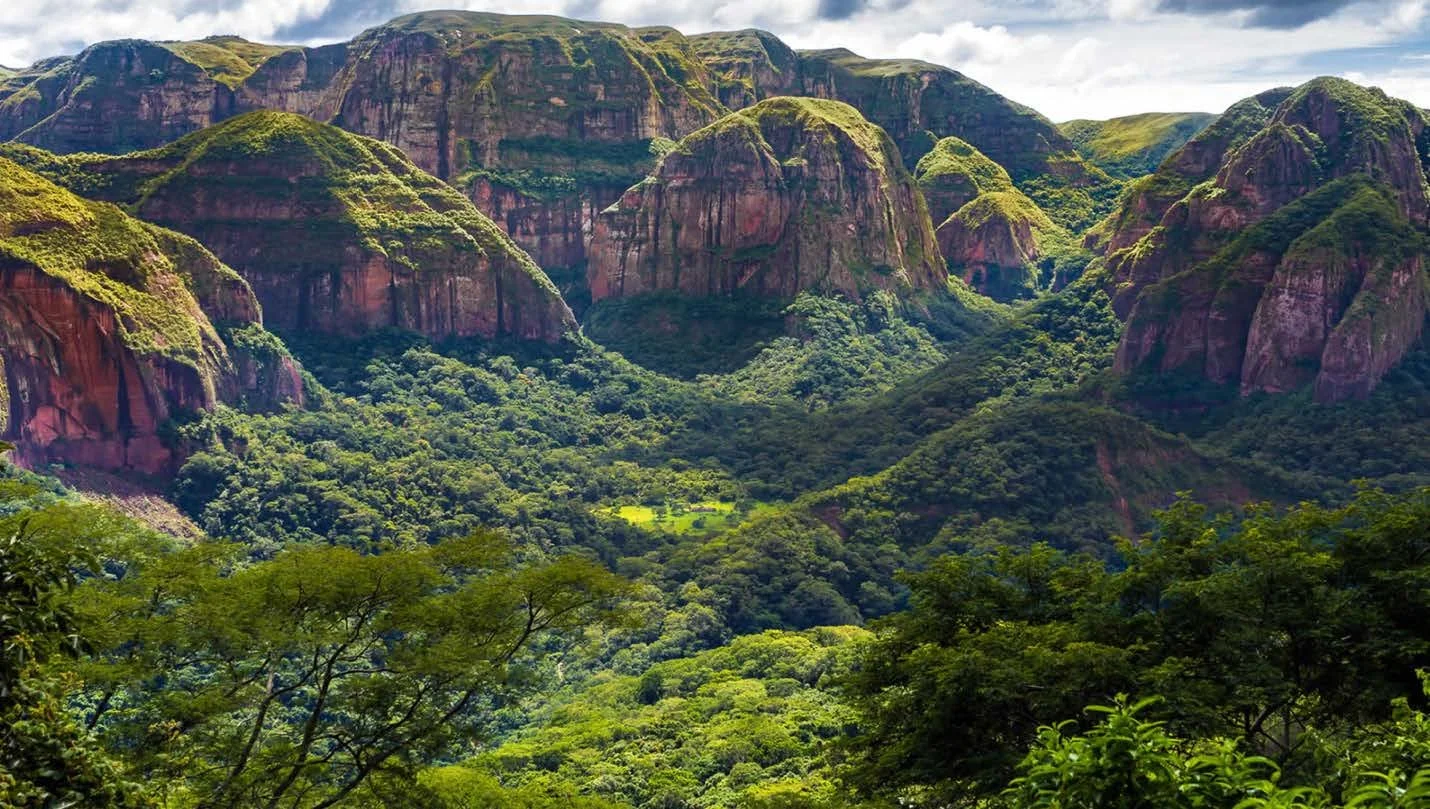
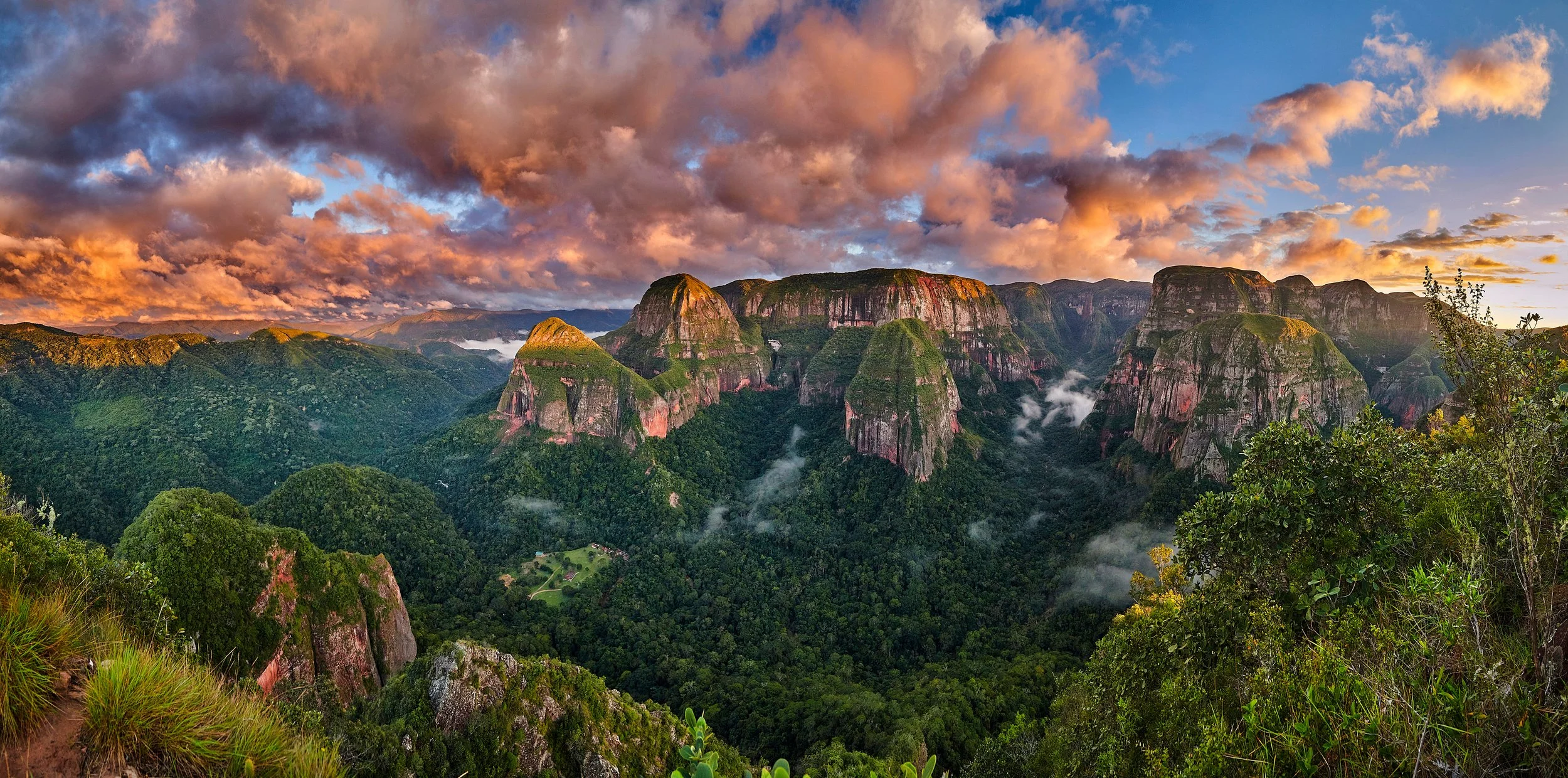
The Amboró National Park and Integrated Management Natural Area encompasses some 636,000 hectares (1.57 million acres), located in the Santa Cruz department of central Bolivia, at the confluence of three different ecosystems: the Amazon, the northern Bolivian Chaco, and the Andes.
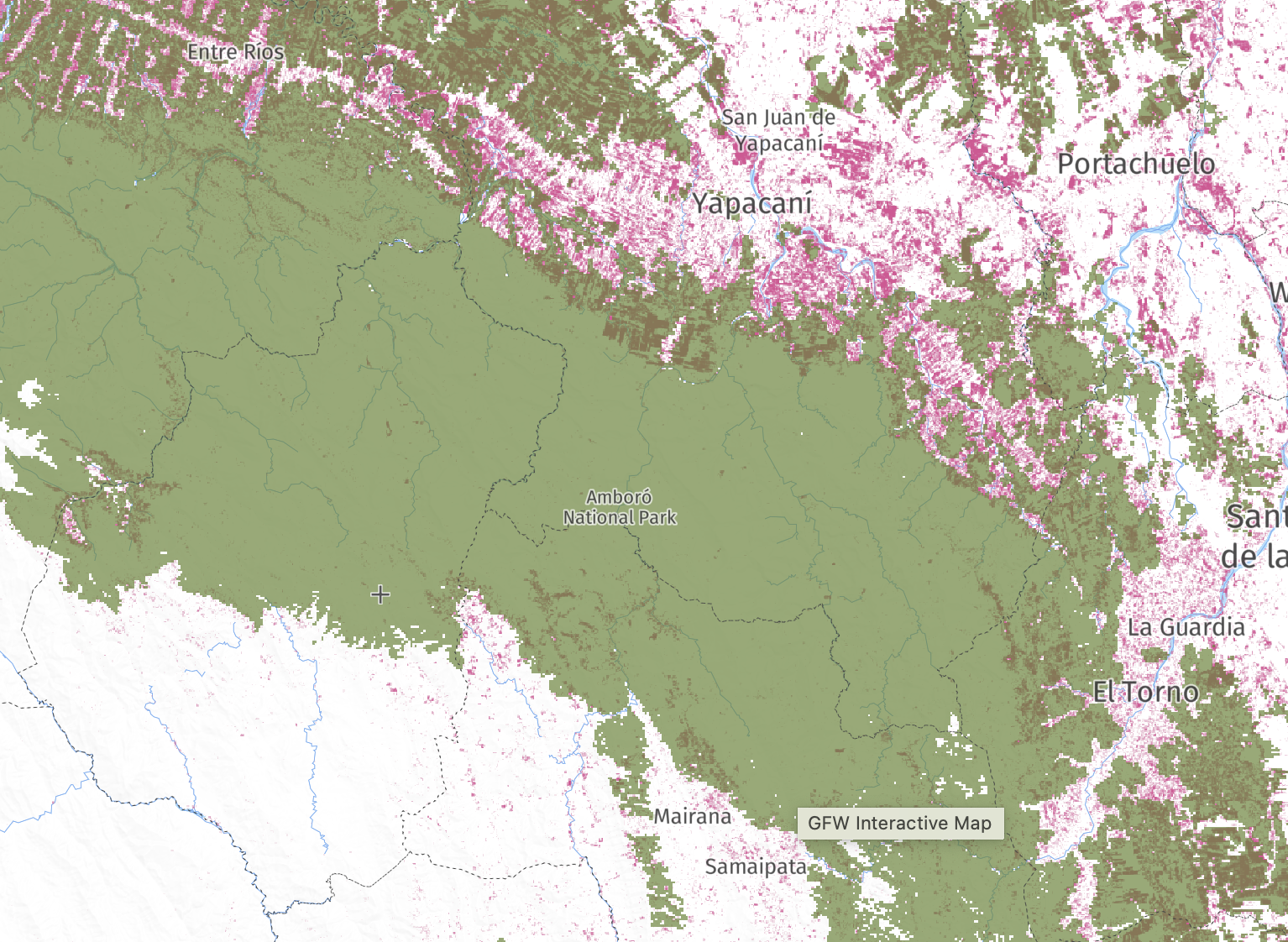
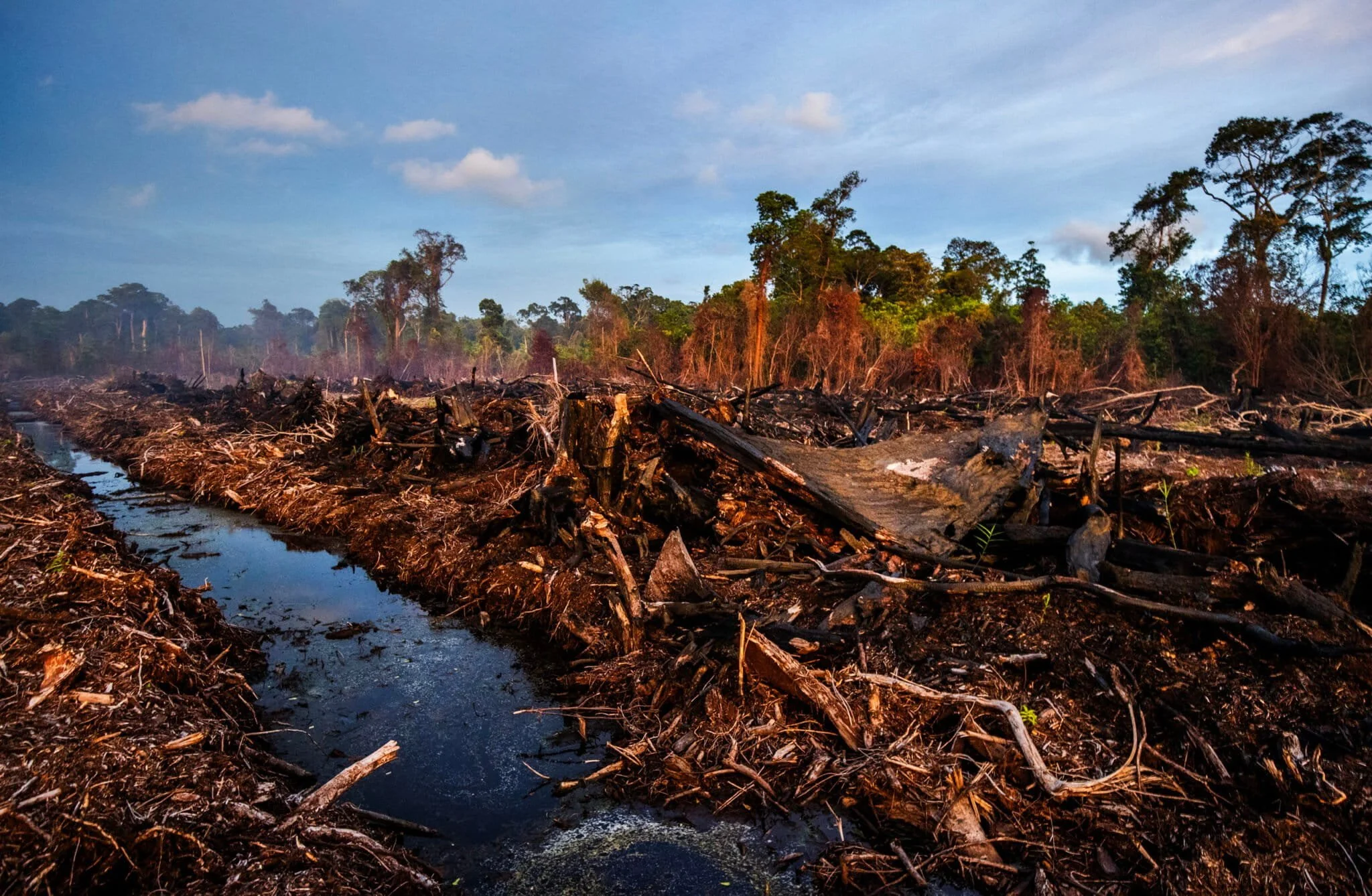
A cleared patch in Amboró National Park is described in a report produced by the Amboró park director’s office’s as caused by illegal deforestation. Satellite image captured by Planet Labs via Global Forest Watch
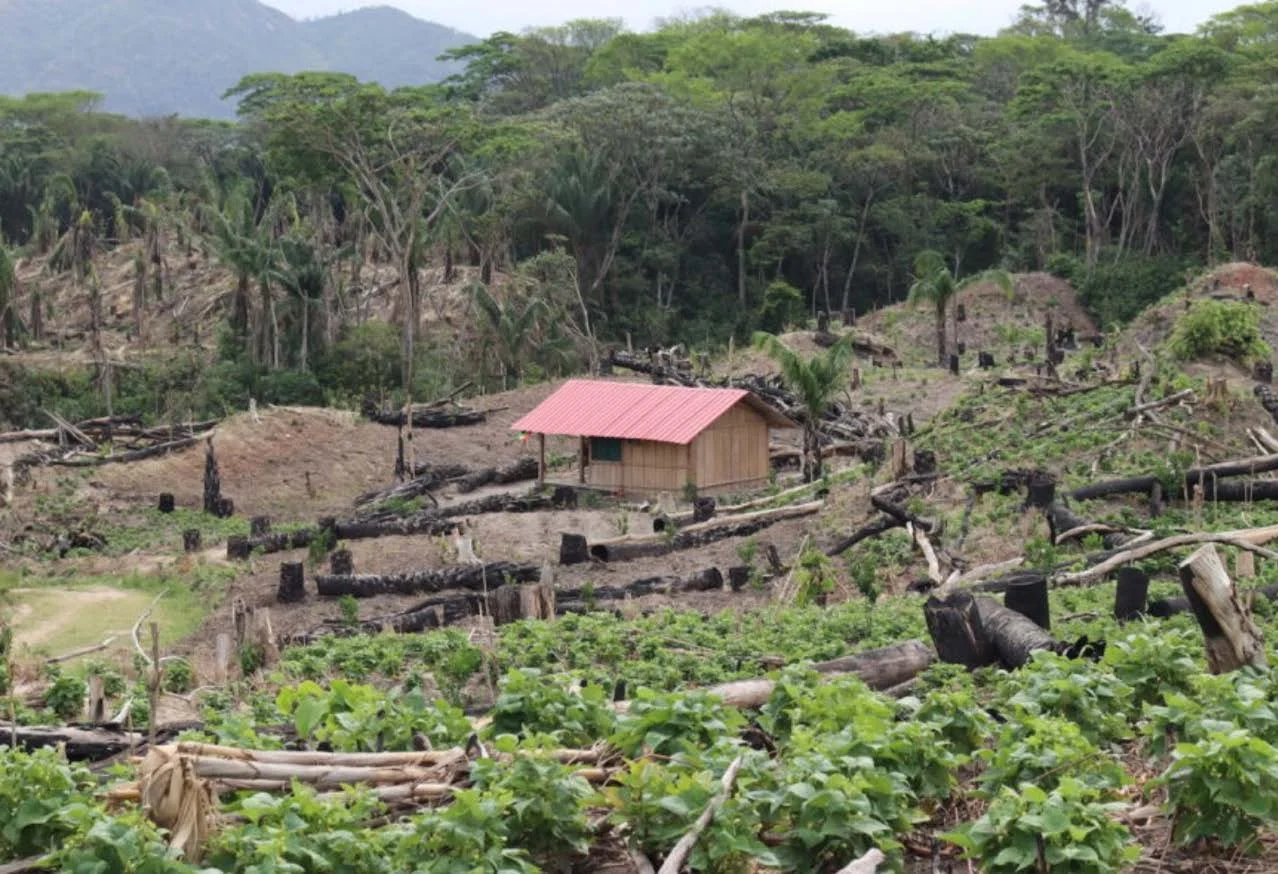
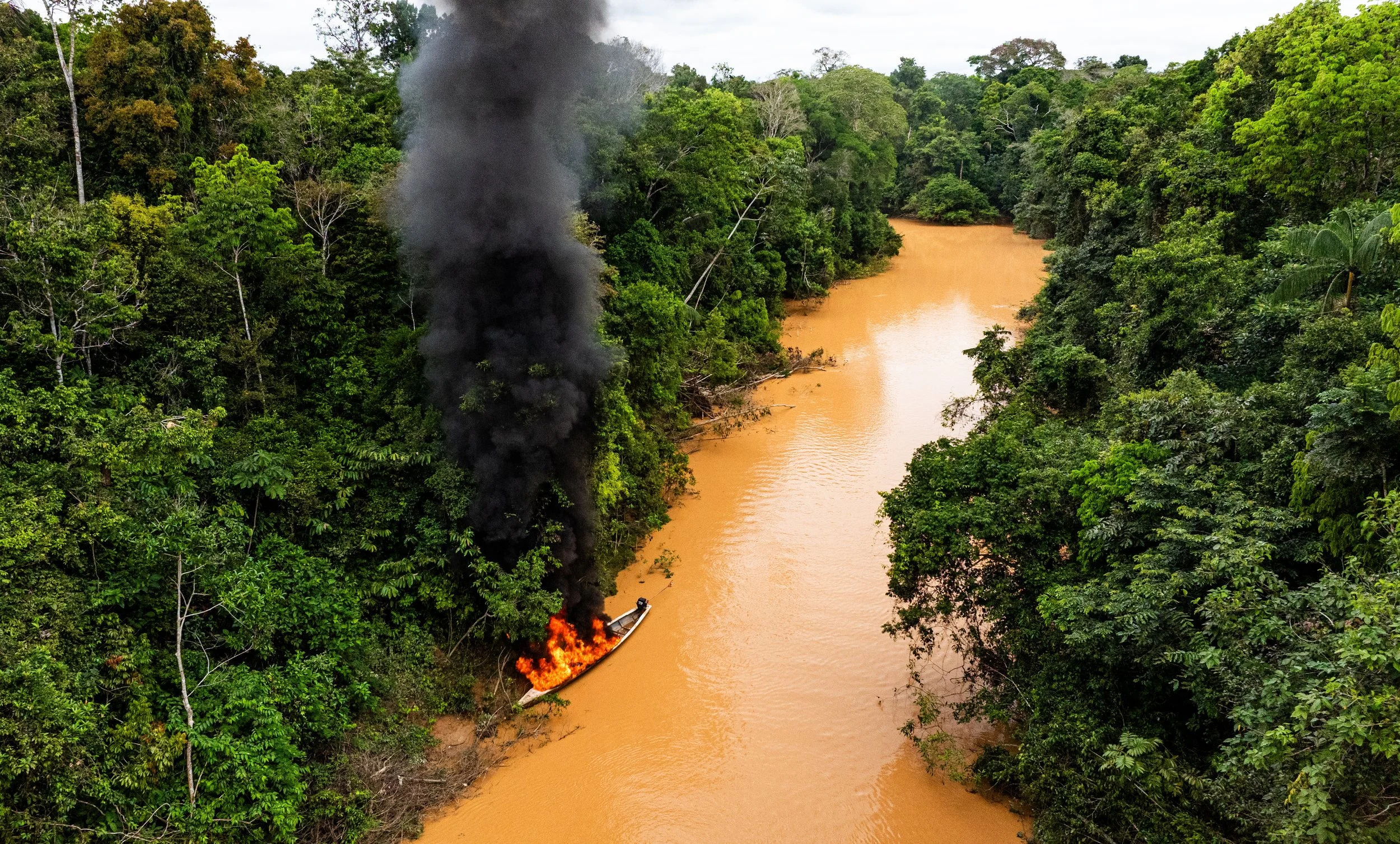
Amboró has been losing forest cover to illicit activities such as the cultivation of coca crops for the production of cocaine and illegal land clearing by surrounding populations and outsiders, according to MongaBay, summarized below.
Global Forest Watch recorded some 256,000 deforestation alerts between November 2021 and November 2023 in Amboró. Each of the alerts represents the loss of 30 square meters of tropical forest (98.4 square acres). Many of these alerts coincided with fire activity in the park.
A report submitted to Sernap in 2023 by the director’s office of Amboró references five main deforested portions inside the park, along with two more just outside the park’s boundary.
Authorities eradicated more than 400 hectares (988 acres) of coca crops from inside Amboró from 2021 to '23, and the Bolivian Special Force to Fight Drug Trafficking has conducted two interventions within the park.
Laying Down Groundwork for the Future
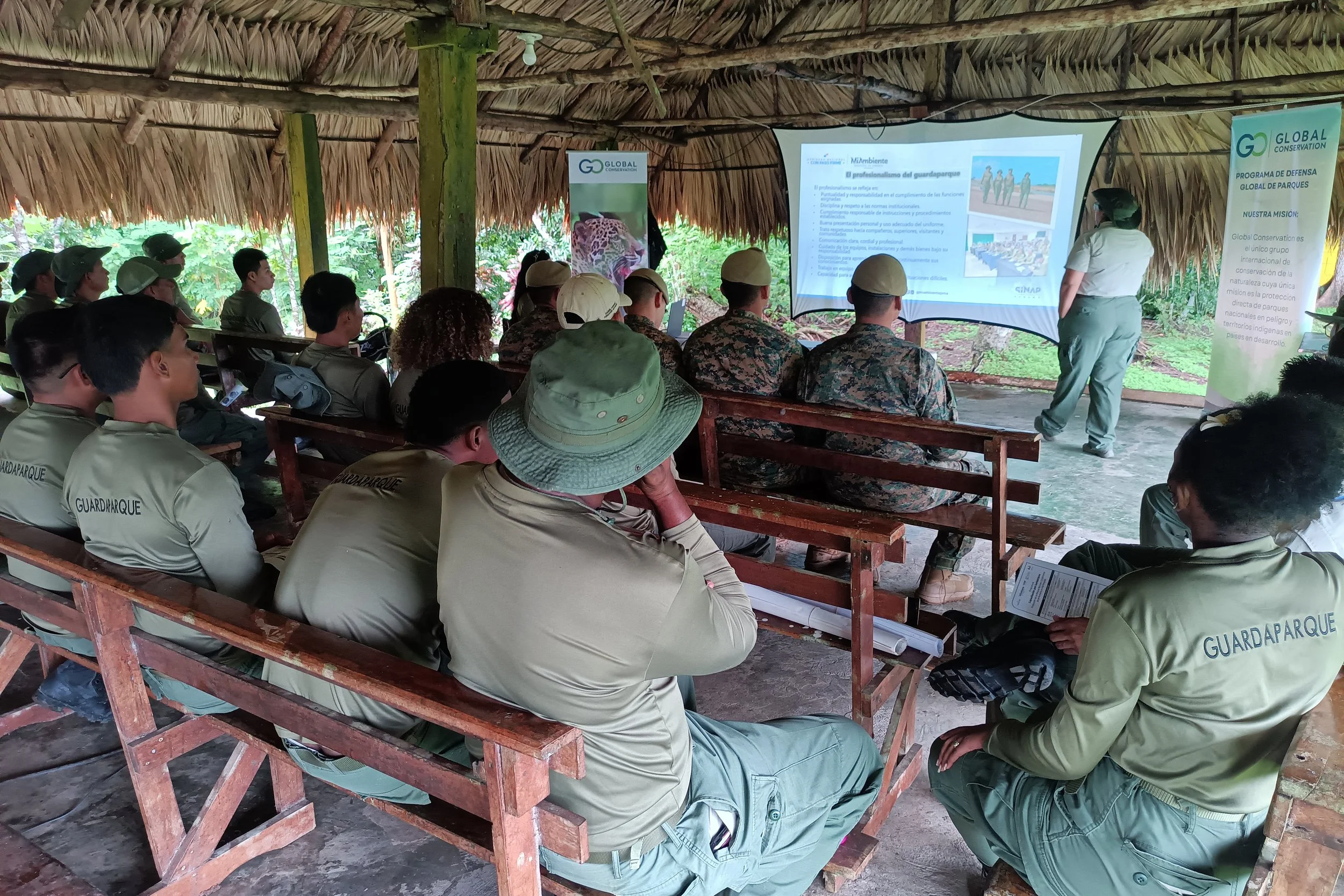
Global Conservation is now working with the Freyja Foundation on the protection of Amboro National Park, Bolivia. GC works together with national park authorities and local communities to multiply protection and effectiveness through integrated Global Park Defense and Community Protection programs.
With Freyja Foundation's co-funding, GC will implement Global Park Defense alongside the new Amboro National Park Director and a team of rangers and community ecoguards to:
Increase patrolling coverage in the national park to over 10,000 kilometers.
Increase arrests and prosecutions against illegal coca, logging, and mining
Focused interdictions and joint patrols with police and military in High Threat areas
Real-time monitoring of deforestation and illegal activities
Training and equipment for all rangers and ecoguards
Dedicated GC Protection Manager in Amboro with an annual operations budget
This integrated model, which Global Conservation Peru first created over the course of five years in Sierra del Divisor National Park, is currently being scaled to include the combined five million hectares of Otishi and the adjacent Manu National Park and their Indigenous Territories.
Amboro will set a new model for Bolivia’s National Parks to work in a multi-agency, “all-government” approach, along with local communities, to amplify combined resources to stop environmental damage to the park and adjacent lands.
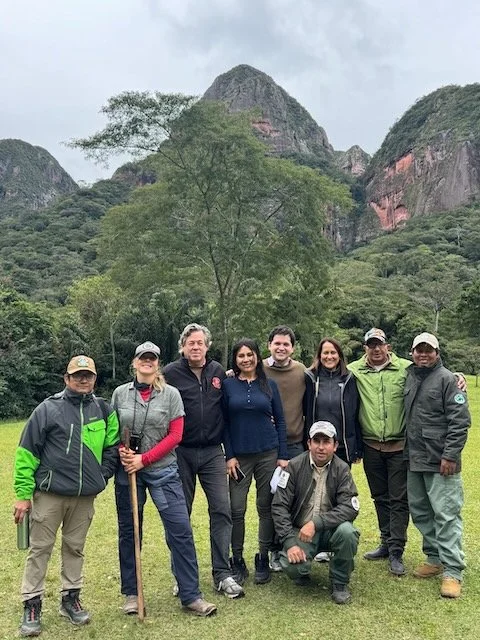
GC Executive Director Jeff Morgan (third from left) along with GC Director of Central America, Margoth Quispe (center in blue), meet with the-
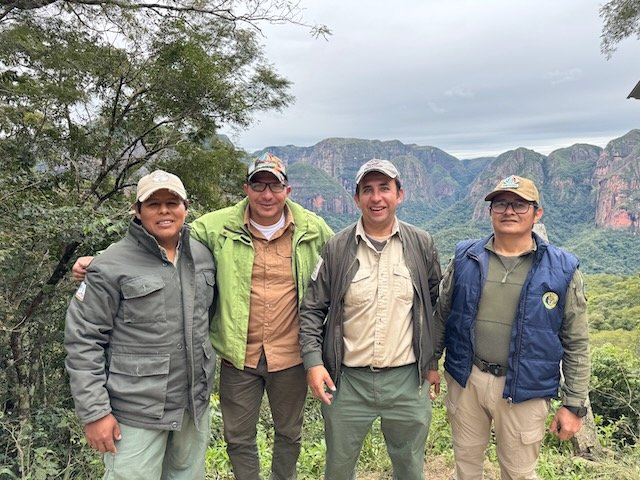
-National Park’s staff to establish GC’s Global Park Defense initiative.
One of Amboro’s biggest challenges is the lack of park rangers employed for patrolling and park management. The government needs to add 8-12 new National Park Rangers and provide them with lodging, training, and equipment. Furthermore, GC will hire 15–20 Community Ecoguards to assist rangers in all aspects of their work, except law enforcement.
Global Conservation proposes an initial 2-year program in which the Freyja Foundation funds 50% of the total costs, with GC securing a $1:1 matching grant for a total of $500,000 in joint investment. If these first two years are successful, we will continue for another 2–3 years as needed.
The Bolivian Minister of Environment must increase both the staff and budget for Ambora National Park to secure this GC Project, aiming to add 20 rangers and triple the government’s annual budget.
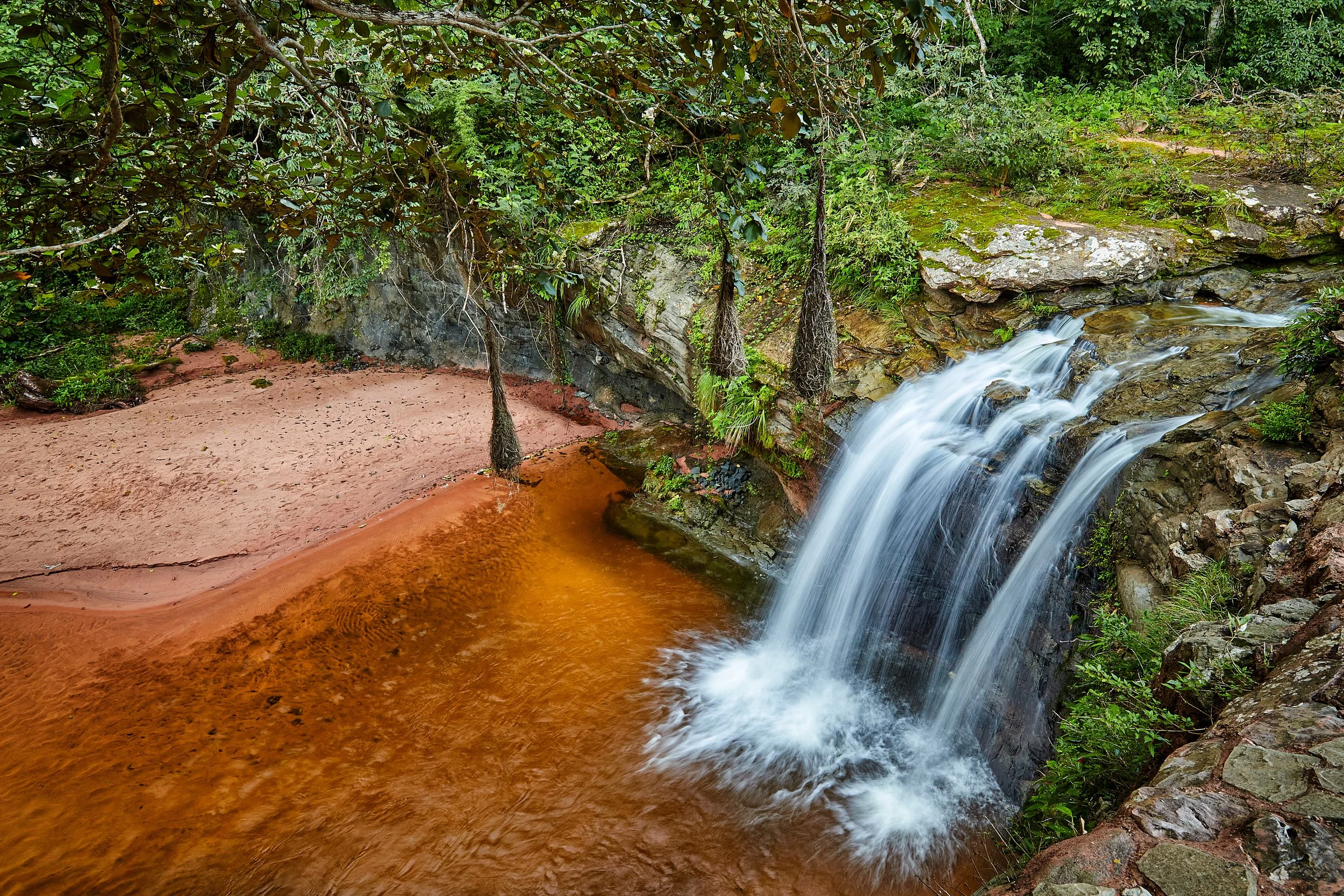
Parts of Amboró National Park are remote and difficult for authorities to access, making it an attractive locale for those growing and processing illicit crops. Limber Vargas, the new park director of Amboró, stated that criminal organizations linked to drug trafficking also pose a threat to Comarapa, another municipality within the protected area. In October of 2023, Comarapa residents, park rangers, and the mayor’s office were reportedly attacked while they were in the process of eradicating coca and marijuana crops. Vargas told reporters that he will be addressing encroachment by coordinating with municipalities, as well as with national and departmental government agencies.
Milton Cortés is the president of the Social Management agency of Amboró, which comprises representatives from the nine municipalities that inhabit the protected area, along with other authorities of the Santa Cruz department. He said he has urged the national government to step in and help stop encroachment into the park.
“The settlers arrive from the Cochabamba department. These settlements, unfortunately, are growing in different locations,” Cortés said. “We saw old settlements where there is coca and new settlements where they exploit timber. We reported it and asked for more control.”
-Excerpt from MongaBay