Turneff Atoll Sustainability Association's 2025 Annual Report

Collaboration with the Belize Coast Guard was crucial for security, enabling safe joint patrols and operations at the Maugre Caye and Calabash Caye Conservation Outposts.
In 2025, the Turneffe Atoll Sustainability Association (TASA) made meaningful progress in strengthening the protection and sustainable management of the Turneffe Atoll Marine Reserve (TAMR). These achievements reflect the power of collaboration among our partners, stakeholders, and supporters who share a common commitment—particularly our tourism partners, who continue to exceed their statutory contributions—we strengthened the protection and management of this vital ecosystem.
A defining milestone this year was the development and approval of the Flats Fishery Management & Sustainability Plan—the first of its kind for Turneffe and a landmark for Belize. This initiative builds on the country’s leadership in catch-and-release fisheries and positions Turneffe as a model for sustainable flats fishing. The Plan establishes a clear framework to protect critical habitats, guide responsible use, and secure the long-term economic and ecological value of this vital fishery.
Beyond this milestone, TASA strengthened enforcement and compliance, expanded science-based monitoring, and deepened stakeholder engagement across the atoll. We also continued to advocate for stronger environmental governance and responsible development, ensuring that Turneffe remains resilient in the face of increasing pressures. TASA also remained an active contributor to Belize’s wider Marine Protected Areas network, supporting national efforts to strengthen marine governance and resilience and taking on the Chair of the Belize Marine Protected Areas Network.
While challenges such as climate change, habitat degradation, and evolving financing constraints persist, TASA remains focused on strengthening its institutional capacity and advancing sustainable financing approaches to support long-term conservation outcomes. This requires continued focus and innovation.
Enforcement and surveillance operational review
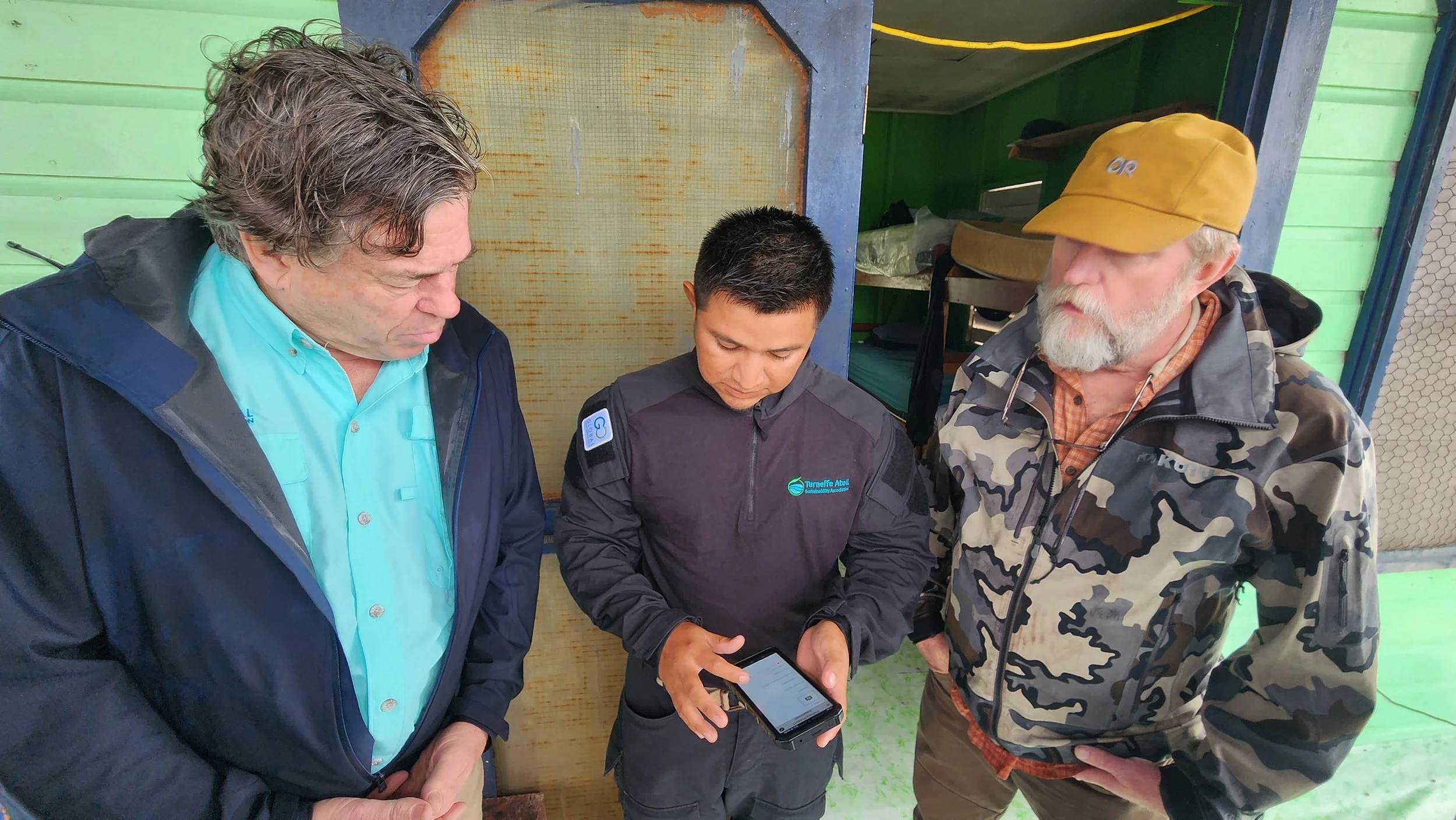
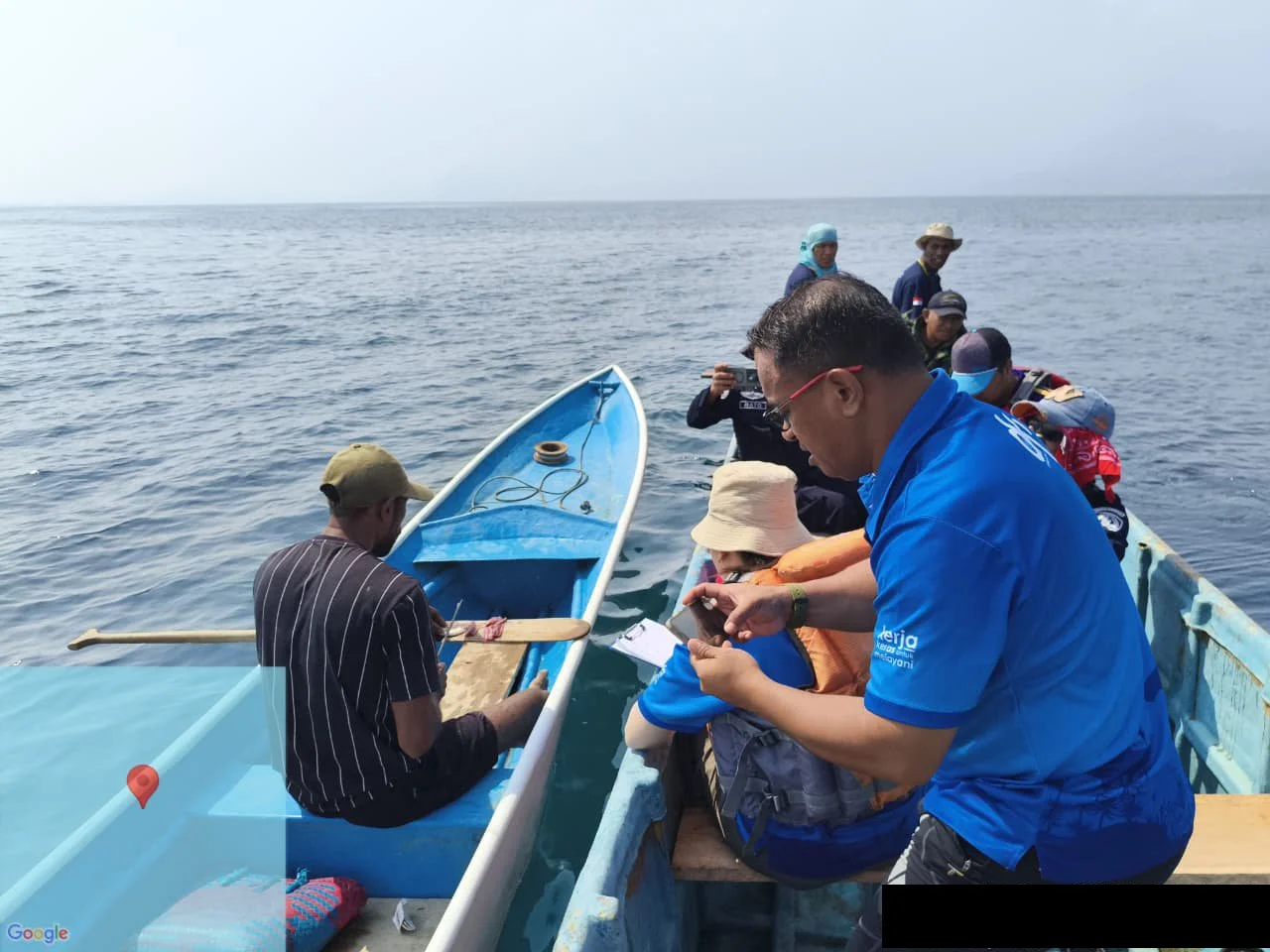
GC Executive Director Jeff Morgan and Michael Stefanik work with TASA to teach them how to use SMART technology to effectively patrol their waters.
Throughout 2025, TASA’s Enforcement Program maintained a strong presence across the Turneffe Atoll Marine Reserve (TAMR) to protect its marine ecosystems. The team achieved exceptional operational coverage through strategic planning and dedicated fieldwork.
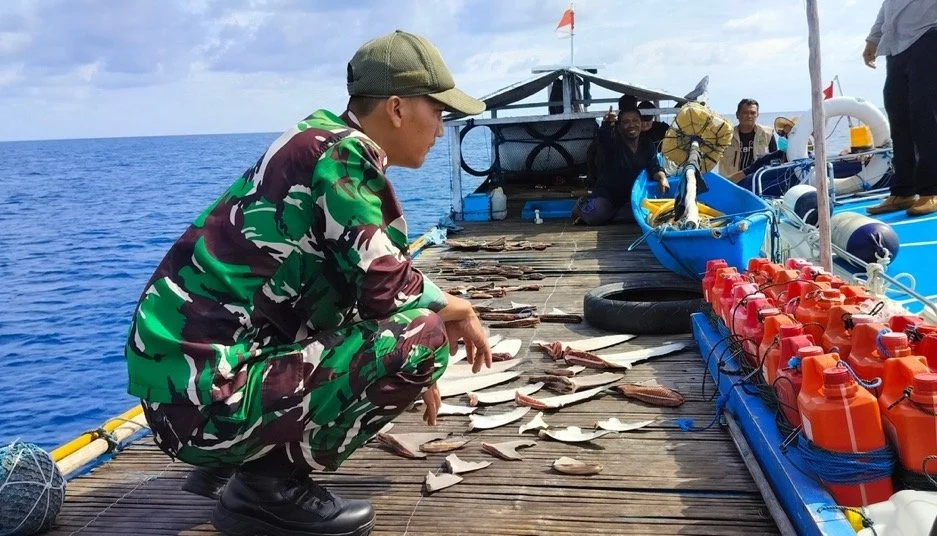
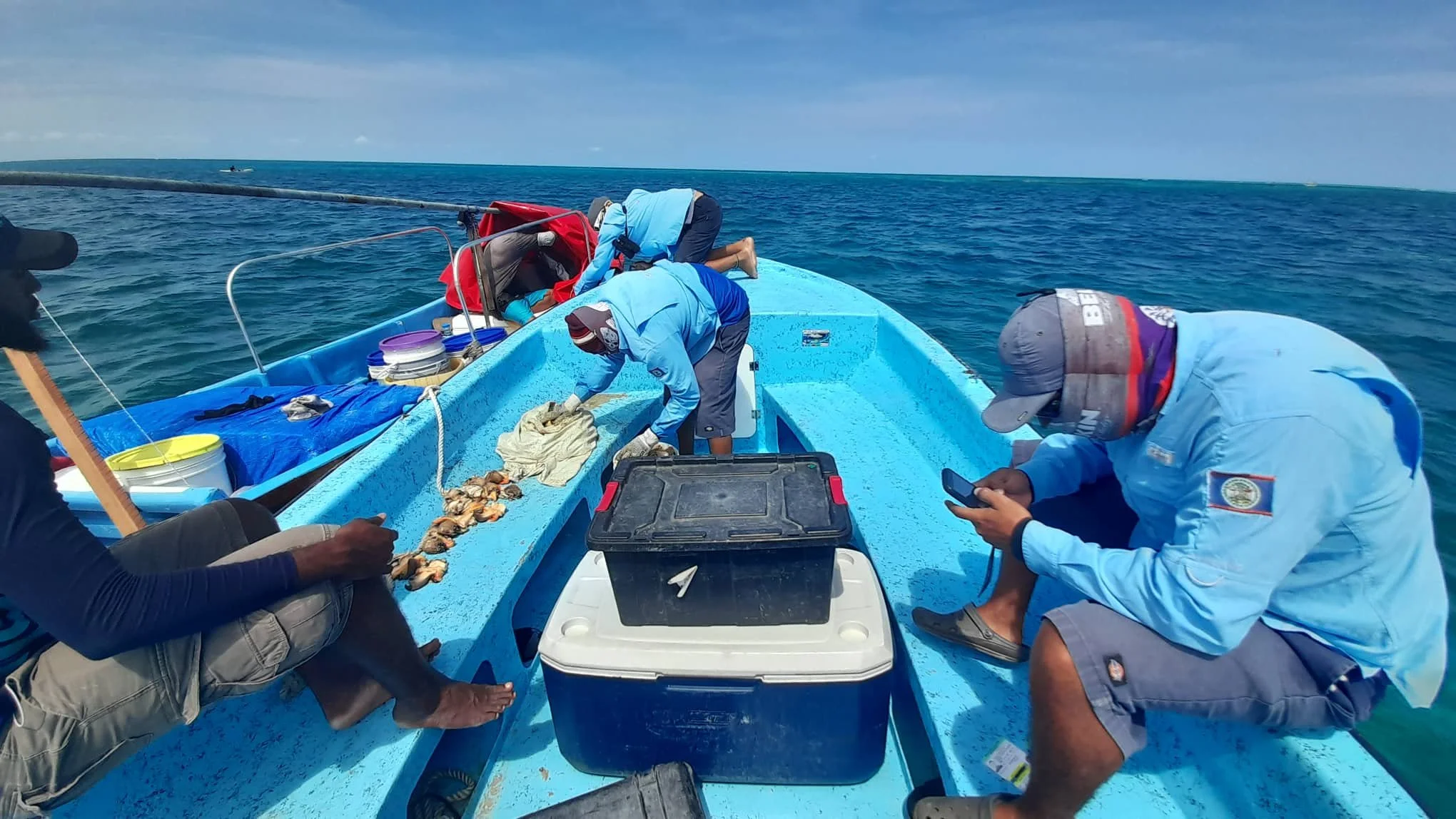
To deter illegal fishing, the team of 17 Conservation Officers conducted 1,742 patrols, spending 7,442 hours in the field and covering 40,529 kilometers. This active strategy was fundamental to the program's success. Community engagement was also key, with officers conducting 3,928 interactions with stakeholders, including license verifications and vessel inspections. This continuous presence helped educate users and foster a culture of compliance.
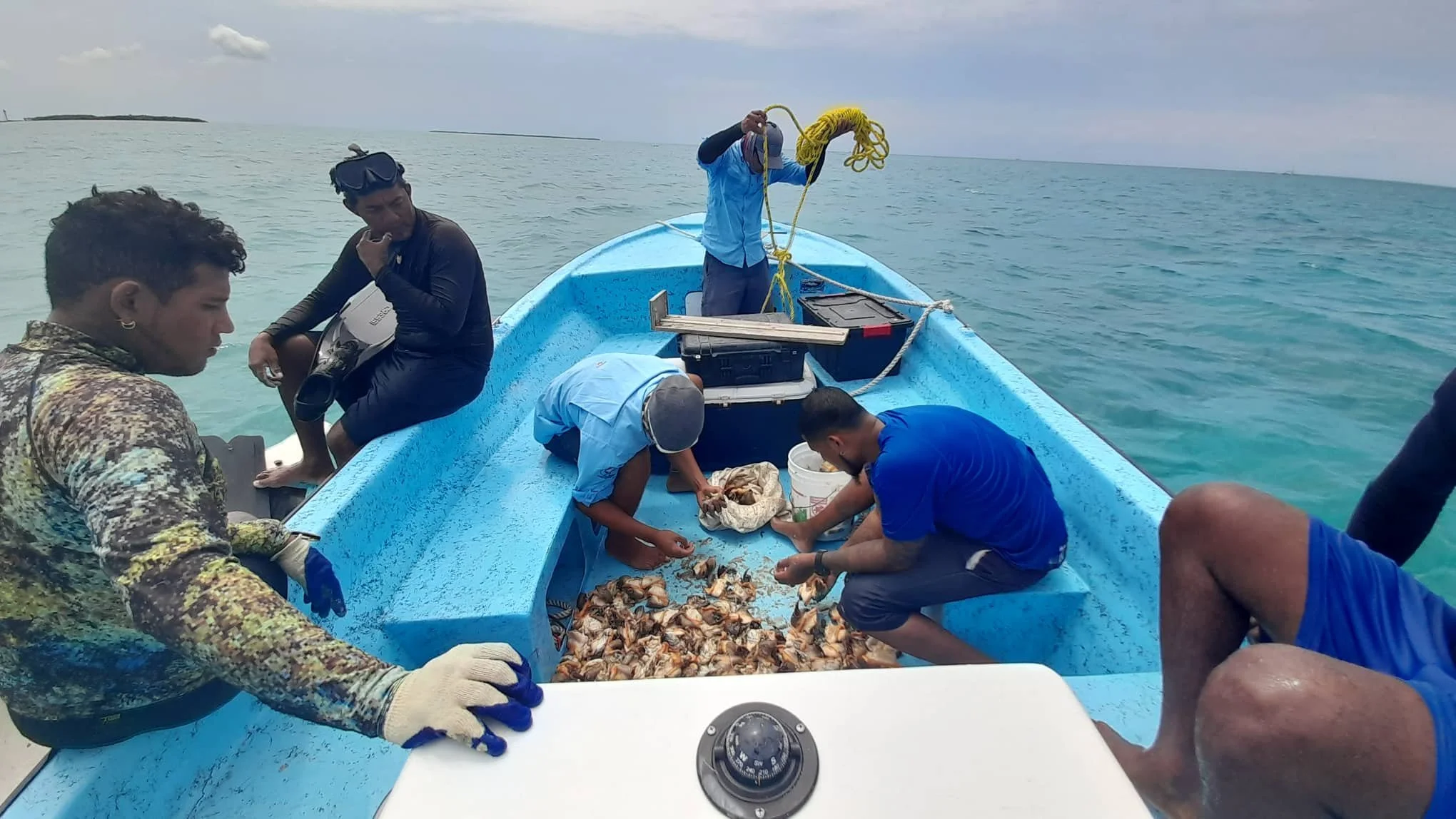
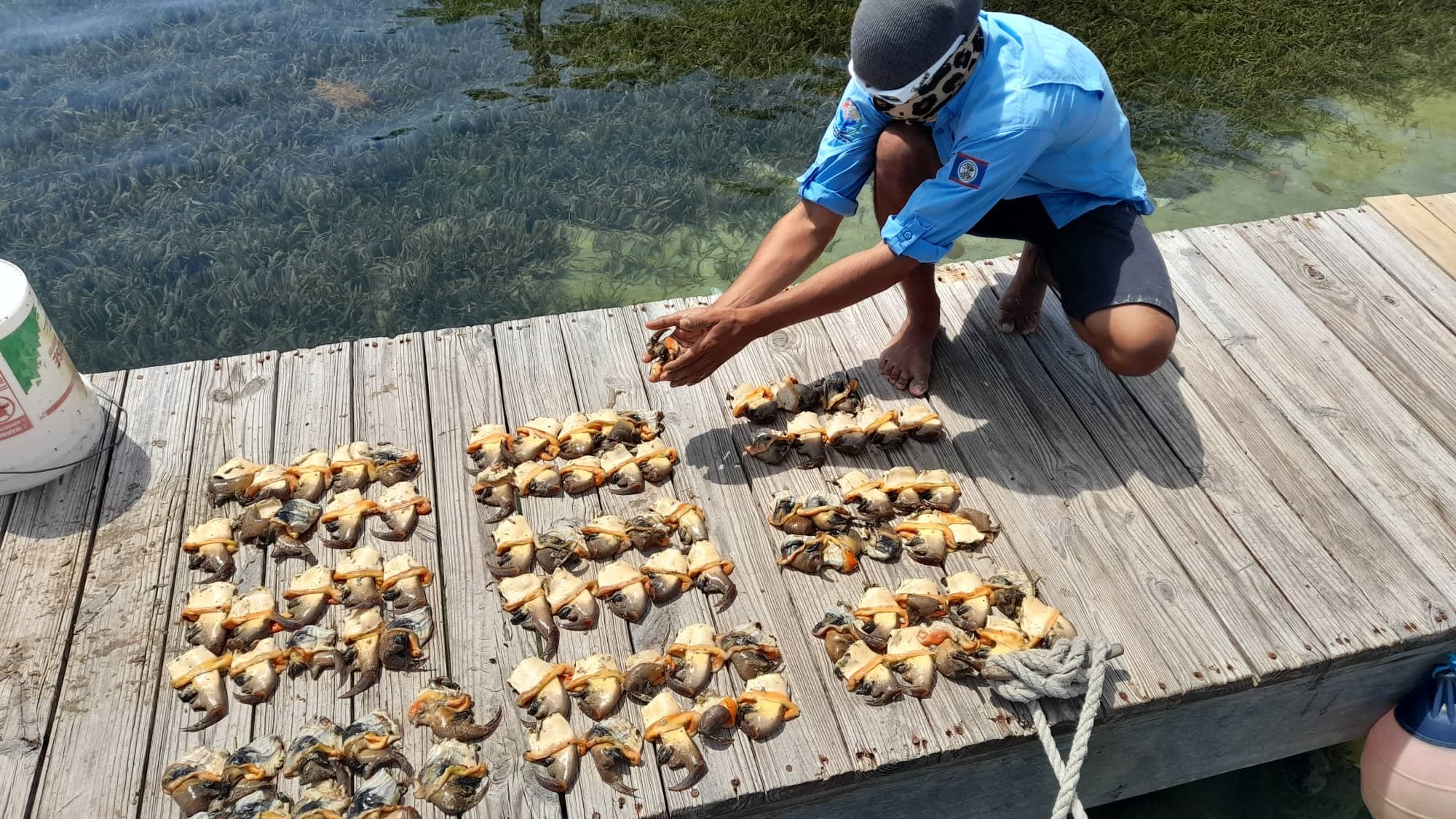
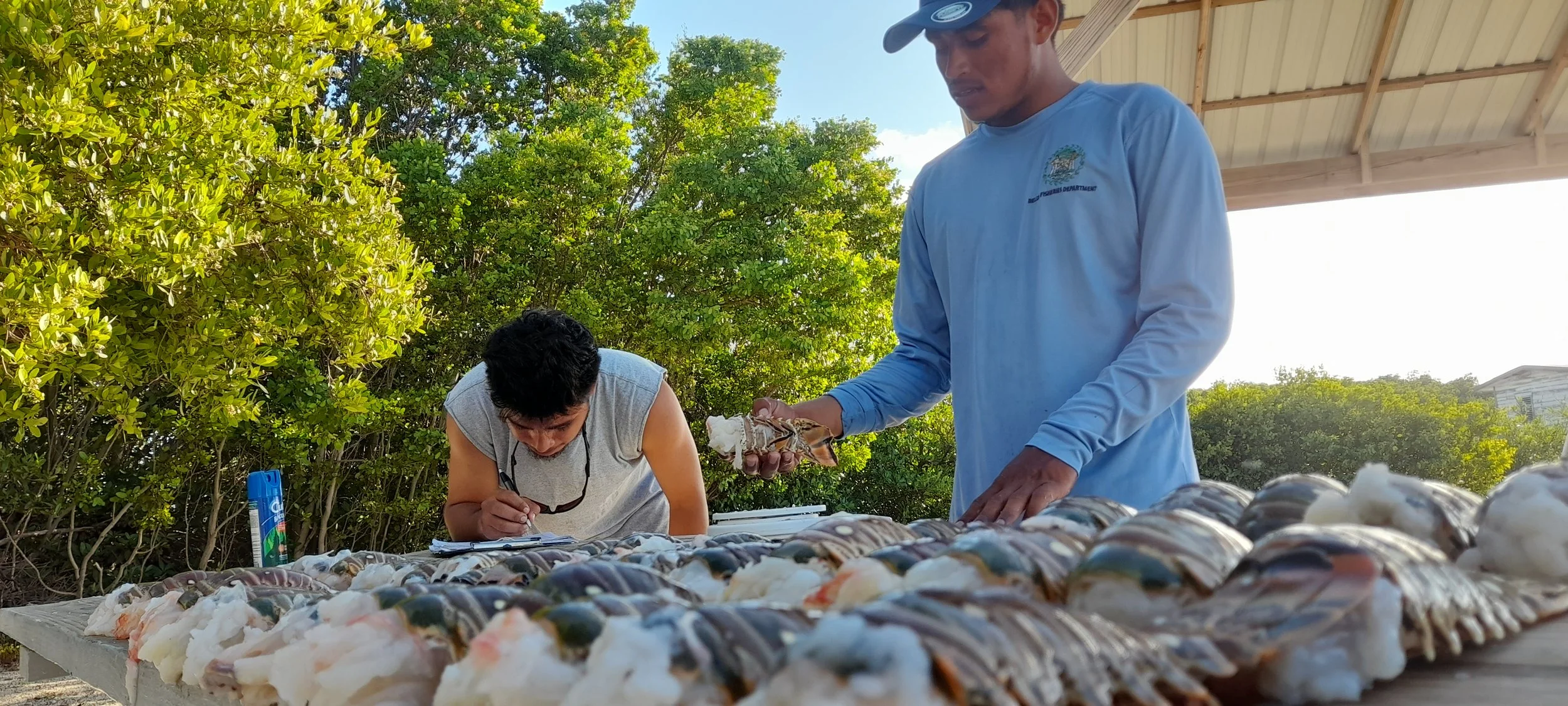
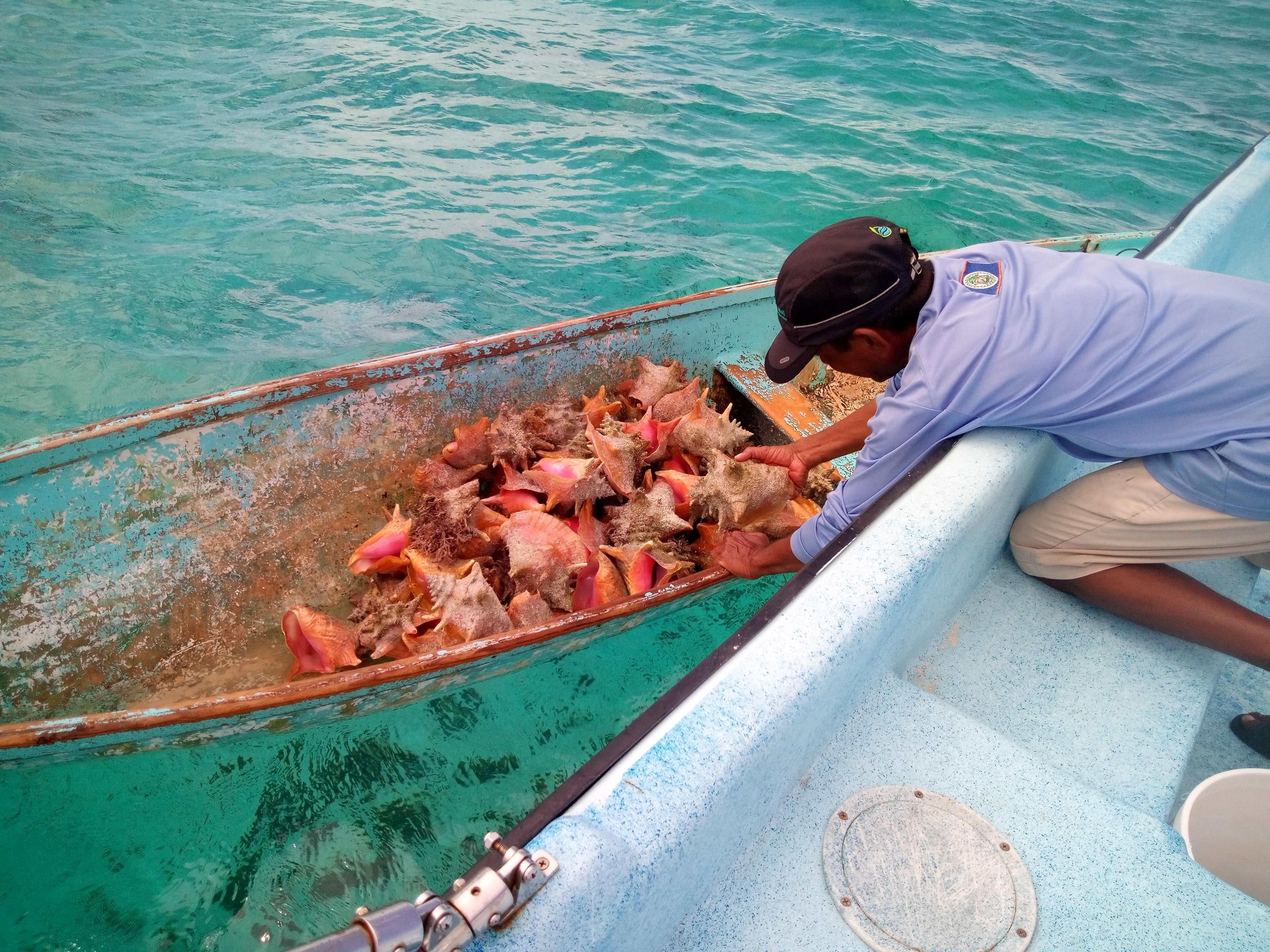
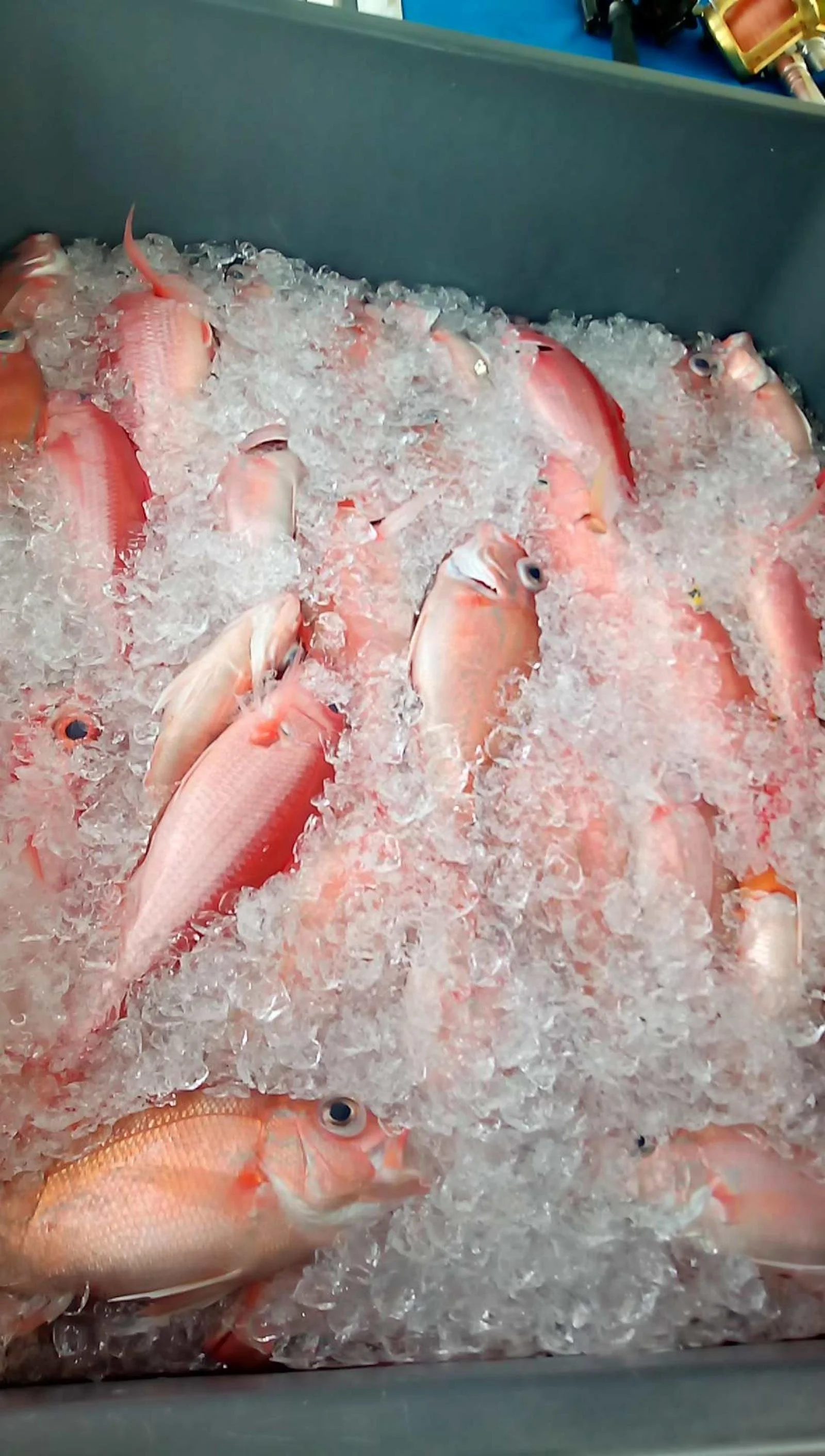
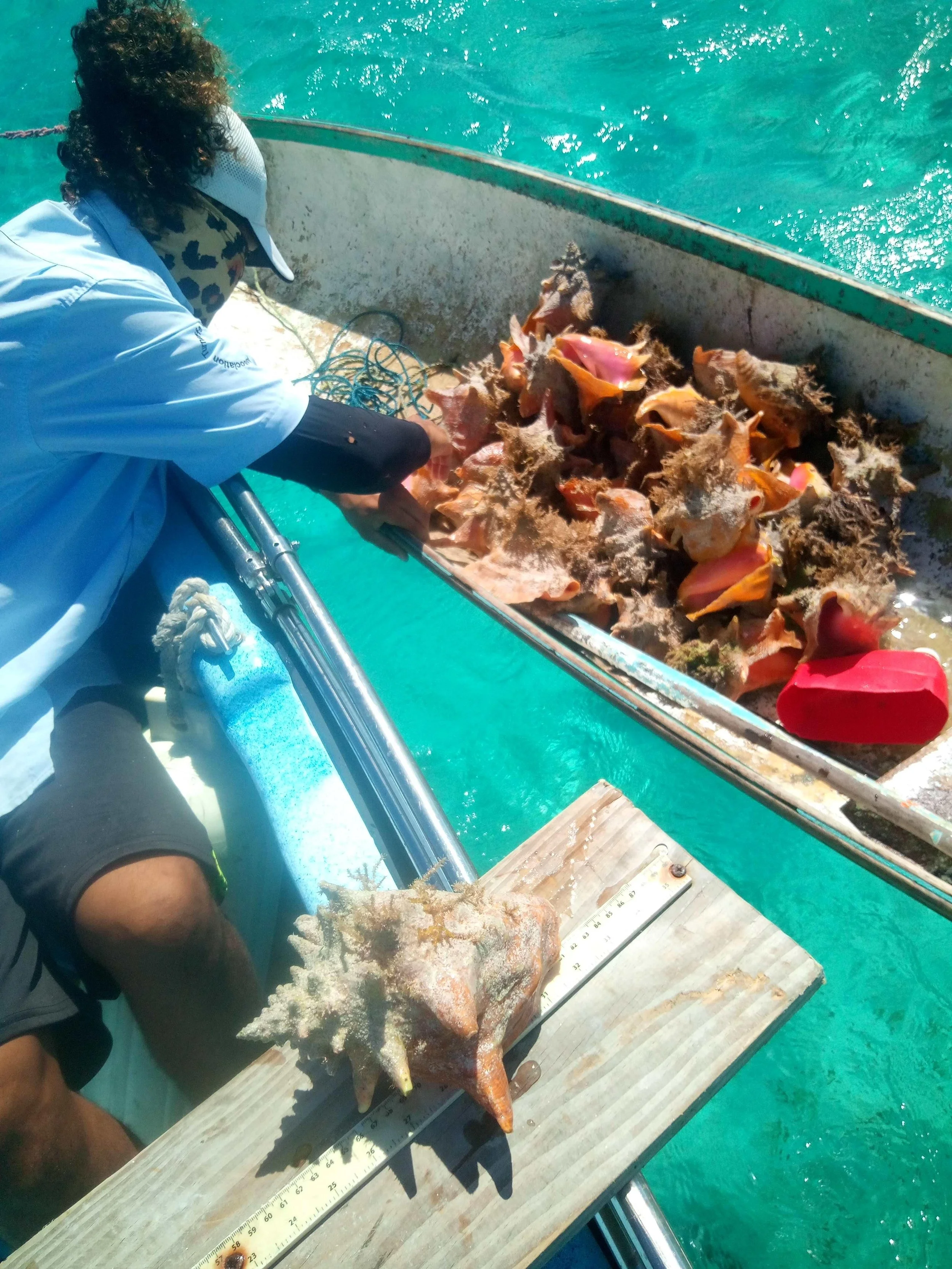
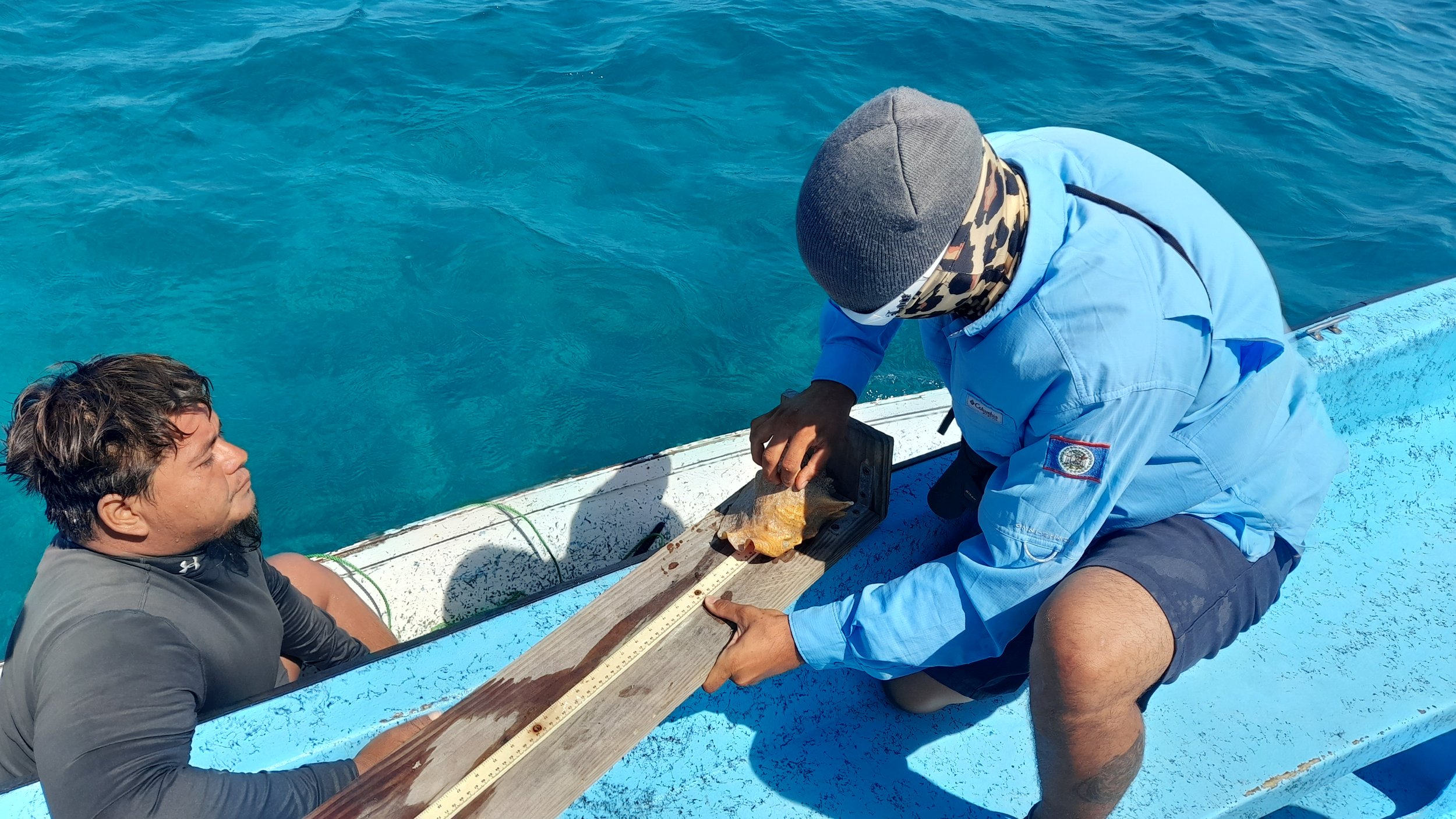
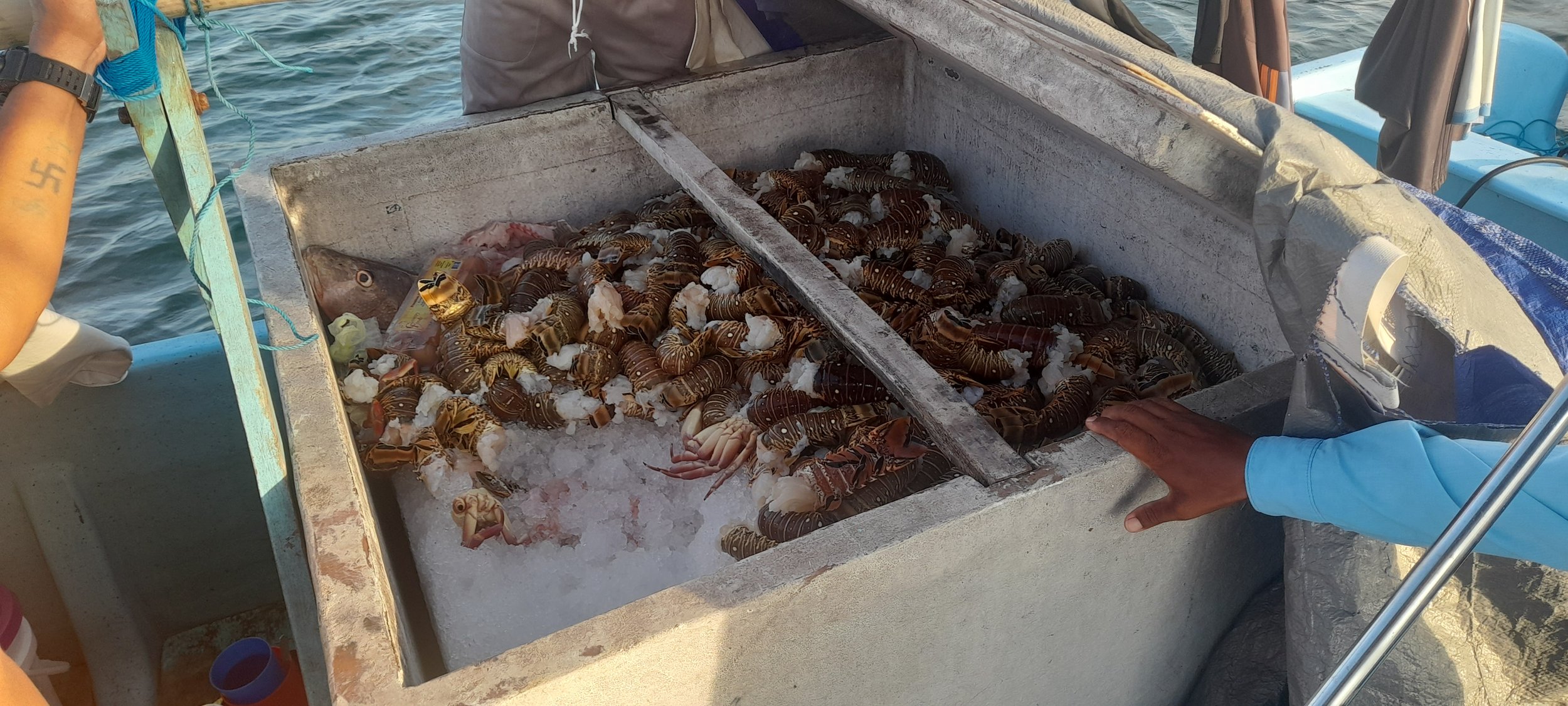
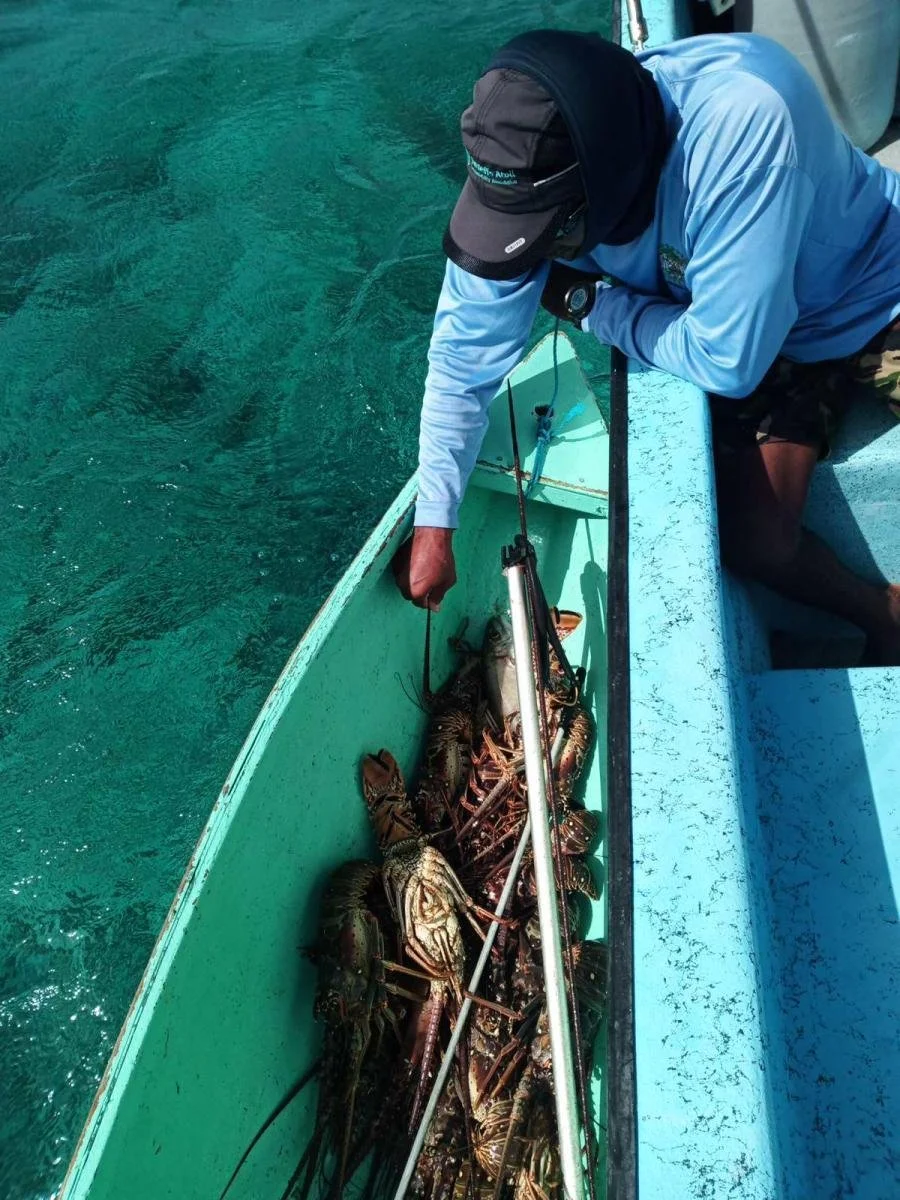
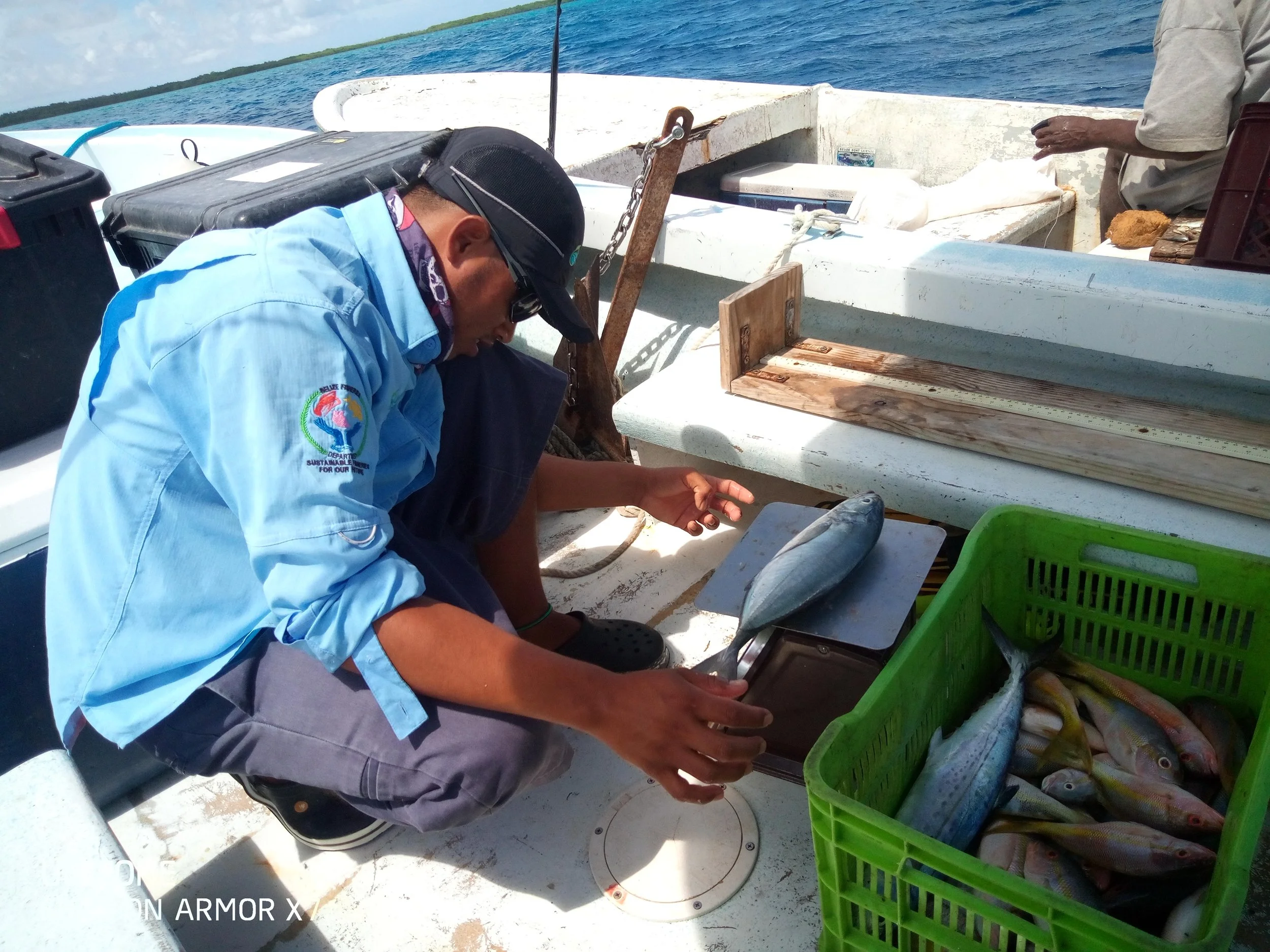
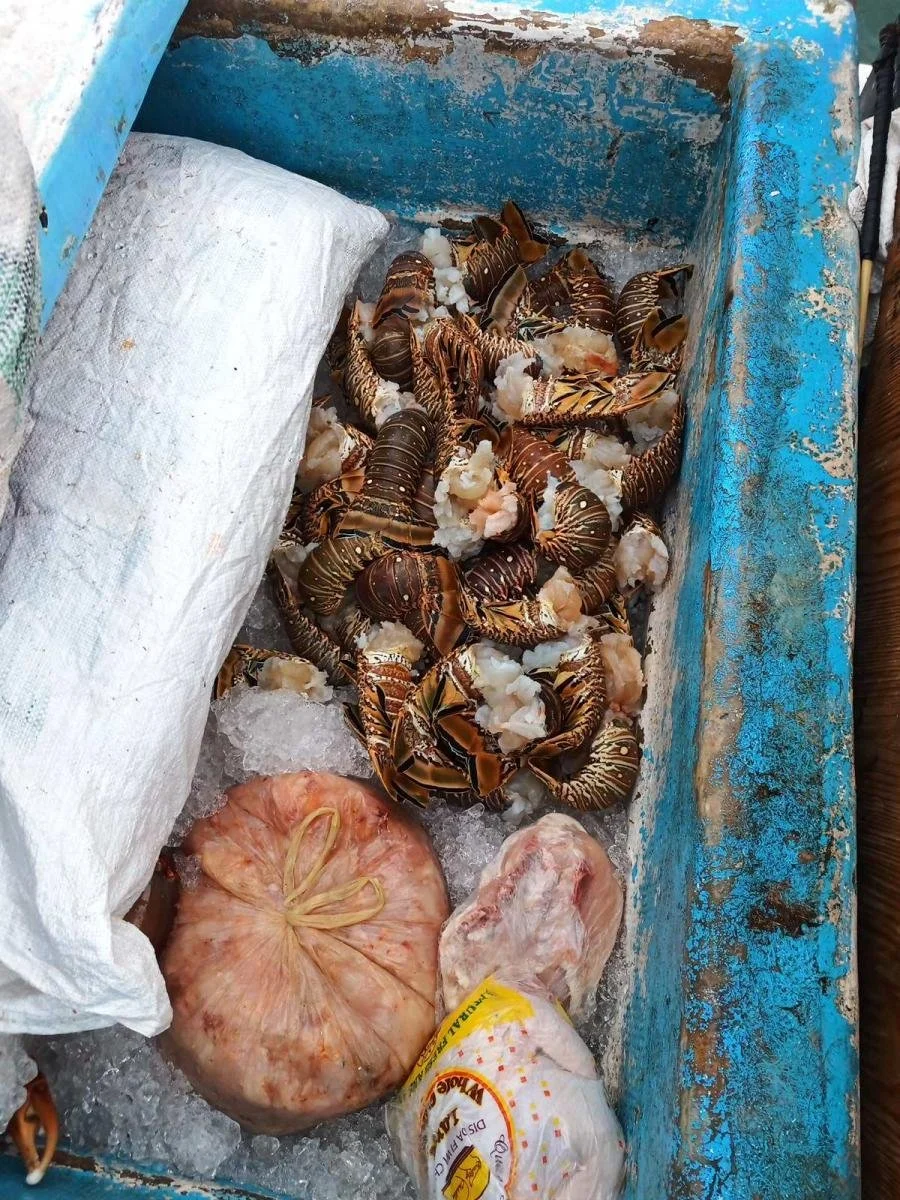
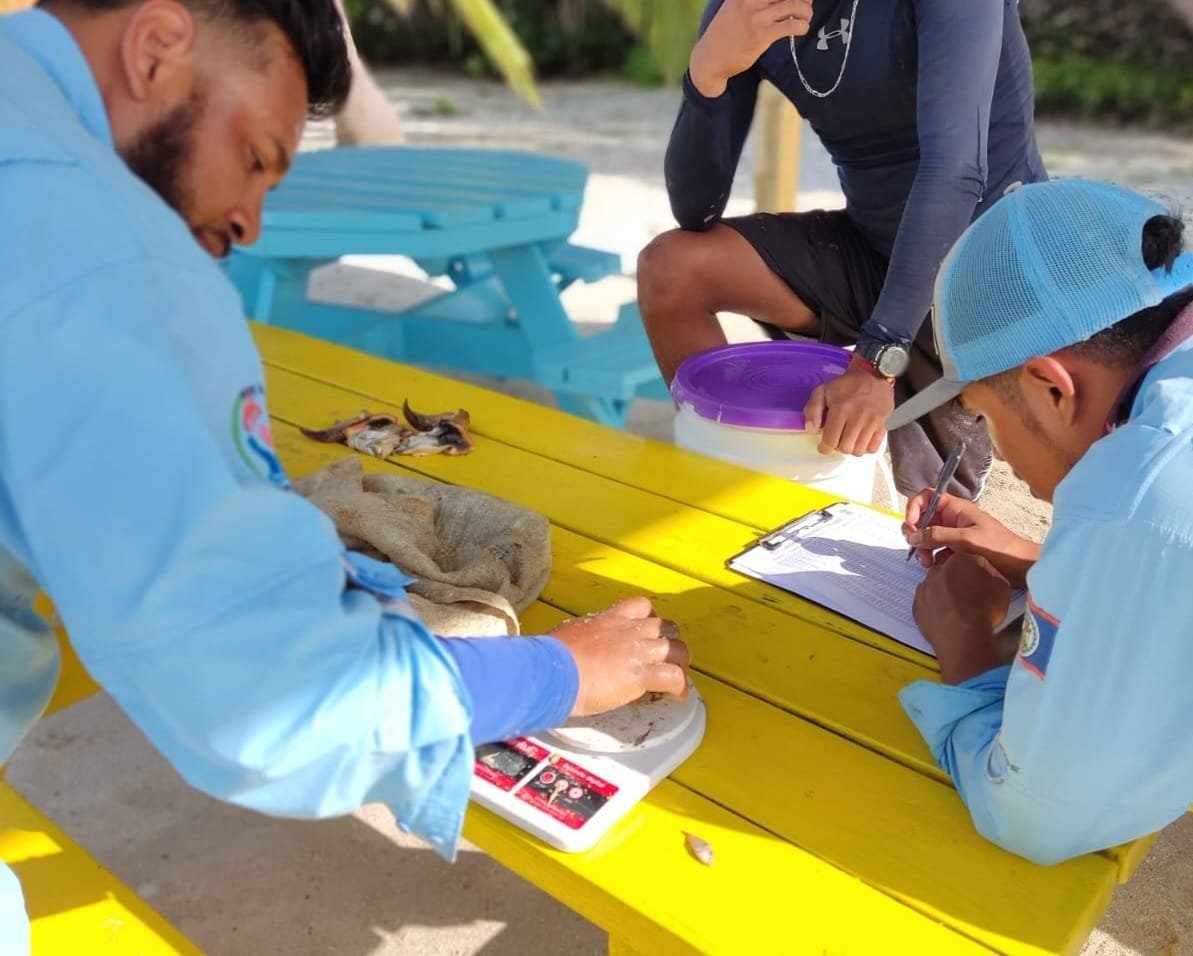
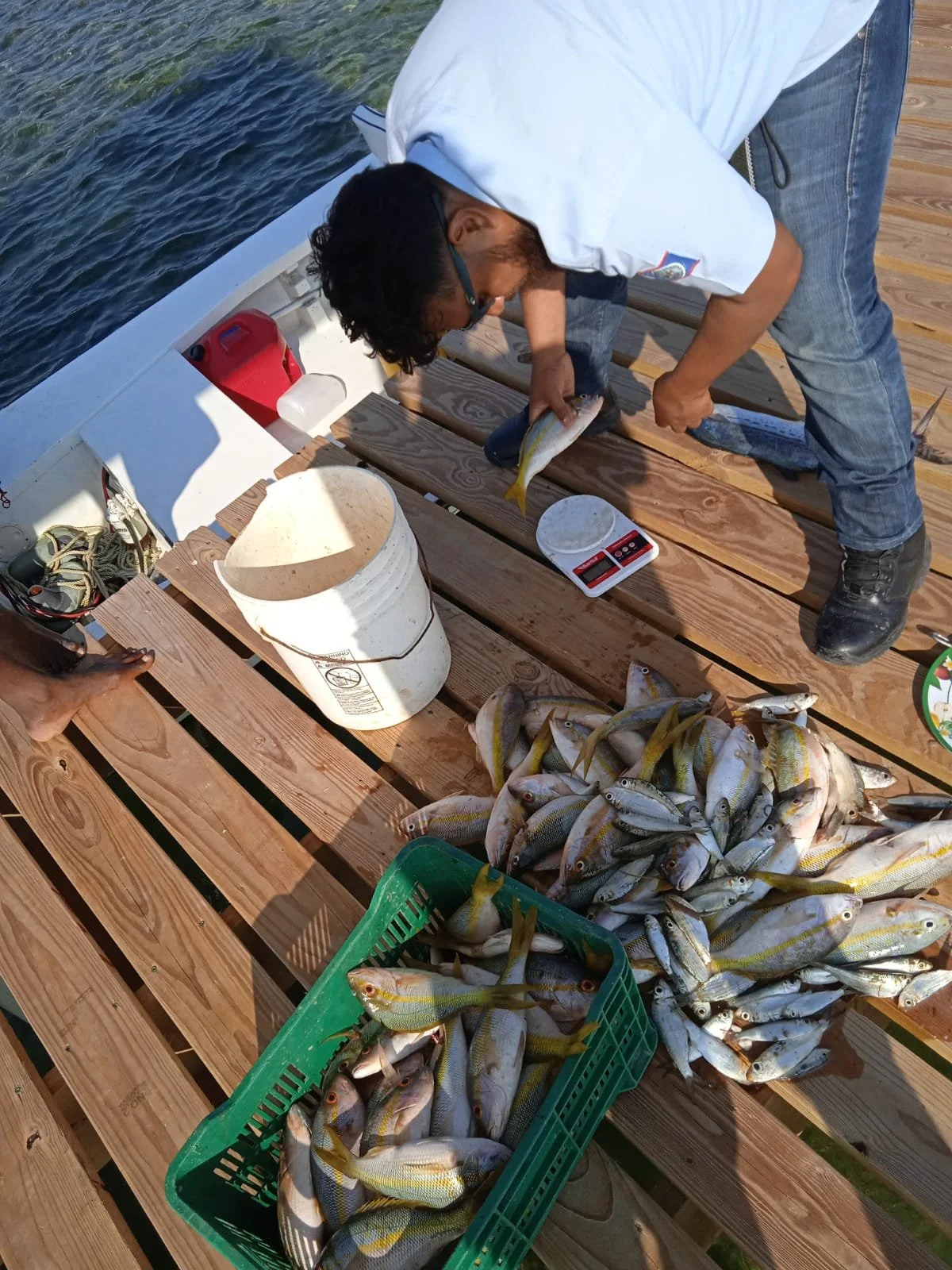
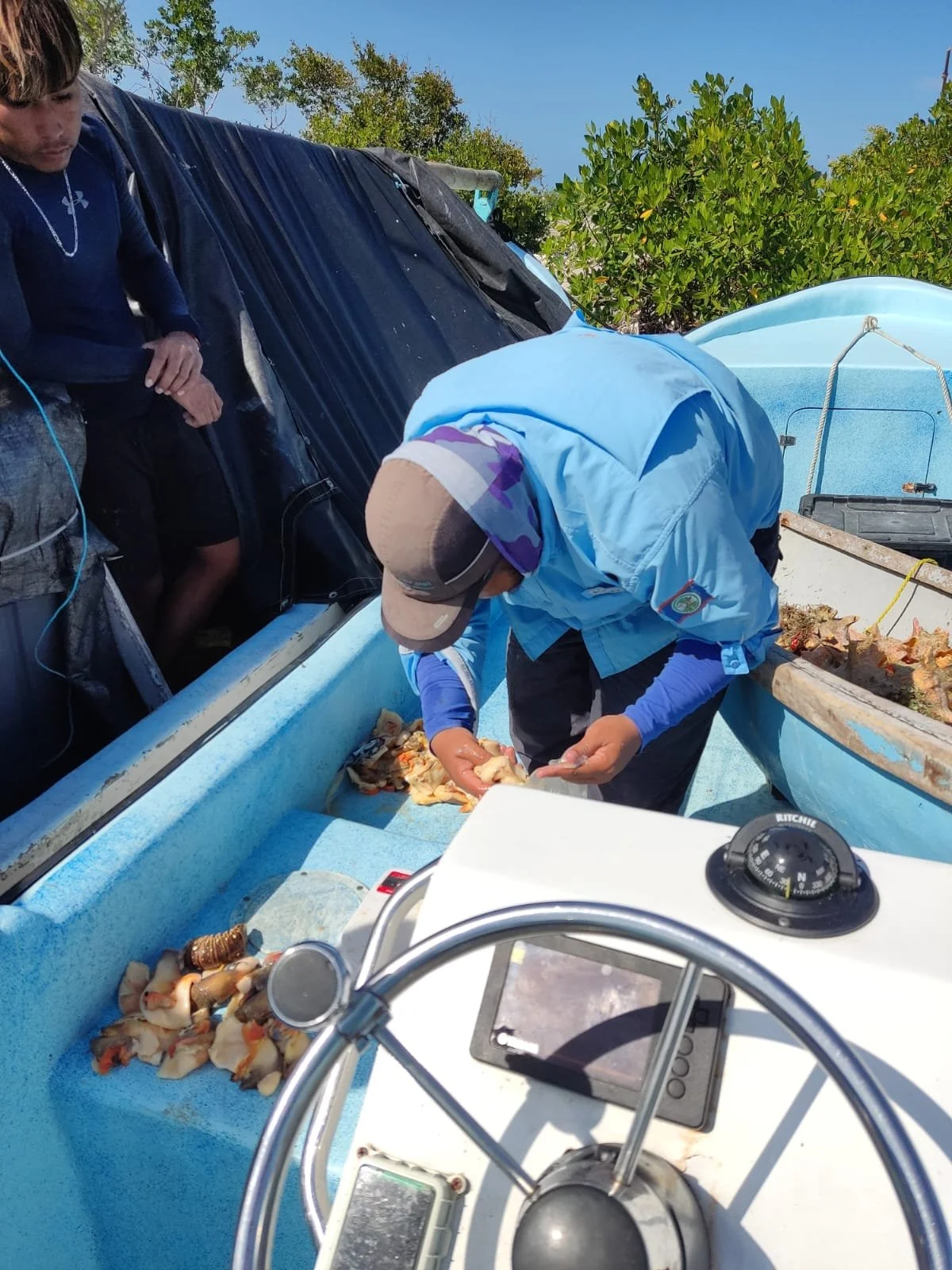
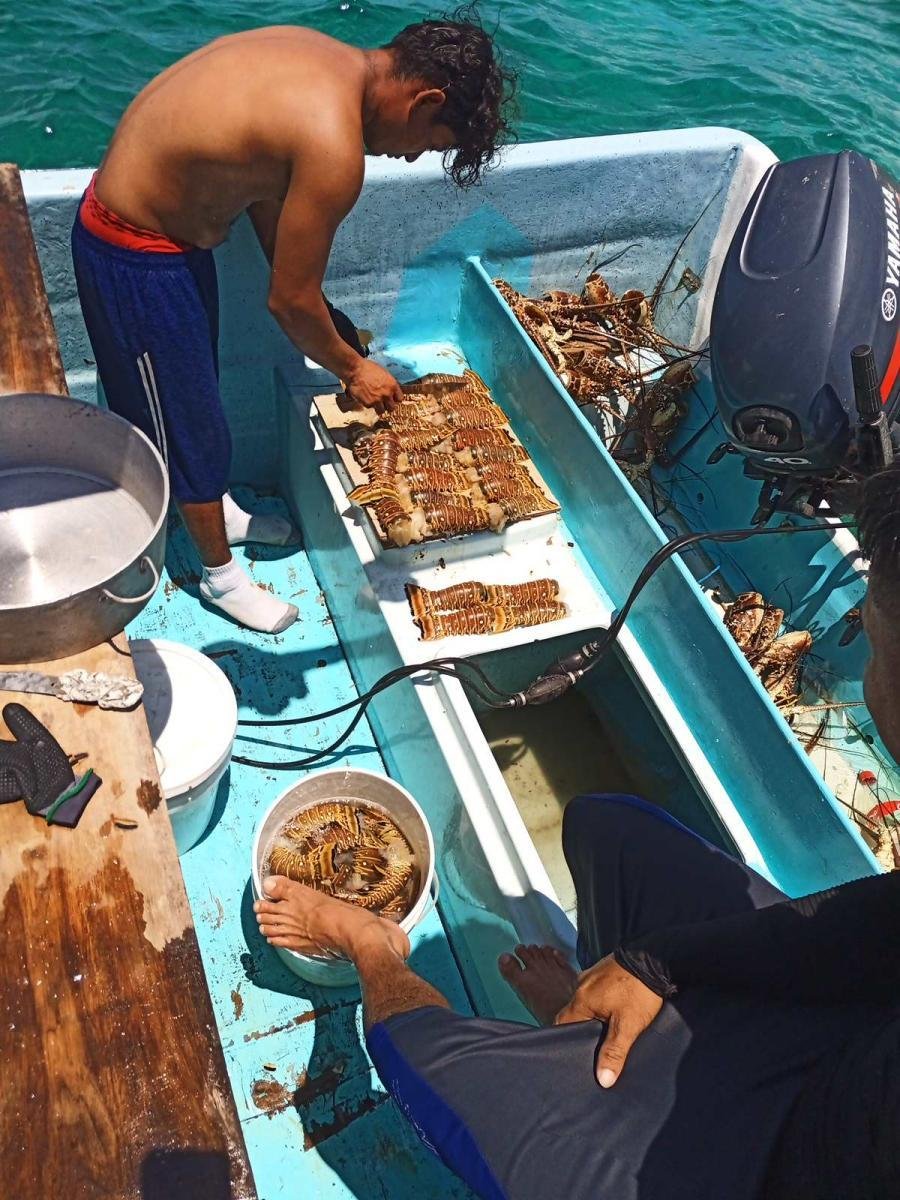
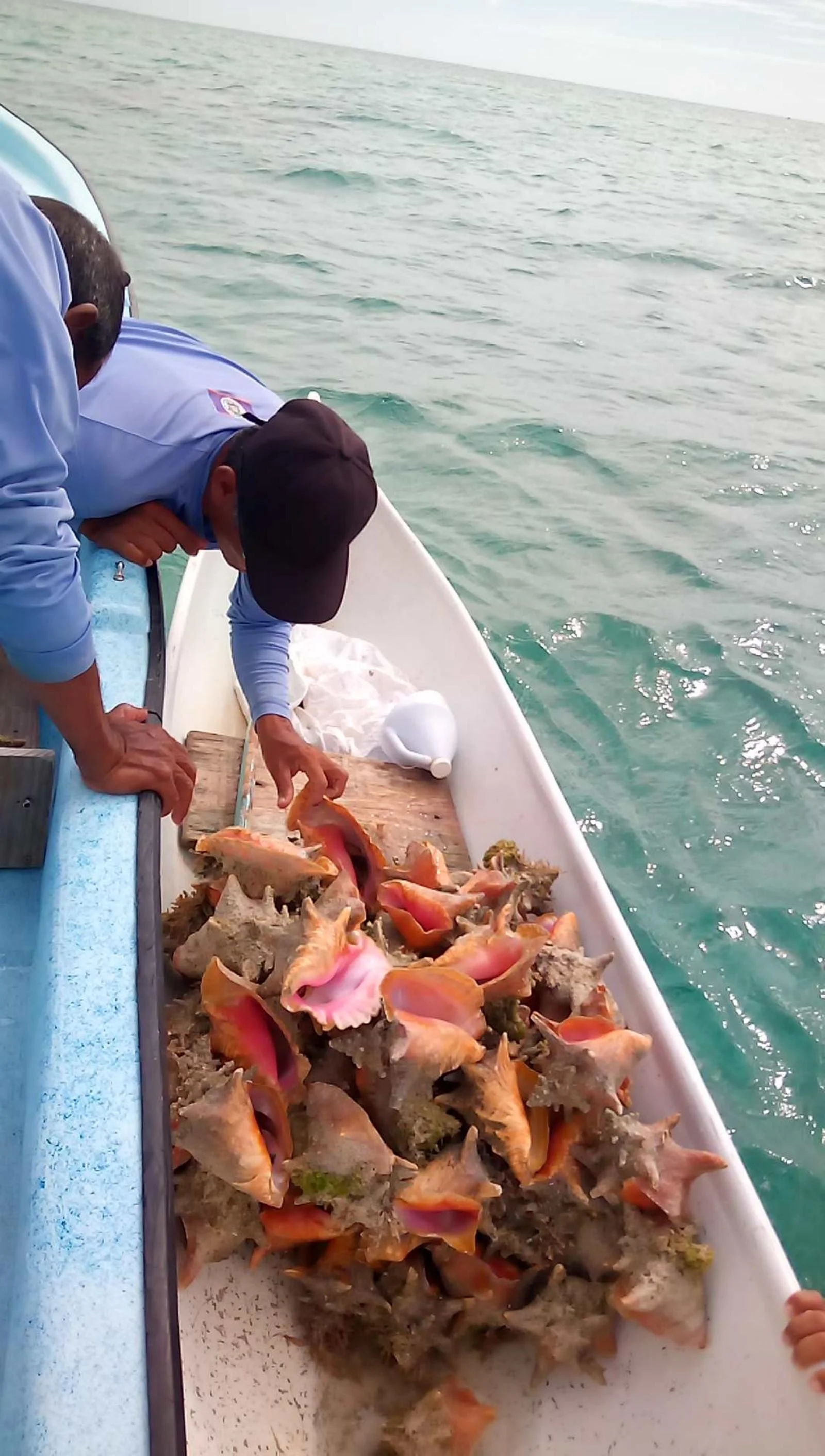
The enforcement team achieved significant milestones across several areas. In alignment with Belize’s 30x30 conservation goals, demarcation buoys were installed with support from donors like Mar Fund KFW and Irish Aid, improving zoning compliance and stakeholder awareness. Daily patrols ensured adherence to fisheries regulations, involving issuing warnings, levying charges, and collecting vital catch data for conch, lobster, and finfish.
Finally, the team addressed illegal development by issuing a cease-and-desist order near Crawl Caye, which led to the removal of unauthorized structures, and monitored another illegal site. These comprehensive efforts highlight the team's commitment to protecting the ecological and economic integrity of the reserve.
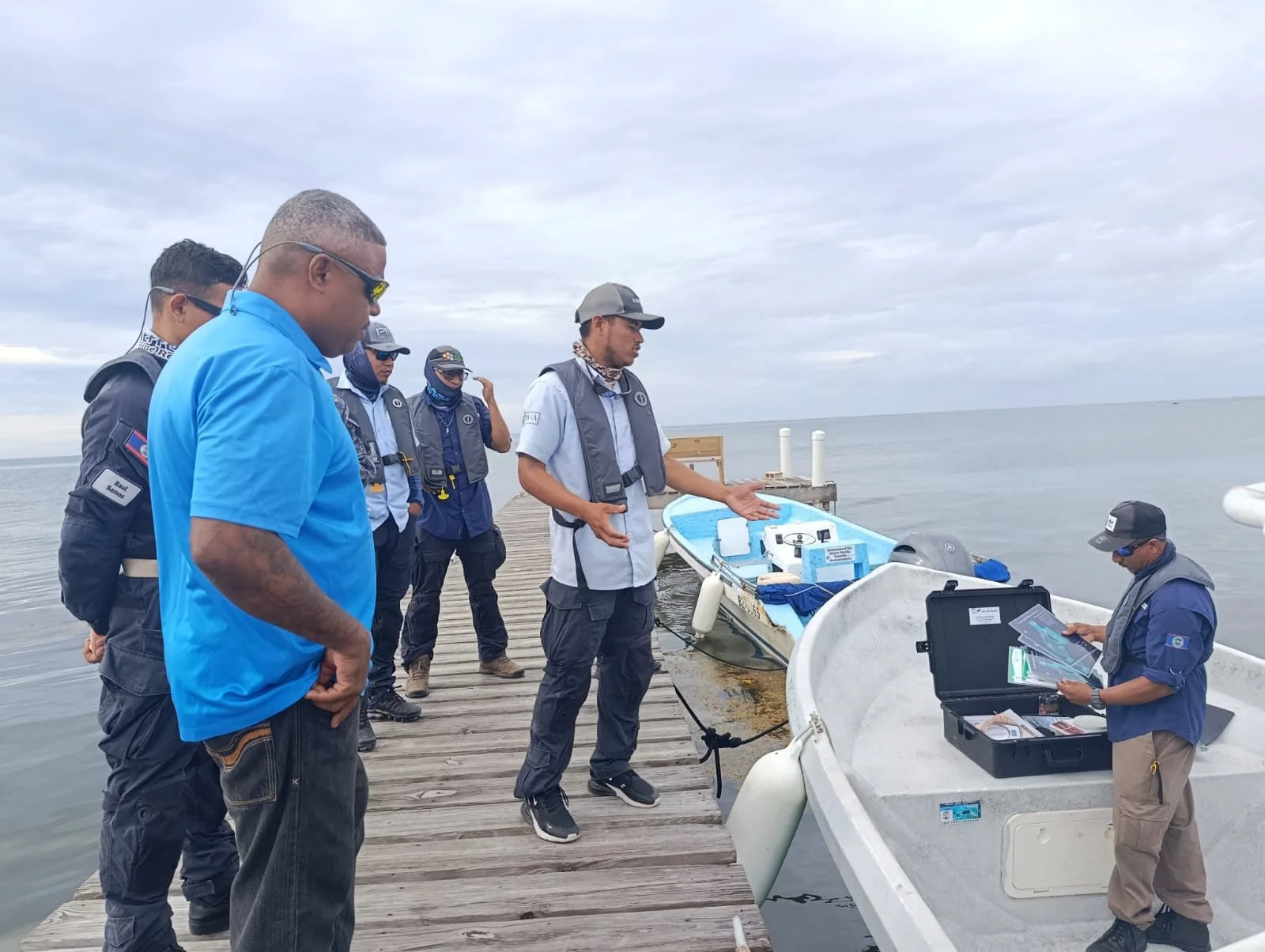
Throughout 2025, TASA’s Enforcement Program maintained a strong presence across the Turneffe Atoll Marine Reserve (TAMR) to protect its marine ecosystems. The team achieved exceptional operational coverage through strategic planning and dedicated fieldwork.
To deter illegal fishing, the team of 17 Conservation Officers conducted 1,742 patrols, spending 7,442 hours in the field and covering 40,529 kilometres. This active strategy was fundamental to the program's success. Community engagement was also key, with officers conducting 3,928 interactions with stakeholders, including license verifications and vessel inspections. This continuous presence helped educate users and foster a culture of compliance.
The enforcement team achieved significant milestones across several areas. In alignment with Belize’s 30x30 conservation goals, demarcation buoys were installed with support from donors like Mar Fund KFW and Irish Aid, improving zoning compliance and stakeholder awareness. Daily patrols ensured adherence to fisheries regulations, involving issuing warnings, levying charges, and collecting vital catch data for conch, lobster, and finfish.
Finally, the team addressed illegal development by issuing a cease-and-desist order near Crawl Caye, which led to the removal of unauthorized structures and the monitoring of another illegal site. These comprehensive efforts highlight the team's commitment to protecting the ecological and economic integrity of the reserve.
Operational Comparison between 2023 and 2025

Global Conservation led a mission to Belize to improve the effectiveness of enforcement and scientific adaptive management of Turneffe Atoll, the country’s largest Marine Protection Area (MPA), deploying Global Park Defense for Marine Protection.
From 2023 to 2025, TASA’s patrol operations underwent a strategic transformation, shifting from broad, continuous patrols to highly targeted, localized enforcement. This approach significantly increased deployment frequency while reducing spatial coverage per patrol, optimizing resource use and improving enforcement presence.
Patrol deployments rose from 654 in 2023 to 1,742 in 2025—a 166% increase. Despite this surge, the total distance covered decreased by 3.5% between 2024 and 2025, from 41,982 km to 40,529 km. Average patrol distances dropped from 51.2 km in 2023 to 23.3 km in 2025, reflecting the efficiency of intelligence-driven operations. Tools like the Marine Monitoring Radar at Caye Bokel enabled shorter, direct-to-target patrols, integrating static and semi-static surveillance methods.
This operational shift highlights a modernized strategy leveraging real-time spatial monitoring and data visualization. The result is a more frequent, impactful enforcement presence that minimizes resource consumption while maintaining a robust deterrent against illegal activities.
Infractions

In 2025, the majority of infractions in the Turneffe Atoll Marine Reserve involved harvesting undersized products (52%) and fishing without a valid license (28%), highlighting ongoing pressure on juvenile stocks and the need for consistent enforcement and education. Other notable violations included fishing in prohibited zones (7%) and targeting protected species like grazers and bonefish (7%), which are critical for reef health and the tourism industry. Officers employed a graduated enforcement approach, ranging from education and warnings to charges.
The Enforcement Program achieved a 54% prosecution success rate, with 31% of cases closed internally by the Fisheries Department and 15% pending trial. Successful prosecutions resulted in over BZ$19,000 in fines, the seizure of one commercial vessel, and the recovery of 500 unprocessed conch. The Belize Fisheries Department and Belize Coast Guard provided essential support for patrols, arrests, and prosecutions.
Technological Solutions
In 2025, TASA leveraged advanced technology to enhance enforcement operations across the Turneffe Atoll Marine Reserve. The Spatial Monitoring and Reporting Tool (SMART) remained central to recording field data, guiding enforcement teams to detect trends and strategically position patrols. SMART analysis enabled successful interventions and deterred illegal activities.
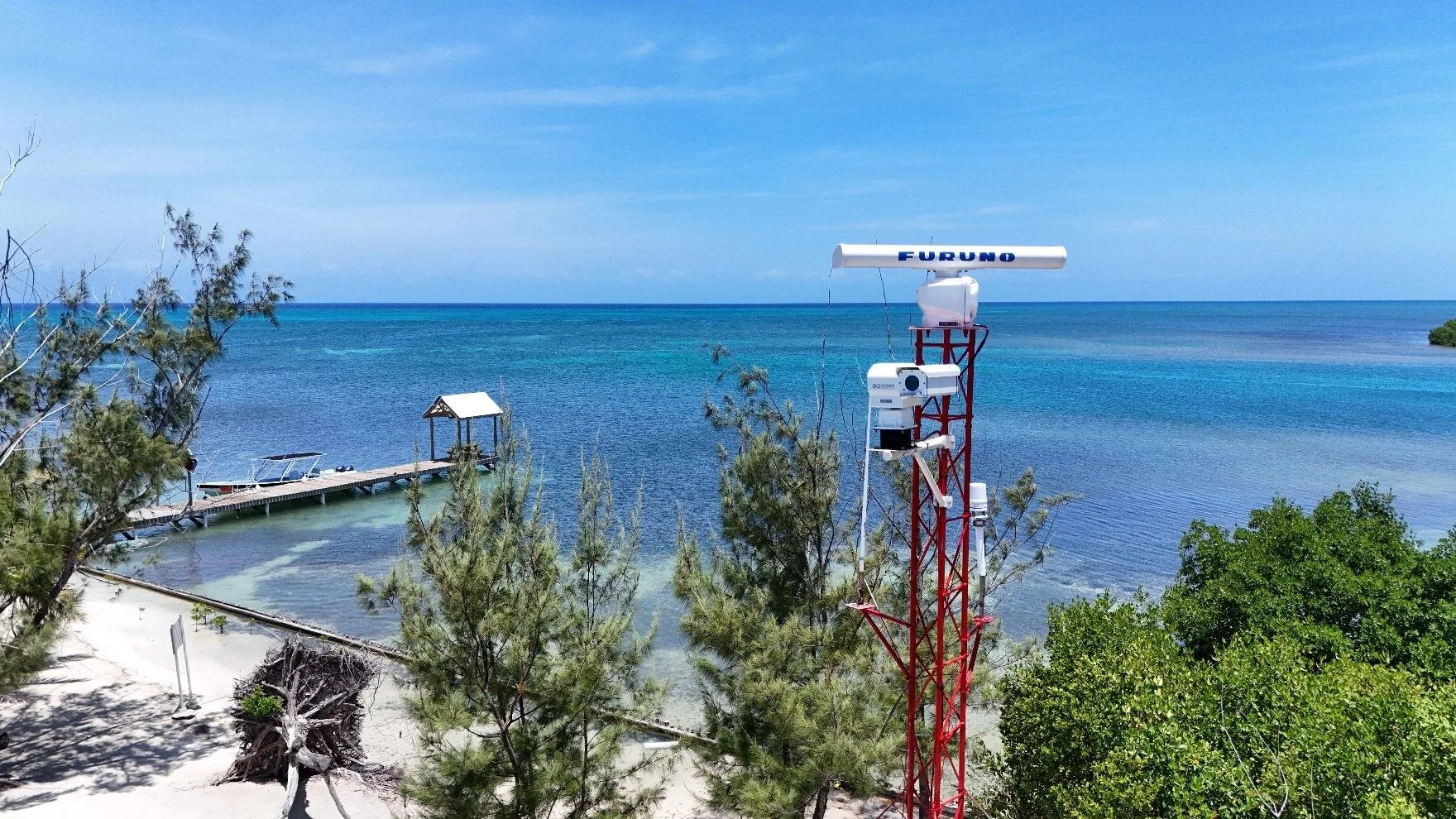
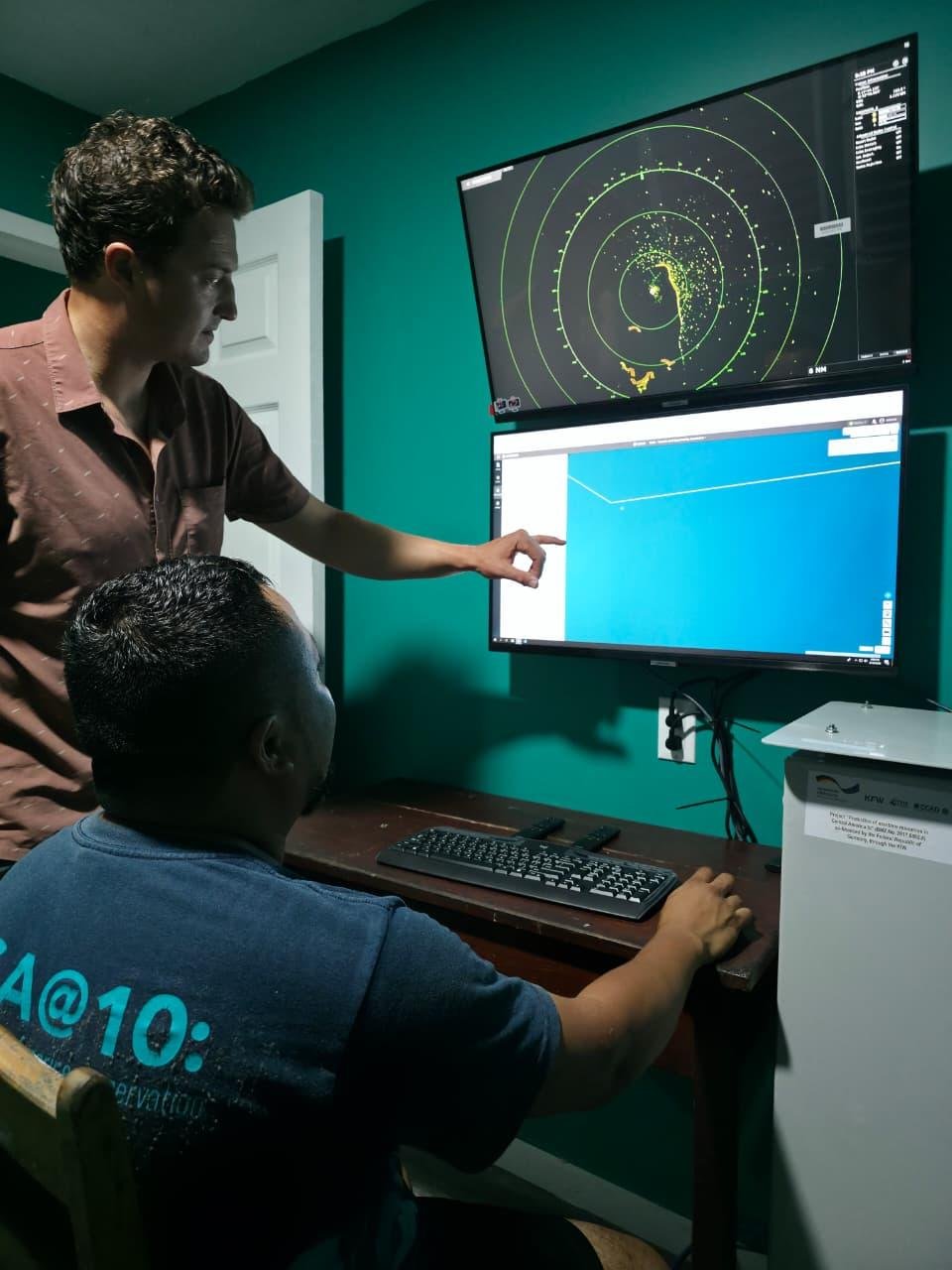
At the Caye Bokel Conservation Outpost, the M2 Radar system provided efficient monitoring within a 5-nautical-mile radius, covering critical zones like spawning aggregation sites. The system detected 8,380 tracks, filtered to 153 real vessel tracks, and triggered 20 zone alarms. However, operational reliability was hindered by significant downtime due to limited solar power, with the radar offline for 65% of the year and AIS offline for 91%.
Looking forward, TASA plans to institutionalize these technologies through comprehensive drone training, ensuring optimal utilization of these tools to strengthen enforcement and conservation efforts.
About Global Park Defense for Marine Protection
Global Conservation has been working for three years in Turneffe Atoll, which is managed by the Turneffe Atoll Sustainability Association (TASA), to deploy Global Park Defense for Marine Protection, including Marine Radar surveillance, SMART Patrolling, patrol operations, including vessel maintenance, fuel, and rations for patrols; as well as personnel development.
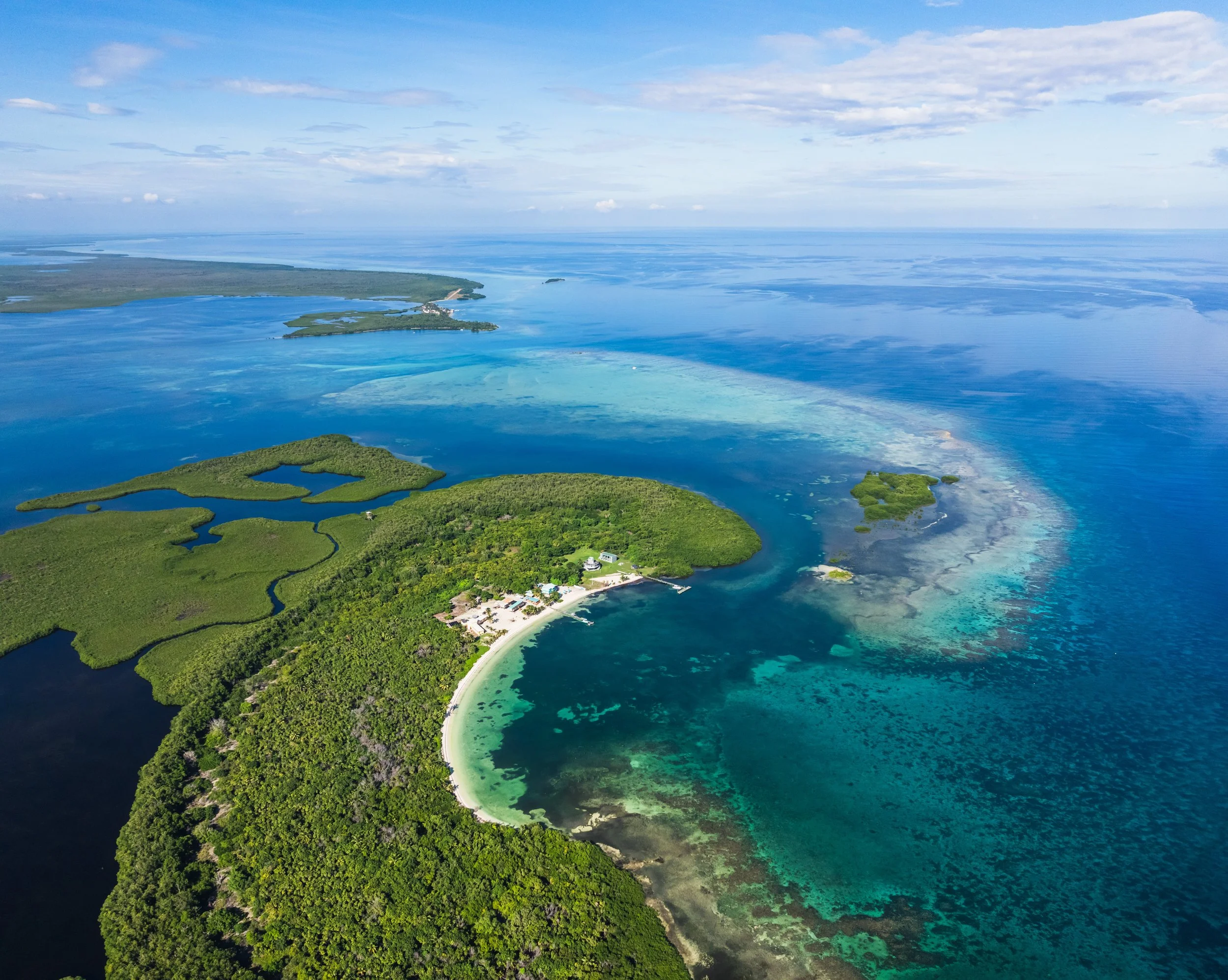
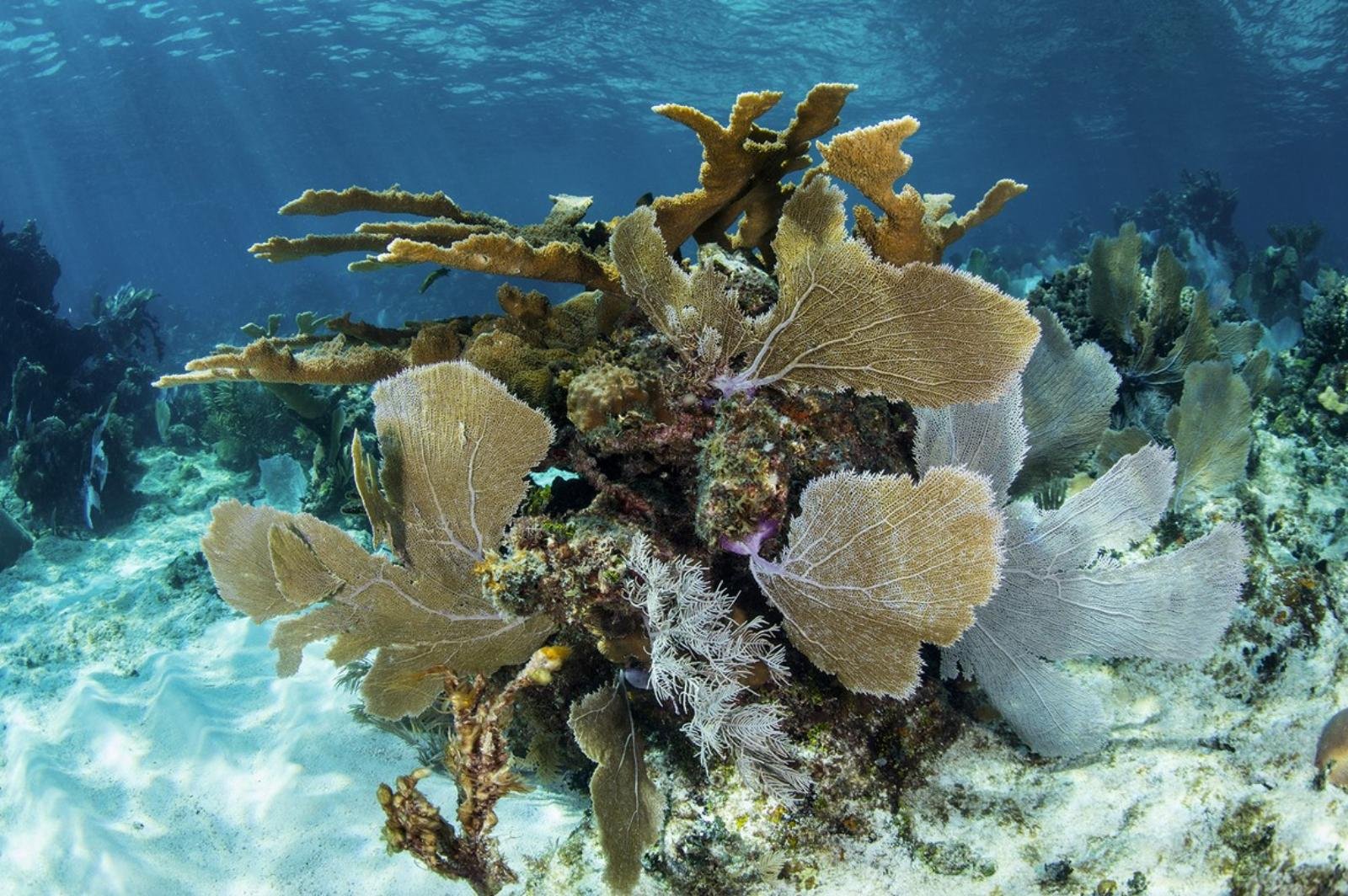
Turneffe is the largest atoll in the Mesoamerican Reef and the largest marine reserve in Belize. This area represents one of the most important and pristine marine ecosystems in the Caribbean, serving as a model for other coastal and island MPAs. The Mesoamerican Reef is the second largest reef in the world after the Great Barrier Reef in Australia.
Turneffe Atoll and Lighthouse Reef are home to over 500 fish species, 65 coral species, sea turtles, manatees, dolphins, seabirds, and other marine wildlife and are considered a globally significant biodiversity hotspot.
Within the conservation zone of the MPA, commercial fishing is not allowed. No-take recreational activities, such as snorkeling, scuba diving, and kayaking, are permitted within this zone. Sport fishing is allowed, but only with a valid license and only as catch and release.
GC supports the attachment of the Belize Coast Guard to TASA enforcement operations for armed support to deal with the dangerous situation of aggressive illegal fishers as well as narcotics traffickers. Hundreds of tons of cocaine move northward through Belize each year, resulting in people being murdered in the atolls and piracy. By providing critical support to the Coast Guard to help Turneffe Atoll in marine enforcement, we are improving the effectiveness and safety of marine enforcement officers.
This year, the government of Belize launched its Coast Guard Drone Squadron, with drones equipped with infrared stabilized cameras capable of delivering thermal observations to facilitate nighttime missions. The use of drones for surveillance or narcotics interdiction operations reduces the direct exposure of personnel in potentially dangerous situations, such as confrontations with criminal organizations or adverse maritime conditions.