New GC-Supported Rahui Celebrates Marine Protection in French Polynesia
Updated 10/06/26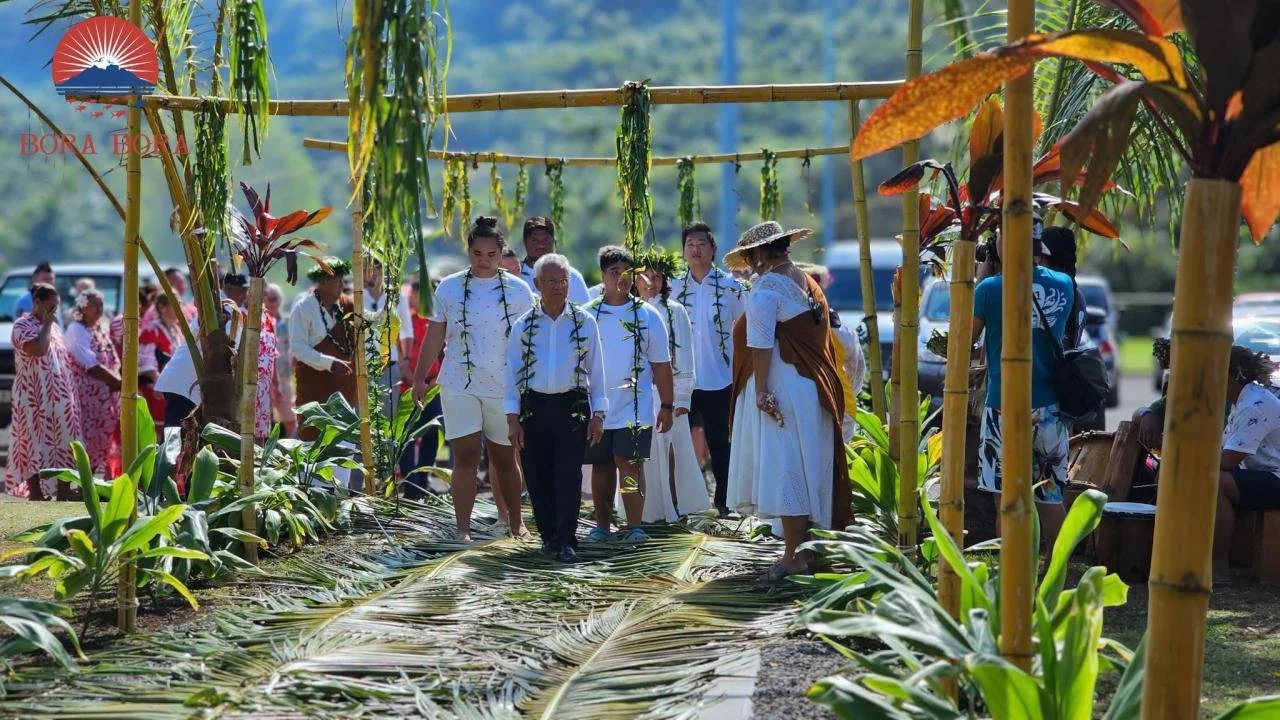
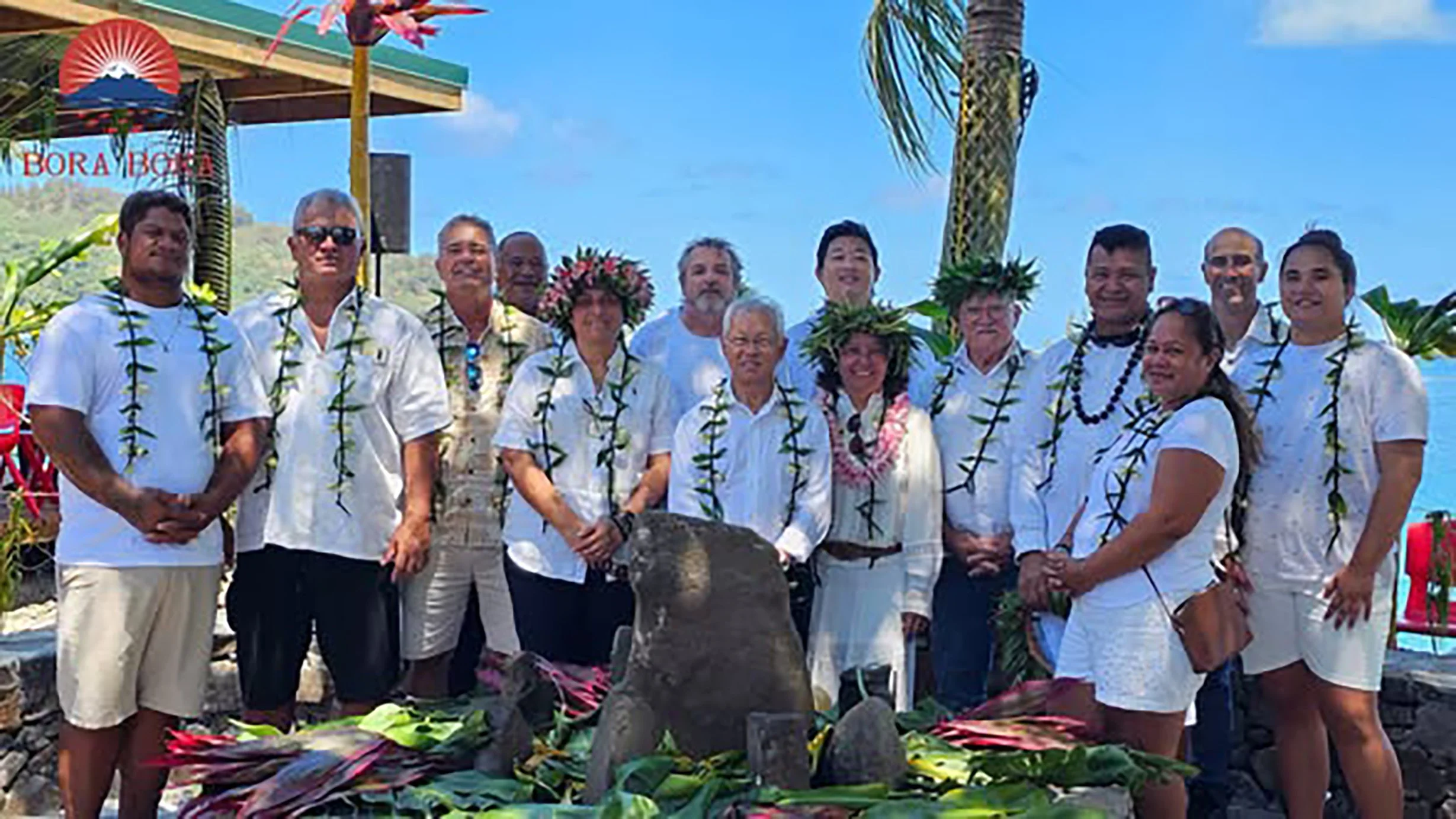
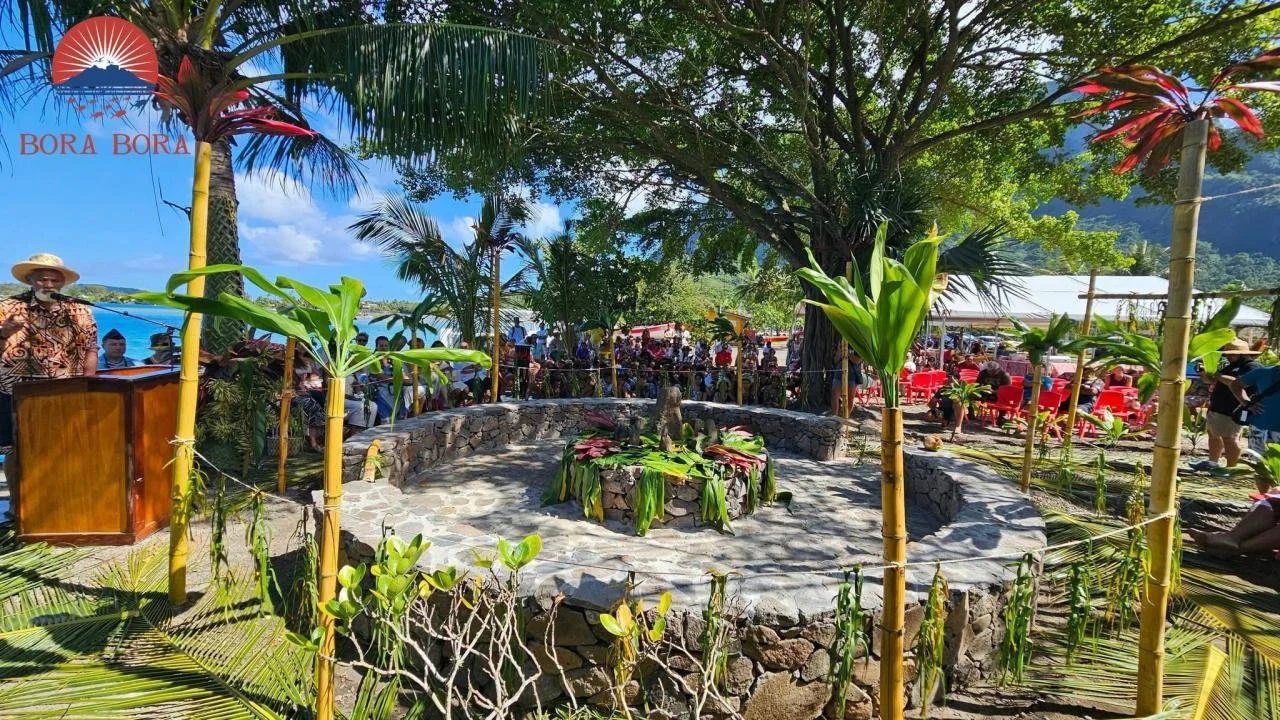
GC Invests in Protection of First No-Take MPA New French Polynesia
President of French Polynesia signs MPA “No Use”—the strictest ever in the history of FP. Community, Mayor, and Ministry support the GC Project.
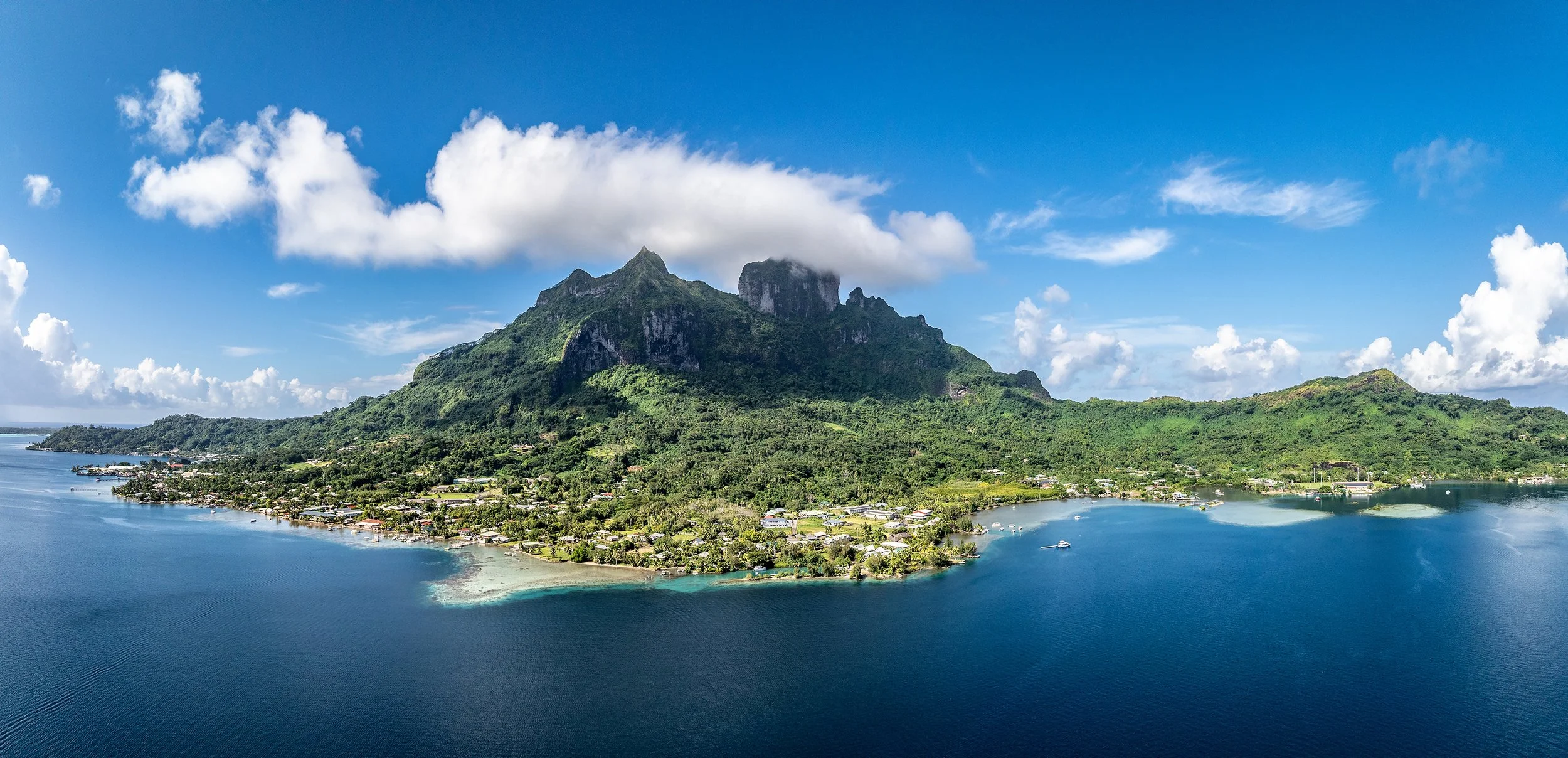
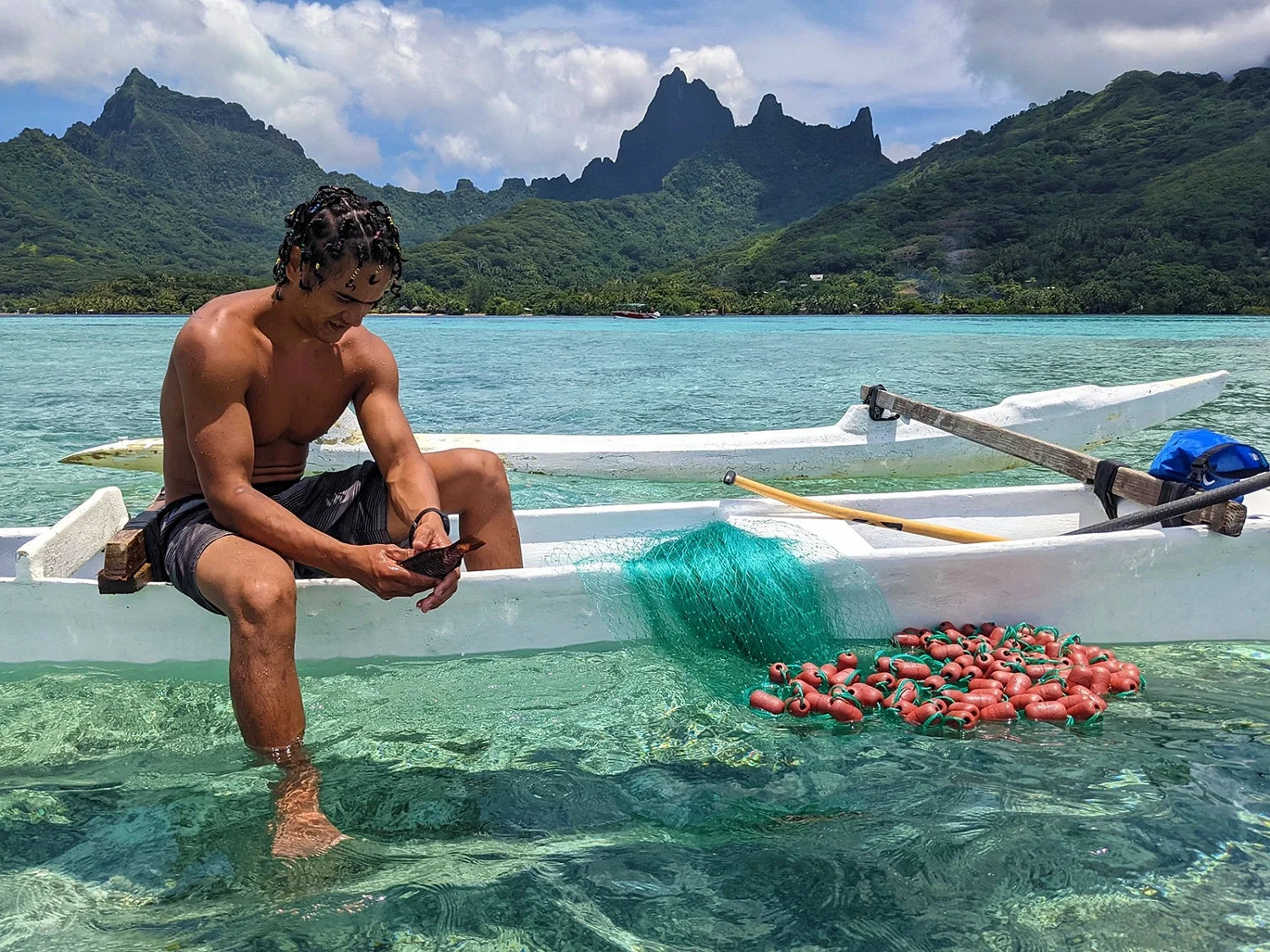
The island and atoll of Bora Bora, a tourism mecca, have nearly collapsed as a fishery for local people, who now, in some cases, must travel 2-4 hours to fish at other islands.
While Bora Bora has been considered a prime destination for vacationing in one of the world's most beautiful island chains, decades of tourism, including sports fishing, and an explosion of non-native people moving there have left a significant number of reef systems dead or depleted.
French Polynesia Established the World’s Largest MPA
In 2025, at the UN Oceans Conference, French Polynesia announced it will create the world's largest marine protected area, more than 5 million square kilometers, with 1.1 million of them designated as highly or fully protected areas where only traditional coastal fishing, ecotourism, and scientific exploration are allowed.
The French Polynesian government has also pledged to add an additional 500,000 square kilometers to the highly protected area by World Ocean Day 2026.
Threats to all of French Polynesia’s marine ecosystems include overfishing, illegal fishing, wildlife poaching, pollution, acidification, and climate change. Unsustainable Tourism and boat, vessel, and jet ski noise are also major issues, with sailing boats anchoring without restriction in most of the country’s waters, destroying fragile coral reefs.
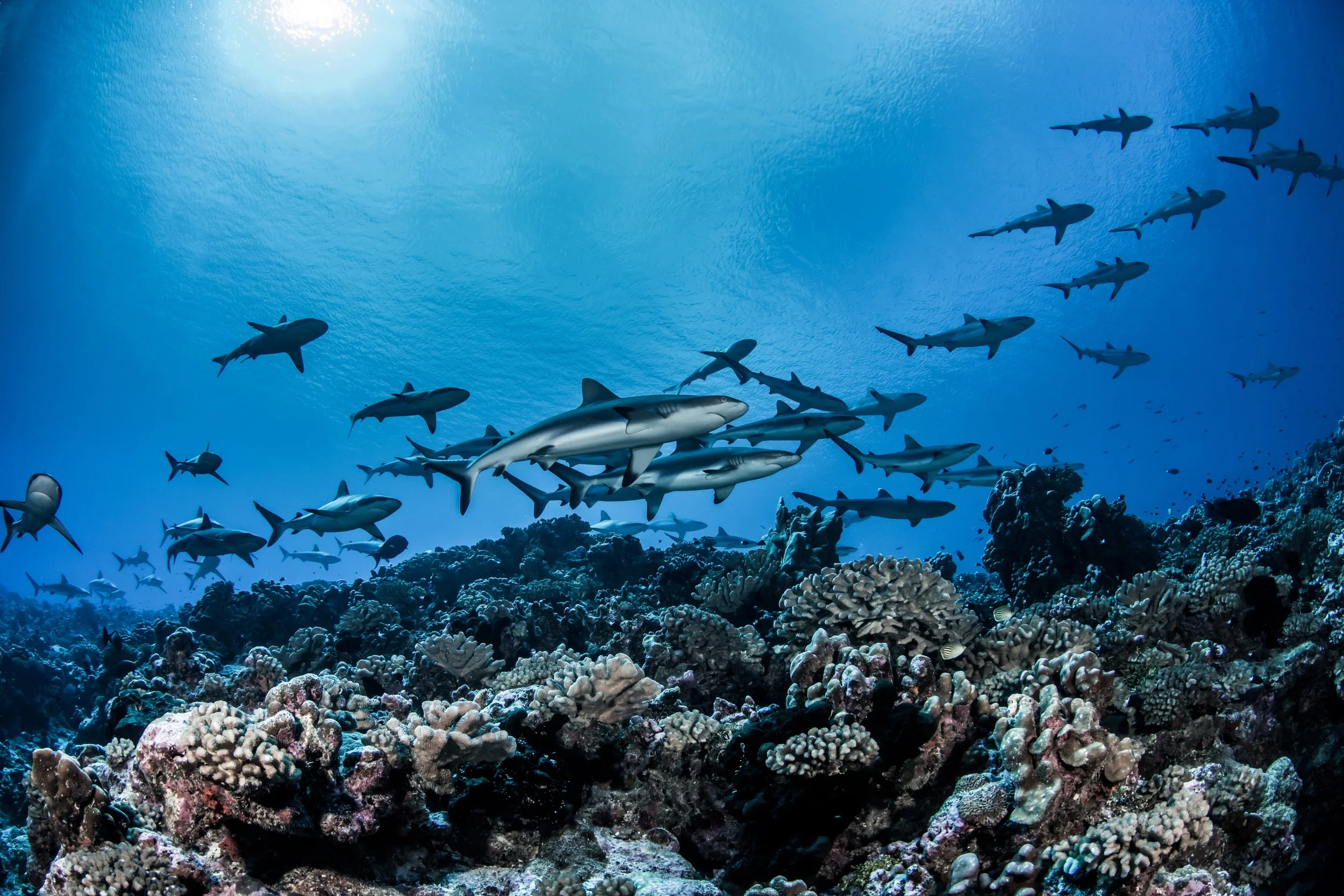
French Polynesia’s waters are known for their marine biodiversity and healthy ecosystems, which provide refuge to 21 shark species and a reef system that supports 176 coral species and 1,024 known fish species.
Bora Bora’s Rahui will be a shining model for all other islands and atolls across the 5 million square kilometers to more effectively and efficiently protect their waters.
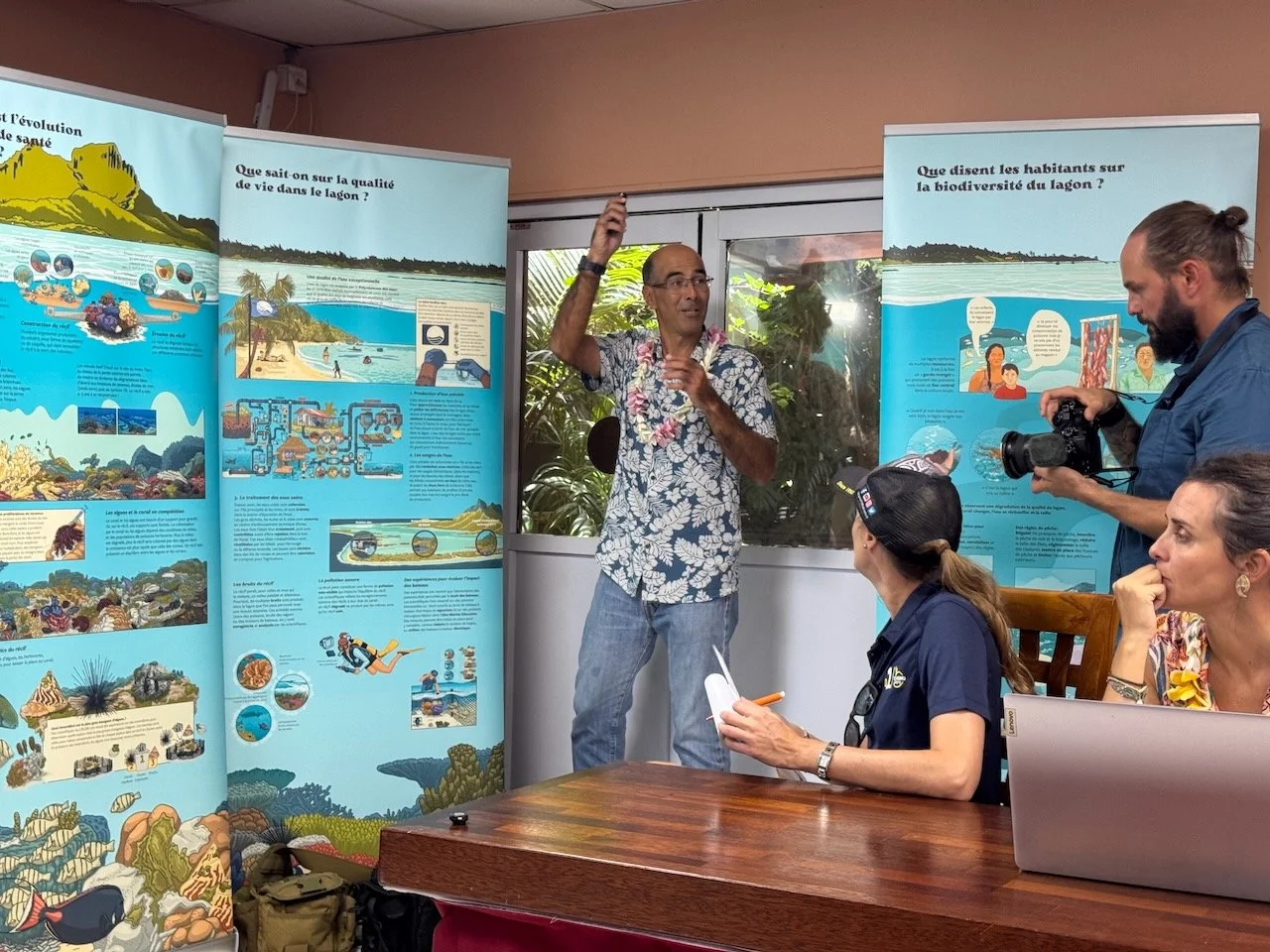
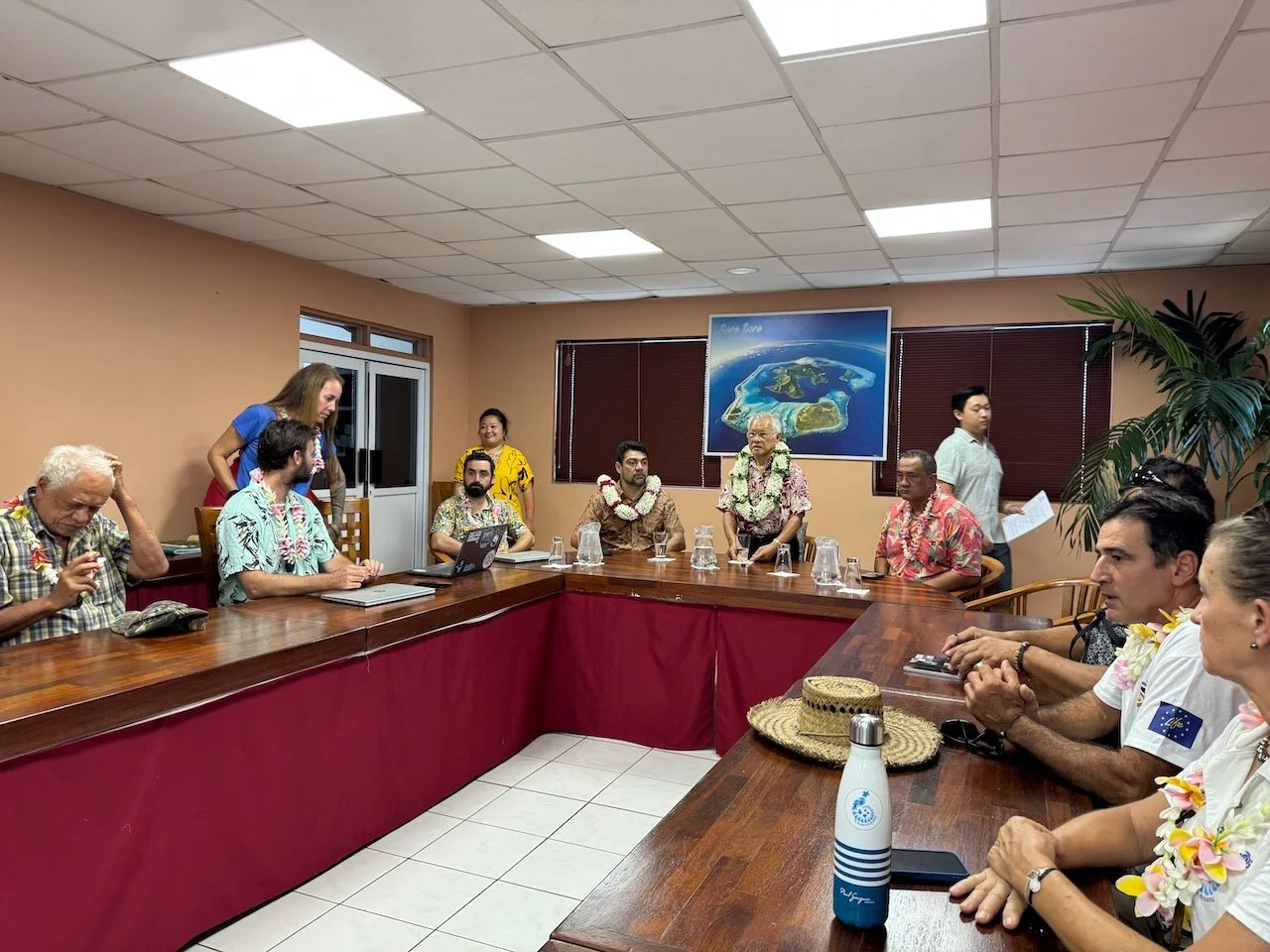
The Minister of the Environment, David Lecchini, gives a presentation to the delegation of Bora Bora highlighting the plan for conservation success. The plan revolves around letting fish species recover by growing to full sizes as well as healing their coral habitat using proven coral growth methods.
GC Invests in Bora Bora’s New Marine Protected Area—Rahui
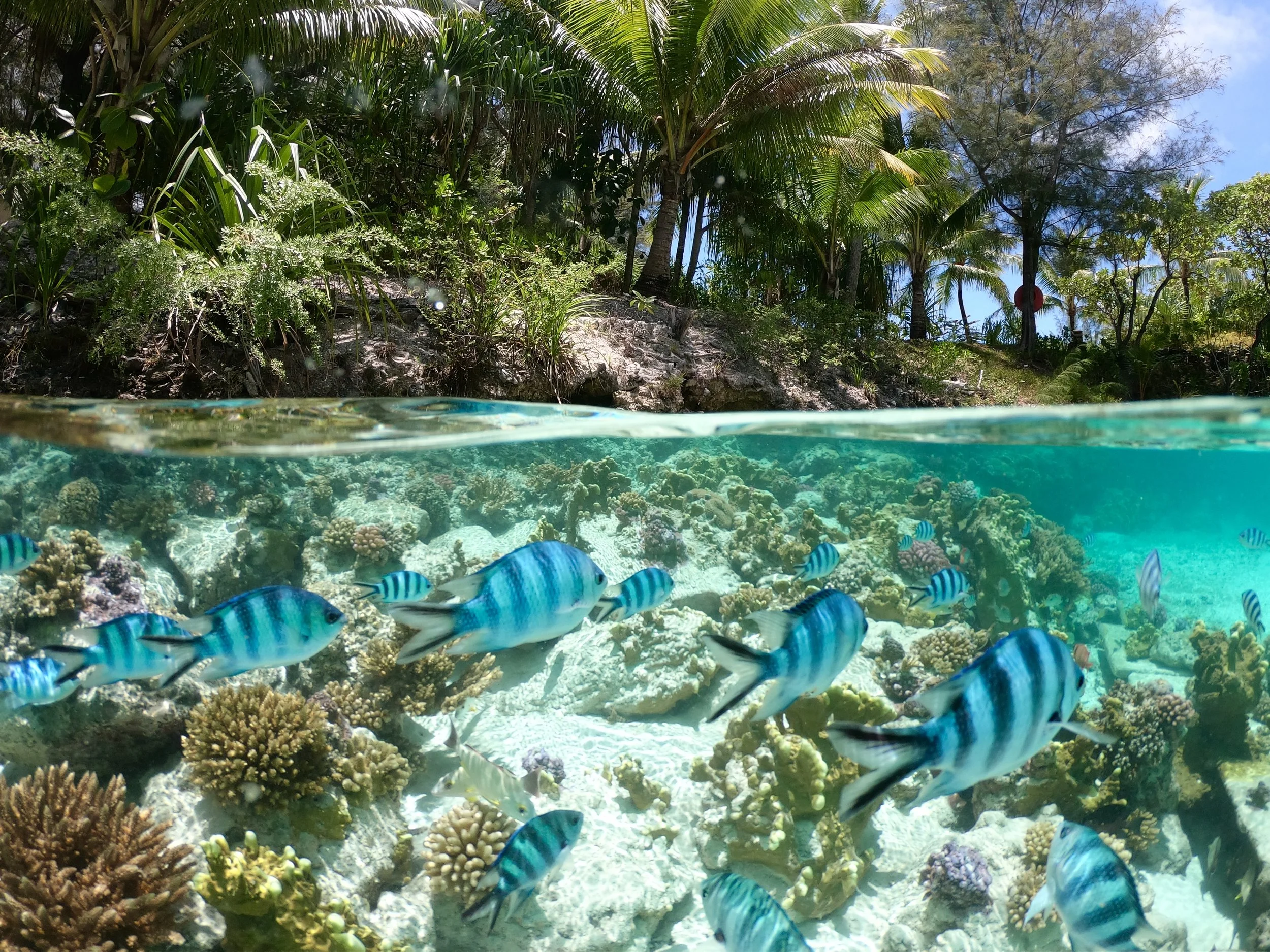
The marine ecosystem of Bora Bora is in danger of collapsing due to the loss of turtle habitat and four main fish species that are eaten locally, as well as three species of turtles that have vanished in the past 20 years. To save this ecosystem, Global Conservation is collaborating with the French Polynesia government, researchers, locals, and the non-governmental organization Vai Ma Noa Association.
The local fisheries are under tremendous pressure due to the increasing population of over 12,000 residents and 200,000 tourists annually. The Bora Bora Rahui has instituted the radical "No Take" policy in response to the current catastrophic loss of the lagoon and atoll fisheries.
As the average size of key fish species has declined to nearly unsustainable levels, and in some cases, local fishermen must now fish 2-4 hours away on nearby islands, Bora Bora has made the progressive move to protect over 50% of the fish reproduction habitat of the entire atoll, nearly 700 hectares.
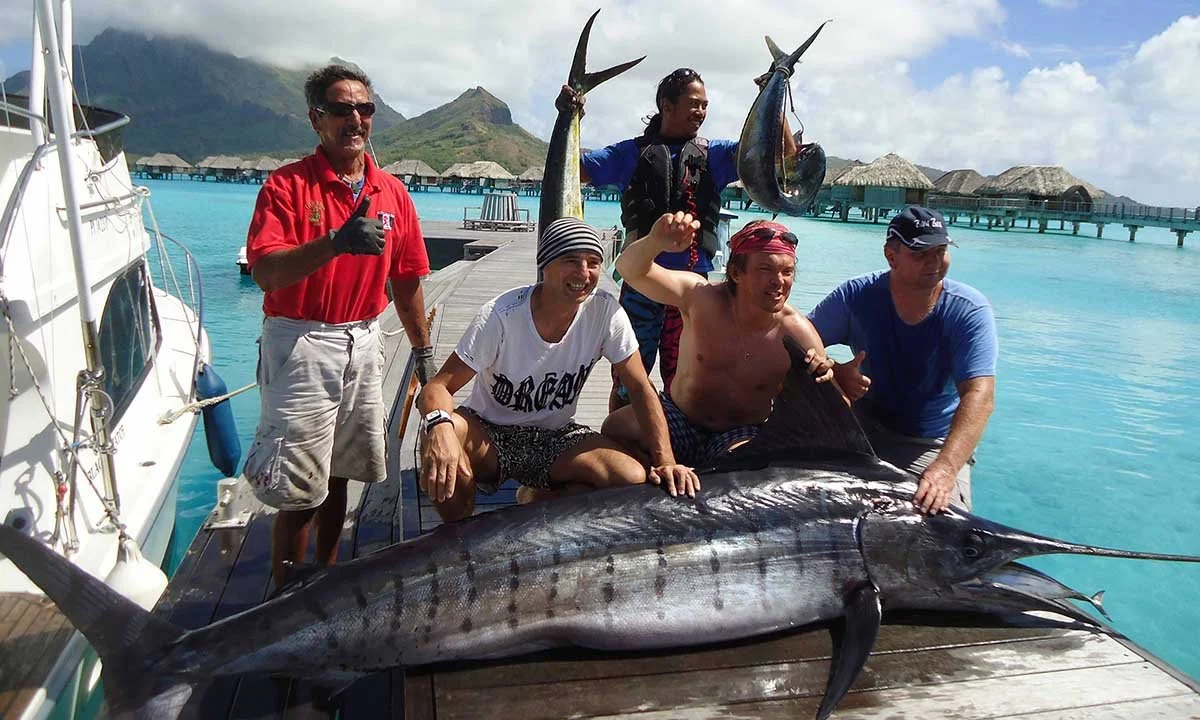
Described as "overfished and overfrequented," Bora Bora is a year-round fishery and a popular sport fishing destination. In the open ocean, you can find Blue Marlin, Yellowfin Tuna, Wahoo, Mahi Mahi, and other giant fish species.
The President of French Polynesia signed a new decree that gives the Bora Bora Rahui (Community Fishery) total protection against all fishing, wildlife poaching, and tourism activities—French Polynesia’s first Class 1A “No Take” Marine Protected Area (MPA).
After extensive collaboration with all island populations and nearly five years of scientific research and baseline surveys, the Bora Bora Rahui was finally established. As it is planned, protecting Bora Bora Rahui will help restore important fish populations within five years of being fully shielded from fishing and tourism boats, which also creates extensive noise pollution. This is despite the fact that half of the fish breeding and growth areas, including the West Reef and Main Passage, can still be fished.
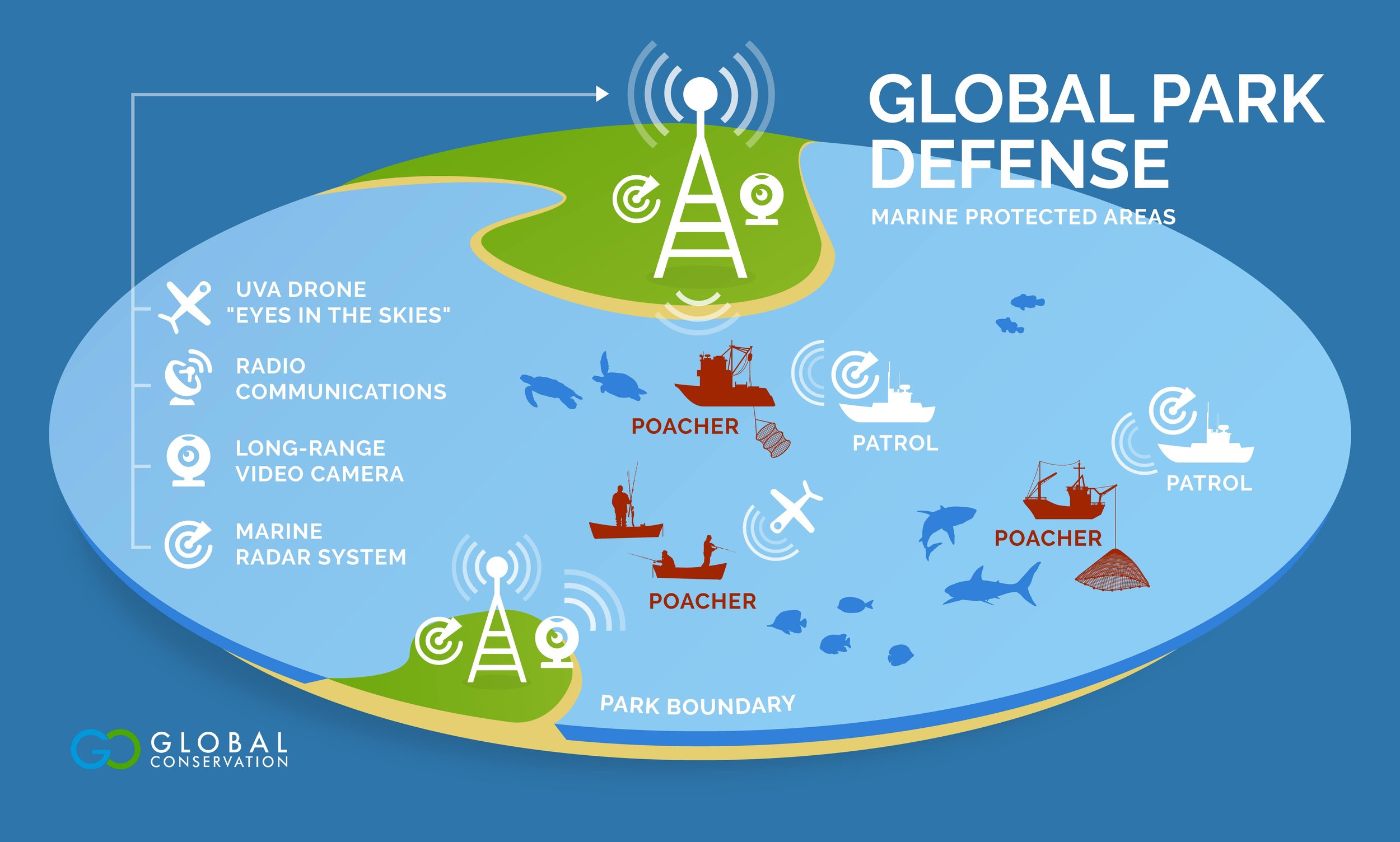
The overflow of larger fish outside Marine Protected Areas (MPAs) increases the ease and size of the catch for local fishers, as proven in both French Polynesia and other MPAs where we deploy Global Park Defense and Community Protection with marine radars, 24/7 surveillance, targeted interdictions, and active SMART Patrols to protect coastal and island ‘No Take’ Marine Protected Areas.
Global Conservation has begun funding the Rahui’s marine protection work, including the purchase of the Rahui’s first boat and motor. Over the next five years, we will be supporting new SMART Patrolling systems, integration with marine radars, and development of maps and regulations to raise awareness among the local population and tourism operators for a new ‘No Take’ MPA or Rahui of over 700 hectares. We are working in partnership with the Commune of Bora Bora and its esteemed Mayor Gaston Tong Sang, the scientific teams at CORIBE, and the local marine protection and education association "Ia Vai Ma Noa Bora Bora."
Once the five-year program concludes, we expect sustainability of the patrols, joint enforcement, and community involvement to continue, and a five-year fish and turtle population study will be conducted and compared to the 2023 baseline.
“When I was a child, we would often see schools of large fish passing by our village. I would spearfish and bring home dinner for our entire family, and we are a big family. Fish used to be larger than our plates; now they are much smaller and you need 2 or 3 for a meal.”
-Mayor Gaston Tong Sang
Collapse of the Fishery and Turtle Population
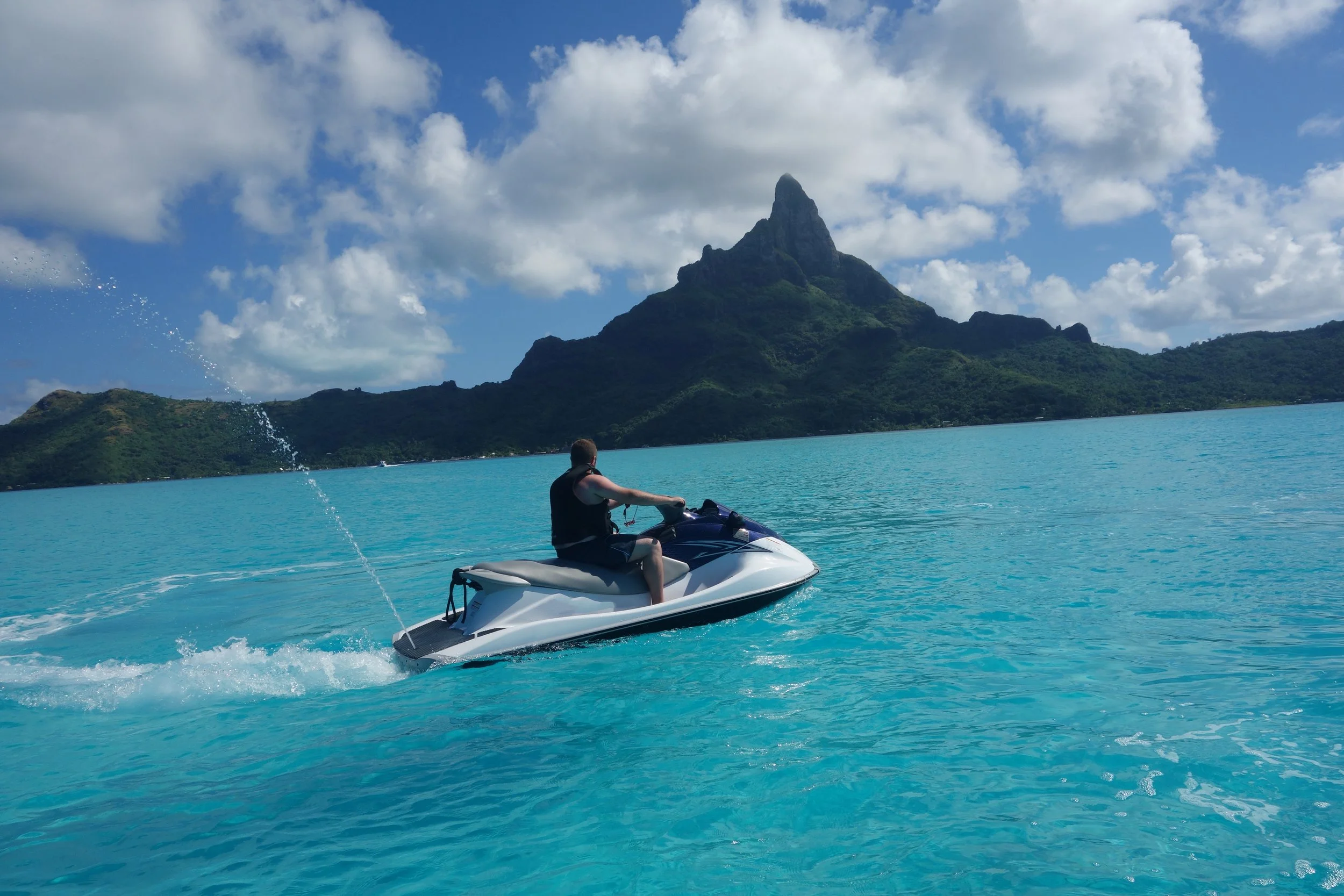
Jetskis are just one of the contributors to noise pollution.
After five years of scientific work and community discussions with fishing and the tourism industry, the Bora Bora Rahui has been approved by the government to regenerate the lagoon ecosystem to bring back fish for the local populations. While the lagoon has healthy coral and fish biodiversity, few fish can survive to be large enough to eat, causing fishermen to go 2-4 hours away to other islands to feed the local people and hotels.
Mayor Gaston Tong Sang has led for 20 years to improve the sewage management and water quality of the unique lagoon ecosystem, but overfishing and lack of protection have caused the fishery to collapse and feed the local people. Most fish are now “smaller than the plate," and very few are large enough to eat.
"The lagoon isn't dead; we have vibrant coral, numerous fish... but all very small," he summarizes. Fishing pressure, noise pollution, and intense nautical activity are significant issues affecting the lagoon. The fish are struggling to reach adulthood for reproduction, and if we eat the smallest, we'll break the chain," continues Gaston Tong Sang. There's no doubt in the mayor’s mind, "only a Rahui" and its strict prohibitions on fishing, tourism, and boating activity will allow the lagoon to "regenerate."
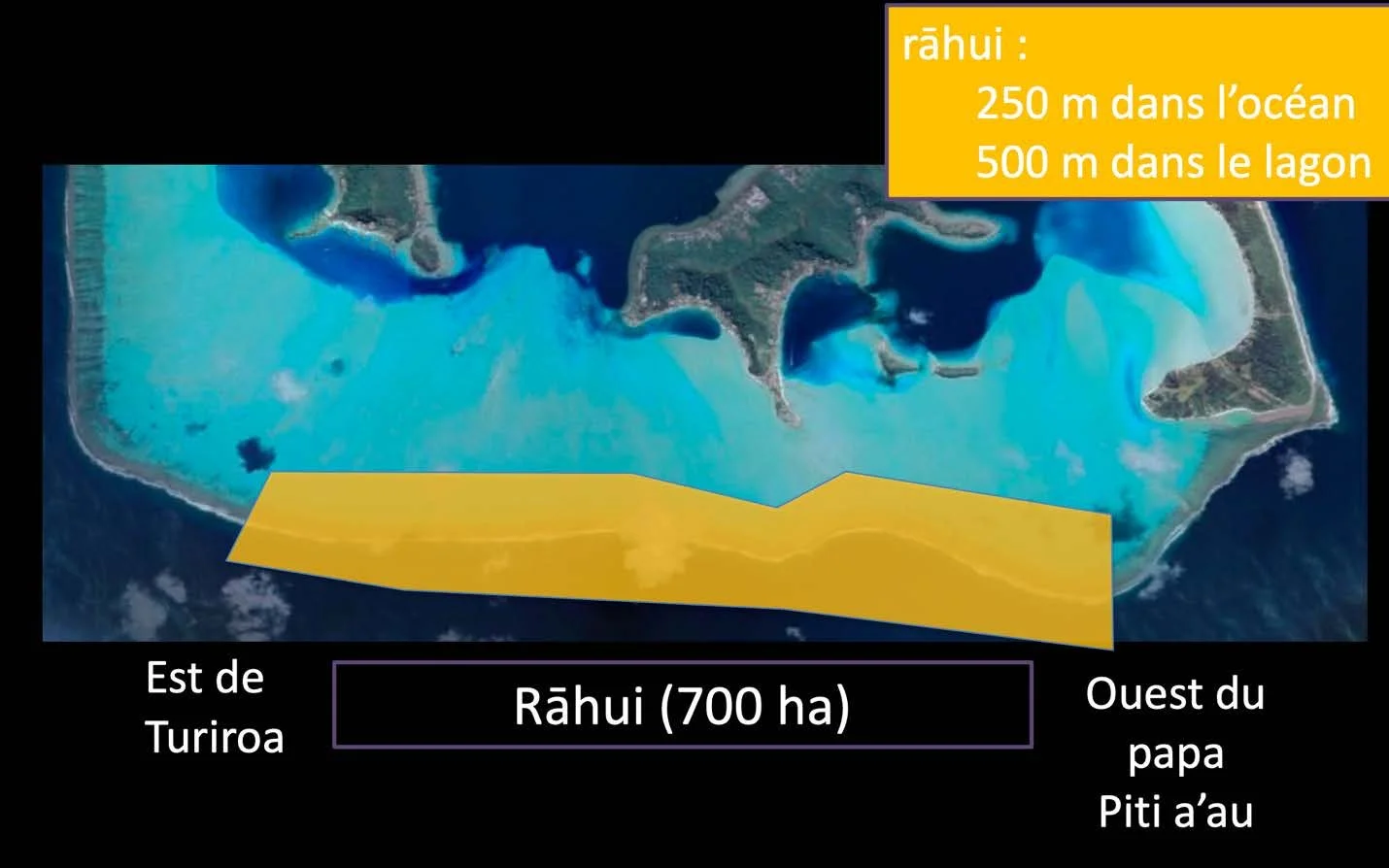
The Bora Bora Rahui is 700 hectares and a Class 1A marine protected area, the first in French Polynesia. No fishing or tourism boat traffic is allowed.
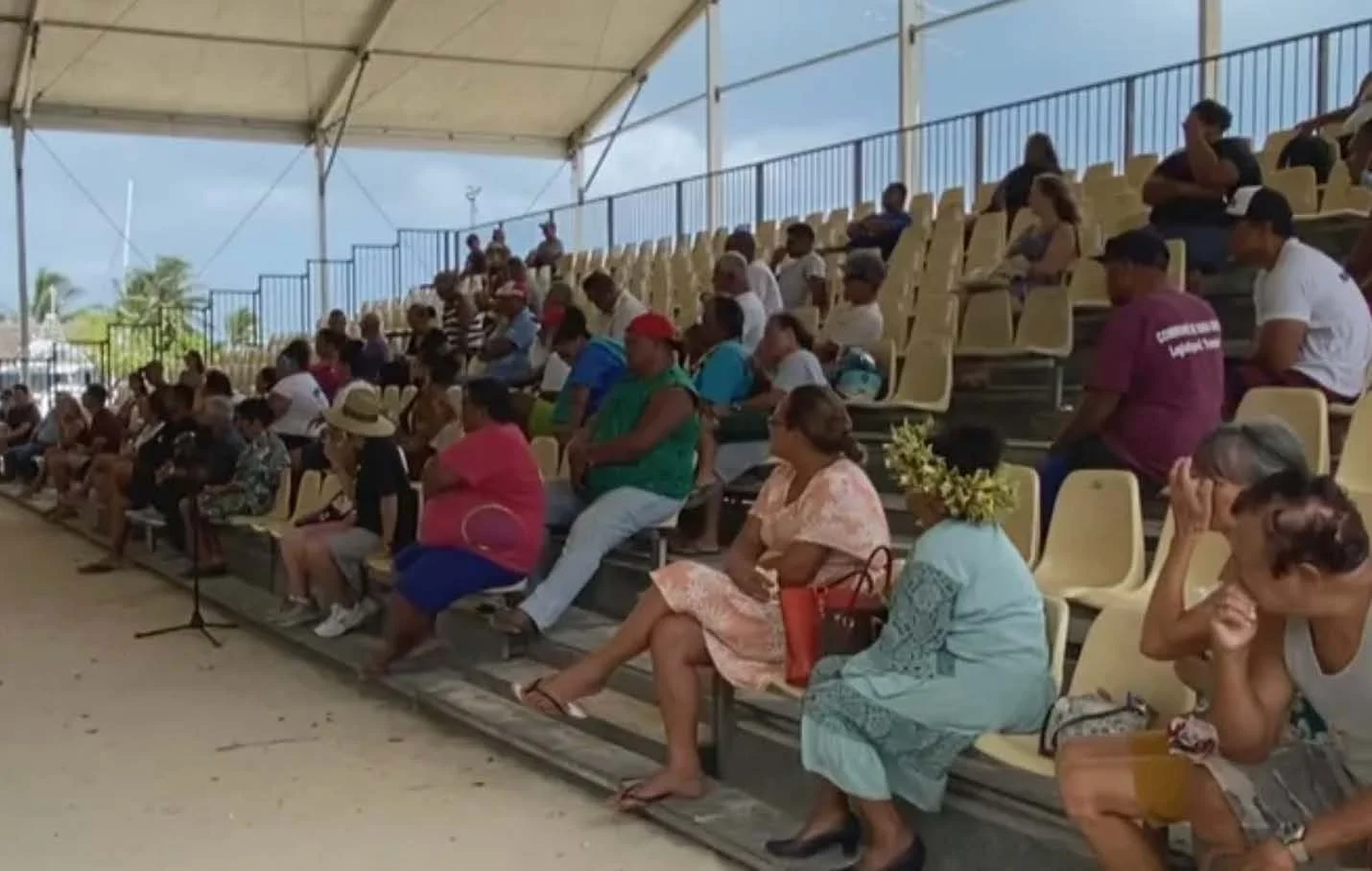
Community meetings with fishers, tourism, and local peoples were held to socialize the idea of the Rahui over five years before it was signed into law.
GC’s partner Tehani Maueau, President of NGO Vai Ma Noa Bora, explained how local peoples were moved to the Rahui model after large fish catches became rare and could not provide sustenance for the local population during COVID. “This was a wake-up call for many,” she noted.
The goal is to establish a protected ‘No Take, No Traffic' marine protected area large enough—several kilometers—to repopulate the island and lagoon. The Rahui is without hotels or motu, designated as a "place of passage, of fish migration" by the island's elders and as a favorable zone for the replenishment of reserves, notably due to the orientation of the currents, according to scientific studies.
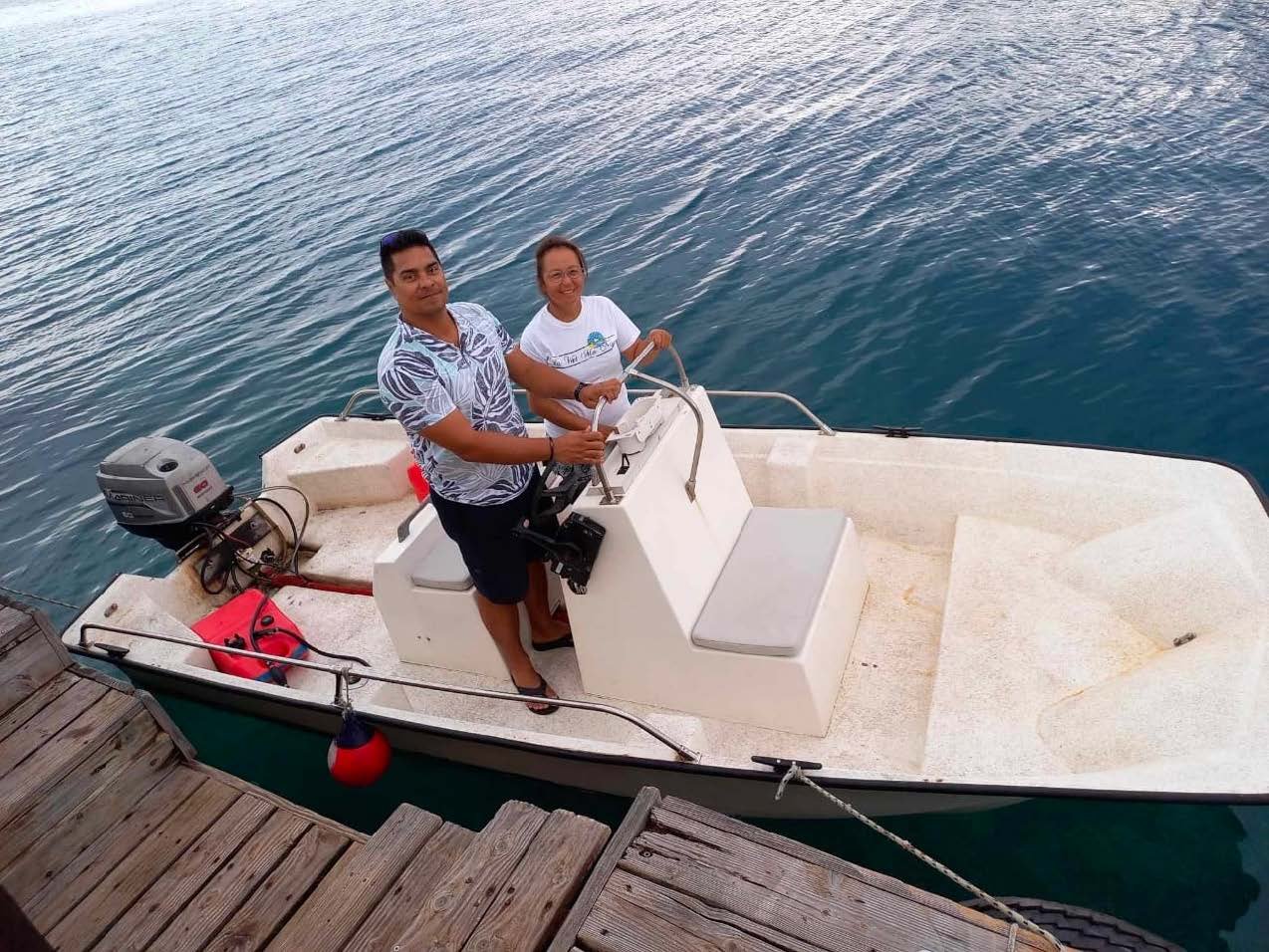
Global Conservation purchased the first patrol boat and motor for the Leeward Islands' new Rahui ‘No Take’ Marine Protected Area (MPA).
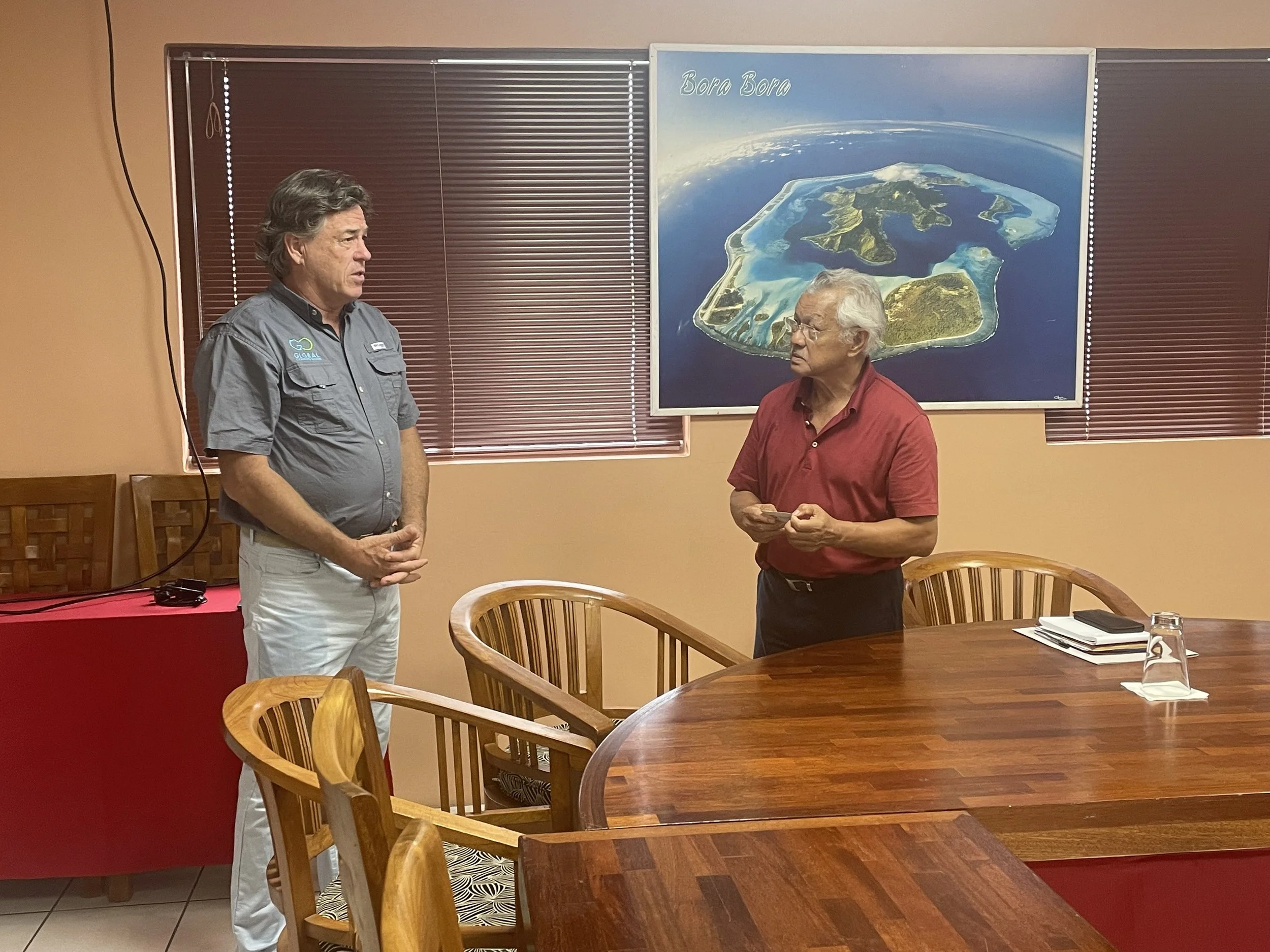
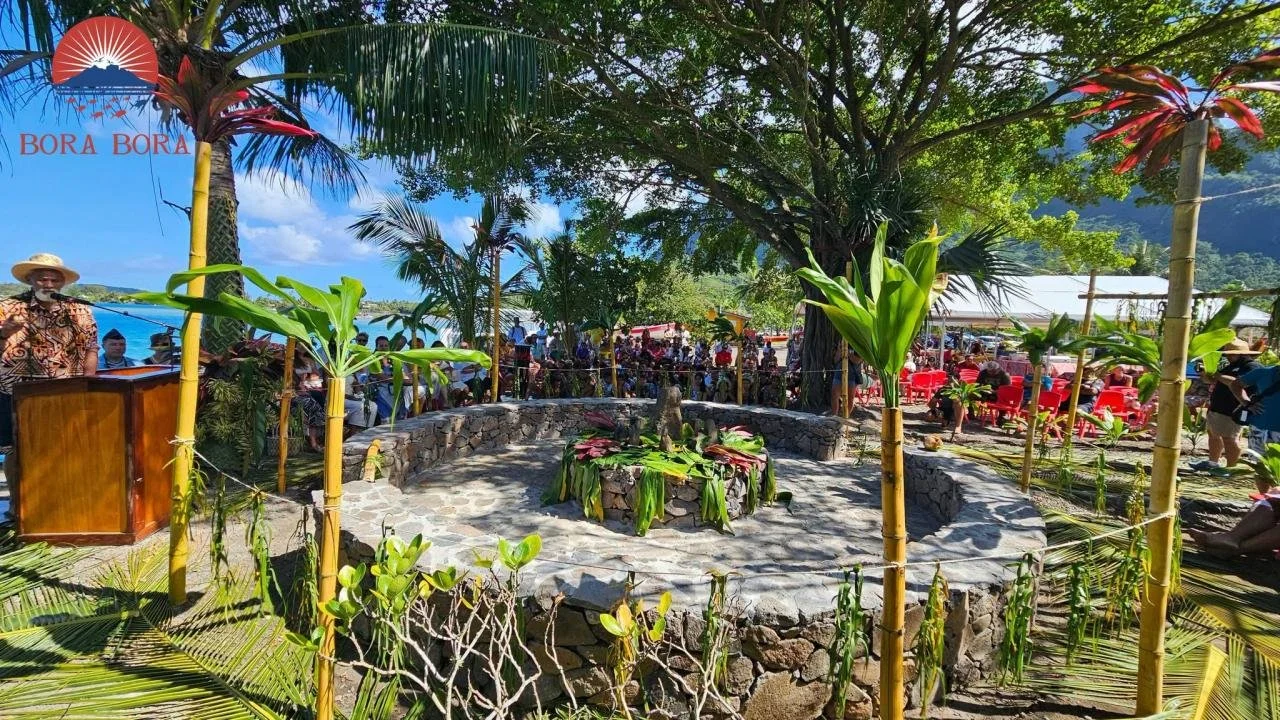
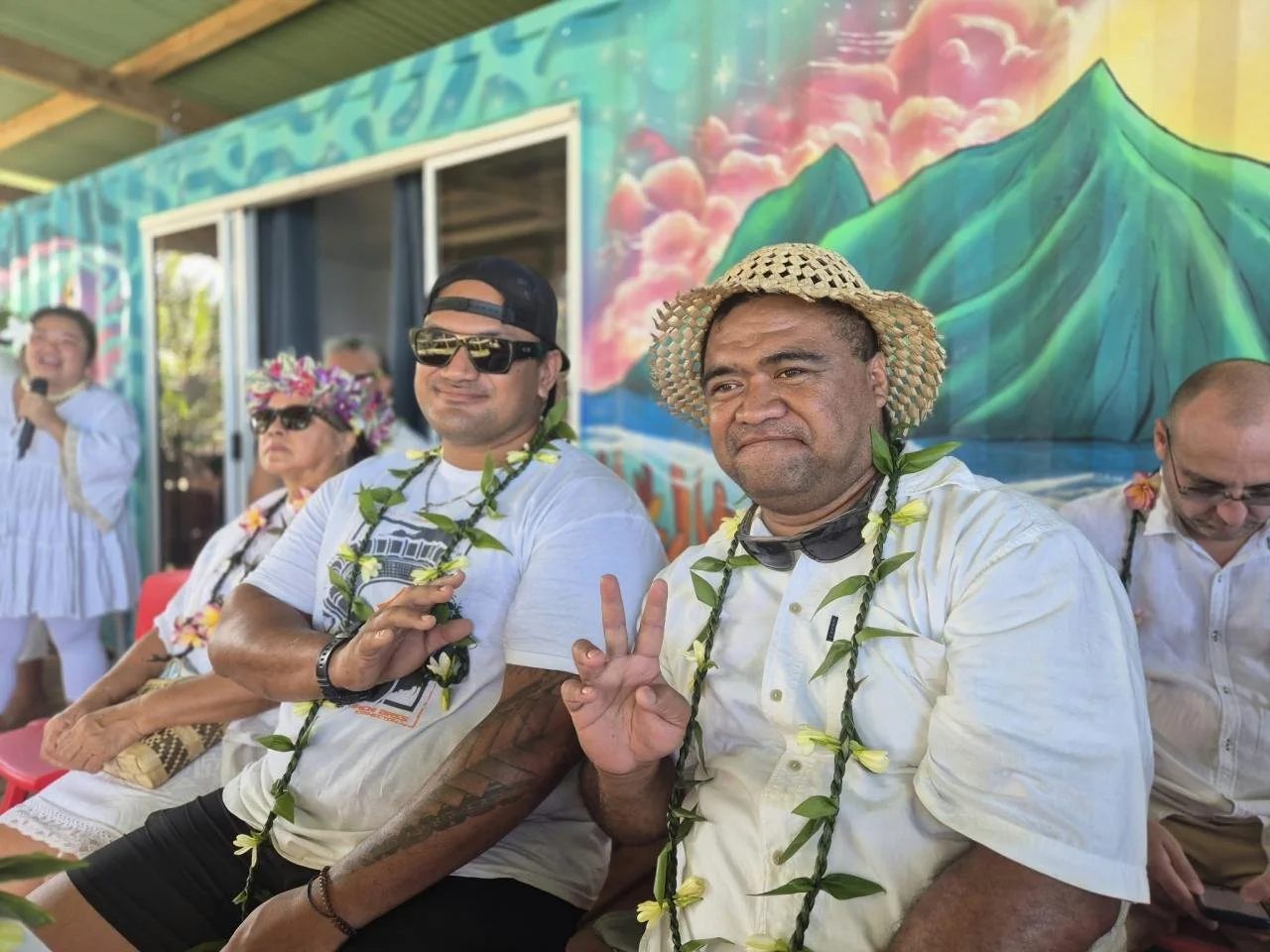
GC Executive Director Jeff Morgan attended the Opening Meetings with the Minister of Environment and Gaston Tong Sang (right), Mayor of Bora Bora and President of the Assembly of French Polynesia.
Global Conservation has been working in French Polynesia for the past three years, supporting the local NGO Vai Ma Noa Association in the education and socialization of fisher communities through direct meetings and school education. As well, GC purchased the first patrol boat and motor for the Rahui. The Mayor’s office has supported the construction of a new Marine Radar installation, which will provide 24/7 day-night surveillance of the entire Rahui, and GC is deploying the EarthRanger system for marine protection.
Community Marine Protection – The Rahui
"Rāhui" is a Tahitian term used to describe an integrated, community-based approach to natural resource conservation. Throughout the French Polynesian islands, Hawaii, and New Zealand, local communities have used various forms of rāhui for centuries to manage terrestrial ecosystems, preserve coral reefs and fisheries, and maintain water quality on land and in the surrounding lagoons.
Local people of French Polynesia have managed their marine resources for thousands of years since their first inhabitants sailed across the Pacific to settle and prosper on their previously abundant fish, shellfish, and ocean resources.
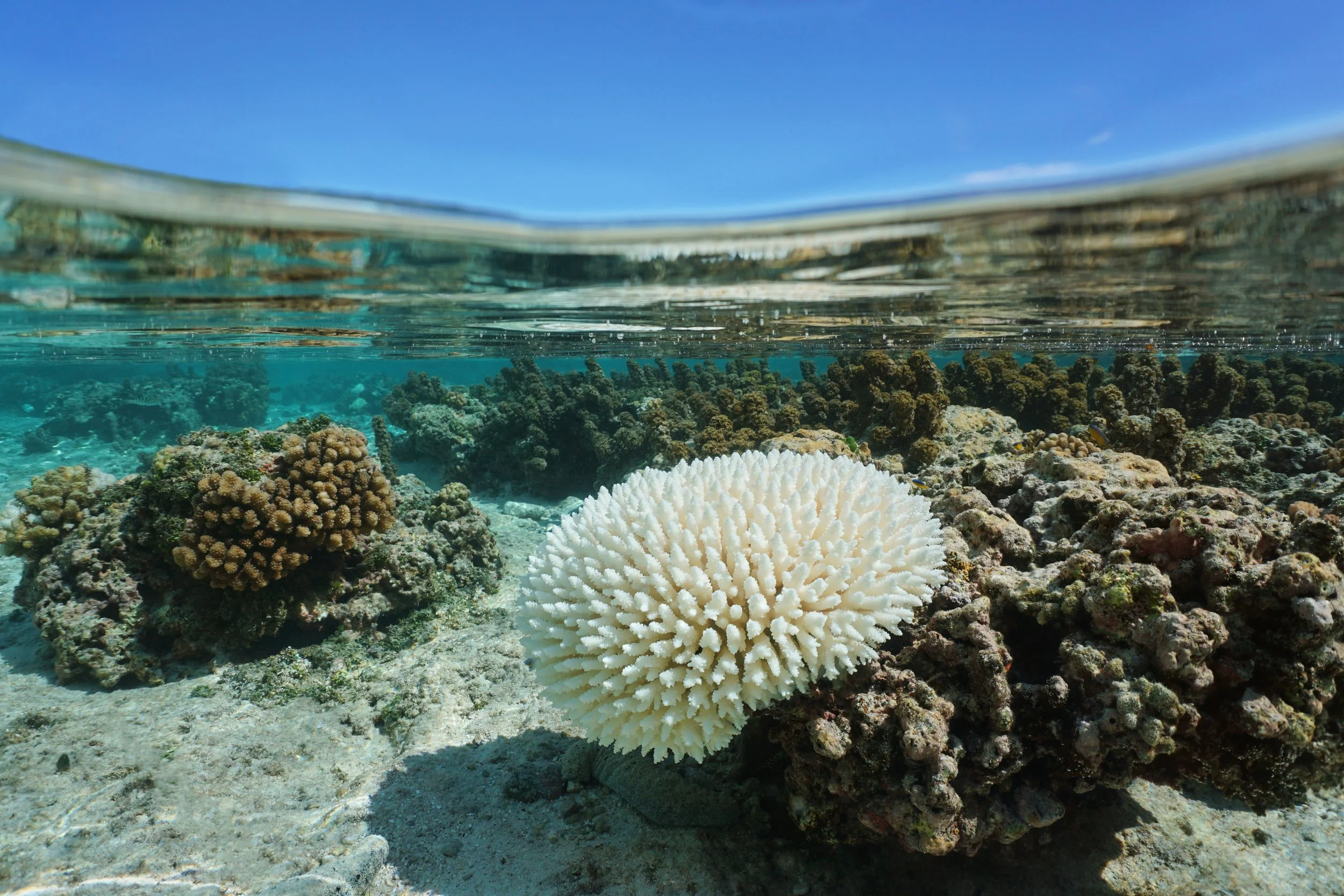
Bleached corals like these, which are dead, lead to a lack of livable habitat for many species that inhabit French Polynesian waters.
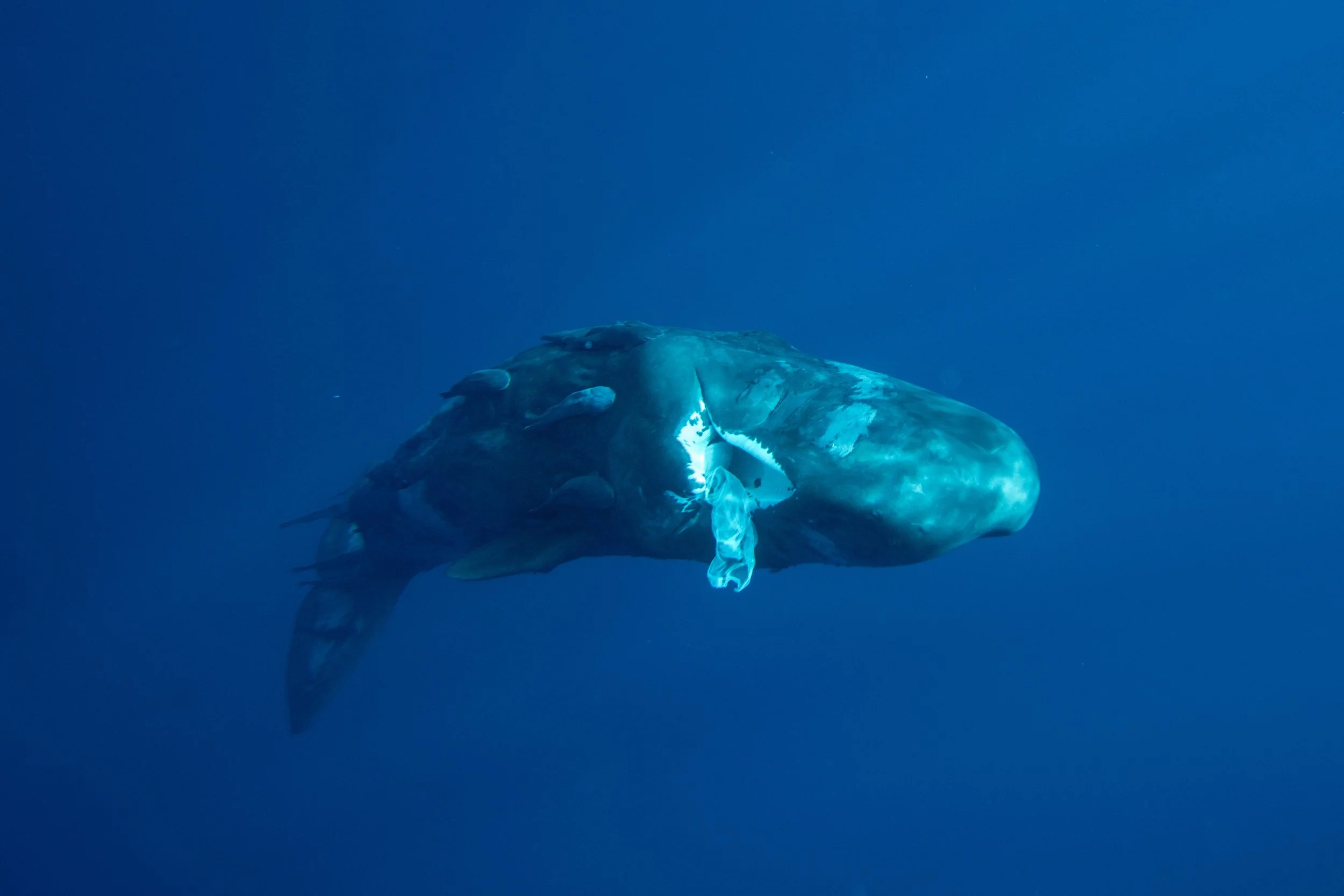
Ocean pollution reaches to the furthest ends of the ocean, including a sperm whale that eats a plastic bag in French Polynesia.
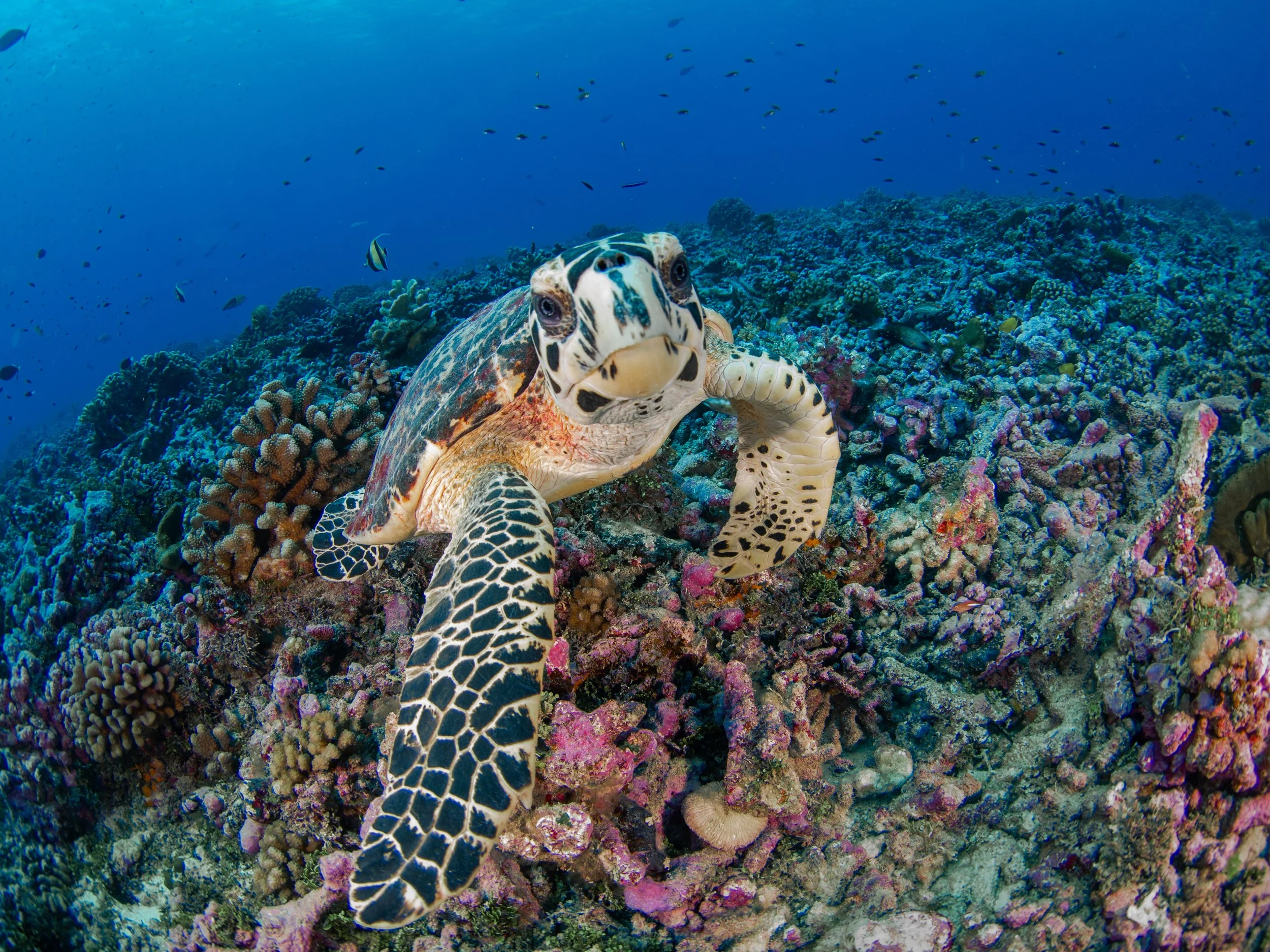
A young Hawksbill turtle lies in a mostly destroyed coral reef and they’re more easily found within other areas of French Polynesia, like in Rangiroa, Tuamotu Islands.
With the rapid growth in population, Bora Bora grew from 2,000 to over 12,000 people in 30 years. In light of this, fish stocks have been depleted and the prosperous days of large schools of large fish off the village shore are long gone. Three species of turtles, including leatherback, green, and hawksbill, are now rarely seen in the lagoon or around the reefs.
Of course, Global Conservation is supporting the local communities and Commune of Bora Bora, who are taking the major initiative to establish their first Marine Protected Area (MPA) with no fishing or tourism activities allowed.
“The primary reason we are supporting MPA Protection in French Polynesia is to bring back the fish for food security for local peoples, as well as keeping marine-based tourism—scuba, snorkeling, and photography—strong to provide good incomes and business opportunities. Covid was a terrible blow to the tourism-based economy, and overfishing became the norm for families to eat. With the collapse of the fishery, the ‘No Take’ protection of the Rahui is critical to bring back fish populations to the island—more fish for locals and for marine tourism," said Jeff Morgan, Executive Director of Global Conservation.
Global Park Defense and Community Protection for Marine Ecosystems
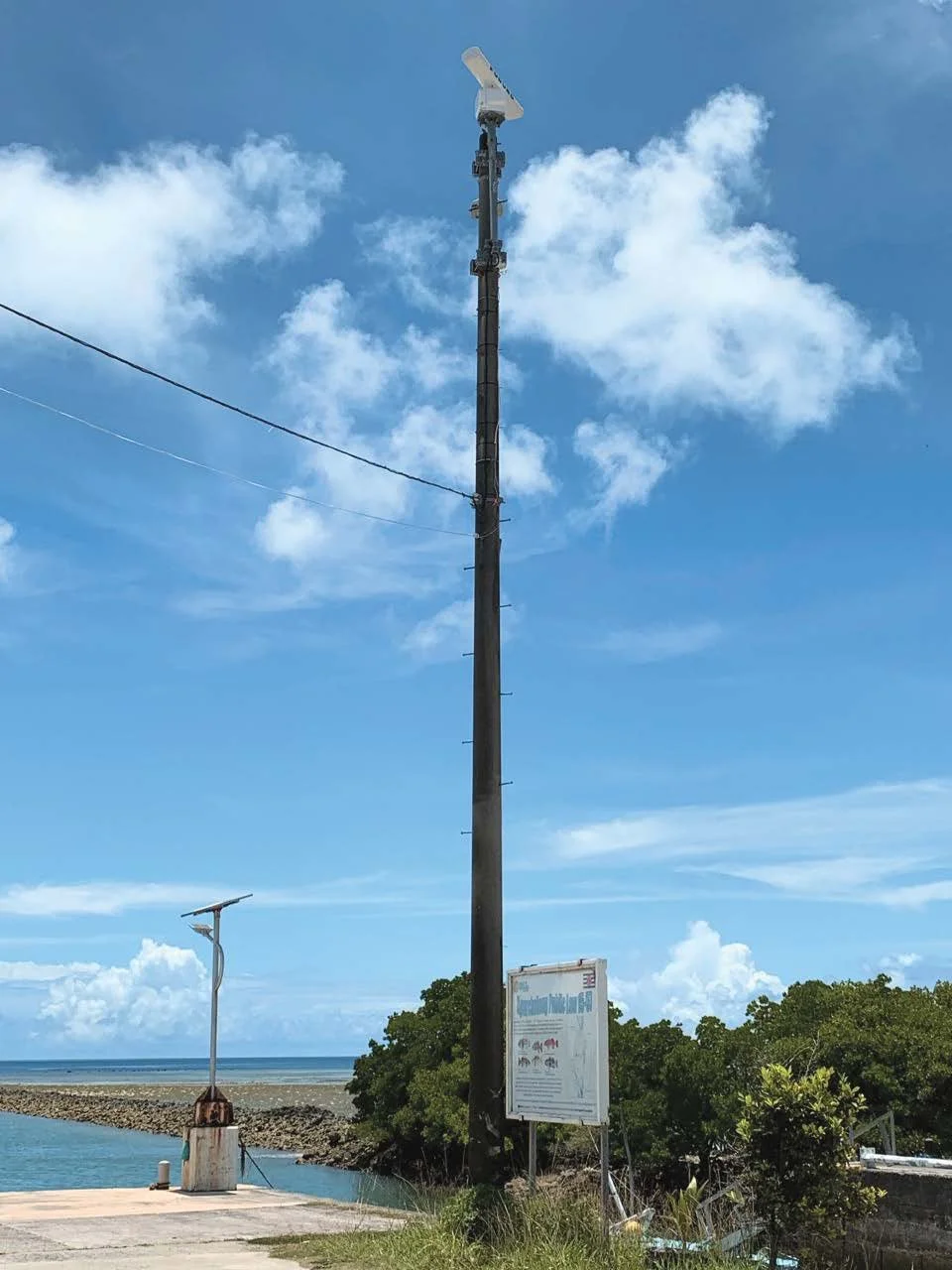
Marine Monitor radar provides 24/7 surveillance of ‘No Take’ Marine Protected Areas.
Global Conservation is supporting the Global Park Defense for Marine program in Bora Bora over the next five years, which includes:
Patrol Boats and Motors
Community Protection
Long-Range Cameras
UAV Drones
Patrol Equipment
Communications
·Fuel and Rations
Vessel Maintenance
SMART Patrol System / EarthRanger
Community Brochure for Rahui Fishers / Map / Regulations
Scientific Baselines
The Commune of Bora Bora, Community Groups, Private Hotels and Foundations will support equal or greater co-funding for Marine Protection including:
Marine Radars (2)
Command Center
Backup Enforcement
Police Actions - Gendarmerie
Stakeholder Meetings
Scientific Baselines
Global Conservation will combine the power of the Marine Radar with a working marine enforcement team with rapid response capabilities to discourage fishers and other boats from entering the Rahui. The Radar sends automatic alerts to the EarthRanger system with photos or videos of the violations to share with law enforcement on Smartphones.
Through this partnership with the Commune and local NGOs, Global Conservation is playing a crucial role in strengthening local capacity for marine resource management, enhancing biodiversity protection, and establishing Bora Bora as a model for community-driven marine conservation in the Pacific.
The newly proposed Rahui is designed for the protection and regeneration of maritime resources through local practices proven at Teahupoo on Tahiti, an island of French Polynesia, and will have two Marine Radars covering the long marine protected area 24/7 enabling rapid response to illegal fishing and nighttime wildlife poaching both inside and outside the reef.
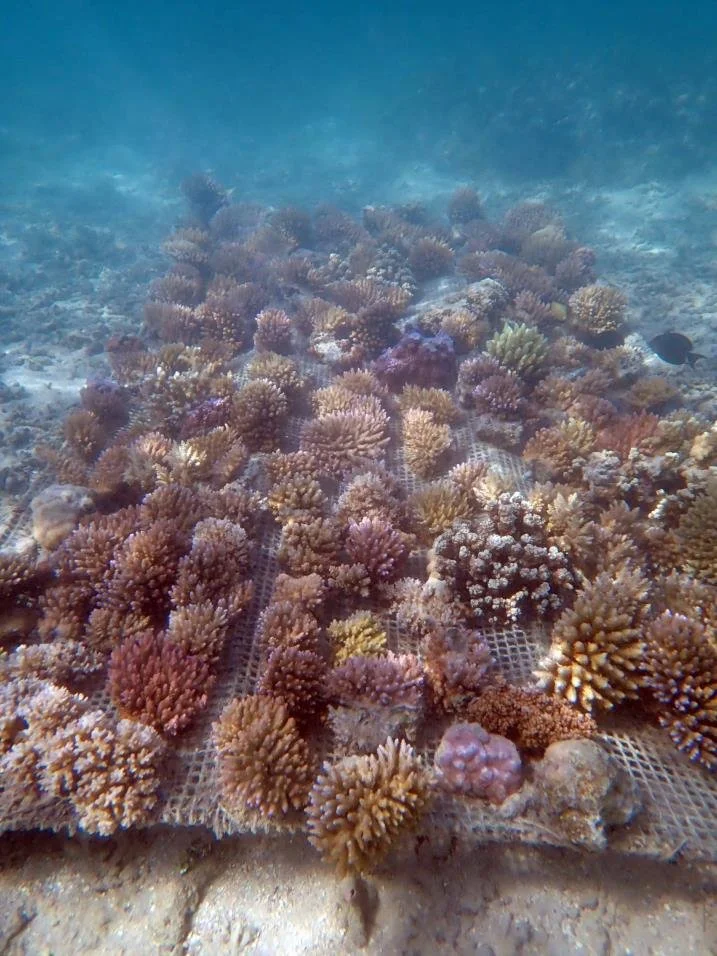
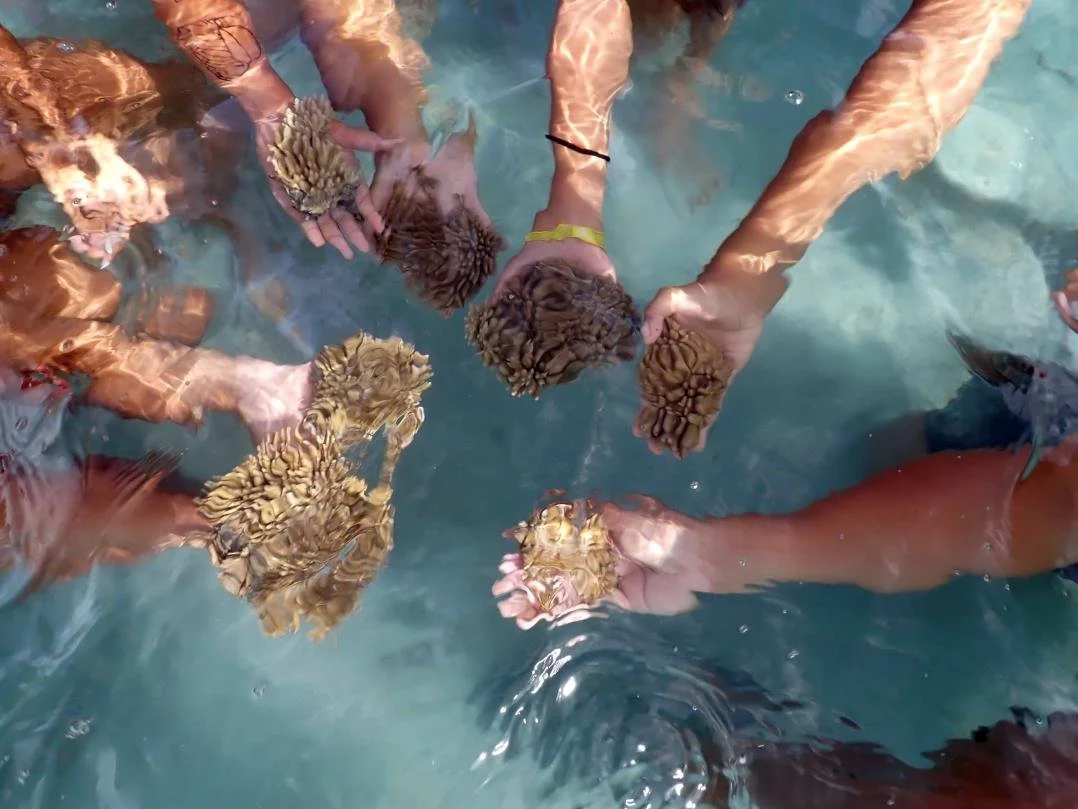
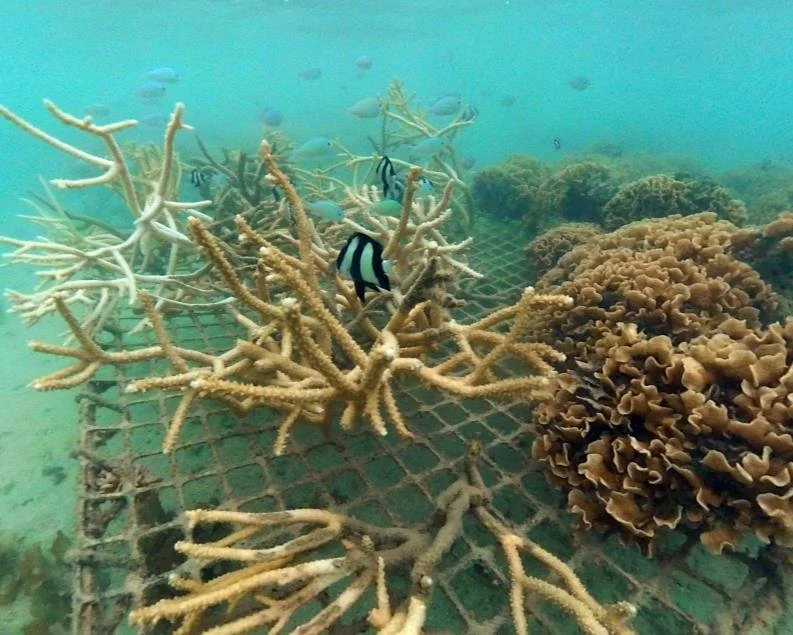
The Rahui of Teahupo'o on the main island of Tahiti has seen fish stocks rebound by 250% since it was established, and local fishers swear by the importance of the Rahui system to sustain their livelihoods and regain the prosperity of earlier years.
While the Leeward Islands Rahui will cover nearly 20% of Bora Bora’s lagoon and ocean reefs and 50% of its fish migration and aggregation areas, it does not have open channels like Teahupo'o, so the true impacts of the new regulations are still unsure.
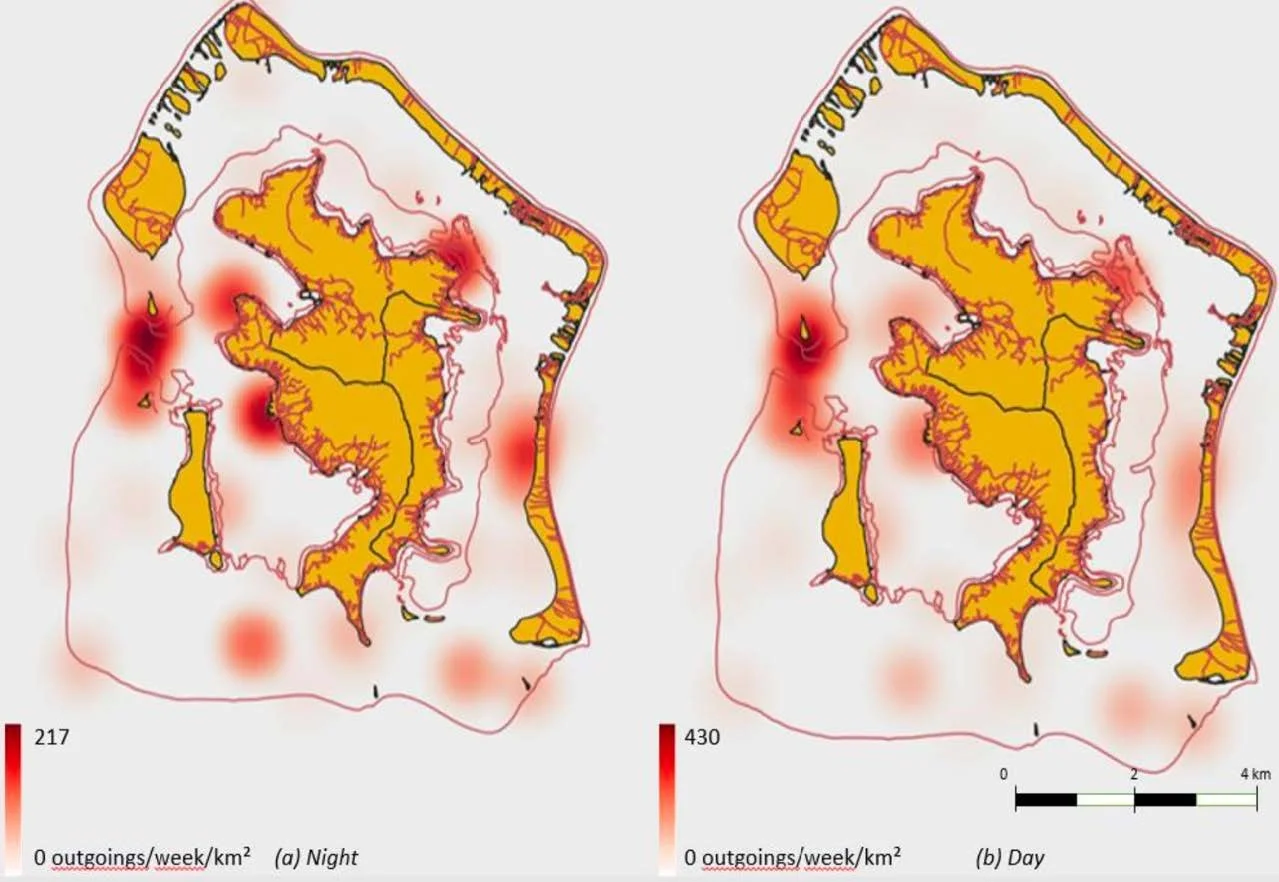
Analysis of fishing pressure in Bora Bora.
“In French Polynesia, the ocean is much more than a territory: it is a source of life, culture, and identity. By strengthening the protection of the Tainui Atea—the existing marine-managed area that encompasses all French Polynesian waters—and laying the foundations for the future marine-protected areas in the Austral, Marquesas, Gambier, and Society Islands, we are asserting our ecological sovereignty while creating biodiversity sanctuaries for our people and future generations.”
-French Polynesia’s president, Moetai Brotherson
The rāhui (a traditional Polynesian ban or restriction on fishing or harvesting to help nature recover) in the Bora Bora lagoon is a localized project. It was initiated by the local municipality and the community association Ia Vai Ma noa, Bora Bora. While traditional rāhui relied on community consensus, modern versions in French Polynesia often require formal validation through a decree by the local mayor or the Council of Ministers to make the boundaries legally enforceable. The Bora Bora rāhui process includes:
The Location: The proposed rāhui zone is in the southern lagoon area of Matira Point.
The Goal: It was created to protect coral reefs and increase dwindling fish sizes and populations following local scientific studies.
Community Consultation: Locals and lagoon users were involved in public inquiries to approve the conservation measures.
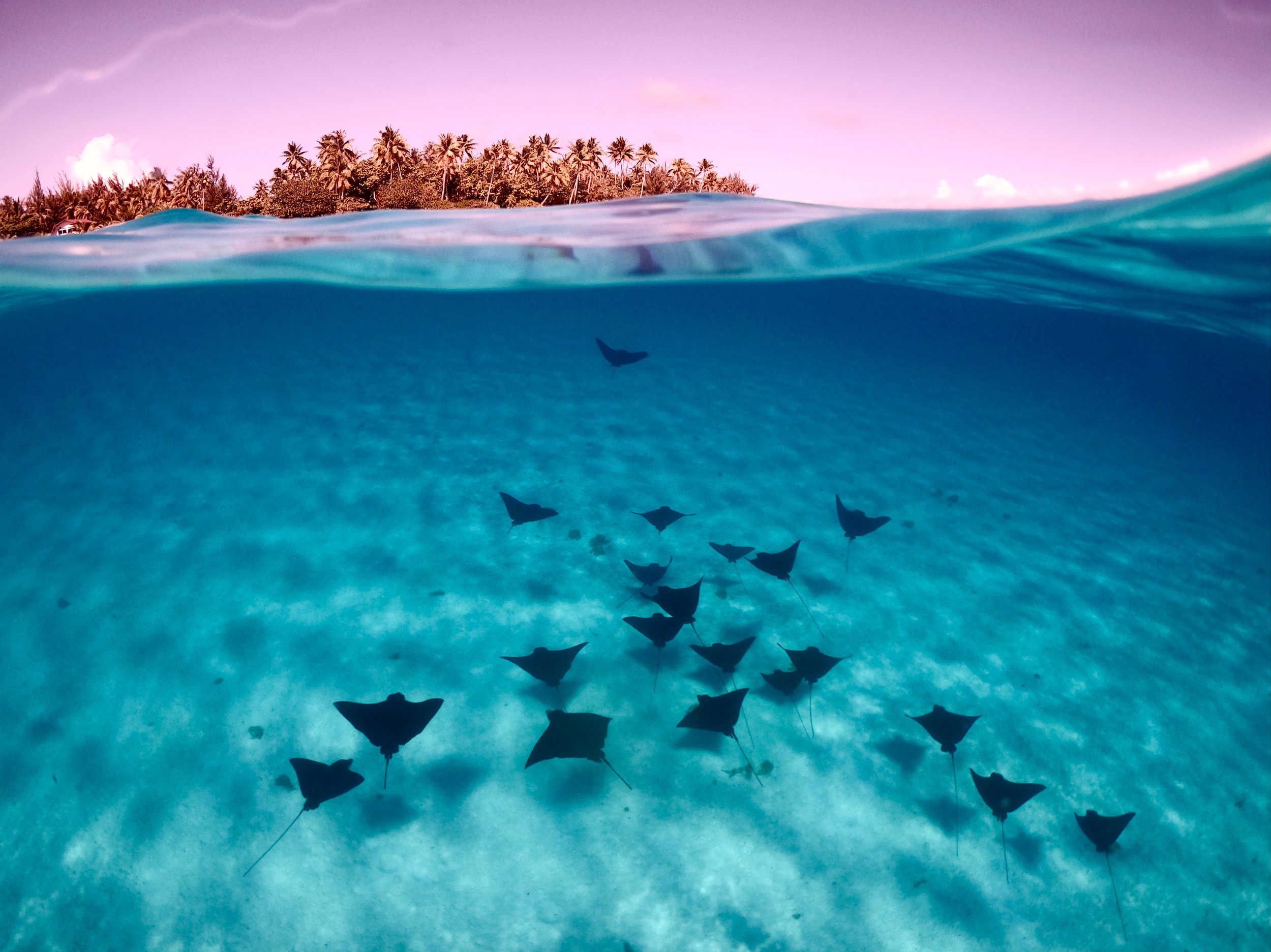
The President of the Bora Bora Rāhui (officially called Tomite Pōporāhui) is Raimanutea Tinorua. Tinorua also serves as the First Deputy to the Mayor of Bora Bora, in charge of the environment and tourism. The Rāhui (a traditional Polynesian marine reserve) was formalized by the Council of Ministers. Key facts about the committee: The Committee: The managing body is called the Tomite Pōporāhui (Management Committee). Creation: The official 574-hectare Rāhui in the lagoon was established in late 2025. Leadership: Raimanutea Tinorua often presides over the meetings on behalf of Mayor Gaston Tong Sang.
Goal: The committee protects local fish stocks and marine biodiversity by managing human activities in the restricted zones.
From Traditional Rāhui to Regulatory Protection
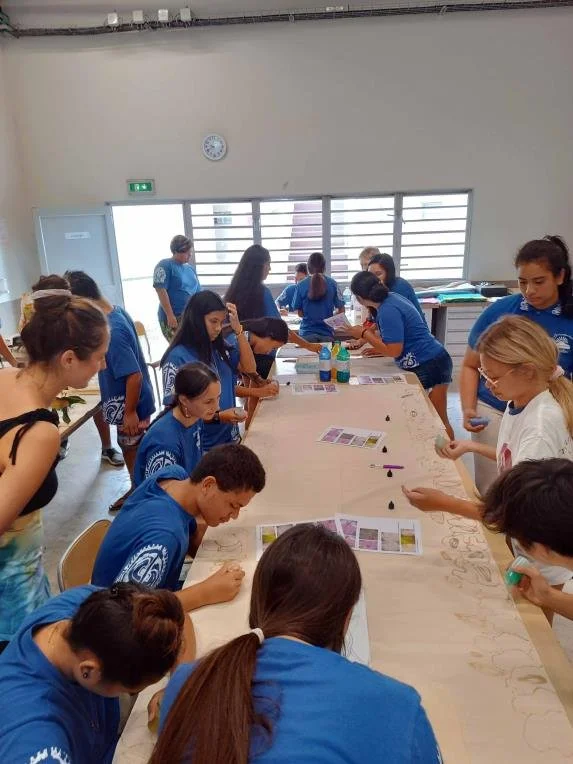
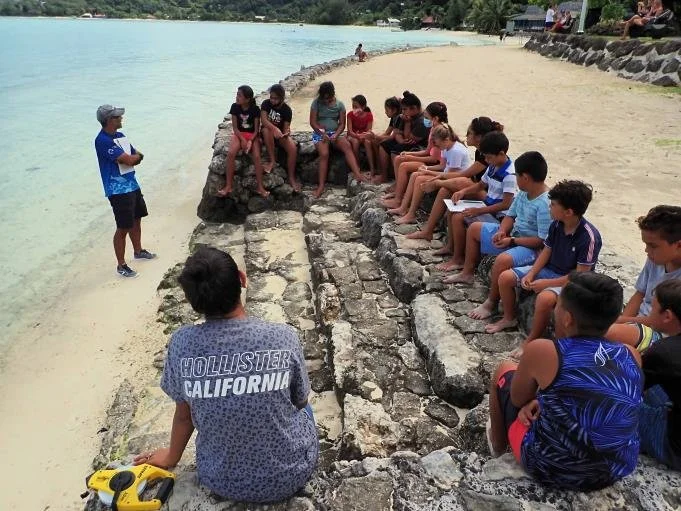
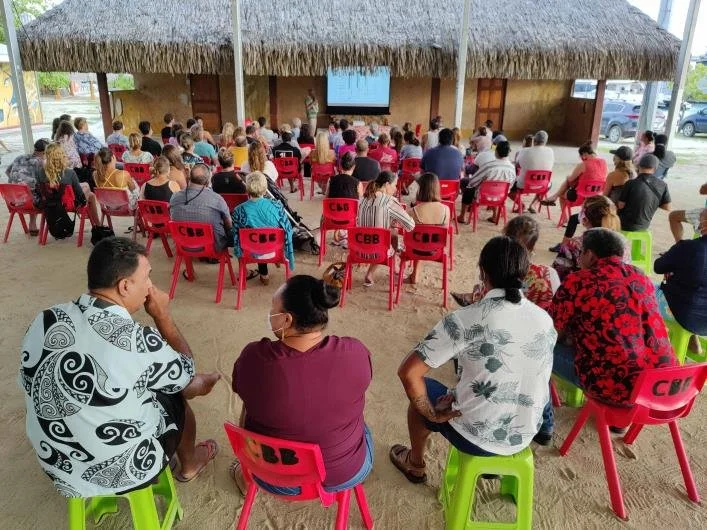
Between 2021 and 2022, extensive local consultations brought together residents, professionals, and institutions around a protection approach inspired by the traditional November 2025, which is now enacted. The final choice was a modern legal tool that provides a clear and enforceable framework to ensure long-term protection, including a total ban on uses.
Management of the reserve has been entrusted to a dedicated committee, Tomite Poporāhui, which brings together all stakeholders. Exceptional exemptions may be granted on a case-by-case basis, provided they strictly align with conservation objectives. In this context, only the canoes participating in the Hawaiki Nui Va’a race will be allowed to cross the area during the event, and only without motorized support boats.
The coming months will focus on precisely marking out the reserve and developing a multi-year management plan to monitor ecosystem changes and assess the benefits of this “hands-off” approach.
In Bora Bora, the lagoon is a reminder that it is not just a postcard backdrop but a living heritage. By giving it room to recover today, the island is betting on its preservation for generations to come.